The Badger Dog’s Day Job




Quiz Complete!
Badger Hunter Basics: How the Dachshund’s Original Job Shaped the Dog You Know
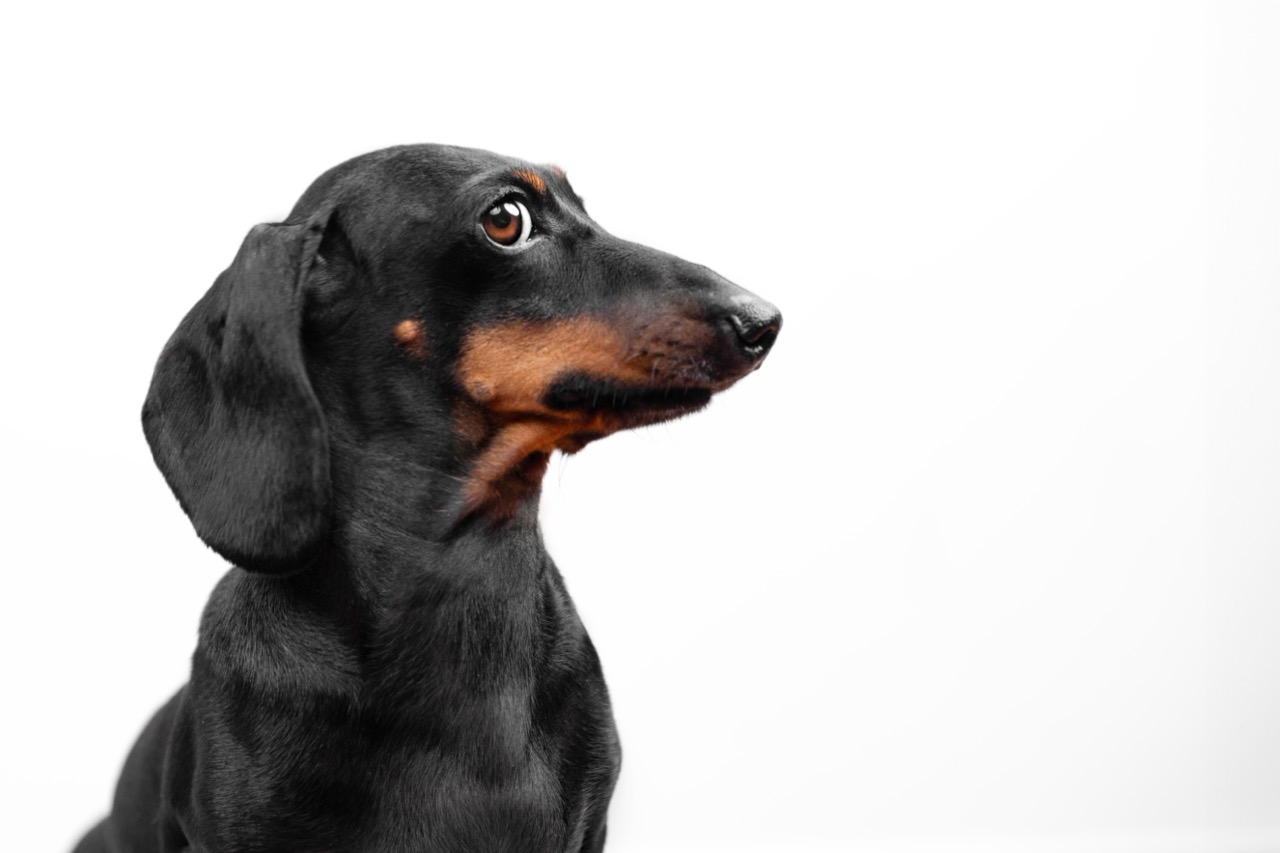
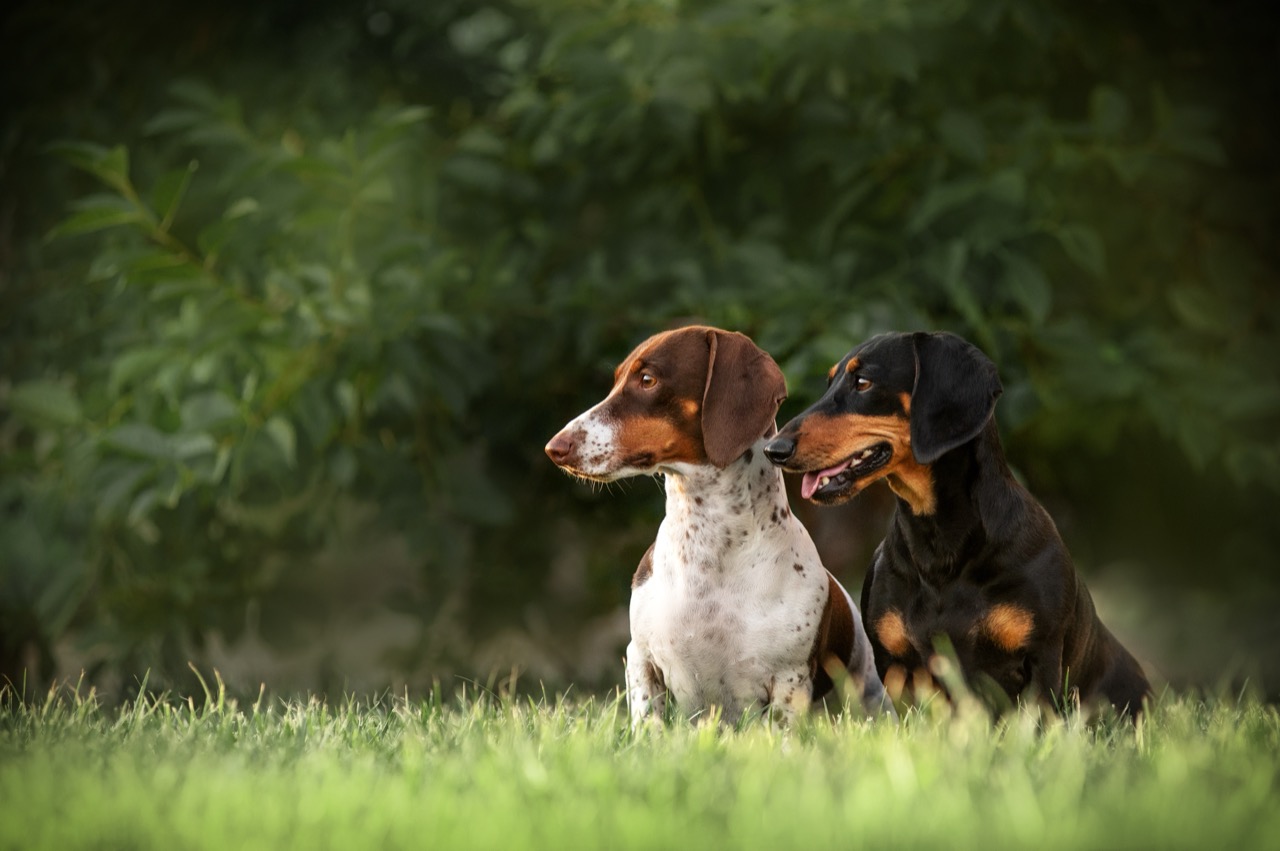
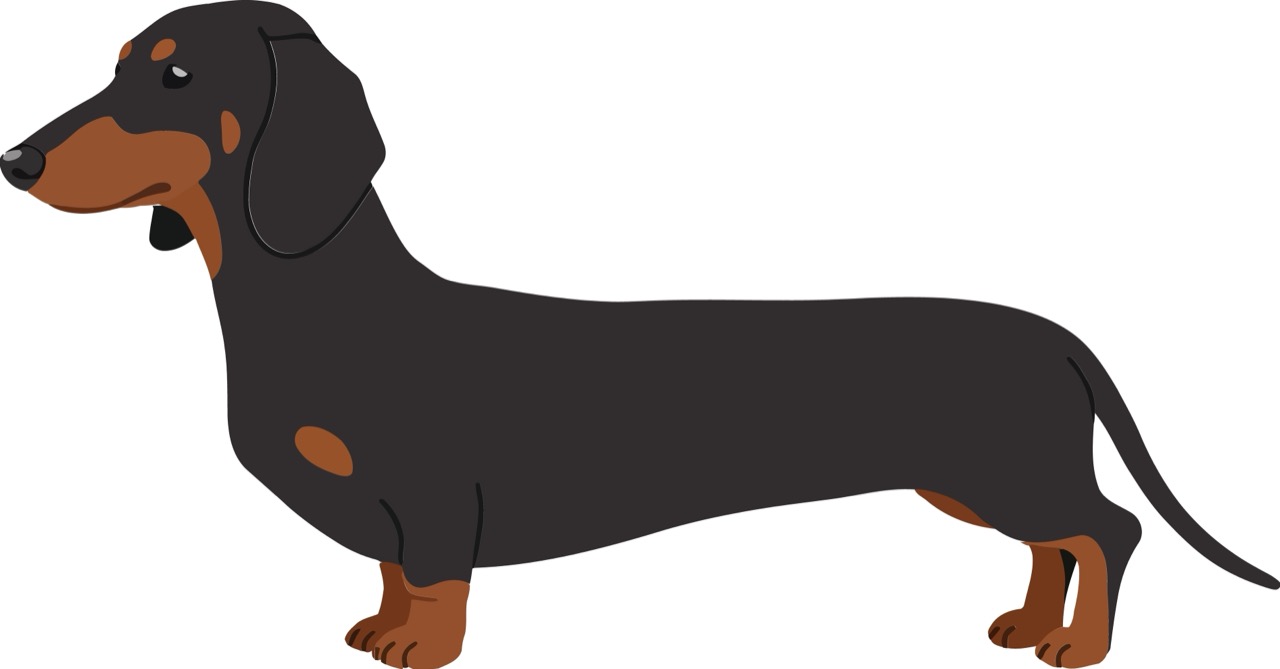
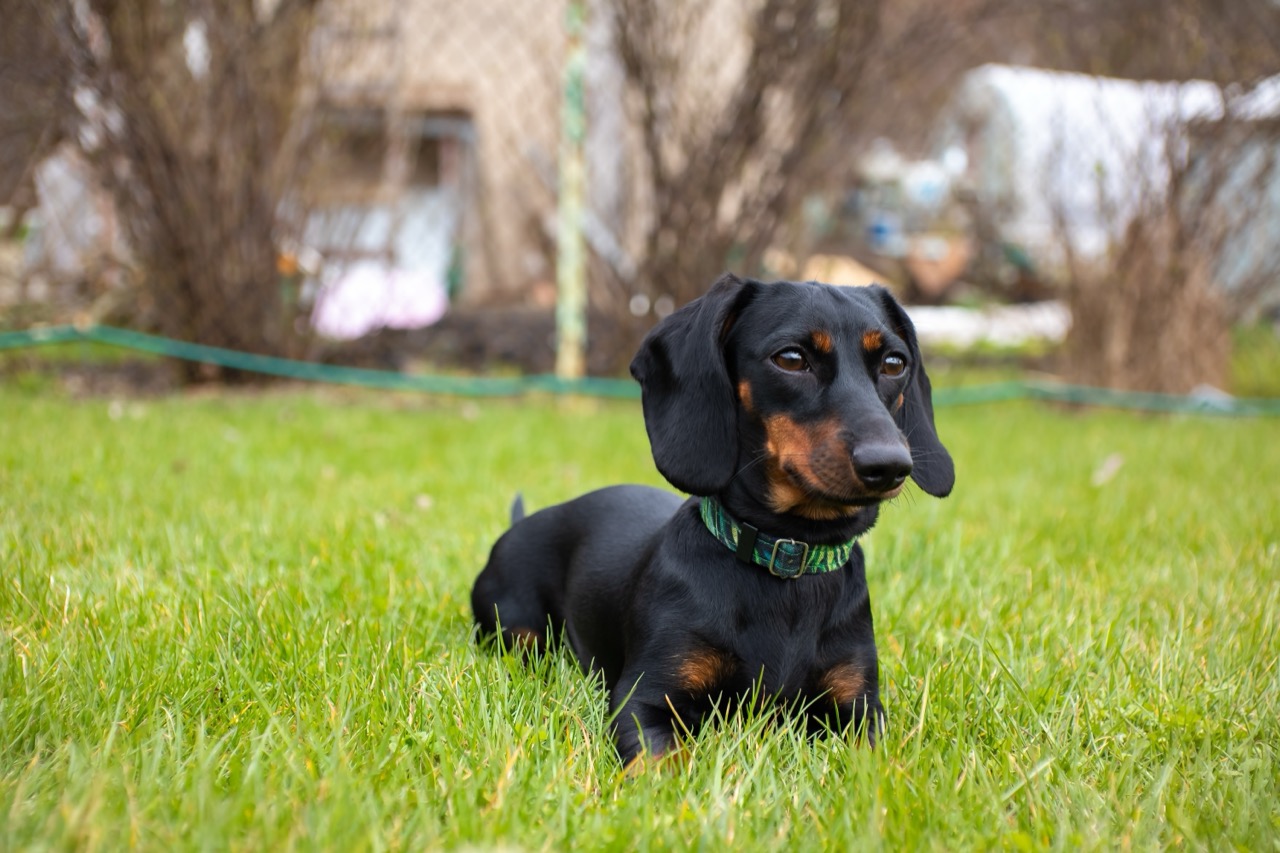
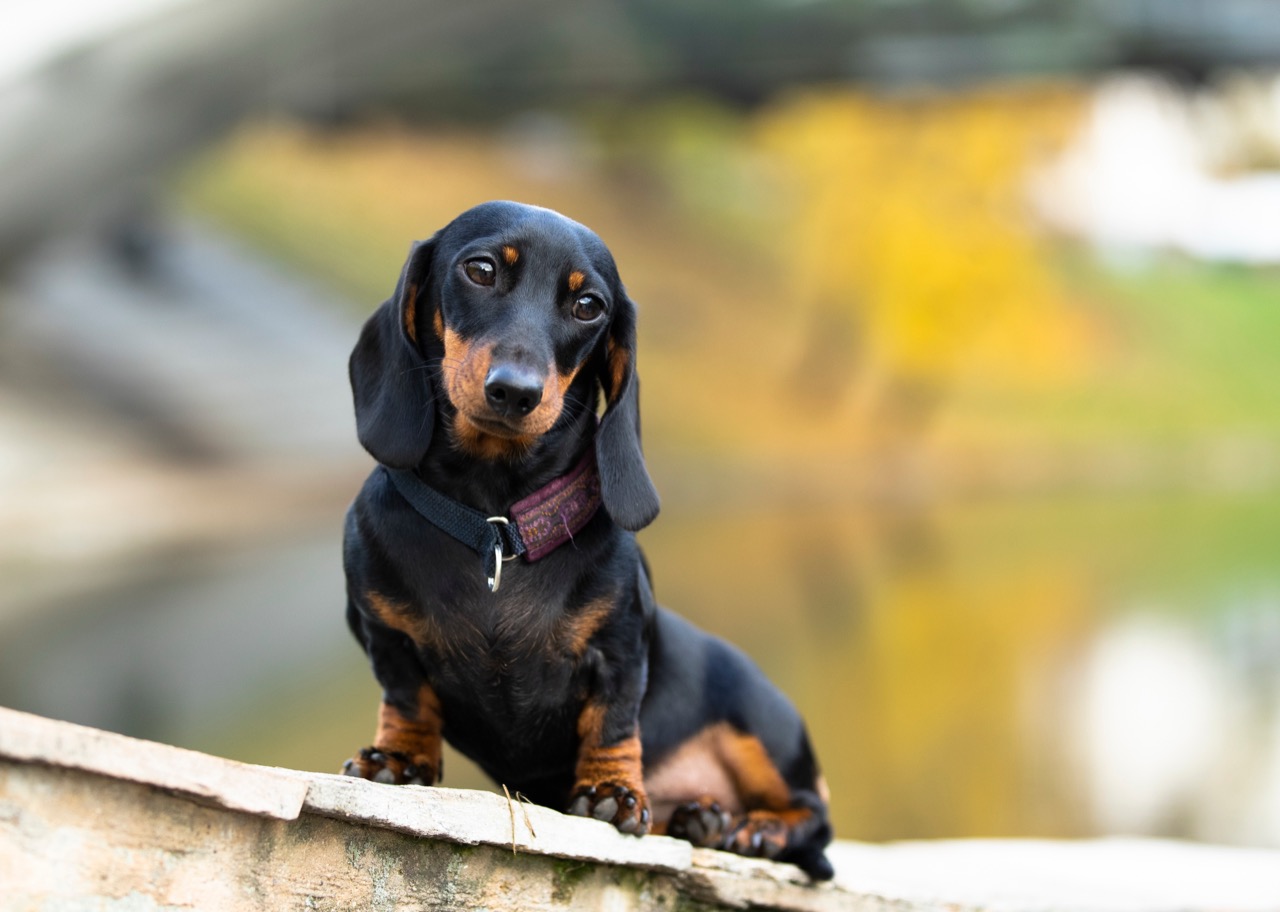
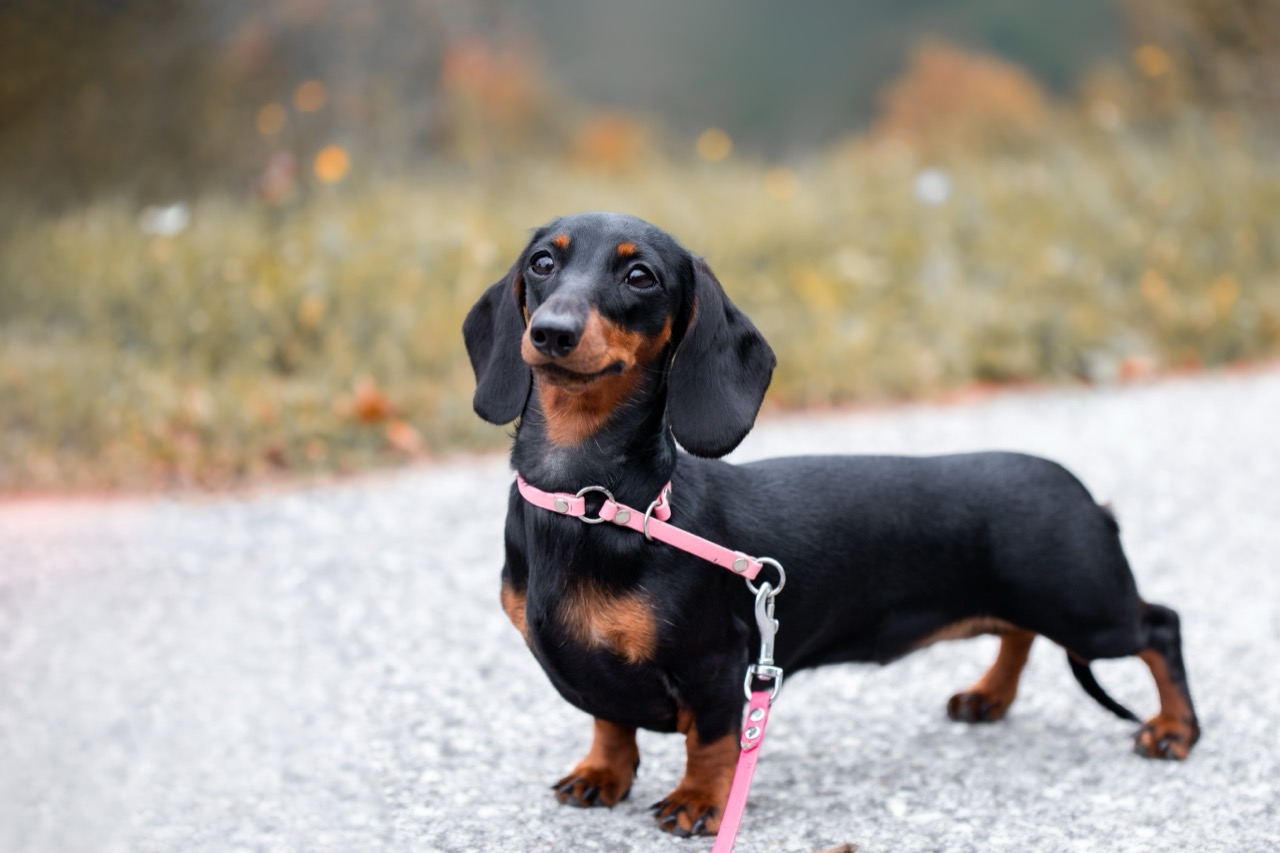
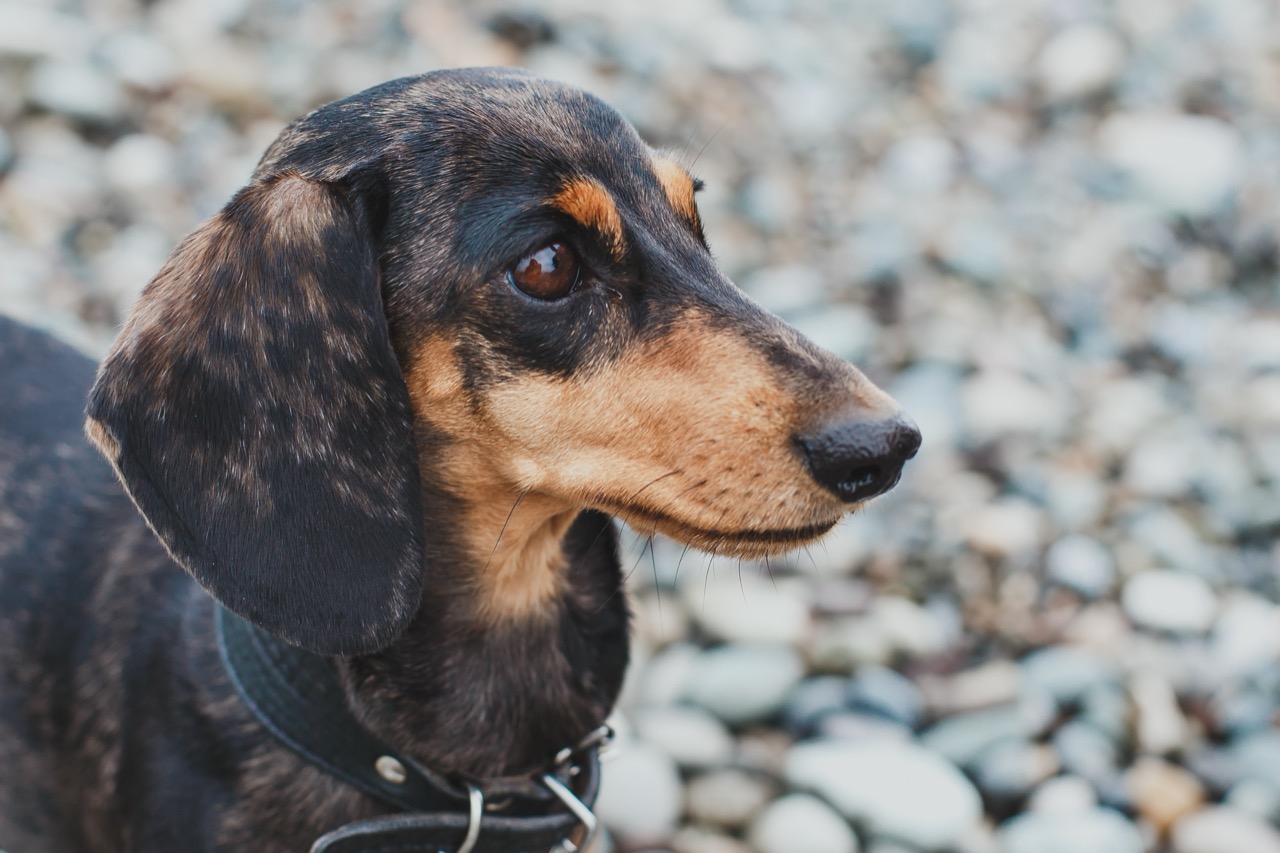
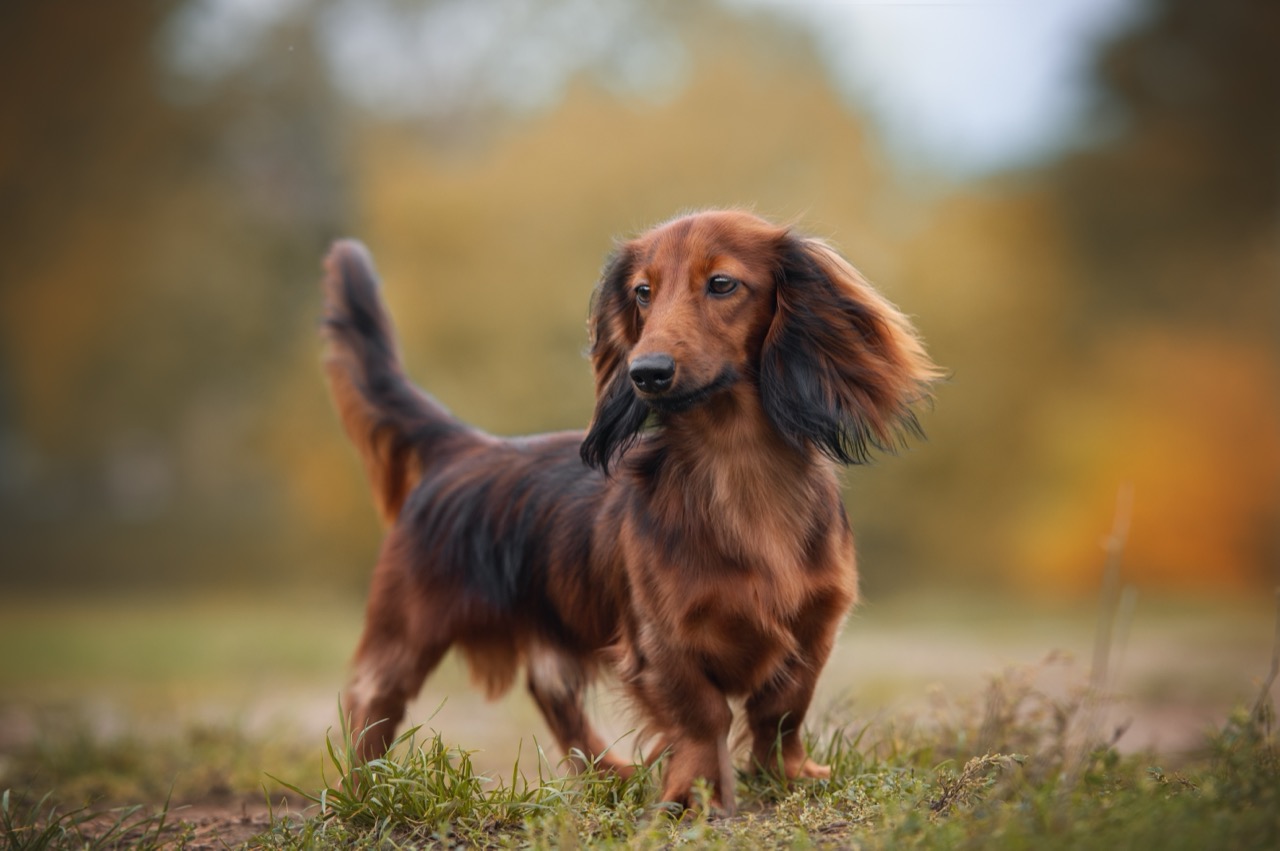
The Dachshund may look like a comic little dog built for couches and blankets, but its body was designed with a serious purpose in mind. The breed developed in Germany as a hunting dog meant to pursue burrowing animals, especially badgers. That single job explains much of what people notice today: the low, long outline, the bold attitude, the big voice, and the stubborn determination to follow a scent even when common sense says otherwise.
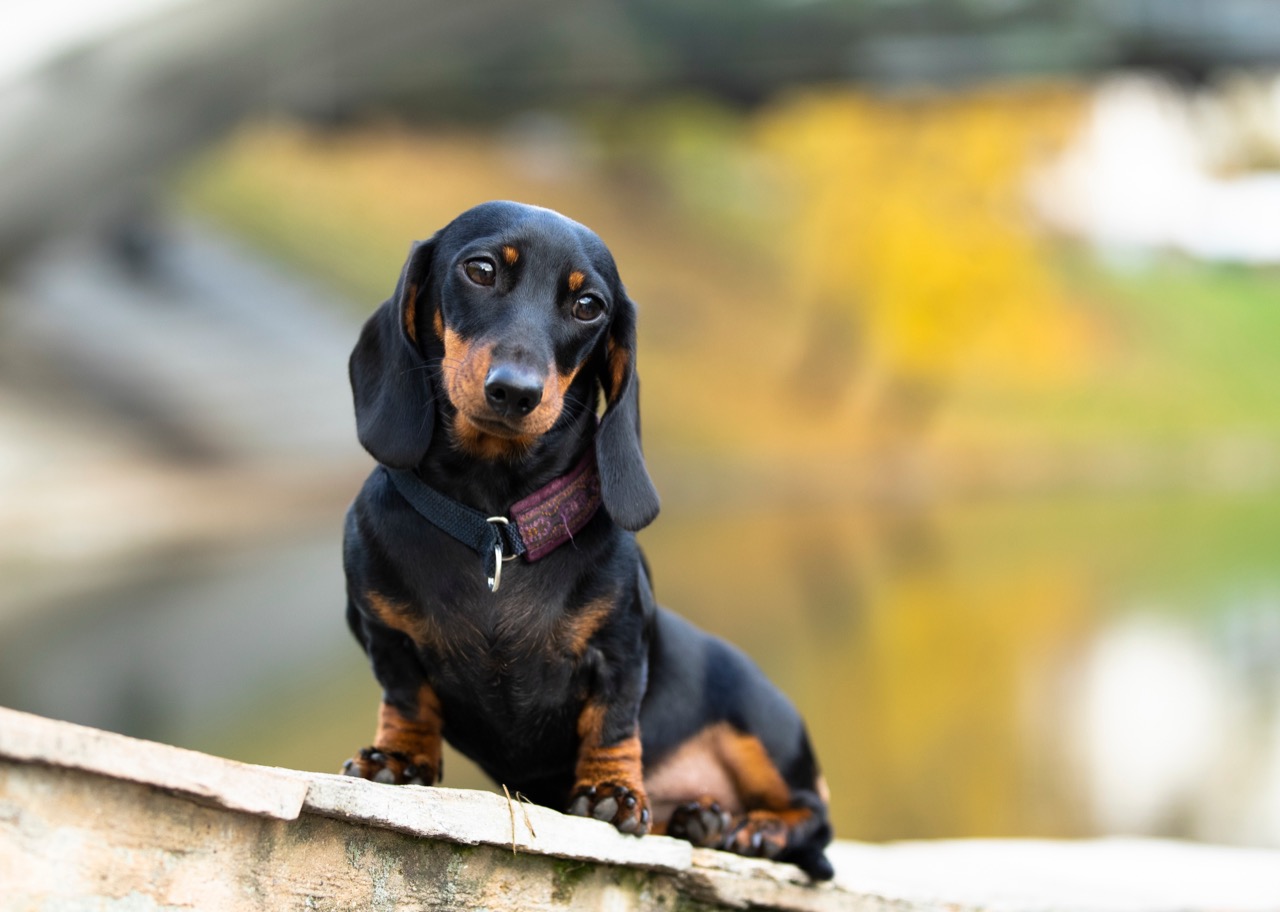
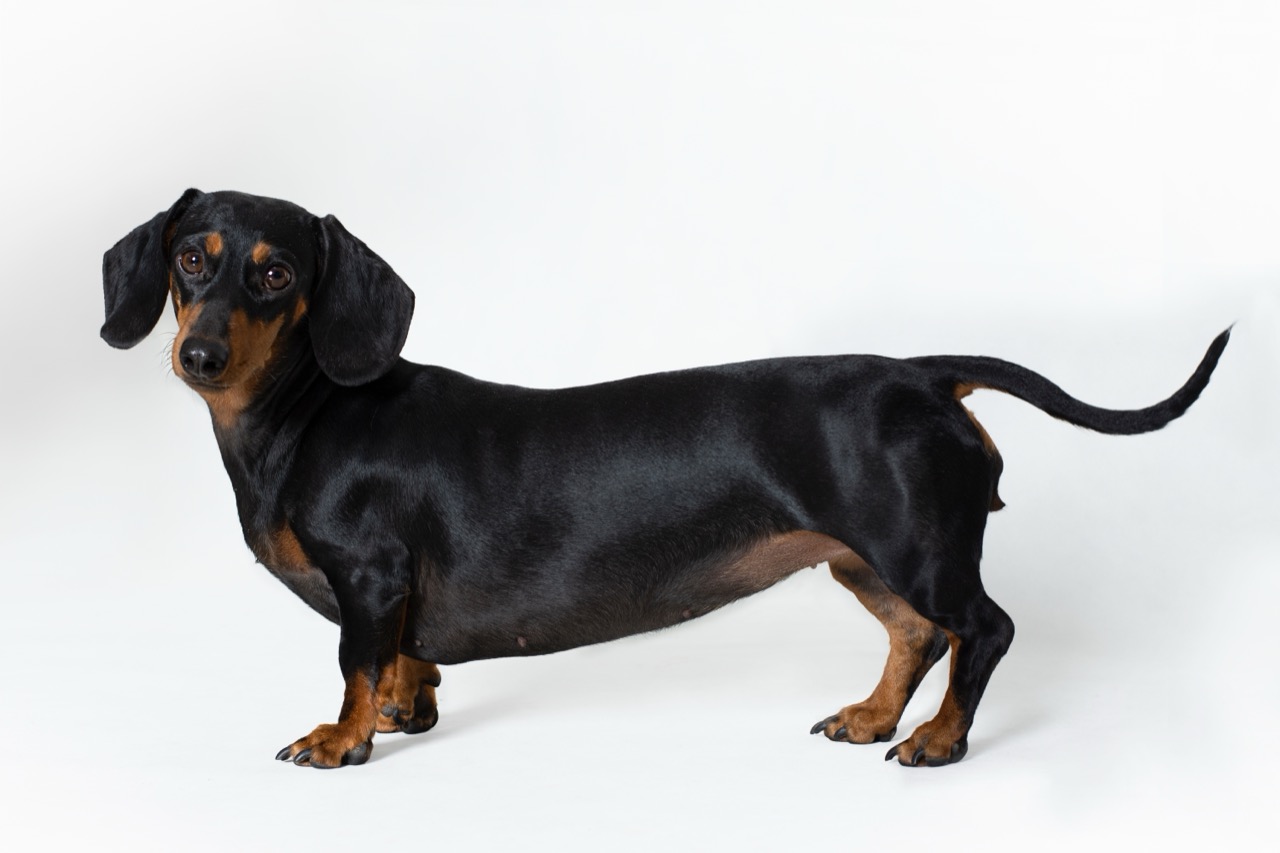
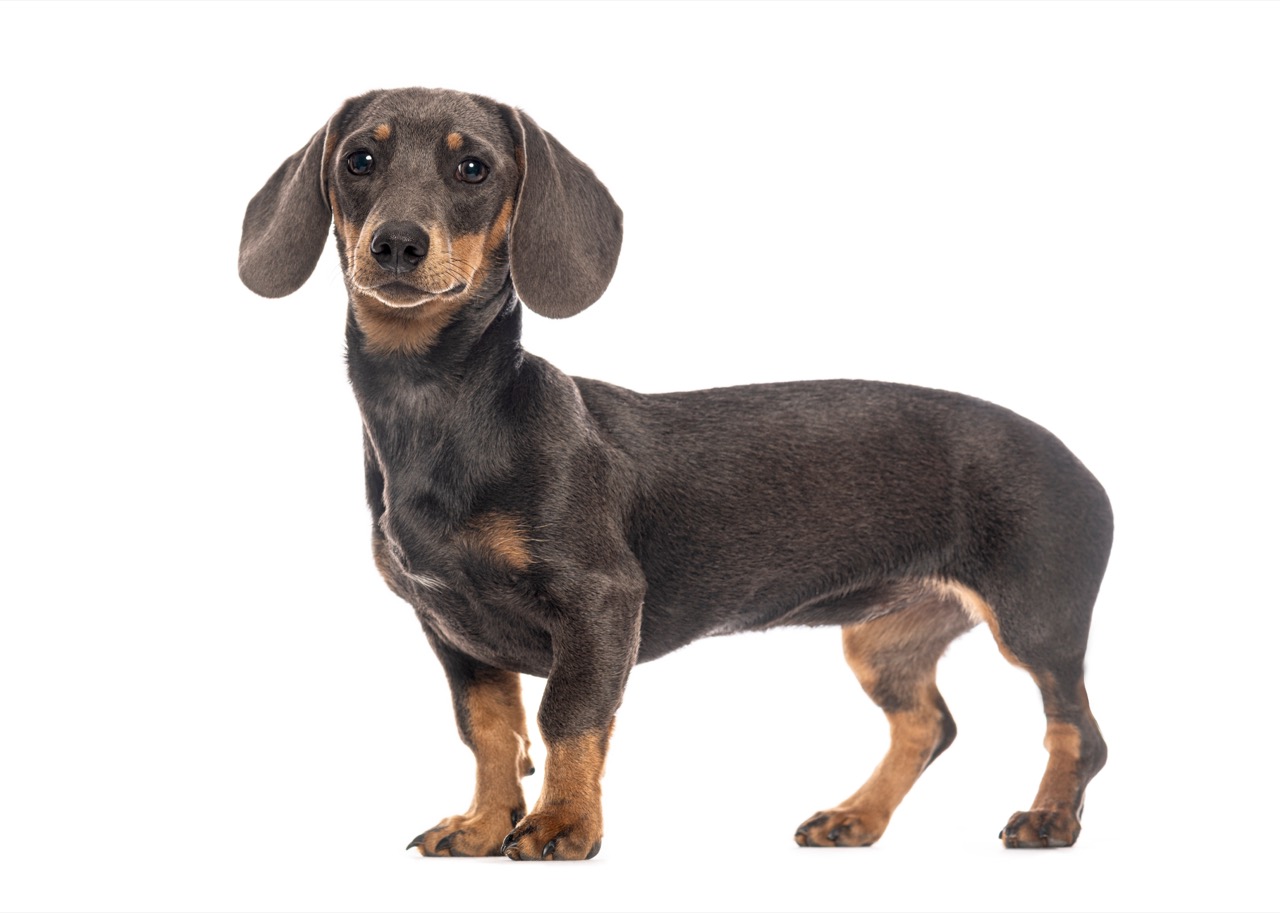
A dog that has to work underground needs to fit where the quarry goes. The Dachshund’s short legs and elongated body allow it to enter tight tunnels while keeping enough reach to maneuver and dig. Its front end is especially important. Strong shoulders and a deep, roomy chest support powerful forelimb movement and the stamina to work for long stretches. That chest is not just for looks; it houses the heart and lungs that fuel a working dog. Those paddle-shaped front feet, with tough pads and strong nails, are practical tools for scraping soil and gaining traction in loose ground.
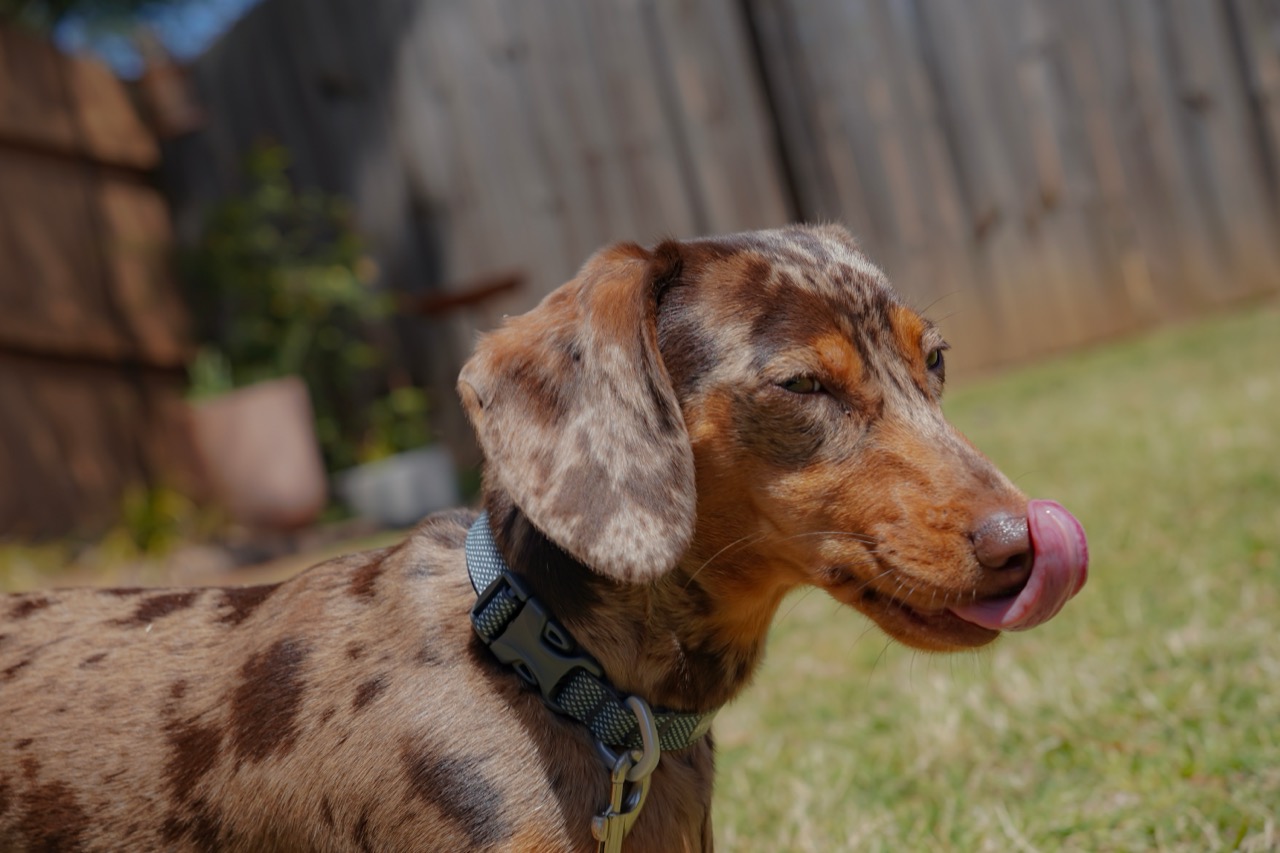
The breed’s senses were also shaped by the demands of hunting. Dachshunds have an excellent sense of smell, and scent work remains one of their most natural talents. In the field, a dog needed to locate game, track it, and stay focused even when the trail disappeared into a hole. That same nose can make a modern Dachshund intensely interested in garden beds, baseboards, or any place a smell seems to lead. If you have ever watched one investigate a single spot with total concentration, you are seeing working-dog persistence, not random mischief.
Temperament was arguably the most critical feature. A badger is not an easy opponent, and a dog sent into a burrow had to be brave, independent, and willing to make decisions without constant direction. That courage and self-reliance are still present. Many Dachshunds are affectionate and people-focused, yet they often have strong opinions about what should happen next. Training tends to go best when it feels like a partnership and when rewards are meaningful. The breed is smart, but it was built to solve problems, not to obey blindly.
That history also helps explain the famous Dachshund voice. Underground, barking and other vocal signals helped hunters locate the dog and understand what was happening out of sight. In a home, the same instinct can show up as alert barking at noises, visitors, or anything that seems suspicious. This does not mean the dog is being difficult; it is communicating the way it was designed to communicate.
Modern life changes the setting, but it does not erase instincts. A Dachshund that digs, tracks, squeezes into tight spaces, or insists on investigating every smell is expressing a legacy of purpose-built anatomy and behavior. Understanding that legacy makes the breed easier to live with and more fun to appreciate. When you see that low, long body and that determined expression, you are looking at a compact working dog shaped by the logic of underground hunting, still ready to follow its nose into adventure.