Keeping a Cockapoo Bouncy











Quiz Complete!
Cockapoo Health Basics: Practical Tips for a Happier, Healthier Dog
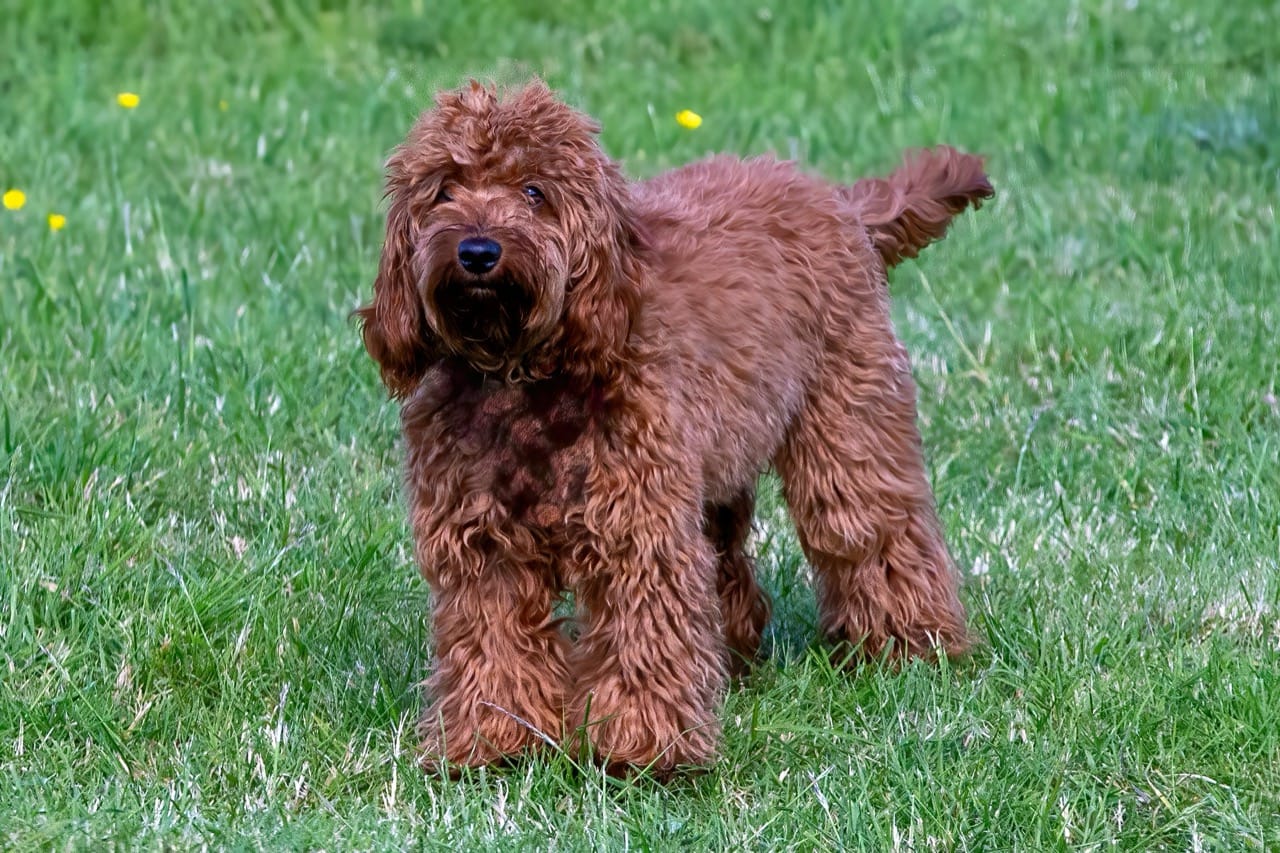
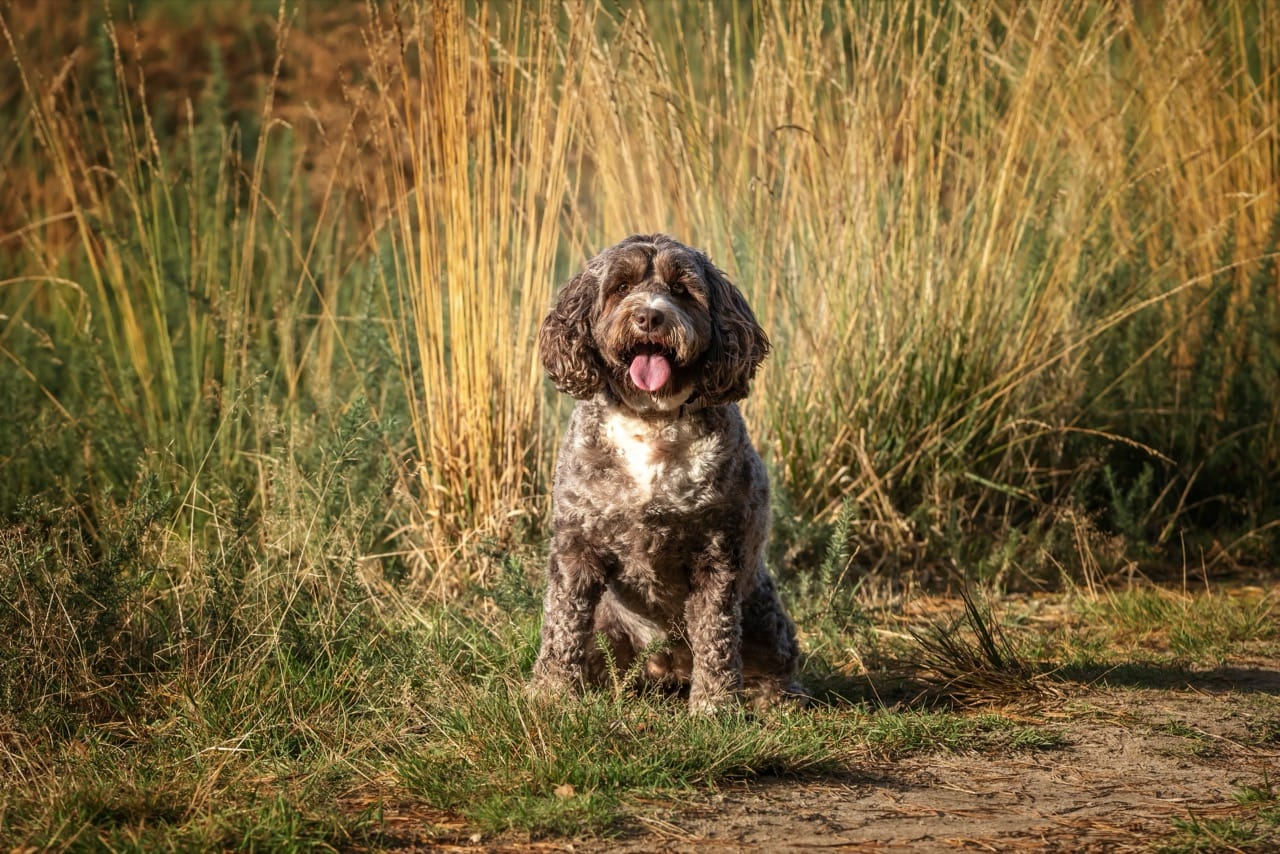
Cockapoos win people over with their cheerful, people-focused personalities, but the best way to keep that tail wagging is to pay attention to everyday health basics. Because Cockapoos are a mix of Poodle and Cocker Spaniel, many of their common health concerns overlap with those parent breeds. That does not mean every dog will have problems, but it does mean owners should know what to watch for and which routine habits can lower risk.
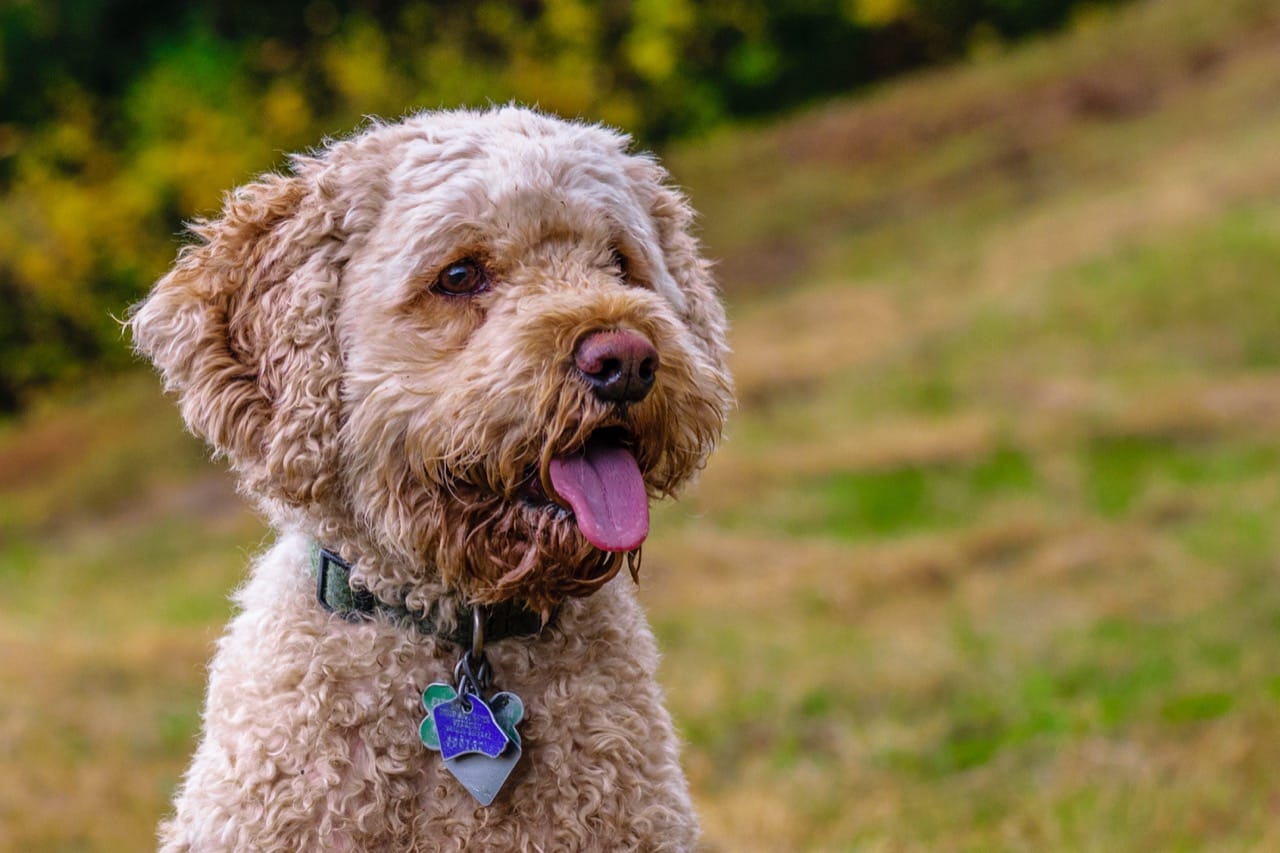
Ears are a big one. Many Cockapoos have floppy ears and plenty of hair around the ear canal, which can trap moisture and reduce airflow. That makes ear infections more likely, especially after swimming or baths. A healthy ear is usually pale pink with little odor. If you notice head shaking, scratching, redness, a strong smell, discharge, or your dog suddenly hates having their ears touched, it is time for a veterinary call. Regular gentle ear checks at home help you notice changes early, and your vet can recommend safe cleaners if your dog is prone to buildup. Never use cotton swabs deep in the ear canal, since they can push debris further in or cause injury.
Eyes are another area to keep on your radar. Both Poodles and Cocker Spaniels can be prone to certain eye conditions, and Cockapoos may inherit similar tendencies. Cloudiness, squinting, excessive tearing, eye rubbing, or a red, painful-looking eye should be treated as urgent. Eye problems can worsen quickly, and early treatment often makes a major difference. Tear staining can be common and is not always serious, but a sudden change in tearing or thick discharge is worth checking.
Skin and allergies are frequent topics for Cockapoo owners. Itchy paws, recurrent ear infections, frequent licking, rubbing the face on carpets, or patchy hair loss can all be clues. Some dogs react to environmental triggers like pollen or dust, while others may have food sensitivities. Because many issues look alike on the surface, guessing can waste time. A vet can help rule out parasites, infections, and other causes, then guide you through a sensible plan, which may include diet trials or allergy management.
Joint health matters too. Small and medium dogs can still develop orthopedic problems, including kneecap issues and hip concerns. Watch for limping, skipping steps, stiffness after rest, reluctance to jump, or slowing down on walks. Keeping your Cockapoo at a lean, healthy weight is one of the most powerful ways to protect joints. Regular, moderate exercise is also helpful, but sudden intense activity after a quiet week can invite injury.
Dental care is often underestimated, especially in dogs with smaller mouths where teeth can be crowded. Bad breath, red gums, drooling, pawing at the mouth, or dropping food can signal dental disease or pain. Daily tooth brushing with dog-safe toothpaste is ideal, and professional cleanings may be recommended based on your dog’s needs. Dental health is not just about the mouth; long-term gum disease can affect overall wellbeing.
Finally, know the symptoms you should never ignore. Difficulty breathing, repeated vomiting, a swollen belly, collapse, seizures, inability to urinate, pale gums, or sudden severe pain are all reasons to seek urgent veterinary care. For day-to-day confidence, keep up with vaccinations, parasite prevention, grooming that includes checking ears and skin, and regular vet visits. With a little attention to the basics, Cockapoo owners can spend less time worrying and more time enjoying the fun, affectionate companion they brought home.