Cockapoo Curls and Doppelgangers
Quiz Complete!
Cockapoo Coats, Colors, and the Dogs They Get Mistaken For
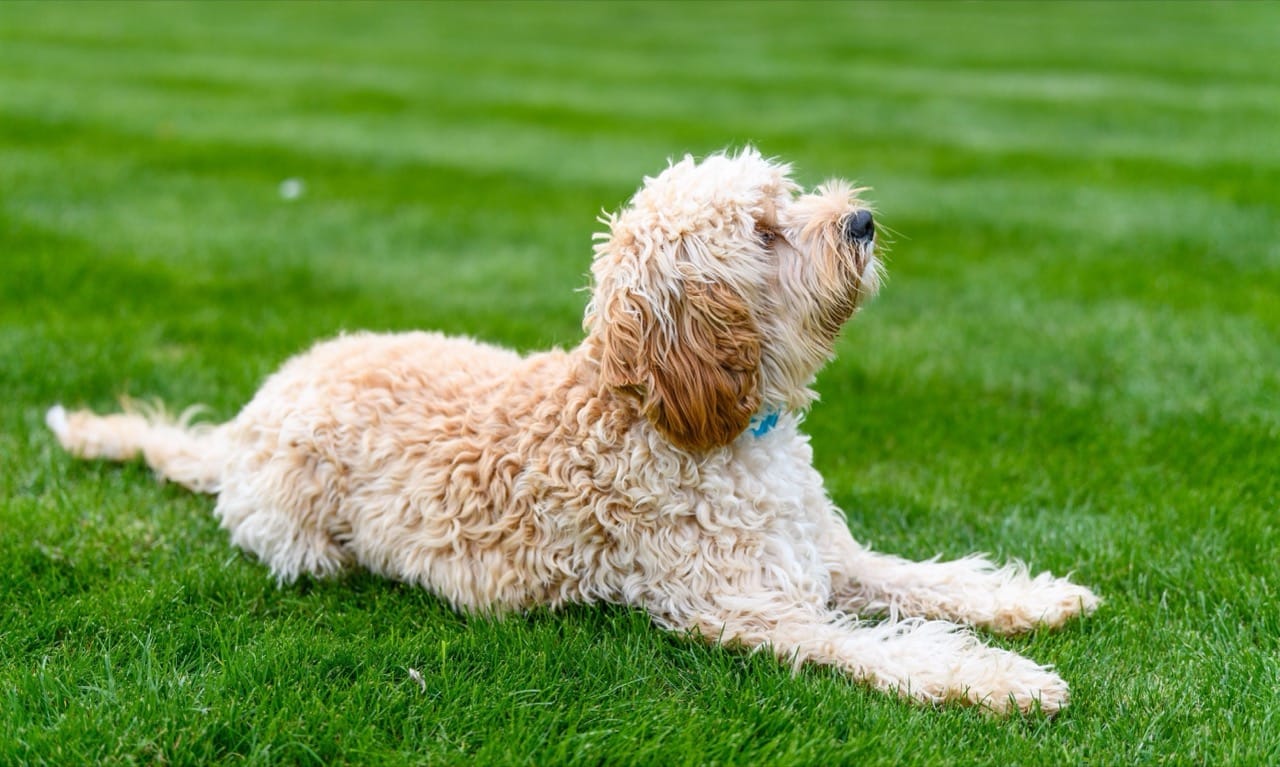
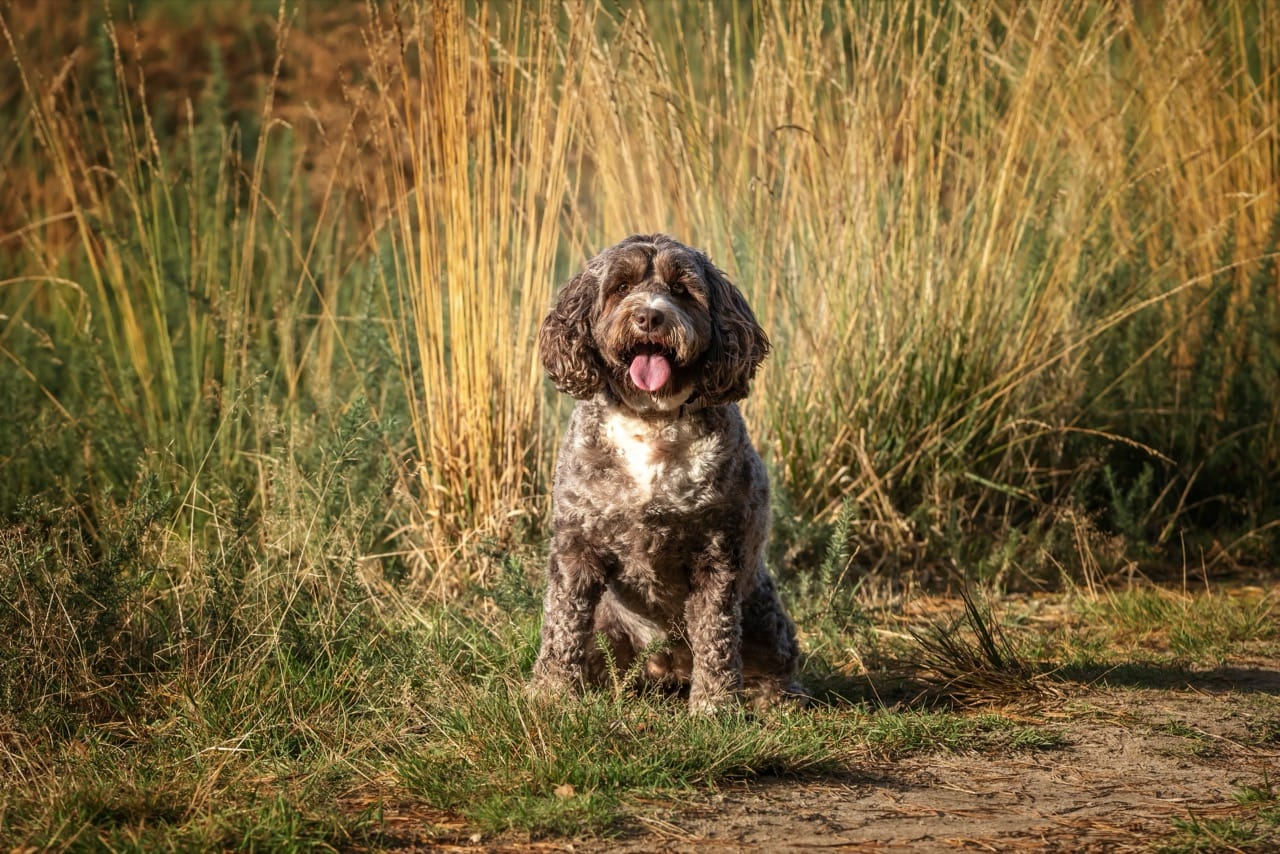
A Cockapoo is a blend of Cocker Spaniel and Poodle, and that simple recipe produces a surprisingly wide range of looks. Two dogs with the same name can appear almost unrelated at first glance, especially when coat texture, grooming style, and overall build pull them toward one parent breed or the other. Learning what you can actually see, like coat feel, ear shape, muzzle length, and body proportions, makes it much easier to describe a Cockapoo accurately and to tell it apart from other curly coated small dogs.
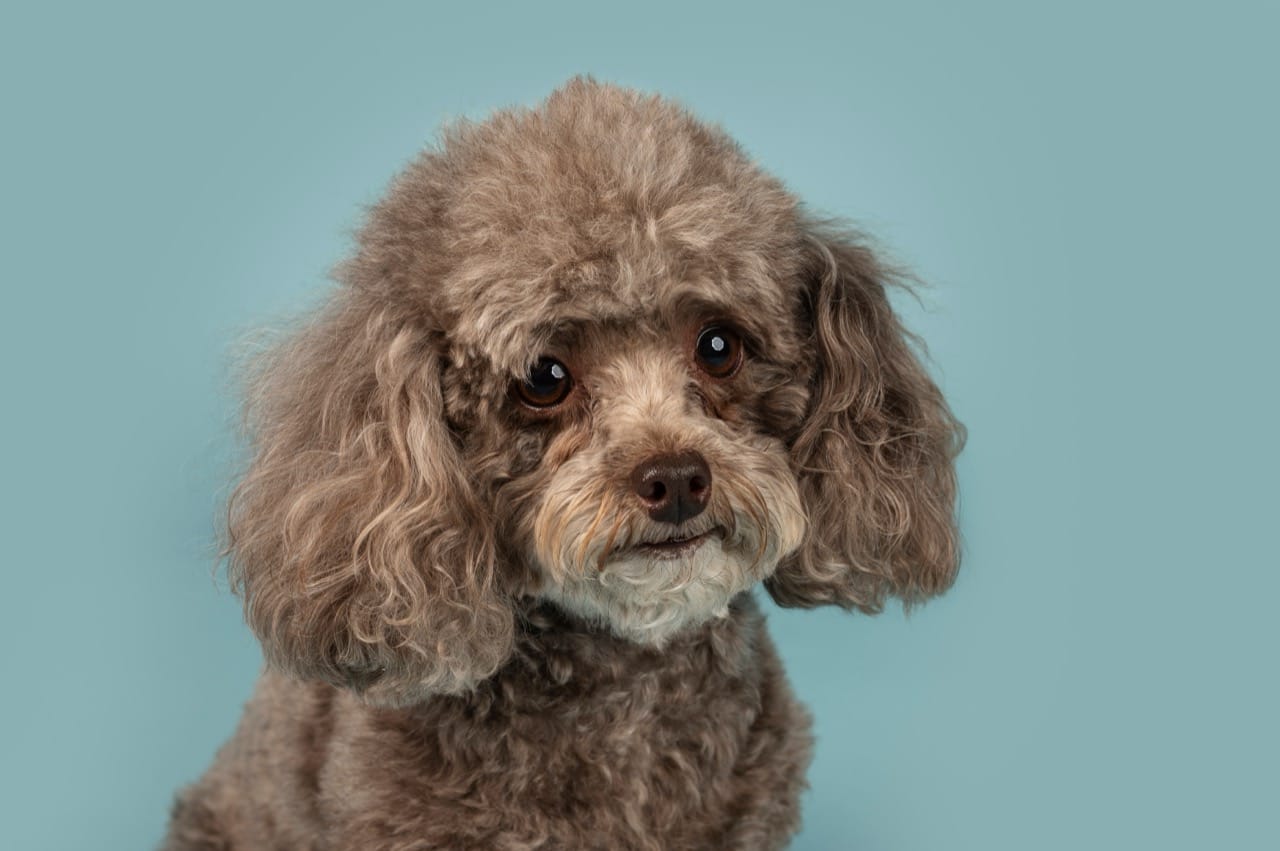
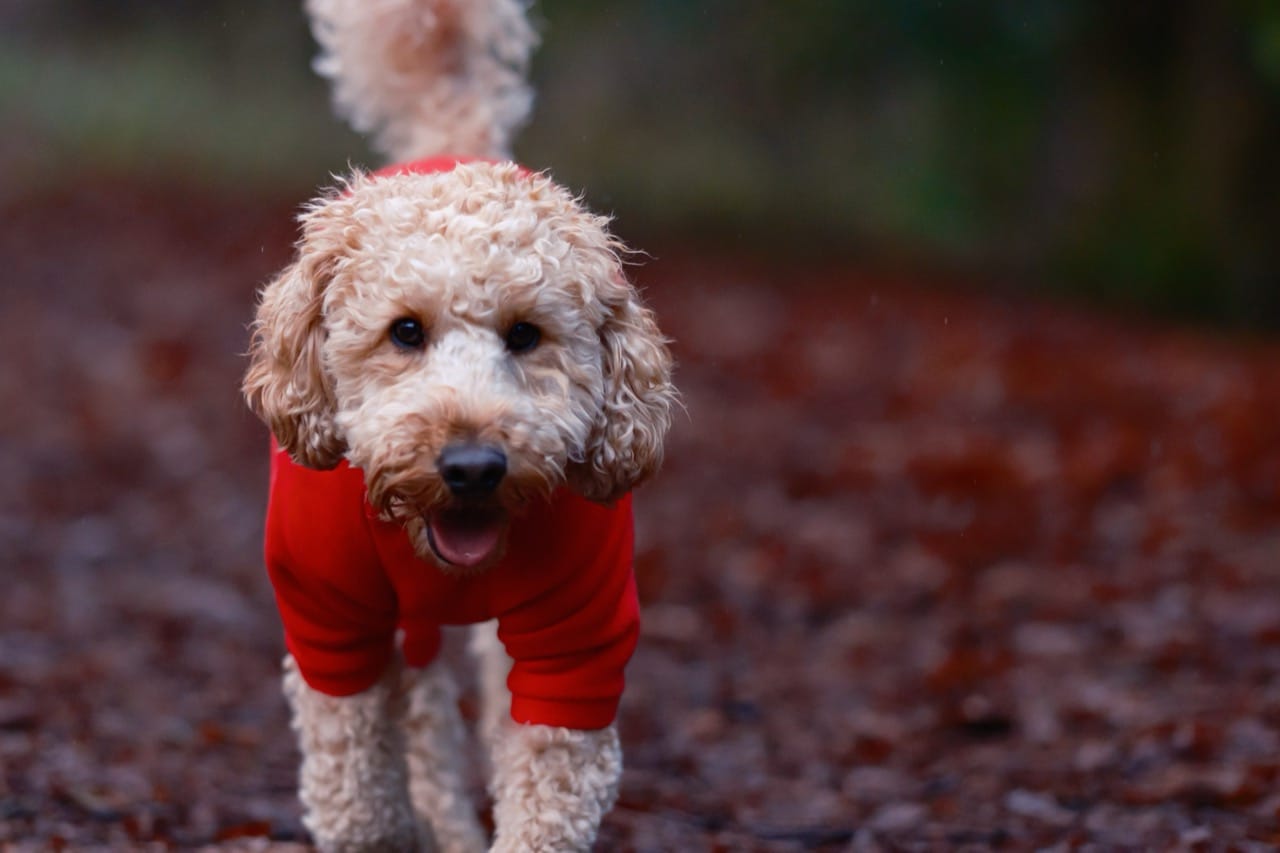
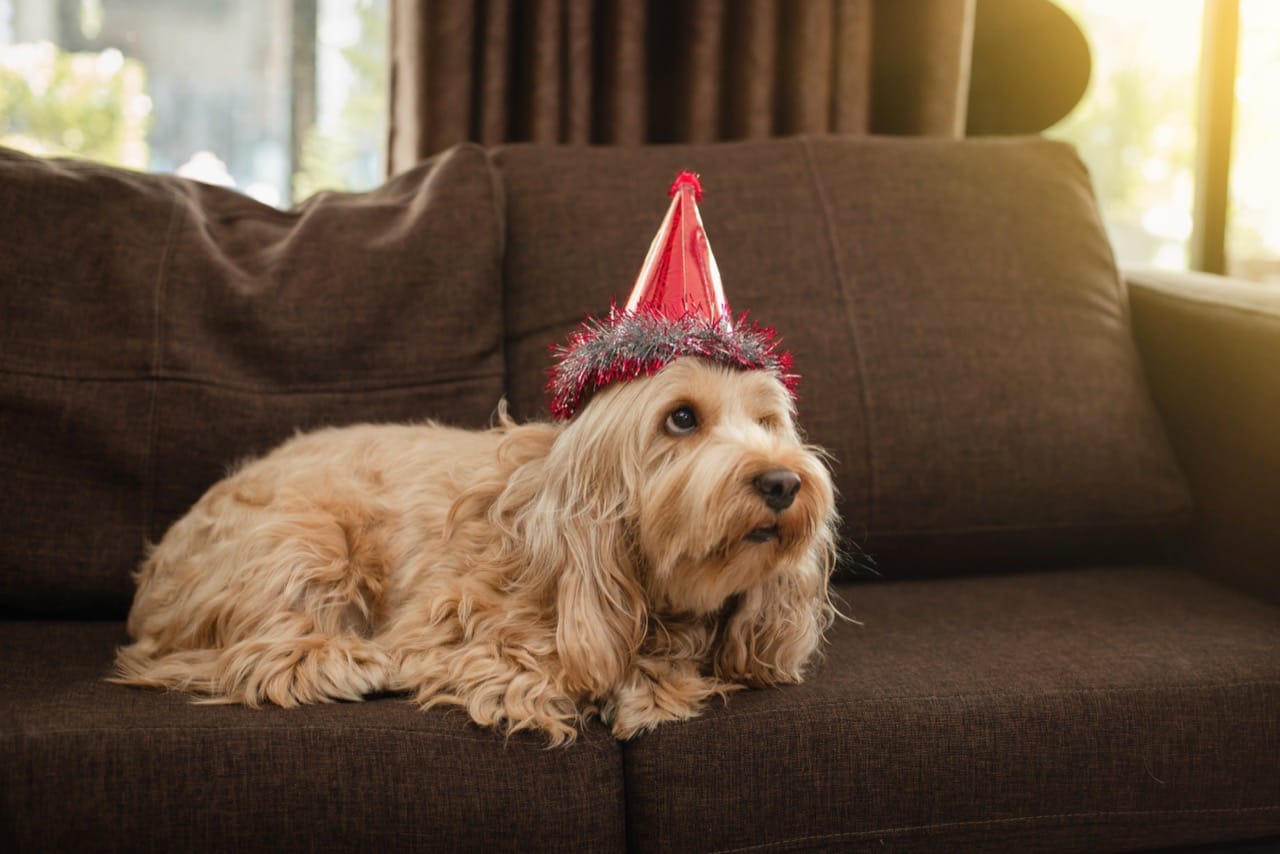
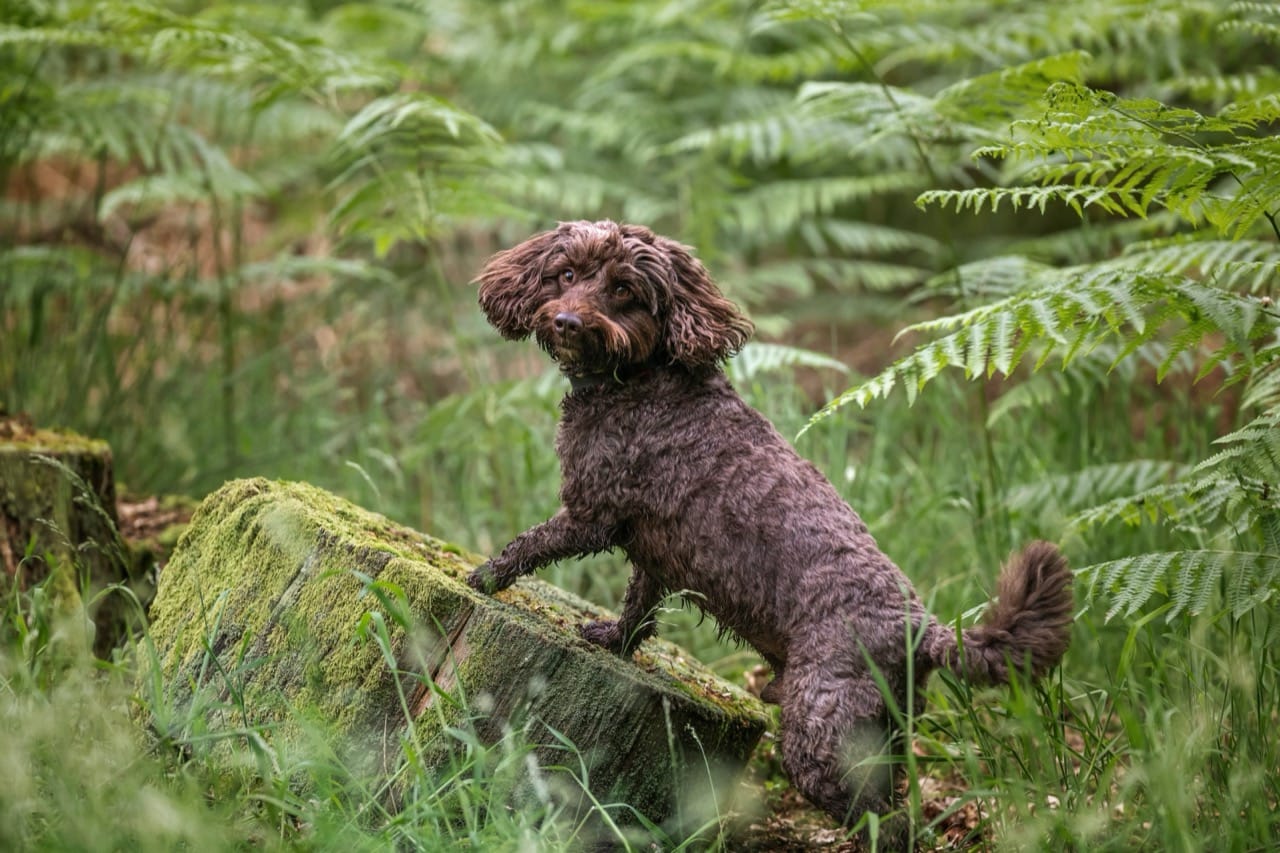
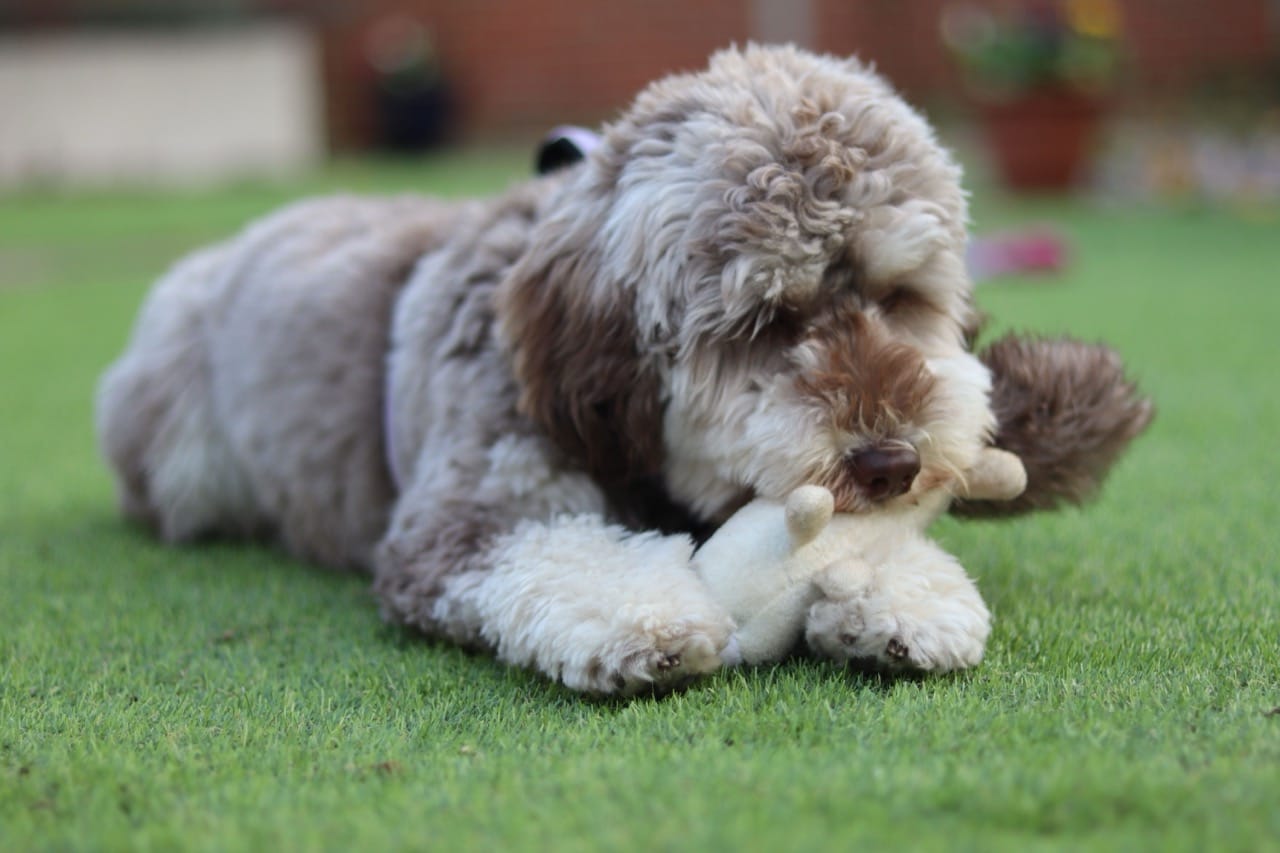
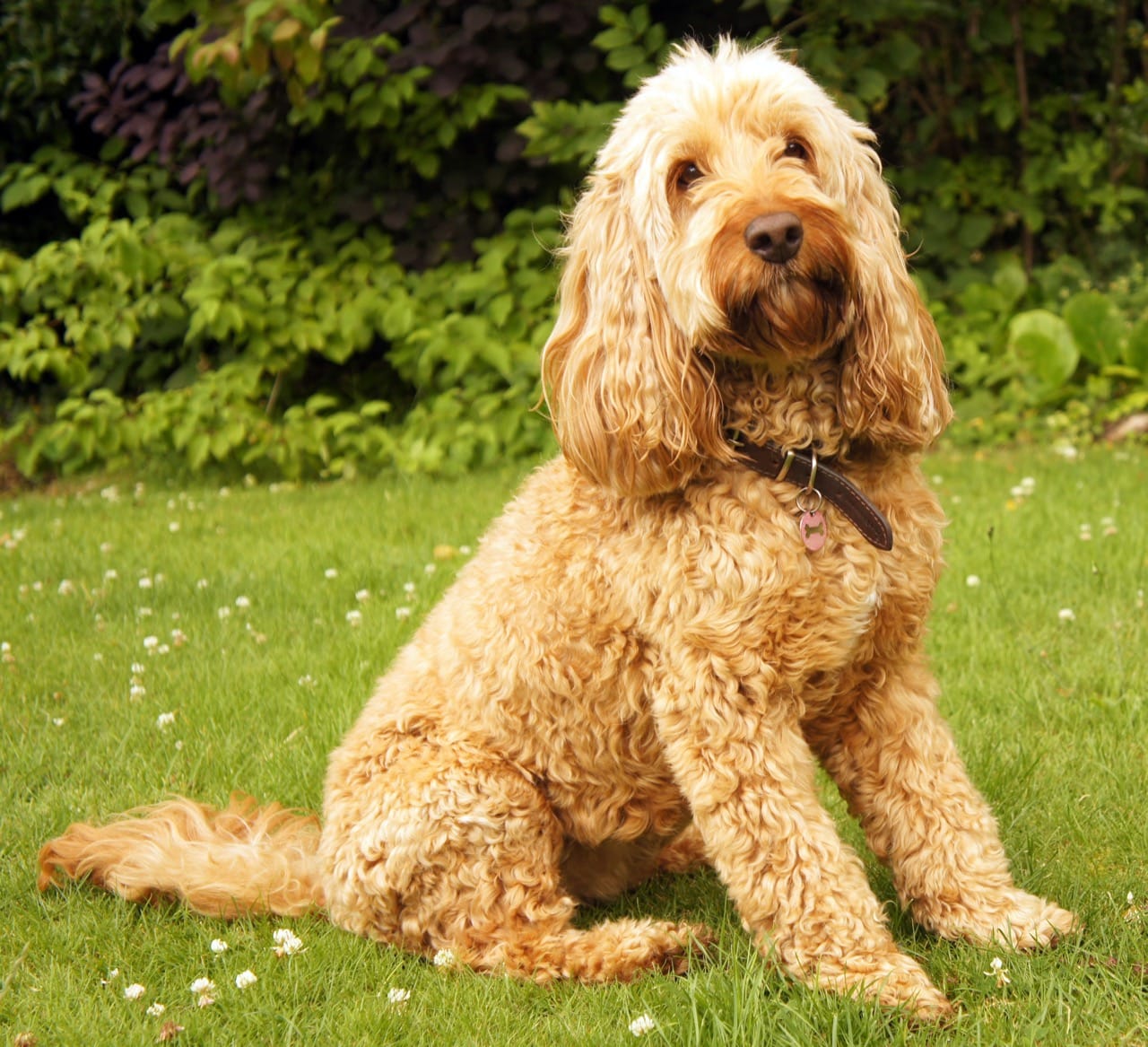
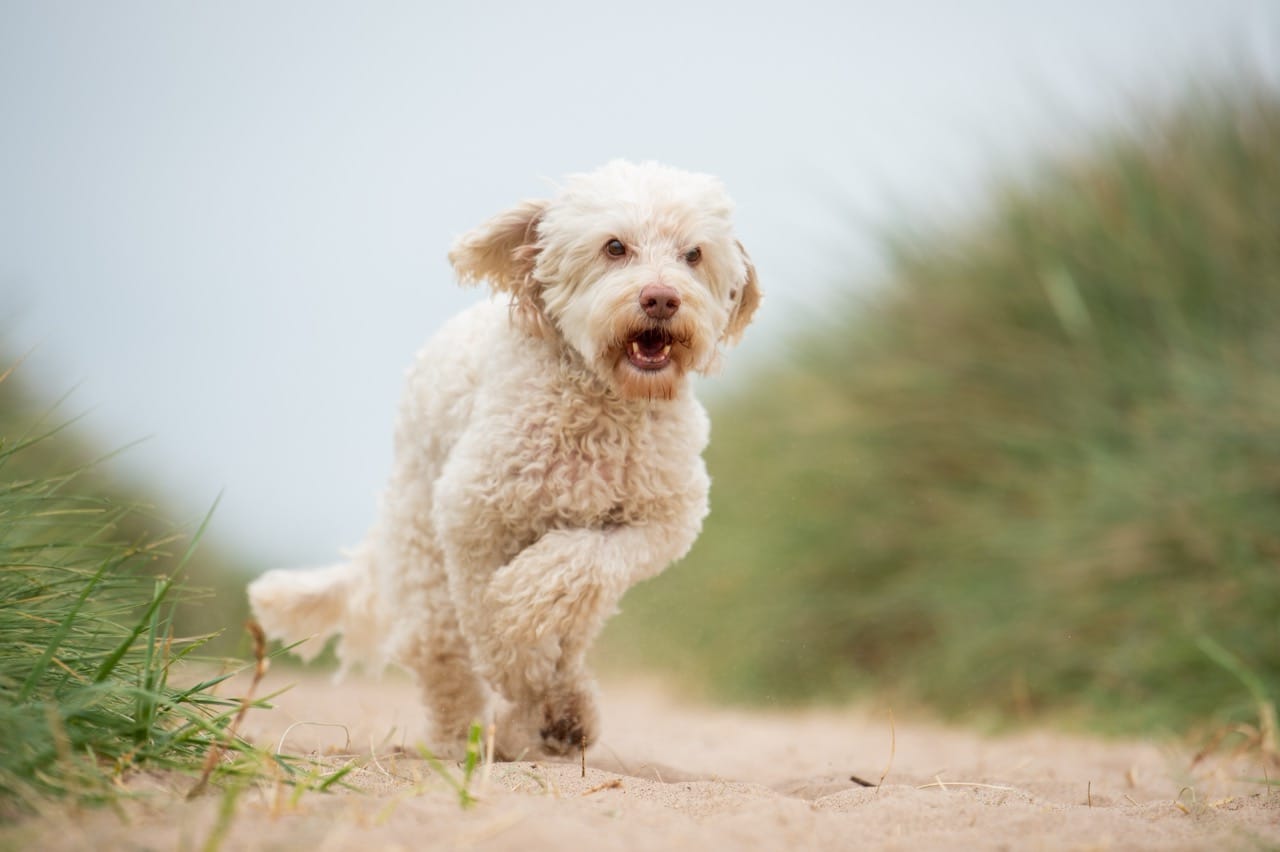
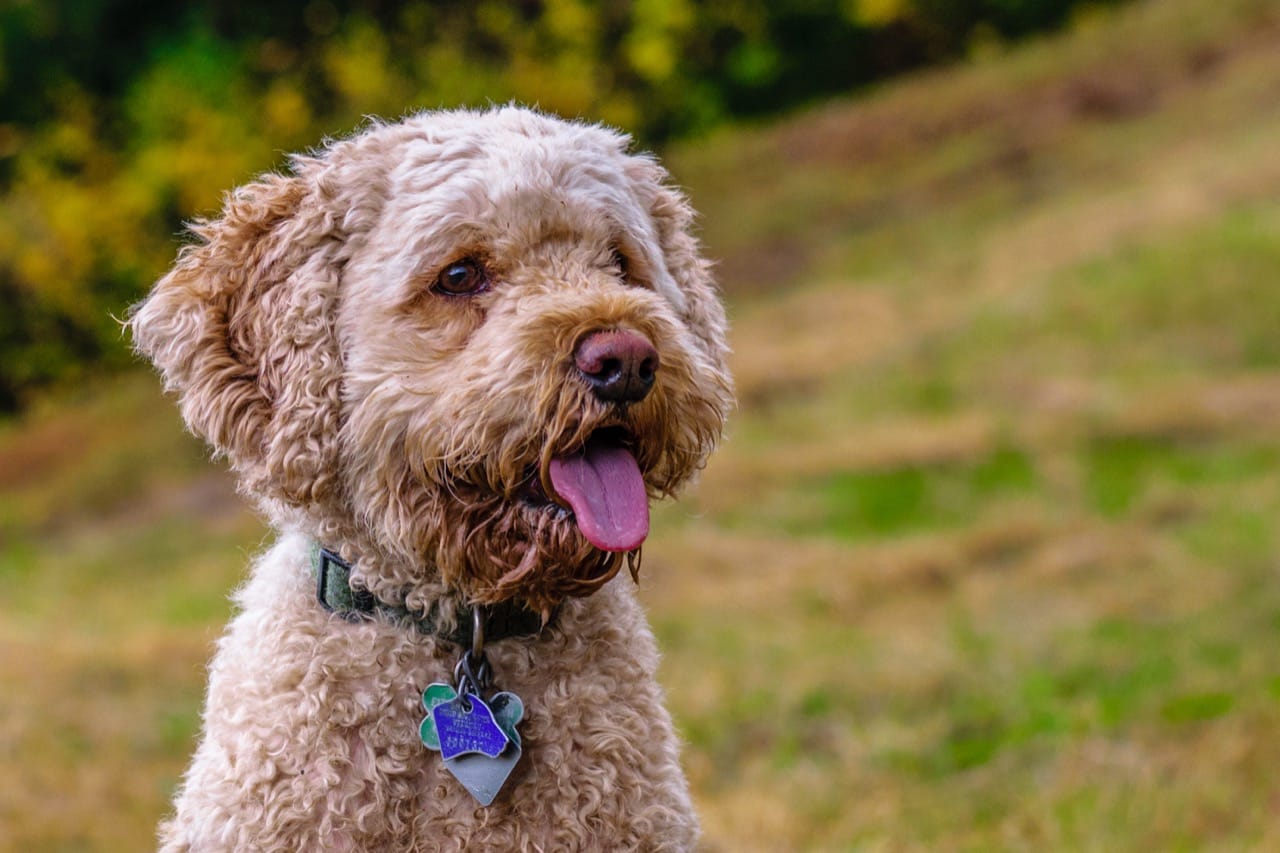
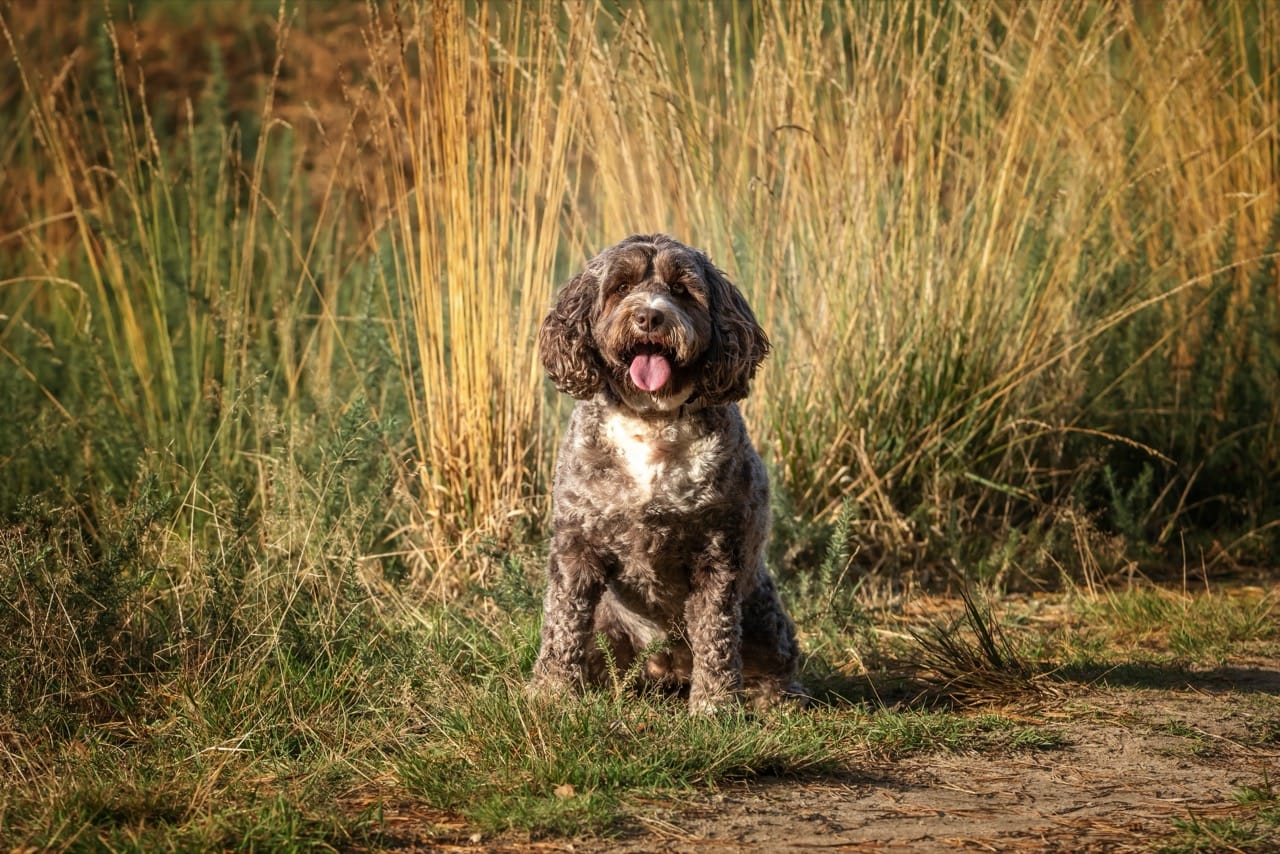
Coat type is the biggest source of variety. Many Cockapoos have a wavy fleece coat that sits between the Cocker’s softer, feathered hair and the Poodle’s tighter curls. Others inherit a curlier, more Poodle like coat that forms ringlets and often looks puffier when brushed. A smaller group leans more Cocker like, with straighter hair and more obvious feathering on the ears, legs, and belly. These differences matter in real life because they change how the dog moves, how the face reads from a distance, and how the coat behaves after a bath. A curly coat can shrink up when it dries, making the dog look rounder and shorter. A straighter coat can lie flat and make the dog look longer and more spaniel like.
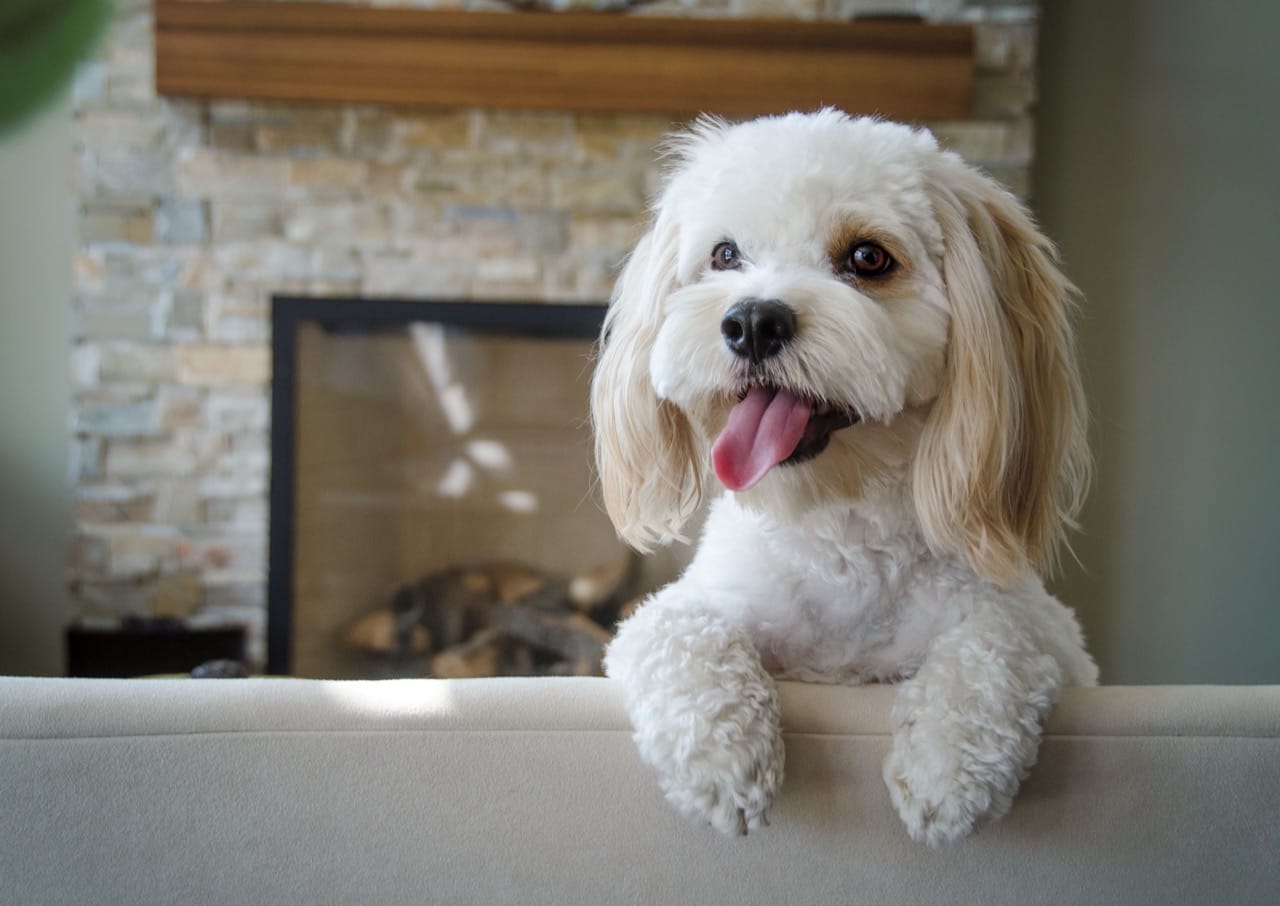
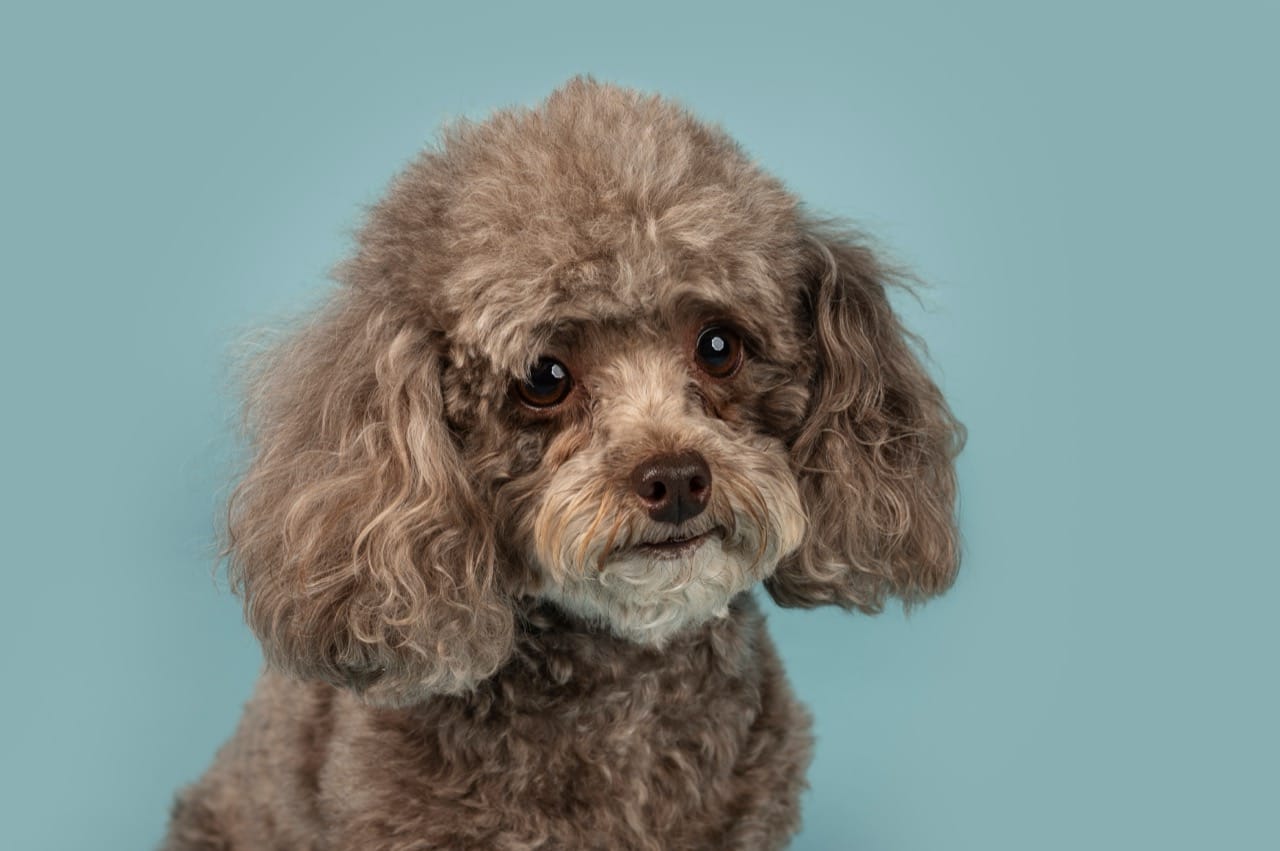
Grooming can disguise clues. A short clip can make a curly Cockapoo resemble a small, athletic doodle with clean lines, while a long teddy bear trim can make even a fairly slim dog look plush and compact. Ear hair length also changes the silhouette: long, flowing ear furnishings emphasize the Cocker side, while a tidier ear outline can make the head look more Poodle influenced. If you are trying to identify a Cockapoo, look past the haircut and focus on structure. Cockapoos usually have dropped ears, a friendly, open expression, and a medium length muzzle that can be either more refined like a Poodle or broader like a Cocker.
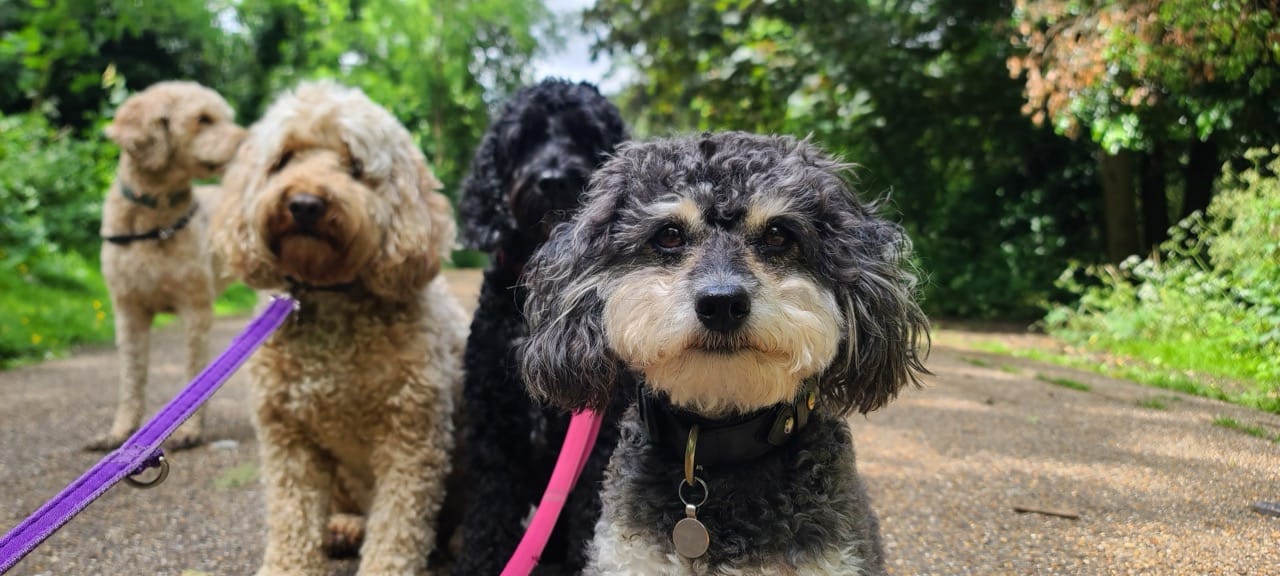
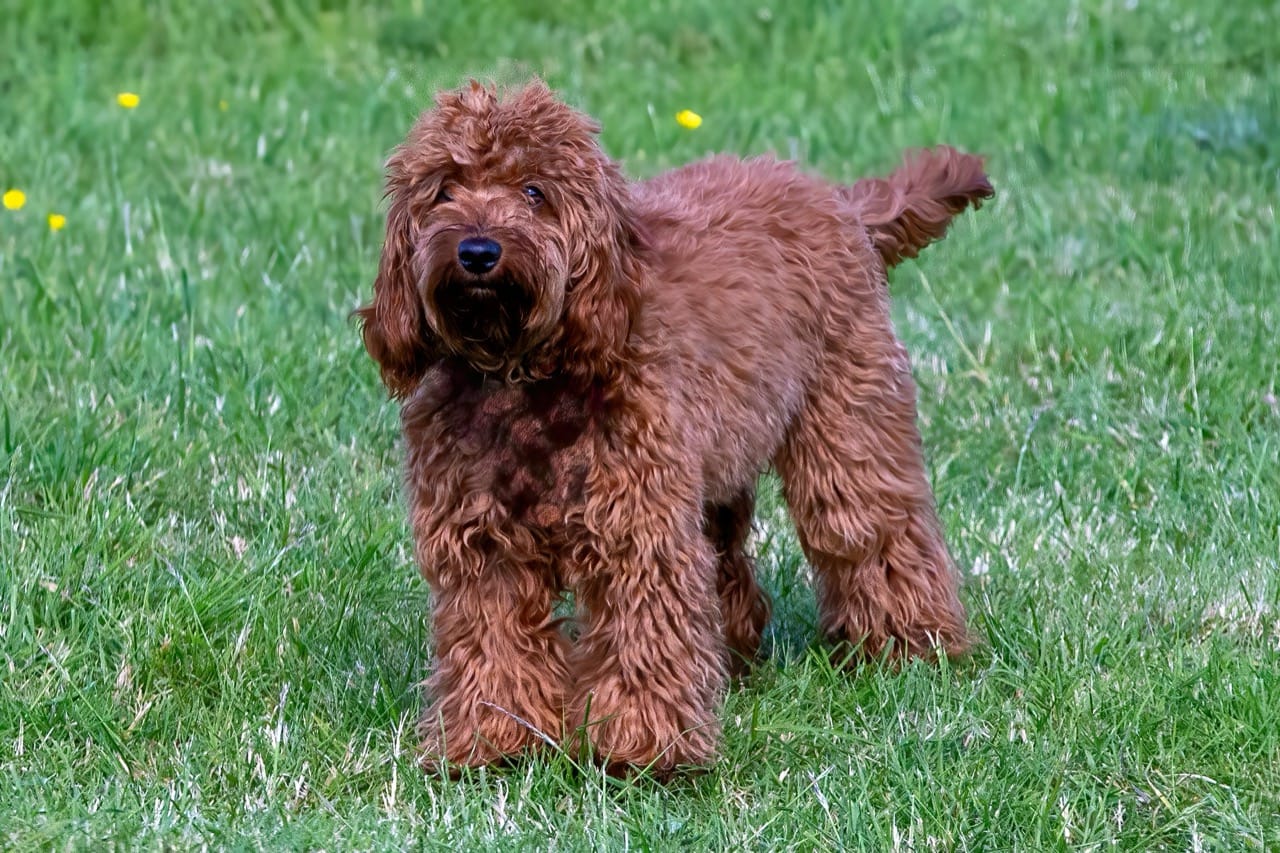
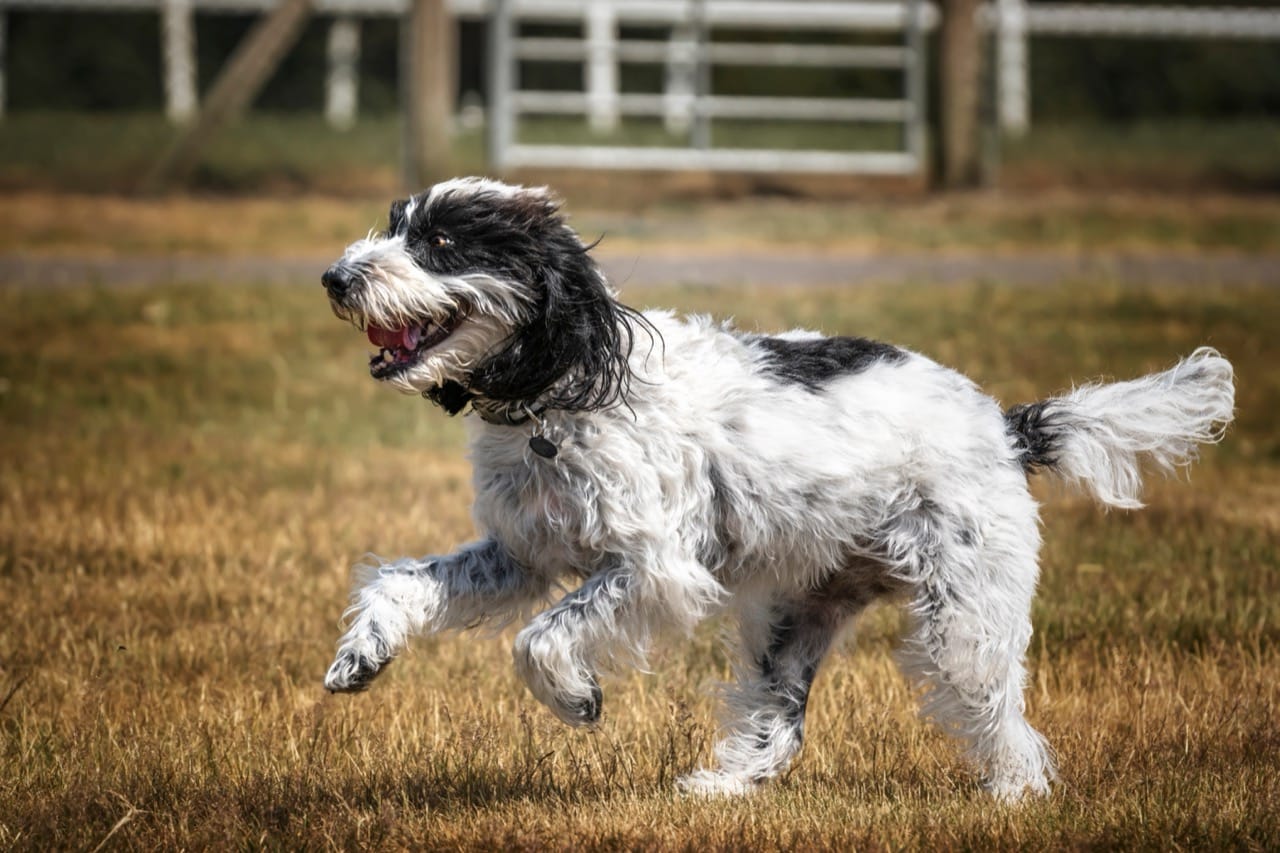
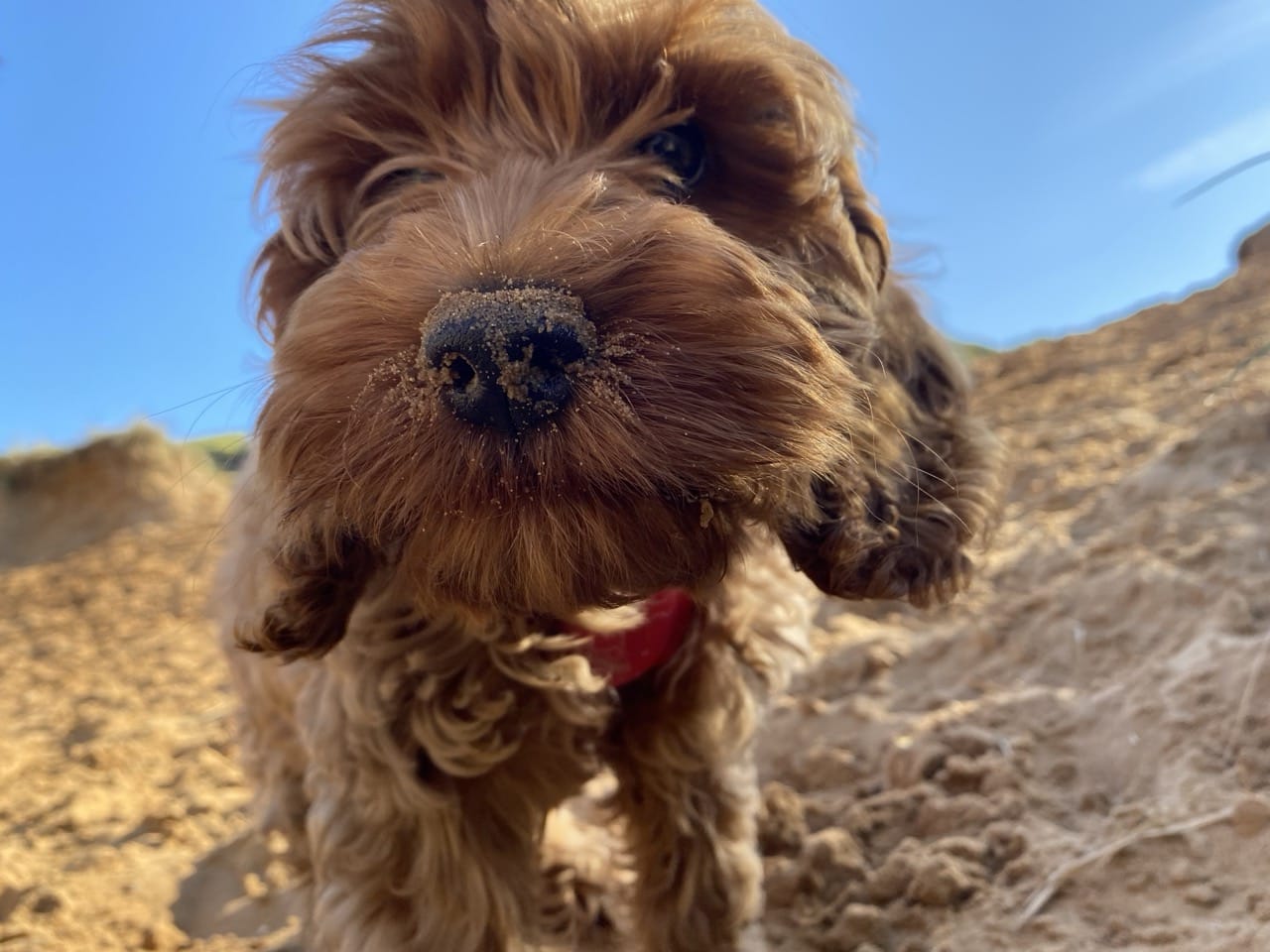
Color and pattern add another layer of confusion. Cockapoos come in many of the same shades seen in their parent breeds, including black, cream, apricot, red, chocolate, and various browns. Some are solid colored, while others show patterns such as parti, where large white areas mix with another color, or roan, a speckled effect seen in English Cocker Spaniels that can look like peppering across the body. Sable shading, where the tips of the hair are darker, can create a dramatic overlay that changes as the coat grows or is clipped. It is normal for a puppy’s color to shift with age, especially in dogs with strong Poodle influence, because some Poodle lines carry genes that cause fading. A deep red puppy may mature into a lighter apricot adult, and a dark brown coat can soften into a milk chocolate tone.
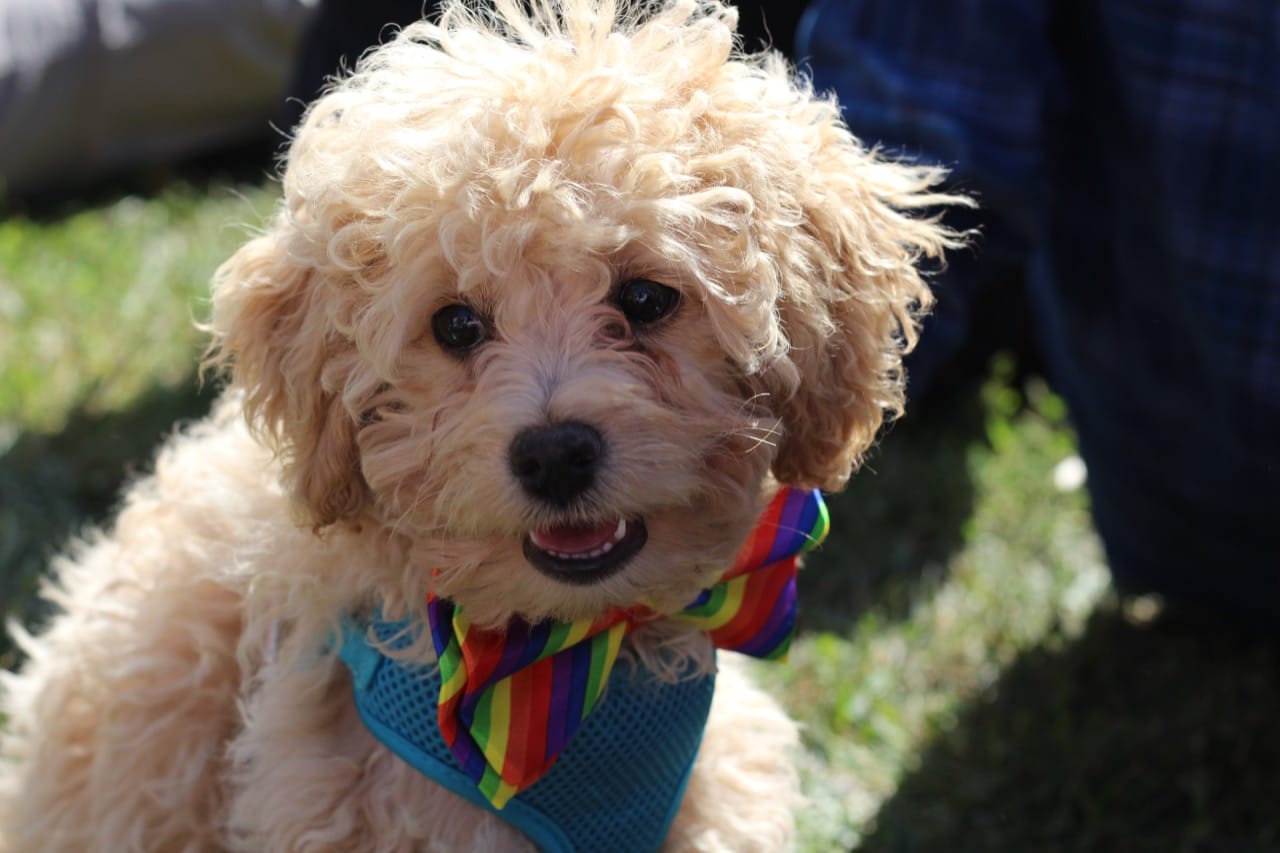
Because Cockapoos are popular, they are frequently mixed up with other poodle crosses. A Cavapoo often has a shorter muzzle and a rounder, softer face, with a build that can look more compact and toy like. A Maltipoo may appear lighter boned with a smaller head and a coat that can be very fluffy, sometimes with a slightly different texture. A Labradoodle or Goldendoodle is usually larger with longer legs and a more substantial frame, even when groomed similarly. Purebred Poodles tend to have a more defined, elegant outline with a longer, narrower muzzle and a more consistently curly coat. Purebred Cocker Spaniels often show heavier ear leather, more pronounced feathering, and a distinct spaniel body shape.
Even within the same litter, siblings can differ because each puppy inherits a different mix of traits. One might have tight curls and a narrow muzzle, while another has loose waves and a broader head. That unpredictability is part of the Cockapoo’s charm, but it means you will get the best results by describing what you see rather than relying on a single stereotype. Notice the coat texture when it is grown out, the way the ears hang and frame the face, whether the body looks more leggy and refined or more compact and spaniel like, and any clear patterning such as roan or parti. With those practical details in mind, you will be better prepared to recognize a Cockapoo on sight and to understand why the next one you meet might look completely different from the last.