Sweater Weather for Chihuahuas




Quiz Complete!
Chihuahua Care and Temperament: Real World Tips for a Tiny Dog with a Big Voice

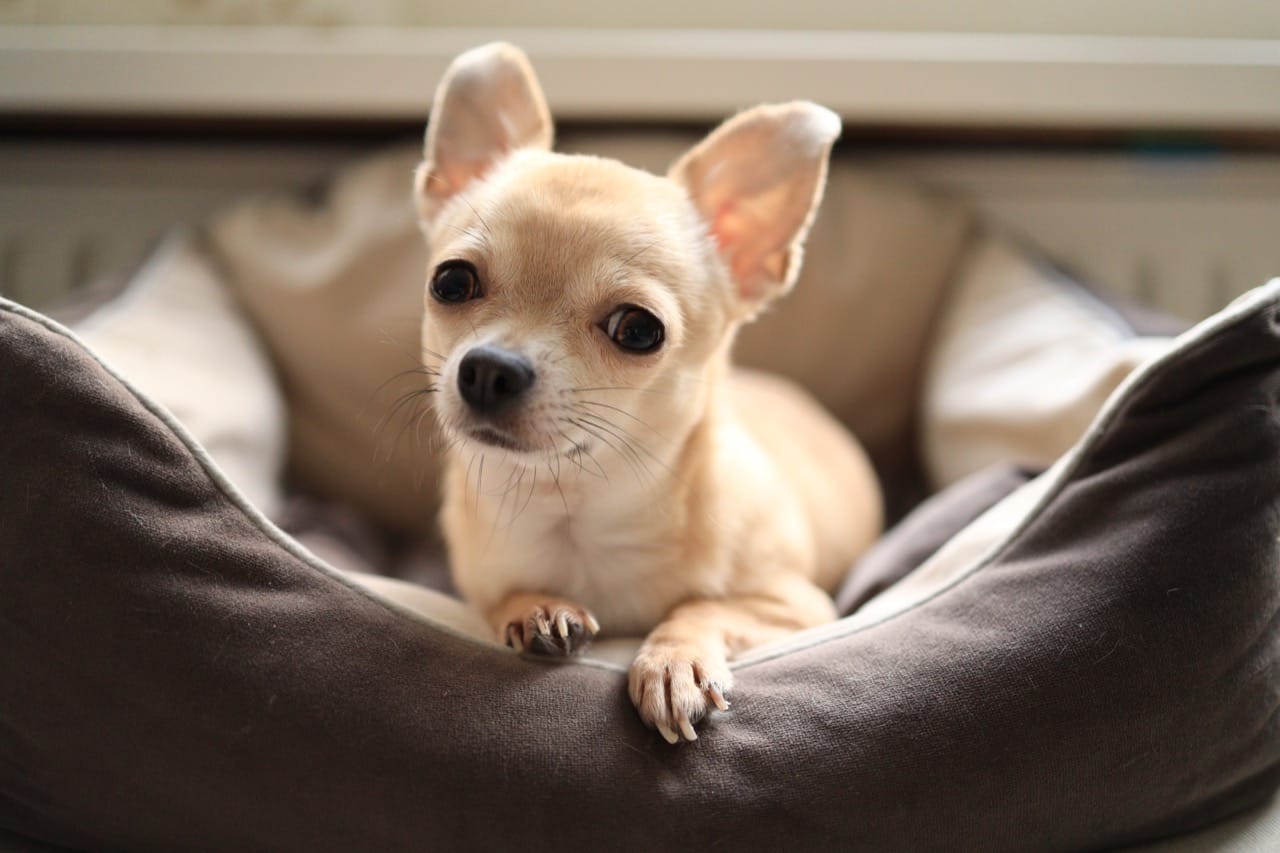
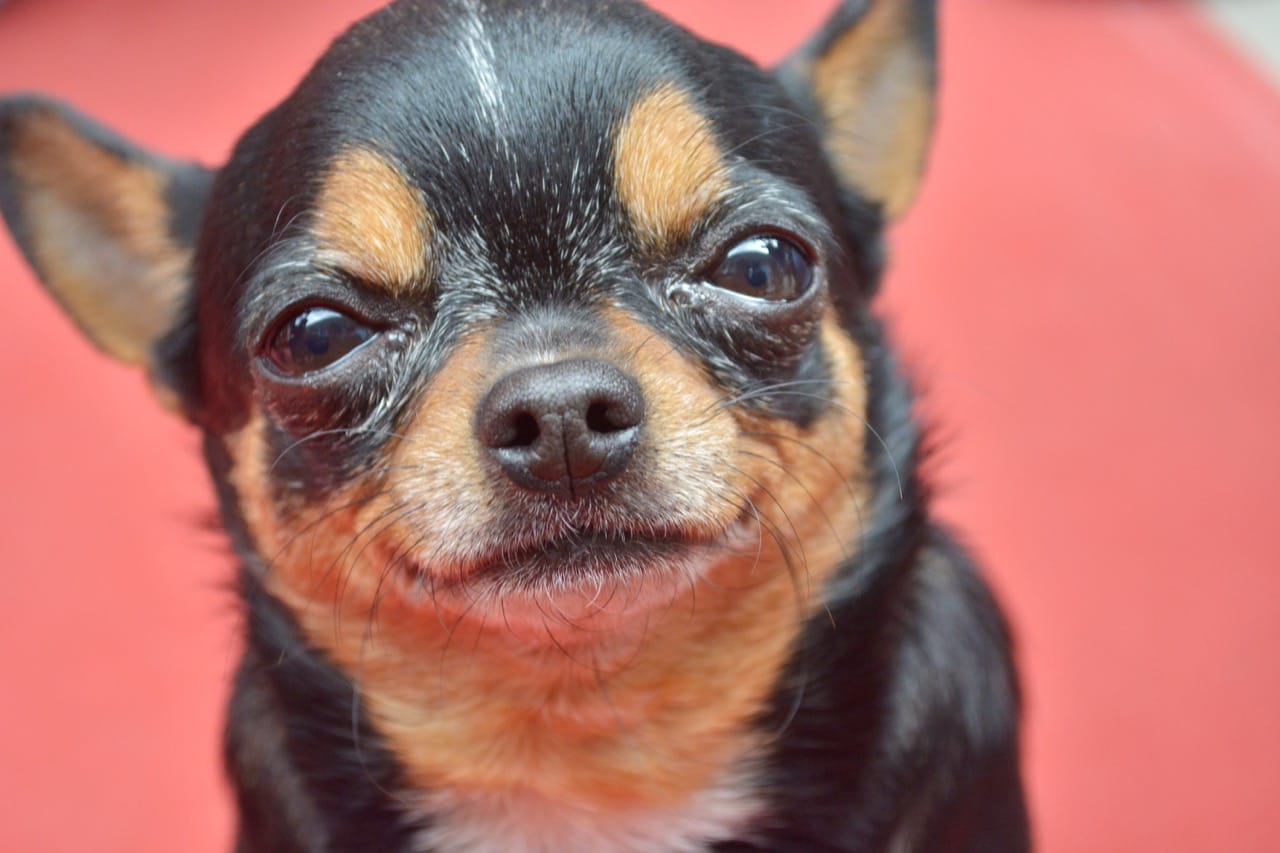
Chihuahuas may be small enough to ride in a tote bag, but their needs and personalities are anything but miniature. Bred as alert companions, many Chihuahuas act like they are in charge of the household, and that confidence can be charming when it is guided well. It can also turn into pushy behavior if the rules change depending on how cute they look. The best way to prevent so called tiny dog syndrome is to treat your Chihuahua like a dog, not a fragile ornament. That means consistent boundaries, calm handling, and training that rewards good choices.
A classic Chihuahua trait is devotion to one person. Some bond intensely with the person who feeds, trains, and carries them through daily life. This loyalty is not a flaw, but it can lead to jealousy or guarding if the dog learns that growling makes people back away. Instead of forcing cuddles or scolding, teach alternatives. Reward your Chihuahua for relaxing on a mat, coming when called, and allowing gentle handling. Short, upbeat sessions work best. Because they are smart and quick, they often learn fast, but they are also sensitive. Harsh corrections can create fear, and fear can look like snapping.
Their watchdog reputation comes from being alert and vocal. Barking is normal, but nonstop barking is usually a training and management issue. Teach a quiet cue by rewarding brief pauses, and reduce triggers by giving them a predictable routine and a safe spot away from windows and doorways. A Chihuahua that is carried everywhere may never learn to cope on the ground. Let them walk, sniff, and make choices on leash so their confidence is real, not just attitude.
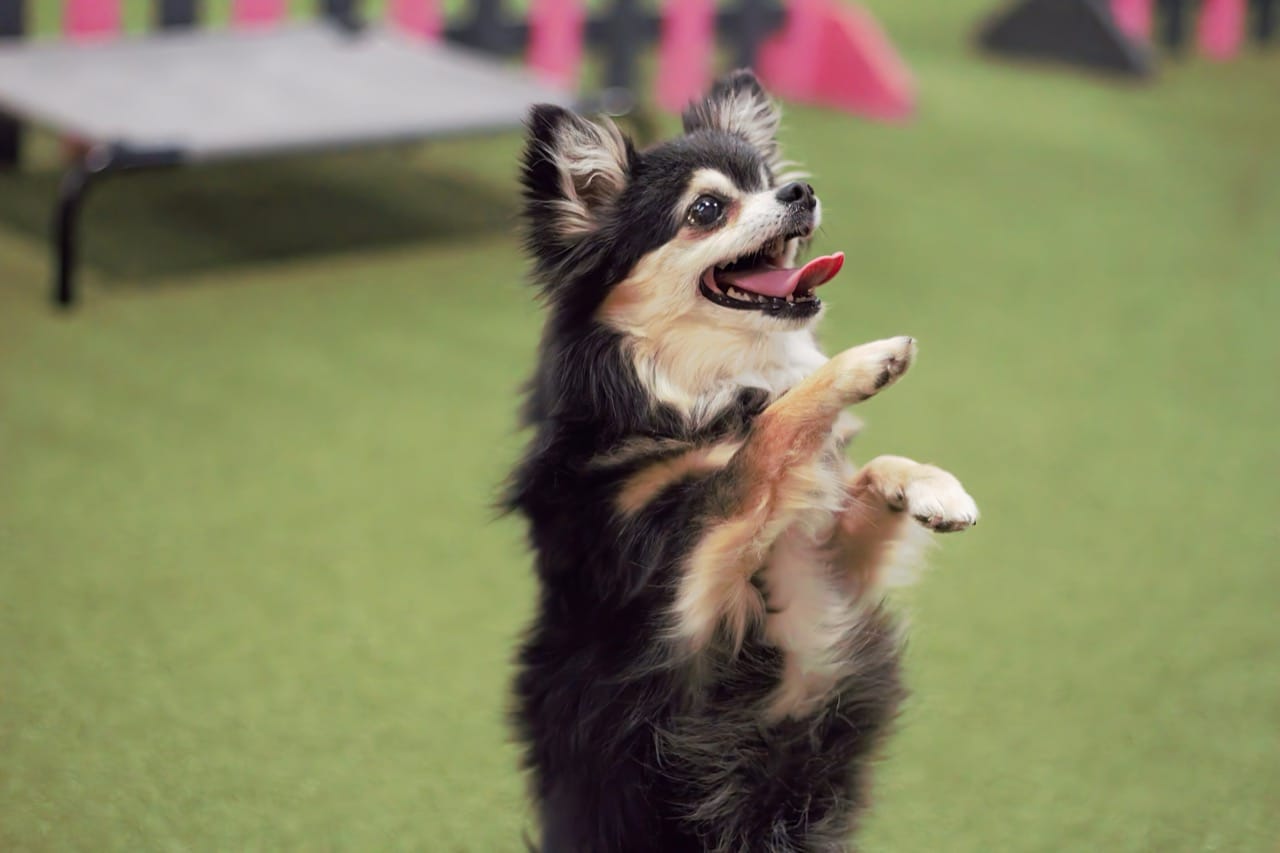
Exercise for a toy breed does not mean hours of running, but it also does not mean none. Most healthy adult Chihuahuas benefit from several short walks a day plus indoor play. Sniffing is excellent mental exercise and can tire them out more than speed. Because their legs are tiny, watch for overexertion on long hikes and avoid big jumps off furniture that can strain joints. Puzzle toys, basic obedience, and simple games like find it can burn energy without stressing their bodies.
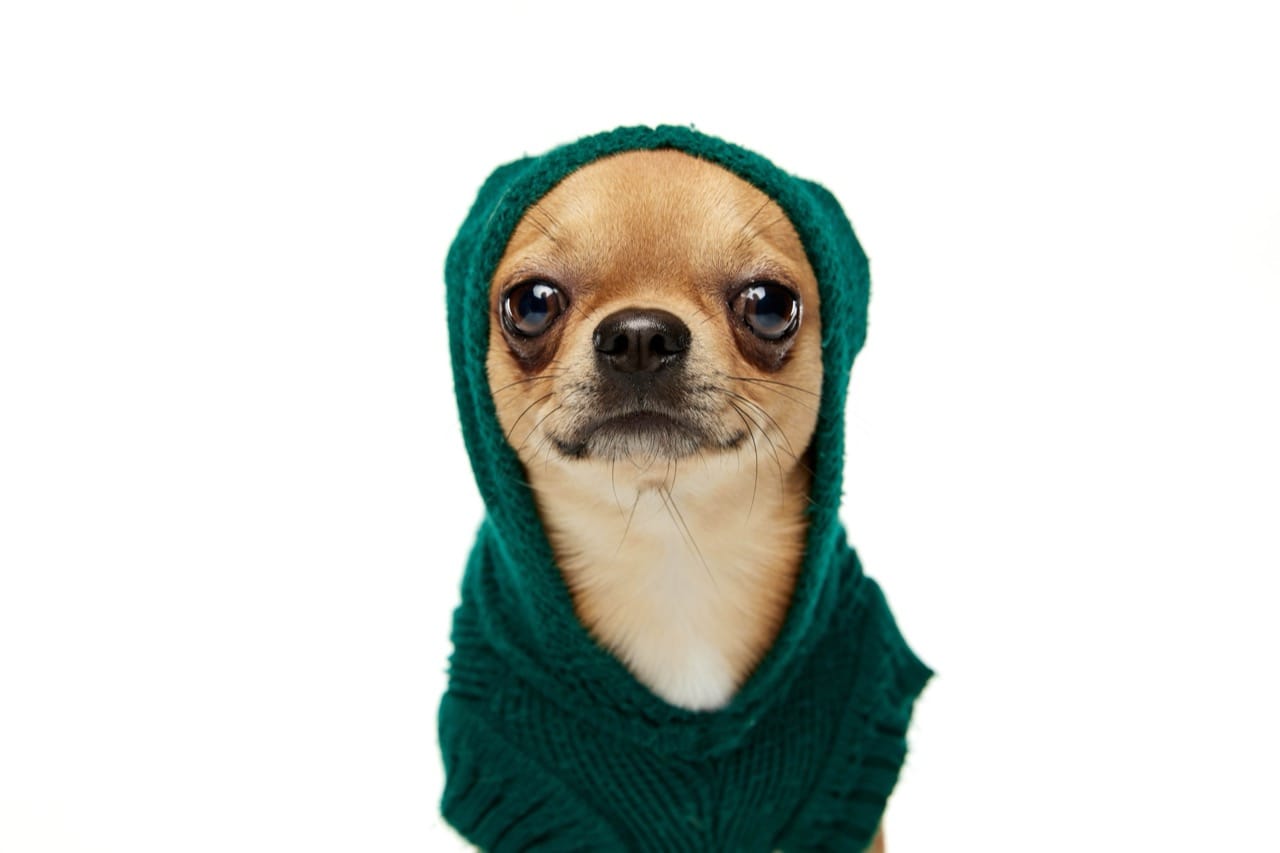
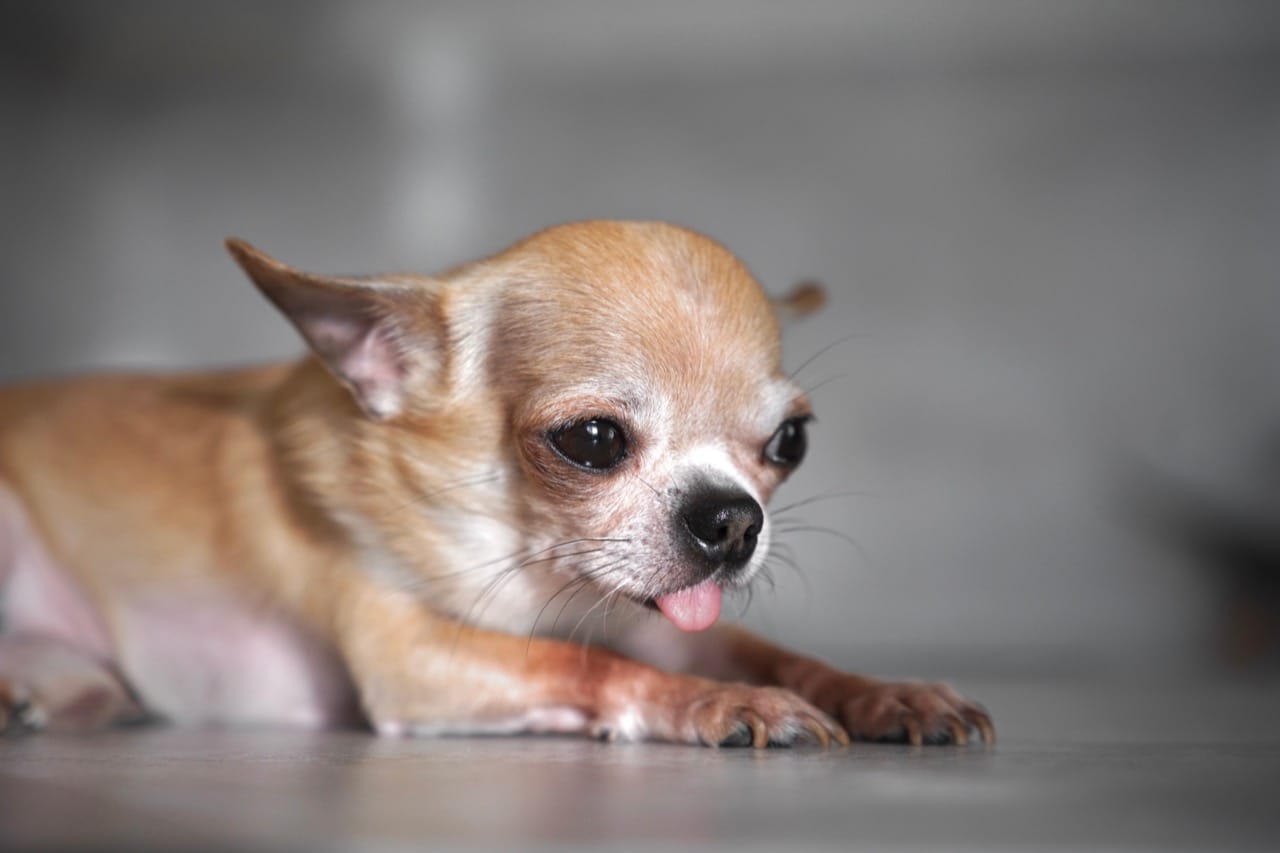
Cold sensitivity is one of the most practical Chihuahua facts to know. Their small size and often low body fat make them lose heat quickly. Shivering can mean they are cold, anxious, or excited, so look at the context. In chilly weather, a well fitting sweater or coat helps, and many appreciate a warm bed away from drafts. Be cautious with heating pads and hot water bottles to avoid burns.
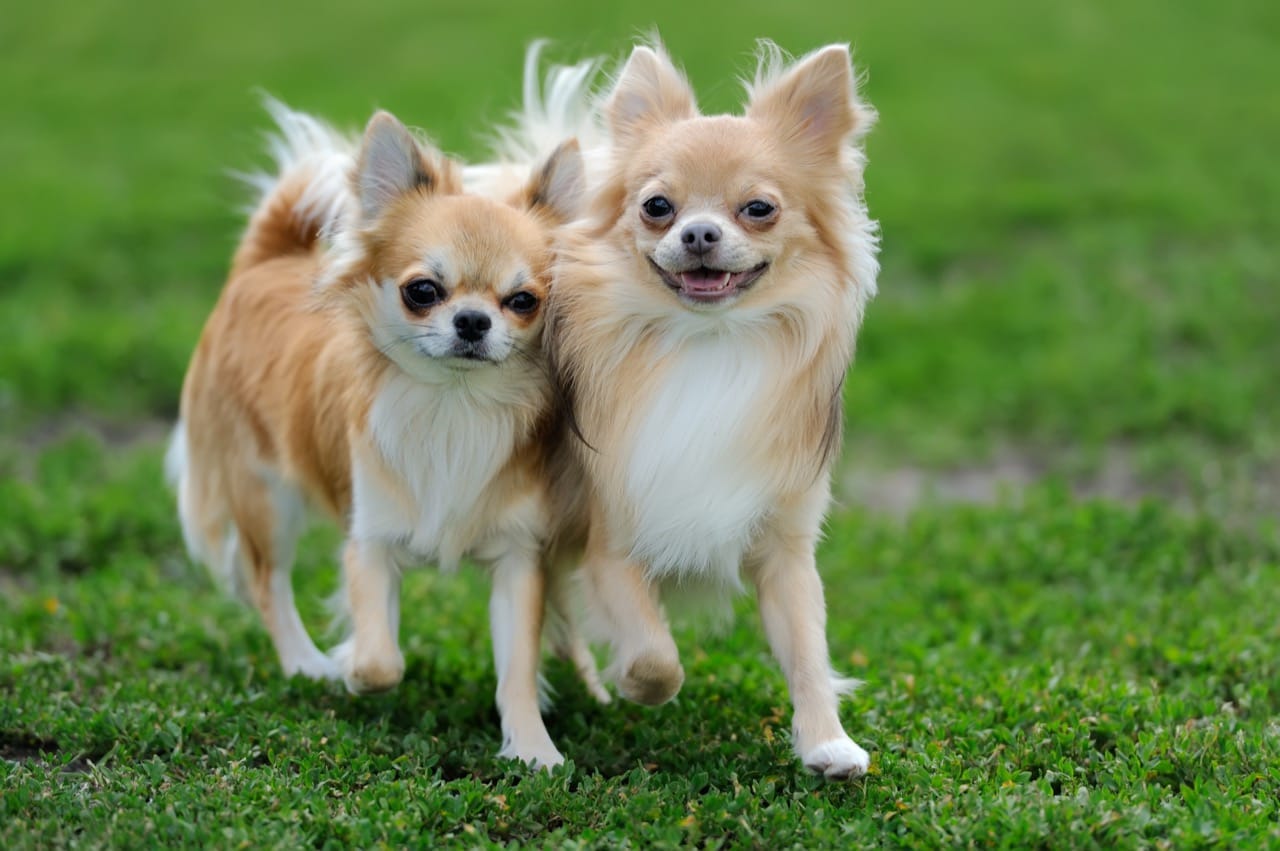
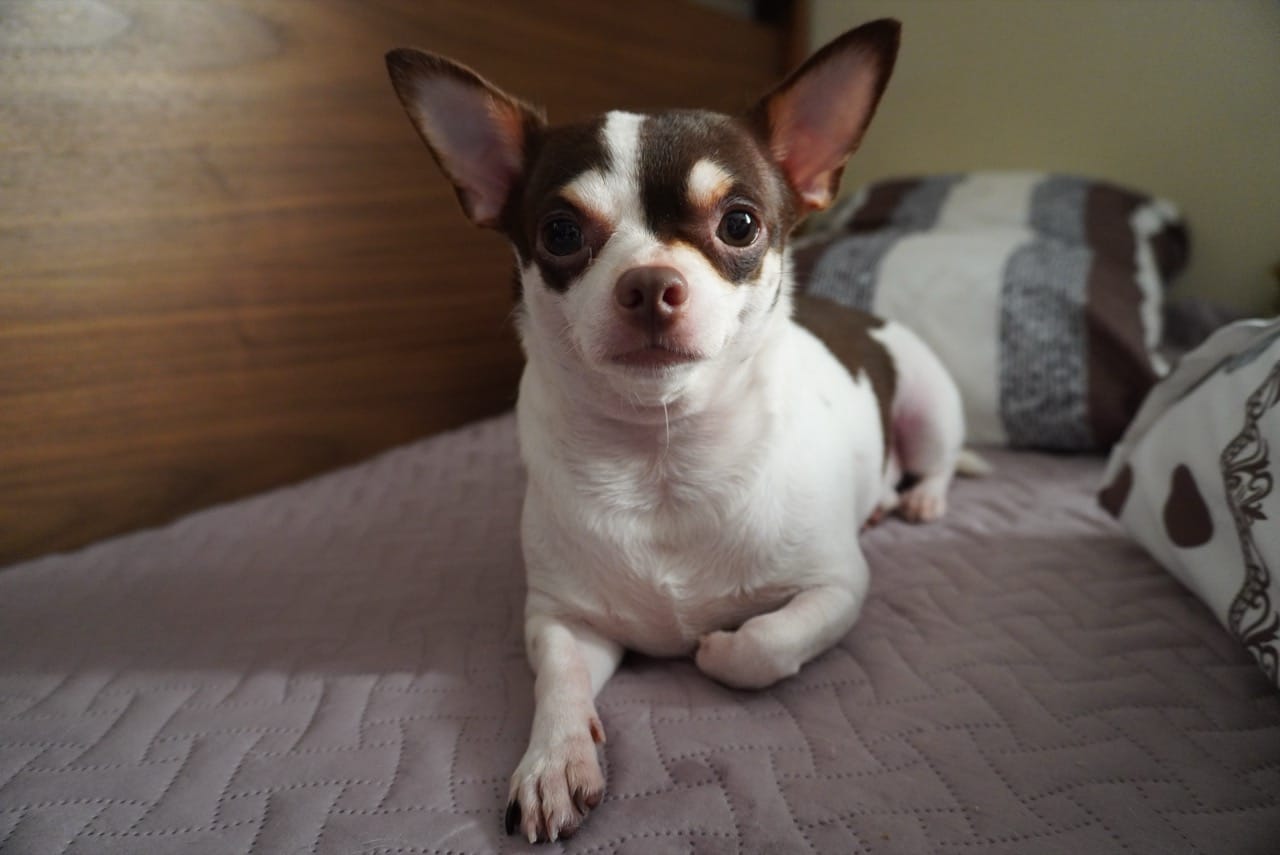
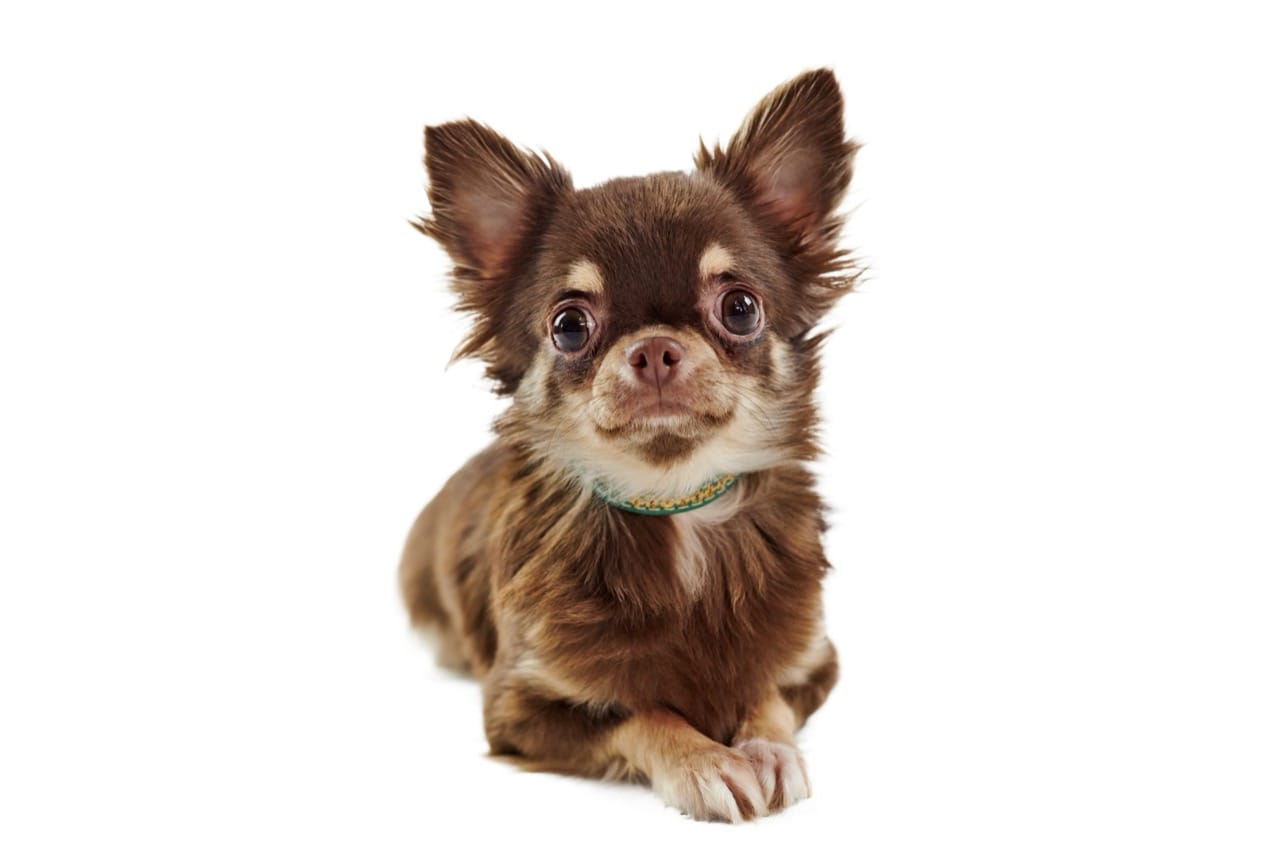
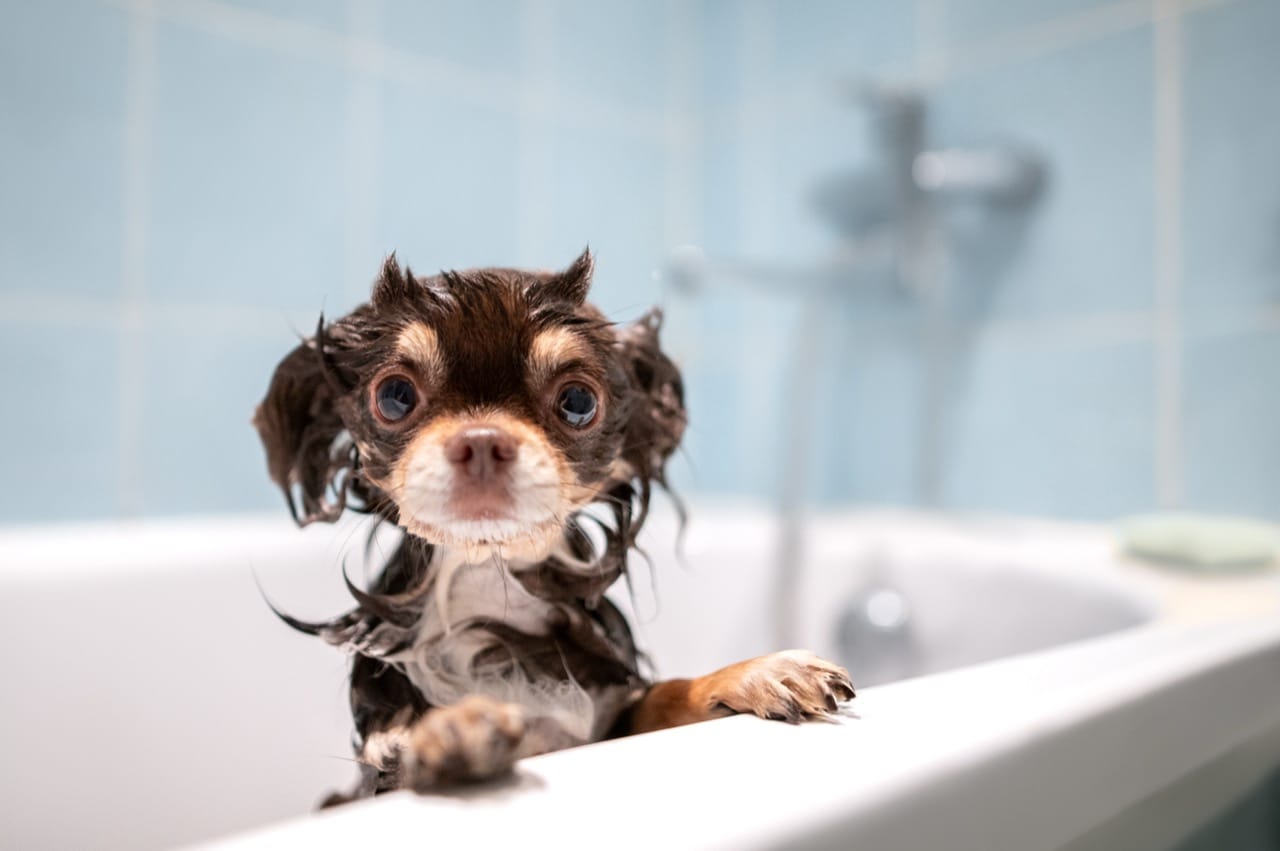
Grooming depends on coat type. Smooth coat Chihuahuas usually need a weekly brushing to remove loose hair and keep skin healthy, plus regular nail trims and dental care. Long coat Chihuahuas are not necessarily harder, but they need more frequent brushing to prevent tangles behind the ears, under the legs, and around the tail. Bathing is occasional for both types, using a gentle dog shampoo. Ears should be checked for redness or odor, and teeth deserve special attention because small breeds are prone to dental disease. Daily brushing is ideal, and dental checkups matter. Owners should also know about the molera, a soft spot on the skull that some Chihuahuas have, low blood sugar in very small puppies, and kneecaps that can slip out of place. All are worth raising with a veterinarian.
Early socialization is crucial because many Chihuahuas are naturally cautious. The goal is not to make them love everyone, but to help them feel safe around normal life: friendly strangers, calm dogs, children who can follow rules, grooming, car rides, and household noises. Keep experiences positive and controlled. A Chihuahua that learns the world is predictable is less likely to bark, lunge, or hide.
Handled with consistency, warmth, and realistic expectations, a Chihuahua can be a bold explorer, a devoted companion, and a surprisingly capable little athlete. Their big personality is the fun part, as long as you help them feel secure and teach them polite ways to show it.