Pom Knees, Teeth and Fluff

Quiz Complete!
Pomeranian Health Clues Every Owner Should Know
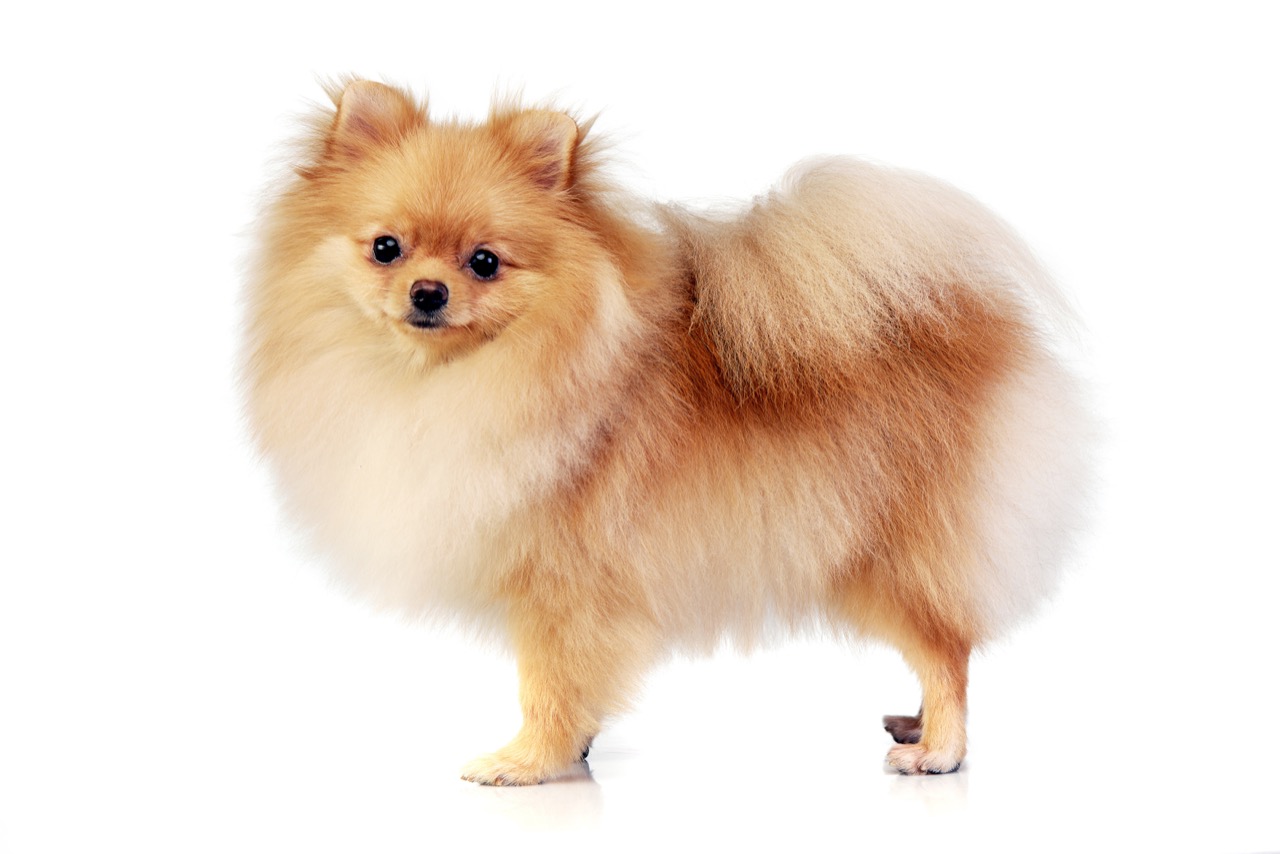
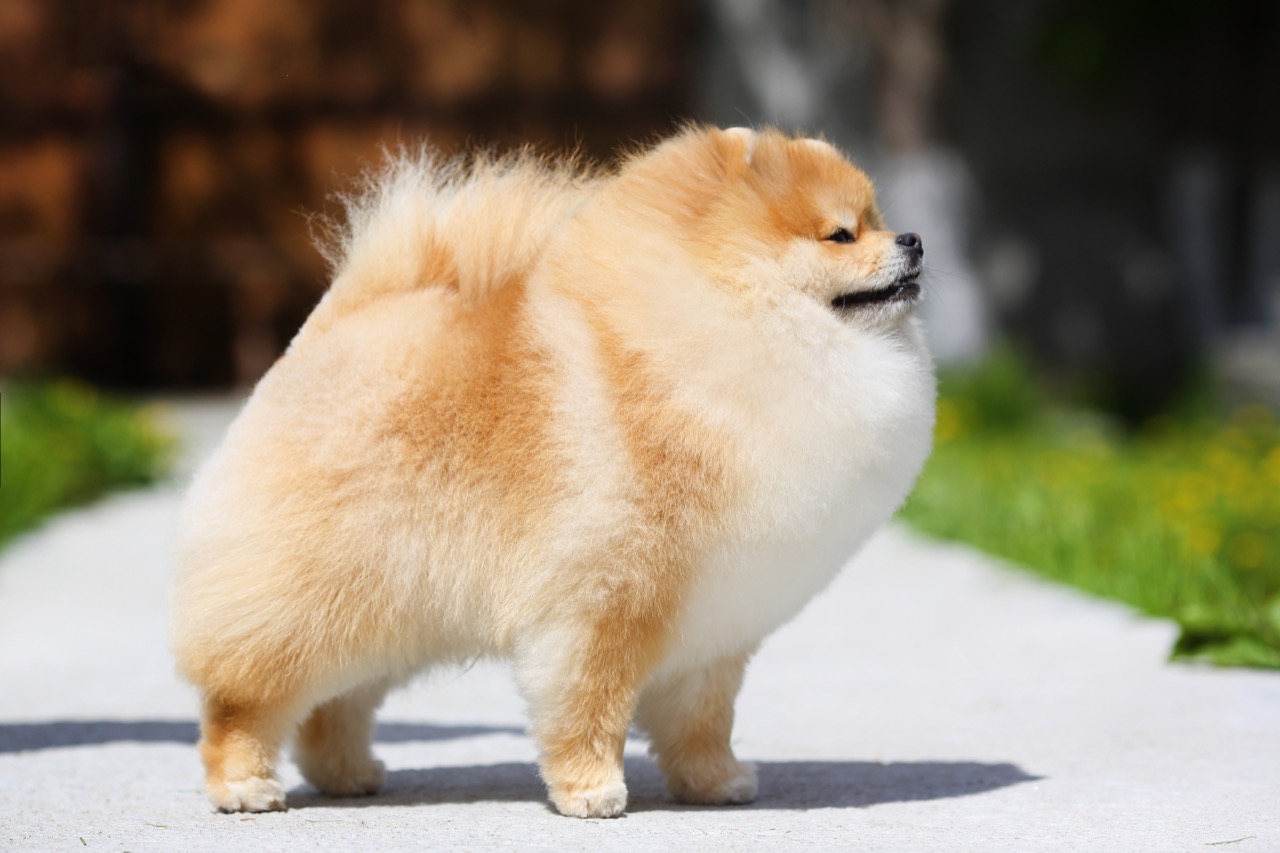
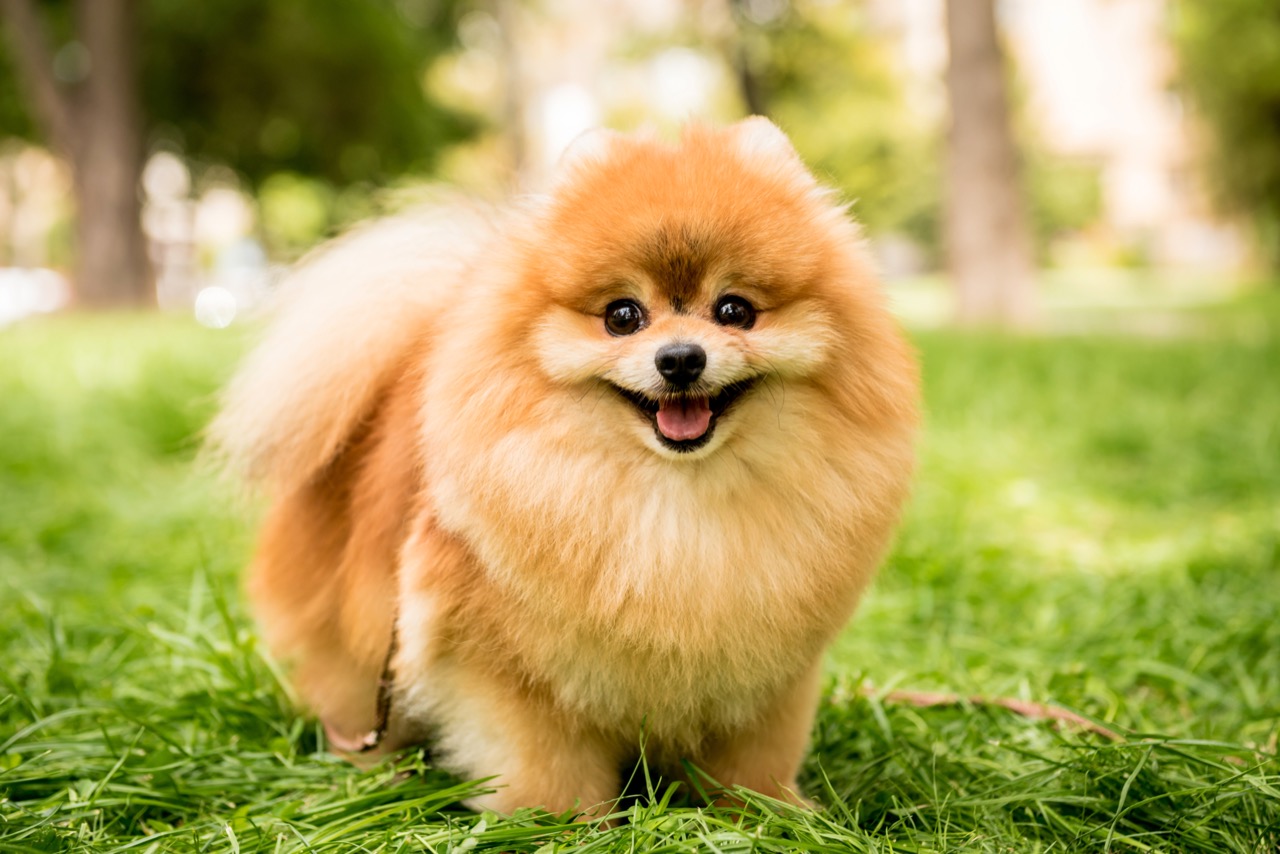
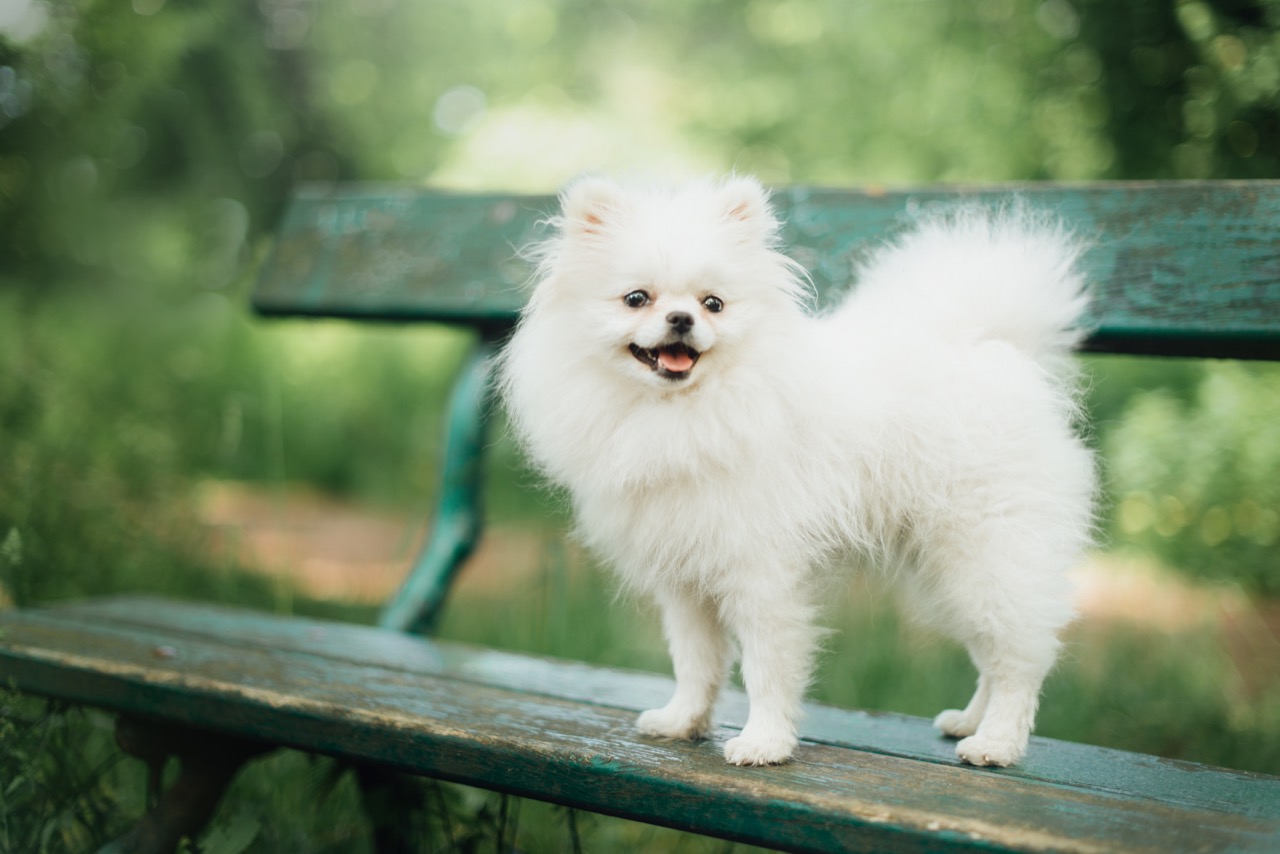
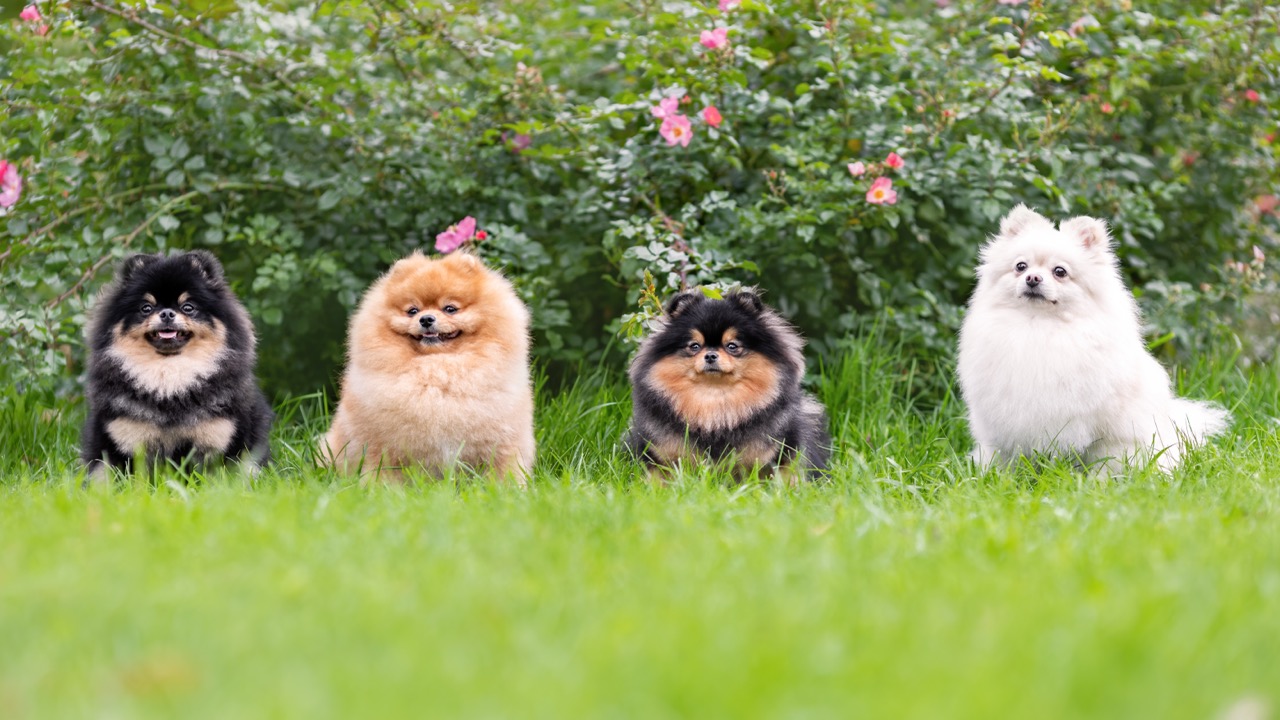
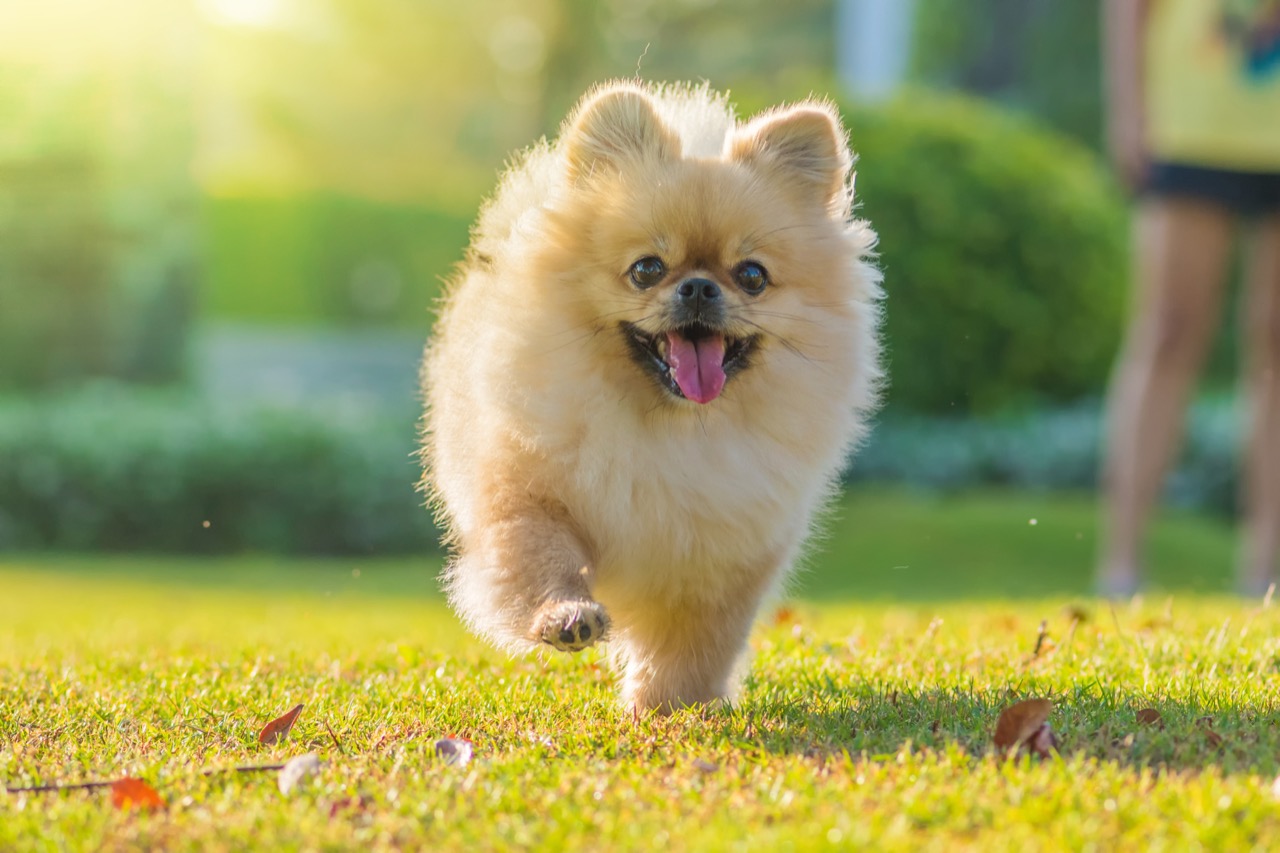
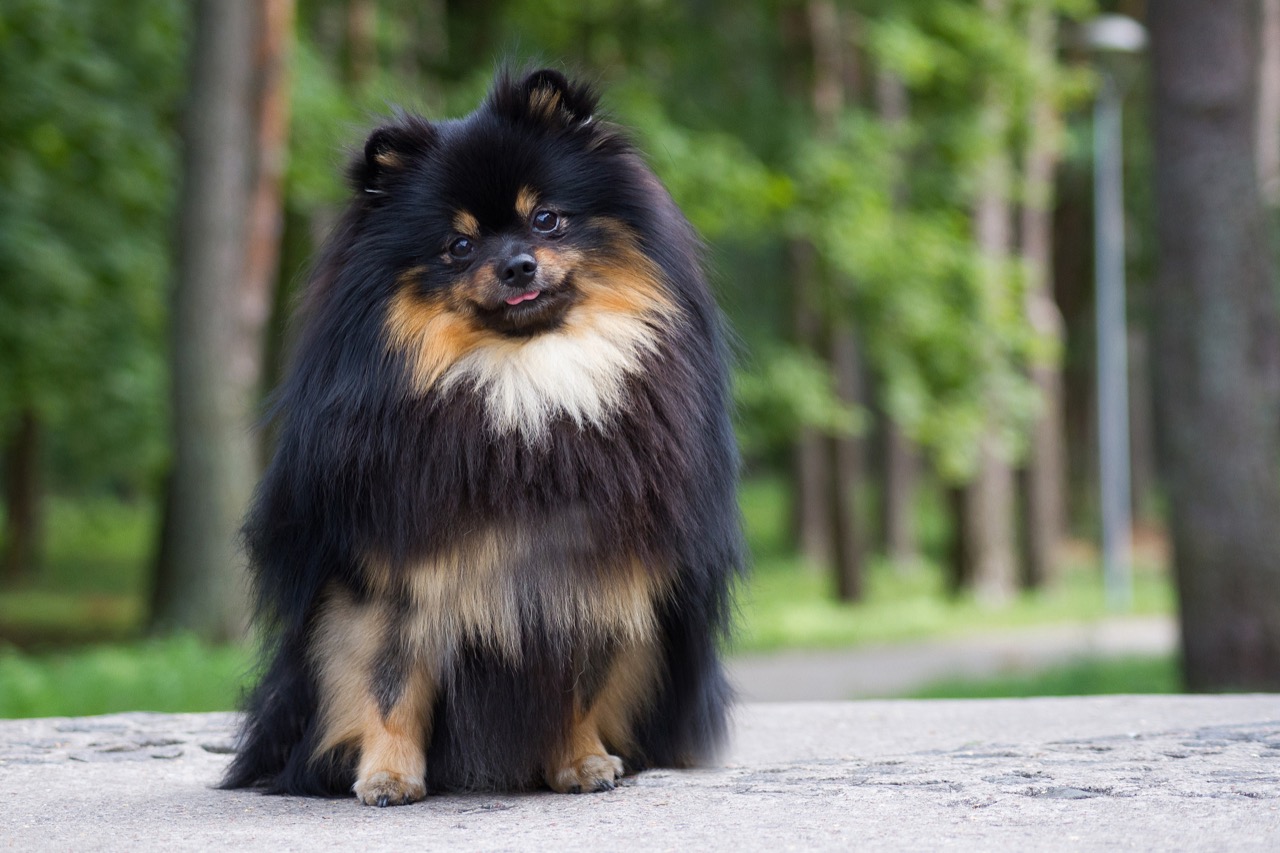
Pomeranians look like tiny, cheerful puffballs, but their small size and bold personality come with a few health patterns that are worth recognizing early. Many Poms live long, happy lives, yet the breed is known for certain inherited issues and for warning signs that can be easy to miss because the dog is so petite. Learning what is normal for your individual dog and what is not can make the difference between a quick fix and a stressful emergency visit.
One of the classic Pomeranian problems involves the knees. A slipping kneecap, called luxating patella, can range from mild to serious. You might notice a sudden skip on a walk, a brief three legged hop, or a yelp followed by a return to normal as if nothing happened. That on and off pattern is a clue. Mild cases may be managed under a vet’s guidance, but more severe cases can lead to arthritis or require surgery. Because extra pounds put significant strain on tiny joints, keeping a Pom lean is not cosmetic, it is orthopedic protection.
Breathing noises are another big topic in this breed. Pomeranians can develop tracheal collapse, where the windpipe narrows and causes a distinctive honking cough. It may show up during excitement, pulling on a collar, or after drinking water. A harness is usually safer than a neck collar for walks, and avoiding smoke, heavy perfumes, and overheating can reduce irritation. Any breathing trouble that includes blue gums, severe effort, or collapse should be treated as urgent. Even when it is not an emergency, a persistent cough deserves a veterinary check because heart disease, airway infection, and collapsing trachea can look similar at first.
Teeth are a daily responsibility with this breed. Pomeranians often have crowded mouths, retained baby teeth, and rapid tartar buildup. Bad breath is not just a nuisance, it can signal gum disease, pain, and infection. Dental disease can also affect the rest of the body over time. Home care matters: regular brushing, dental chews that are truly designed for plaque control, and professional cleanings when recommended. If your Pom drops food, chews on one side, paws at the mouth, or suddenly prefers soft food, assume discomfort until proven otherwise.
Coat and skin changes can be more than grooming issues. Some Pomeranians develop significant hair thinning, sometimes called alopecia X, where the coat becomes sparse and the skin may darken. While it can be mainly cosmetic, similar changes can also occur with hormonal problems such as hypothyroidism or Cushing like conditions, parasites, or allergic skin disease. Sudden shedding, intense itching, scabs, or a sour smell should prompt a vet visit. A healthy Pom coat is usually plush and resilient, so a noticeable shift in texture or density is a useful health clue.
Because Poms are tiny, problems can escalate quickly. Low blood sugar can occur in very small dogs, especially puppies, and may look like weakness, tremors, wobbliness, or unusual sleepiness. Vomiting, diarrhea, or refusal to eat can dehydrate a small body fast. Keep an eye on appetite, energy, and bathroom habits, and do not wait days to seek help if your dog is not acting right.
The most powerful tool you have is a baseline. Know your Pom’s normal breathing sounds, typical gait, usual appetite, and coat condition. Take short videos when you notice odd hopping, coughing, or fainting episodes, since symptoms often disappear at the clinic. Regular checkups, sensible screening discussions with your veterinarian, and prompt attention to small warning signs help these confident little dogs stay comfortable and active for years.