Pomeranian Puffball Spotter
Quiz Complete!
How to Recognize a Pomeranian by Coat, Color, and Silhouette
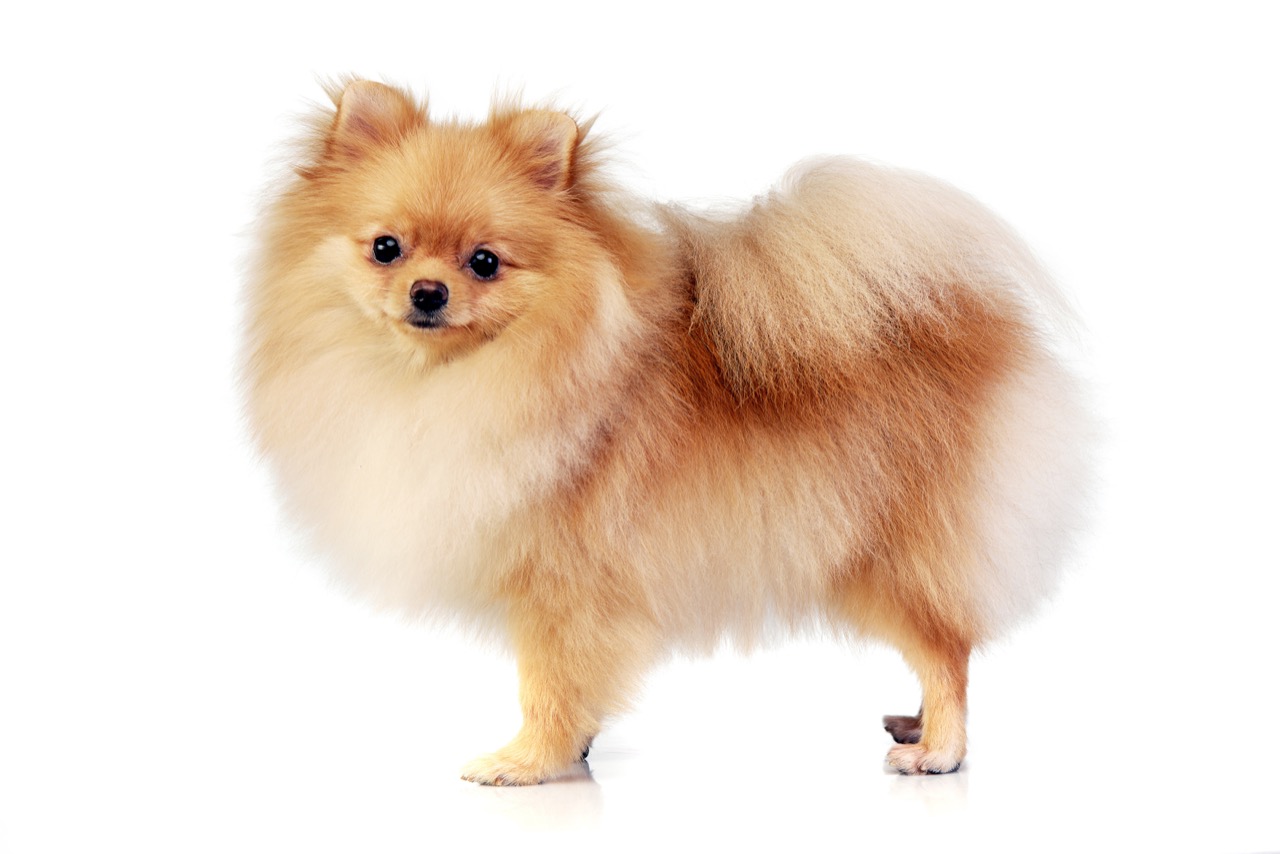
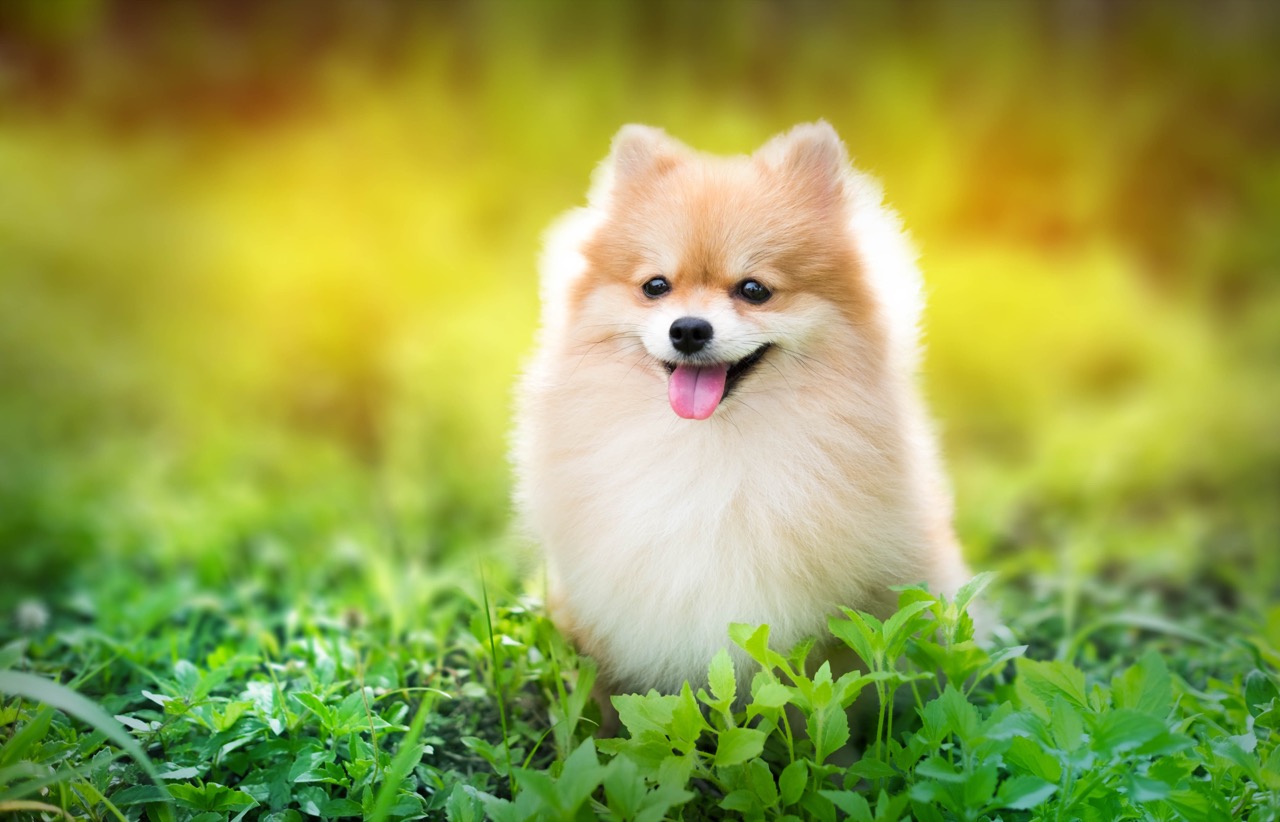
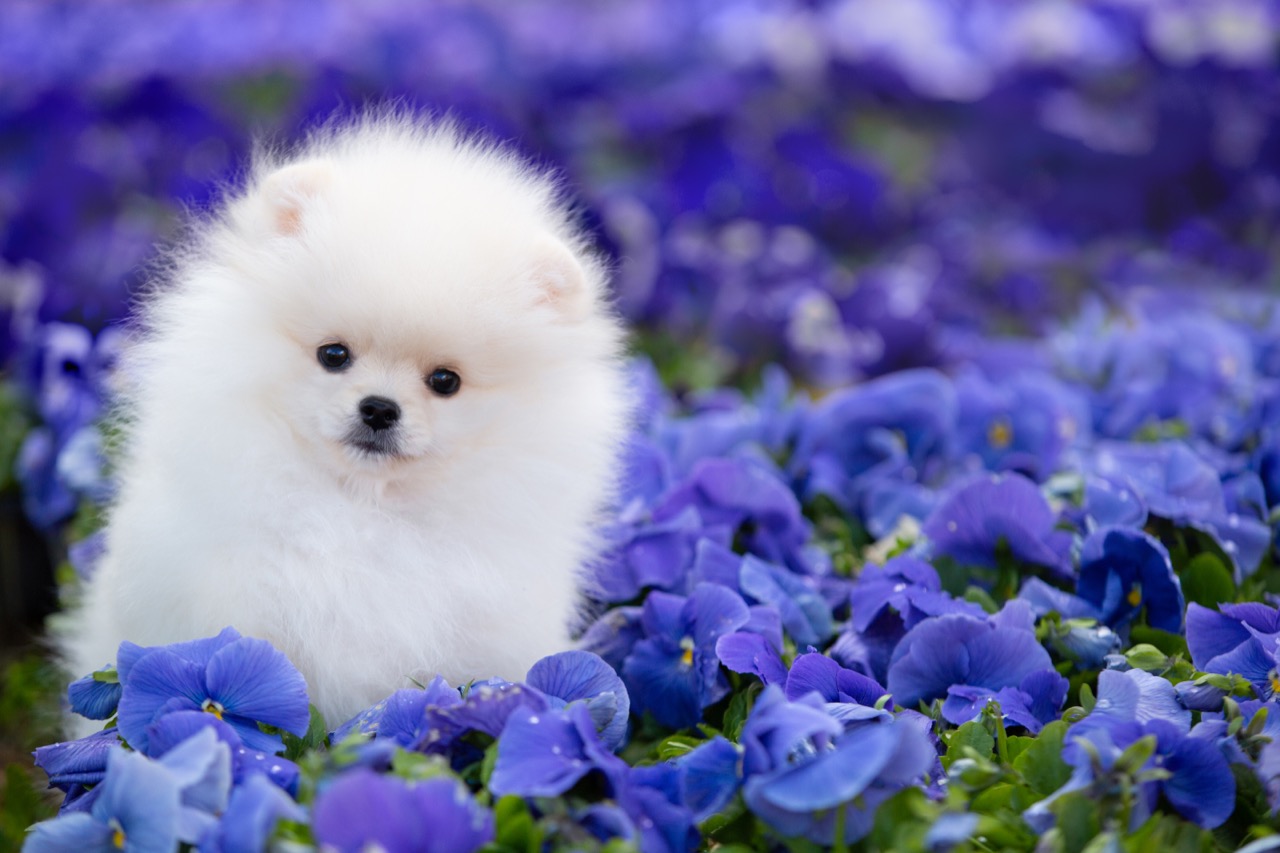
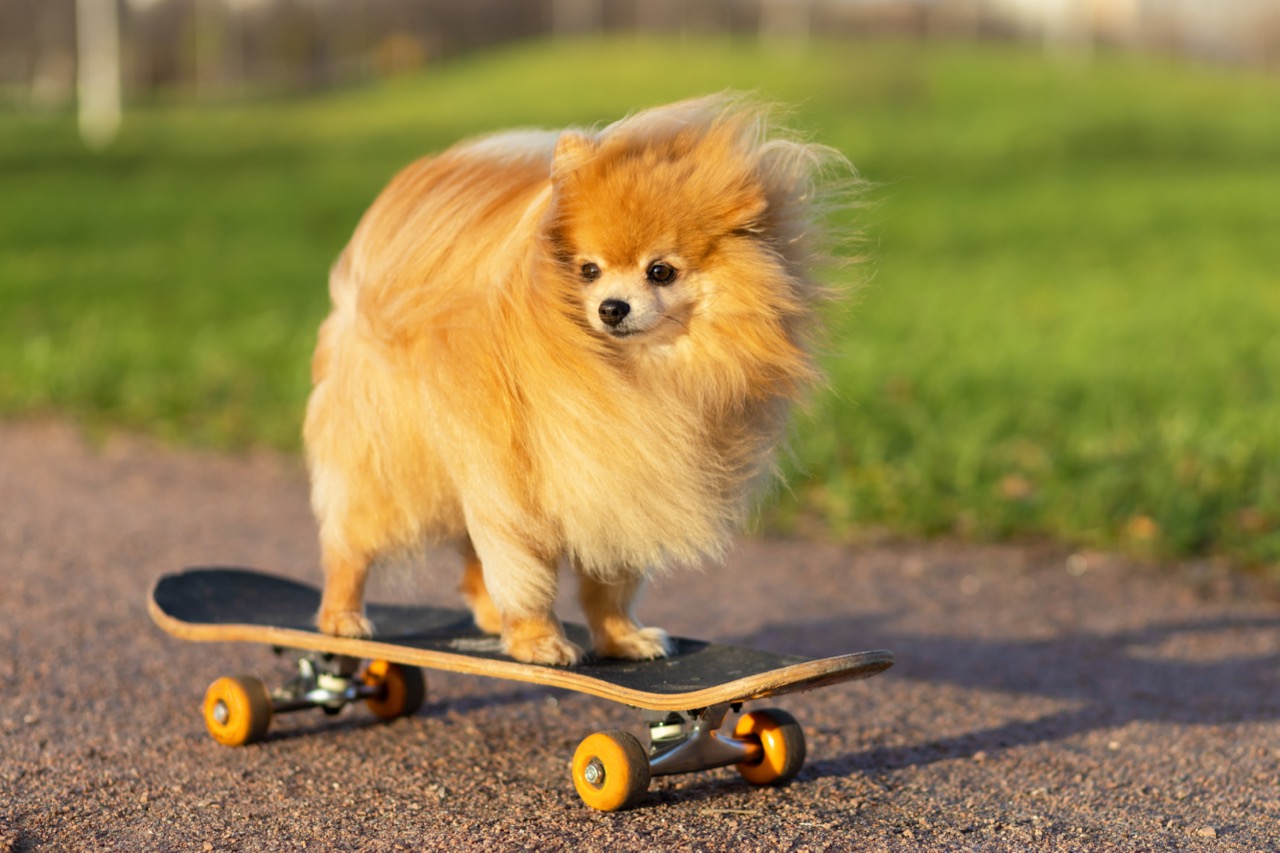
A Pomeranian is often described as a big dog in a tiny package, but the breed’s true signature is visual: a compact spitz outline wrapped in a plush double coat, topped with a foxlike expression and finished with a dramatic plume tail. If you can identify a Pom from across the park, you are probably noticing a combination of proportion, coat structure, and a few hallmark details that are easy to miss when you focus only on size.
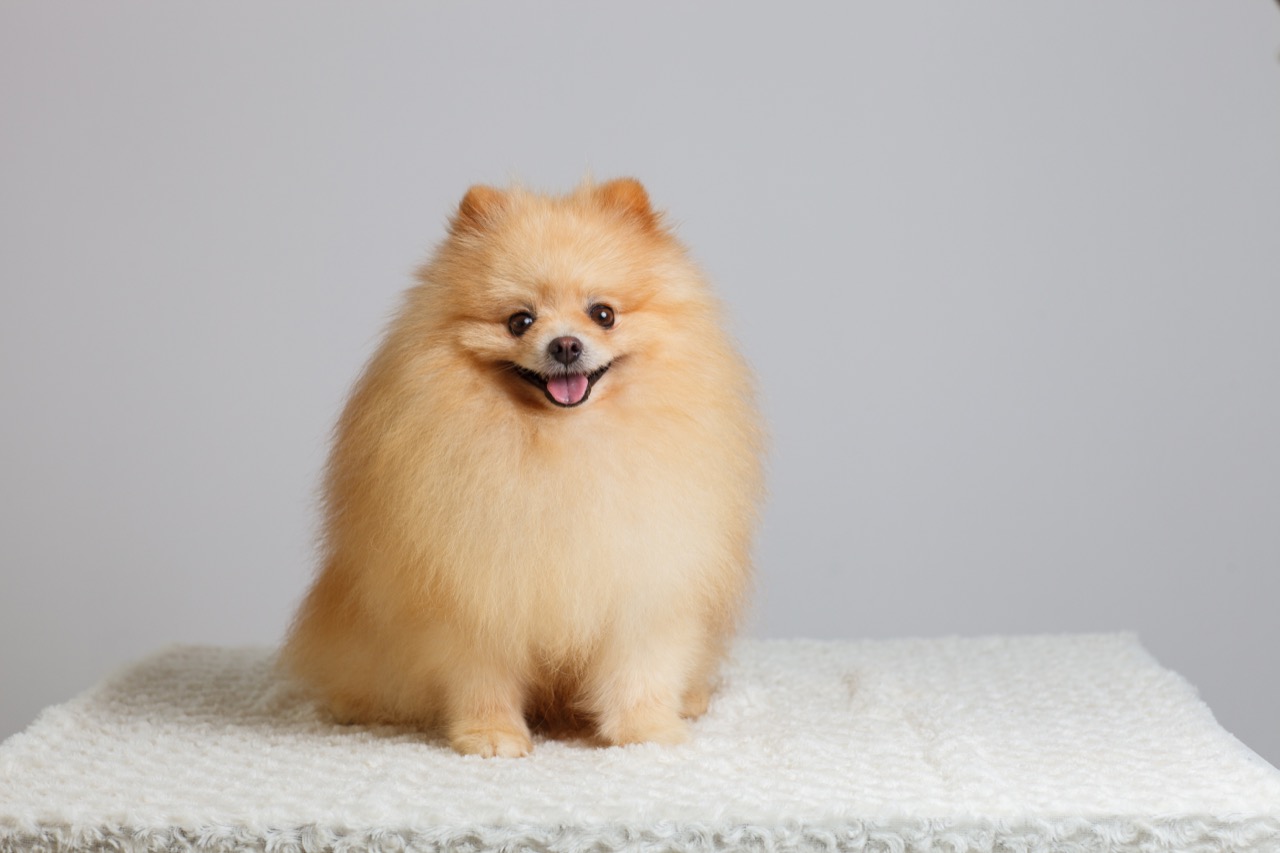
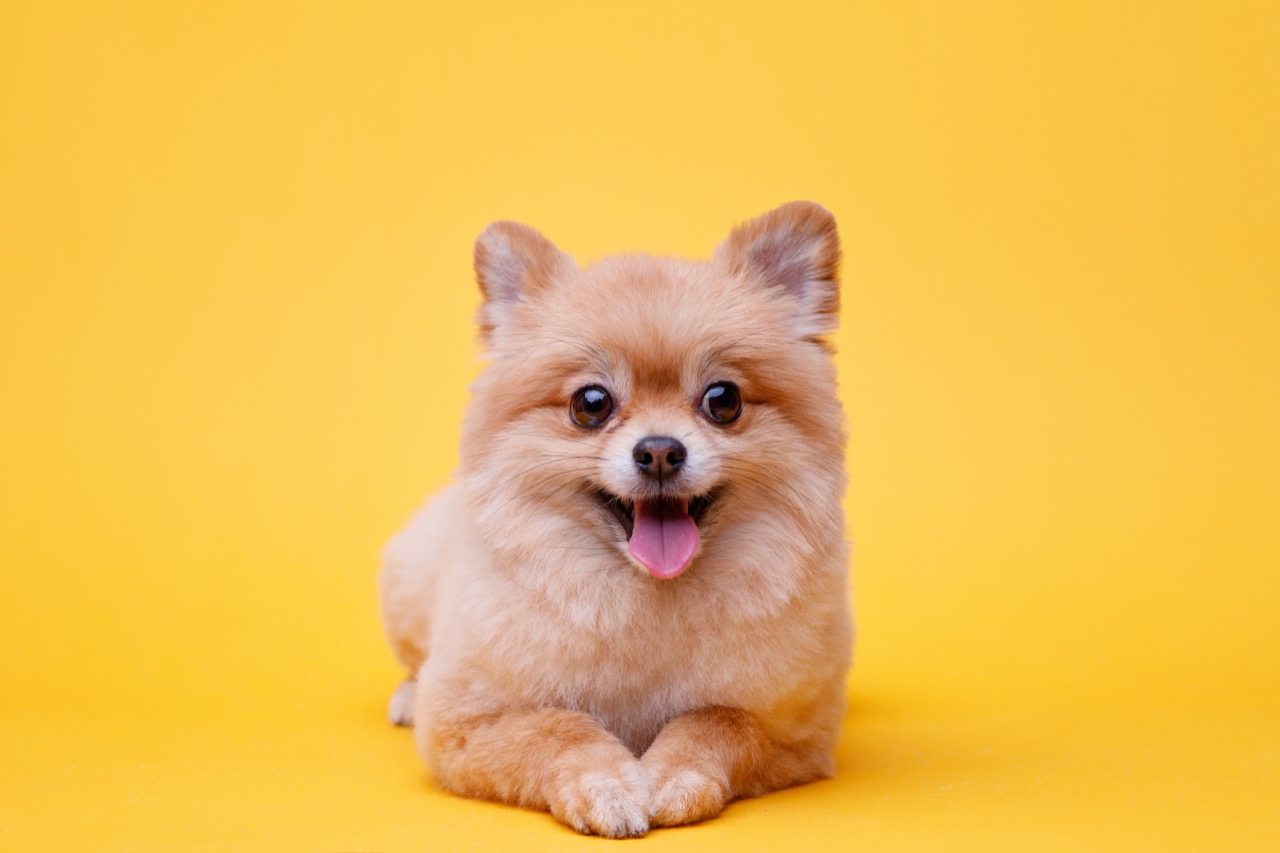
The double coat is the foundation of the Pomeranian look. It has two layers with different jobs. The undercoat is short, soft, and dense, acting like insulation and giving the dog its “puffed out” shape. The outer coat is longer and harsher in texture, standing off the body rather than lying flat. This is why a well-coated Pom can look almost spherical while still having a defined outline. When people say a Pomeranian coat should not be silky or limp, they are pointing to that stand-off quality. A very soft, single-coat feel can make the dog resemble other toy breeds and may not hold the classic spitz silhouette.
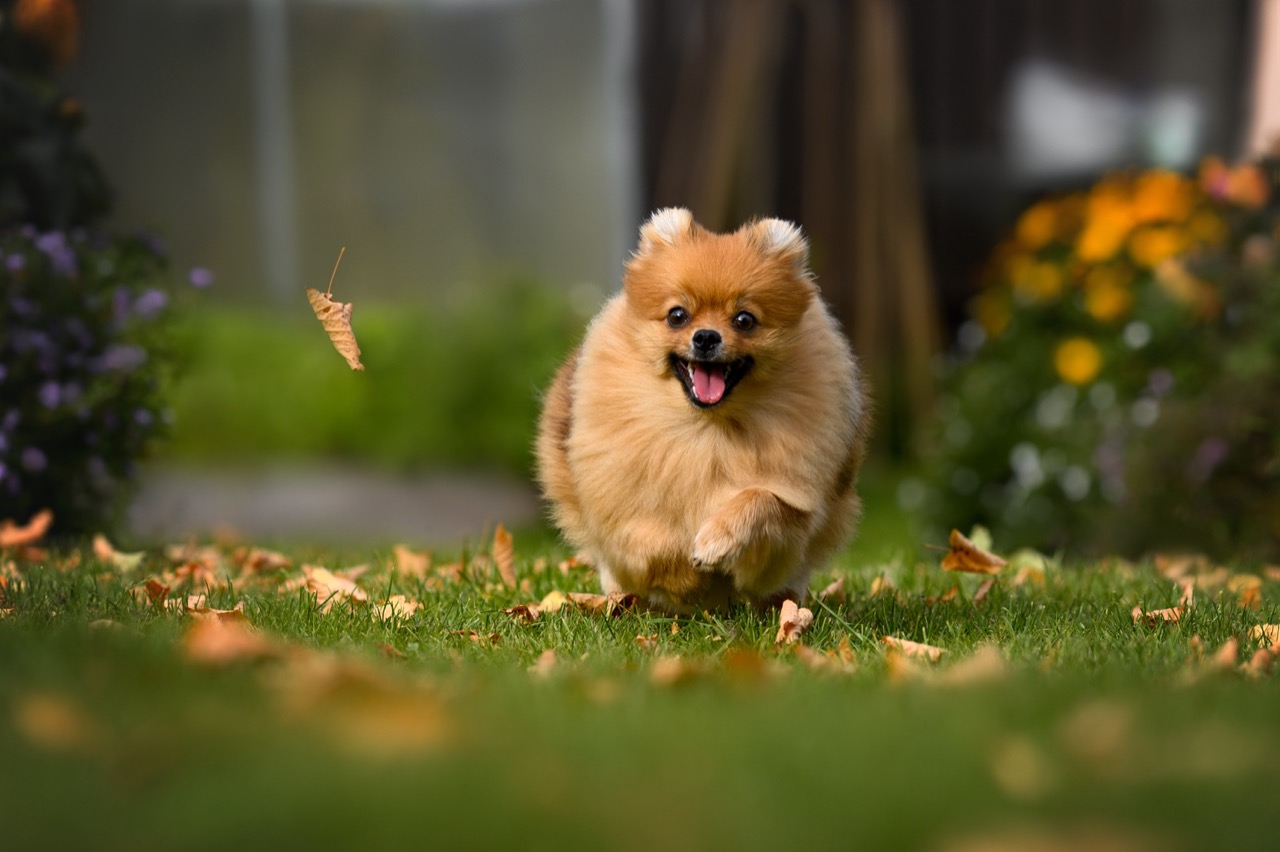
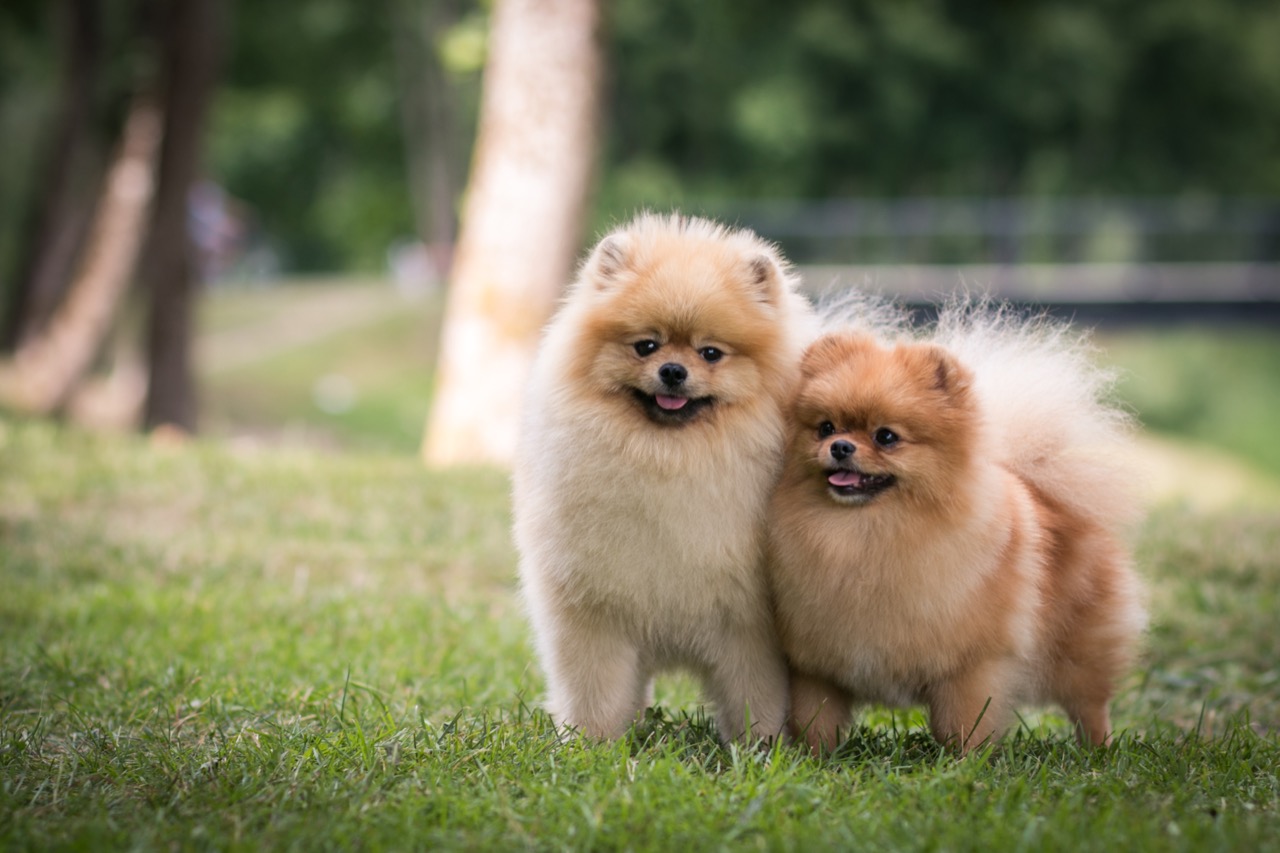
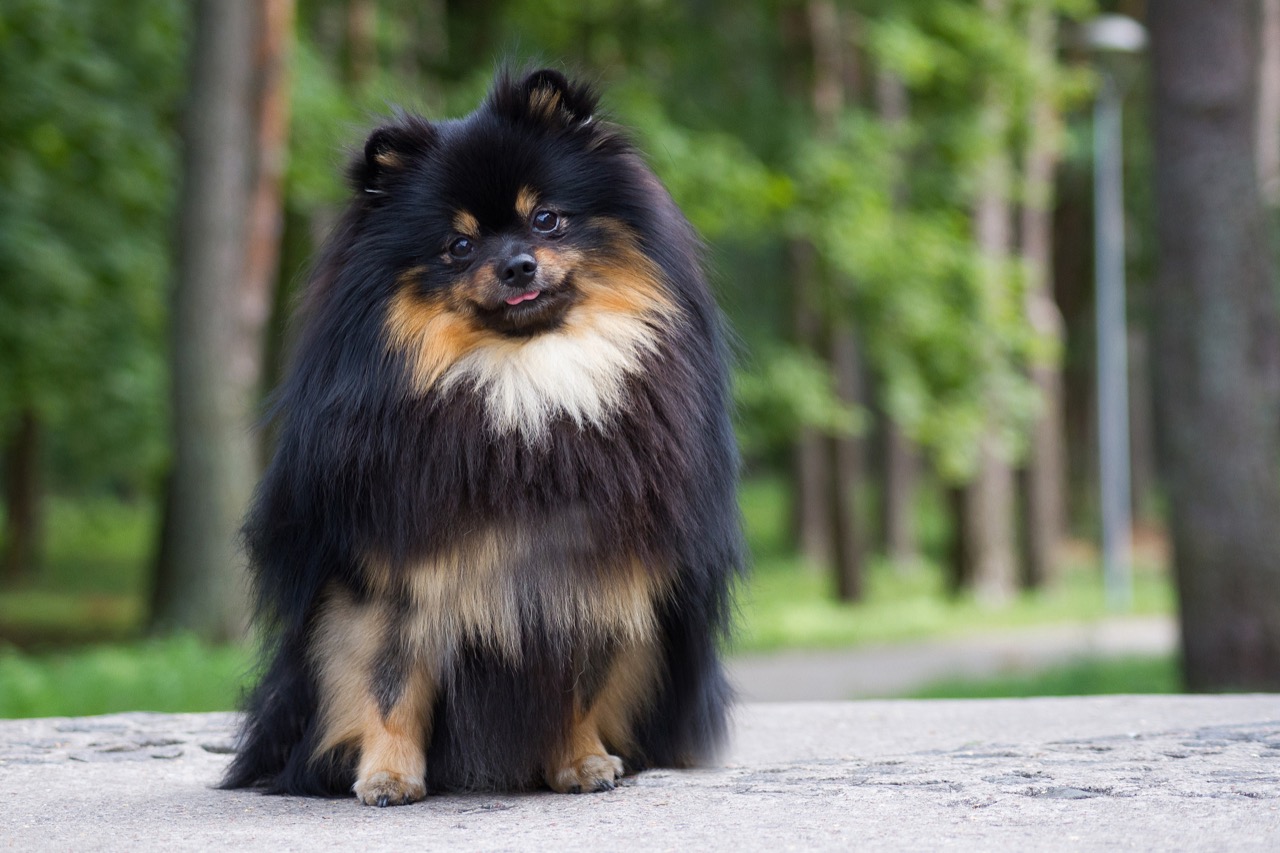
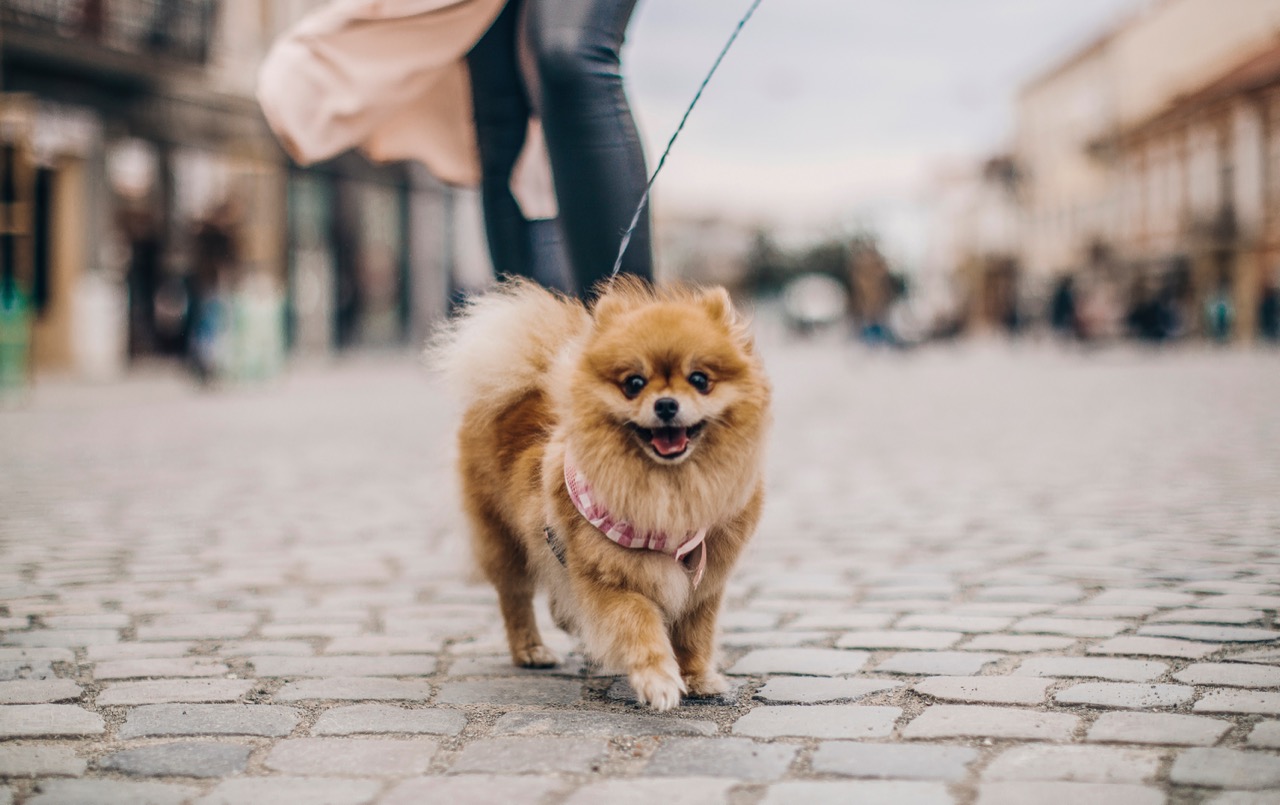
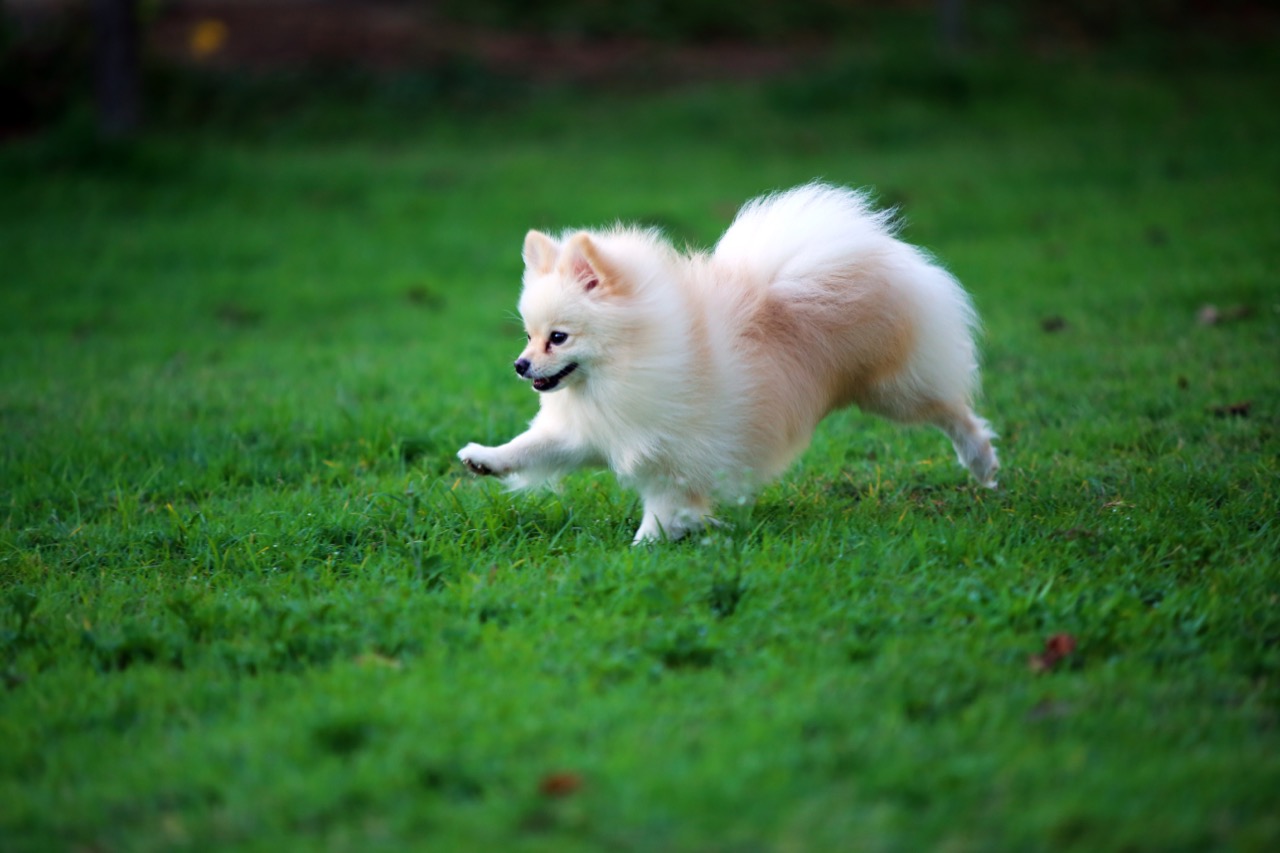
Certain areas emphasize the breed’s trademark fluff. The ruff, a thick collar of hair around the neck and chest, frames the head and adds to the lionlike effect, especially in adults. Behind the thighs, longer hair forms what the AKC standard calls a skirt, and the tail is heavily plumed. That tail is not just fluffy, it is set high and lies flat and straight on the back. A tail that hangs down or lacks feathering changes the outline dramatically and can make a dog look less like a Pom and more like a general small mixed spitz.
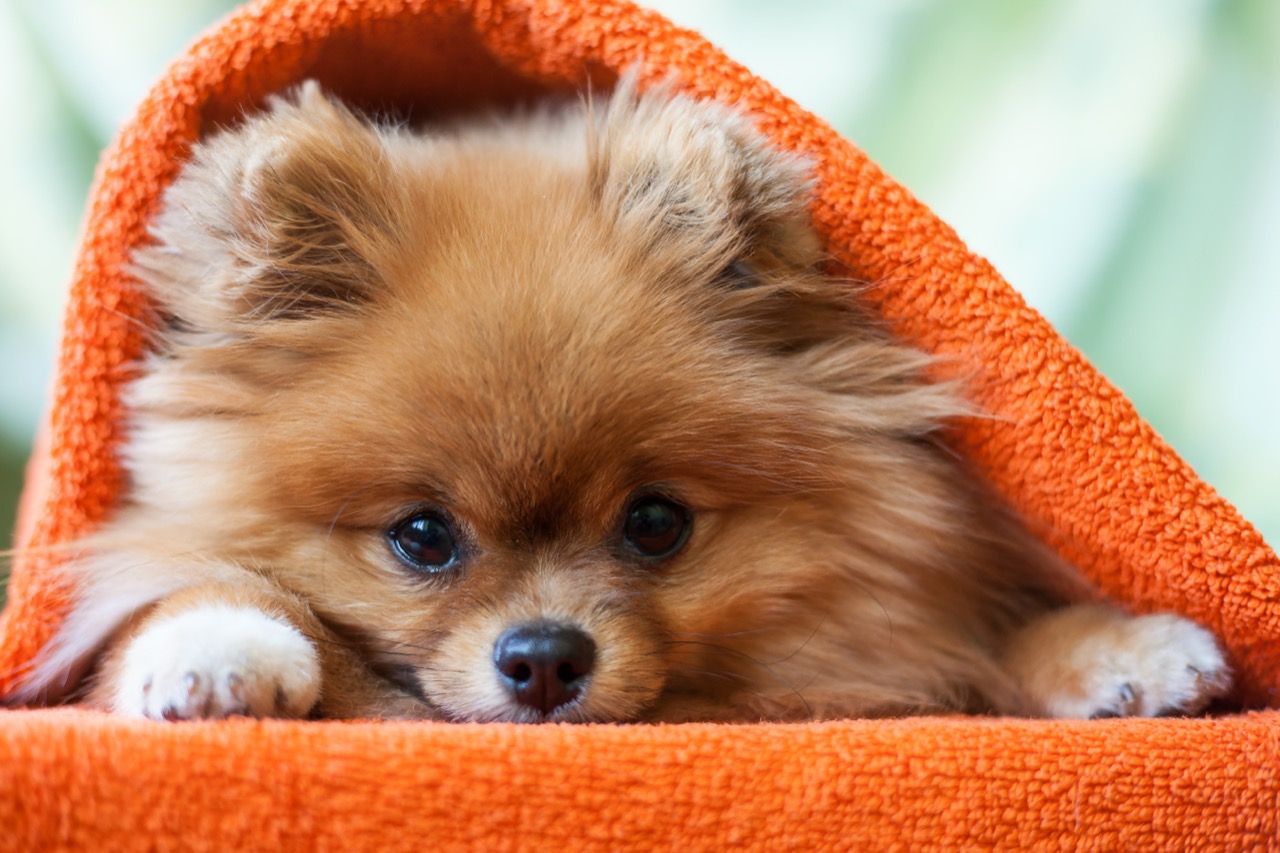
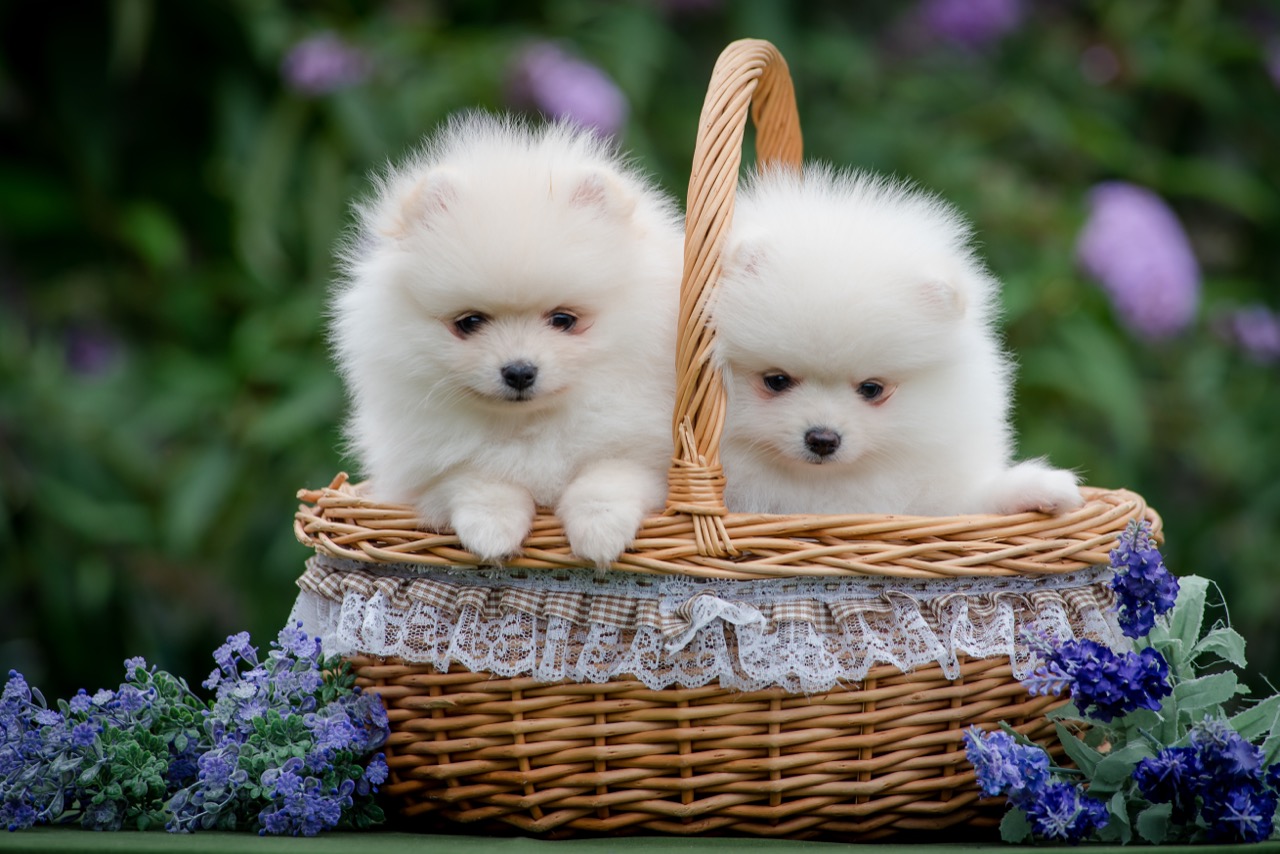
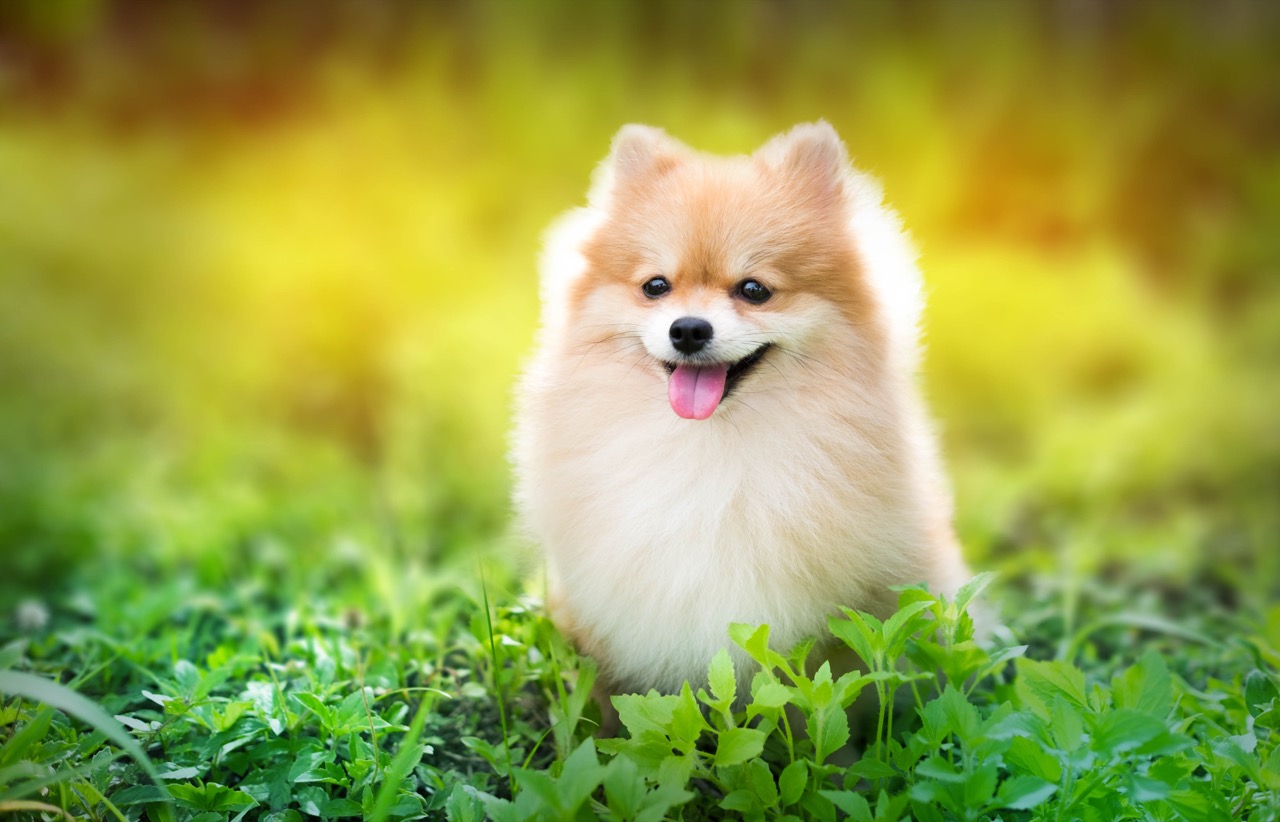
The head and ears complete the picture. Pomeranians have a wedge-shaped head with a relatively short muzzle and small, alert, triangular ears that sit high on the head. Ears that are large, low-set, or rounded can hint at another breed type. The expression is bright and intelligent, and the overall impression should be balanced: a short, strong back, a compact body, and sturdy, medium bone. Even though Poms are tiny, they are not meant to look fragile or long-bodied.
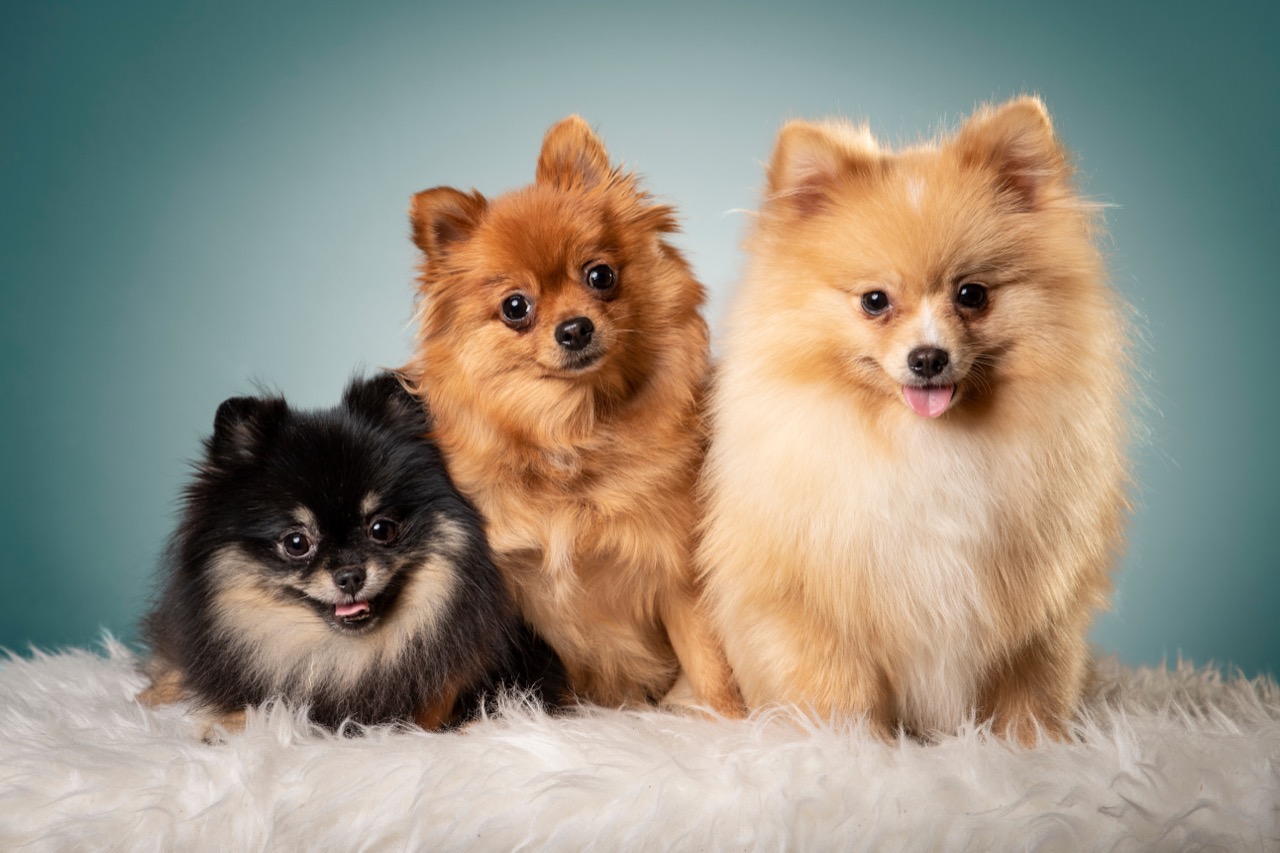
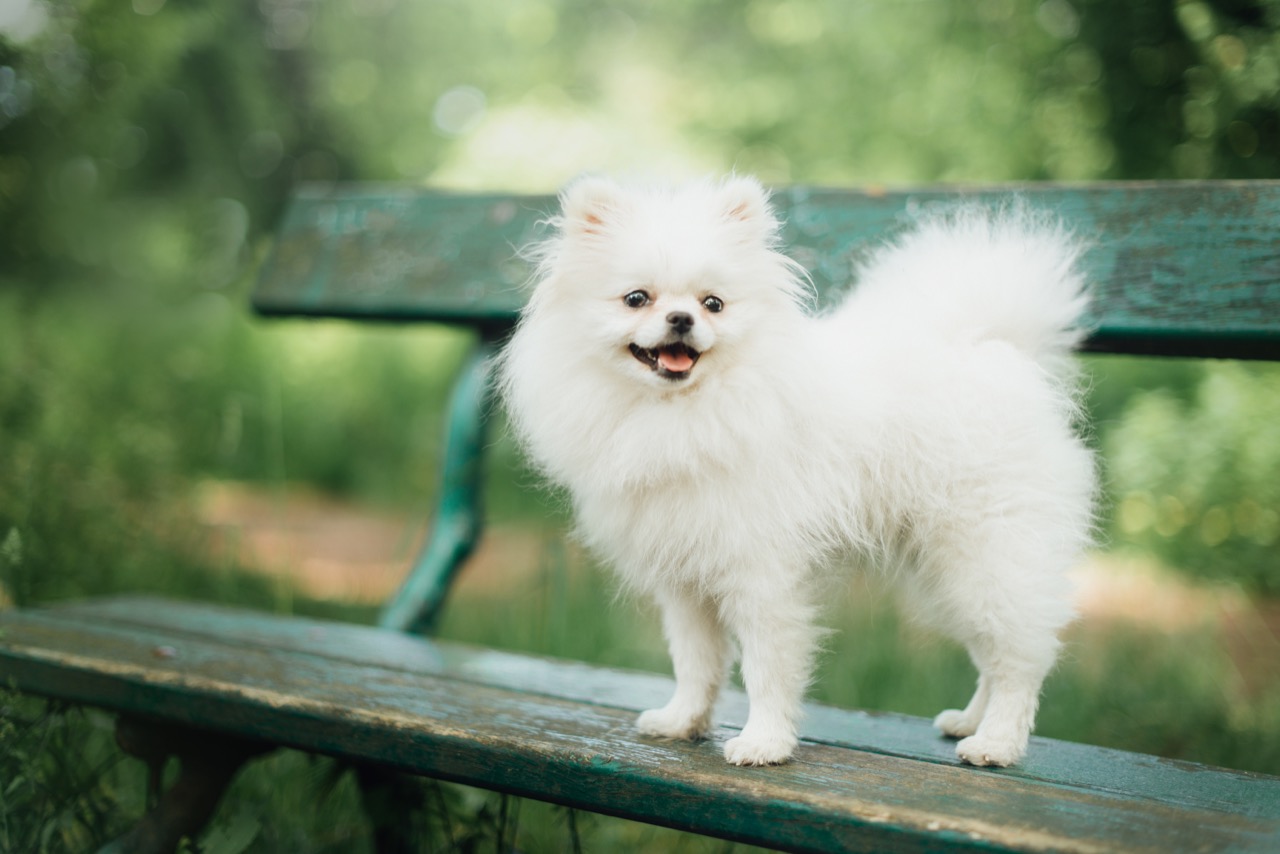
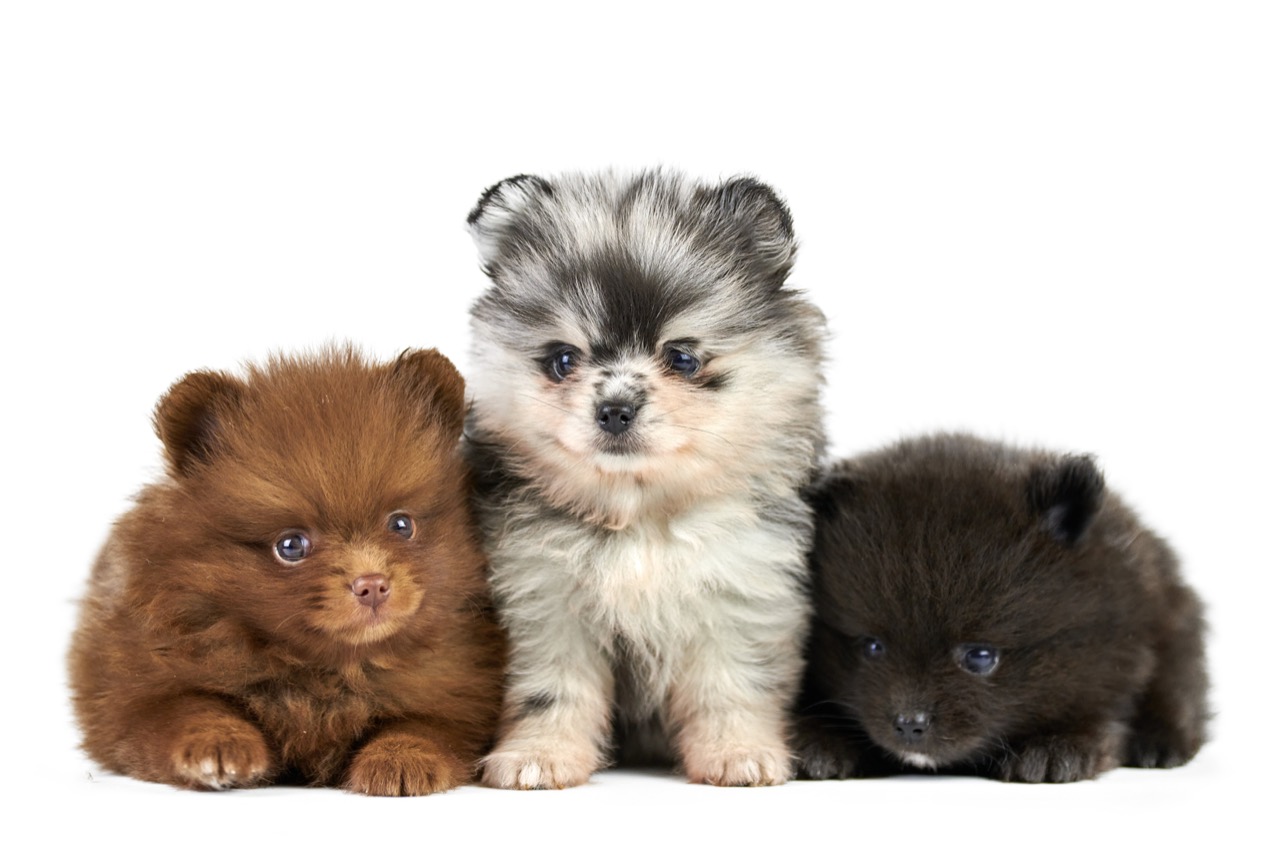
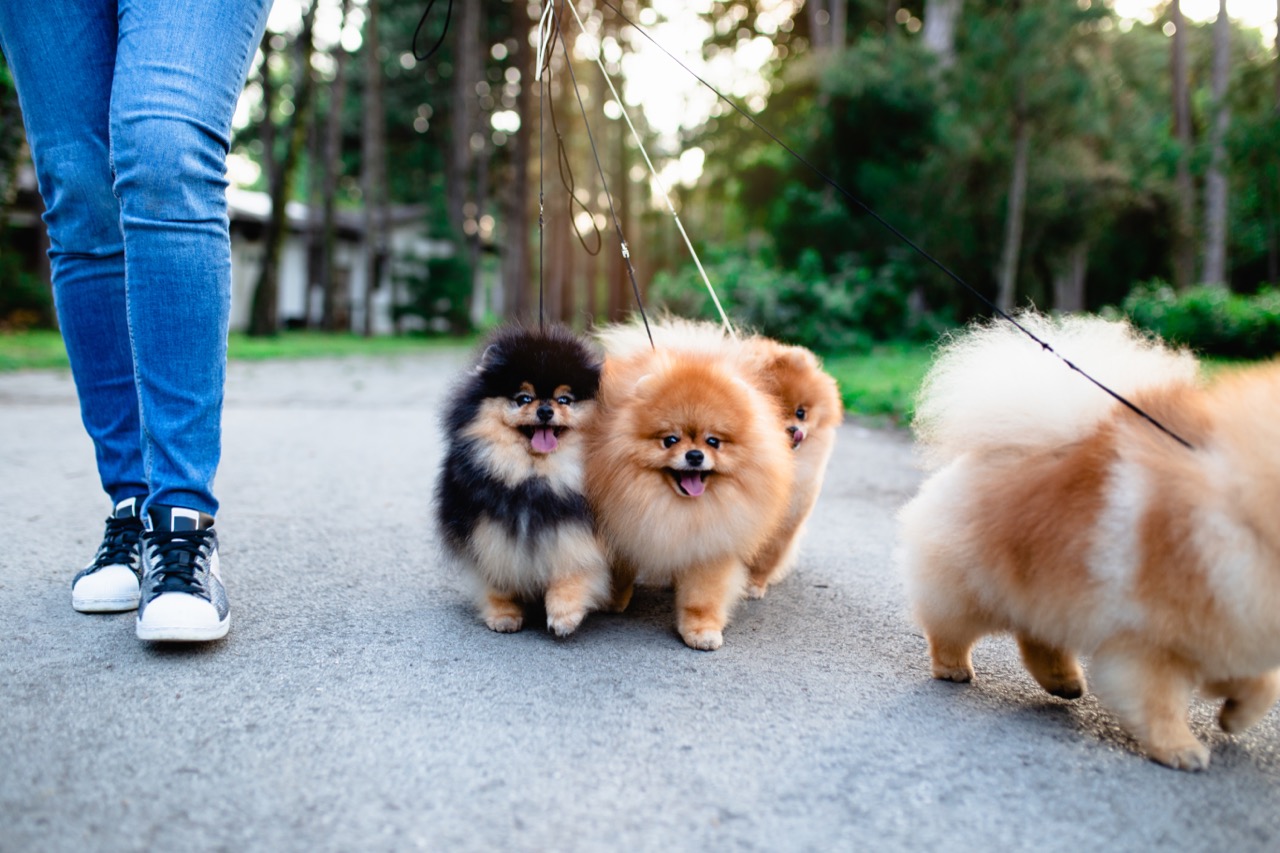
Coat color is where many people get surprised, because Pomeranians come in a wide range of shades and patterns. Orange, red, cream, black, and white are common, but you will also see chocolate, blue, and beaver tones, as well as many variations of sable. Sable usually means each hair is tipped with a darker color, creating shading that can look like a soft overlay. Puppies may appear quite dark and then lighten as the adult coat comes in, which is one reason Pom colors can be tricky to predict early on.
Patterns add another layer of variety. Particolor refers to a white base with clearly defined patches of another color. Merle is a marbled pattern that can appear with blue or liver tones, producing mottled patches and sometimes blue eyes. The AKC allows all colors, though some other registries do not accept merle, and vets caution against breeding two merle dogs together because of the health risks to puppies. Brindle striping and wolf-sable style shading can also occur, giving some Poms a wild, miniature spitz look.
Lookalikes are common because several small spitz breeds share similar traits: pointed ears, curled tails, and thick coats. The German Spitz is closely related and can look very similar, often differing mainly in size categories and regional standards. The American Eskimo Dog, especially the toy variety, can resemble a white Pom but typically has a larger frame and a different head shape. The Japanese Spitz is usually larger and pure white. What keeps the Pomeranian distinct is that extra-compact build paired with an abundant, stand-off coat and a tail plume that seems almost oversized for the body.
If you want to test your “Pom radar,” focus on the outline first: compact body, high-set ears, a full ruff, and a tail that rides proudly over the back. Then look closer at coat texture and color pattern. When those features line up, you are not just seeing a small fluffy dog, you are seeing the specific design that makes a Pomeranian instantly recognizable.