Keeping a German Shorthaired Pointer Fit





Quiz Complete!
German Shorthaired Pointer Health Warning Signs Every Owner Should Know
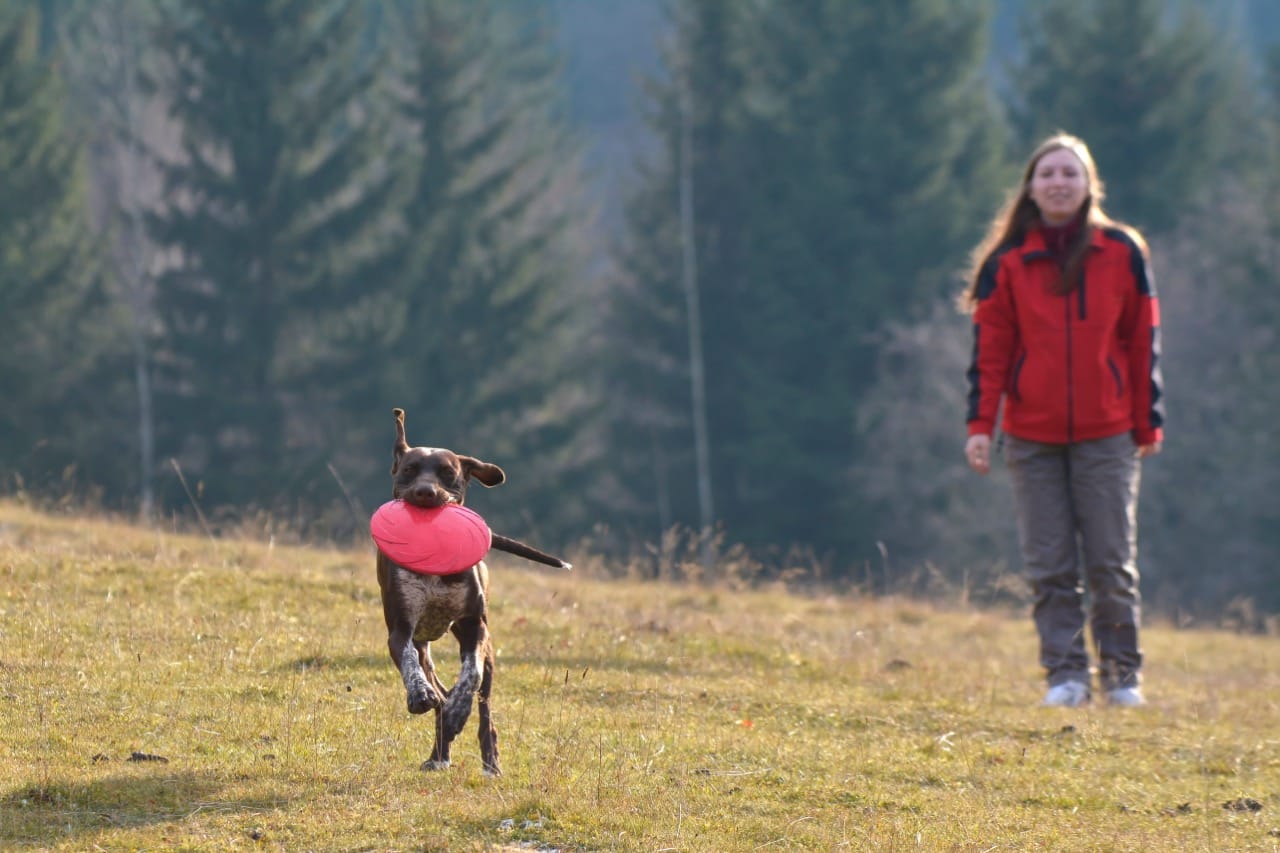
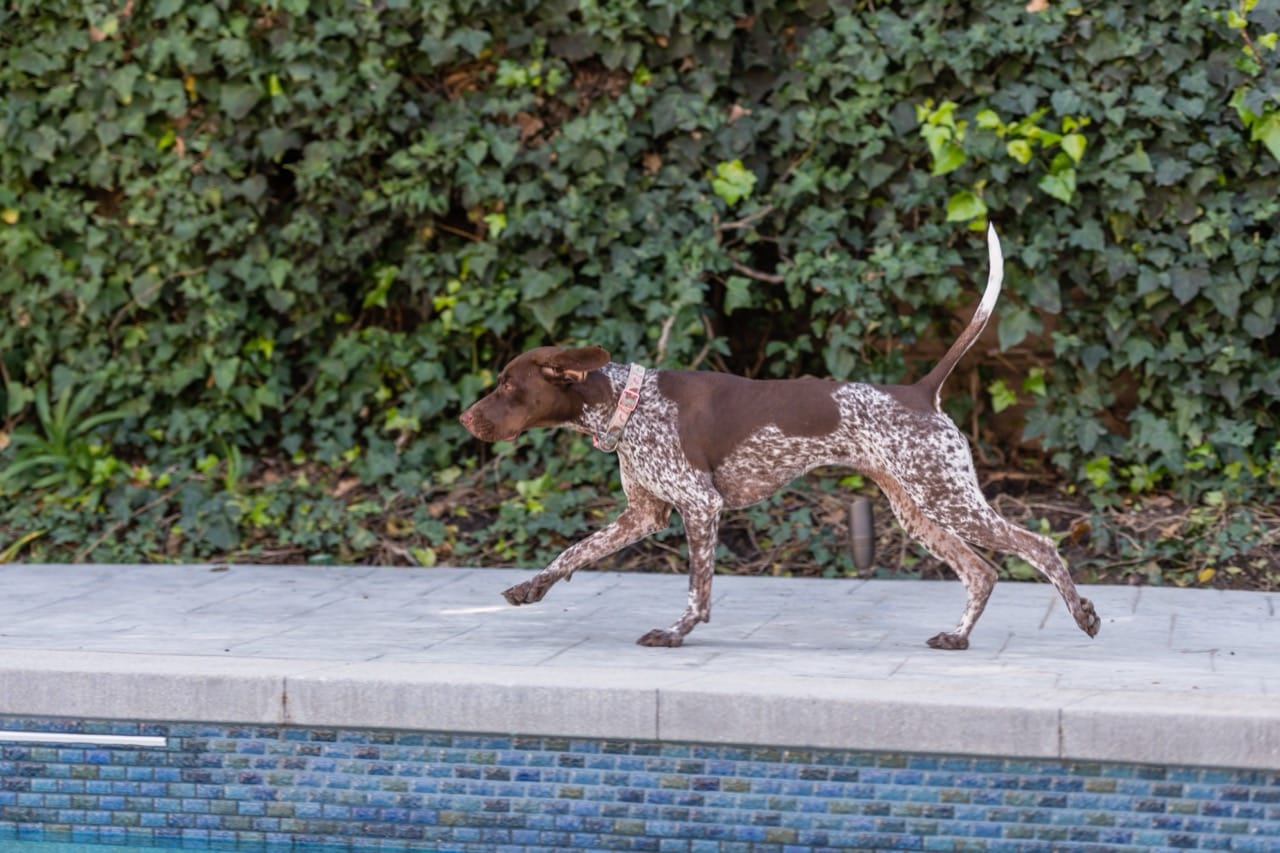
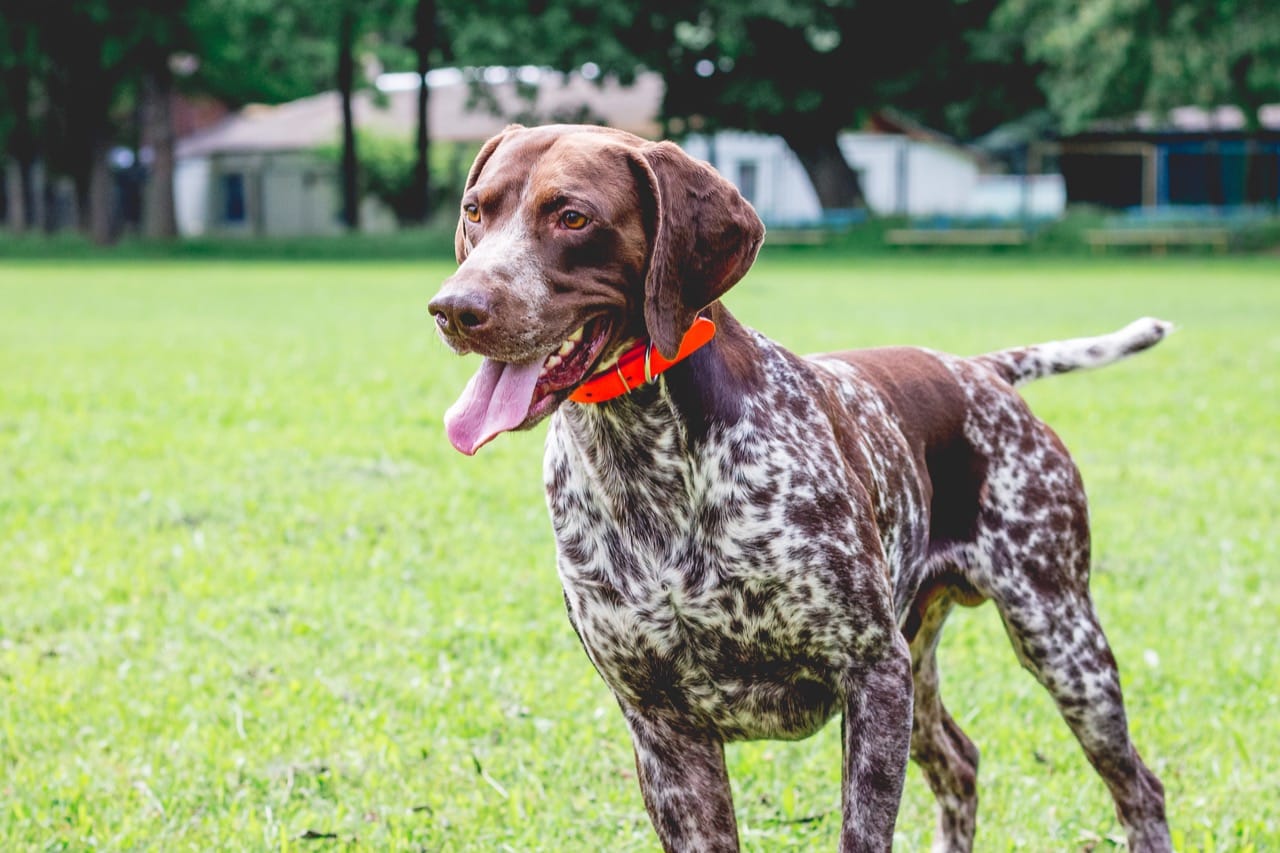
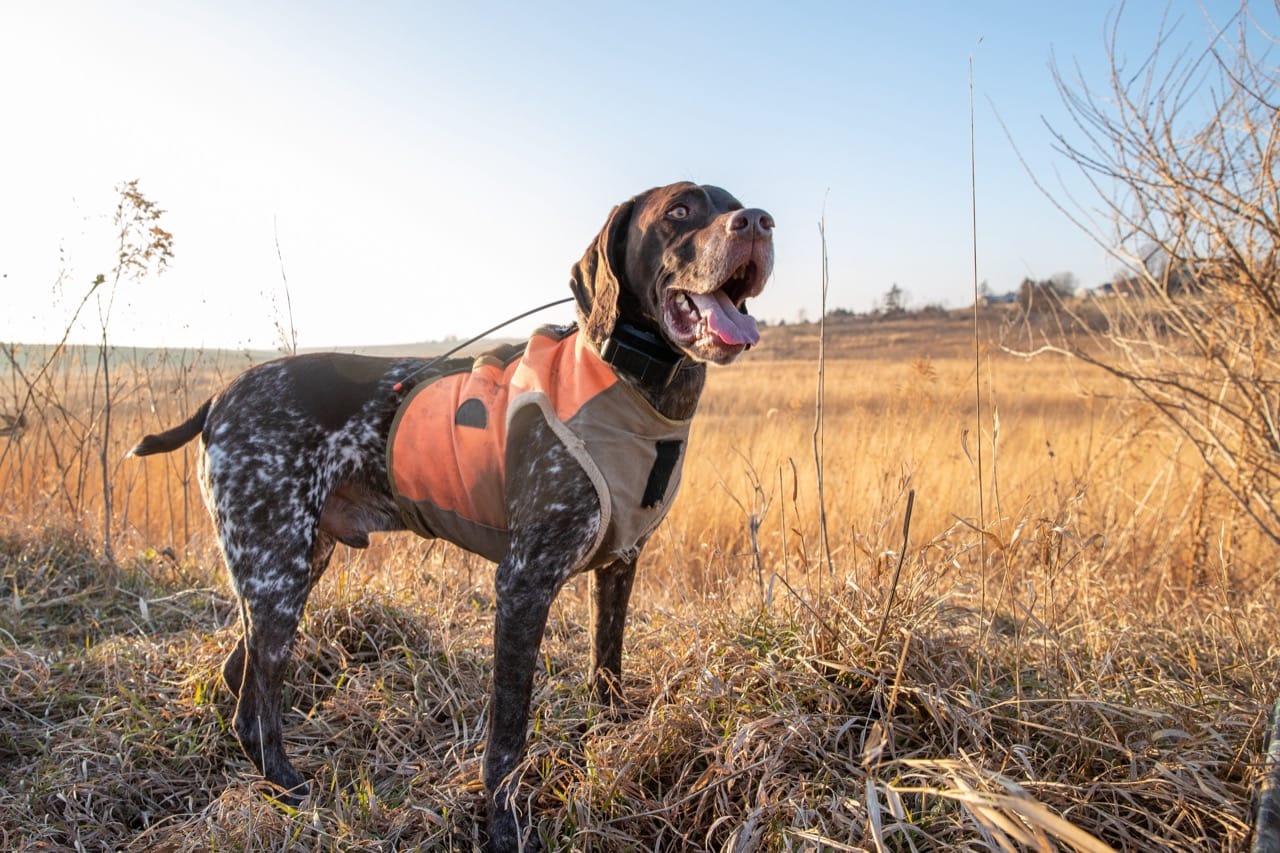
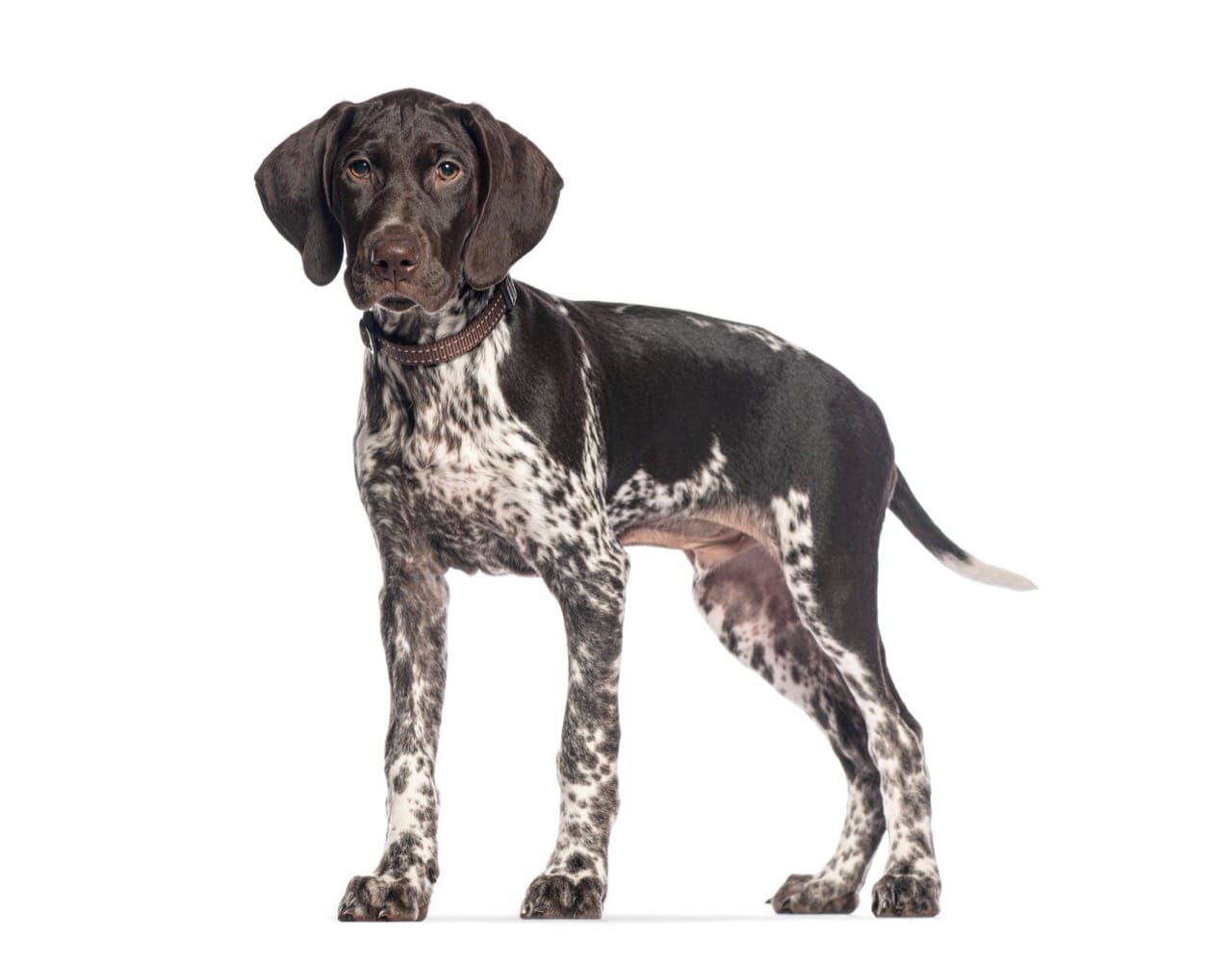
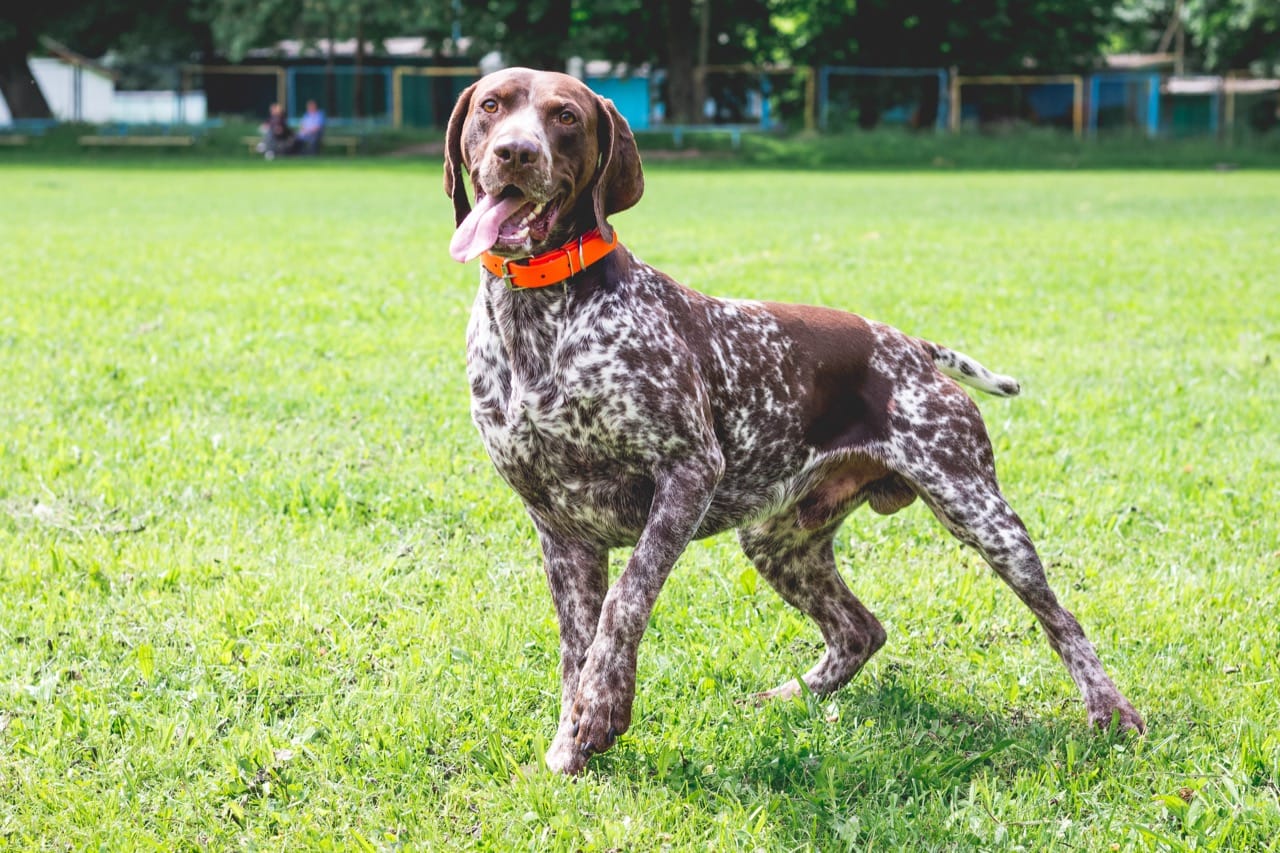
German Shorthaired Pointers are built like endurance athletes: lean, muscular, and always ready to go. That drive is part of their charm, but it can also hide early illness. Many dogs in this breed will keep running, hunting, or playing even when something hurts, so owners do best when they watch for subtle changes rather than waiting for obvious collapse or crying out.
Because German Shorthaired Pointers are so active, orthopedic problems deserve special attention. Hip dysplasia can show up as stiffness after rest, a bunny hopping gait when running, difficulty jumping into the car, or a reluctance to climb stairs. Elbow dysplasia and other joint issues may cause intermittent front leg lameness that seems to come and go, especially after hard exercise. Toenails that suddenly wear unevenly, a dog that sits with one leg kicked out to the side, or a change in how they rise from the floor can be early clues. In young dogs, persistent limping should never be written off as a simple sprain, since growing athletes can develop conditions that benefit from early diagnosis and controlled rehab.
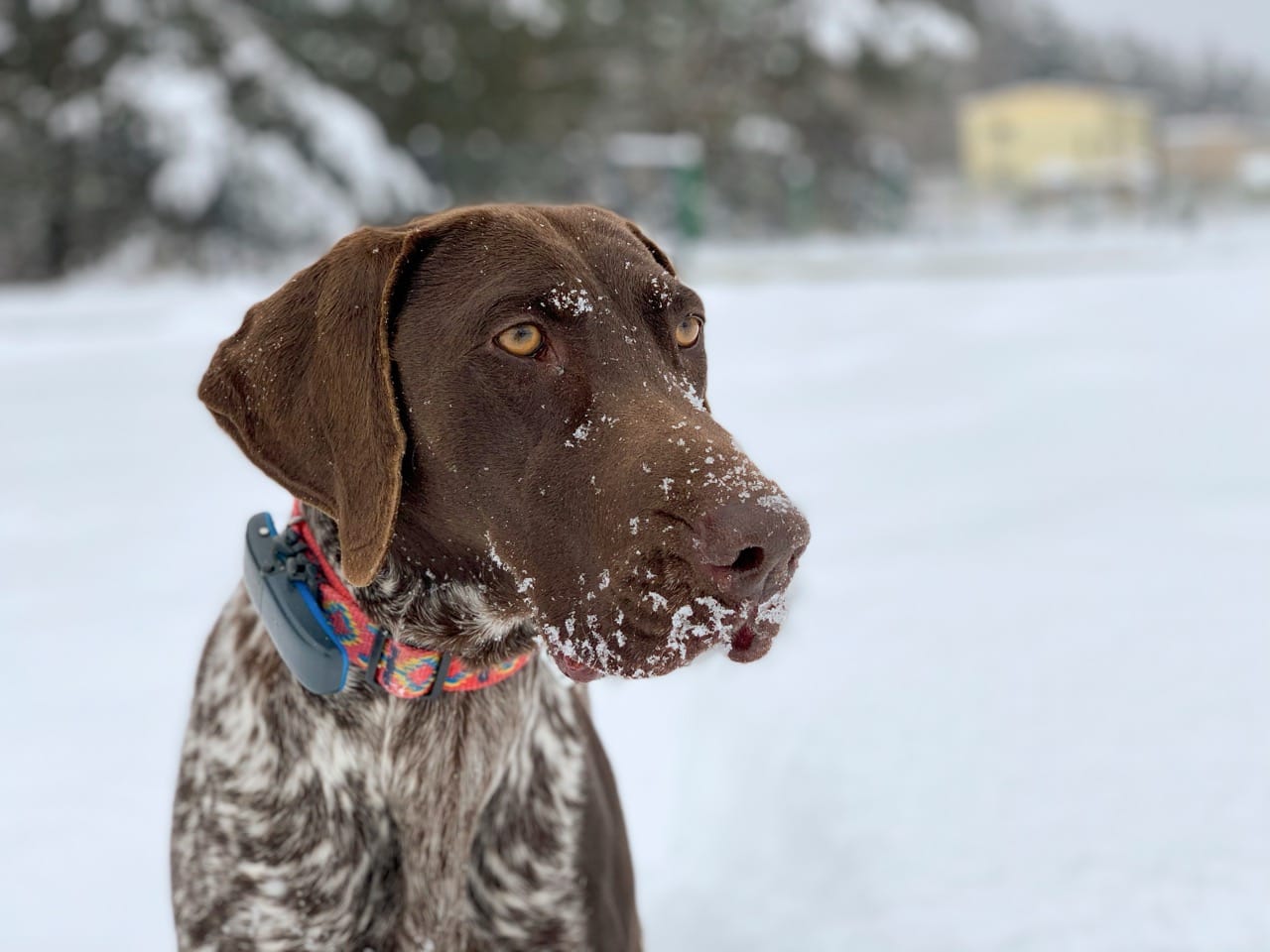
Eye health is another area where owners can spot warning signs at home. Any squinting, excessive tearing, cloudiness, redness, or a bluish haze on the surface of the eye should be treated as urgent. Active outdoor dogs are prone to eye injuries from brush and seeds, and a seemingly minor scratch can become a painful ulcer. Some inherited eye diseases occur in the breed as well, so changes in night vision, bumping into objects in dim light, or unusual hesitation on stairs can be meaningful. If you notice the pupil sizes look different, the eye appears suddenly bulging, or your dog is pawing at the face, it is time to call your veterinarian promptly.
One of the most time sensitive emergencies for deep chested, athletic breeds is bloat, also known as gastric dilatation volvulus. It can start with a suddenly swollen or tight abdomen, repeated retching with little or no vomit produced, drooling, pacing, restlessness, and signs of pain. As it progresses, gums may become pale, breathing may look labored, and the dog can collapse. This is not a wait and see situation. If bloat is suspected, immediate emergency care can be lifesaving.
Outdoor life also brings skin and ear challenges. German Shorthaired Pointers often spend time in fields, water, and tall grass, which can trap moisture and debris. Ear trouble may show up as head shaking, scratching, a sour or yeasty smell, redness, swelling, or dark discharge. Because ear infections can be painful, some dogs simply become irritable or avoid having their head touched. Skin irritation can come from allergies, parasites, or contact with plants. Watch for persistent licking of paws, recurrent hot spots, scabs, hair loss, or a new rash on the belly or armpits. Ticks and foxtails are practical hazards: ticks can transmit disease, and foxtails can migrate into ears, noses, paws, or skin. Sudden sneezing fits, one sided nasal discharge, a new draining lump, or intense paw licking after a run should raise suspicion.
German Shorthaired Pointers are also known for their appetite and enthusiasm, which makes changes in eating and drinking especially noticeable. A dog that suddenly refuses food, drinks far more than usual, loses weight despite good appetite, or seems unusually tired may be signaling a systemic problem. Vomiting or diarrhea that lasts more than a day, contains blood, or is paired with lethargy warrants a call. So does coughing, fainting, heat intolerance, or weakness during exercise, since hard charging dogs can push through early heart, lung, or metabolic issues.
The most useful skill for owners is learning their dog’s normal. Know the usual energy level, stool quality, appetite, gait, and ear and skin appearance. When something changes, even slightly, take it seriously. With a breed that loves to power through discomfort, early attention to small warning signs is one of the best ways to protect that athletic body for the long run.