Spot the German Shorthaired Pointer


Quiz Complete!
How to Recognize a German Shorthaired Pointer by Look and Build
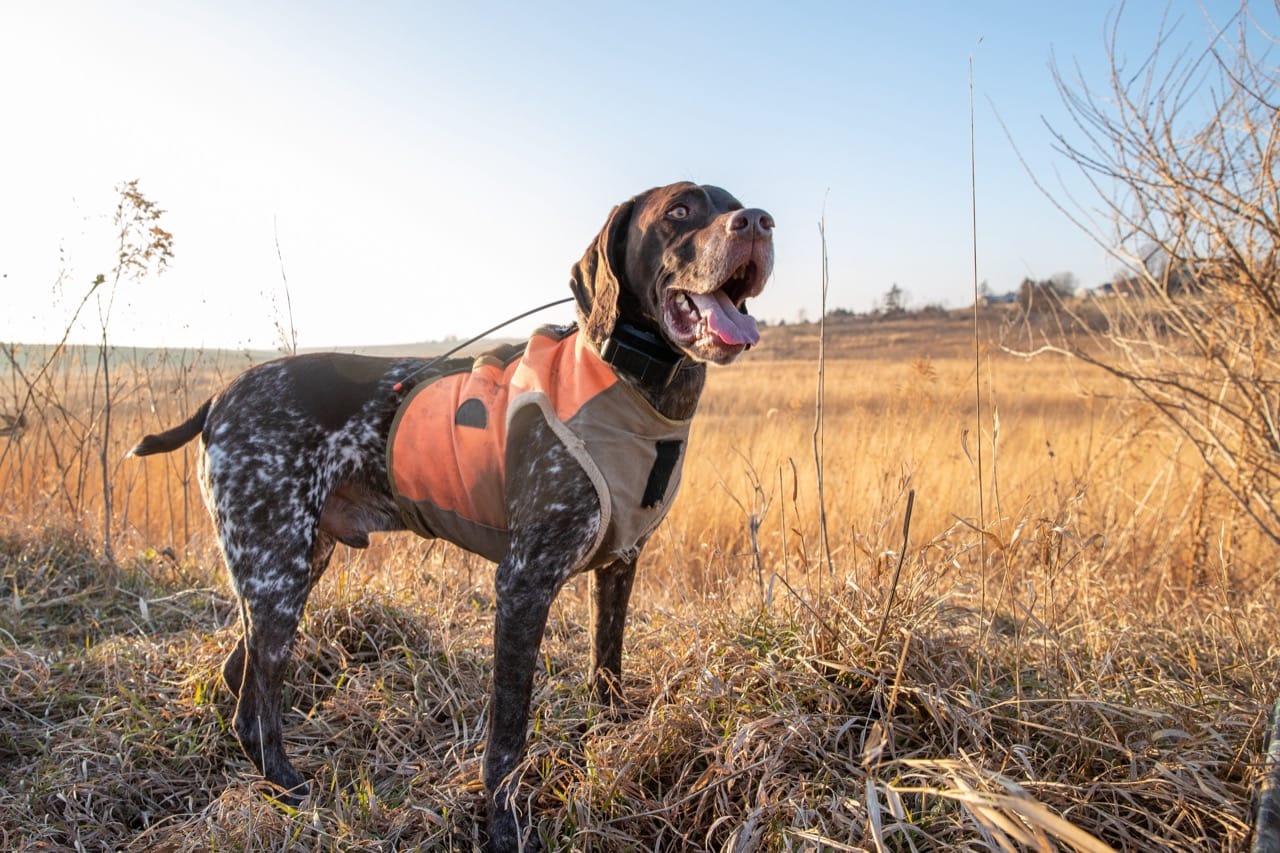
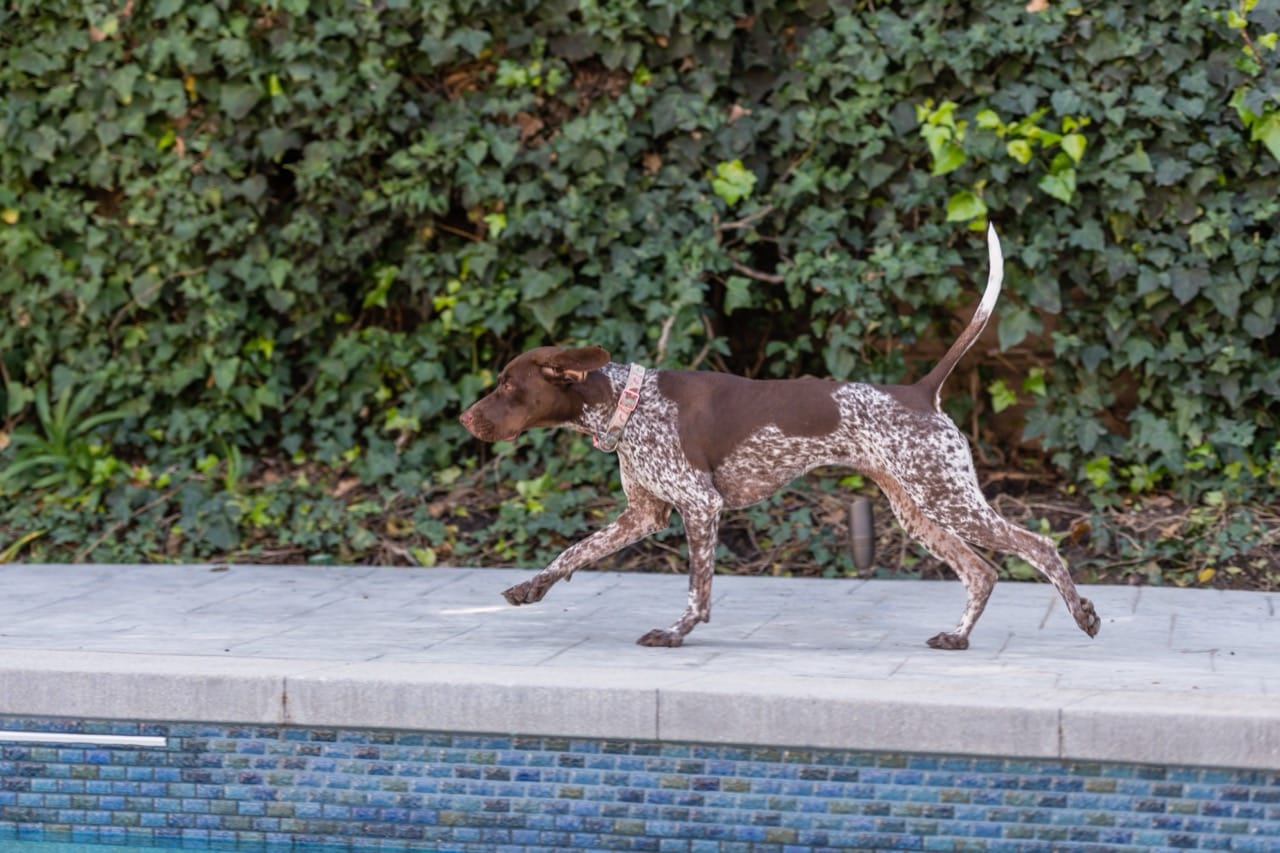
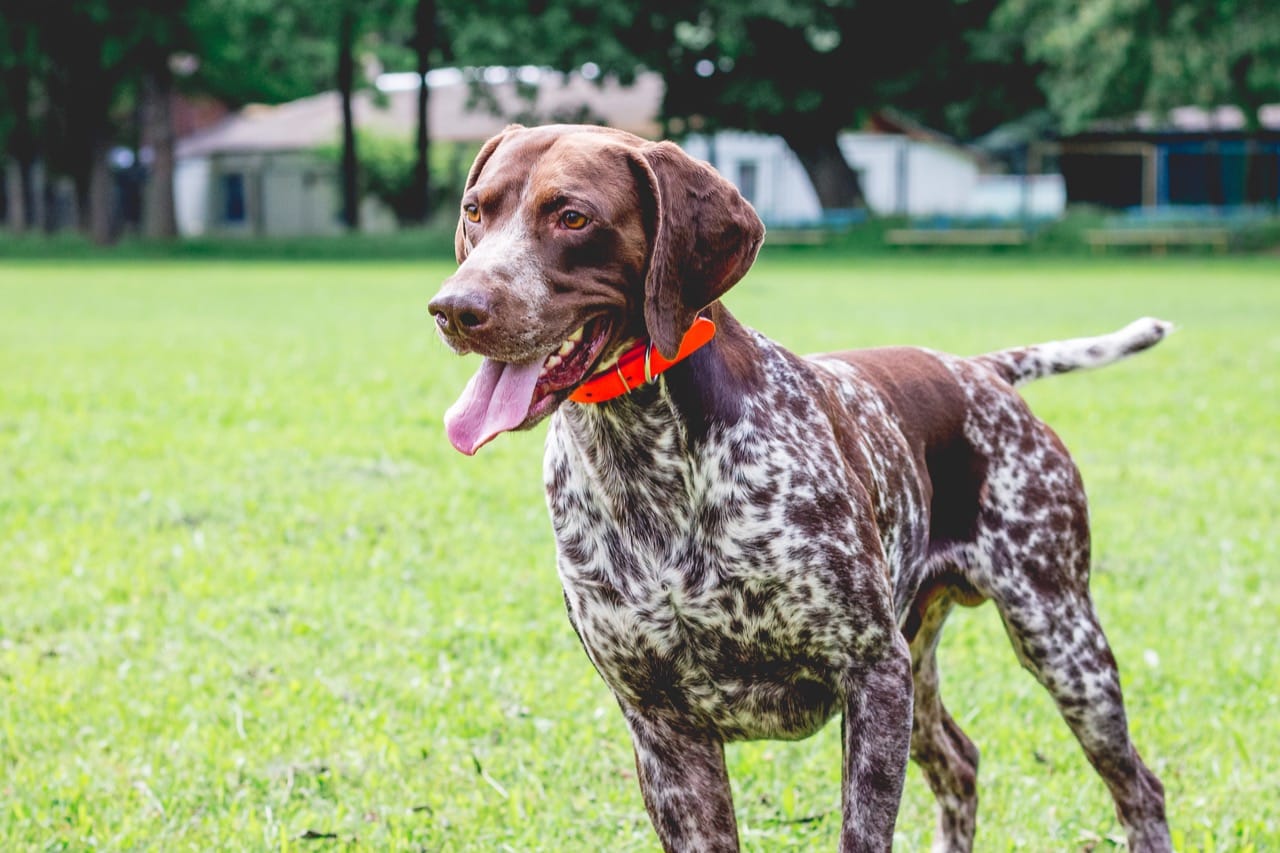
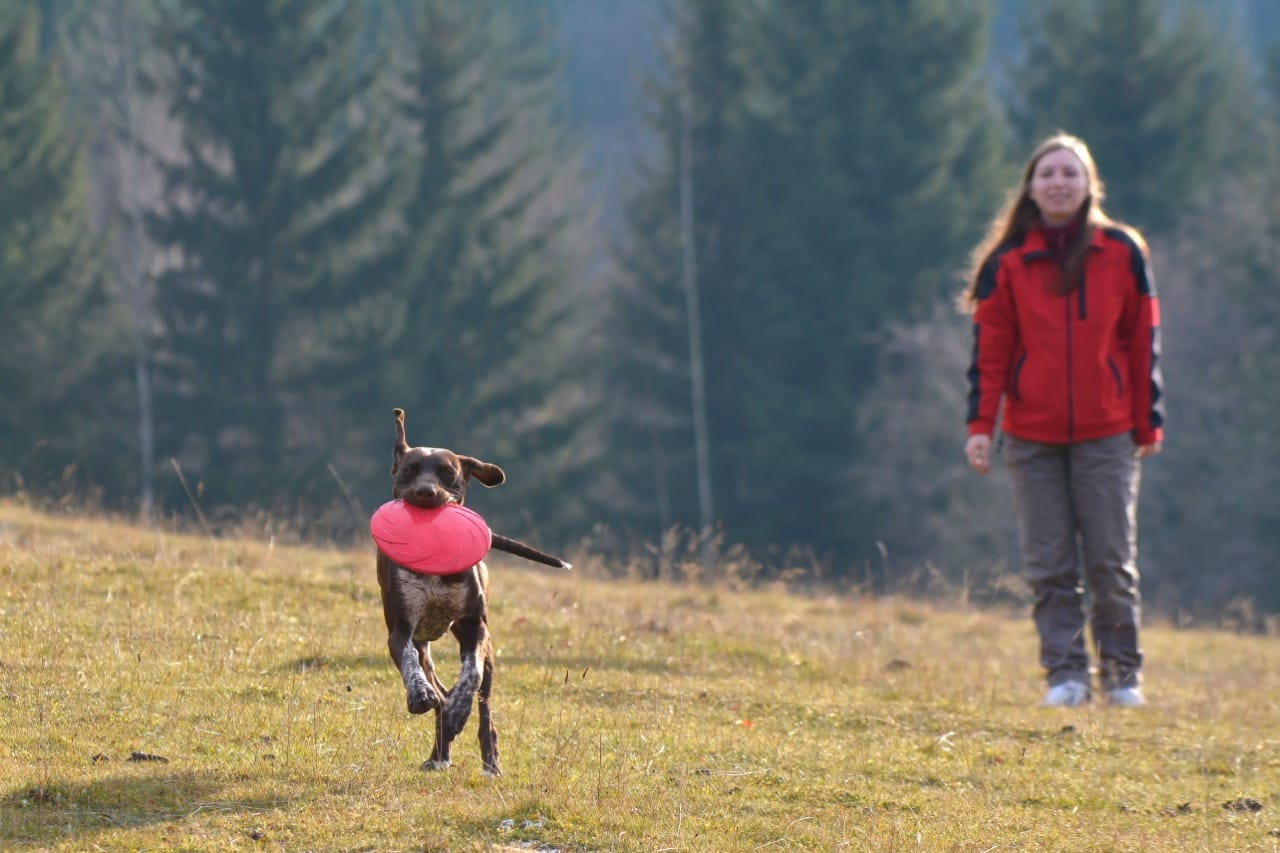
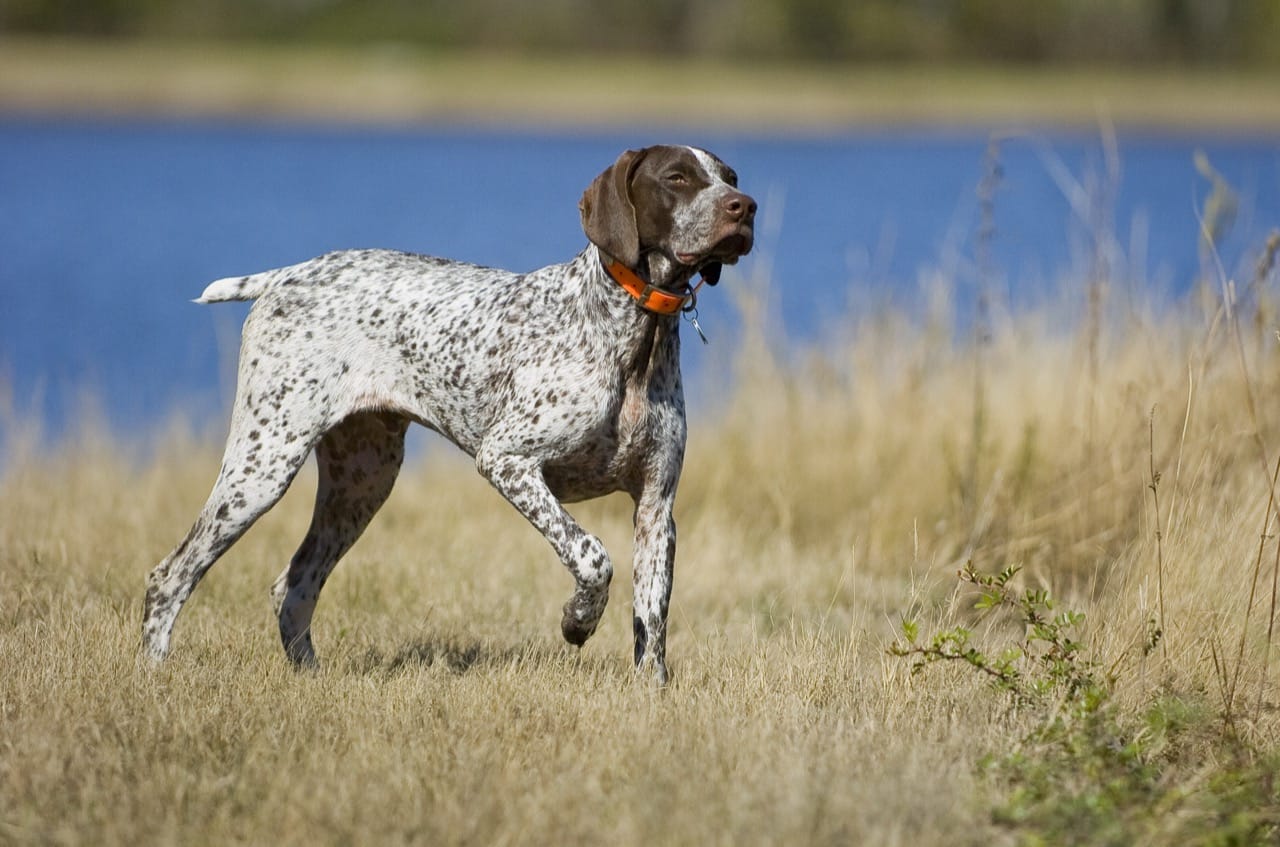
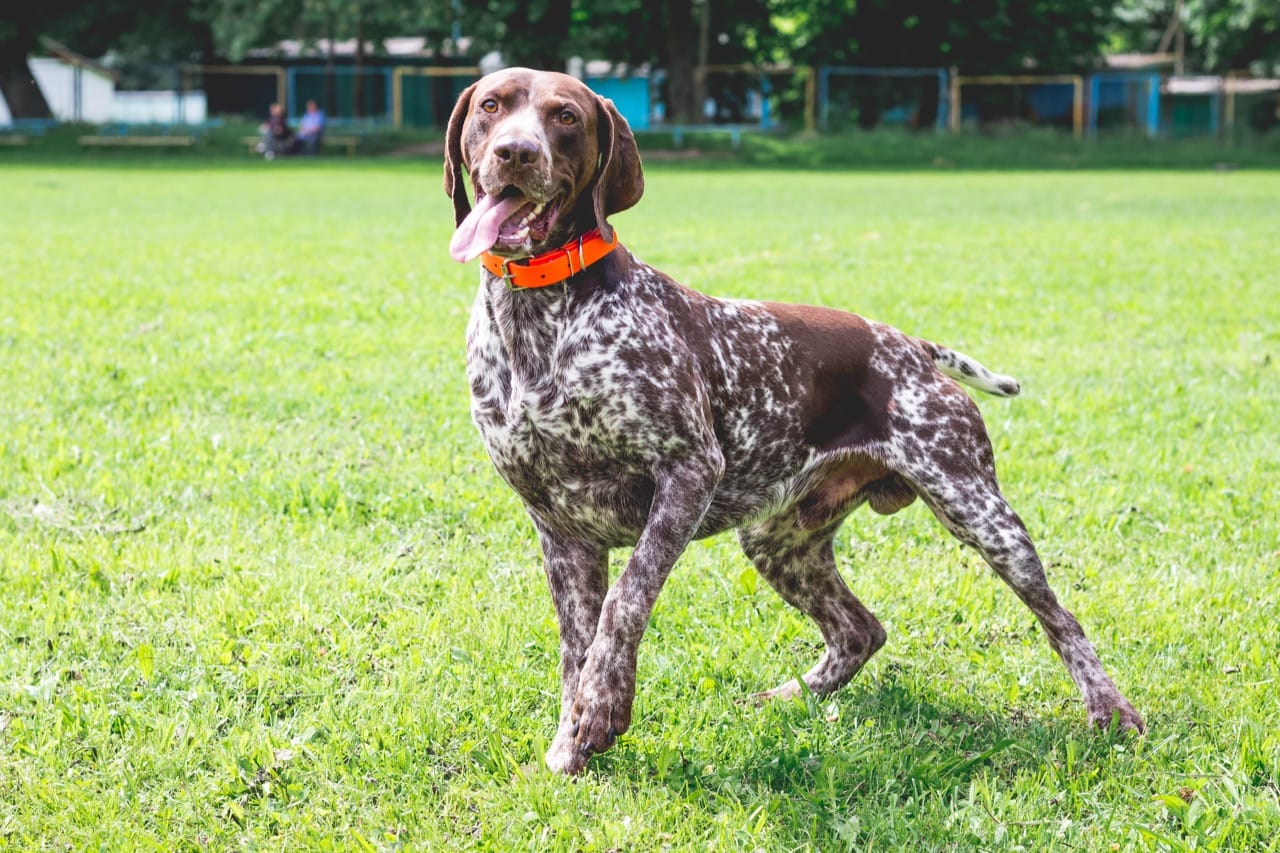
The German Shorthaired Pointer, often called the GSP, has a look that seems designed for motion. Even standing still, the breed reads as athletic and efficient rather than bulky or delicate. The body is balanced, with a deep chest for stamina, a strong back, and long, clean legs that suggest speed. Many people first notice the overall outline: a dog that appears streamlined, with no exaggerated features, built to cover ground all day in field conditions.
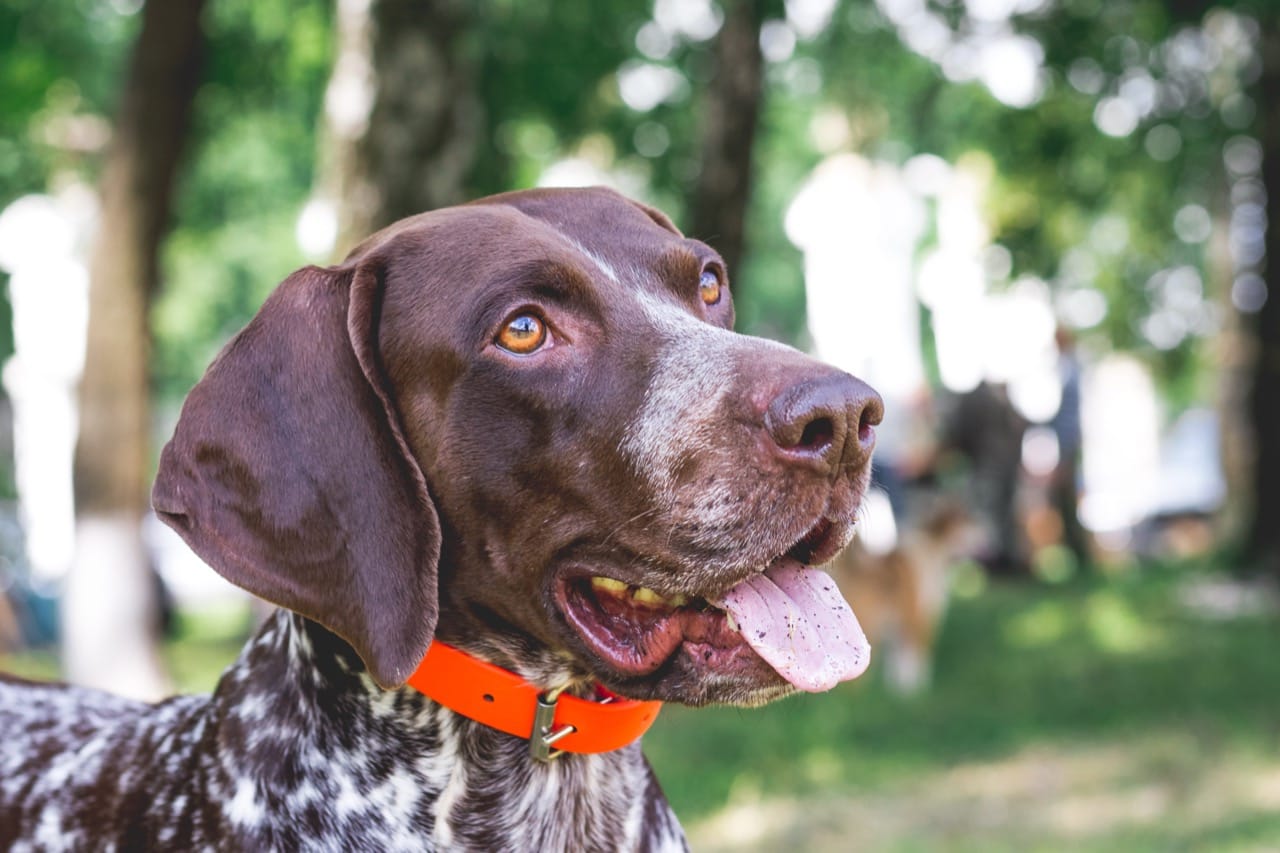
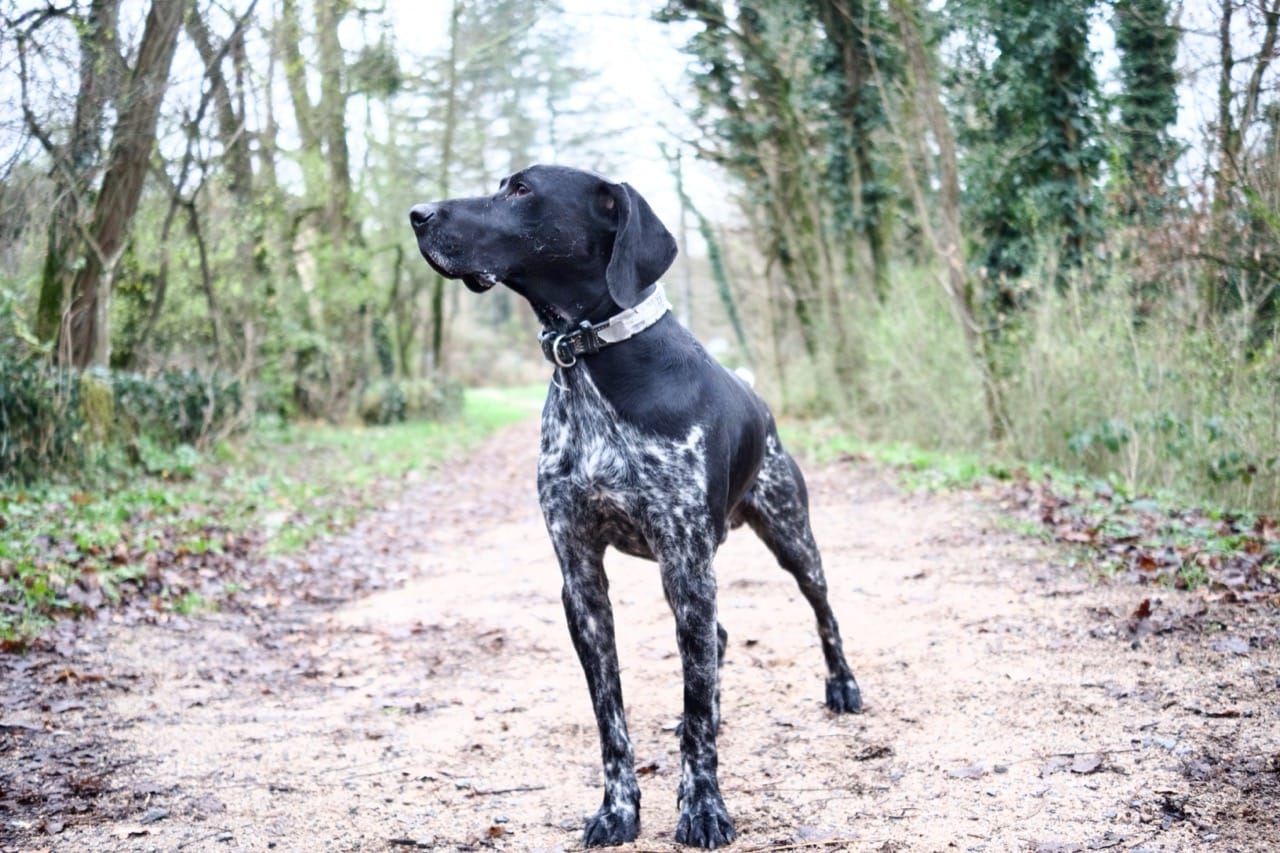
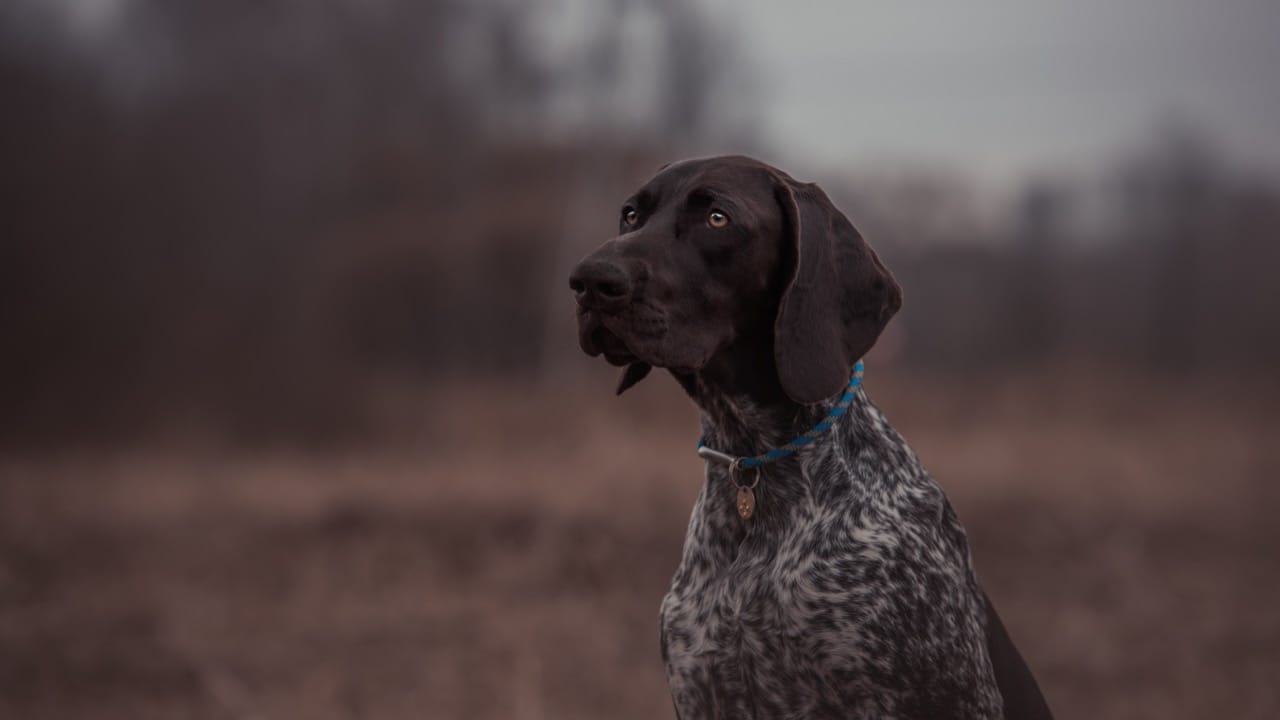
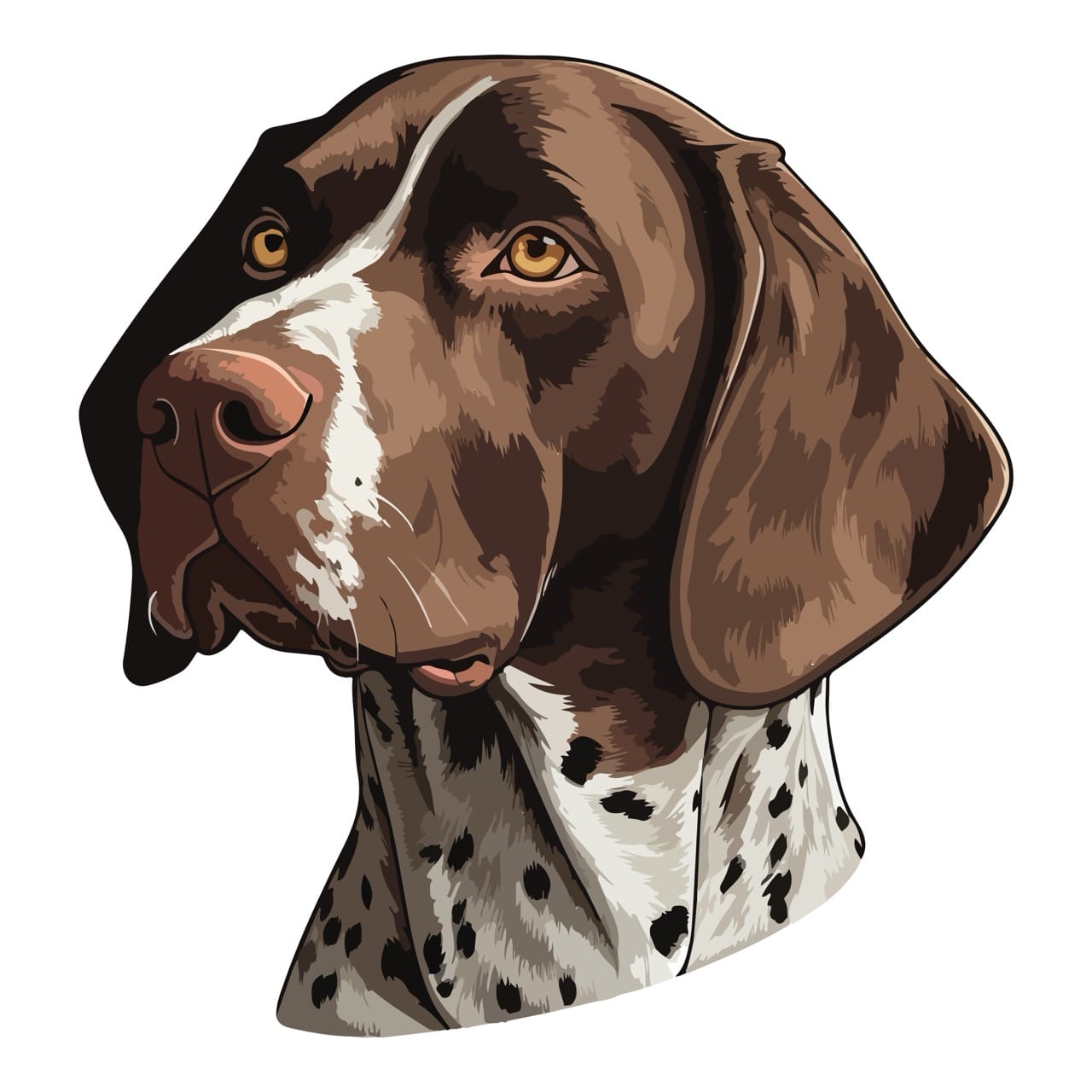
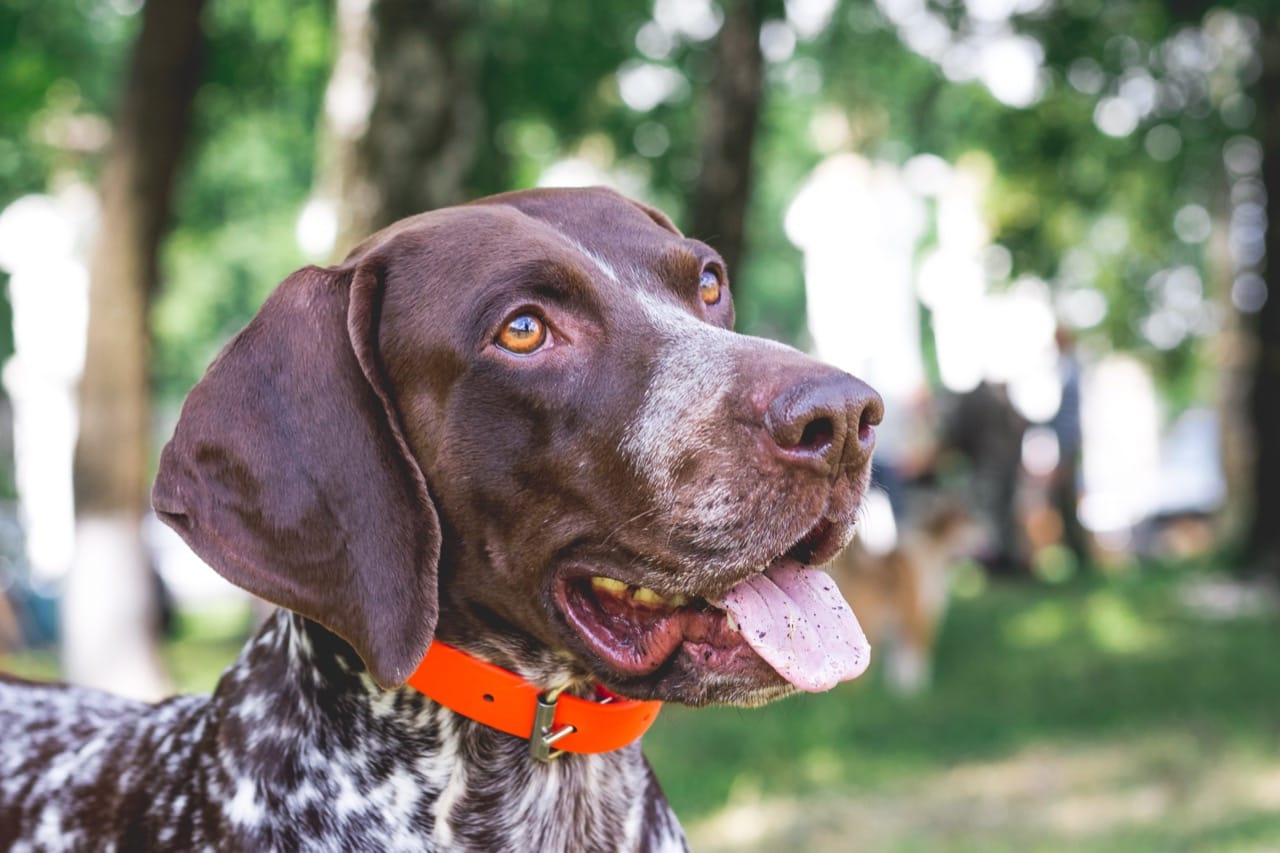
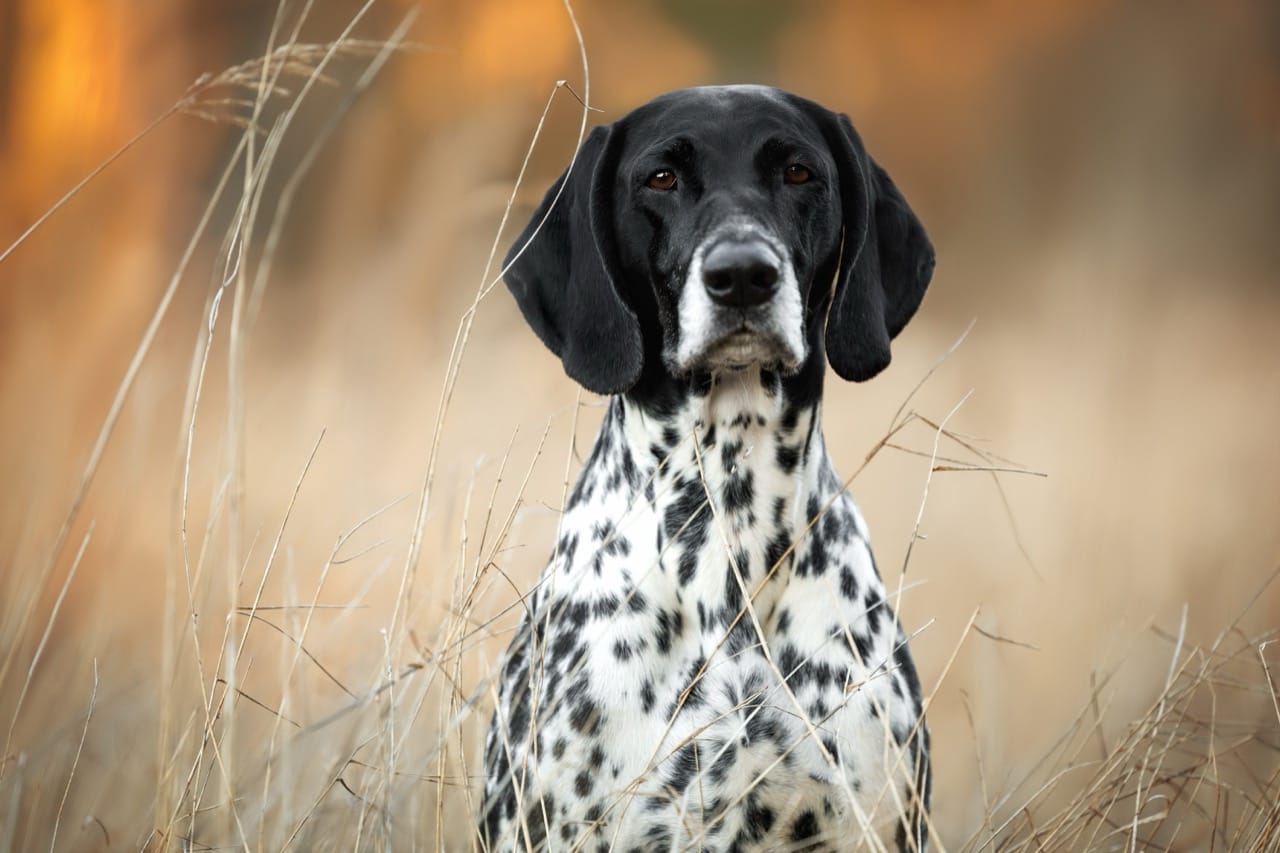
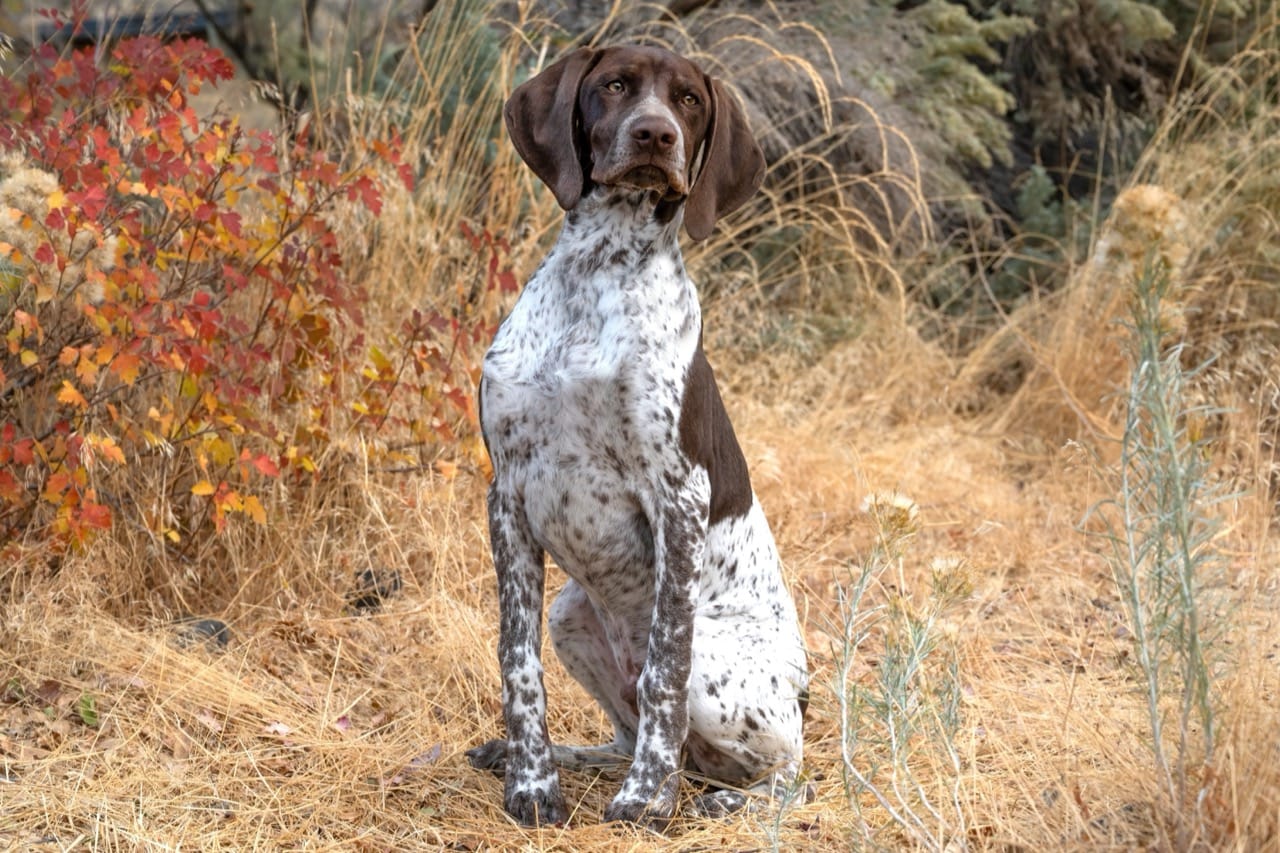
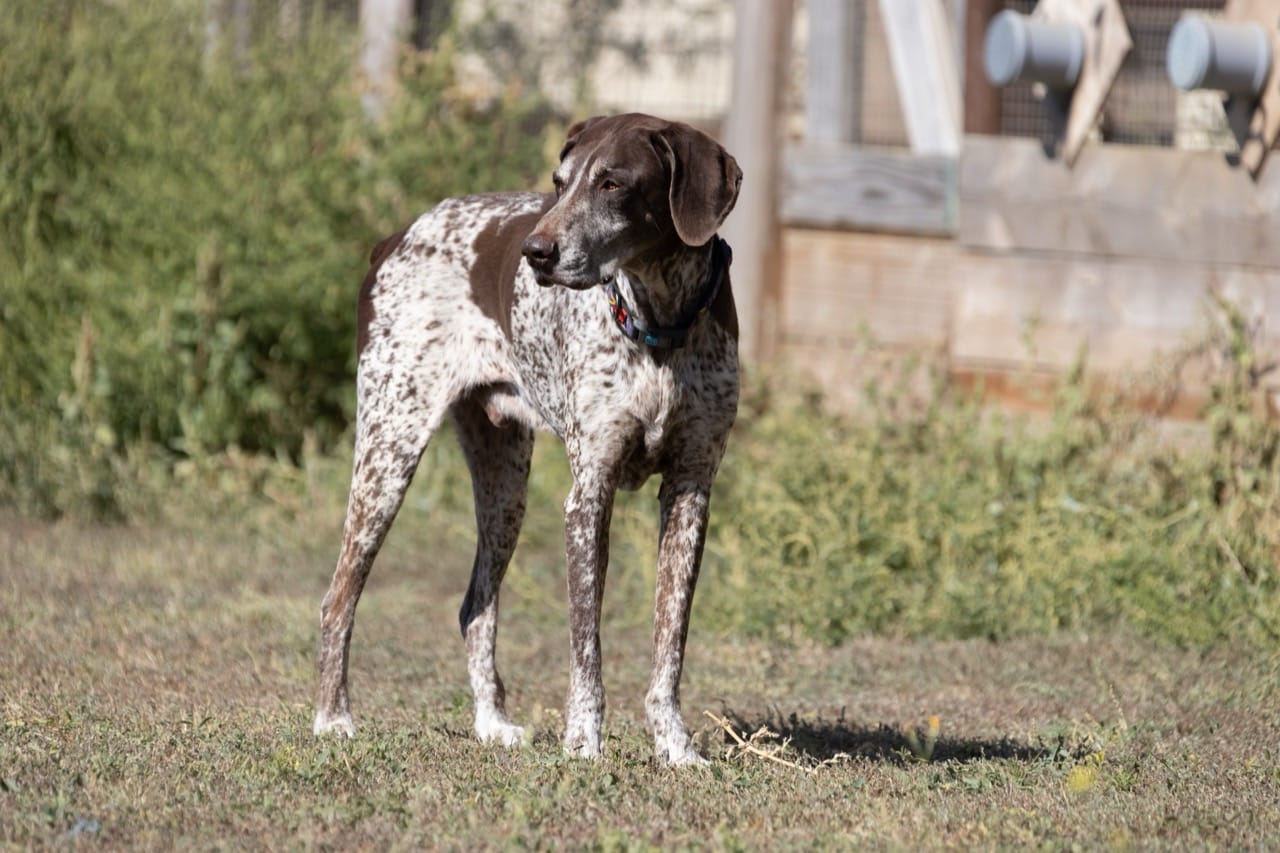
The coat is one of the most reliable visual clues. A true GSP has a short, dense coat that lies close to the body and feels firm and sleek rather than fluffy. It is meant to protect without trapping burrs and water the way longer coats can. The classic color is liver, a rich brown tone, often paired with white in a range of patterns, and the AKC standard also allows black and black with white. You may see solid liver, liver and white patched, liver roan, or white with liver ticking. Roan can look like a fine peppering of color across the white areas, creating an overall blended effect. Ticking refers to distinct small spots, while roan is more evenly mixed. Heads are commonly more solid in color, with a liver mask and a blaze or snip sometimes appearing in dogs with more white.
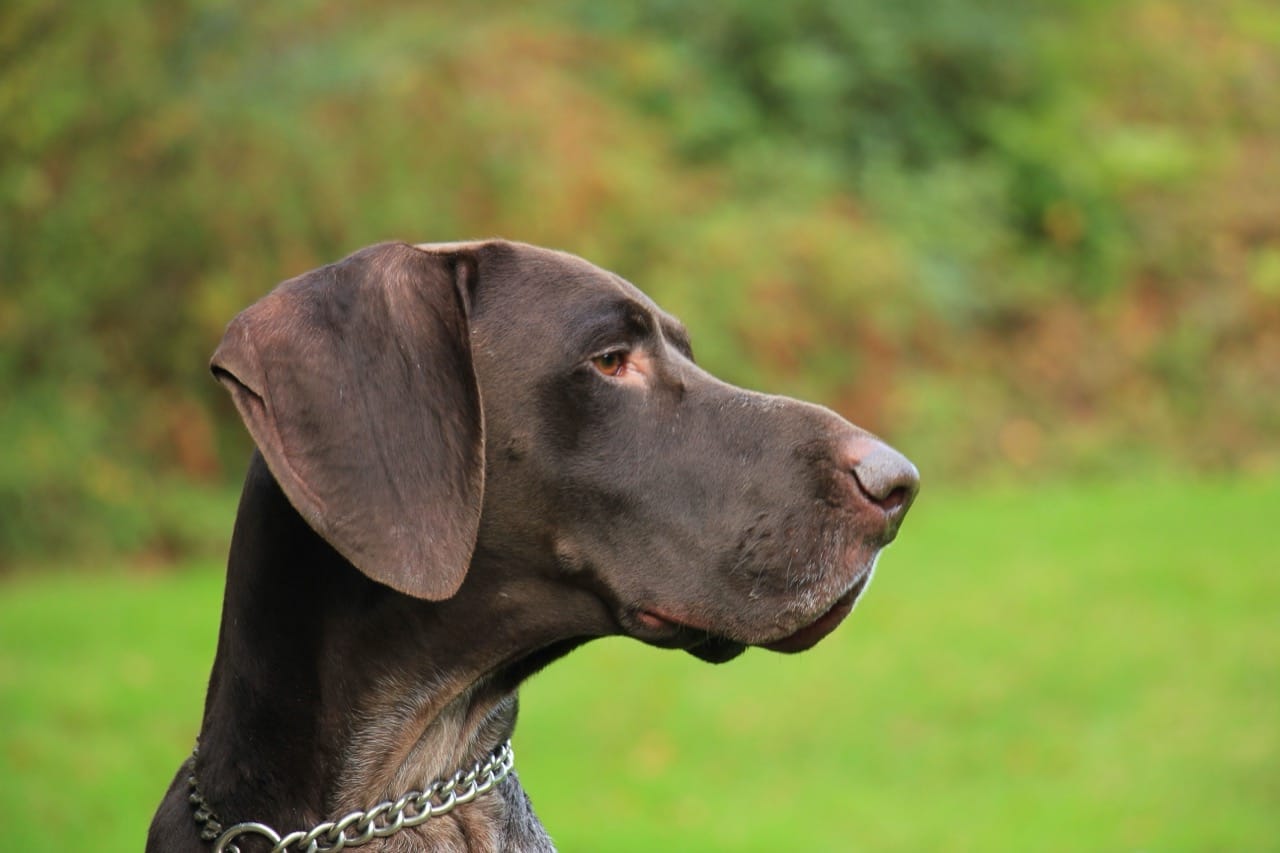
The head shape also helps. The GSP has a moderately long, clean head with a gradual rise from muzzle to forehead and no definite stop. The muzzle is strong and fairly long, suited to carrying game, and the nose is typically brown in liver dogs. The eyes are usually brown and expressive, and the overall expression tends to be alert and intelligent rather than heavy or sleepy. Ears are another practical identifier: they are set fairly high, broad at the base, and hang close to the head with rounded ends. They are not prick ears, and they are not long and low like some scent hounds. When the dog is attentive, the ear base may lift slightly, but the ear still drapes.
Tail carriage is another easy clue. Traditionally, many GSPs have docked tails in places where docking is legal, resulting in a shorter tail carried horizontally or slightly above the line of the back when moving. In regions where docking is not done, the natural tail is medium length, strong at the base, and tapers. Whether docked or natural, the key is the way it is used: the tail often acts like a rudder, held firm and lively, signaling focus in the field.
Because several hunting breeds share a similar silhouette, comparing lookalikes can sharpen your eye. The German Wirehaired Pointer has a harsher, wiry coat and obvious facial furnishings, including a beard and bushier eyebrows, giving a more rugged, scruffy face. A Vizsla is similarly sleek and athletic but is typically a solid golden rust color with a lighter, more uniform appearance and a slightly softer expression. A Weimaraner is usually solid gray, from silver to mouse-gray, with a smooth coat and a distinctive pale eye color that can appear blue-gray or amber, which is uncommon in GSPs. The English Pointer can overlap in body type and short coat, but it often has a more refined, aristocratic head and may show different color combinations such as lemon, orange, black, or liver with white, and the overall look can be a touch more narrow and racy.
In real life, the best way to identify a German Shorthaired Pointer is to combine clues rather than rely on one feature. Look for that tight, short coat; the liver-and-white family of patterns with ticking or roaning; the clean, athletic outline; the drop ears that frame a strong head; and the purposeful tail carriage. Put together, these traits create the unmistakable impression of a versatile sporting dog built for speed, endurance, and precision.