Great Dane Spots, Stripes and Stature
Quiz Complete!
Great Dane Looks Under the Microscope: Spotting the Details That Define the Breed
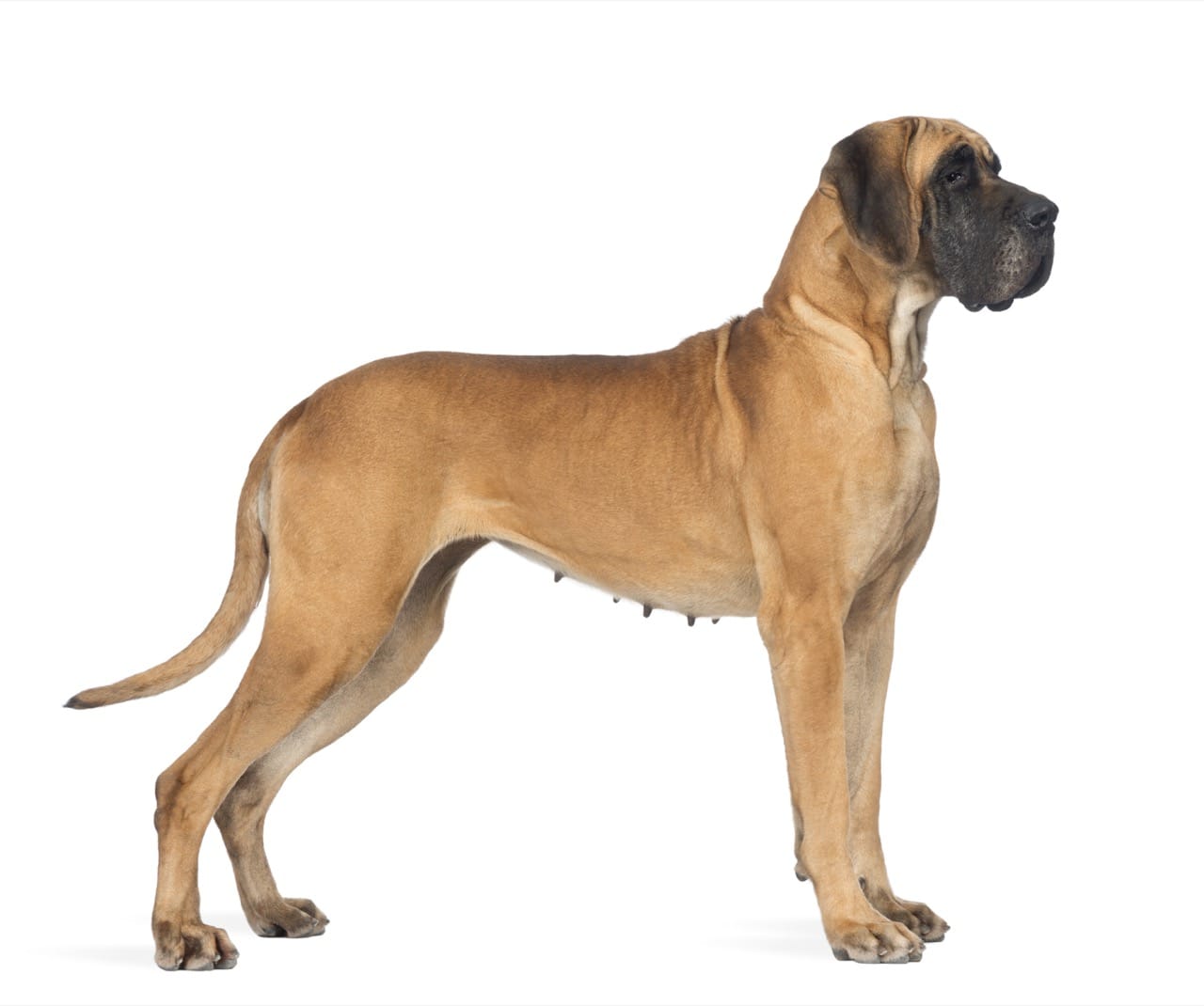
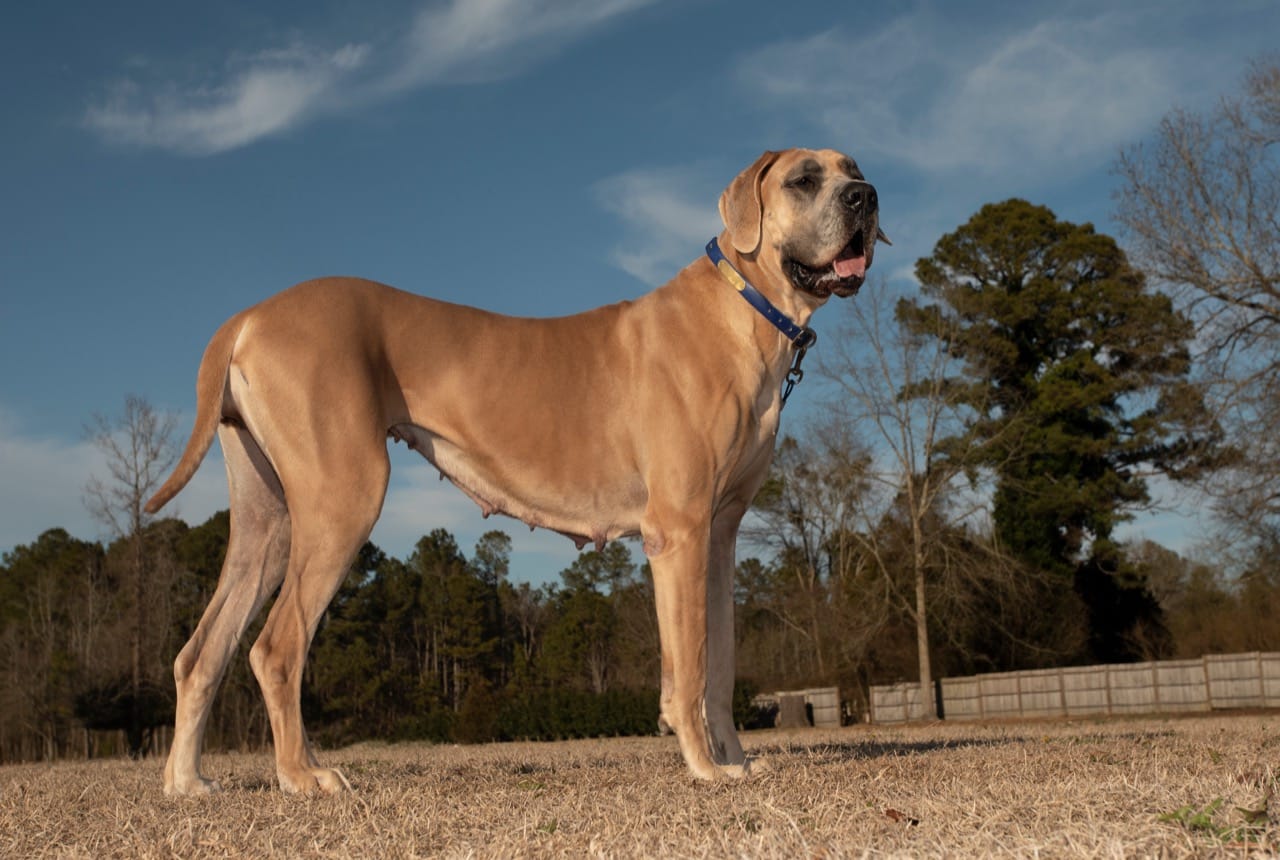
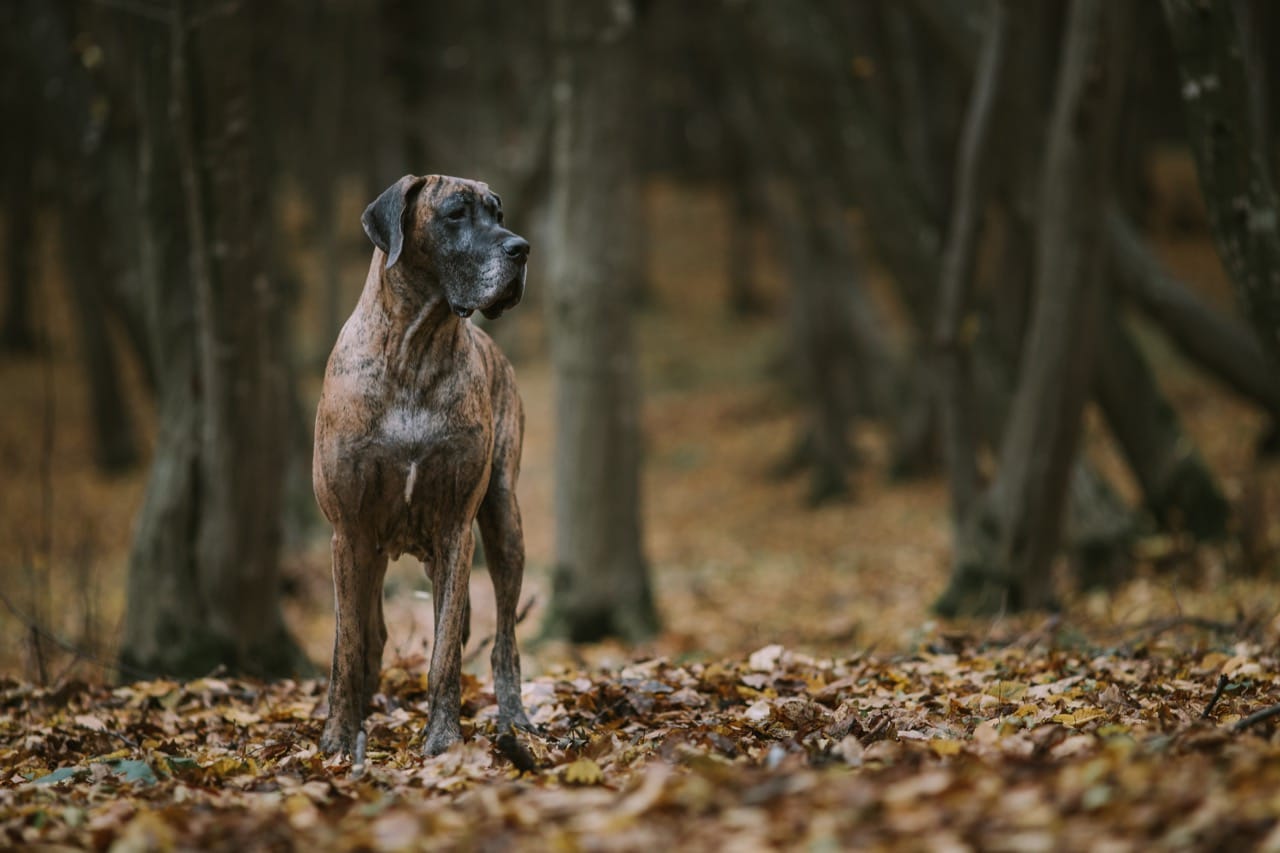
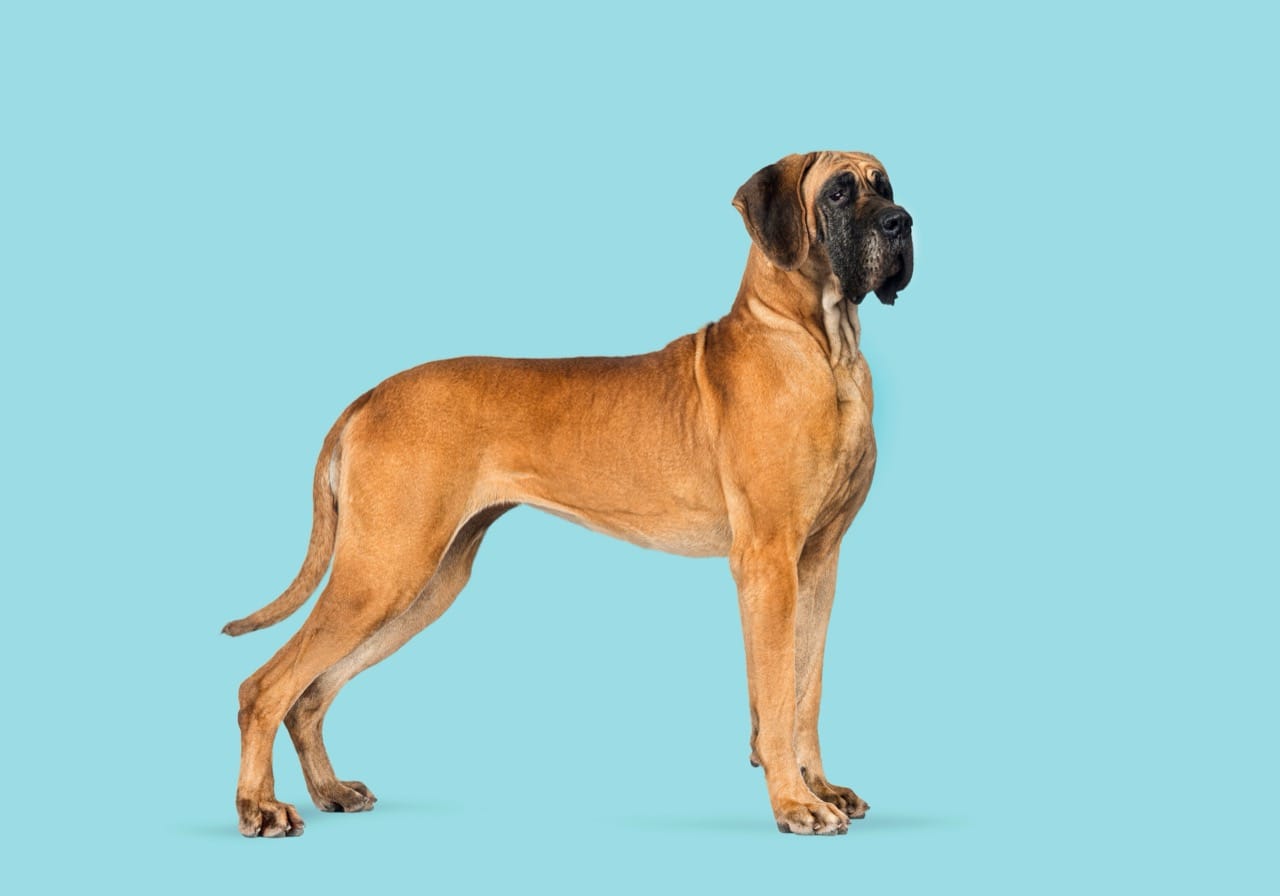
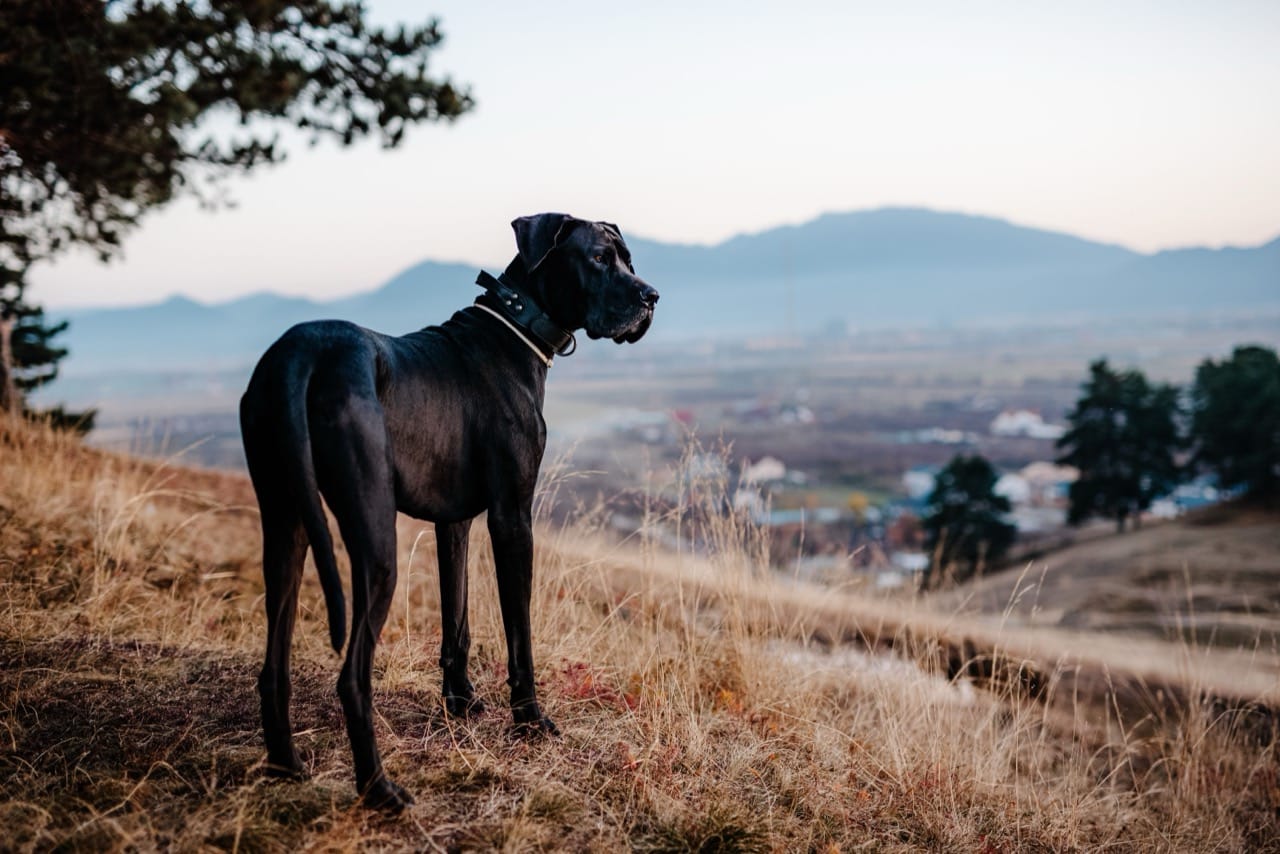
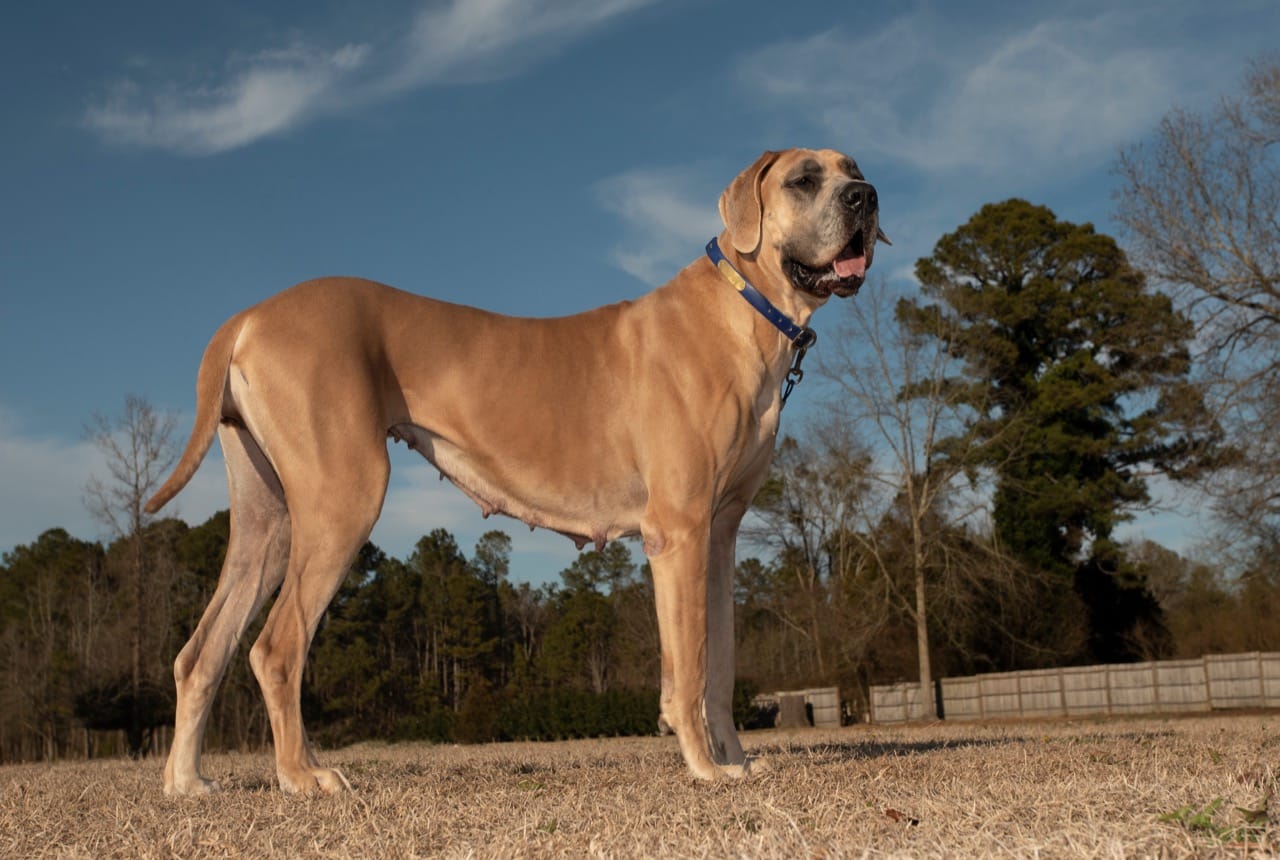
The Great Dane is often called a gentle giant, but its real calling card is a very specific outline that can be recognized from across a field. Breed enthusiasts talk about type, meaning the overall look that makes a Great Dane a Great Dane rather than just a very large dog. In silhouette, the dog should appear tall, elegant, and athletic, not heavy or low. The body reads as square, with length and height about equal, though the AKC standard allows females a somewhat longer body, and the legs should look long and straight, giving the dog that statuesque presence. When people confuse Great Danes with Mastiffs, the giveaway is usually substance: Mastiff types tend to look broader, thicker, and more massive through the bone and head, while the Great Dane is meant to look more refined and up on leg.
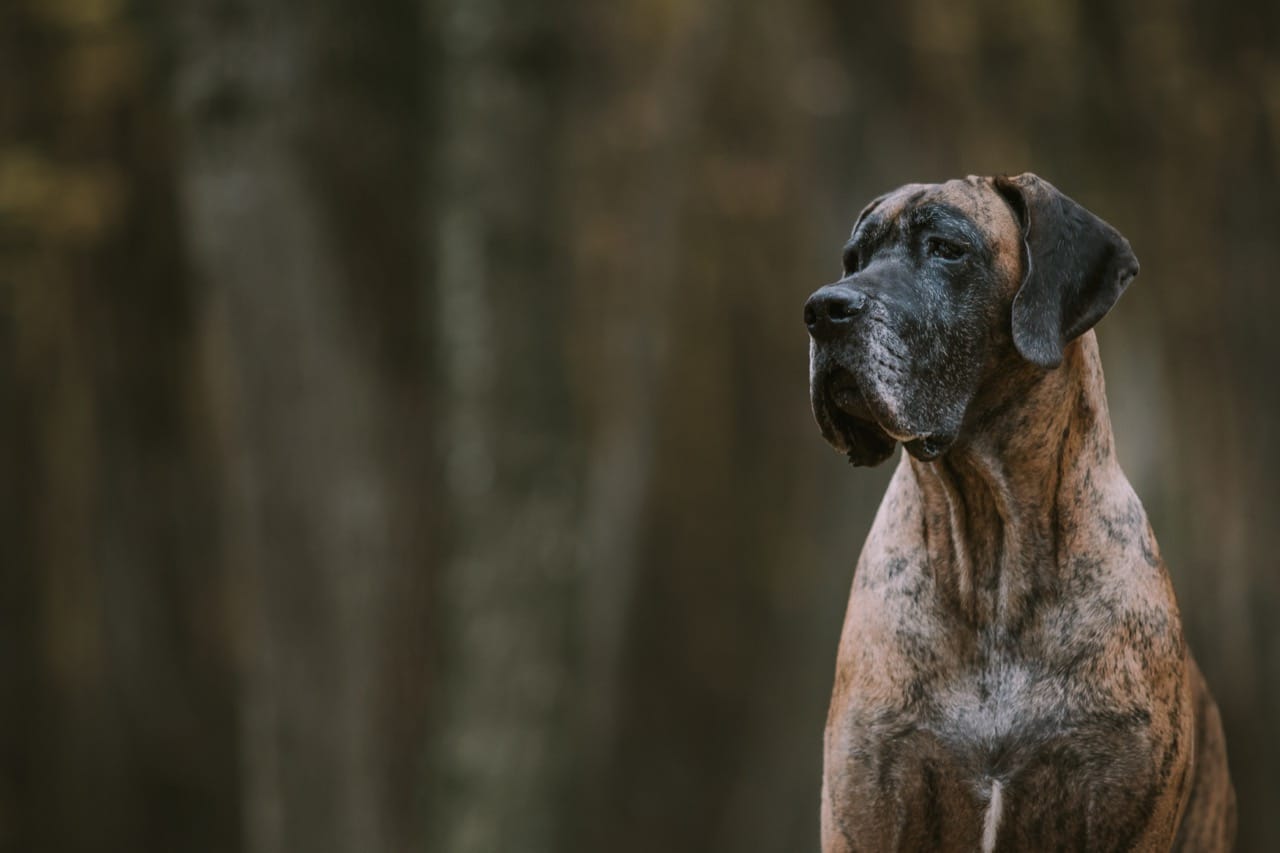
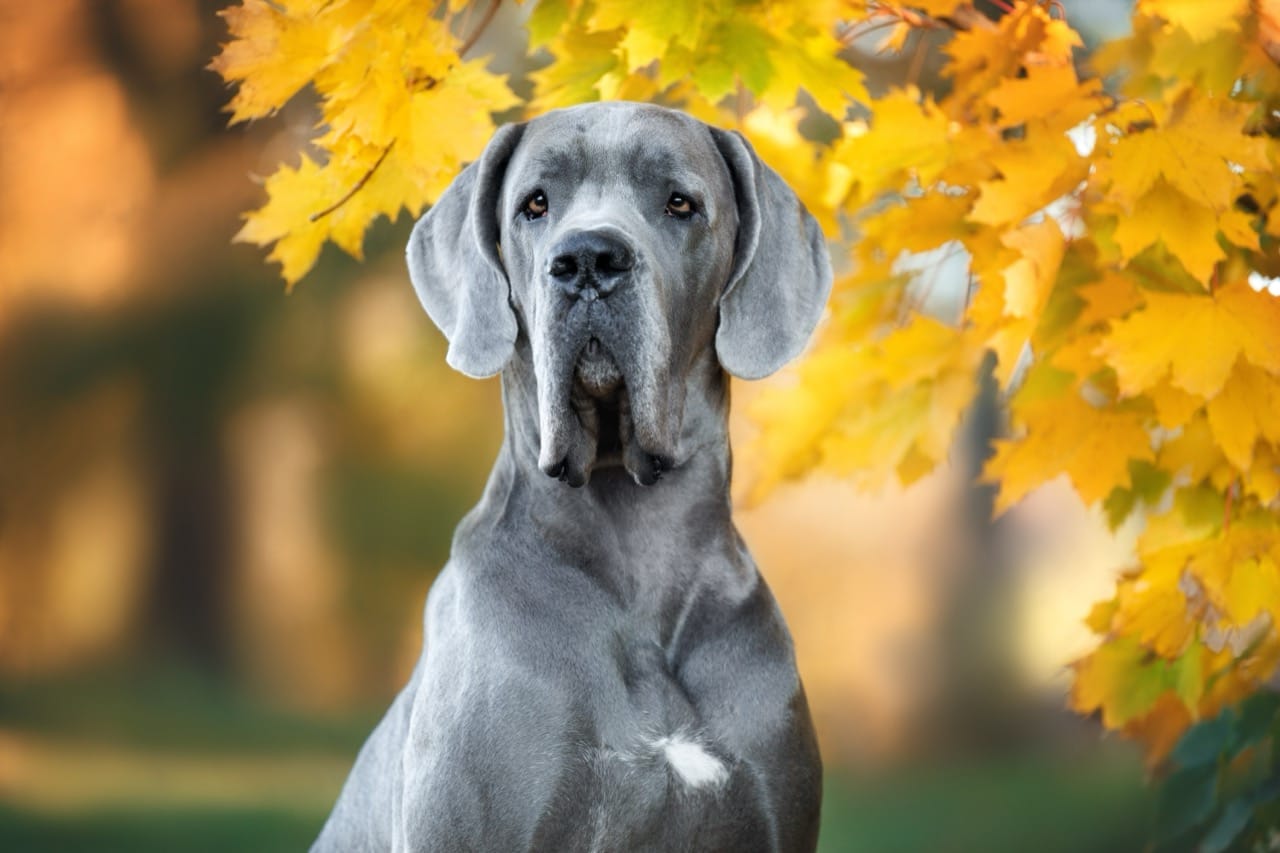
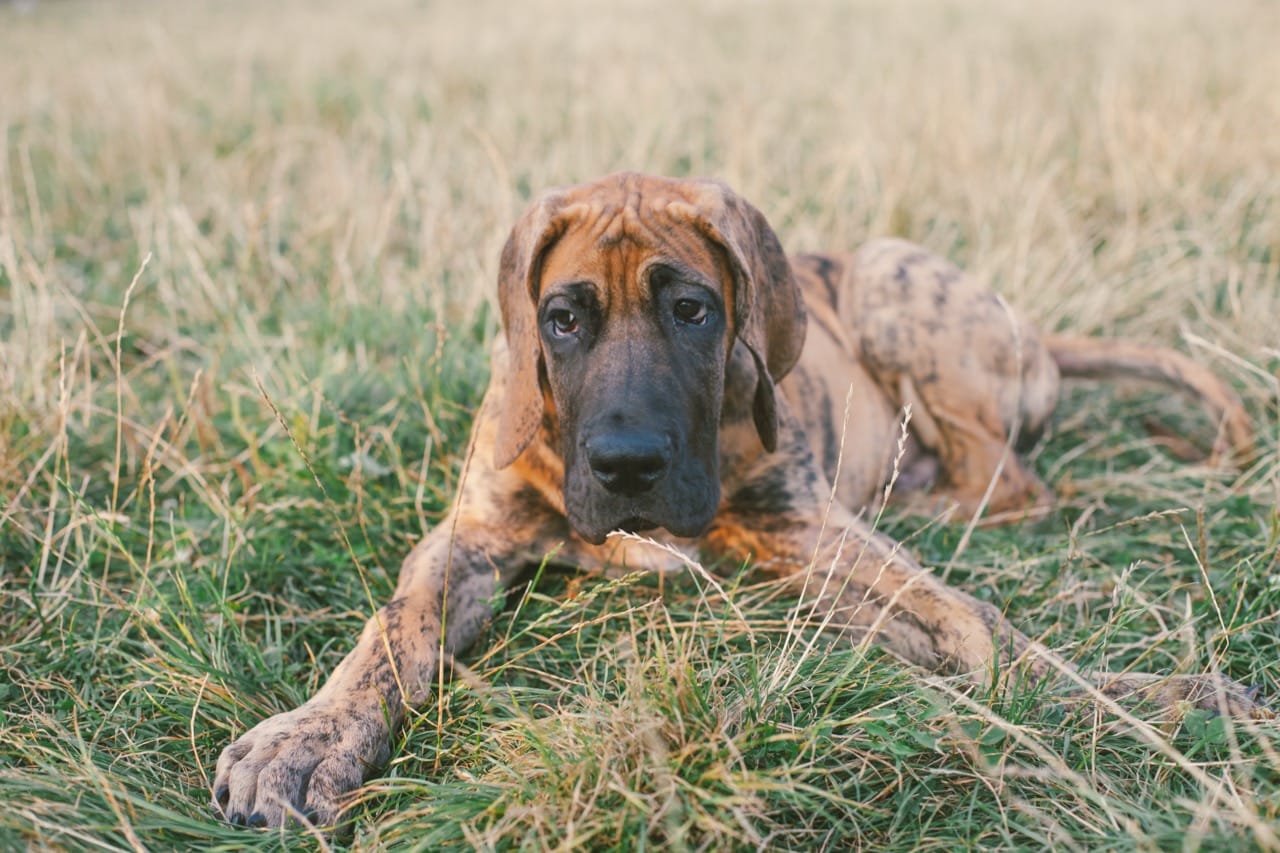
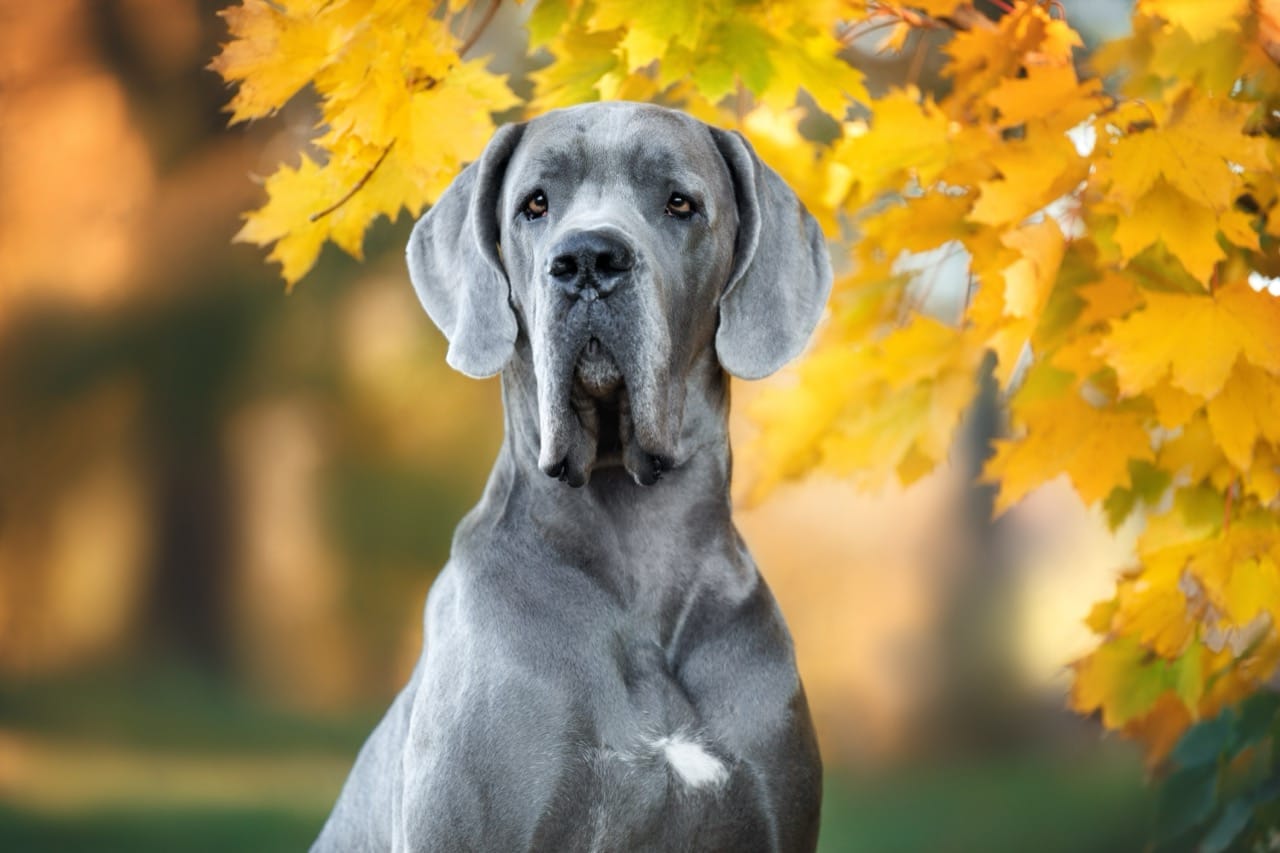
A lot of the debate in Dane circles starts at the head. The breed is famous for a long, clean head with planes that appear parallel when viewed from the side, meaning the top of the skull and the line of the muzzle don’t dip and curve in a loose way. The muzzle should be deep and reasonably square at the end rather than pointy. Cheeks are ideally flat, not bulging, and the lips form a distinct but not sloppy rectangle. A head that looks too short, too round, or overly wrinkled can push the dog toward a Mastiff-like expression. Eyes are typically dark, with lighter eyes sometimes seen in certain color families, and the expression is alert and intelligent.
Ears are a classic flashpoint. Cropped ears, where the ear leather is surgically shaped to stand, are traditional in some places and still seen in the show world, while natural ears are increasingly common and widely accepted as the default pet look. Either way, the ear set matters: ears should be set high, and natural ears generally fold forward close to the cheek rather than hanging long and low.
Move down to the topline, another detail people argue about because it changes the whole impression. A Great Dane should have a strong back and a wither area that’s higher than the level of the back, flowing into a slightly sloping croup. Some dogs show more arch over the loin than others, and you will hear terms like level, roached, or sway-backed used to describe what the spine looks like when standing. The key idea is strength and balance, not a soft dip or an exaggerated curve.
Feet are surprisingly important in a breed this big because they carry a lot of weight. The ideal Dane foot is compact and round, often described as cat-like, with well-arched toes and thick pads. Flat, splayed feet can be a weakness and are one of those details that becomes obvious once you start looking for it.
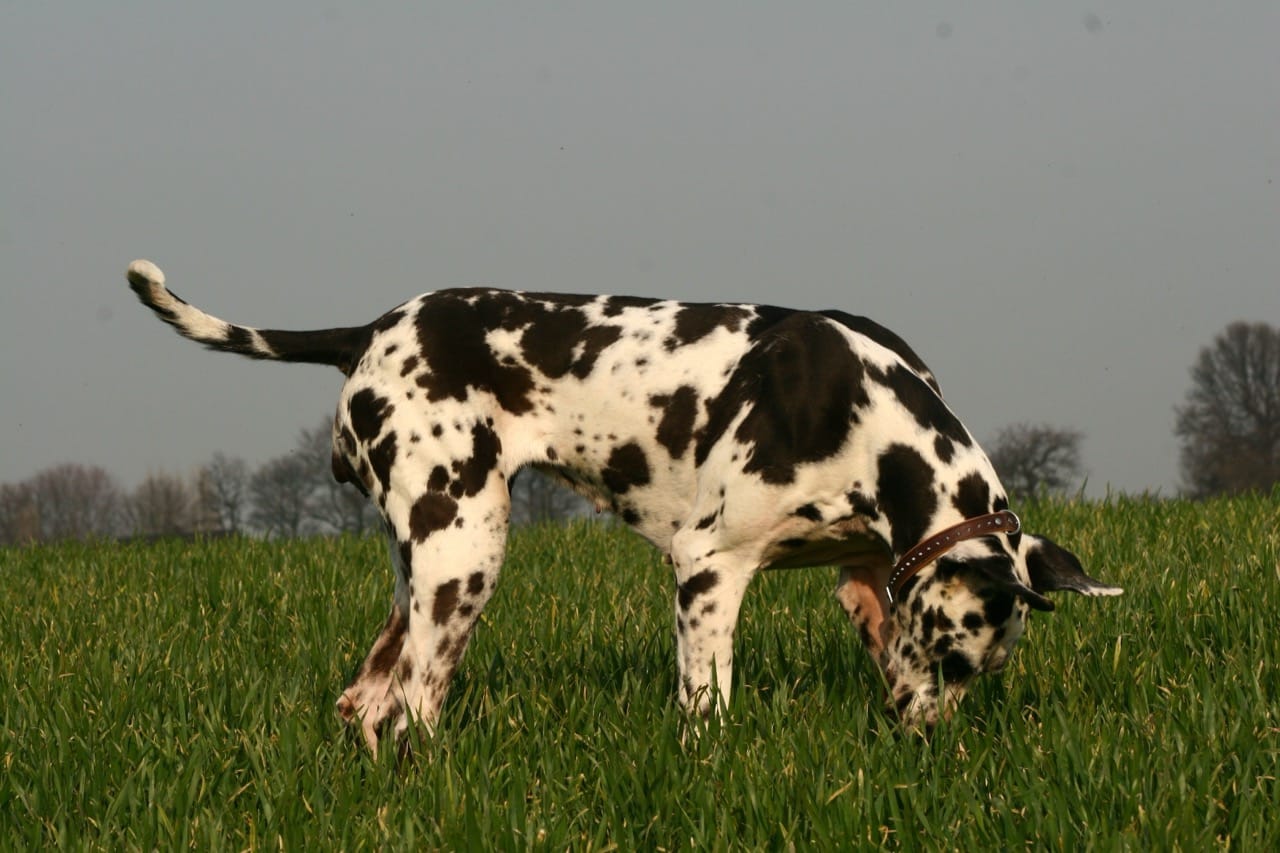
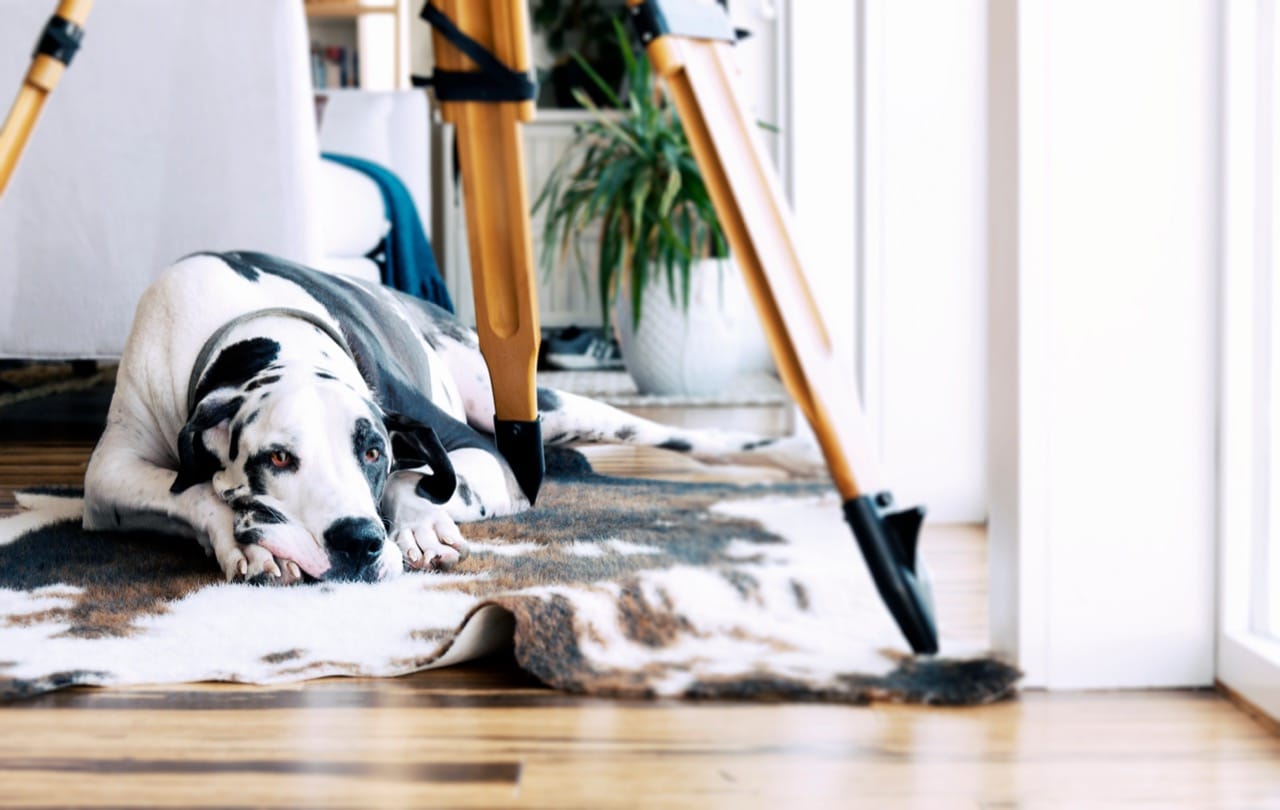
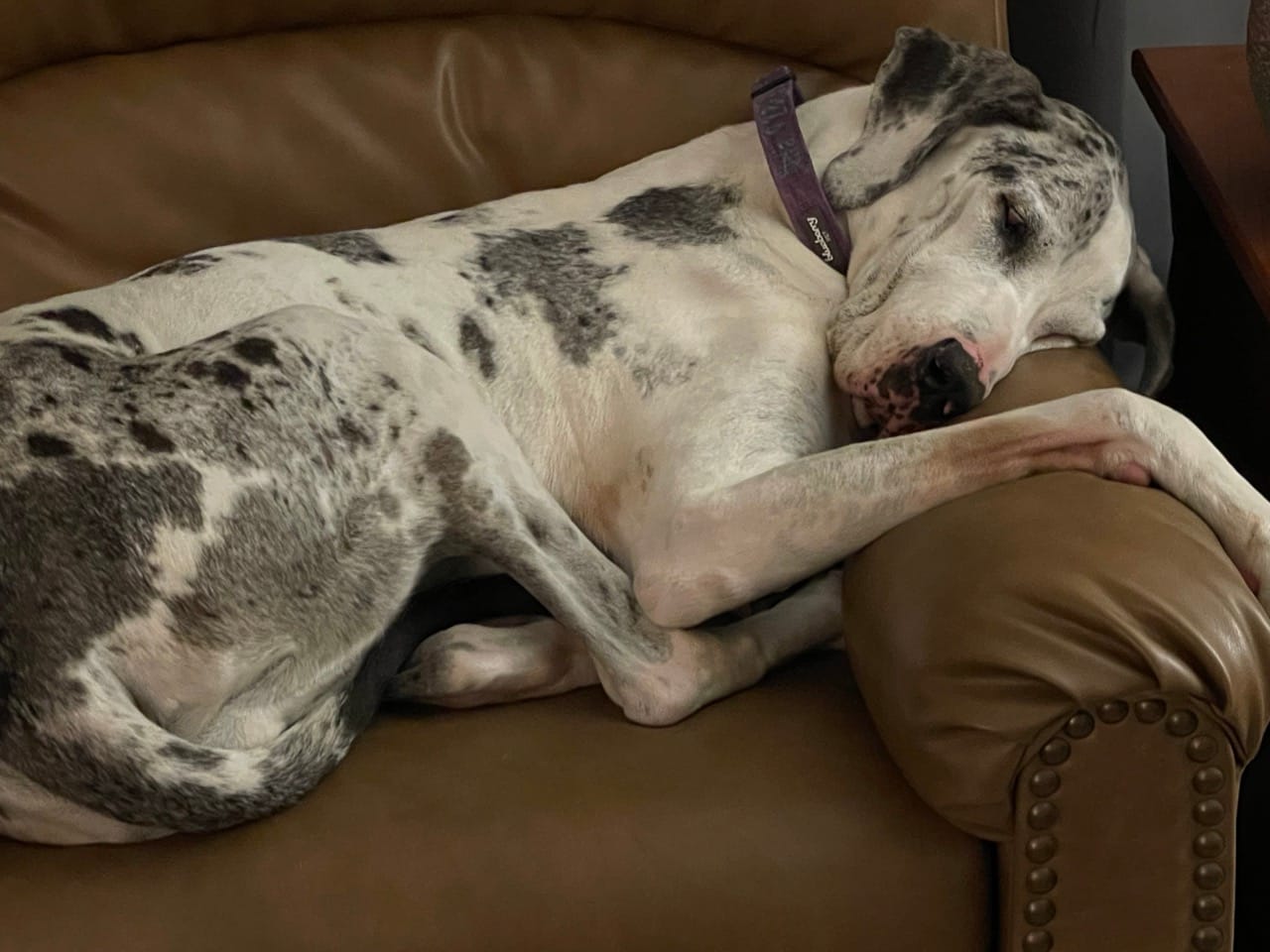
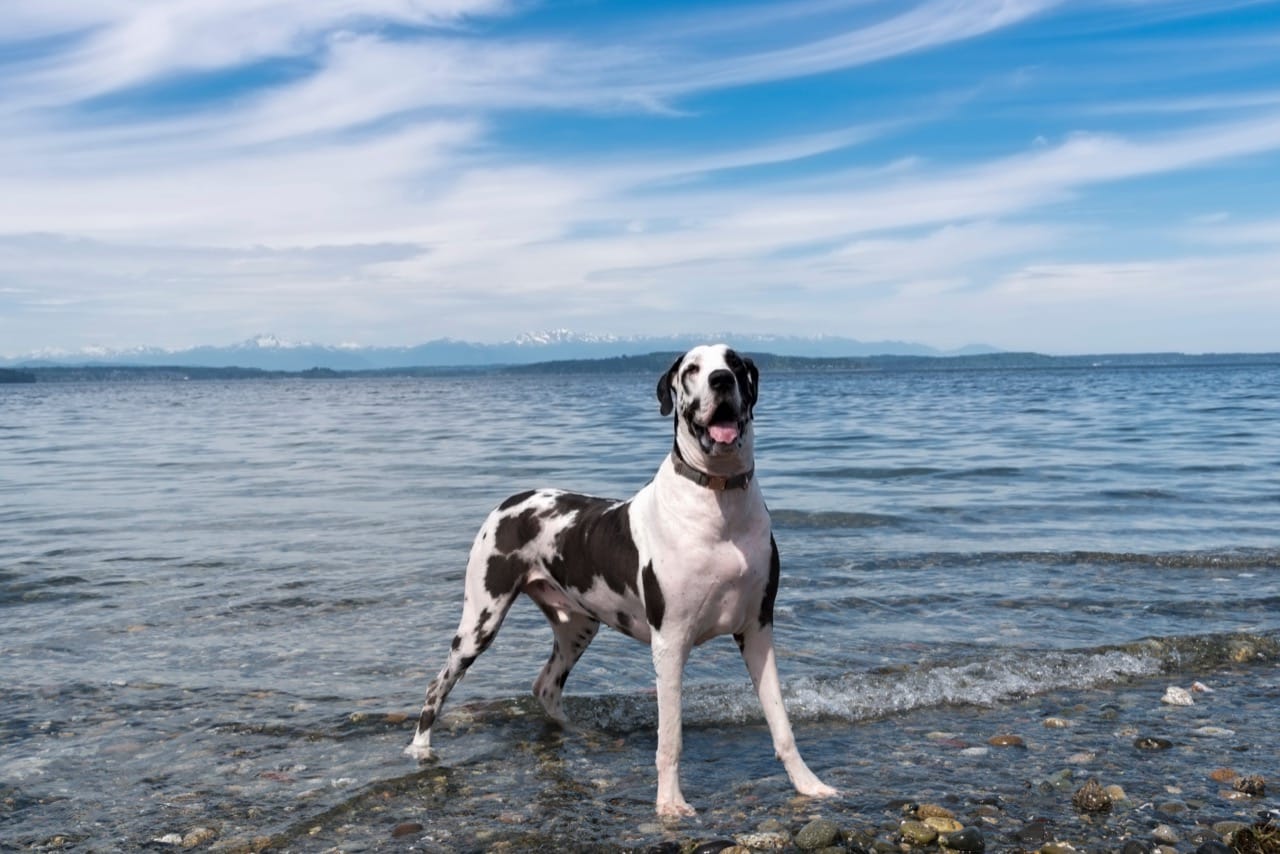
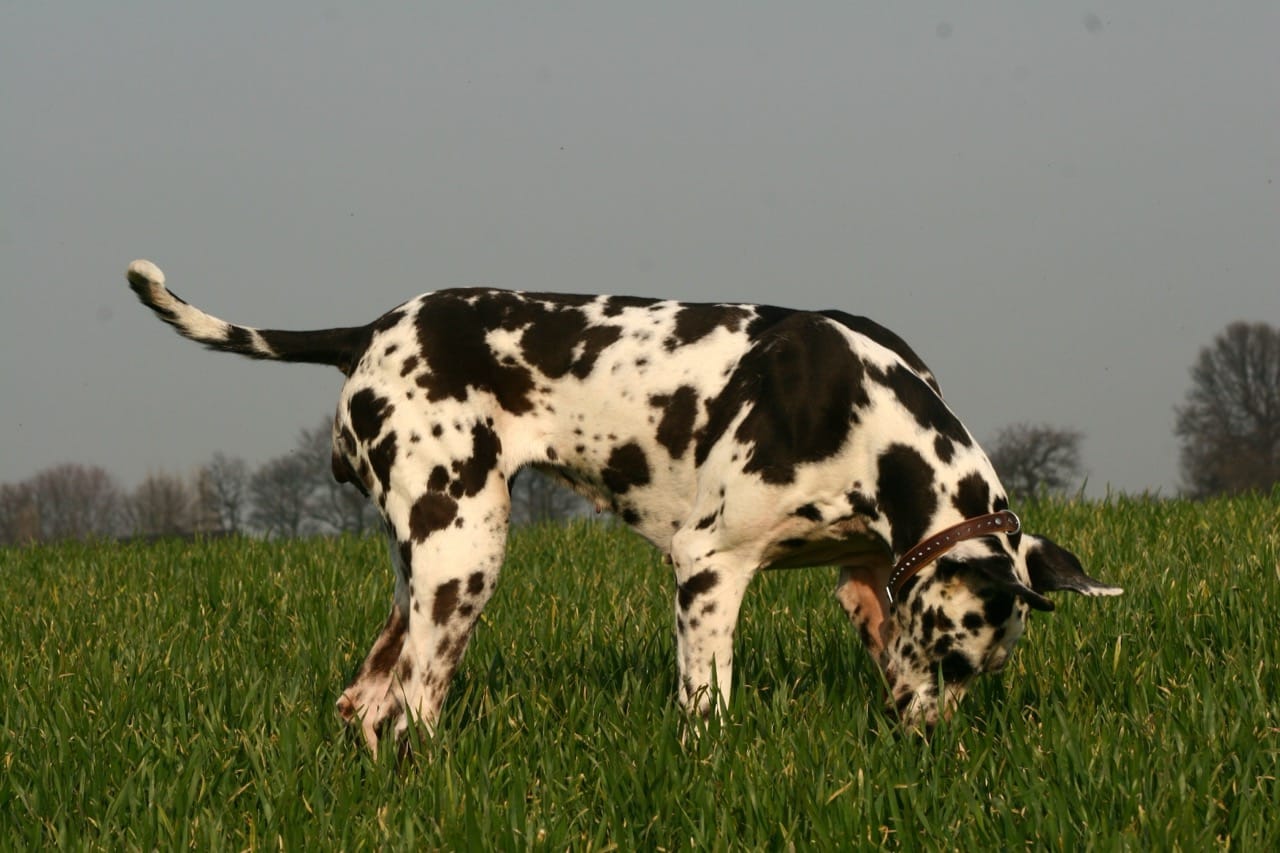
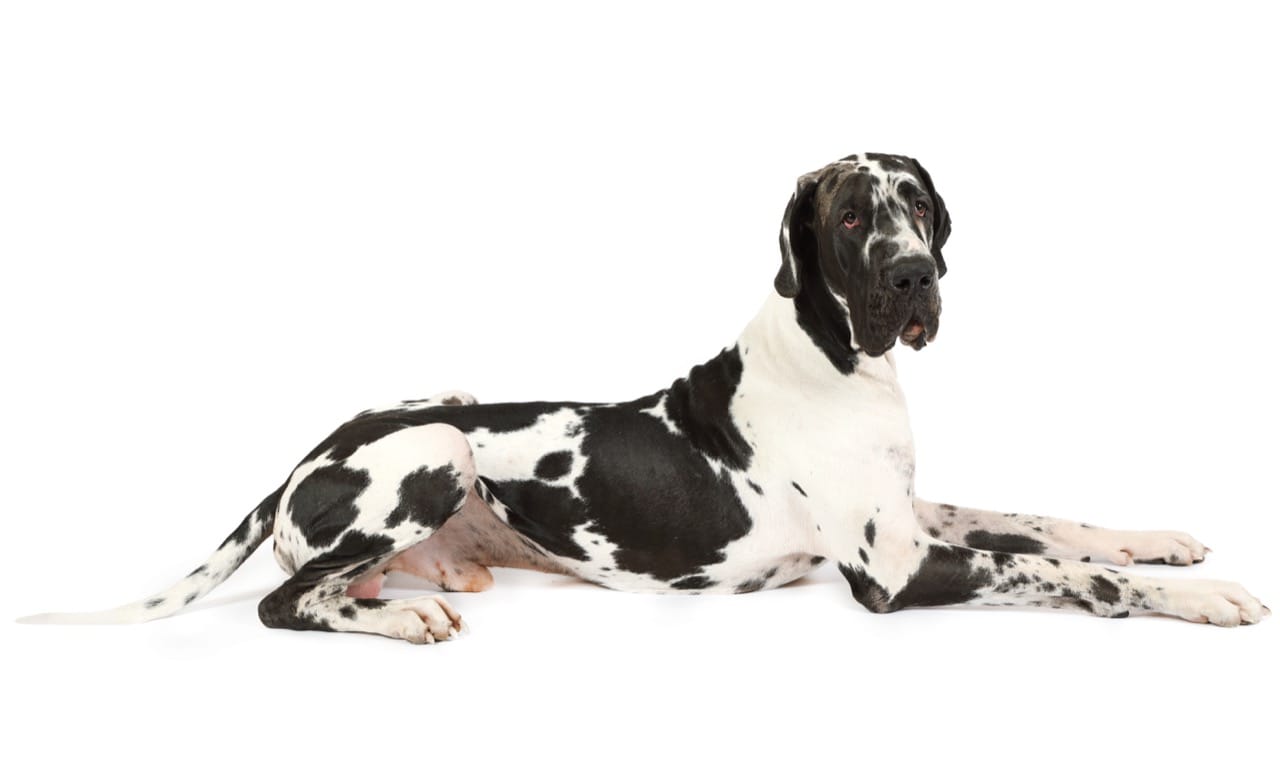
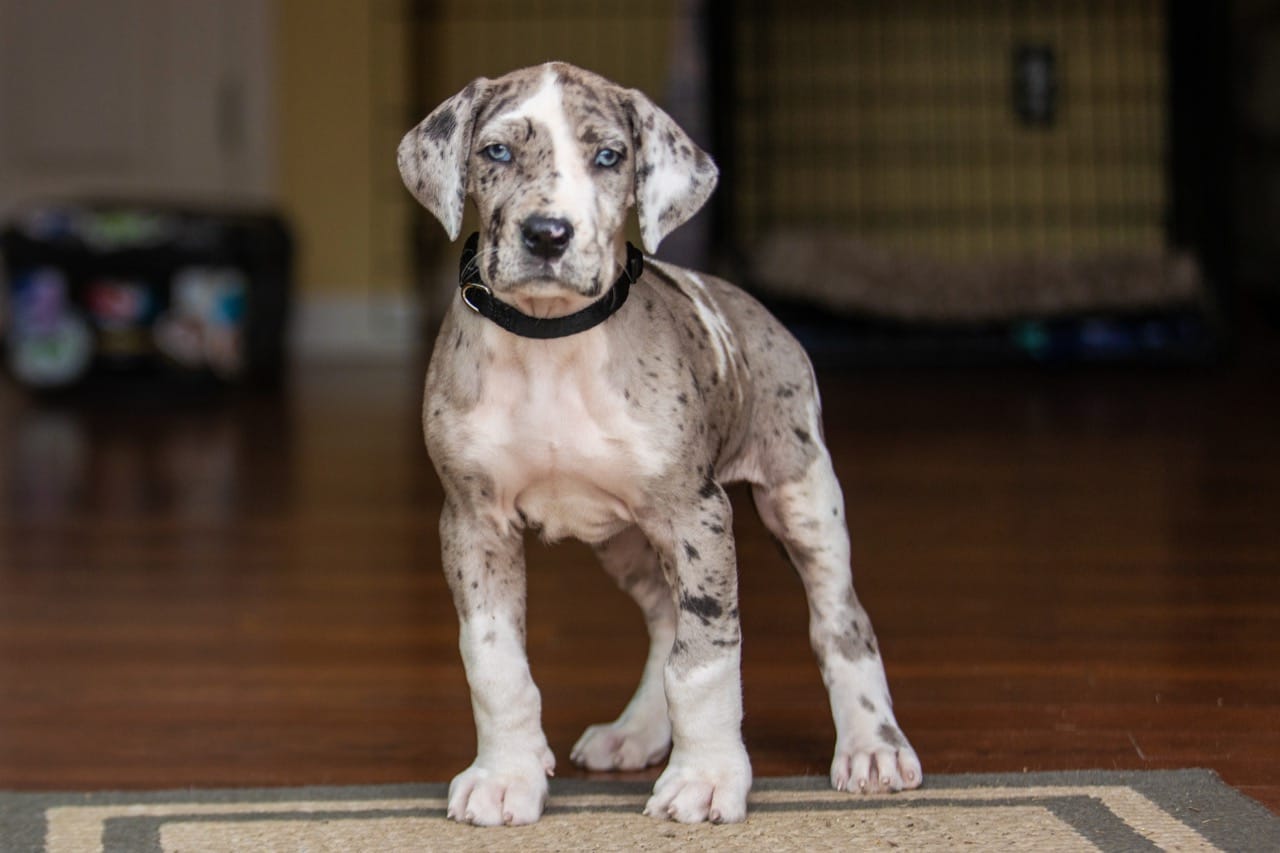
Coat patterns cause their own kind of drama because the names sound simple but have strict meanings. Harlequin is not just any black-and-white dog. It refers to a white base coat with irregular, torn-looking black patches. The FCI standard treats gray patches as undesirable, while the AKC standard calls merle patches normal. Mantle, often confused with harlequin or piebald, is more like a black blanket over the body with a white neck, chest, legs, and tail tip, giving a crisp, tuxedo-like look. Brindle is a striped pattern on a fawn background, while fawn is a solid golden tone often paired with a black mask. Blue is a solid steel-gray shade, and black is truly solid. Merle, a color added to the AKC standard in 2019, has a pale to dark gray base with black torn patches and can be mistaken for a “dirty” harlequin by people who don’t know the terminology.
If you want to spot a Great Dane with confidence, focus on the tall, clean outline, the long rectangular head, the strong topline, and the compact feet, then check whether the coat pattern name matches what you are actually seeing. The fun of looking closely is realizing that “big dog” is not a description, it’s a category, and the Great Dane earns its identity in the details.