Big Love, Big Care: Great Dane Wellness
Quiz Complete!
Great Dane Medical Red Flags Every Owner Should Know
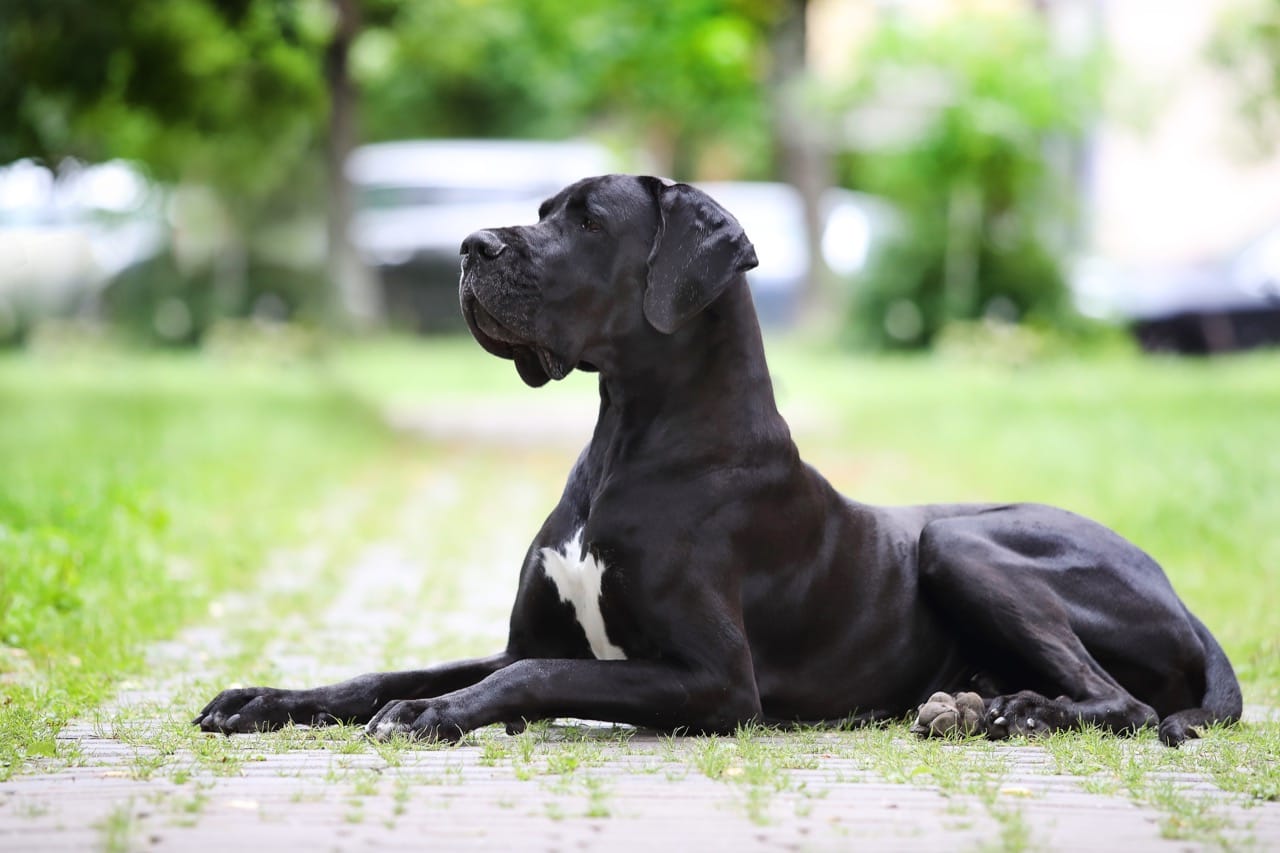
Great Danes are famous for their gentle personalities and impressive size, but that size comes with health risks that can move fast. Knowing what is normal for your dog and what counts as an emergency can make a real difference, especially because some Great Dane problems are time sensitive and may not look dramatic at first.
The most urgent condition to understand is gastric dilatation volvulus, often called bloat with torsion. Great Danes are one of the breeds most commonly affected. In simple terms, the stomach fills with gas or fluid and can twist, cutting off blood supply and trapping the contents. It can become life threatening within hours. The classic red flags include a suddenly swollen or tight looking abdomen, repeated attempts to vomit with little or nothing coming up, excessive drooling, restlessness, pacing, and signs of pain. Some dogs look anxious and cannot get comfortable. As it progresses, you may see weakness, pale gums, rapid breathing, or collapse. If you suspect bloat, do not wait to see if it improves, and do not try home remedies. Go to an emergency veterinarian immediately. Owners sometimes miss it because the belly is hard to judge on a deep chested dog, so behavior changes and unproductive retching deserve extra attention.
Heart disease is another major concern in large and giant breeds, especially dilated cardiomyopathy. In this condition the heart muscle becomes weaker and the chambers enlarge, making it harder to pump blood effectively. Early signs can be subtle: reduced stamina, tiring faster on walks, more sleeping than usual, fainting or near fainting episodes, or a cough that is new or worsening. Some dogs develop rapid or irregular heartbeats that a veterinarian can detect on exam. Labored breathing at rest, blue tinged gums, or sudden collapse are urgent signs. Because early disease can be silent, routine veterinary exams and screening tests such as echocardiograms or ECGs may be recommended, particularly if there is a family history.
Orthopedic problems often show up during growth, when Great Danes can gain height and weight quickly. Panosteitis, sometimes called growing pains, can cause shifting leg lameness in young dogs that comes and goes. Osteochondritis dissecans, a cartilage and joint condition, can cause persistent limping and joint swelling, often in the shoulder or elbow. Hip dysplasia and arthritis can also affect Danes, leading to stiffness after rest, trouble rising, reluctance to jump, or a shortened stride. A key red flag is a sudden reluctance to bear weight, yelping, or a swollen limb, which warrants prompt evaluation. Managing weight, using appropriate exercise, and feeding a diet designed for large breed growth can help reduce stress on developing joints, but any limping that lasts more than a day or two should be discussed with a veterinarian.
Great Danes are also prone to bone cancer, particularly osteosarcoma, typically in middle aged to older dogs. It may start as a subtle limp that does not resolve, or a firm swelling on a limb that seems painful to touch. Because early signs mimic sprains, persistent lameness in a giant breed should never be brushed off.
Everyday warning signs matter too. Pale gums, a very fast resting breathing rate, repeated vomiting, black tarry stool, inability to urinate, or a sudden dramatic change in thirst can signal serious internal problems. Watch your dog’s normal patterns: appetite, energy, breathing during sleep, and how quickly they recover after exercise. Great Danes are masters of looking calm even when something is wrong, so small deviations can be meaningful.
The most helpful habit is to act early rather than late. If your Dane is retching without producing vomit, breathing harder than usual at rest, collapsing, or showing severe pain, treat it as urgent. For less dramatic but persistent issues like ongoing limping, reduced stamina, or chronic cough, schedule a veterinary visit soon. Practical knowledge does not replace professional care, but it helps you recognize red flags early and communicate clearly, which is exactly what these big dogs need.