Silky, Springy, Havanese
Quiz Complete!
Havanese Features and Lookalike Links: How to Spot the Real Thing
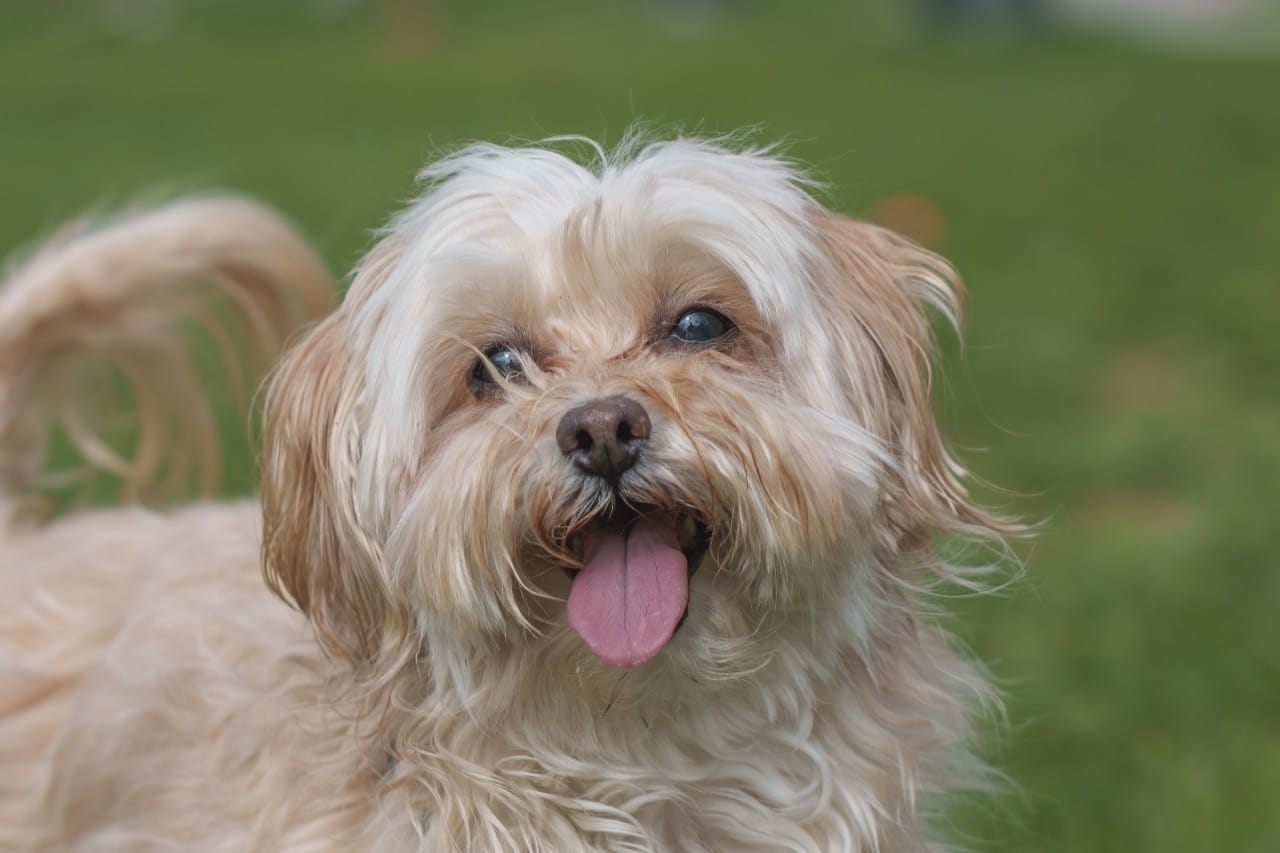
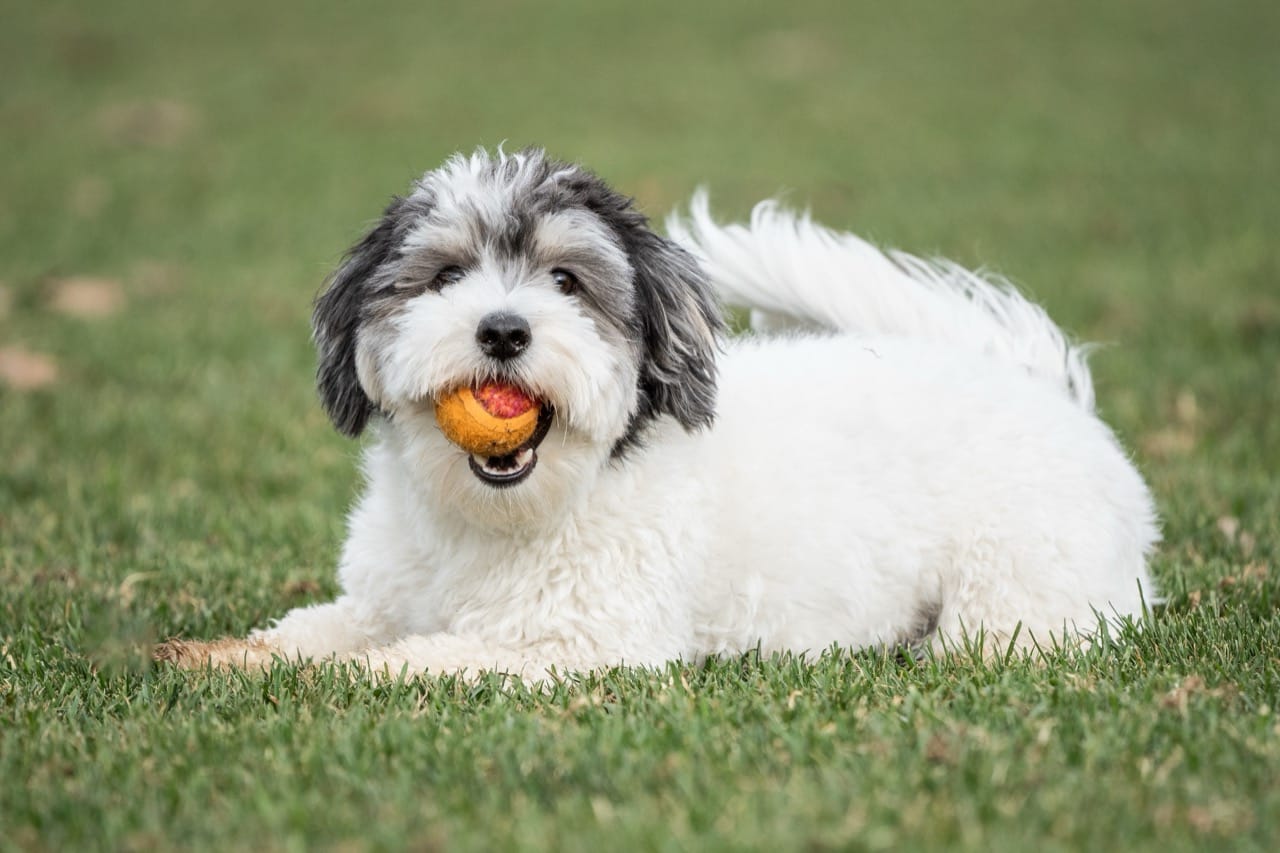
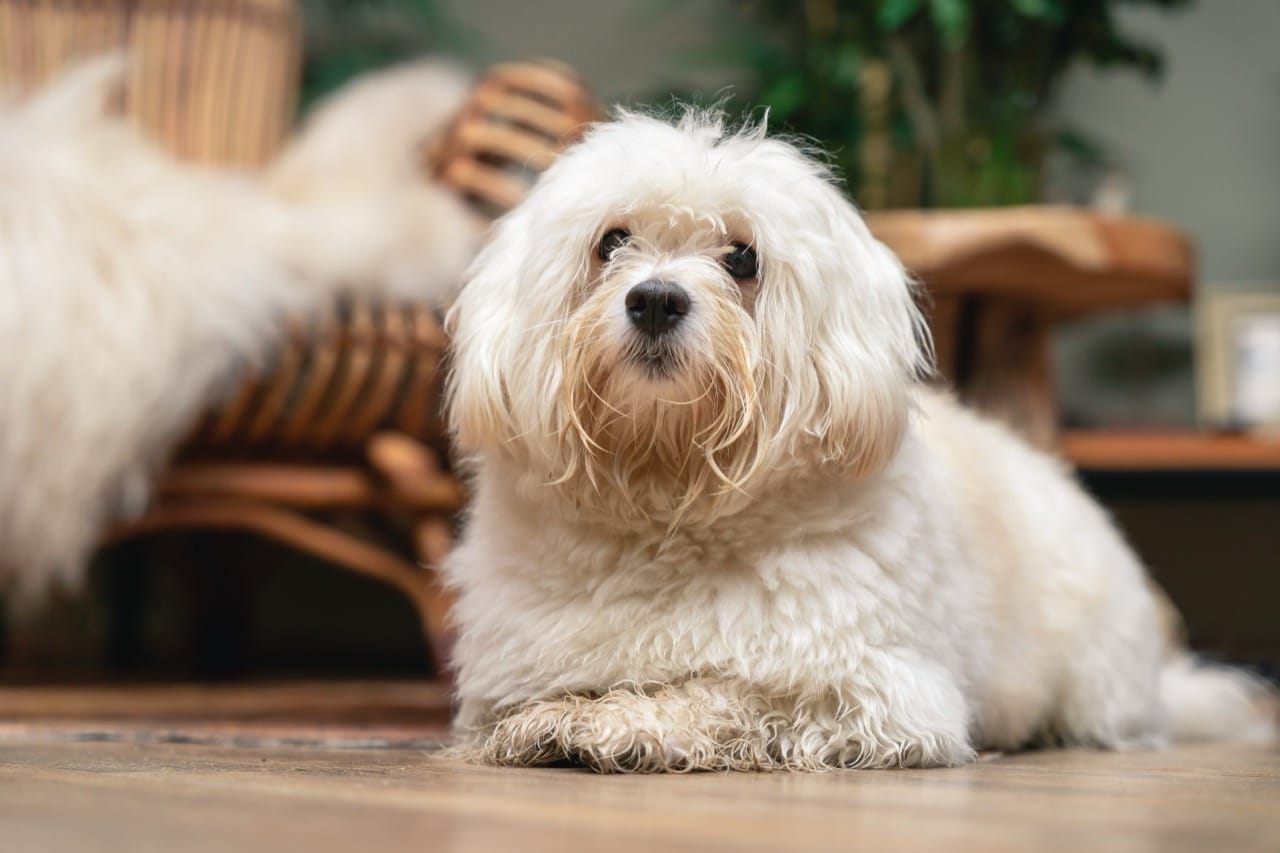
The Havanese is often described as a small dog with a big presence, and much of that presence comes from a distinctive outline. At first glance you see a compact companion breed with a long, flowing coat and a jaunty, springy way of moving. Look closer and the details add up to a dog that is sturdy rather than delicate, with a slightly longer than tall body and an expression that reads bright and friendly instead of sharp or intense.
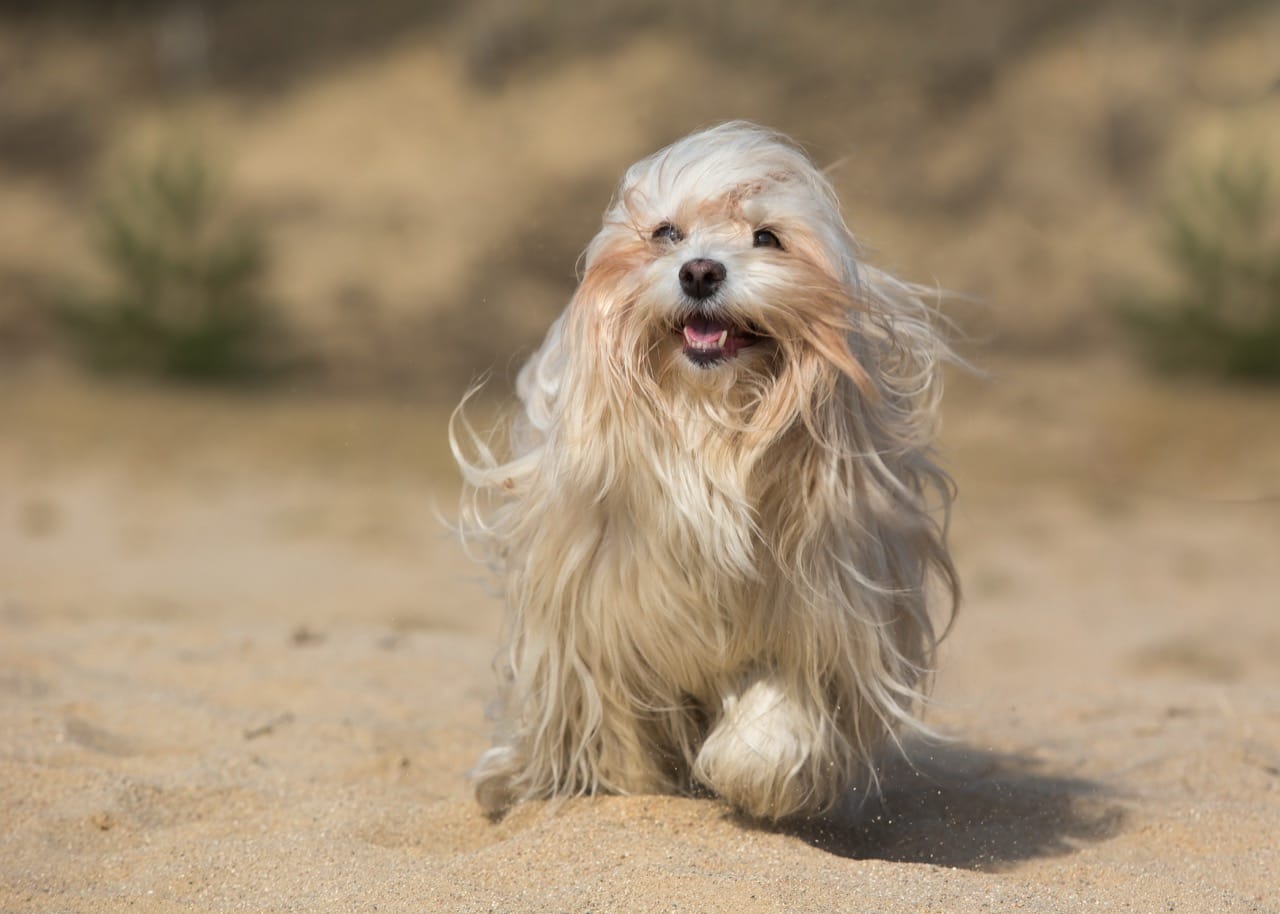
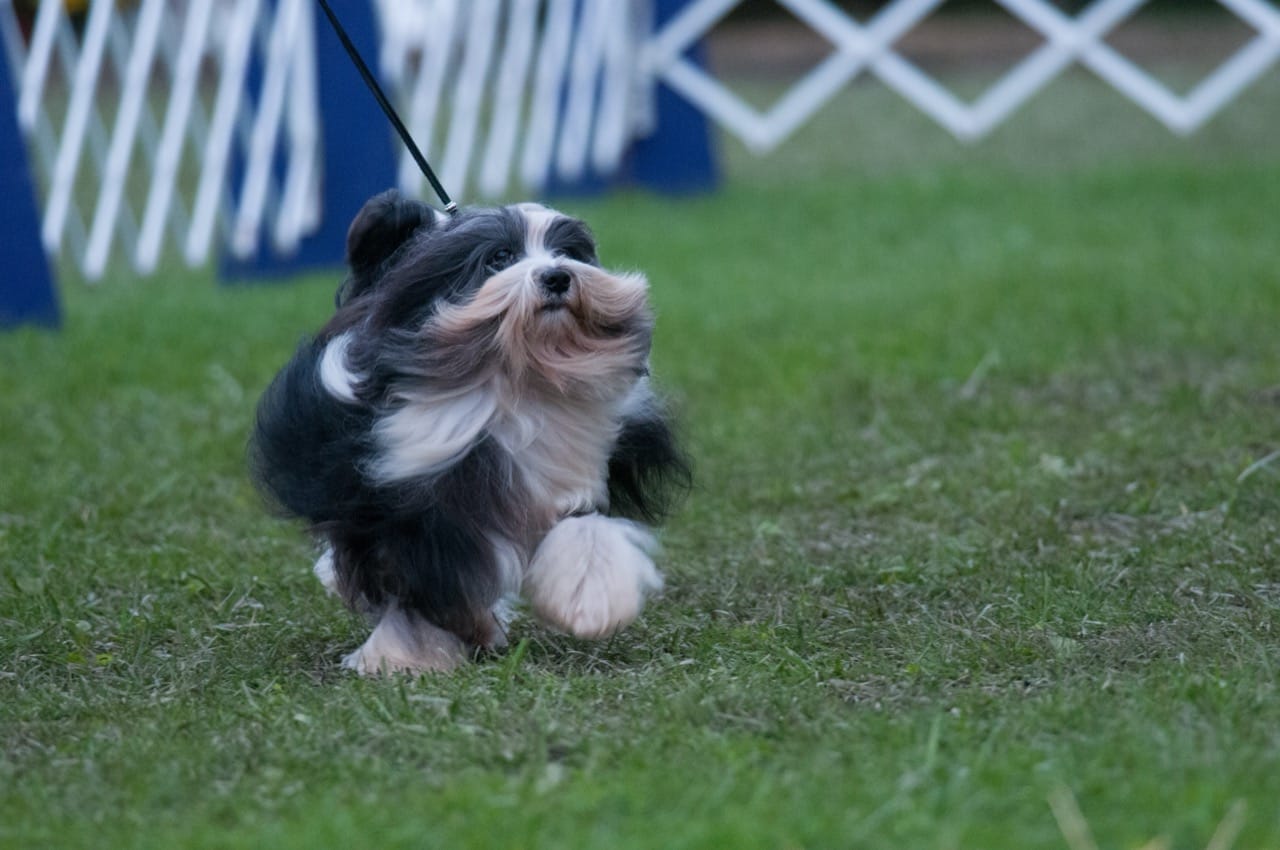
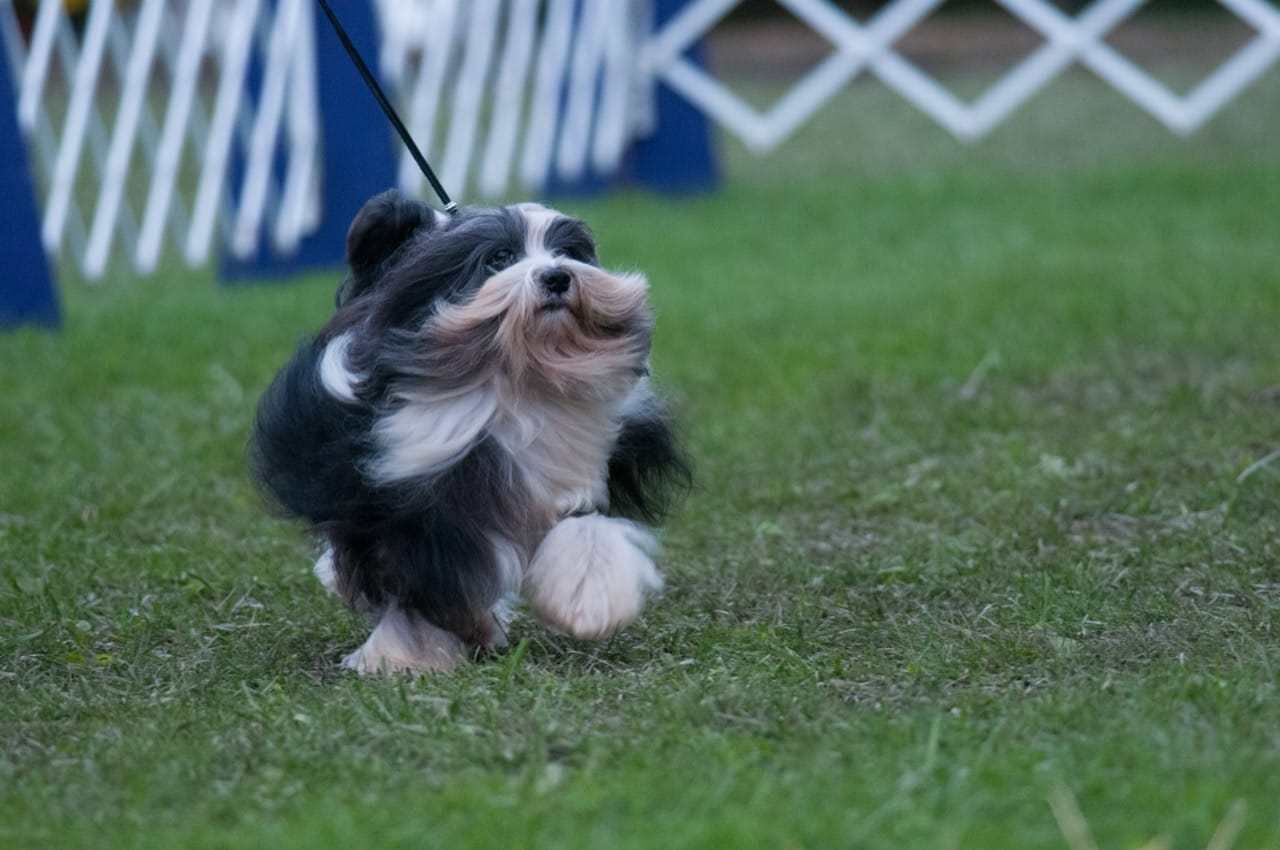
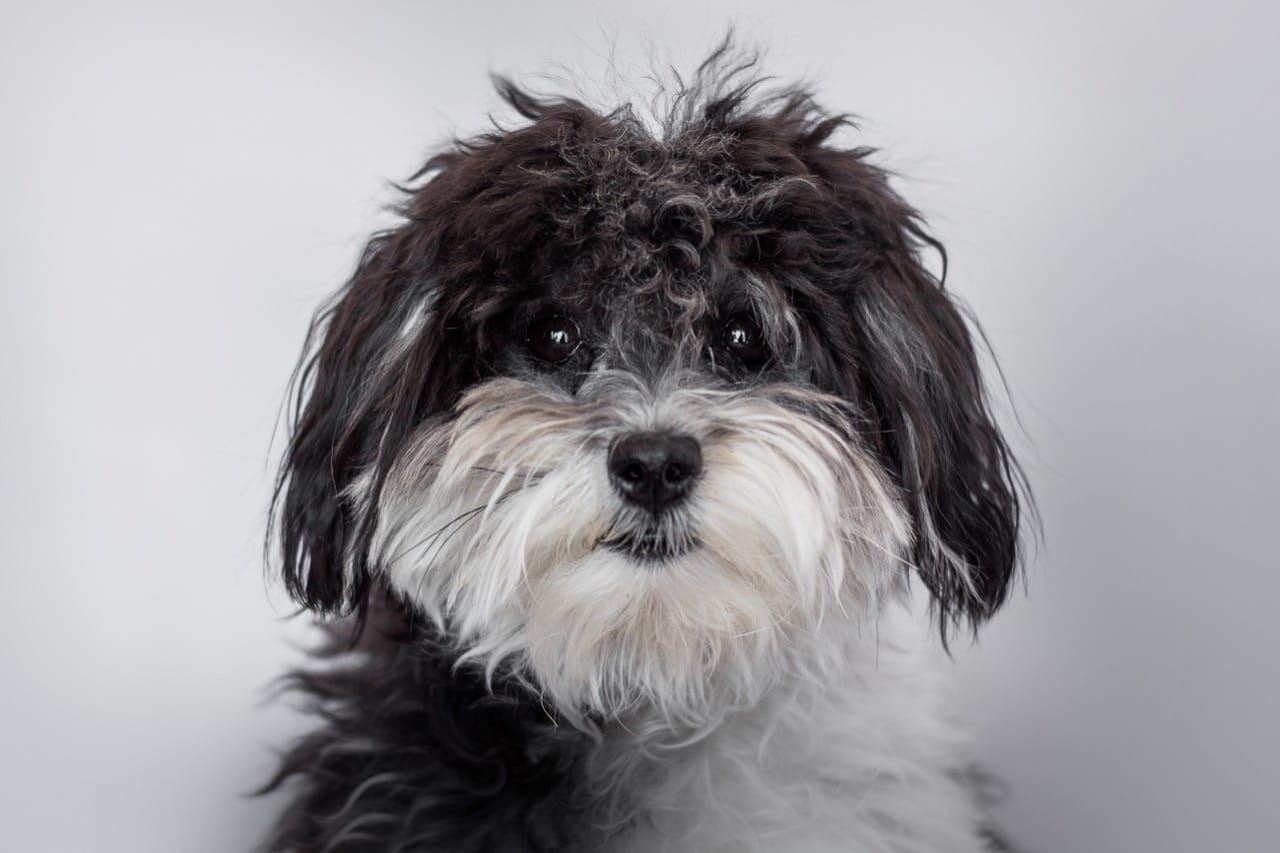
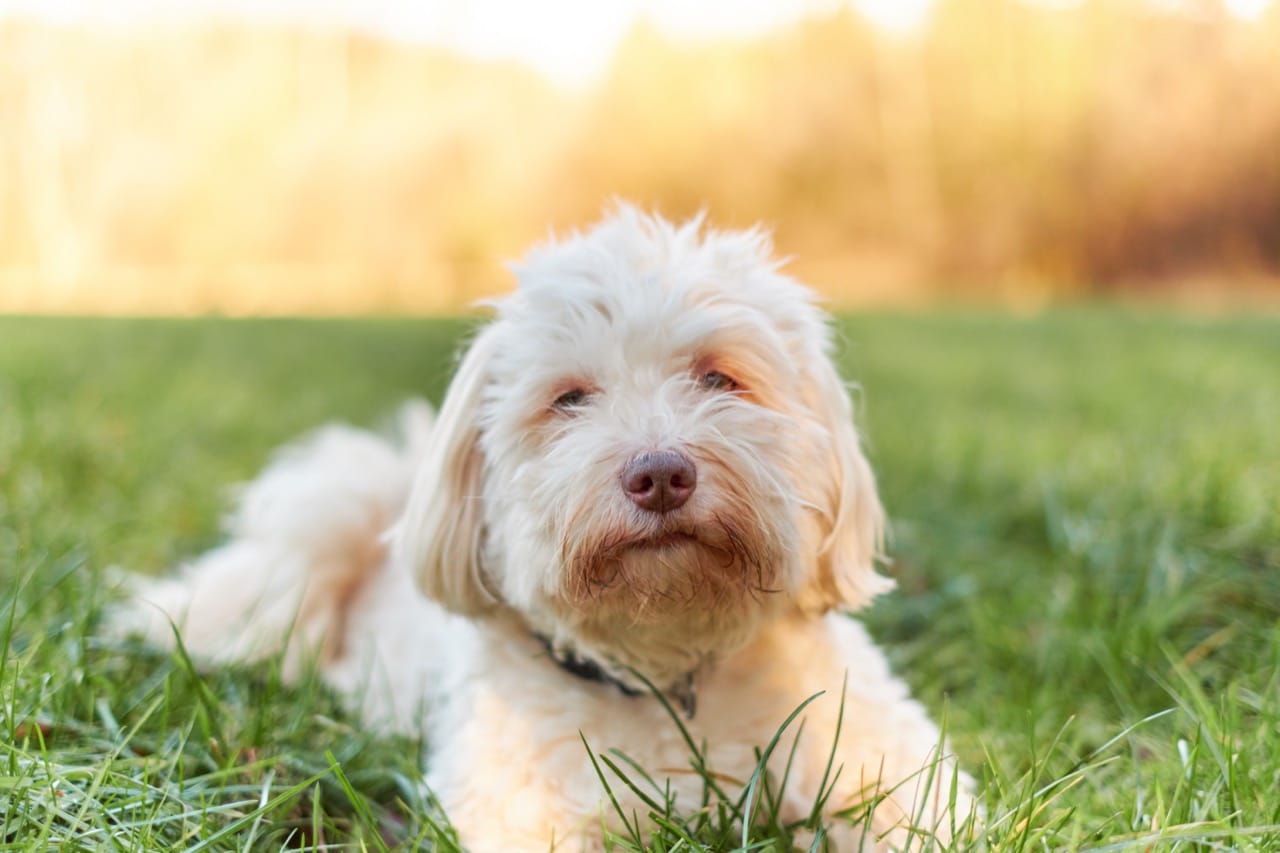
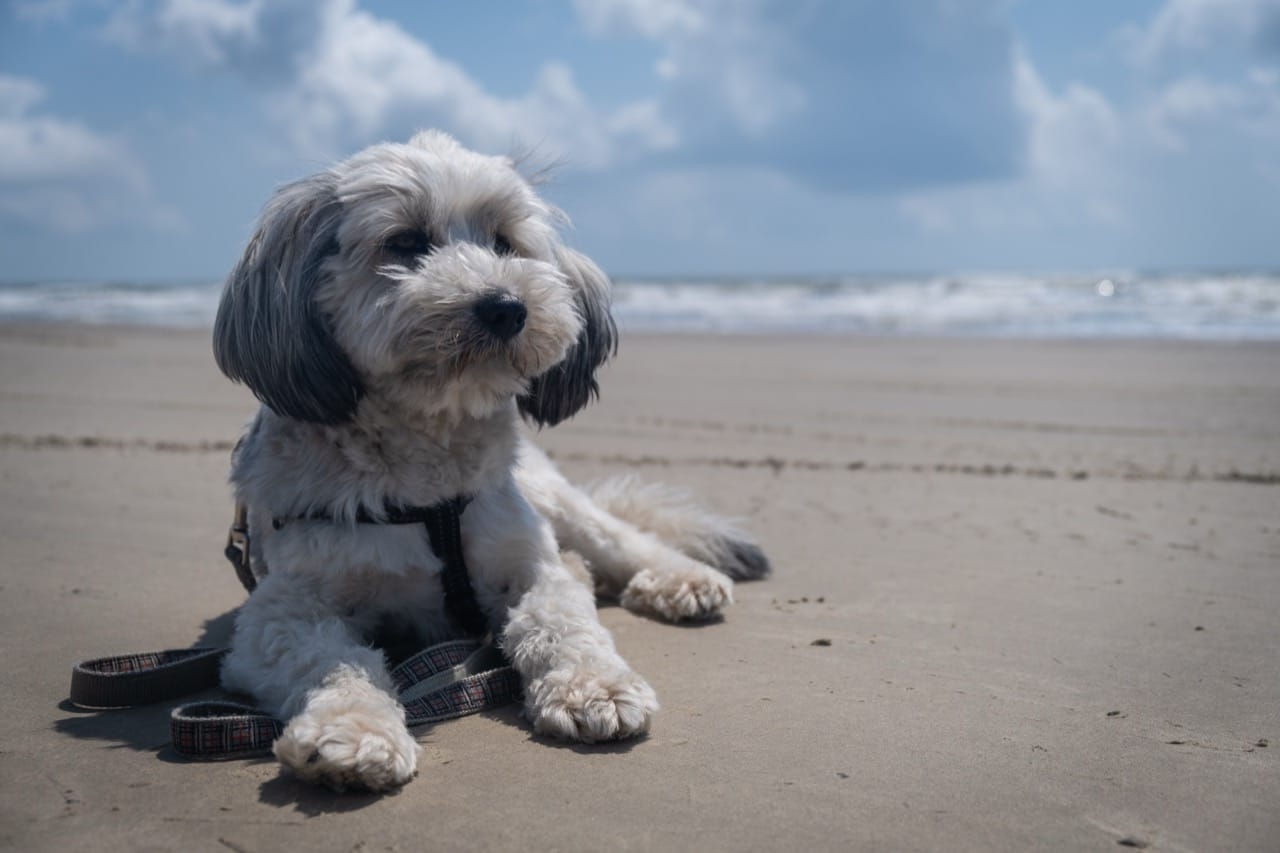
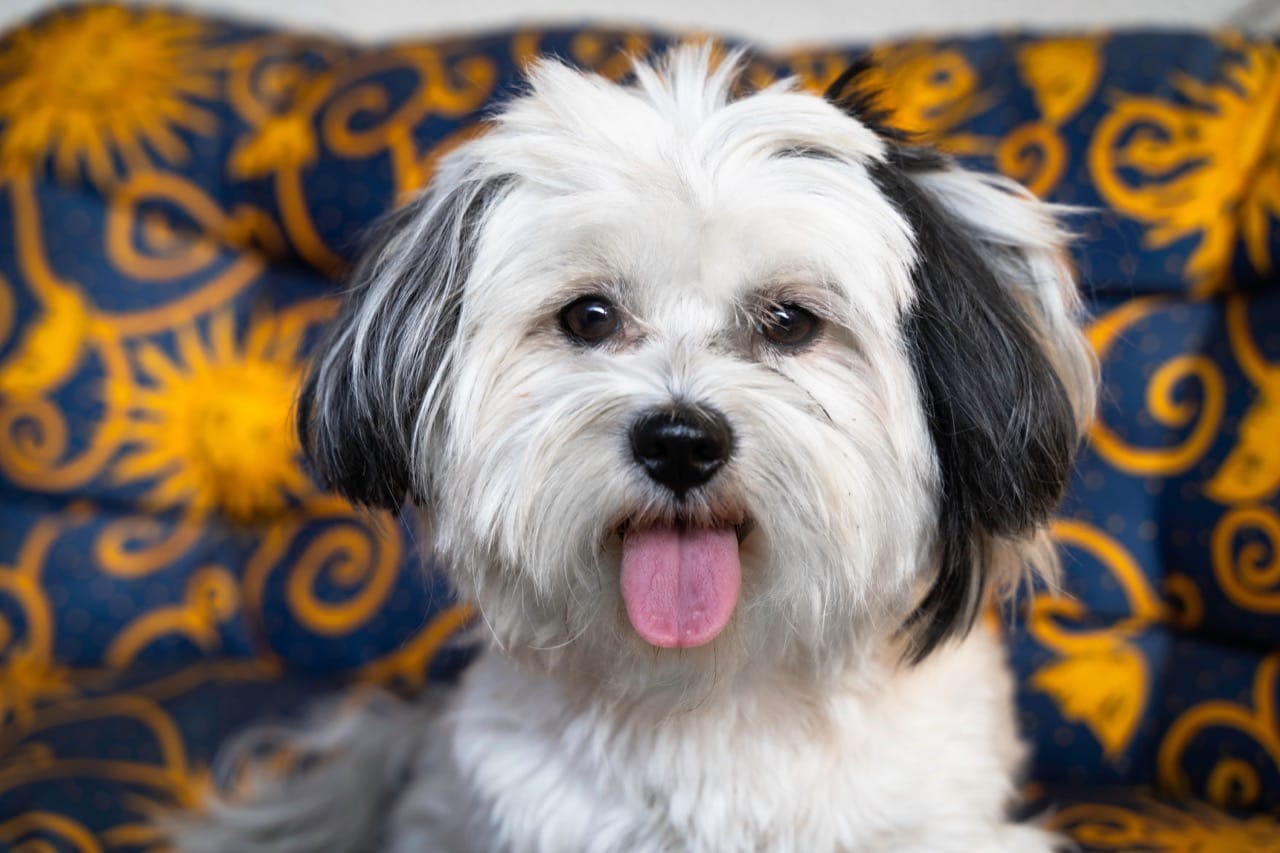
The coat is the breed’s most famous calling card, but it is also where many people get confused. A correct Havanese coat is long and abundant, with a soft, silky feel and a natural wave. The AKC standard faults a flat, frizzy or curly coat. It is not supposed to be harsh or wiry. That wave gives the coat lift and motion as the dog trots. The coat is typically shown in its natural length rather than being sculpted into a shaped outline. One practical point that surprises newcomers is that the coat can cord. Cording is permitted, meaning the hair can form long, rope-like cords if managed that way, though many pet owners keep the coat brushed out or trimmed for convenience.
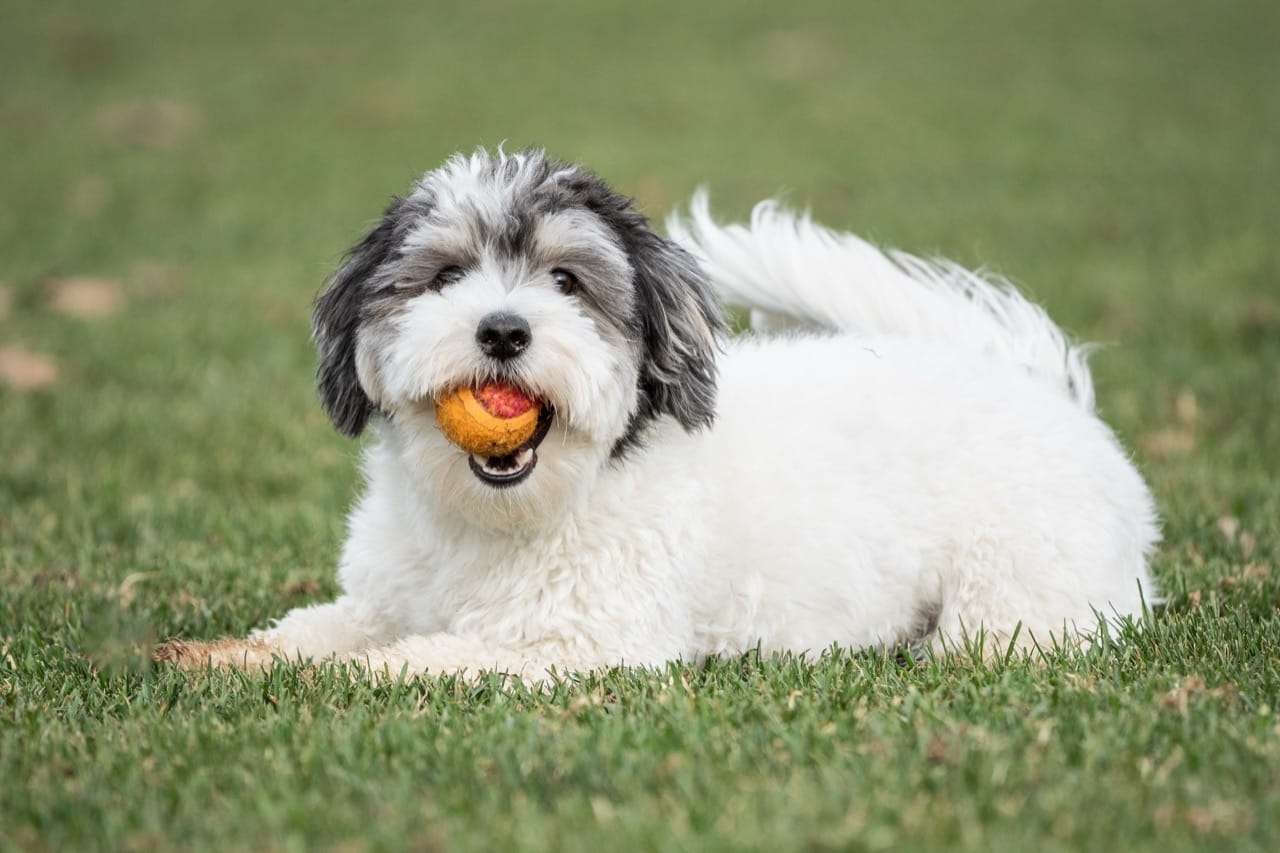
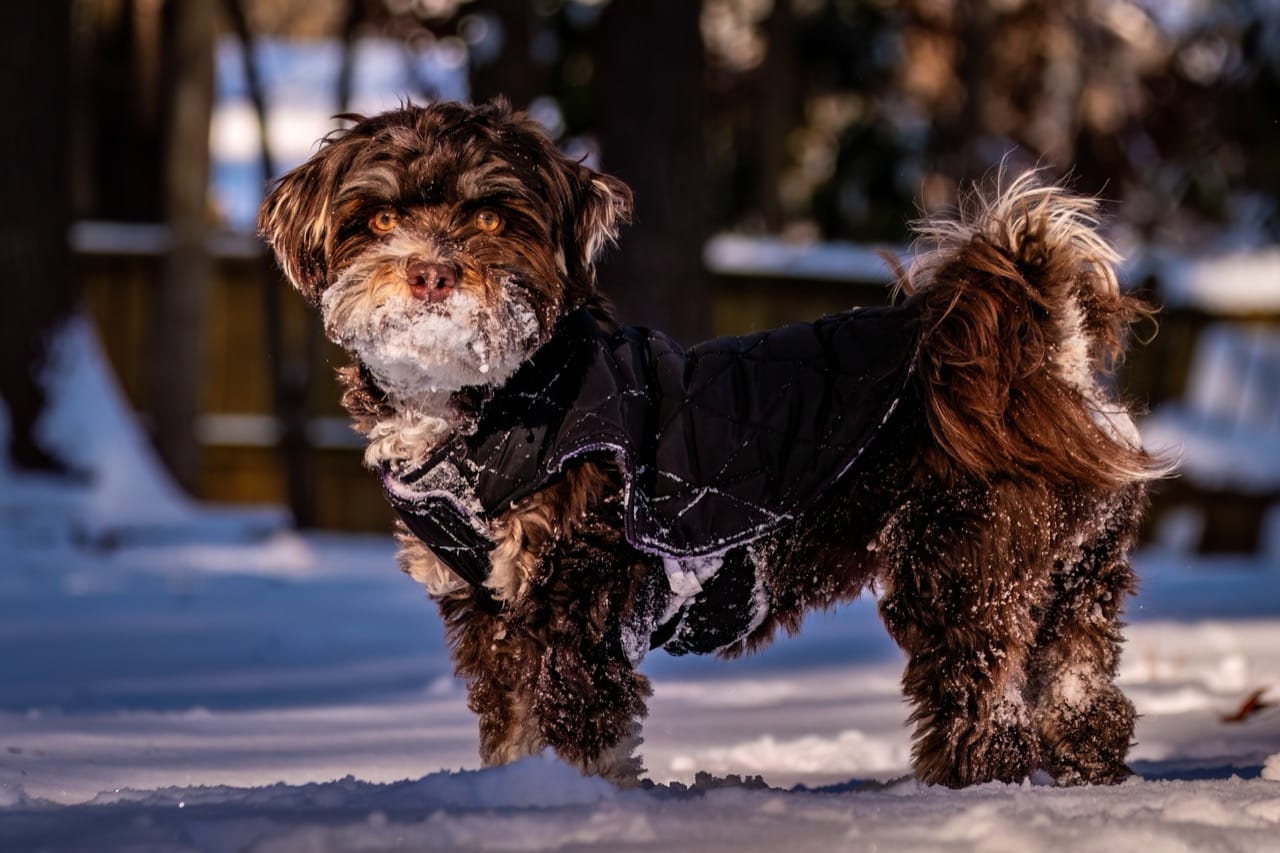
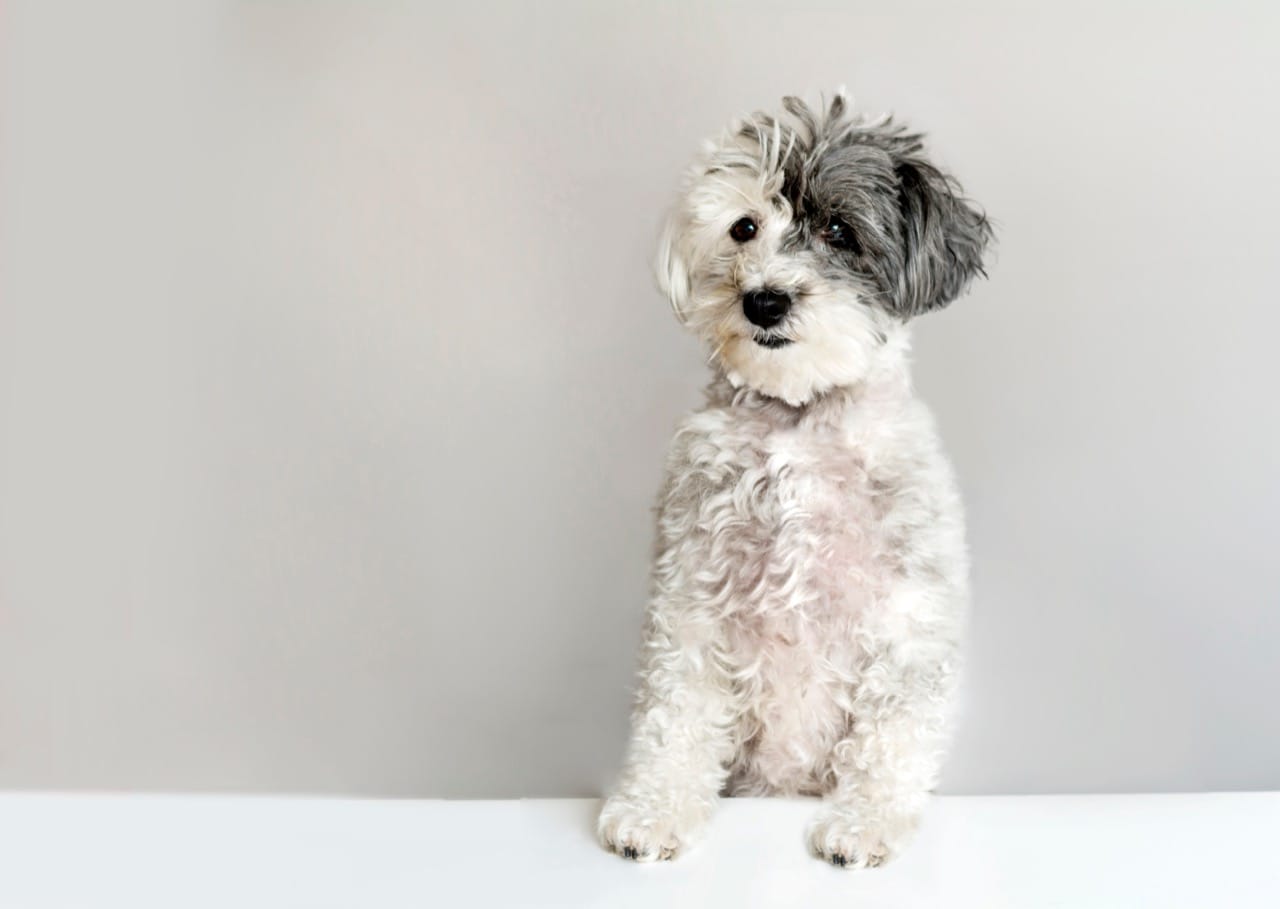
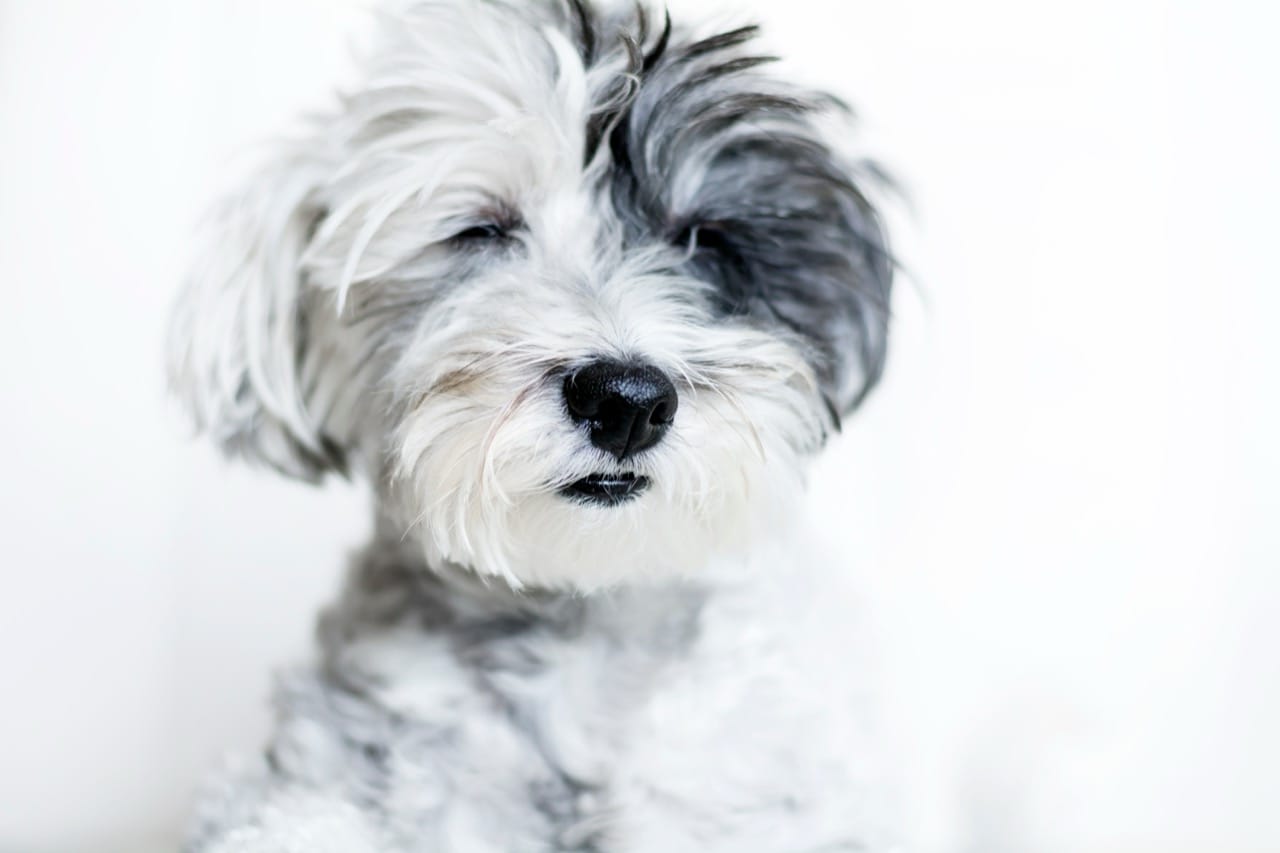
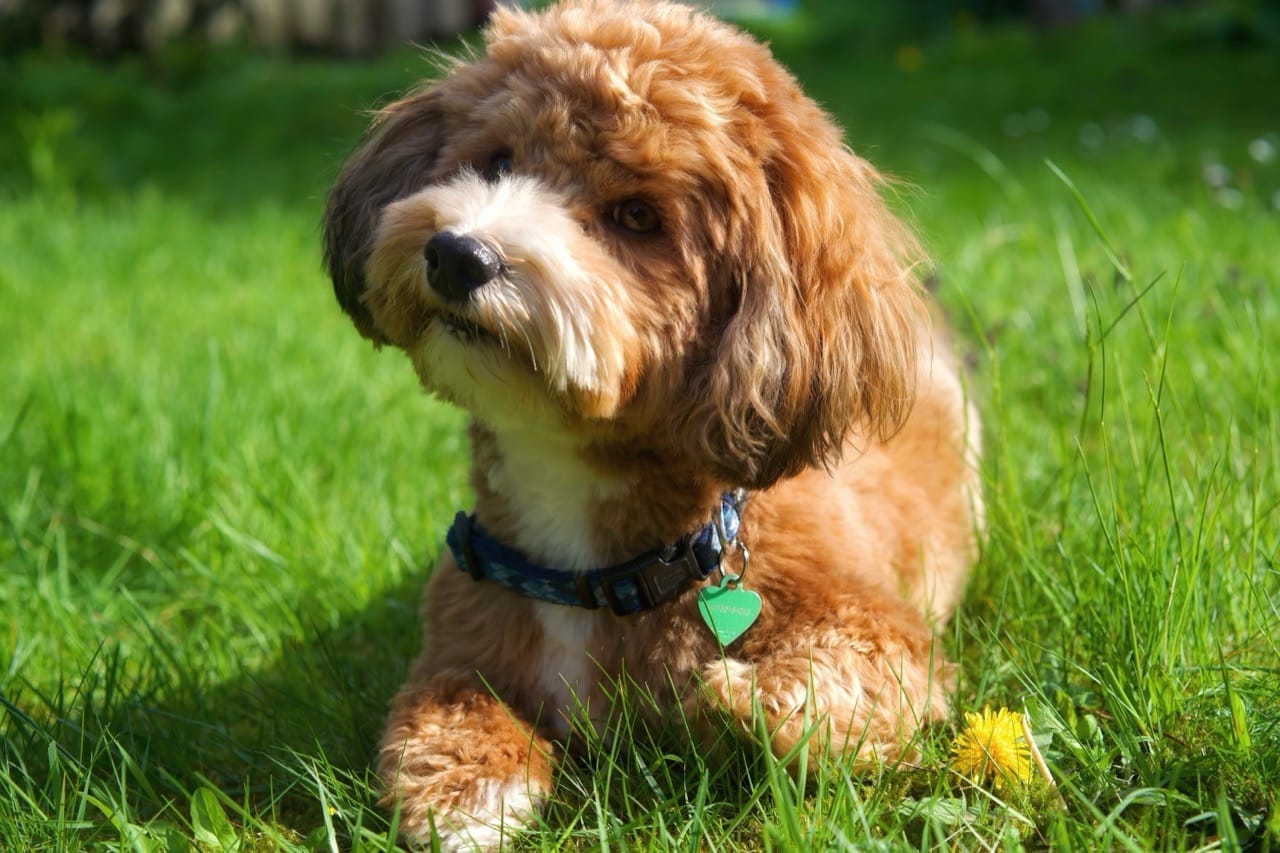
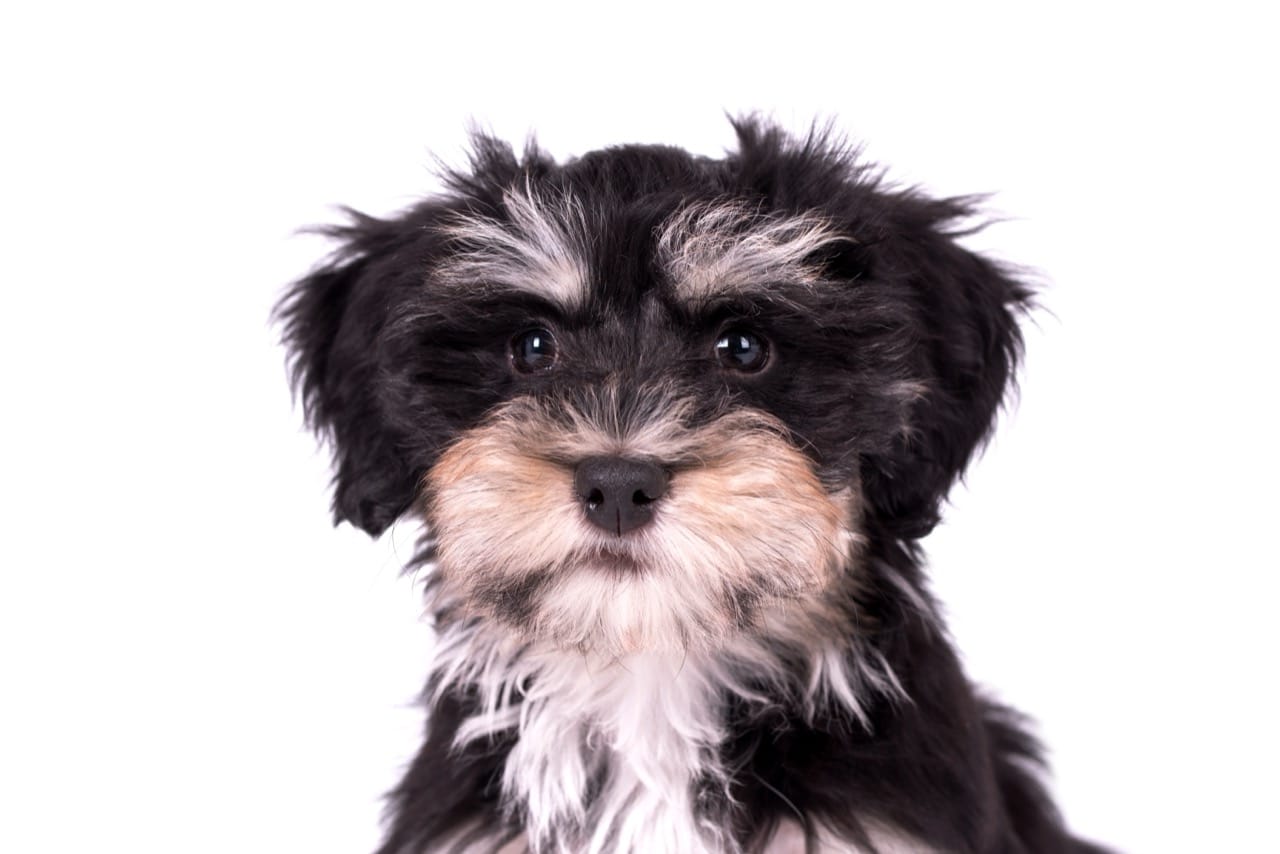
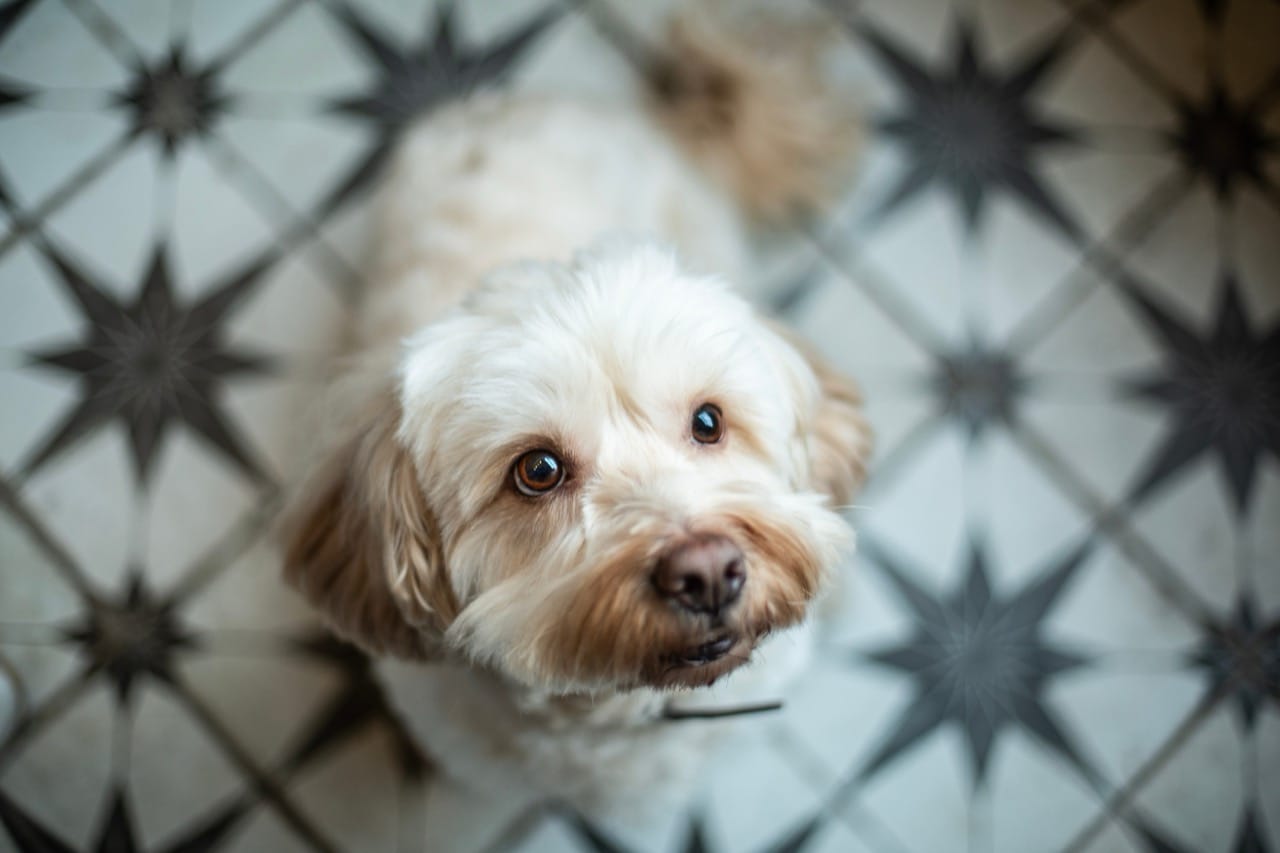
Color is another area where the Havanese differs from some lookalikes. The breed comes in a wide range of colors and patterns, including creams, golds, reds, chocolates, blacks, silvers, and combinations with white. That variety can make it harder to identify a Havanese by color alone, so it helps to focus on structure and carriage.
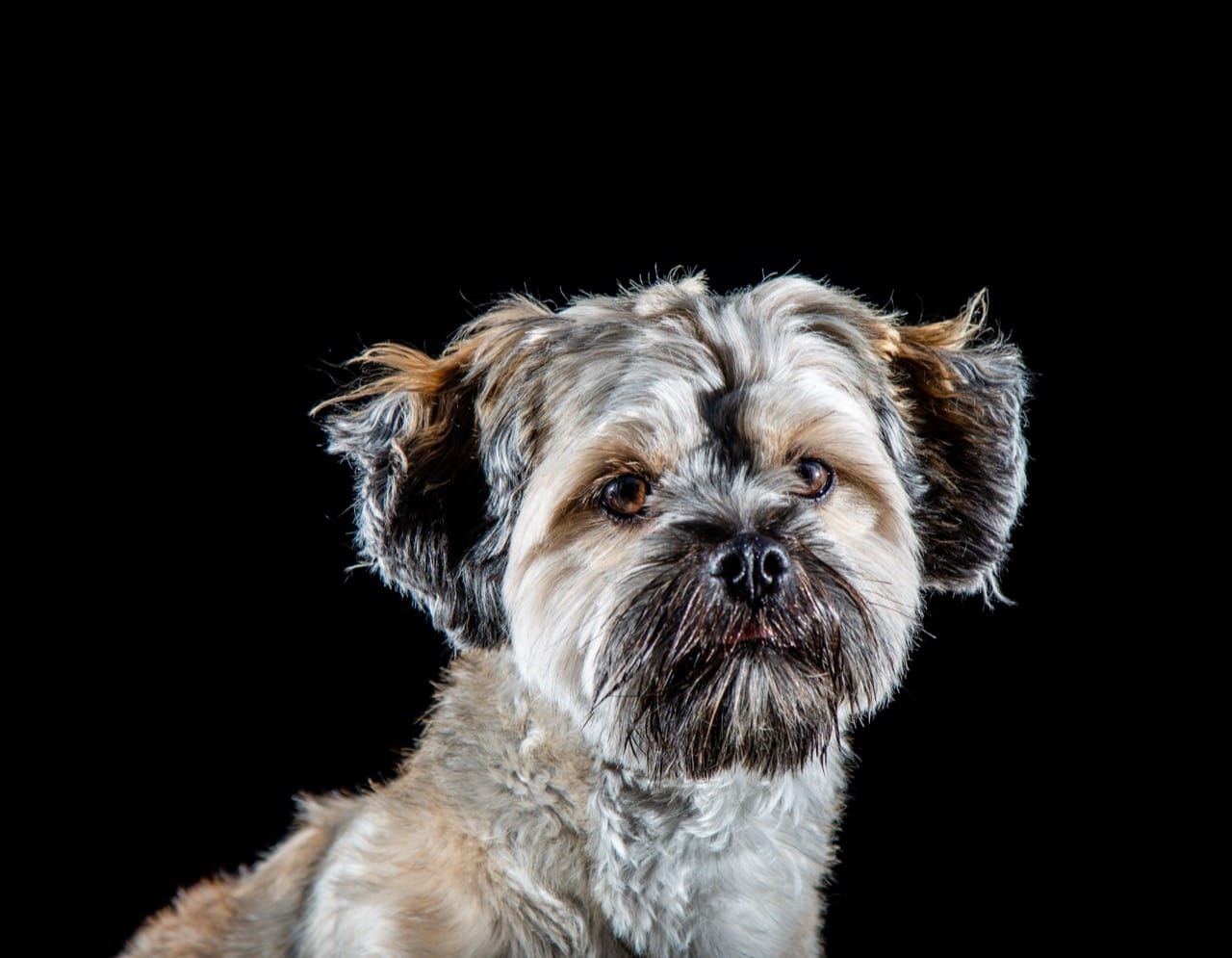
The head features contribute strongly to the “Havanese look.” The ears are set high and drop, often blending into the long coat, and they typically show a slight lift at the base rather than hanging flat like curtains. The eyes are dark and relatively large, giving a warm, alert expression. The muzzle is moderate, not extremely short, and the overall face should not look flat.
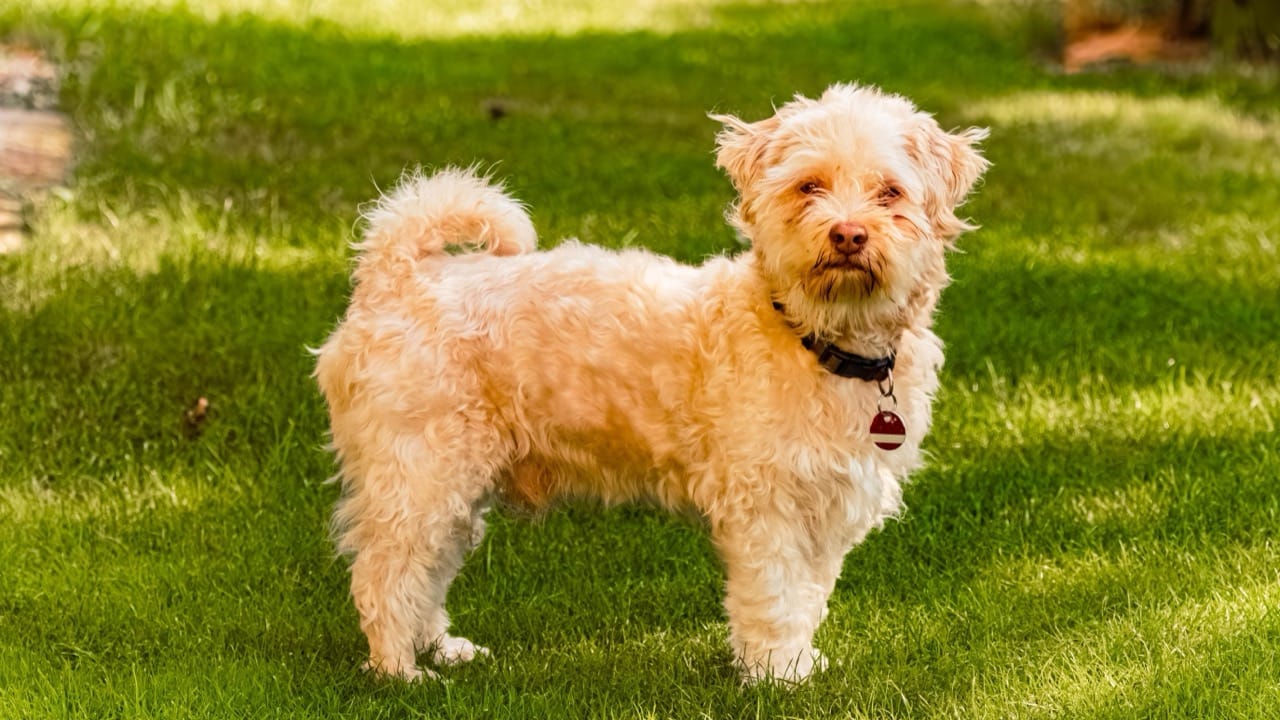
The tail is a quick clue when the dog is moving. A Havanese carries its tail arched over the back, commonly with a plume of hair flowing over to one side. A tail held straight up like a flag or tucked down can happen momentarily, but the signature carriage is the arch over the topline.
Feet and bone are the quiet details that separate a true Havanese from more fine-boned toy breeds. The Havanese has a sturdy build for its size, with good substance and springy resilience. The AKC standard asks for arched toes that point straight ahead. When you watch the dog move, the gait should look light and elastic, with a bit of bounce, but not mincing. The straight topline rises slightly from withers to croup, and the long coat can create an illusion of extra roundness, so it helps to look through the hair to the body underneath.
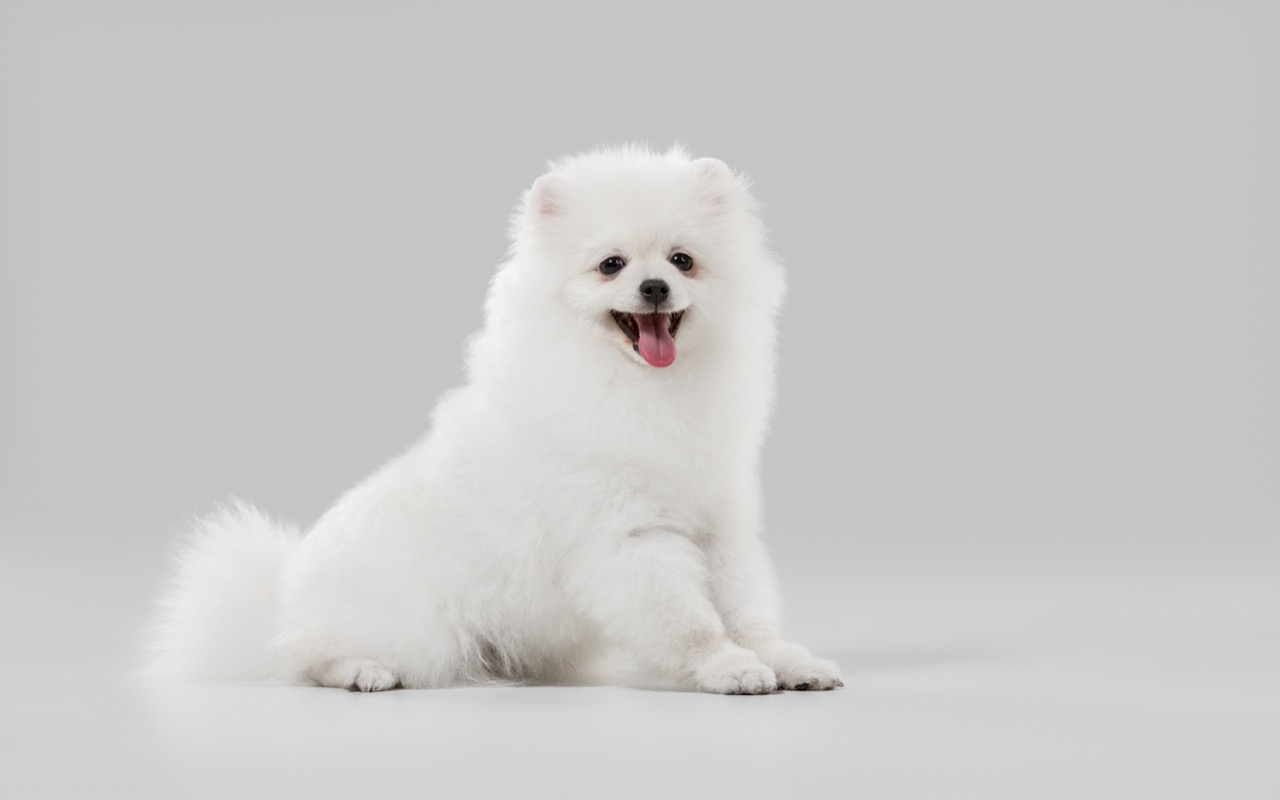
Comparisons with similar breeds make these points clearer. The Maltese is typically pure white and often appears more refined, with a straighter, heavier curtain of coat and a different overall silhouette. The Bichon Frise has a very different coat texture, dense and curly with a plush, powder-puff outline, and the grooming style emphasizes roundness. The Coton de Tulear shares a friendly demeanor and a long coat, but the Coton’s coat is often described as cottony rather than silky, and the overall feel and drape differ. Shih Tzu and Lhasa Apso can overlap in size and coat length, yet they tend to have a more pronounced facial shortening and a different head shape and expression.
If you want a reliable real-life checklist, prioritize three things: a soft, silky long coat that may be wavy and can cord; a tail that arches over the back with a plume; and a sturdy, slightly longer-than-tall body that moves with a springy, cheerful gait. Put those together and the Havanese stops being tricky to describe and becomes surprisingly easy to recognize.