A Havanese at the Vet



Quiz Complete!
Spotting Inherited Health Signs in Havanese: What Attentive Owners Should Know
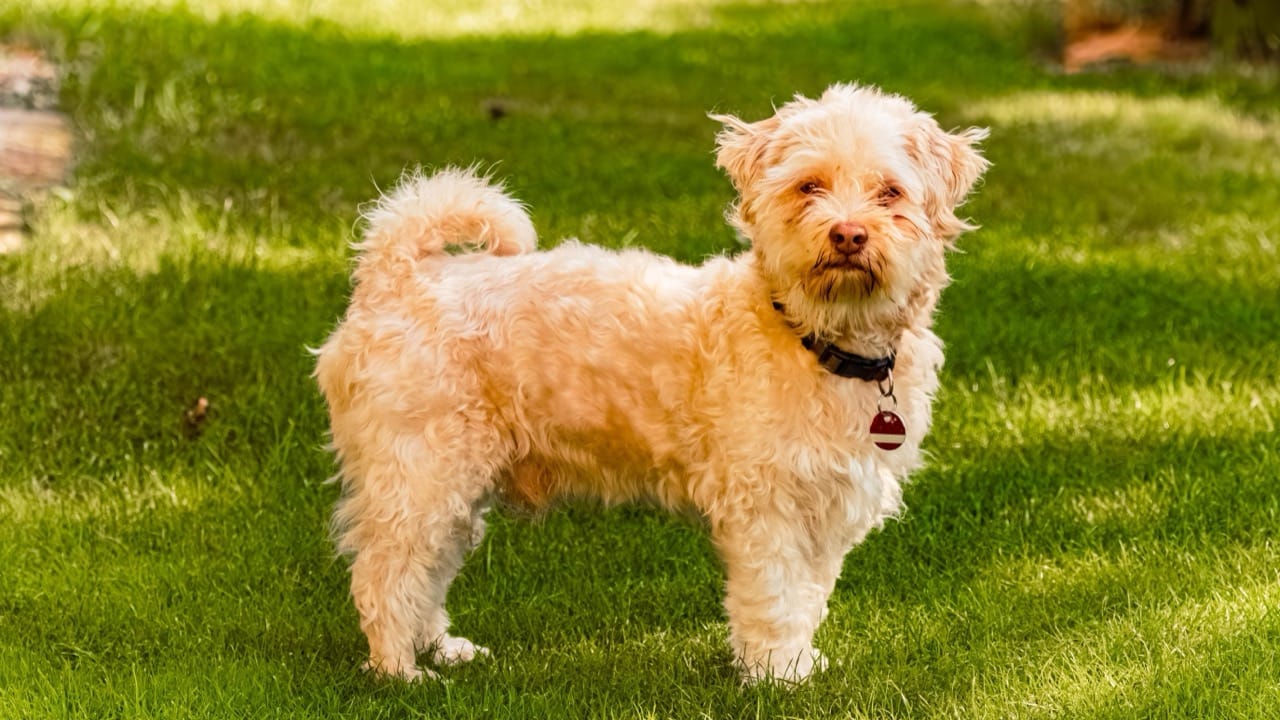
The Havanese is famous for being bright, affectionate, and eager to stay close to their people. That upbeat attitude can be a double edged sword when it comes to health, because some dogs keep playing and cuddling even when they are uncomfortable. Knowing which inherited problems are seen in the breed, and what early signs can look like at home, helps you act before small changes become big ones.
Eye issues are a common place to start watching. Some Havanese develop distichiasis, extra eyelashes that can irritate the eye. You might notice thick discharge, redness, frequent blinking, or a dog that rubs their face on furniture. Cataracts can also occur, sometimes showing up as a cloudy or bluish look in the pupil and a dog that bumps into things in dim light. Any sudden squinting, a closed eye, or a visibly painful eye should be treated as urgent, because corneal injuries can worsen quickly.
Orthopedic concerns often show up as subtle changes in movement. Luxating patella, or a kneecap that slips out of place, can cause the classic skipping step where a dog suddenly holds a back leg up for a stride or two, then walks normally again. Over time you may see stiffness after rest, reluctance to jump, or a preference for one side on stairs. Hip problems can also occur, and they do not always look dramatic at first. Watch for bunny hopping when running, lagging behind on walks, or a dog that sits with one leg kicked out to the side. If lameness lasts more than a day, keeps returning, or is accompanied by yelping, it is time to call the vet rather than waiting it out.
Heart disease can be tricky because early stages may be quiet. Small breeds can develop valve disease that leads to a murmur. At home, clues include reduced stamina, coughing or gagging after excitement, faster breathing at rest, or fainting episodes. A resting respiratory rate that is consistently elevated when your dog is asleep is a useful early warning sign. Any collapse, repeated fainting, or labored breathing should be treated as an emergency.
Liver shunts and other liver related problems are another inherited concern seen in toy breeds, including Havanese. Dogs may be smaller than expected, have poor weight gain, develop vomiting or diarrhea, or seem unusually sleepy or disoriented, especially after meals. Some show behavior changes that look like confusion. Because these signs can overlap with many conditions, prompt veterinary testing is important rather than trying diet changes on your own.
Skin and ears often reveal problems early because owners handle these areas daily. Allergies can show up as licking paws, rubbing the face, recurrent ear infections, or red, itchy skin. A sweet or yeasty smell from the ears, head shaking, or sensitivity when you touch the ear flap suggests inflammation that needs treatment. Chronic infections are not just annoying; they can lead to painful ear canal changes over time.
Dental disease is not always labeled as inherited, but Havanese are prone to crowded teeth and tartar buildup, and gum pain can masquerade as pickiness, dropping food, or bad breath. Regular dental care and professional cleanings when recommended can prevent secondary problems.
The most useful skill for an owner is noticing small deviations from normal. A Havanese that still wags and follows you can still be hurting. Changes in sleep, appetite, water intake, willingness to be picked up, or a new sensitivity to touch are all meaningful. Take videos of odd gait or coughing spells, write down when symptoms happen, and bring that information to your veterinarian. Preventive care matters too: routine eye checks, orthopedic evaluations, and early screening tests recommended by your vet or breeder can catch issues before they steal comfort or mobility. When in doubt, trust patterns. One off quirks can be watched, but repeated signs, worsening symptoms, or anything involving eyes, breathing, collapse, or severe pain deserves a call the same day.