The Beagle Spotter’s Field Guide






Quiz Complete!
How to Recognize Real Beagle Traits at a Glance
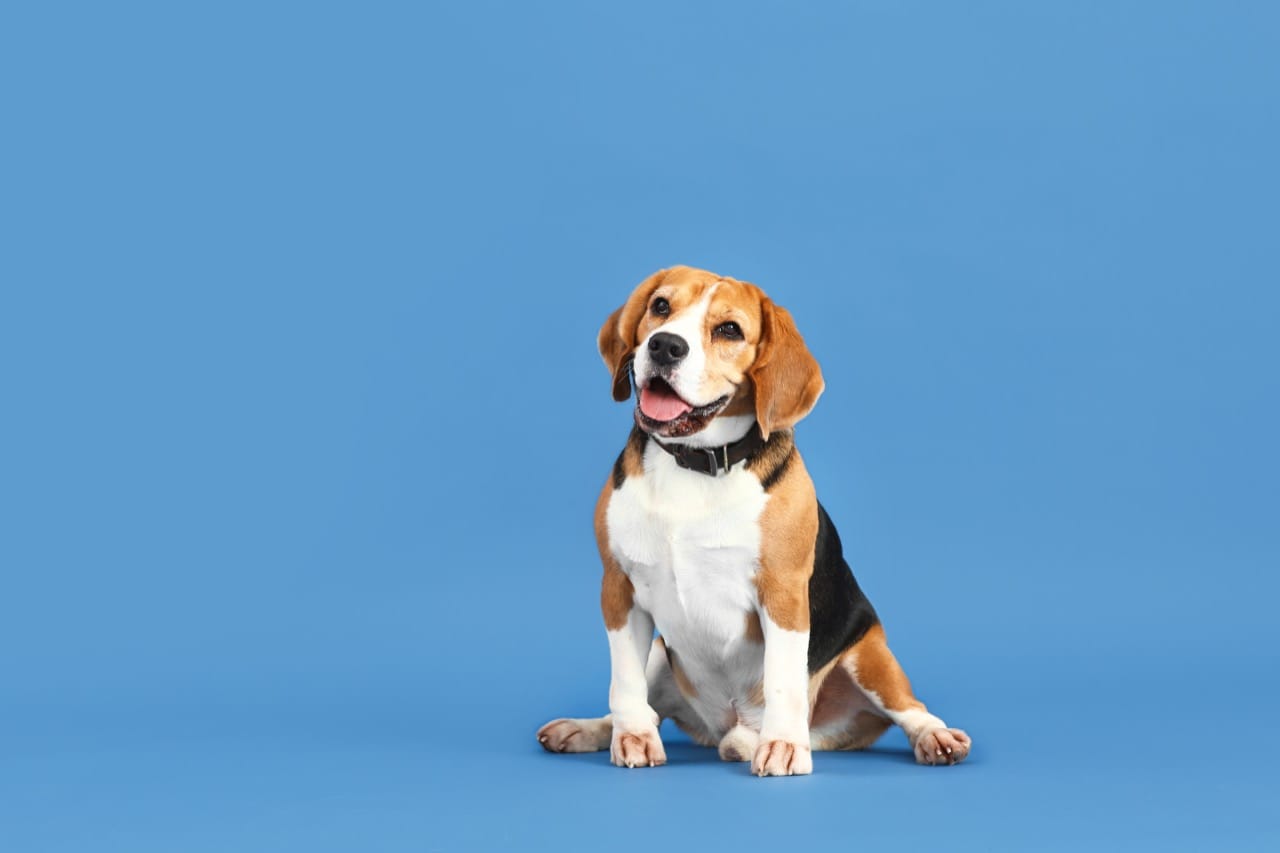
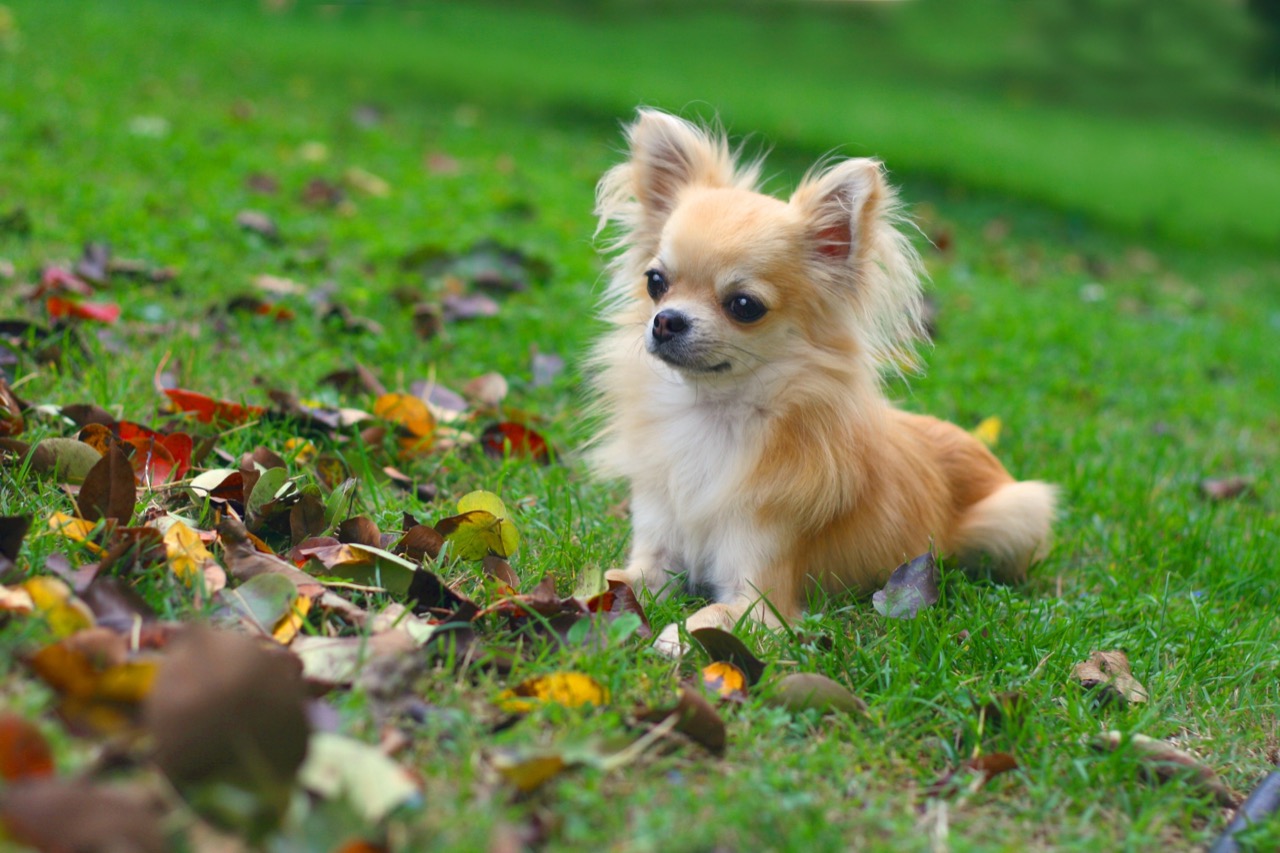
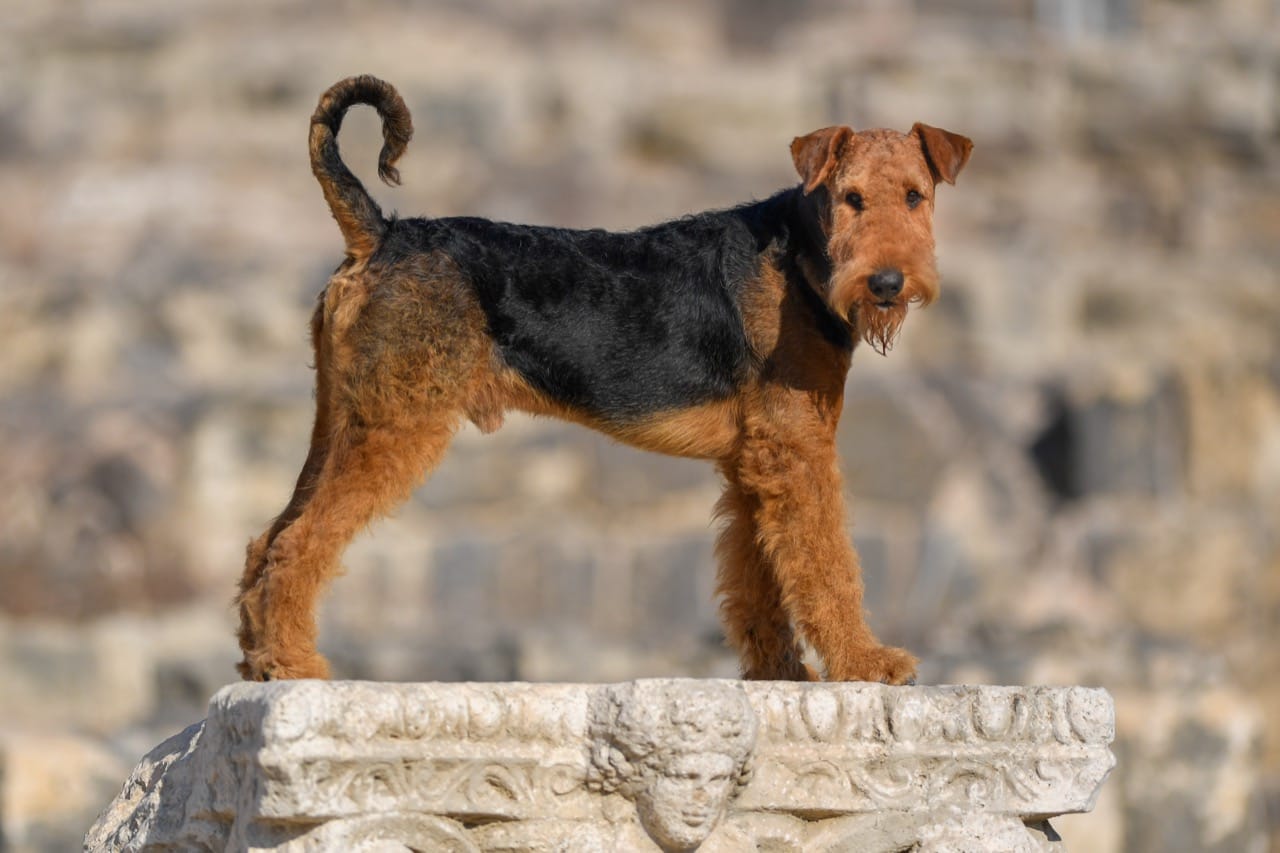
Beagles are famous for looking like the classic storybook hound, but plenty of other scent hounds borrow pieces of the same look. If you want to spot a true Beagle by appearance, it helps to focus on a handful of reliable physical hallmarks rather than one single feature like color. A Beagle is built to follow a trail for hours, and its body shape, coat, ears, and tail all reflect that job.
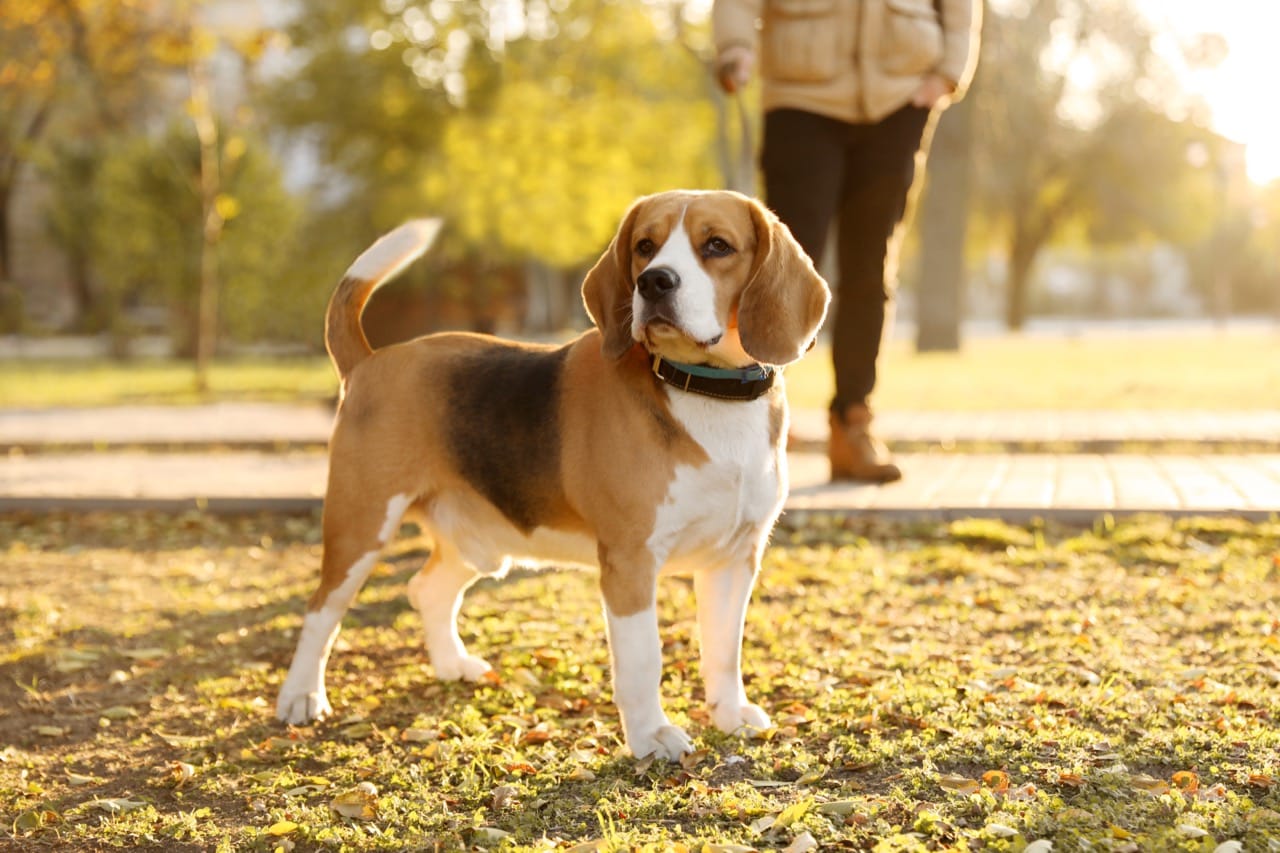
Start with the coat. A Beagle has a close, hard hound coat of medium length that feels firm rather than silky. It is designed to protect the dog while moving through brush, so it lies close to the body and does not form long feathering on the legs or tail. If the coat looks wavy, long, or especially fluffy, you are likely looking at a different breed or a mix. Beagles do shed, and the coat can feel a bit thicker in colder months because of an undercoat.
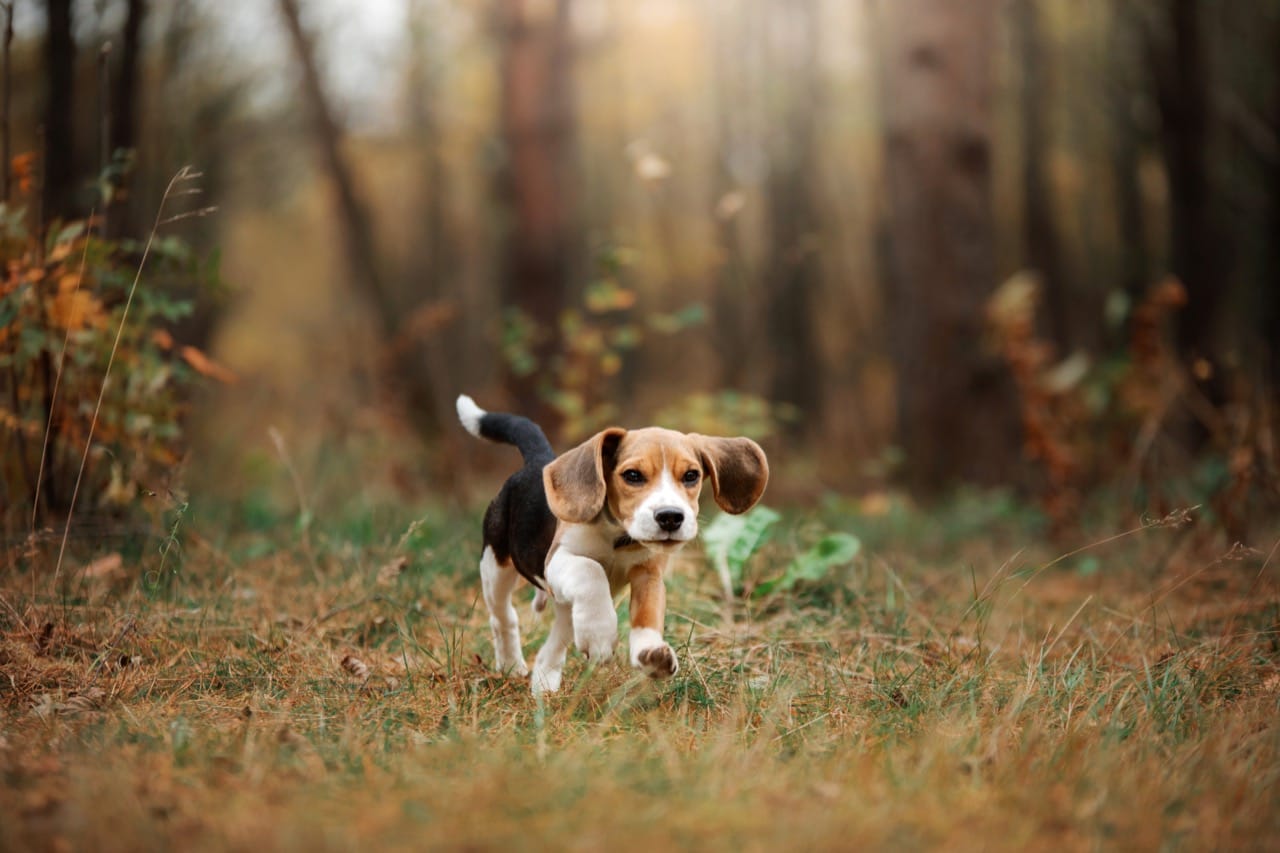
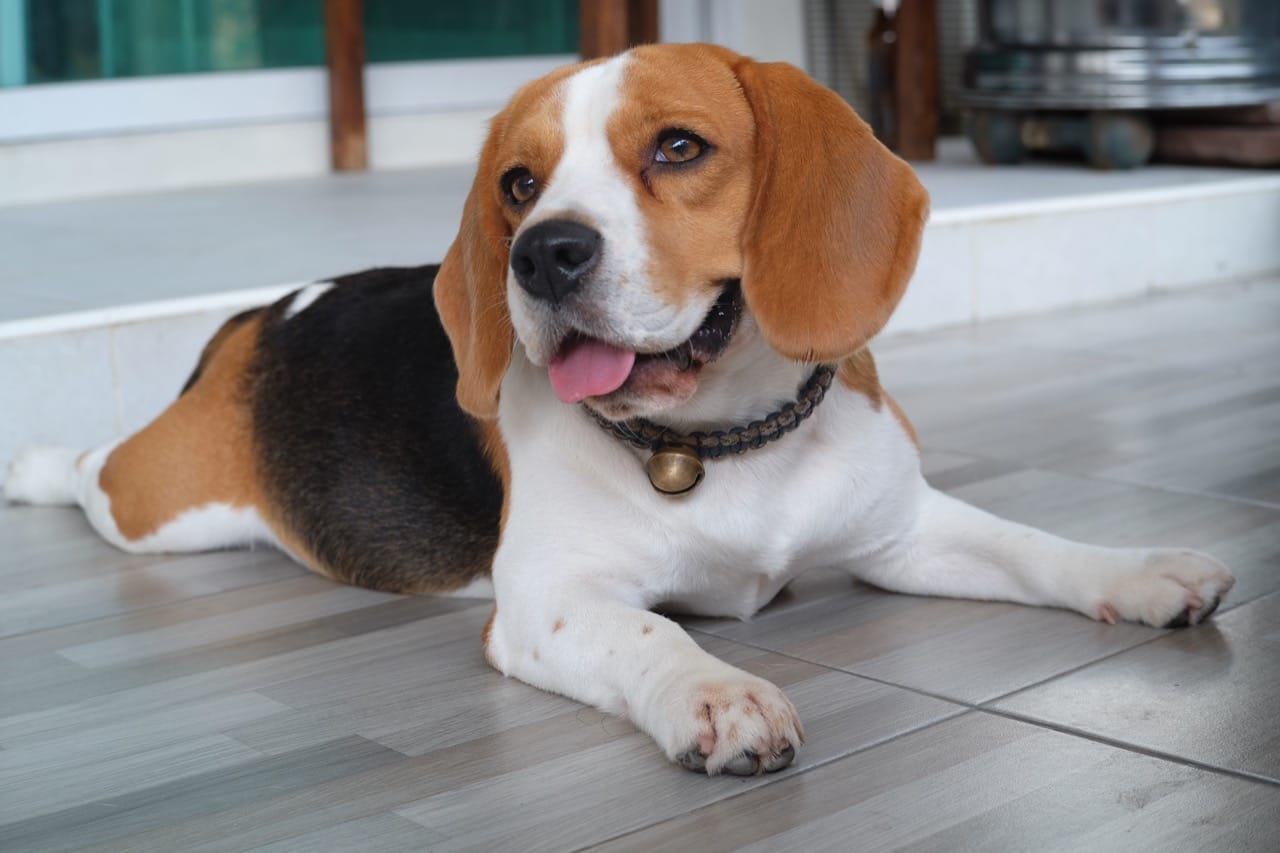
Color can be eye catching, but it is not the best single identifier because several hounds come in similar patterns. Still, Beagles commonly appear in tri color, usually some combination of black, white, and tan. You will also see red and white, lemon and white, and other hound style patterns. The key is that the coat pattern typically looks clean and crisp on a compact dog, not stretched over long legs or a long back.
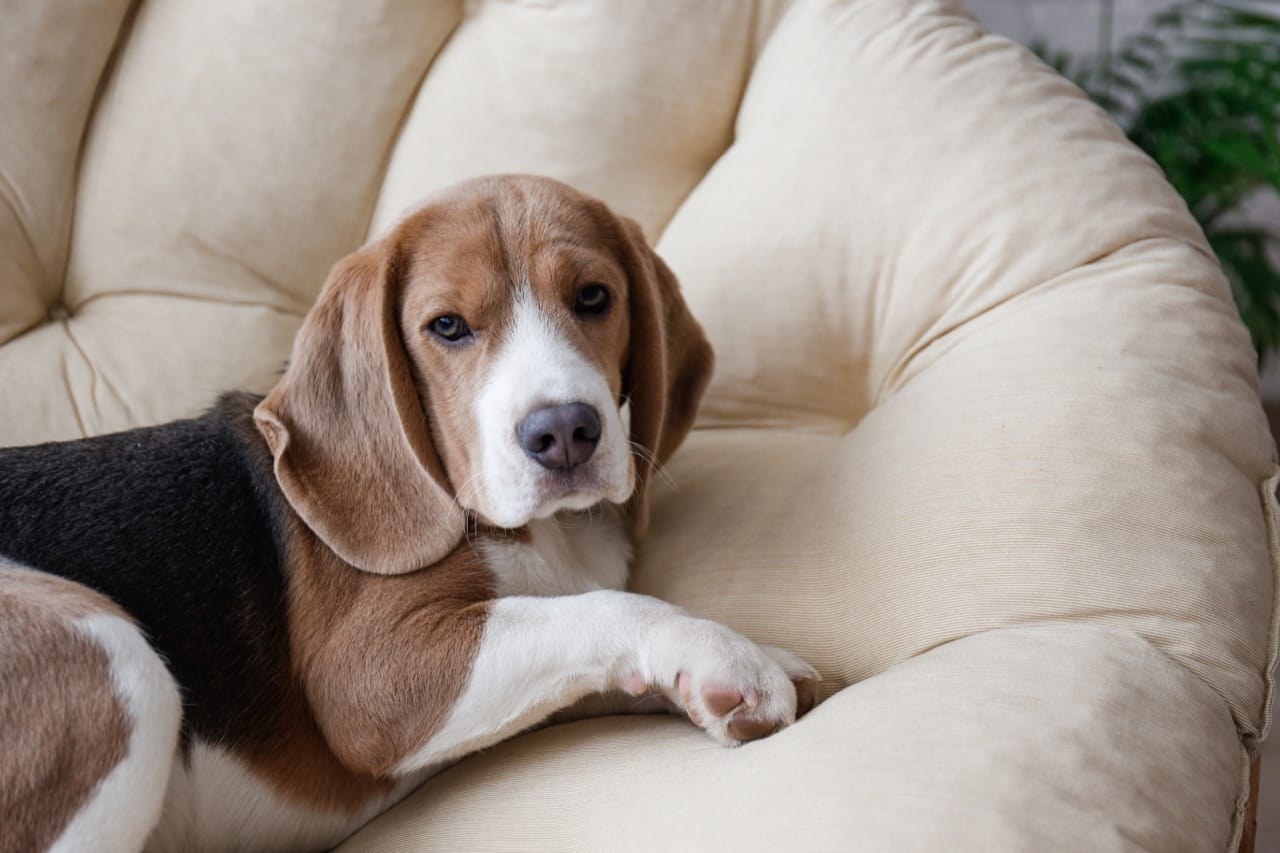
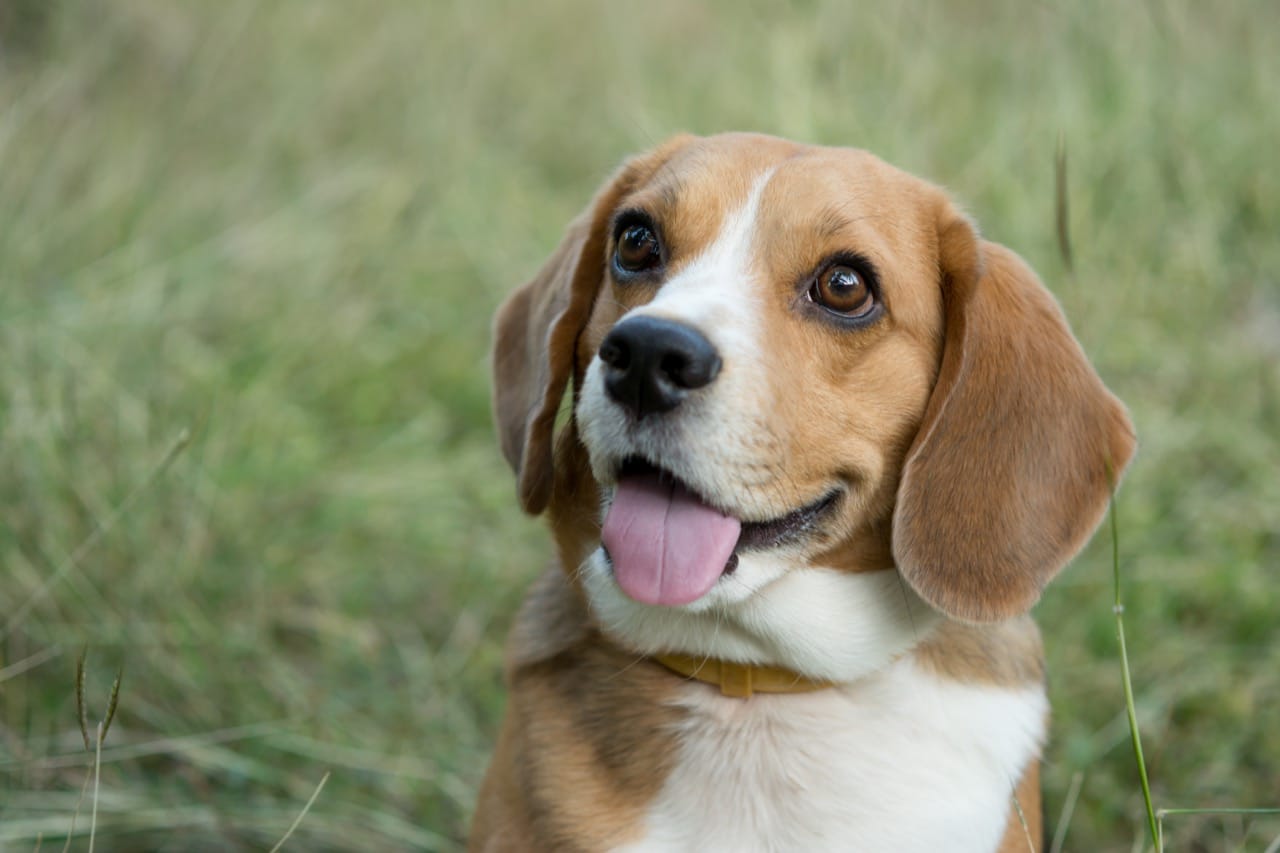
The ears are one of the most telling clues. Beagle ears are long, soft, and set low on the head. When pulled forward, the ear leather often reaches toward the end of the nose. They hang close to the cheeks instead of standing out or folding back. Ears that are shorter, higher set, or carried more like a terrier can signal a lookalike rather than a Beagle.
The head and expression also help. Beagles tend to have a moderately broad skull, a defined stop between forehead and muzzle, and large brown or hazel eyes that give a gentle, pleading expression. The muzzle is strong but not narrow or pointy. Compared with taller hounds, the Beagle face often looks more compact and rounded.
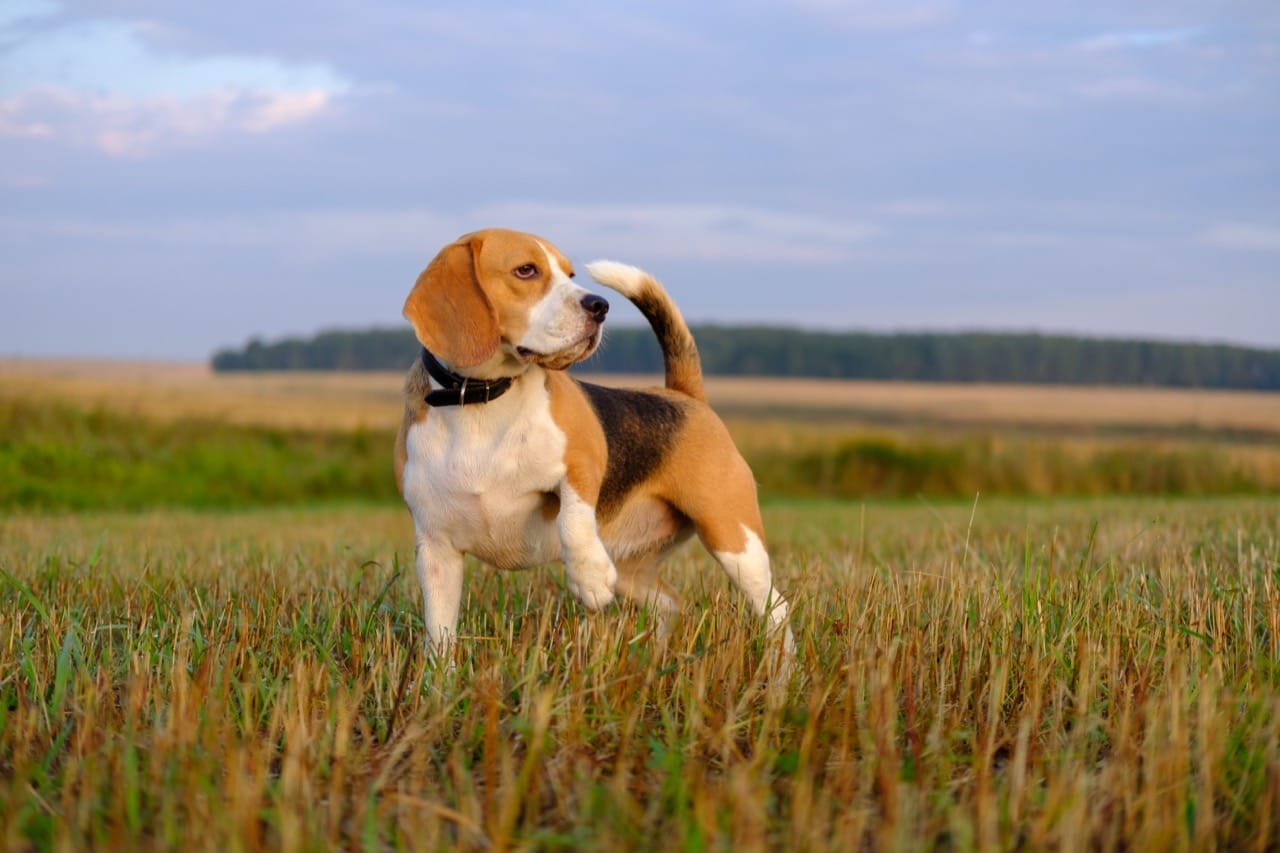
Now look at the overall build. A Beagle is a small to medium hound with a sturdy, squarely balanced body. The chest is deep enough for good lung capacity, but the dog should not look heavy or low slung. Legs are straight and fairly short compared with breeds like Foxhounds, giving Beagles a grounded, efficient look. If the dog seems very tall, leggy, or built for speed over open ground, it may be a different hound type.
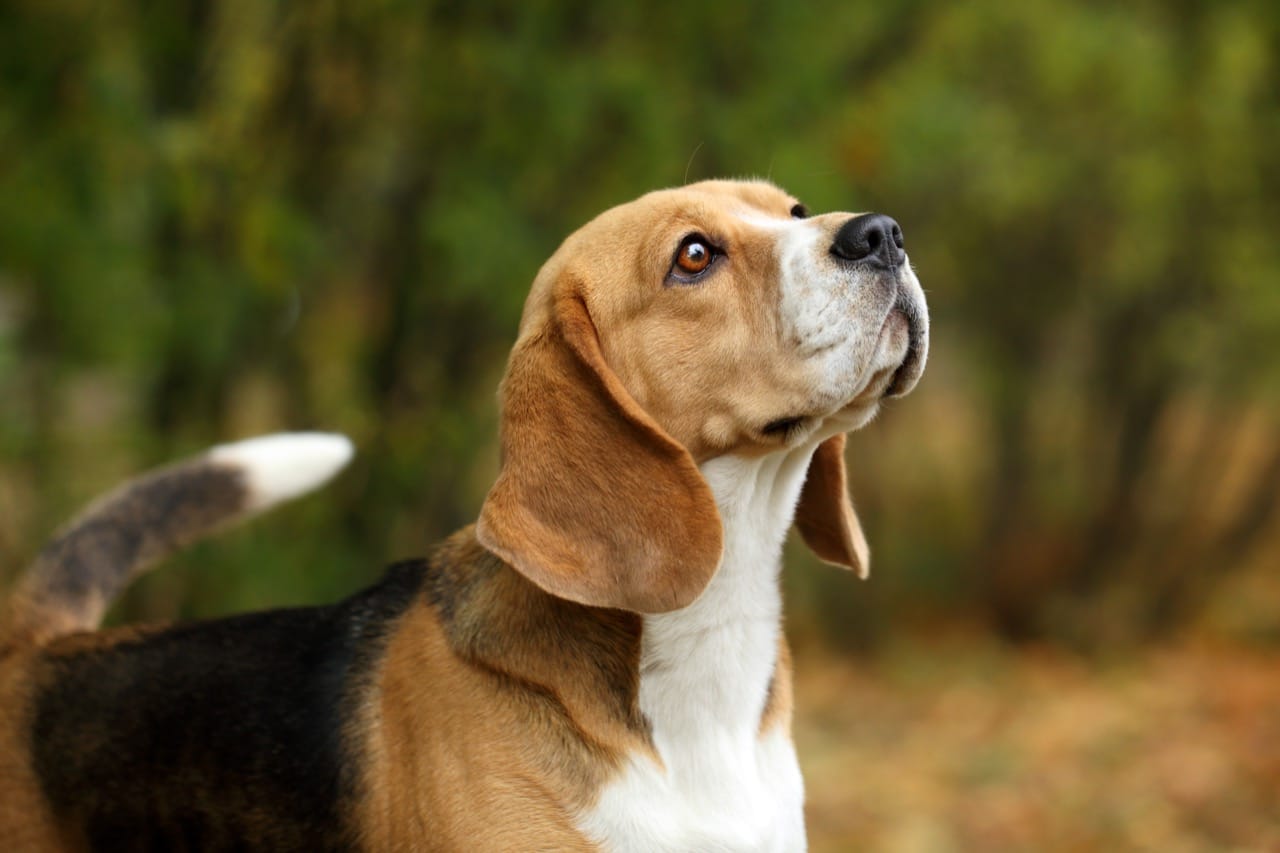
The tail is a classic breed giveaway. Beagles carry their tail high, like a flag, especially when alert or on a scent. The tail is not curled tightly over the back, and it is not long and whippy. Many Beagles have a white tip, which breeders value because it makes the dog easier to spot in tall grass. A low carried tail or one that curves tightly can point away from Beagle.
Finally, remember the scent hound clues. Beagles are built to keep their nose down, so their neck and shoulders look strong enough to support steady tracking, and their long, low-set ears hang close to the face. Put all these pieces together and you can identify the real Beagle look with much more confidence, whether you are meeting a tri color adult, a lemon and white puppy, or a convincing hound lookalike.