Behind the Bulldog Snort


Quiz Complete!
Bulldog Health Risks Owners Should Know
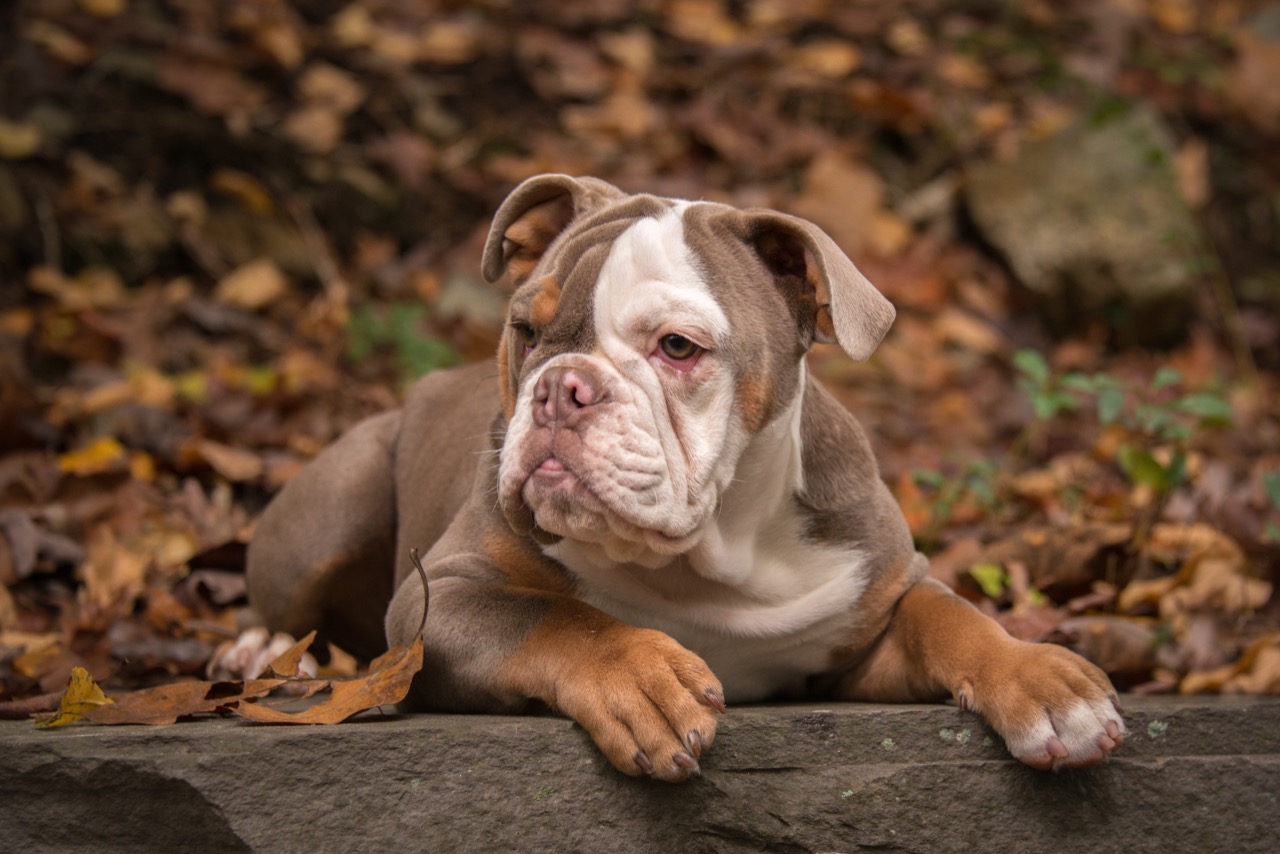
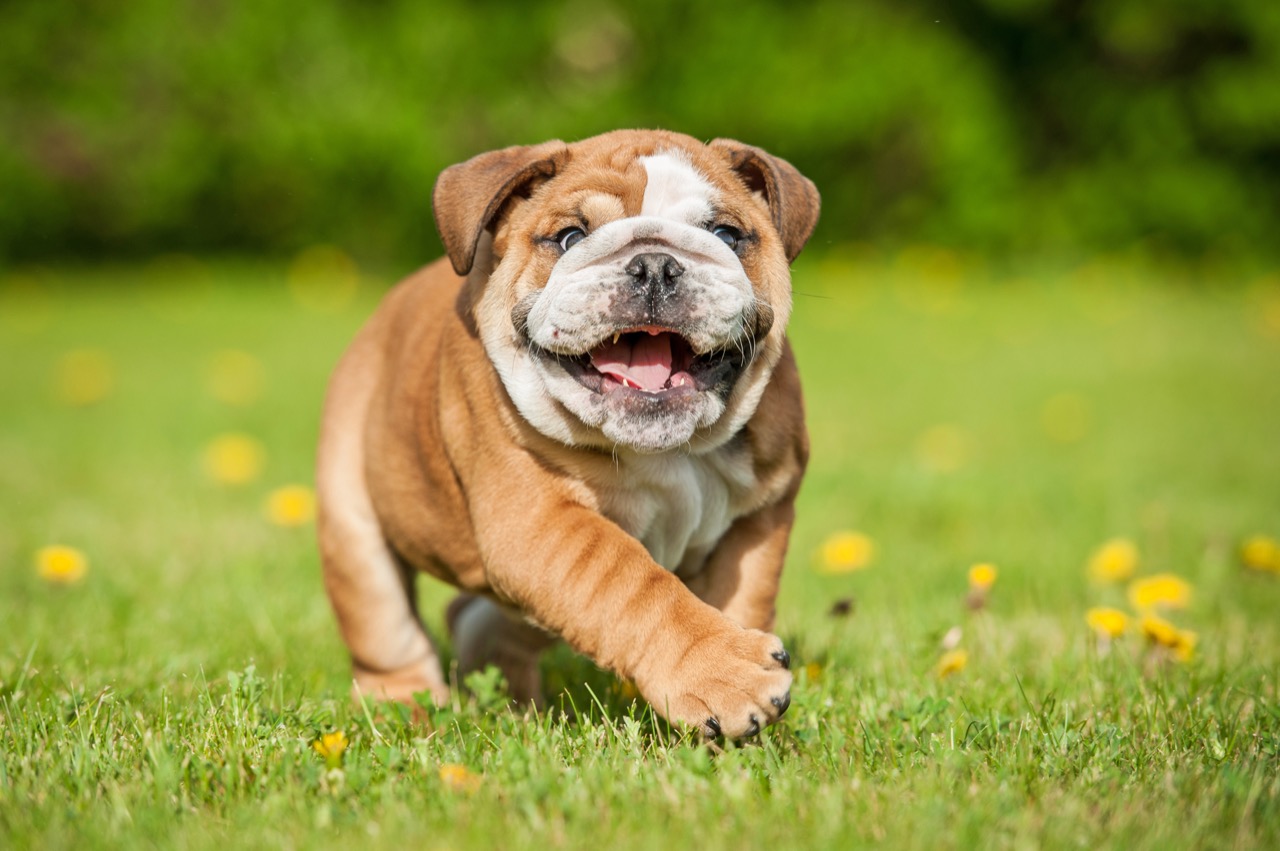
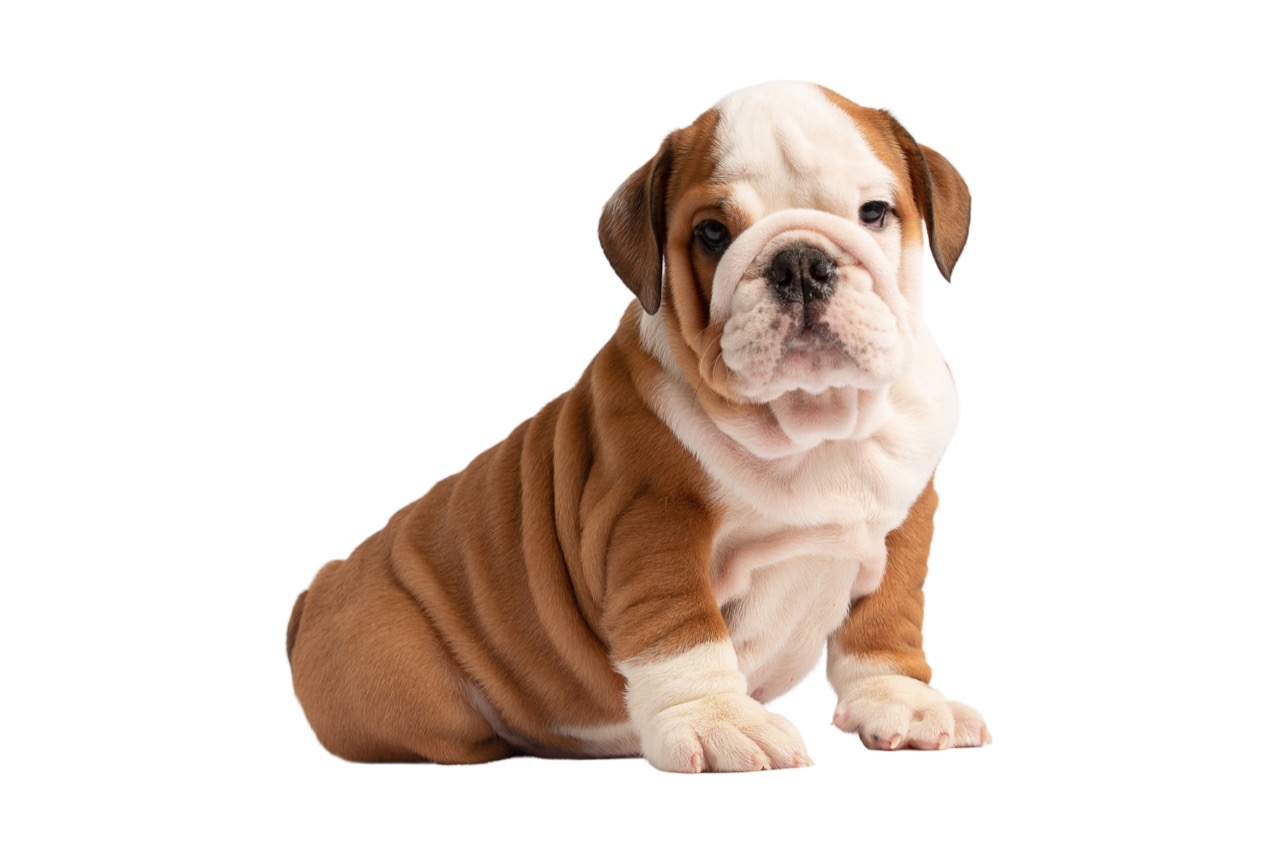
Bulldogs win people over with their stocky build, wrinkled face, and comically determined waddle. Yet many of the traits that make the breed instantly recognizable are tied to predictable health risks. Knowing what is truly normal for a Bulldog and what is a warning sign can make a major difference in comfort, lifespan, and emergency prevention.
The most famous Bulldog issue is breathing difficulty related to a shortened muzzle and compact airway. Many Bulldogs have brachycephalic obstructive airway syndrome, which can include narrow nostrils, an elongated soft palate, and other structures that restrict airflow. Snoring and noisy breathing are common, but “common” is not the same as “safe.” Red flags include struggling to recover after mild exercise, gagging or retching when excited, bluish gums, fainting, or any episode of collapse. Because breathing is already compromised, Bulldogs are also unusually sensitive to heat and humidity. They cannot cool themselves efficiently by panting, so a warm day, a car ride without strong air conditioning, or even enthusiastic play can lead to heat stress quickly. Heavy drooling, frantic panting, weakness, vomiting, or confusion should be treated as urgent.
Skin and ear problems often come with the territory, but they should not be accepted as inevitable. Wrinkles can trap moisture, saliva, food, and debris, creating the perfect environment for bacterial or yeast overgrowth. A sour smell, redness, oozing, or persistent rubbing at the face is a signal that the skin barrier is inflamed or infected. Similar issues occur in the tail pocket some Bulldogs have, where skin folds surround a tightly set tail. Ear infections are also frequent, especially when allergies are involved. Head shaking, ear scratching, or dark discharge usually means discomfort and needs veterinary care rather than repeated over the counter cleaning.
Eye conditions deserve special attention because Bulldog eyes are prominent and more exposed. Dry eye, corneal ulcers, and eyelid problems can develop, sometimes after minor trauma or simply from poor tear distribution. Squinting, excessive tearing, cloudiness, thick discharge, or pawing at the face should be treated as time sensitive, since ulcers can worsen quickly.
Joint and mobility issues are another area where owners can mistake pain for personality. Bulldogs may be prone to hip dysplasia, patellar luxation, and arthritis, and some are affected by spinal problems such as intervertebral disc disease. A reluctance to jump, stiffness after rest, bunny hopping, limping, or suddenly yelping when picked up can indicate real pain. Weight control is one of the most powerful tools owners have, because extra pounds add strain to joints and worsen breathing.
Bulldogs also require special planning for anesthesia and surgery. Their airway anatomy can make intubation and recovery riskier than in many other breeds, and they may be more likely to overheat or have breathing trouble as they wake up. This does not mean Bulldogs cannot be anesthetized safely, but it does mean experienced veterinary teams, careful monitoring, and proper pain control matter greatly.
Reproduction is another area where the breed’s structure creates challenges. Bulldogs frequently have difficulty whelping because of the puppies’ large heads and the mother’s pelvic shape. Many require planned cesarean sections, and breeding should never be treated casually.
Perhaps the most important myth to discard is that chronic discomfort is just part of being a Bulldog. Constant snorting, repeated skin infections, ongoing ear irritation, and regular limping are not personality quirks. They are signals. With attentive daily care, prompt veterinary evaluation when symptoms change, and thoughtful lifestyle choices, Bulldogs can enjoy a happier, safer life while still being their charming, stubborn selves.