Bulldog Neck to Tail


Quiz Complete!
Bulldog Body Facts: What Makes the Classic Bulldog Look Like a Bulldog
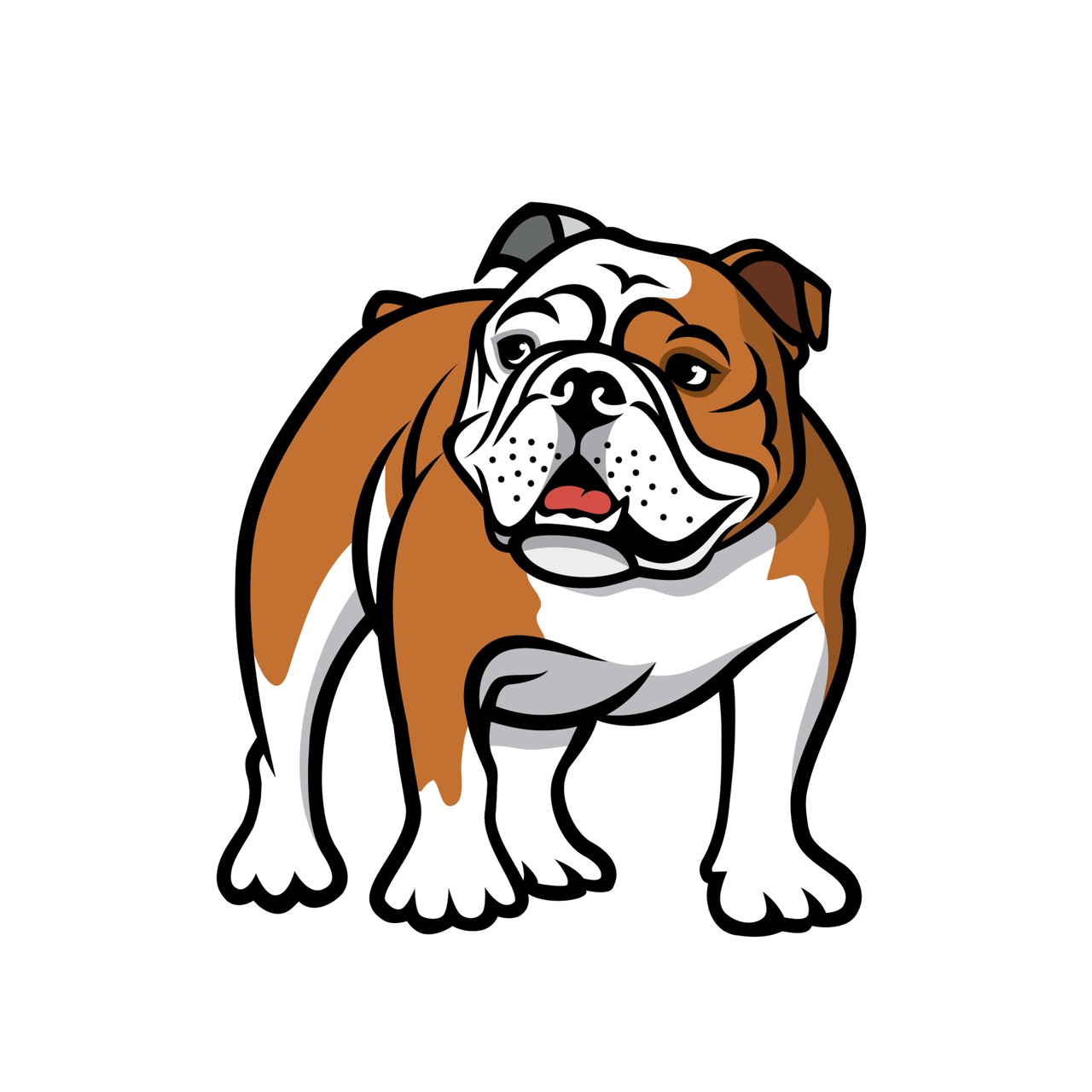
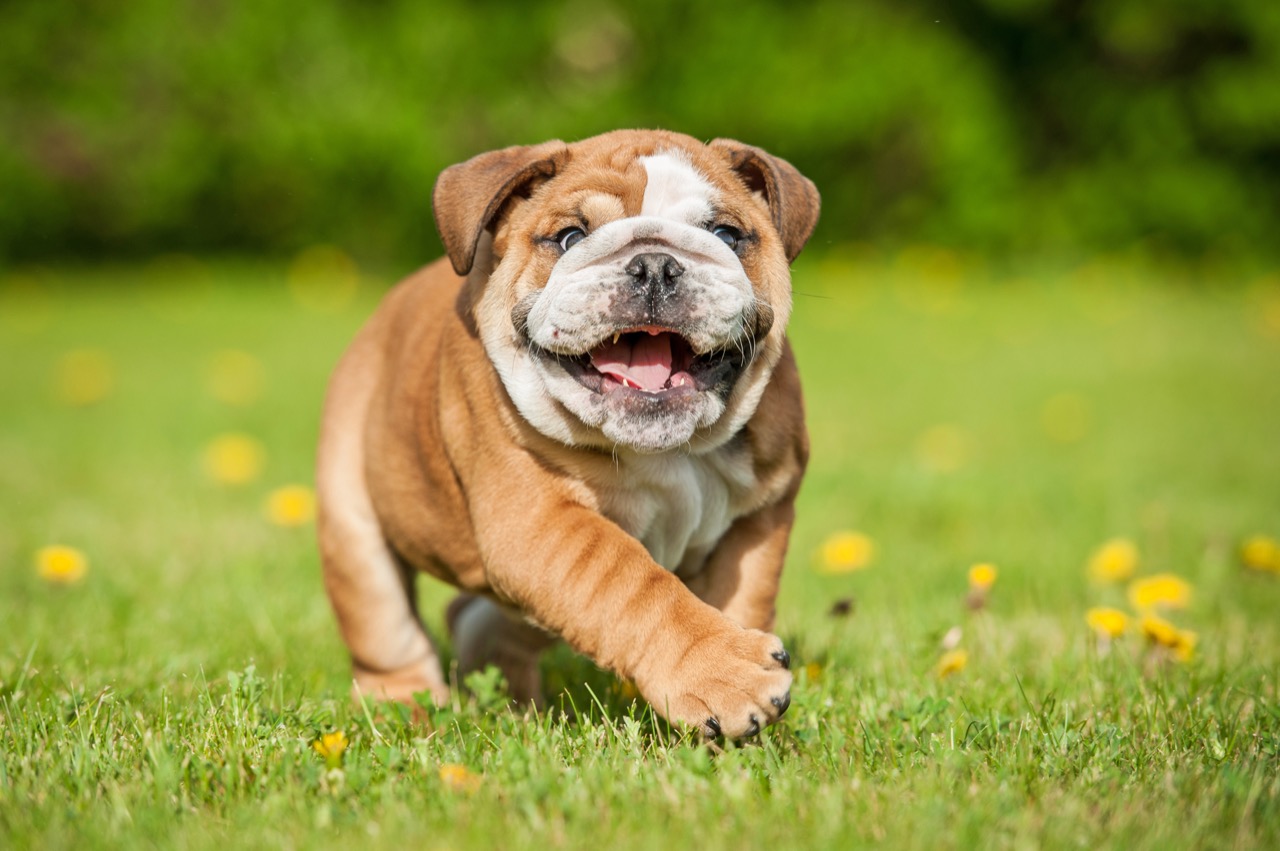
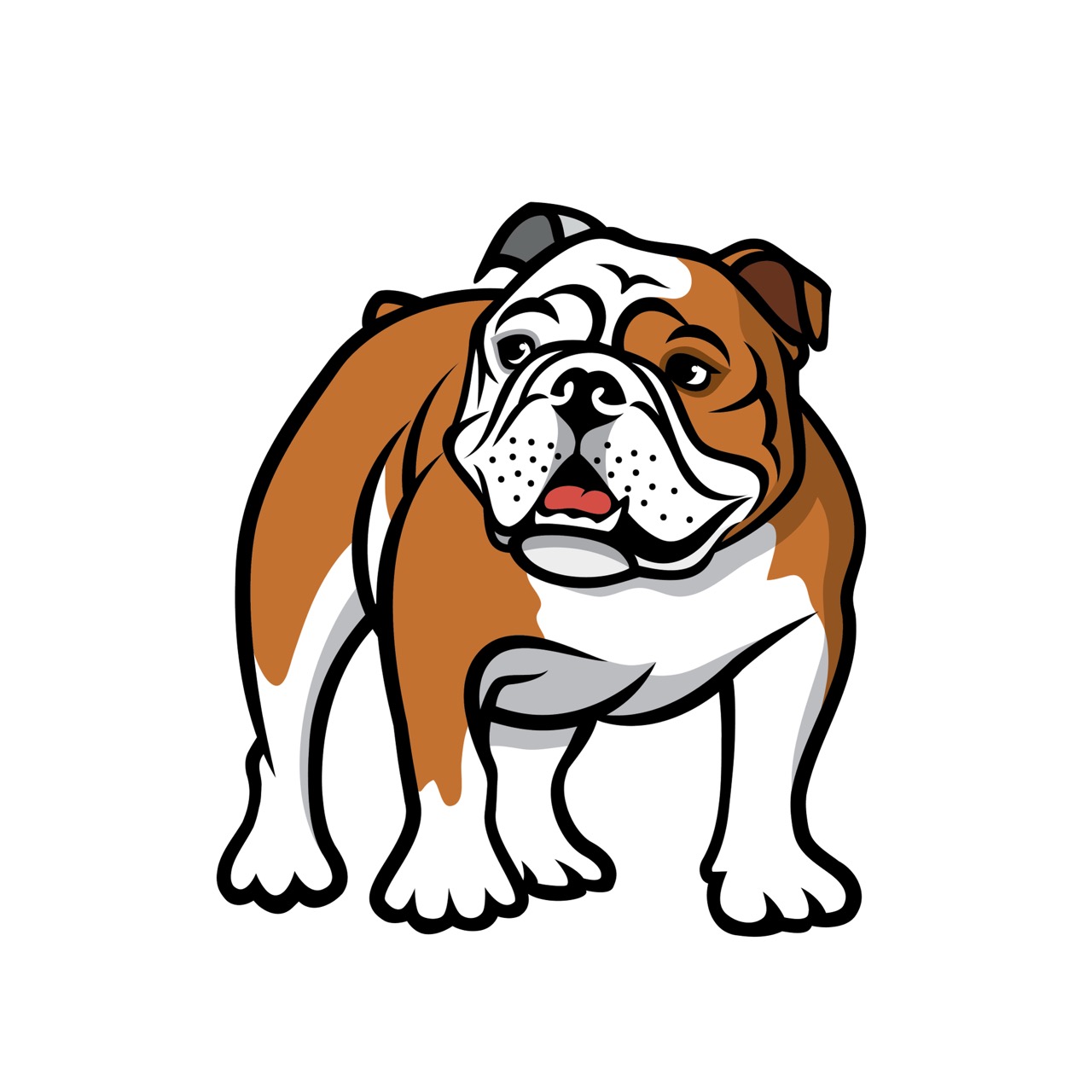
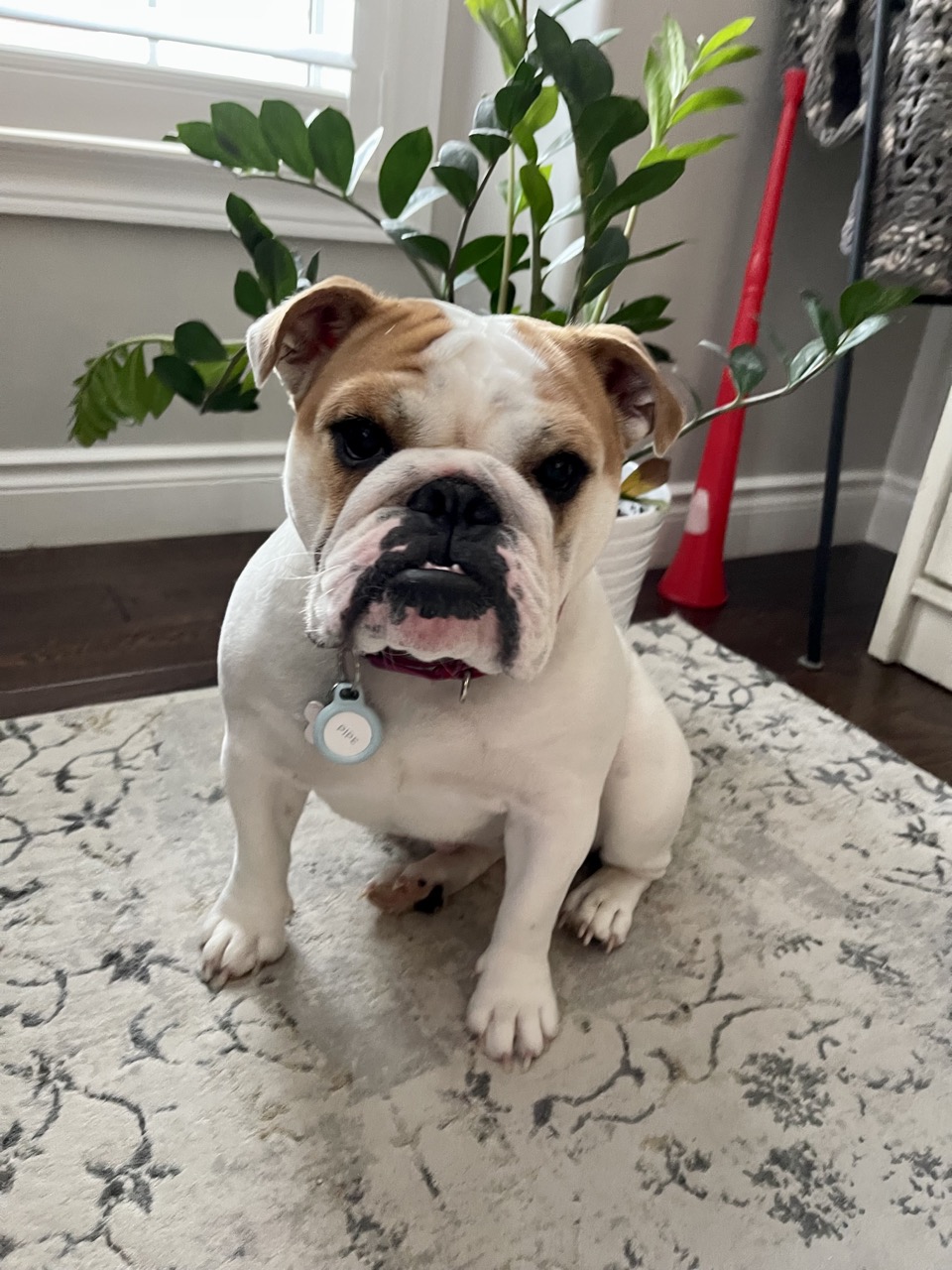
The Bulldog is one of those breeds people think they can spot instantly, yet it is also one of the easiest to misidentify when a similar, short coated dog walks by. Part of the confusion comes from the fact that several breeds share a sturdy frame and a short muzzle, but the classic Bulldog has a very specific combination of head shape, wrinkles, proportions, and small details that add up to its unmistakable silhouette.
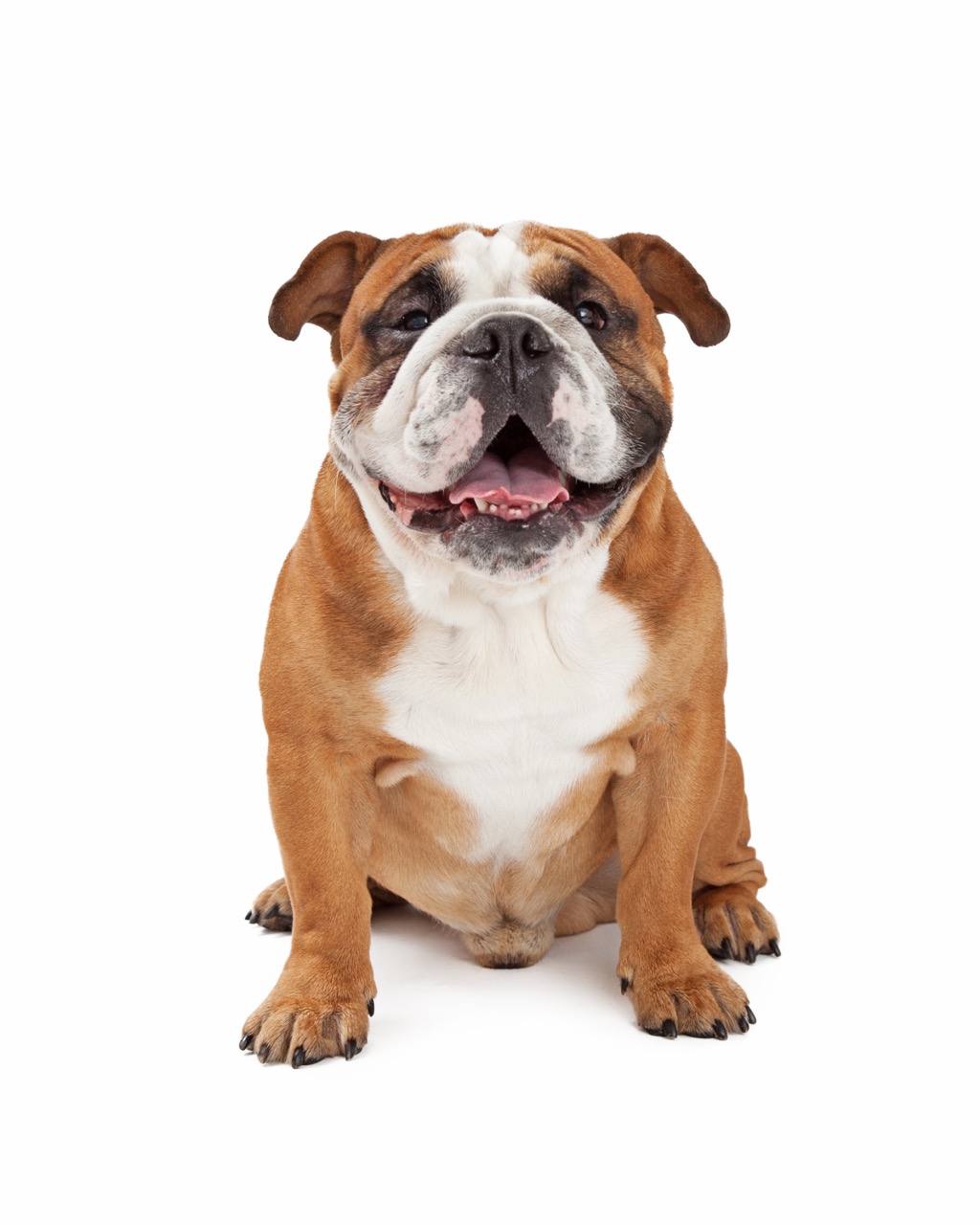
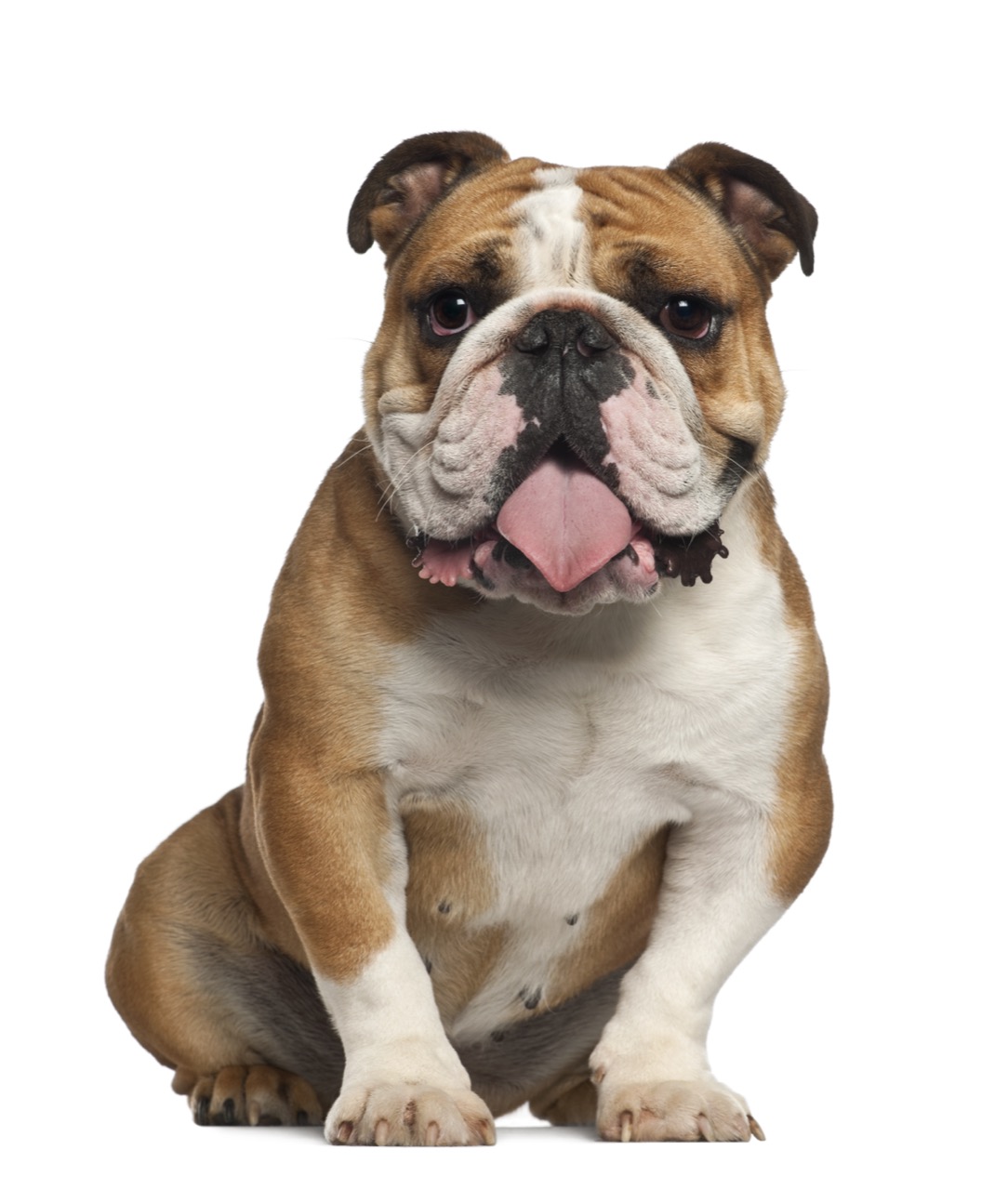
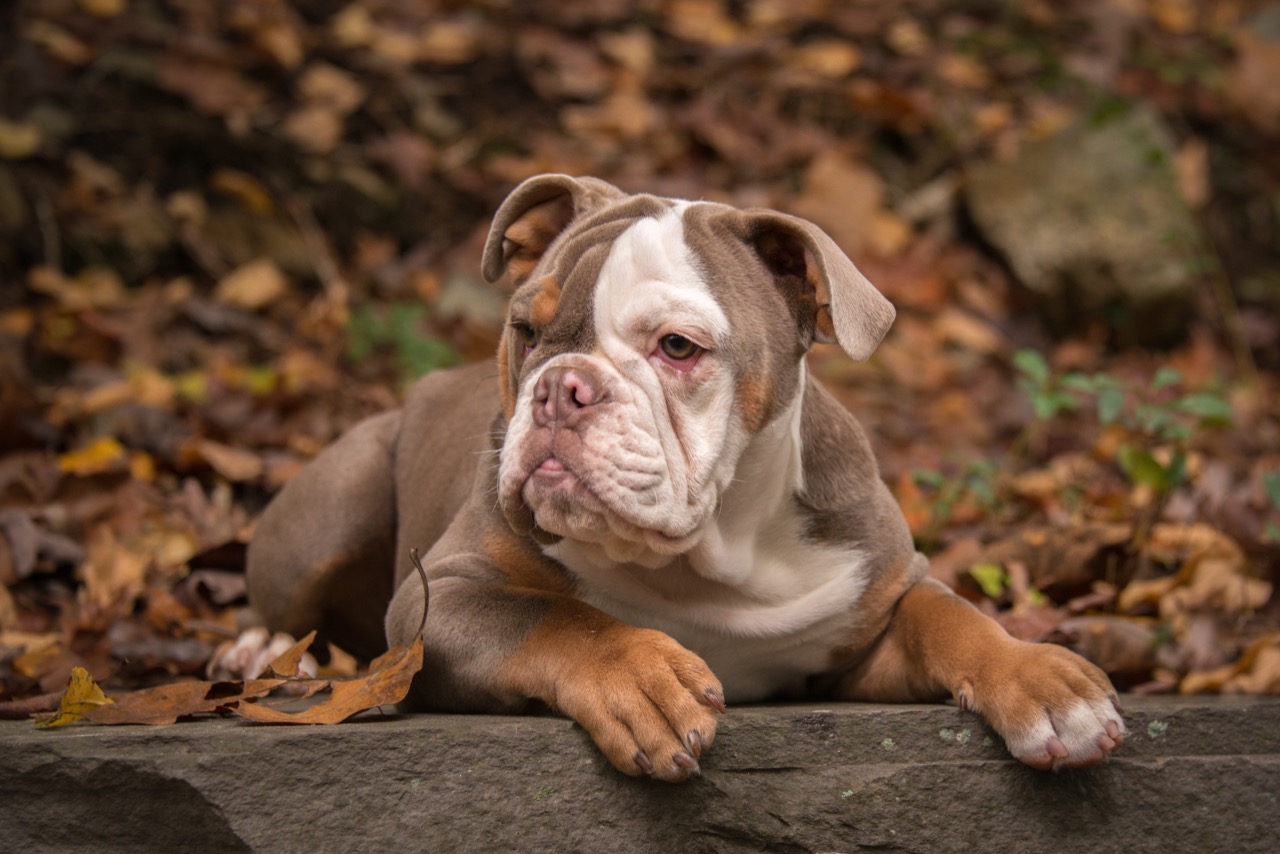
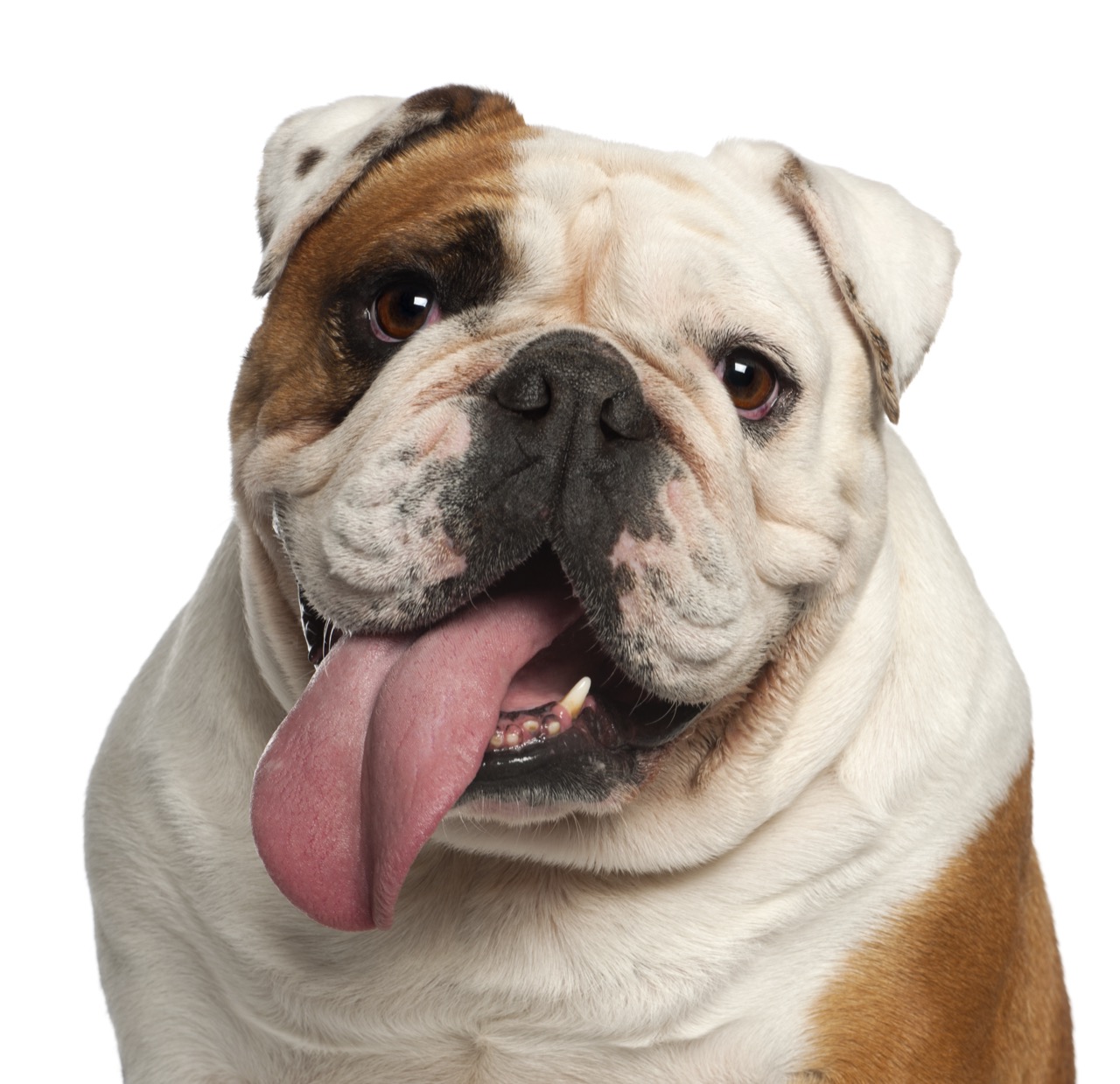
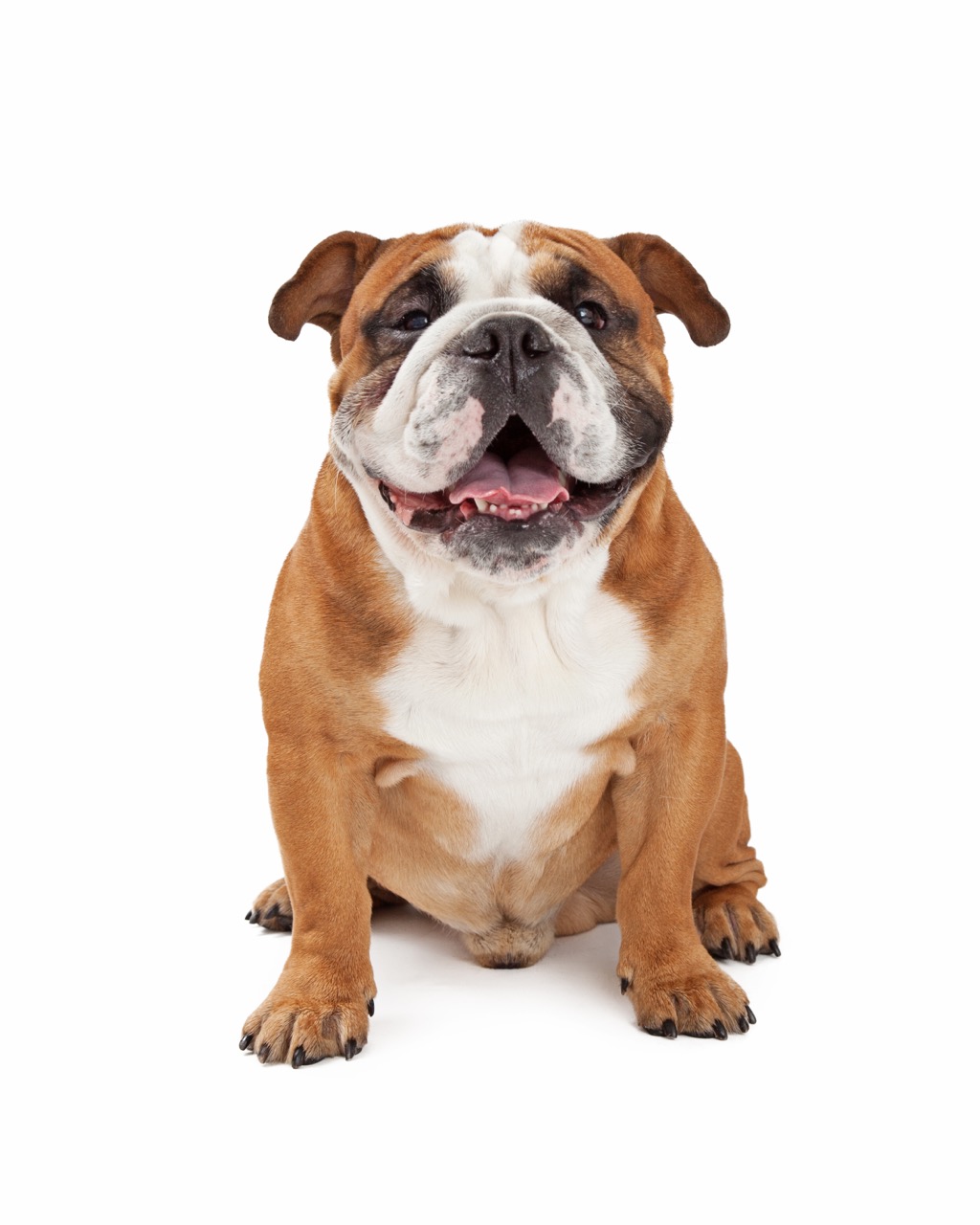
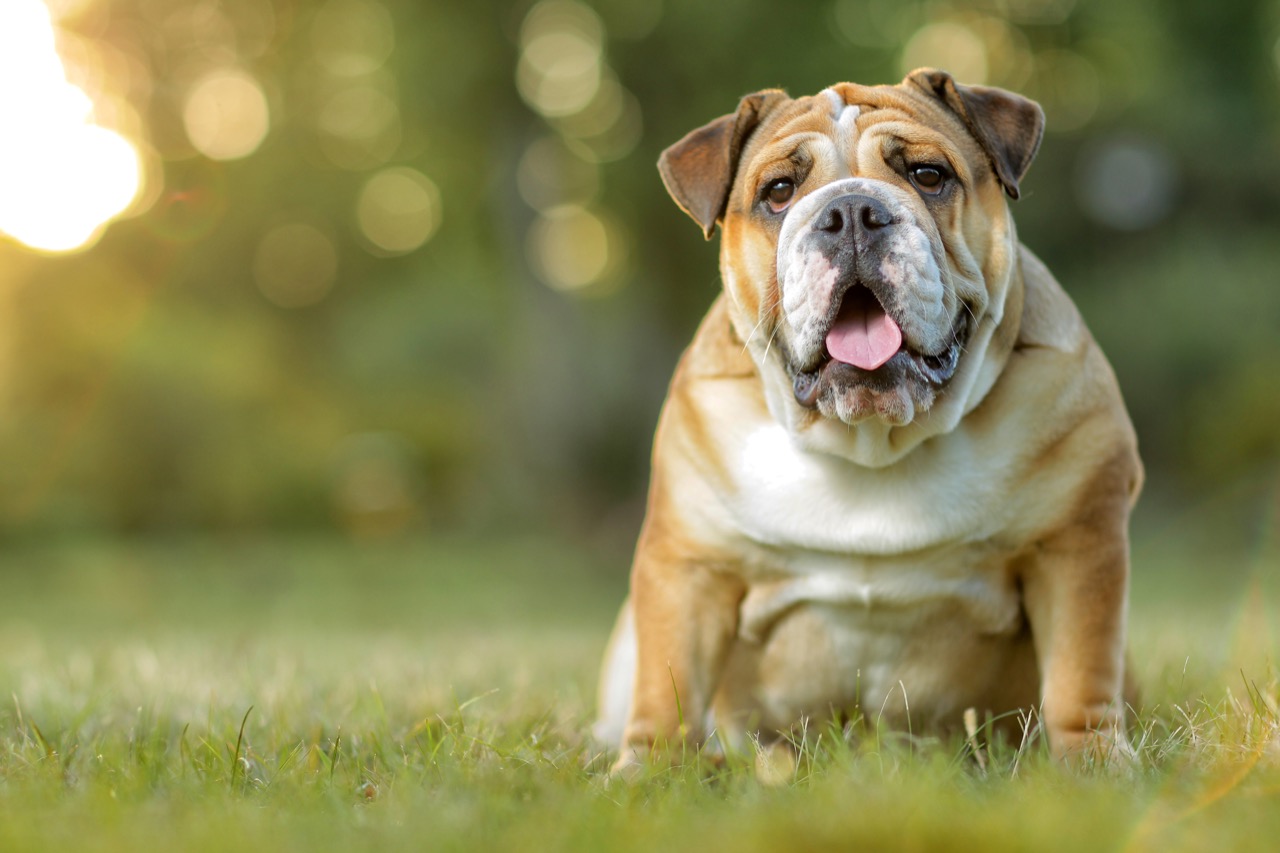
A true Bulldog head is broad and substantial, with a noticeably short muzzle and a pronounced stop, meaning the change from forehead to nose is abrupt rather than gradual. The face is typically heavily wrinkled, especially over the nose, and those folds are not just random extra skin. They are a breed hallmark that contributes to the Bulldog’s characteristic expression. That said, wrinkles vary by individual, and more is not always better in real life. Deep folds can trap moisture and debris, so owners often need to keep the skin clean and dry.
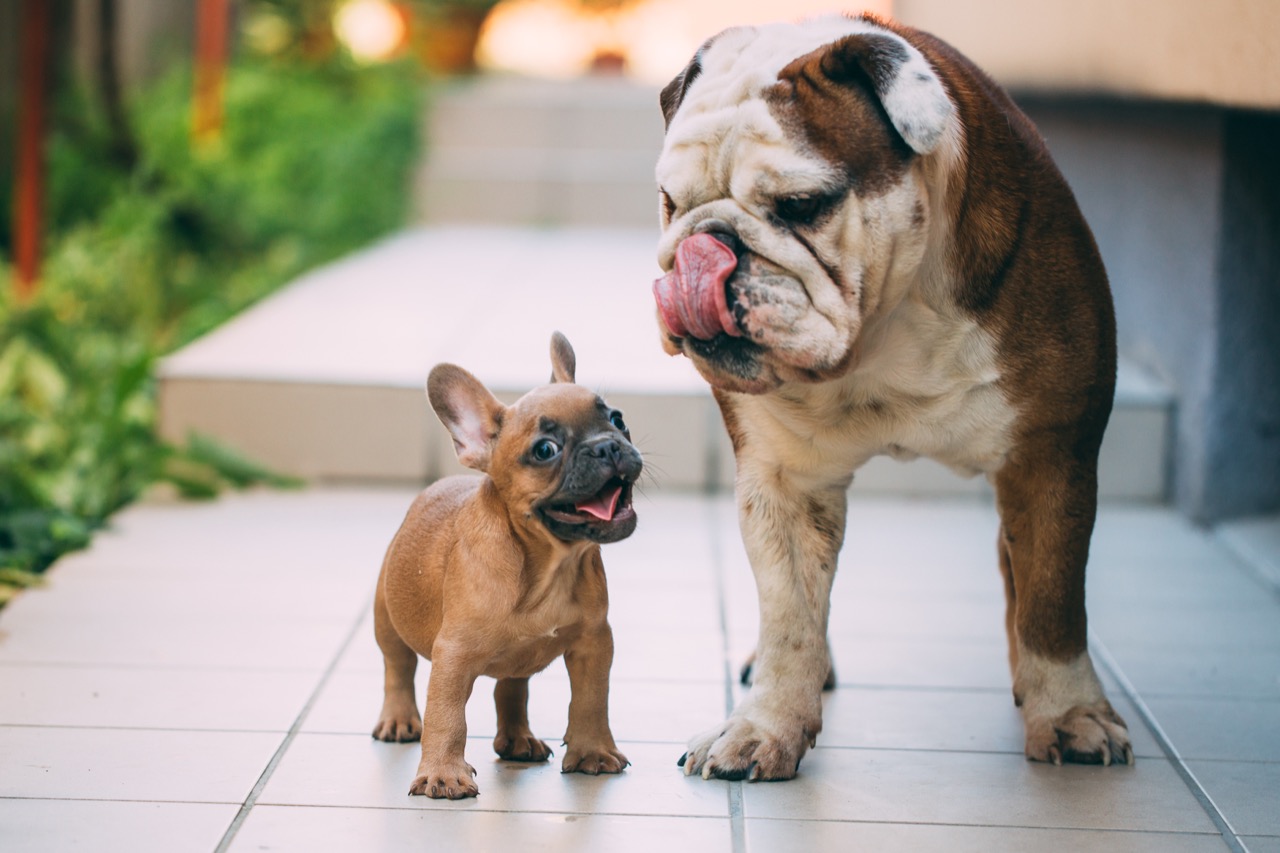
Ears are a common quiz trap because people assume any small, folded ear is correct. The traditional Bulldog ear is often described as a rose ear, where the ear folds back and outward, showing part of the inner ear. This differs from the French Bulldog’s upright bat ears, which are tall and stand straight up, and from many Boxers, whose natural ears are longer and fold forward. When you see a compact dog with a short face and big upright ears, you are likely looking at a French Bulldog rather than the classic Bulldog.
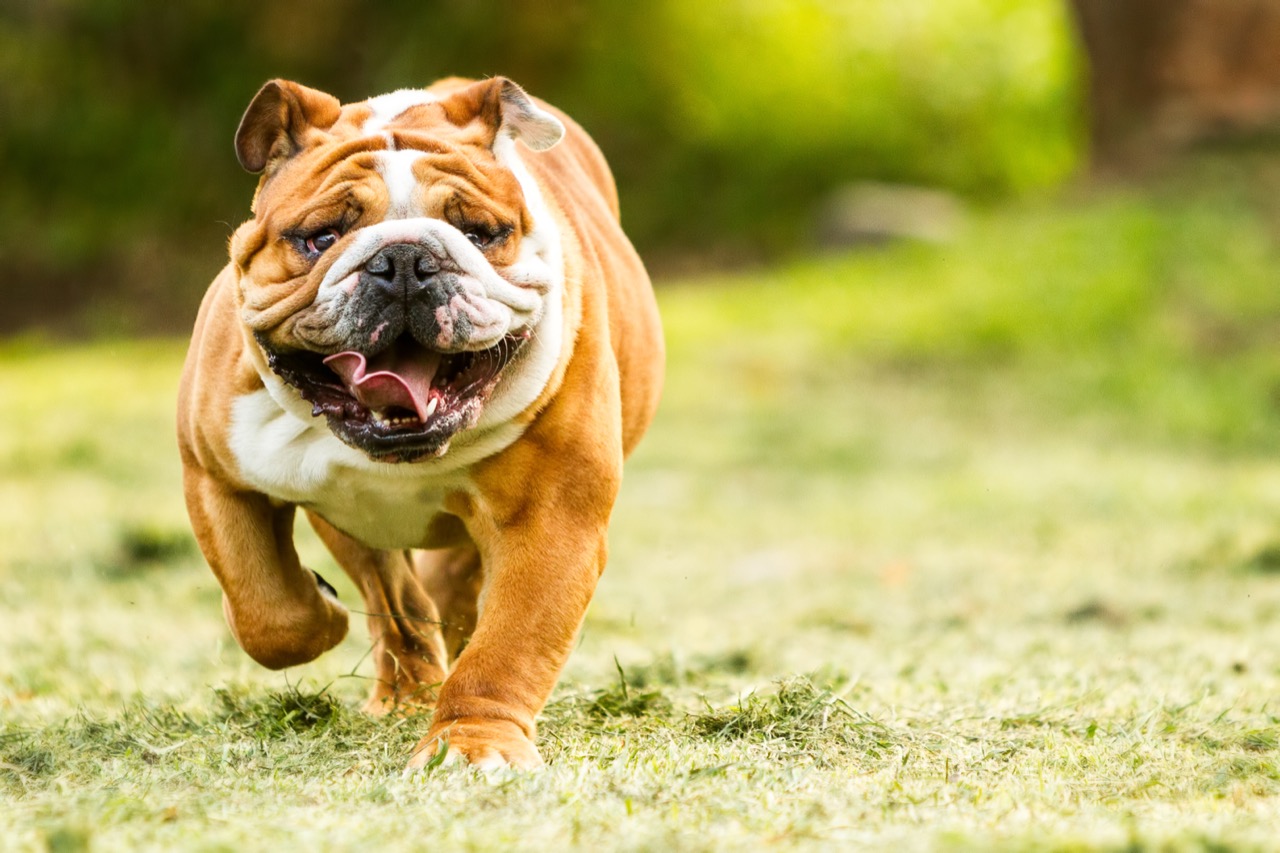
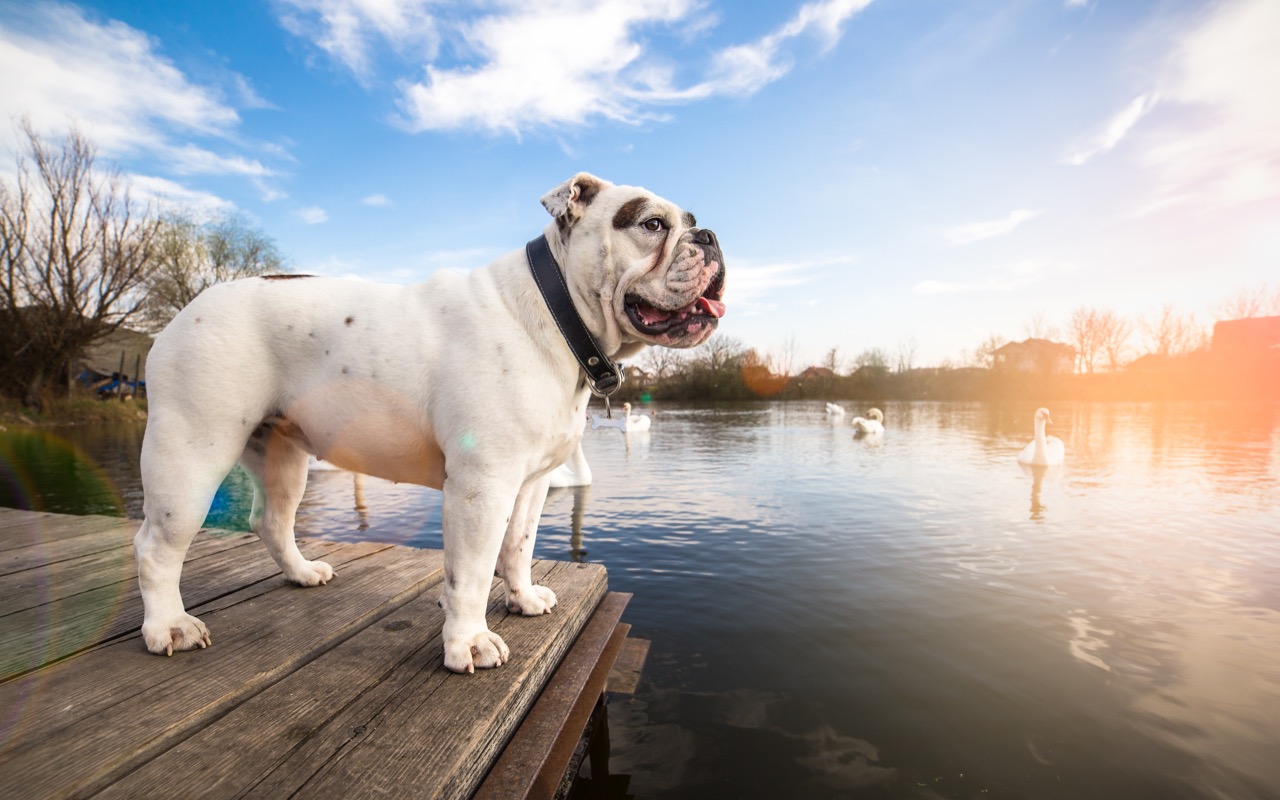
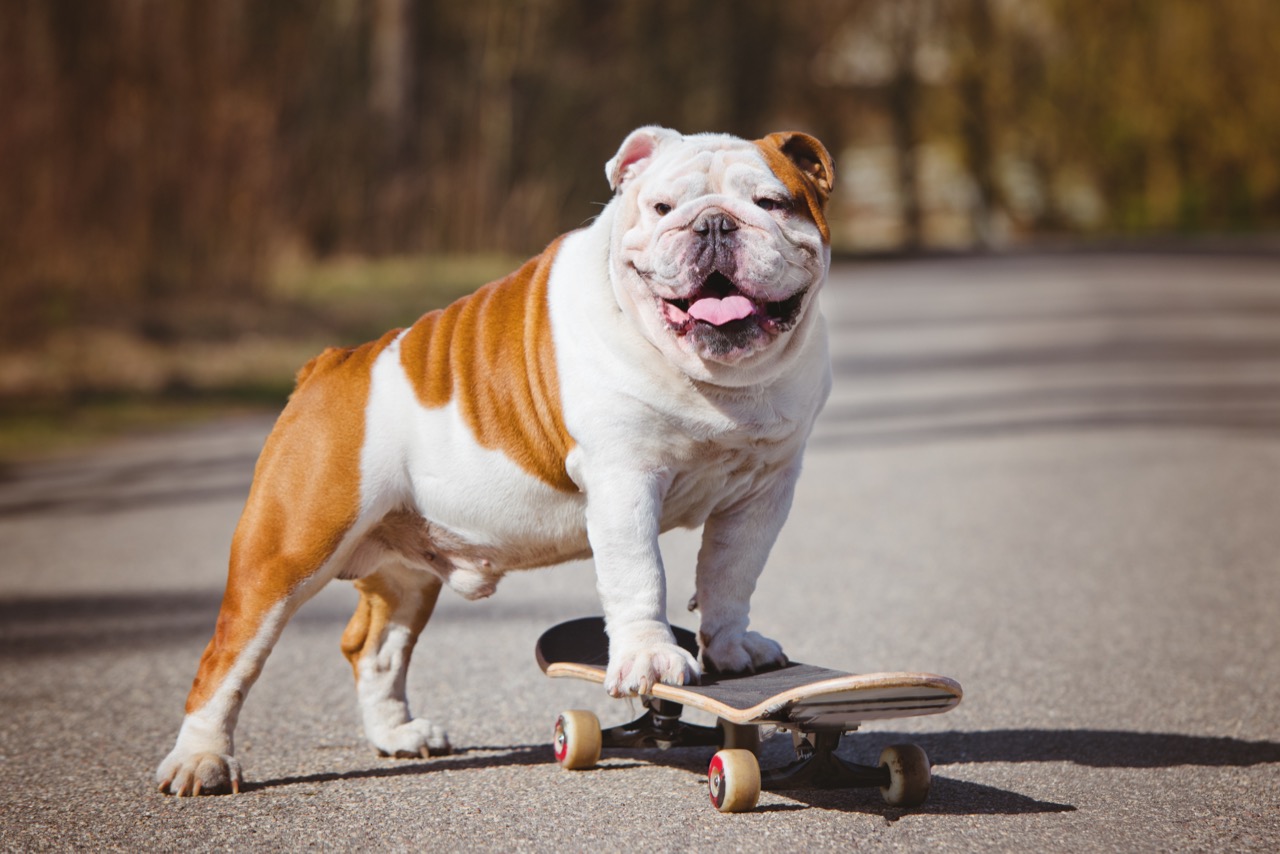
The Bulldog’s body is compact, low to the ground, and heavy boned, with a broad chest and a thick neck that flows into powerful shoulders. The back typically shows a slight rise toward the rear, giving a distinctive topline that can look different from the more level outline of some other breeds. Bulldogs are not built for speed or endurance; their structure emphasizes stability and strength over athletic reach.
Tail type is another detail that separates lookalikes. Many Bulldogs have a naturally short tail, and under the AKC standard it may be straight or screwed, but never curved or curly. It should not be confused with a docked tail, which is a human alteration and not required for the breed’s typical look. A very long, whip like tail can be a hint you are not looking at a classic Bulldog, though tails vary and the overall dog should be judged as a whole.
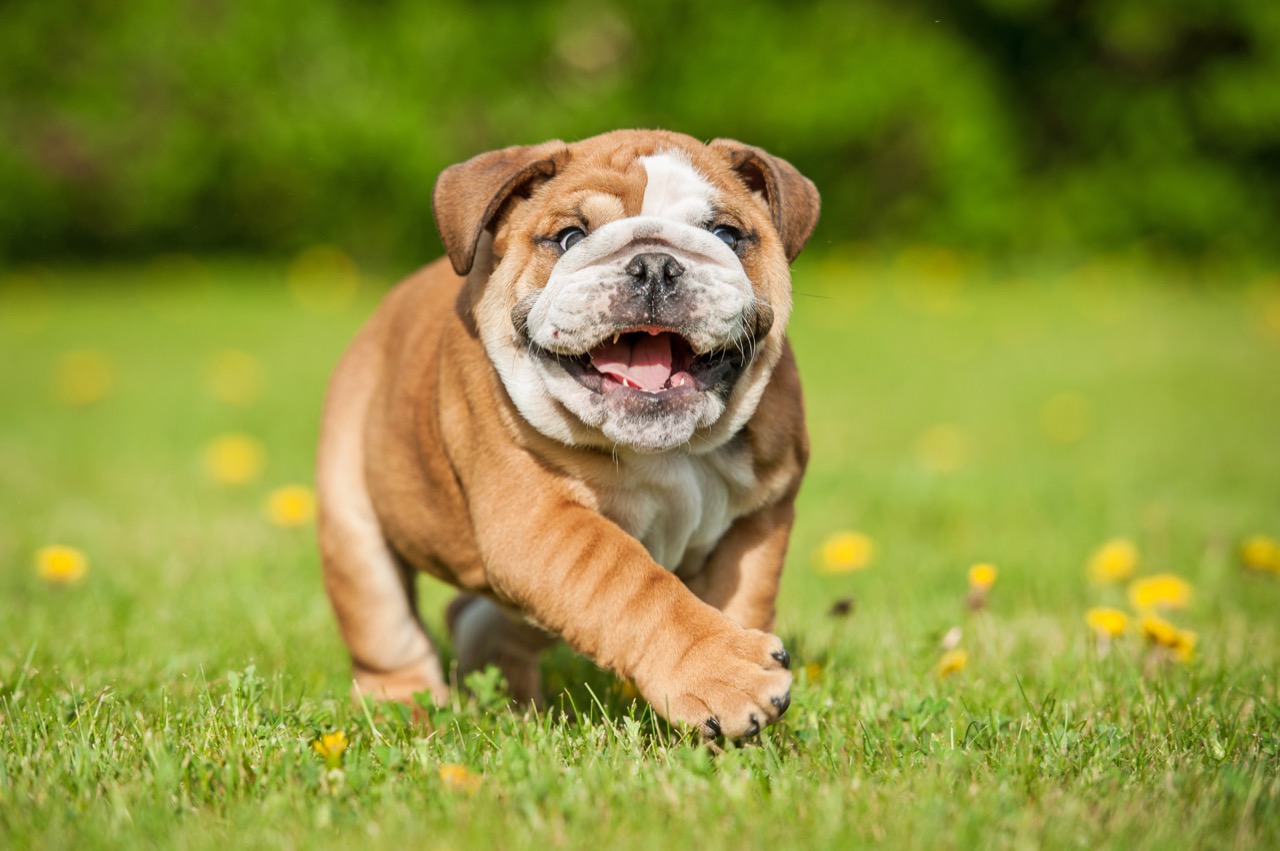
Coat facts are refreshingly simple: the Bulldog’s coat is short, smooth, and close to the body. If you see a fluffy, longer coat on a dog that otherwise resembles a Bulldog, it is likely a mix or another breed entirely. Color can vary widely, so structure is usually a better clue than color. The skin and coat should look sleek rather than feathered.
Finally, it helps to compare the Bulldog to the breeds it is often mistaken for. The American Bulldog is generally taller, more athletic, and more clearly built for working movement. The Boxer is typically leggier with a cleaner, less wrinkled face and a more streamlined outline. The French Bulldog is smaller, with those signature bat ears and a different overall proportion. When you train your eye to notice ear shape, muzzle length, wrinkle placement, and the compact, low set body, the classic Bulldog becomes much harder to confuse. In a quiz, the winning strategy is to slow down and picture the whole silhouette, because one small detail is often the key to the correct answer.