Is That Really a Poodle?
Quiz Complete!
Spot the Poodle Breed Markers in Real Life
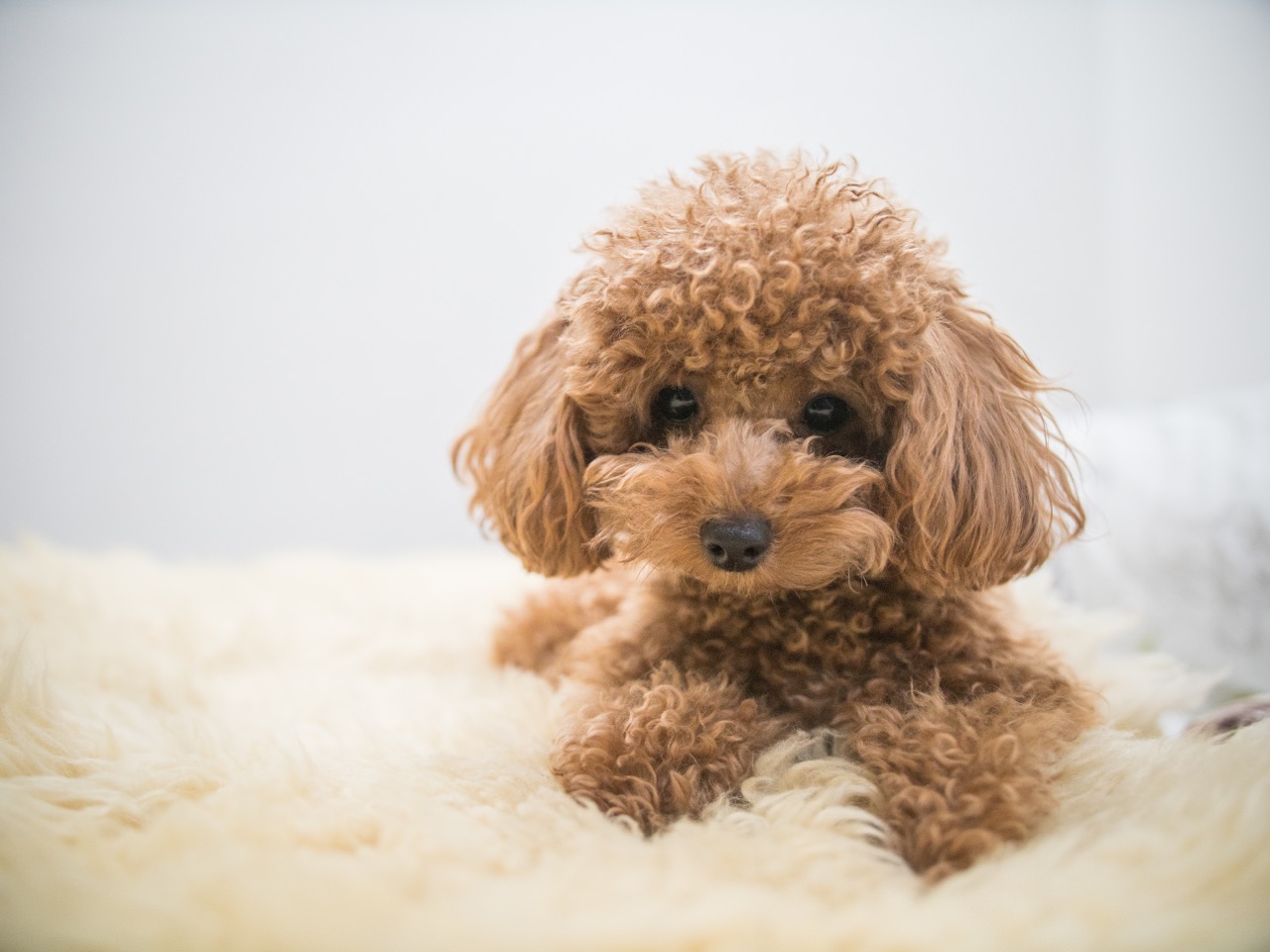
Poodles are famous for their curly coats and fancy grooming, but they are also easy to misidentify on the street. A big reason is that many popular breeds and mixes share a similar silhouette or coat type at a glance. If you focus on a few visible markers that tend to stay consistent, you can get much better at spotting a true Poodle, even when the haircut is casual.
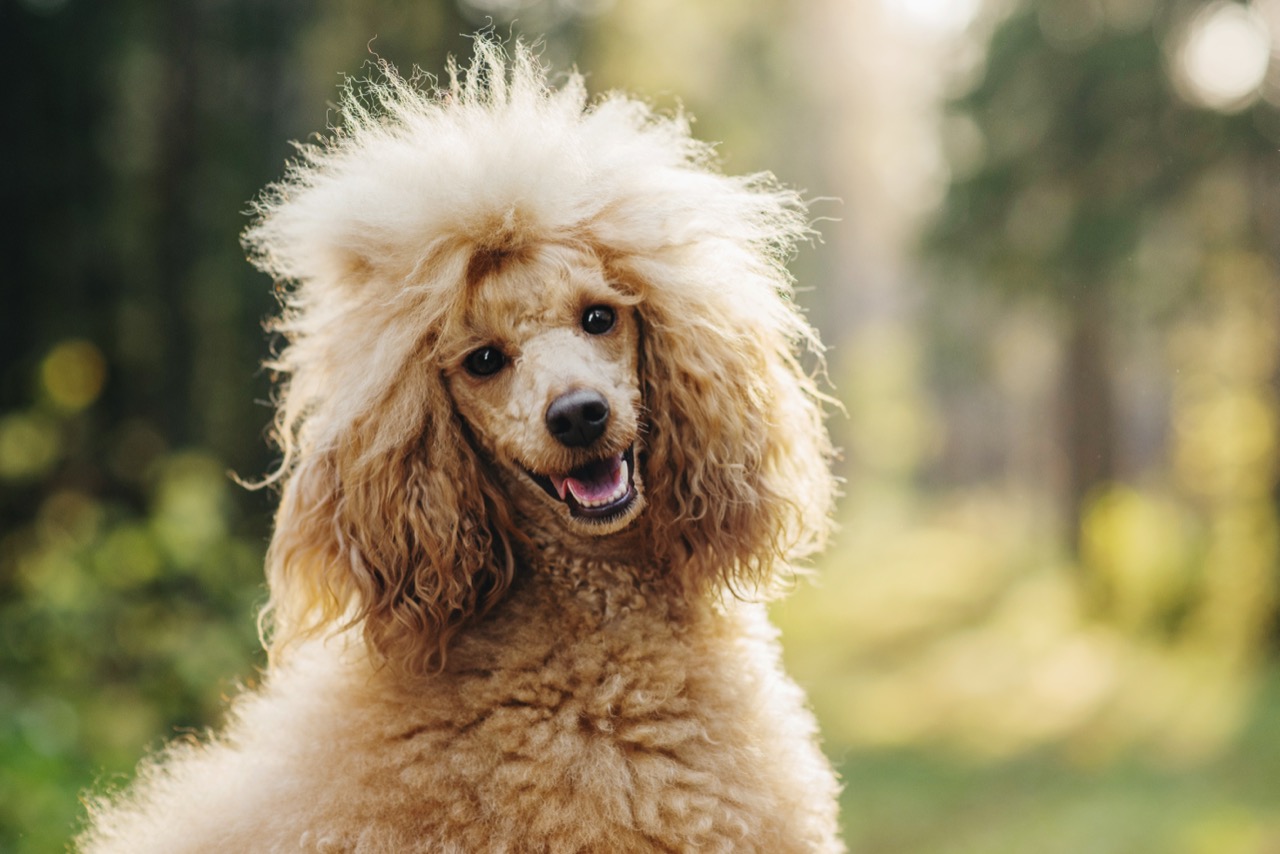
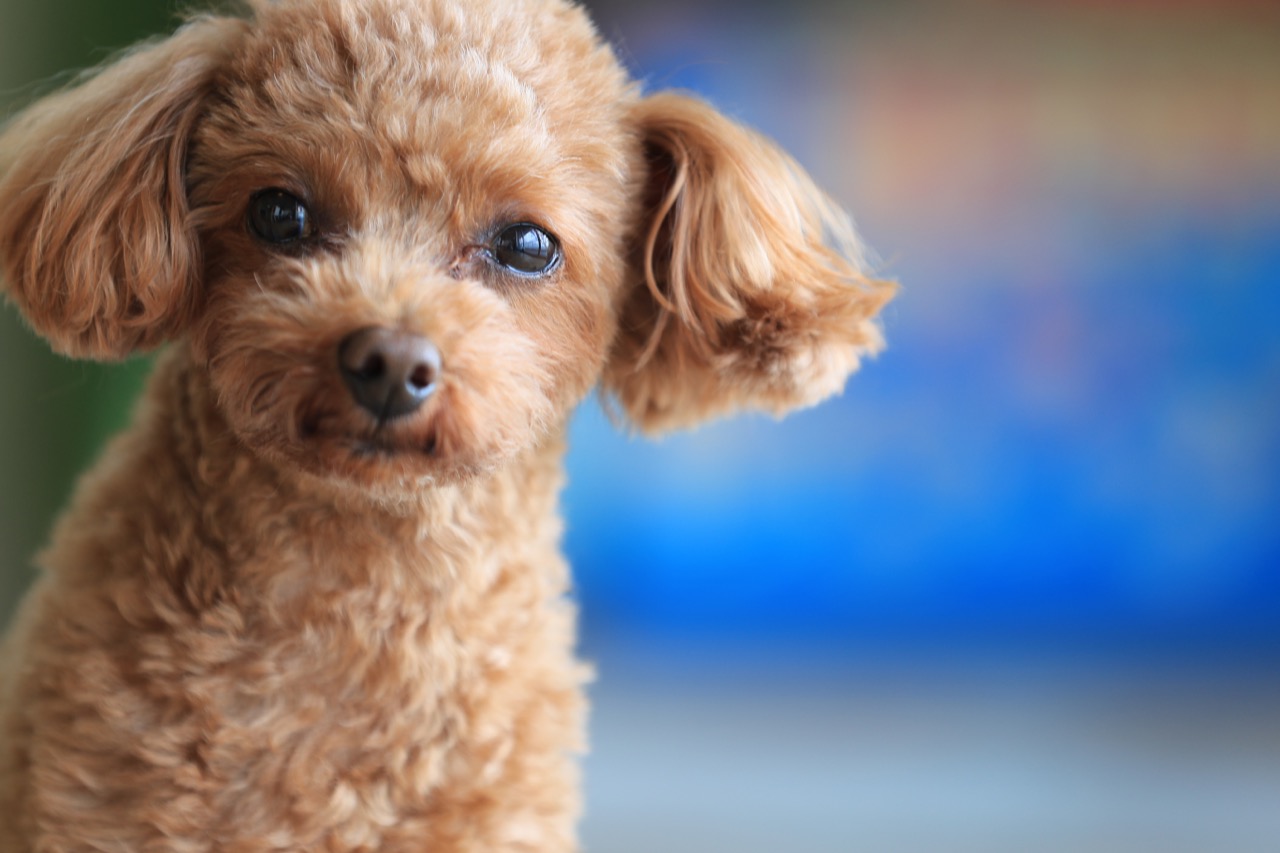
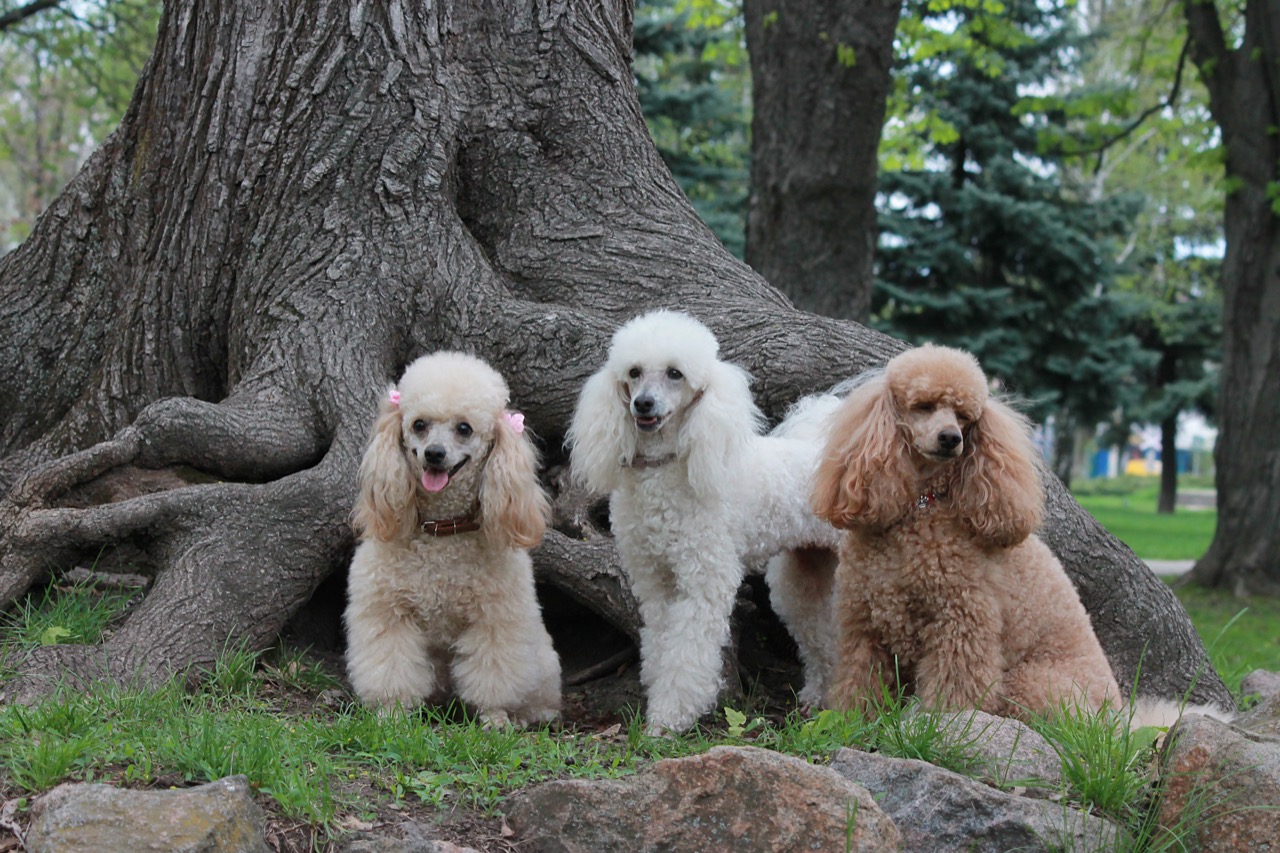
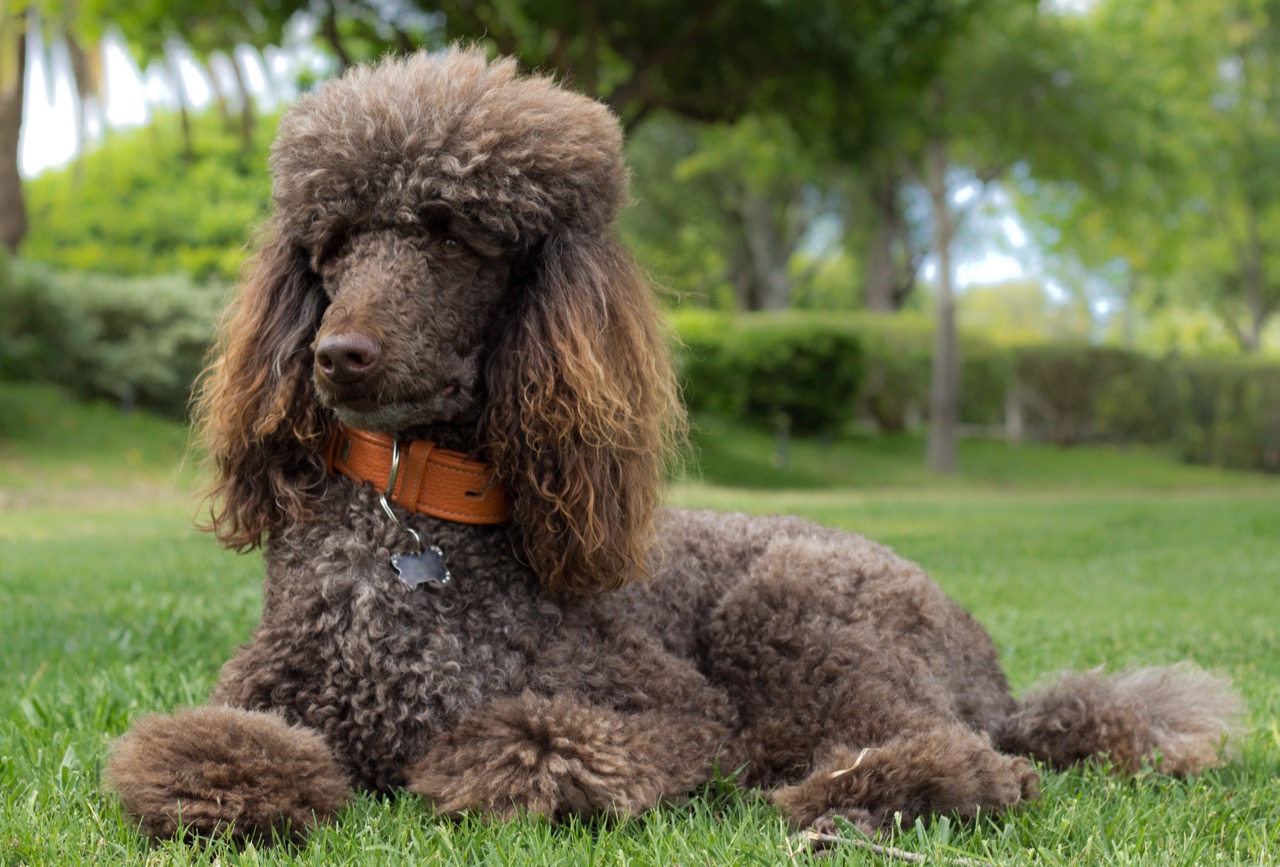
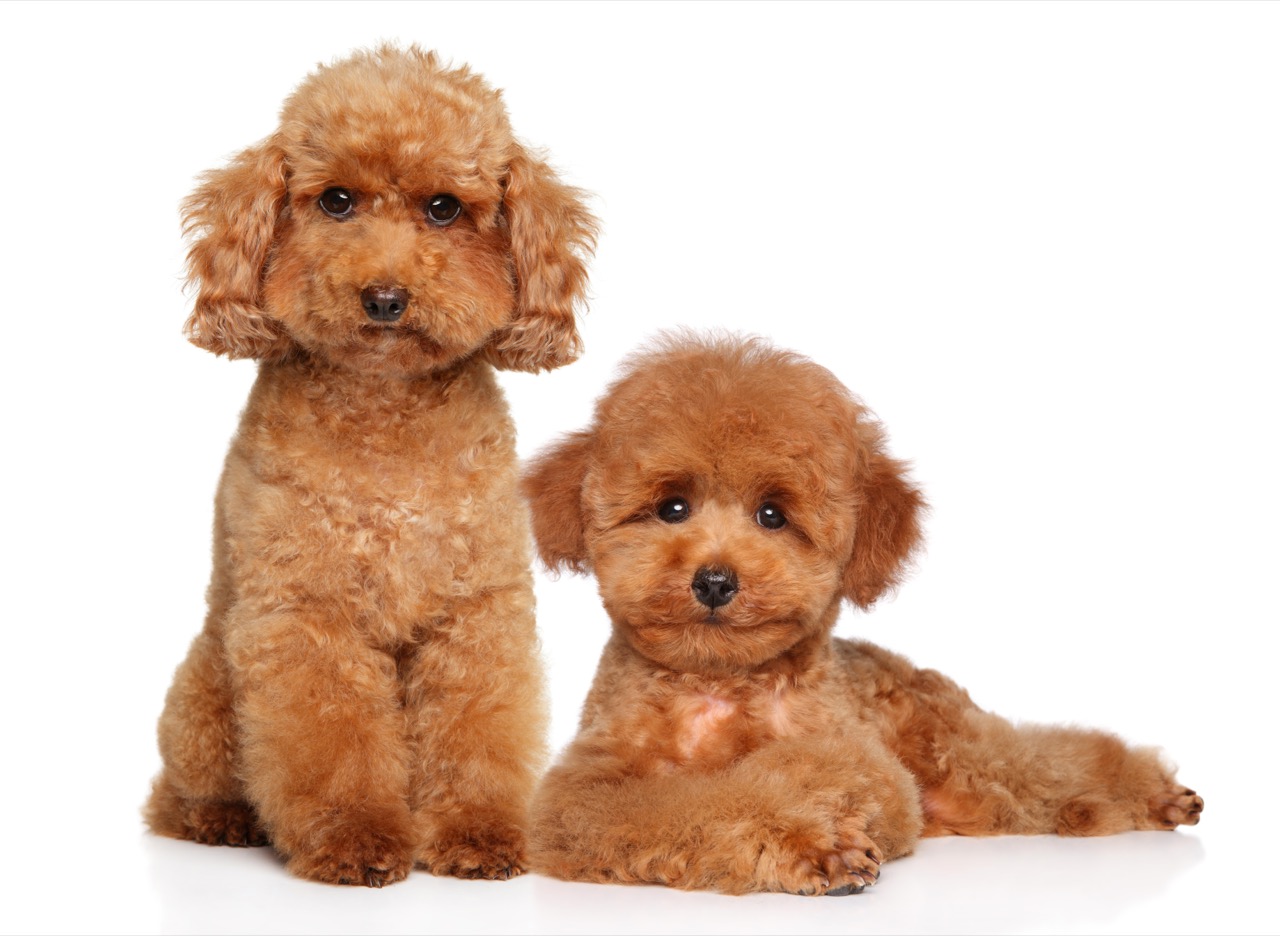
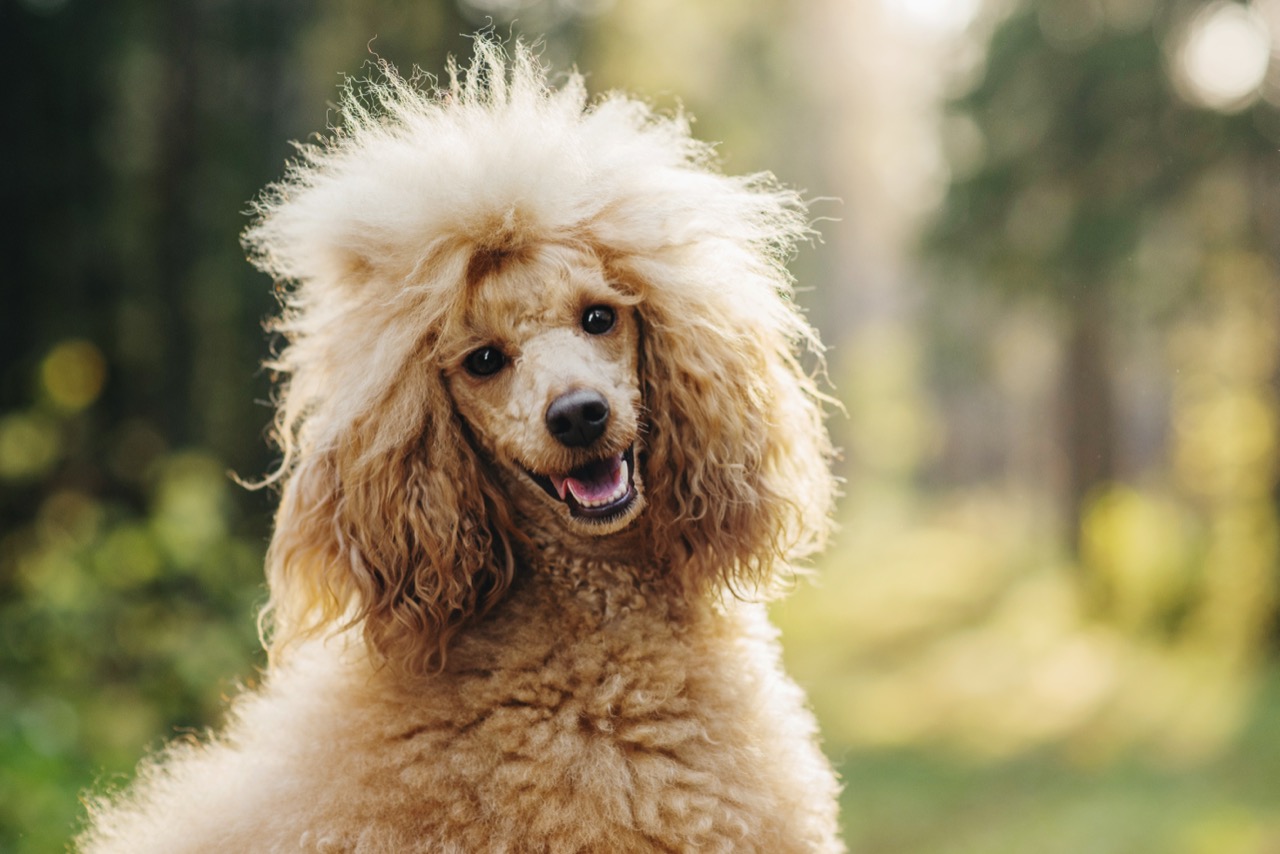
One of the most useful clues is the coat itself. Poodles have a single coat, meaning they do not have the typical soft undercoat that many dogs shed seasonally. Their hair grows continuously, more like human hair, and it naturally forms tight curls because the strands are shaped in a way that makes them bend and spiral. This curl pattern is not just cosmetic. It affects how the coat holds a groomed shape and why it can mat if it is not brushed thoroughly to the skin. A Poodle coat often feels dense and springy, and when it is clipped short it can look velvety rather than fluffy.
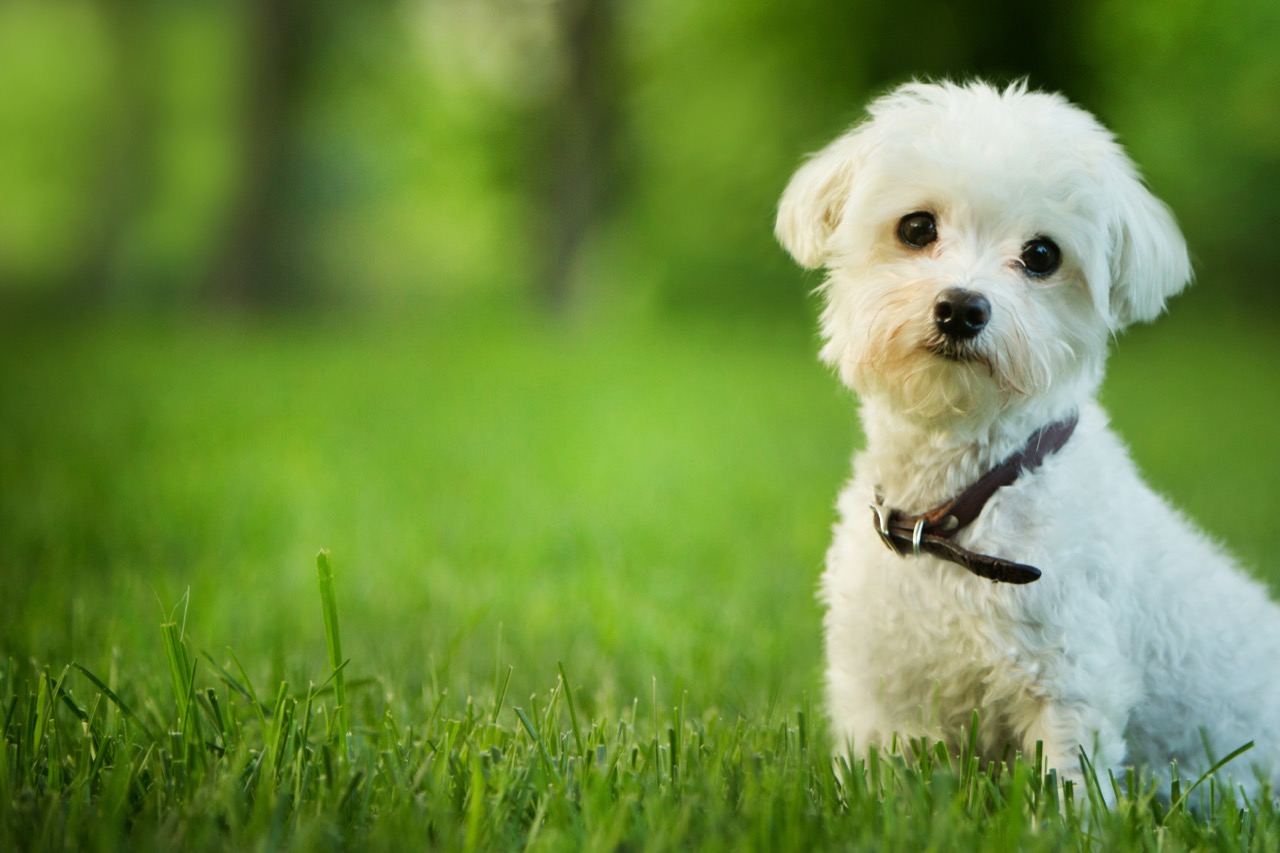
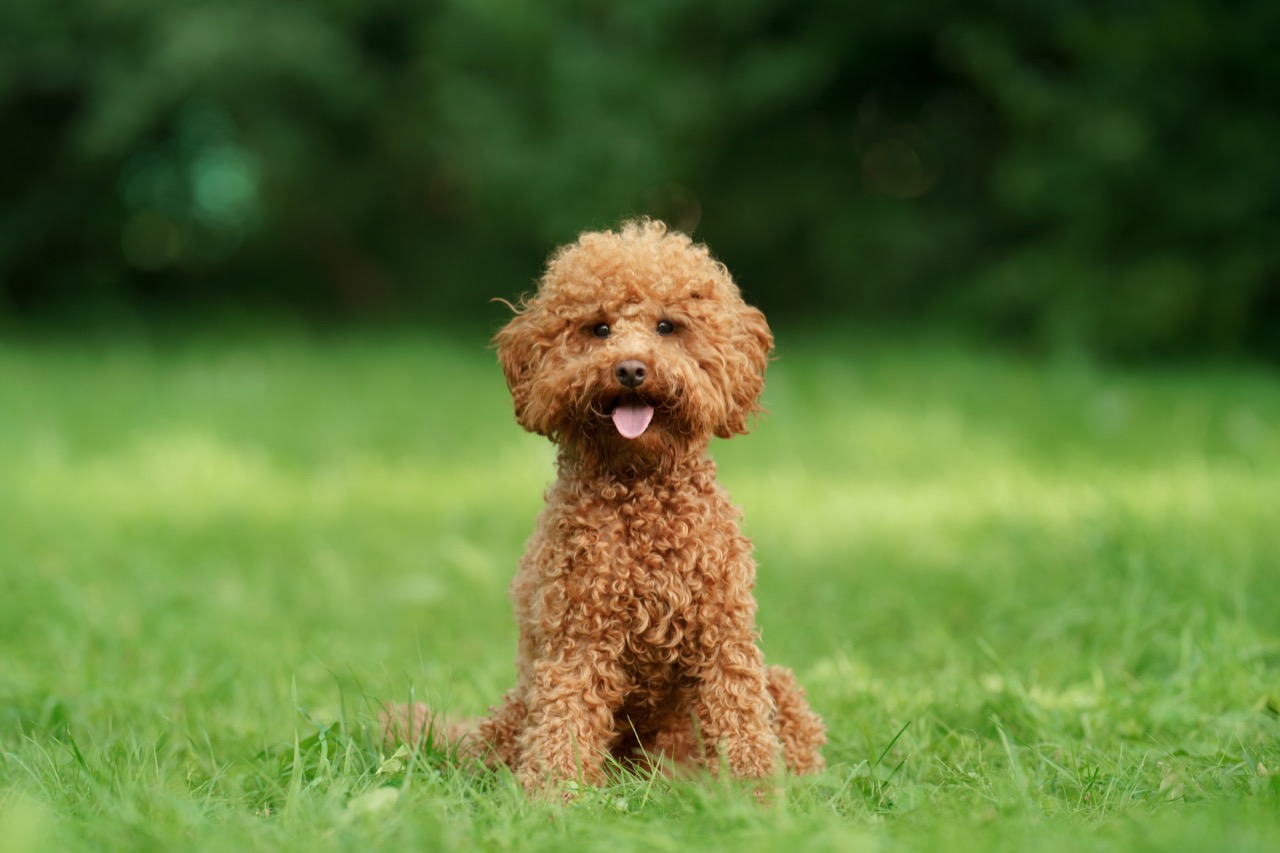
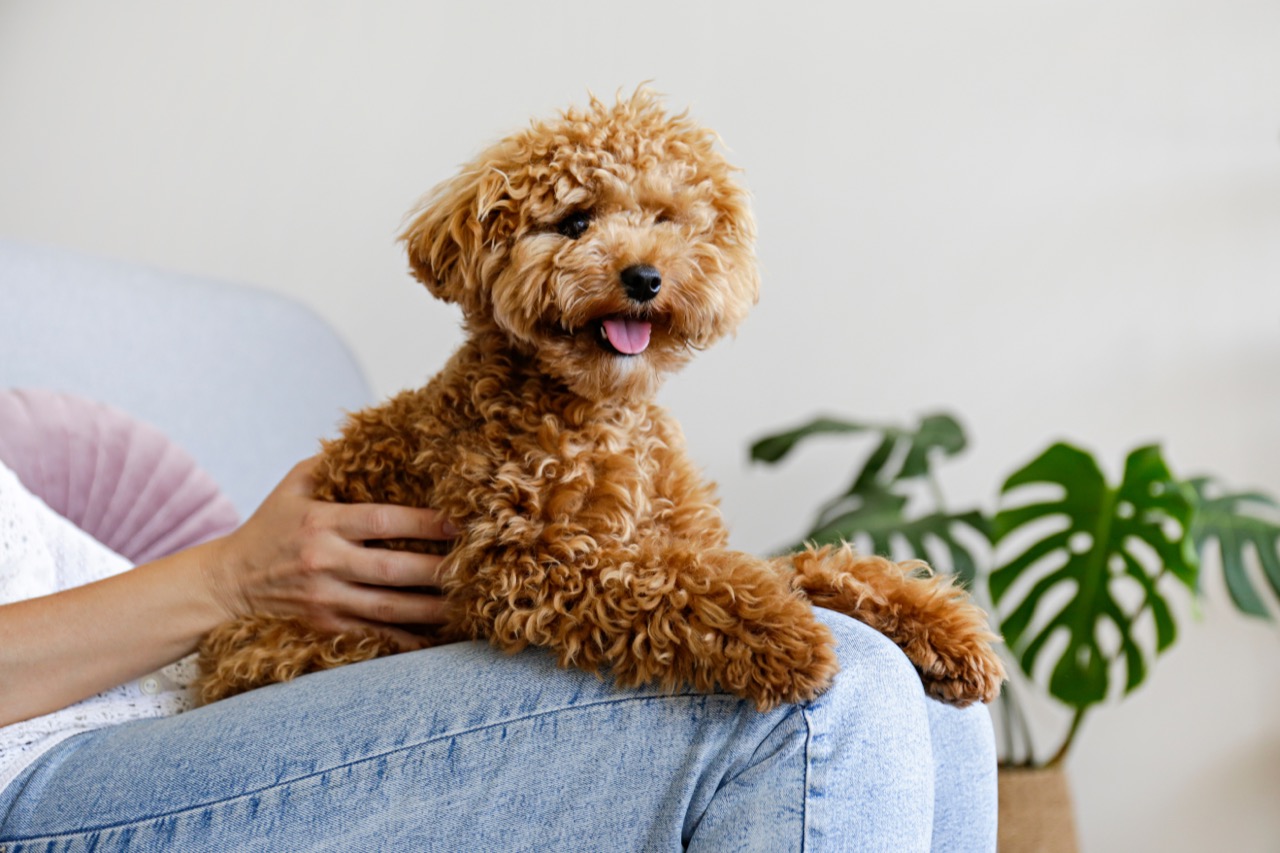
People often assume any curly dog is a Poodle, but many doodle mixes have a mixed coat type. You might see looser waves, uneven texture, or a coat that sheds more than expected. A practical check is the overall consistency: Poodles tend to have a more uniform curl across the body, while mixes may have straighter hair on the head, ears, or along the back. Another clue is how the coat behaves after a trim. Poodle hair commonly “puffs” into a rounded shape when dried and brushed, which is why groomers can sculpt clean lines and rounded legs.
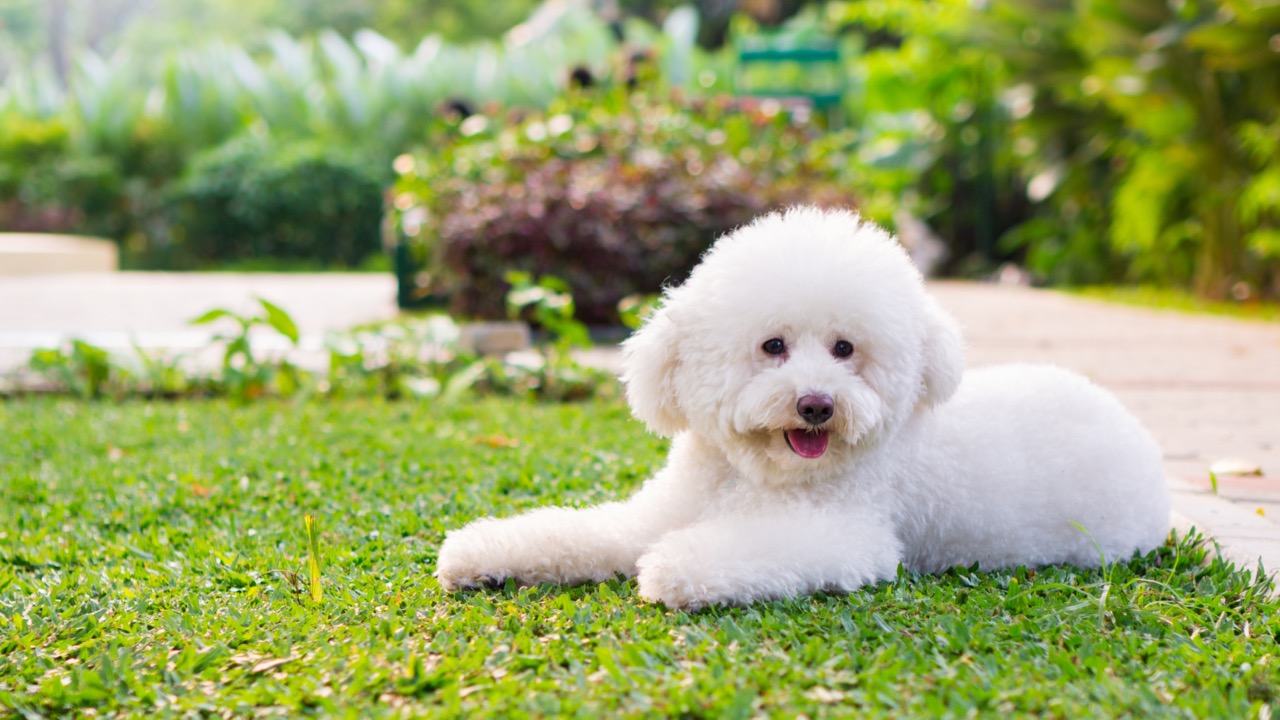
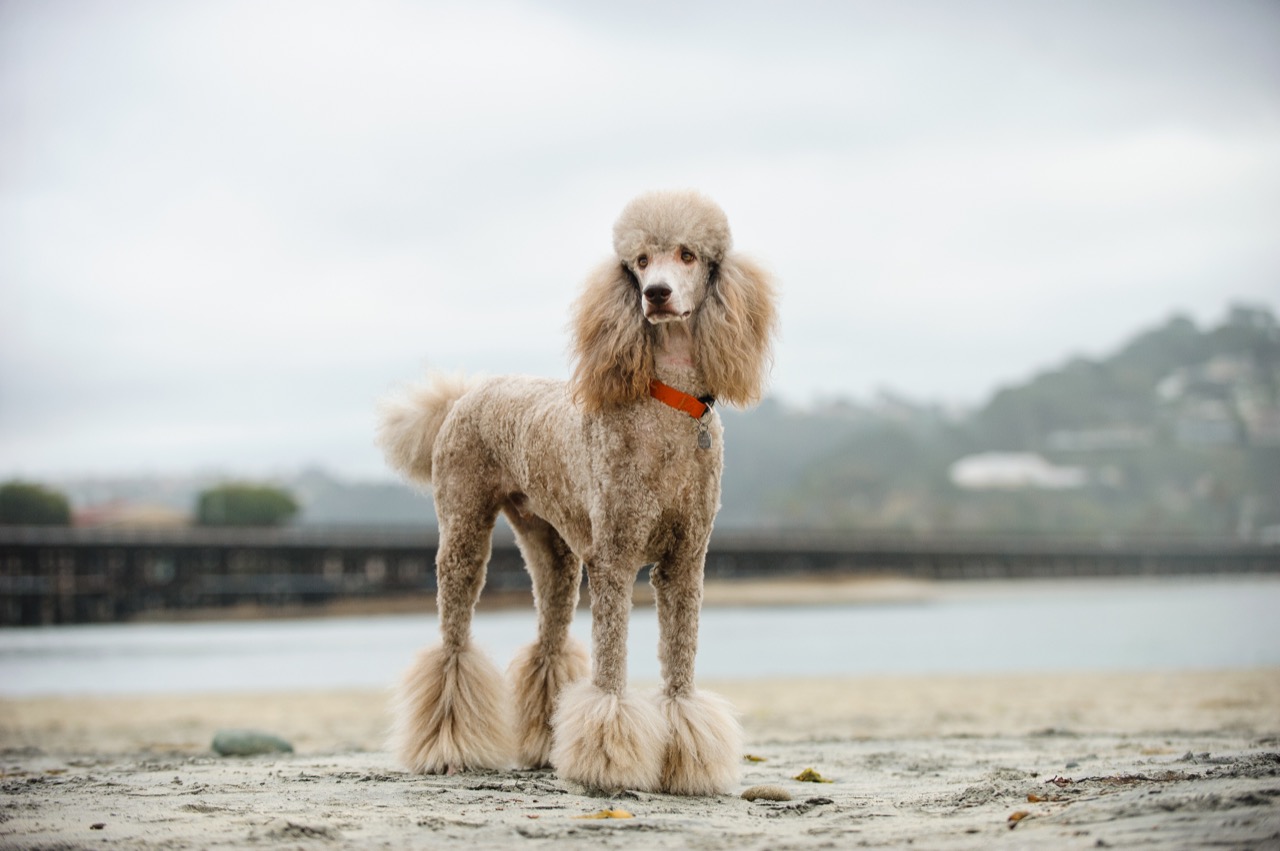
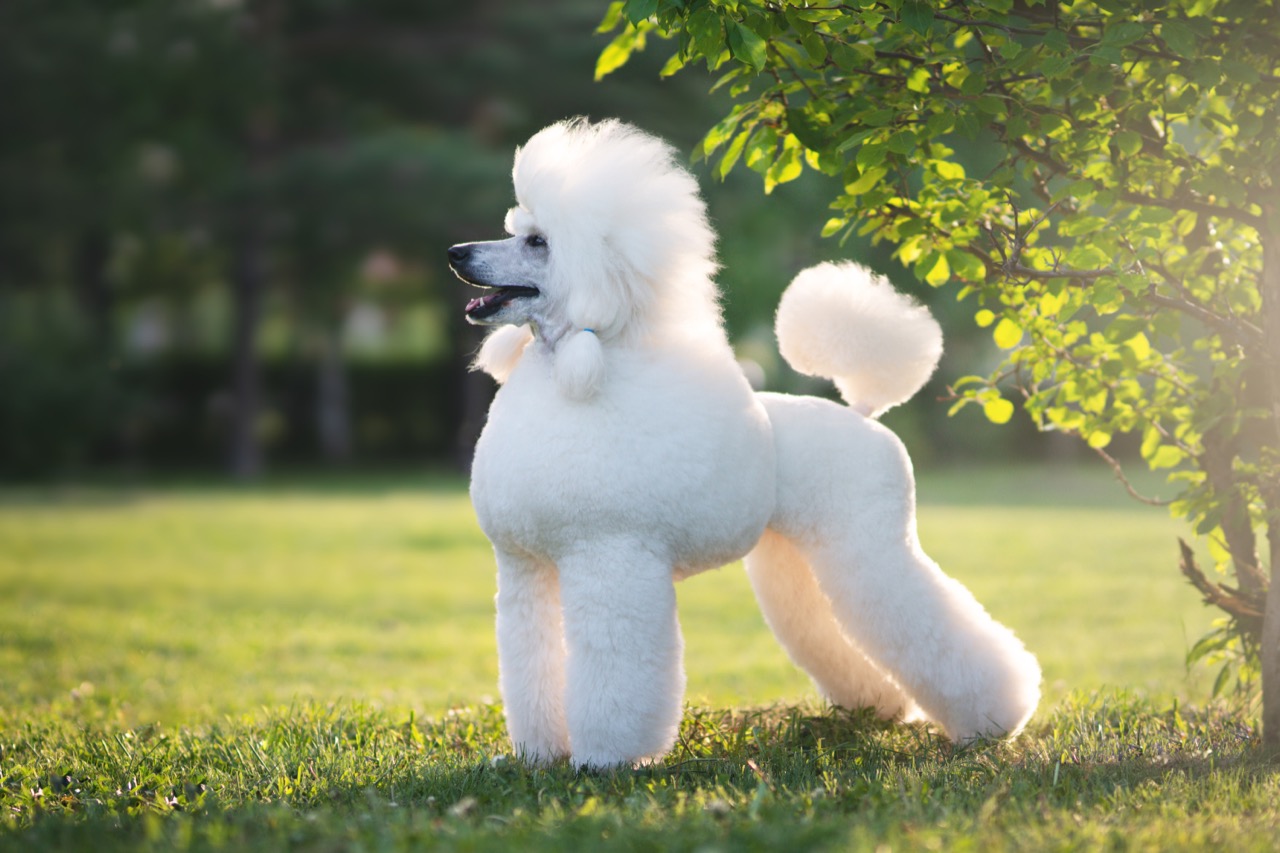
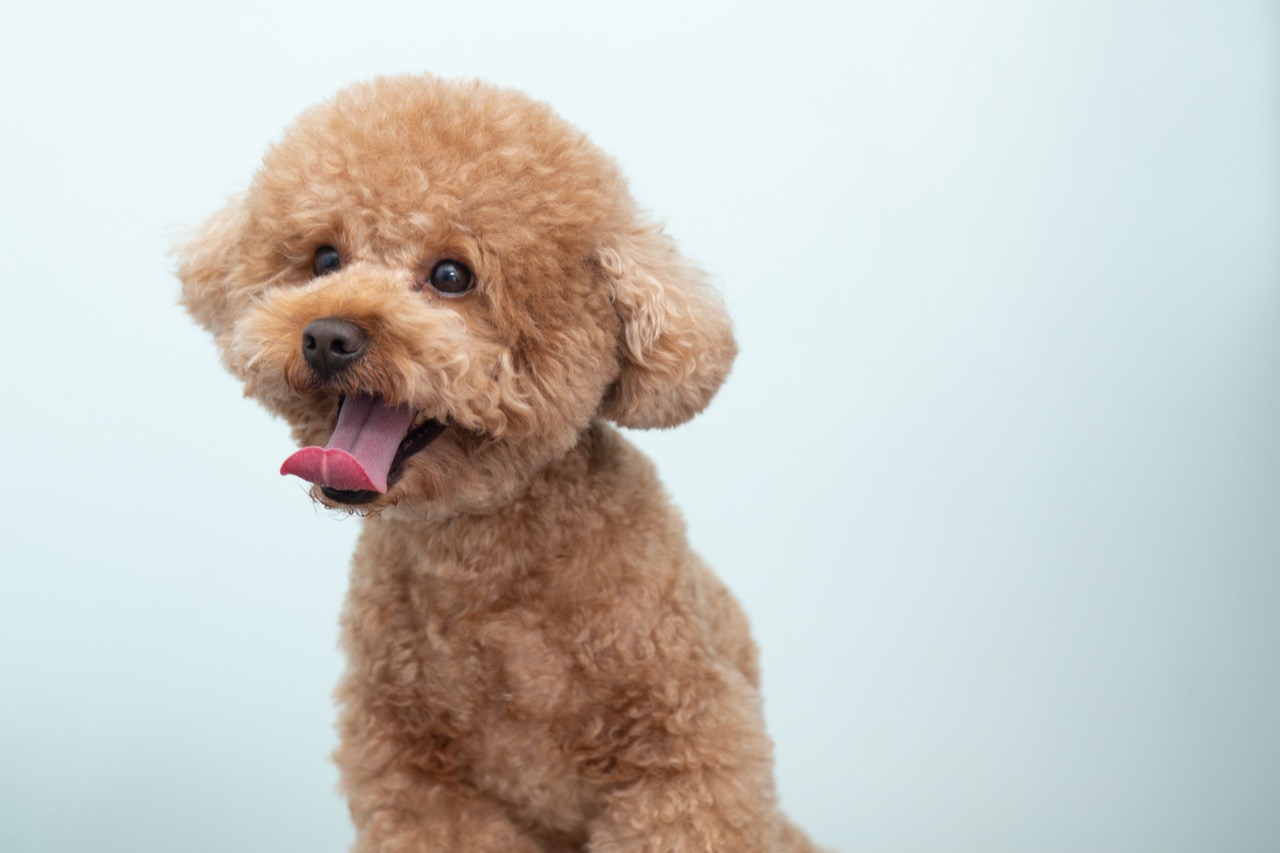
Trims can both help and confuse identification. The classic “poodle cut” with shaved face and feet is highly recognizable, but many pet Poodles are kept in simple puppy clips, sporting clips, or short all over trims that resemble other curly breeds. When you do see a traditional clip, remember it is not just fashion. Historically, clips were designed to reduce drag in water while leaving insulation around joints and vital areas. That practical origin explains why the style emphasizes certain body zones.
Corded coats are another distinctive feature people hear about but rarely understand. Corded means the coat is intentionally separated and maintained so it forms long rope like strands, similar to a mop. It does not happen automatically. It requires careful sectioning, drying, and ongoing maintenance to prevent the cords from turning into painful mats. A corded Poodle will look dramatically different from a curly one, but it is still the same coat type, just managed in a different way.
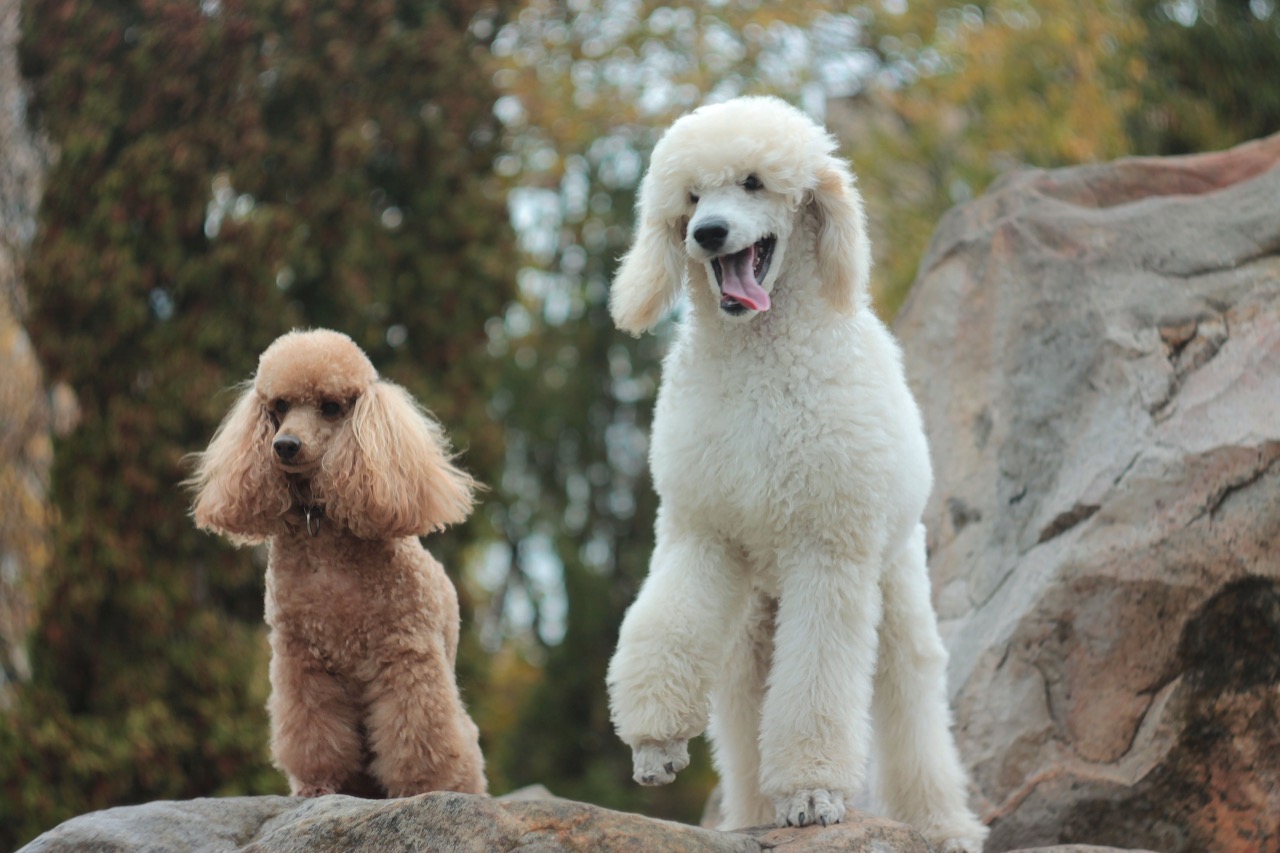
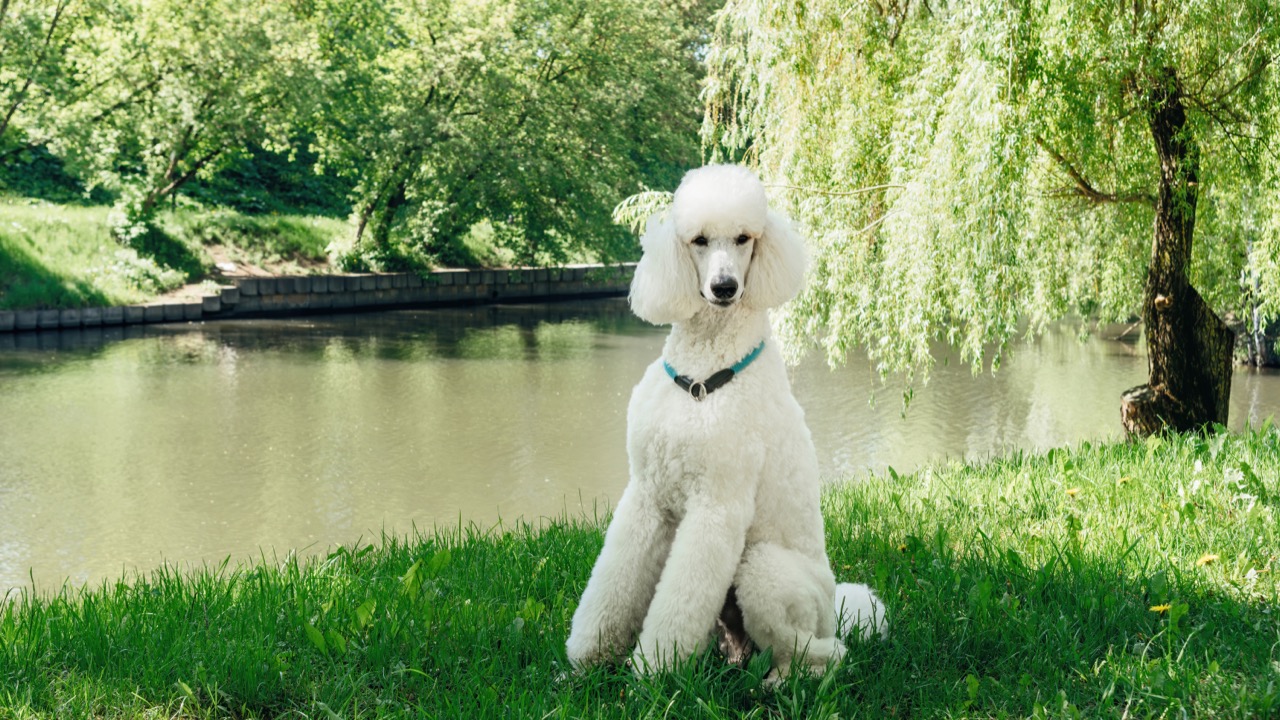
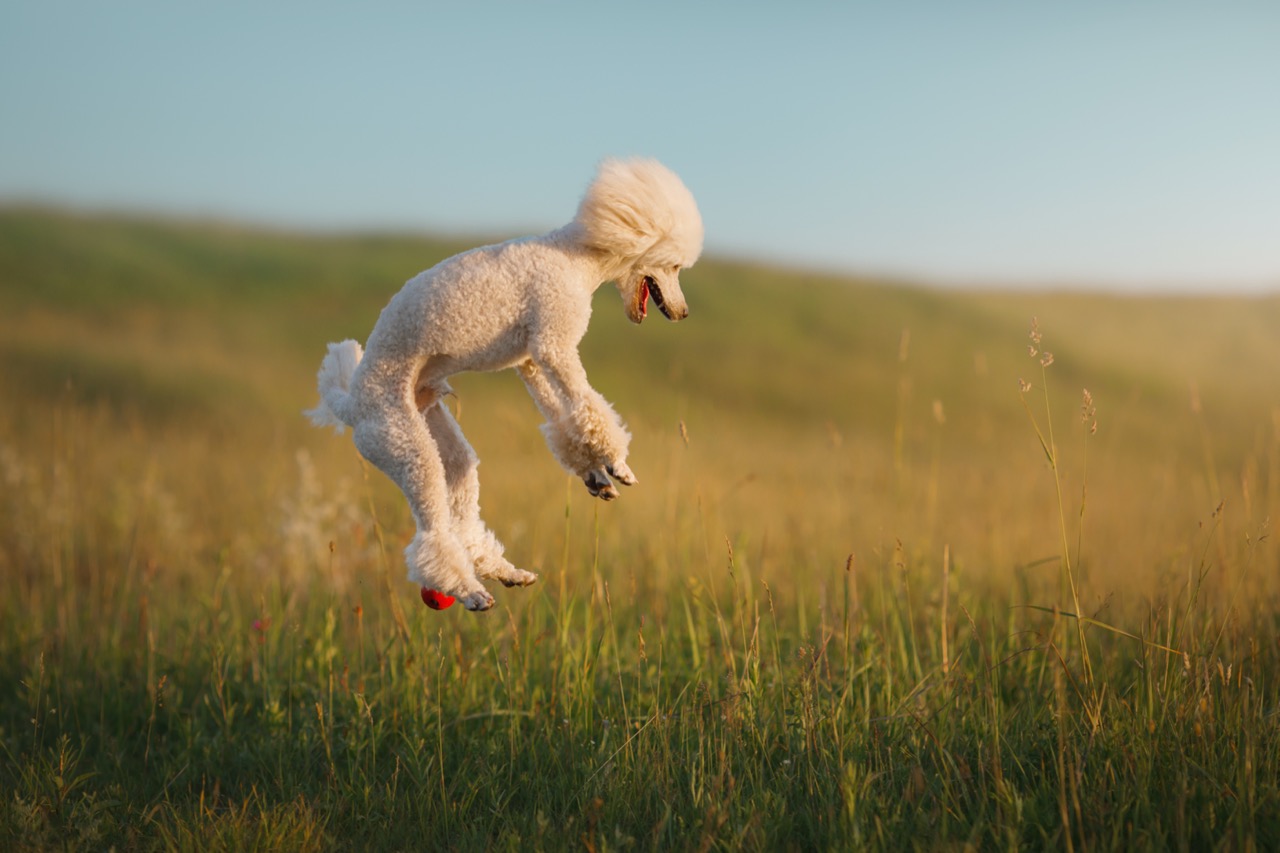
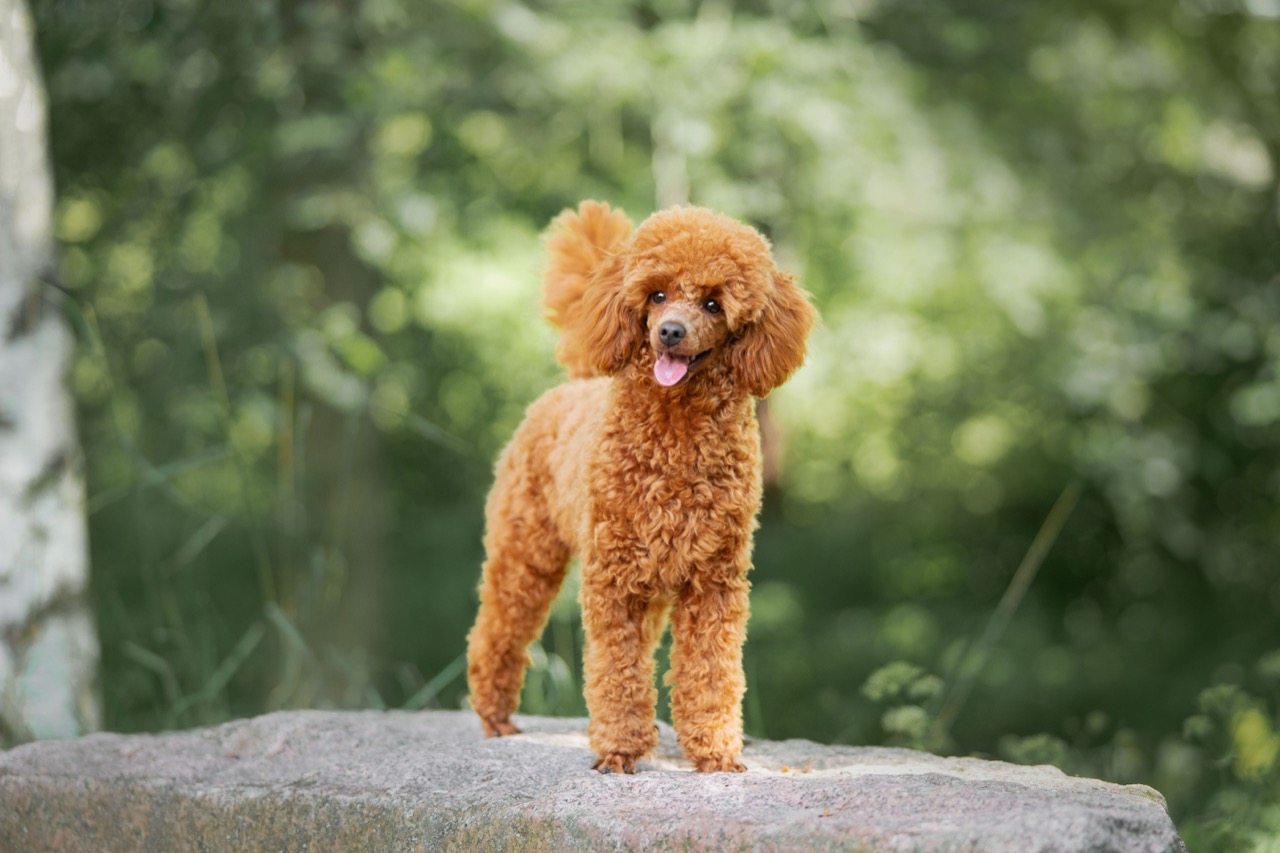
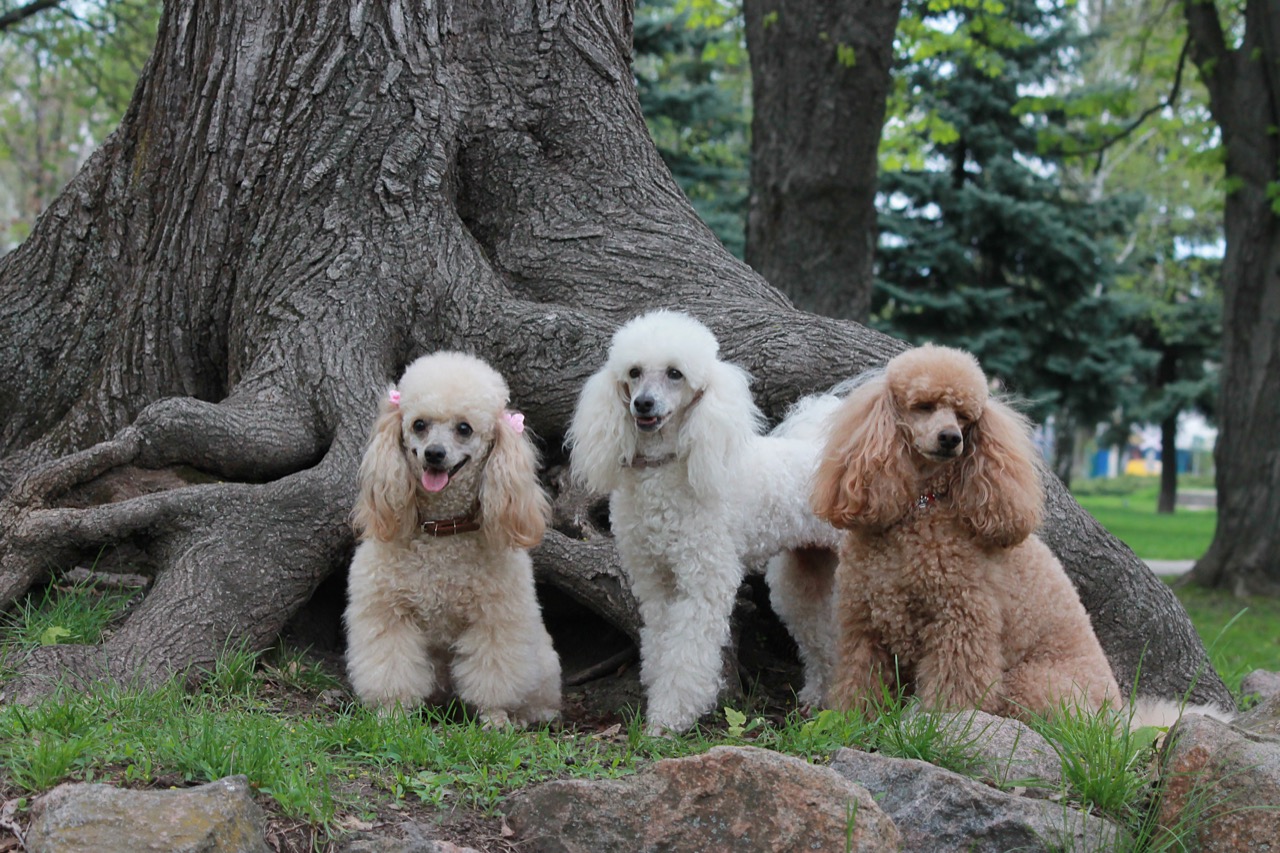
Body structure offers reliable markers even when grooming hides the outline. Poodles are typically squarely built, meaning their height at the shoulder is close to their body length. They often have a noticeable tuck up at the waist, giving an athletic, leggy look rather than a long backed profile. The head is refined with a relatively long, straight muzzle, and the ears are long, flat, and set around eye level, hanging close to the cheeks rather than sticking out.
To tell a Poodle from a Portuguese Water Dog, look for proportions and head shape. Portuguese Water Dogs tend to be more robust and slightly longer in body, with a broader head and a more rugged outline. From doodle mixes, look for variability. Doodles often show a wider range of ear set, muzzle length, and coat behavior, and they may have furnishings around the face that create a teddy bear look rather than the cleaner, more defined Poodle expression.
If you want a quick real world checklist, start with coat texture and uniformity, then check the outline for a square, athletic build, and finally look at the ear shape and how the hair lies on the ears. Put those clues together, and you will find that the Poodle’s famous look is not just a haircut. It is a combination of coat physics, body design, and grooming traditions that leave visible markers once you know what to watch for.