Perky Poodle Checkup









Quiz Complete!
Poodle Health Essentials: What Every Owner Should Watch For
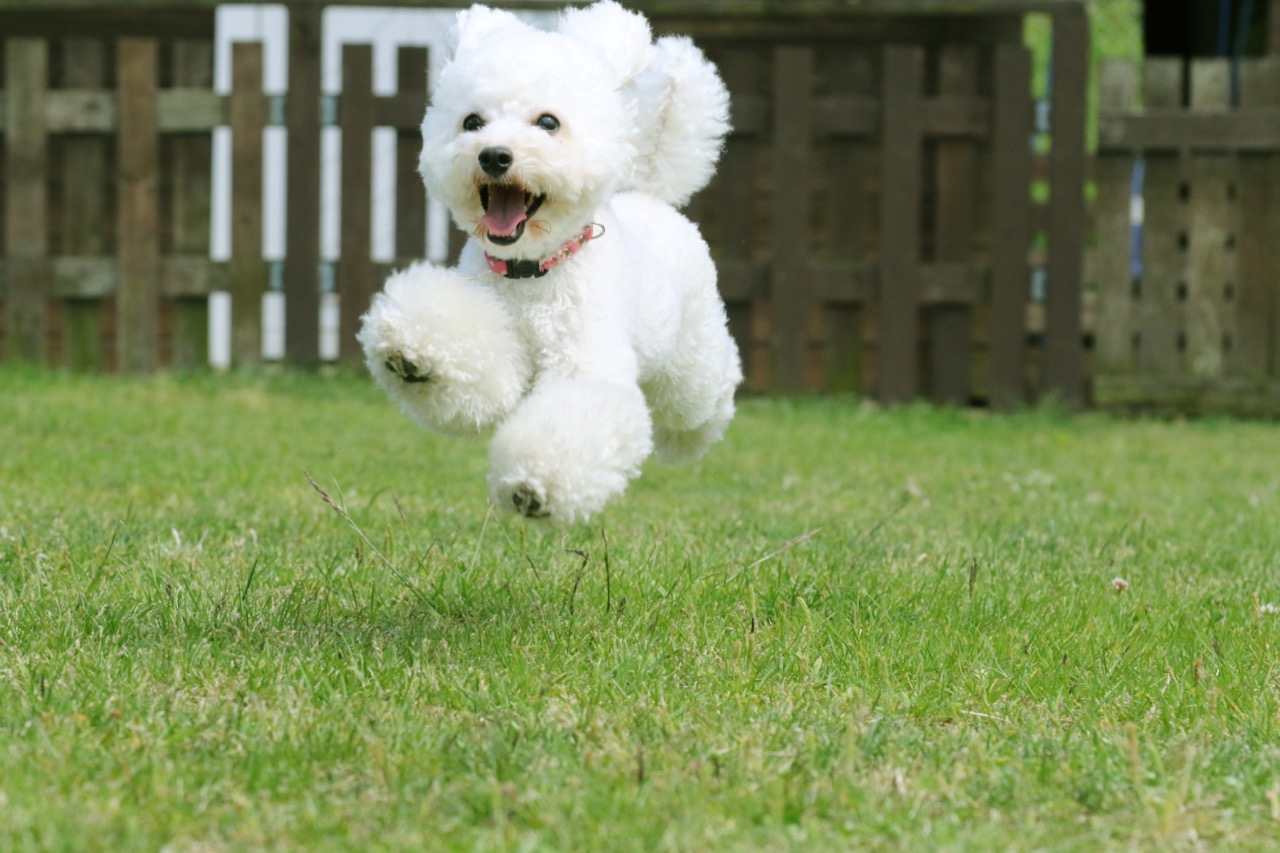
Poodles are famous for their curly coats and quick minds, but their real superpower is how well they can thrive when owners know what to watch for. Standards, Miniatures, and Toys share many health concerns, with a few size-related differences. Learning the common inherited conditions and the urgent red flags can help you act quickly and also guide smarter choices about breeders, diet, grooming, and routine veterinary care.
Eye health is a big theme in Poodles. Progressive retinal atrophy is an inherited disease that gradually leads to vision loss, often starting with night blindness or hesitation in dim light. Cataracts can also cloud vision, sometimes appearing as a bluish or white haze in the pupil, and they are not just a normal part of aging. Another emergency to know is sudden glaucoma, which can cause a very painful red eye, squinting, tearing, and sometimes a cloudy cornea. Any sudden eye pain or rapid change in vision should be treated as urgent, because delay can mean permanent damage.
Joints and mobility deserve attention, especially in Standards but not exclusively. Hip dysplasia can cause stiffness after rest, reluctance to jump, or a “bunny hop” gait when running. Luxating patella, more common in smaller dogs, happens when the kneecap slips out of place, leading to skipping steps or brief lameness that comes and goes. Legg Calve Perthes disease is another issue seen more in small breeds, where the head of the femur loses blood supply and the dog develops persistent hind limb pain. Early evaluation matters because many orthopedic problems are easier to manage when caught before arthritis becomes advanced.
Hormones can be a quiet troublemaker in Poodles. Addison’s disease, where the adrenal glands do not produce enough hormones, is a classic Poodle concern and can be frustratingly vague at first. Signs may include intermittent vomiting or diarrhea, low appetite, weight loss, weakness, or episodes that look like anxiety or fatigue. In an Addisonian crisis, a dog can collapse, have a slow heart rate, and go into shock, which is a true emergency. Cushing’s disease is the opposite problem, with too much cortisol, often showing up as increased thirst and urination, a pot-bellied look, panting, and thin skin or hair loss.
Ears and skin are closely linked in this breed. Poodles often have hair growing in the ear canal and floppy ears that reduce airflow, which can make ear infections more likely. Head shaking, scratching, odor, redness, or dark discharge are common clues. Chronic ear problems can be driven by allergies, so recurring infections should prompt a deeper look rather than endless cycles of drops. Skin allergies may show up as itchy feet, face rubbing, recurrent hot spots, or frequent licking. Regular grooming helps, but overbathing or harsh products can worsen irritation, so it is worth asking your vet or groomer about a skin-friendly routine.
One of the most urgent emergencies for deep-chested dogs like Standard Poodles is gastric dilatation volvulus, often called bloat. The stomach fills with gas and may twist, cutting off blood supply. Signs include a suddenly distended abdomen, repeated unproductive retching, drooling, restlessness, and rapid decline. This is not a wait-and-see situation; immediate emergency care is essential.
Good breeding and screening can reduce risk for several inherited issues. Responsible breeders commonly use eye exams and orthopedic evaluations, and many also use DNA tests for specific genetic diseases. For owners, the best everyday tools are observation and consistency: notice changes in thirst, appetite, energy, gait, skin, ears, and vision, and do not dismiss repeated “minor” symptoms. Poodles are hardy dogs when cared for well, and knowing their health essentials helps keep that clever brain and curly coat paired with a comfortable, active life.