Dapple, Brindle, Dachshund
Quiz Complete!
Dachshund Form and Coat Extremes: What Makes the Breed So Distinctive
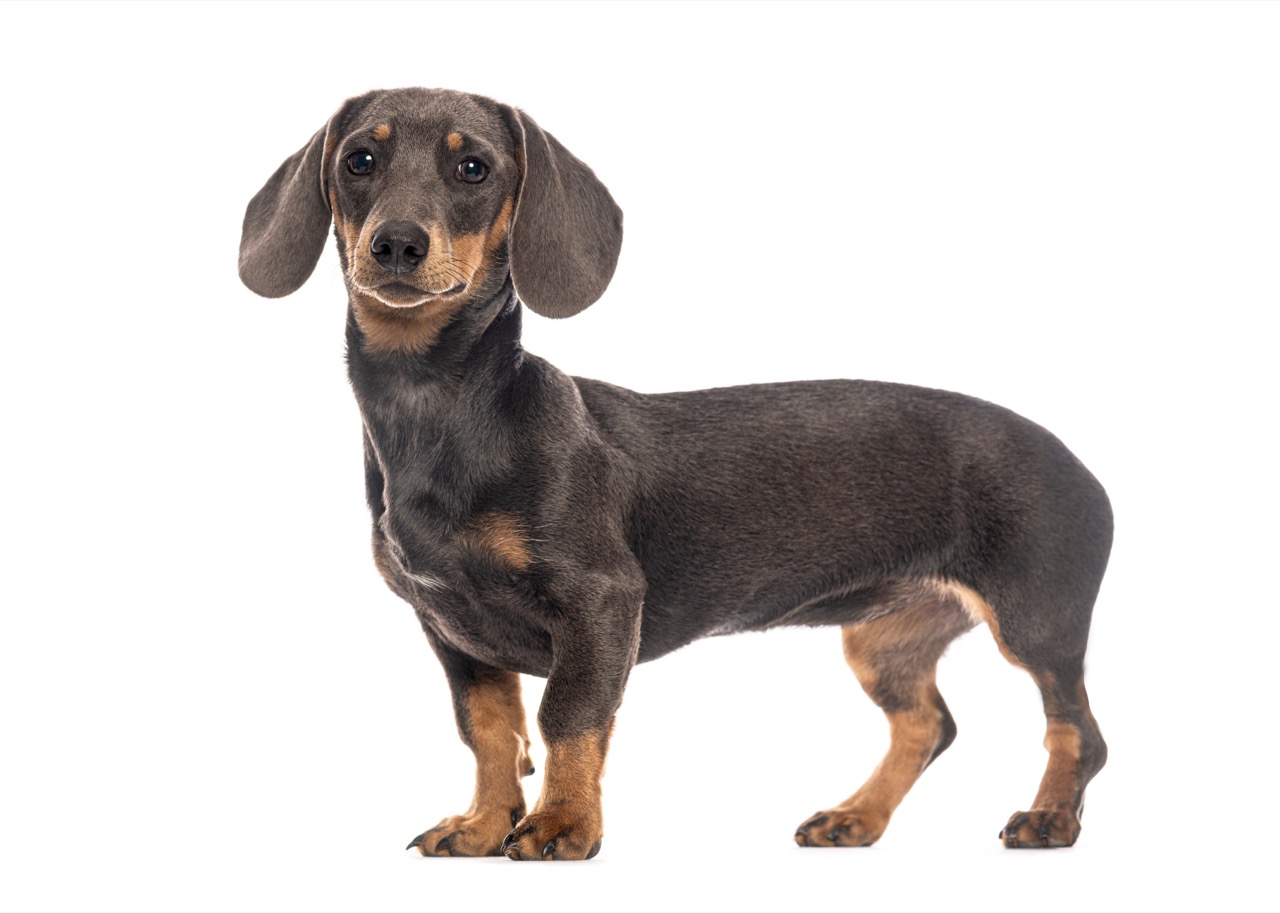
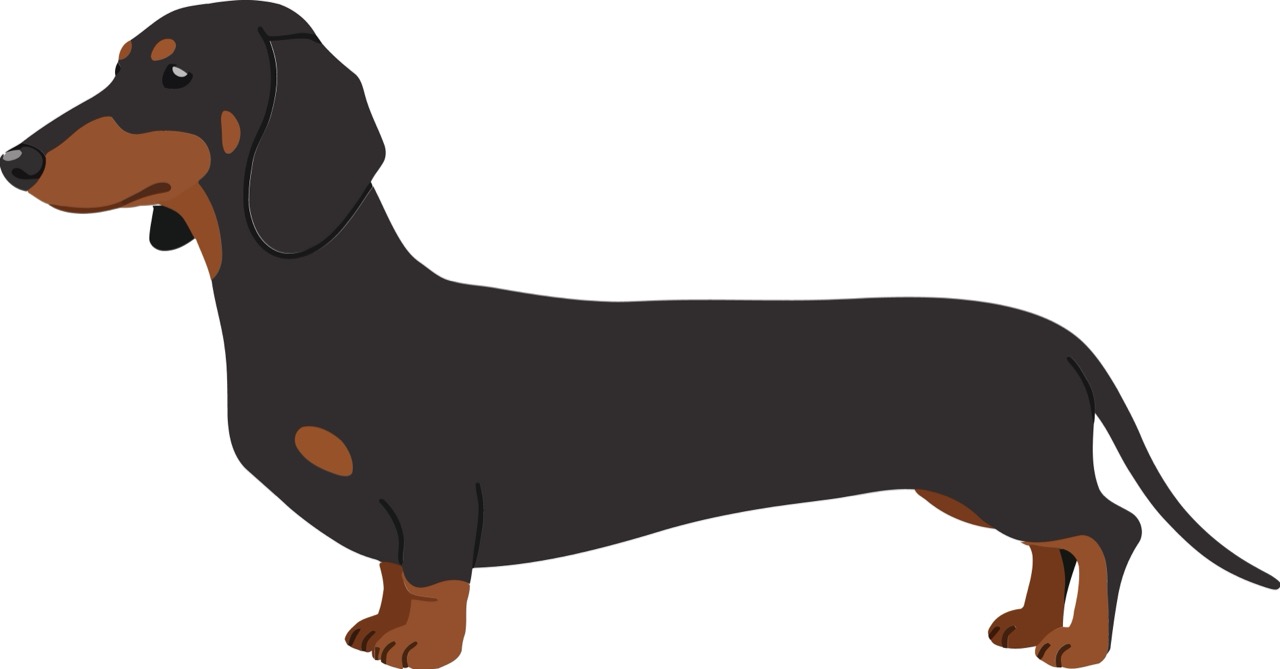
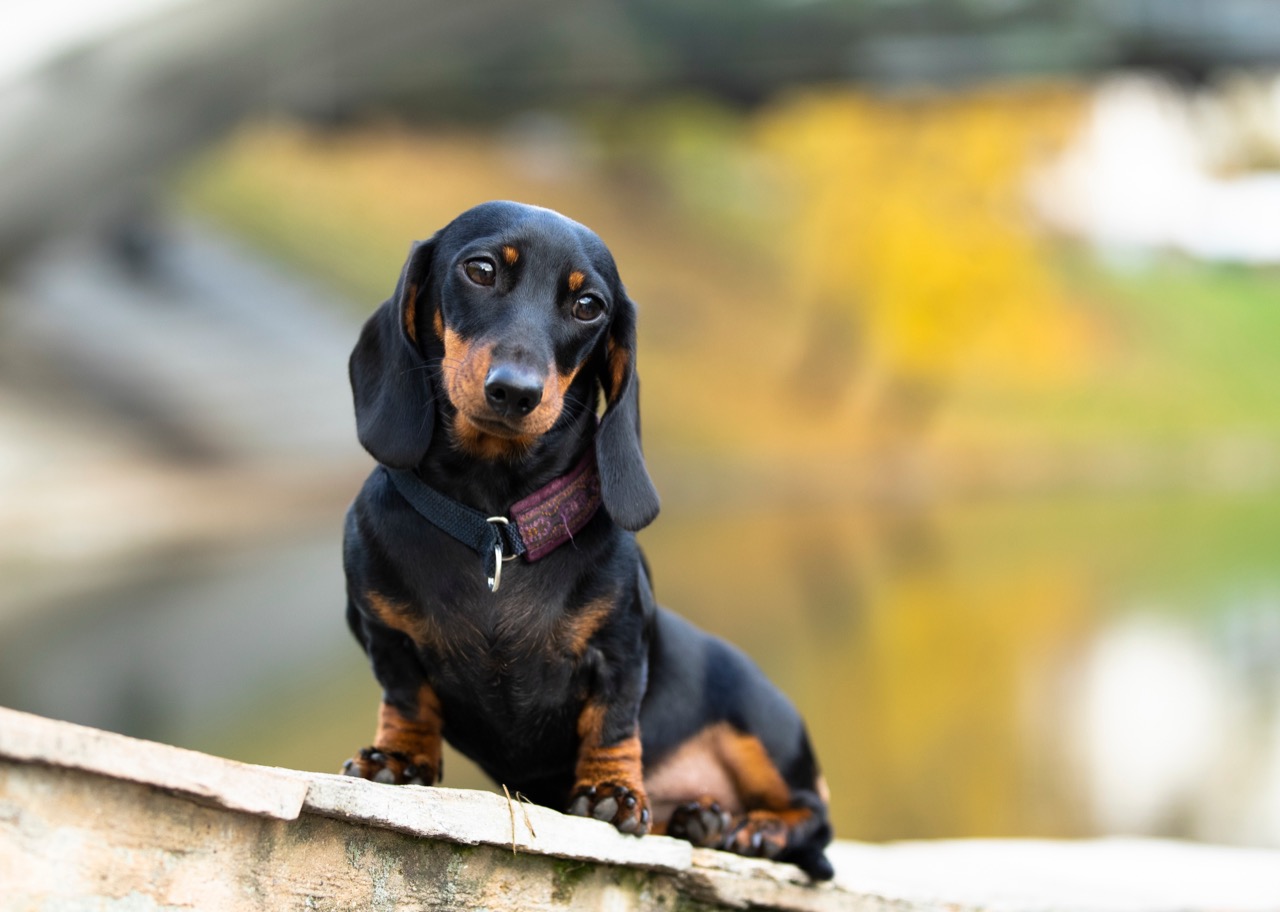
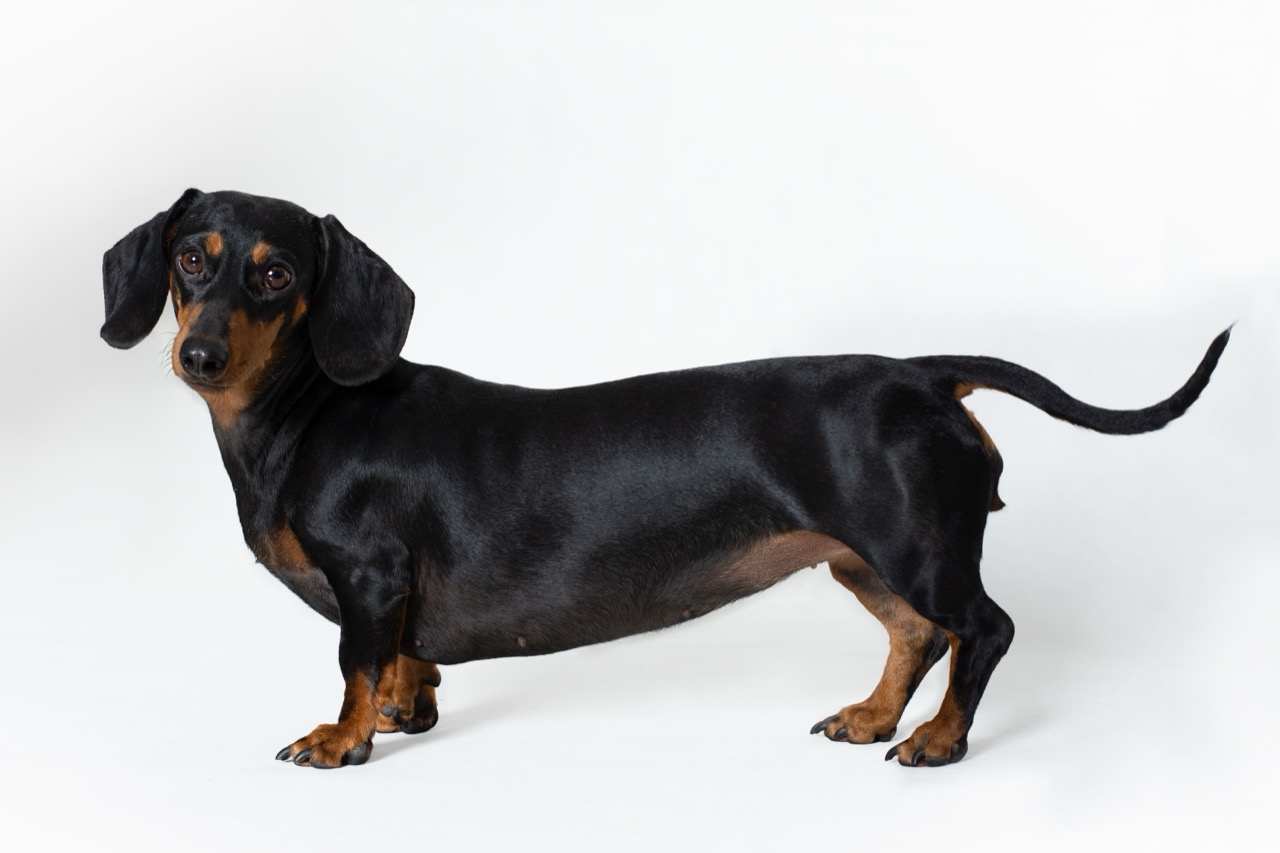
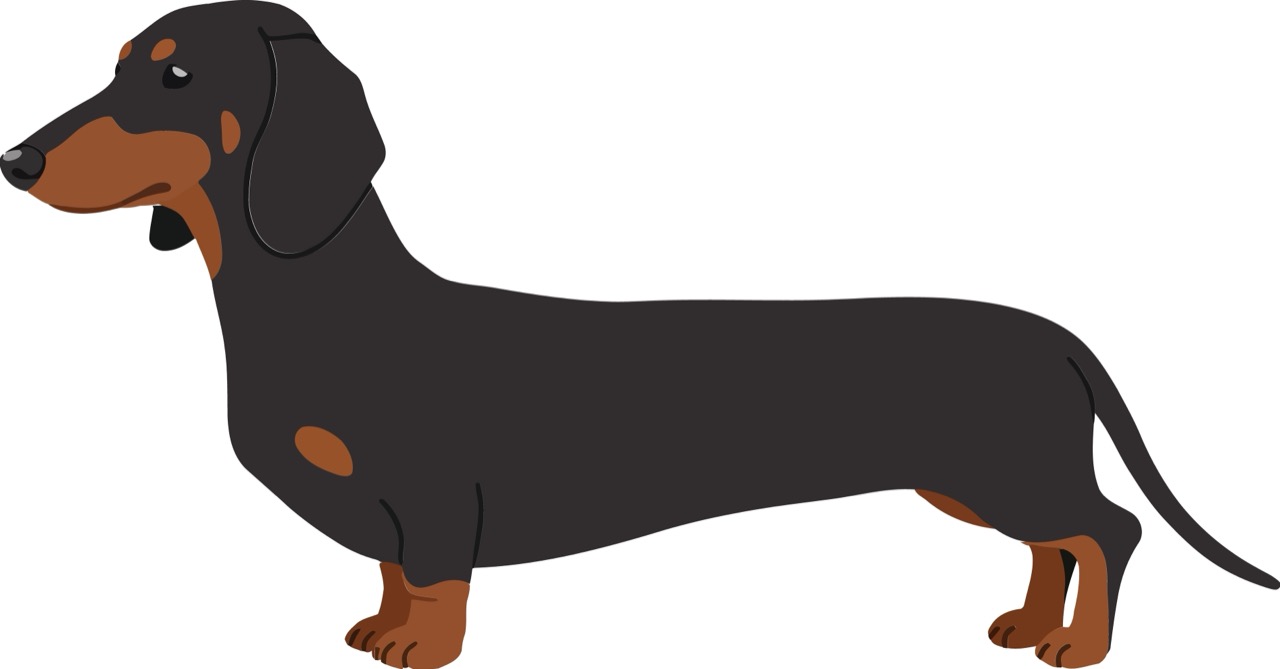
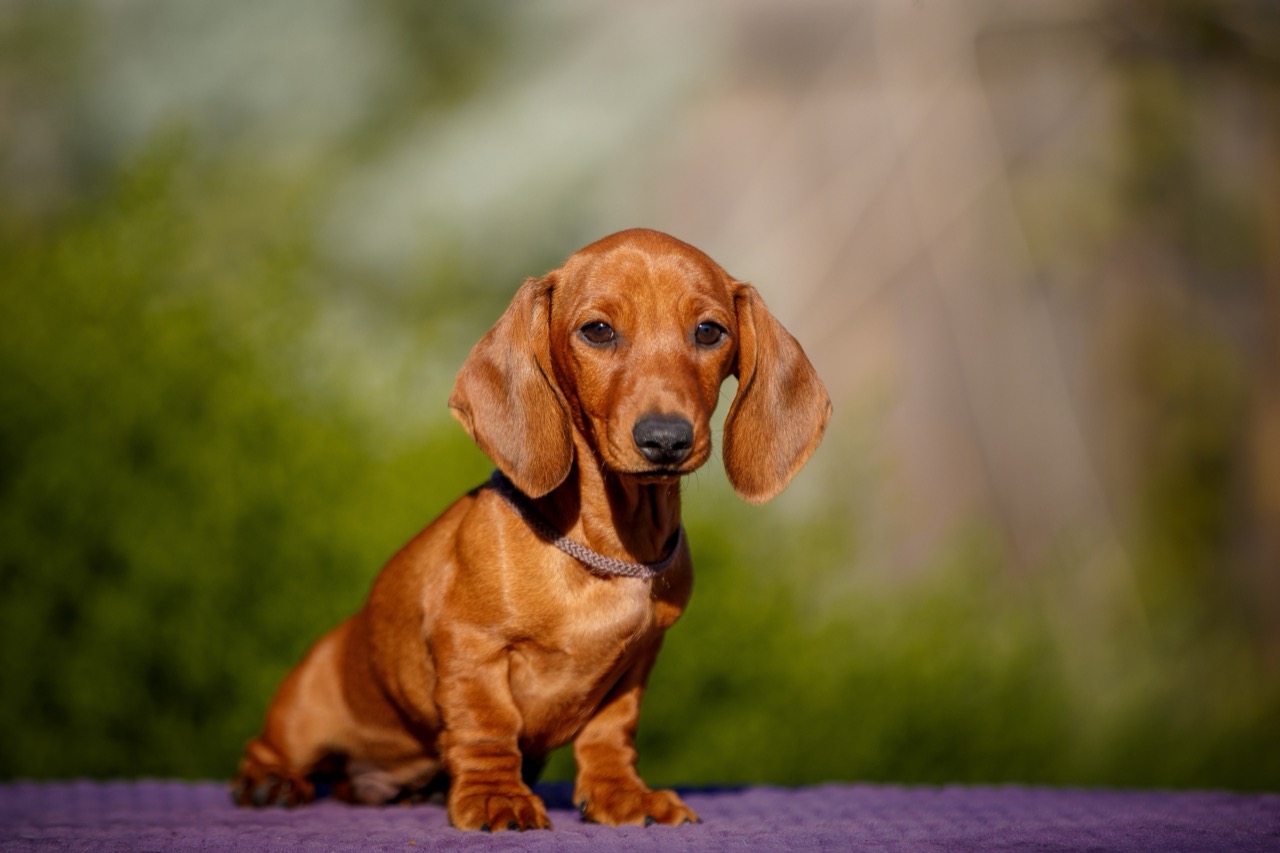
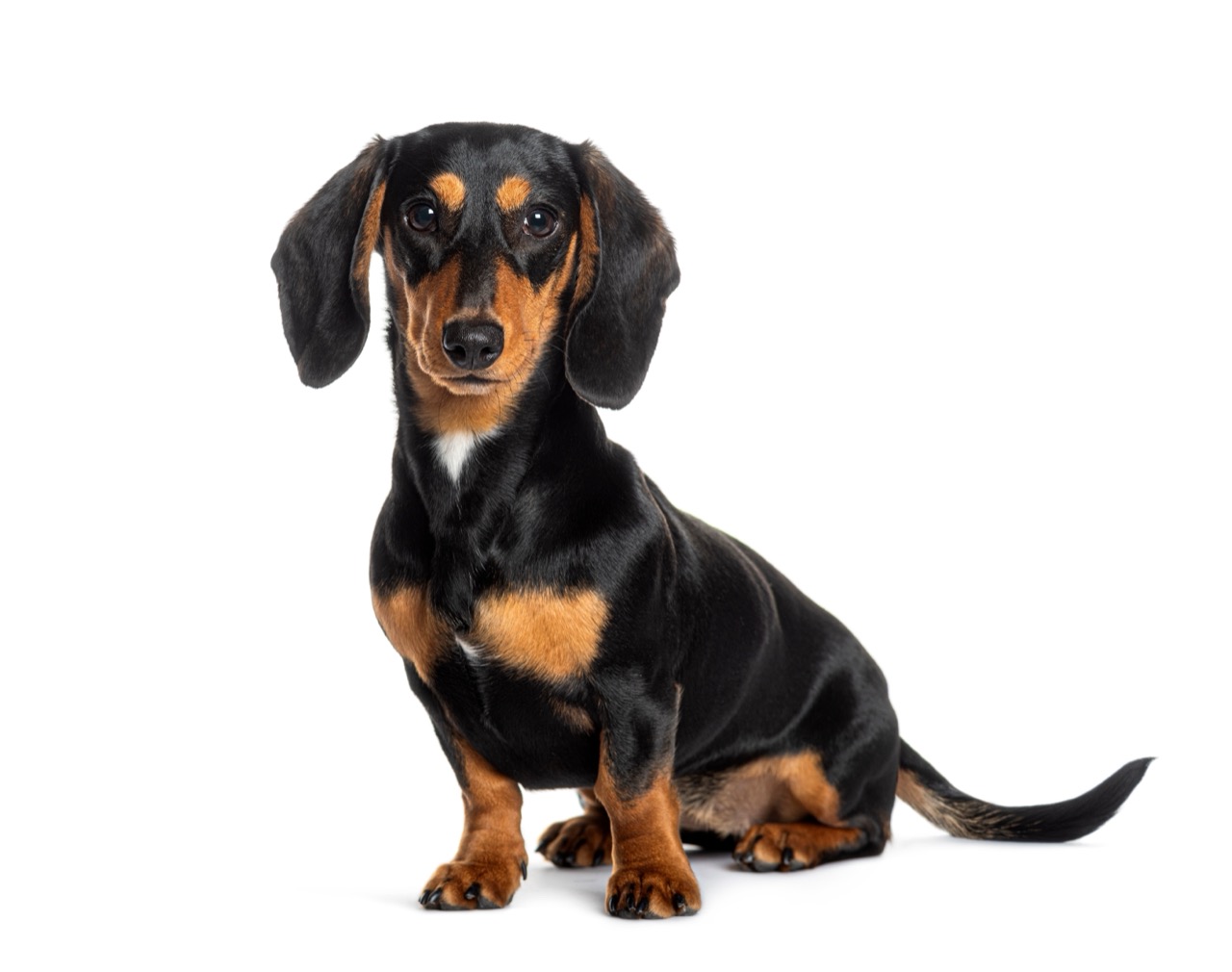
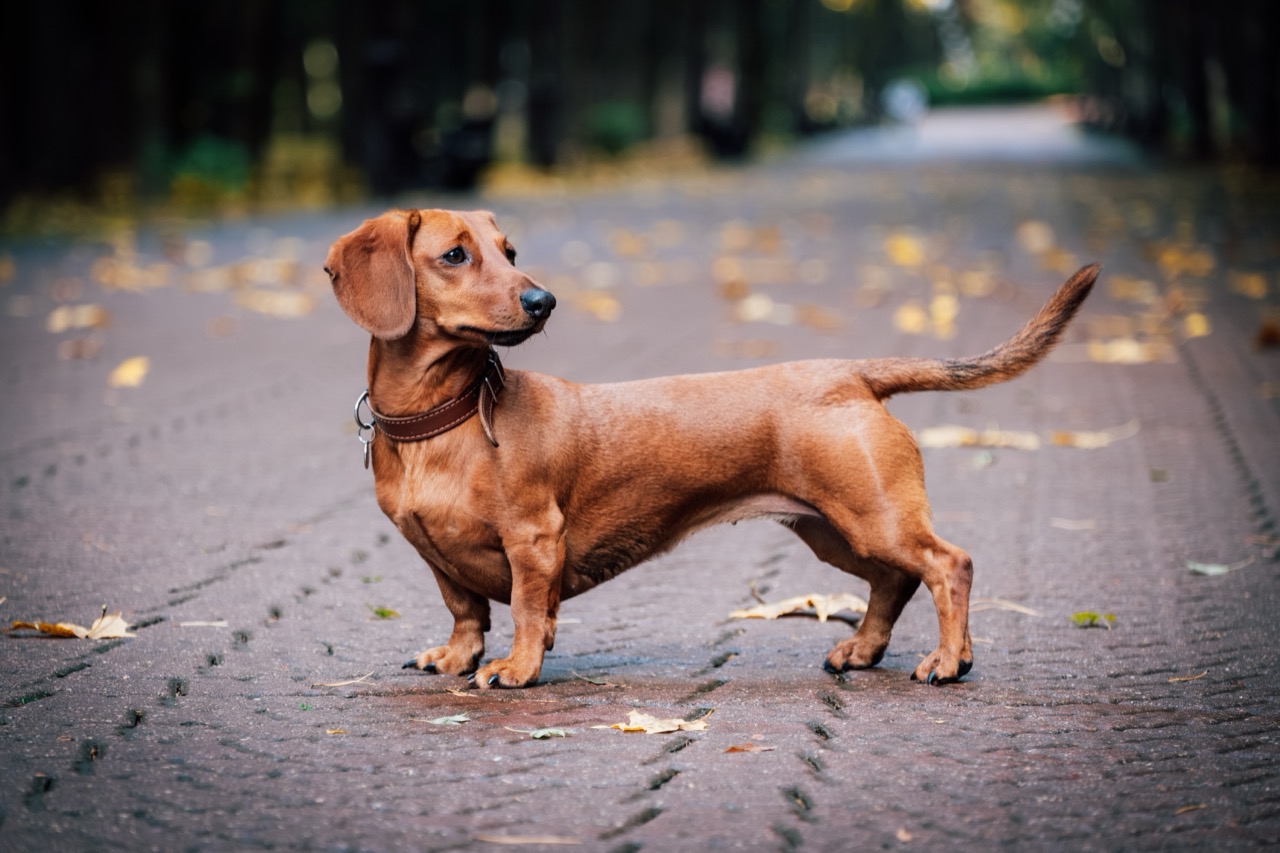
A Dachshund is one of the easiest dogs to recognize at a glance, and that is not an accident of fashion. The breed was developed for hunting, especially for going to ground after burrowing animals, and its silhouette reflects that job. The classic outline is long and low, with a noticeably elongated body carried on short, sturdy legs. That length is not meant to look flimsy or stretched; a well-made Dachshund appears solid and muscular, with the back supported by good bone and strong loin muscles.
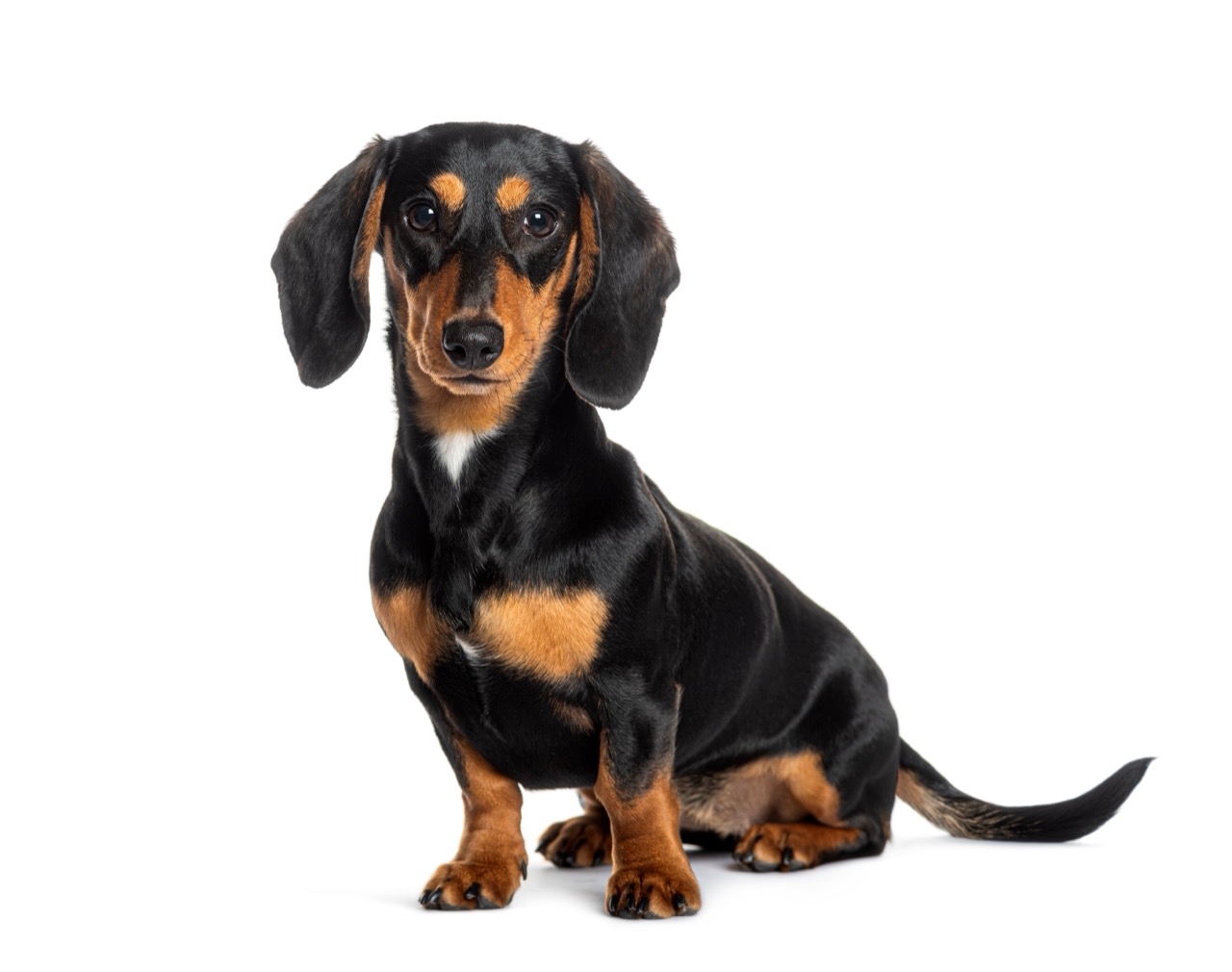
The chest is a key part of the breed’s design. Dachshunds have a deep, prominent forechest that extends forward between the front legs, giving room for heart and lungs and helping power their movement. From the side, the underline rises gradually toward the rear rather than looking tucked up like a sighthound. The loin is short and very slightly arched, which helps the dog stay flexible and strong when moving through tight spaces. The tail continues the line of the spine and is carried in a way that complements the topline rather than curling tightly over the back.
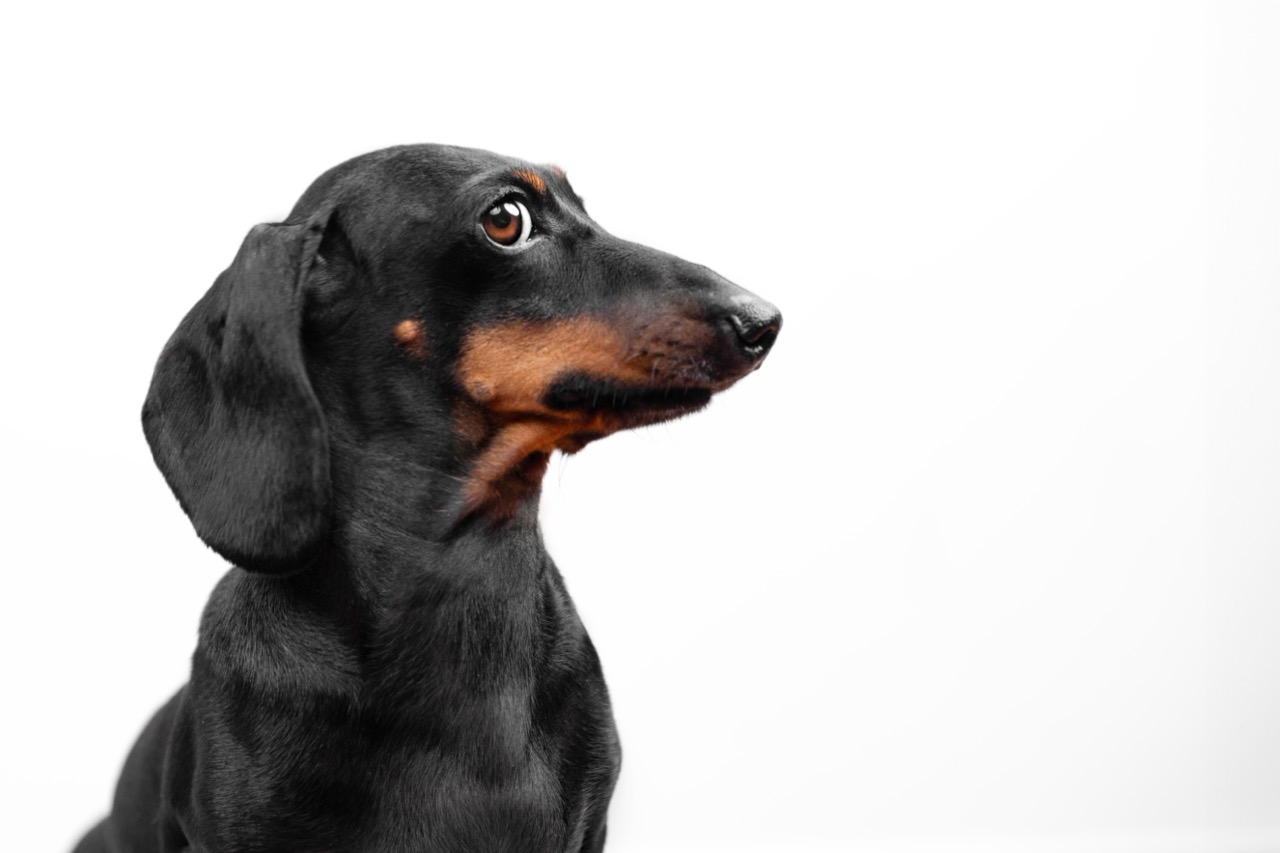
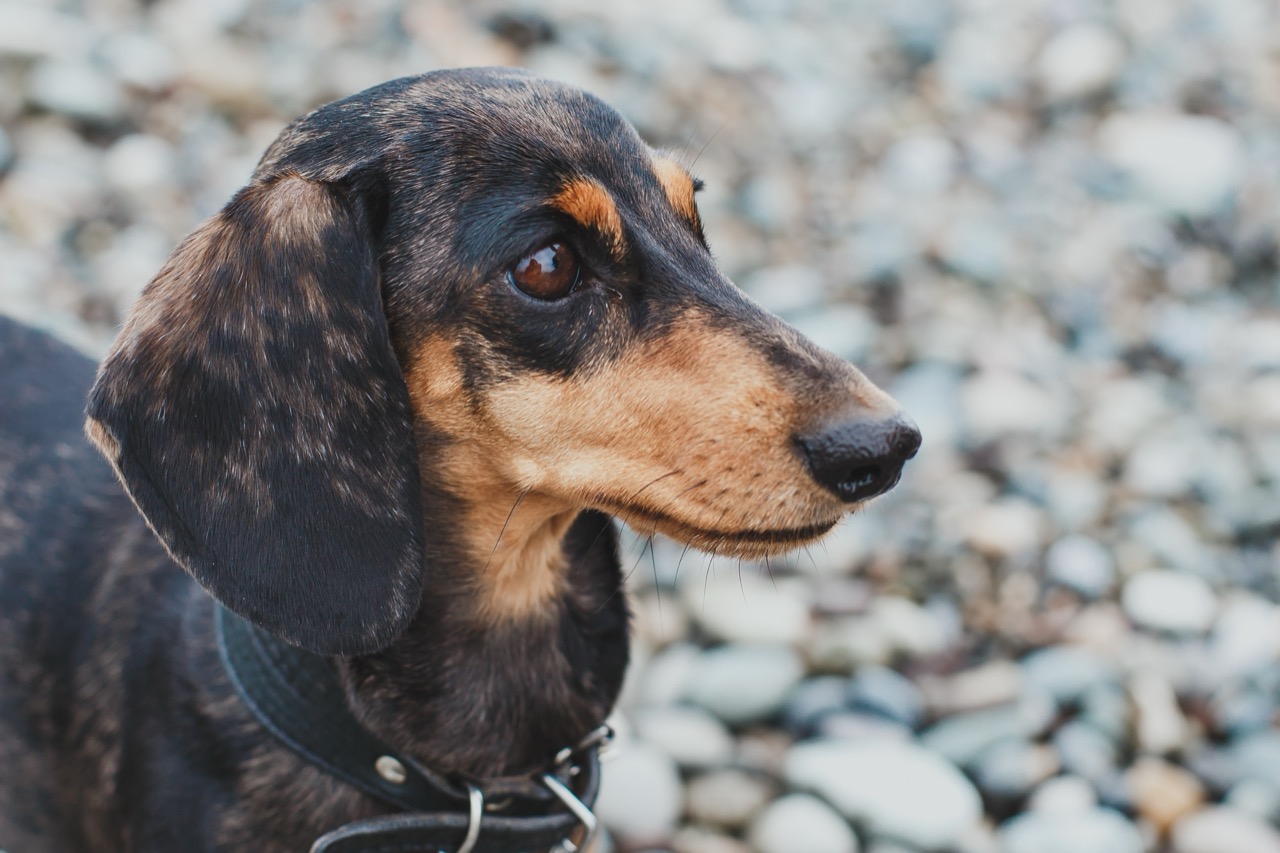
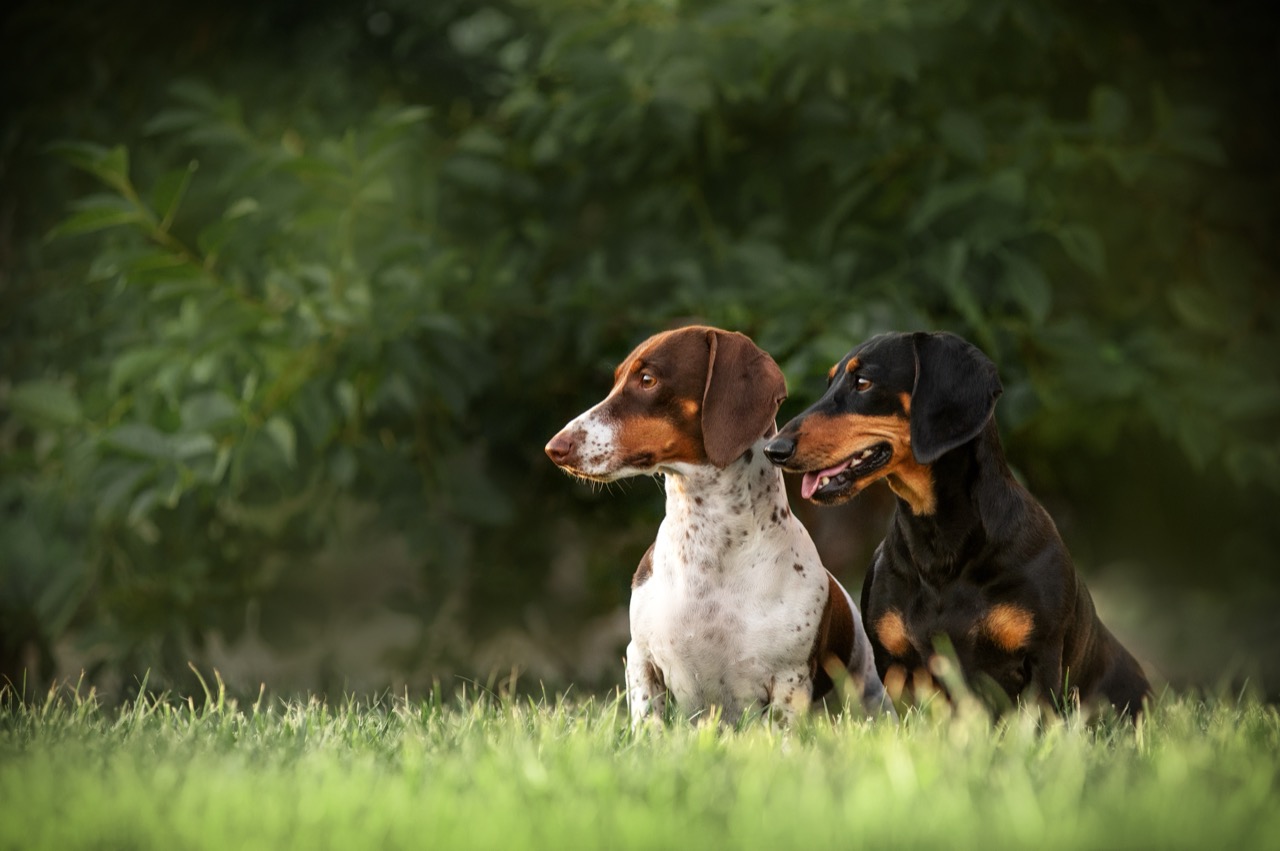
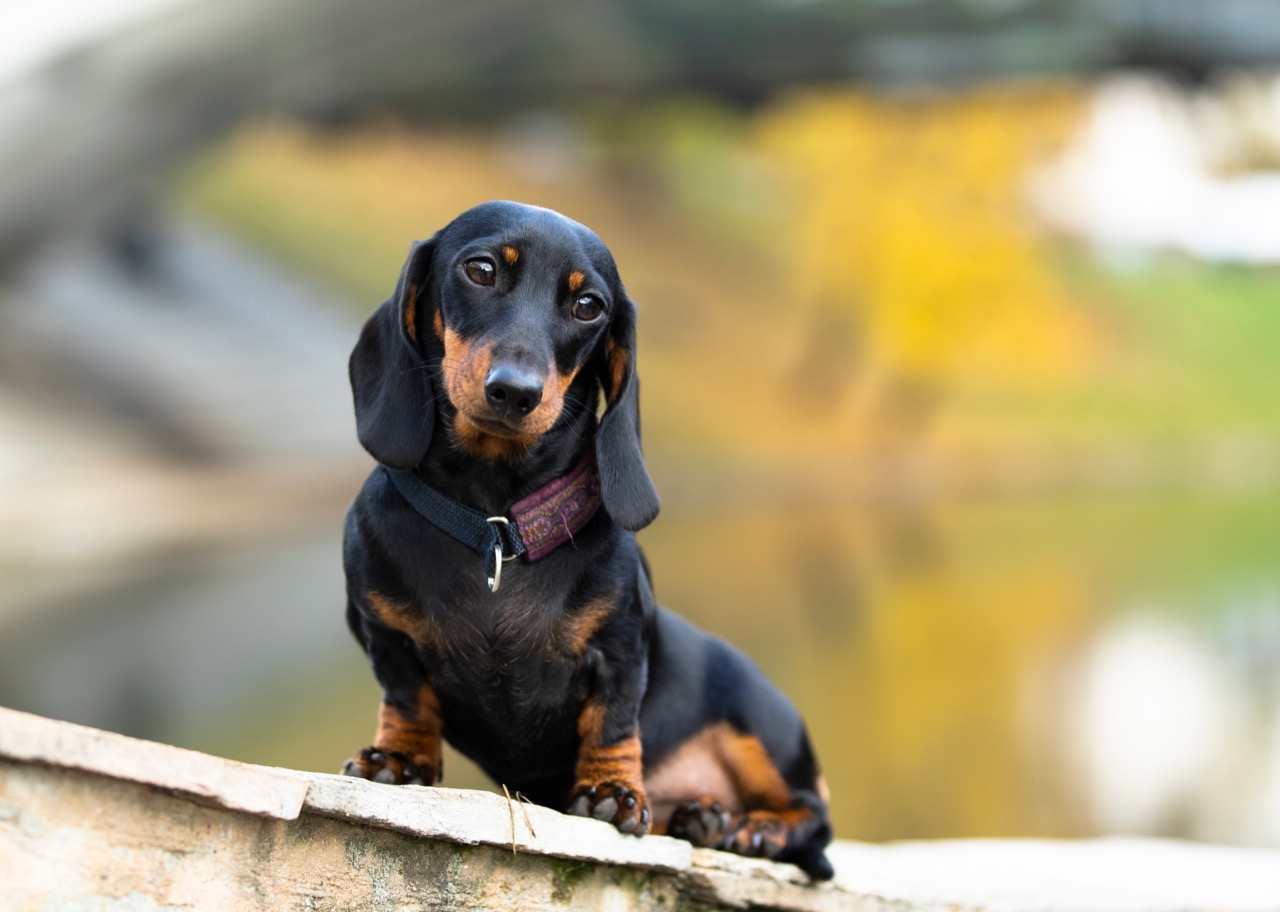
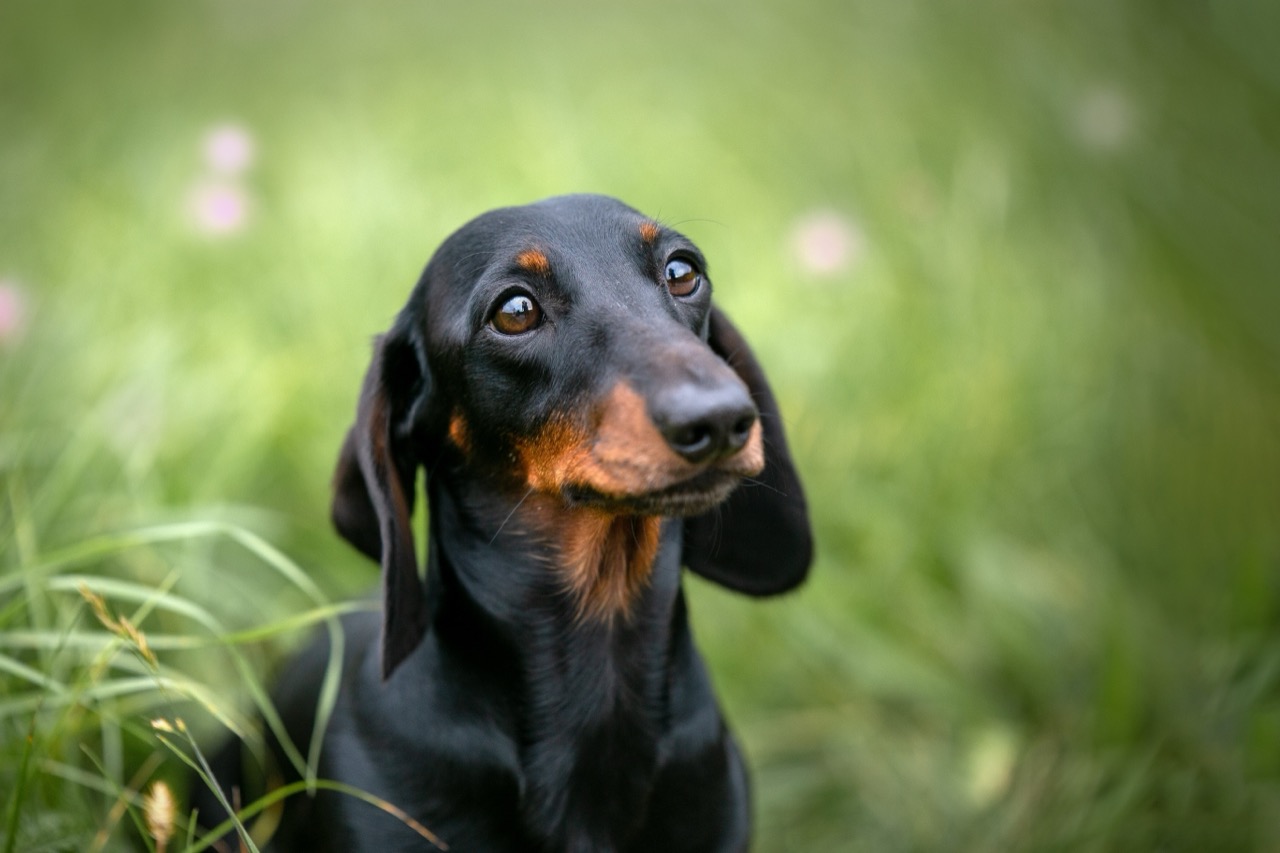
The head and ears add to the instantly recognizable look. A Dachshund’s ears are of moderate length, rounded at the ends, and set near the top of the head so they frame the face. They are not pricked, semi-pricked, or short and triangular like many terrier types. The muzzle is long enough to be functional but not narrow and fragile, and the overall expression is alert and confident.
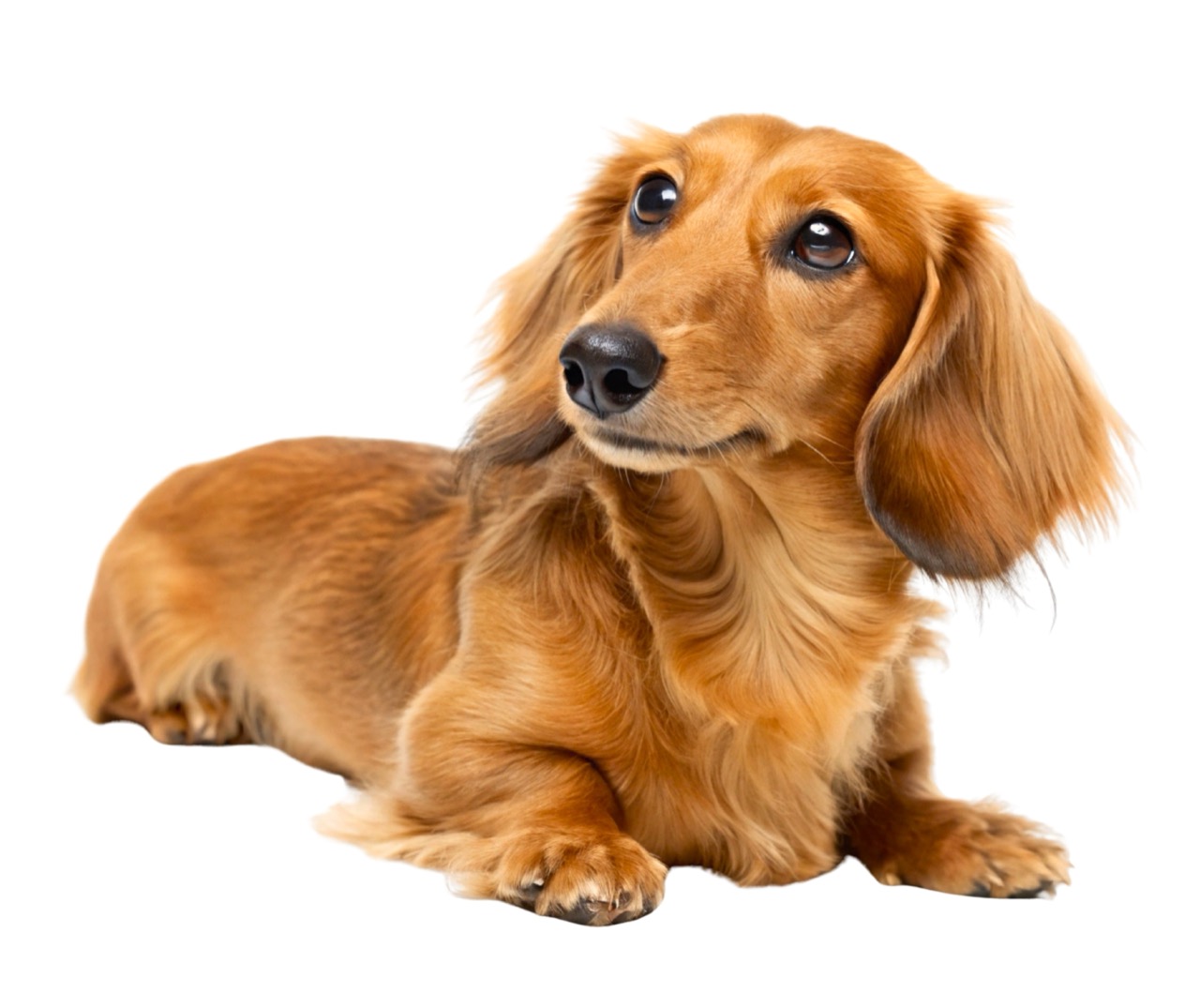
Coat type is one of the most enjoyable ways to spot Dachshund variety, because the same basic body plan can wear three very different “outfits.” Smooth-coated Dachshunds have short, sleek hair that lies close to the body, showing off the clean lines of the shoulders and ribcage. Longhaired Dachshunds have soft, flowing hair with feathering on the ears, chest, underside, legs, and tail, giving a more elegant outline without changing the underlying structure. Wirehaired Dachshunds have a harsher, wiry outer coat with a dense undercoat, and they often display distinctive facial furnishings such as eyebrows and a beard.
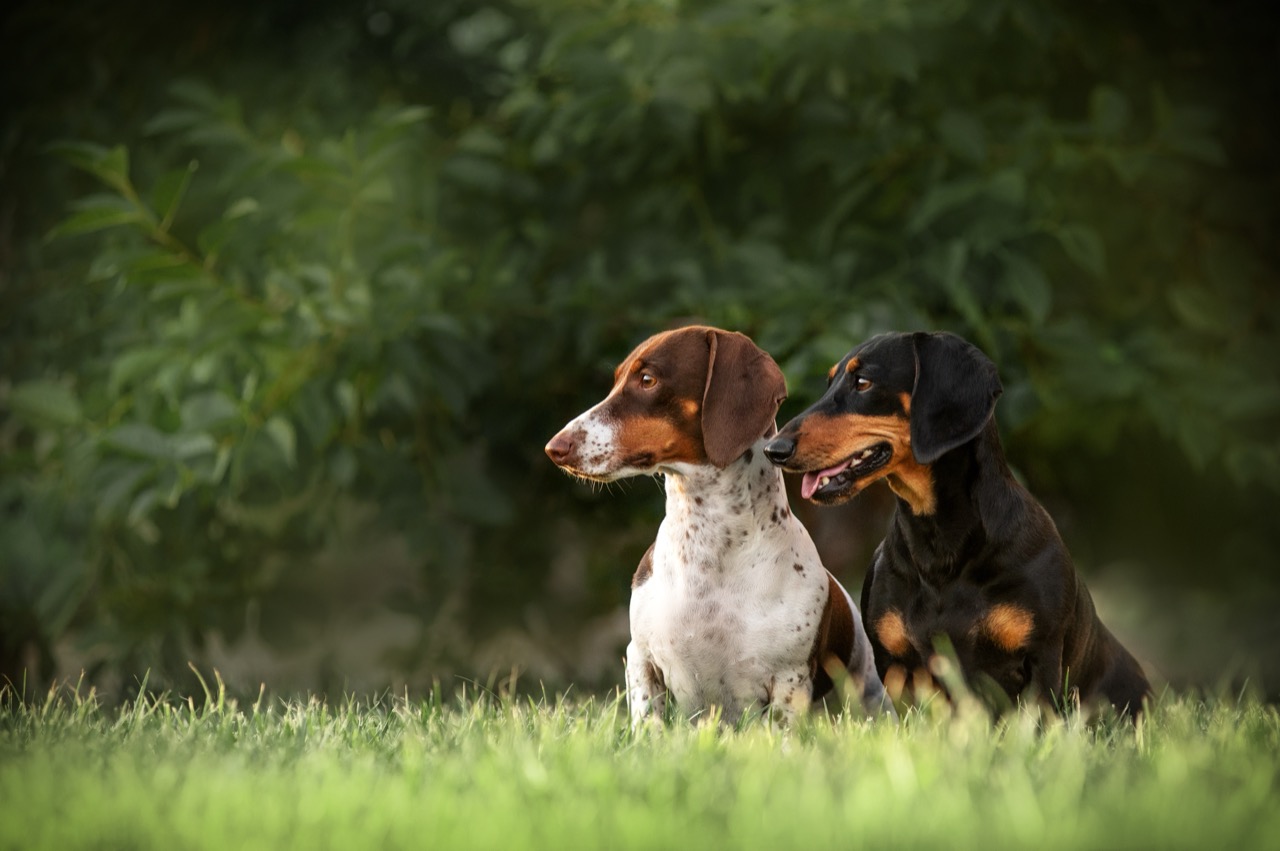
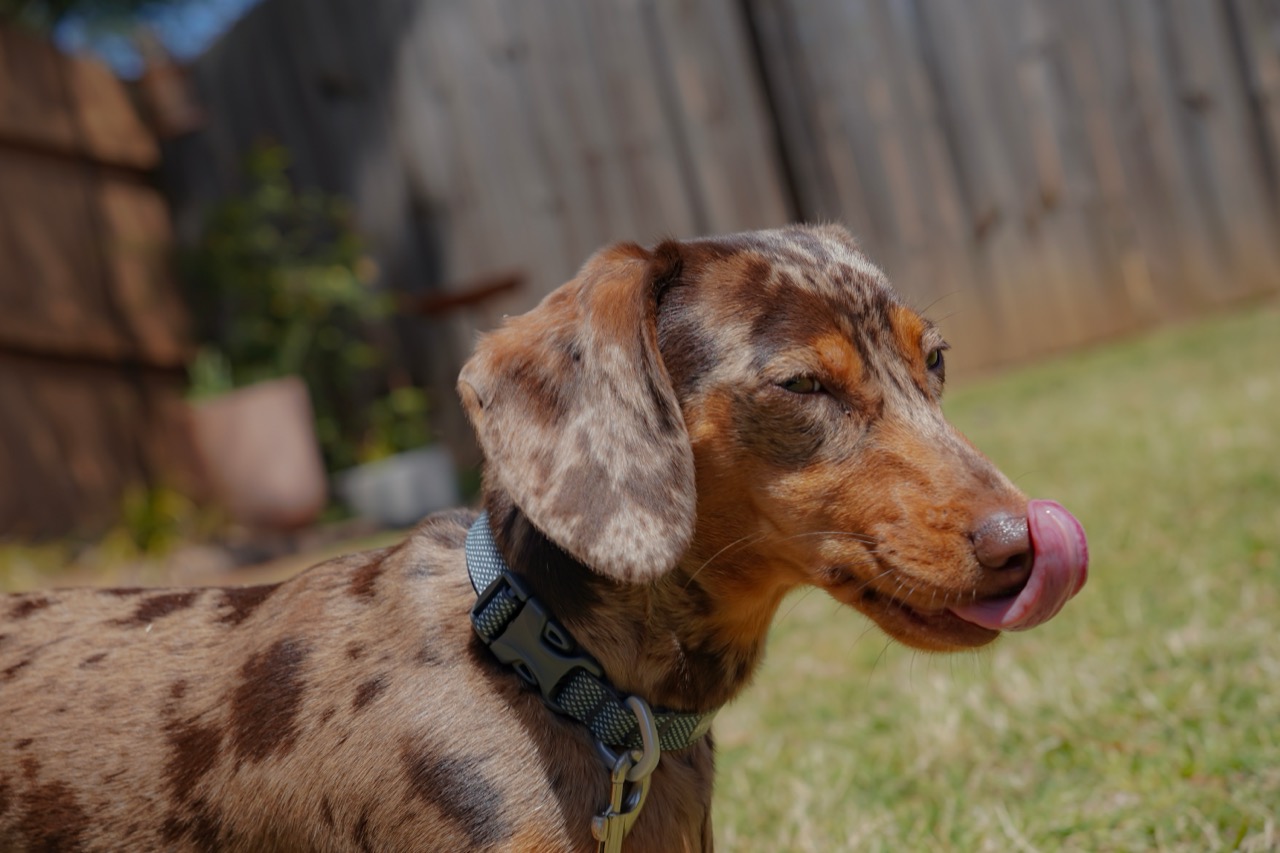
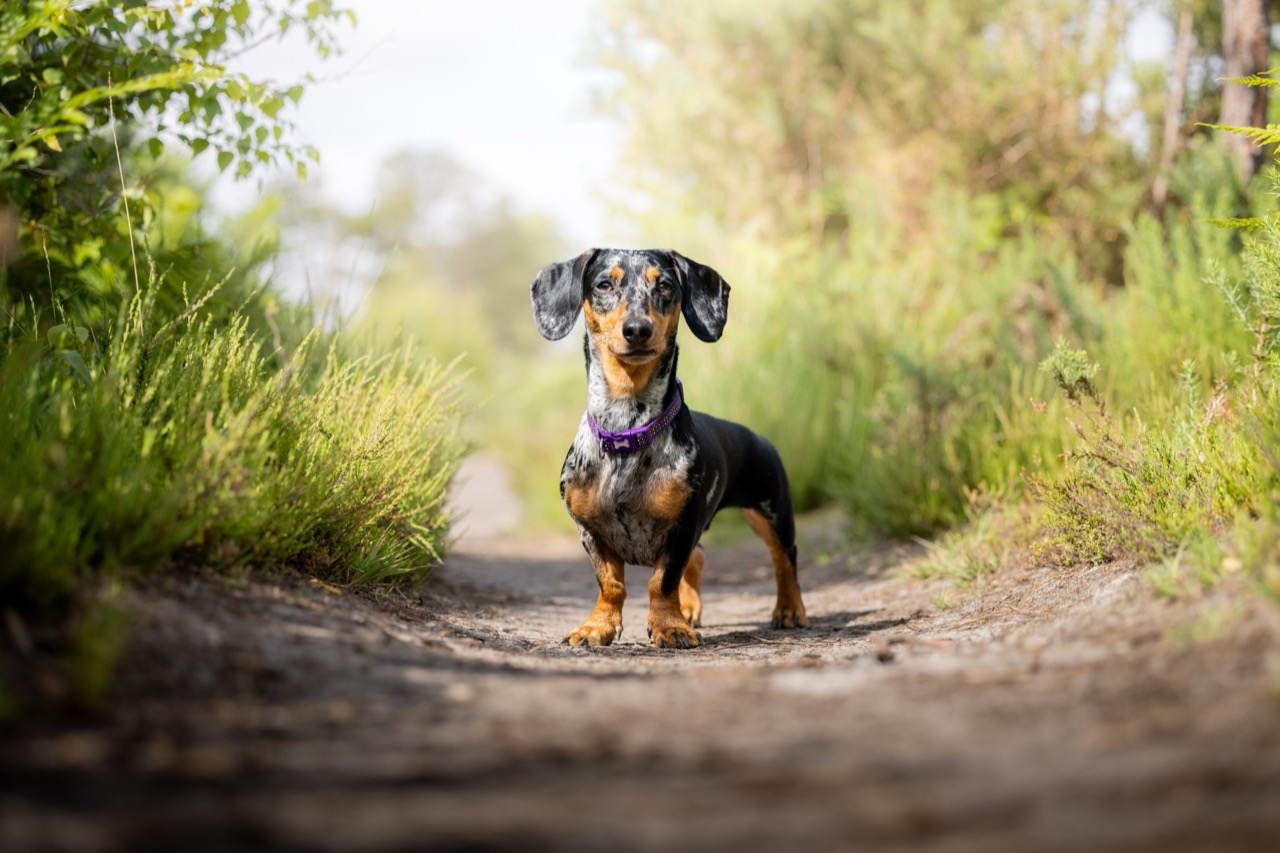
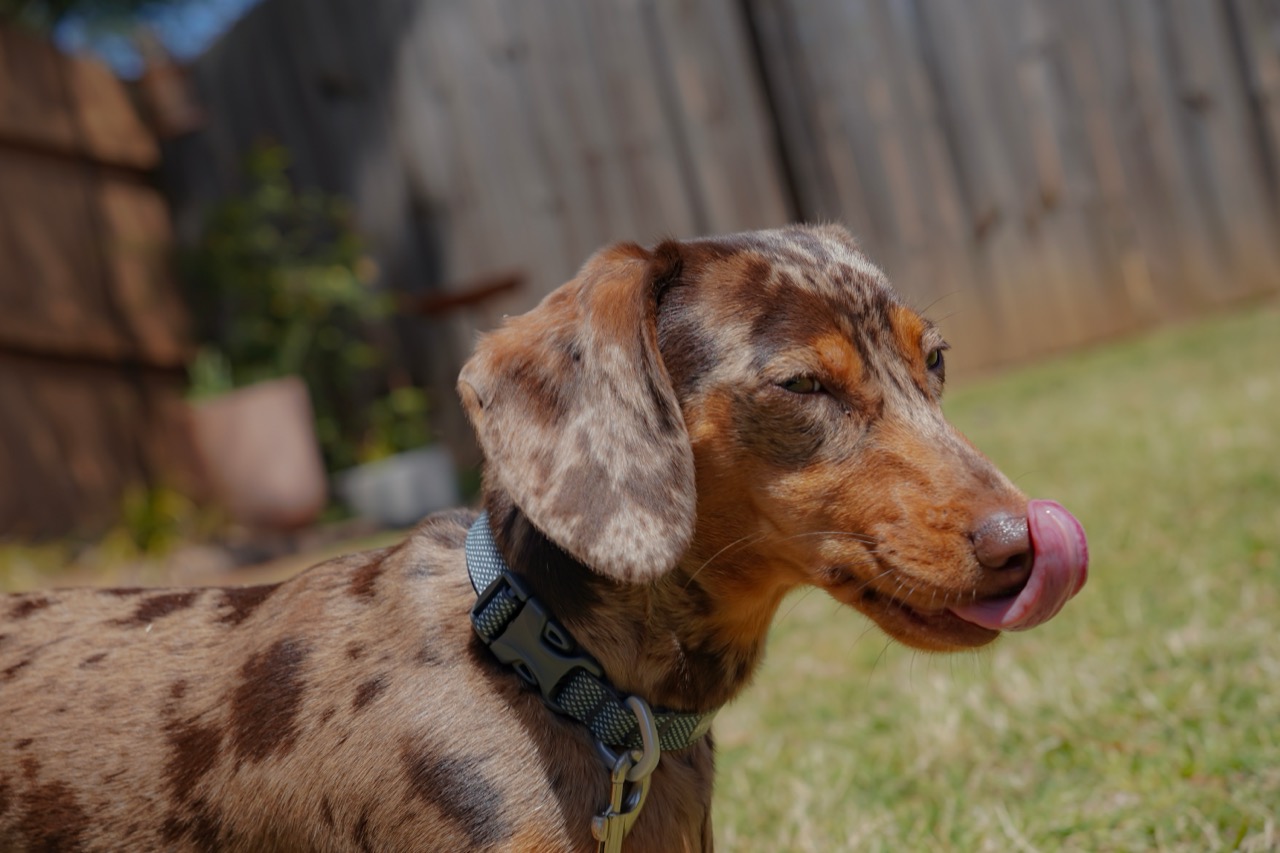
Patterns and colors can be just as distinctive as coat texture. “Dapple” refers to a mottled pattern where lighter patches appear over a darker base color, creating a marbled effect. It is not the same as ticking or simple white spotting, and it tends to look like irregular splashes rather than neat stripes. “Brindle” describes dark striping over a lighter background, similar to the striping seen in some hounds and boxers. In Dachshunds, brindle can be subtle or bold depending on coat and color, and it should be understood as a pattern overlay rather than a separate coat type.
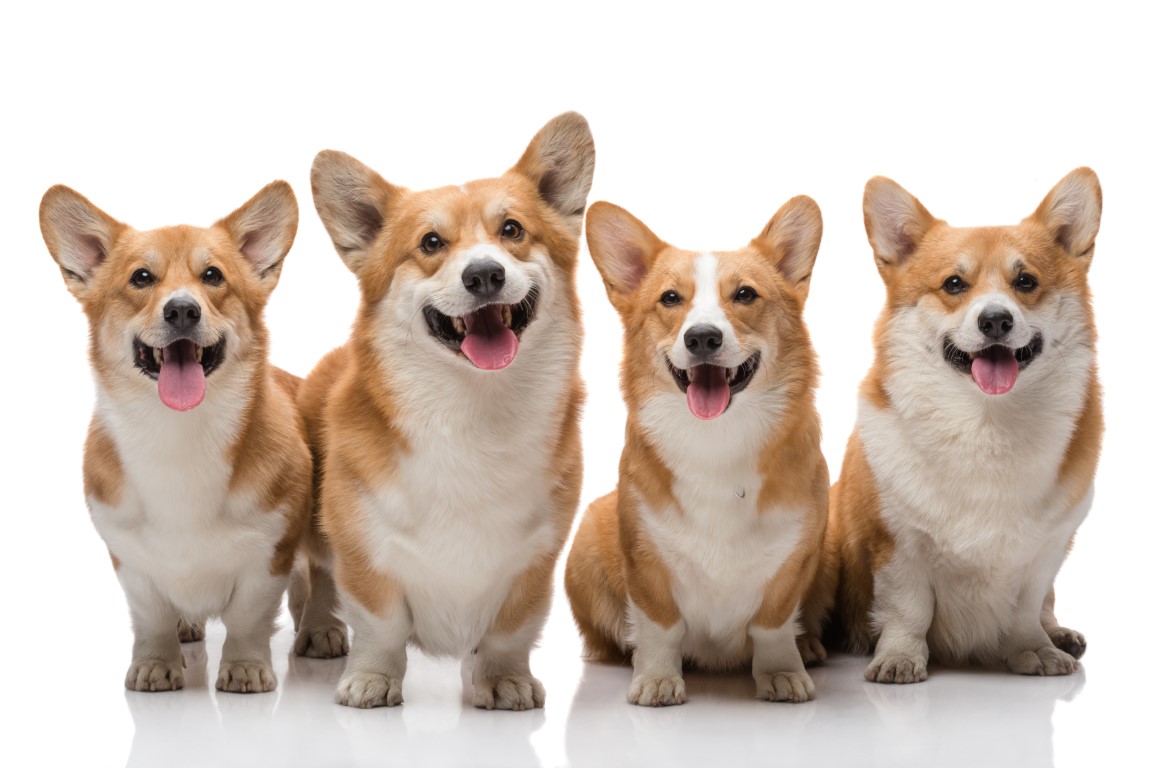
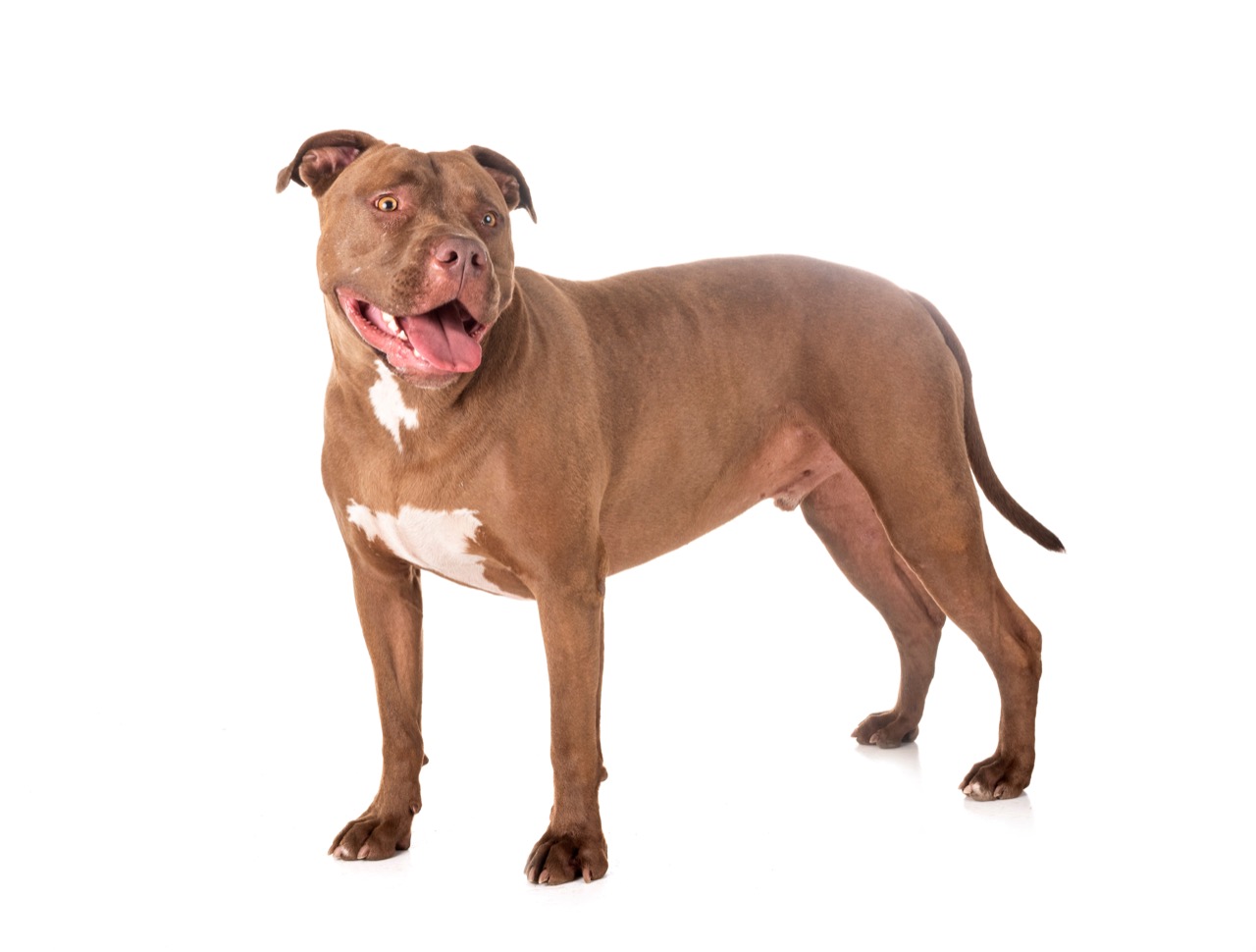
Because the breed is so iconic, it is also easy to confuse with other long-bodied, short-legged dogs. Some breeds and mixes share dwarf-legged proportions, but true Dachshund structure usually includes that pronounced forechest, the specific ear shape and set, and the overall balance between length and sturdiness. A dog that is long but lacks depth of chest, or has upright ears, or appears lightly built with a narrow front may be a different breed or a mix rather than a Dachshund.
These extremes of form and coat are part of what makes Dachshunds so fascinating. Their design is specialized, their coat varieties are easy to learn once you know what to look for, and their patterns have clear, descriptive meanings. When you can recognize the deep chest, the slightly arched loin, the forward-hanging ears, and the difference between smooth, wirehaired, and longhaired coats, you are not just seeing a cute shape. You are seeing a breed built around a purpose, with details that have stayed consistent because they work.