Dachshund Backs and Beyond
Quiz Complete!
Dachshund Health Timeline: What to Watch for and When to Act
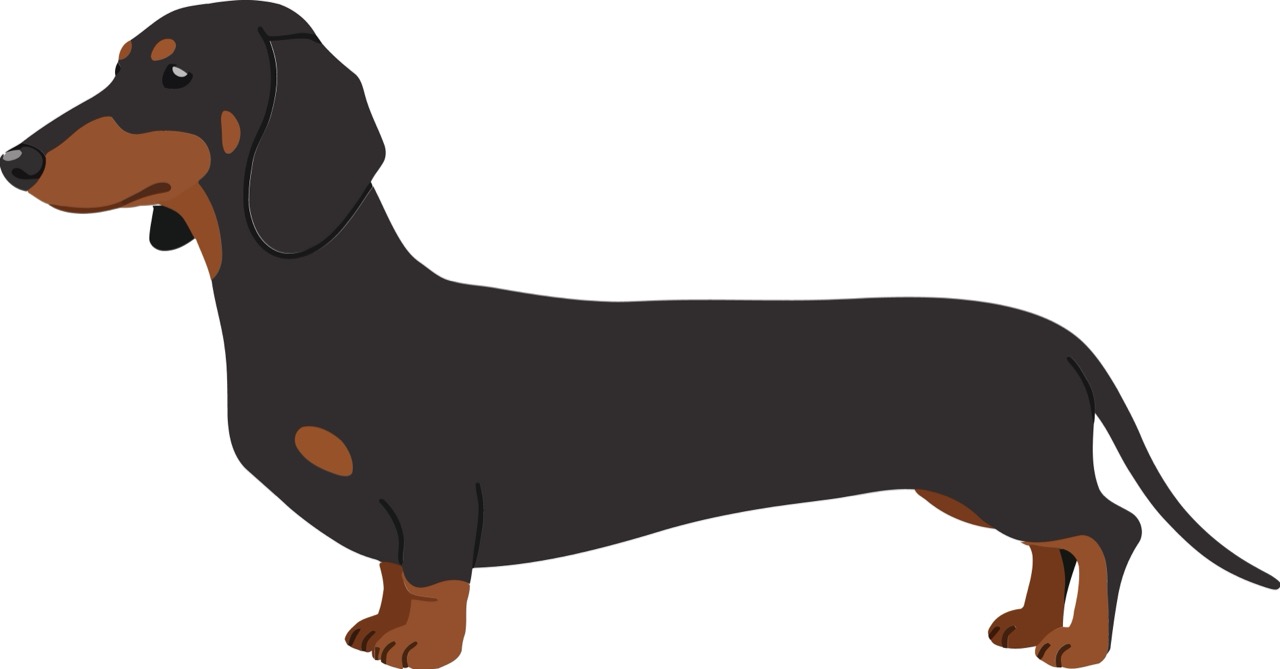
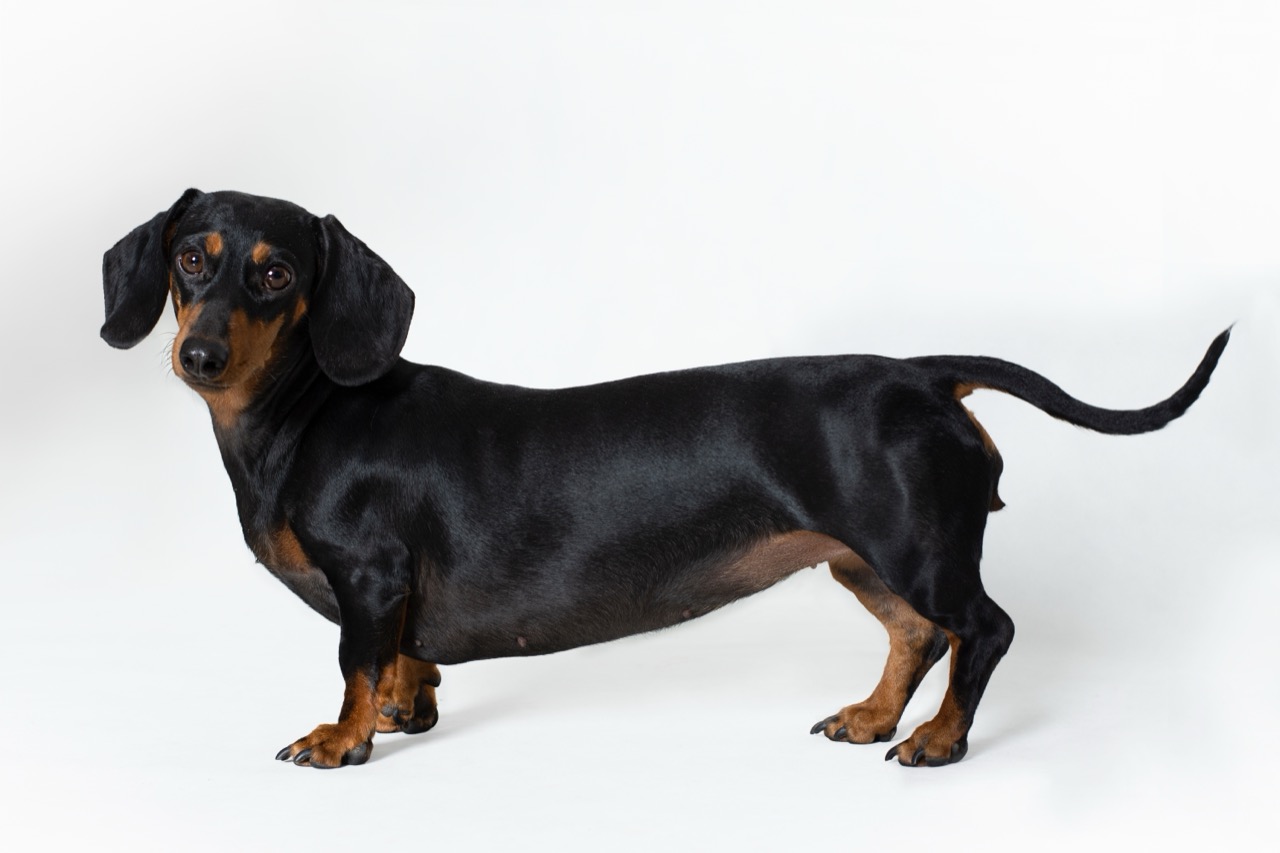
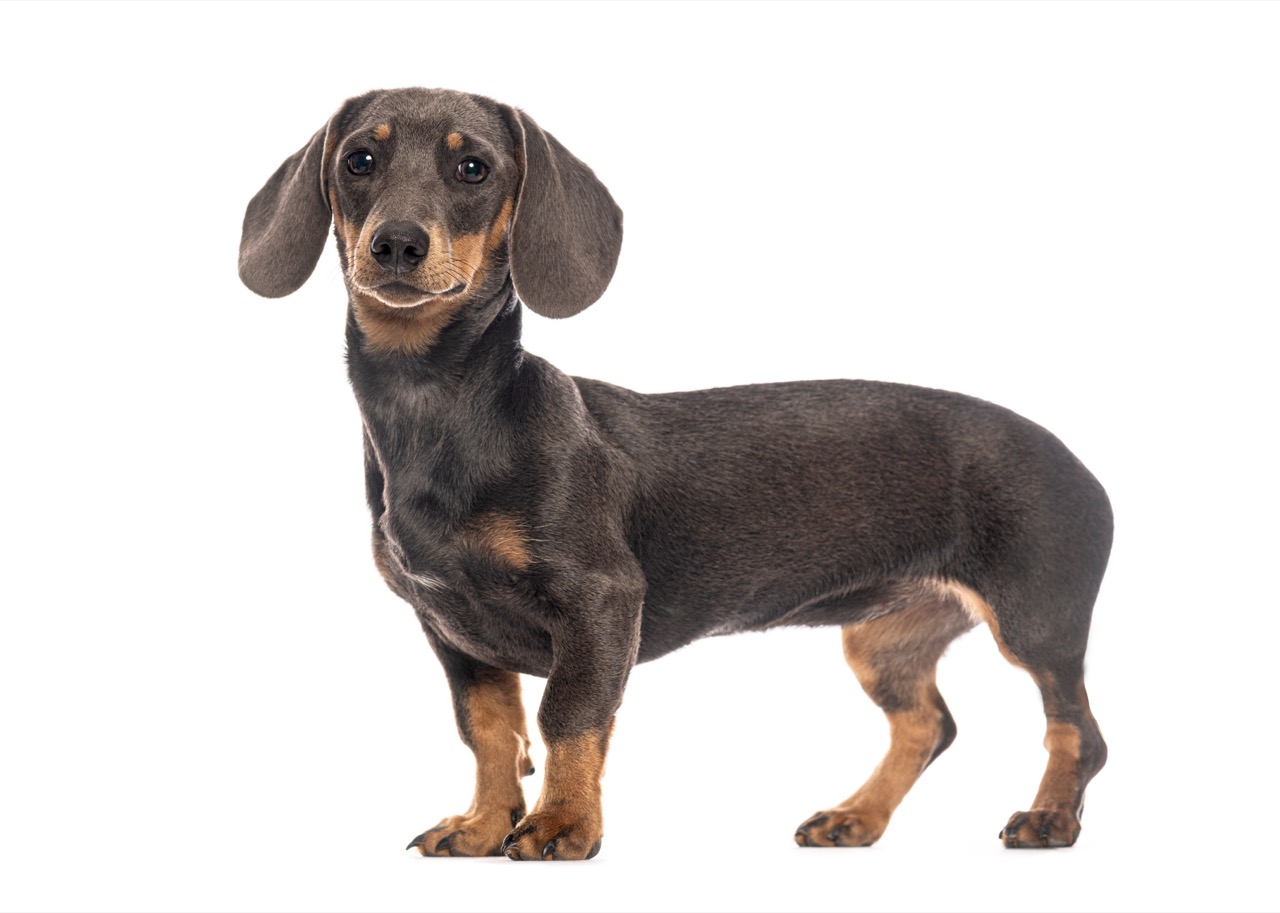
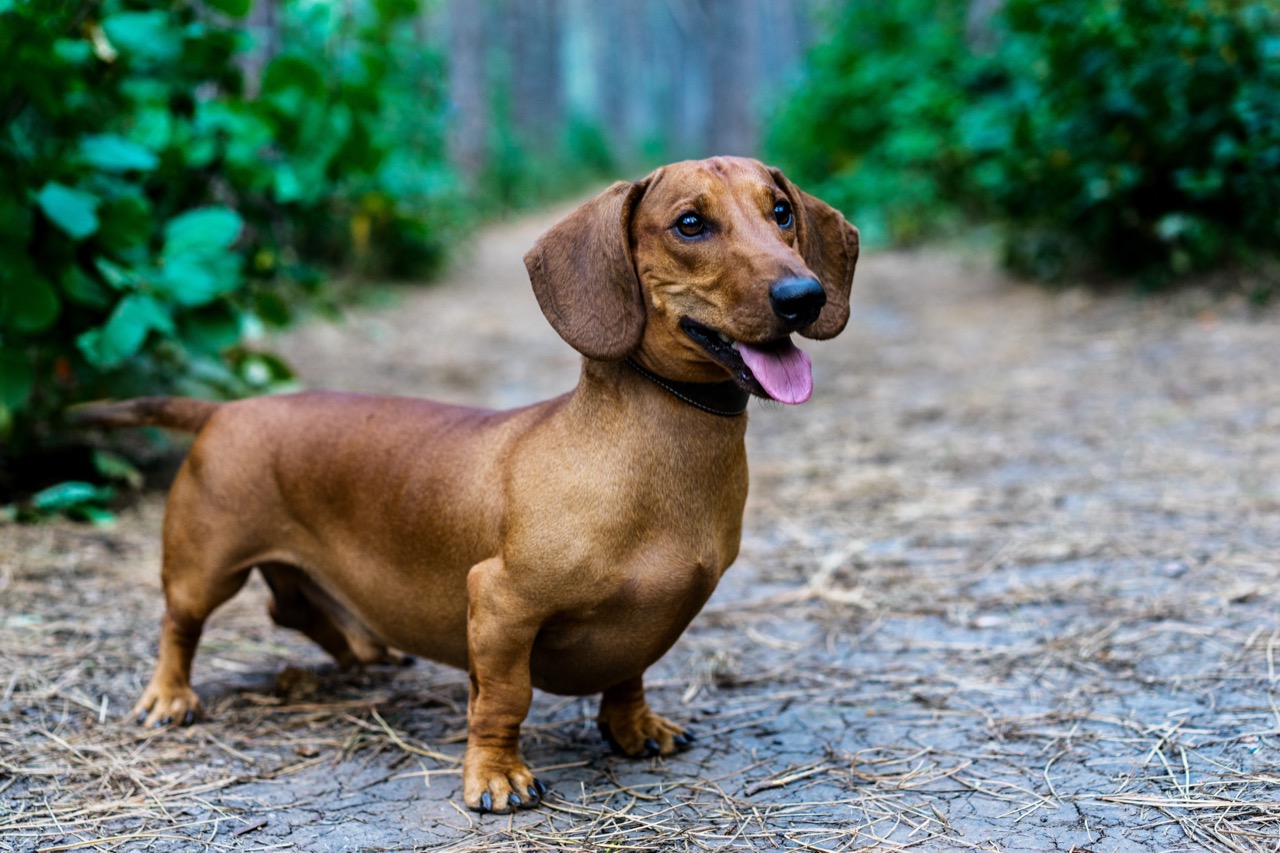
Dachshunds are small dogs with big opinions, and their iconic long back is part of what makes them so recognizable. That same body shape also explains why many of the most important health risks in the breed involve the spine. Knowing what problems tend to appear at different life stages helps owners spot trouble early and make everyday choices that protect comfort and mobility.
One of the most serious breed linked issues is intervertebral disc disease, often shortened to IVDD. Discs between the vertebrae can degenerate and bulge or rupture, putting pressure on the spinal cord. It can happen suddenly after a jump off furniture, a rough landing, or even during normal activity. Early warning signs are not always dramatic. A Dachshund may yelp when picked up, refuse stairs, walk stiffly, hunch the back, tremble, or act unusually quiet. Dragging toes, knuckling over, wobbliness, or weakness in the back legs are urgent red flags. Loss of bladder or bowel control or inability to walk is an emergency. In these situations waiting to see if it improves can cost precious time, because rapid veterinary assessment can determine whether strict rest, pain control, or surgery is needed.
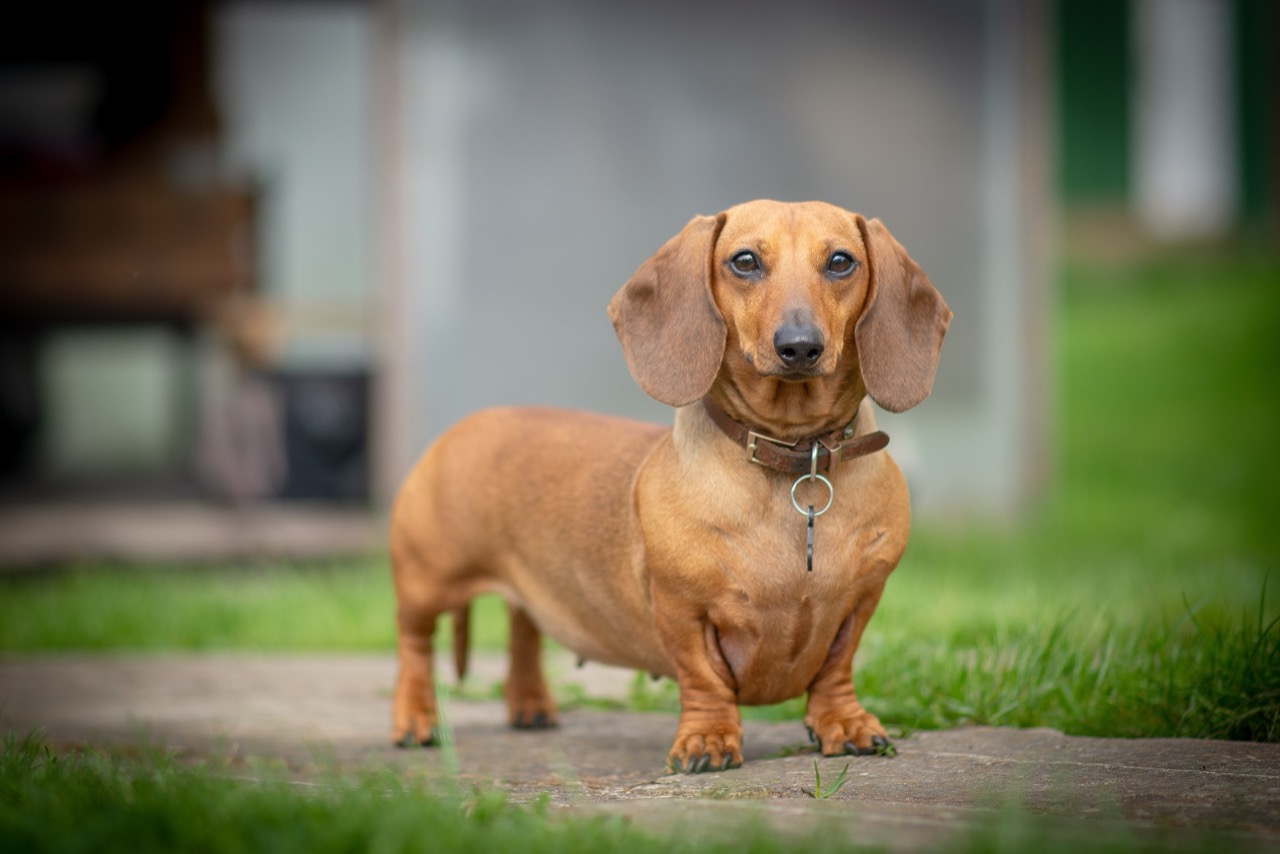
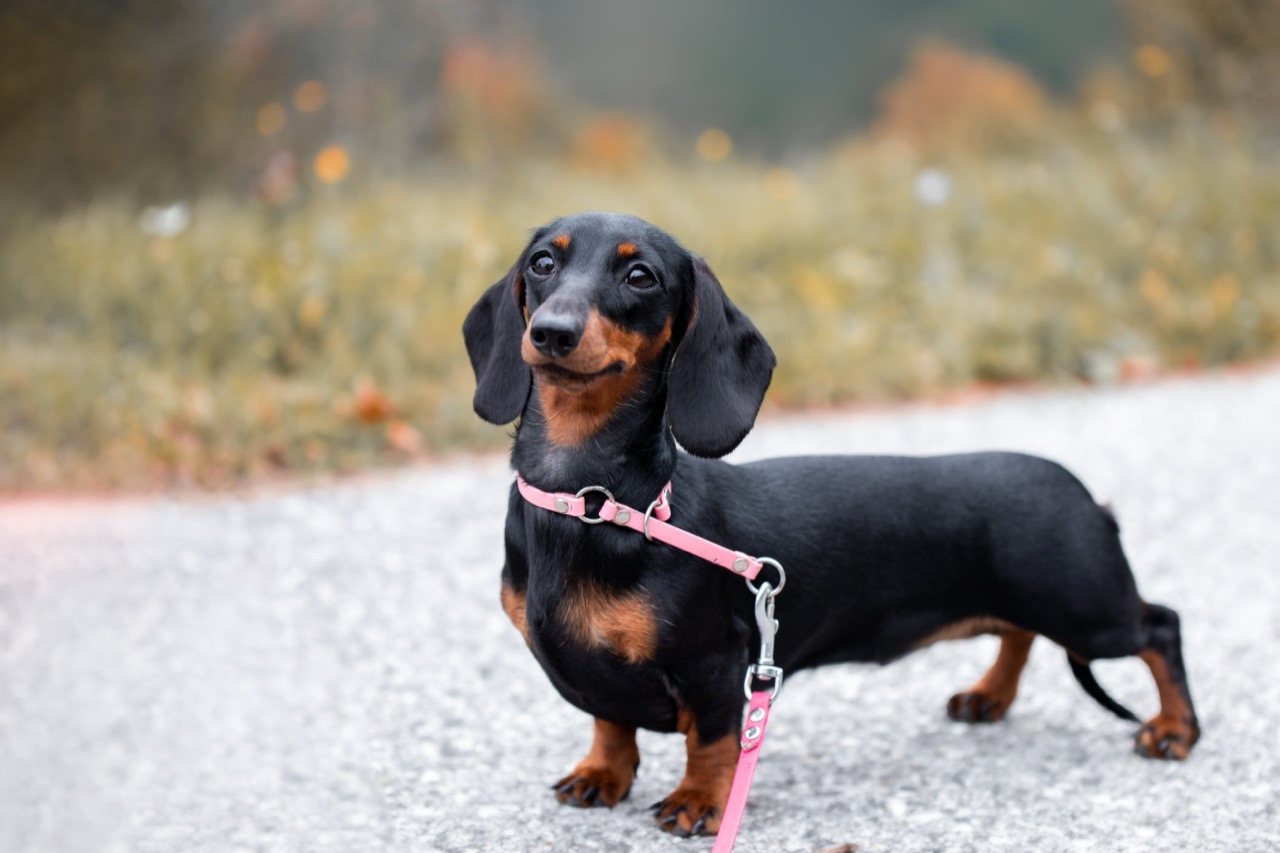
Because prevention matters so much, daily habits are part of Dachshund health literacy. Keeping body weight lean reduces strain on the spine and joints. Using ramps or steps to beds and couches, blocking access to steep stairs, and discouraging jumping are practical changes that pay off for years. Harnesses are generally preferred over neck collars for walking, since they reduce pressure on the neck and upper spine.
Dachshunds can also face orthopedic issues beyond the back. Patellar luxation, where the kneecap slips out of place, may show up as skipping, a sudden hop on three legs, or intermittent lameness. Arthritis often becomes more noticeable in middle age and beyond, especially if the dog has carried extra weight. Any persistent limp, reluctance to move, or change in posture deserves a veterinary check, because pain in this breed can be subtle and easily mistaken for stubbornness.
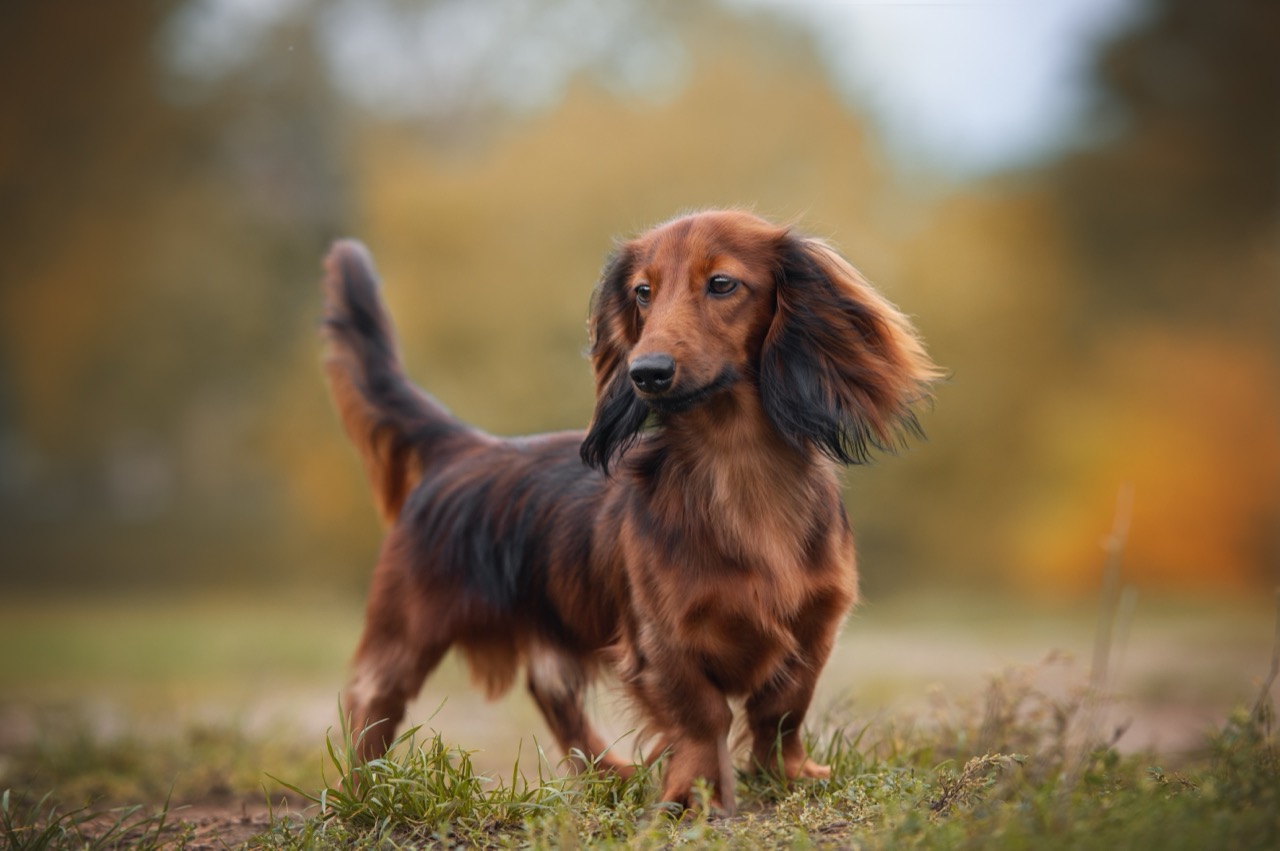
Skin and ear problems vary by coat type but can affect any Dachshund. Itchy skin, recurrent ear infections, or a musty odor can point to allergies, yeast overgrowth, or parasites. Longhaired dogs can hide irritation under their coat until it is advanced. Regular grooming and routine ear checks help you notice redness, discharge, or head shaking early.
Eye health is another area to take seriously. Dachshunds are seen with conditions such as progressive retinal atrophy and cataracts, and some may develop dry eye. Early clues include bumping into objects in dim light, cloudy eyes, squinting, or excessive tearing. A painful red eye, sudden cloudiness, or rapid vision change should prompt a same day call, because some eye problems worsen quickly.
Hormone and metabolic issues can appear as dogs age. Cushing disease can cause increased thirst and urination, a potbellied appearance, panting, and thinning hair. Hypothyroidism may lead to weight gain, low energy, and skin or coat changes. Dental disease is also common in small breeds, and bad breath, inflamed gums, or dropping food can signal painful infection that affects overall health.
The best timeline tool is your own observation. If your Dachshund suddenly moves differently, avoids being handled, stops jumping up, or seems painful, trust that change. Pair that awareness with preventive choices like weight control, safe home setup, and regular veterinary visits, and you will be ready to act fast when it matters and keep your determined little companion comfortable for the long haul.