The Akita Check-Up Challenge


Quiz Complete!
Akita Health Signals: What to Watch For in This Powerful Breed
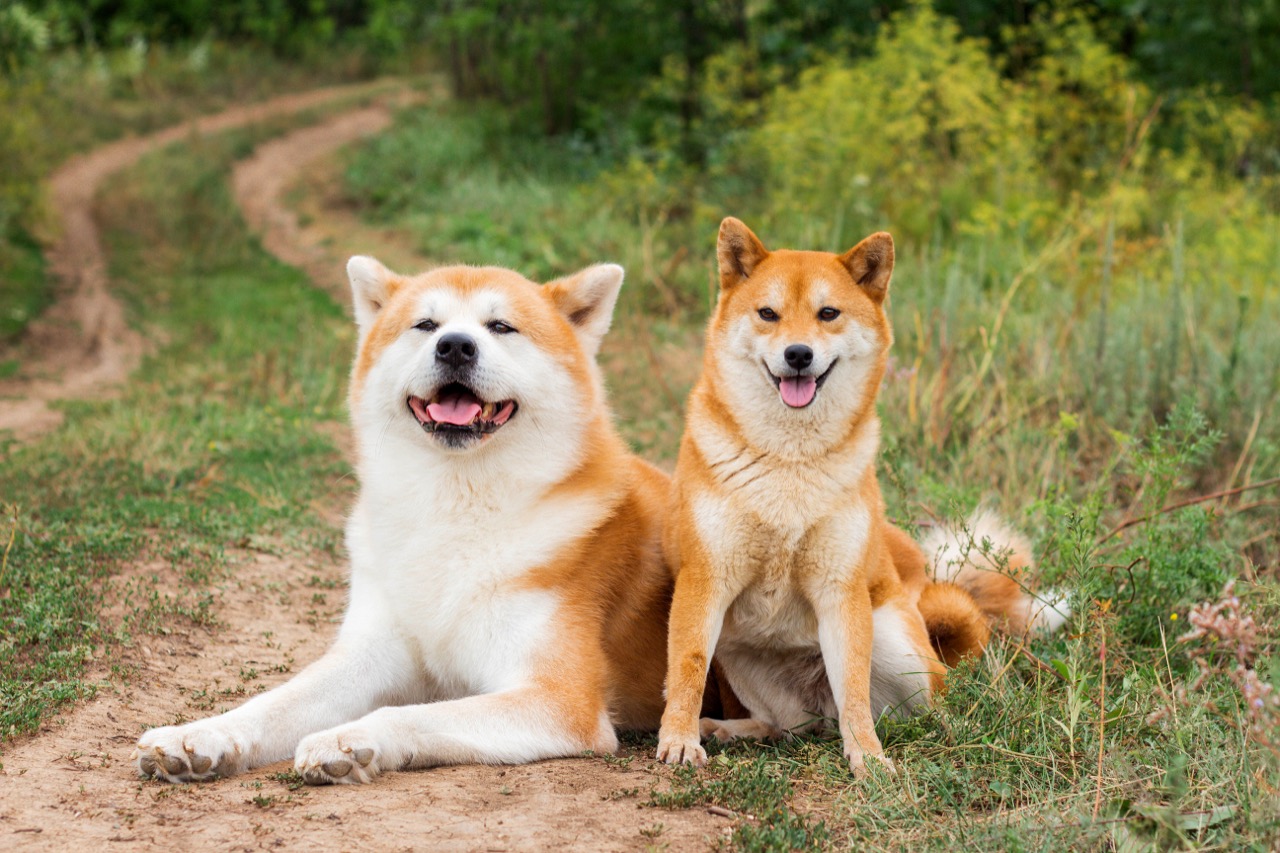
Akitas are famous for their strength, calm confidence, and intense loyalty, but the same traits that make them impressive companions can sometimes mask early signs of illness. Many Akitas tolerate discomfort quietly, so owners often notice problems only after they have progressed. Learning the breed’s common health risks and the small signals that something is off can make a real difference, because early veterinary care is usually simpler, less costly, and more effective.
Joint trouble is one of the best known concerns. Hip dysplasia can occur in Akitas, and elbow dysplasia is also seen in large, heavy-boned dogs. These conditions may show up as stiffness after rest, reluctance to jump into the car, slowing down on walks, or a subtle bunny-hopping gait when running. Some dogs simply sit down more often or avoid stairs. Because Akitas are stoic, they may not cry out. Weight management, controlled exercise, and prompt evaluation of limping are especially important in a breed built for power.
Eye health is another area where paying attention matters. Progressive retinal atrophy is an inherited condition that can lead to gradual vision loss, often first noticed as hesitancy in dim light or bumping into objects at night. Cataracts can also cloud vision. Any sudden squinting, redness, discharge, or a cloudy appearance should be treated as urgent, because painful eye issues can worsen quickly. Even a dog that seems fine may be compensating, so changes in confidence in new environments can be a clue.
Thyroid disease, particularly hypothyroidism, is common enough in many breeds that it should be on an Akita owner’s radar. Low thyroid hormone can cause weight gain without increased food, low energy, recurring ear infections, and a dull, brittle coat. Some dogs develop thinning hair, especially on the trunk or tail, and may seem mentally slower or less interested in play. These signs can be mistaken for normal aging, but a simple blood test can help clarify what is going on, and treatment is often straightforward.
Akitas are also known for immune related skin problems, including conditions that affect pigment and hair follicles. Owners may notice patchy hair loss, thickened skin, recurring sores, or changes in nose or lip color. Persistent itching is not the only warning sign; some immune problems cause crusting, scaling, or ulcers that do not respond to typical treatments. Because skin issues can look similar whether they are caused by parasites, allergies, infection, or immune disease, it is important not to rely on guesswork or repeated over the counter remedies.
One of the most serious emergencies for deep-chested, large dogs is gastric dilatation volvulus, often called bloat. This is a life-threatening condition where the stomach fills with gas and may twist. The classic signals are sudden restlessness, repeated unproductive retching, a swollen or tight abdomen, drooling, rapid breathing, and signs of shock such as weakness or pale gums. This is not a wait-and-see situation; immediate emergency care is essential.
Across all these concerns, the most useful skill is recognizing change. An Akita that suddenly drinks more water, pants more at rest, refuses meals, develops new odors from the ears or skin, or seems unusually withdrawn is giving you information. Regular veterinary checkups, sensible exercise, careful feeding routines, and attention to subtle shifts in behavior help keep this dignified breed healthy and comfortable for the long run.