Akita, Muzzle to Mighty Curl
Quiz Complete!
Akita Extremes and Standout Traits: Built to Impress
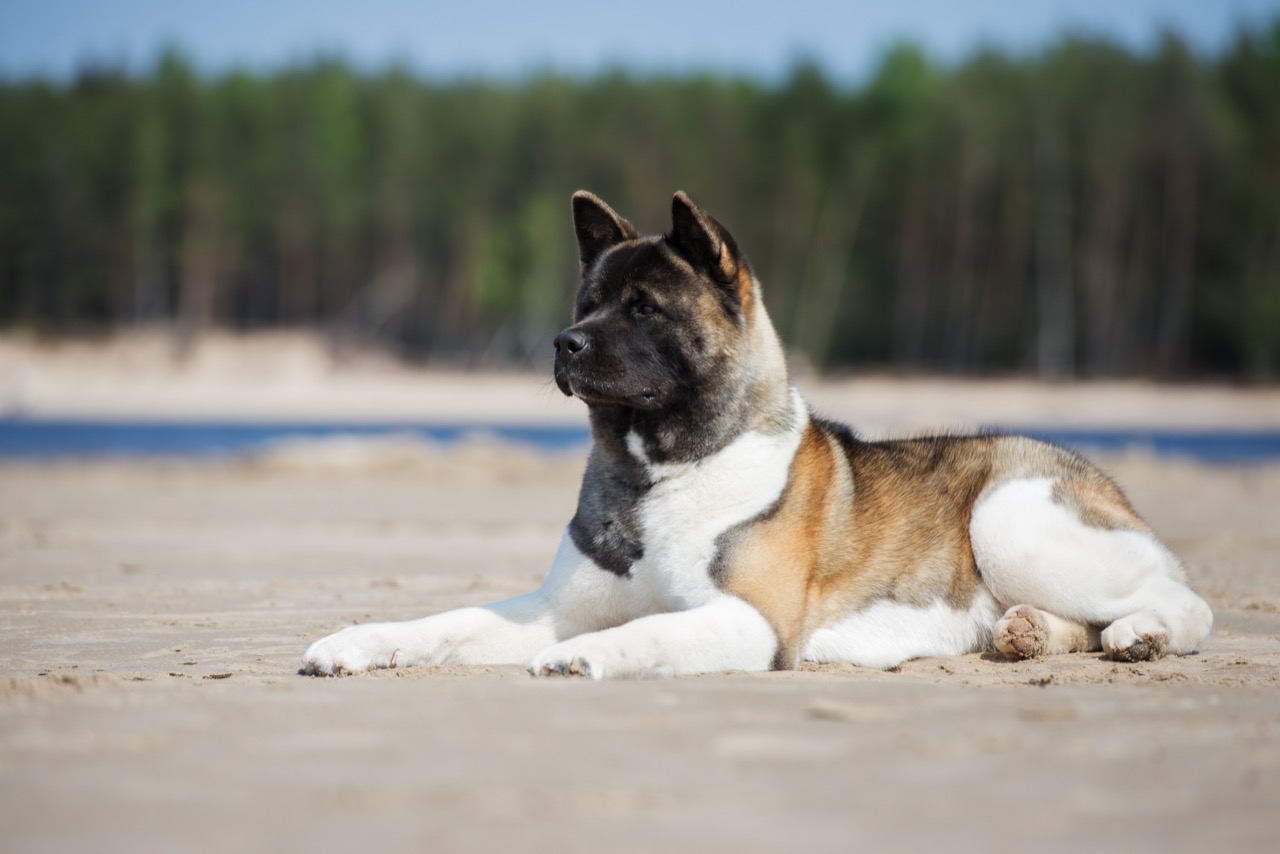
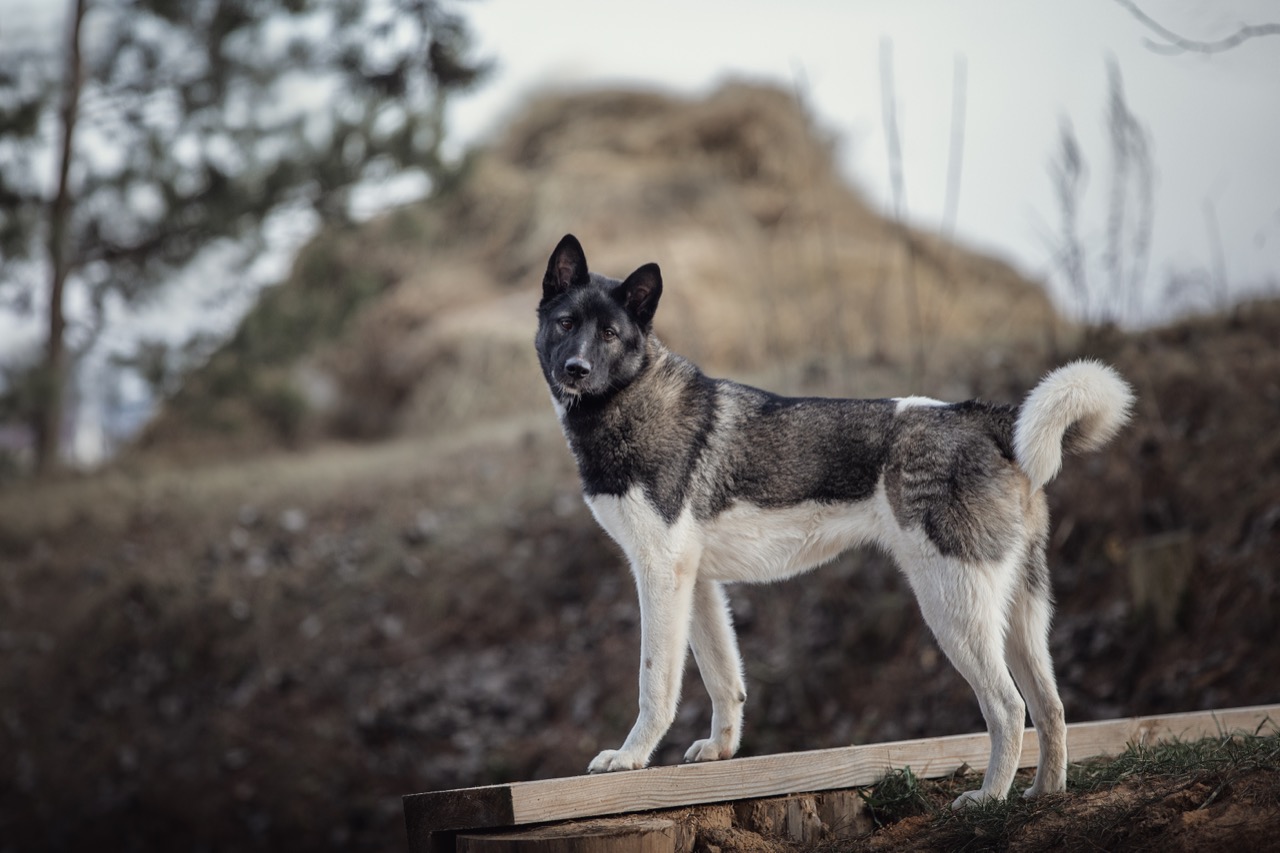
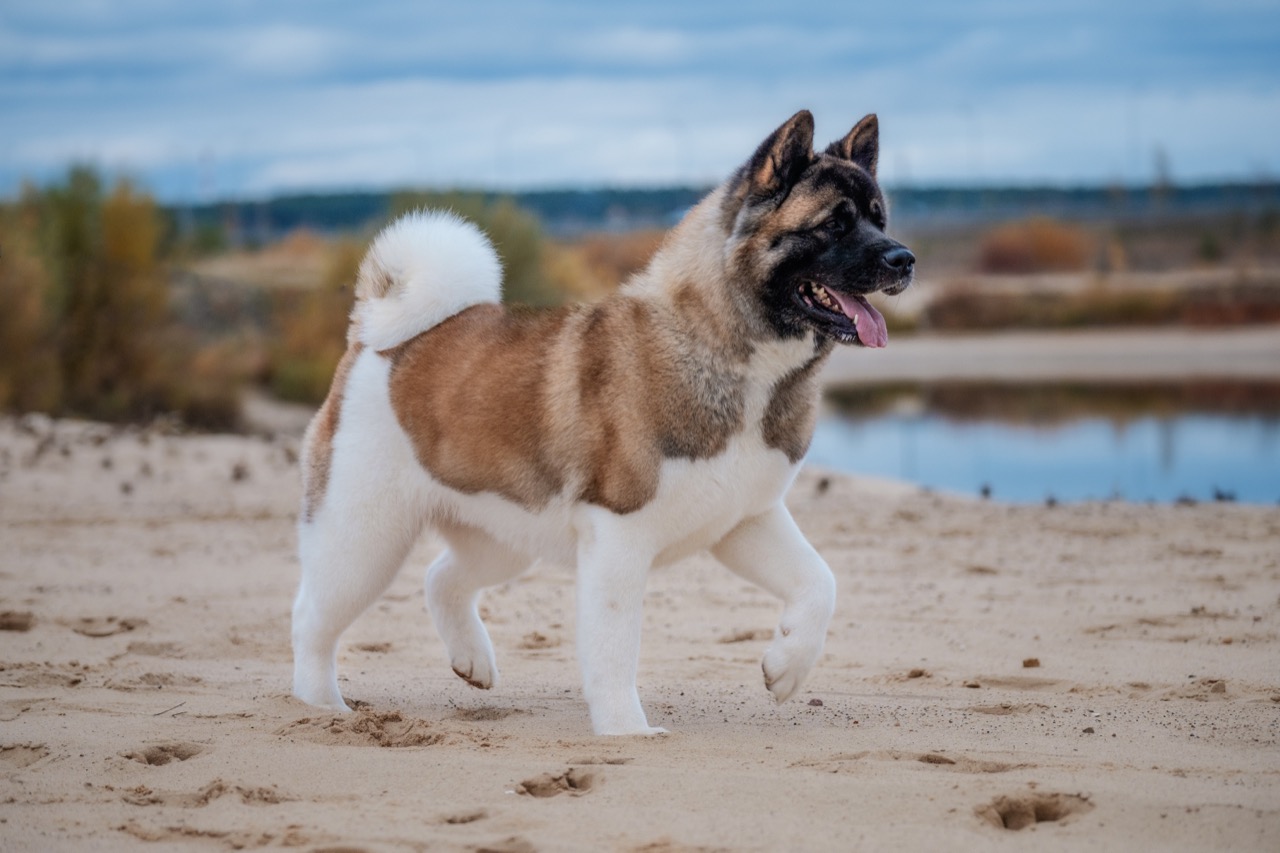
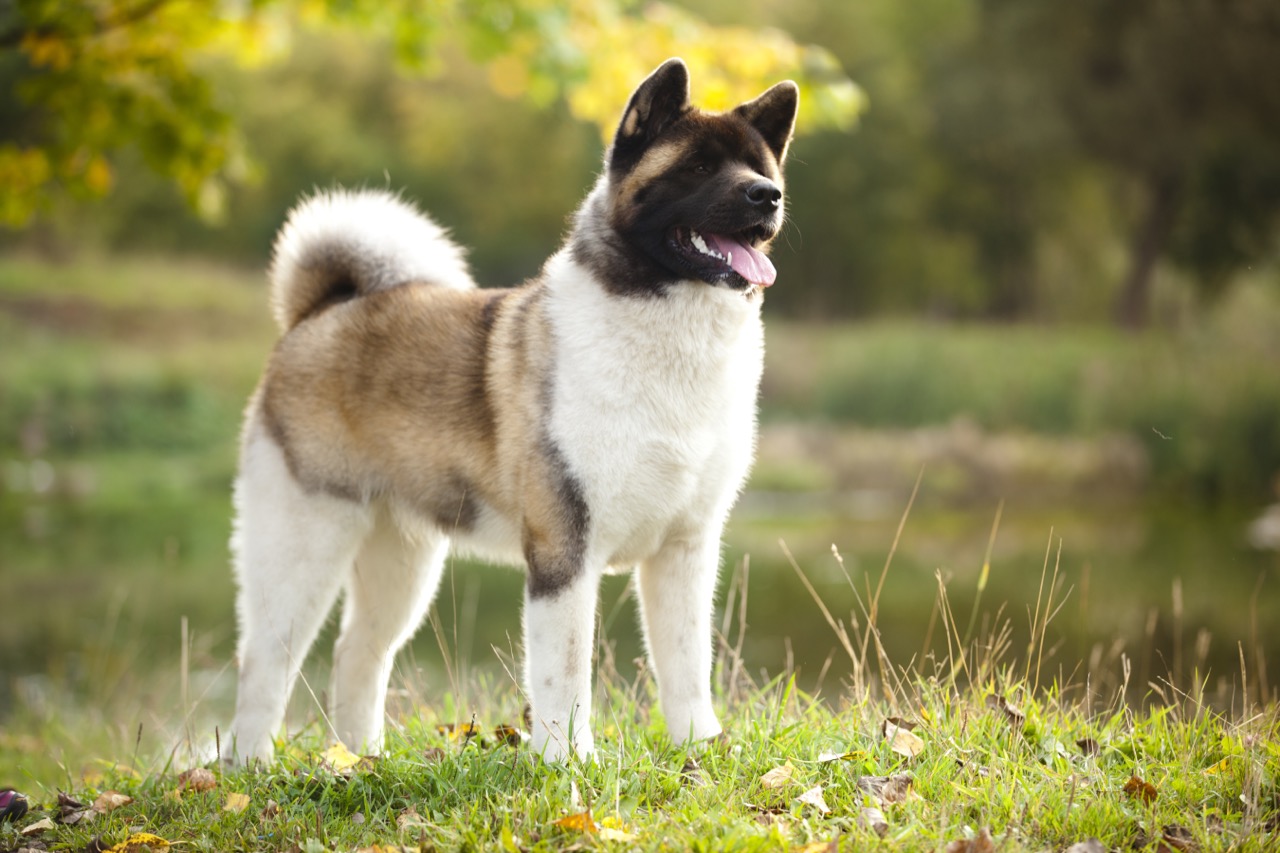
Few dogs look as instantly recognizable as the Akita. It is a large, powerful spitz-type breed with an outline that reads as bold and compact rather than tall and leggy. When people describe an Akita as imposing, they are usually reacting to a combination of features that are hard to miss: a dense double coat built for cold weather, a thick curled tail carried over the back, and a broad, bear-like head that gives the breed its serious expression.
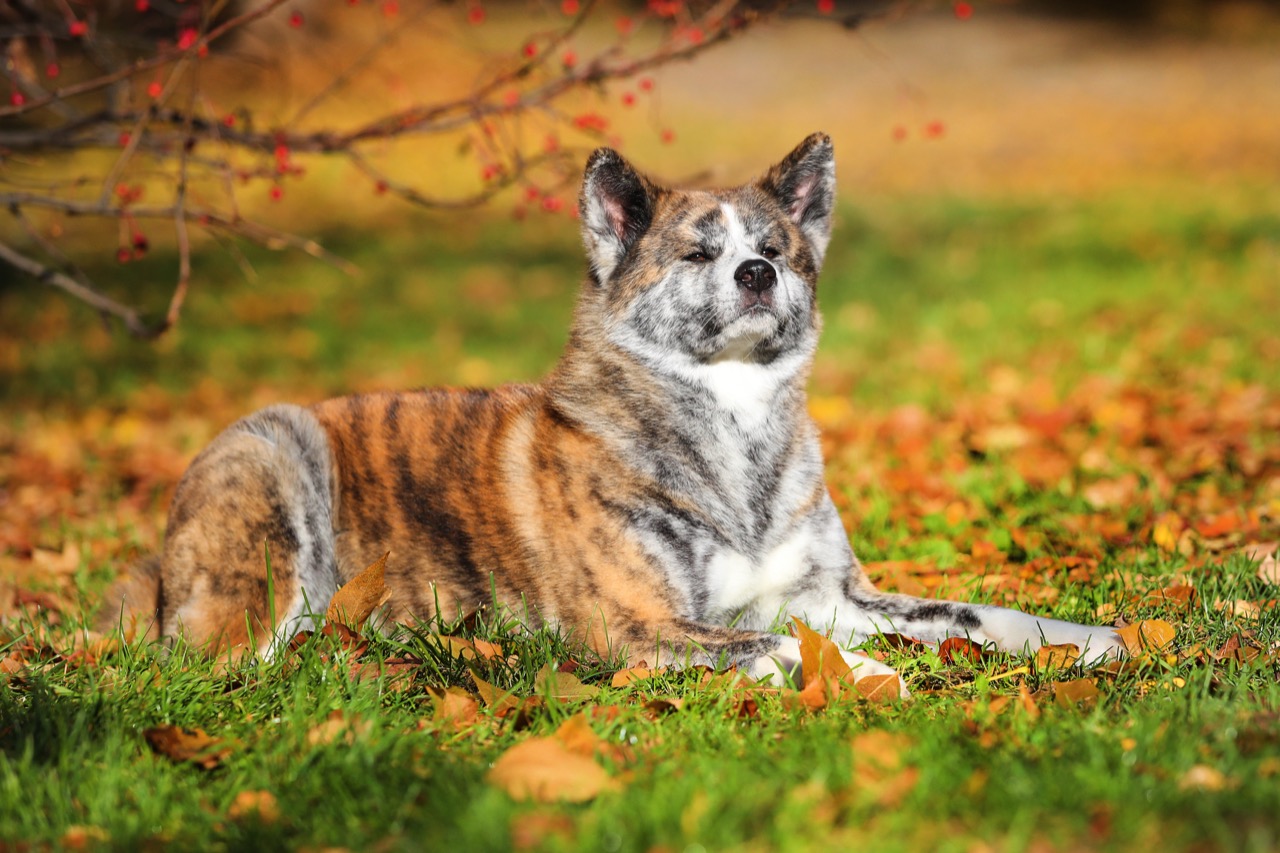
That coat is one of the Akita’s most extreme traits. It is double layered, with a softer, insulating undercoat and a harsher outer coat that helps shed moisture and block wind. This is not a wispy, flowing coat like you might see on some long-coated breeds. It is plush and substantial, giving the dog a solid, weatherproof look. Because the undercoat can be very dense, seasonal shedding can be dramatic, sometimes described as the coat blowing. The texture and layering are part of what makes an Akita look so different from smoother-coated breeds, and even from some other northern dogs whose coats can appear longer or more feathered.
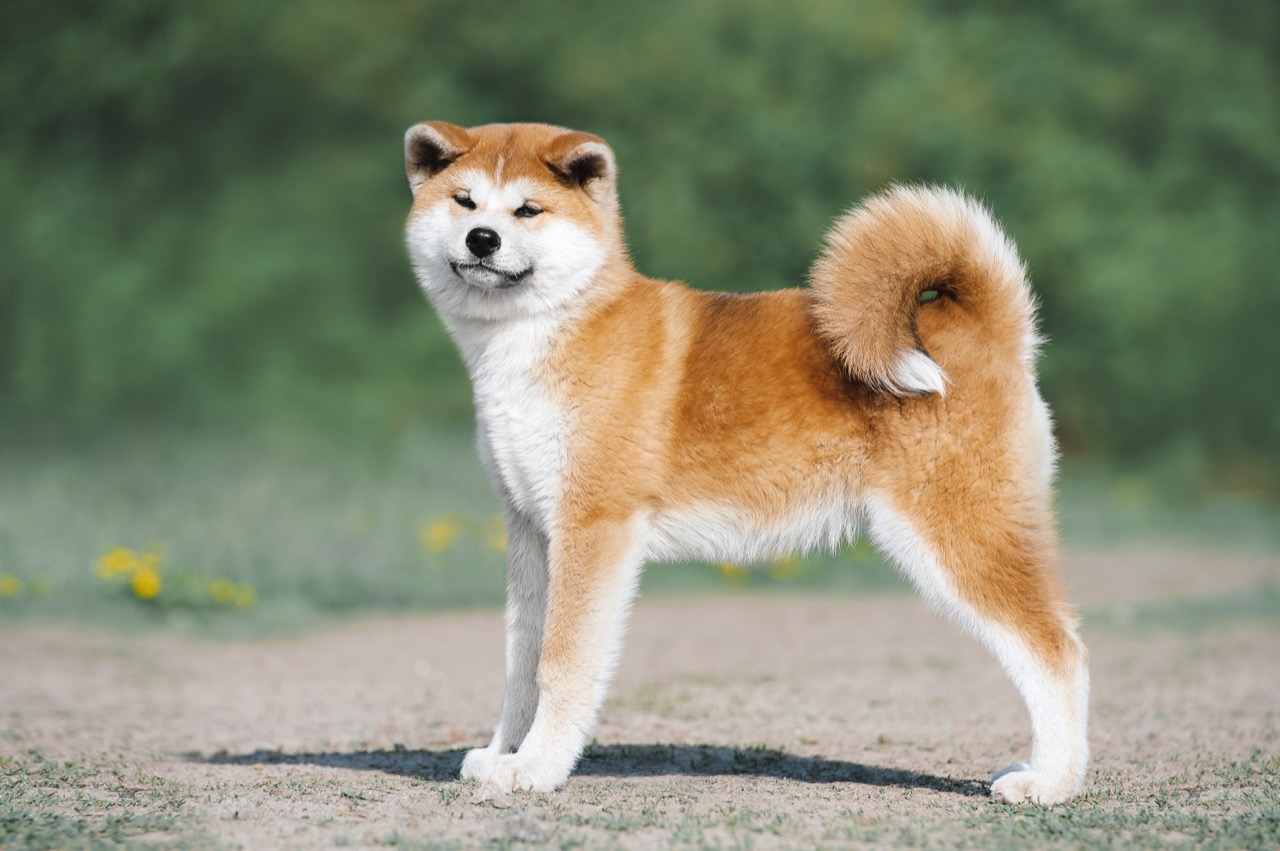
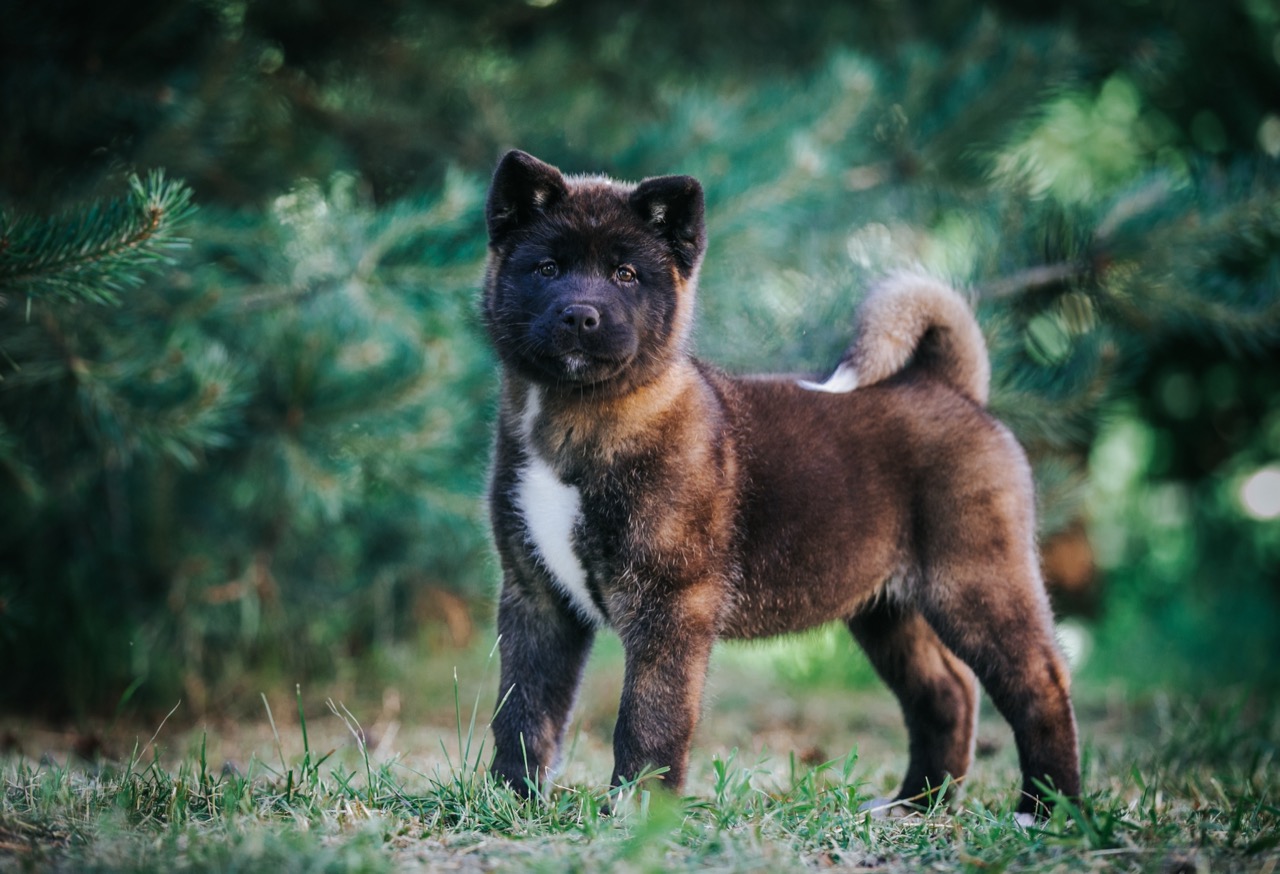
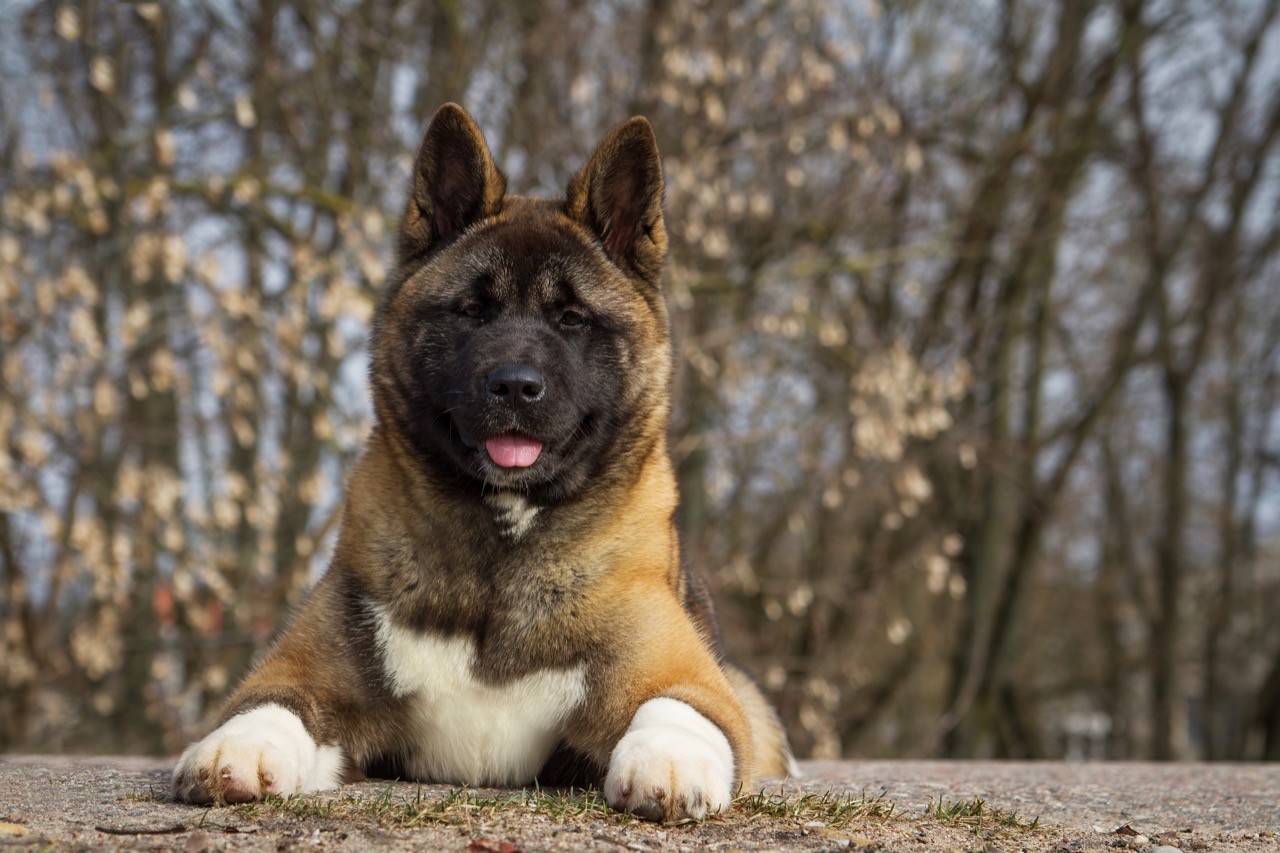
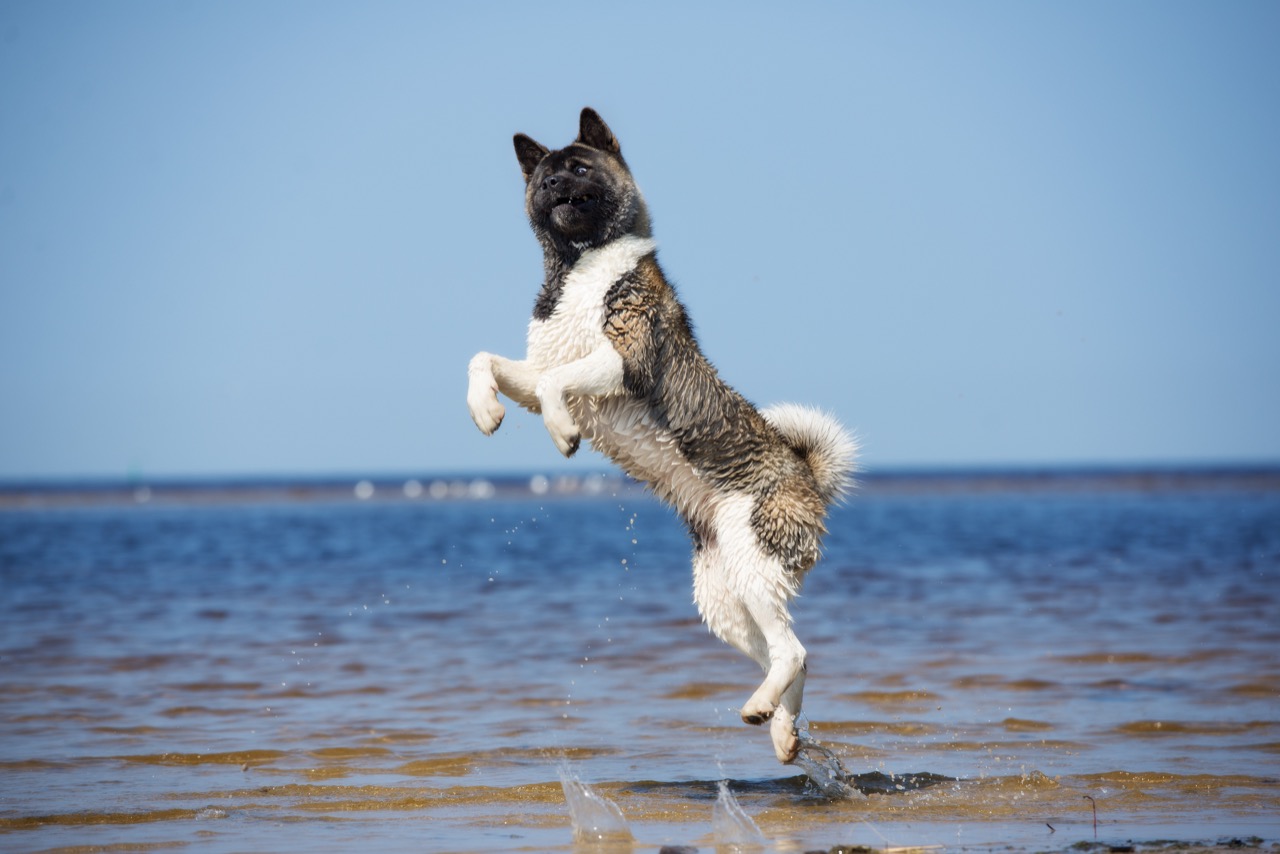
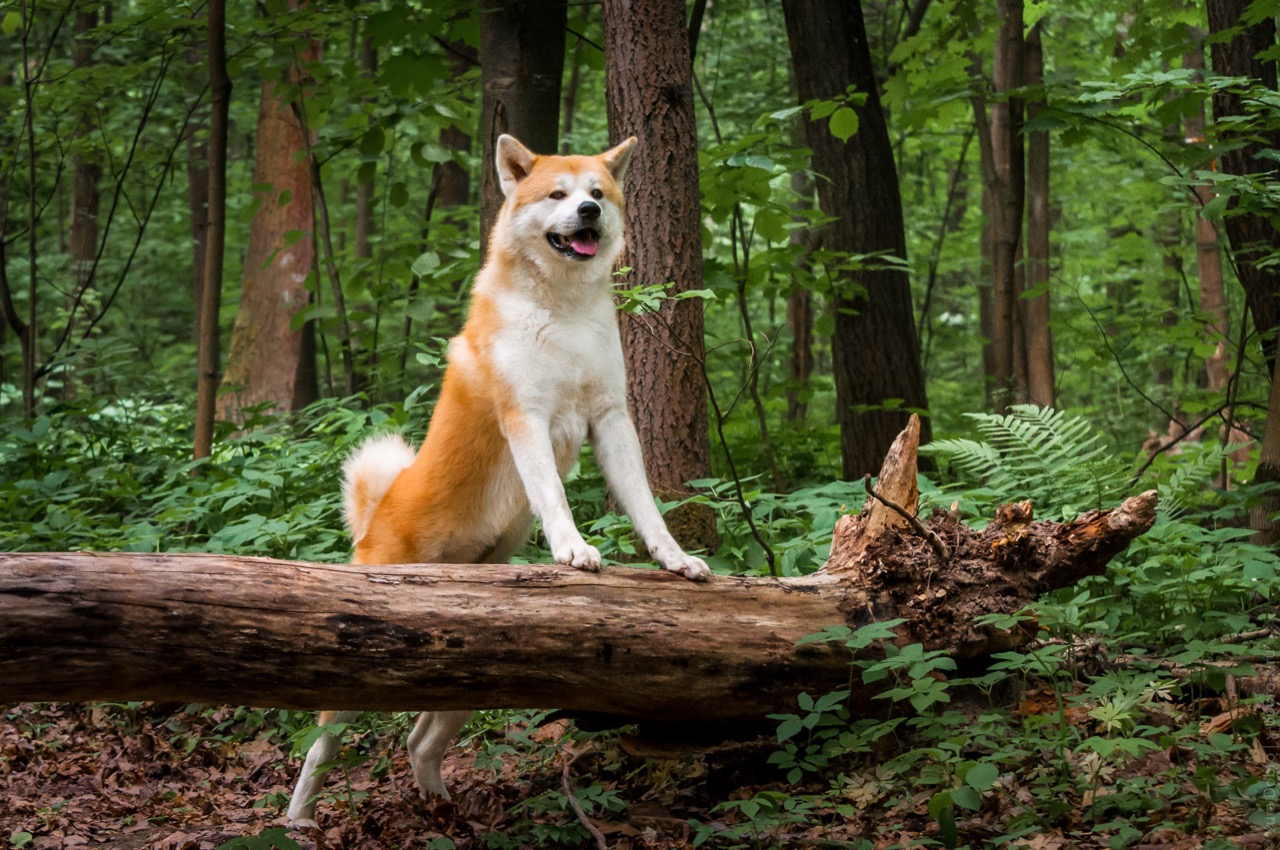
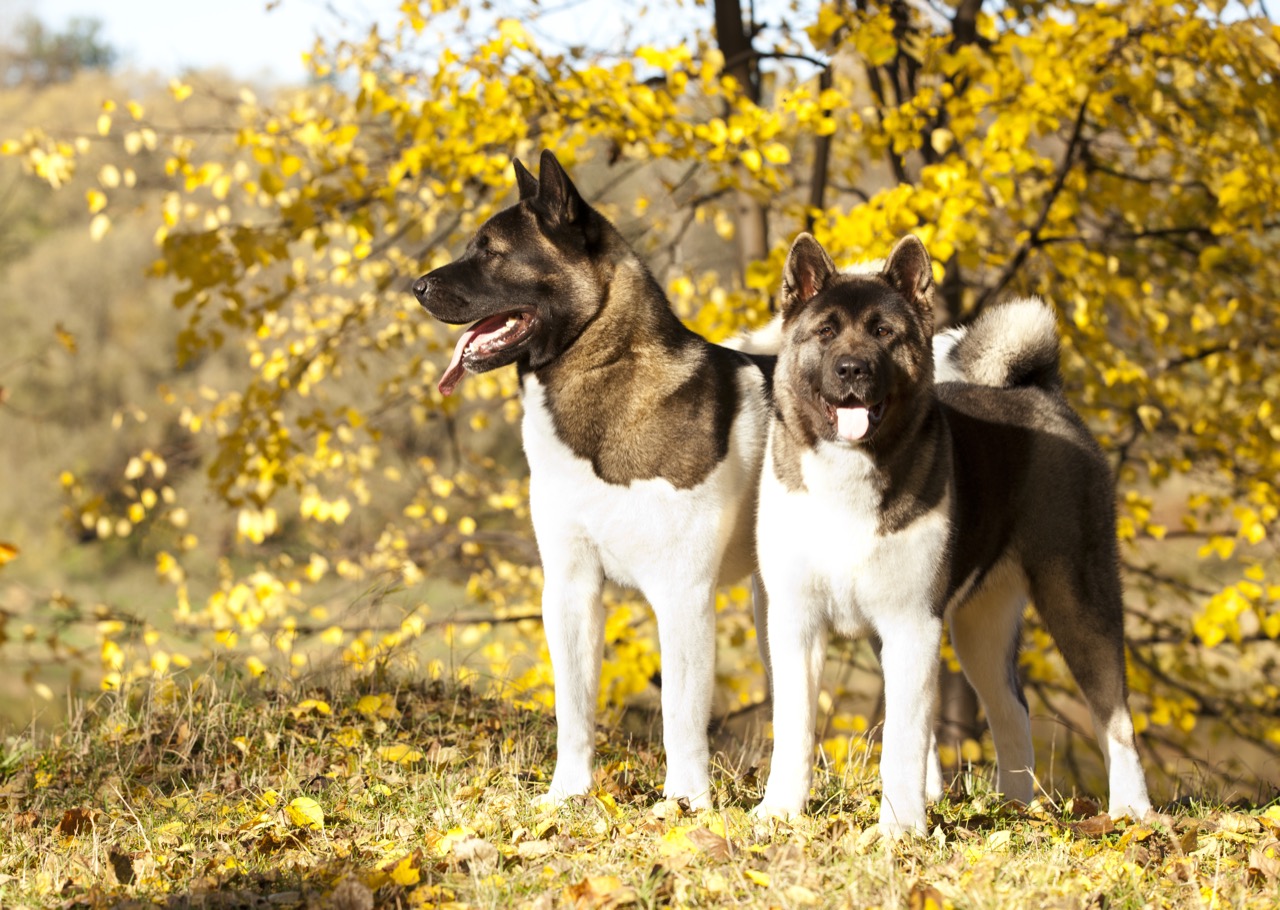
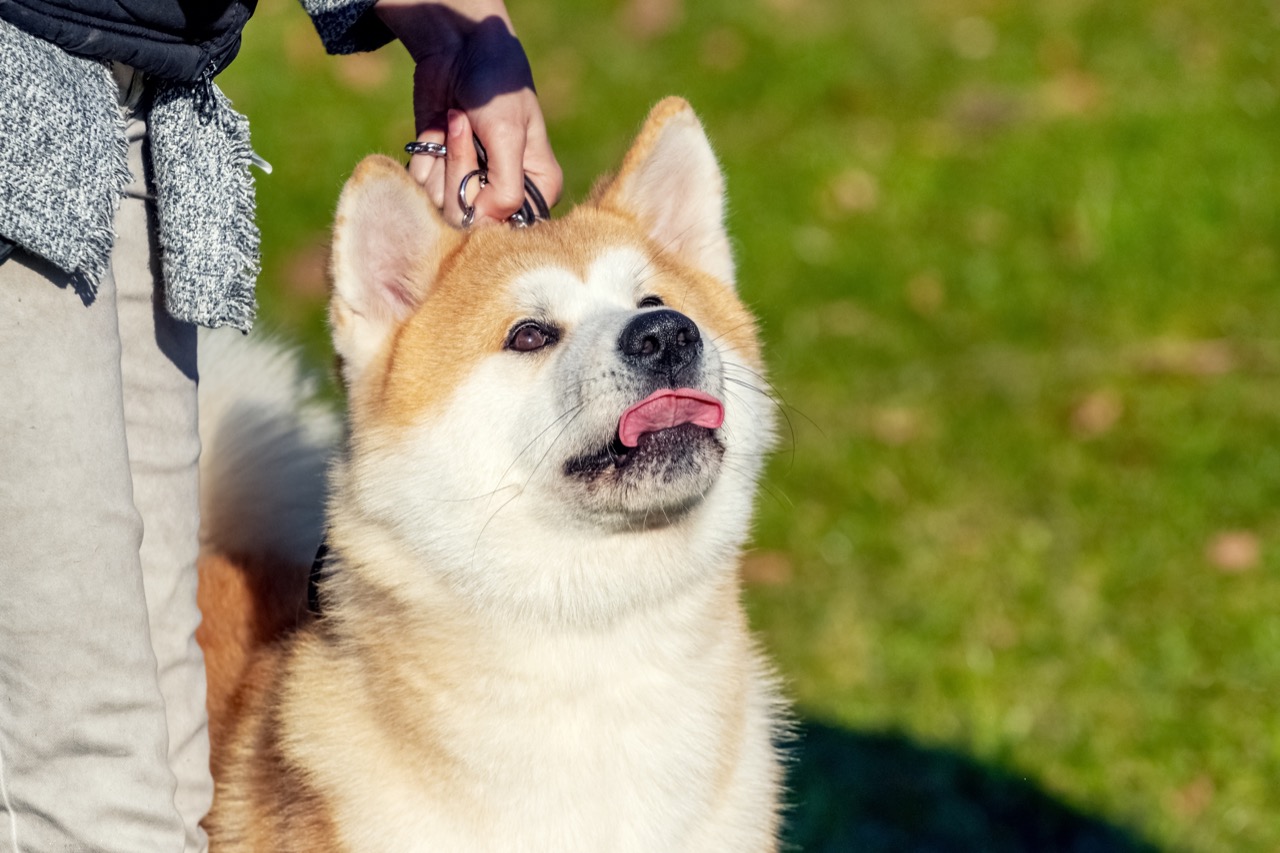
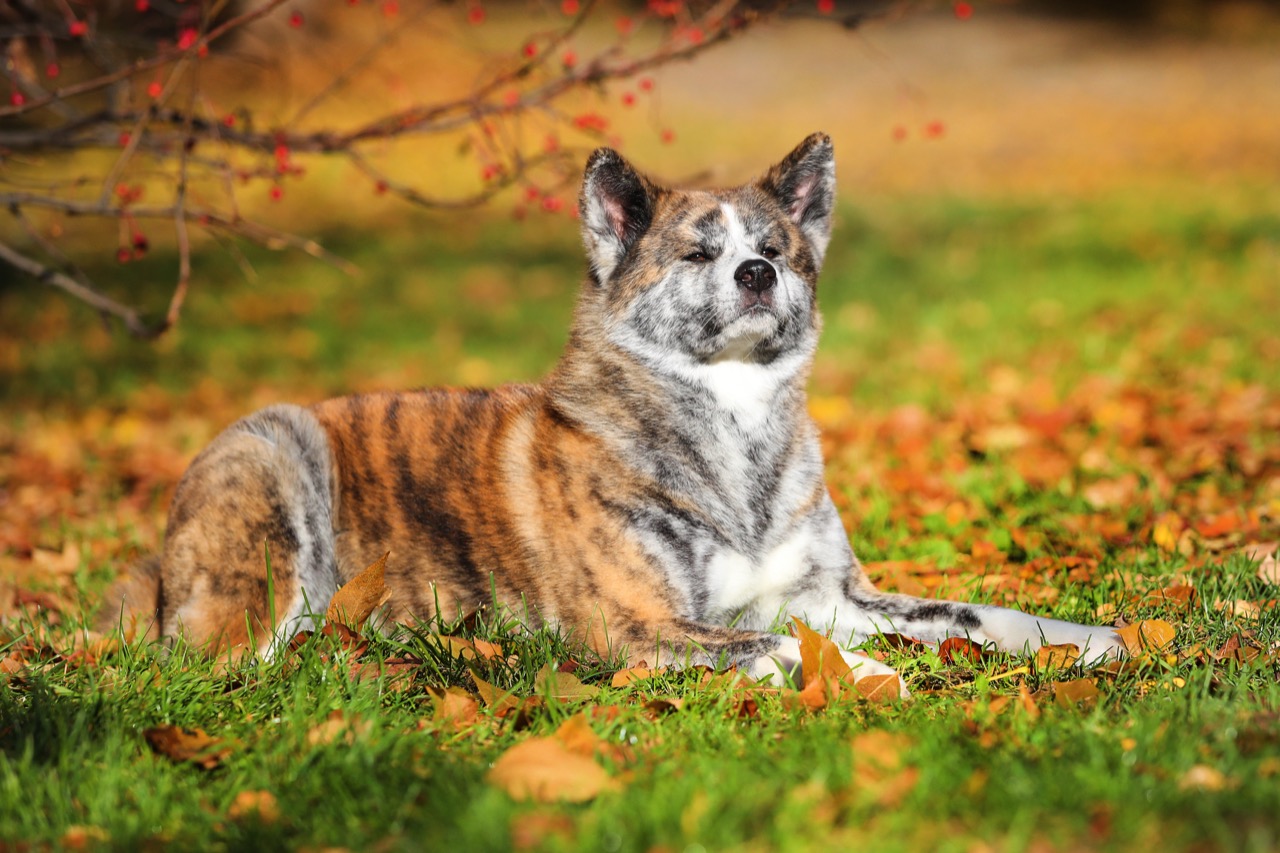
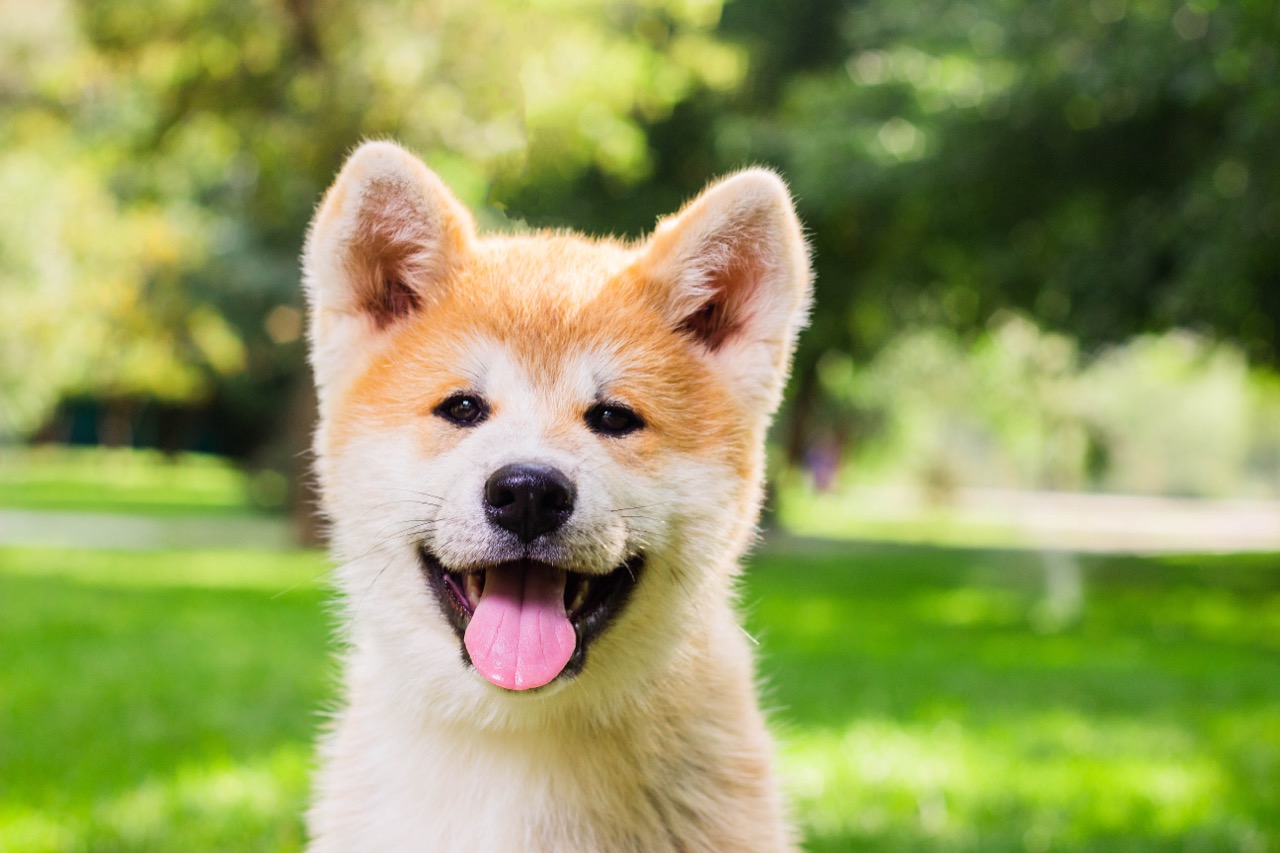
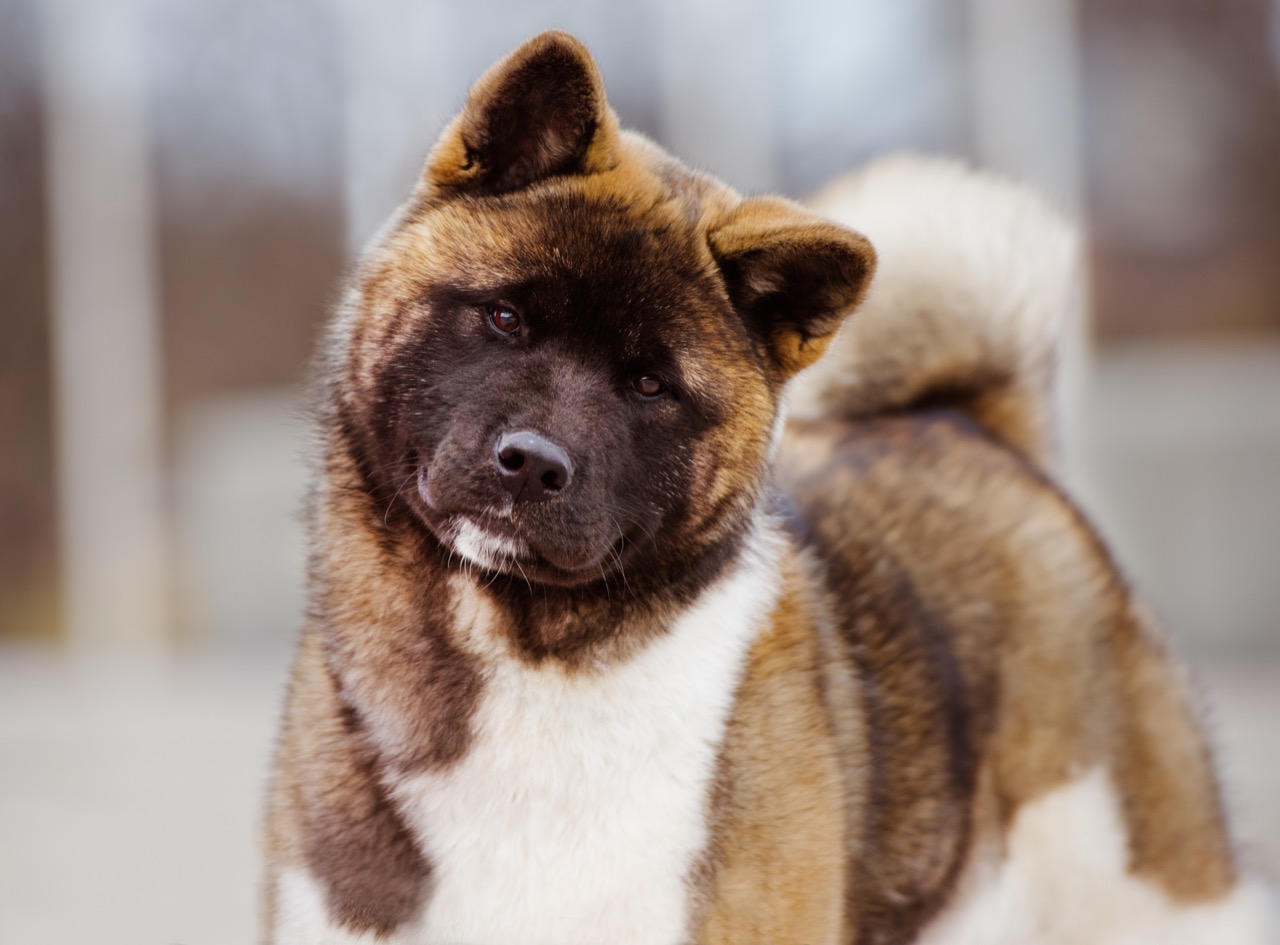
Color is another area where breed facts matter. The FCI Akita standard lists red fawn, sesame, brindle and white, while the AKC standard allows any color, including white, brindle and pinto, except merle and liver. A key marking often discussed with Akitas is urajiro, a pattern of whitish or cream shading typically found on areas like the sides of the muzzle, cheeks, underside of the jaw, chest, belly, and the underside of the tail. This lighter shading helps define the face and body and is one of those details that, once you notice it, becomes a helpful identifier.
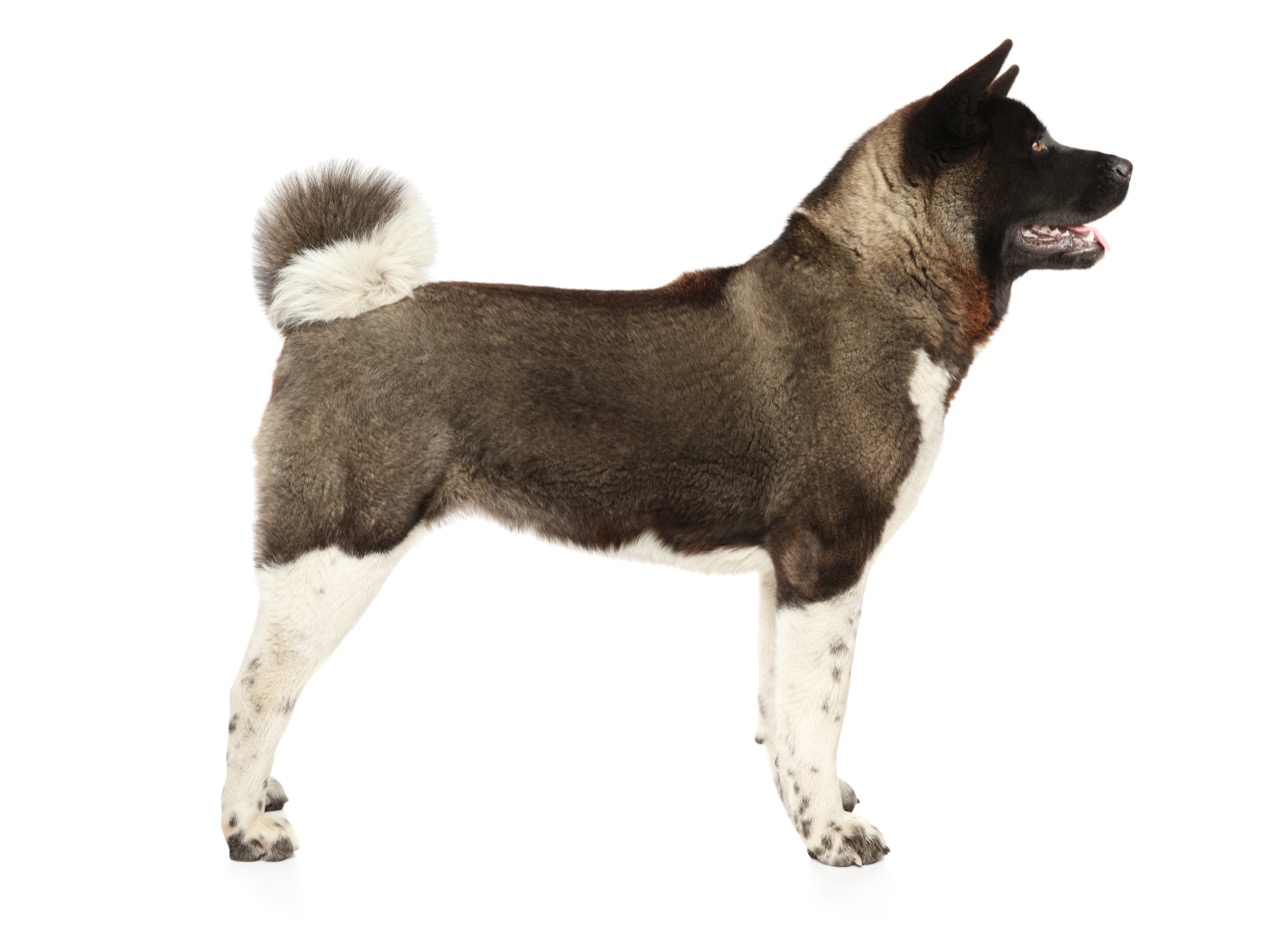
The tail is the Akita’s signature punctuation mark. It is thick and carried curled over the back, contributing to that compact, balanced silhouette. While many spitz breeds have curled tails, the Akita’s tail is notably substantial and plush, matching the dog’s heavy-boned build. When you compare an Akita to a Siberian Husky, for example, the Husky’s tail is often carried differently and the overall frame is lighter and more athletic, built for endurance running rather than the Akita’s heavier, more powerful presence.
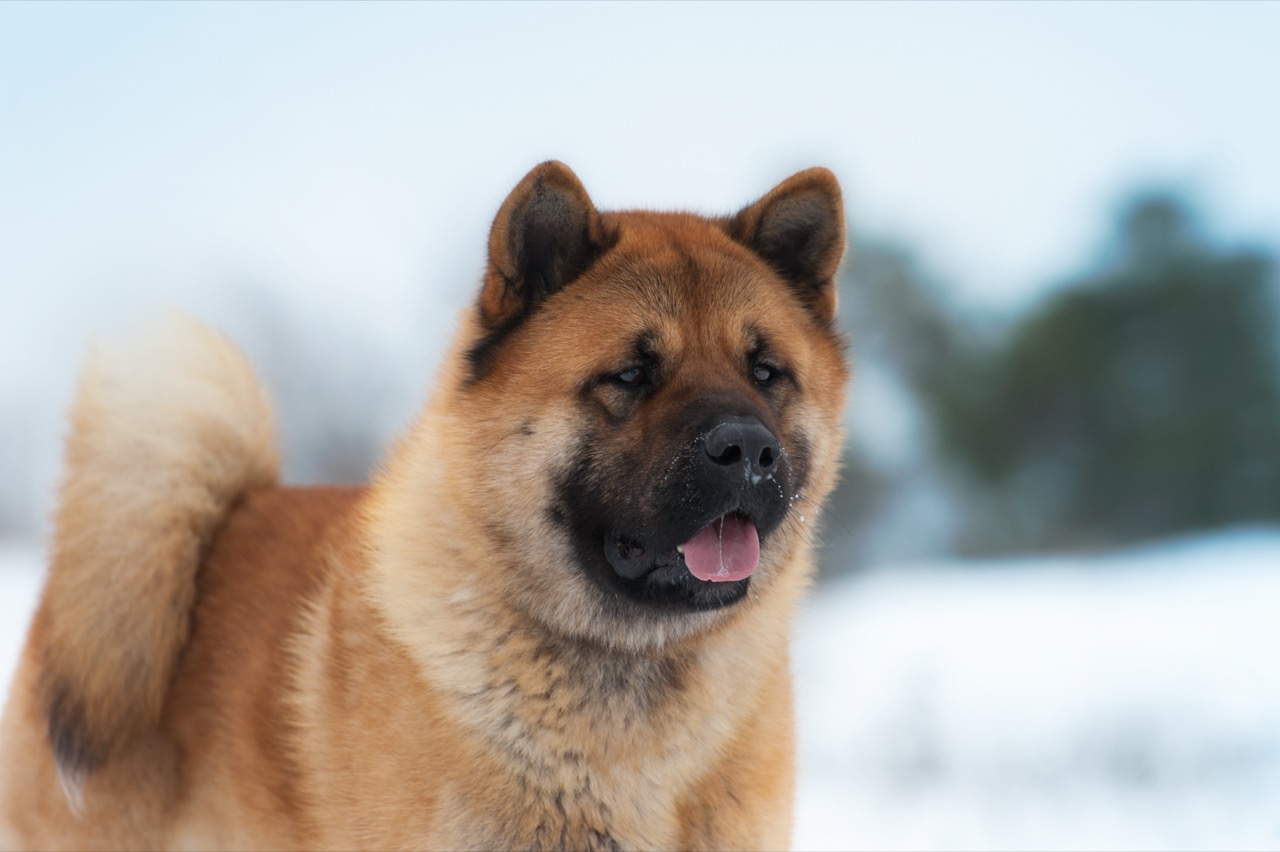
The head is where the Akita really sets itself apart from lookalikes. The skull is broad, the muzzle is strong and relatively short compared with many other spitz breeds, and the overall impression is often described as bear-like. The ears are small relative to the head, thick, triangular, and carried firmly upright with a slight forward tilt, which adds to the alert, composed expression. This is a useful clue when separating an Akita from an Alaskan Malamute, which is also large and northern but tends to have a different head shape and a less compact, more open expression.
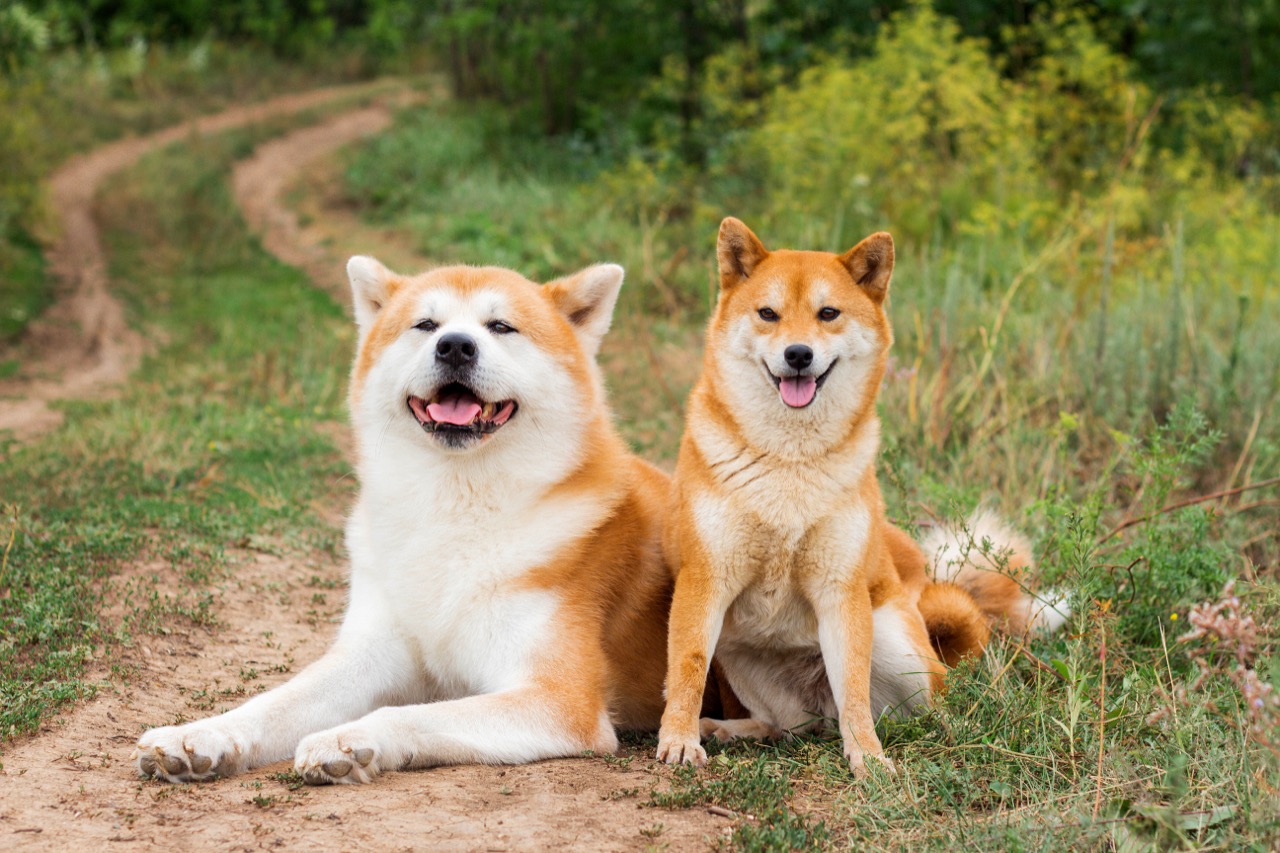
Feet and structure complete the picture. Akitas are sturdy and substantial, with tight, cat-like feet designed for stability and traction. The body is well-muscled and balanced, giving the breed a grounded, confident stance. Compare that to a Shiba Inu, which shares some spitz features like upright ears and a curled tail but is much smaller, lighter, and foxier in the face.
Taken together, these extremes are what make the Akita unmistakable: a weather-ready double coat, a thick curled tail, a powerful head with small upright ears, and a solid, heavy-boned build. When you learn to spot these details, you can pick out an Akita in any crowd, and that is half the fun of knowing the breed.