Rottweiler or Not?


Quiz Complete!
Spotting a True Rottweiler: The Details Behind the Classic Black-and-Tan Powerhouse
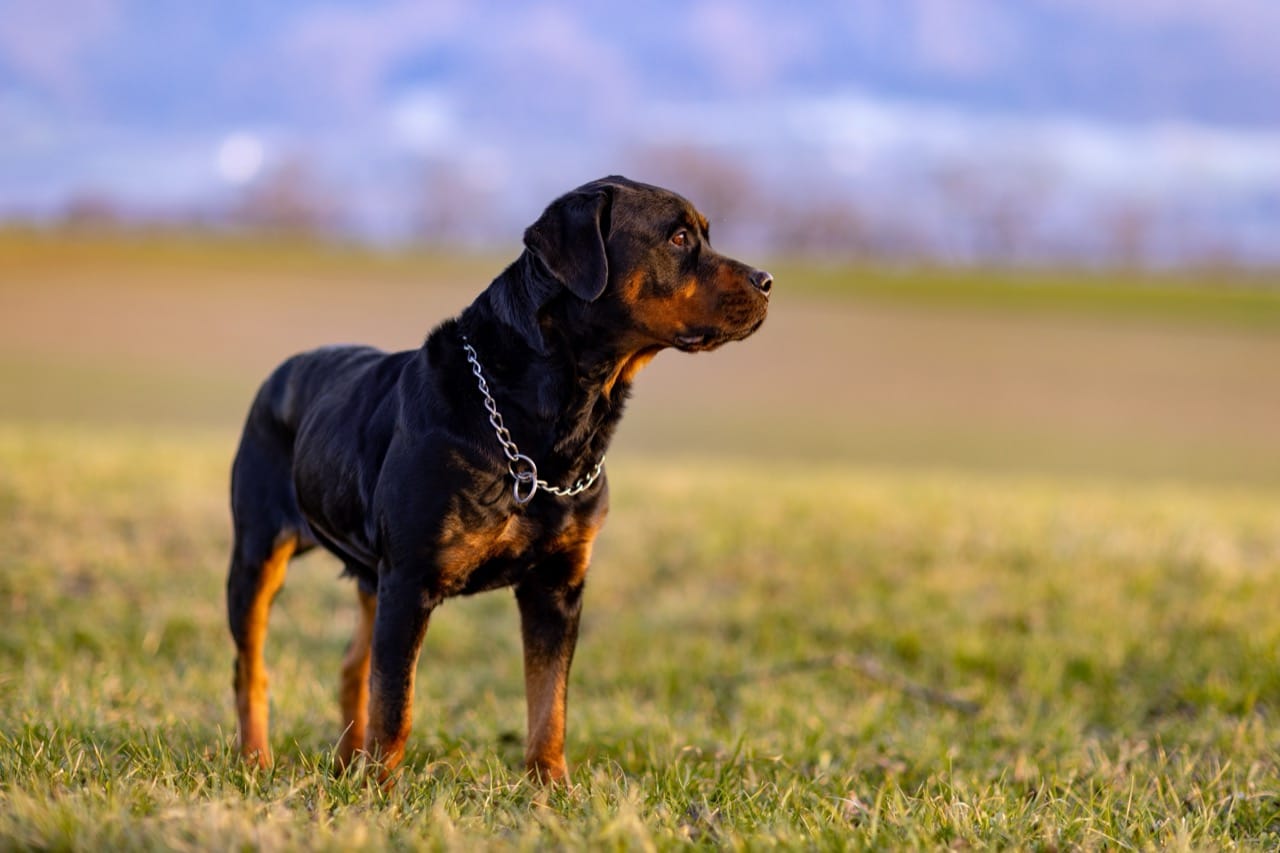
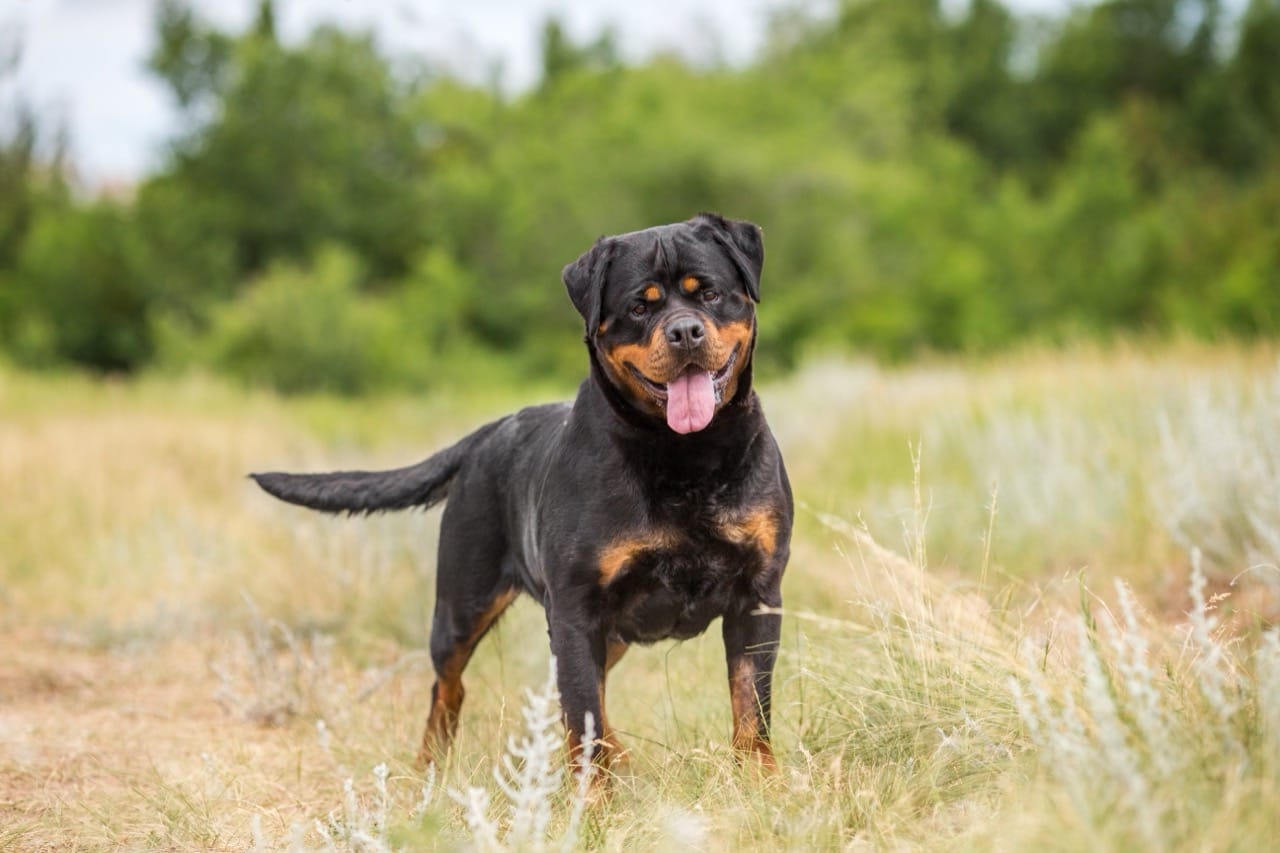
A Rottweiler has a look that seems instantly recognizable, yet it is also one of the most commonly mistaken identities in the black-and-tan lineup. The key is that the breed’s power comes from balance and substance rather than extreme features. A typical Rottweiler reads as compact, strong, and confident, with a broad head, a deep body, and clean, precise rust markings that appear in the right places. When you know what to look for, you can separate a true Rottweiler outline from a Doberman’s sleek elegance, a German Shepherd’s sloping silhouette, or a generic mixed-breed black-and-tan coat pattern.
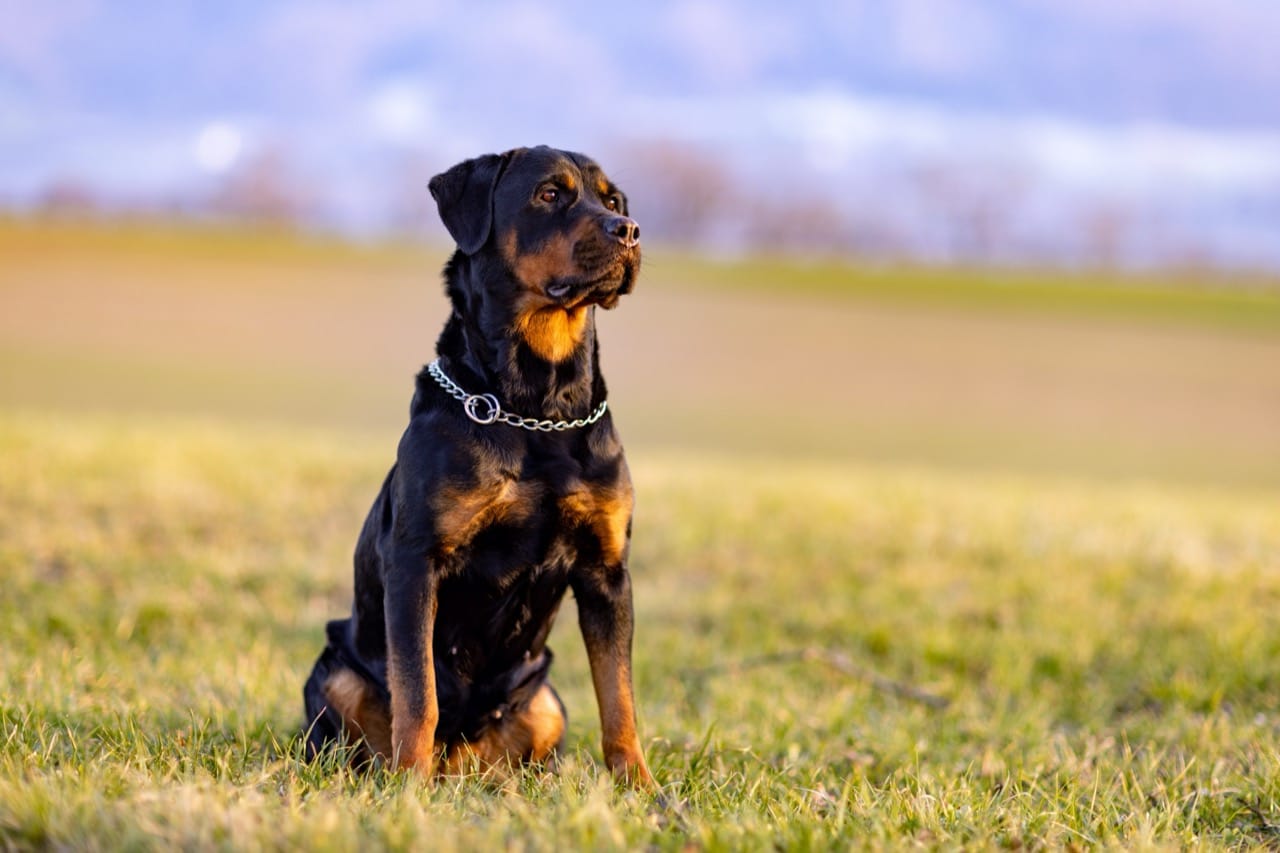
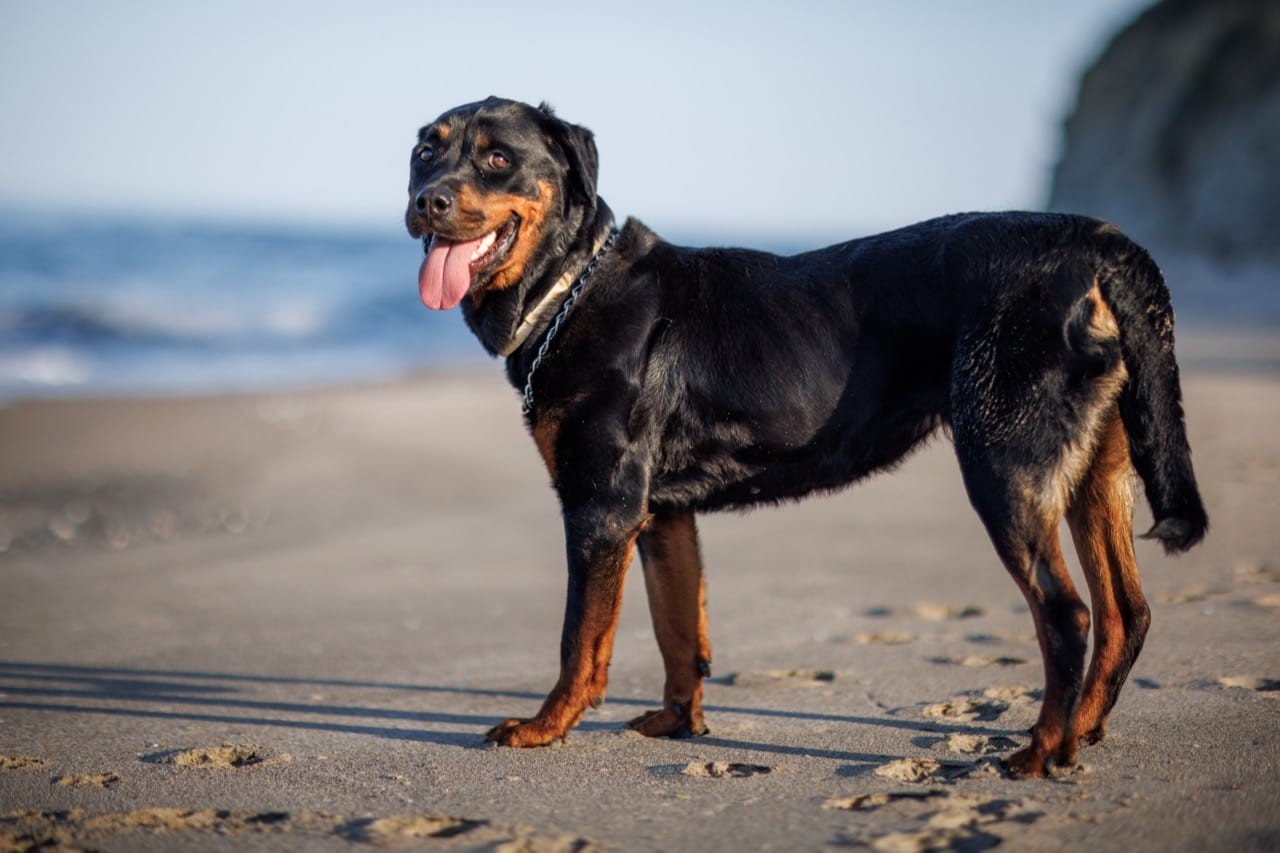
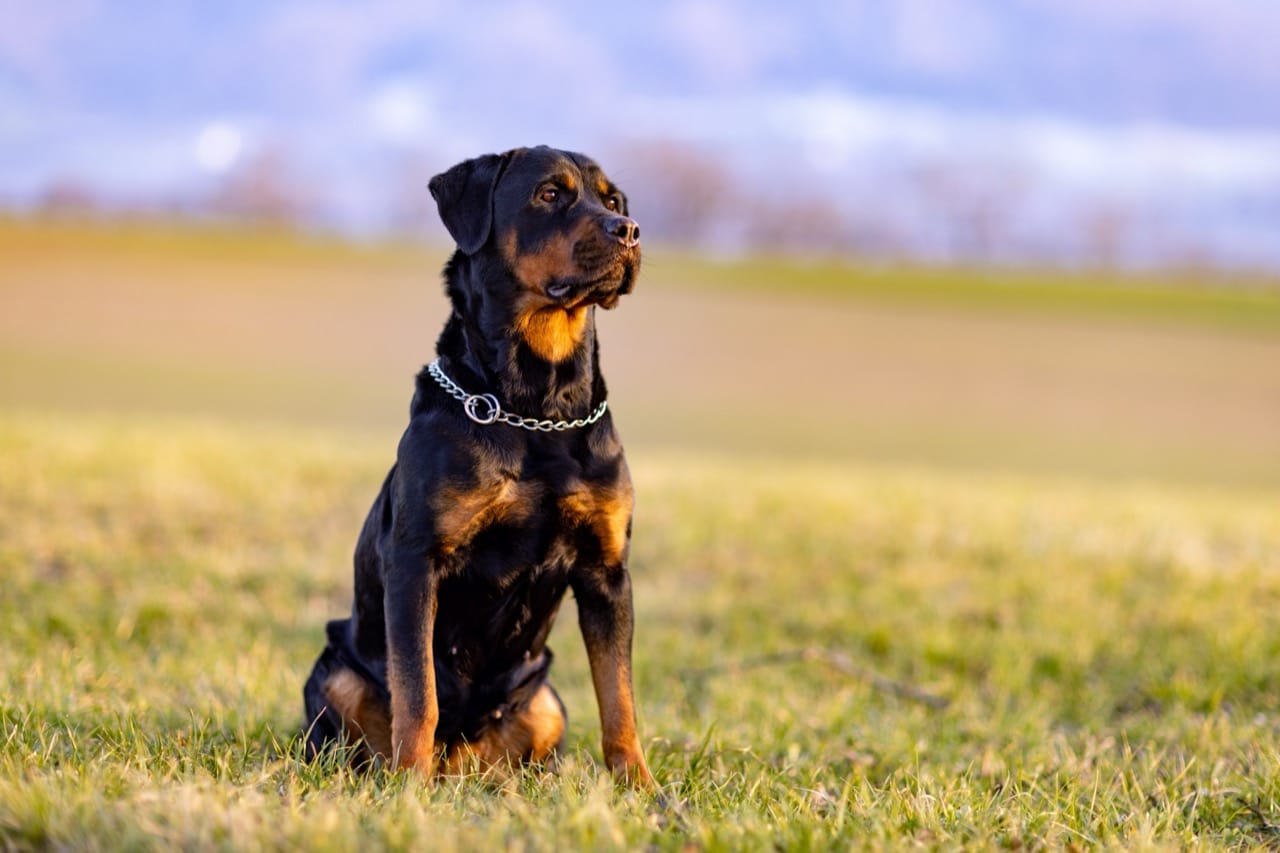
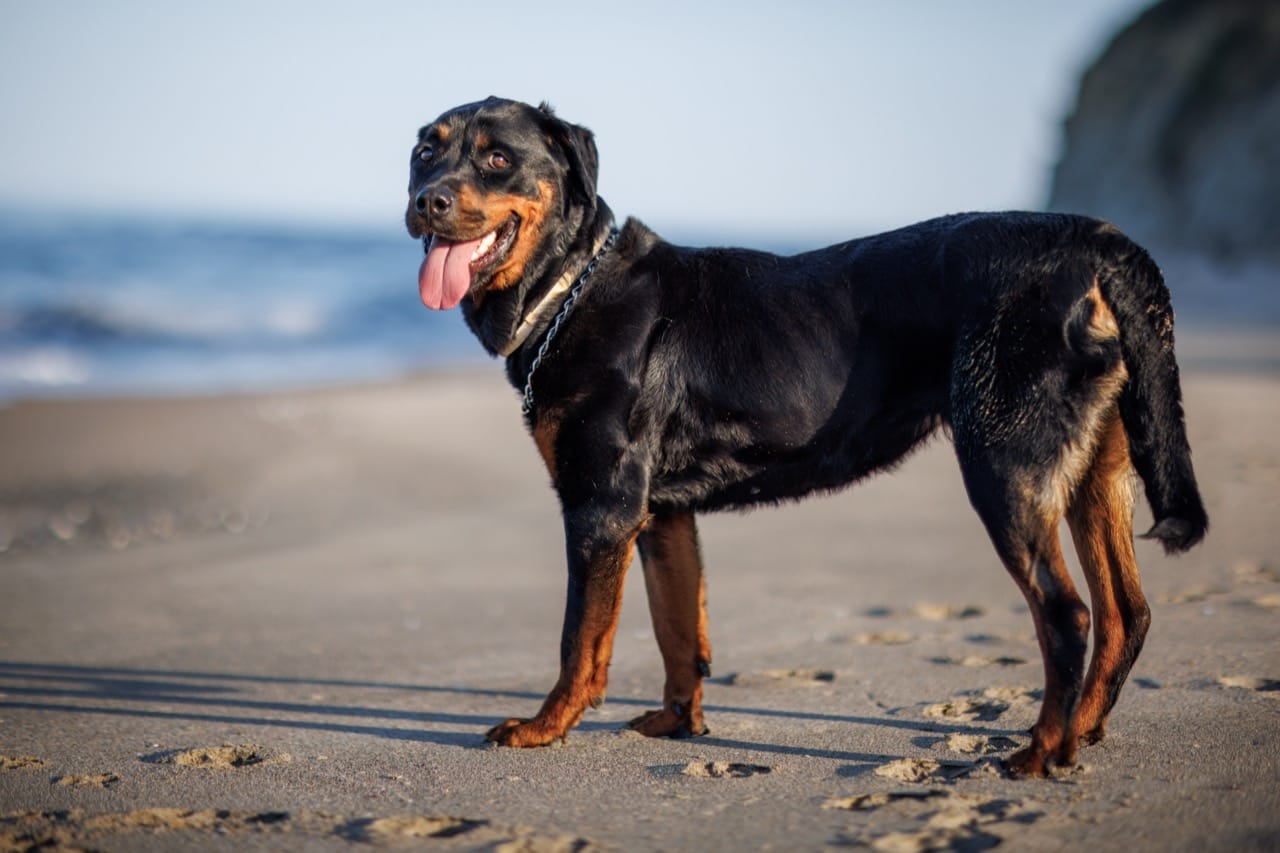
Start with the overall shape. Rottweilers are robust without looking leggy. They should appear slightly longer than tall, with a deep chest and strong bone. The back is firm and level, not roached and not dramatically sloped. This alone helps distinguish them from many German Shepherds, which often show a more angled rear and a longer, more flowing outline. A Rottweiler’s body should look like it could pull a cart, because historically that is exactly the kind of work they were built to do.
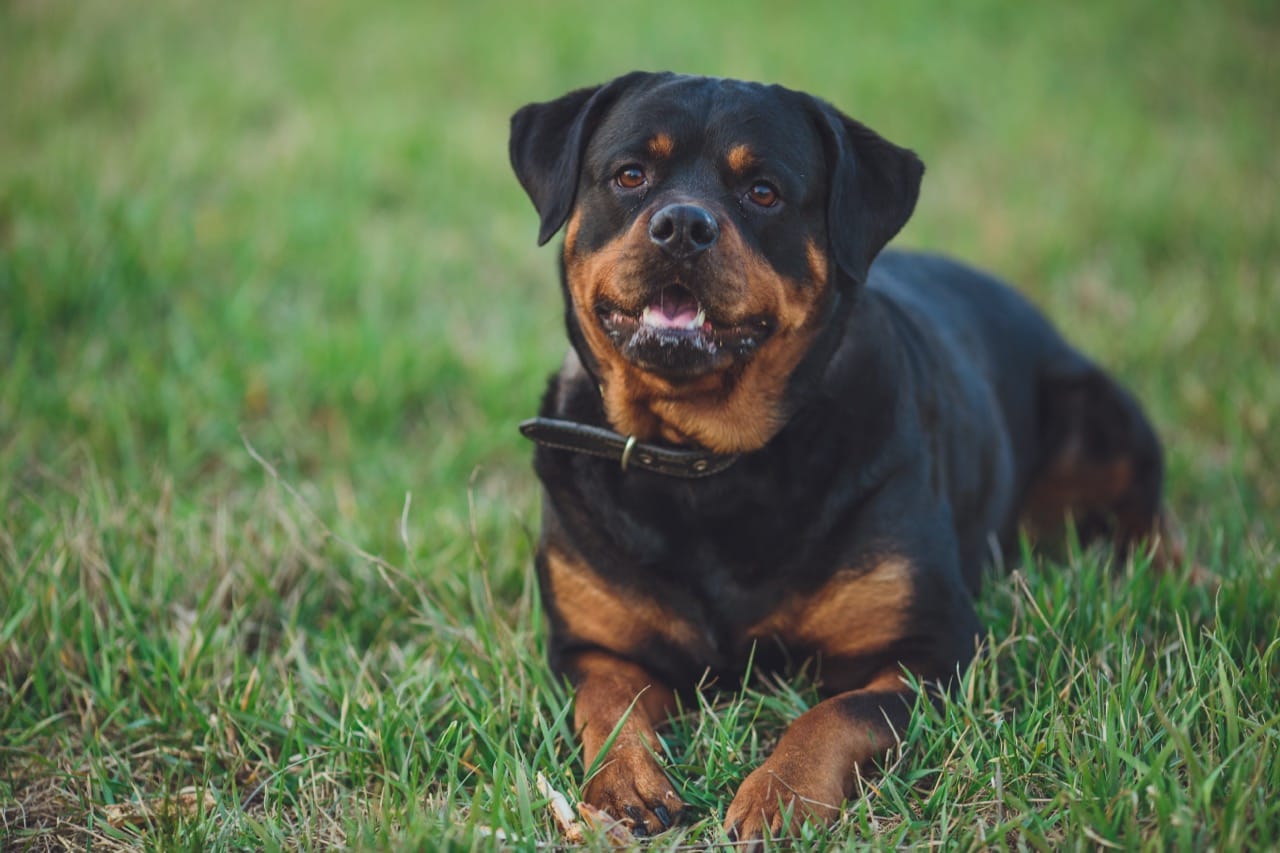
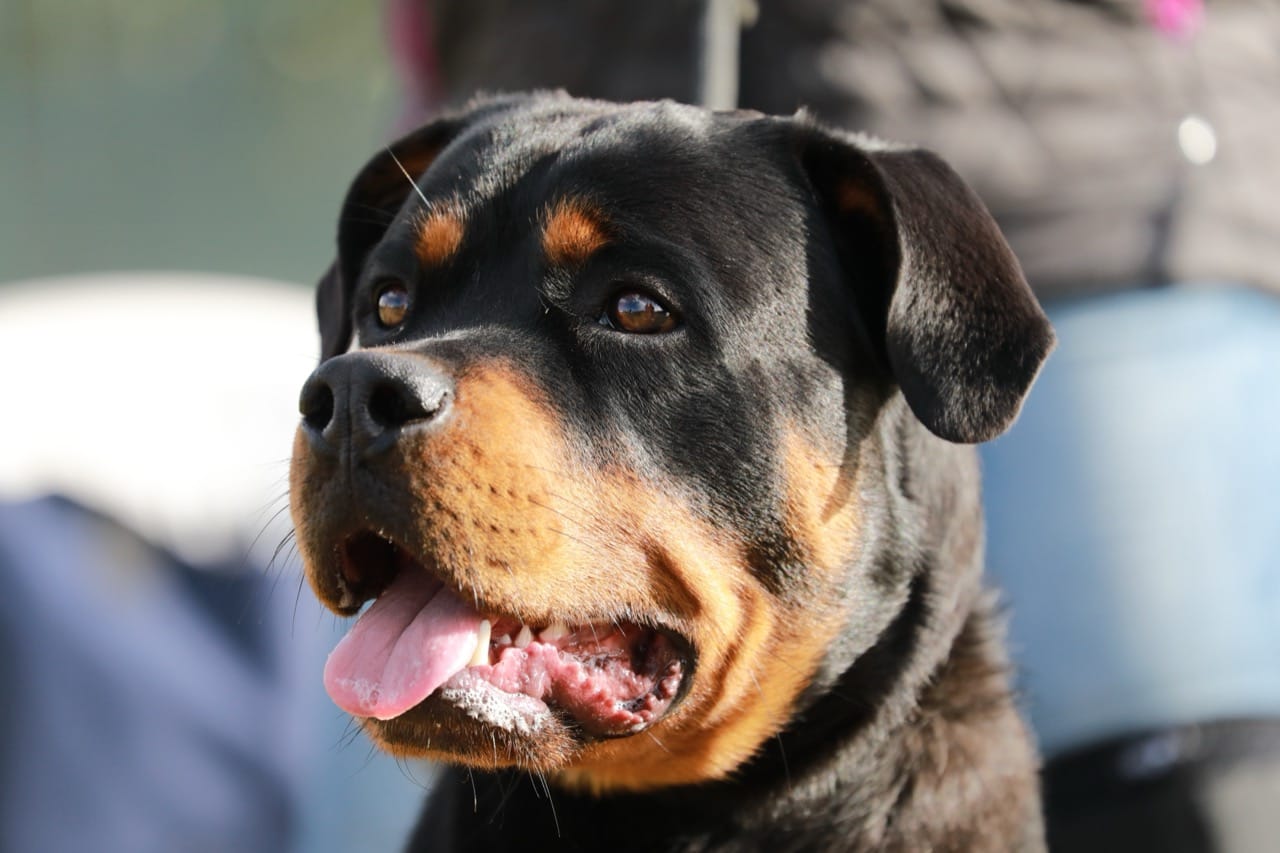
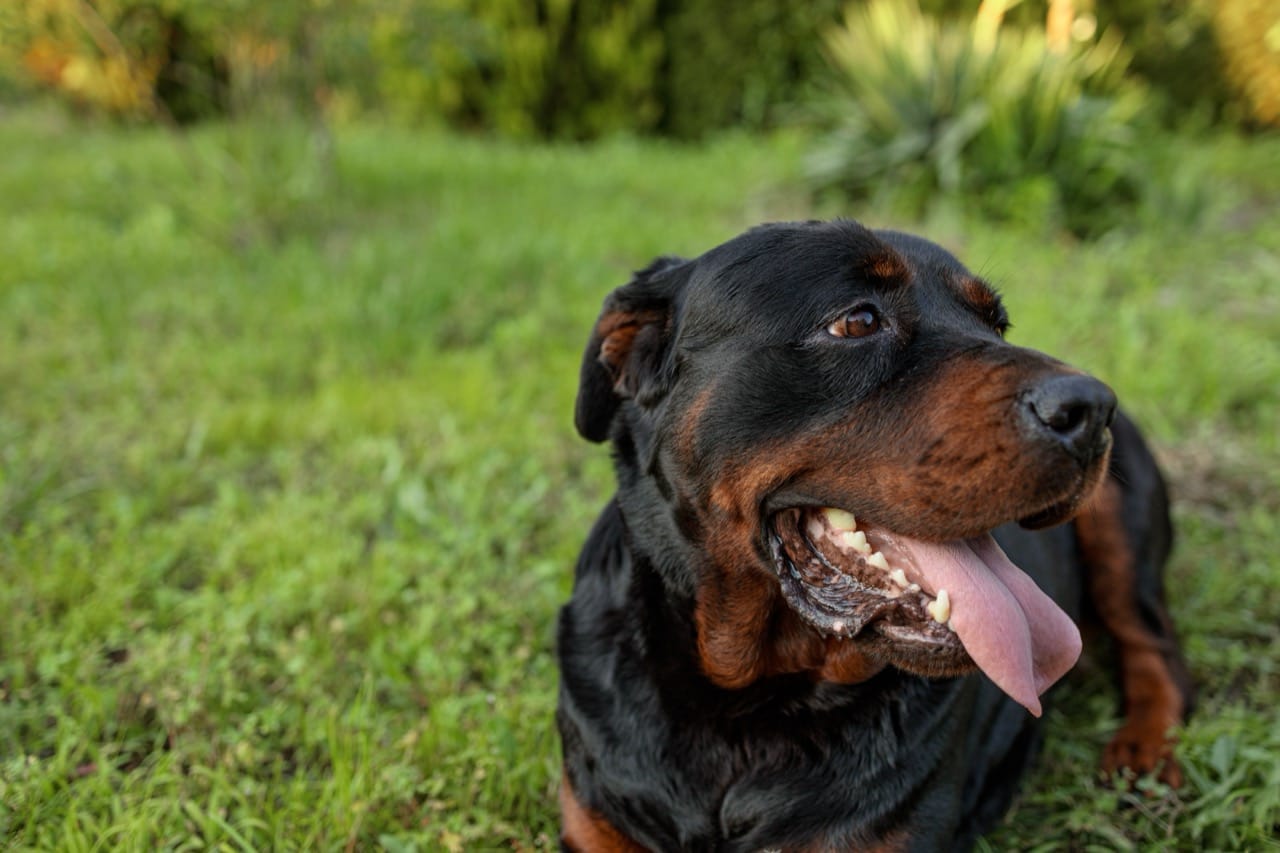
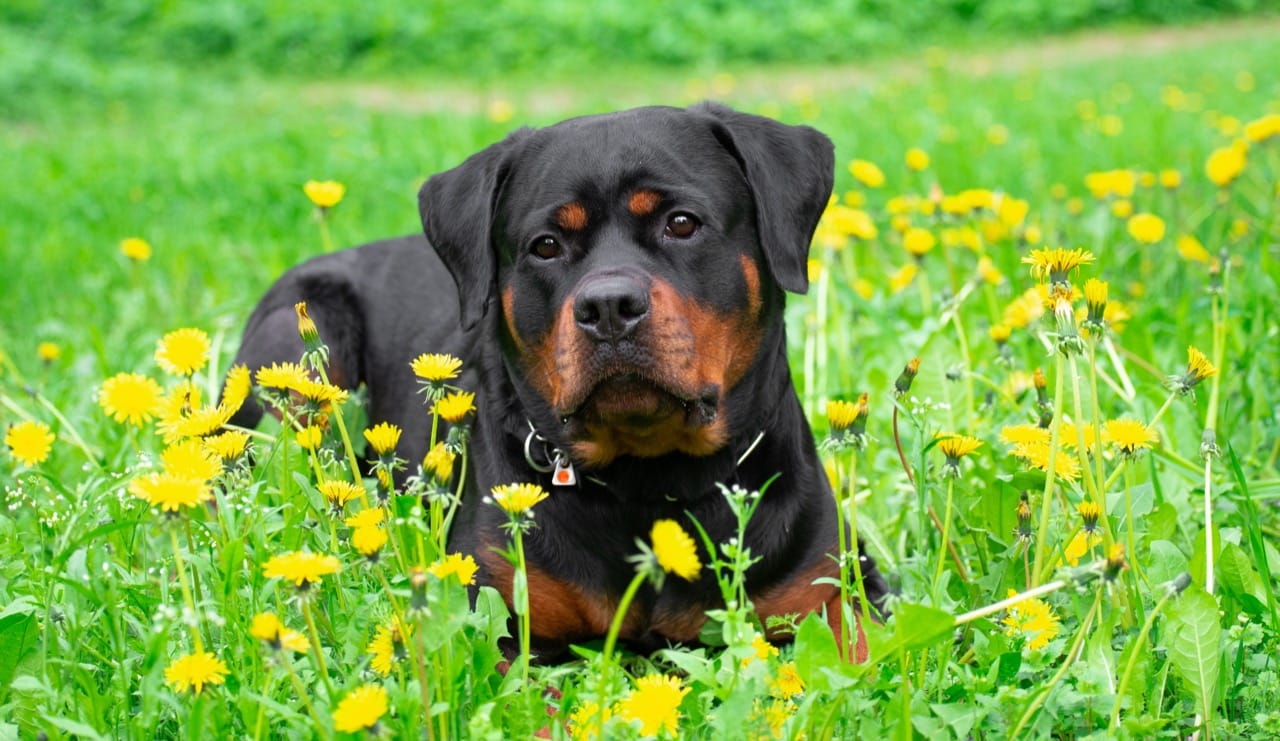
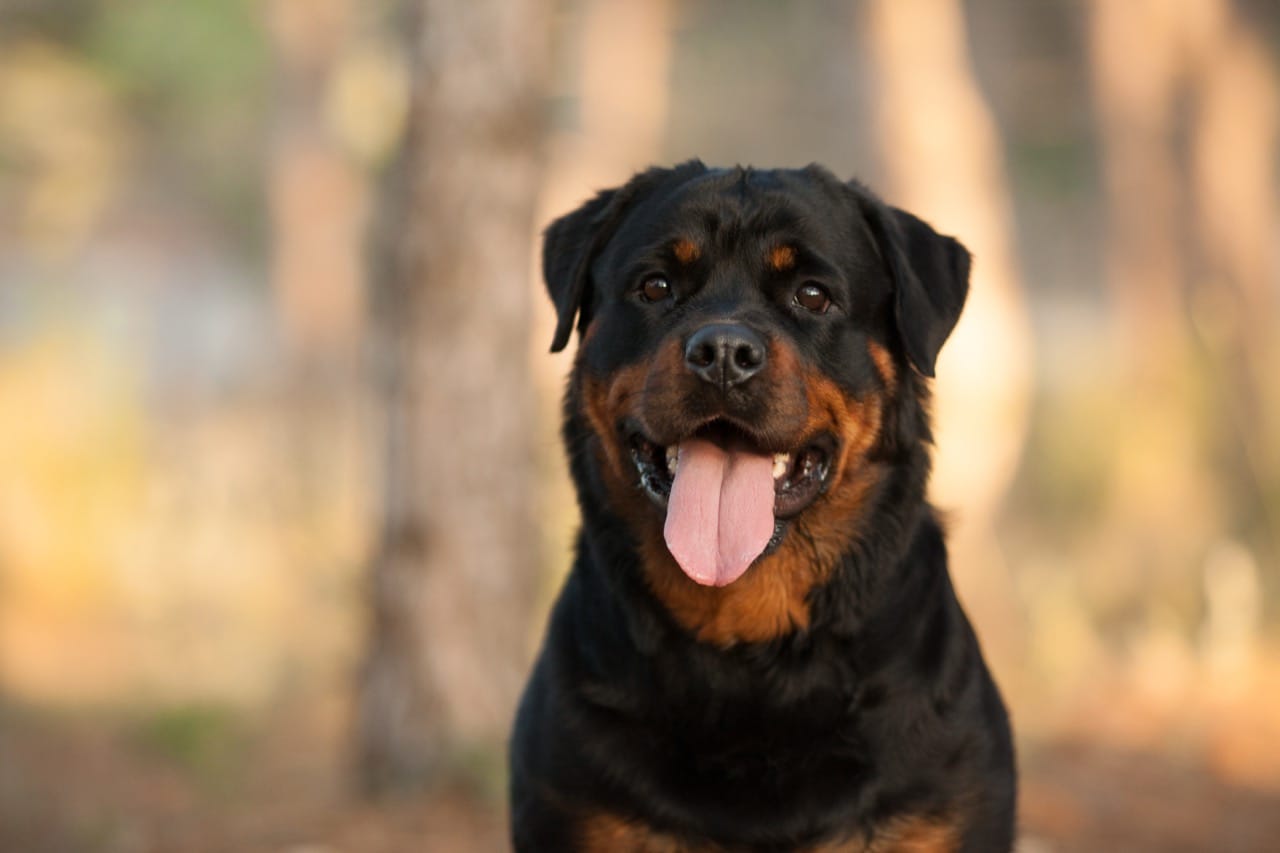
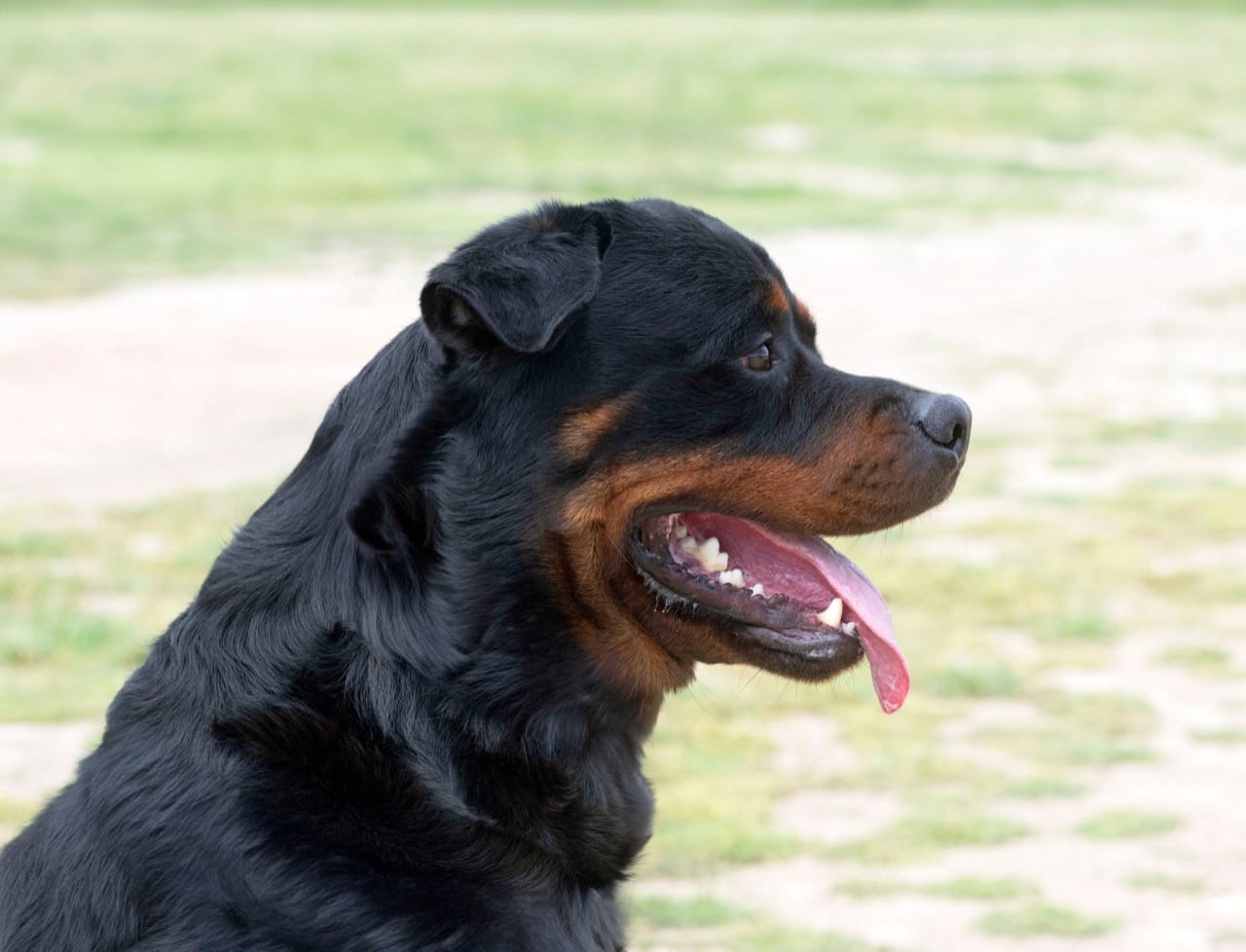
The head is one of the strongest clues. Rottweilers have a broad skull with pronounced cheek muscles and a clear stop where the forehead meets the muzzle. The muzzle is strong and substantial, but not long and narrow. If a dog’s head looks wedge-shaped or very refined, it may be closer to a Doberman type or a mix. The ears also matter: Rottweiler ears are medium-sized, triangular, and carried close to the head, which visually broadens the skull. Upright ears immediately point away from a pure Rottweiler look.
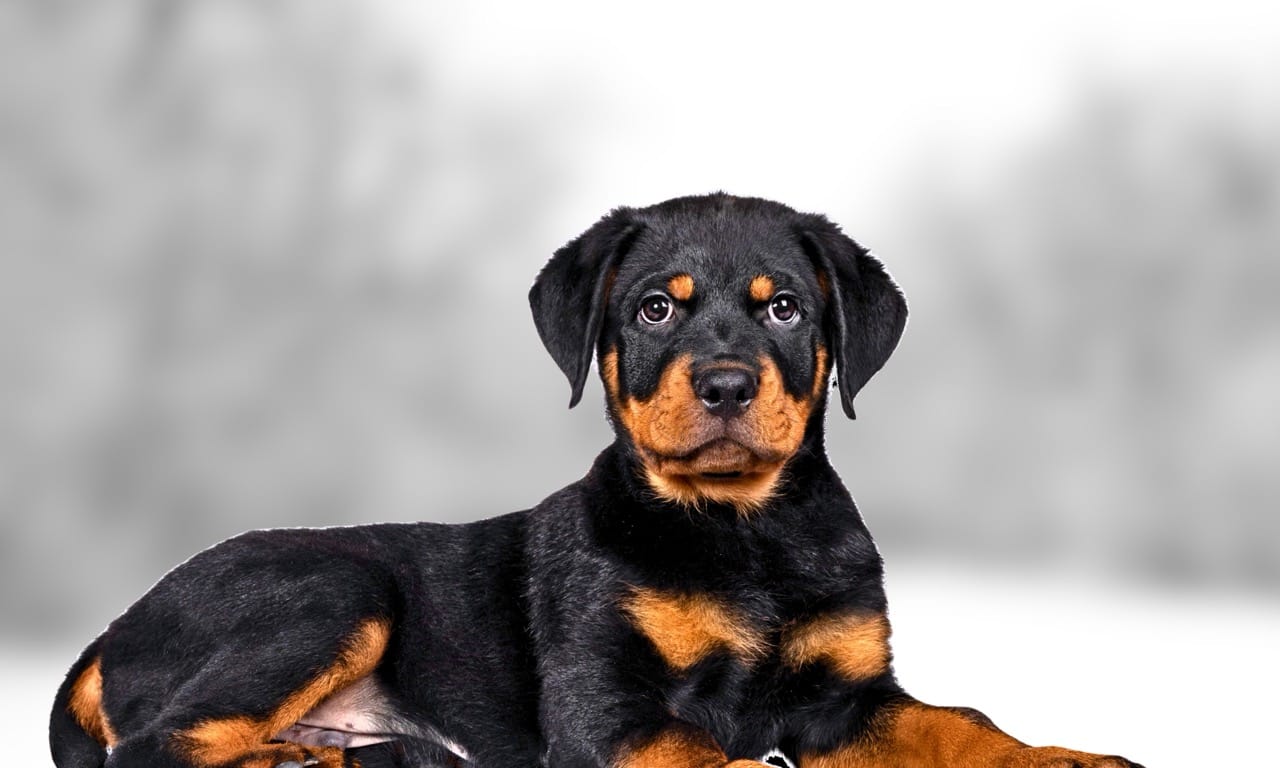
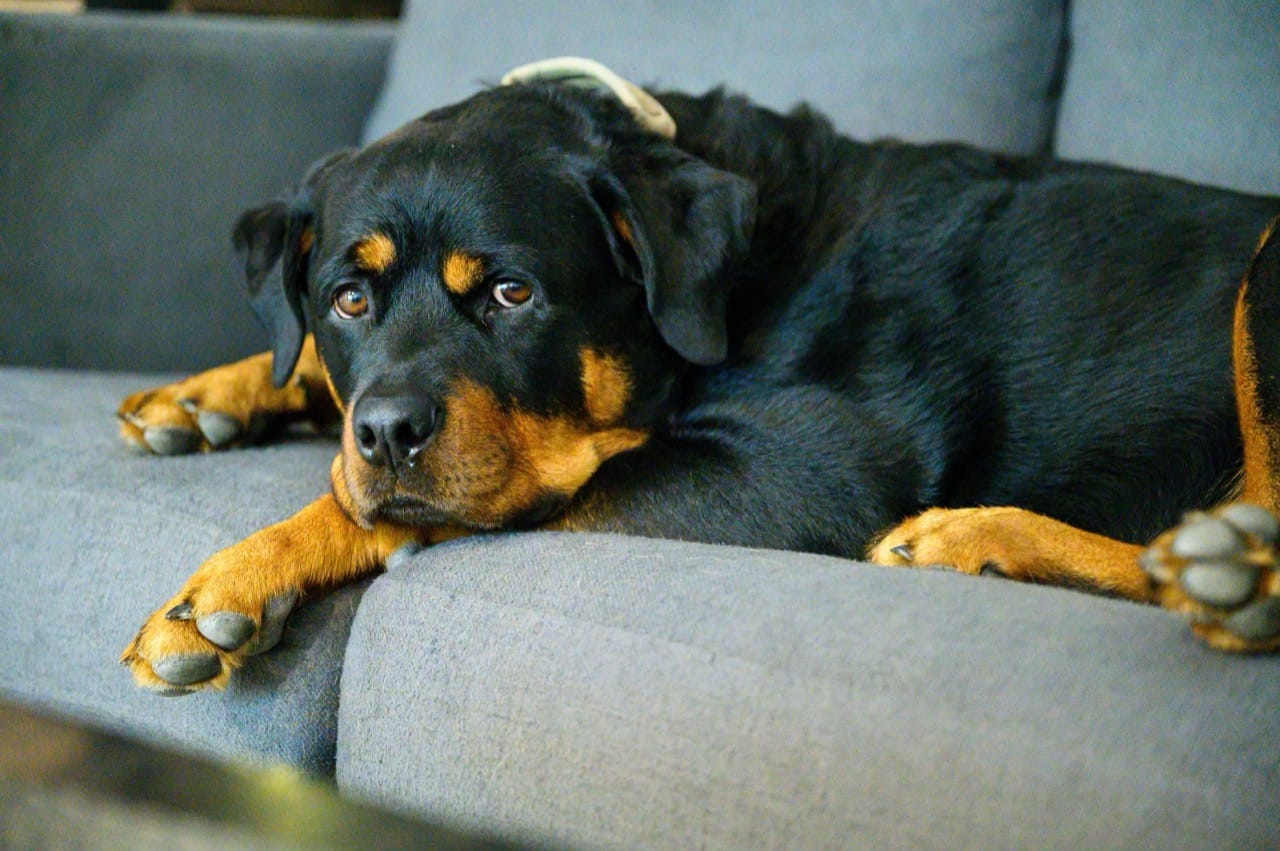
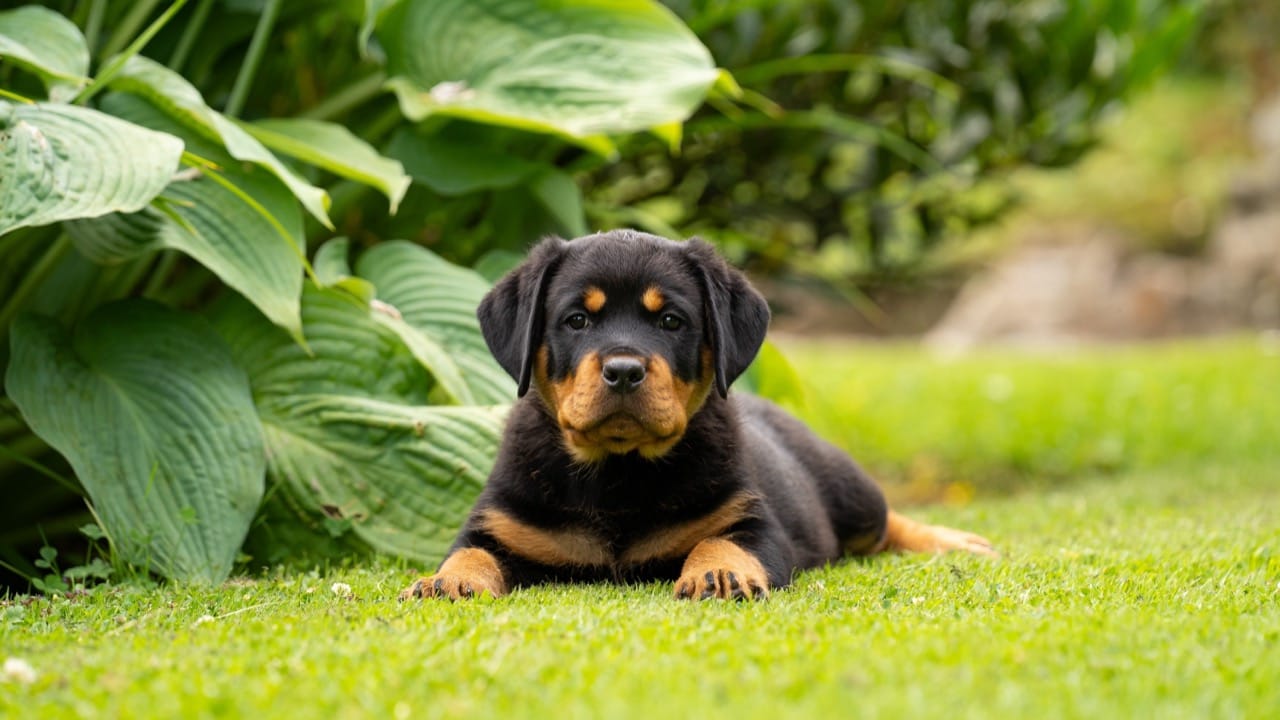
Coat and color placement are where many people think they know the answer, but details make the difference. The coat is short, dense, and straight, with a topcoat that lies flat. It is not fluffy, not long, and not silky. Color is always black with clearly defined rust markings. Those markings are not random; they are located over the eyes, on the cheeks, on the sides of the muzzle, on the chest, on the legs, and under the tail. The edges should be crisp rather than smudged. Too much tan creeping up the legs or spreading across the body, or a muddy, indistinct pattern, is not typical of the classic Rottweiler look. Small white markings can occur in dogs, but noticeable white patches are generally considered undesirable when comparing to standard descriptions.
Expression and proportions also help. A Rottweiler’s eyes are typically dark and almond-shaped, contributing to a steady, self-assured expression. Round, prominent eyes can change the whole look. The neck is strong and moderately arched, flowing into well-laid shoulders. The legs are straight and sturdy, with compact feet. A dog that looks tall on stilts, narrow through the chest, or fine-boned may share the black-and-tan colors but not the Rottweiler build.
It is also useful to know what common mix-ups look like. Dobermans tend to be more streamlined, with a longer, narrower head and a more tucked-up waist. German Shepherds typically have a longer muzzle and a different topline and gait, often appearing more extended and less blocky. Other black-and-tan breeds and mixes may have similar eyebrow dots and leg markings, but they often lack the Rottweiler’s broad head, heavy bone, and compact strength.
When you train your eye to look beyond color and focus on structure, you start to see the Rottweiler as a specific blueprint rather than a generic category. The signature silhouette is not just black fur and tan points; it is the combination of a powerful frame, a broad and balanced head, and markings placed like punctuation marks in all the right places.