Pug Puzzles at the Vet





Quiz Complete!
Pug Emergency Symptoms and Health Risks: What Owners Should Notice Fast
Pugs win people over with their big eyes, comic expressions, and love of lounging close to their humans. That same adorable design also brings a short list of health risks that are unusually predictable for the breed. Knowing what is normal for your individual Pug and what is not can make the difference between a quick fix and a true emergency.
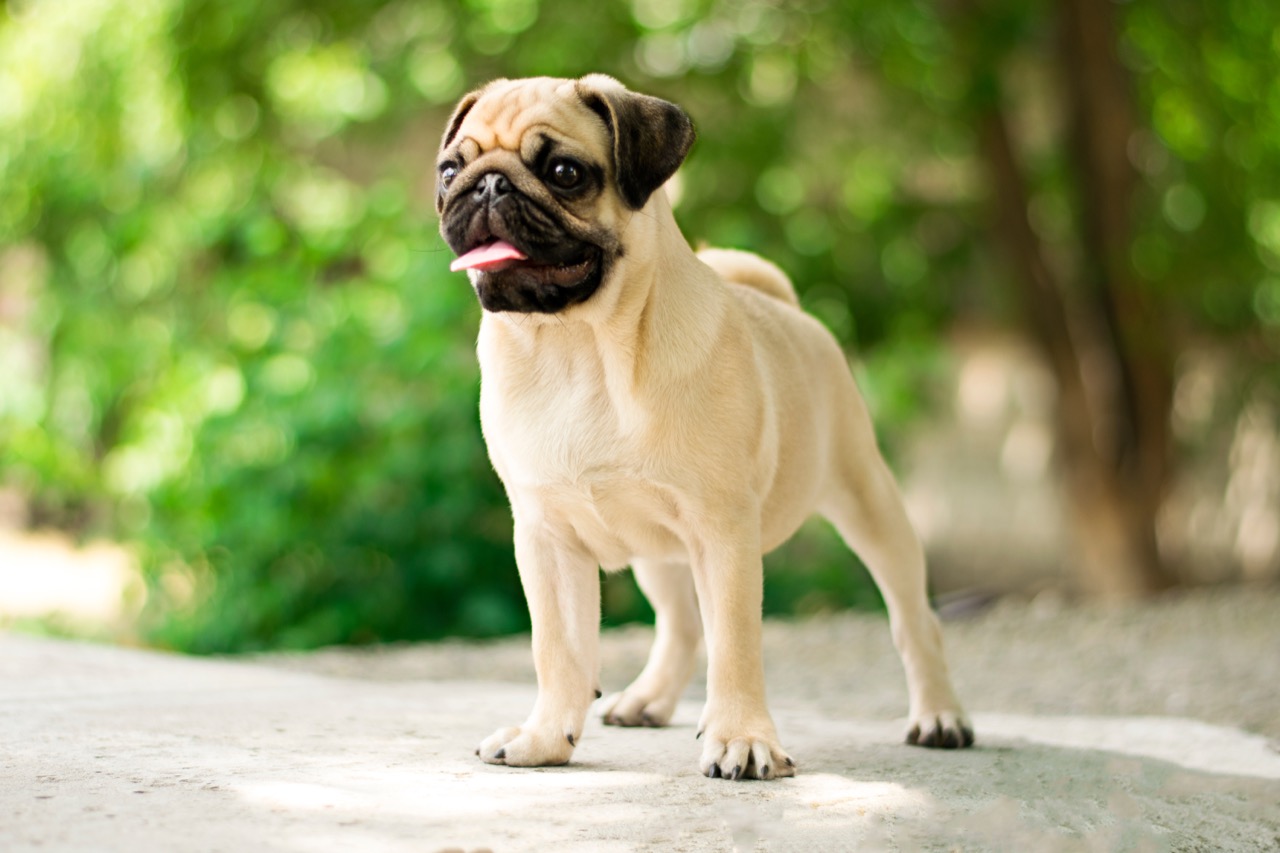
Breathing is the headline issue for many Pugs. Their short skull and crowded soft tissues can cause brachycephalic obstructive airway syndrome, often shortened to BOAS. Mild signs can look like harmless snorting, but red flags include loud or worsening breathing at rest, repeated gagging or retching that is not related to eating, blue or gray gums, collapsing, or struggling to recover after a short walk. Heat is especially dangerous because dogs cool themselves by moving air over the tongue and airway. If that airway is narrowed, overheating can happen quickly even on a warm day, in a stuffy room, or after excited play. Heavy panting that does not settle within a few minutes, glassy eyes, weakness, drooling that becomes thick and sticky, or vomiting during heat exposure should prompt urgent veterinary care. Prevention matters: avoid midday heat, skip strenuous exercise, keep them lean, and use a harness instead of a collar to reduce pressure on the throat.
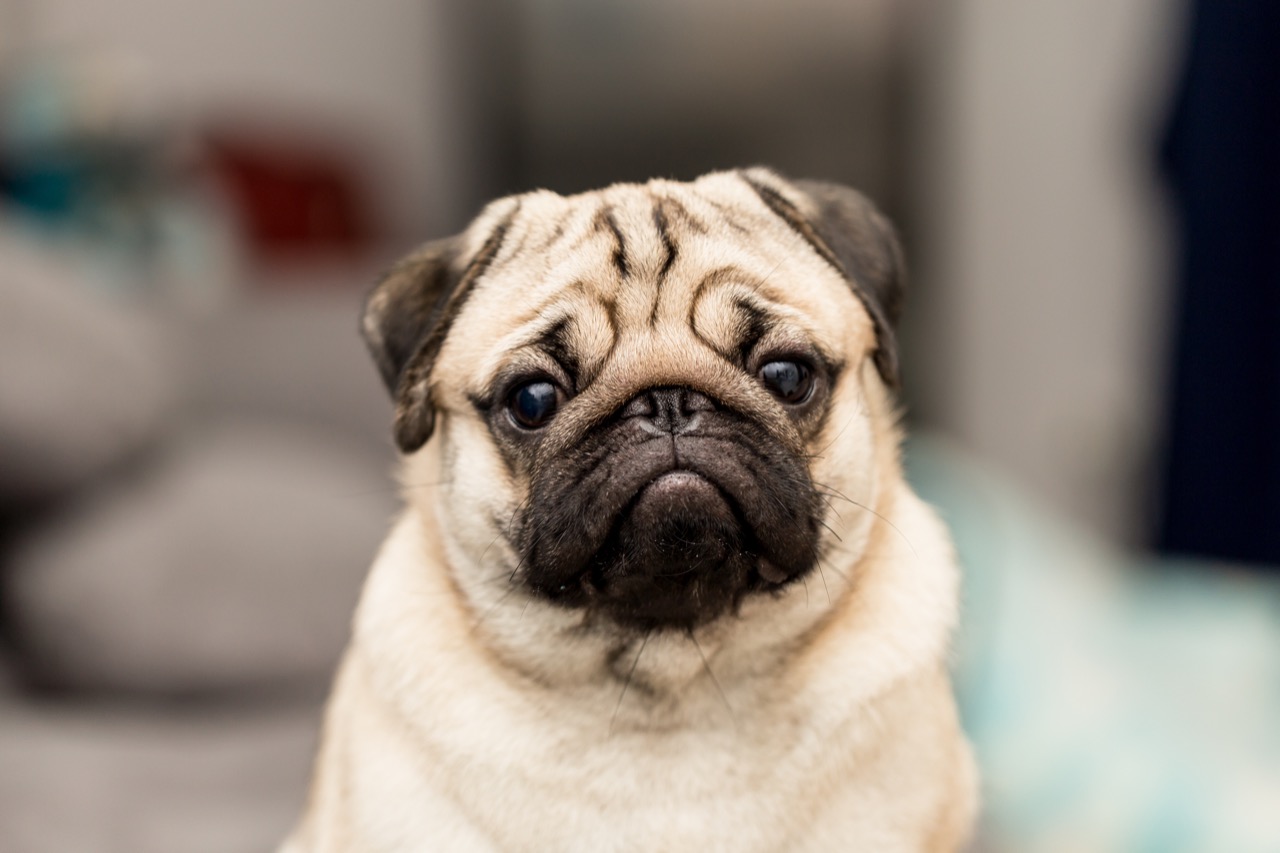
Pug eyes are another emergency-prone area. Their large, prominent eyes can dry out and get injured easily. A sudden squint, pawing at the eye, redness, cloudiness, or a visible scratch can indicate a corneal ulcer, which can worsen rapidly. One of the most alarming events is proptosis, where the eyeball is pushed forward after trauma. It looks dramatic and is always an emergency. Even without trauma, a painful eye should never wait, because early treatment can save vision.
Spine and nerve problems show up in Pugs more than many owners expect. Pug dog encephalitis, also called necrotizing meningoencephalitis, is an inflammatory brain disease seen in the breed. It may start with seizures, circling, sudden behavior changes, or loss of coordination. Another concern is weakness or paralysis in the back legs, which can come from intervertebral disc disease or other spinal issues. If your Pug suddenly cannot stand, drags a leg, cries out in pain, or loses bladder or bowel control, treat it as urgent and contact a veterinarian right away.
Joints and mobility deserve attention too. Many Pugs develop arthritis as they age, and some have patellar luxation, where the kneecap slips out of place. Skipping steps, sudden yelps, or intermittent lameness can be clues. While not every limp is an emergency, rapid swelling, refusal to bear weight, or severe pain warrants prompt evaluation.
Skin folds are cute but can hide trouble. Moisture and friction can cause fold dermatitis, leading to redness, odor, and soreness around the face, tail, or vulva. Ear infections are also common, especially if allergies are involved. Head shaking, scratching, a strong smell, or dark discharge are signs to book a visit, because untreated infections can become painful and chronic.
Owners often ask what is normal aging versus danger. A healthy Pug should be able to breathe comfortably at rest, recover quickly after mild activity, keep bright eyes, and move without obvious pain. The most helpful habit is to notice small changes early: a new snore pattern, reduced tolerance for heat, a sudden squint, a wobble, or a smell from folds or ears. Pugs can live happy lives, but they rely on humans to spot the red flags and act quickly when something seems off.