Pug Thumbprints and Velvet Ears
Quiz Complete!
How to Spot a Pug: The Compact Body, Curled Tail, and Wrinkled Mask That Define the Breed
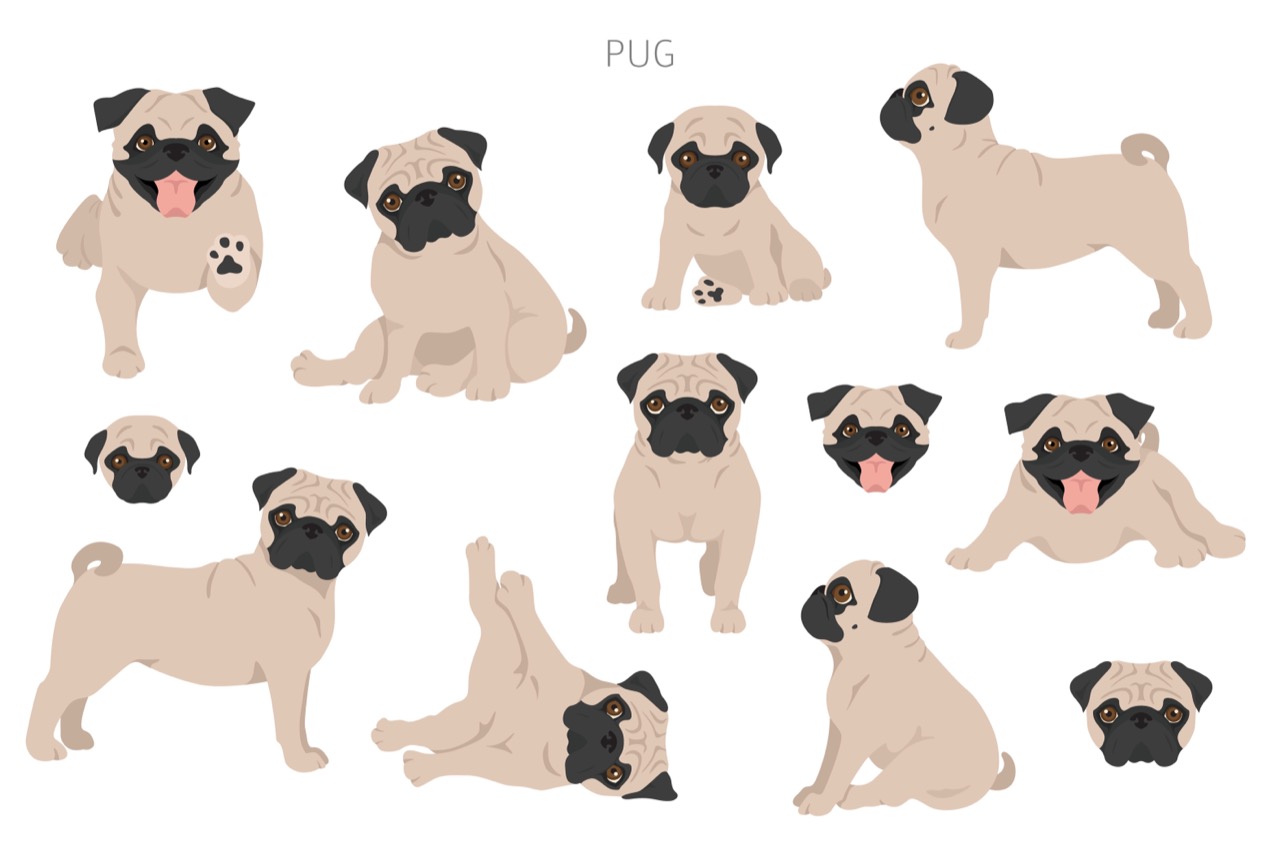
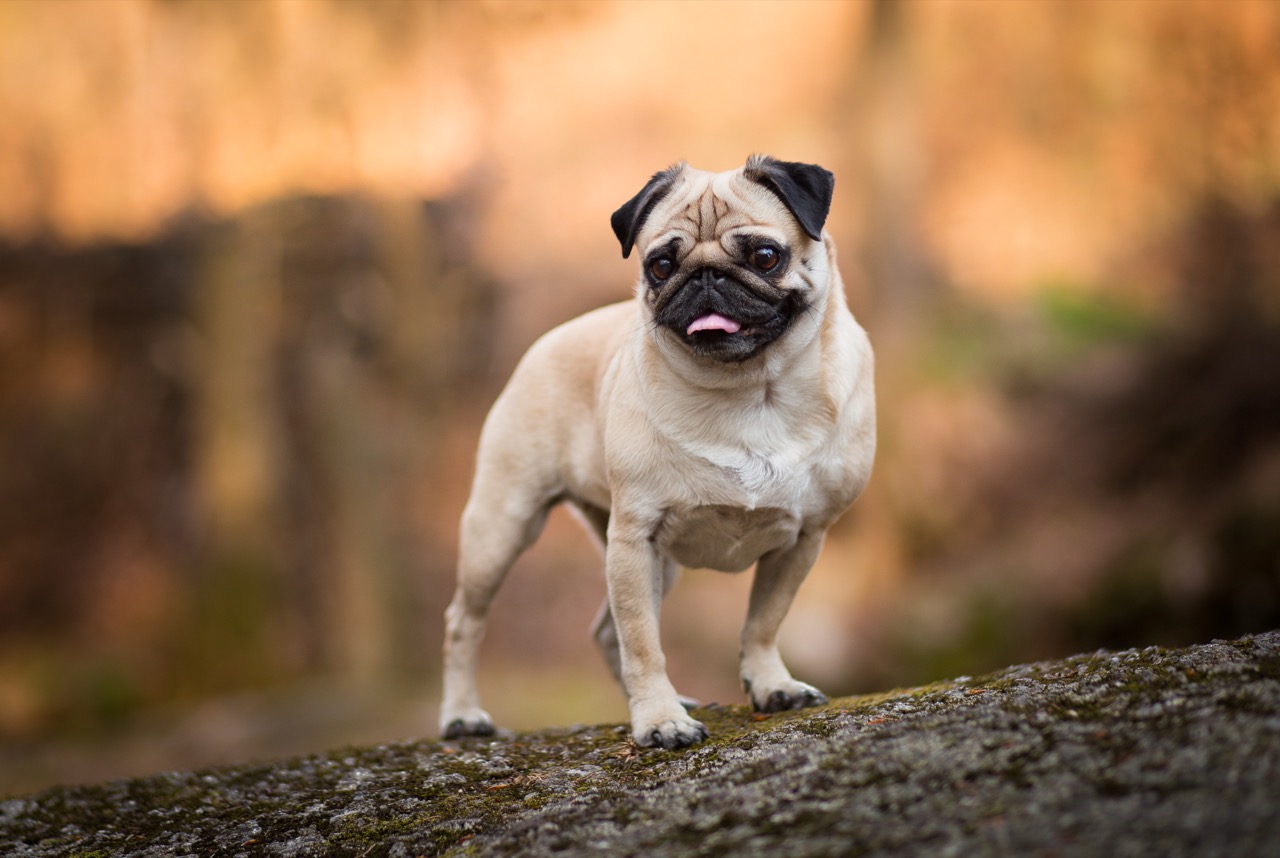
A Pug is one of those dogs many people think they can identify instantly, yet the breed’s true hallmarks are more specific than simply being small and flat faced. The classic Pug outline is compact and square, meaning the dog’s height and body length look roughly balanced rather than long and low. The chest is broad for a toy breed, the shoulders are sturdy, and the overall impression is of a dense, solid little dog rather than a delicate one. When you see a Pug standing naturally, it should look confident and well put together, with a level topline and a body that feels substantial for its size.
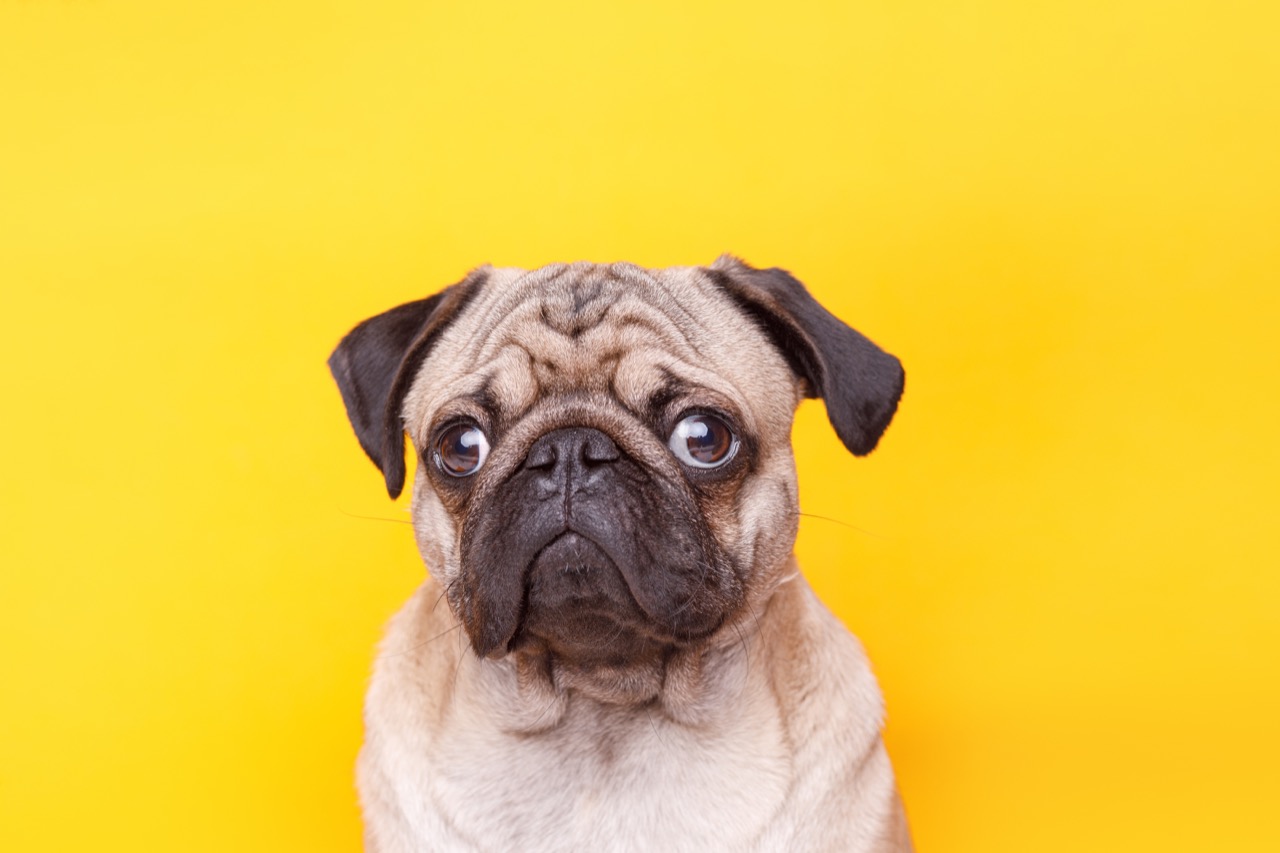
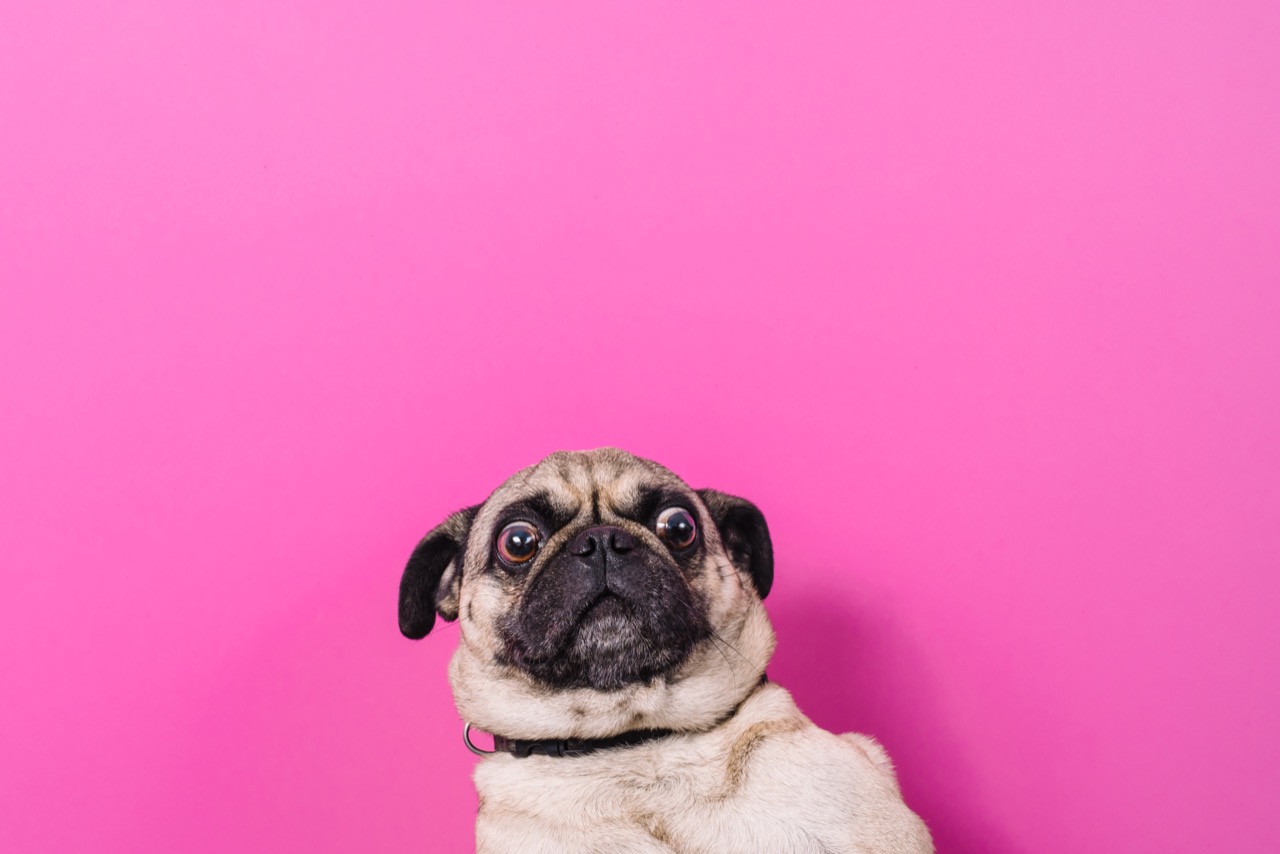
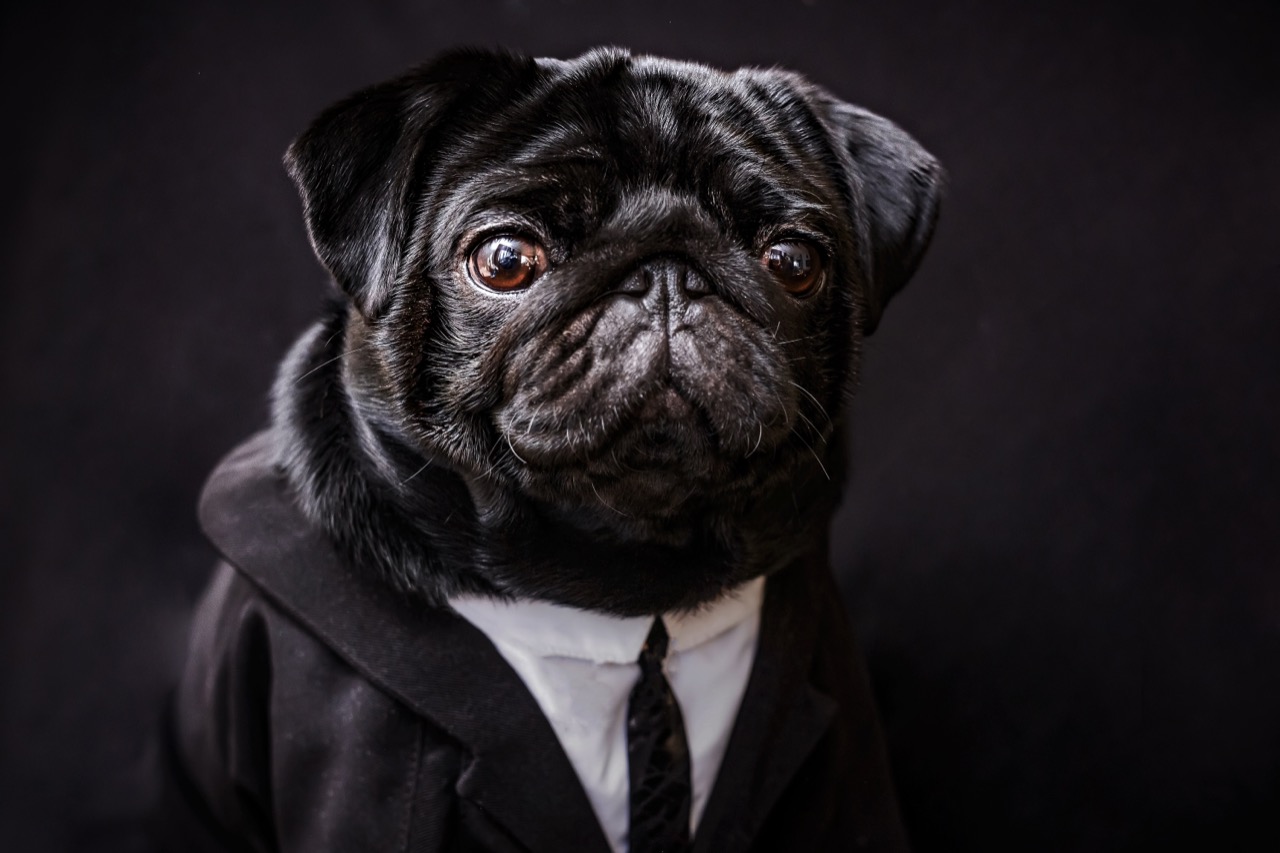
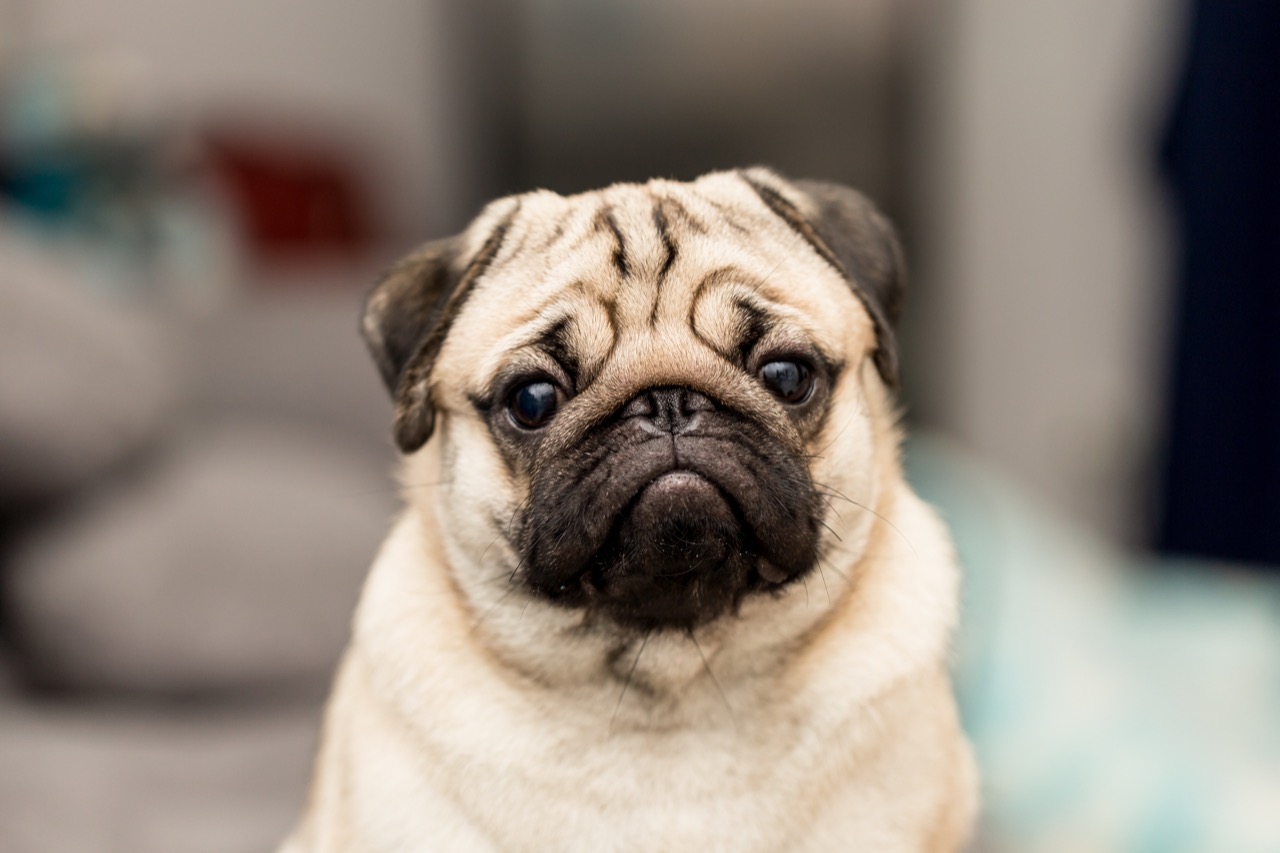
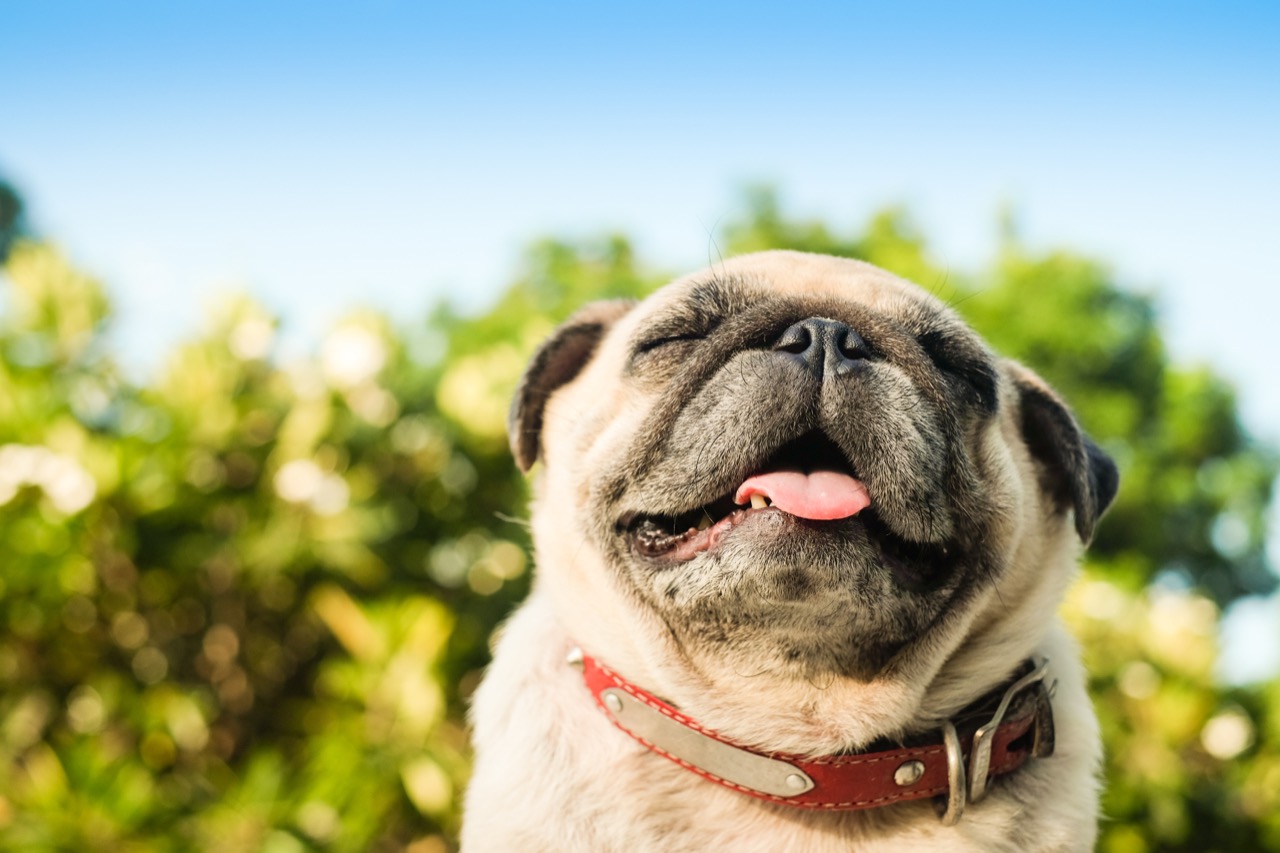
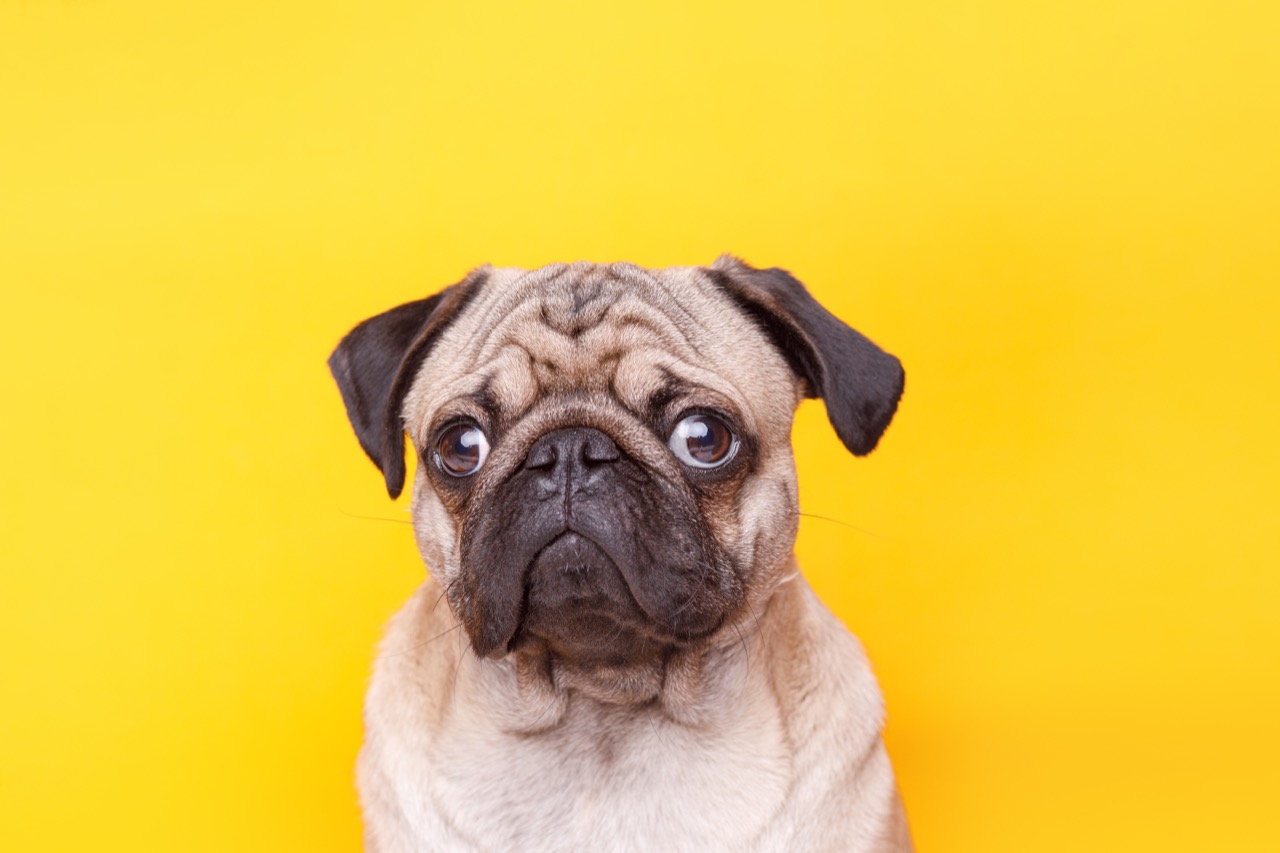
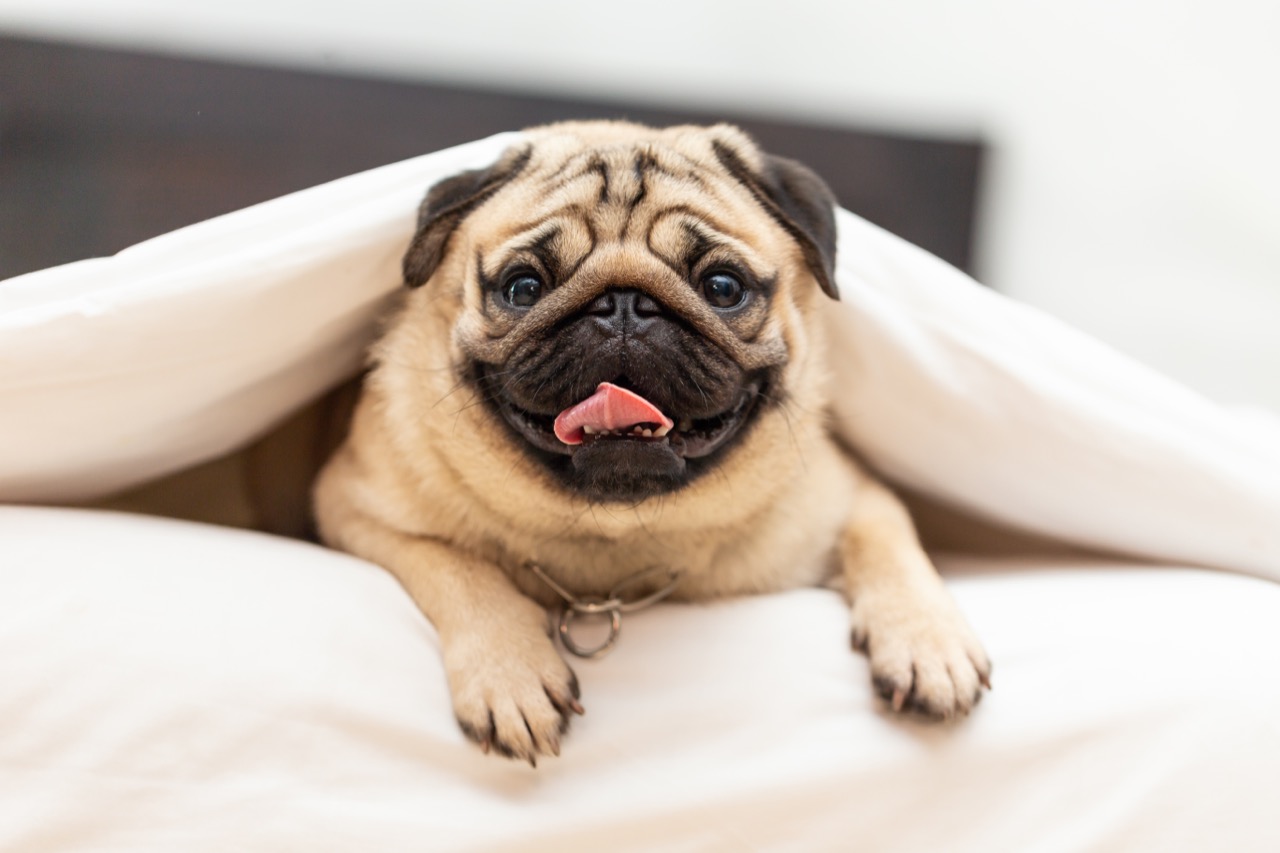
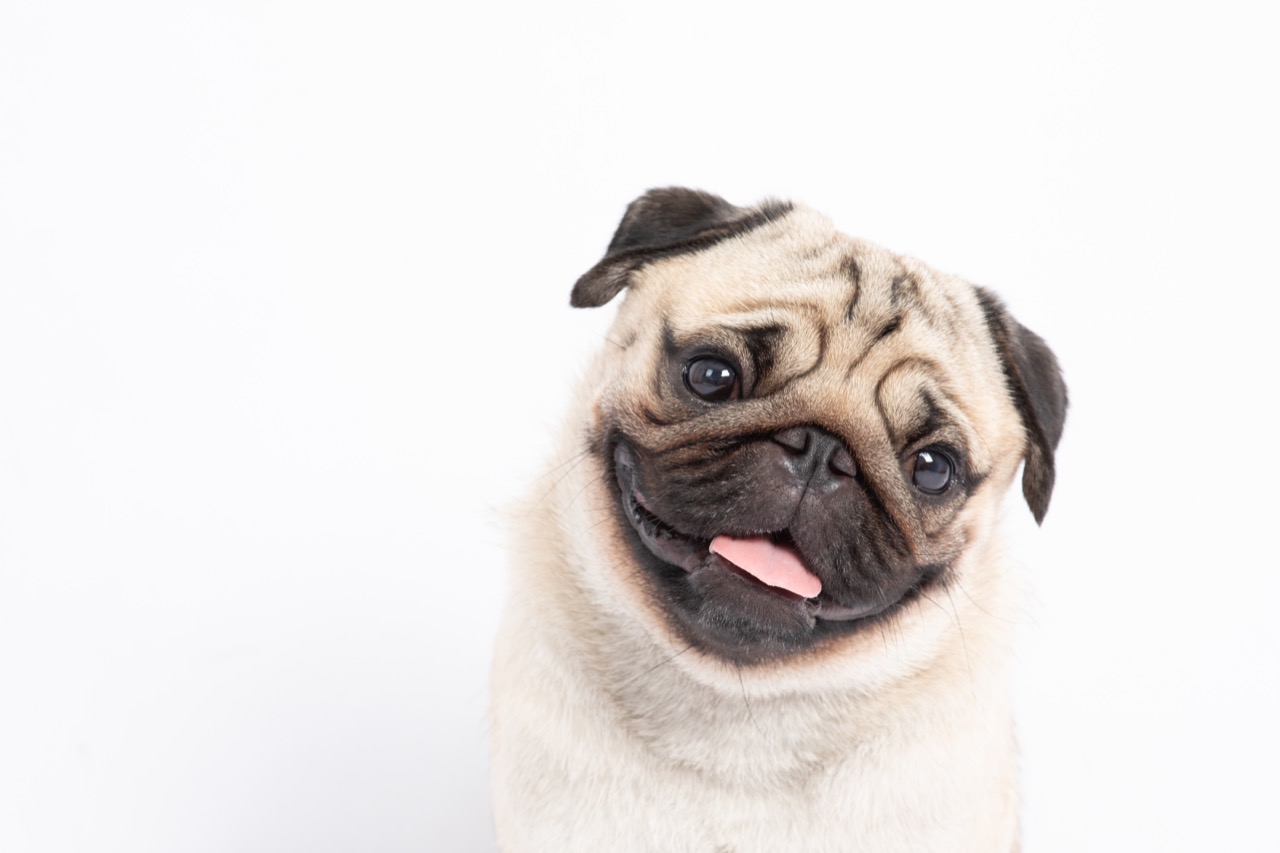
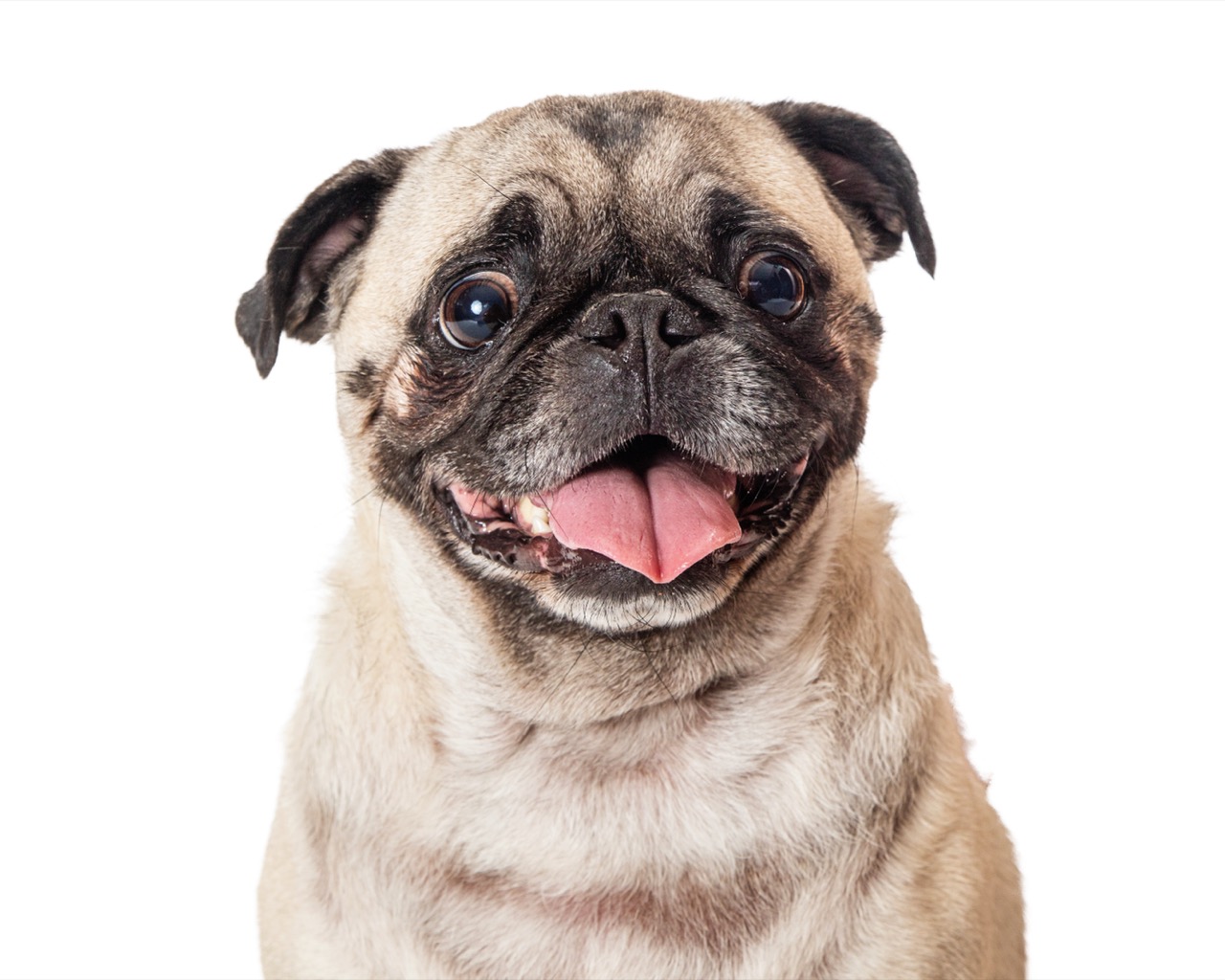
The head is where most of the signature features live. Pugs are brachycephalic, with a very short muzzle, but their face is not meant to look pinched or overly narrow. The muzzle is short and blunt, and the nose is black. One of the most recognizable elements is the dark facial mask, a deeper coloration that covers the muzzle and often frames the eyes. This mask is especially noticeable on fawn Pugs, where it creates strong contrast. The eyes are large, dark, and round, giving the breed its well known expressive look. They should appear prominent without looking bulging or misshapen.
Wrinkles are another key identifier, but it helps to know what you are looking for. A Pug’s forehead typically shows clear, deep wrinkles, sometimes described as forming a pattern across the brow. These folds are part of the breed’s traditional expression and are more than random skin looseness. The ears are small and soft, set high on the head, and can appear in two common shapes: the rose ear, which folds back to reveal the inner ear, and the button ear, which folds forward to cover the opening. Either can occur, and both contribute to the Pug’s distinctive silhouette.
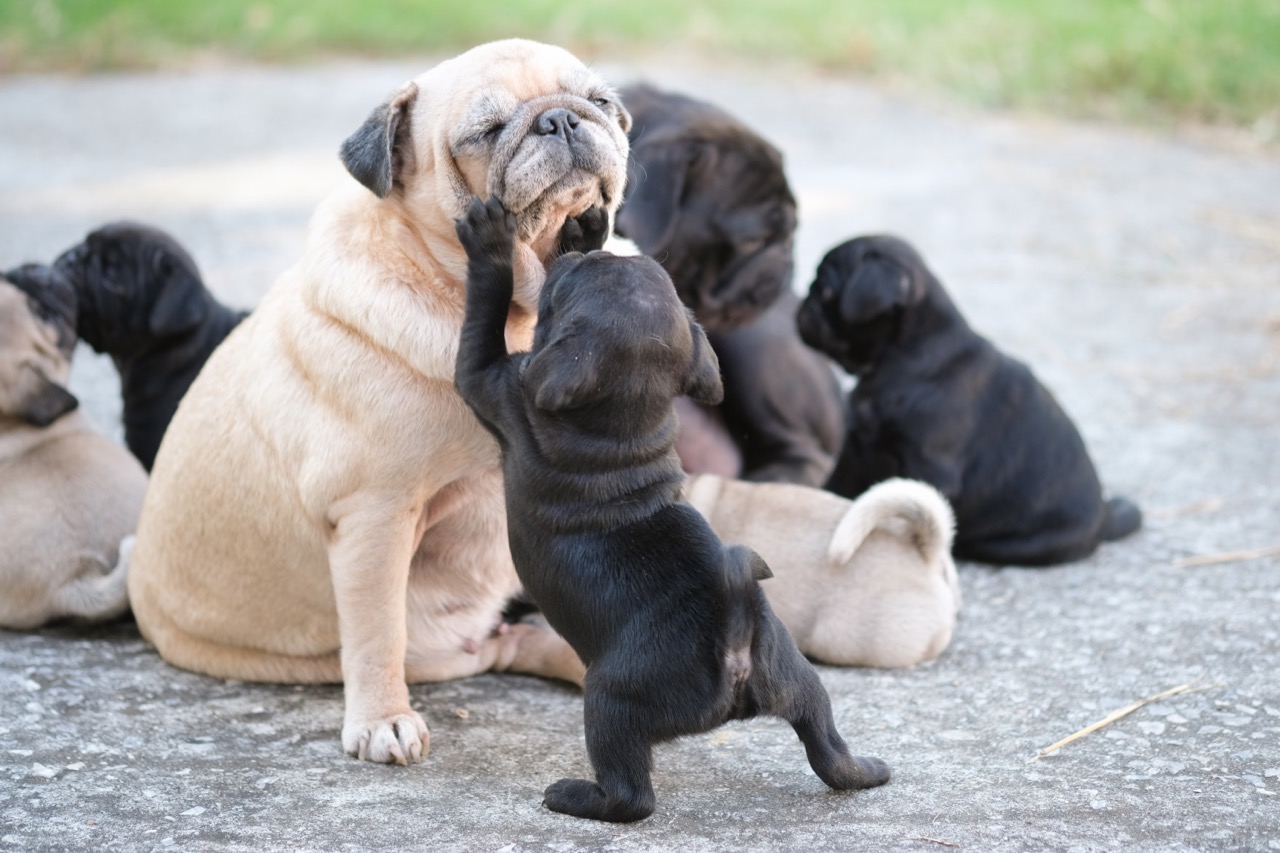
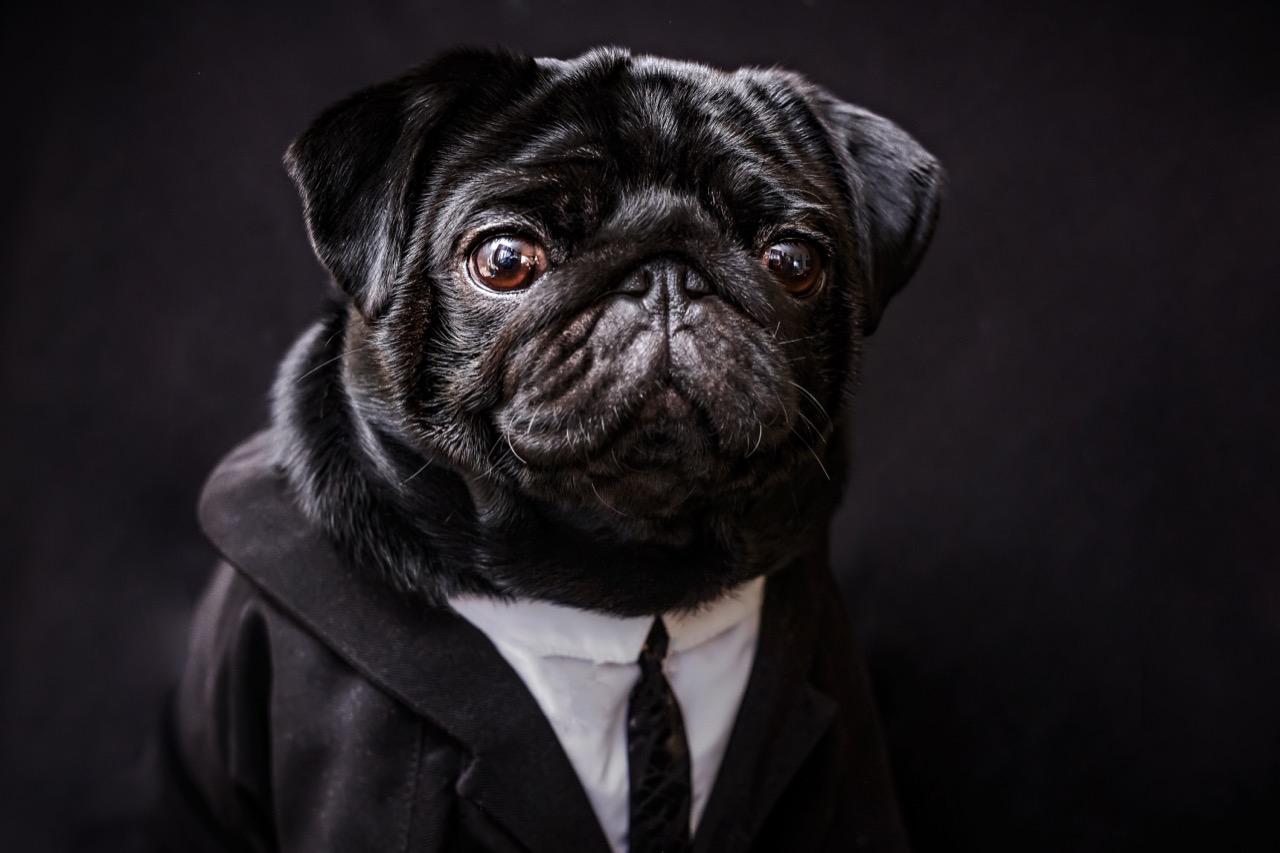
A true Pug coat is short, smooth, and glossy, lying close to the body. It is not fluffy like a Pomeranian’s, not wiry like many terriers, and not long and silky like a Shih Tzu’s. The coat may feel fine but it is dense, which is why Pugs can shed more than people expect from a short haired dog. The AKC lists fawn and black, while the UK Kennel Club lists silver, apricot, fawn, and black. Regardless of color, the overall look should remain clean and sleek rather than feathered.
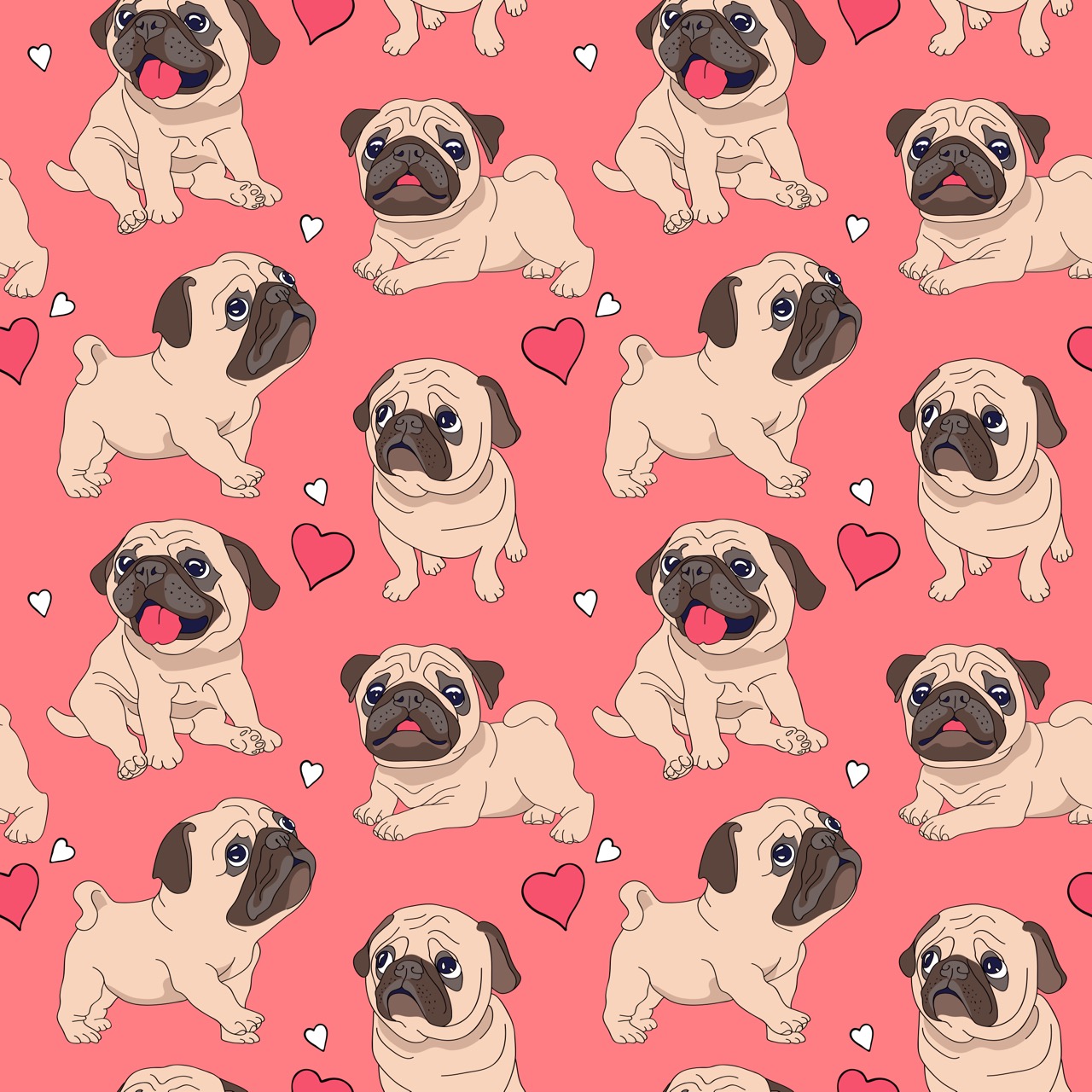
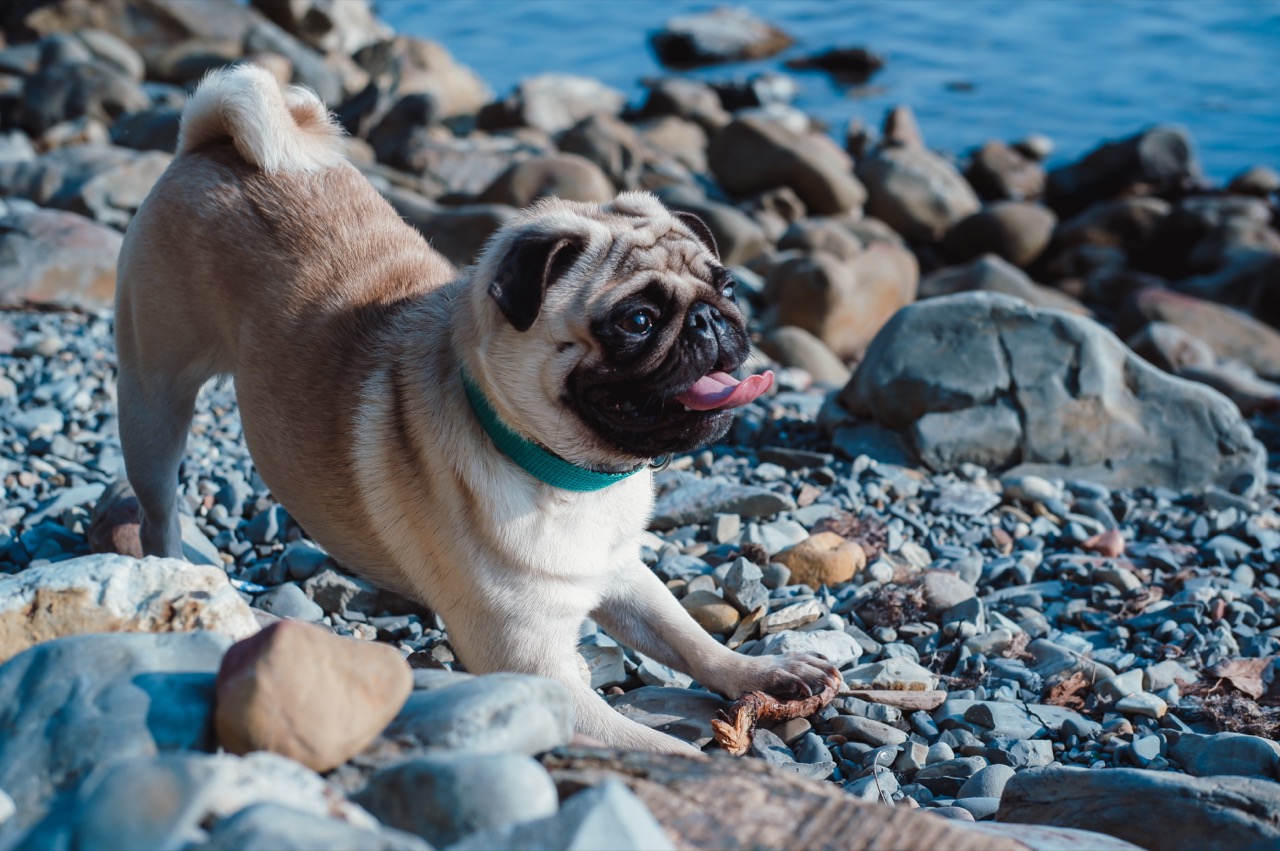
No feature says Pug quite like the tail. The tail is set high and carried tightly curled over the hip. A strong curl is typical, and some Pugs display a double curl, where the tail forms two loops. A straight or loosely carried tail is a clue you may be looking at a mix or another breed. The legs are straight and strong, and the feet are compact, supporting the breed’s sturdy build.
Pugs are often confused with other flat faced companion dogs, but details separate them. French Bulldogs have upright bat ears and a more muscular, bully type frame. Boston Terriers are leggier and typically have a tuxedo pattern with a shorter, smoother face but a different head shape and ear set. English Bulldogs are much heavier with a very different body structure. The Pug’s combination of a square, compact body, short glossy coat, dark mask, pronounced forehead wrinkles, and tightly curled tail creates a specific look that is hard to miss once you know what to check for. Understanding these traits turns casual recognition into confident identification, which is exactly the kind of knowledge that makes breed focused trivia fun.