Sheltie Style From Frill to Hock
Quiz Complete!
Shetland Sheepdog Origins and the Look That Tells Their Story
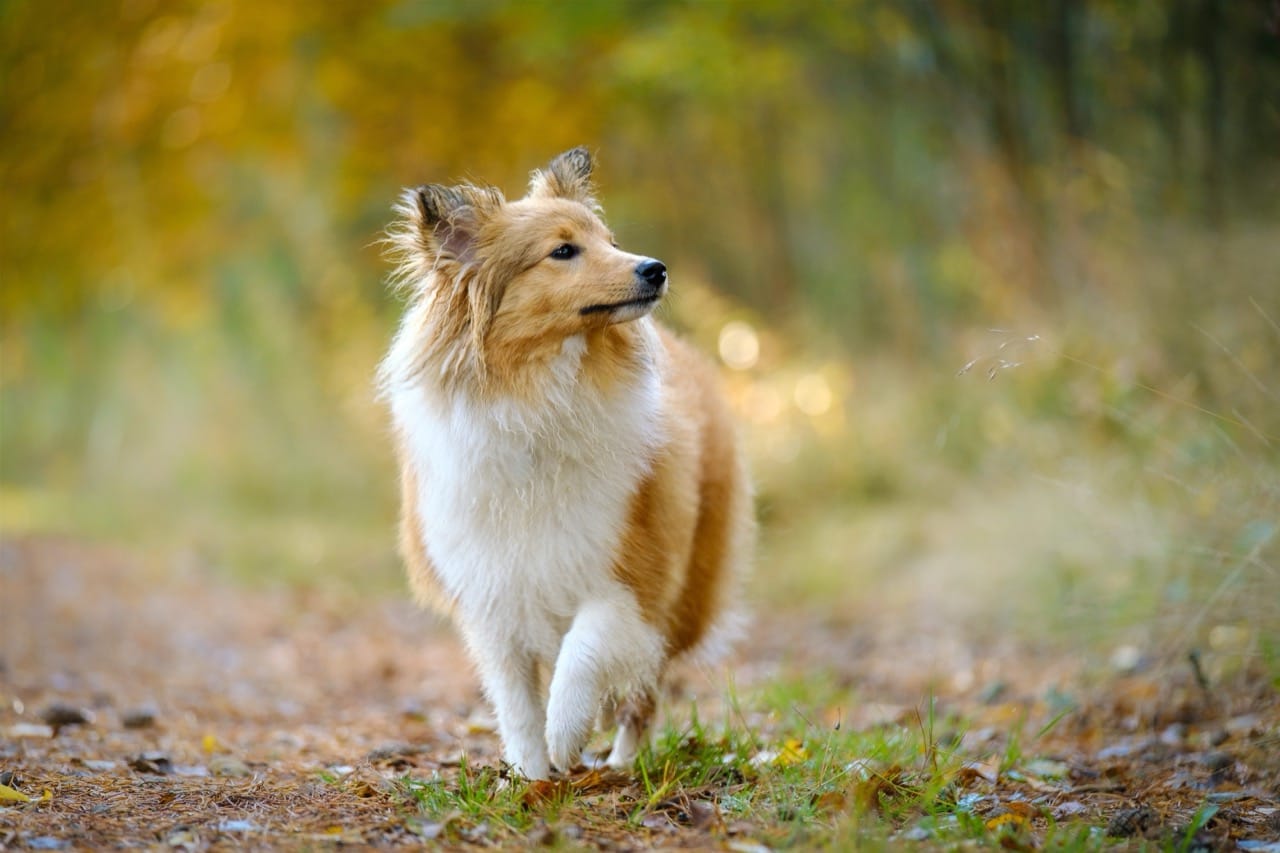
The Shetland Sheepdog, often called the Sheltie, is a small herding dog with an outsized presence. At a glance you notice the plush coat, alert expression, and a silhouette that seems built for quick turns and long days of work. Those details are not just decorative. They are clues to the breed’s development in the Shetland Islands, a remote and windy place north of mainland Scotland where practical traits mattered. Farmers needed a nimble dog that could manage small livestock and handle harsh weather, and over time a distinctive type emerged: bright, responsive, and wrapped in a weatherproof coat.
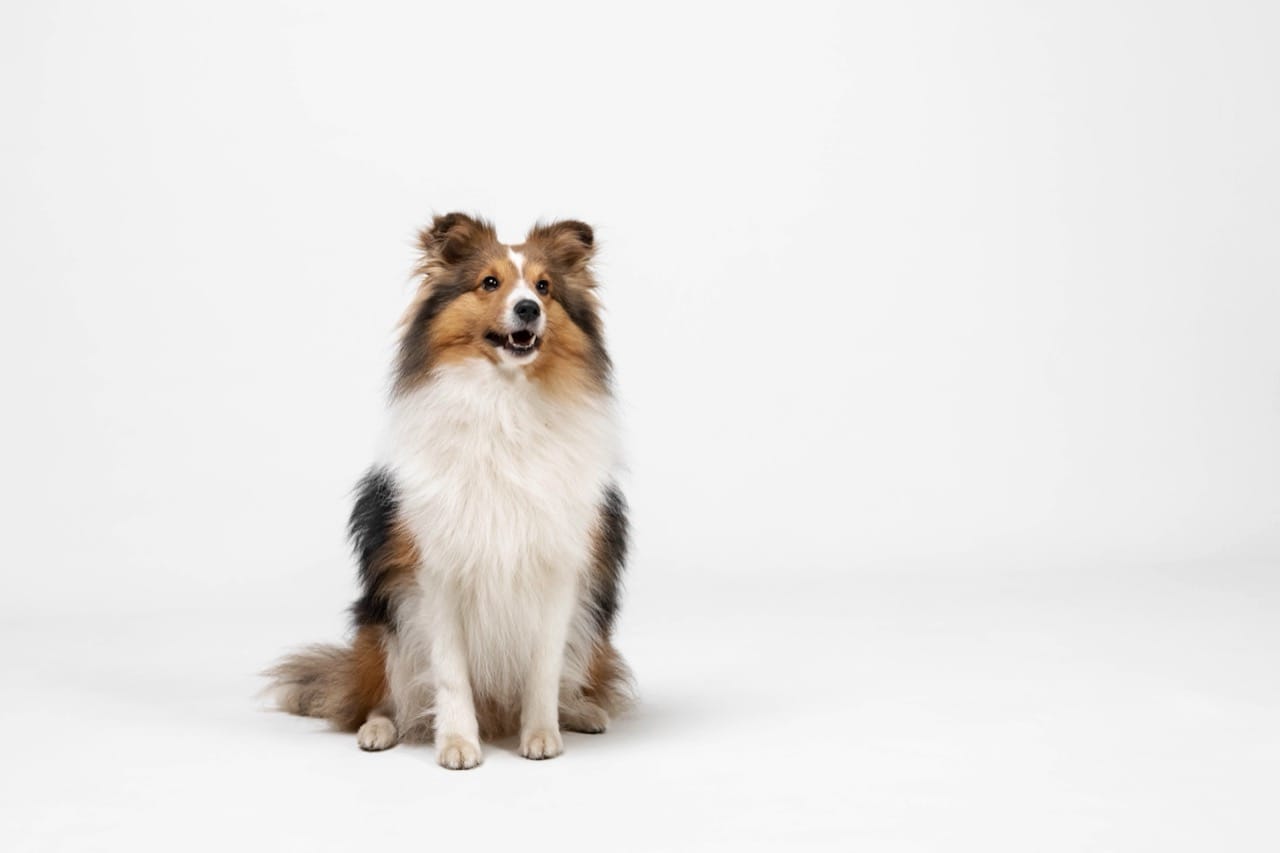
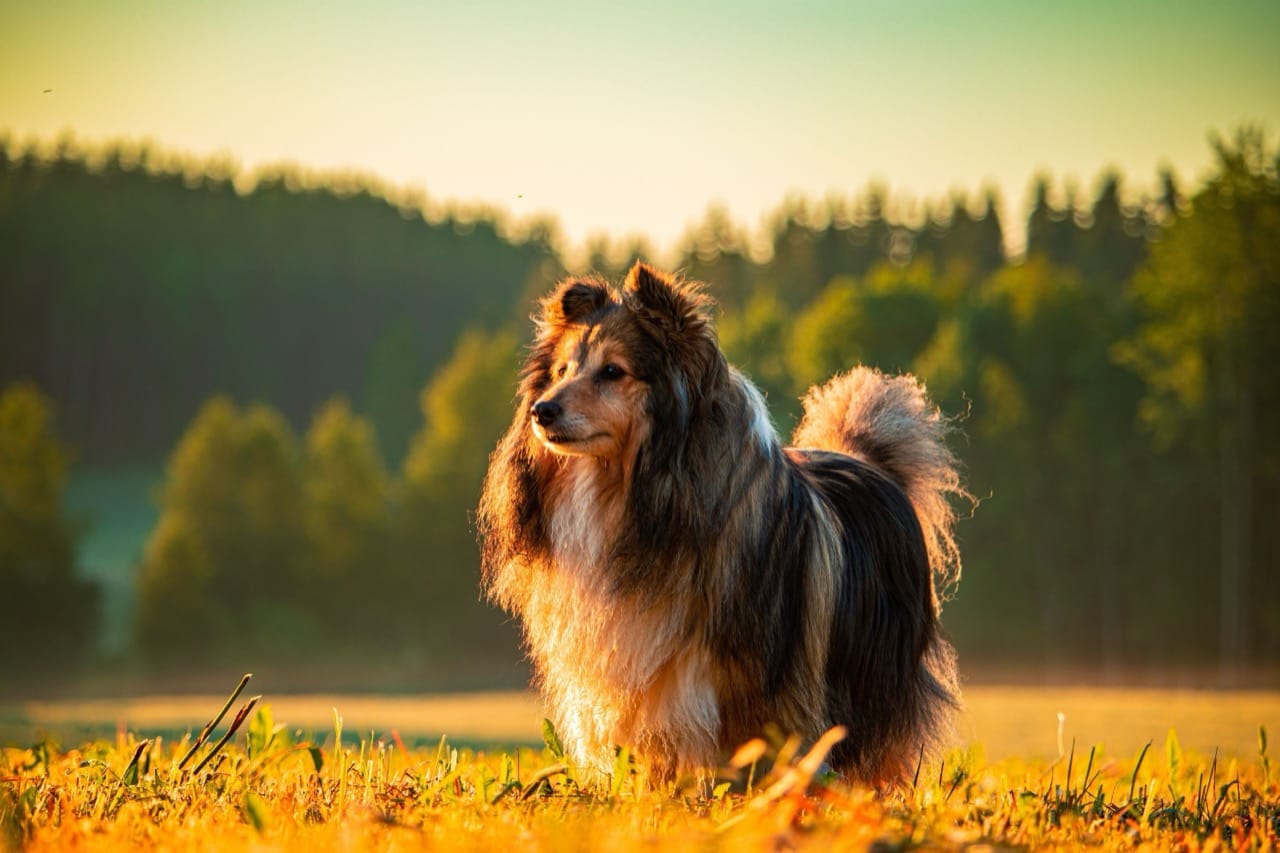
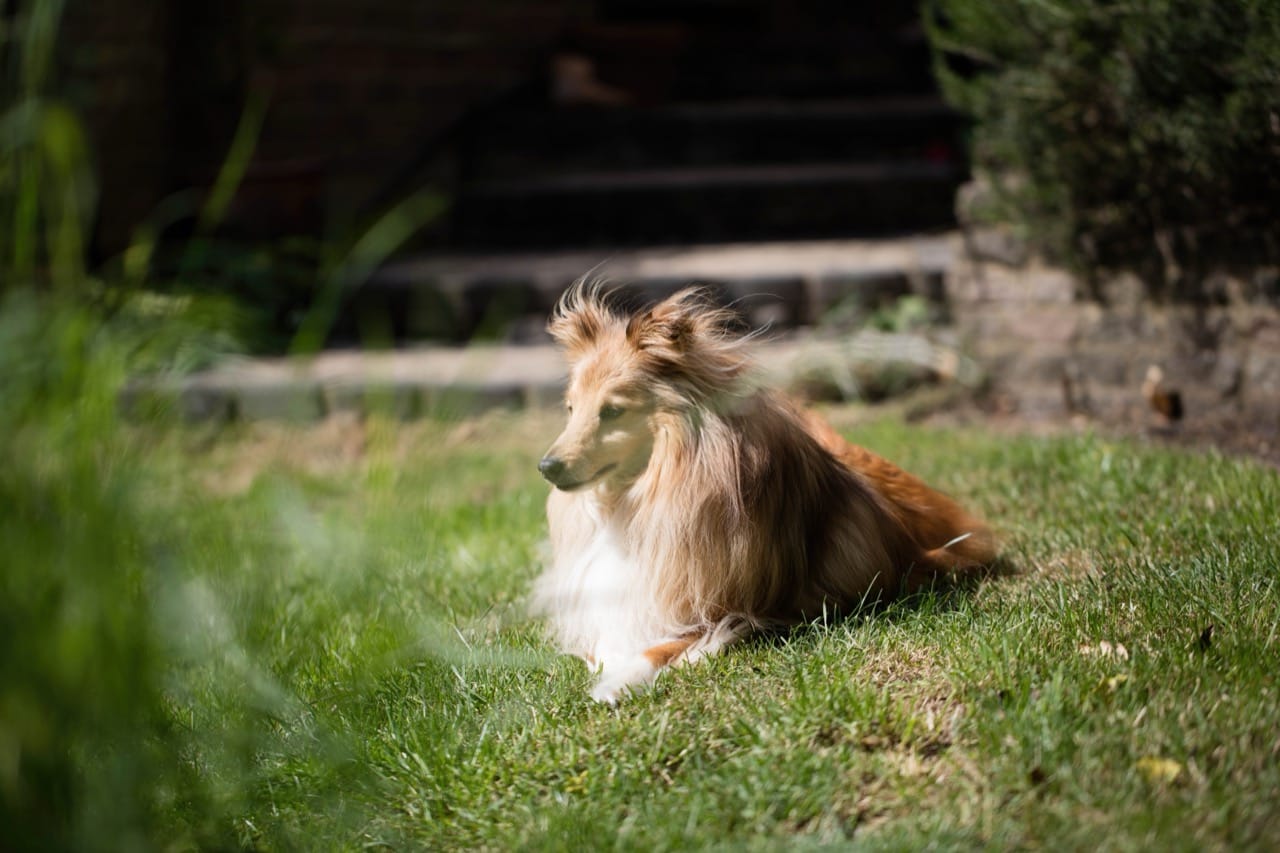
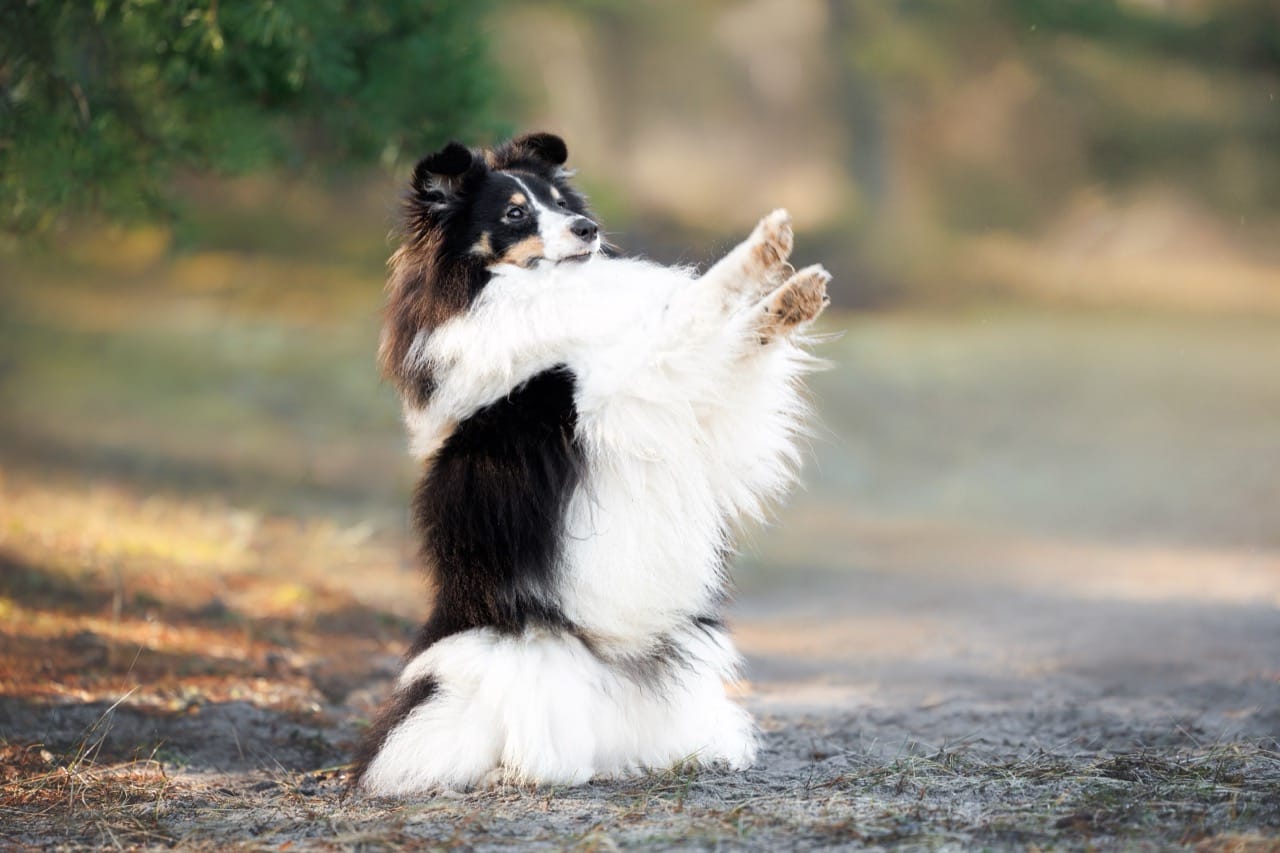
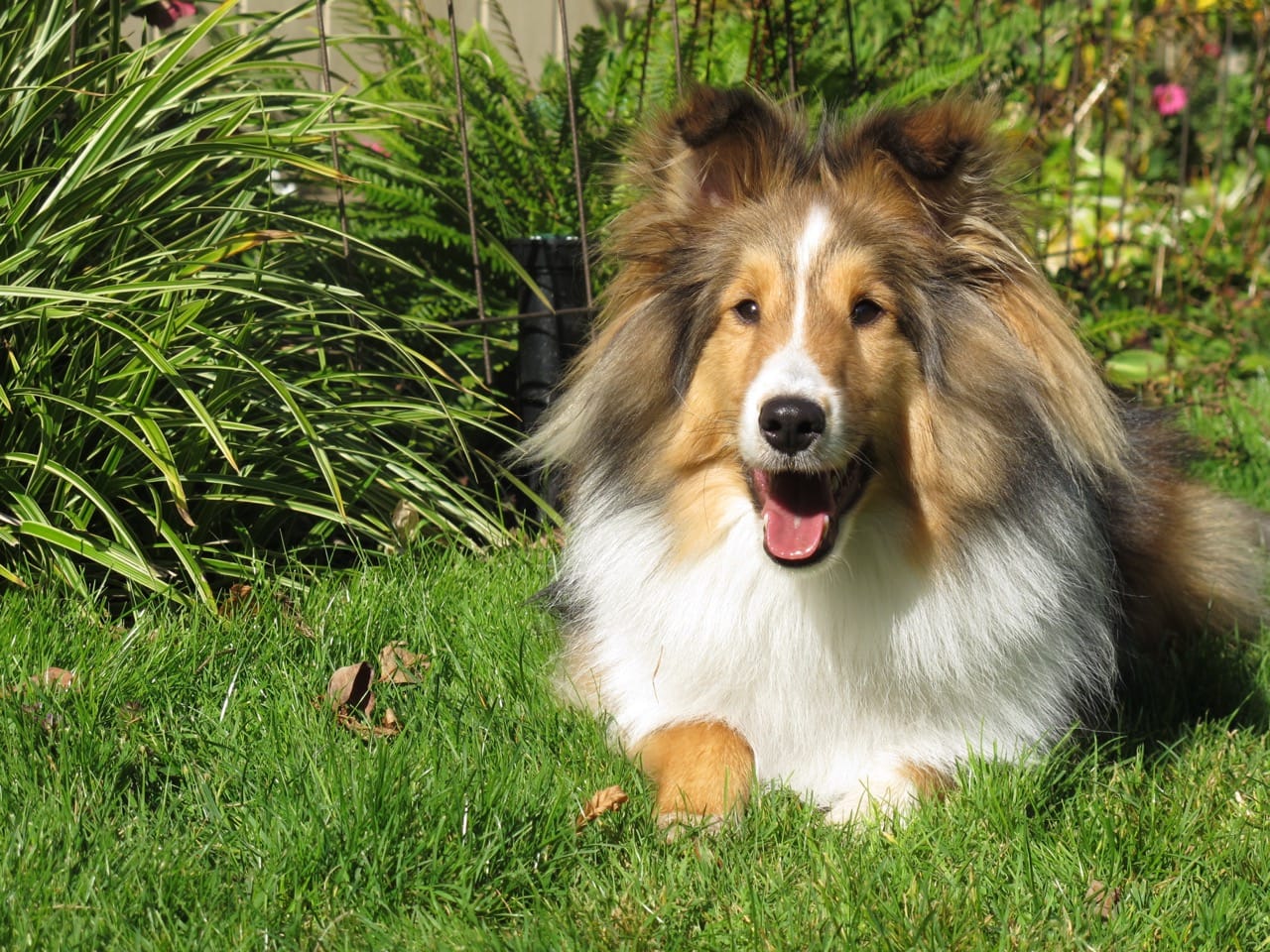
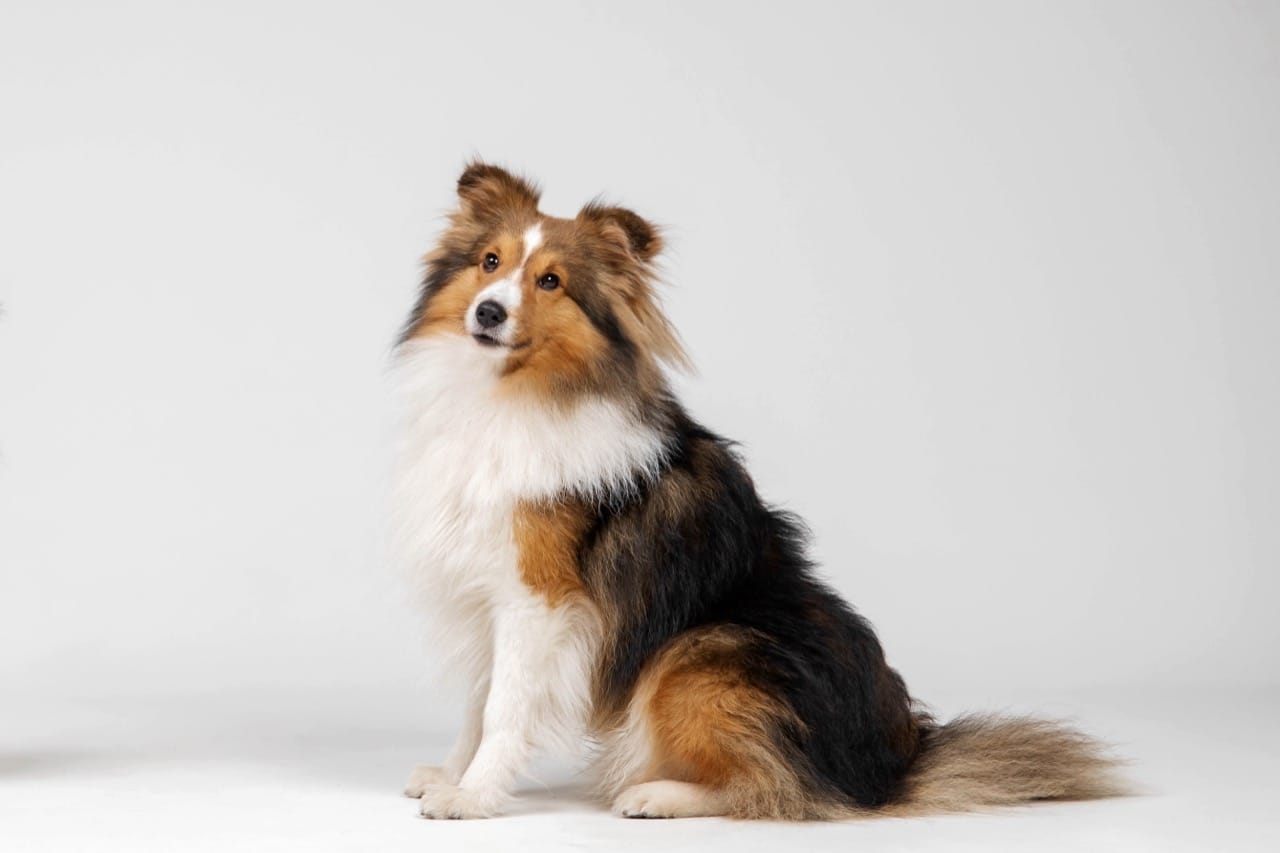
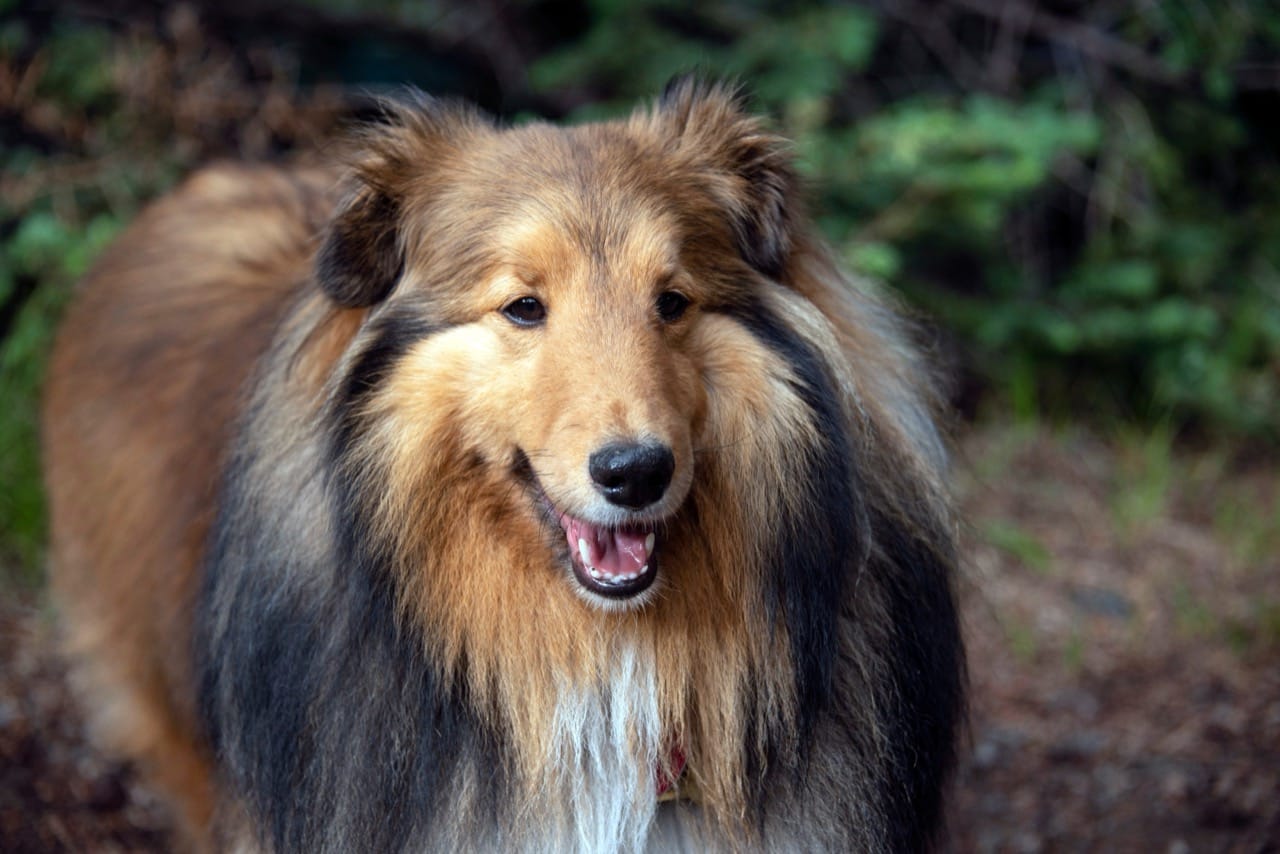
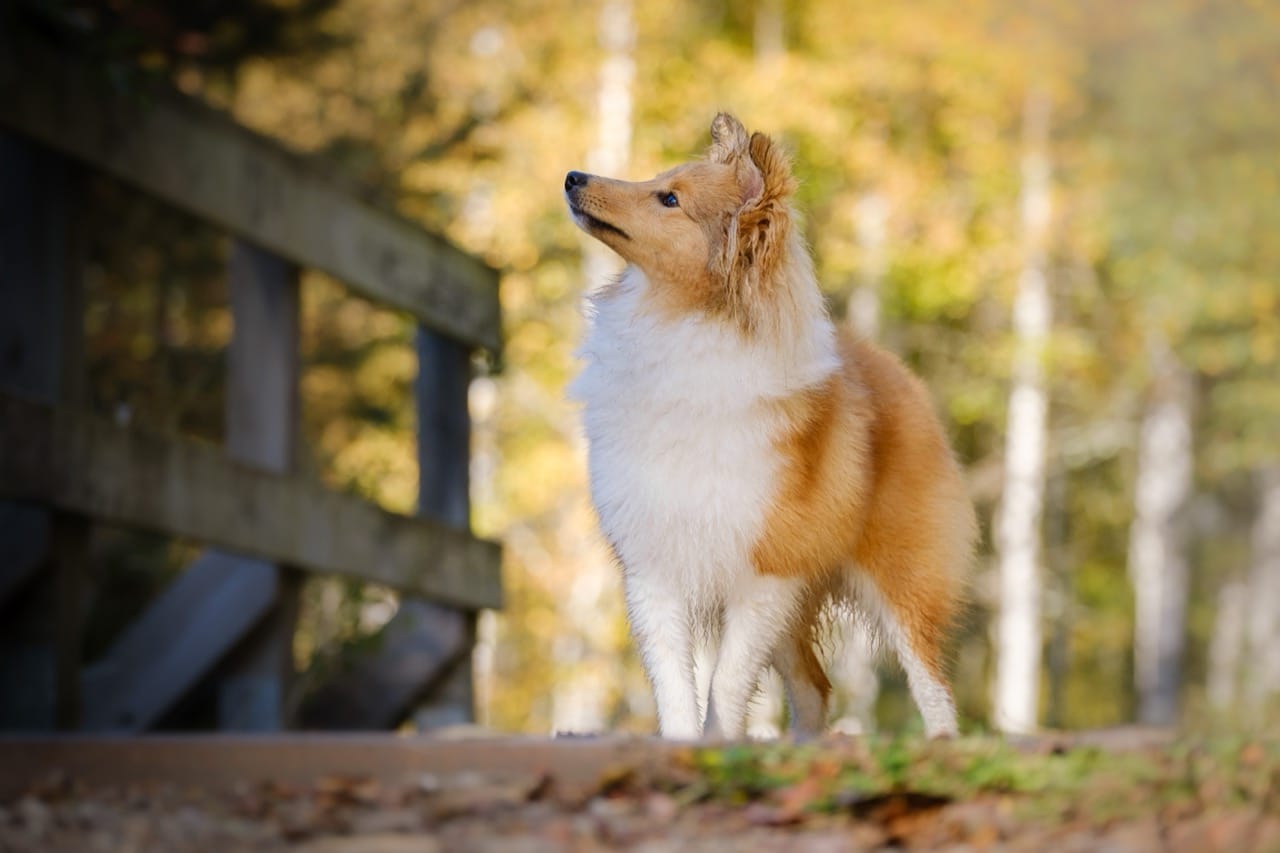
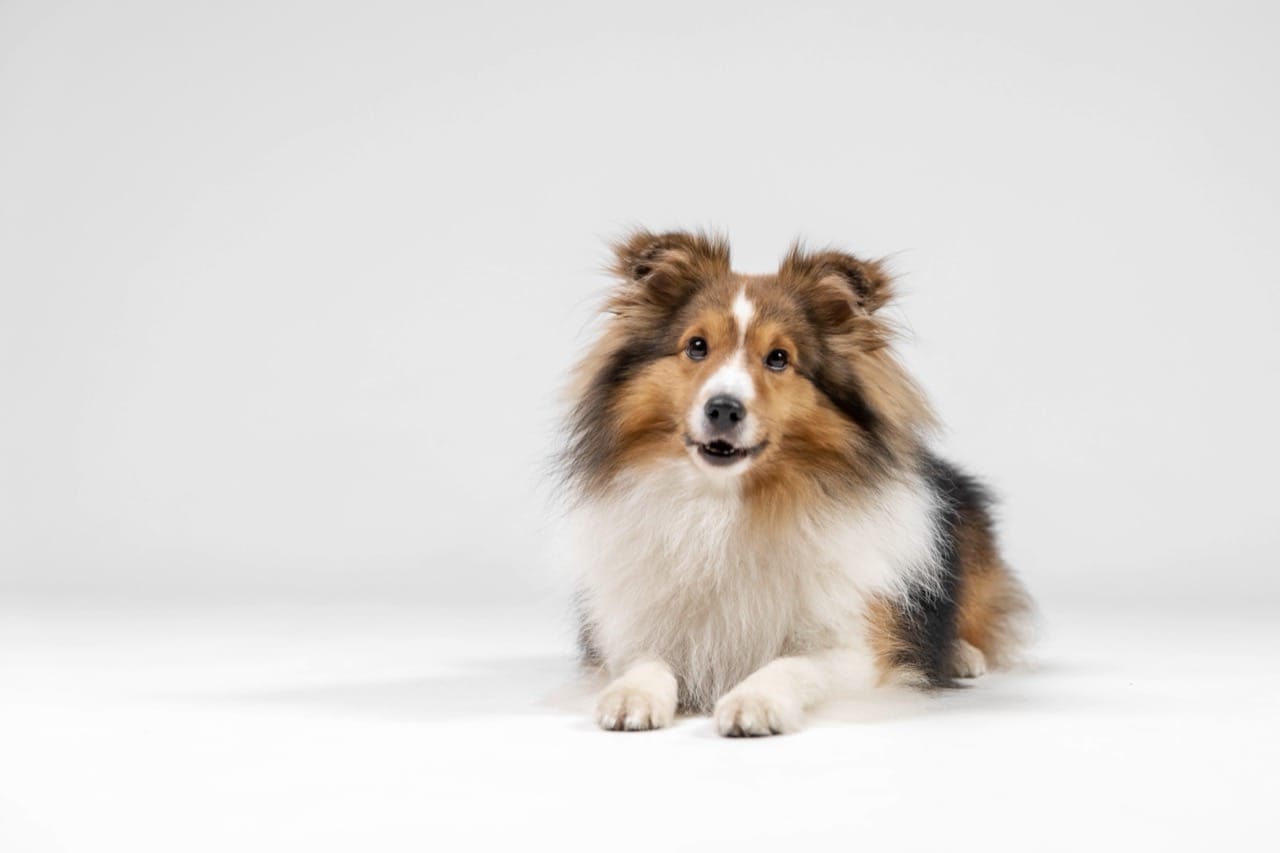
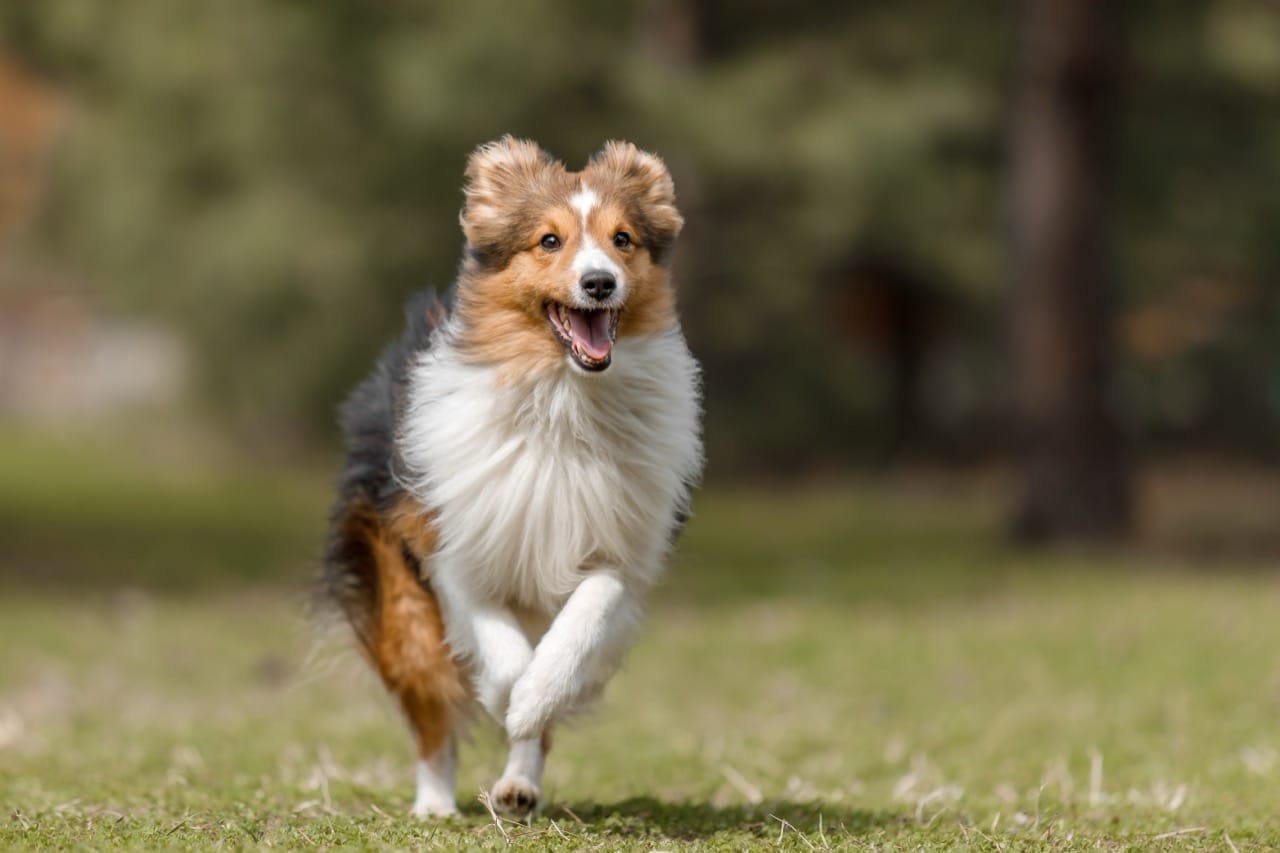
A true Sheltie is a double coated breed. The outer coat is long, straight, and harsh to the touch, designed to shed rain and resist the elements, while the undercoat is dense and soft, providing insulation. One of the most recognizable features is the mane and frill, the thicker ruff of hair around the neck and chest that frames the head and emphasizes the breed’s refined outline. Feathering is another hallmark: longer hair appears on the backs of the forelegs, the thighs, and along the tail. These furnishings contribute to the famous fluffy look, but they also reflect a functional coat that protects while the dog moves through rough ground and cold air.
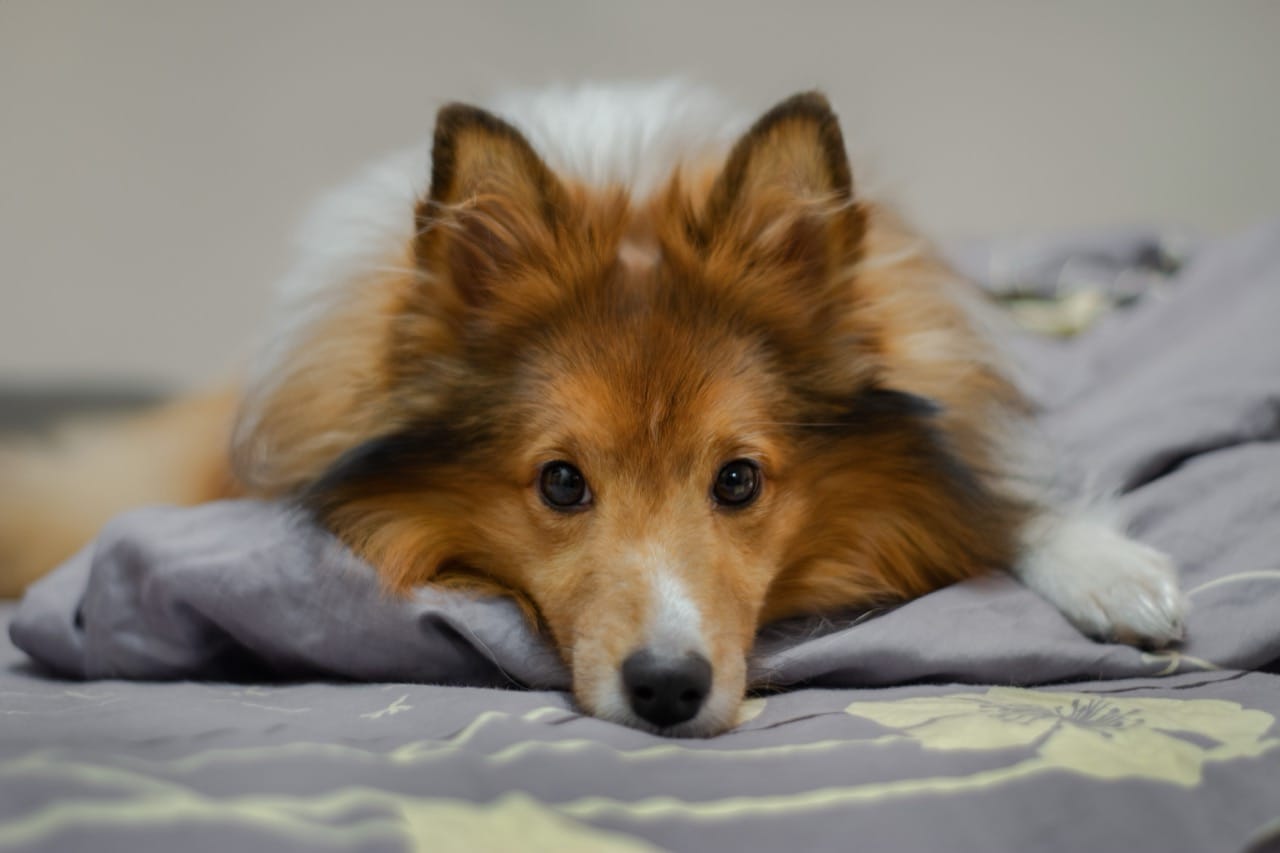
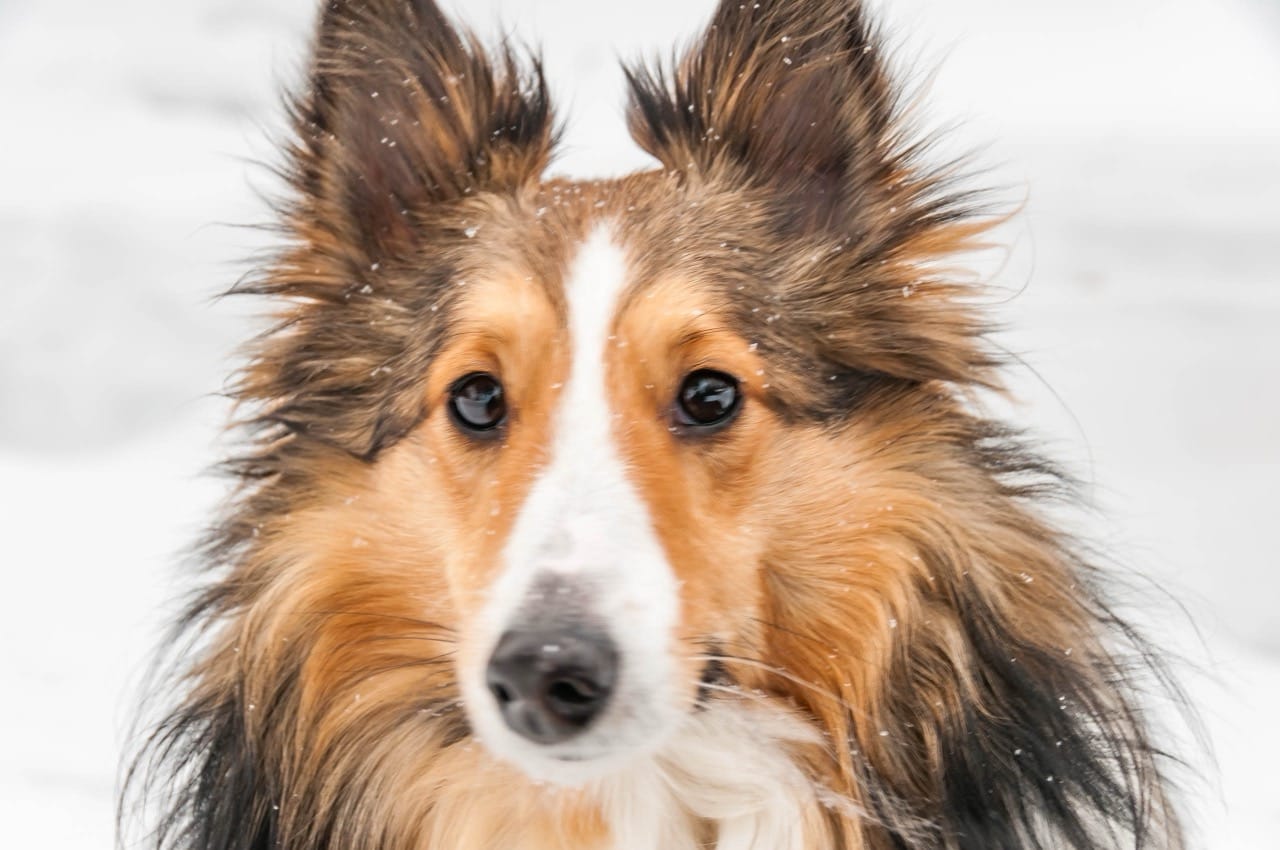
The head shape helps separate the Shetland Sheepdog from other collie type breeds. Breed references describe a wedge shaped head when viewed from above or from the side, with a smooth taper from the ears toward the nose. The muzzle and skull should appear balanced, giving the dog a clean, intelligent expression rather than a heavy or blocky one. The ears are small and carried high, typically with the tips folding forward. That ear set and carriage are part of the classic Sheltie look, contributing to an alert, listening posture that suits a dog bred to respond instantly to a handler.
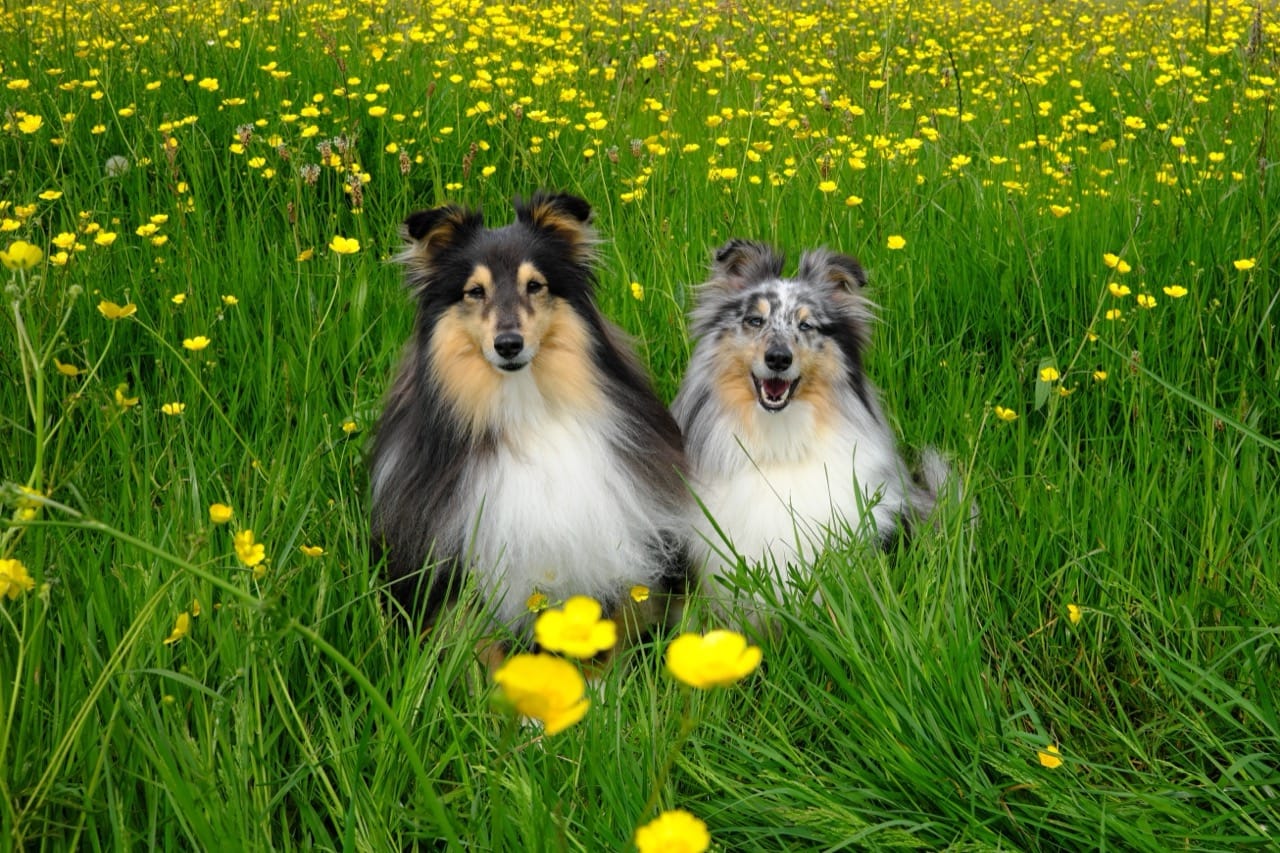
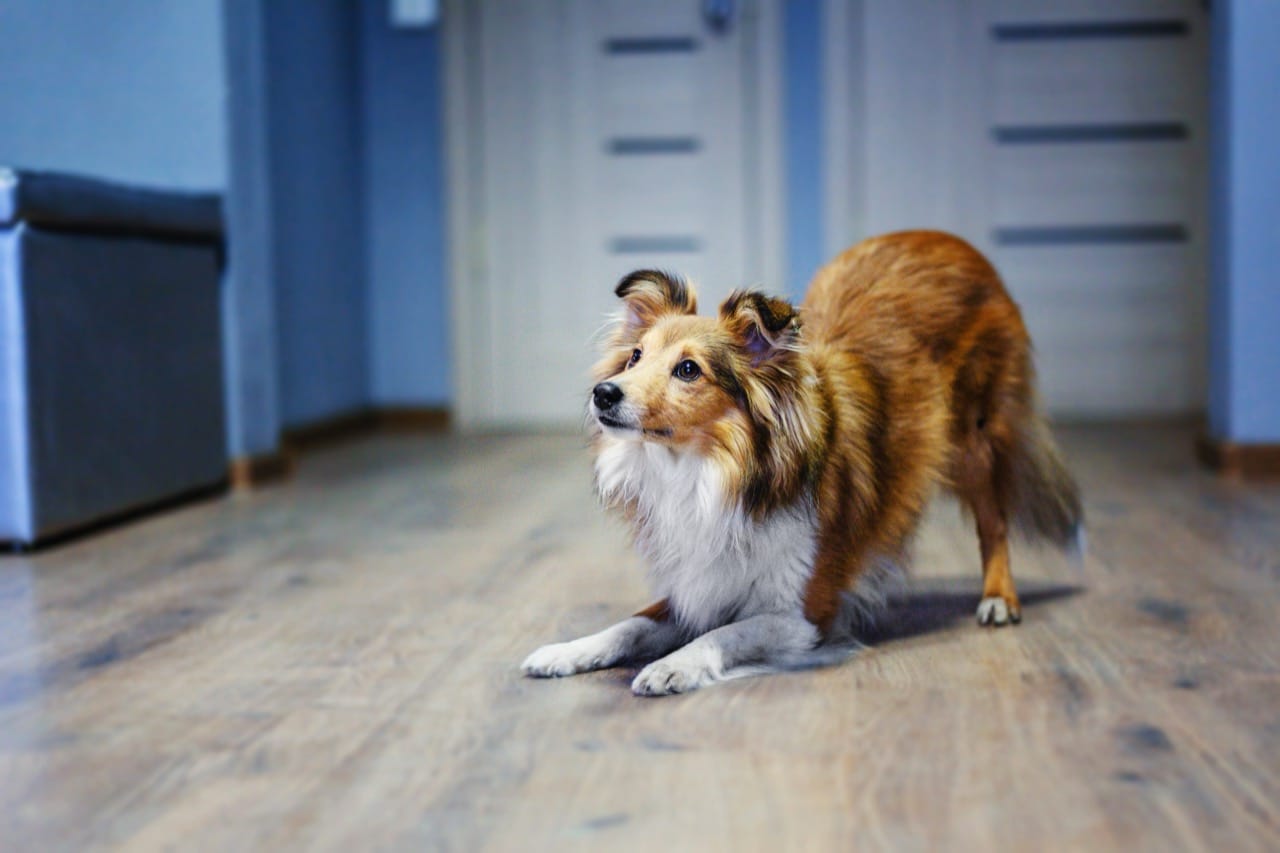
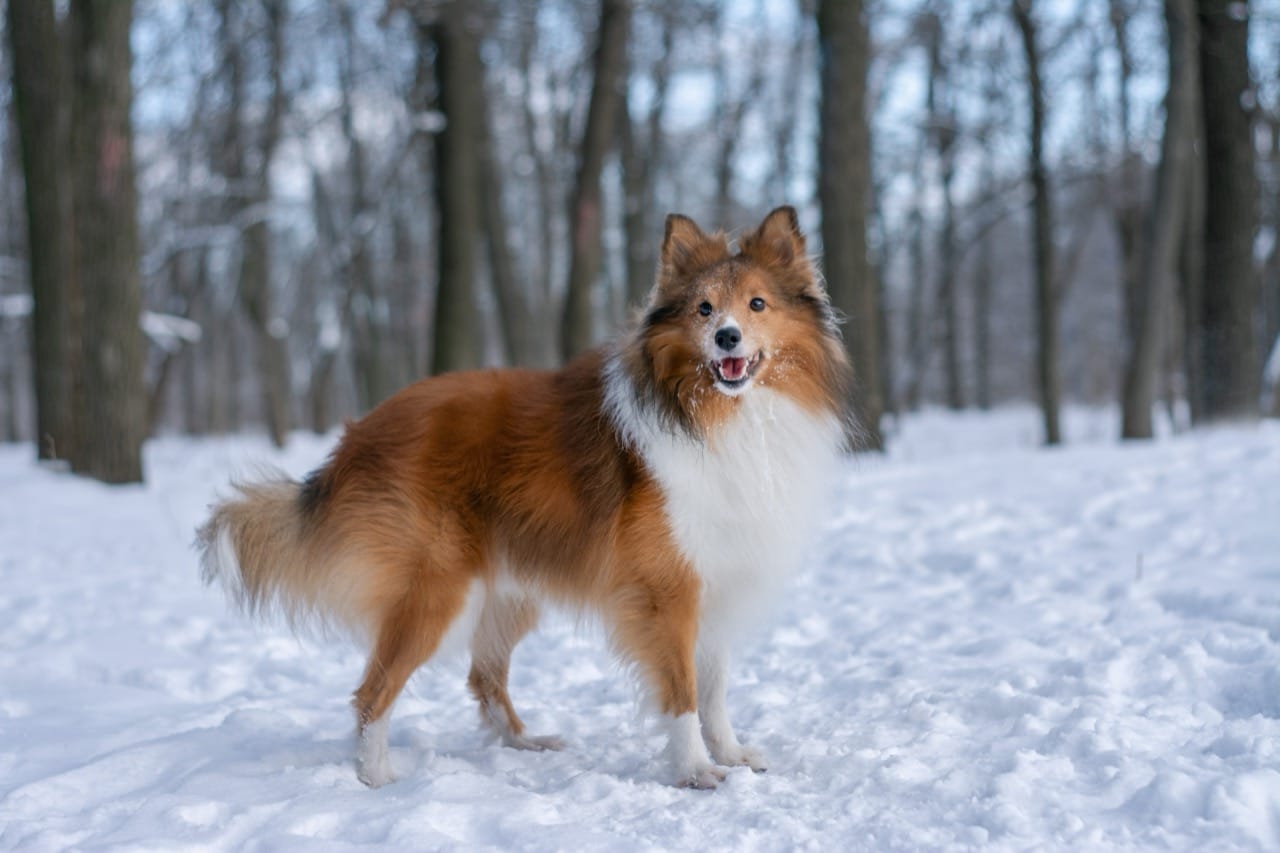
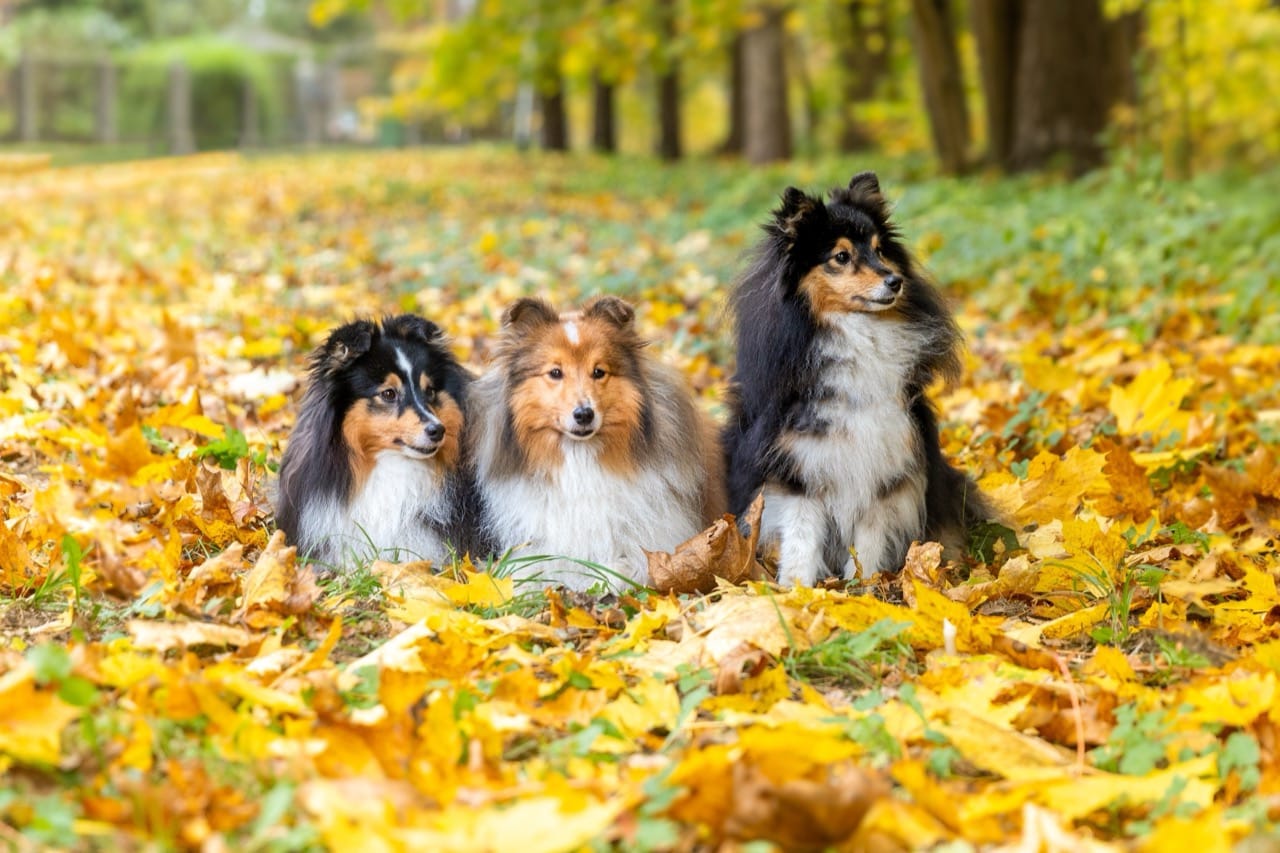
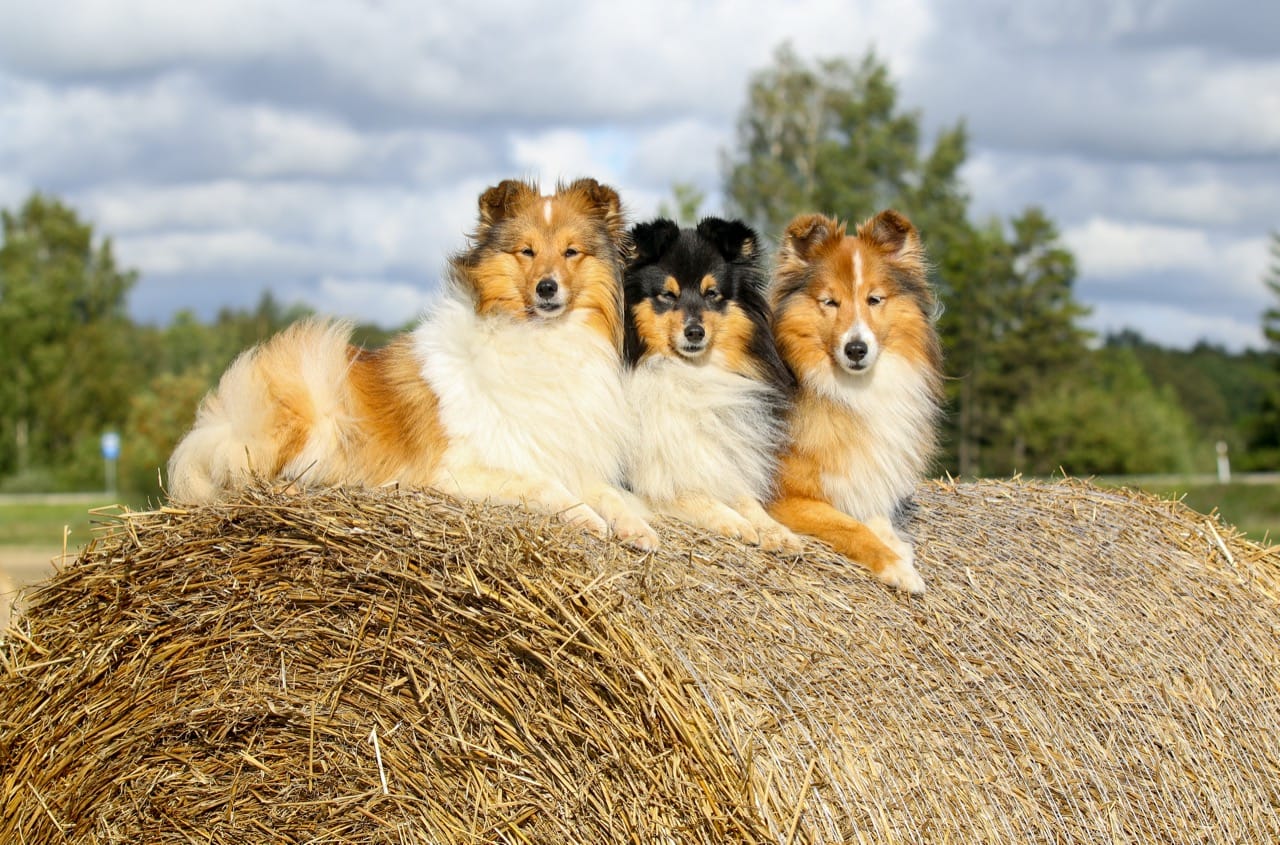
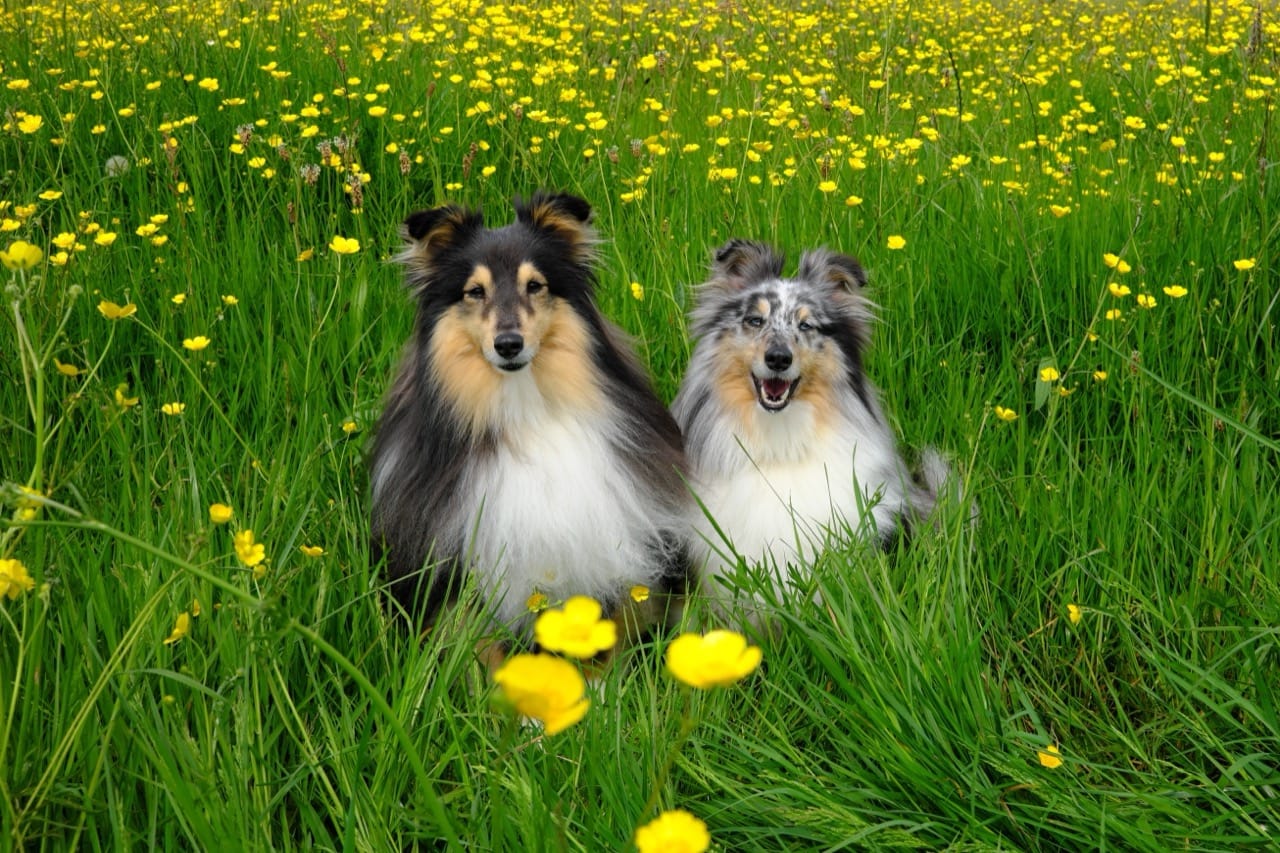
Color is another area where people test their eye for real breed details. Common recognized colors include sable, black, and blue merle, usually with varying amounts of white and tan. Sable can range from pale golden to rich mahogany, often with darker shading. Blue merle is a marbled pattern of gray, black, and sometimes tan, producing a striking mottled effect. Typical markings may include a white collar, white chest, white legs or feet, and a white blaze on the face. Many Shelties also show tan points, such as on the cheeks and above the eyes, which can sharpen the expression. While markings can vary, the overall impression is of a well balanced dog where color and pattern highlight, rather than overwhelm, the breed’s elegant outline.
The tail is another signature feature. It is long and well feathered, carried low when the dog is relaxed, with a slight upward curve at the end. In motion or excitement it may lift, but the traditional outline is not that of a tightly curled tail over the back. The body should look moderately long, with a level topline and a deep chest for the dog’s size. Put together, these traits create a small herding dog that looks capable of speed and endurance rather than a purely ornamental companion.
Knowing these identifiers makes it easier to tell a Sheltie from similar looking relatives. The Shetland Sheepdog shares ancestry and a general collie like style, but the Sheltie’s smaller size, particular head proportions, ear carriage, and overall balance are key. When you look past the fluff and focus on structure, coat type, and classic markings, the breed’s island history becomes visible. The Sheltie’s appearance is essentially its job description written in fur, angles, and expression, which is exactly what makes spotting the real details so satisfying.