Mini Aussie DNA Test Day
Quiz Complete!
Mini Australian Shepherd Medical Warning Signs Owners Should Know
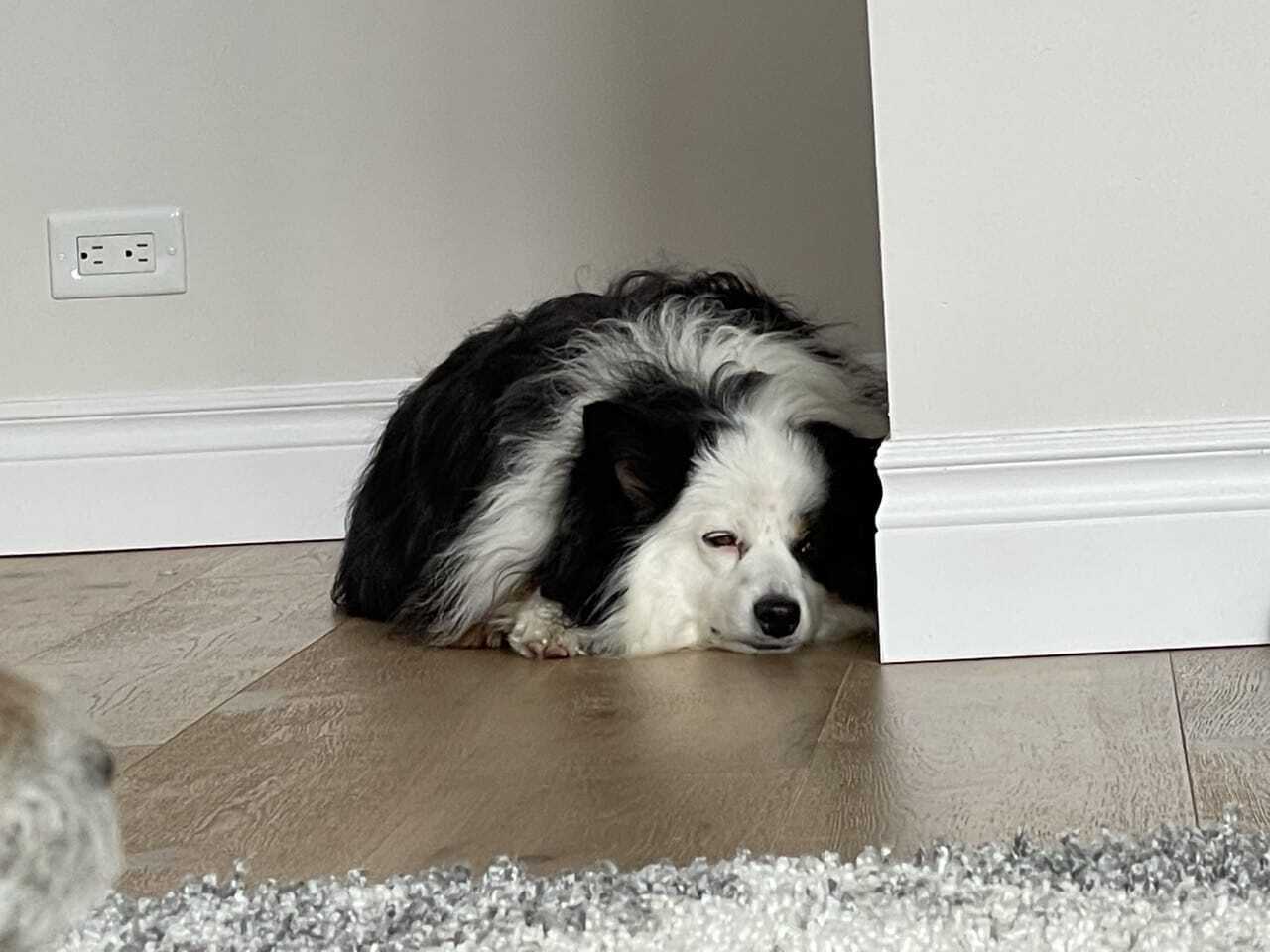
Mini Australian Shepherds pack a lot of dog into a smaller body: quick minds, strong herding instincts, and the stamina to keep going long after their people are ready to sit down. That energy and enthusiasm can hide early medical clues, so it helps to know which health issues are more likely in the breed and what everyday changes should trigger a call to the veterinarian.
How long a Mini Australian Shepherd lives depends on genetics, preventive care, weight management, and avoiding injuries. Because many Minis stay playful even when uncomfortable, owners do best when they watch patterns instead of waiting for dramatic symptoms. A dog that suddenly cannot settle, pants more than usual, or seems less willing to jump into the car may be showing pain, anxiety, or an underlying illness.
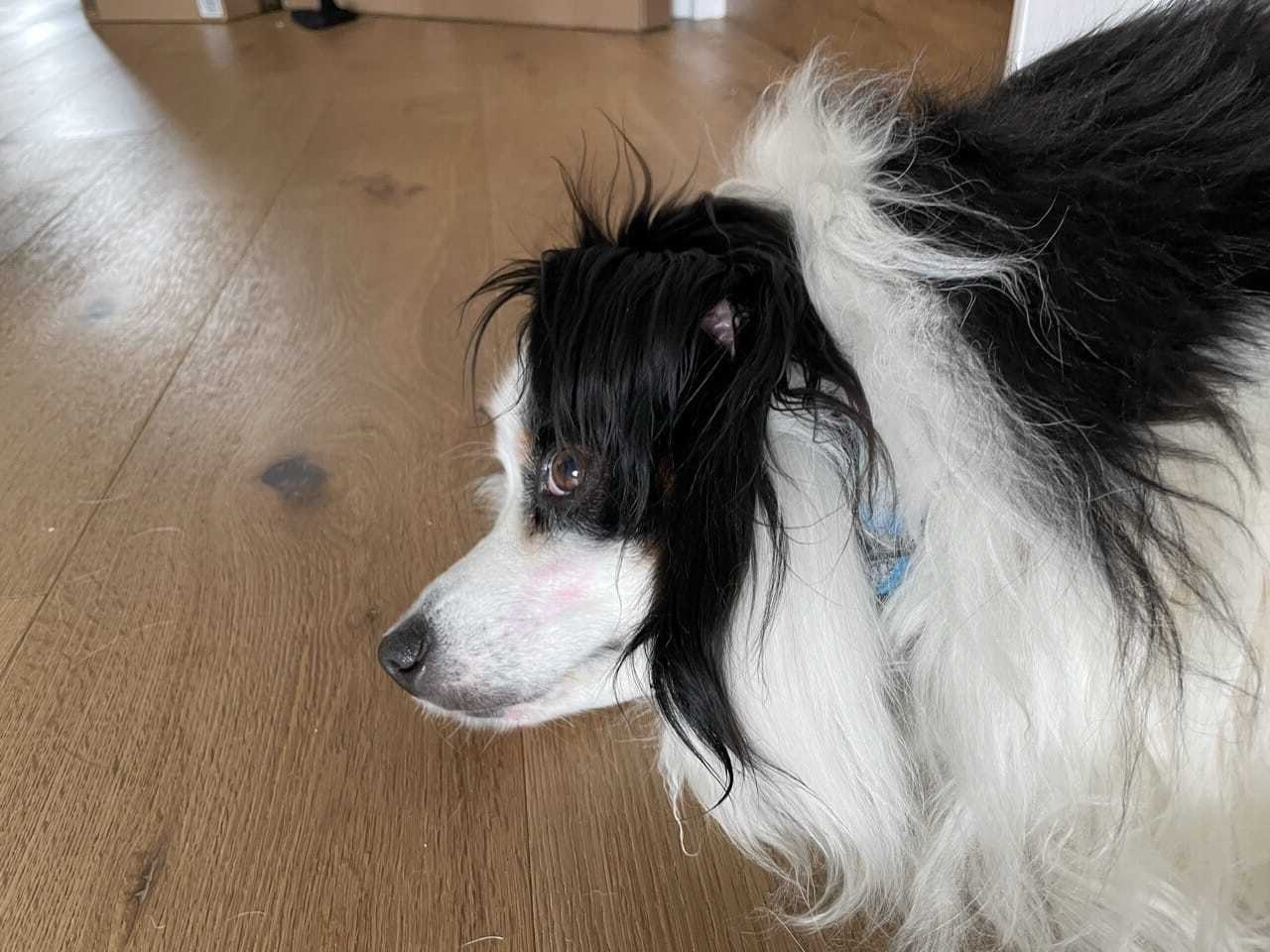
Eye health is a major topic for Mini Aussies and other herding breeds. Progressive retinal atrophy can begin subtly, sometimes showing up first as hesitation in dim light, bumping into objects at dusk, or a dog becoming clingier at night. Cataracts can cause a cloudy look to the lens and may lead to squinting or misjudging distances. Collie eye anomaly is another inherited condition seen in related lines; it may not always cause obvious symptoms early, which is why regular veterinary eye exams and, when available, responsible genetic testing through breeders matter. Any sudden redness, persistent squinting, discharge, or a pupil that looks different from the other is urgent, because eye problems can worsen quickly.
Joint and mobility issues are also worth knowing. Hip dysplasia and elbow dysplasia can appear as stiffness after rest, a bunny hopping gait when running, reluctance to climb stairs, or a subtle decrease in activity. Luxating patellas can cause a skipping step or brief lameness that seems to come and go. Because Minis love to sprint, stop, and twist, soft tissue injuries like cranial cruciate ligament tears are a real risk, especially if the dog is overweight or frequently plays on slippery floors. A limp that lasts more than a day, repeated yelping when turning, or swelling around a joint deserves prompt evaluation.
One of the most practical breed related facts involves medication sensitivity linked to the MDR1 gene mutation, which is common in herding breeds. Dogs with this mutation can have dangerous reactions to certain drugs, including some antiparasitics and other medications. The key warning sign is not a symptom you spot at home before giving a drug; it is the idea that you should tell your veterinarian your dog may be at risk, consider MDR1 testing, and never give leftover medications without guidance. If a dog ever develops extreme sedation, wobbliness, tremors, drooling, or collapse after a medication, it is an emergency.
Everyday red flags are often simple. Changes in drinking and urination can signal diabetes, kidney disease, urinary tract problems, or hormonal disorders. Repeated vomiting, diarrhea lasting more than a day, black tarry stool, or a bloated abdomen with unproductive retching can indicate serious gastrointestinal disease, including life threatening bloat. Persistent coughing, rapid breathing at rest, or blue tinted gums are urgent. So are seizures, sudden disorientation, head tilt, or weakness in the back legs.
Because Mini Australian Shepherds are smart and people focused, behavior changes can be medical clues. A normally friendly dog that becomes snappy when touched may be painful. A dog that suddenly cannot tolerate exercise might be overheating, anemic, or developing heart or lung trouble. The best owners keep a baseline: normal appetite, weight, stool quality, energy level, and how the dog moves. When something shifts, even slightly, they trust their observations and get advice early. That combination of breed specific knowledge and quick action is one of the most effective ways to protect a Mini Aussie’s long term wellbeing.