The Mini Aussie Style Guide


Quiz Complete!
Spotting the Mini Australian Shepherd Look: A Visual Guide
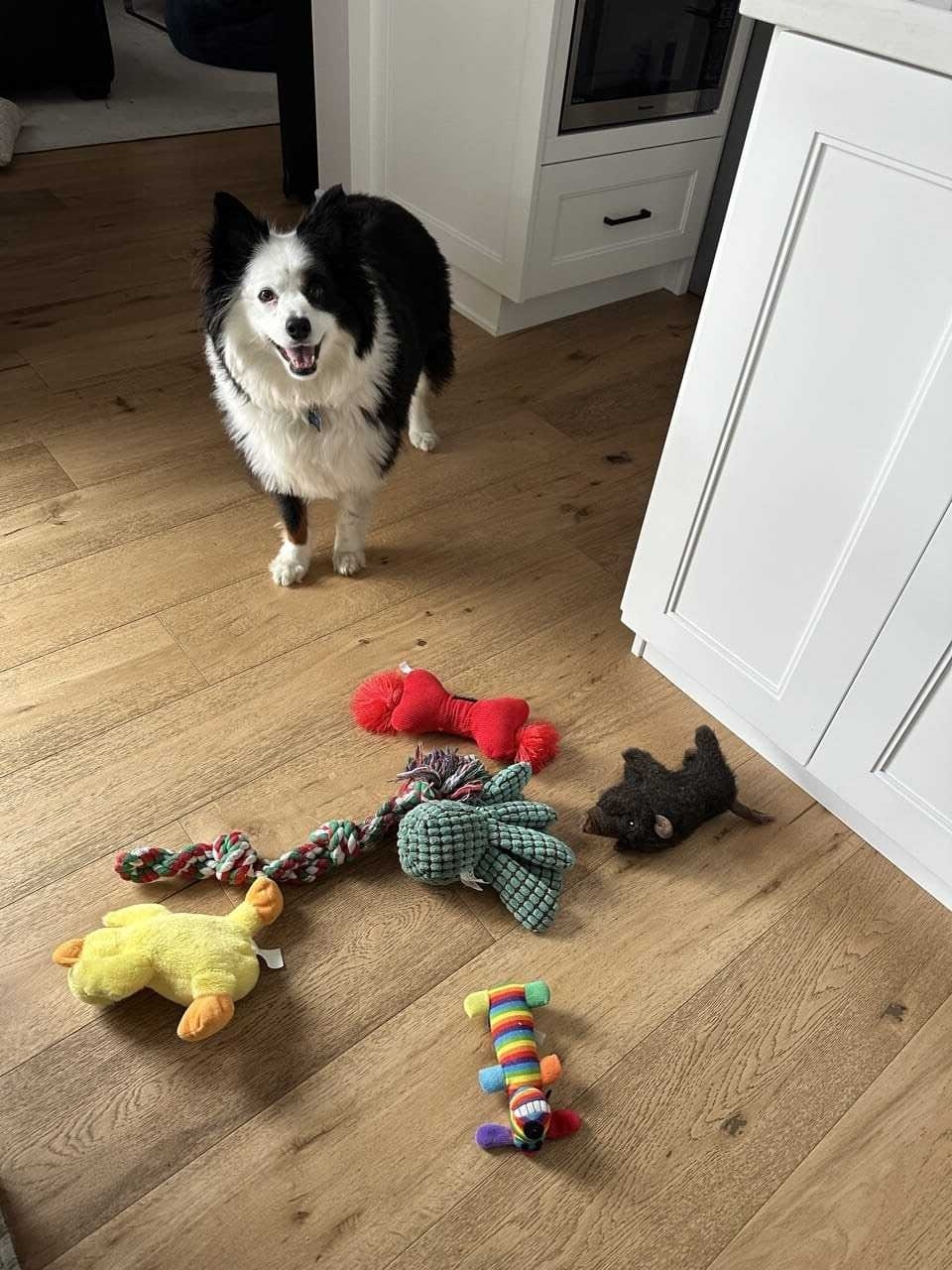
The Mini Australian Shepherd, registered by the AKC as the Miniature American Shepherd, is a small, athletic herding dog with a look that is both familiar and easy to mix up with other herder types. With a little practice, you can learn to recognize the breed’s signature silhouette, coat, and markings in a way that makes quiz questions feel like a fun spot-the-details game rather than guesswork.
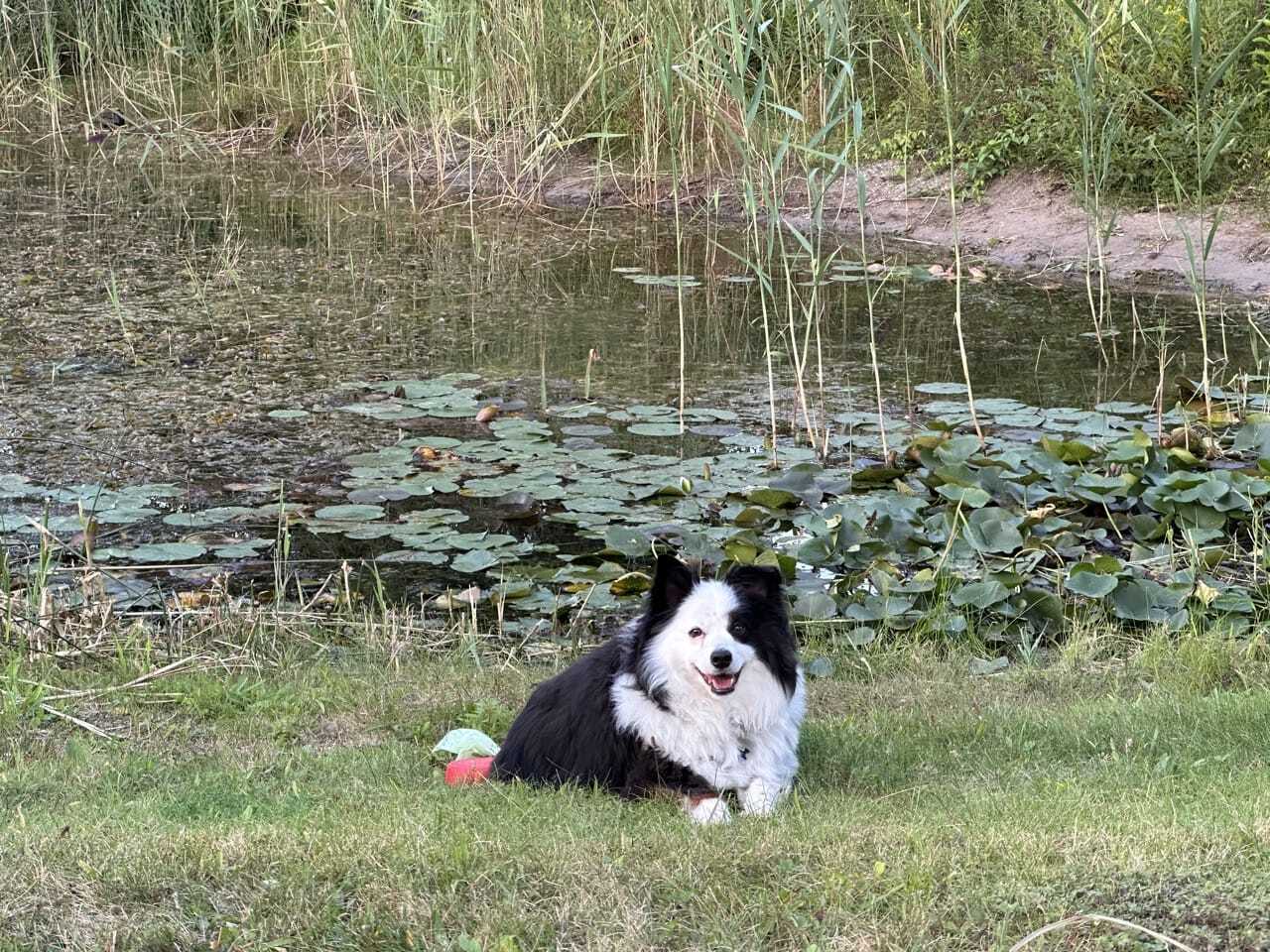
Start with the overall outline. A Mini Aussie is compact but not delicate, built for quick direction changes and bursts of speed. The body tends to read as slightly longer than tall, with a level topline and a sturdy, balanced stance. They look agile and ready to work rather than leggy or fine-boned. When you compare them to small collie types, the Mini Aussie usually appears more solid through the chest and body, with less of the narrow, wedge-like impression some collie breeds give at a glance.
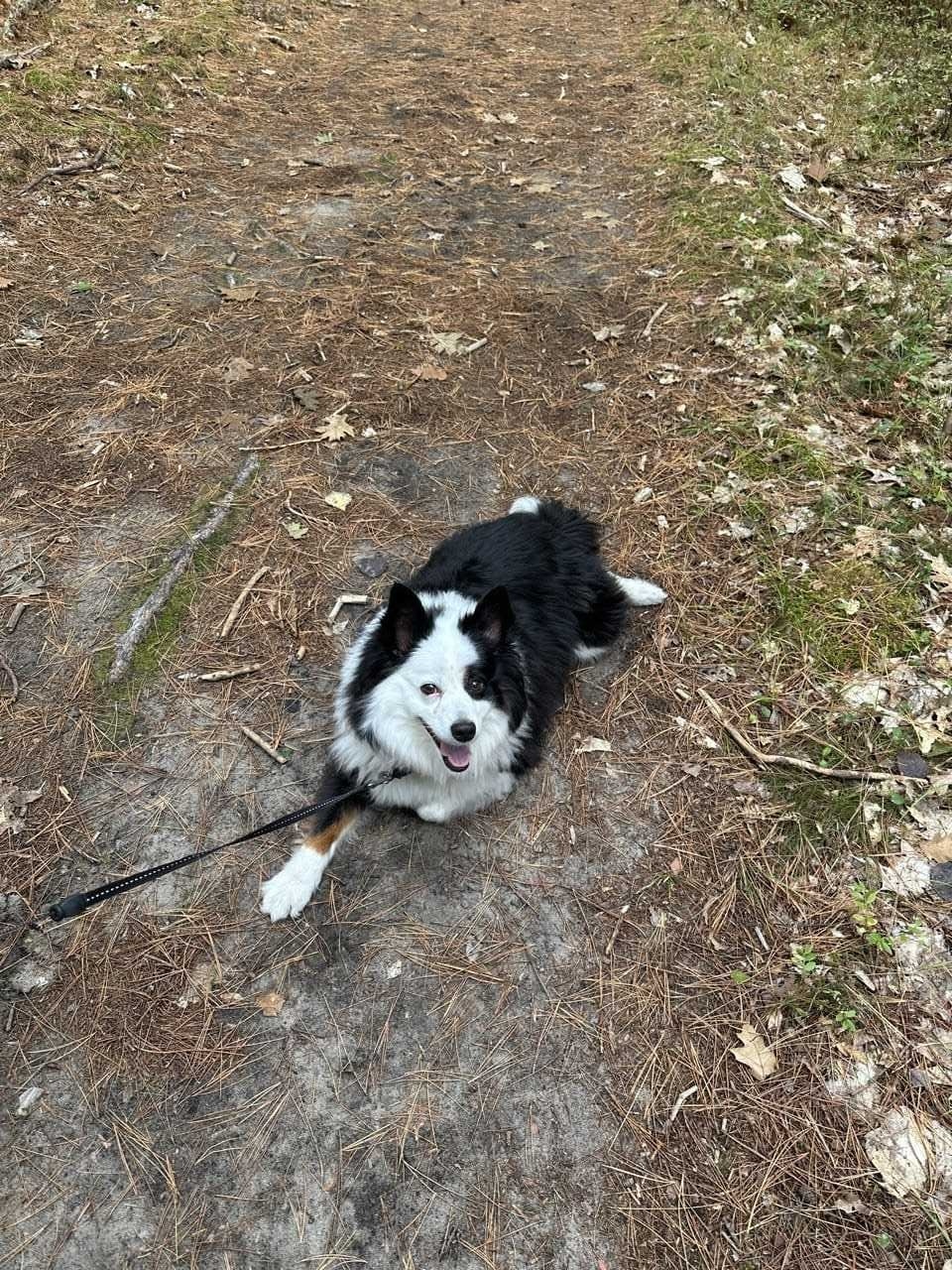
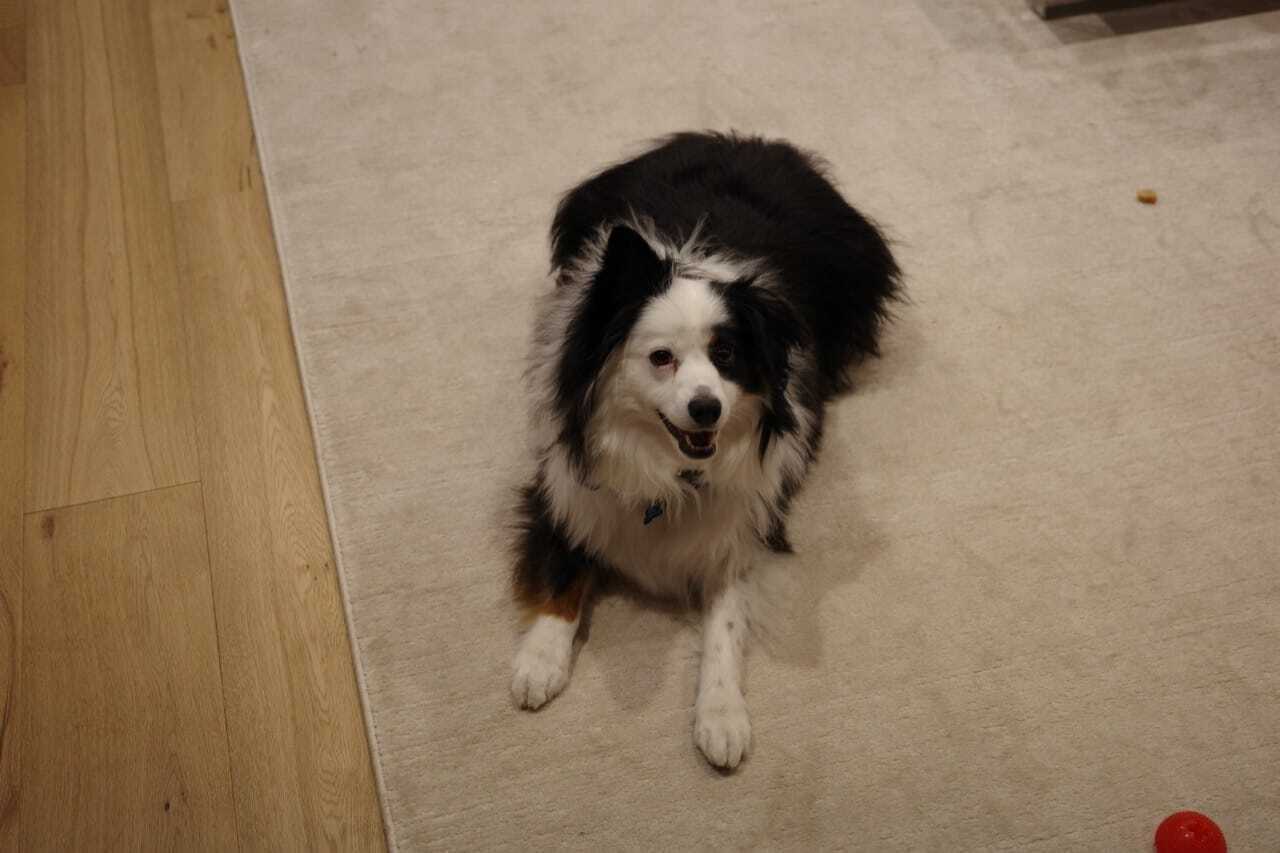
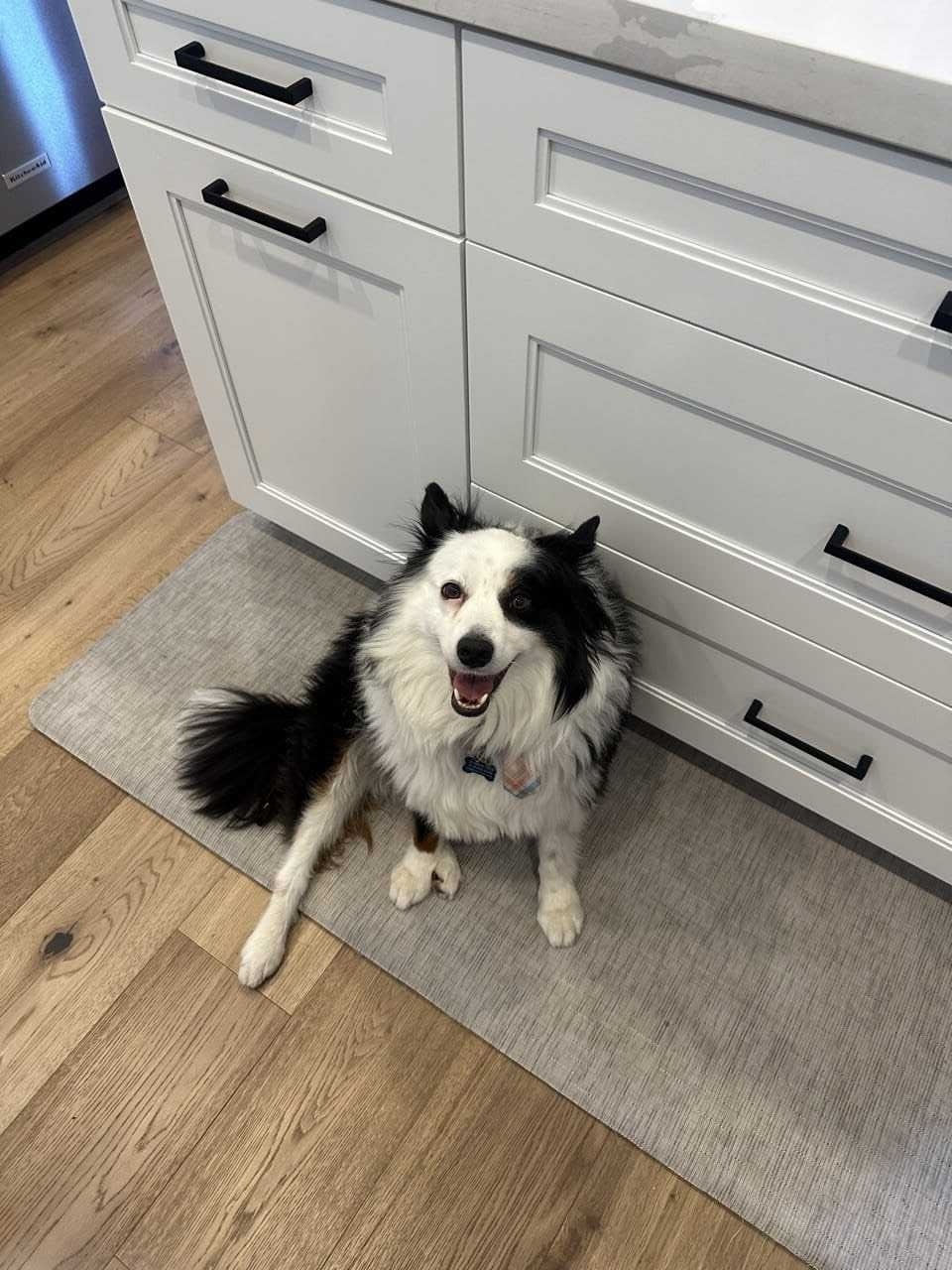
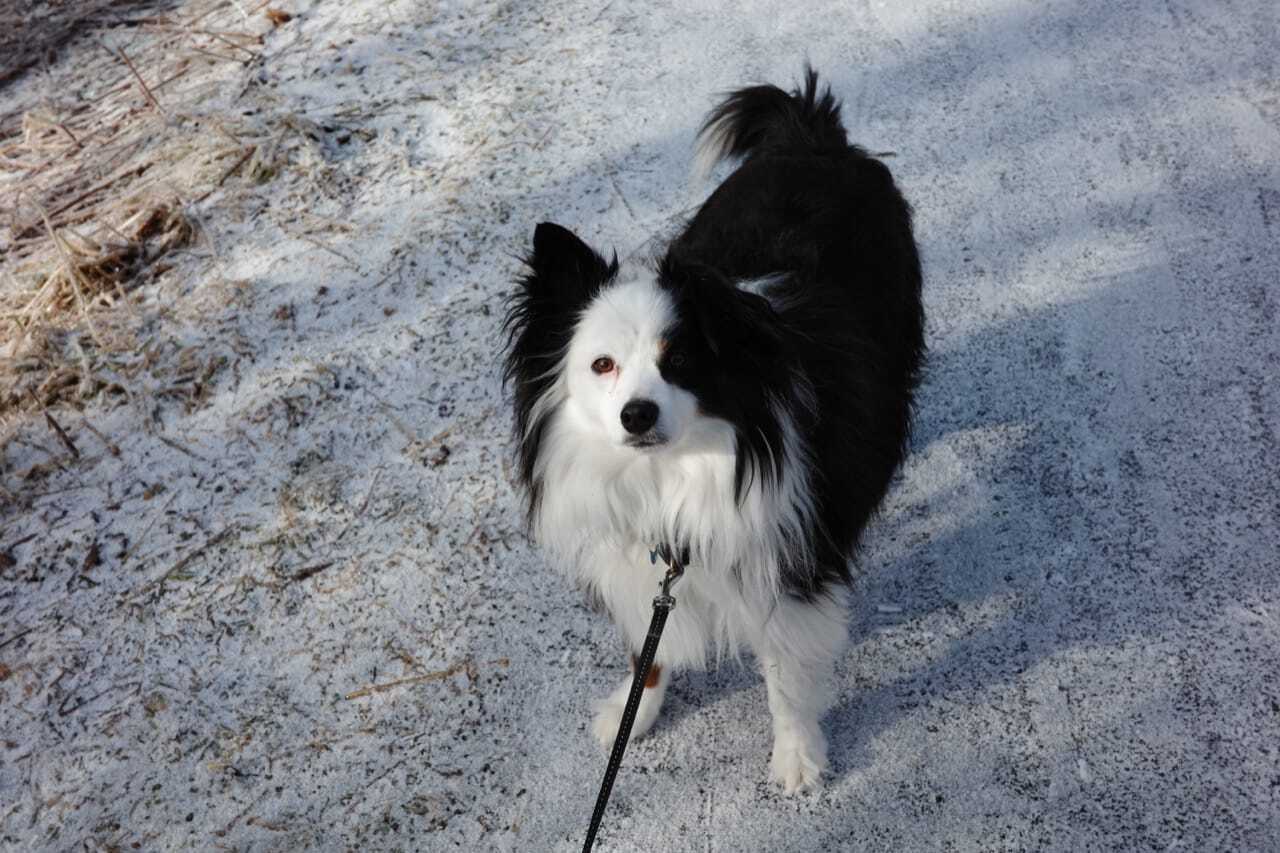
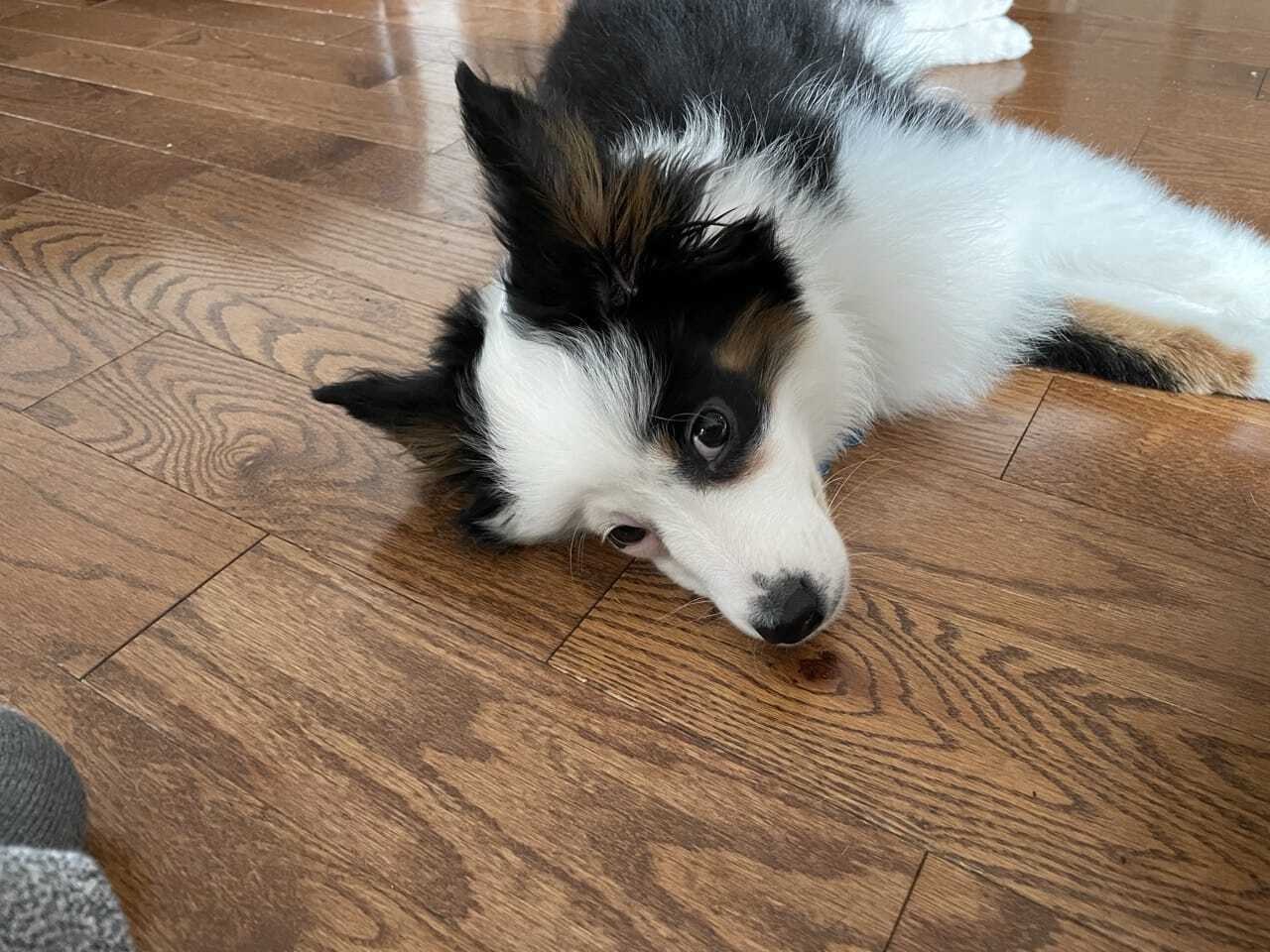
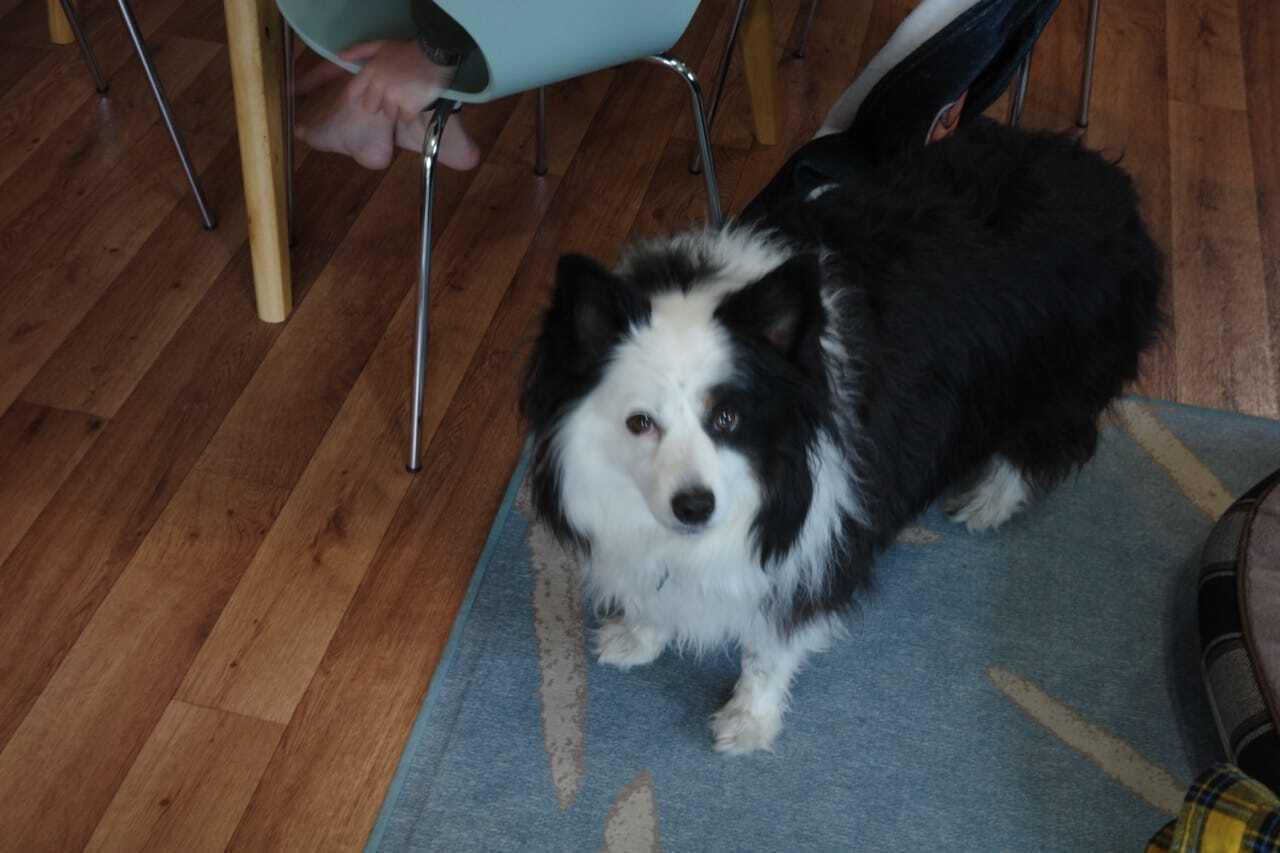
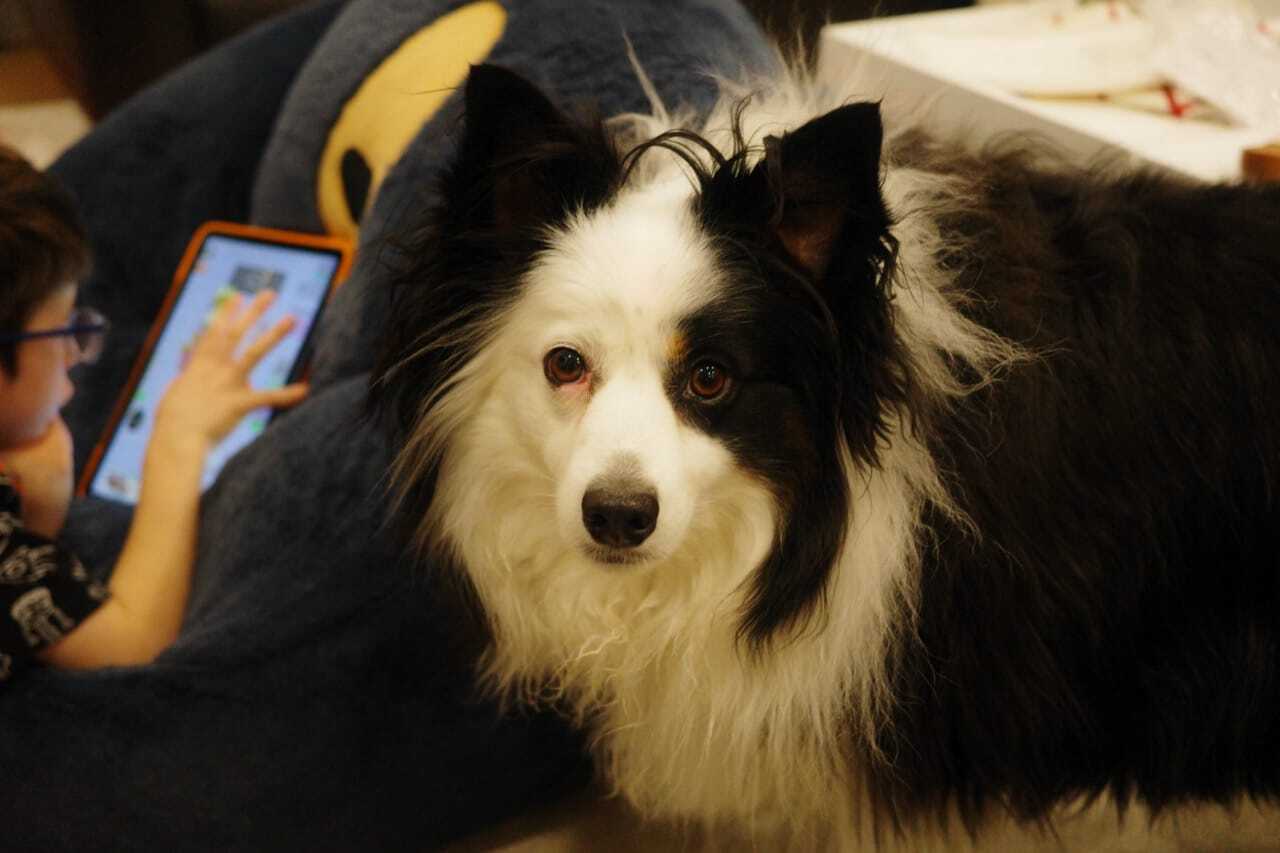
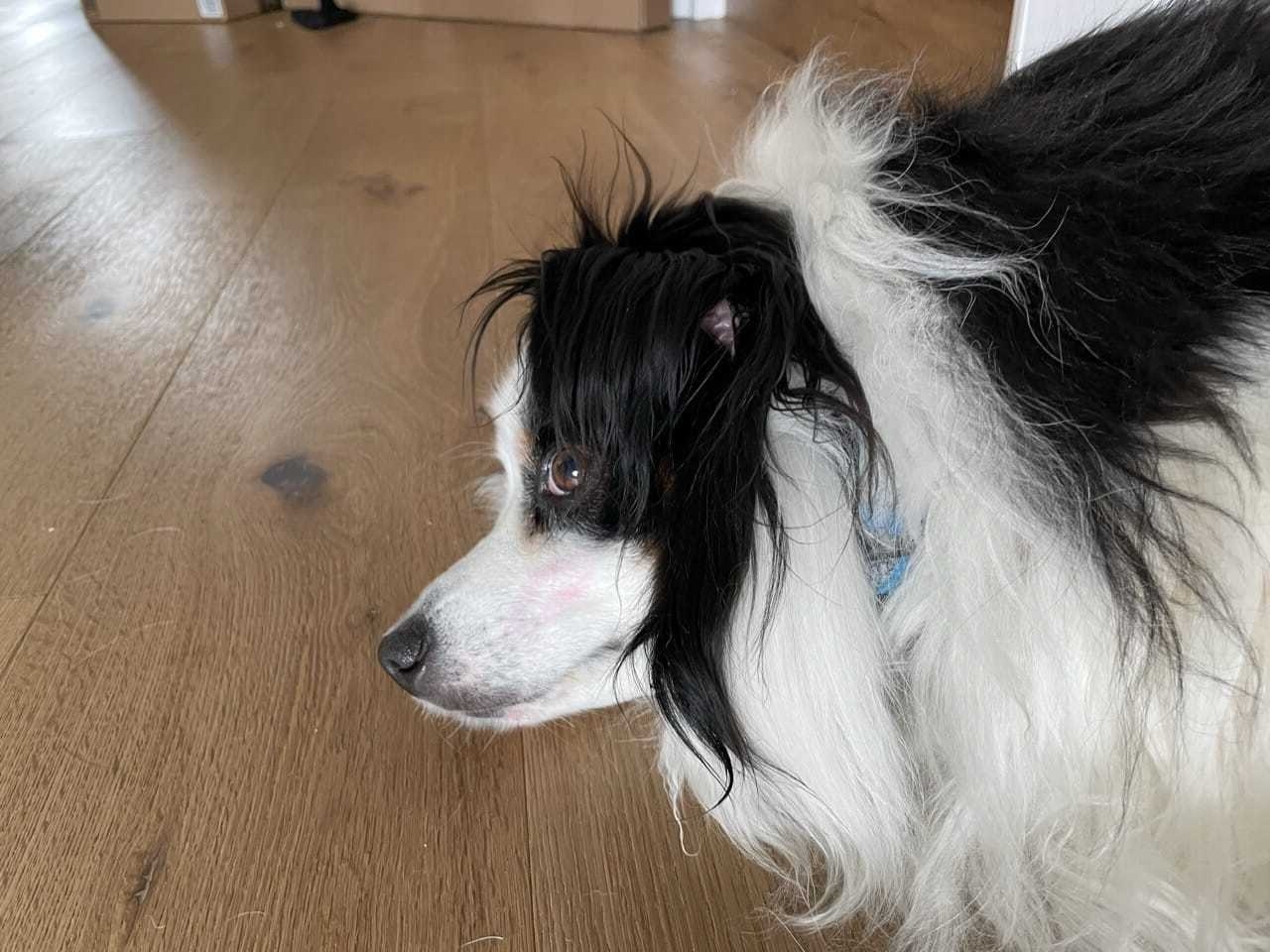
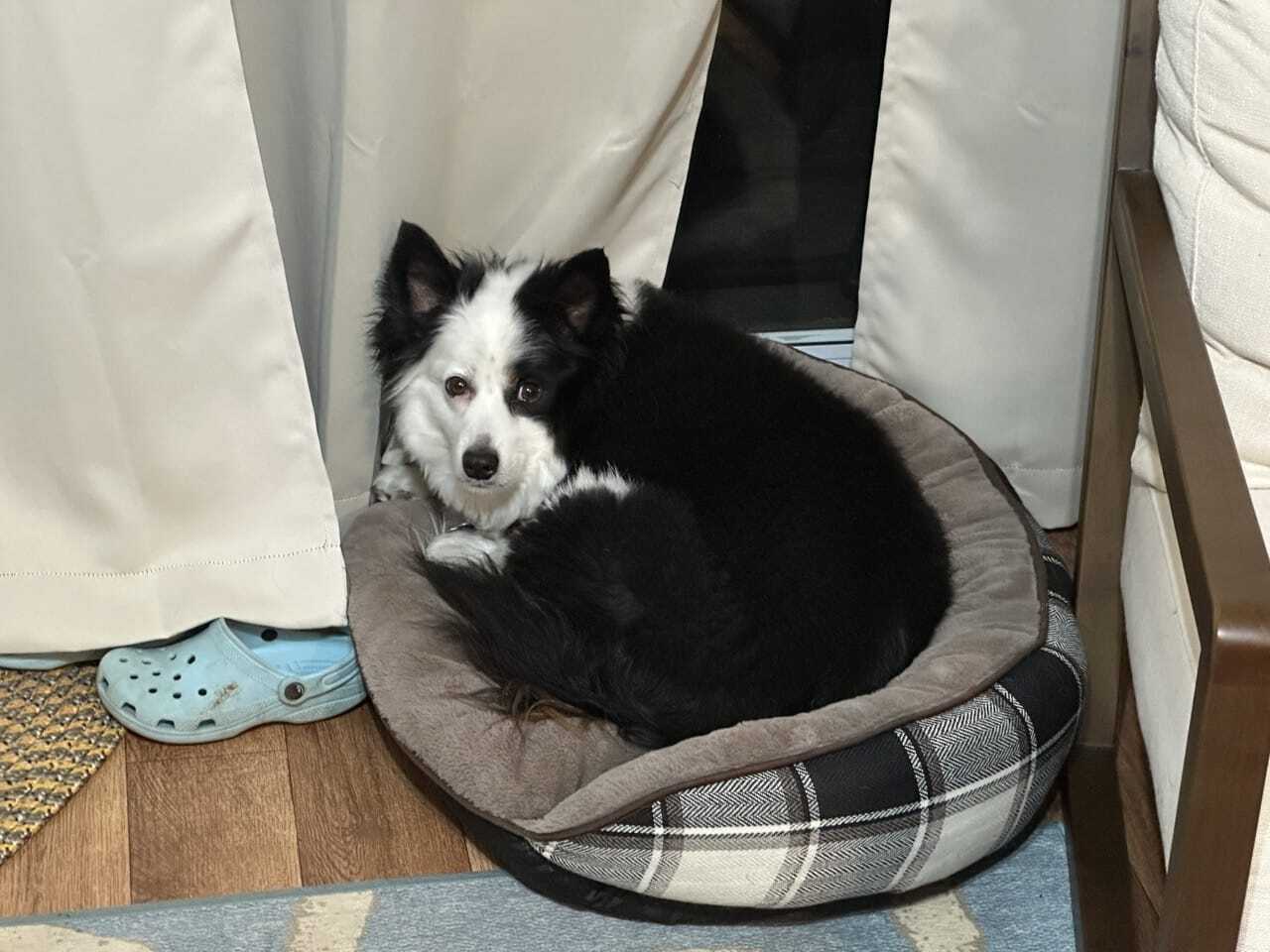
The head details are a big clue. Mini Aussies have a moderate muzzle and a soft, alert expression. The ears are especially helpful: they are triangular and set high, and they typically fold over rather than standing fully upright. Many carry their ears with a noticeable break, giving that attentive, listening look. If you see a small herding dog with large, fully erect ears, you may be looking at a different breed type.
Eyes are another hallmark. Mini Aussies can have brown, blue, amber, or even two different eye colors. In merle-patterned dogs, blue eyes or marbled eyes are common, and sometimes you’ll see striking flecks or a split of color within one eye. The key is that the eyes look bright and expressive, and the color variety is normal for the breed rather than an odd exception.
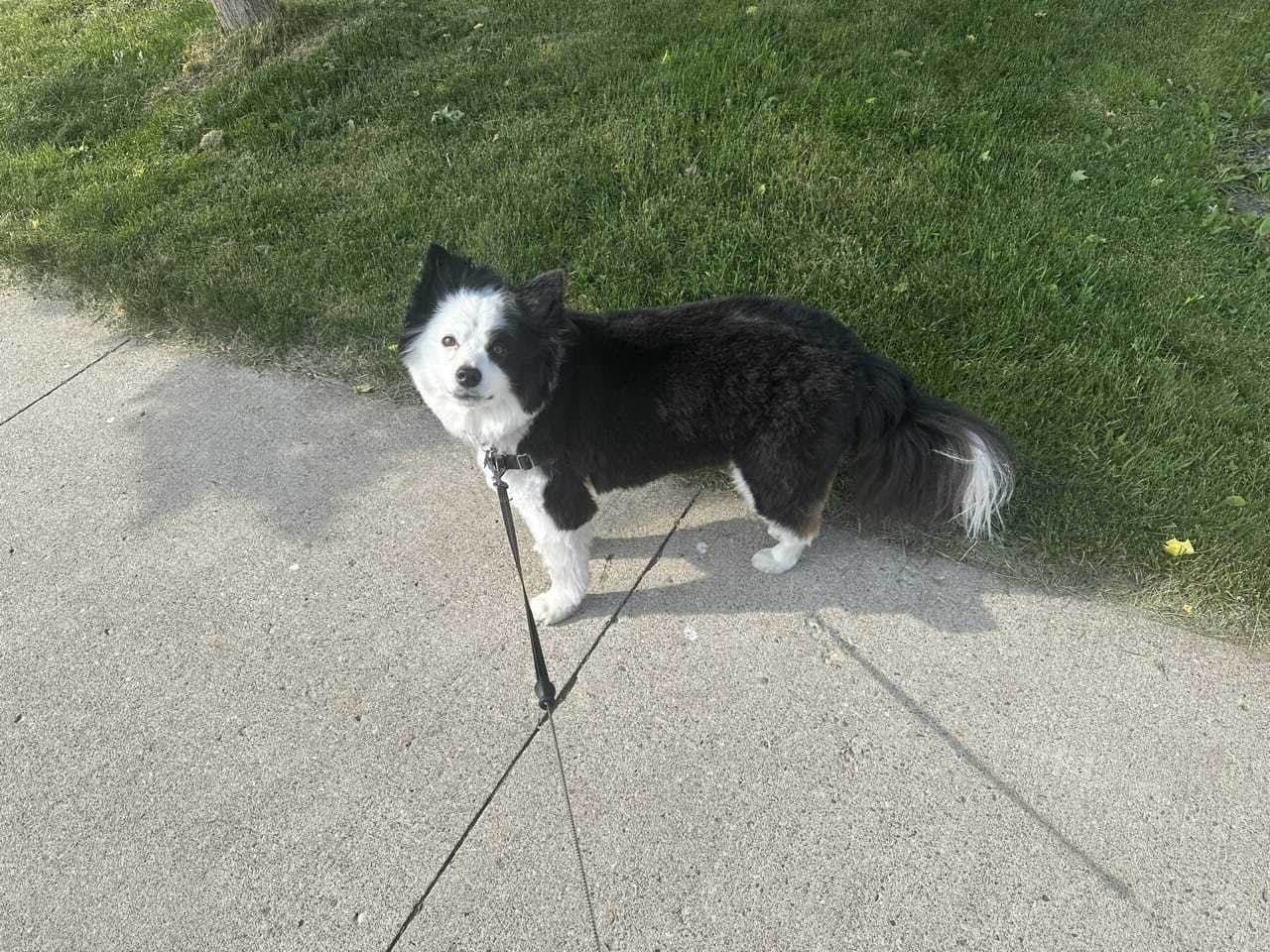
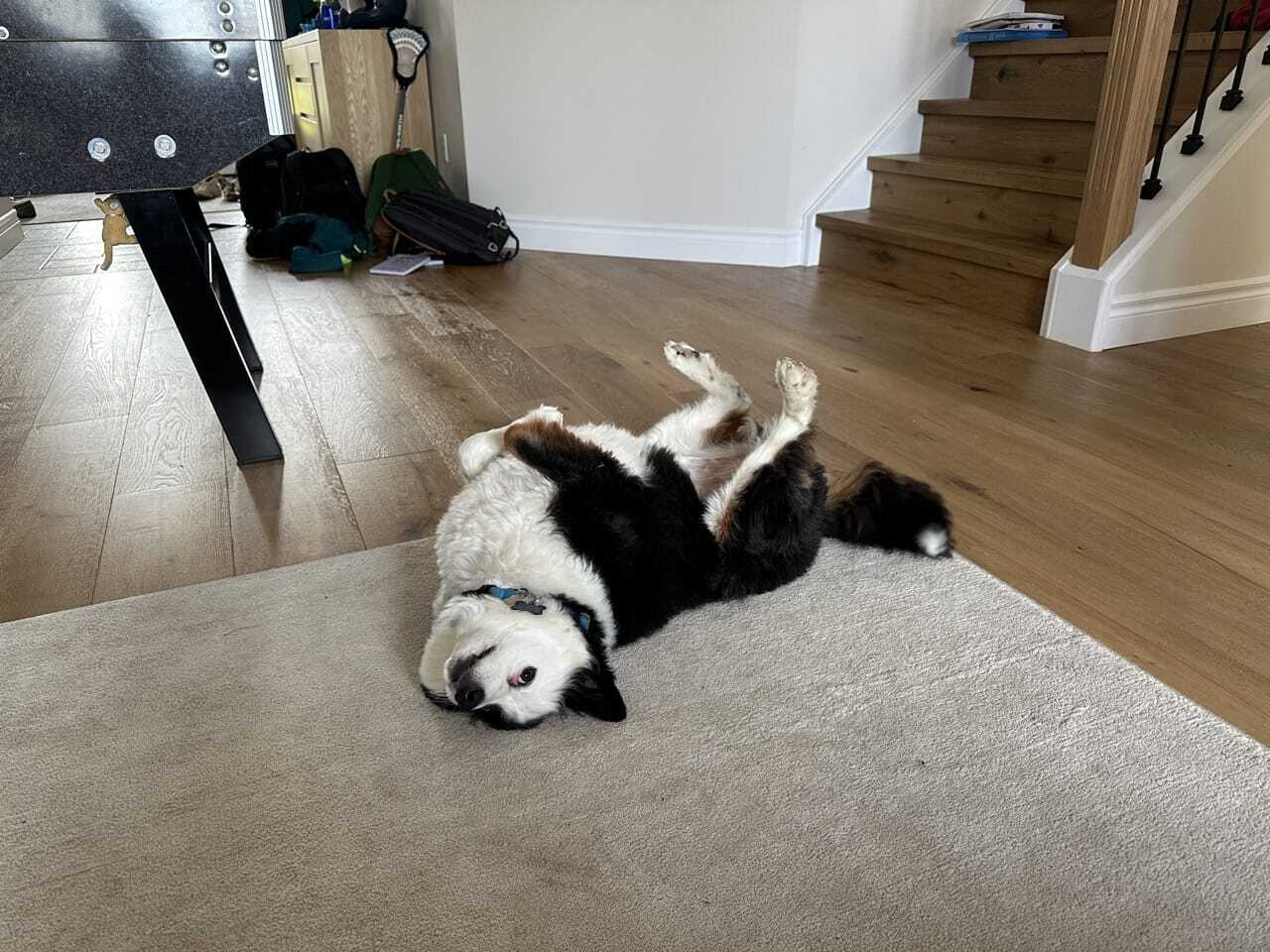
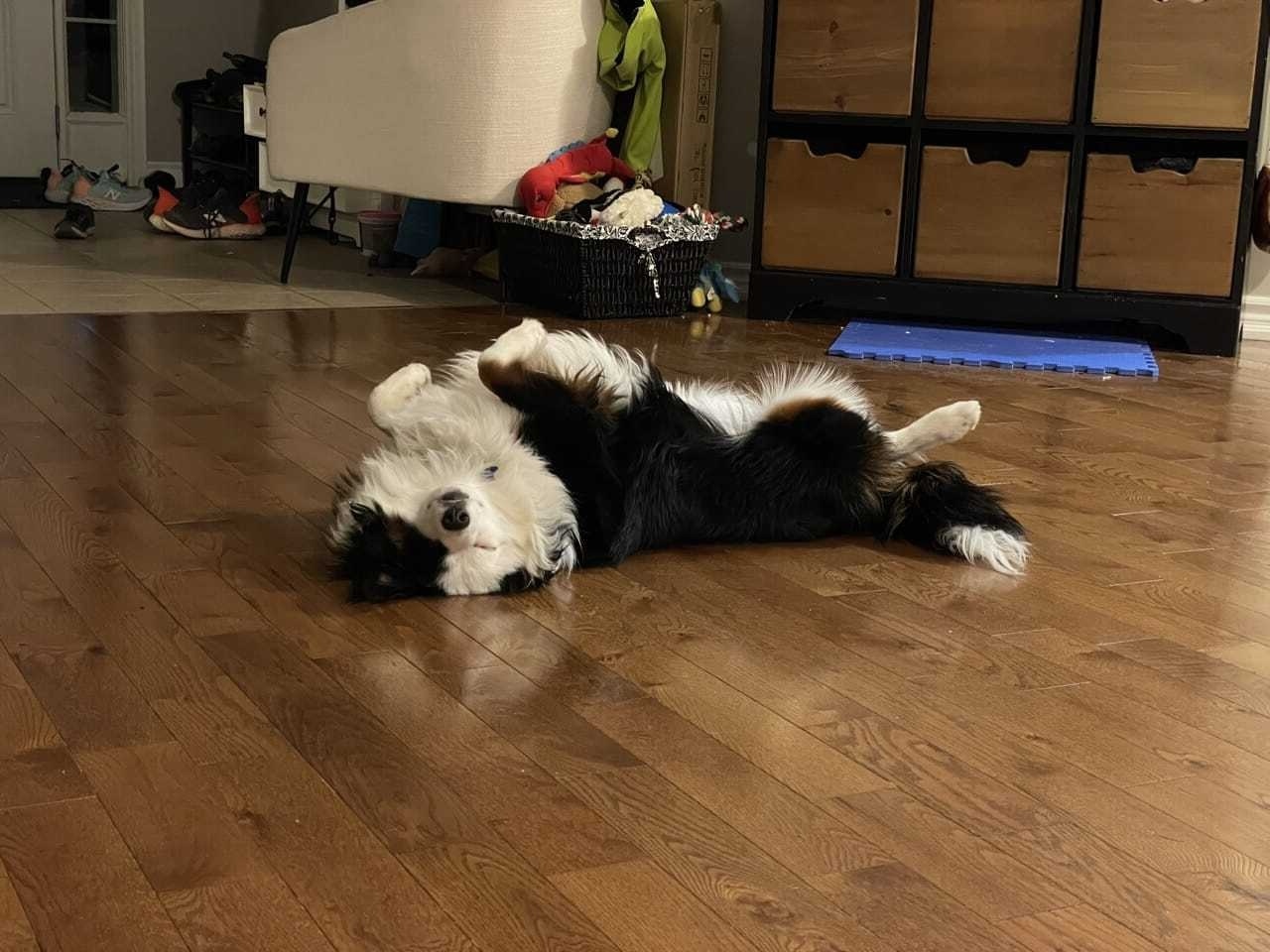
Coat is where many of the most recognizable details live. The Mini Aussie has a double coat with a medium length that can be straight or slightly wavy. It is not a long, flowing coat like you might associate with some collies, and it is not a short, sleek coat either. Look for feathering on the backs of the legs, around the chest, and sometimes along the belly and tail area. The coat should look practical and weather-ready, more like a working outfit than a decorative one.
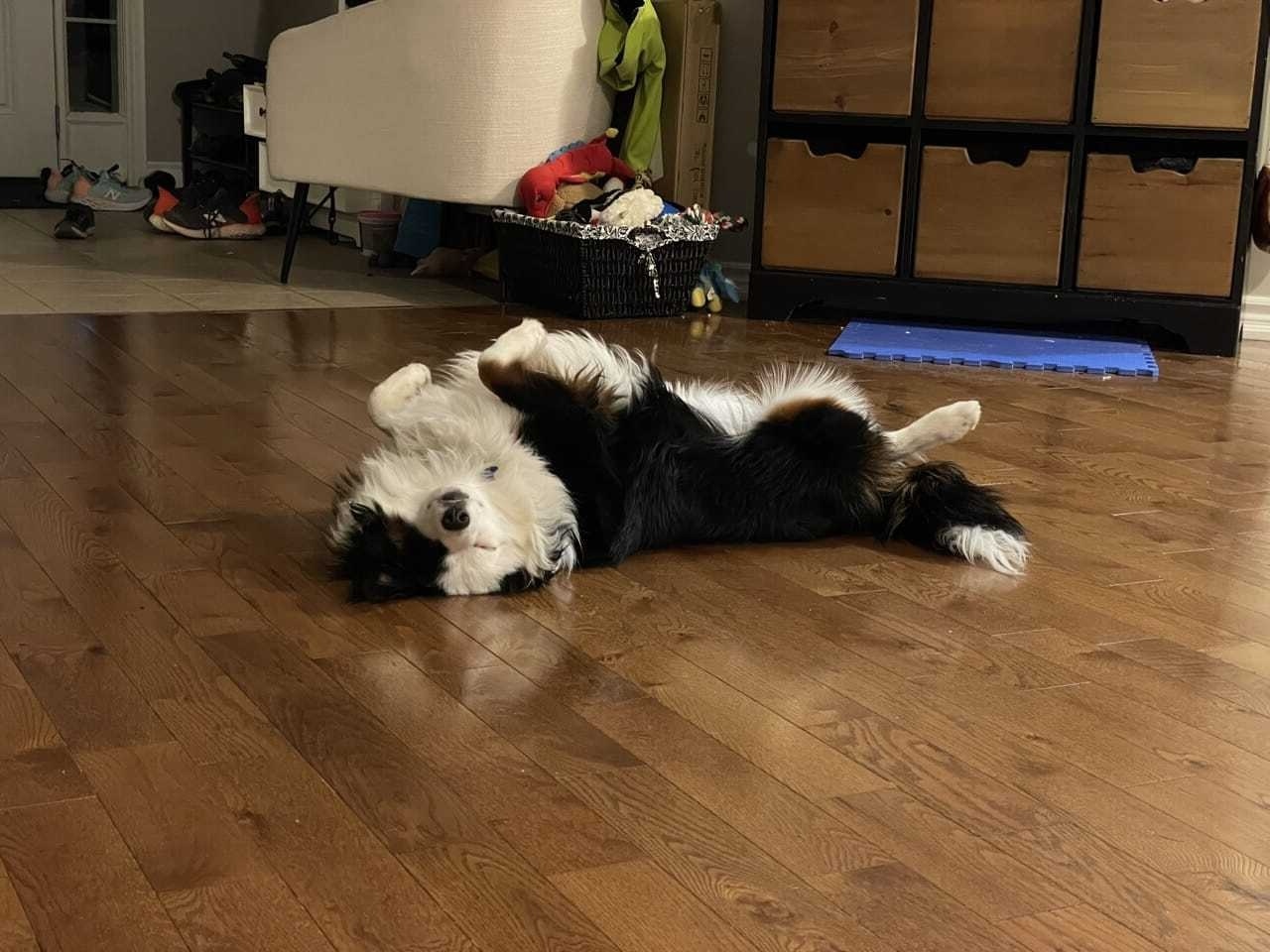
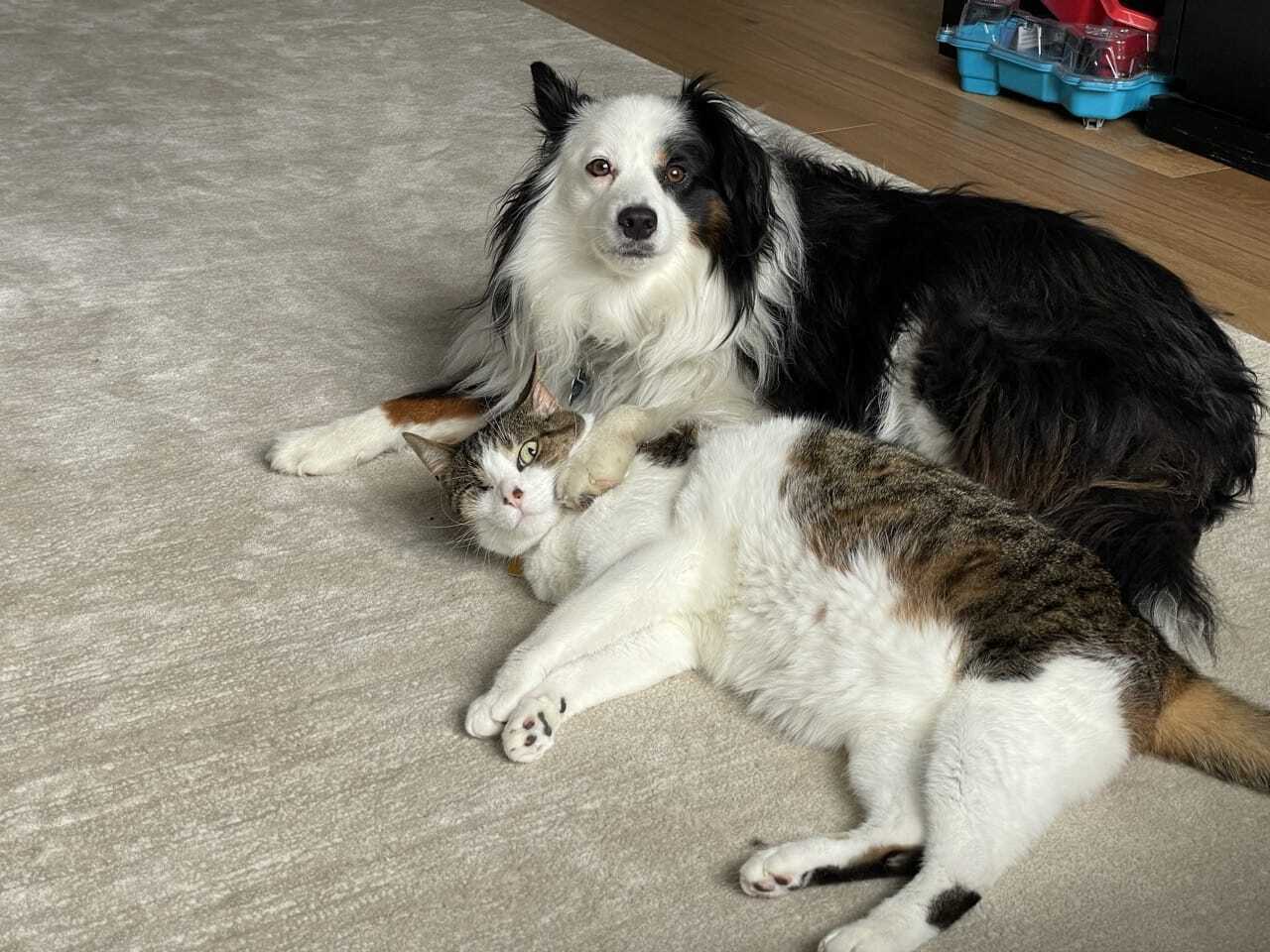
Color patterns often steal the show. Common base colors include black, red, blue merle, and red merle. Merle is one of the easiest visual identifiers people remember: a mottled, patchy pattern that can look like marbling across the coat. Another classic feature is copper points, which are tan markings that show up above the eyes, on the cheeks, on the legs, and sometimes under the tail. White markings are also common, often appearing on the muzzle, chest, collar area, and legs. Many Mini Aussies have a bold face pattern with a blaze or a white snip, but the exact symmetry varies widely.
When trying to separate a Mini Aussie from similar-looking herders, combine these clues rather than relying on one. A compact, athletic build, semi-folded high-set ears, a medium double coat with feathering, and the frequent combination of merle, copper points, and white trim creates a visual package that is hard to mistake once you know what to look for. The more you practice noticing ear set, coat texture, and pattern placement, the more the Mini Australian Shepherd stops being just a small herding dog and starts looking like a distinct, recognizable dog.