Basset Hound Checkup Time
Quiz Complete!
Basset Hound Health Facts Every Owner Should Know
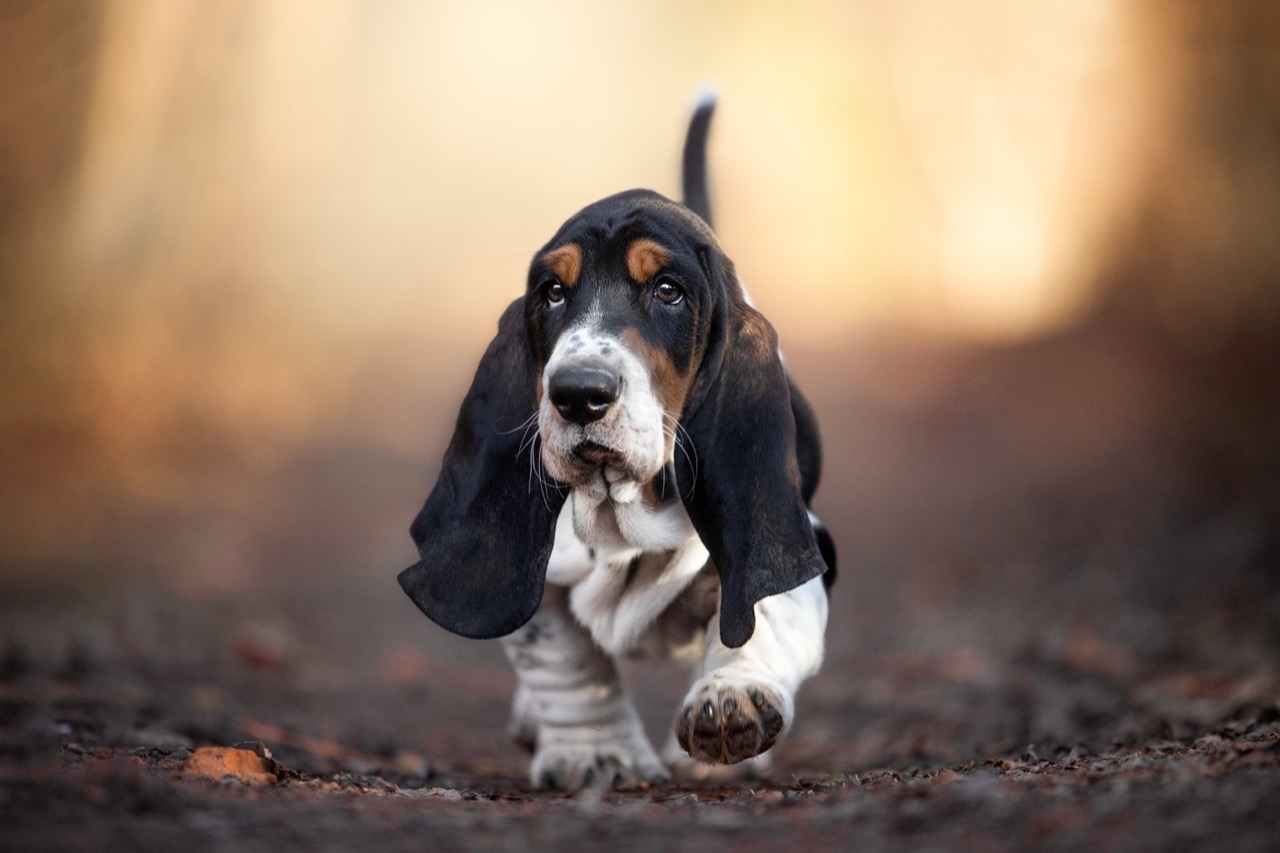
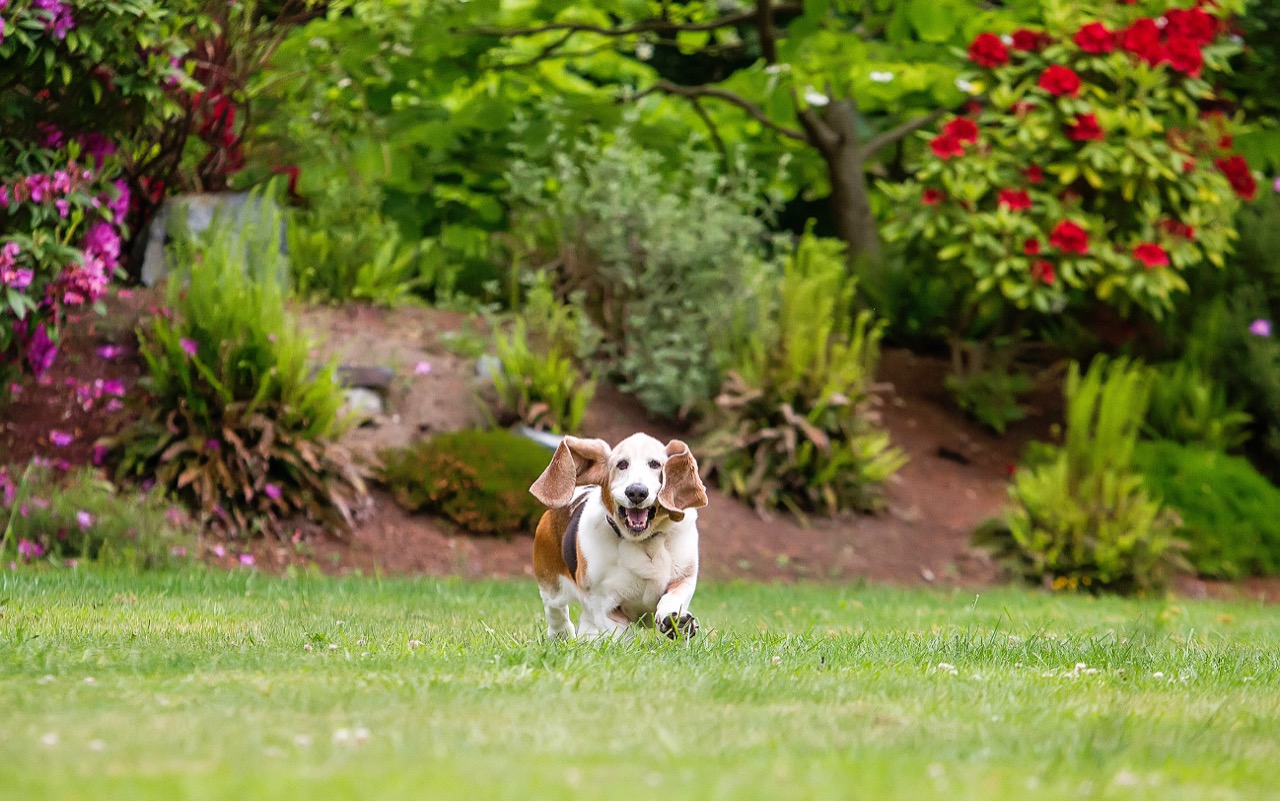
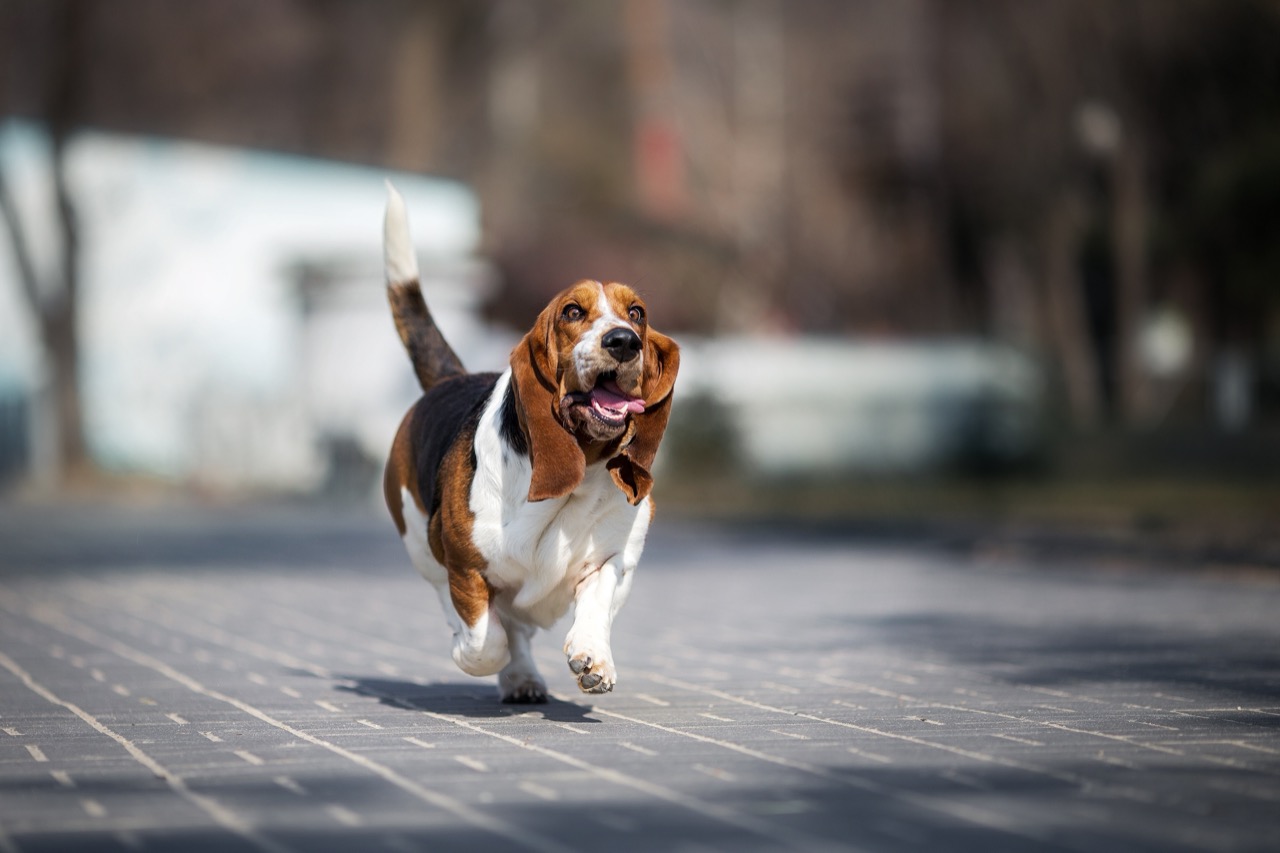
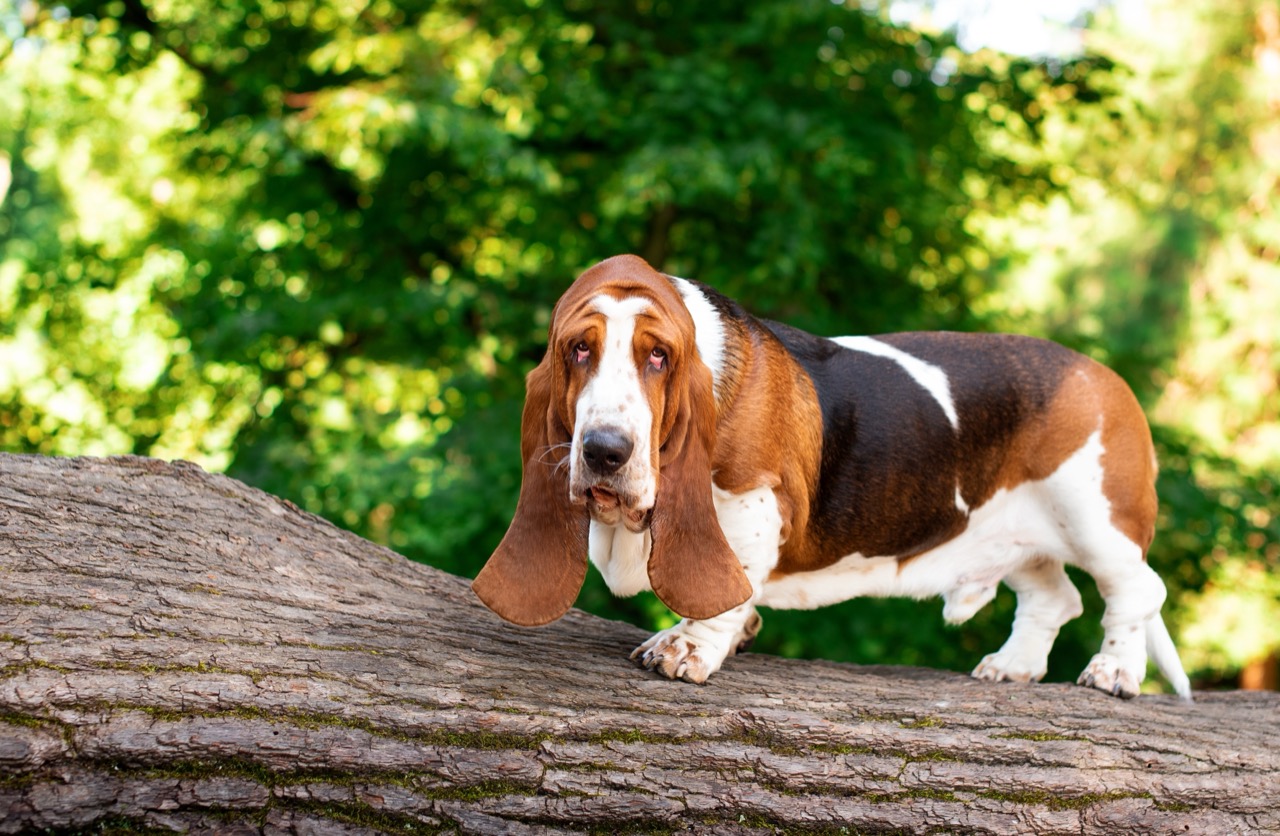
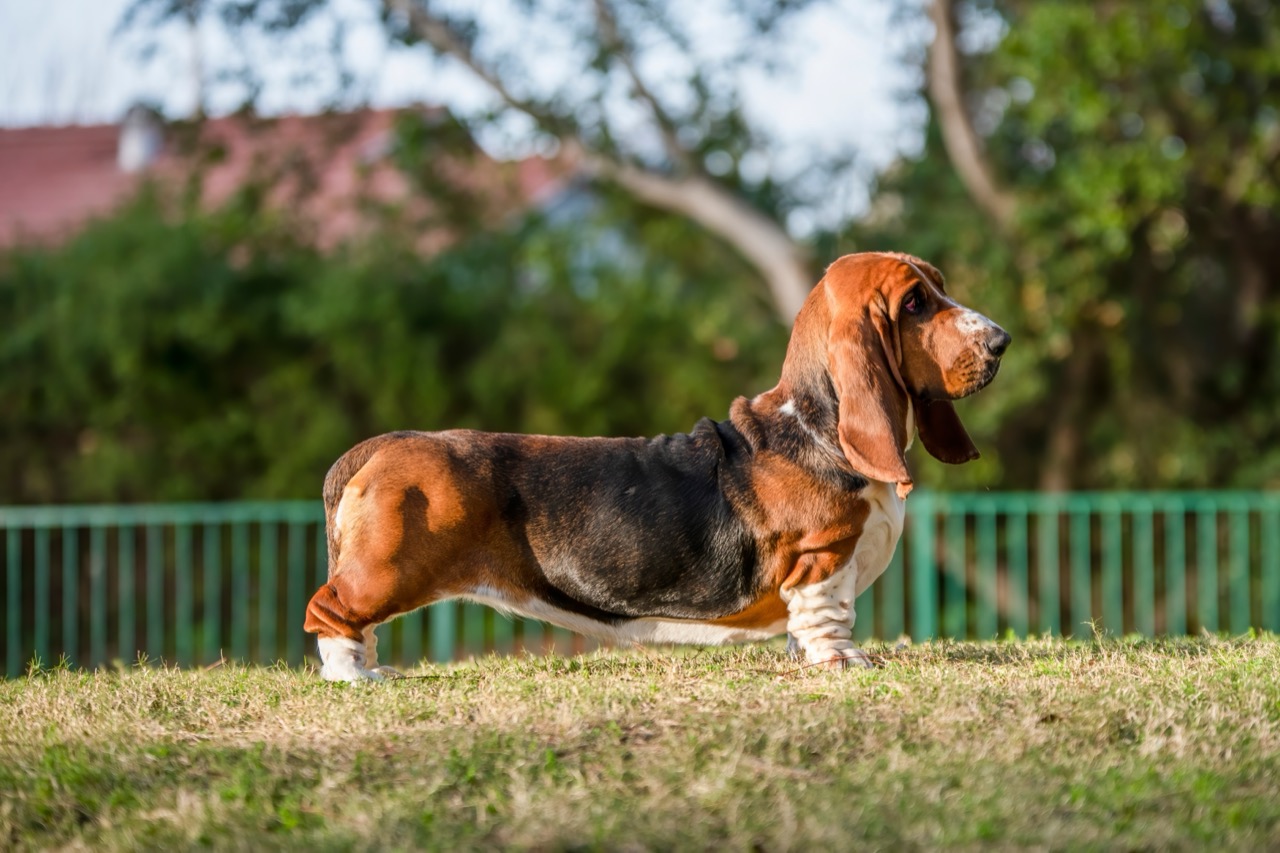
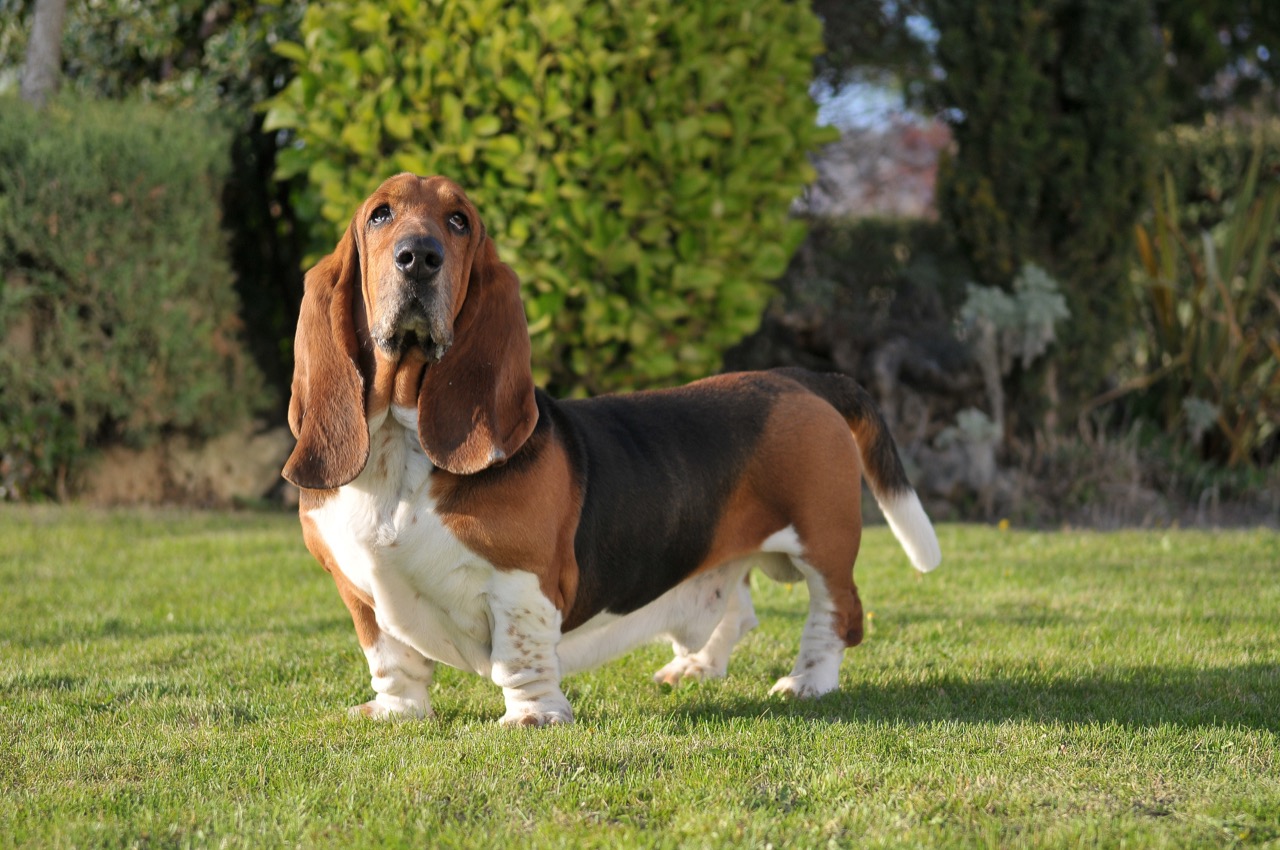
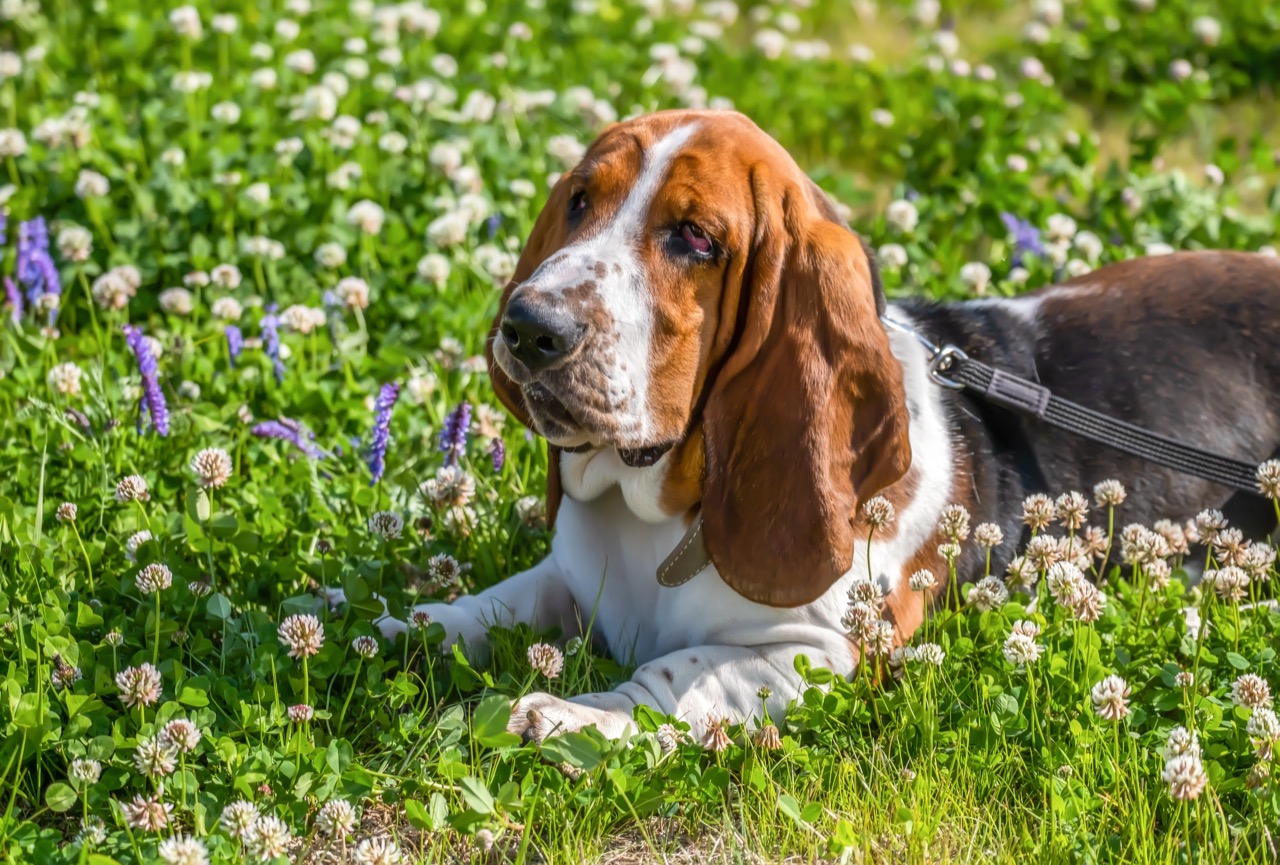
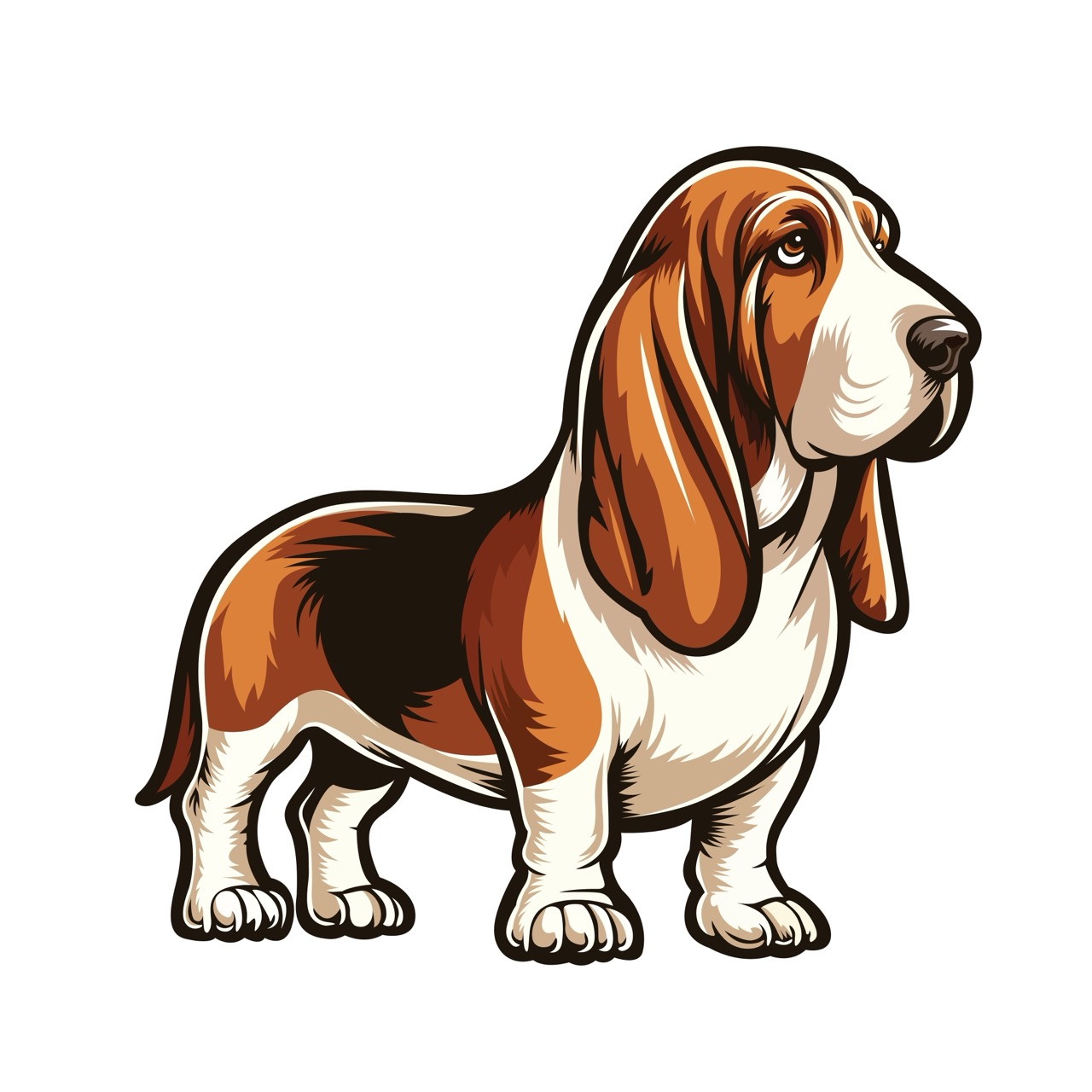
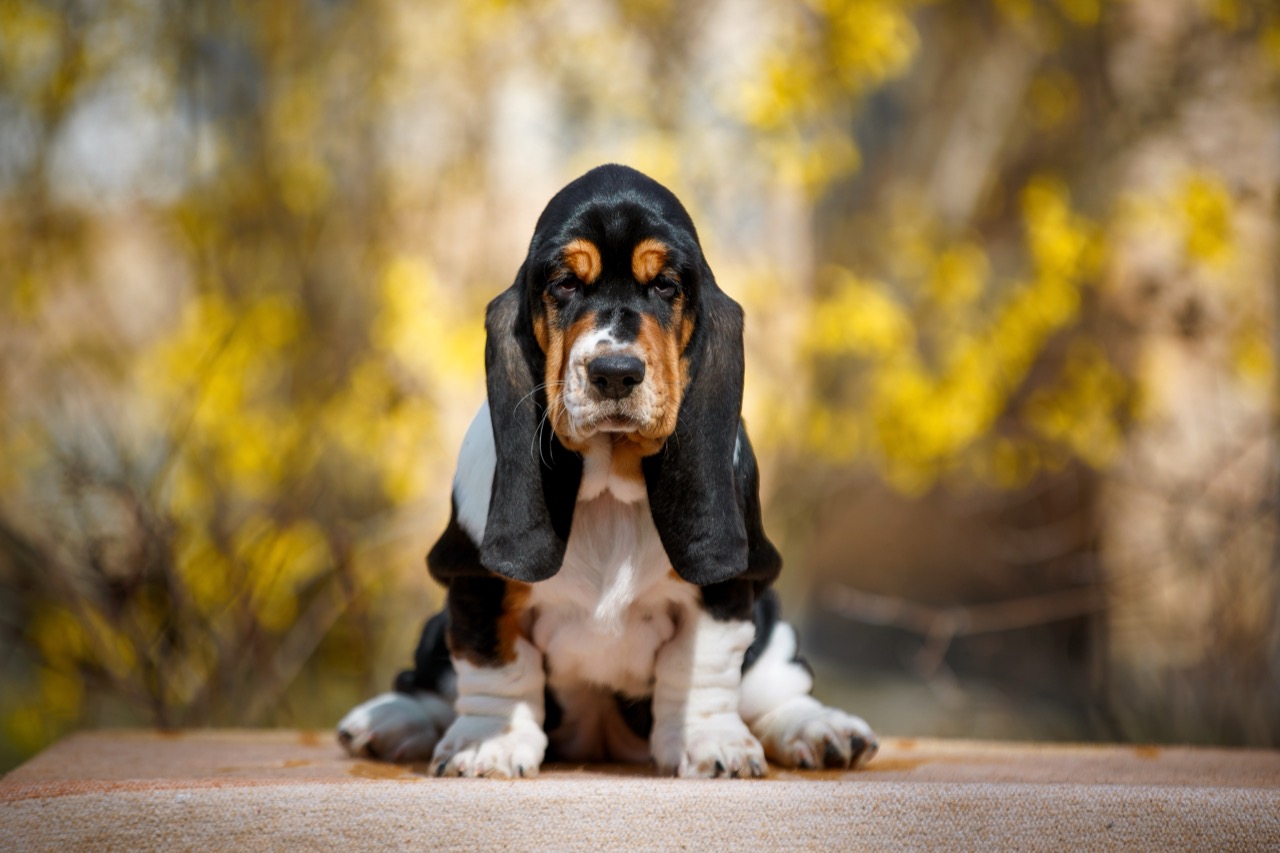
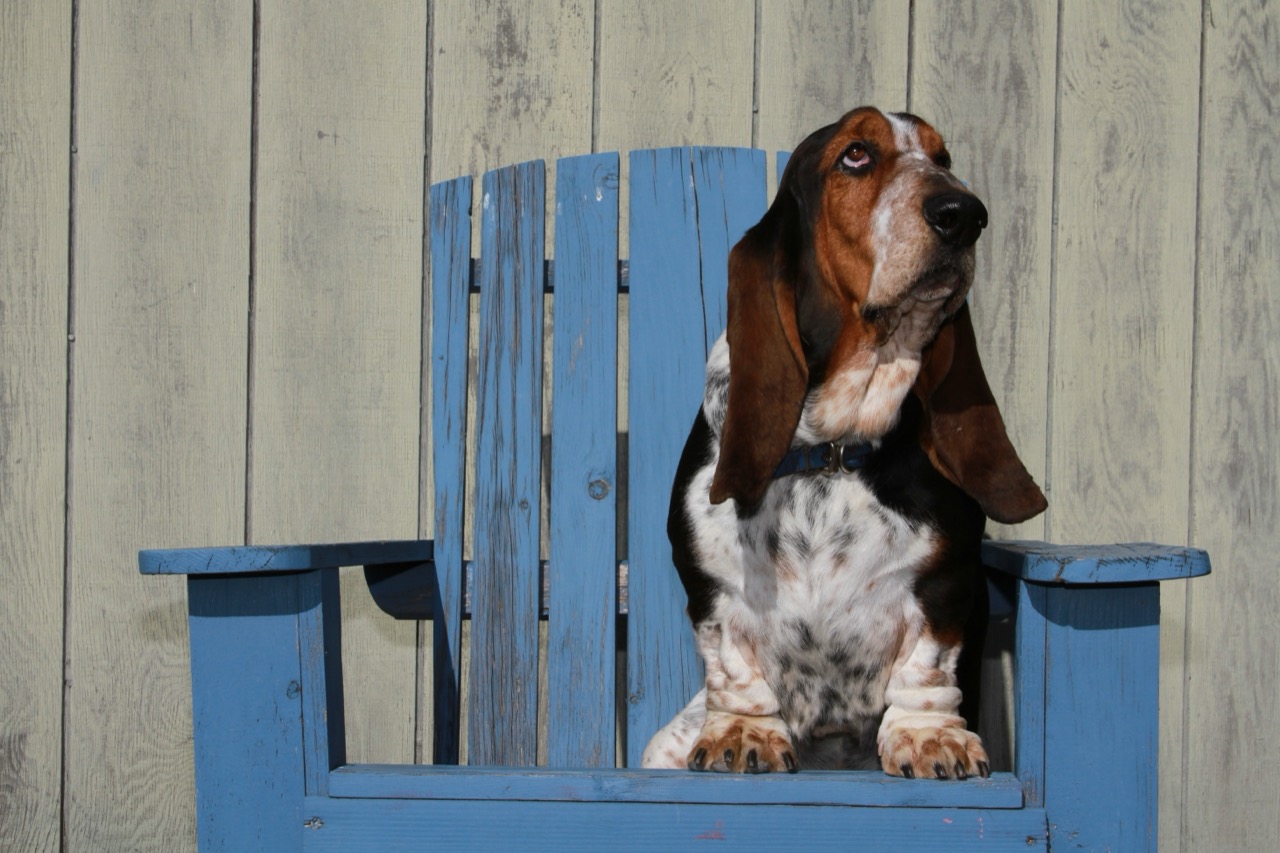
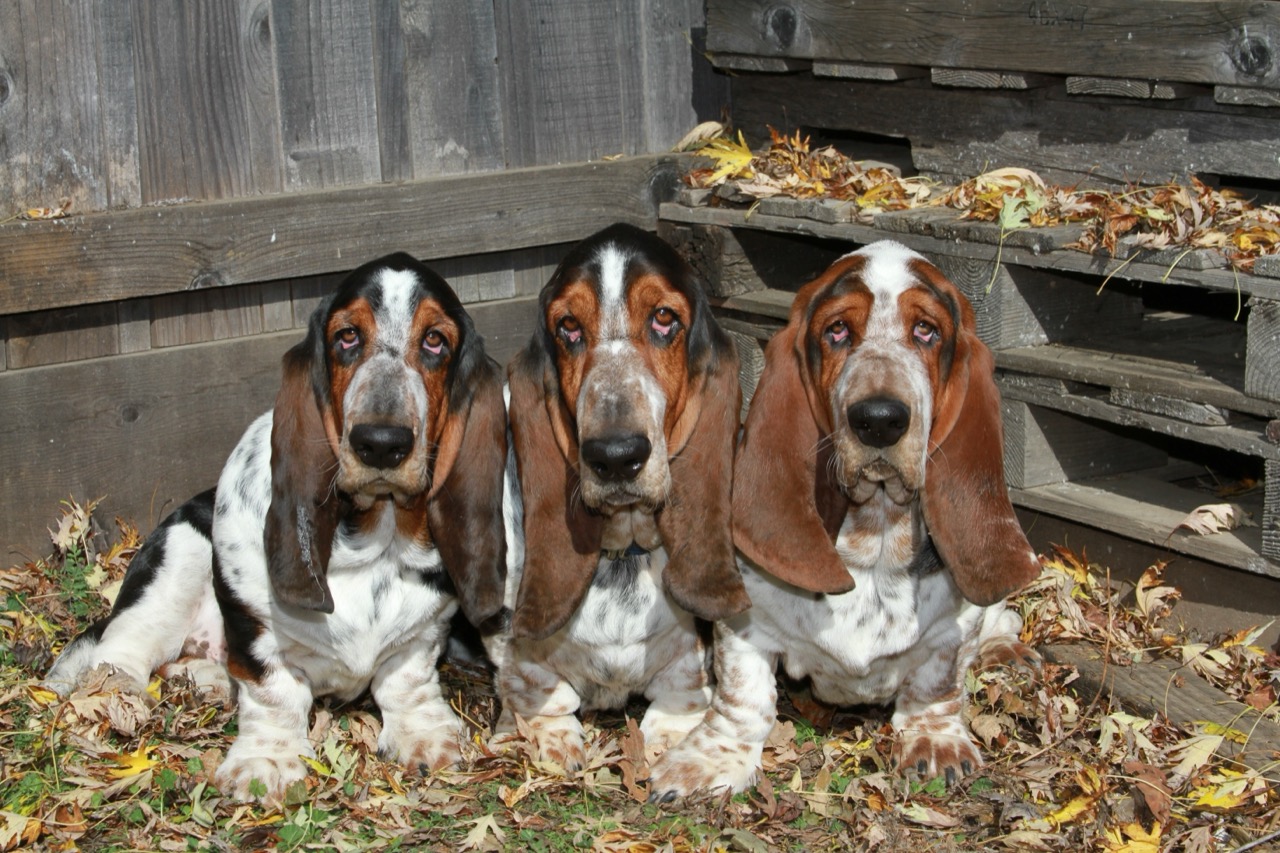
Basset Hounds look like they were designed for charm: long velvet ears, a low-slung body, and an expression that suggests they know a joke you do not. Underneath the cuteness is a very specific set of health considerations tied to their anatomy and genetics. Knowing what tends to go wrong in this breed can help you notice early warning signs, prevent avoidable problems, and have more productive conversations with your veterinarian.
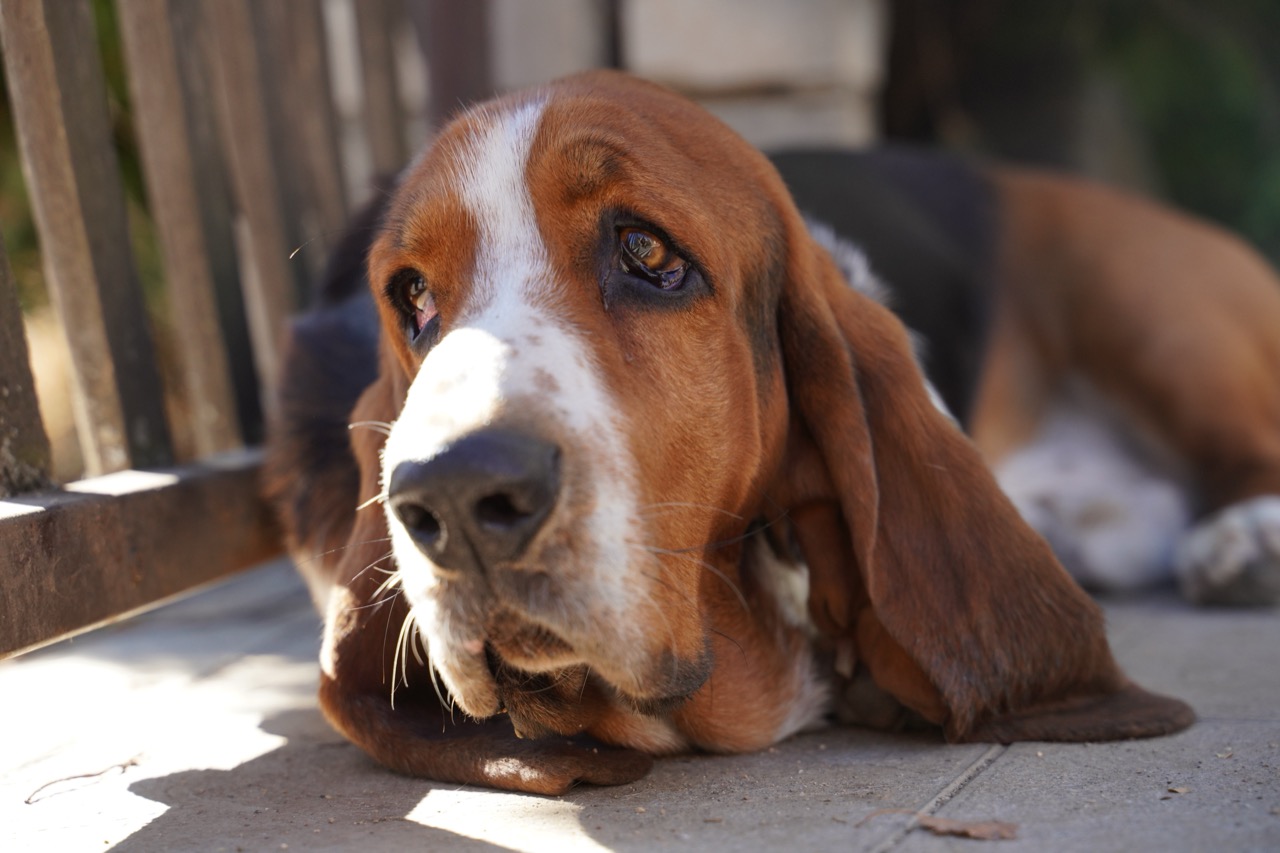
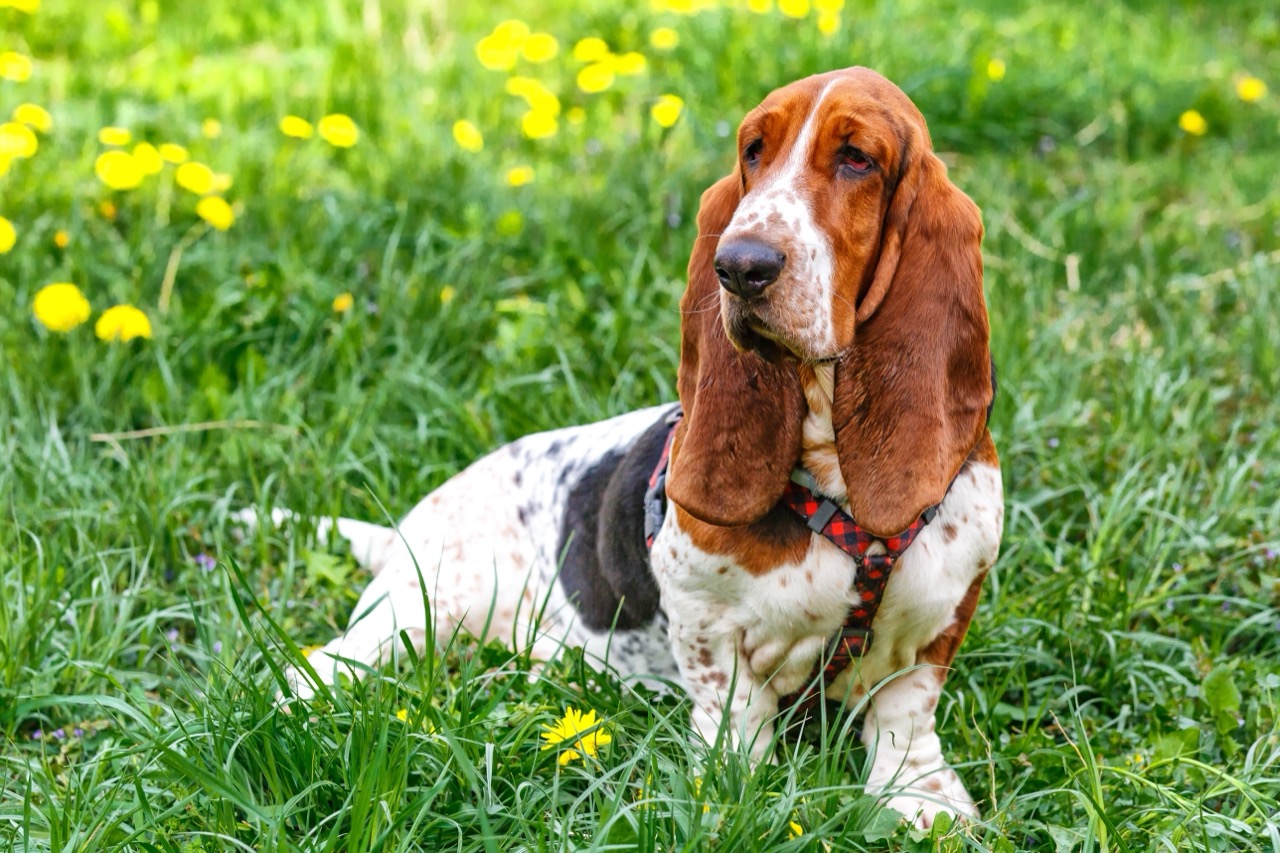
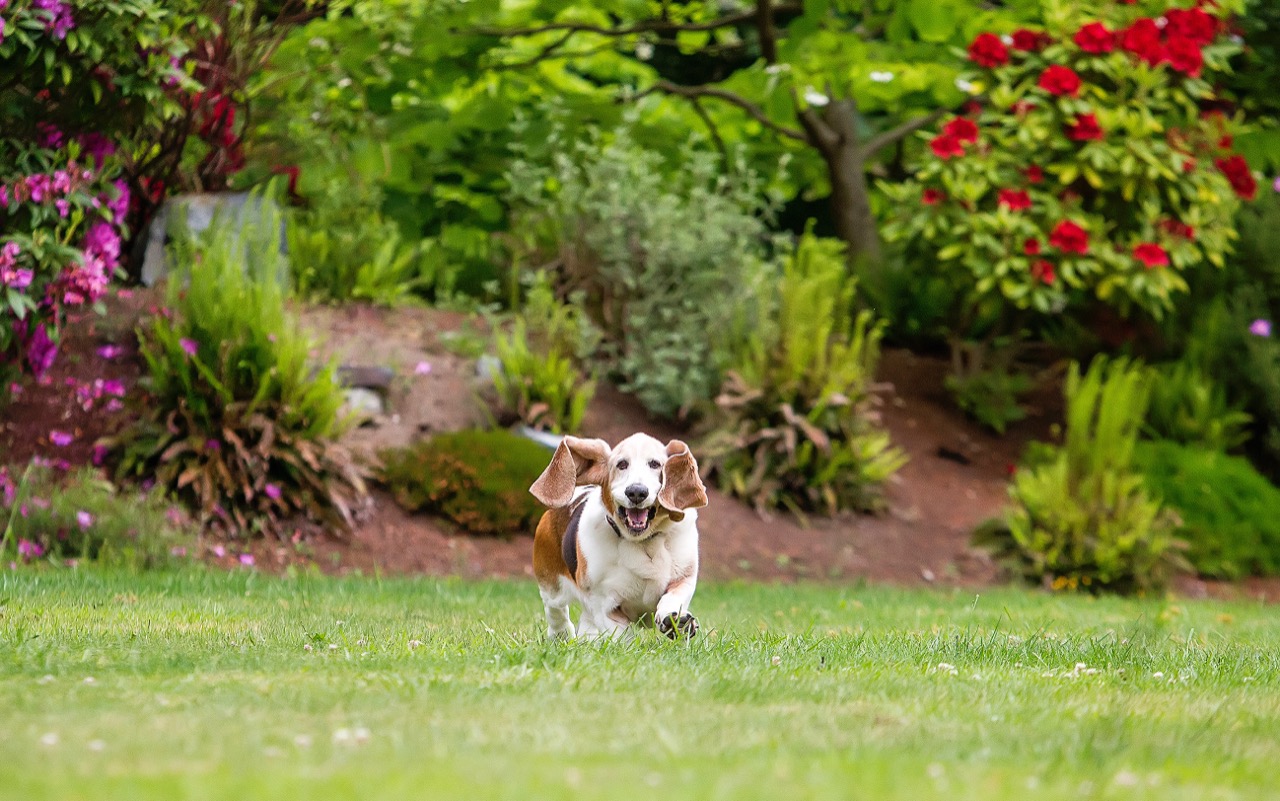
That famous nose comes with an equally famous set of ears. Basset ears are long and heavy, and they hang close to the head, which reduces airflow in the ear canal. Warmth and trapped moisture can make ear infections more likely, especially after baths, swimming, or humid weather. Head shaking, ear scratching, a yeasty smell, redness, or sensitivity when the ear is touched are all reasons to check in with a vet rather than hoping it clears on its own. Routine ear checks and gentle cleaning when recommended can make a big difference, but over-cleaning or using the wrong products can irritate the ear canal, so it is worth getting guidance on what is appropriate for your dog.
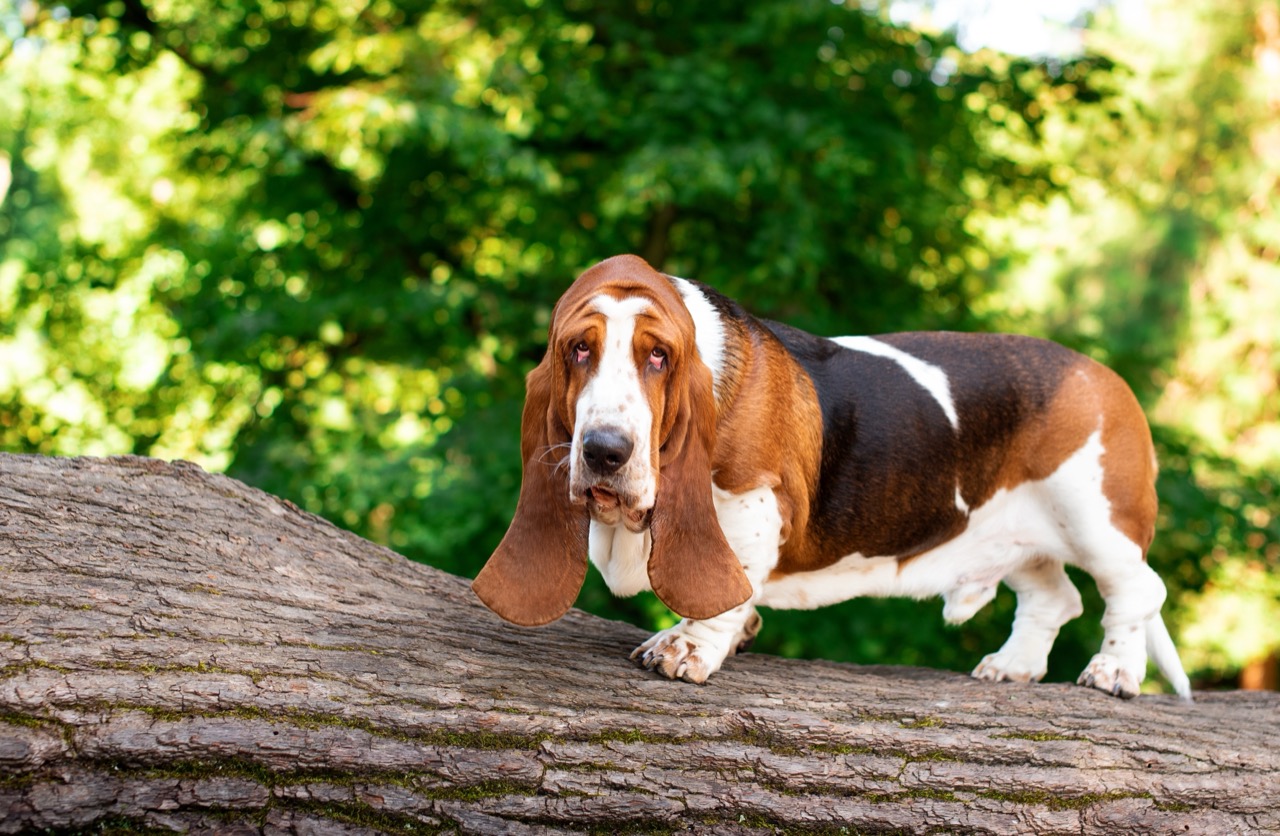
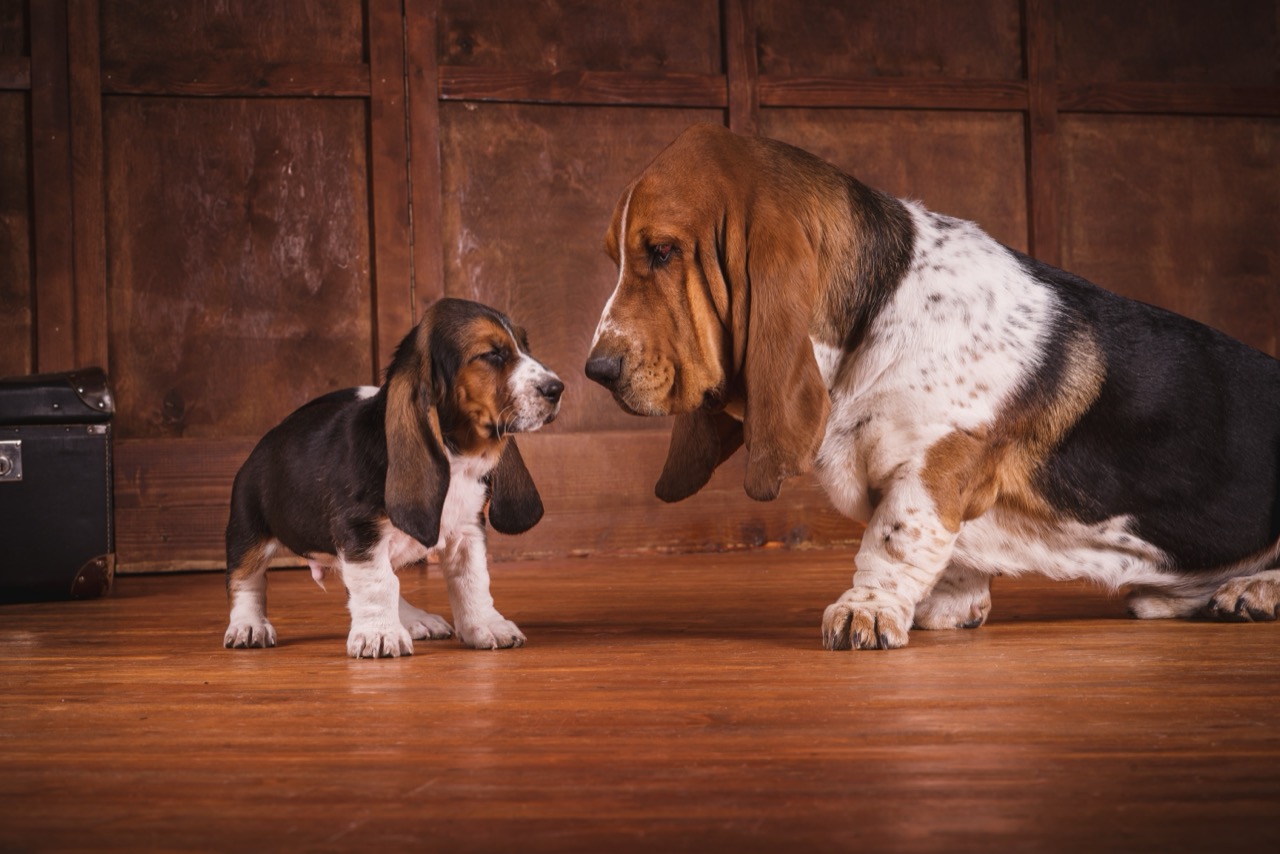
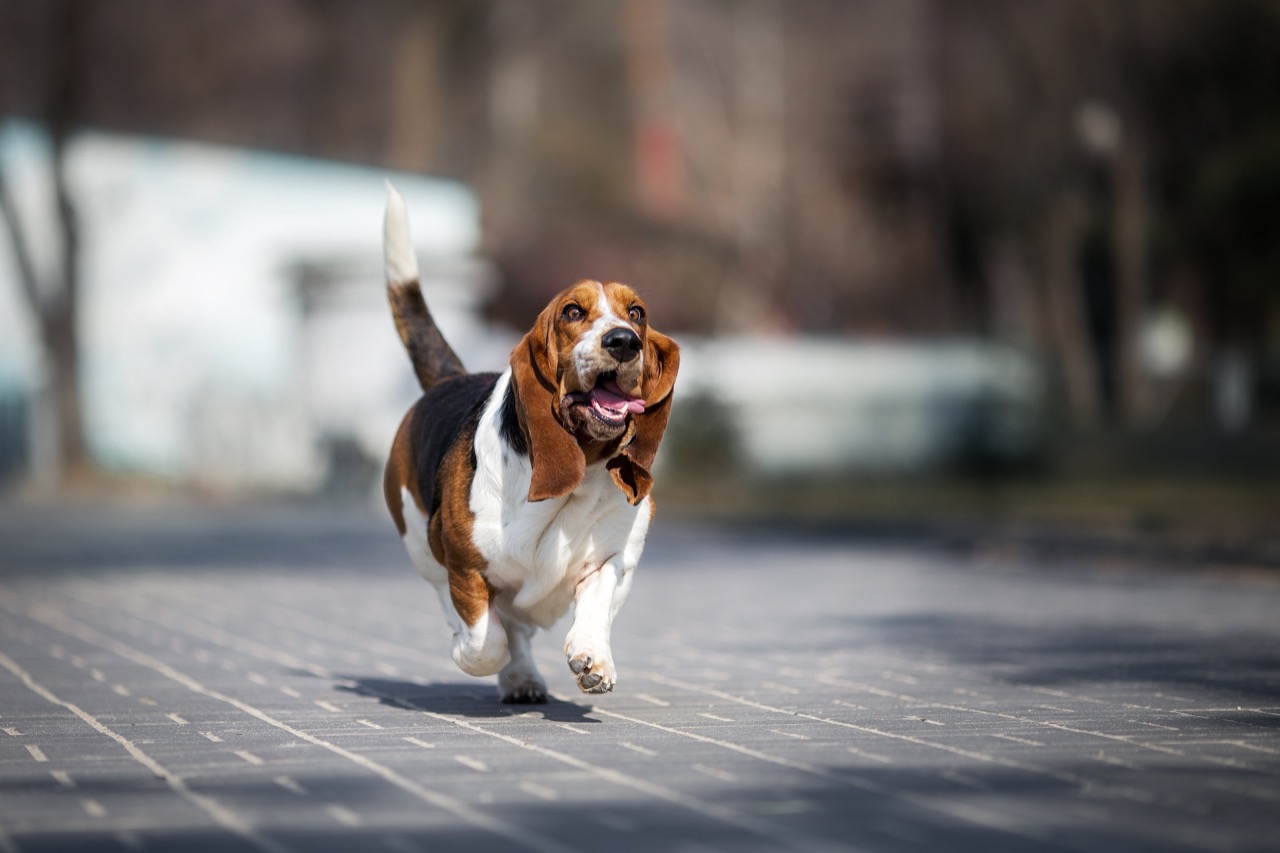
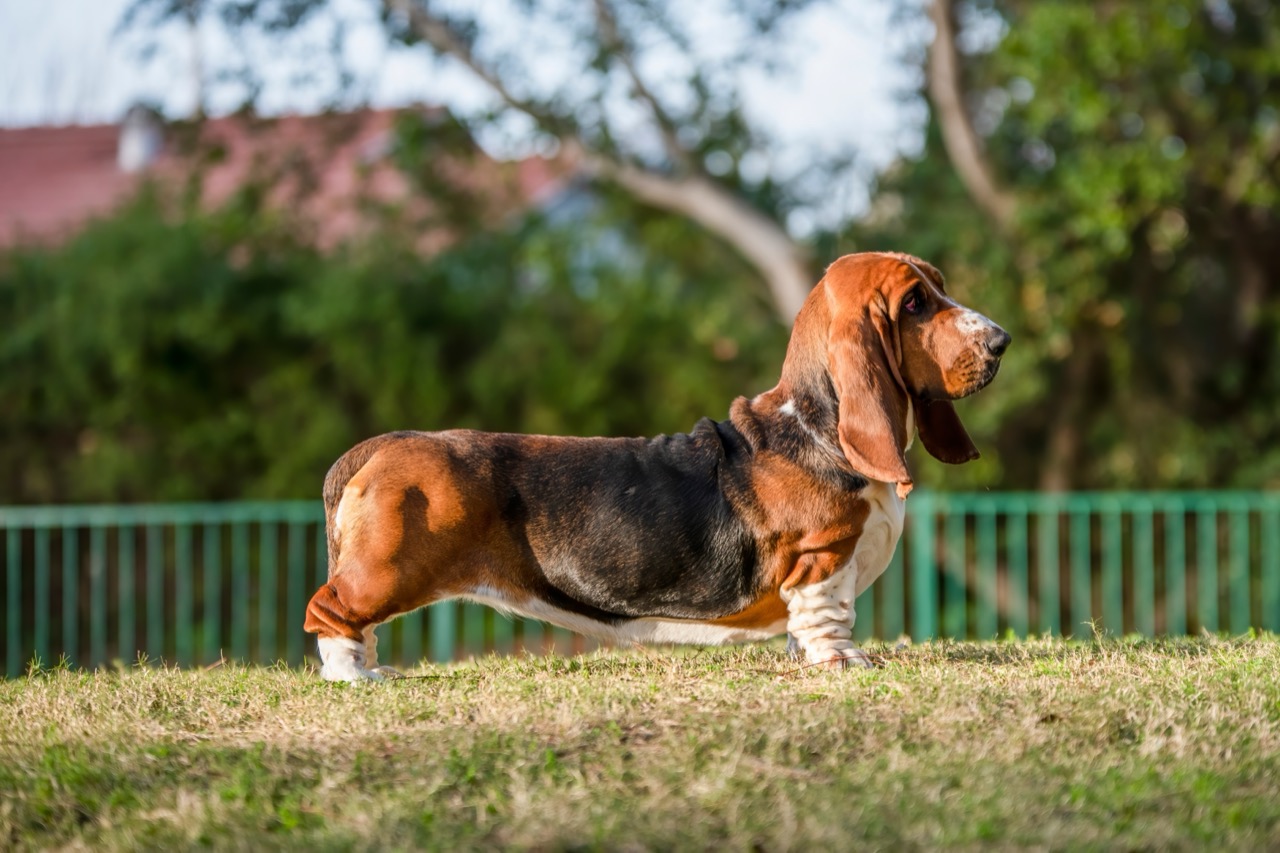
Their body shape is another big clue. Bassets are built low to the ground with a relatively long back and heavy bone. That combination can put extra stress on joints and the spine, especially when a dog is overweight. Orthopedic issues such as elbow or hip dysplasia can occur, and arthritis can show up earlier than many owners expect. Subtle signs include slowing down on walks, reluctance to climb stairs, stiffness after resting, or a change in posture. Keeping a Basset lean is not about looks; it is one of the most practical ways to protect their mobility. Exercise should be consistent but sensible, favoring regular walks and controlled play over repeated jumping on and off furniture.
Bloat, also called gastric dilatation volvulus, is not limited to giant breeds, and deep-chested dogs can be at risk. It is a true emergency where the stomach fills with gas and can twist. Watch for a suddenly swollen abdomen, unproductive retching, drooling, restlessness, or signs of pain. If you see these, do not wait. Go to an emergency clinic immediately. Your veterinarian can also discuss feeding routines that may help reduce risk, such as avoiding intense exercise right after meals.
Basset Hounds are also known for certain eye issues. Ectropion, where the lower eyelid droops outward, and entropion, where the lid rolls inward, can both occur and may lead to irritation or infection. Chronic tearing, redness, squinting, discharge, or pawing at the face should not be dismissed as just a droopy-eyed look. Some dogs also develop glaucoma, which can be painful and vision-threatening. Sudden cloudiness, a very red eye, or obvious discomfort warrants urgent evaluation.
Their loose skin and skin folds can trap moisture and debris, leading to dermatitis or hot spots. Regular grooming, drying after baths, and monitoring for redness or odor in folds can prevent small problems from becoming painful infections. Nails and paws deserve attention too; long nails can change gait and worsen joint strain.
One of the most common everyday challenges is weight gain. Bassets often love food and can be convincing beggars, but extra pounds amplify nearly every risk they face, from joint pain to breathing strain. If your dog’s waist disappears, if you cannot easily feel ribs under a light layer of fat, or if endurance drops, it is time to reassess diet and treats with your vet.
The best trivia-worthy fact about Basset health is that their “oddities” are predictable. Their ears, eyes, skin, and skeleton are part of what makes them iconic, and those same features guide what owners should watch. If you learn the breed’s typical trouble spots, you can catch changes early, keep vet visits focused, and help your Basset stay comfortable while they follow their nose through life.