All Ears: The Basset Hound Build
Quiz Complete!
Basset Hound Looks Through Time: Why This Droopy Icon Is Built the Way It Is
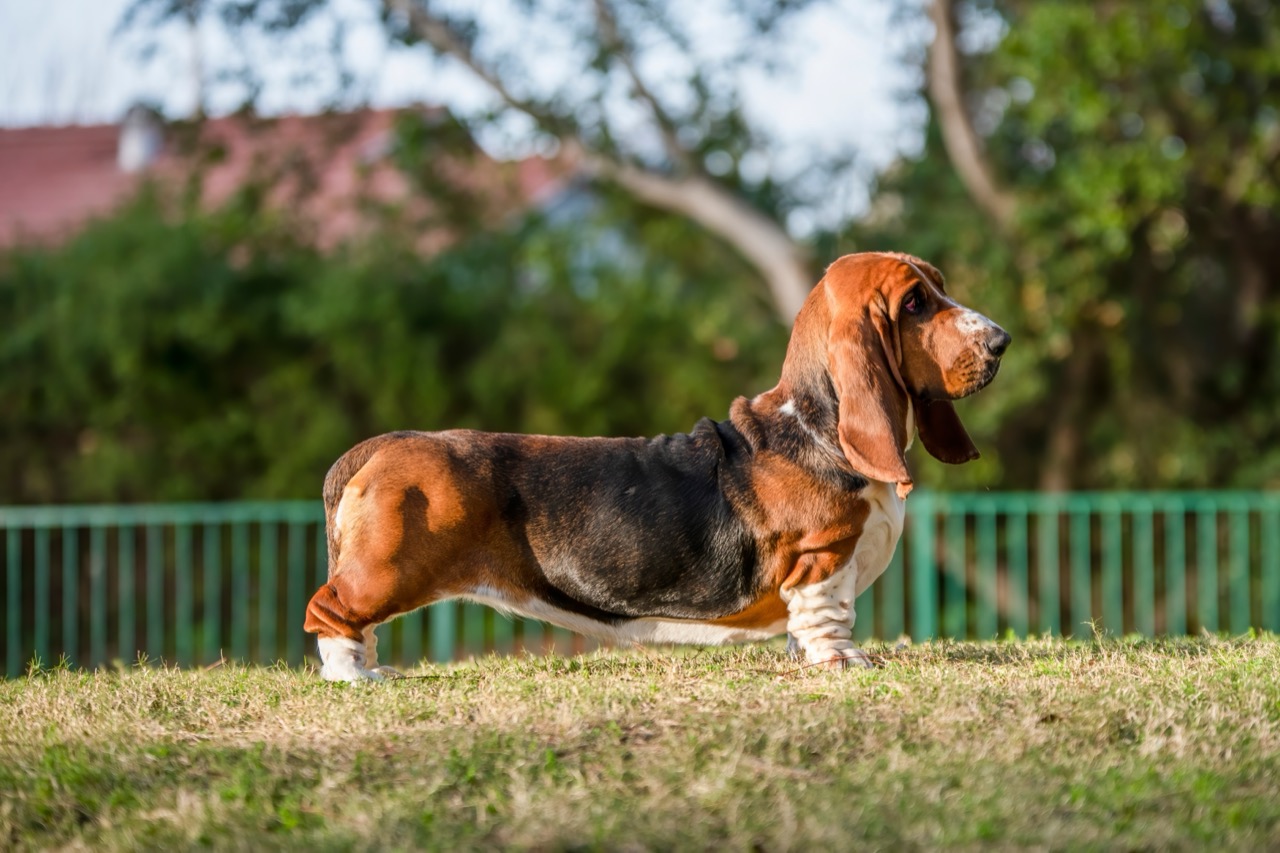
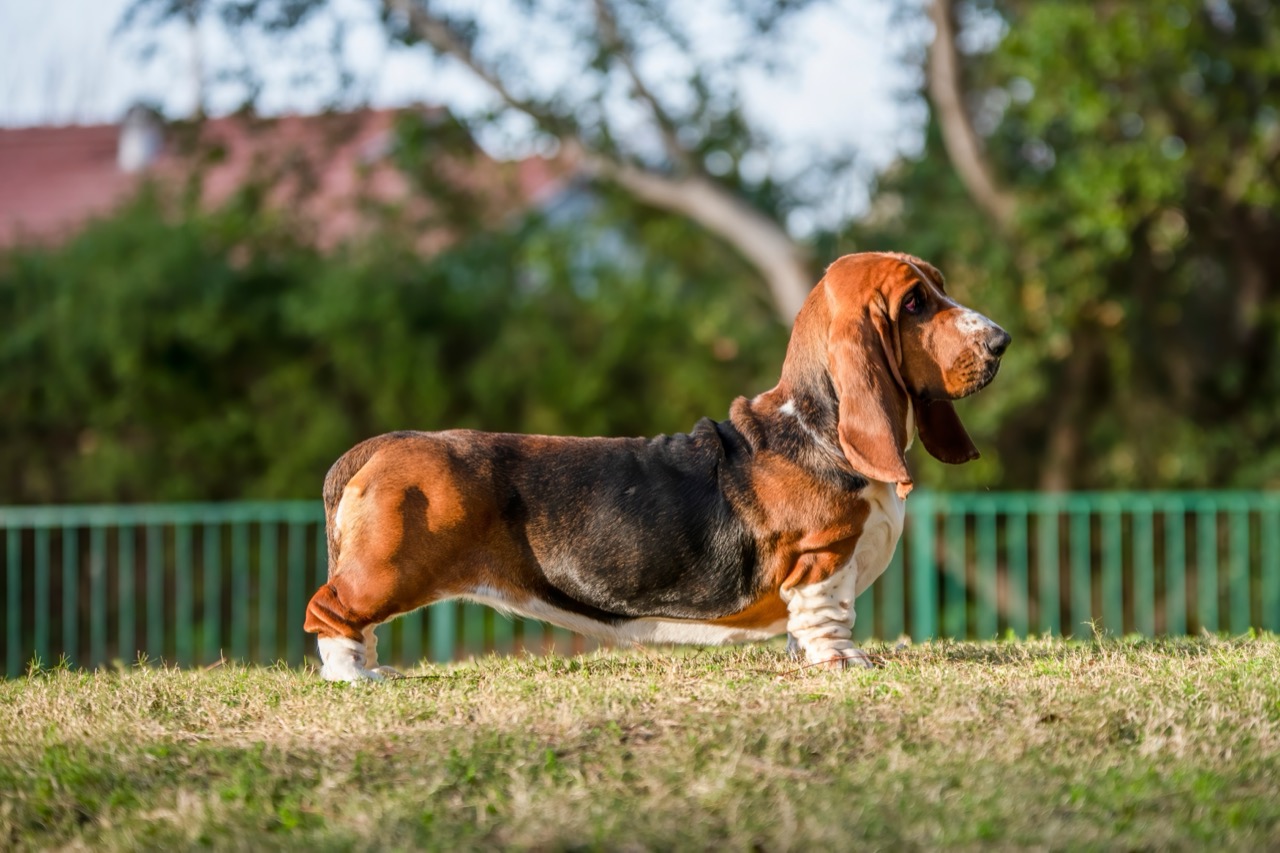
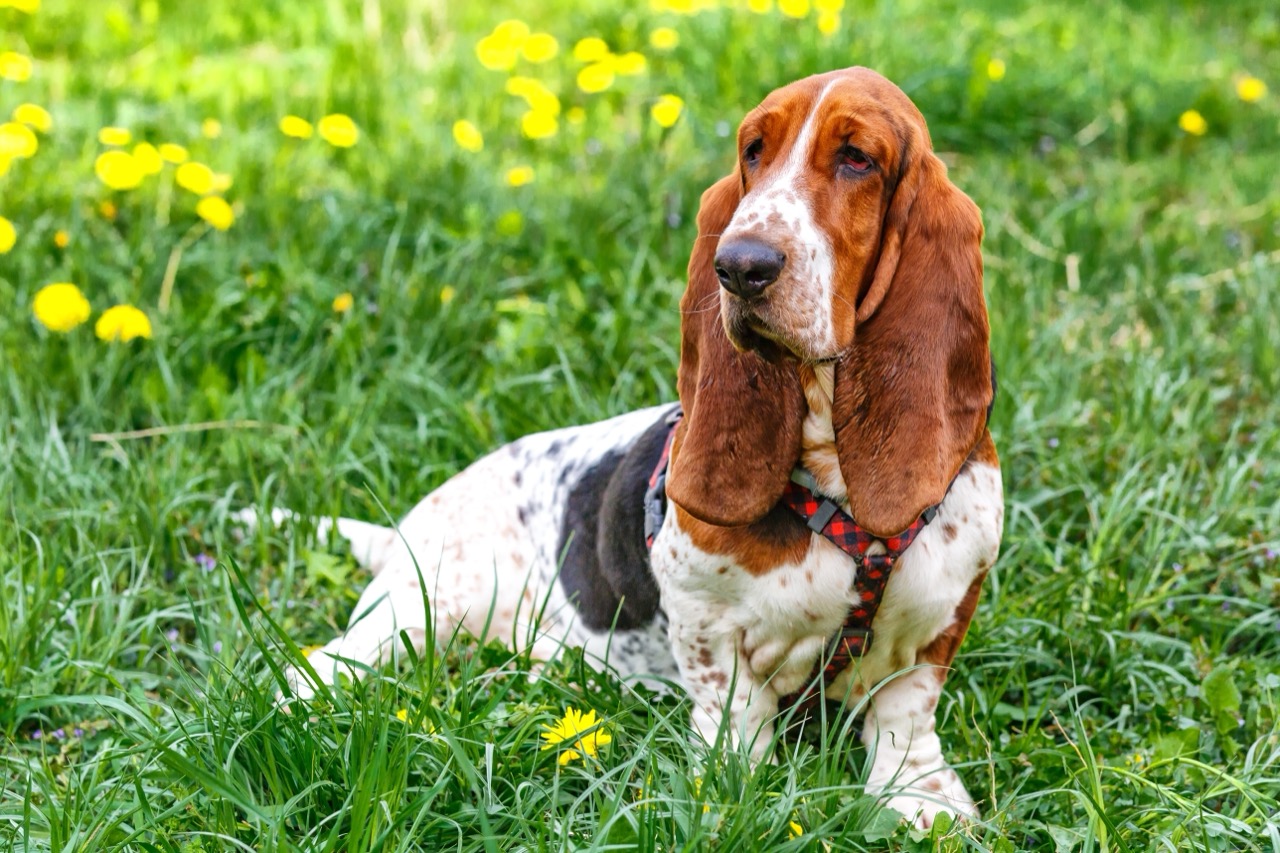
The Basset Hound is one of those dogs you can recognize from across the street, even if you cannot name the breed. Its low-slung body, heavy bone, and famously long ears look almost cartoonish at first glance, yet nearly every detail has roots in practical scent-hunting work. The word basset comes from a French term meaning low, and that low build was the point: a hound that could follow ground scent steadily while moving slowly enough for a hunter on foot to keep up.
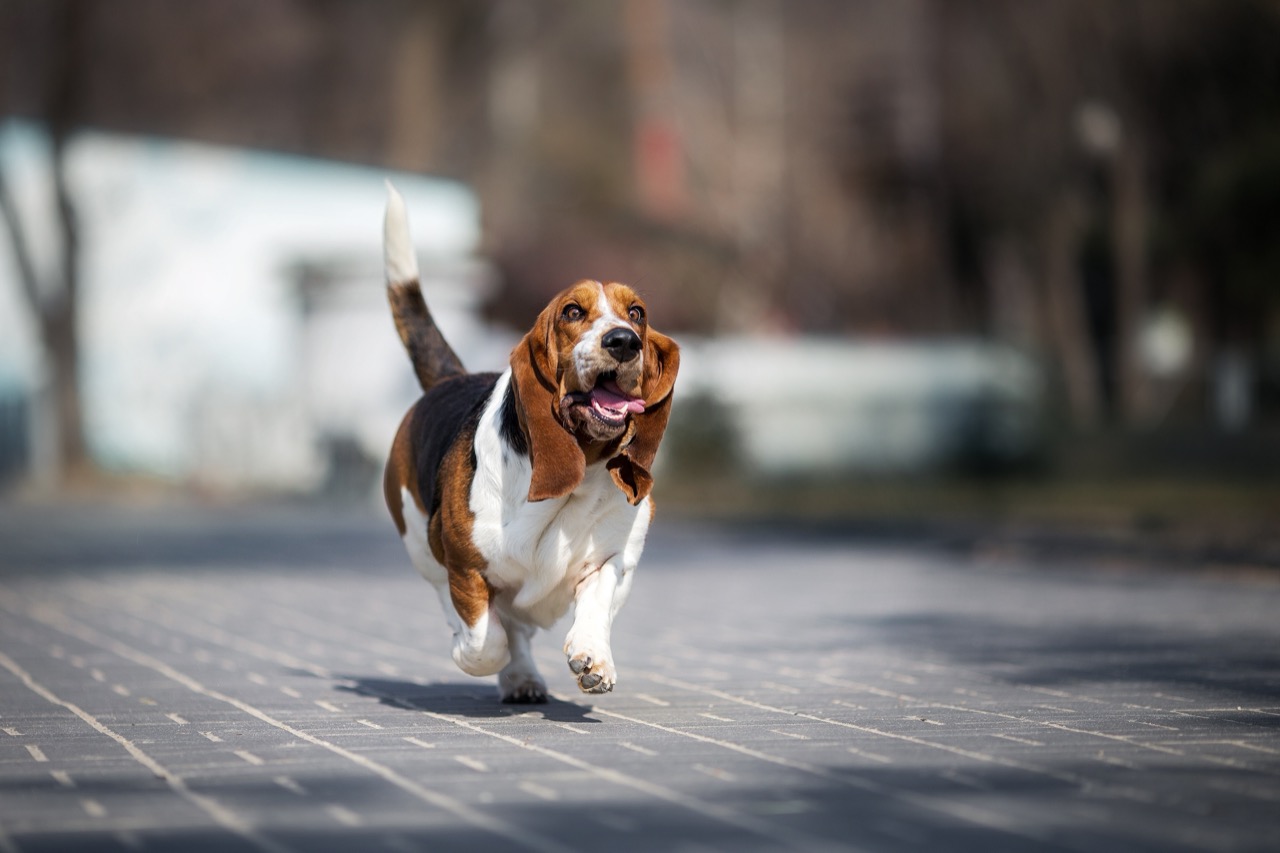
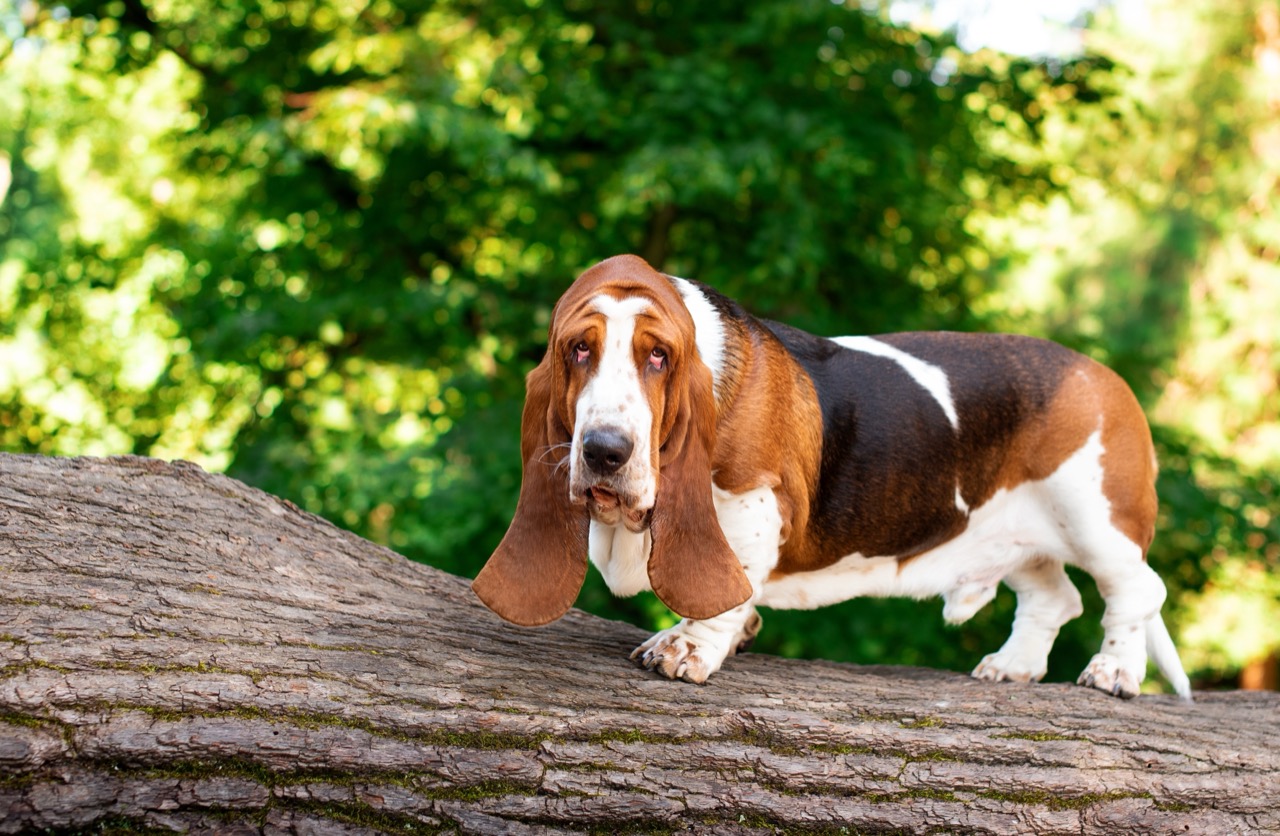
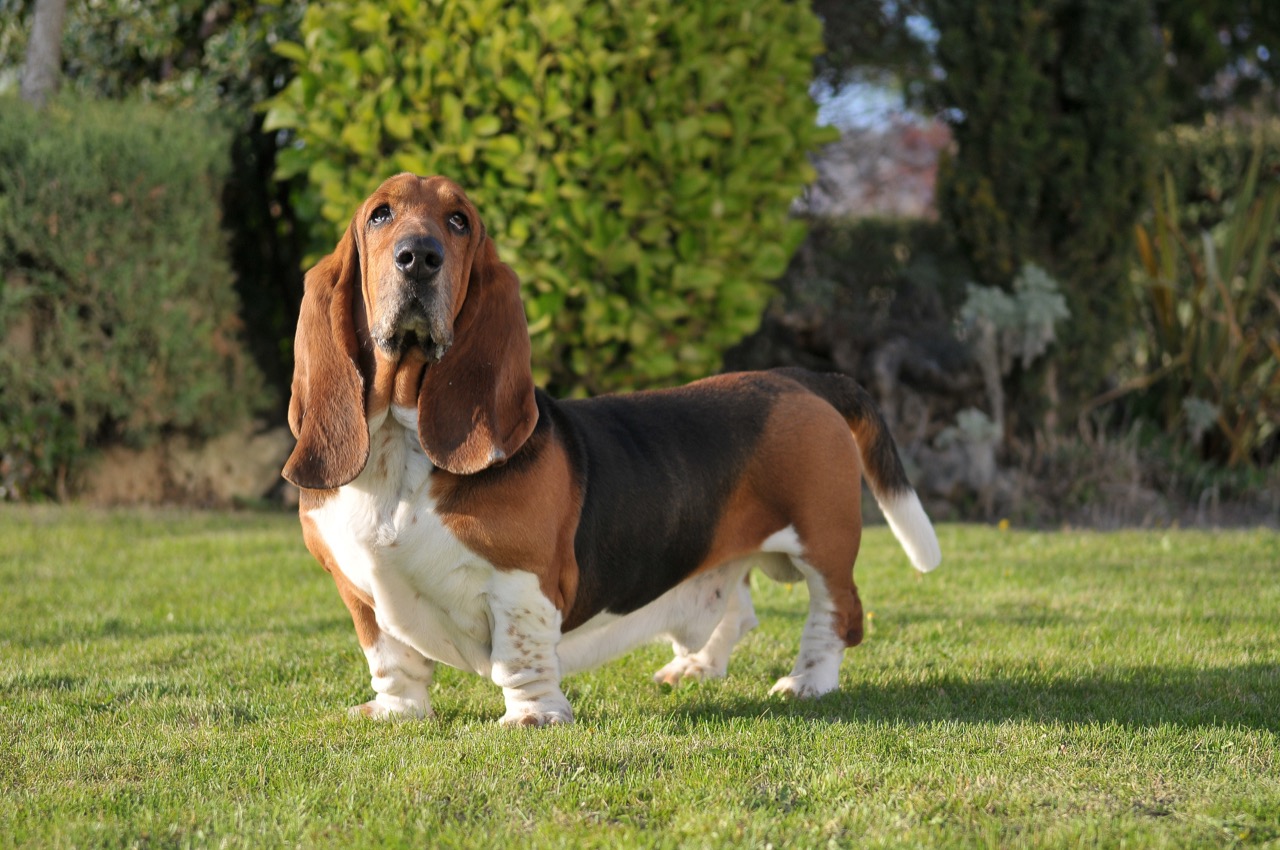
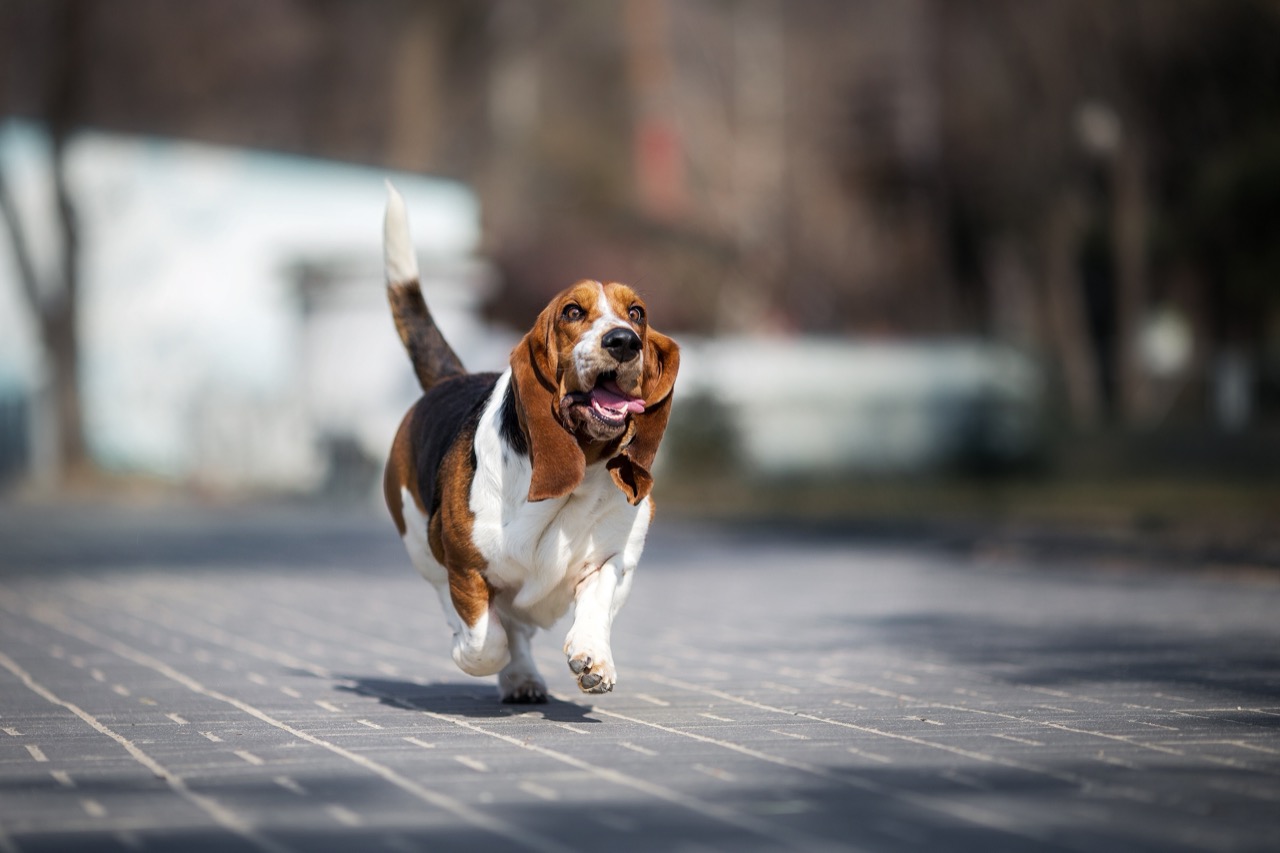
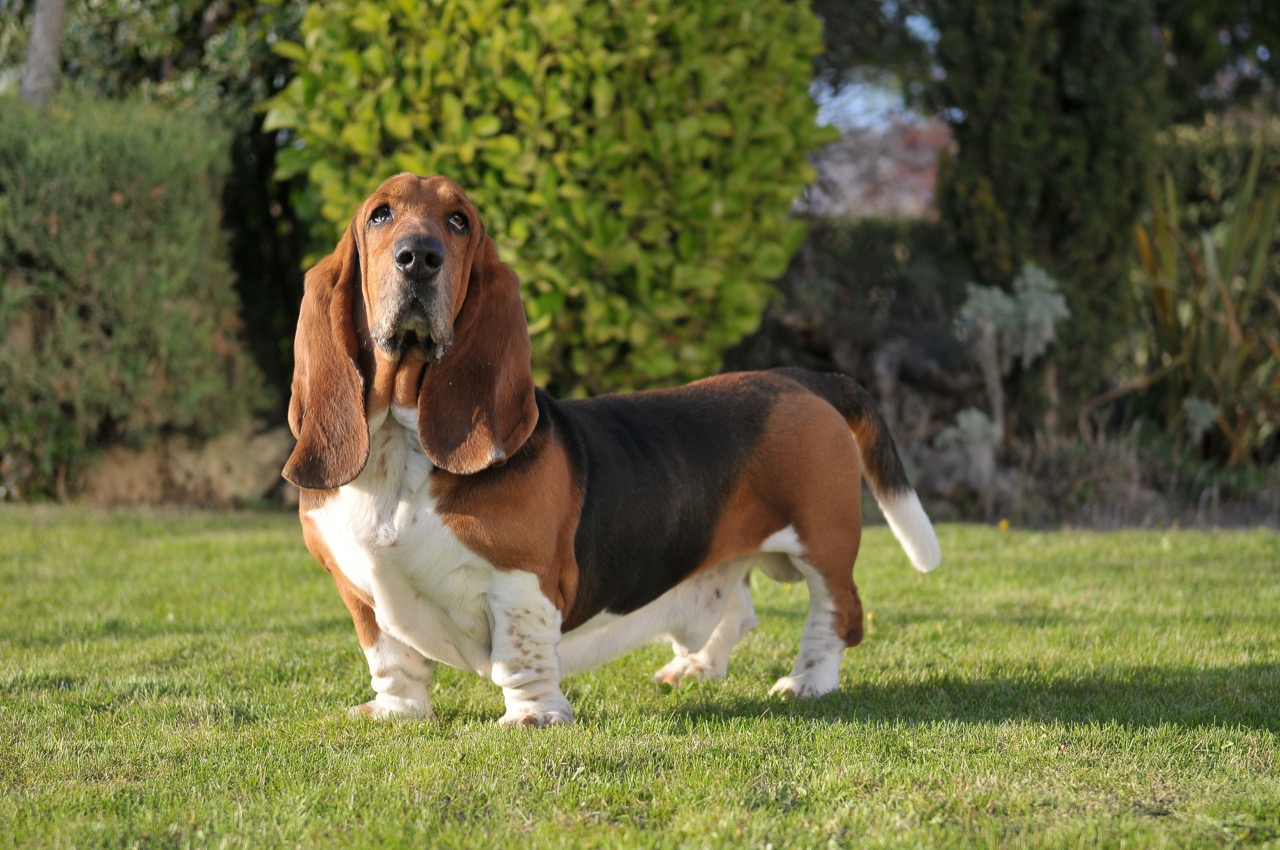
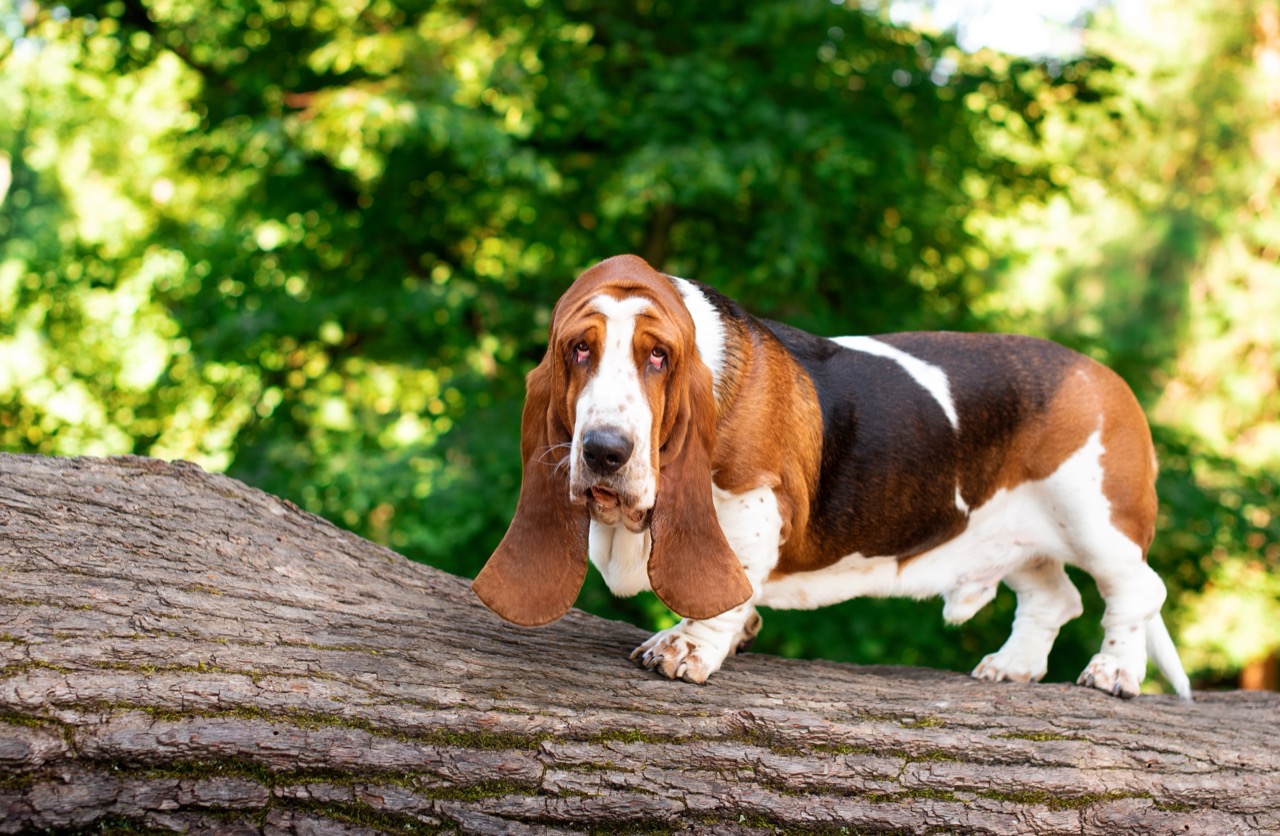
A true Basset is not just a short dog. The breed is built on a surprisingly substantial frame with thick legs and large feet designed for endurance rather than speed. The front end is especially distinctive. Bassets have a deep chest that reaches low between the forelegs, and the front feet turn very slightly outward, giving the dog a wide, stable stance. That heavy forequarters look is part of the breed’s signature outline, and it helps explain why a Basset can appear powerful despite being close to the ground.
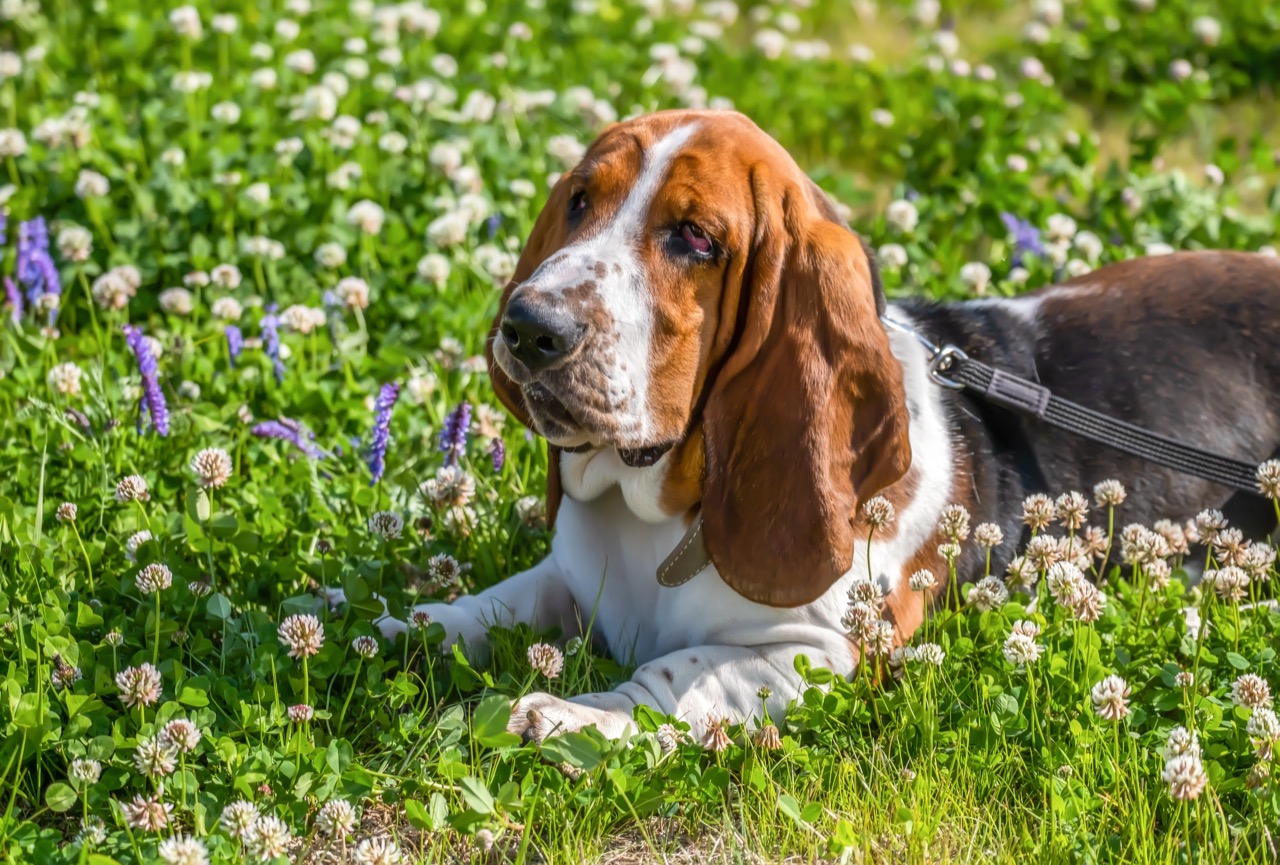
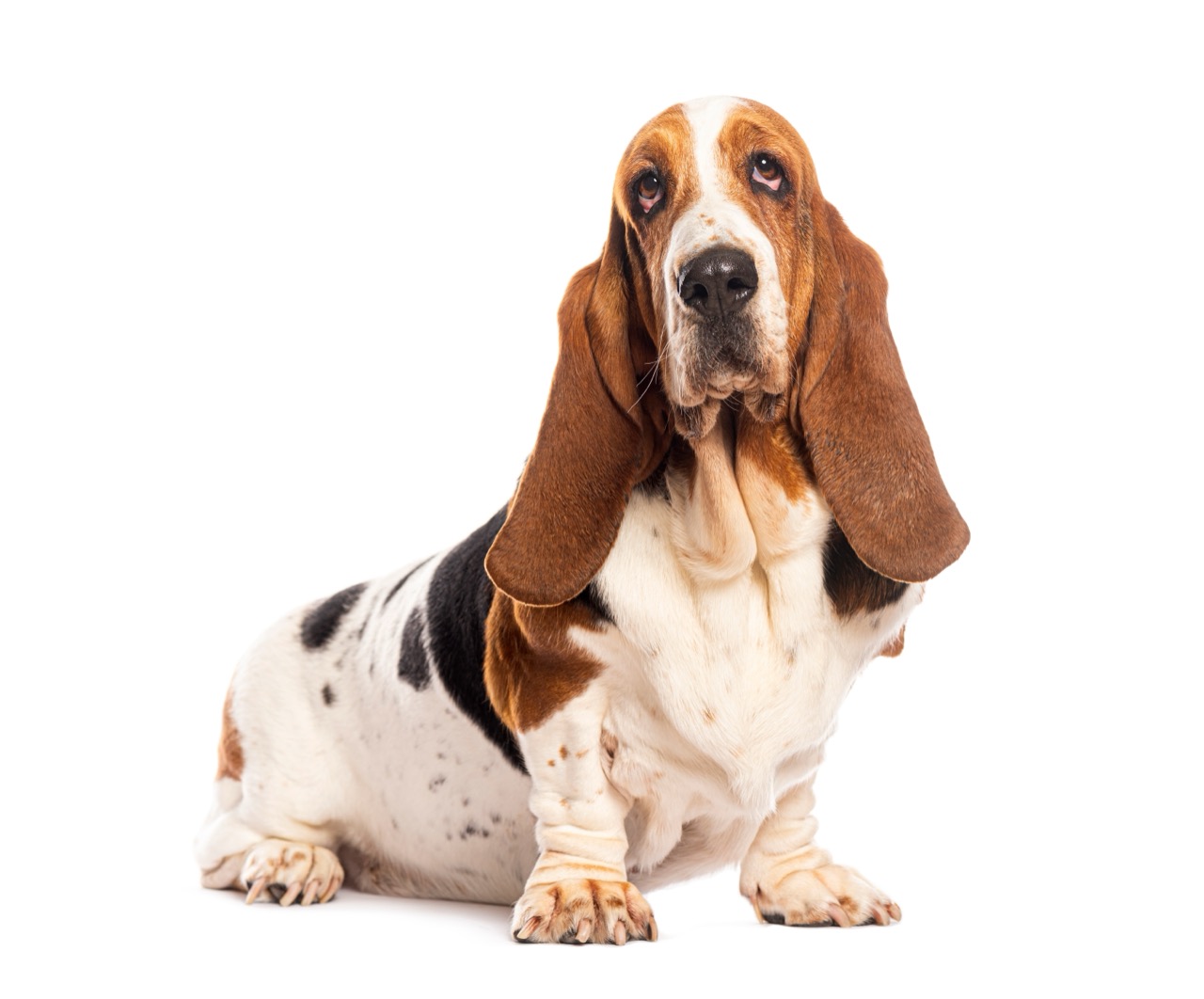
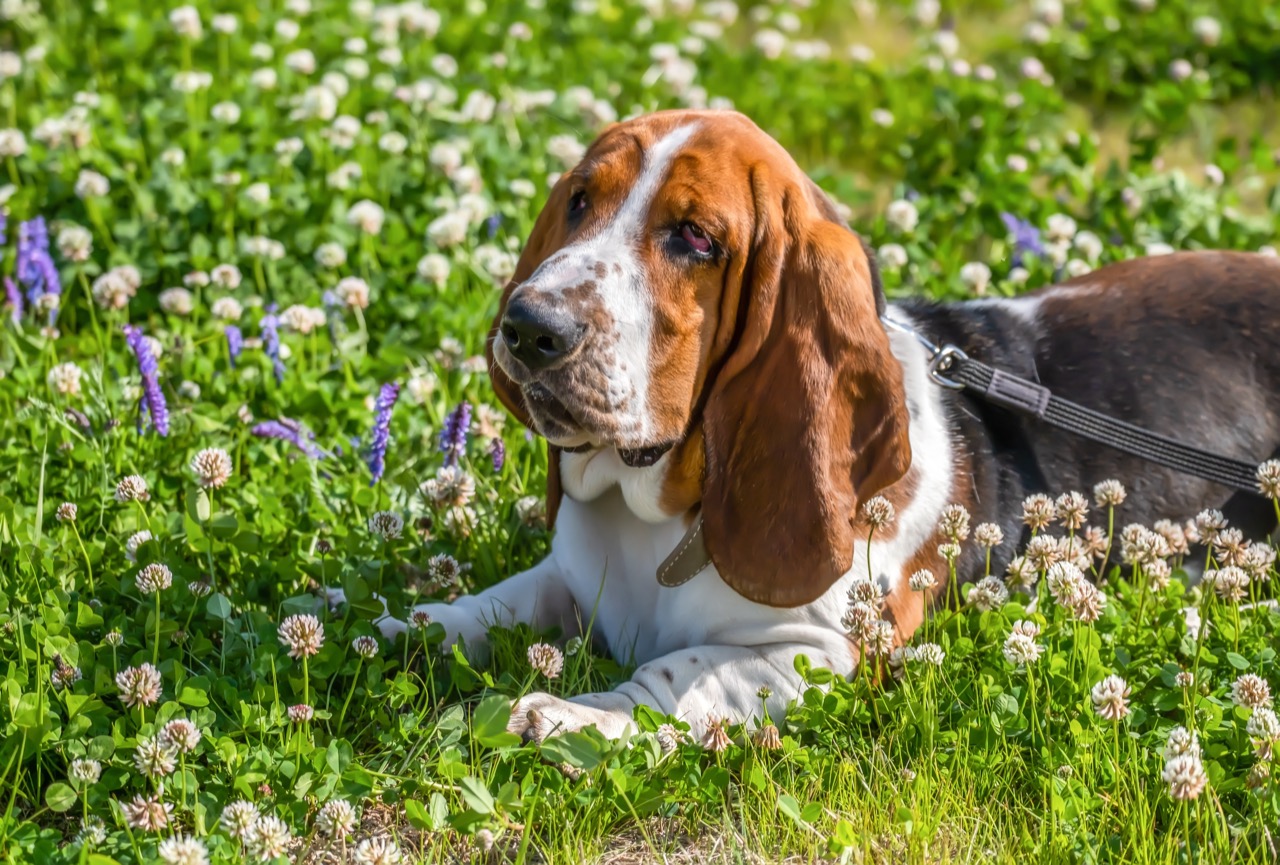
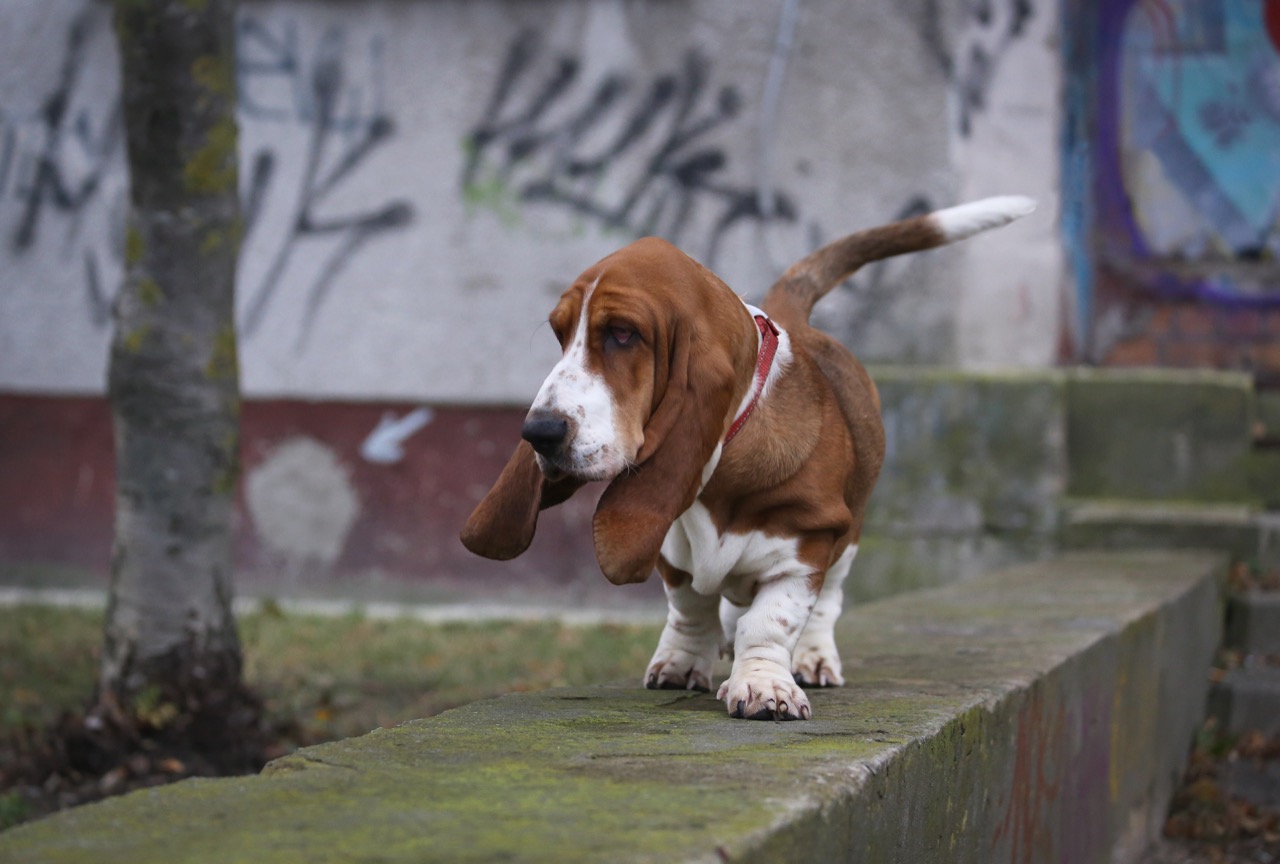
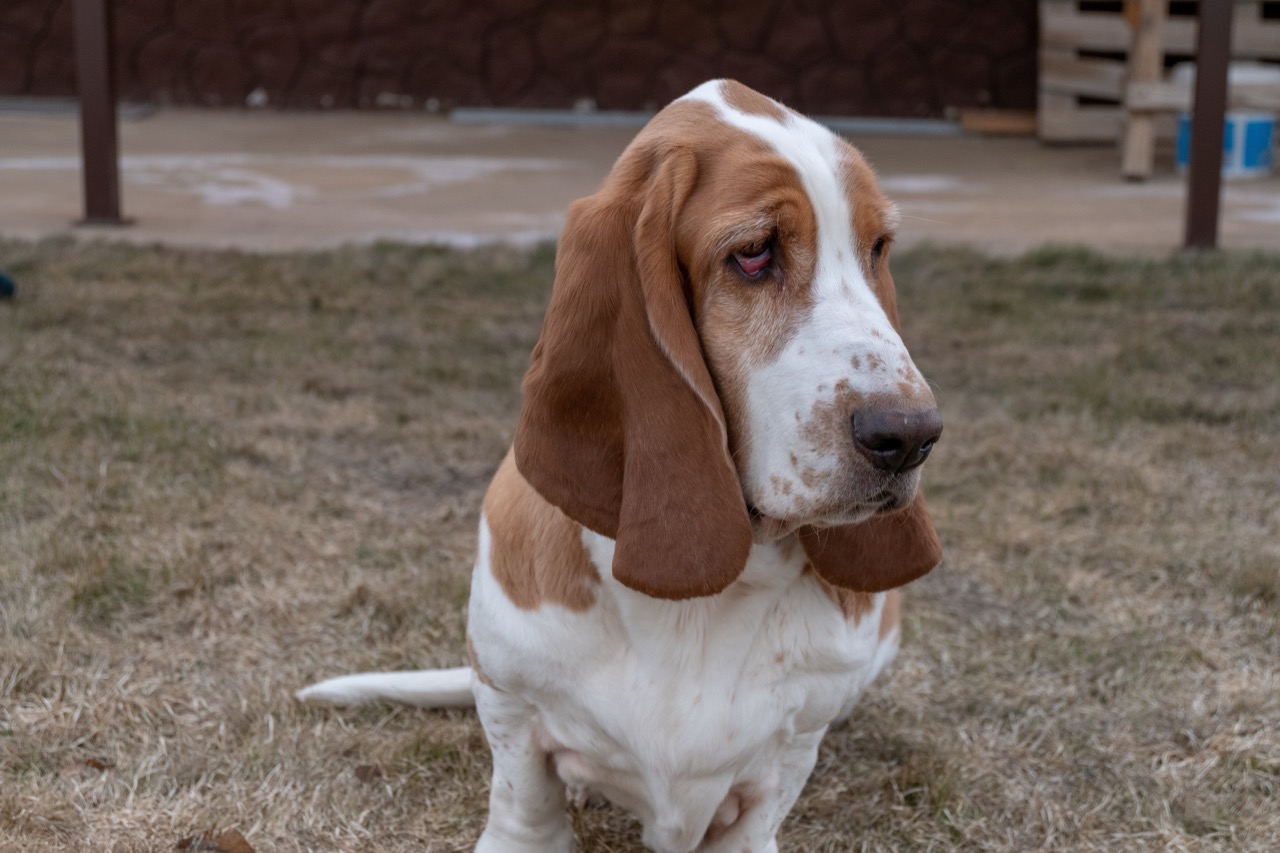
The head is another hallmark. A Basset Hound has a long muzzle and a pronounced occiput, the bony point at the back of the skull. The skin is loose, especially around the face, forming wrinkles and folds that become more noticeable when the dog lowers its head. Those folds are not just for show. Loose skin is traditionally said to help hold scent near the nose as the dog works. The long ears play into that same idea. When a Basset moves with its nose down, the ears sweep the ground and stir up scent, while also helping trap odor near the face. The ears should be very long and set low, hanging in soft folds.
The eyes are often described as sad, but the expression is more about anatomy than mood. Bassets can show some droop in the lower eyelids, revealing a bit of the pink inner tissue. That look is breed-typical, though it also means owners should keep an eye on irritation and cleanliness.
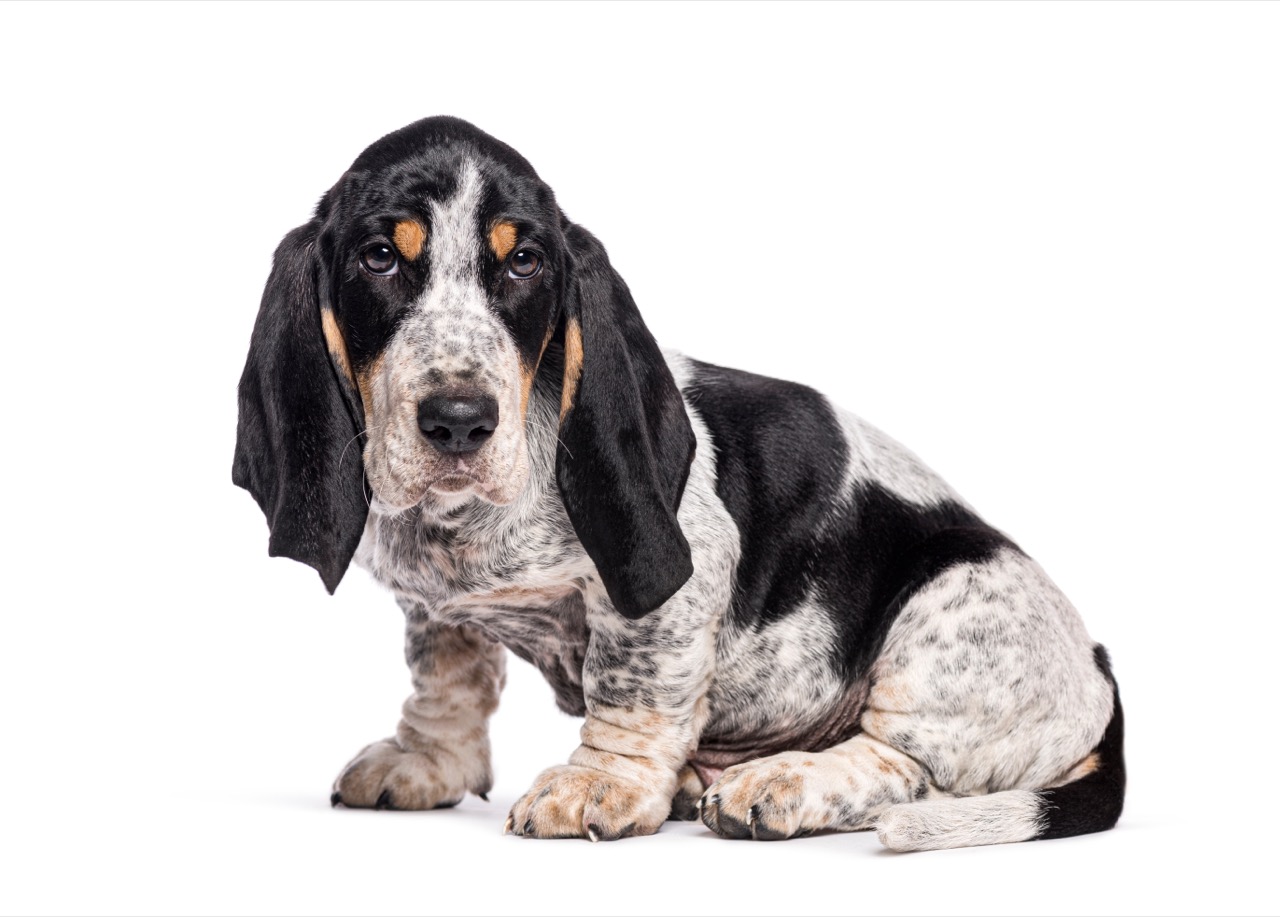
Coat and color add to the classic picture. The Basset coat is short, dense, and smooth, built to handle brush and damp weather during long days outdoors. Many people picture the tri-color pattern: black, white, and tan in clear patches. Another recognized look is lemon and white, where the markings are a pale yellow rather than deep tan. You may also see red and white. The AKC standard accepts any recognized hound color and says the distribution of color and markings is of no importance. The tail, carried high with a white tip in many dogs, acts like a little flag so a hunter could spot the dog in tall grass.
Because several breeds share long ears or short legs, it helps to know what separates a Basset from look-alikes. Dachshunds are also low to the ground, but they are longer-backed, lighter-boned, and usually have tighter skin and a different head shape. Beagles are scent hounds with similar colors, yet they stand much taller with a more athletic outline and shorter ears. Bloodhounds share the droopy skin and scenting reputation, but they are much larger and not built low.
A Basset Hound is, in many ways, a living demonstration of form following function. The low body, heavy bone, loose skin, sweeping ears, and bold hound markings are not random quirks. They are clues to a job description written long ago: follow the scent, keep going, and do it in a way humans can follow too.