Border Collie Genes Under the Microscope




Quiz Complete!
Border Collie Health Warning Signs Every Owner Should Know
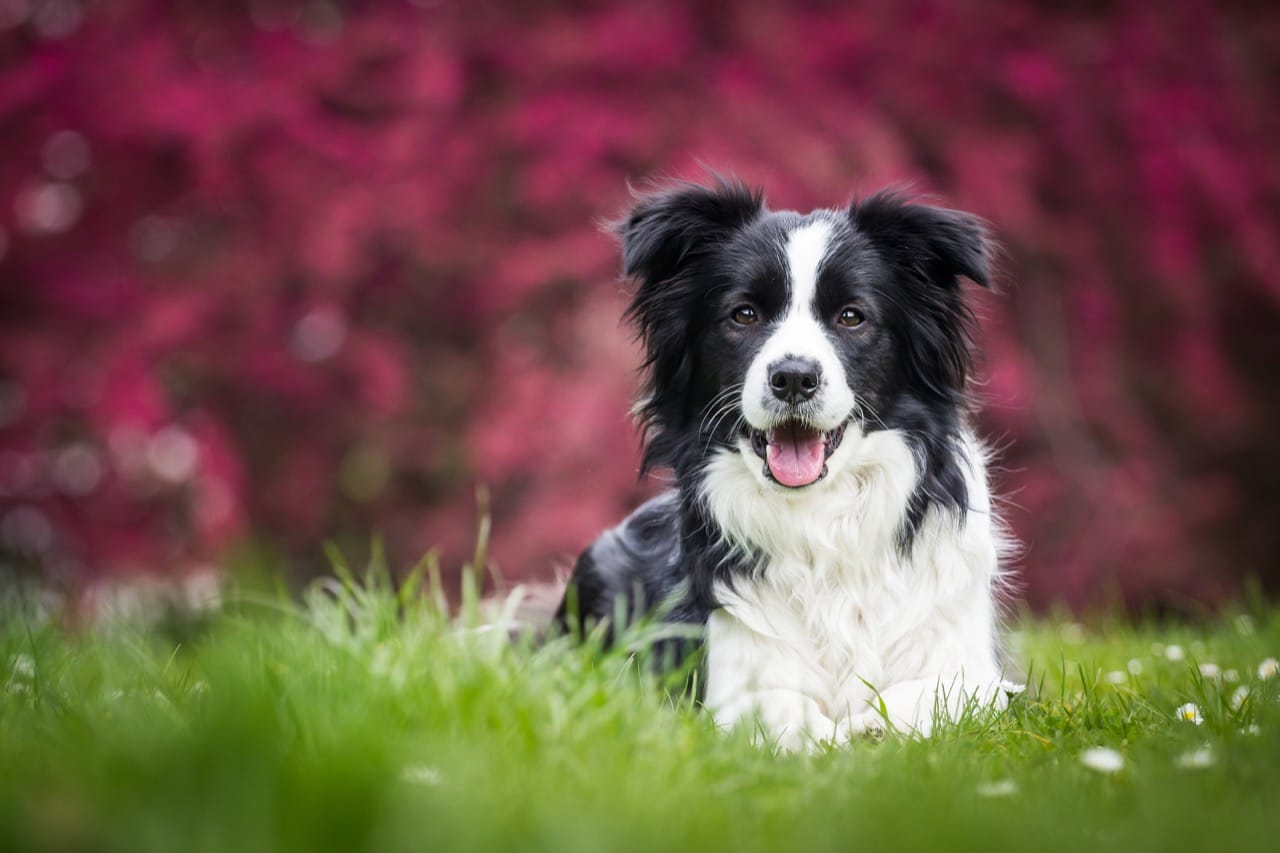
Border Collies are built for speed, stamina, and problem solving, which can make it easy to assume they are always fine as long as they still want to work. The catch is that highly driven dogs often push through discomfort, and some of the most important breed related problems develop quietly. Learning a few warning signs can help you catch issues early, when treatment and management are most effective.
Eyes deserve special attention in this breed. Border Collies can be affected by inherited eye conditions that may not be obvious at home until vision is already compromised. Progressive retinal atrophy is one example that can start with subtle night blindness, such as hesitating in dim hallways or becoming anxious on evening walks. Collie eye anomaly can vary from mild to severe and is best identified through screening by a veterinary ophthalmologist. Cataracts can appear as a cloudy lens and may cause clumsiness or difficulty tracking a toy. Any sudden squinting, redness, pawing at the face, or a bluish haze over the eye is urgent, because painful problems like corneal ulcers or glaucoma can escalate quickly.
Movement changes are another big category of red flags. Border Collies can develop hip dysplasia, elbow dysplasia, arthritis, and soft tissue injuries from their athletic lifestyles. Watch for a shortened stride, bunny hopping when running, stiffness after rest, reluctance to jump into the car, or a change in how they sit or lie down. A dog that starts circling before lying down, slipping on floors, or needing longer warmups may be compensating for pain. Lameness that lasts more than a day or two, especially if it worsens with exercise, deserves a veterinary exam rather than waiting for it to pass.
Neurologic clues can be easy to miss if you assume your dog is simply distracted or tired. Head tilt, loss of balance, stumbling, knuckling over a paw, or unusual eye movements can point to vestibular disease, inner ear problems, or other neurologic conditions. Seizures are another urgent sign. Even a brief episode of collapse, paddling, drooling, or confusion afterward warrants a call to your veterinarian. Some Border Collies are also affected by conditions that cause episodic weakness or abnormal gait, and early documentation with videos can help your vet make progress faster.
A particularly important breed related topic is drug sensitivity linked to the MDR1 gene, found in several herding breeds. Dogs with this mutation can have severe reactions to certain medications, including some antiparasitic drugs and other common treatments. The safest approach is to ask your veterinarian about MDR1 testing and to avoid giving any medication, including leftovers from another pet, without guidance.
Everyday performance changes can be meaningful. A Border Collie that suddenly cannot keep up on routine walks, pants excessively, coughs, or seems to recover slowly after play may be showing signs of heart, airway, pain, or metabolic issues. Increased drinking and urination, unexplained weight loss, persistent vomiting or diarrhea, or a swollen abdomen are not normal aging. Neither is a major shift in behavior, such as irritability when touched, hiding, or new anxiety.
Because many inherited risks are detectable before symptoms appear, preventive care matters. Routine wellness visits, orthopedic assessments, and eye screening exams can uncover problems early. The best owners are not the ones who never see problems, but the ones who notice small changes, take them seriously, and partner with a veterinarian to keep a brilliant working dog comfortable for the long run.