Border Collie, Rough or Smooth
Quiz Complete!
Border Collie Looks: A Fact Check for Sharp Eyes
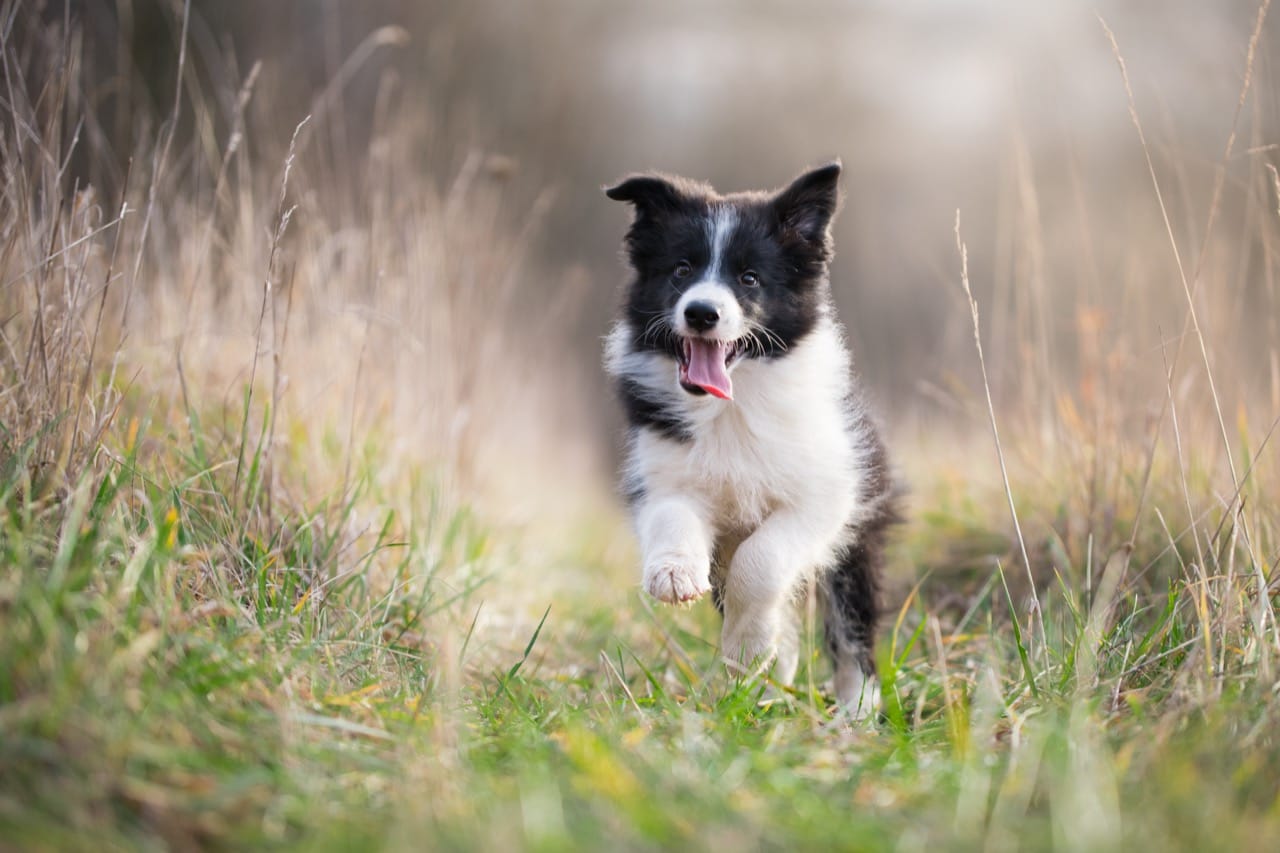
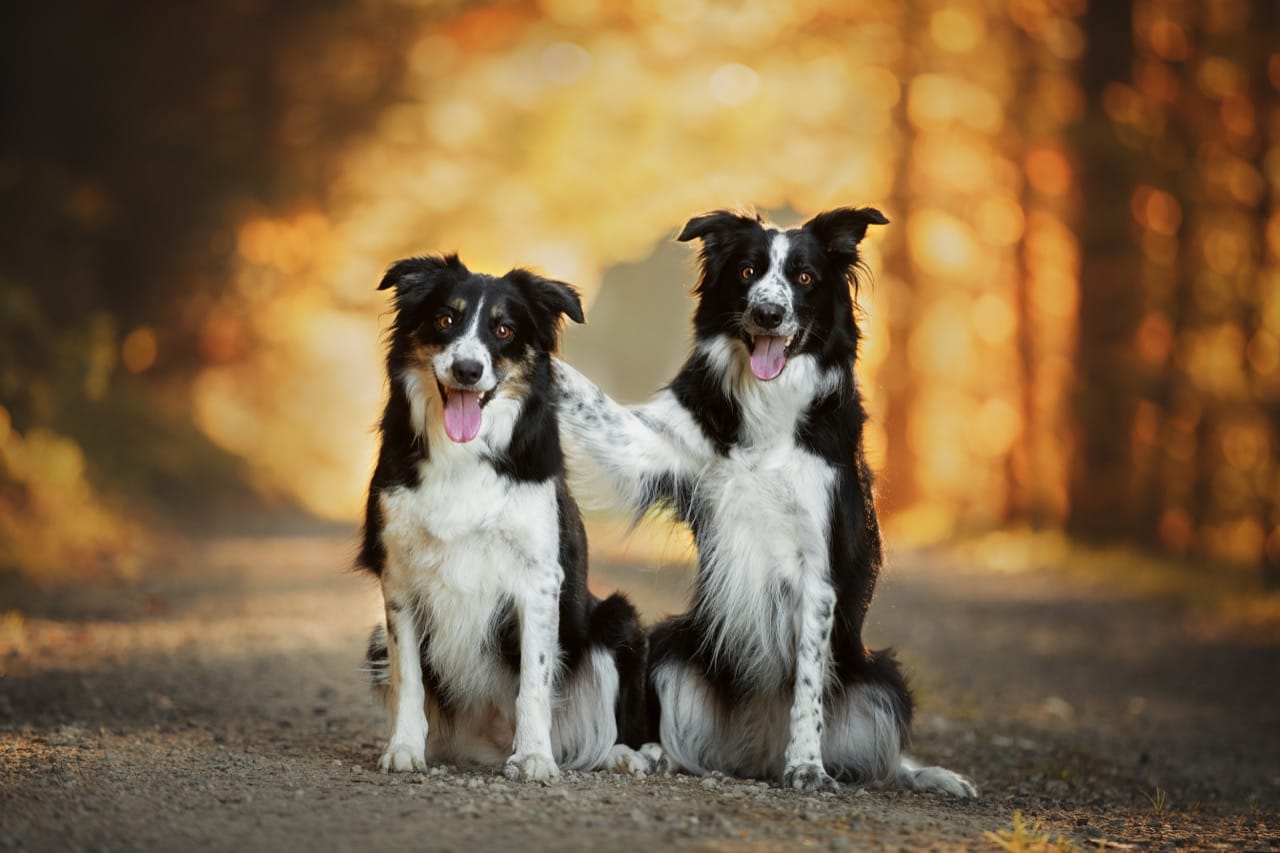
Border Collies are often praised for intelligence, but a close look at their bodies reveals a design built for all day work. If you want to identify one by sight, look beyond stereotypes like black and white coloring or an intense stare. The breed comes in a range of coats, colors, and ear sets, yet still keeps a recognizable working outline.
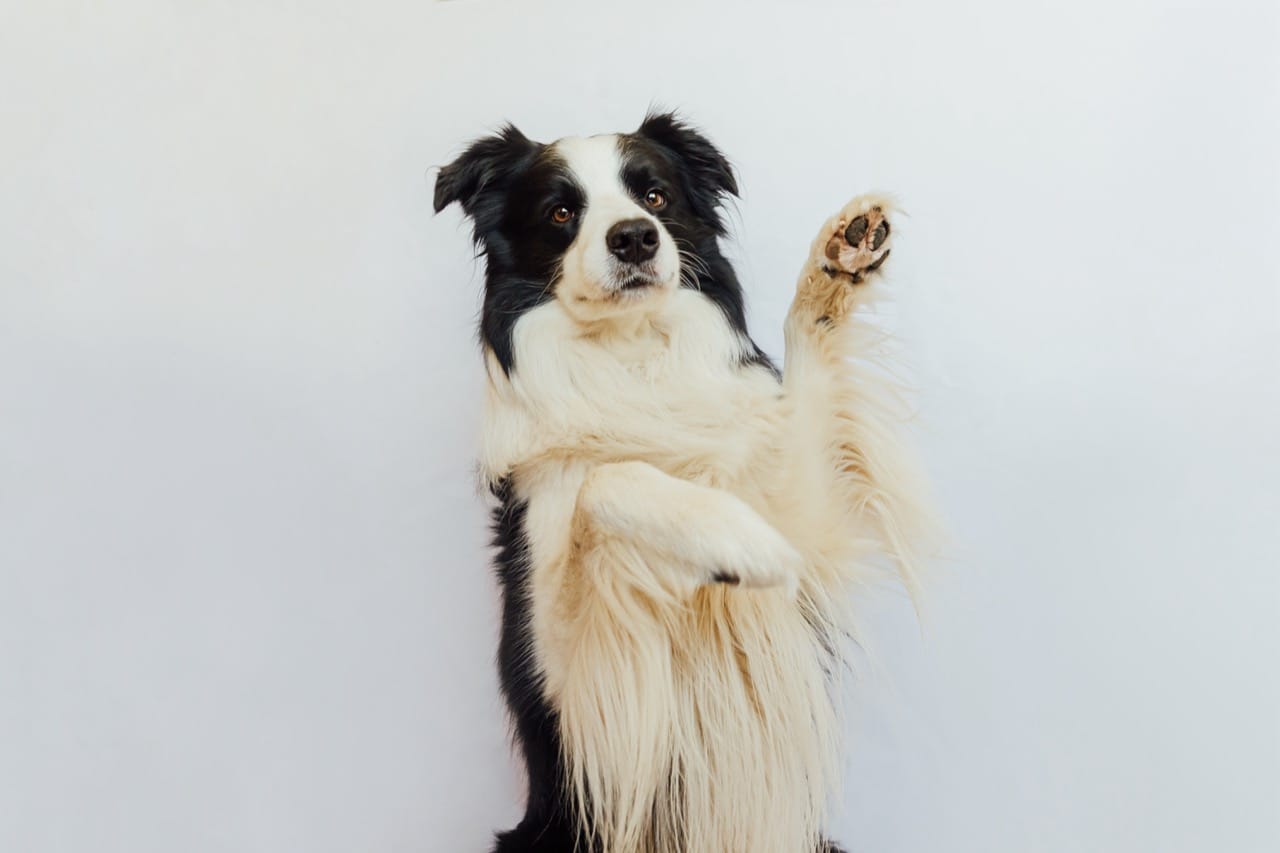
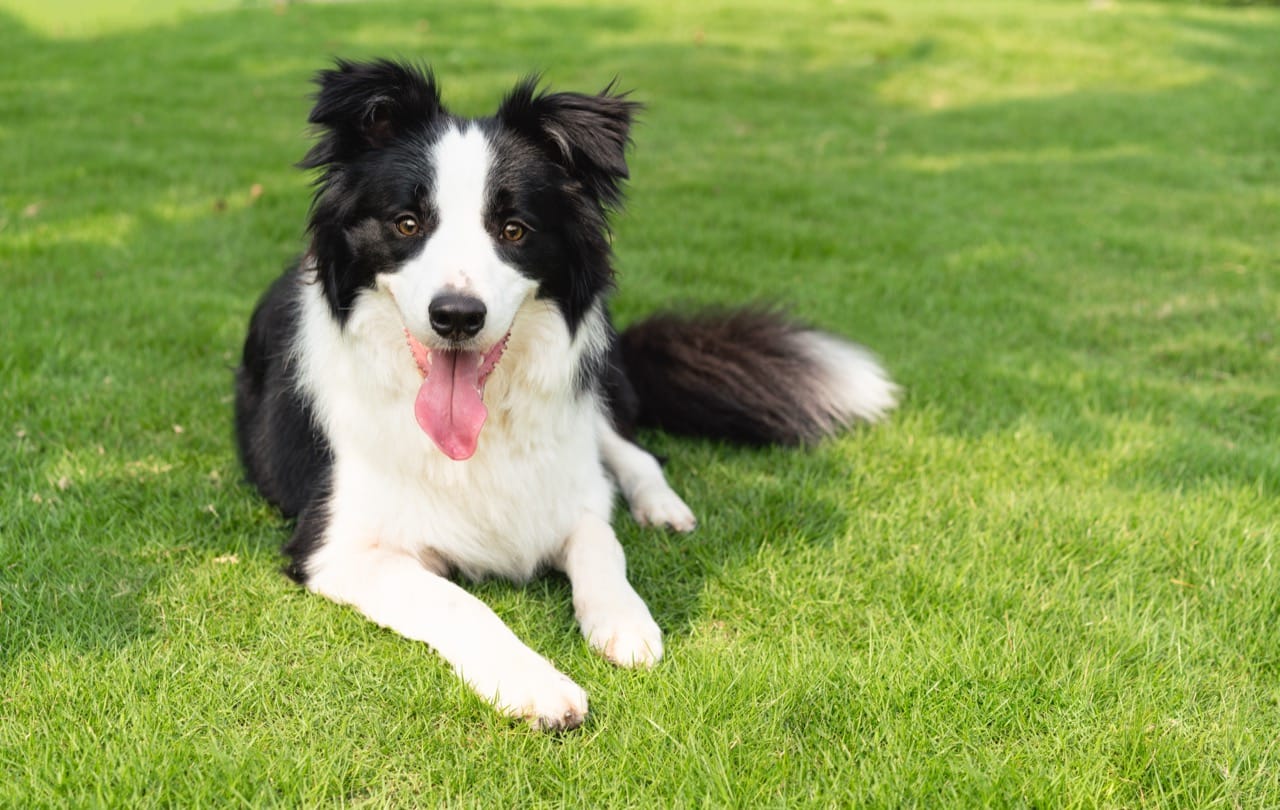
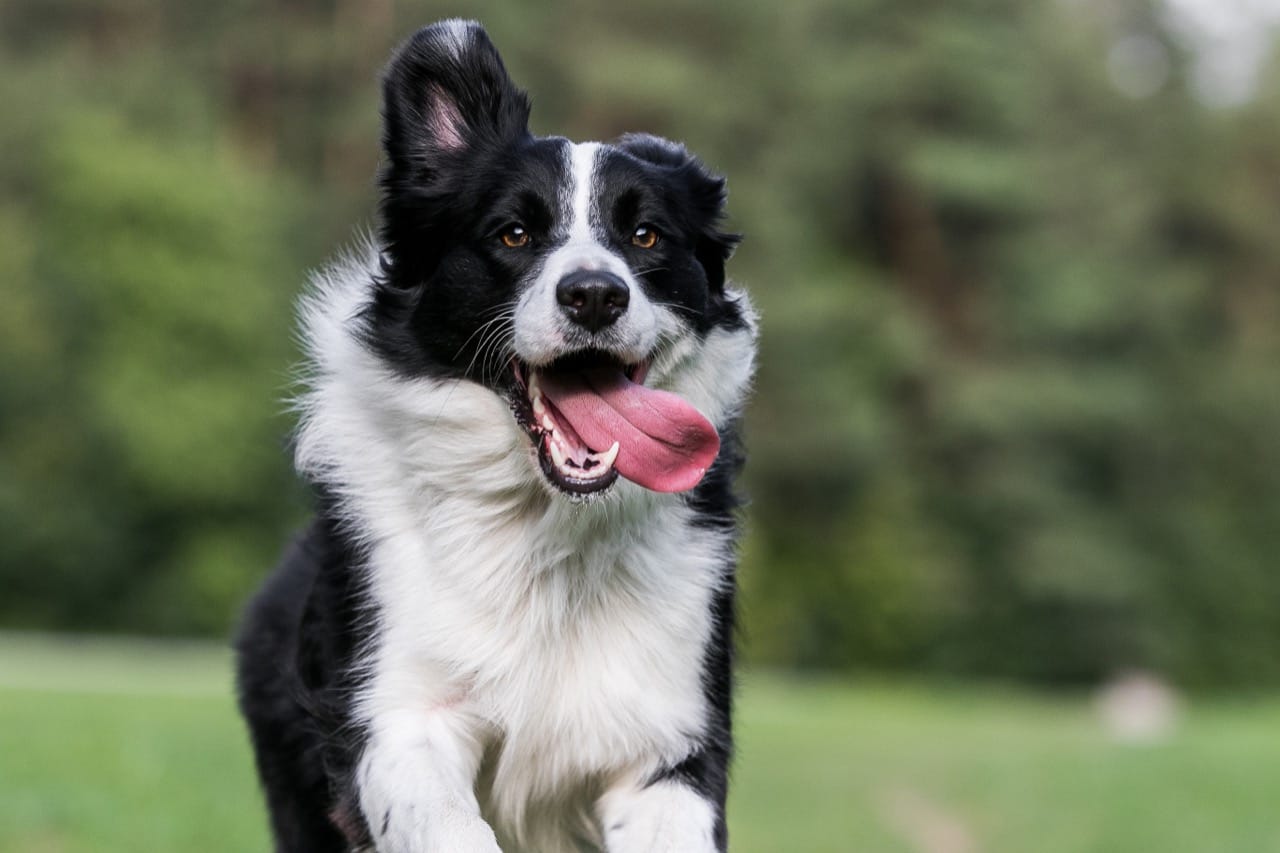
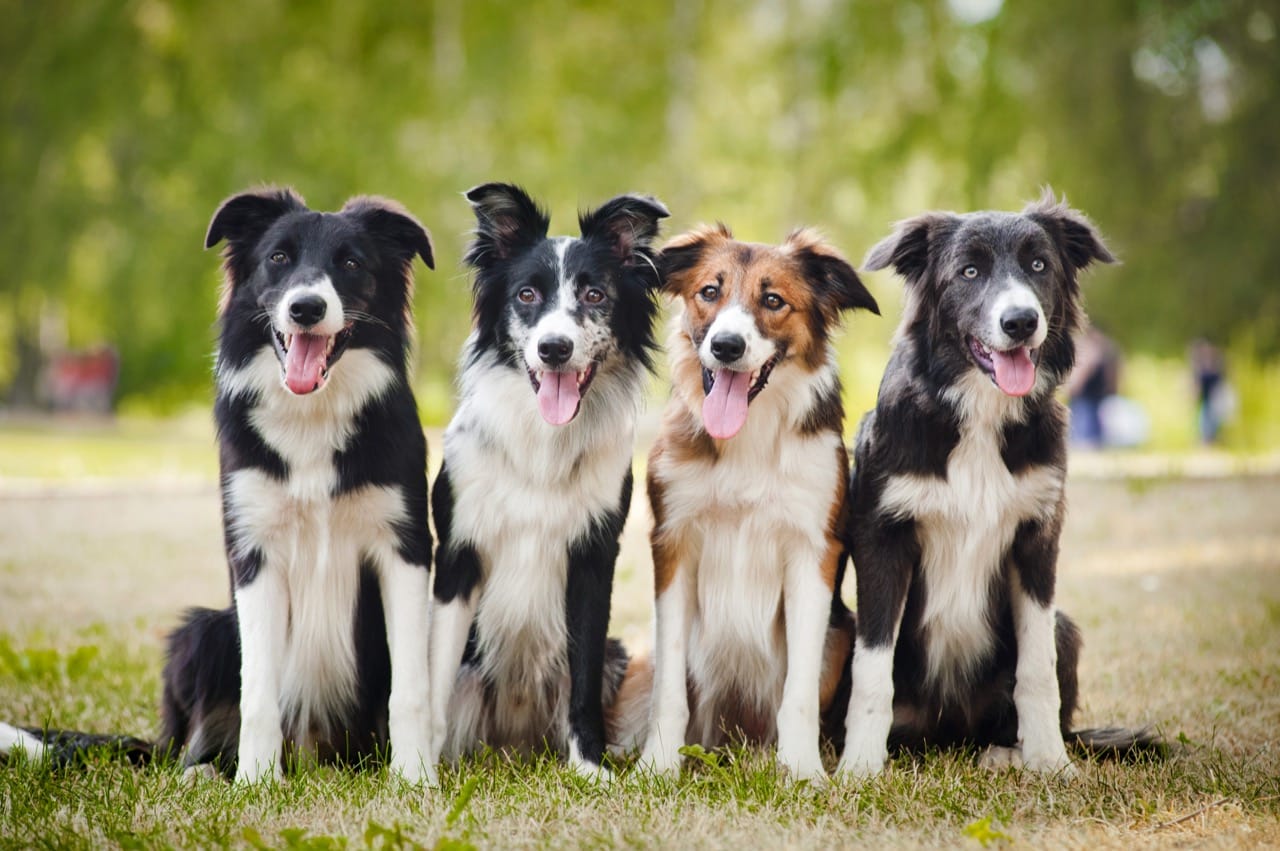
Coat is one of the first clues. Border Collies appear in two main coat types: rough and smooth. Rough coated dogs have medium length hair with a noticeable mane or ruff around the neck and chest, plus feathering on the backs of the legs and along the tail. Smooth coated dogs carry shorter hair overall with less feathering, giving a cleaner, more athletic look. Both types have a weather resistant double coat, which is part of what lets them work in wind and rain. The ruff and feathering can make a rough coated dog look larger than it is, so it helps to look past the fluff to the underlying build.
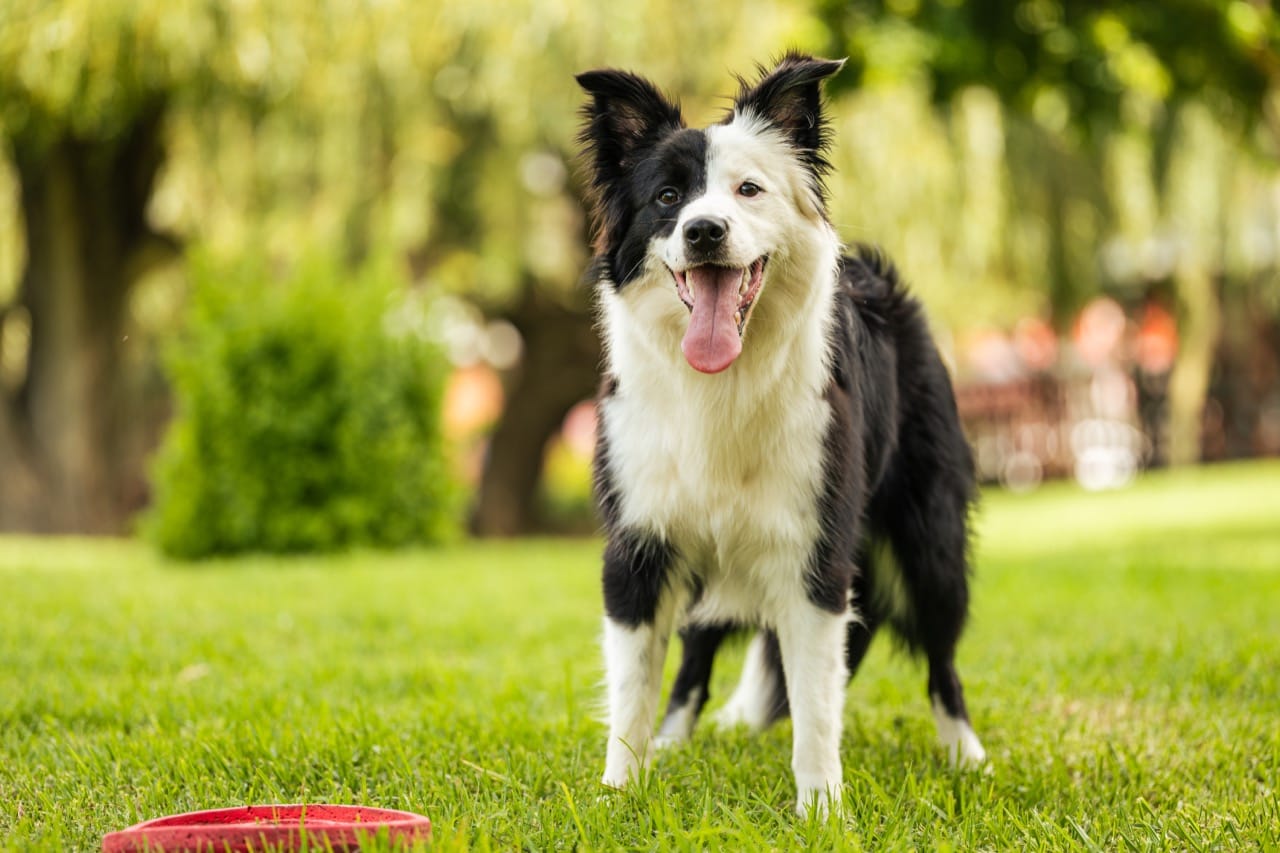
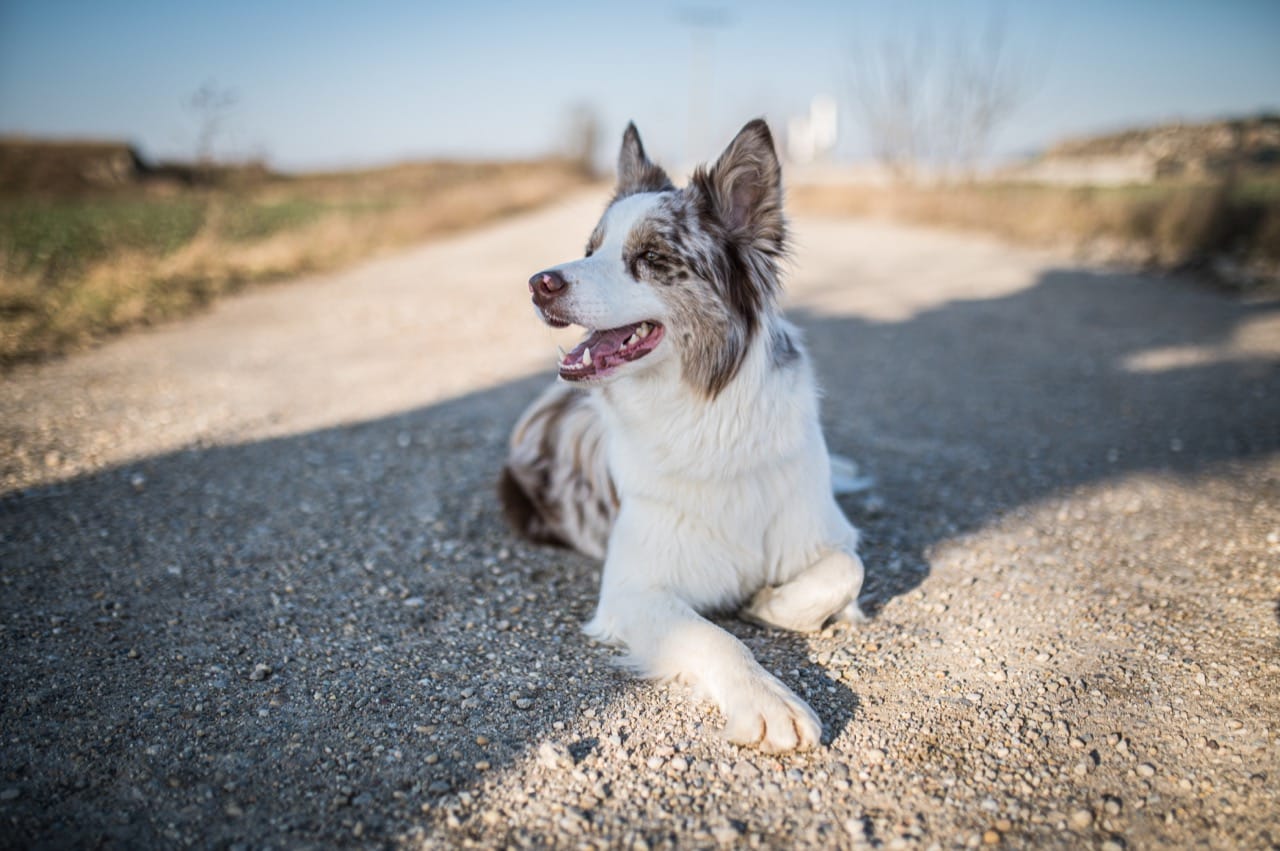
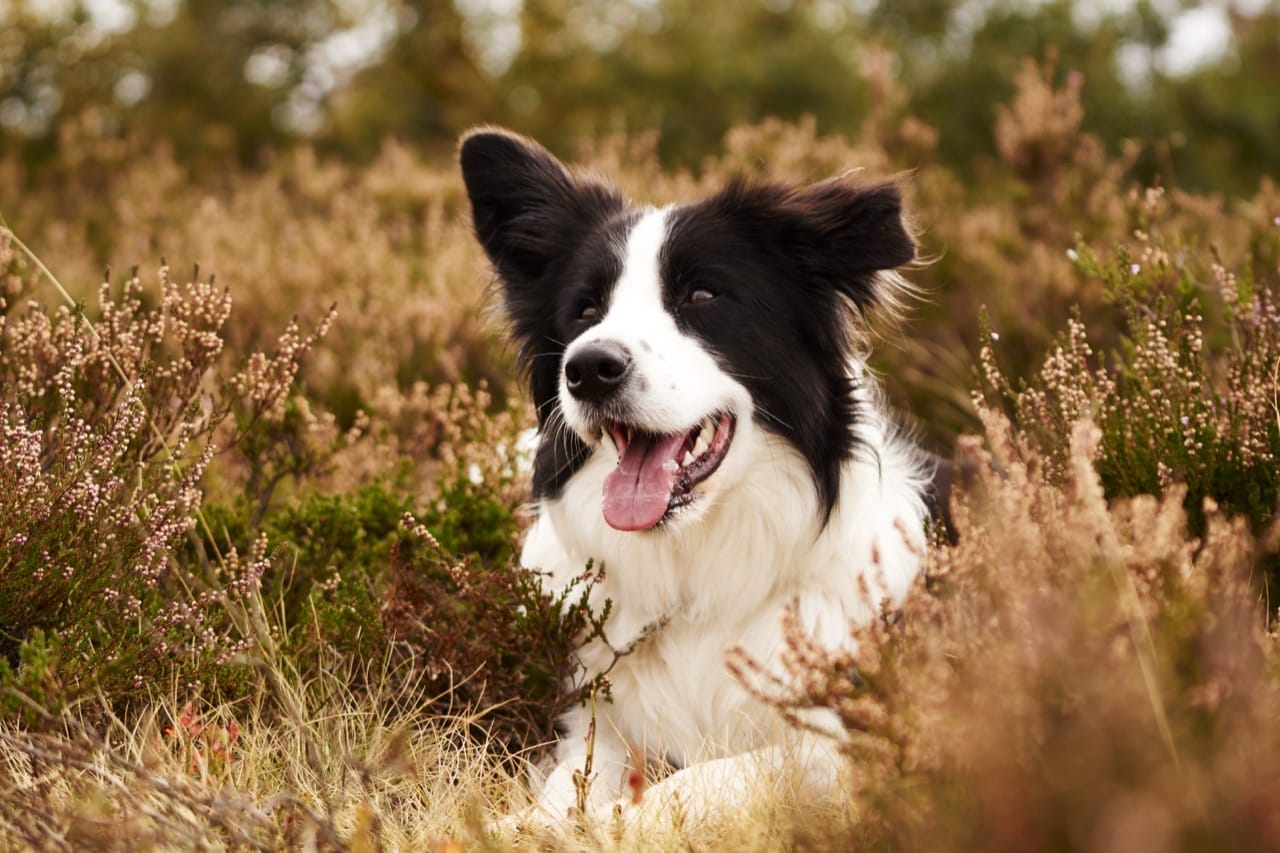
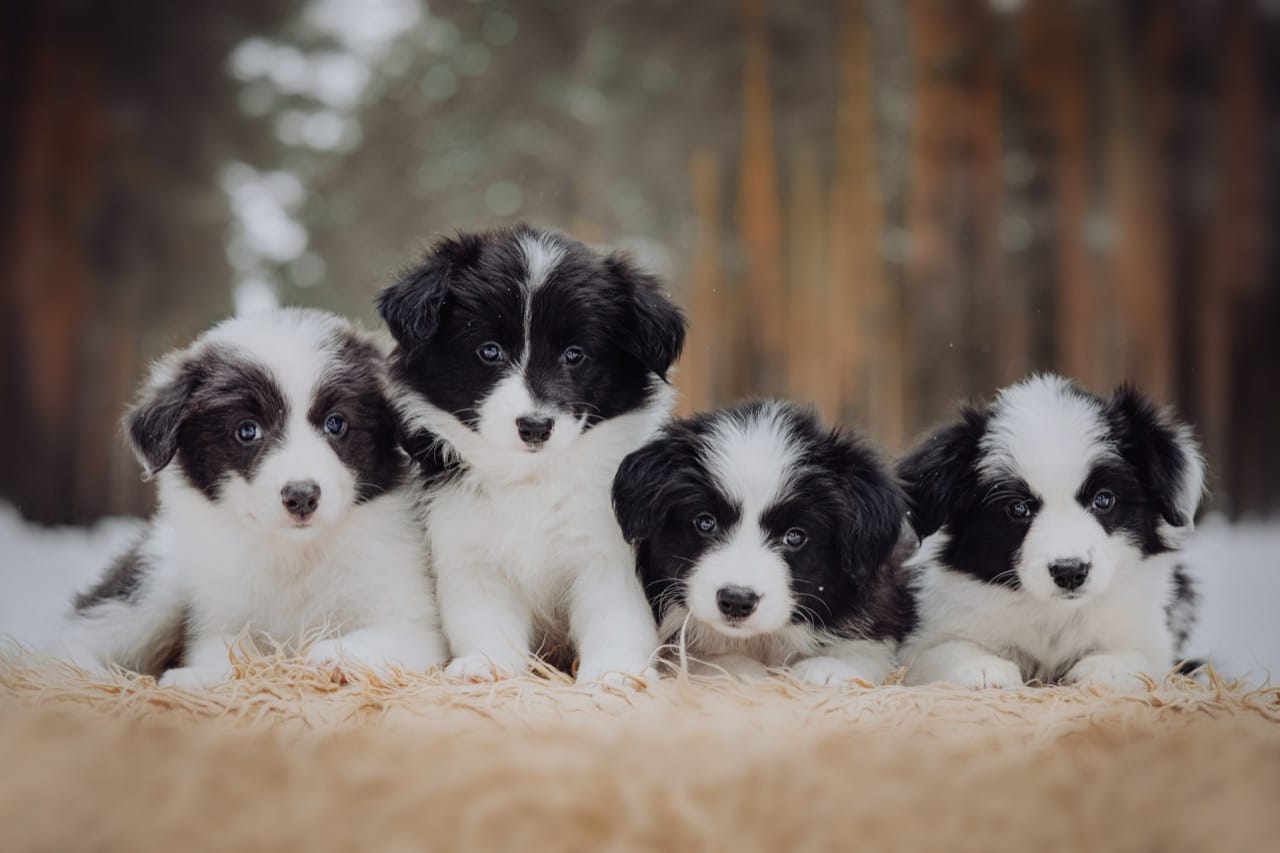
Color patterns are varied, but the distribution often follows familiar working dog logic. Many Border Collies have white markings on the face, chest, neck, feet, and tail tip. Black and white is common, but not required. You can also see red and white, tricolor, blue, lilac, sable, and merle patterns. Merle can be striking, with mottled patches and sometimes blue or partially blue eyes, but merle is not unique to Border Collies, so it should never be the only identification point.
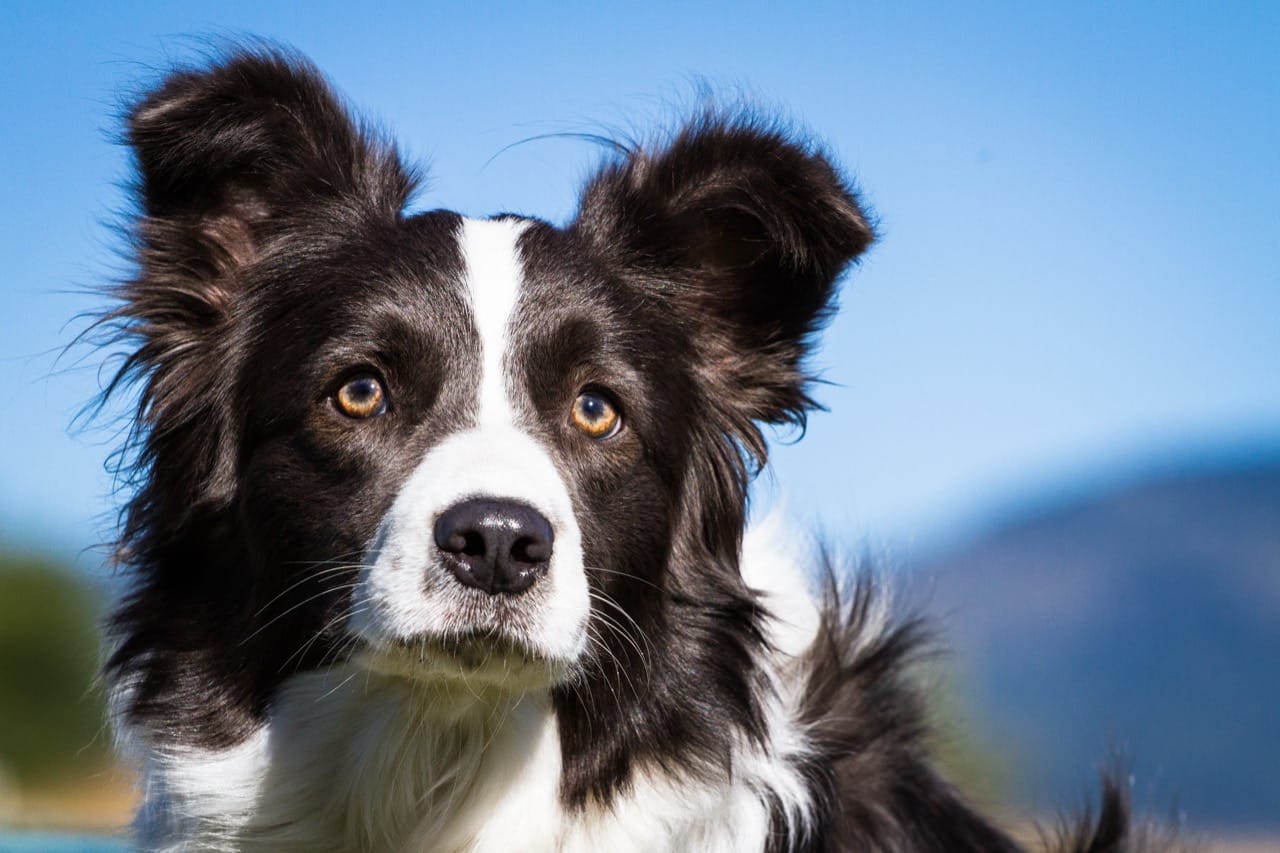
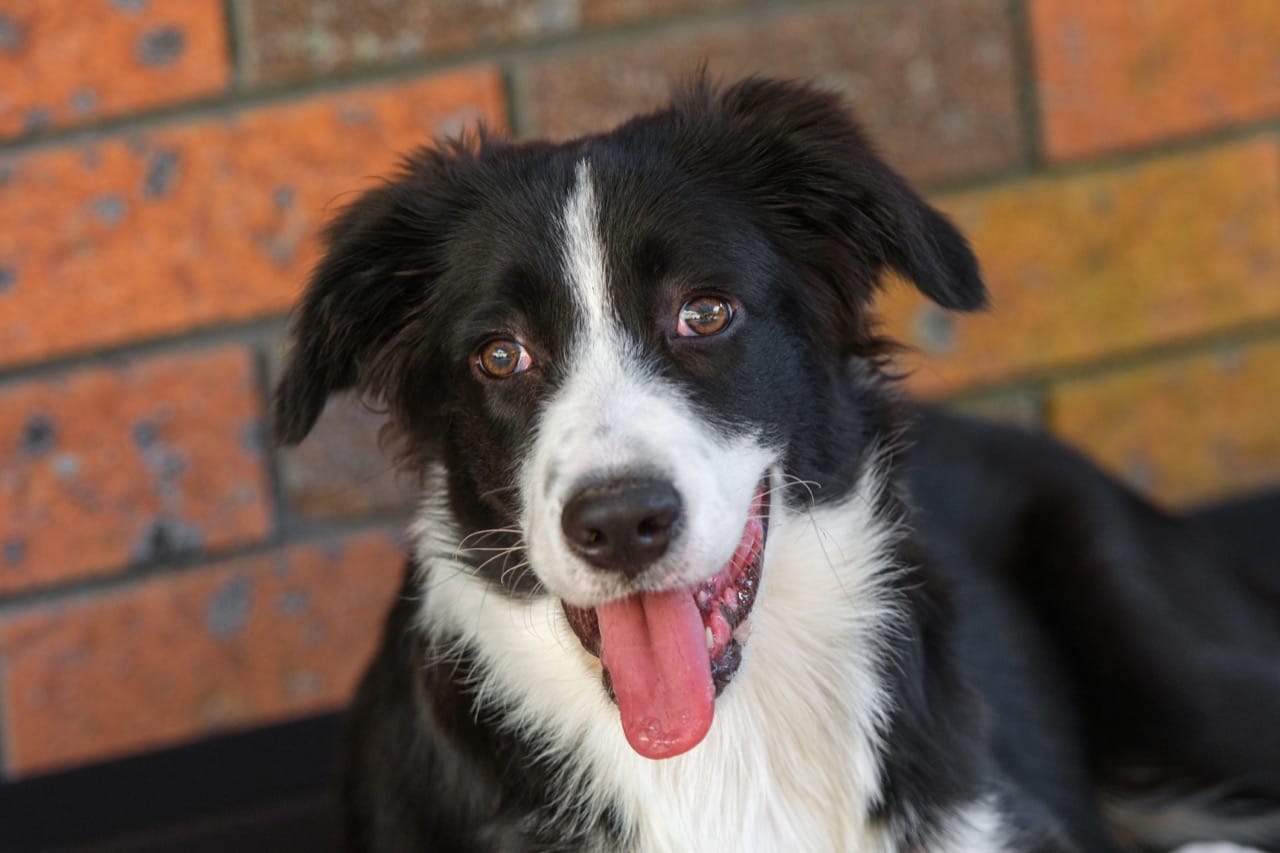
The head tends to be clean and balanced rather than heavy. The muzzle is moderate and tapers slightly, with an alert expression that reads as focused instead of soft or droopy. Eyes are typically oval and set well apart, most often brown, though lighter eyes can occur especially in merles. That famous herding gaze is more about how the dog uses its eyes than their color. A Border Collie often fixes attention with a steady, concentrated look, as if quietly negotiating with the world.
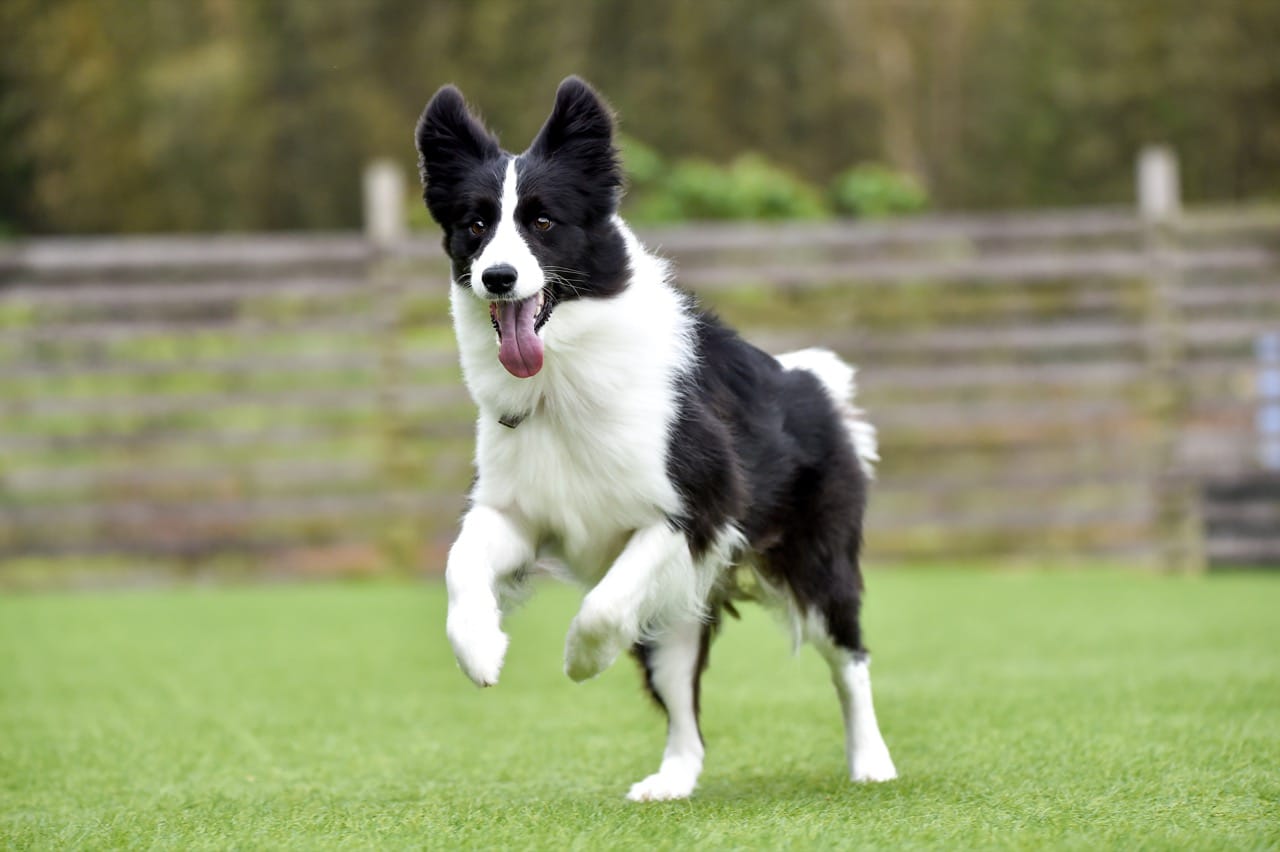
Ears are another helpful check. Many Border Collies have ears that are fully erect or semi erect with the tips folding forward or to the side, and the AKC standard even allows for one of each. The semi erect ear is especially common and gives a ready for action look. Ear carriage can shift with mood, so look at the ear shape and set rather than a single snapshot.
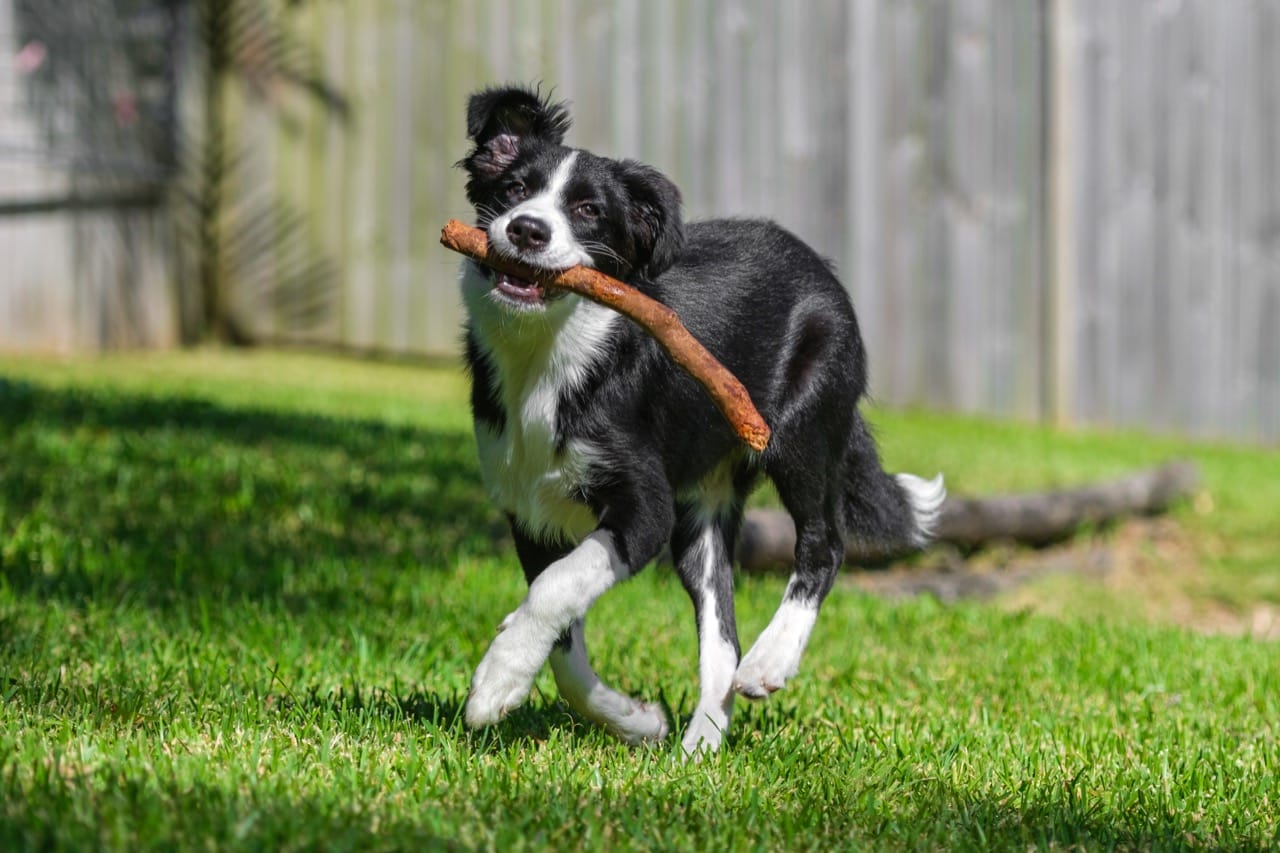
Build is where the working purpose shows. Border Collies are medium sized, athletic, and slightly longer than tall, with a deep chest for endurance and a strong but not bulky frame. They are not as heavy boned as many herding breeds and should not look square or stocky. The tail is typically long and carried low when relaxed, often with a gentle curve at the end, and in motion it acts like a rudder for quick turns.
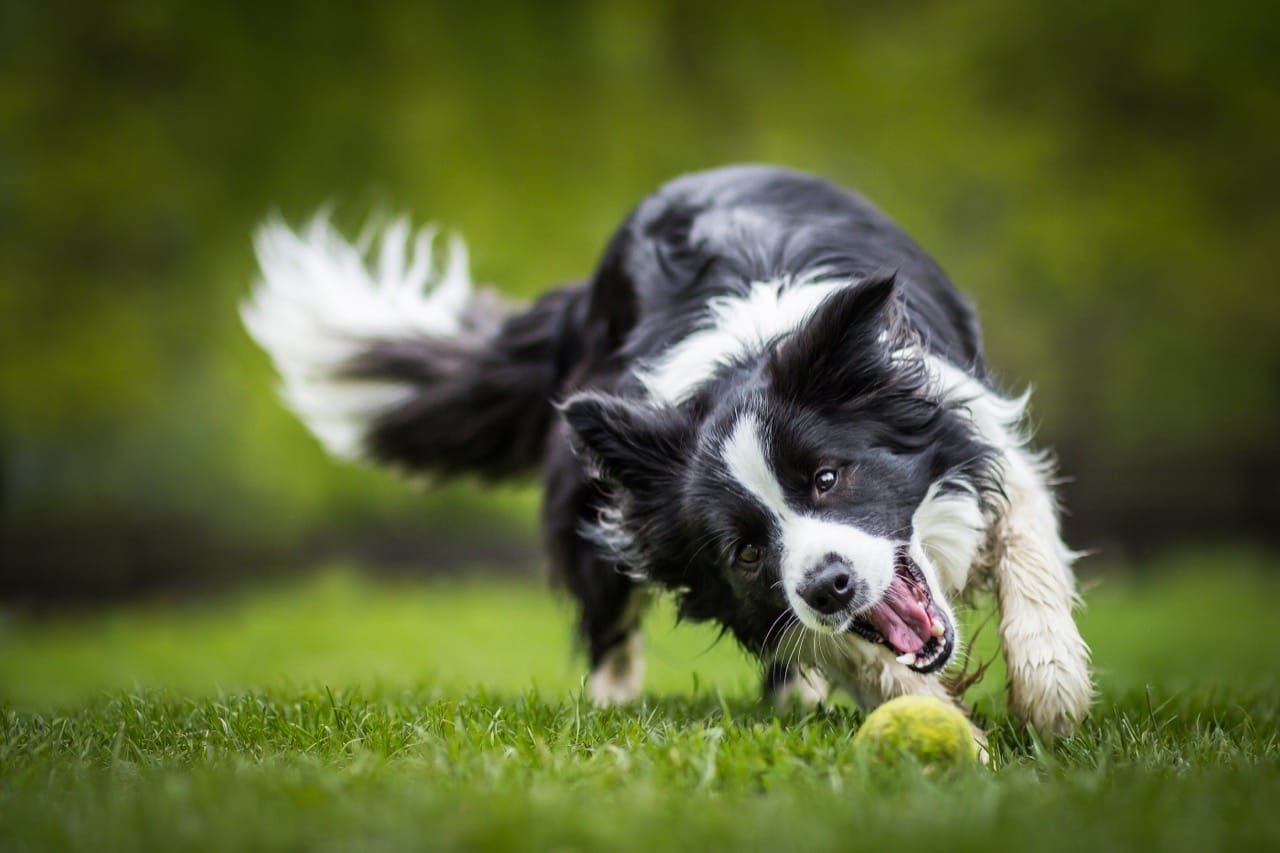
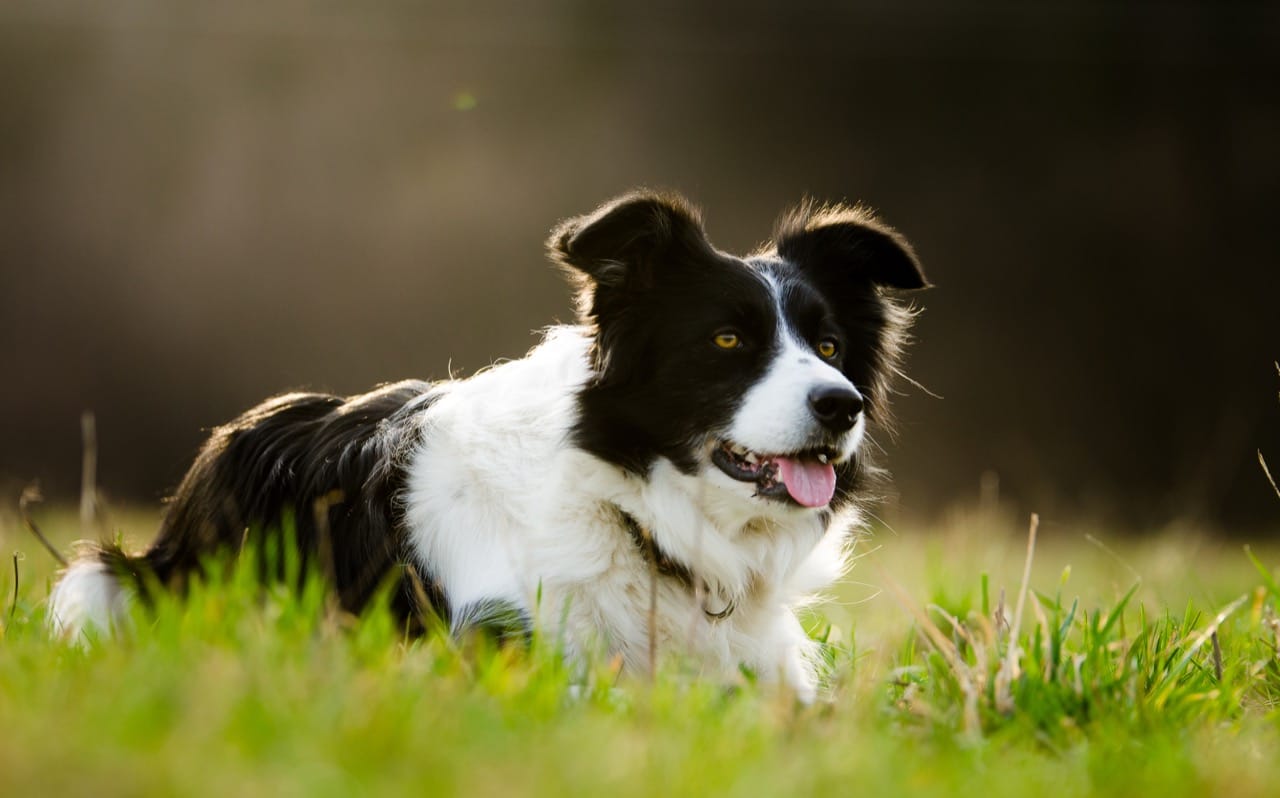
That low, efficient herding posture is one of the most distinctive visual behaviors. When stalking livestock, many Border Collies drop their bodies closer to the ground, head forward, shoulders working smoothly, ready to burst into a sprint or stop on a dime. Even at play, you may catch a hint of that crouch and the quick, elastic change of direction.
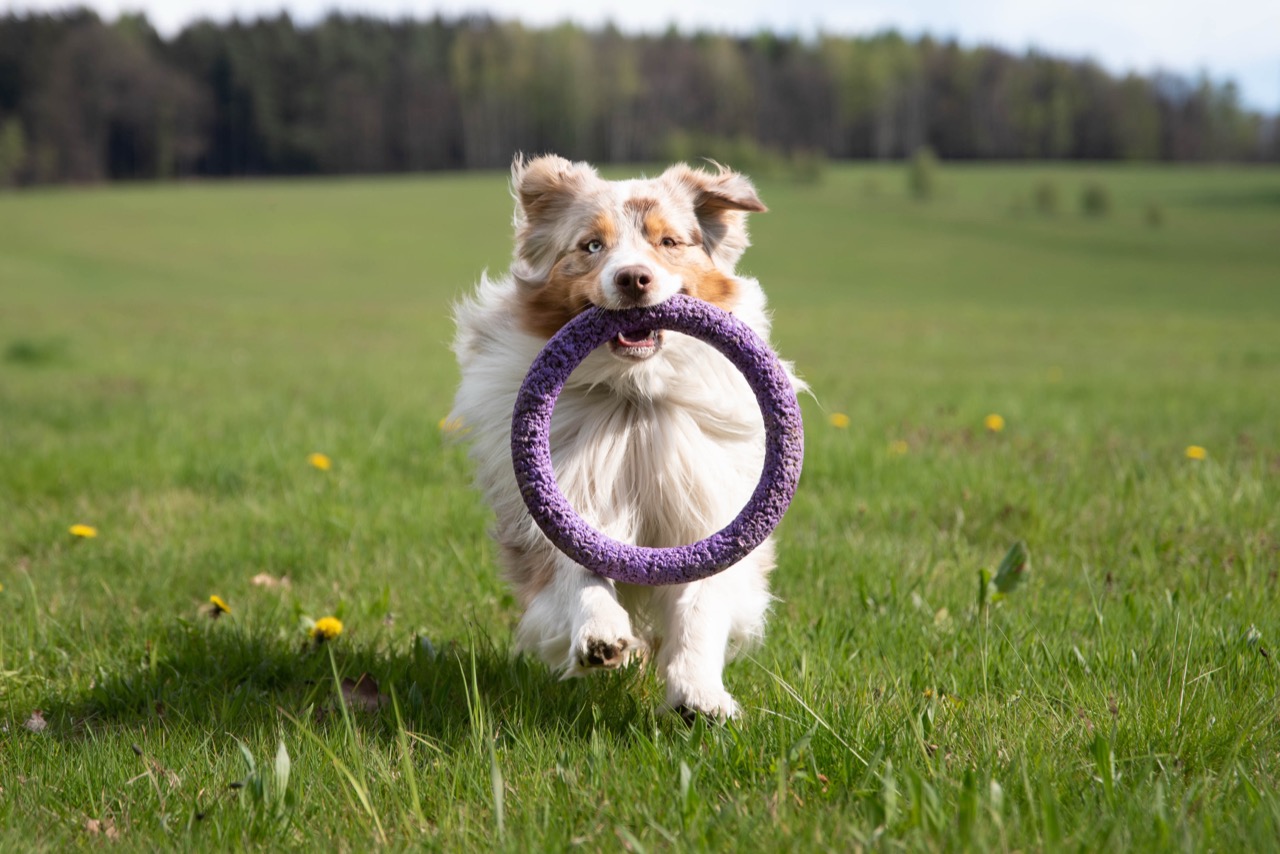
To separate Border Collies from lookalikes, compare details. Australian Shepherds often have a heavier, more rugged build and are more likely to have a naturally bobbed tail, though not always. Rough and smooth Collies usually have a longer, narrower head and a more pronounced wedge shaped profile, plus a different overall elegance that reads less compact and less quick. Border Collies, by contrast, look like they are built to accelerate, pivot, and think at speed.
When you fact check a Border Collie by sight, the best approach is to stack clues: coat type and feathering, balanced head and oval eyes, variable but often semi erect ears, medium athletic frame, and that unmistakable ready to work posture. Put together, these details form a picture that is hard to fake and easy to appreciate once you know what to look for.