Aussie Eyes, Hips and Hidden Genes




Quiz Complete!
Australian Shepherd Health Facts Every Owner Should Know
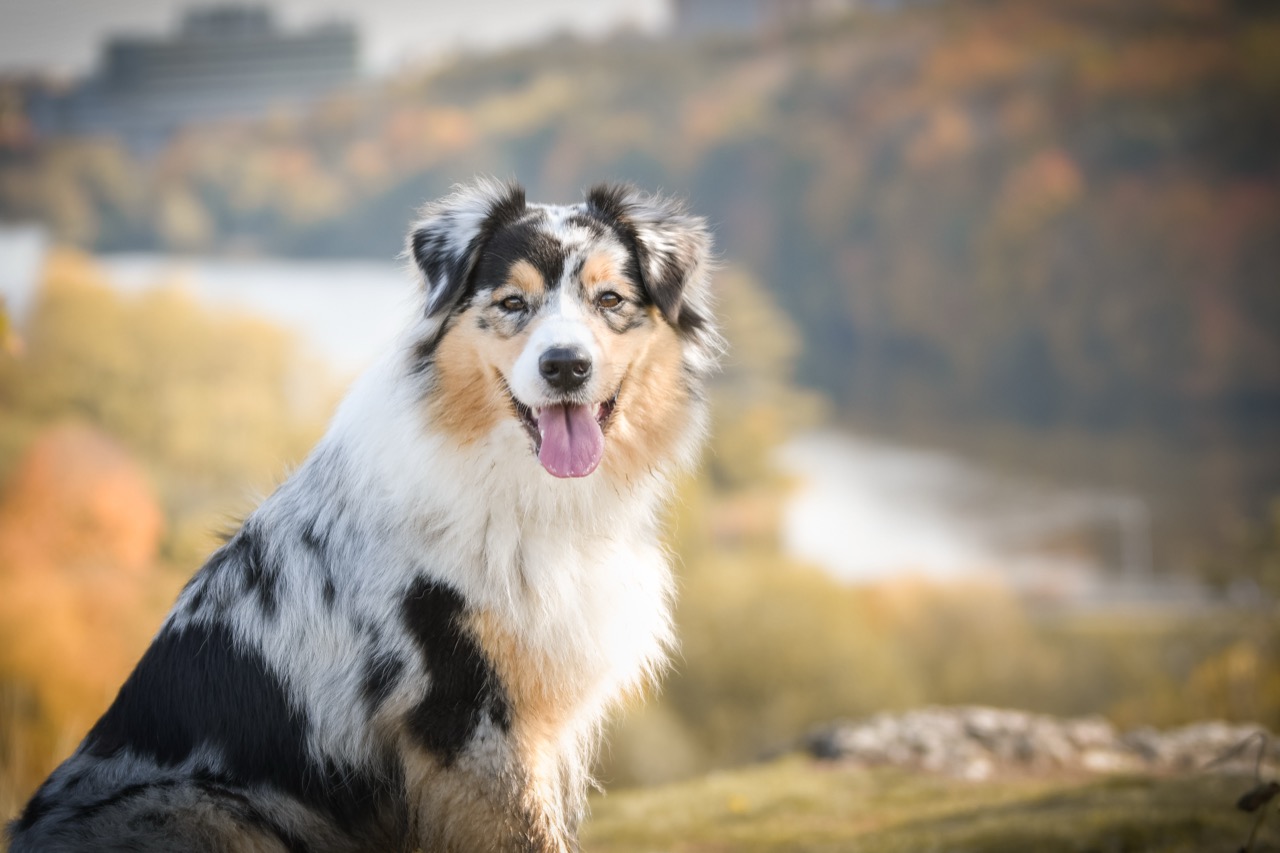
Australian Shepherds are famous for their energy, intelligence, and athletic build, which can make them look unstoppable. That sturdy image is exactly why it helps to know the breed’s most important health facts. Some problems in Aussies are inherited, some are linked to their active lifestyle, and others can hide in plain sight until a dog suddenly struggles with vision, coordination, or stamina. Learning the common risks does not mean assuming something is wrong. It means noticing early changes and knowing what to ask your veterinarian.
Eye health is a big topic for Australian Shepherds. Several inherited eye disorders occur in the breed, and the signs can be subtle at first. Owners may notice bumping into furniture in dim light, hesitating on stairs, or being startled when approached from one side. A dog that suddenly seems unsure in familiar places deserves prompt veterinary attention, because rapid vision changes can be caused by conditions that need quick treatment. Even when vision loss is gradual, regular eye examinations can help detect issues earlier than an owner can see at home.
Joint and mobility problems are another key area, especially hips. Hip dysplasia can occur in many breeds, including Aussies, and it may show up as stiffness after rest, a bunny hopping gait when running, reluctance to jump into the car, or a dog that sits down on walks sooner than expected. Because Australian Shepherds often push through discomfort, a highly driven dog may keep playing while quietly compensating. That makes small behavior changes meaningful: slowing down, avoiding slick floors, or needing longer warm ups before intense activity.
Neurologic issues also matter in this breed. One condition with a DNA test is degenerative myelopathy, a progressive disease that affects the spinal cord and can lead to hind end weakness and coordination problems over time, although Merck lists it as more common in other breeds. Early signs can look like clumsiness, scuffed toenails, or occasional stumbling. Seizures can occur in dogs for many reasons, and if an Aussie has a seizure, even a brief one, it is a clear reason to contact a veterinarian. Video can help your vet interpret what happened, because fainting, balance disorders, and seizure activity can look similar.
Medication sensitivity is a practical, potentially lifesaving topic for Australian Shepherd owners. Some Aussies carry a gene variant commonly called MDR1 that can make certain drugs unsafe at normal doses. This is especially important with some antiparasitic medications and certain sedatives or pain drugs. The safest approach is to discuss drug choices with your veterinarian and consider genetic testing if recommended, particularly before a dog needs surgery or starts a new medication.
Because Aussies are athletes, exercise related warning signs deserve respect. Sudden exercise intolerance, collapsing, unusual panting, or a dog that cannot recover normally after activity can point to heat stress, heart issues, pain, or other internal problems. Herding breeds often work hard to please, so owners should be the ones to enforce breaks, hydration, and sensible conditioning rather than weekend warrior bursts.
Daily home observation is one of the best tools you have. Watch for changes in vision, gait, willingness to jump, and behavior after exercise. Check ears and skin, track weight and appetite, and notice if your dog seems more irritable when touched in certain areas. Australian Shepherds thrive when their brains and bodies are busy, but staying healthy depends on catching the quiet signals early and partnering with a veterinarian who understands this energetic breed.