Shih Tzu by the Inch
Quiz Complete!
Shih Tzu by the Numbers: Size, Coat, and the Signature Chrysanthemum Face
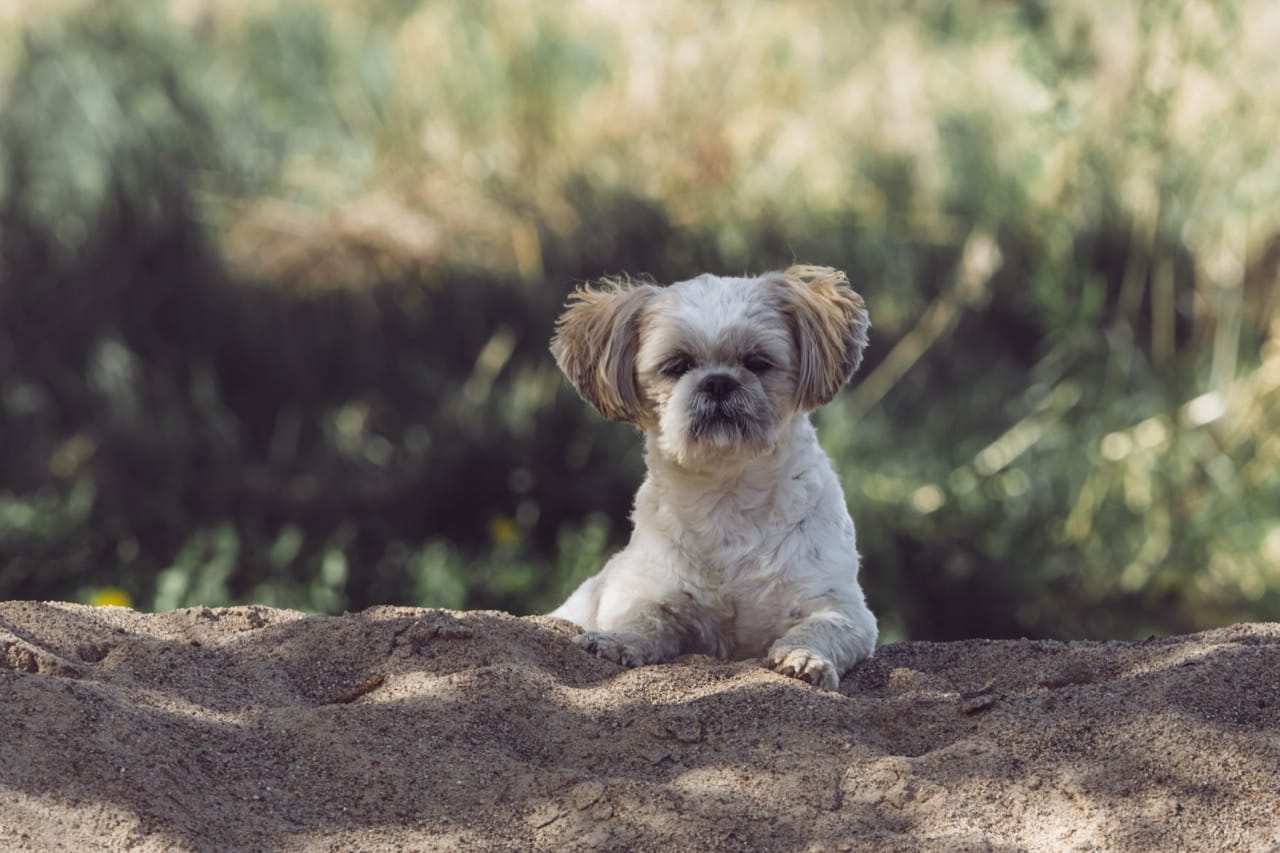
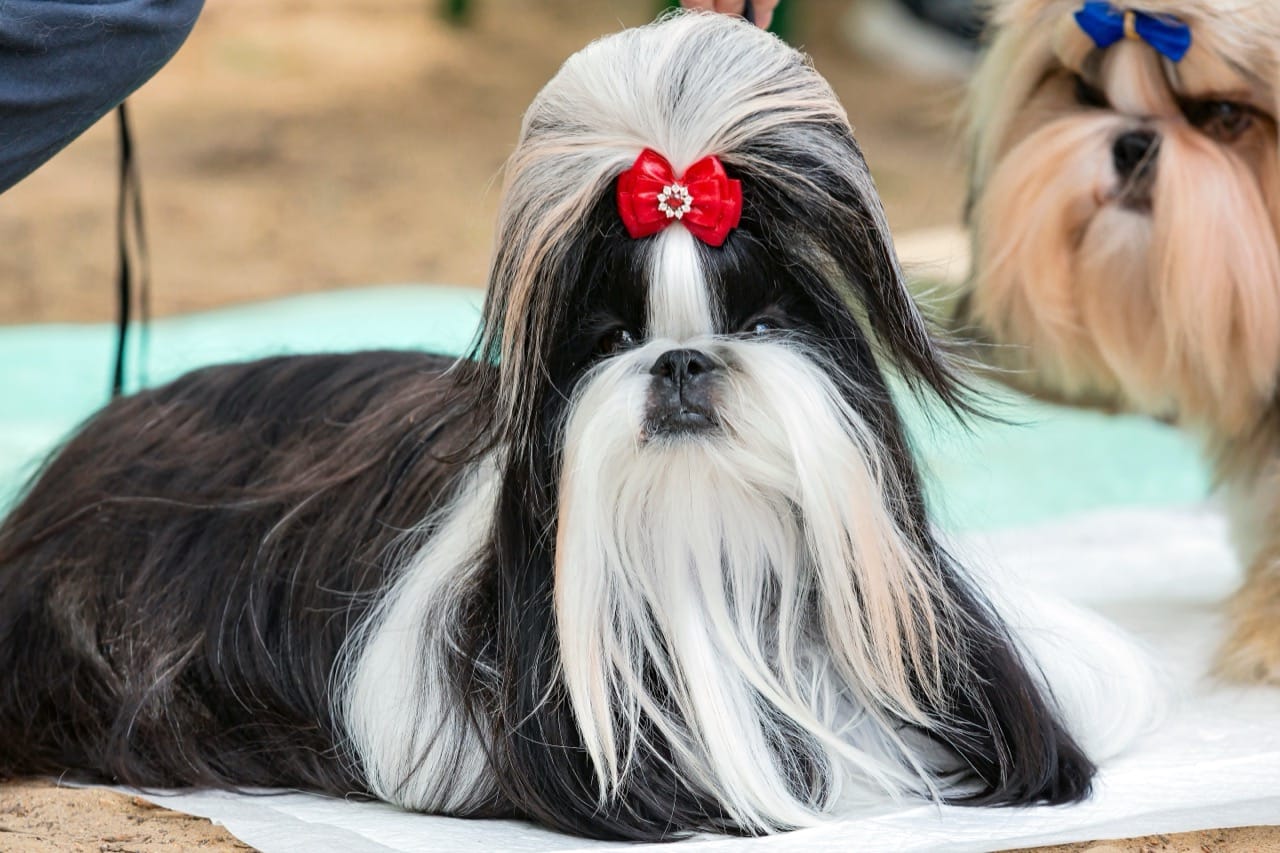
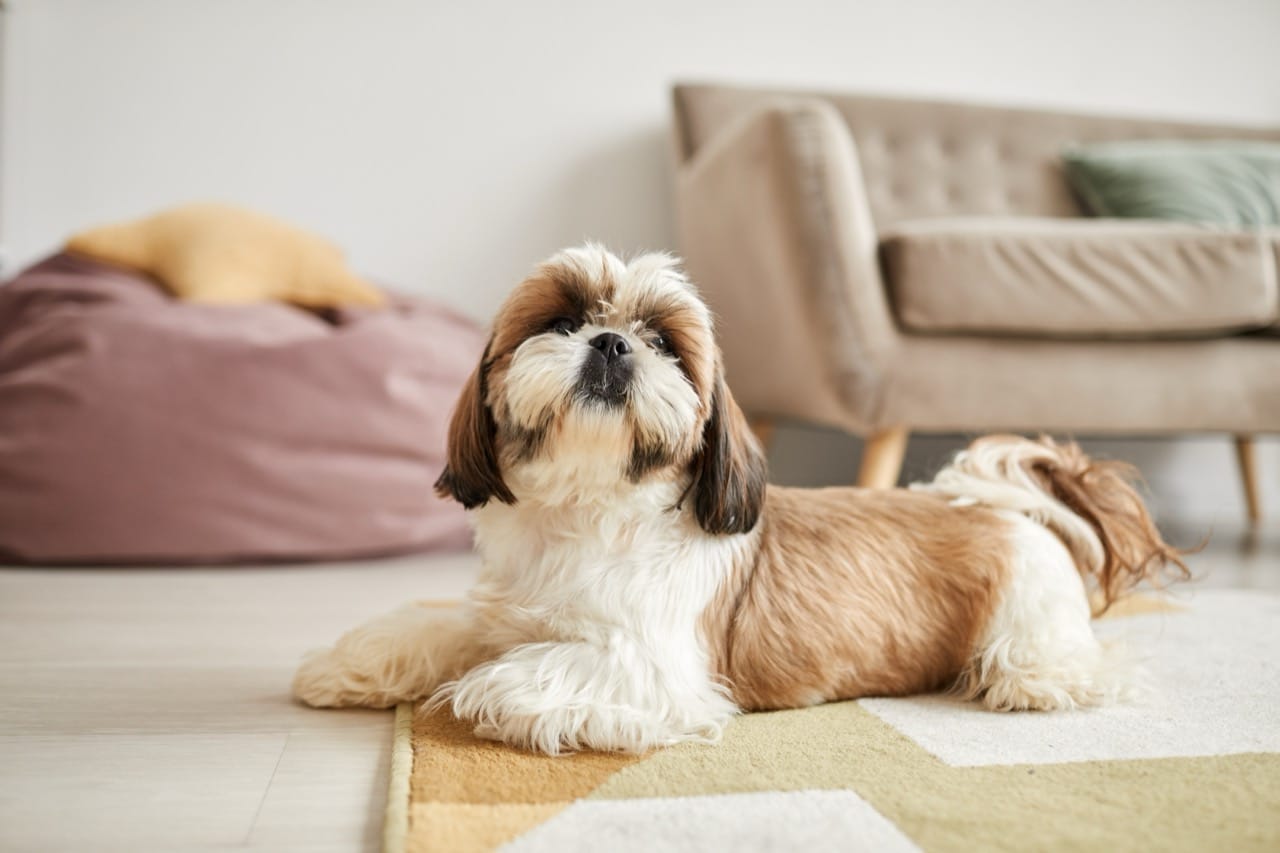
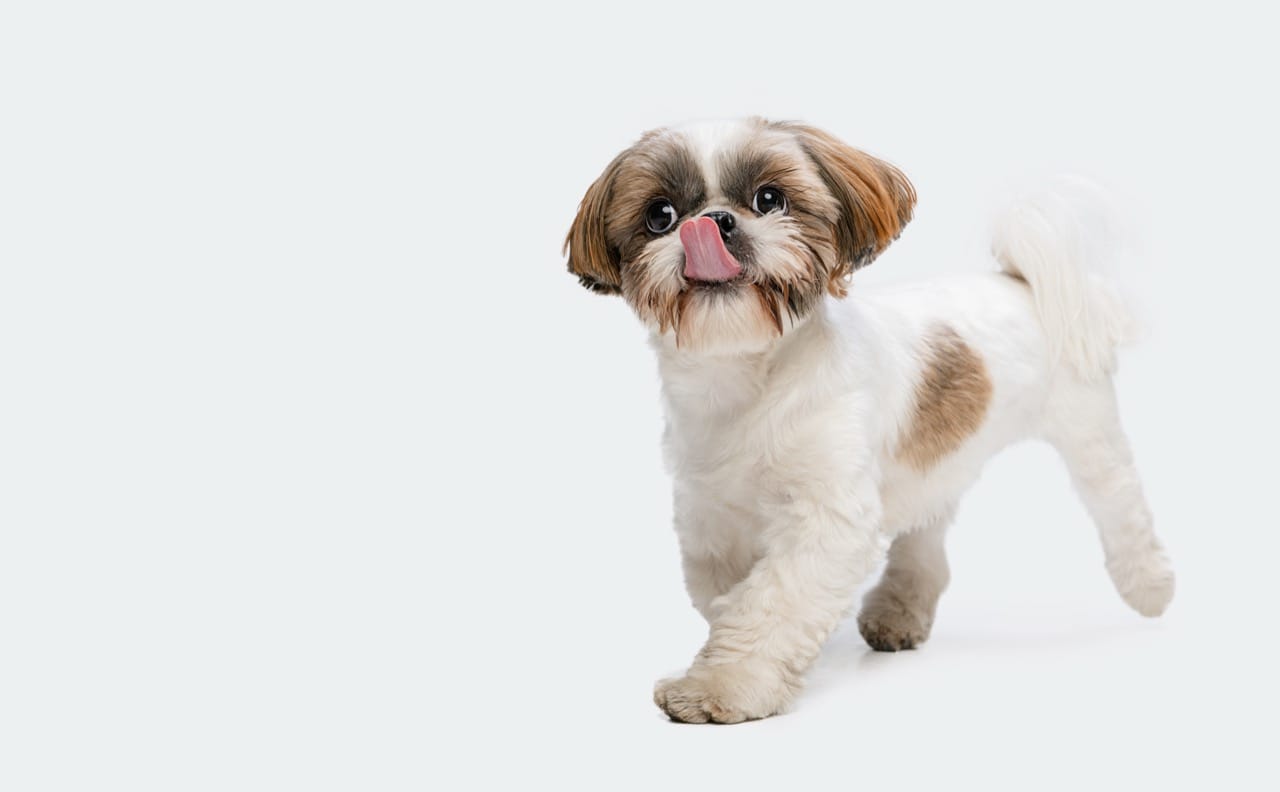
The Shih Tzu is a small companion dog with a look that is instantly recognizable once you know what to measure and where to look. Breed standards describe a dog that is sturdy rather than delicate, with a compact body, a short, well-muscled back, and a confident carriage. Under the AKC standard, the ideal height is 9 to 10.5 inches at the shoulder and the ideal adult weight is 9 to 16 pounds. Those numbers help explain why they feel surprisingly solid when you pick them up: they are not meant to be wispy or leggy, but balanced and substantial for their height.
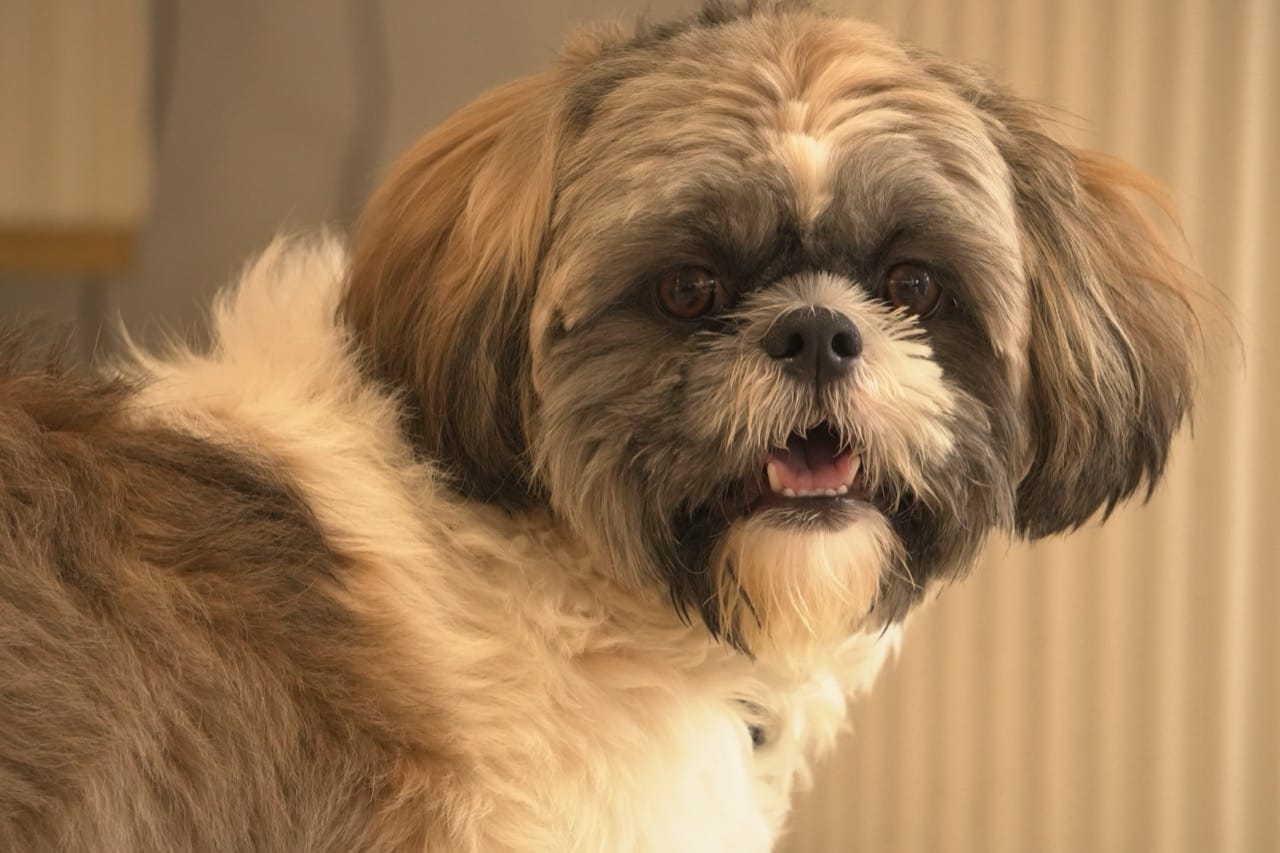
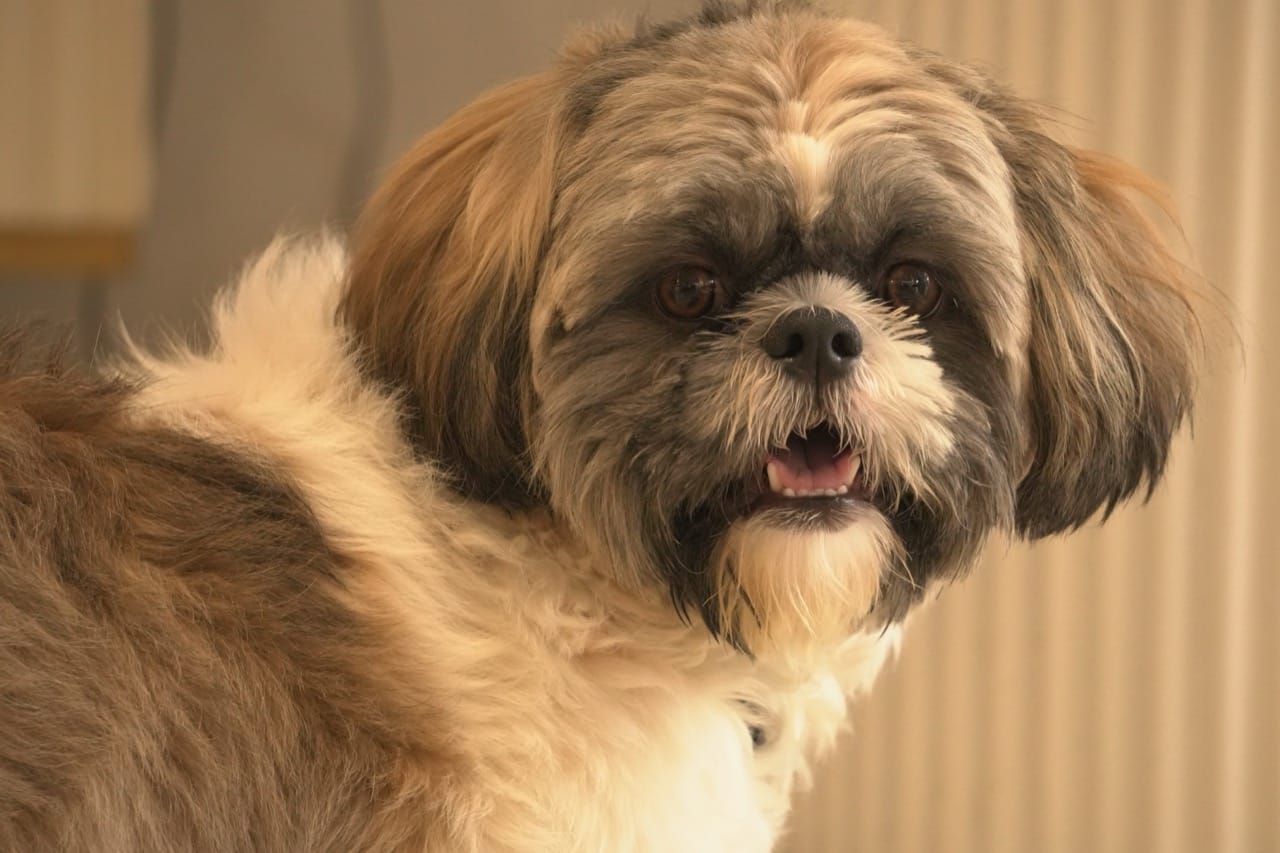
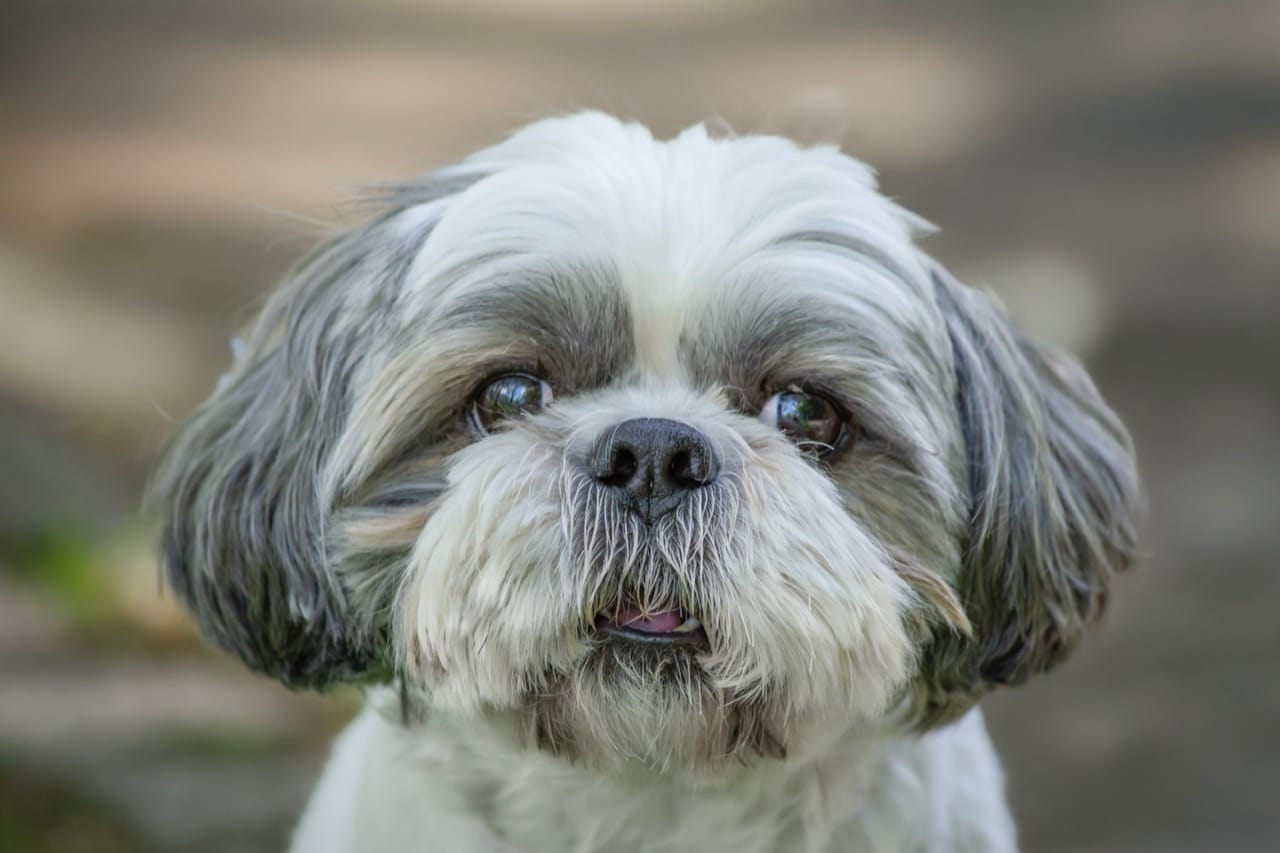
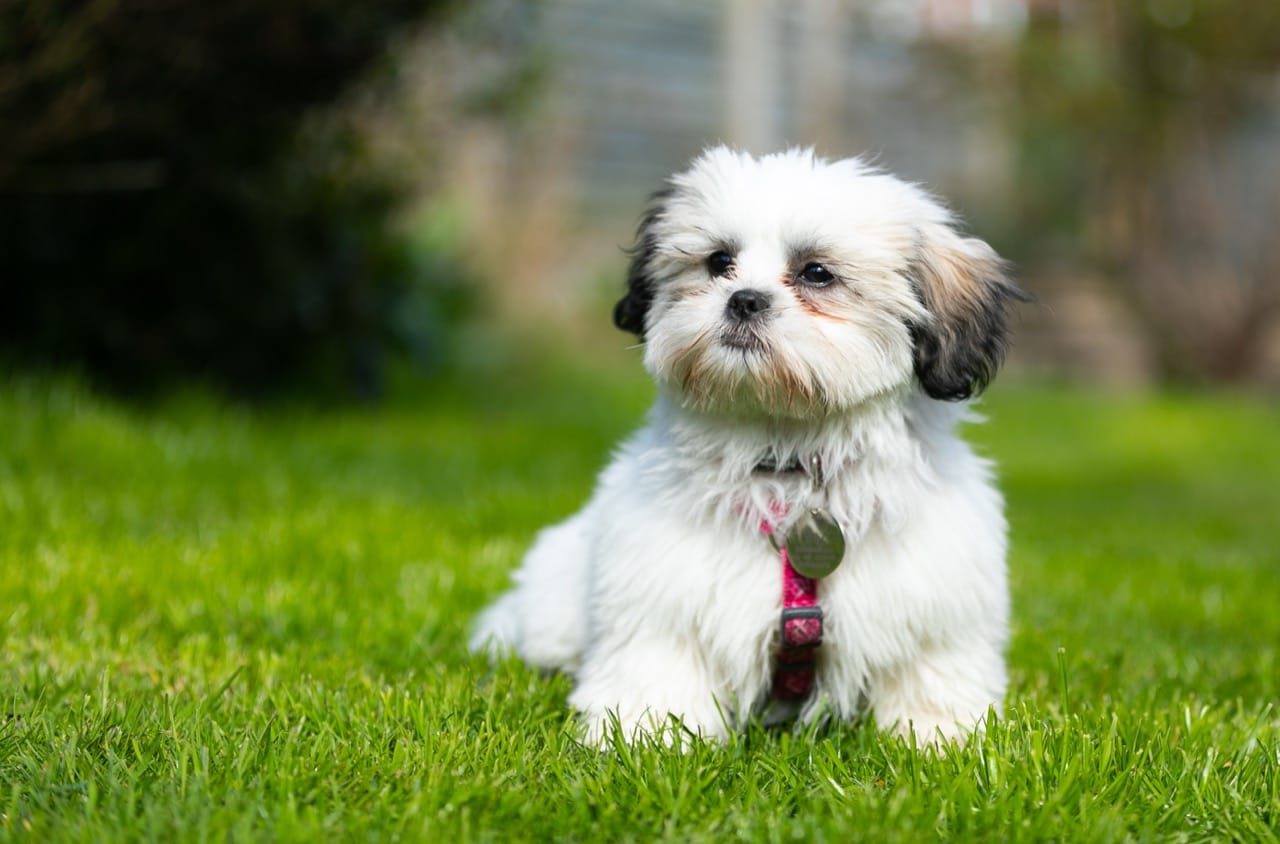
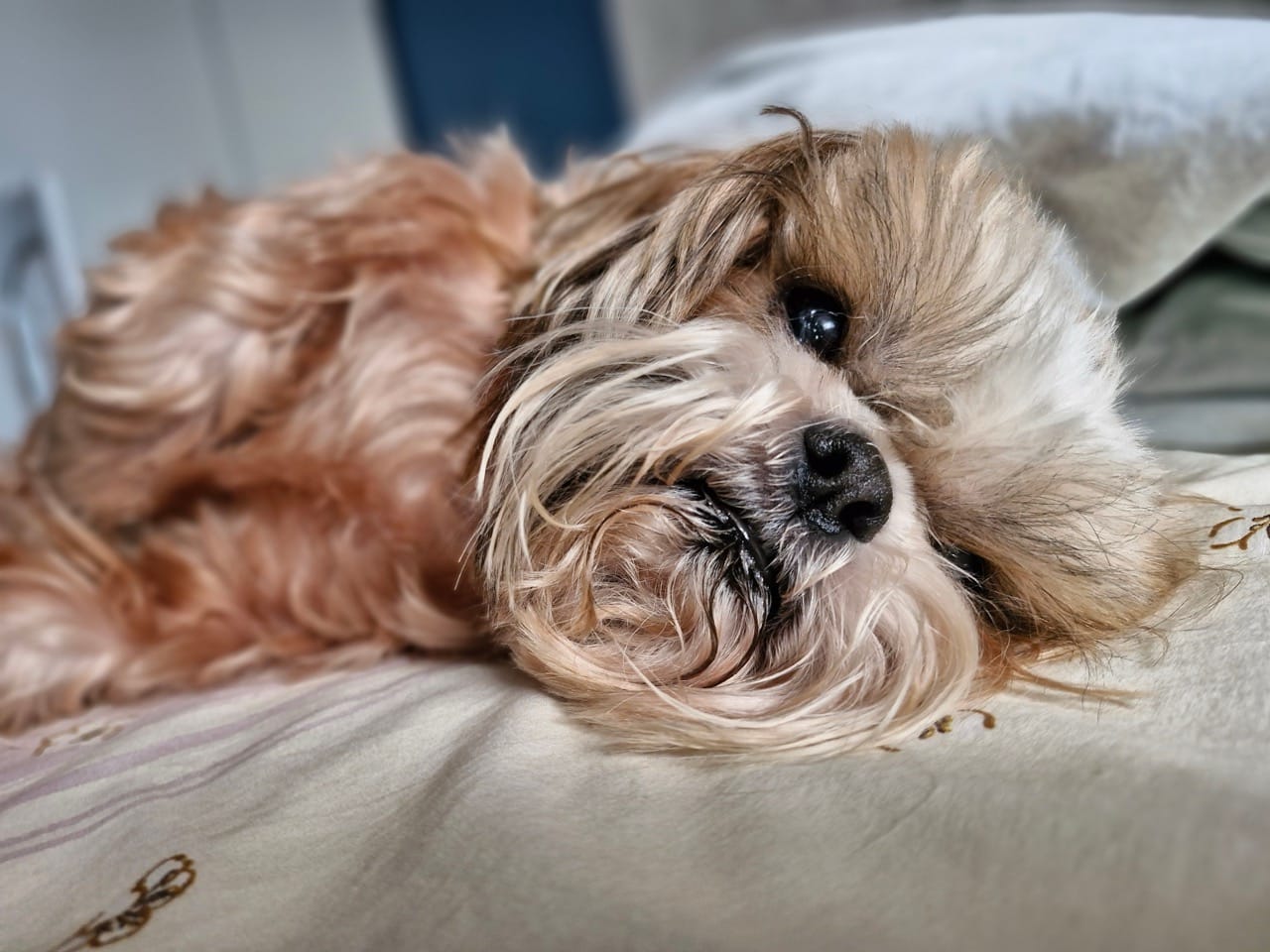
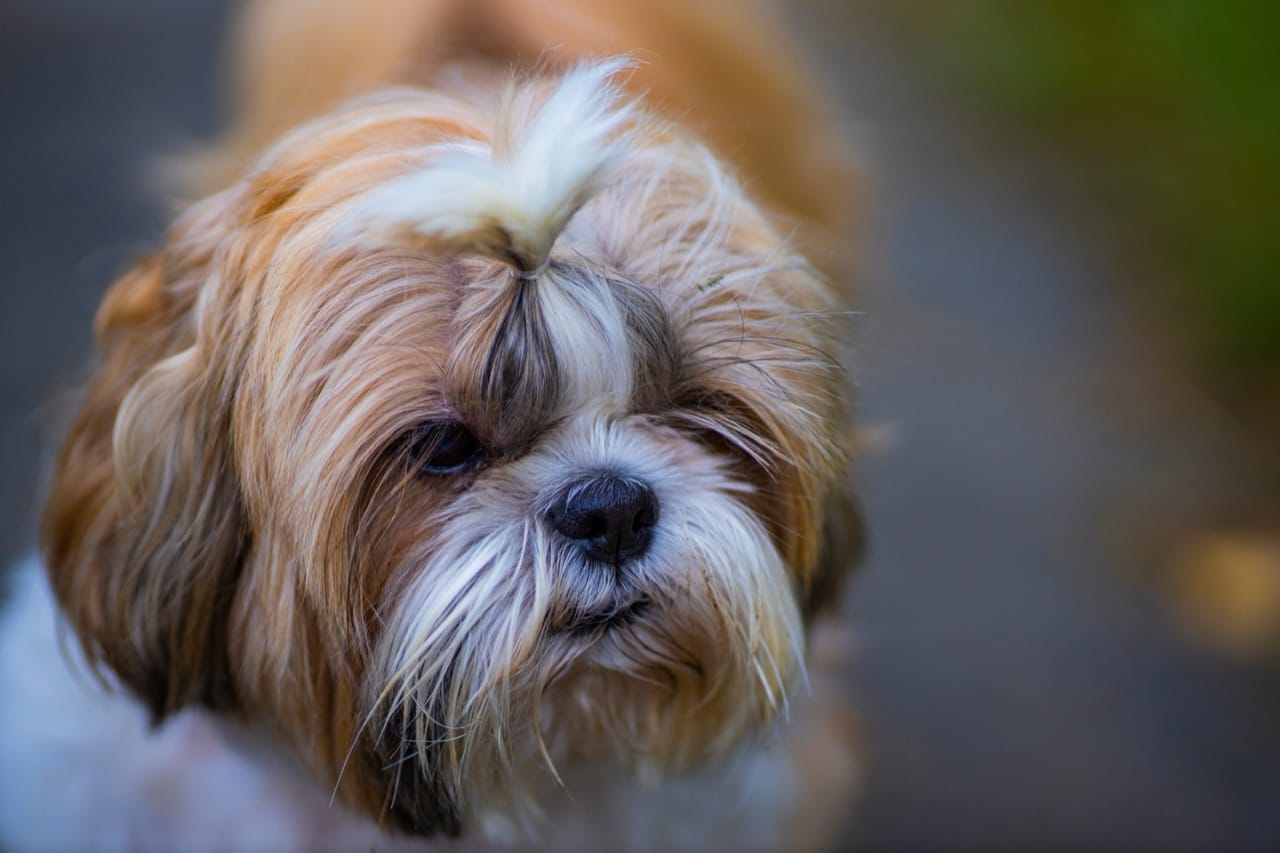
The breed’s most famous feature is the face. Shih Tzus have a short muzzle and a broad, round head with large, round eyes that give a warm, open expression. The hallmark “chrysanthemum face” comes from hair that grows outward in all directions around the muzzle, like petals radiating from a center. Heavy facial furnishings are part of the breed identity, and they are one reason daily grooming is so important. Hair can easily drift into the eyes or collect moisture and debris around the nose and mouth. Many owners keep the coat in a shorter puppy cut for practicality, but even then, the face needs routine cleaning and careful trimming to keep the dog comfortable.
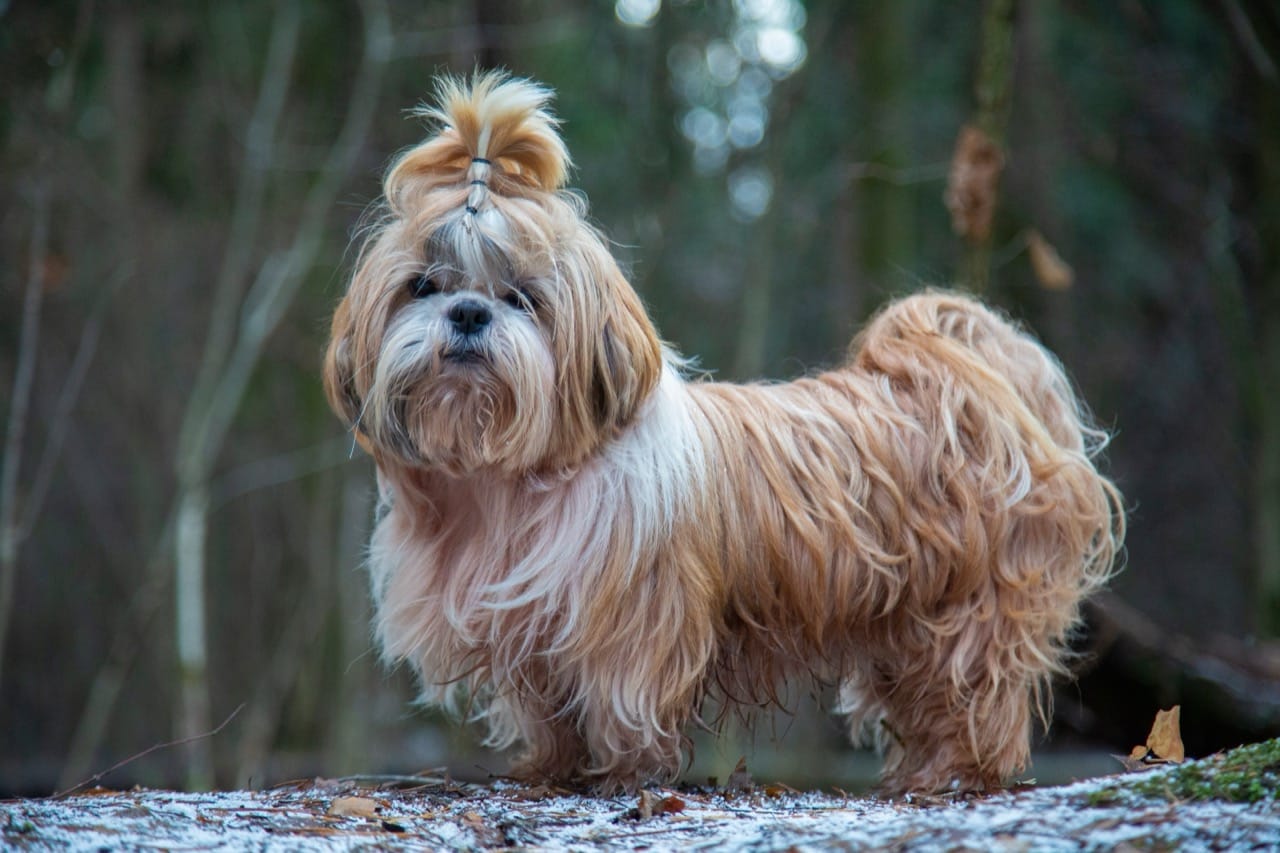
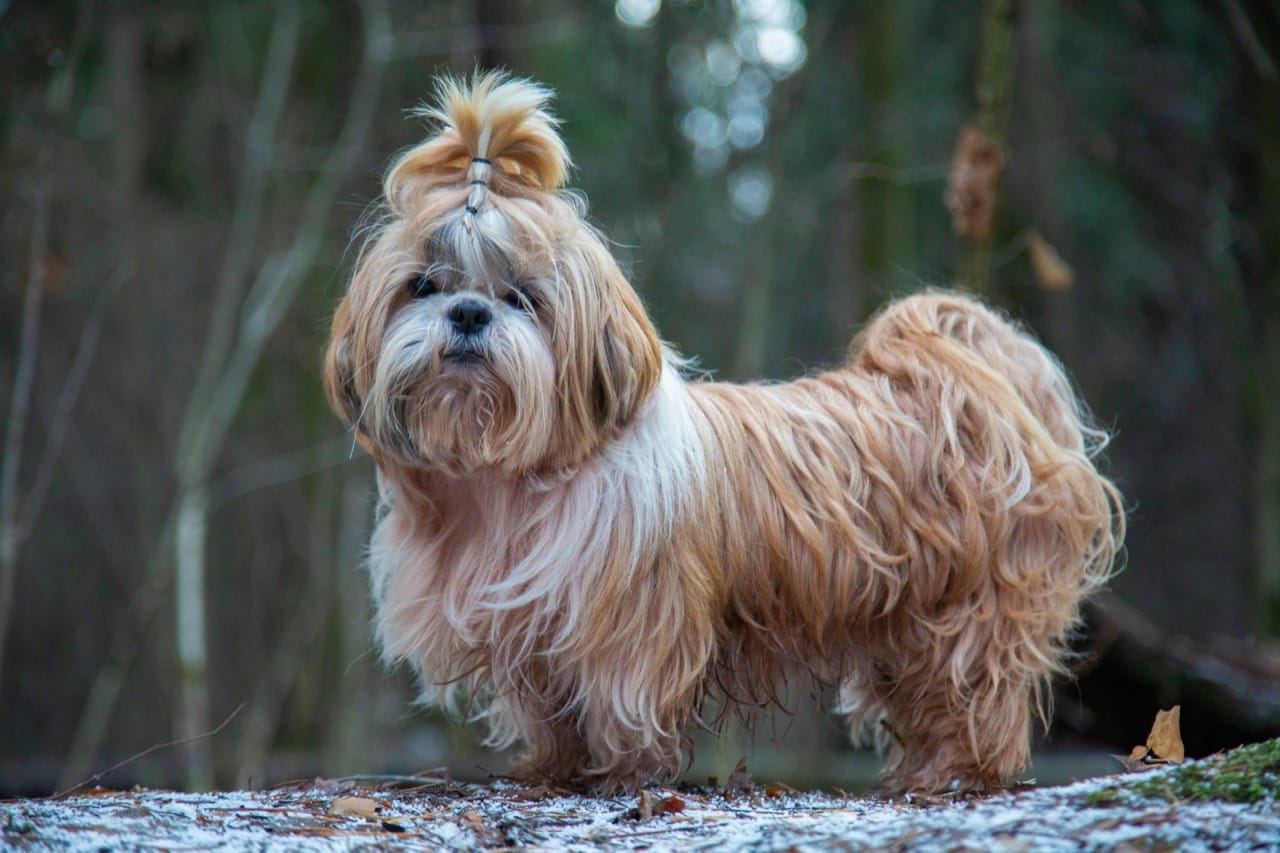
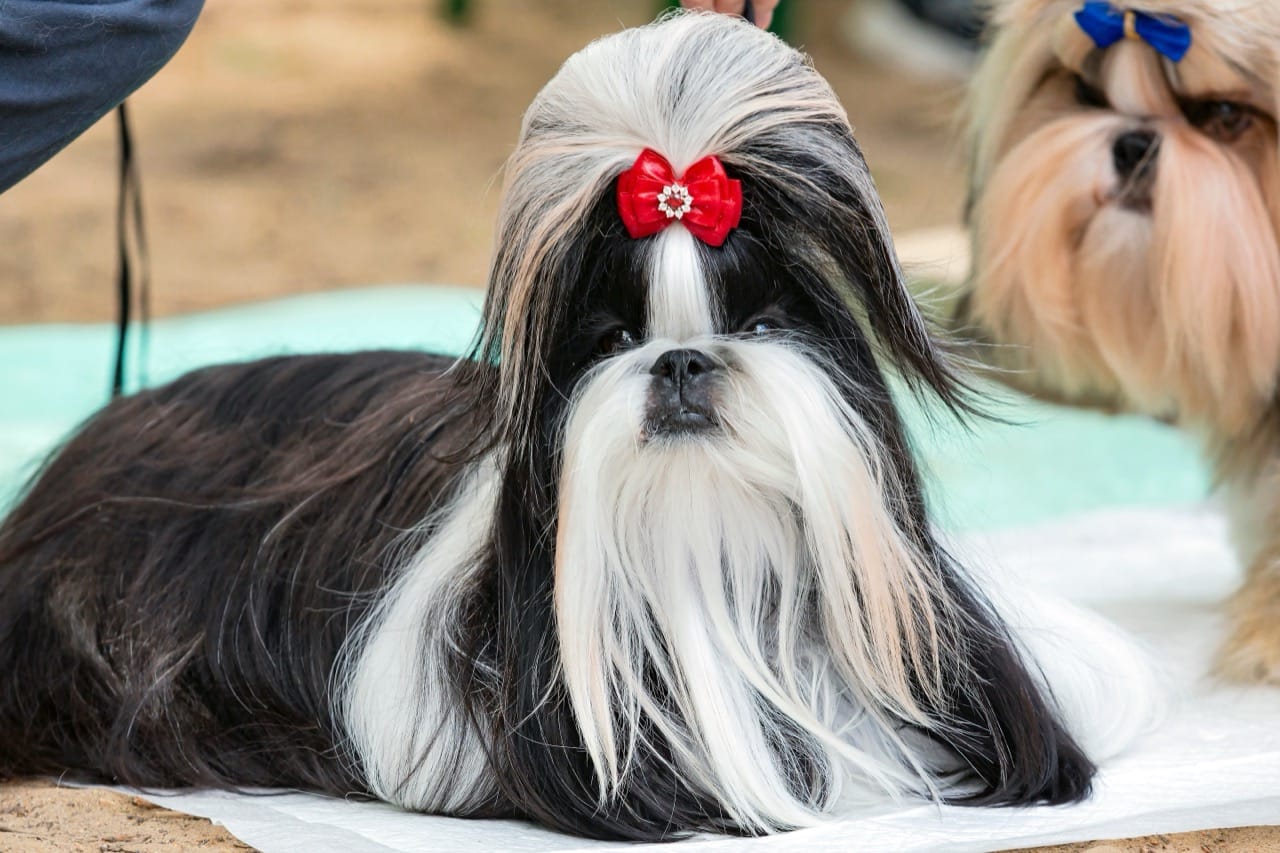
A Shih Tzu’s coat is another defining trait. It is a double coat with a soft undercoat and a longer outer coat that can grow quite lengthy if left untrimmed. The texture is typically described as luxurious and flowing rather than curly. Because the coat is hairlike and continuously growing, matting can develop quickly without regular brushing, especially behind the ears, under the collar area, and in the armpits. You can think of the breed’s grooming needs as a predictable tradeoff: the glamorous look comes with frequent maintenance.
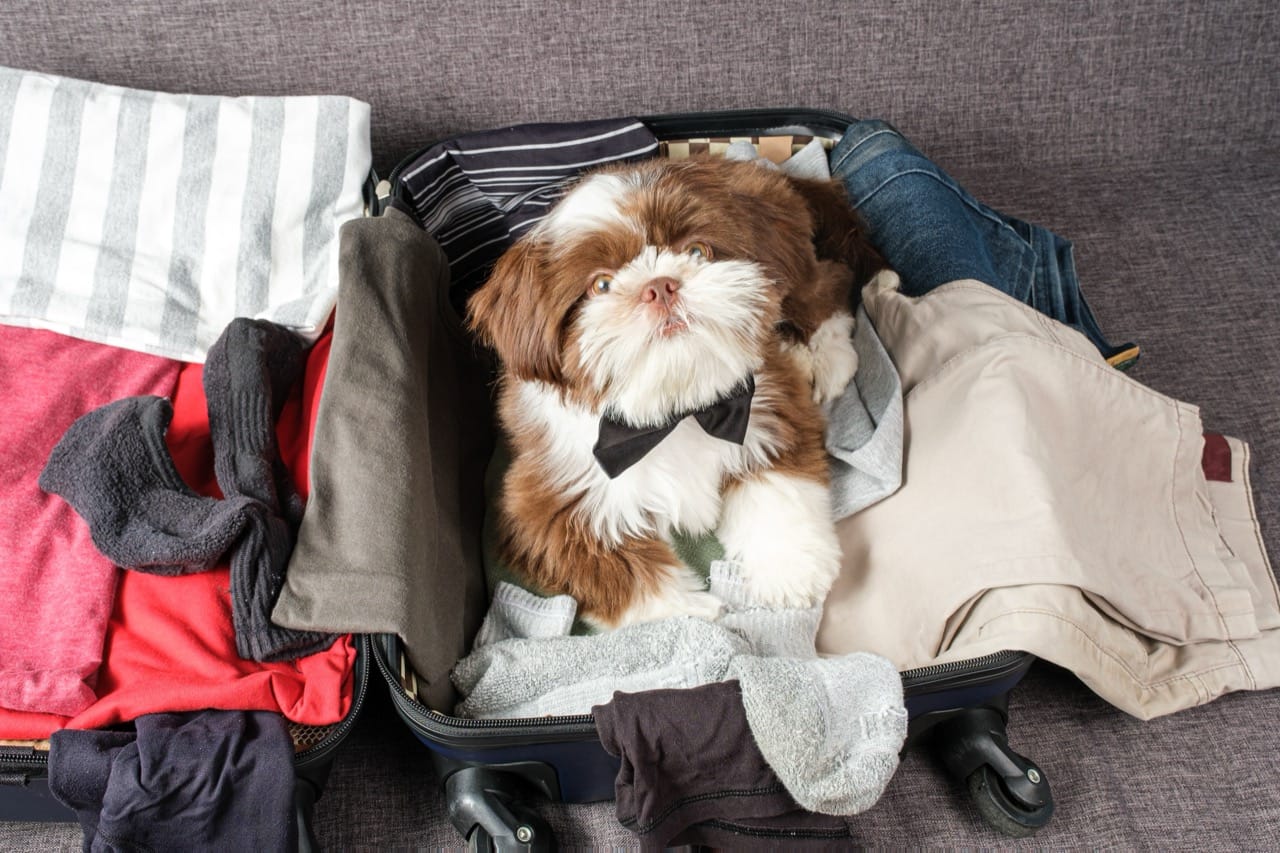
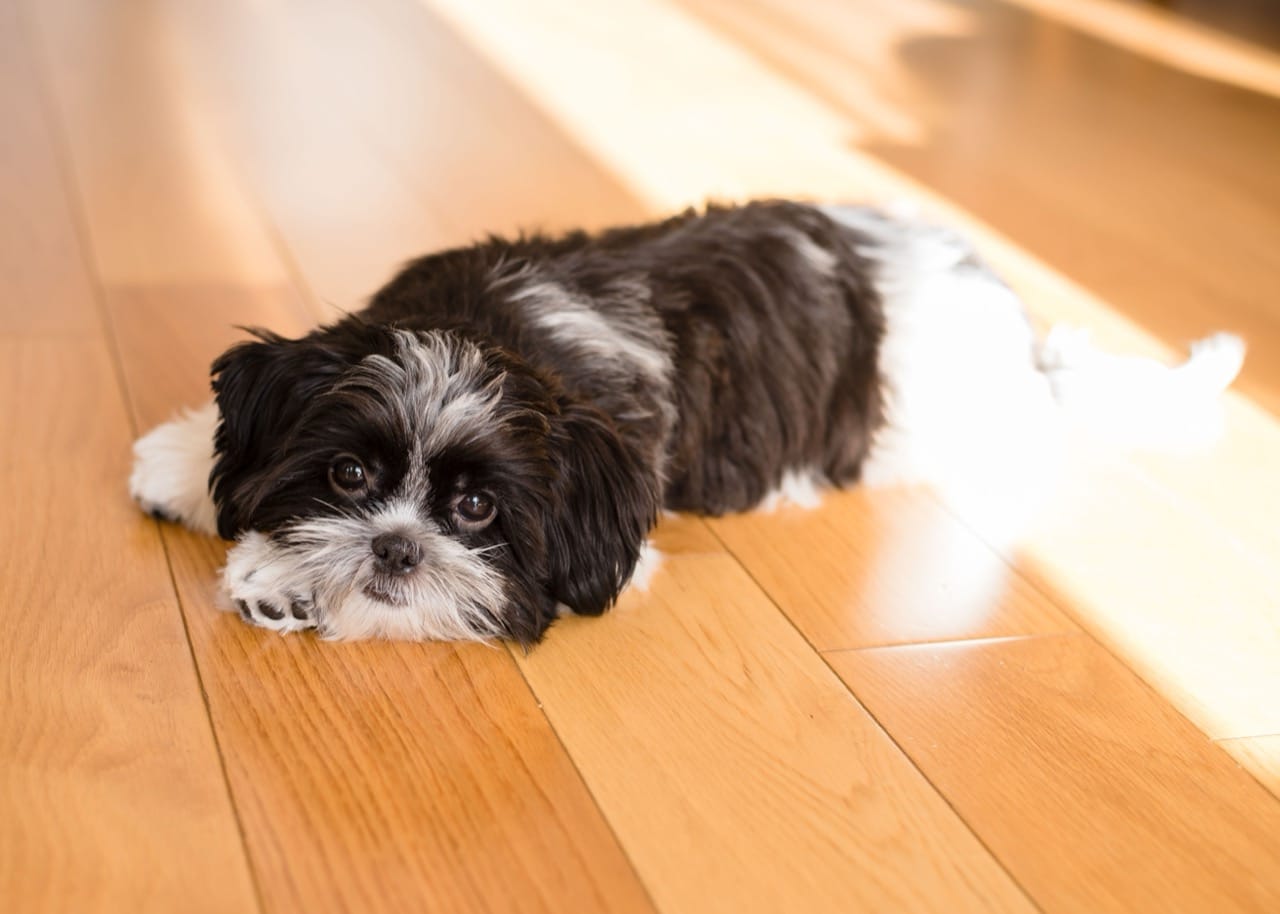
Color is one area where Shih Tzus are wonderfully variable. They can appear in many colors and combinations, including gold, white, black, brown, brindle, and mixed patterns. Some dogs have a dark facial mask, while others have a more uniform shade. A white blaze on the forehead and a white tip on the tail are commonly mentioned as attractive markings, but they are not required for a dog to be a true Shih Tzu. If you are trying to identify one visually, structure and coat type are more reliable than any single color.
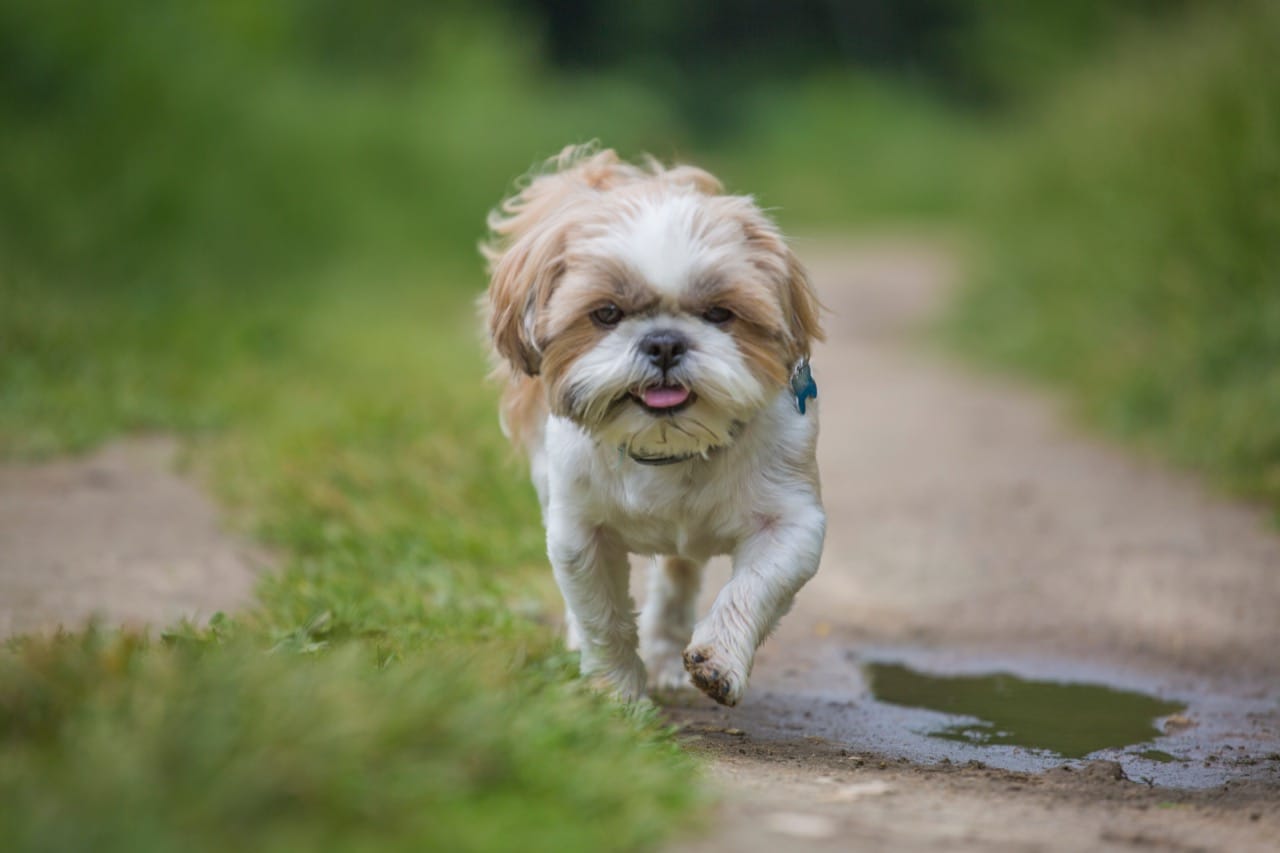
The tail is a quick clue when comparing similar small long-coated breeds. Shih Tzus have a high-set tail that is carried over the back, often forming a graceful curve with a plume of hair. Their movement should look smooth and self-assured, not crouched or shuffling. The overall outline is meant to feel balanced: short-legged but not dwarfed, compact but not cobby to the point of stiffness.
Lookalikes can be confusing, especially the Lhasa Apso and the Pekingese. A Lhasa Apso generally has a longer muzzle and a more elongated body outline, giving a different head-to-body proportion even when the coat is long. The Pekingese, on the other hand, is more extreme in front-heavy build, with very short legs, a broader chest, and a flatter face. Shih Tzus sit between these impressions: short-muzzled but not meant to look overly compressed, sturdy but still lively and agile.
Knowing the Shih Tzu by the numbers and features turns guesswork into observation. Height, weight range, tail carriage, coat type, and the unmistakable chrysanthemum facial furnishings all add up to a breed that is small in size but rich in distinctive details.