Inside the English Bulldog



Quiz Complete!
English Bulldog Safety and Symptom Awareness: What Every Owner Should Know

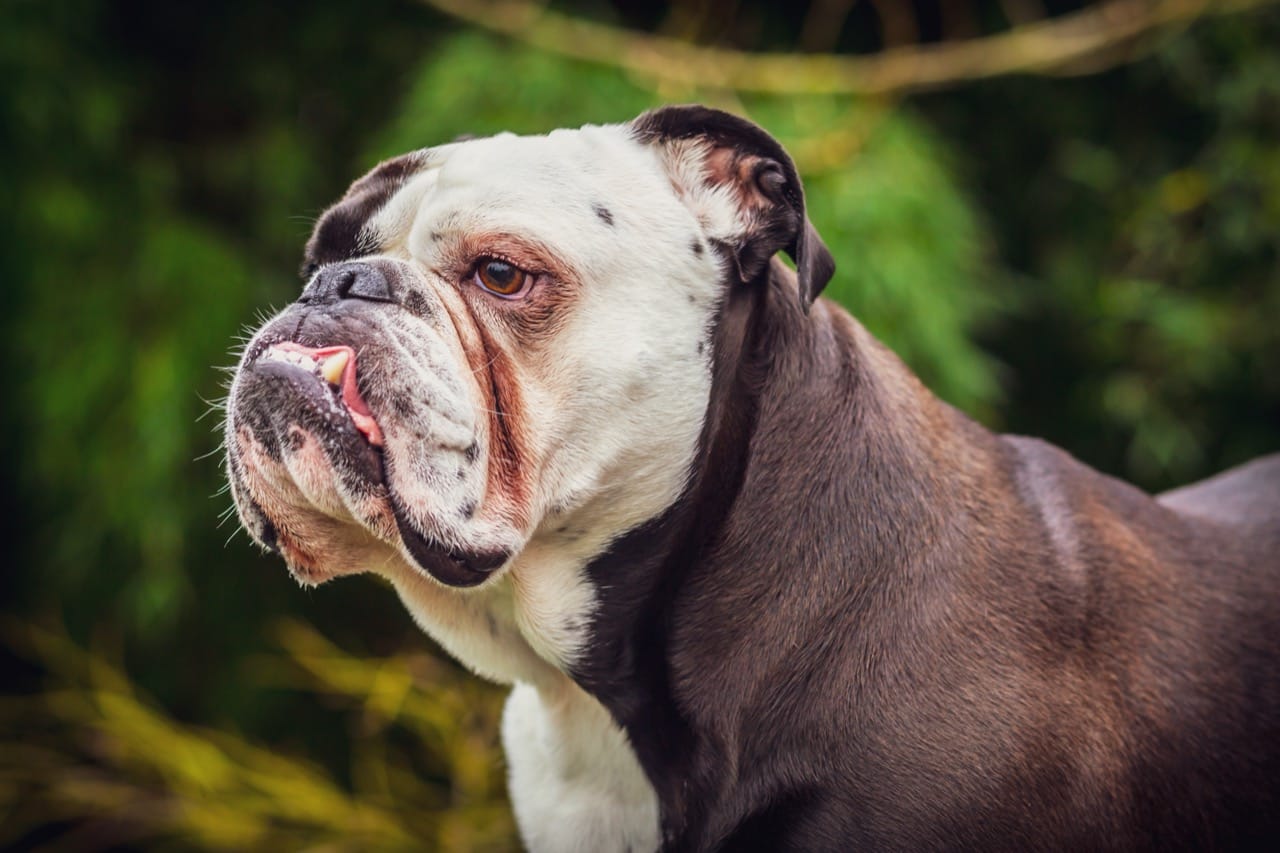
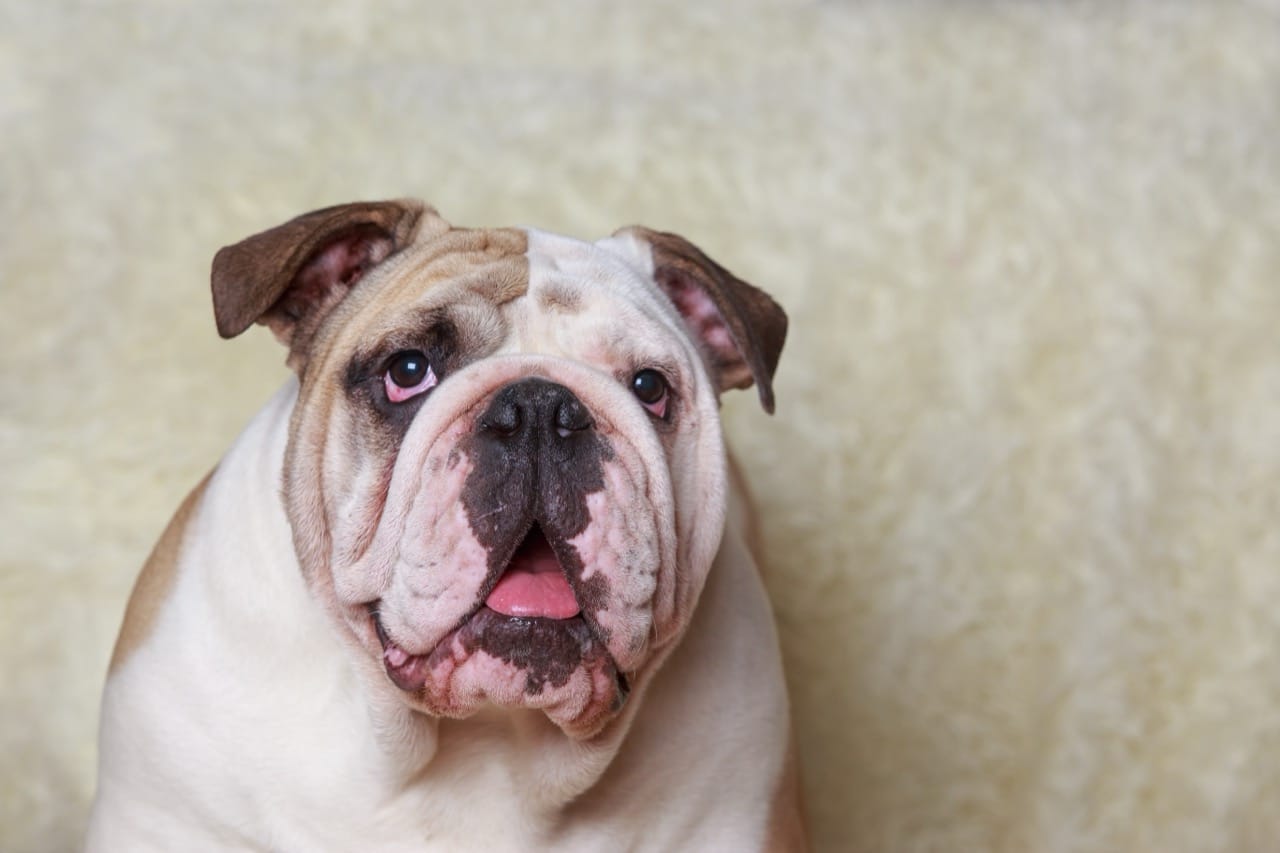
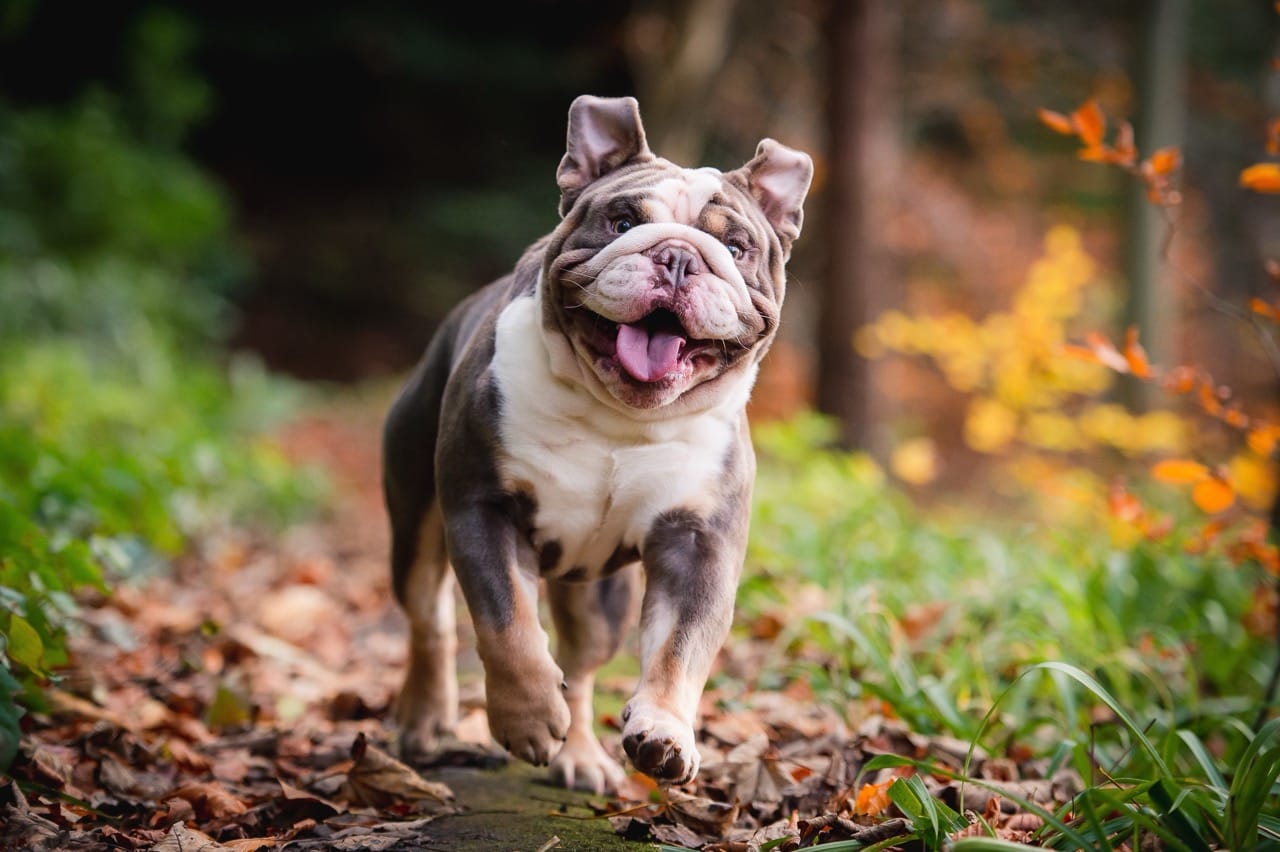
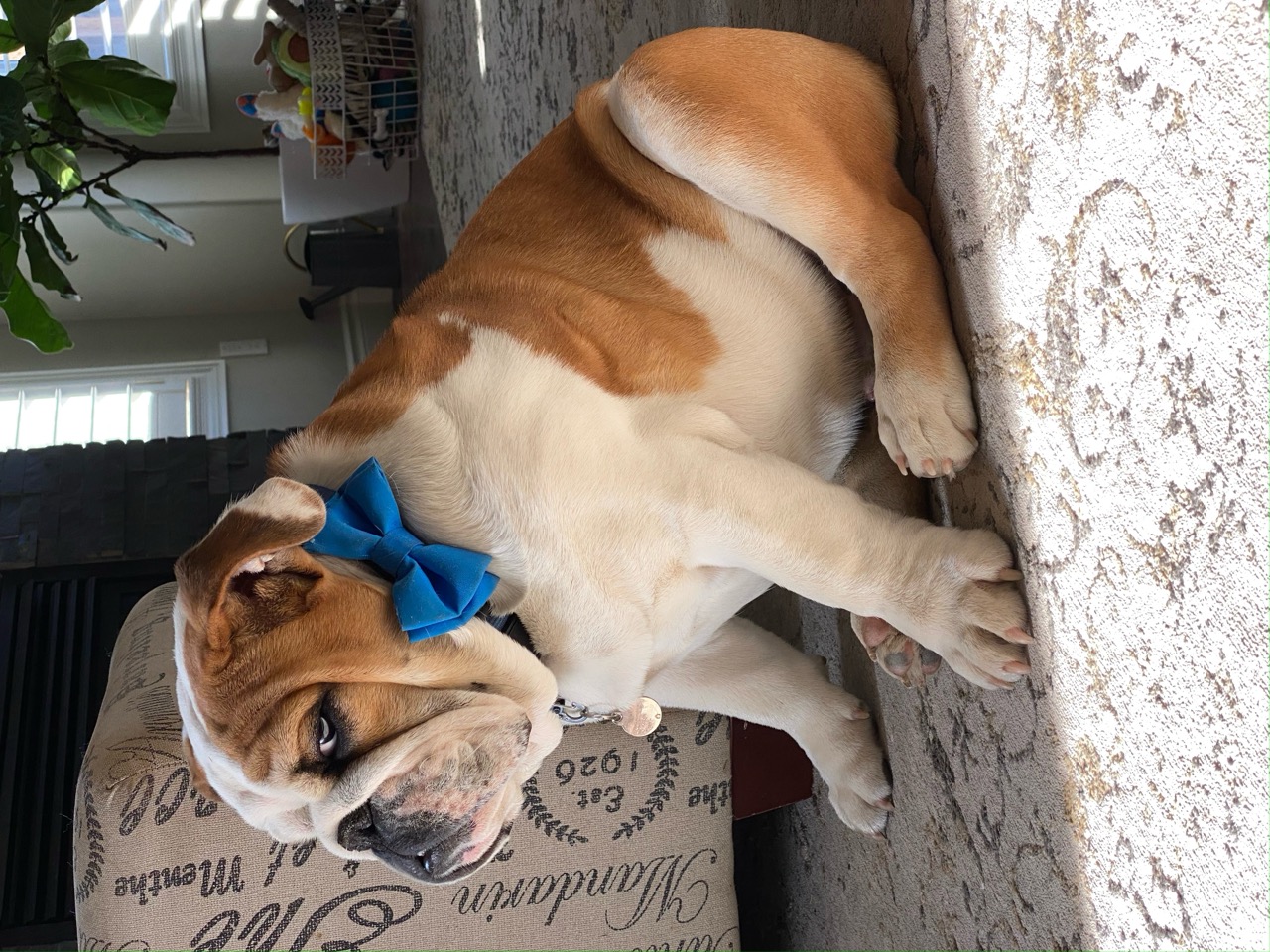
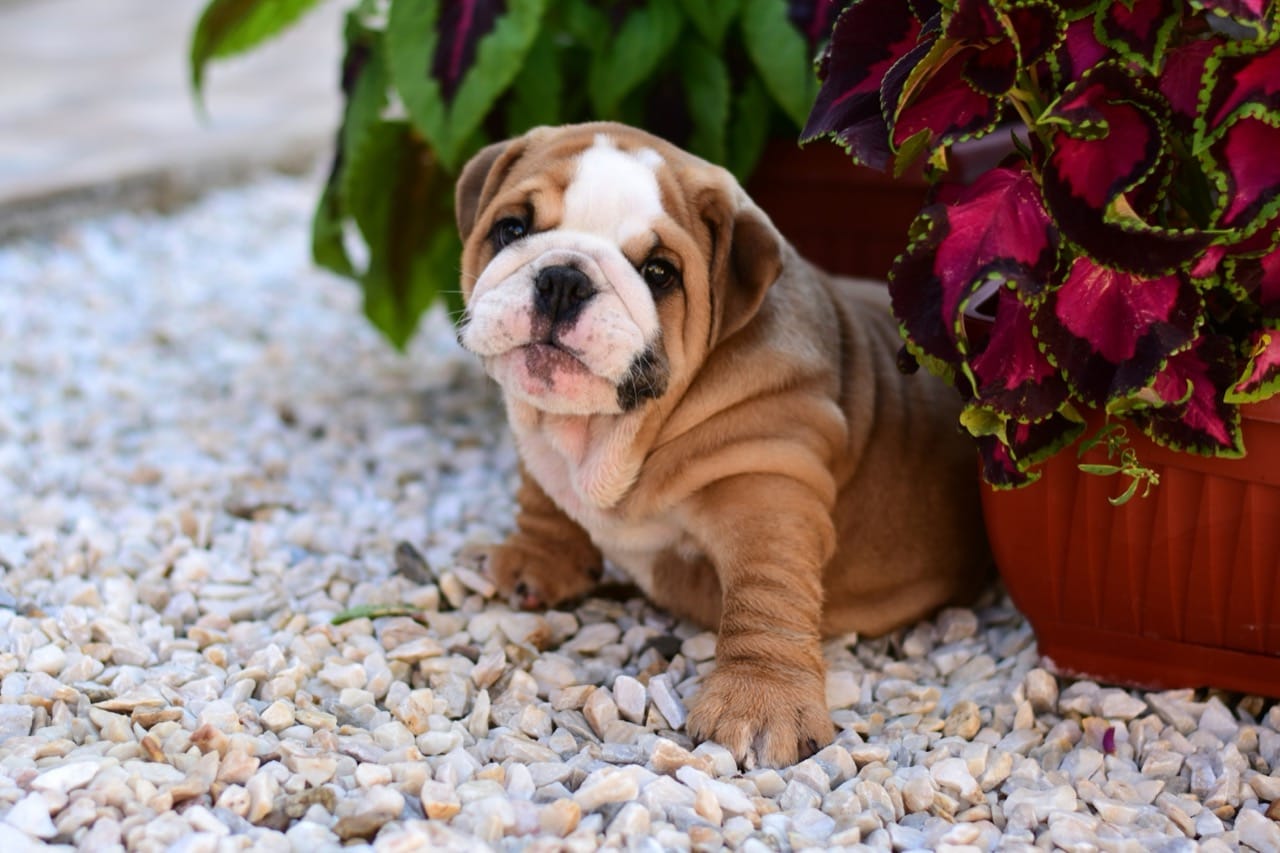
English Bulldogs are famous for their sturdy build, wrinkled face, and endearing snorts, but those signature traits also come with predictable health and safety concerns. Knowing what is normal for the breed and what is not can help you prevent emergencies and spot trouble early. Many Bulldog issues are not mysterious at all; they are closely tied to anatomy, inherited tendencies, and everyday care.
Breathing is the first big topic. Bulldogs are commonly affected by brachycephalic airway problems, meaning their shortened skull shape can narrow the nostrils and upper airway. Noisy breathing can be typical, but there is a difference between a harmless snuffle and distress. Watch for increased effort to breathe, open mouth breathing at rest, repeated gagging, or a dog that cannot settle after mild activity. Blue or gray gums, collapse, or extreme weakness are emergency red flags, especially in warm weather.
Heat safety matters more for Bulldogs than for many other breeds. They do not cool themselves efficiently, and excitement plus humidity can push them into heatstroke quickly. Heavy panting, drooling, bright red gums, vomiting, wobbliness, or confusion should be treated as urgent. Prevention is far better than rescue: avoid midday heat, keep exercise short and calm, provide shade and water, and never leave a Bulldog in a parked car. Even a mild day can become dangerous inside a vehicle.
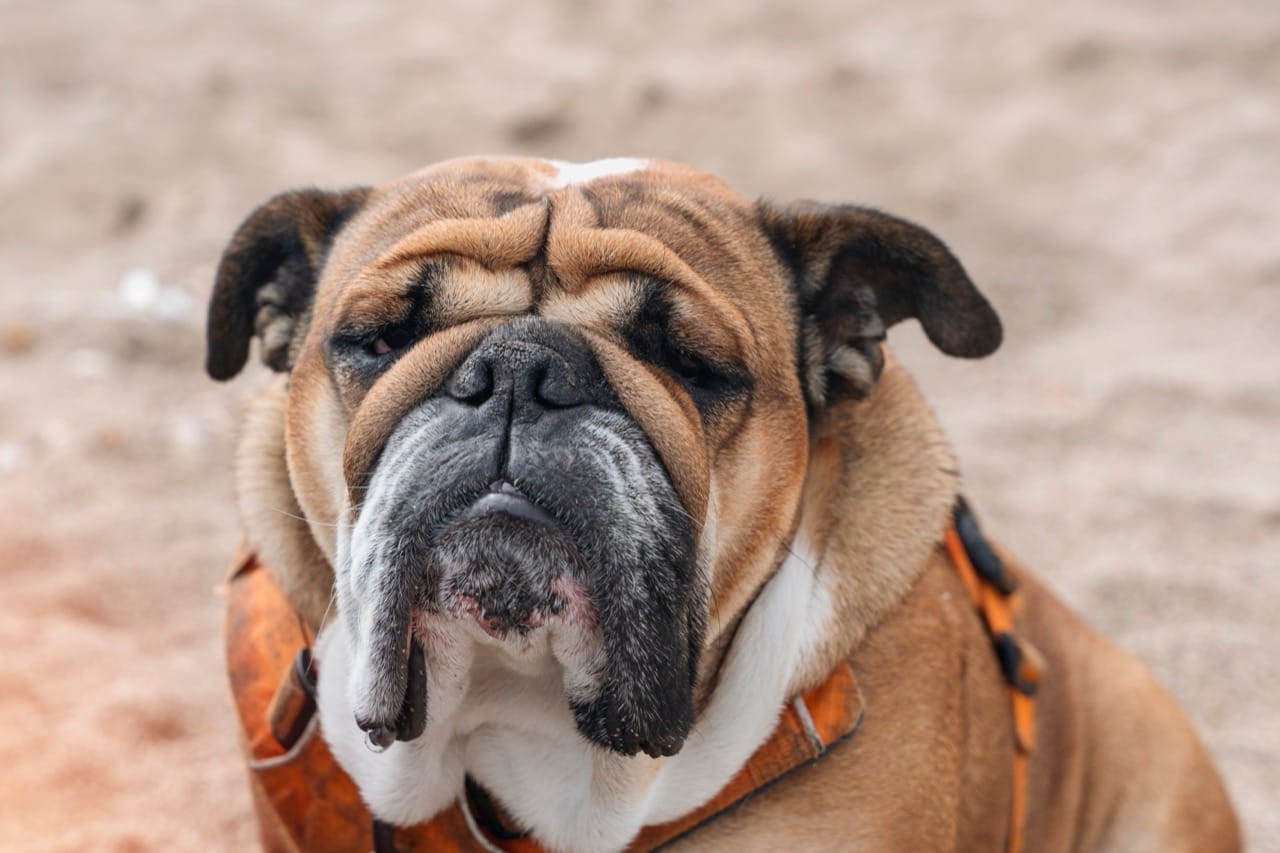
Skin care is not just cosmetic. Facial wrinkles can trap moisture, saliva, and debris, leading to irritation and infection. A sour odor, redness, oozing, or persistent rubbing of the face can signal skin fold dermatitis. Gentle cleaning and thorough drying of folds helps prevent problems. Bulldogs also commonly get ear infections, often linked to skin allergies. Head shaking, scratching, a strong smell, or dark discharge are good reasons to call the veterinarian rather than trying random home remedies.
Eye issues deserve special attention because some can become emergencies. Bulldogs may develop dry eye, cherry eye, or corneal ulcers. Squinting, holding the eye closed, pawing at the face, sudden cloudiness, or a visibly painful eye should be treated as urgent, because ulcers can worsen quickly. Any sudden change in the appearance of the eye, especially if your dog seems uncomfortable, is a strong reason to seek veterinary care the same day.
Their build also affects joints and the spine. Bulldogs can be prone to hip and elbow problems, kneecap issues, and spinal disease. Stiffness after rest, reluctance to jump, limping, or yelping when picked up should not be brushed off as laziness. Because extra weight adds major strain, weight control is one of the most powerful tools owners have. Keeping a Bulldog lean can improve breathing, reduce joint pain, and lower the risk of overheating.
Daily life safety includes a few Bulldog specific habits. Many Bulldogs are poor swimmers due to their heavy front end and short muzzle, so open water can be dangerous even for confident dogs. Use a life jacket near pools, lakes, or boats and never assume they can swim to safety. Also pay attention to snoring and sleep: while snoring can be normal, episodes of choking, repeated waking, or severe restlessness can indicate airway obstruction worth discussing with your veterinarian.
The best approach is routine observation. Learn your dog’s normal breathing, skin appearance, and energy level, then take changes seriously. Bulldogs thrive when owners focus on practical care: keeping them cool, keeping folds clean and dry, maintaining a healthy weight, and seeking prompt help for warning signs like blue gums, collapse, or a suddenly painful eye.