German Shepherd Silhouette Showdown
Quiz Complete!
What Makes a German Shepherd Look Like a German Shepherd
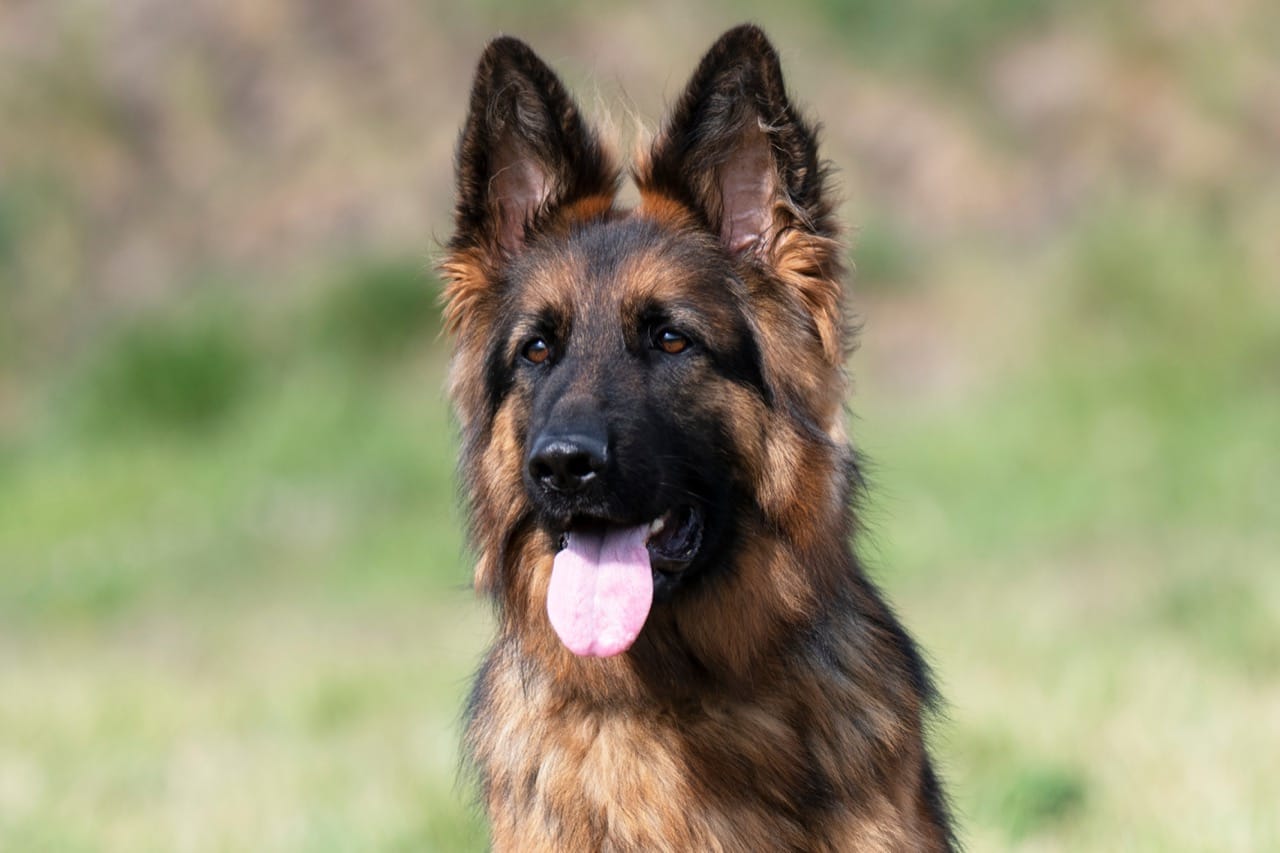
A German Shepherd has a look that many people recognize instantly, even from a distance: upright ears, a confident outline, and a balanced, athletic build that signals a working dog. But when you try to describe exactly why the breed looks the way it does, the details matter. Those details are also where confusion starts, especially with similar breeds such as Belgian Malinois type dogs or long coated lookalikes.
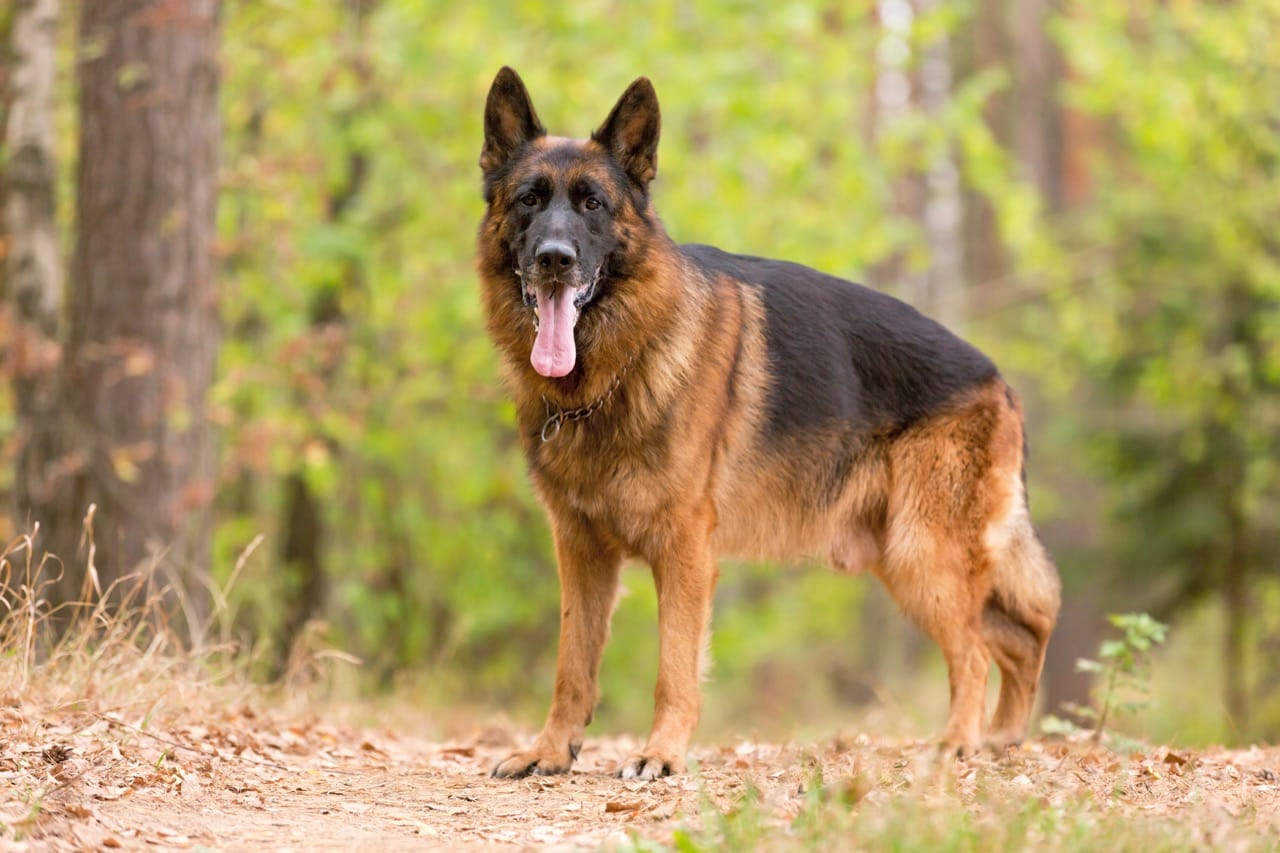
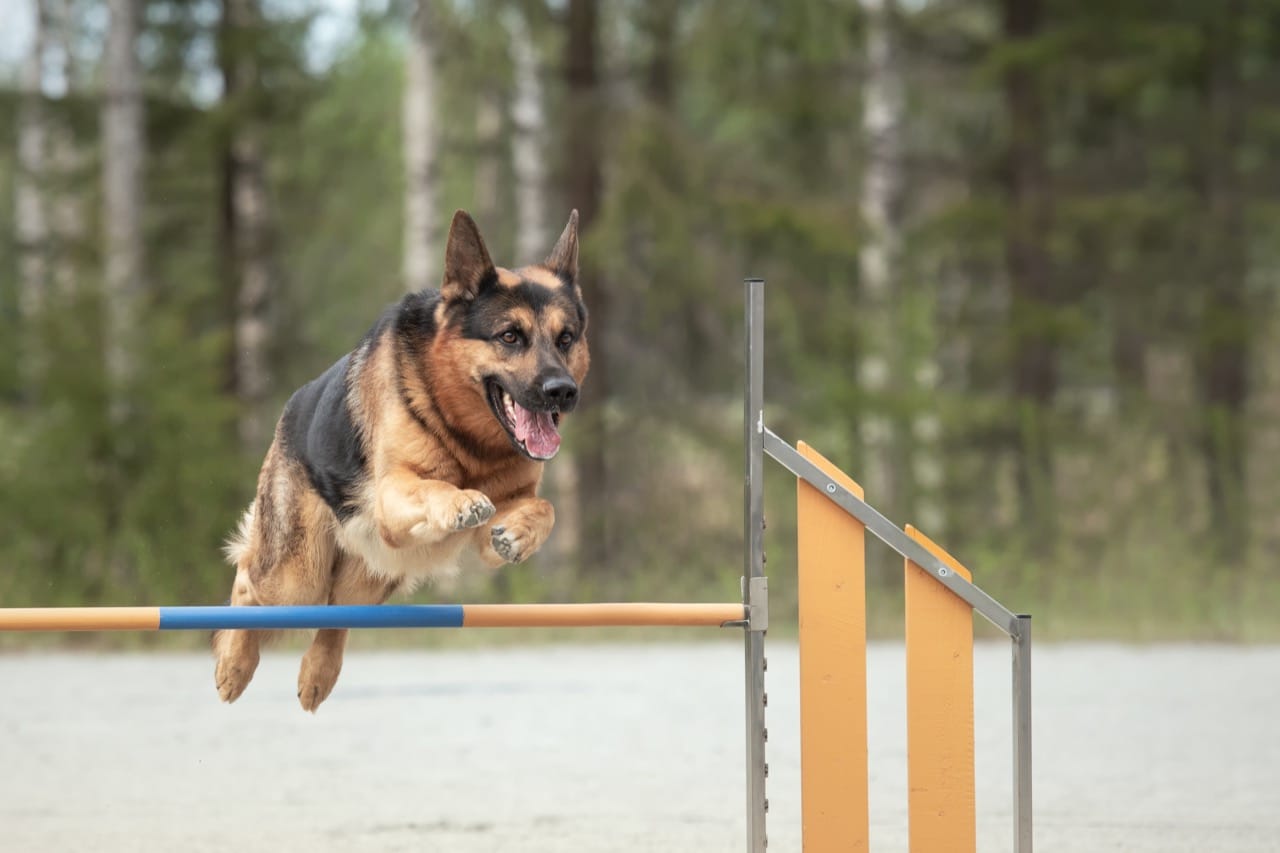
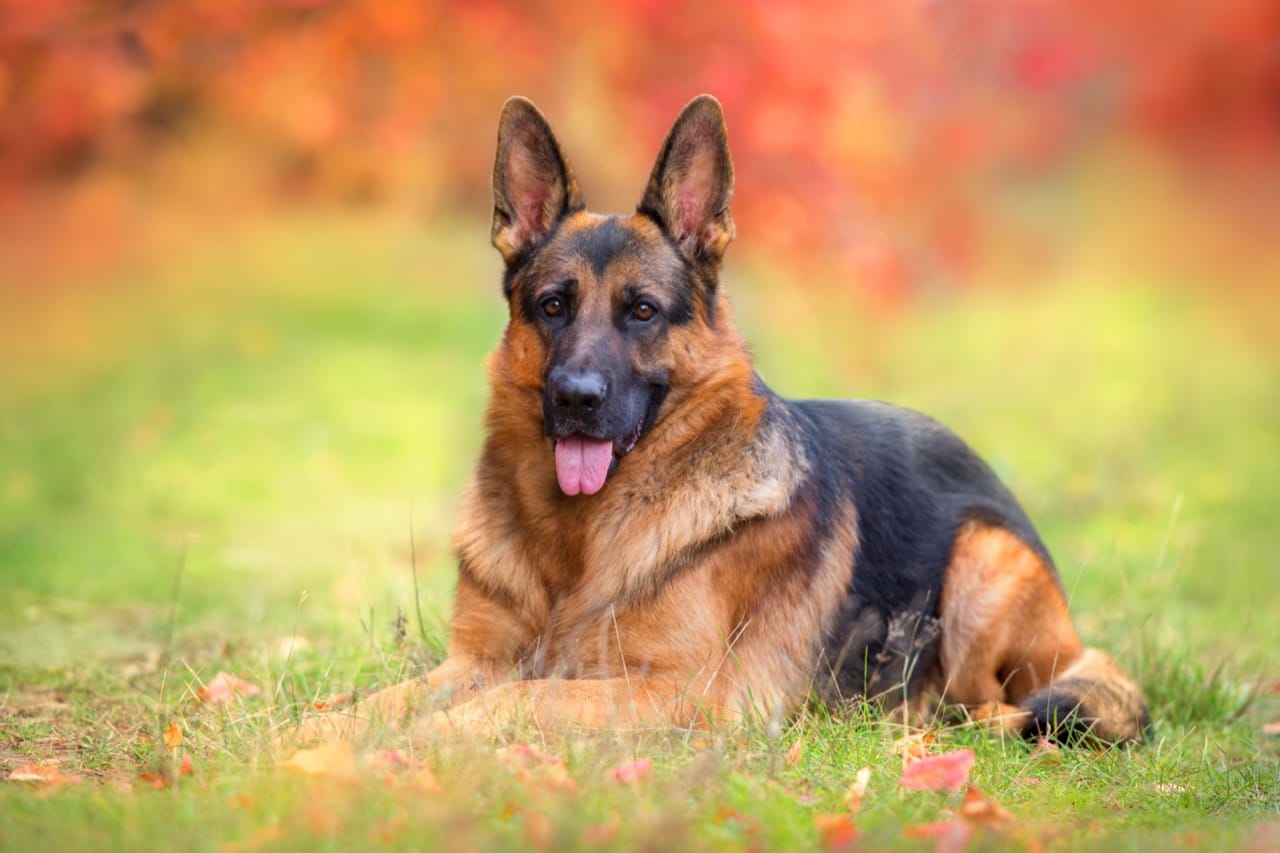
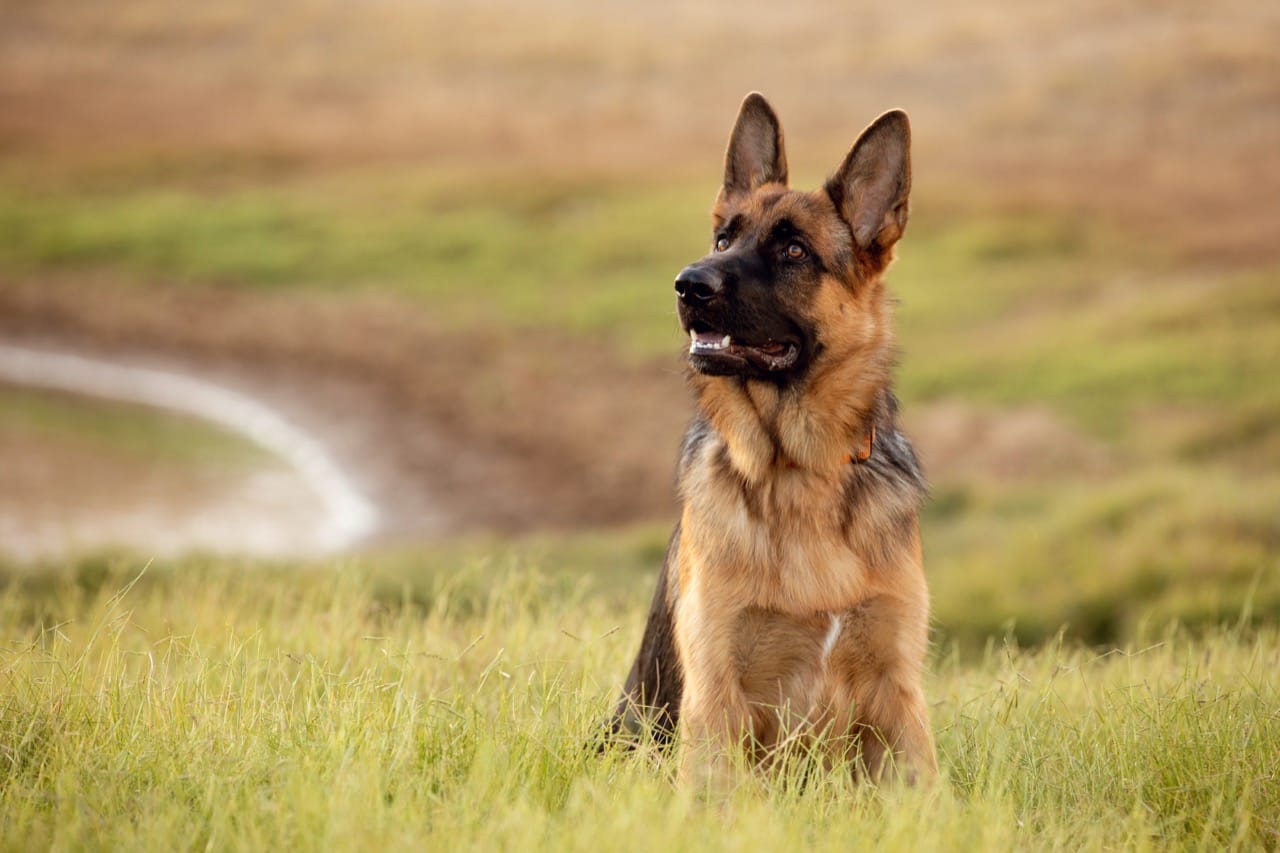
One of the biggest identifiers is overall proportion and silhouette. A German Shepherd is slightly longer than tall, creating a rectangular outline rather than a square one. The chest is deep without being barrel shaped, and the dog should look capable of trotting for long distances. The topline is often discussed because it affects the whole profile. In breed references, the back is described as strong and level through the withers and back, flowing into a gently sloping croup. People sometimes mistake an exaggerated slope for a defining trait, but what you are really looking for is a firm, functional line that supports efficient movement.
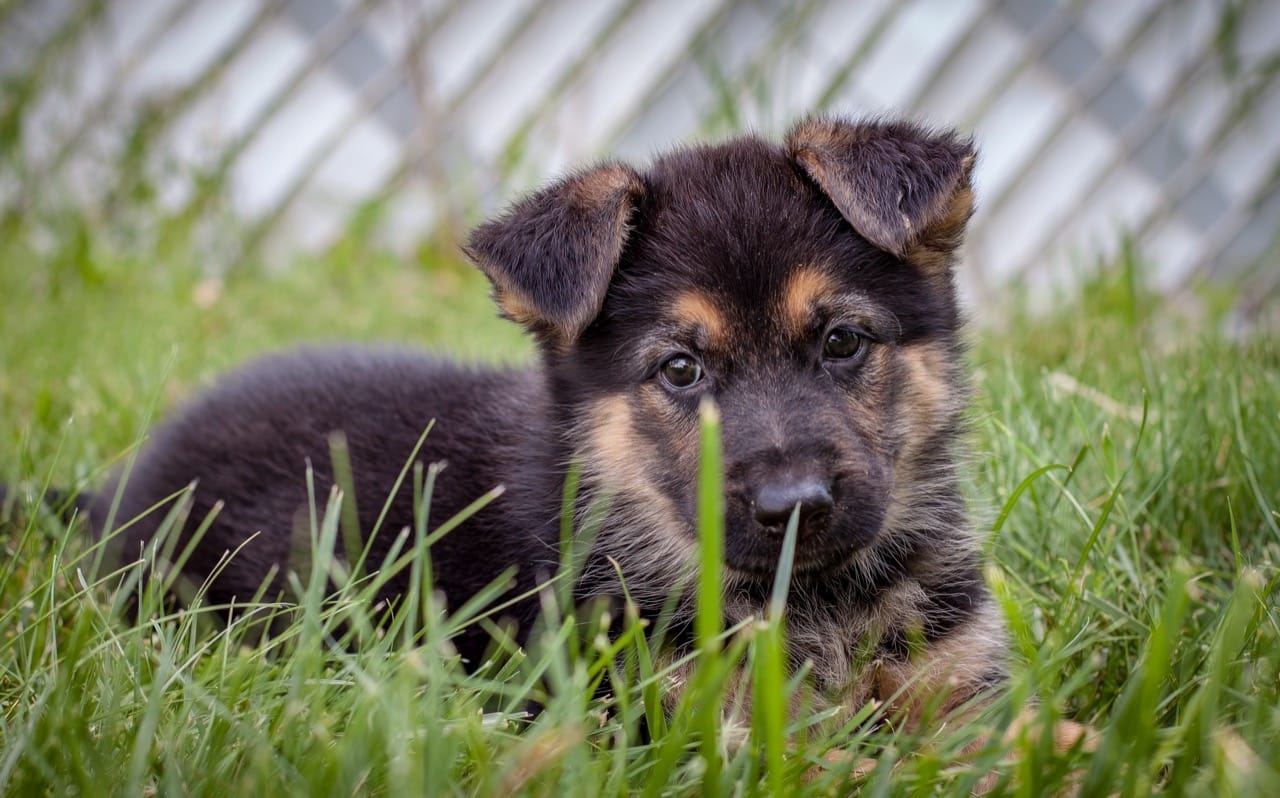
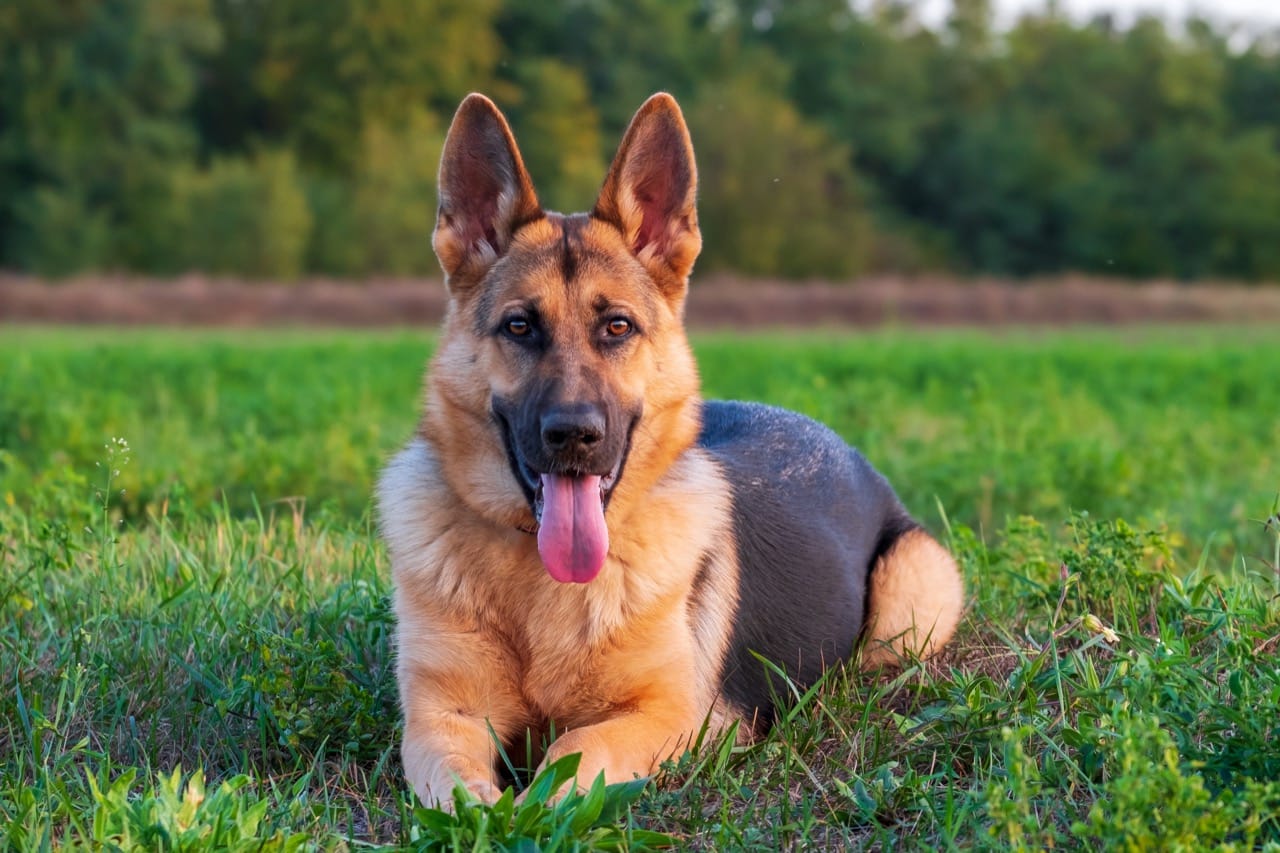
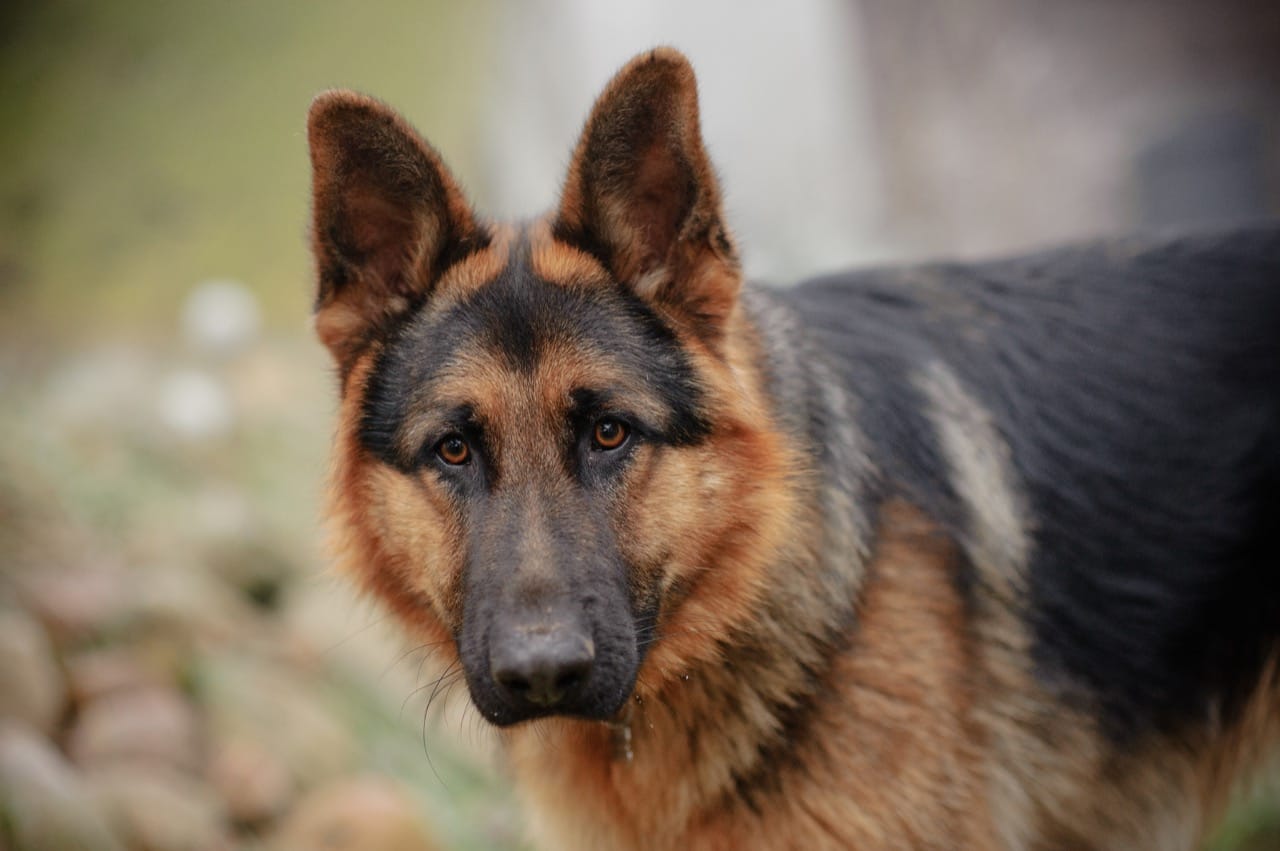
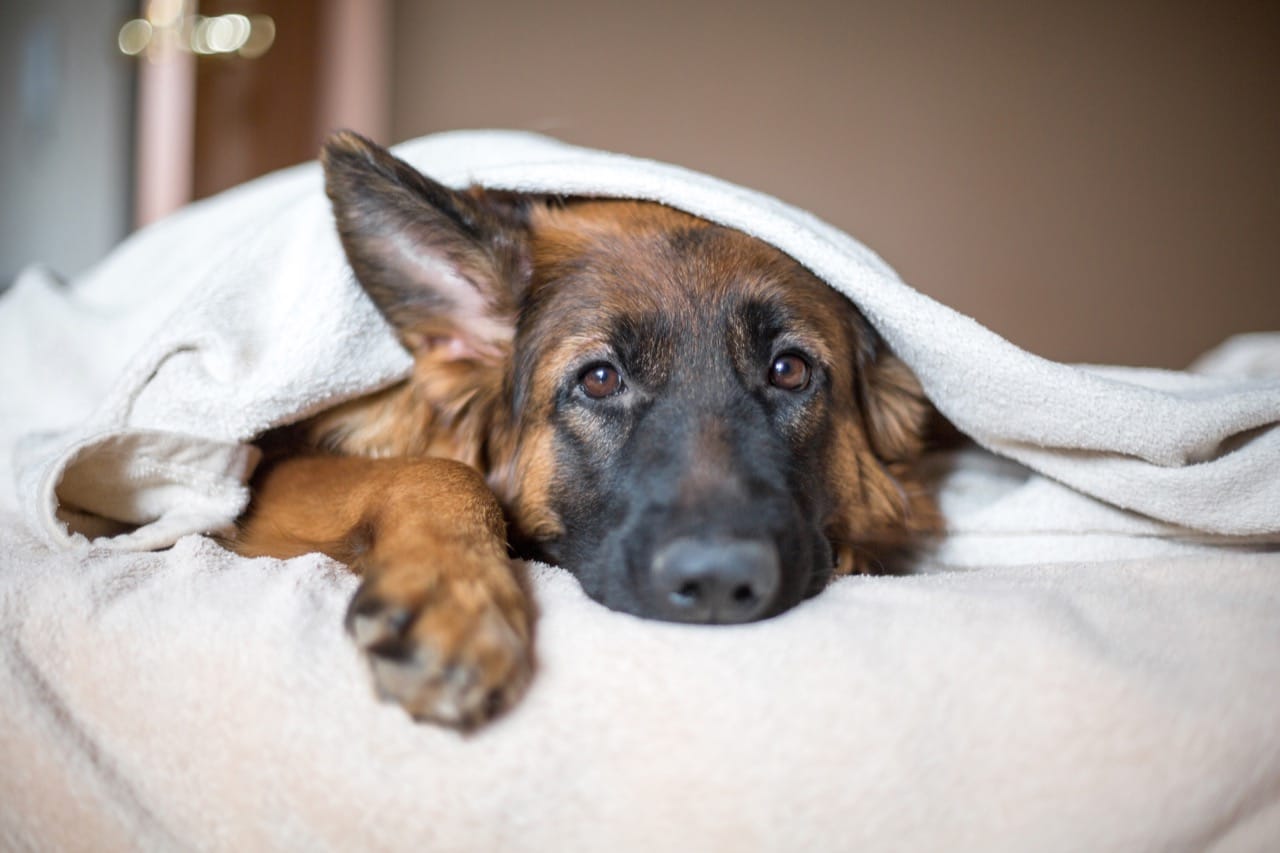
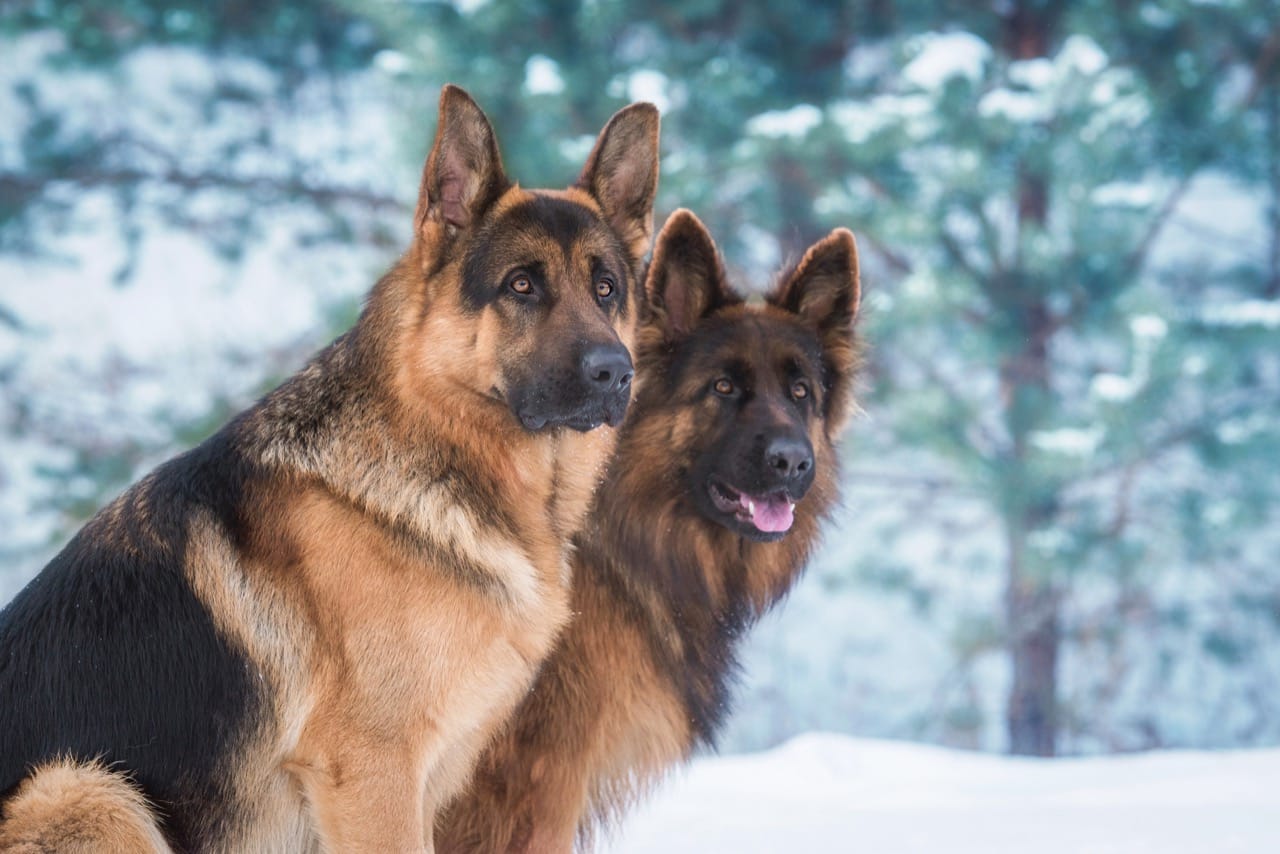
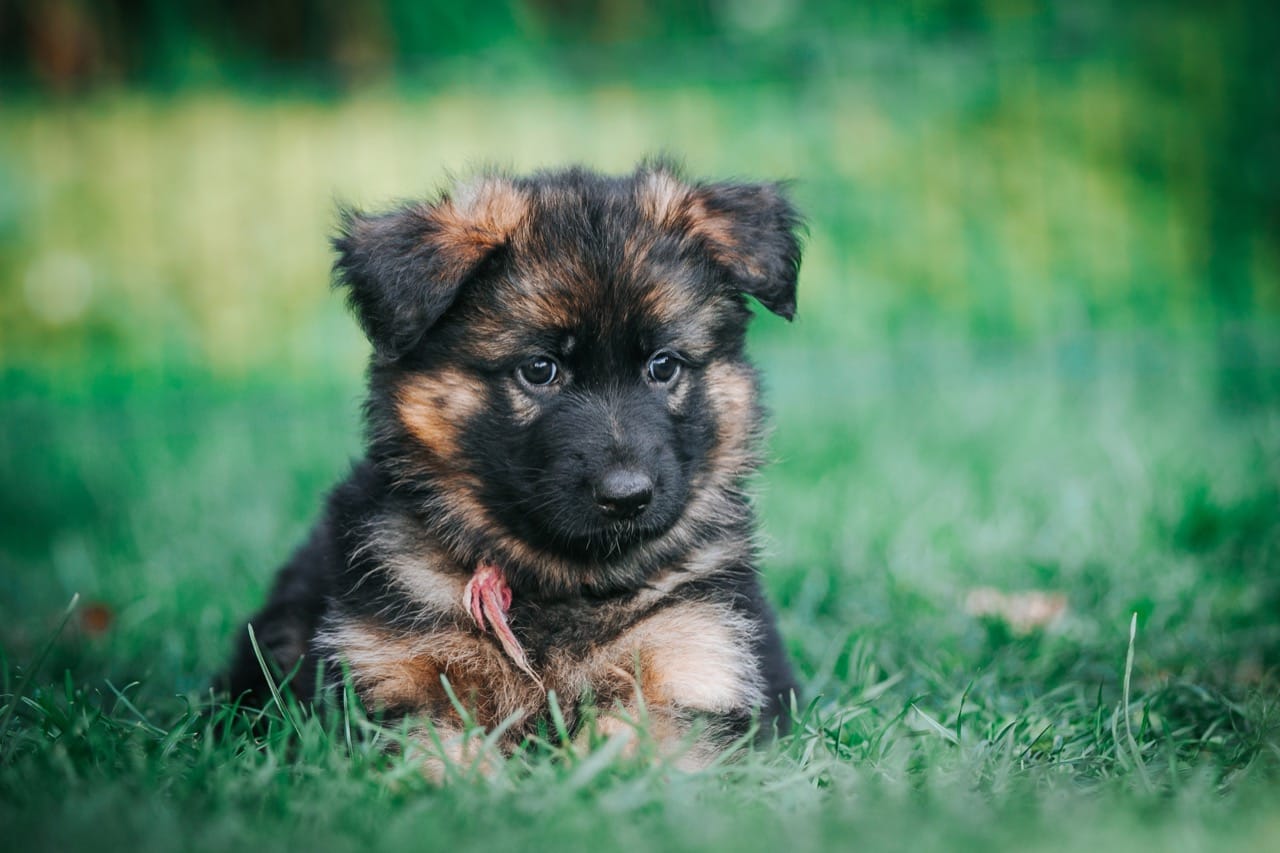
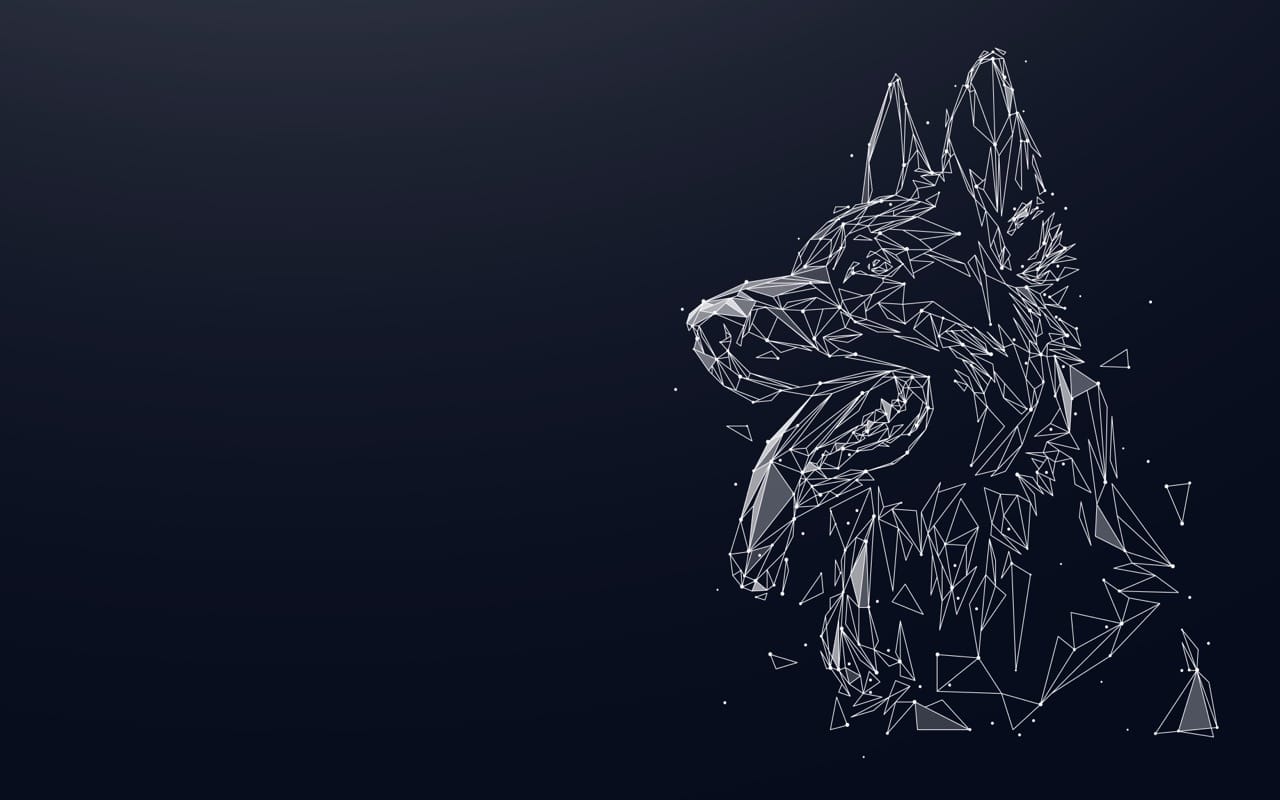
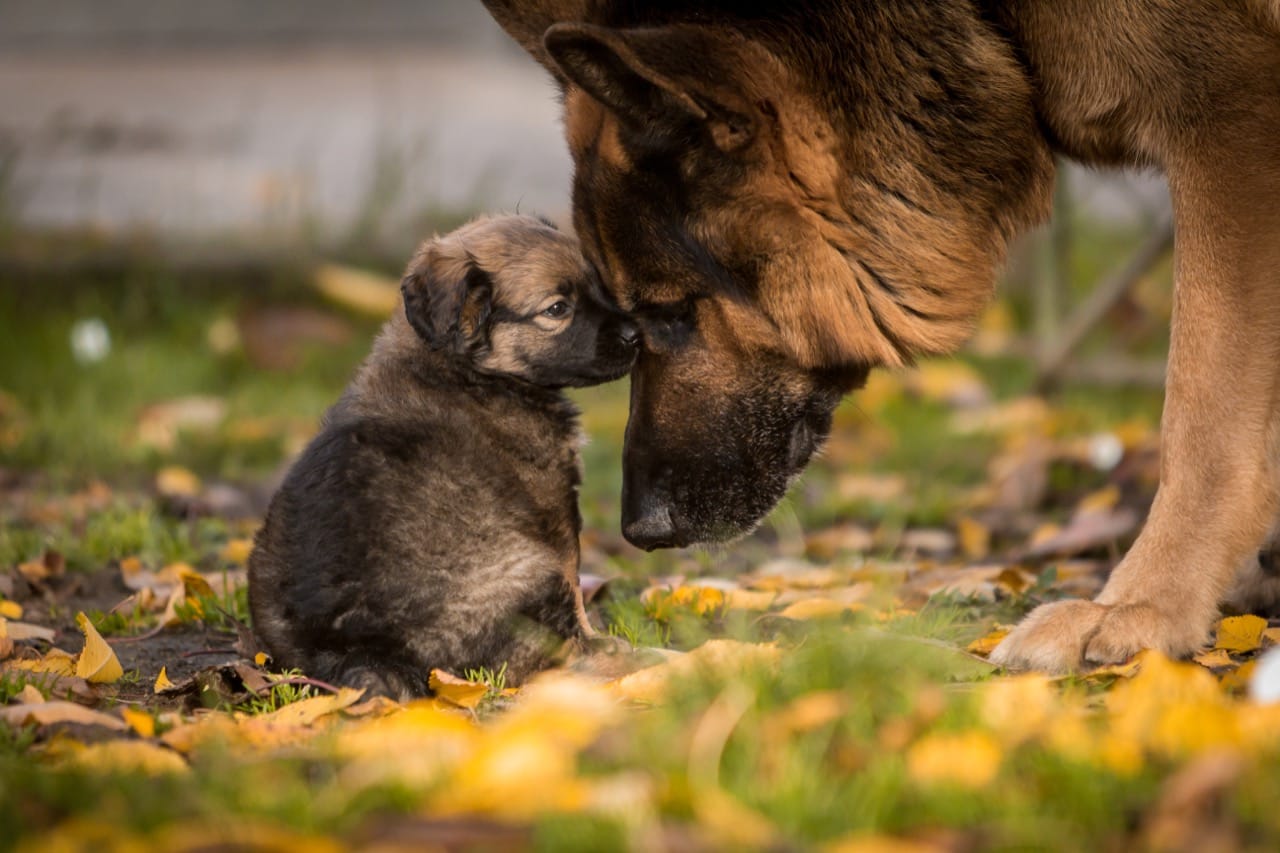
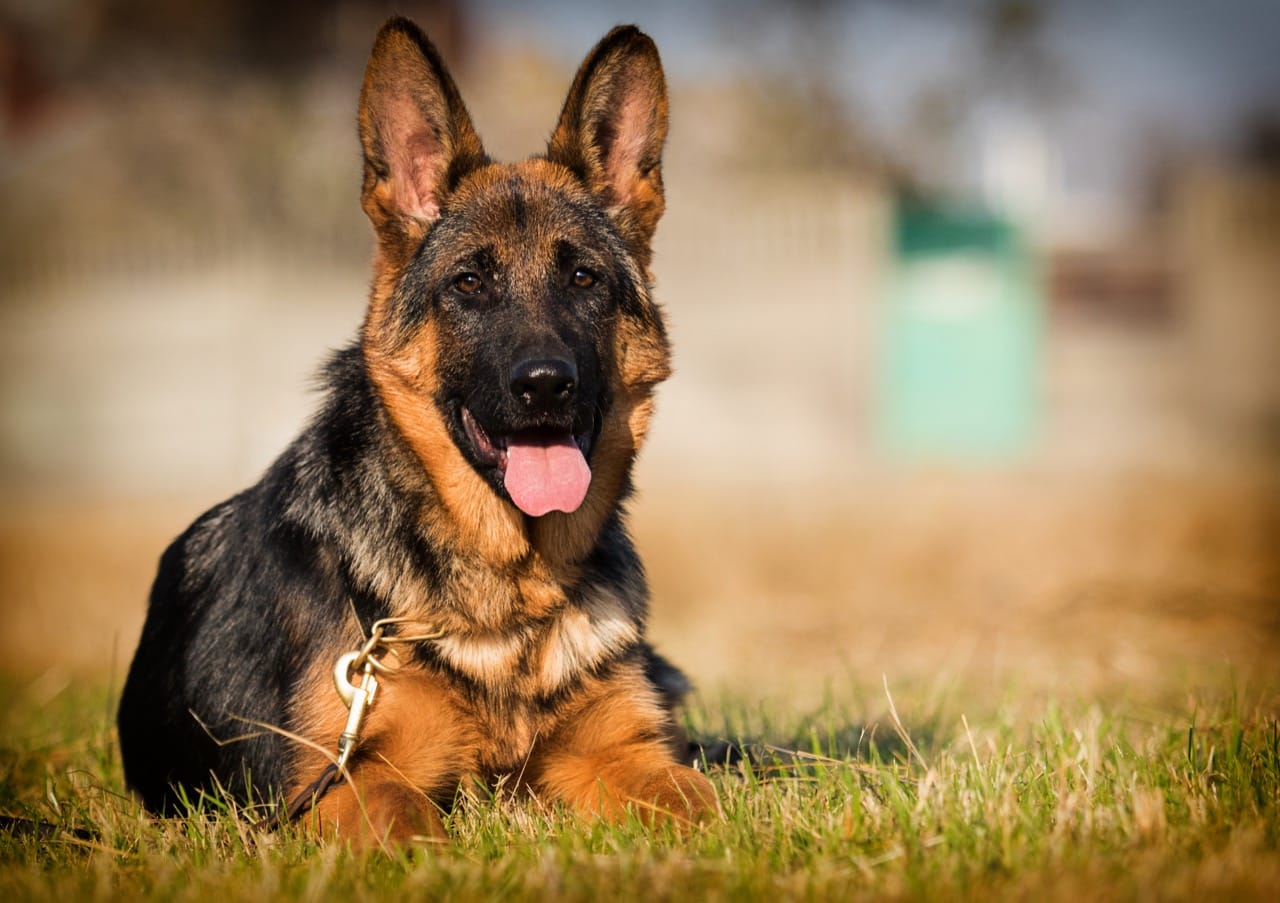
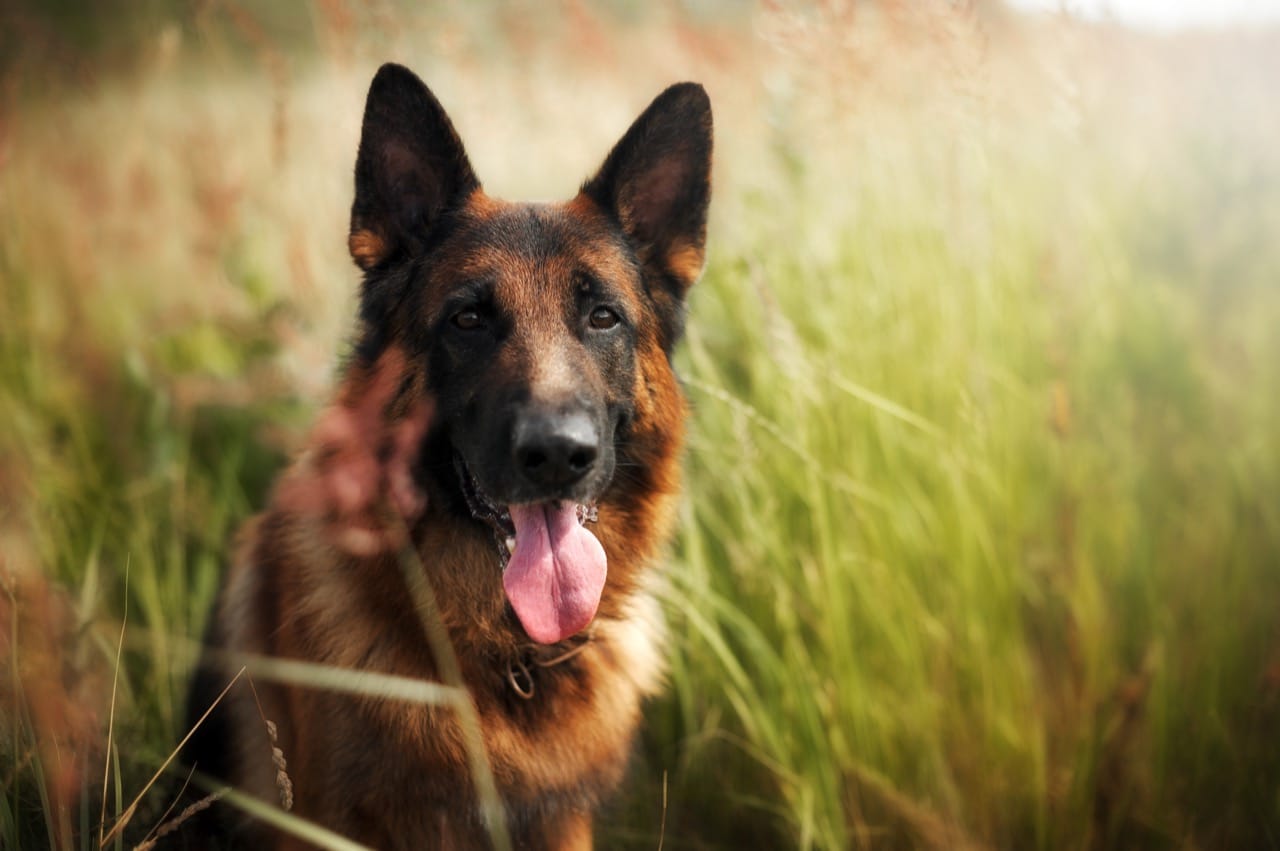
The head is another hallmark. It is wedge shaped when viewed from above, with a muzzle that is strong and proportionate rather than short or fine. The ears are large, open, and carried upright when the dog is alert, set high enough to frame the expression. Puppies may have ears that tip or fold during teething, so ear carriage is not always a reliable clue in young dogs. The eyes are typically medium sized and almond shaped, giving an attentive, steady look. A round, prominent eye can change the expression and may hint at a different breed mix.
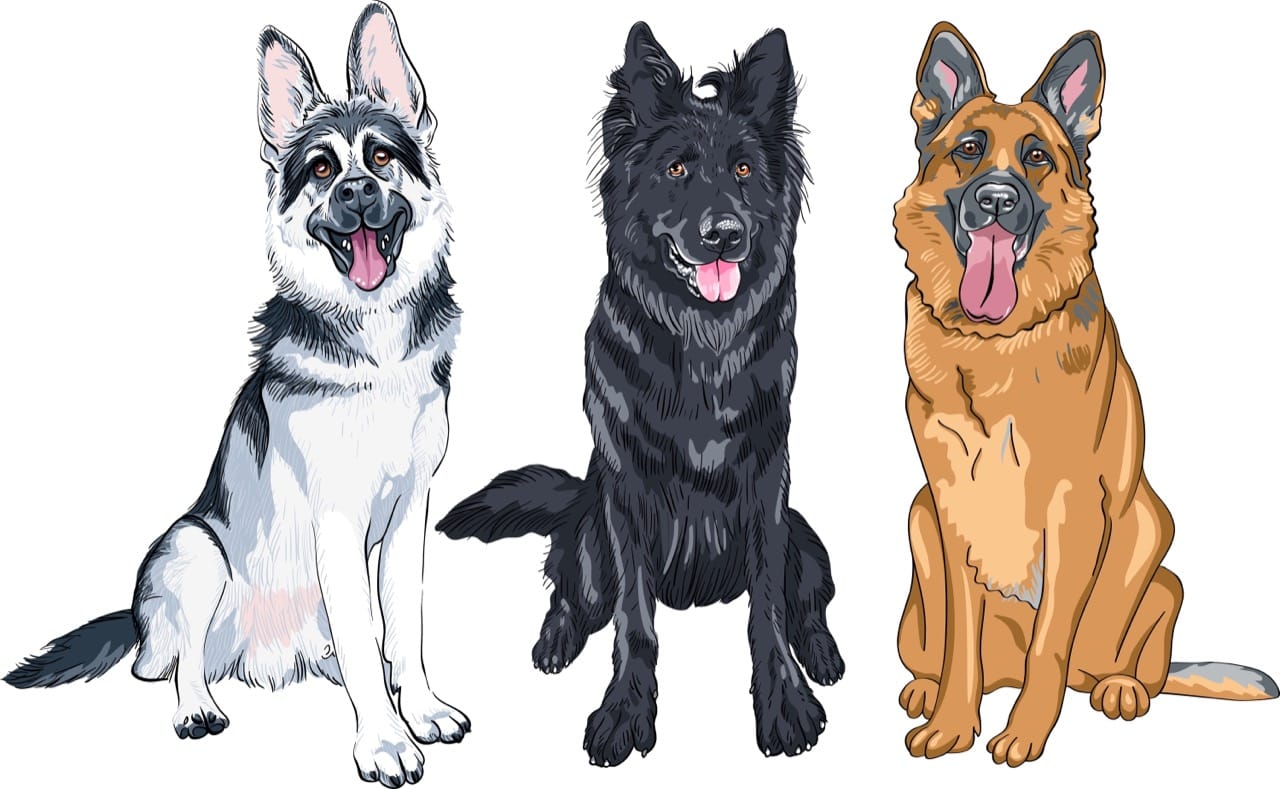
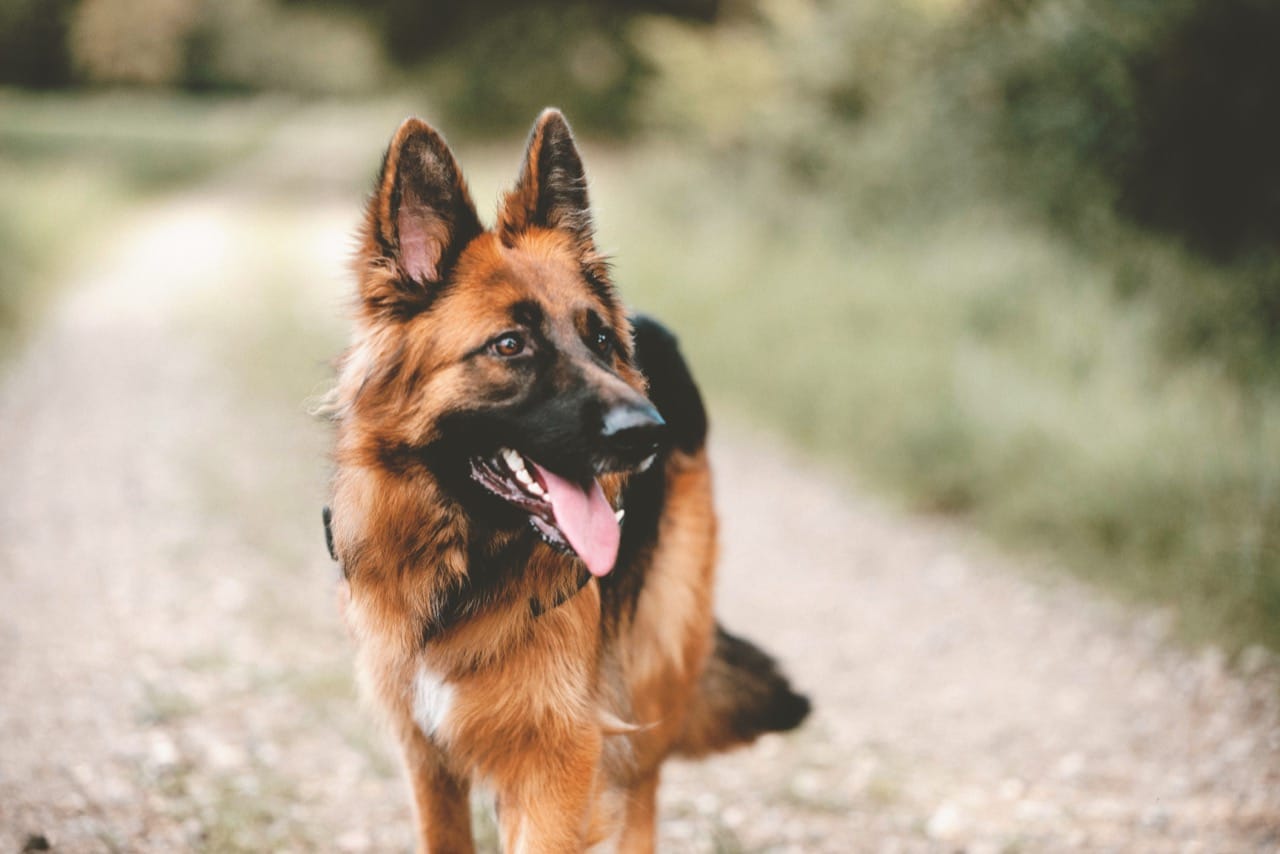
Coat is a major source of quiz worthy facts because the breed is famously double coated. A double coat means two layers: a dense undercoat that insulates and a harsher outer coat that helps shed dirt and moisture. This is why German Shepherds tend to shed heavily, often year round with seasonal blowouts. The standard coat is medium length, lying close to the body with slightly longer hair around the neck and back of the legs. Long coated German Shepherds exist, and the FCI recognizes them as a coat variety while the AKC lists a too long outer coat as a fault. The longer feathering can make them resemble other long haired herding breeds at first glance.
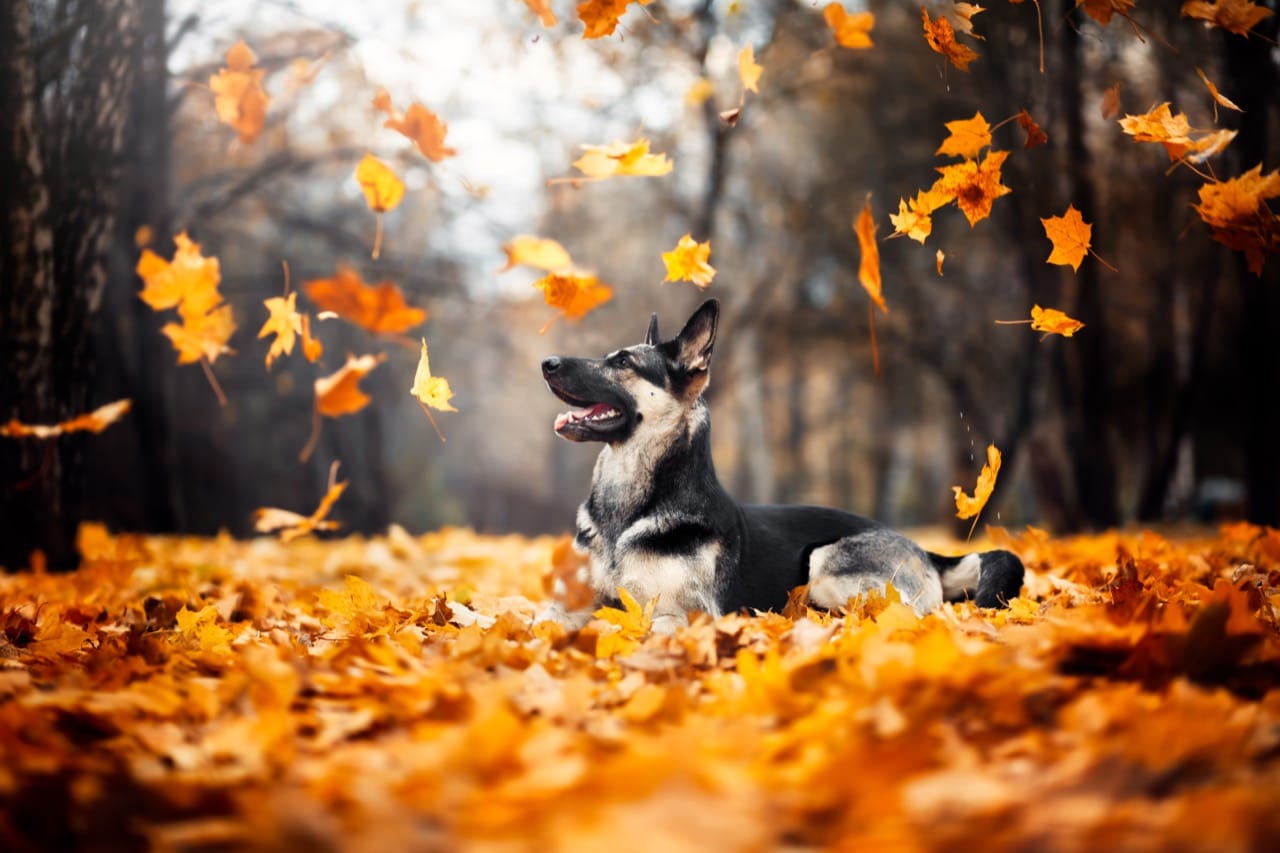
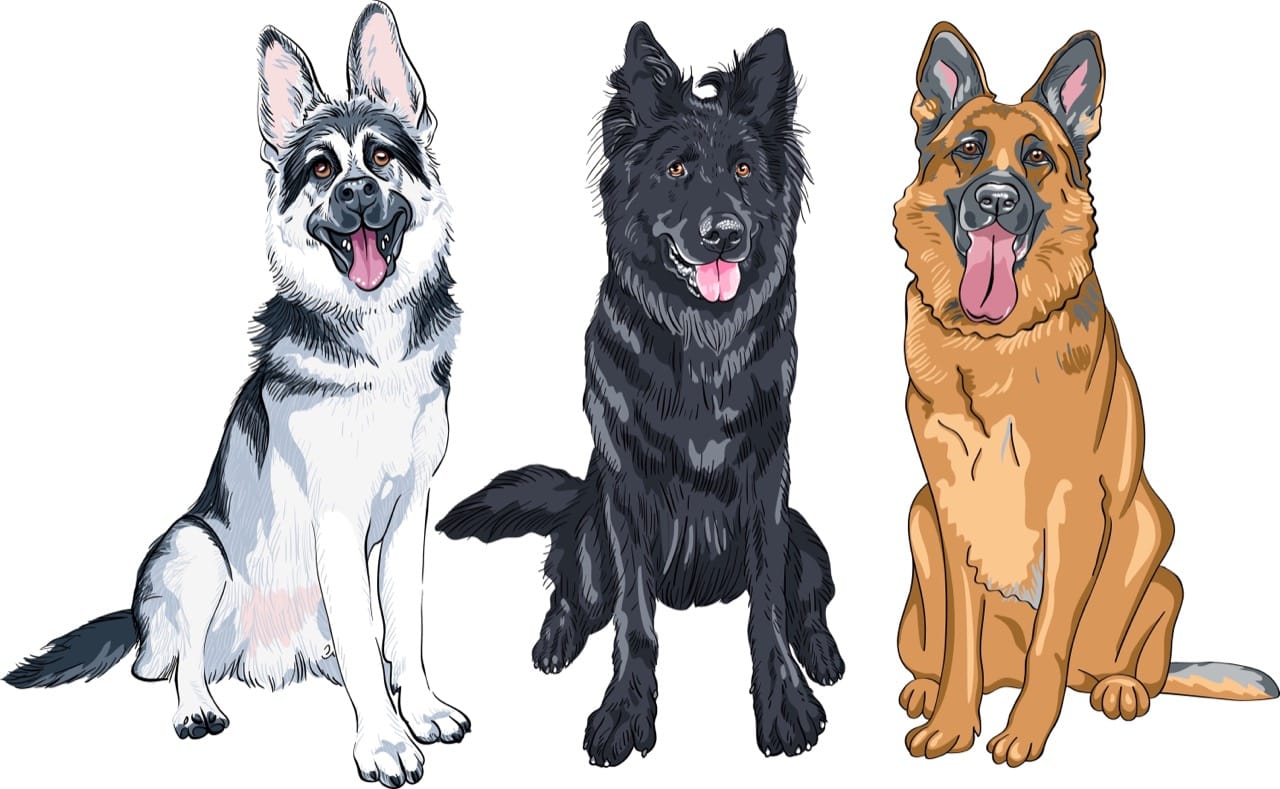
Color patterns are where many people think they know the answer until they see a tricky example. The familiar black and tan saddle pattern shows a darker area over the back like a saddle, with tan on the legs, chest, and face. A blanket pattern is darker over more of the body, sometimes extending down the sides, making the dog look more heavily marked. Sable is another classic German Shepherd color, where each hair can be banded with light and dark, producing a shaded, wolf like effect that can change with the seasons. Solid black also occurs, and bi color dogs can appear mostly black with limited tan points. What matters is that the pigment tends to be rich and the overall look remains consistent with the breed type.
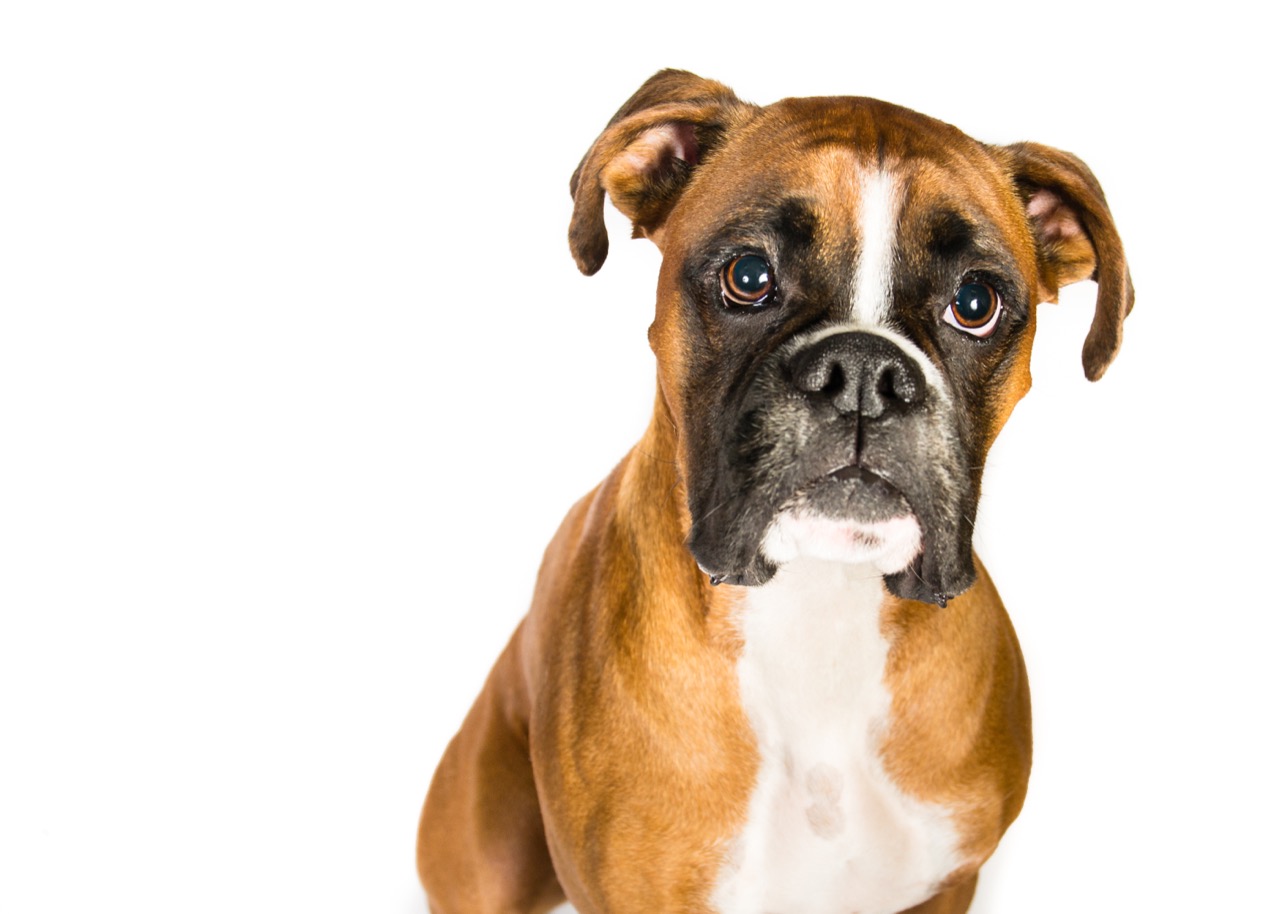
Comparing the German Shepherd to Malinois type dogs highlights subtle but useful differences. Malinois are often more square in outline, with a finer, lighter bone structure and a shorter coat that lies very tight. Their heads can look more refined, and their overall impression is often sharper and more angular. German Shepherds typically appear a bit more substantial, with a thicker double coat and a different set to the body that emphasizes endurance trotting.
If you want to get good at spotting a true German Shepherd, train your eye to look beyond a single feature like ear shape or color. The breed is defined by a combination of traits: a balanced, slightly elongated body, a strong wedge shaped head, upright ears, a functional topline, and a double coat built for weather and work. When those pieces come together, the silhouette tells the story before the dog even takes a step.