Crests, Socks and Plumes: The Chinese Crested
Quiz Complete!
Recognizing the Chinese Crested by Eye: Coat Types, Furnishings, and the True Crested Silhouette
The Chinese Crested has a reputation for looking like a different dog from one grooming appointment to the next, and that is not an illusion. More than many toy breeds, its appearance is shaped by coat variety, hair placement, and presentation. Yet beneath the styling, there are consistent features that help you identify a true Crested anywhere in the world.
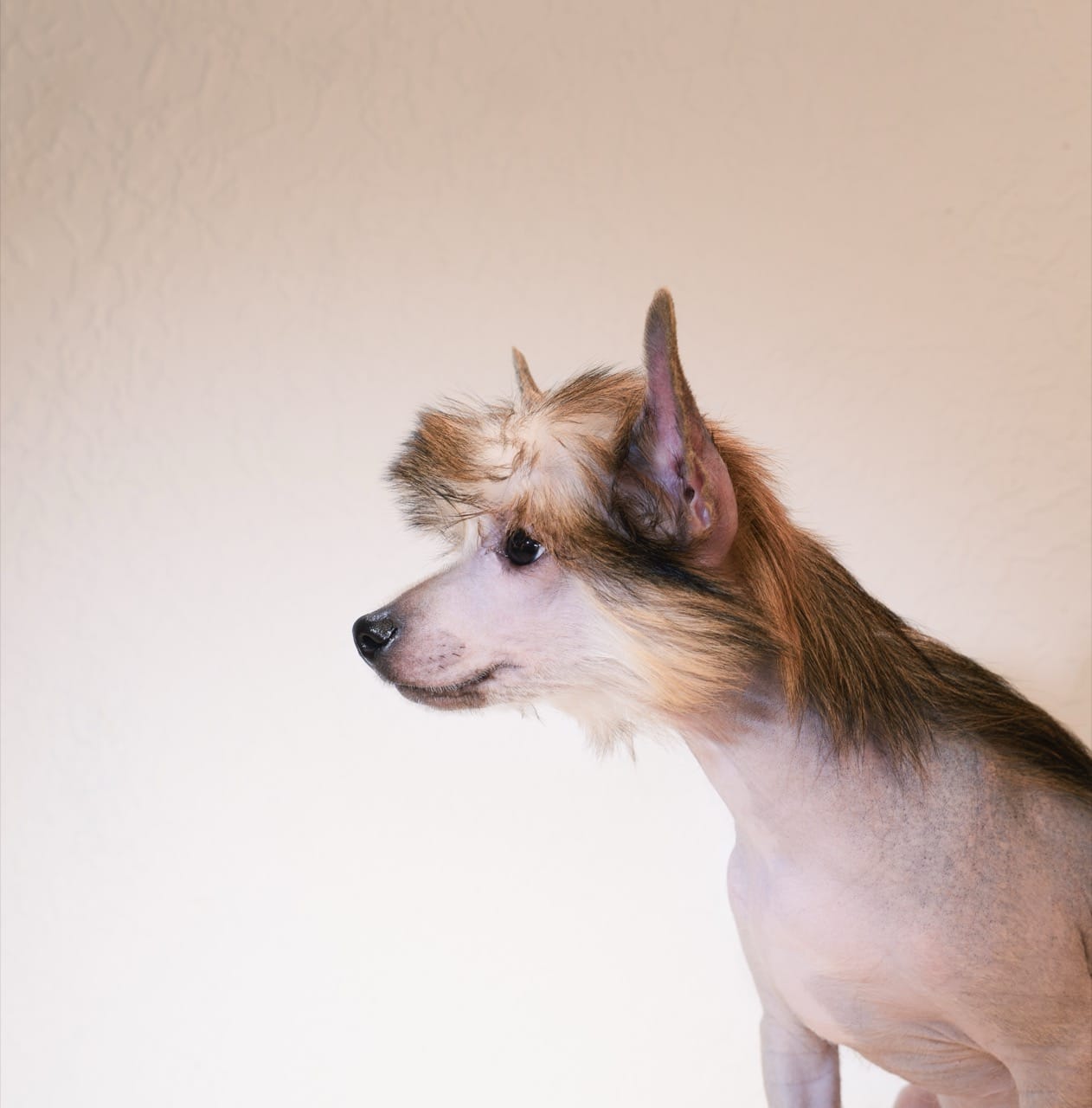
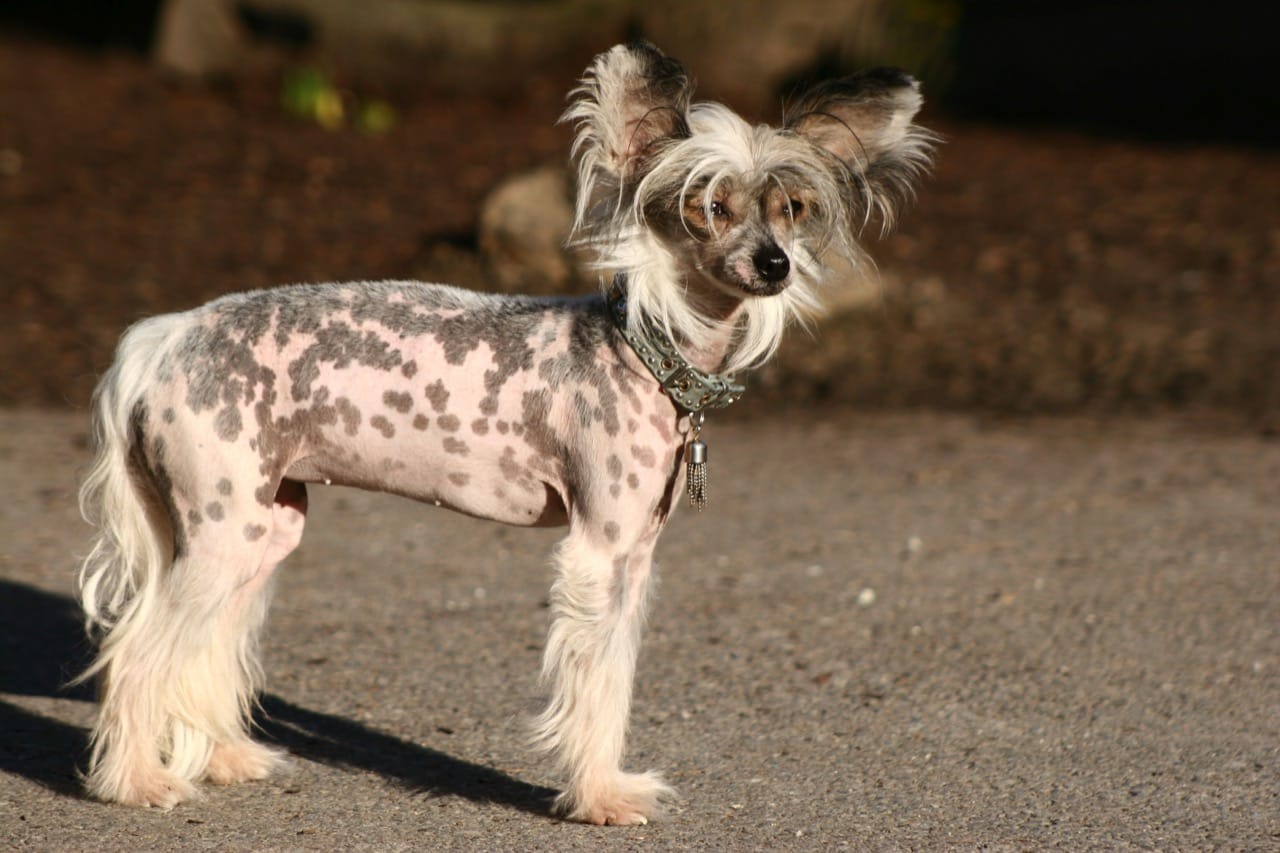
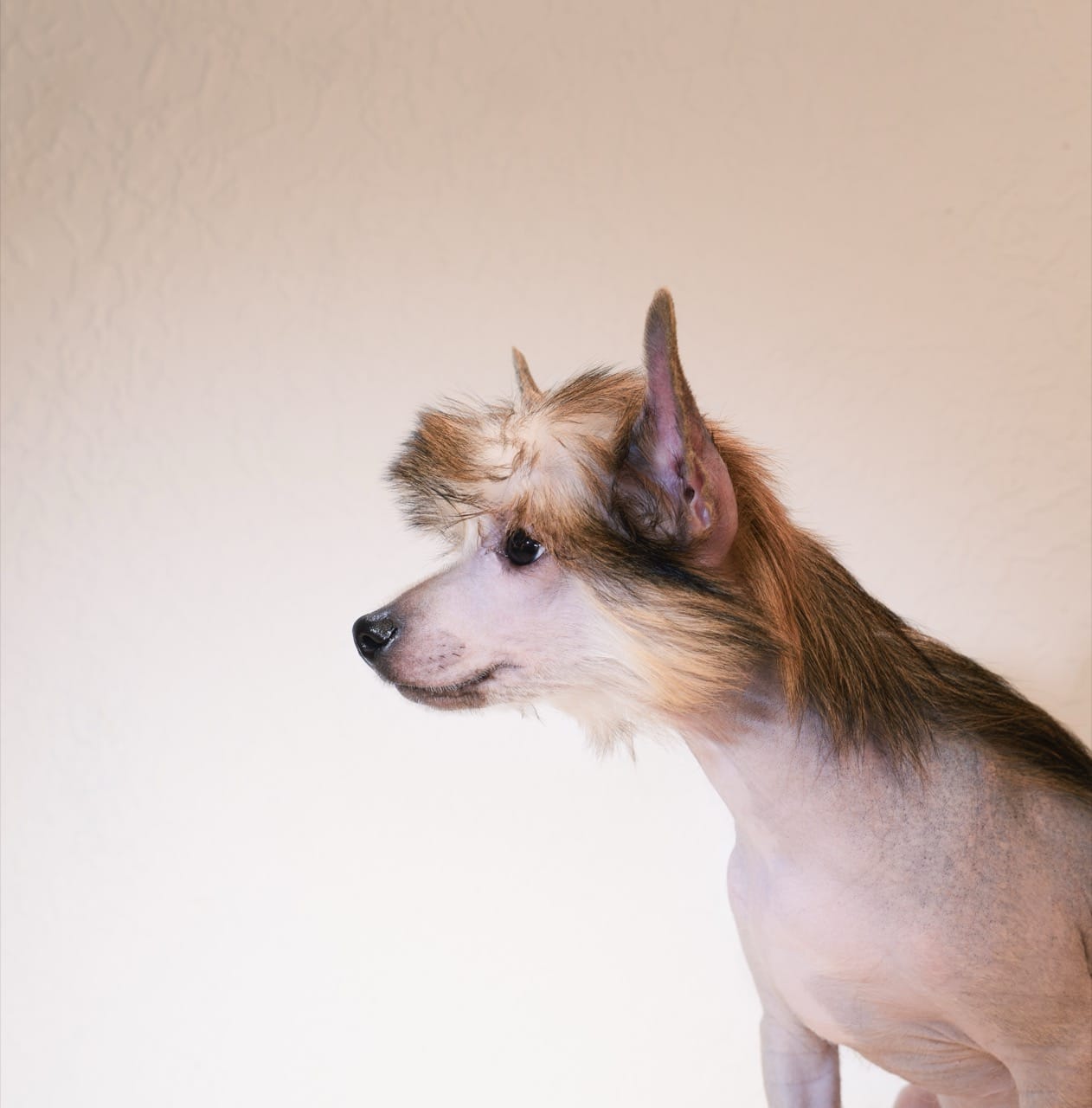
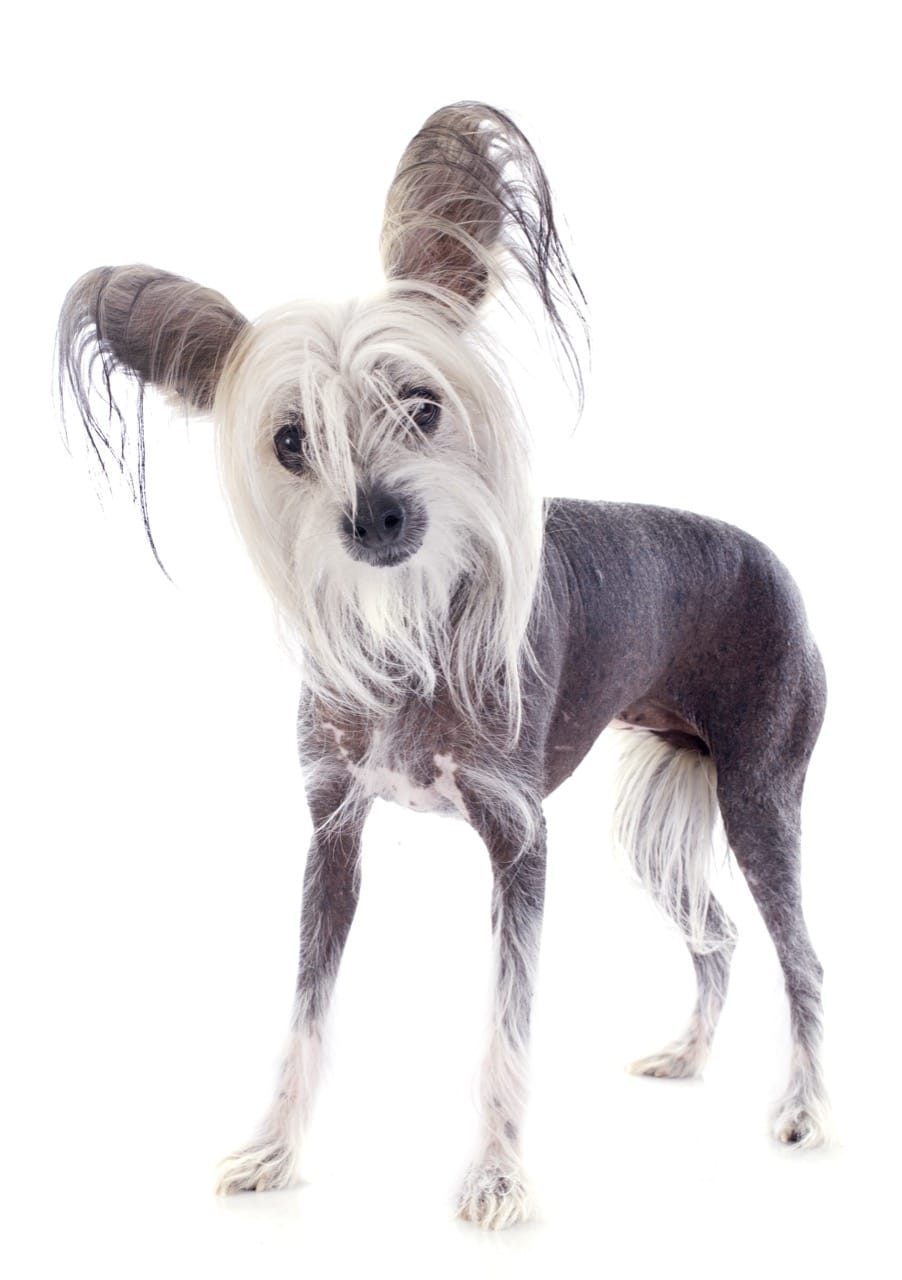
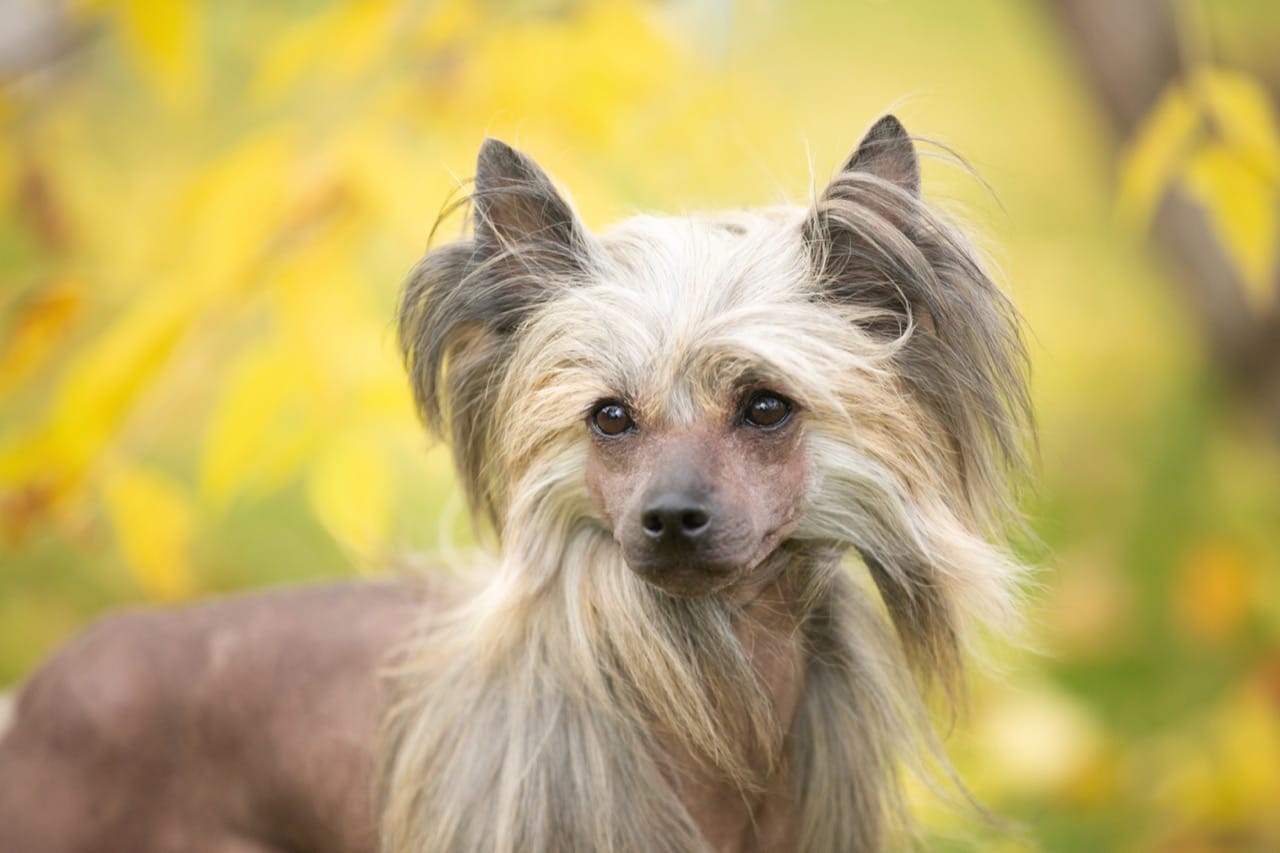
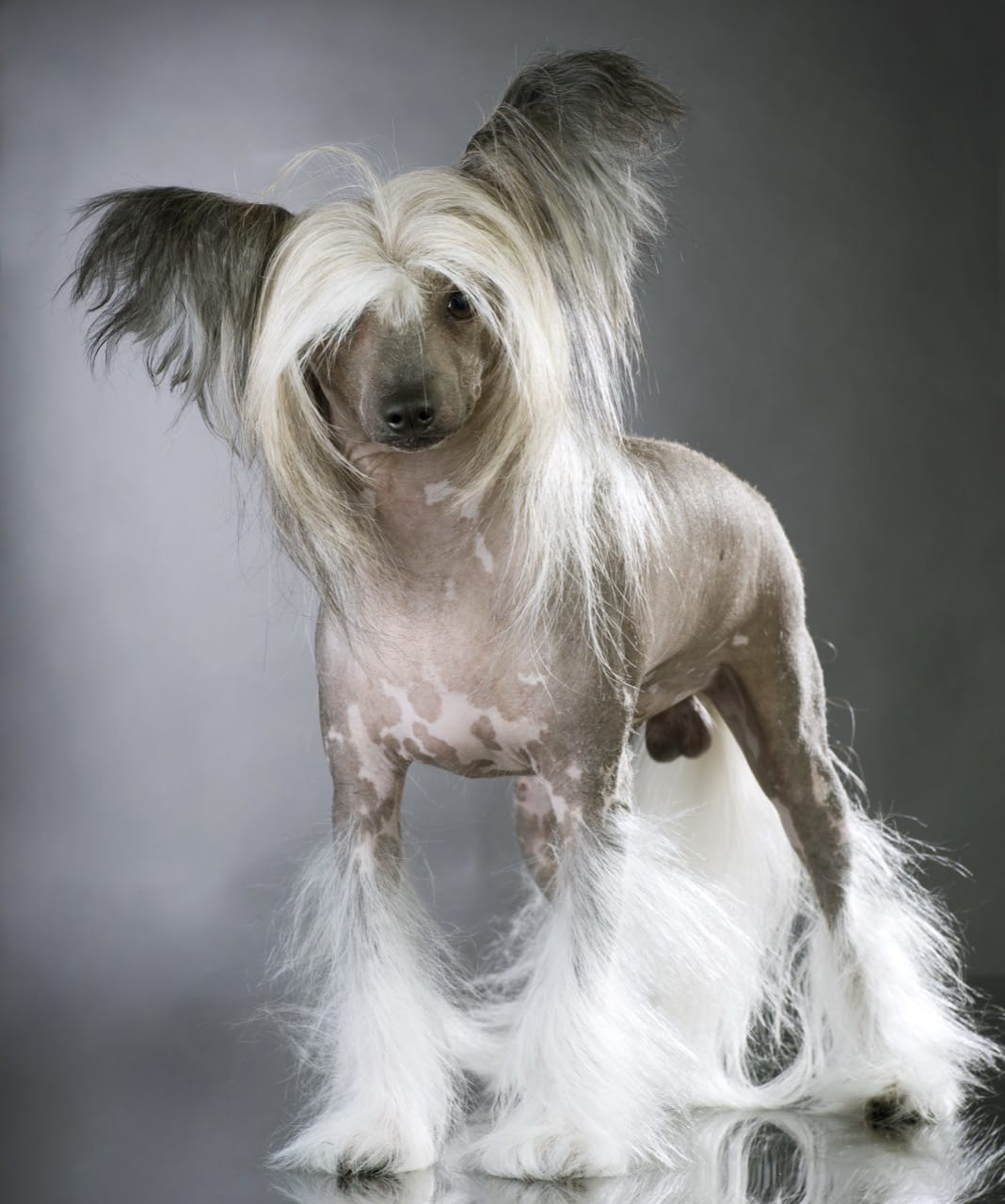
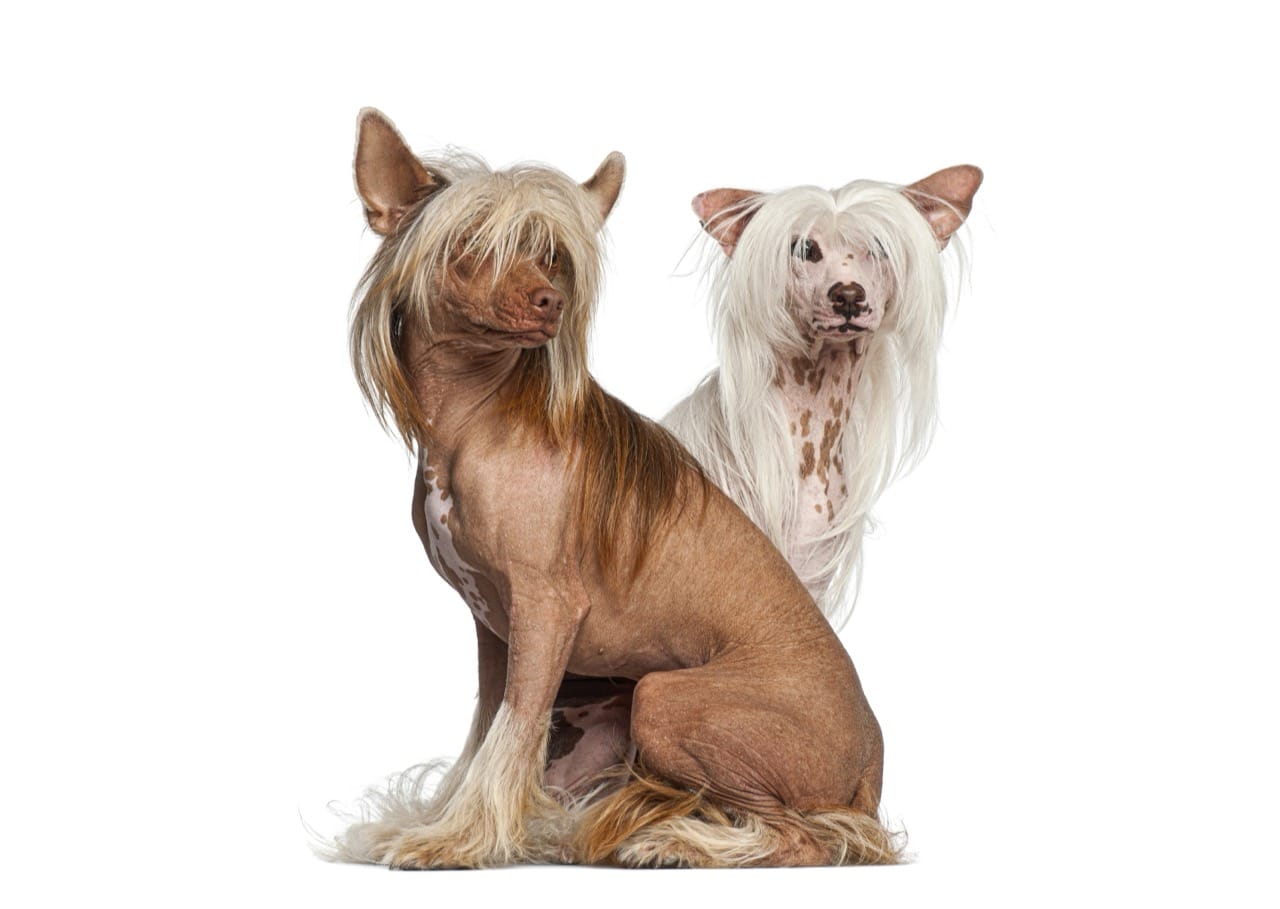
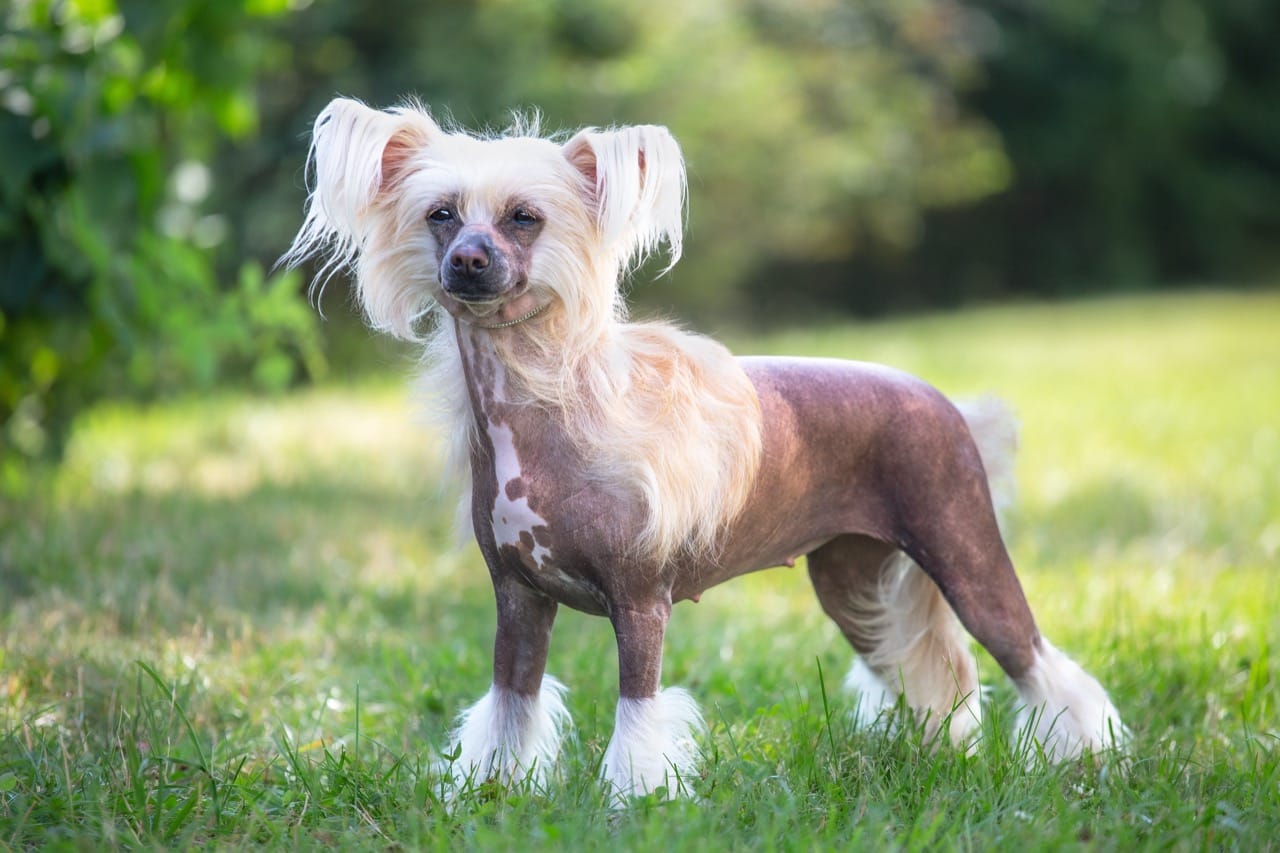
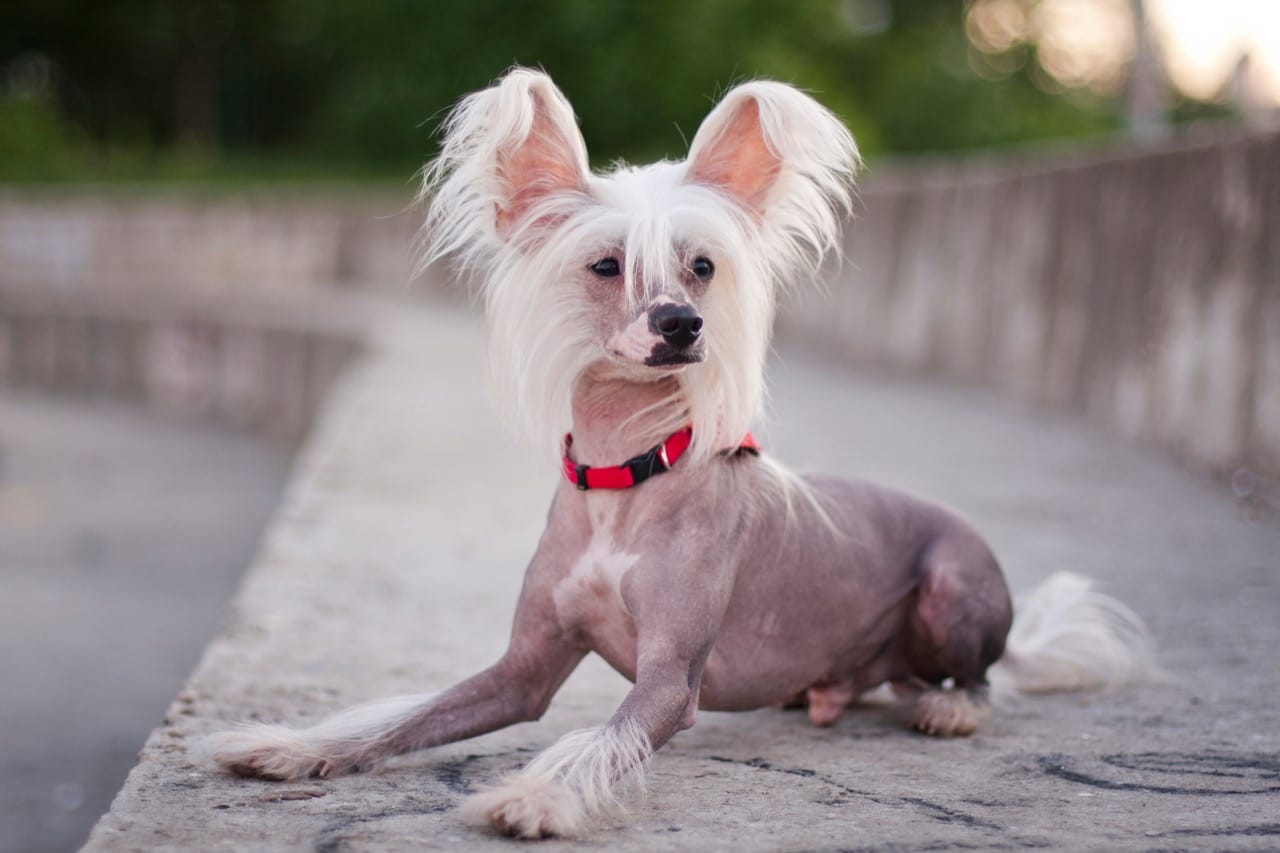
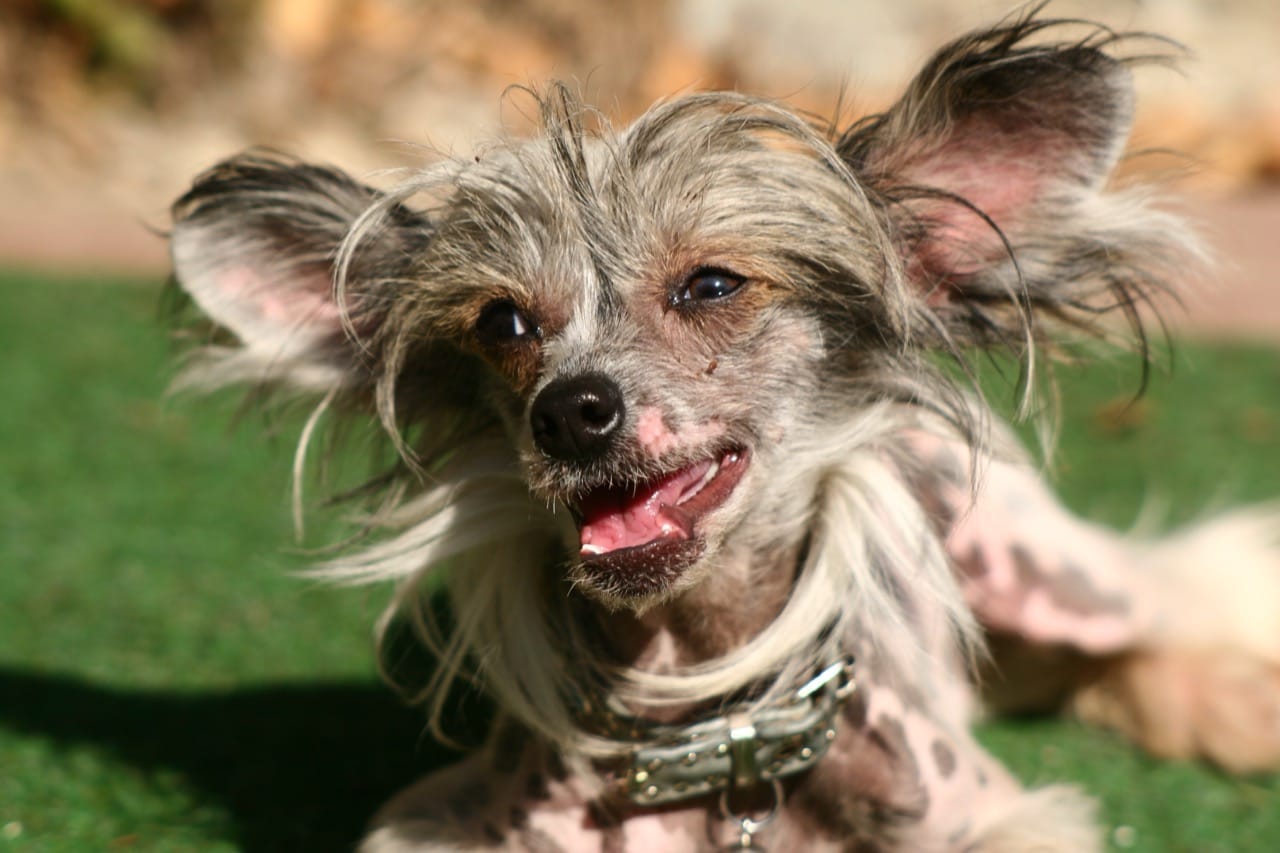
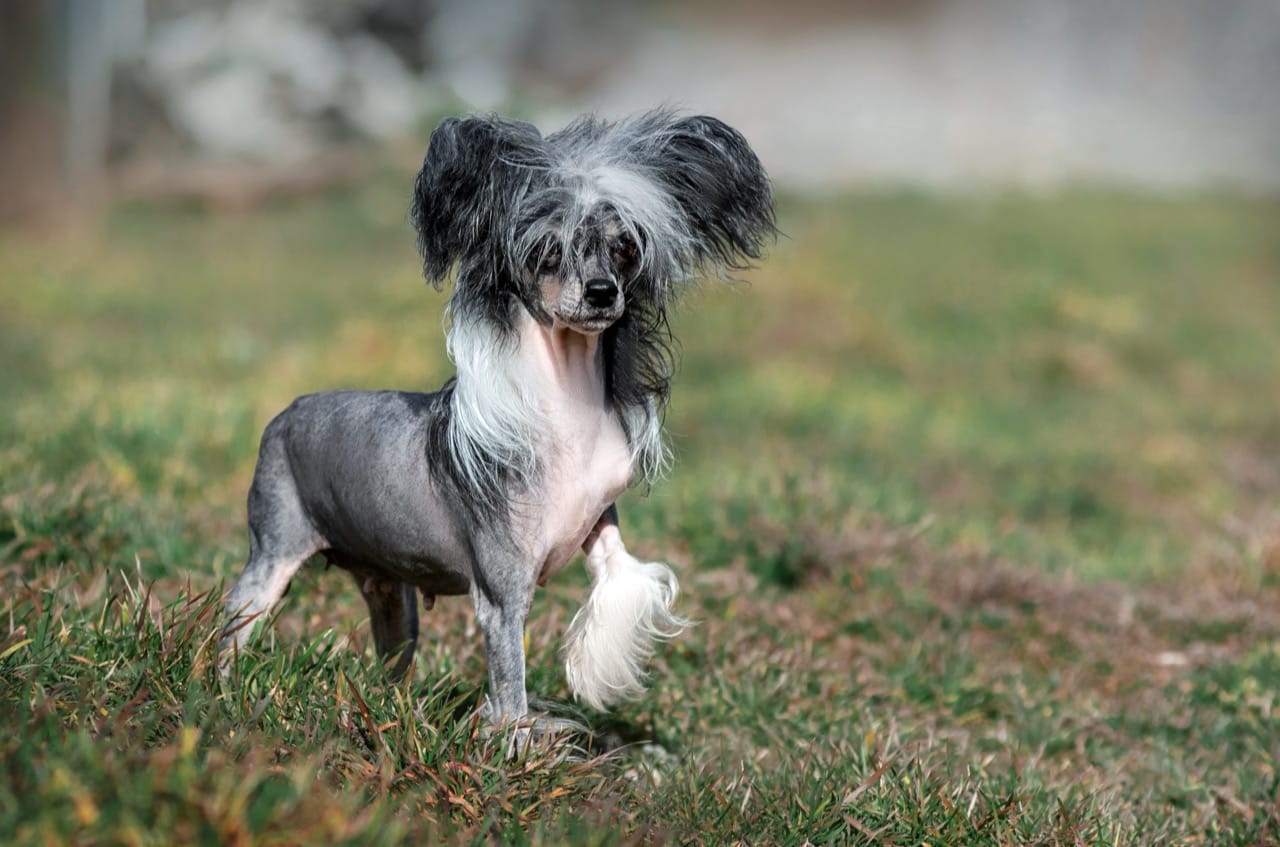
The first key is that the breed comes in two coat varieties: Hairless and Powderpuff. Hairless does not mean completely bald. A Hairless Chinese Crested typically has soft hair in specific areas called furnishings. These are most often seen as a crest on the head, hair on the feet that can look like little socks, and a plume on the tail. Grooming can exaggerate or minimize these points, but the pattern itself is a hallmark. The skin on a Hairless Crested is meant to be soft and smooth, and it may show freckles, spots, or mottled pigmentation. Because hair is sparse, skin color and pattern become part of the dog’s visible “coat,” and it is normal to see dramatic contrasts or seasonal changes in tone from sun exposure.
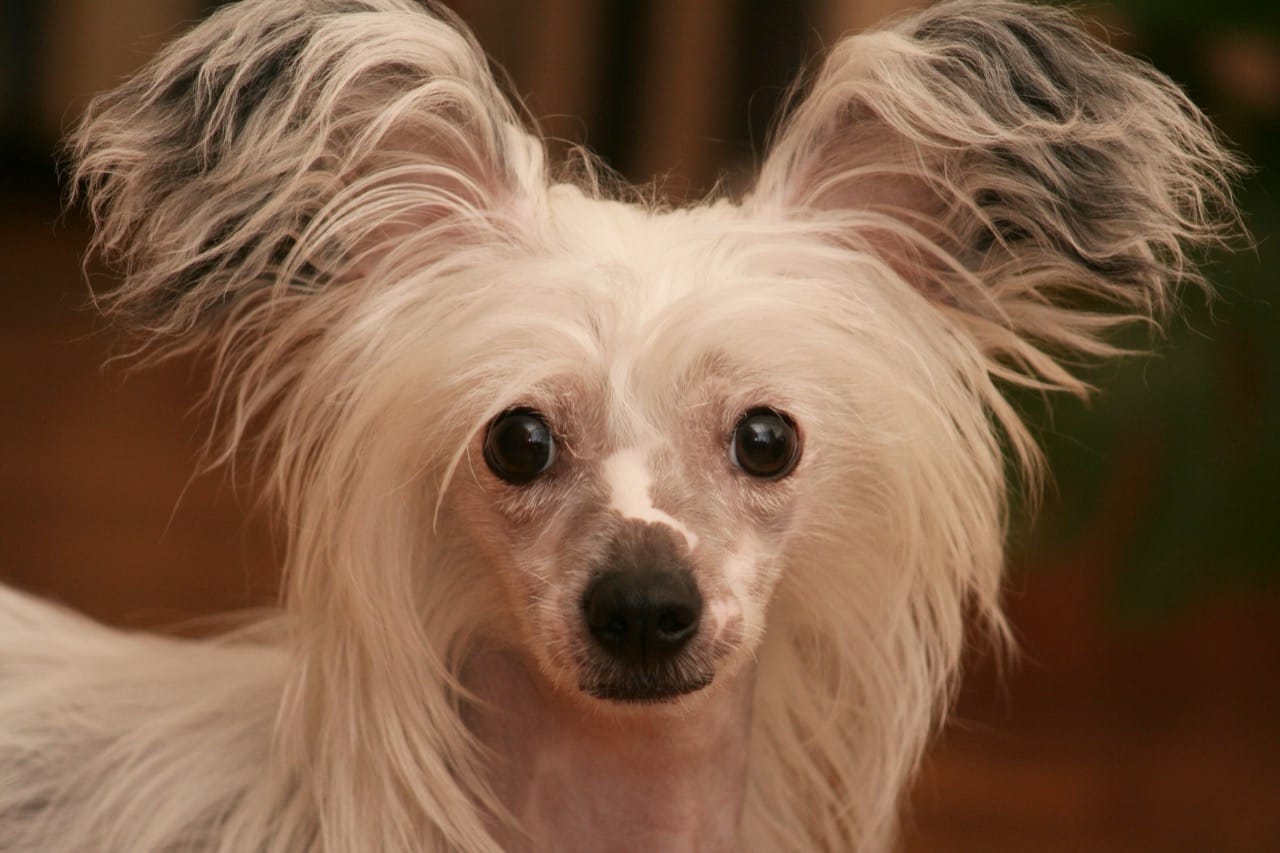
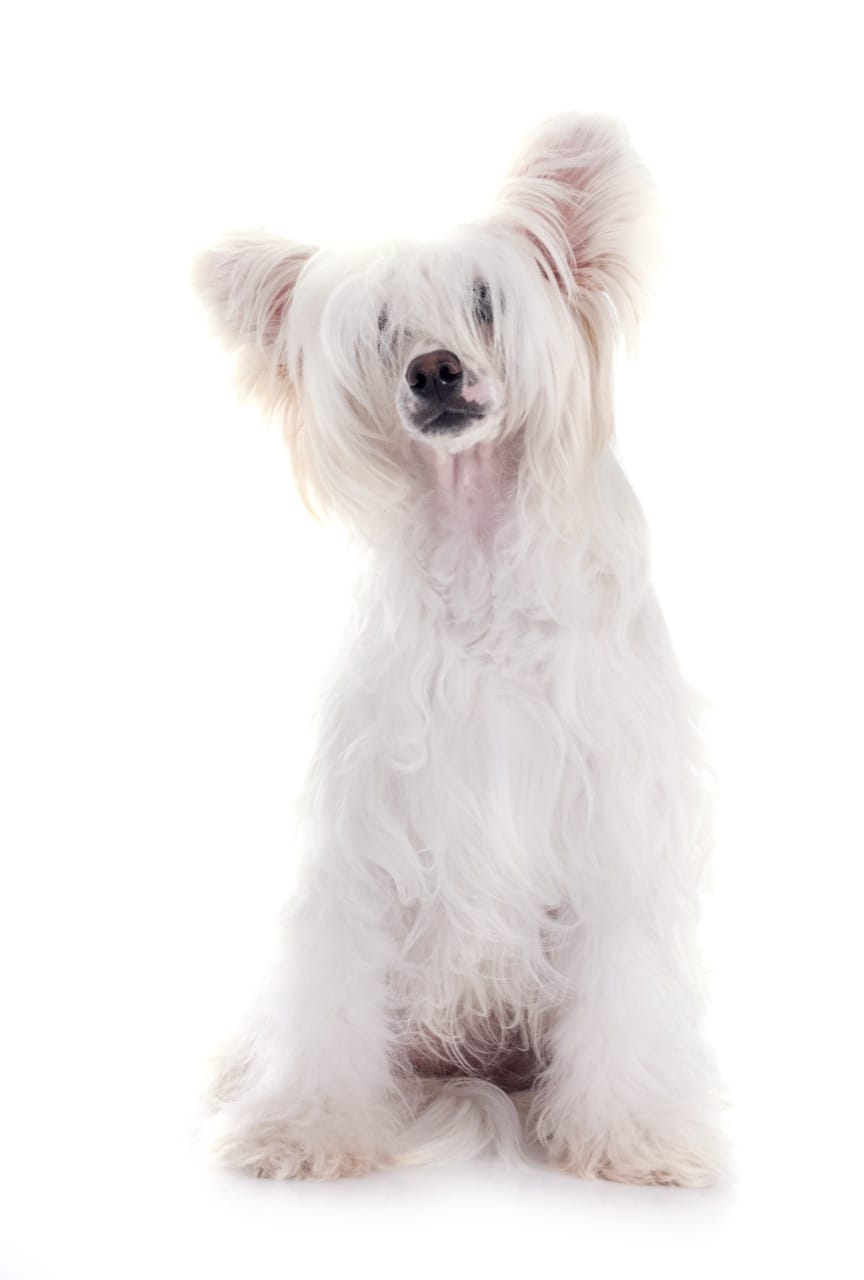
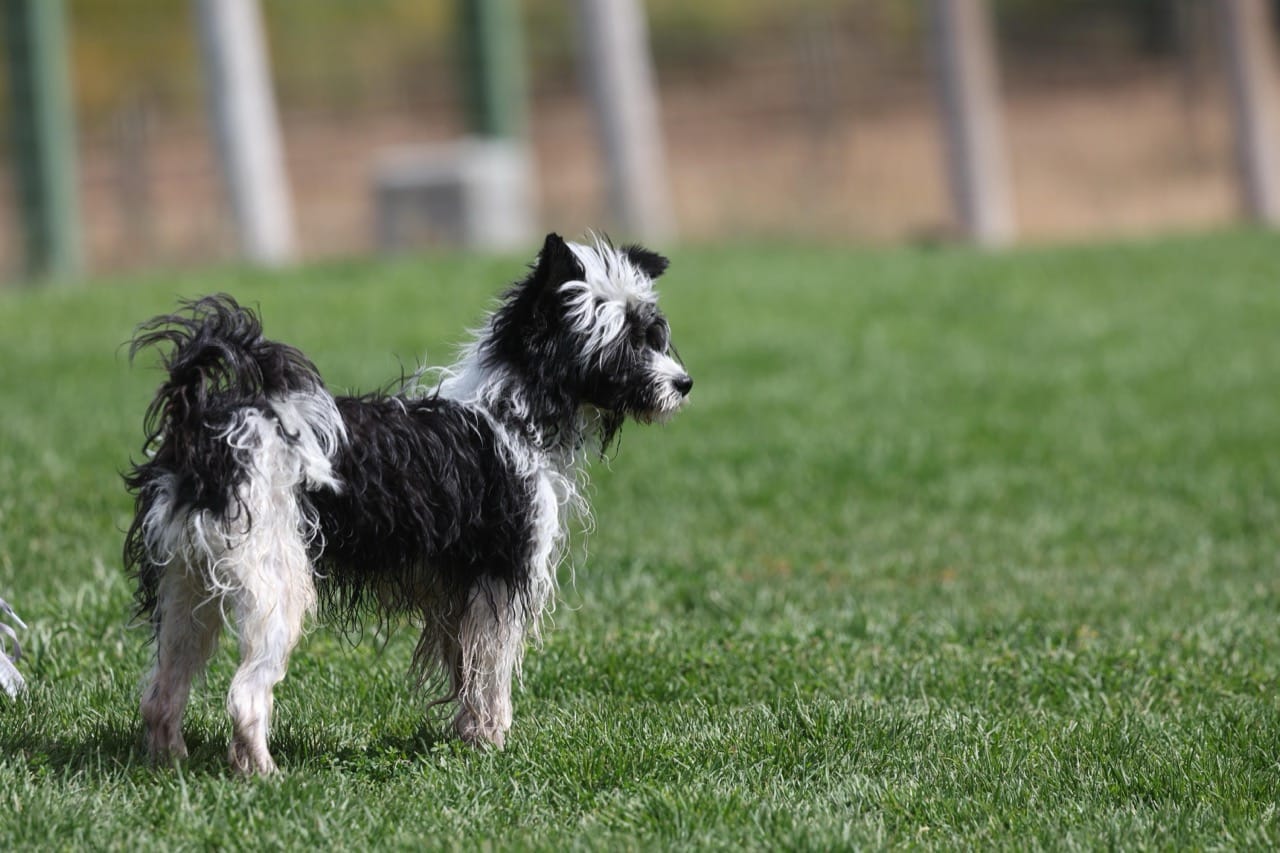
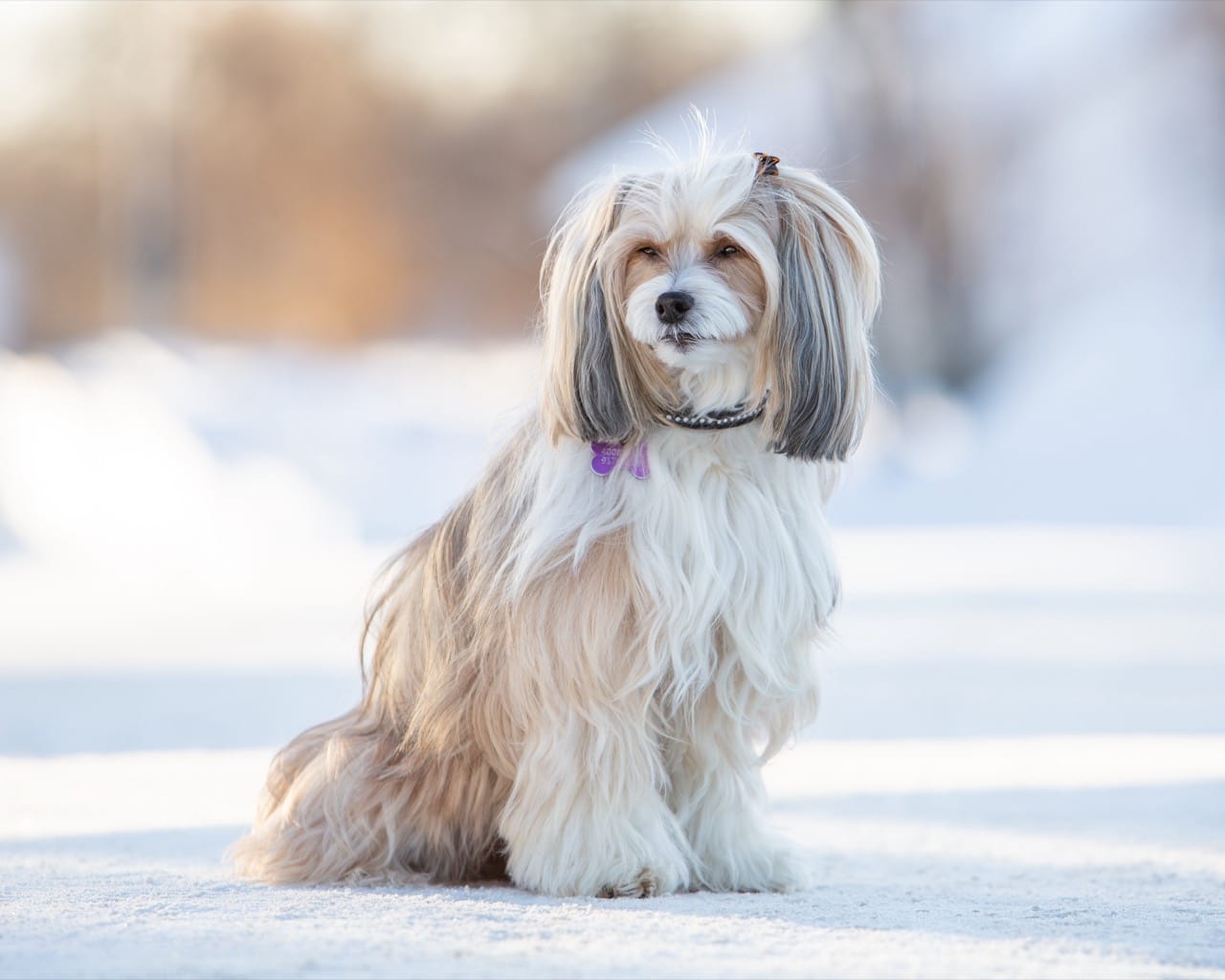
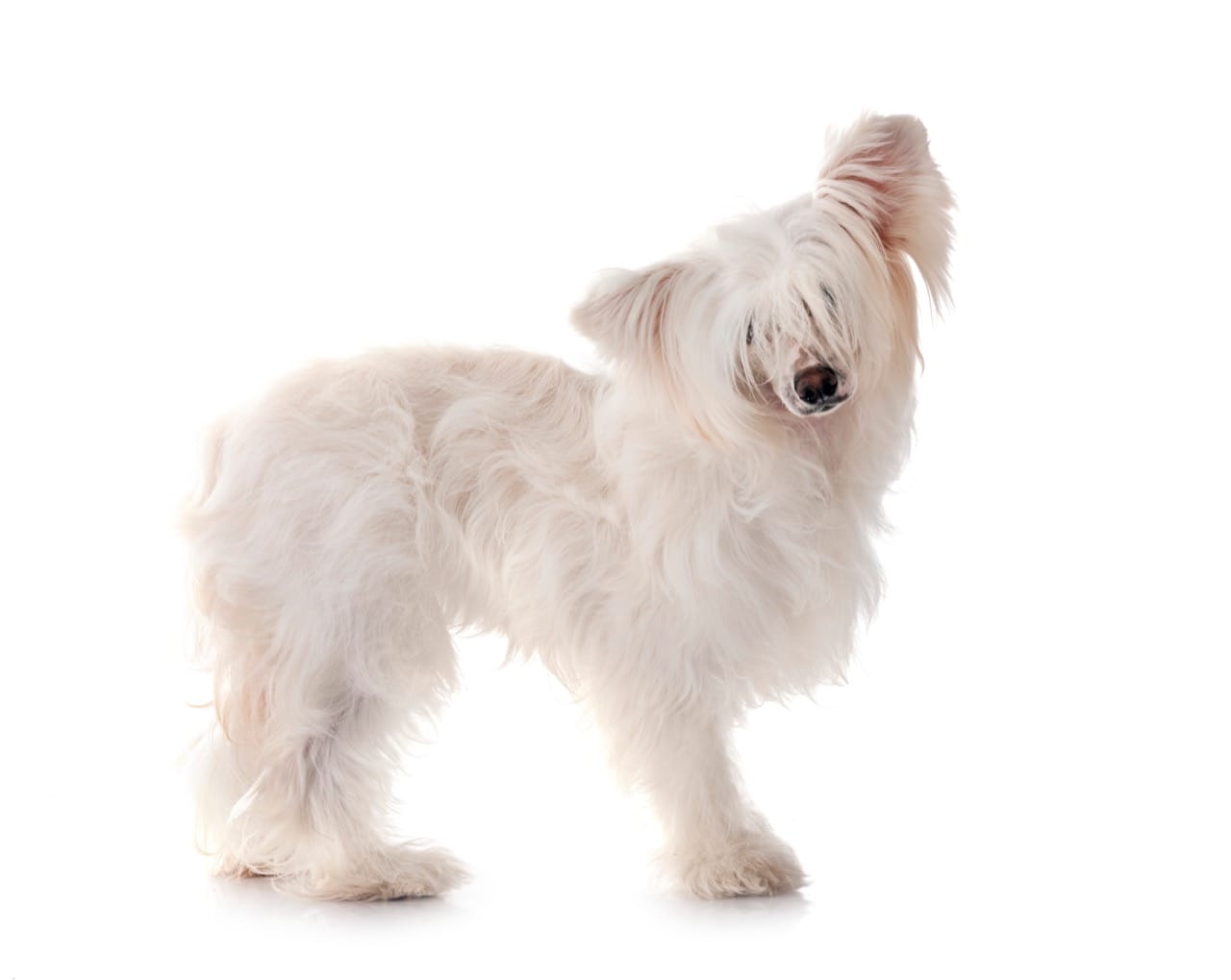
Powderpuff Cresteds, by contrast, are fully coated with a soft, fine, double coat. The texture is often described as veil-like: straight, light, and flowing rather than harsh or wiry. When well groomed, a Powderpuff can look like a small, elegant companion dog with a long, silky outline. When left more natural, the coat can appear fluffy and airy. Importantly, both varieties can be born in the same litter, which surprises people who assume hairless is a separate breed. If you see two dogs that share the same head shape, expression, and overall build but one is coated and one is mostly bare with furnishings, you may be looking at two versions of the Chinese Crested.
Color is another area where the breed can seem endlessly variable. The AKC standard accepts any color or combination, while the FCI standard excludes merle. In Hairless dogs, you may notice skin pigmentation more than hair color, and the furnishings can be a different shade from the body. In Powderpuffs, the coat can be solid, parti-colored, or marked, and it is common to see a range of creams, blacks, chocolates, blues, and mixed patterns. Rather than expecting one “signature” color, it is more reliable to focus on silhouette and texture.
That silhouette is fine-boned, lightly built, and distinctly toy-sized, with a graceful, slightly elongated look. The FCI standard also describes a heavier “Cobby” type alongside the racy “Deer” type. The head is wedge-shaped with a refined muzzle, and the expression is alert and lively. Ears are a strong clue: in Hairless Cresteds, the ears are often large and upright, contributing to the breed’s bright, attentive look. The AKC standard asks for erect ears, but the FCI standard permits drop ears in Powderpuffs, so ear carriage alone is not a perfect test, but big, expressive ears are common.
The tail is also telling. A Crested tail is set on to flow naturally, and on Hairless dogs it carries a plume of hair toward the end, like a feather duster. Powderpuffs have hair along the tail consistent with the rest of the coat, but the tail should still look elegant rather than thick or heavily fringed in a spaniel-like way.
Lookalikes can confuse the picture, especially other hairless breeds. The Xoloitzcuintli and Peruvian Inca Orchid are generally more substantial, with a different overall build and a more primitive, athletic look. They often appear sturdier and less toy-like, and their head and body proportions tend to read as more “houndy” or “spitz-like” depending on type. Hairless terrier types, on the other hand, may have a more terrierish outline, a different head shape, and a coat texture or skin look that does not match the Crested’s characteristic furnishings pattern. The Chinese Crested’s combination of delicate frame, distinctive crest and socks in the Hairless variety, and soft veil coat in the Powderpuff variety is hard to fake when you know what to watch for.
If you want to spot a Chinese Crested across the globe, ignore dramatic grooming choices and focus on the constants: two varieties, the placement of furnishings, the smooth pigmented skin in Hairless dogs, the fine flowing double coat in Powderpuffs, and the refined, light-boned toy silhouette. Once those clues click into place, the breed’s many “different looks” start to feel like variations on a very recognizable theme.