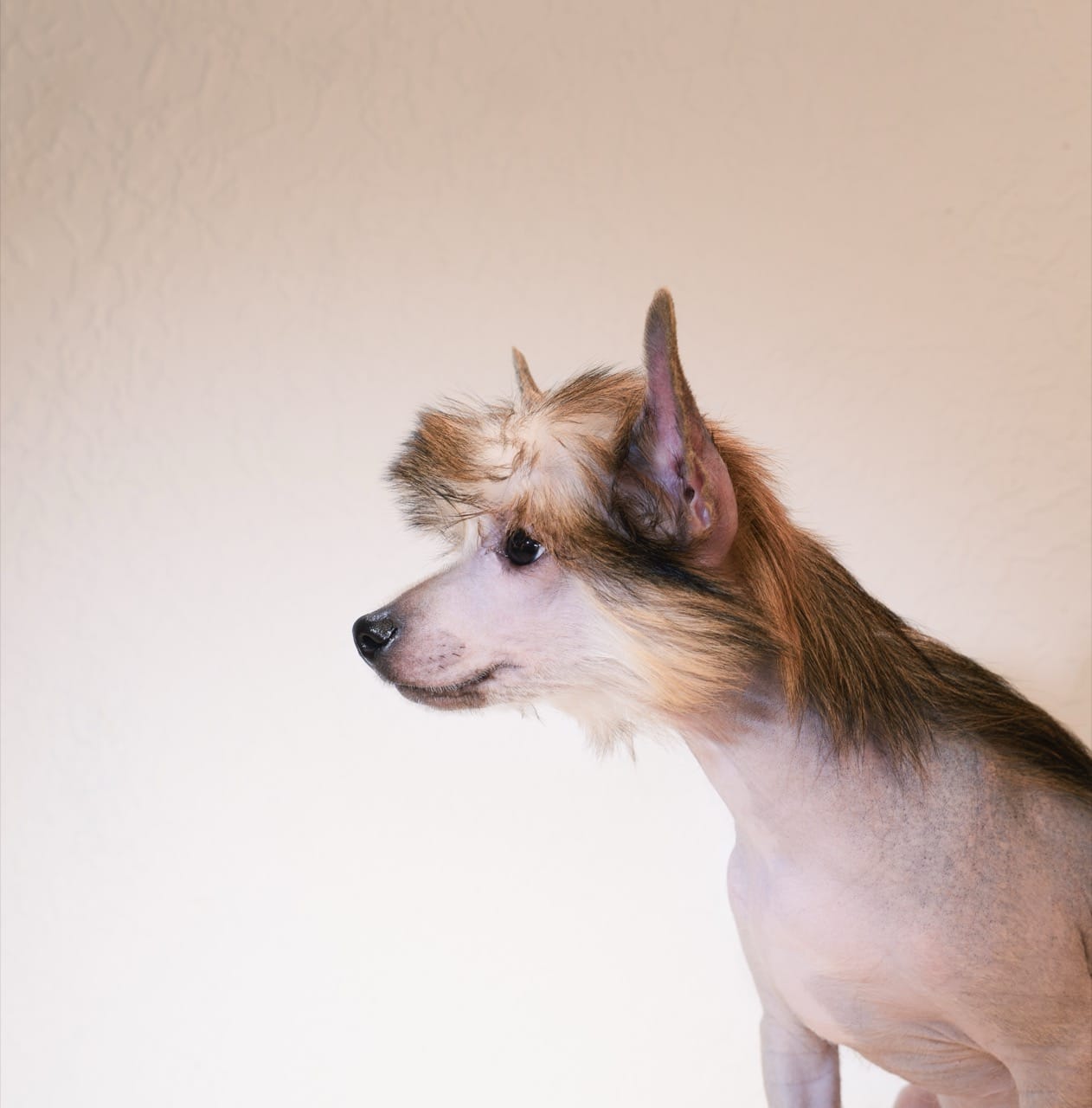
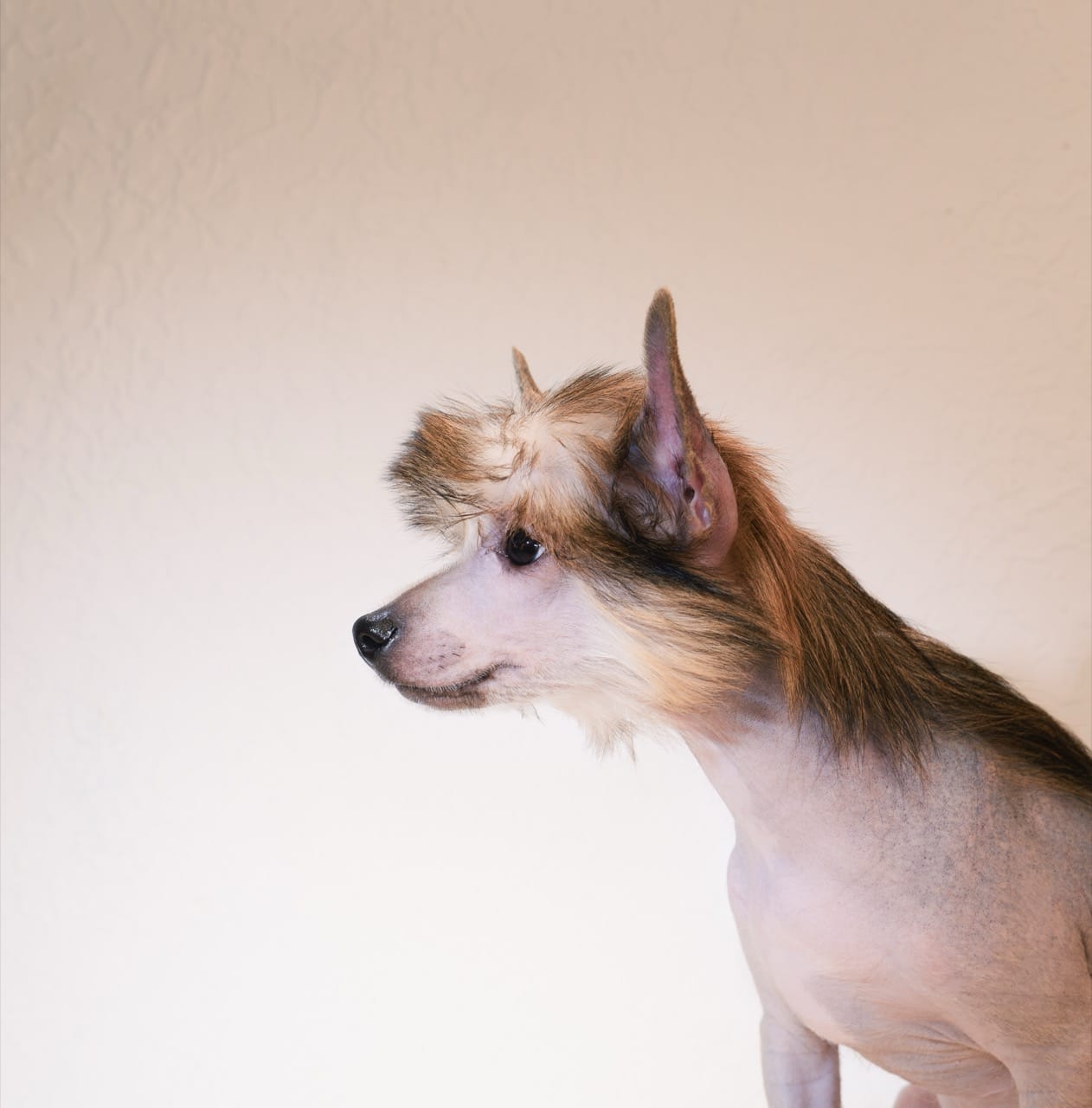
Chinese Crested, Head to Paw











Quiz Complete!
Chinese Crested Health Clues: What to Watch Beneath the Glamour

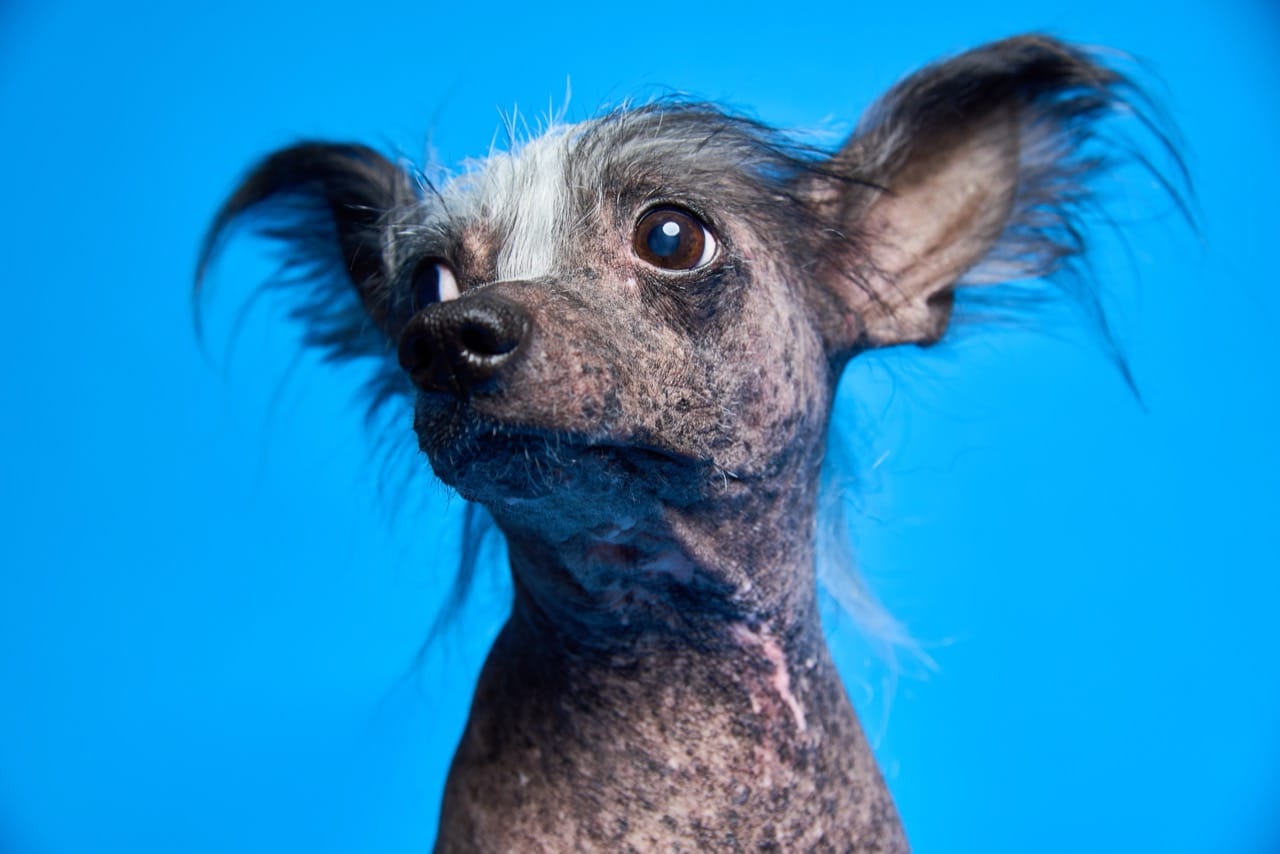
The Chinese Crested can look like a tiny supermodel: hairless skin with a crest and socks, a silky powderpuff coat, or a mix of both. That unforgettable appearance is only the starting point. What really helps a Crested thrive is an owner who notices small changes early, because several well known health risks in the breed can begin quietly and become serious before anyone realizes something is wrong.
Eye health is a big one. Chinese Cresteds have documented inherited eye diseases, including progressive retinal atrophy, which can slowly reduce vision and may not be obvious at first. Early clues can be subtle: your dog hesitates in dim hallways, startles more easily, bumps into furniture at night, or seems less confident on stairs. Cataracts can also cloud the lens and reduce sight, and primary lens luxation, reported in the breed, can make an eye suddenly painful and red, which calls for a vet right away. Regular veterinary eye exams, and asking breeders about eye testing in the parents, can make a real difference because it shifts you from reacting to a crisis to monitoring a risk.
Orthopedic issues can also show up as quirky behavior rather than clear pain. Patellar luxation, where the kneecap slips out of place, is common in small breeds and seen in Cresteds. Owners often describe a skip, a sudden hop on three legs, or a quick shake of the leg that seems to pop things back into place. Another clue is reluctance to jump onto a couch or climb stairs when the dog previously did it easily. Because Cresteds are light and agile, they may compensate well, so it is worth taking even mild limping seriously. Keeping your dog lean and fit, trimming nails for good traction, and using ramps for frequent jumping can reduce strain.
Dental care is not optional in this breed. Many Chinese Cresteds, especially hairless dogs, are prone to missing teeth and abnormal tooth shape. Fewer or oddly shaped teeth can still collect plaque, and gum disease can progress without dramatic signs until there is bad breath, drooling, pawing at the mouth, or a sudden preference for soft food. Daily brushing with dog safe toothpaste, dental checkups, and timely professional cleanings are among the most effective habits you can build. If your Crested has persistent mouth pain or a change in eating style, it is more than a nuisance; it can signal infection or tooth root problems.
Skin care is the headline issue for hairless Cresteds, but it is easy to misunderstand. Hairless does not mean maintenance free. Their skin can be prone to dryness, clogged pores, and irritation from harsh products. Sunburn is a real risk, especially on pale skin, and repeated sun damage can lead to chronic problems. The best approach is a mix of shade, protective clothing when appropriate, and a pet safe sunscreen recommended by your veterinarian. Watch for new lumps, persistent redness, scabs, or intense scratching, which can suggest allergies, parasites, or infection. Powderpuffs have their own needs: coat mats can hide skin irritation, and regular grooming helps you spot issues early.
Because Cresteds are small, changes in appetite, thirst, energy, or bathroom habits can affect them quickly. A dog that is suddenly tired, wobbly, or unusually quiet deserves prompt attention. The most useful skill for an owner is becoming a careful observer: note when signs started, what makes them better or worse, and whether they are changing over days or weeks. Pair that with preventive care, including routine exams, eye screening when advised, dental maintenance, safe exercise, and thoughtful skin protection, and you will be giving your Chinese Crested the best chance to stay healthy while looking fabulous.