Pembroke or Cardigan? Spot the Corgi


Quiz Complete!
Corgi Looks and Breed Markers: How to Spot One at a Glance
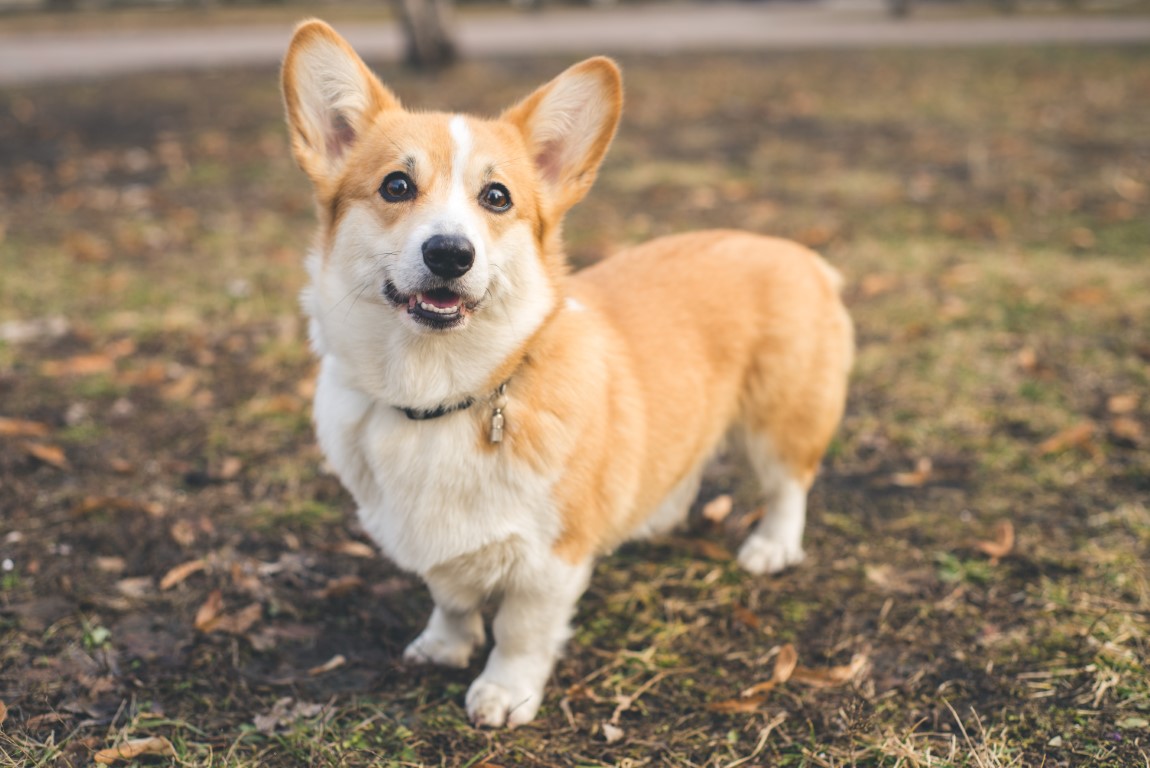
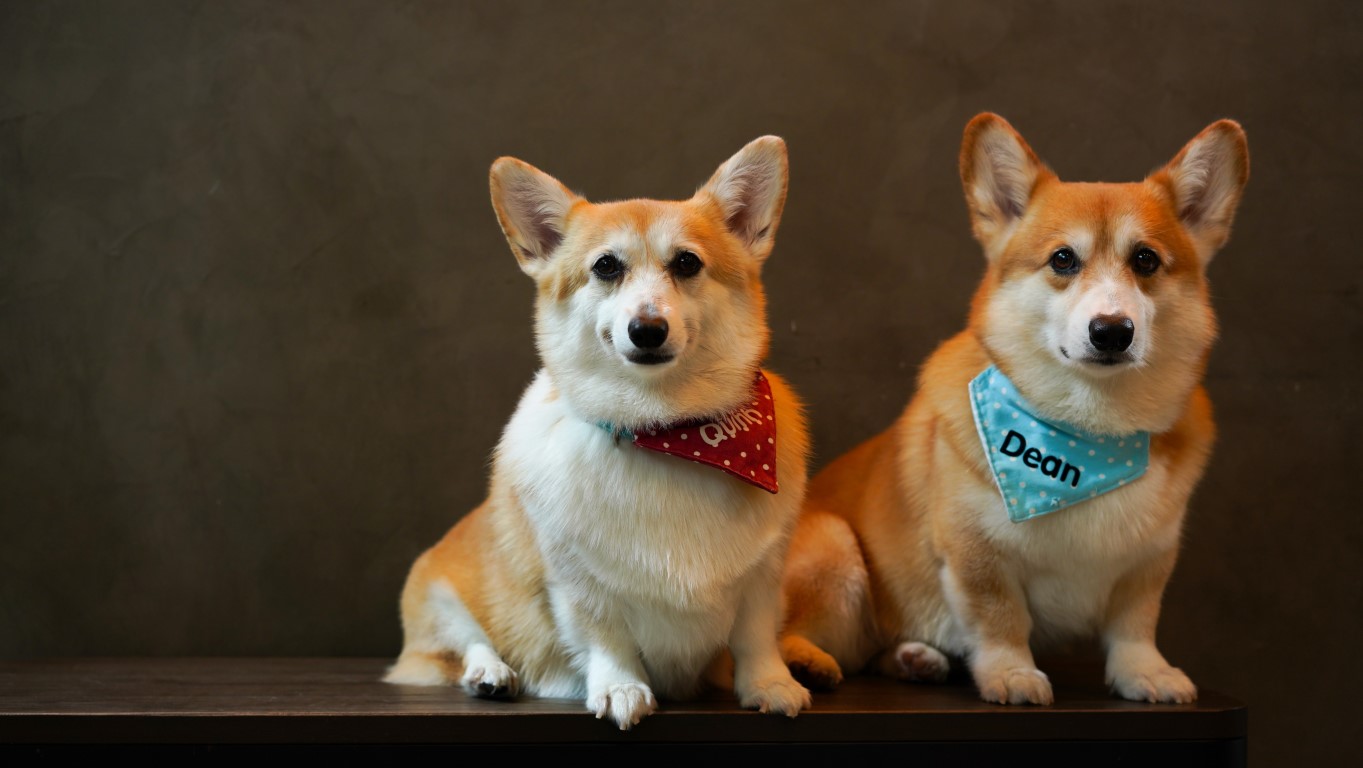
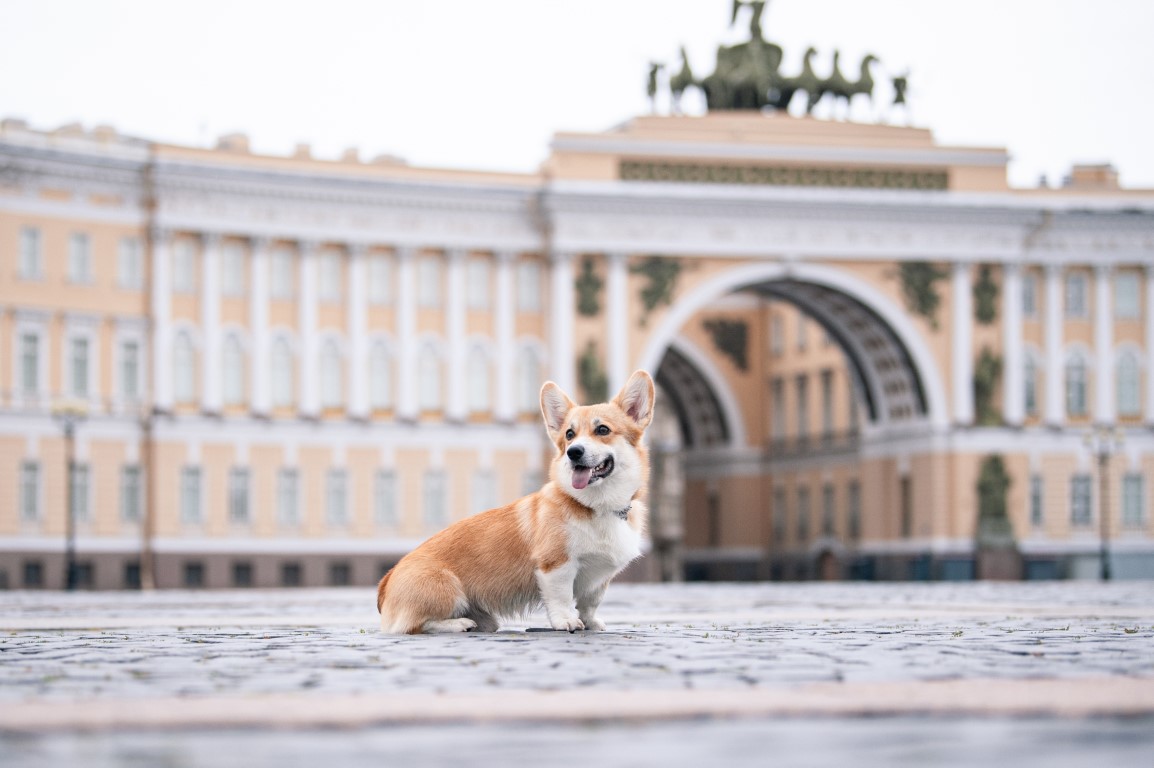
A Welsh Corgi is built like a big herding dog that has been lowered closer to the ground. The first thing most people notice is the signature low-to-the-ground silhouette: short legs supporting a long, sturdy body with a deep chest. This shape is not just cute, it reflects a working purpose. Corgis were bred to move cattle by nipping at heels while staying low enough to dodge kicks, so their outline tends to read as confident and athletic rather than delicate.
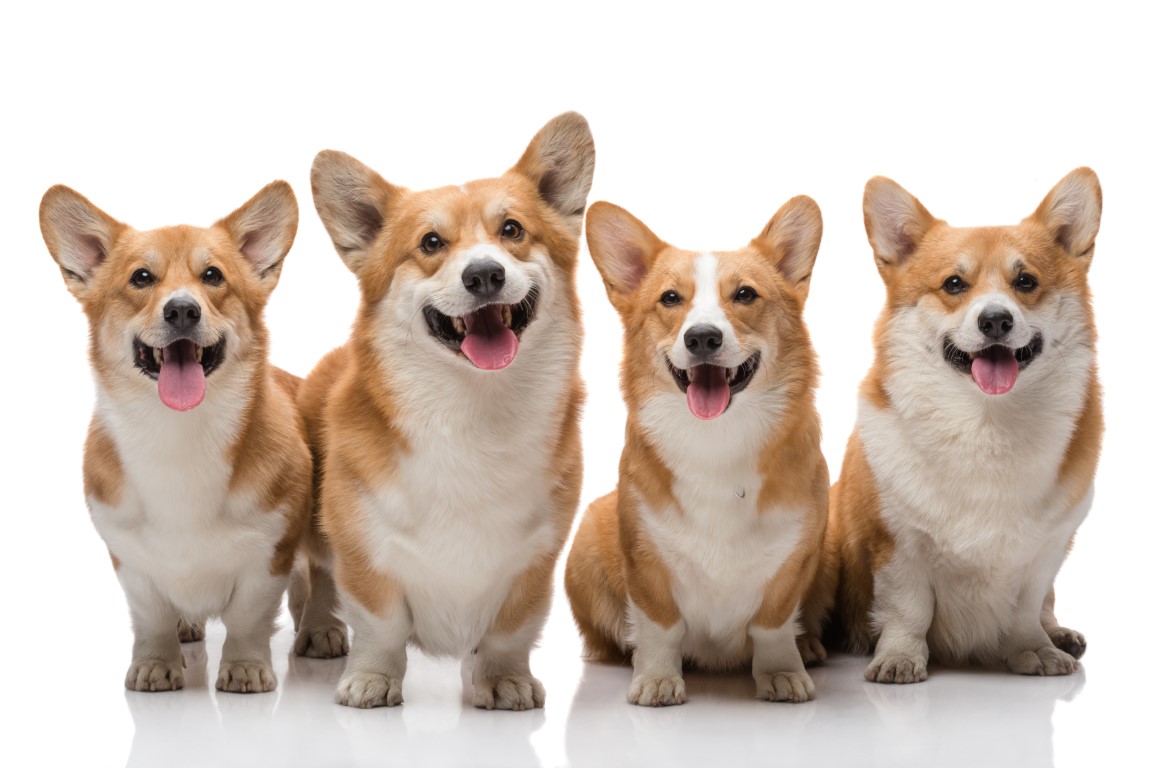
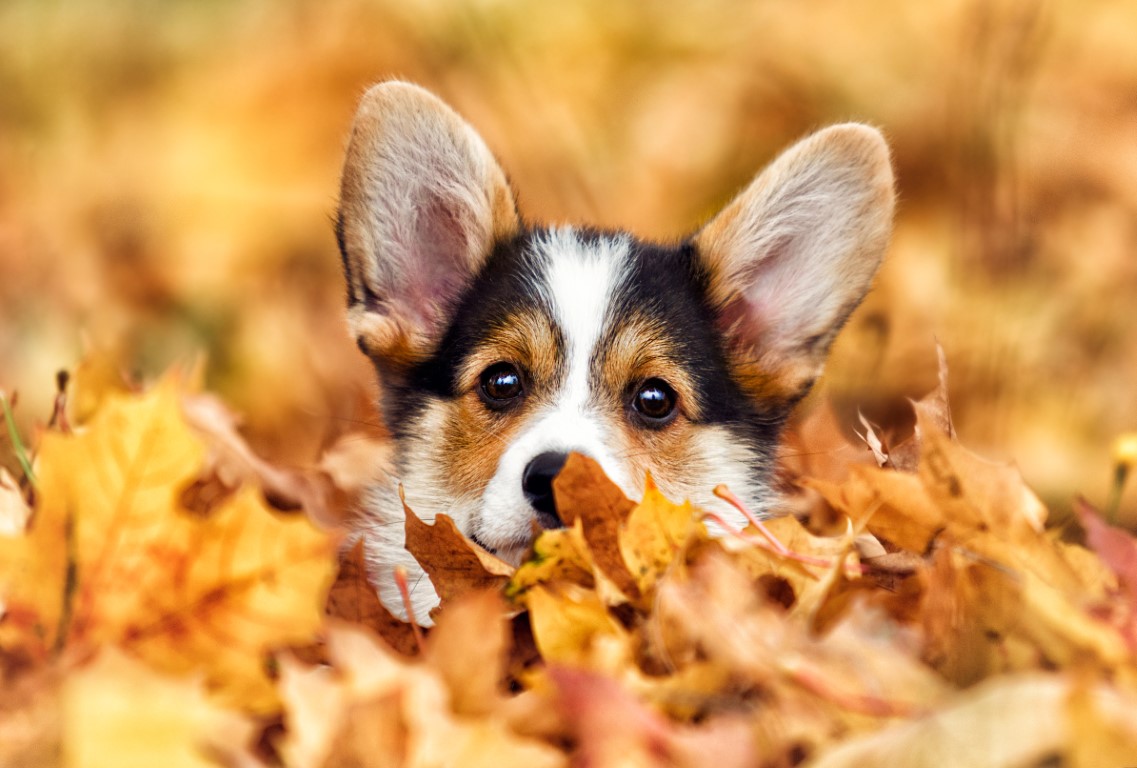
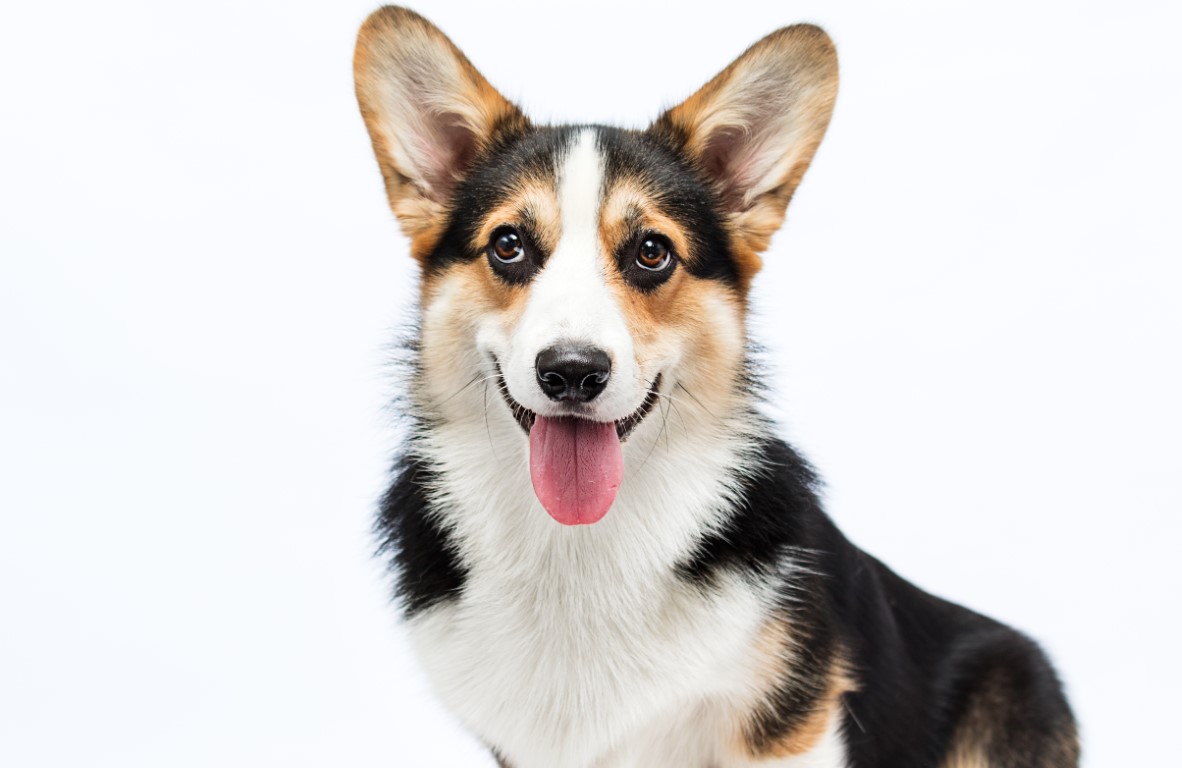
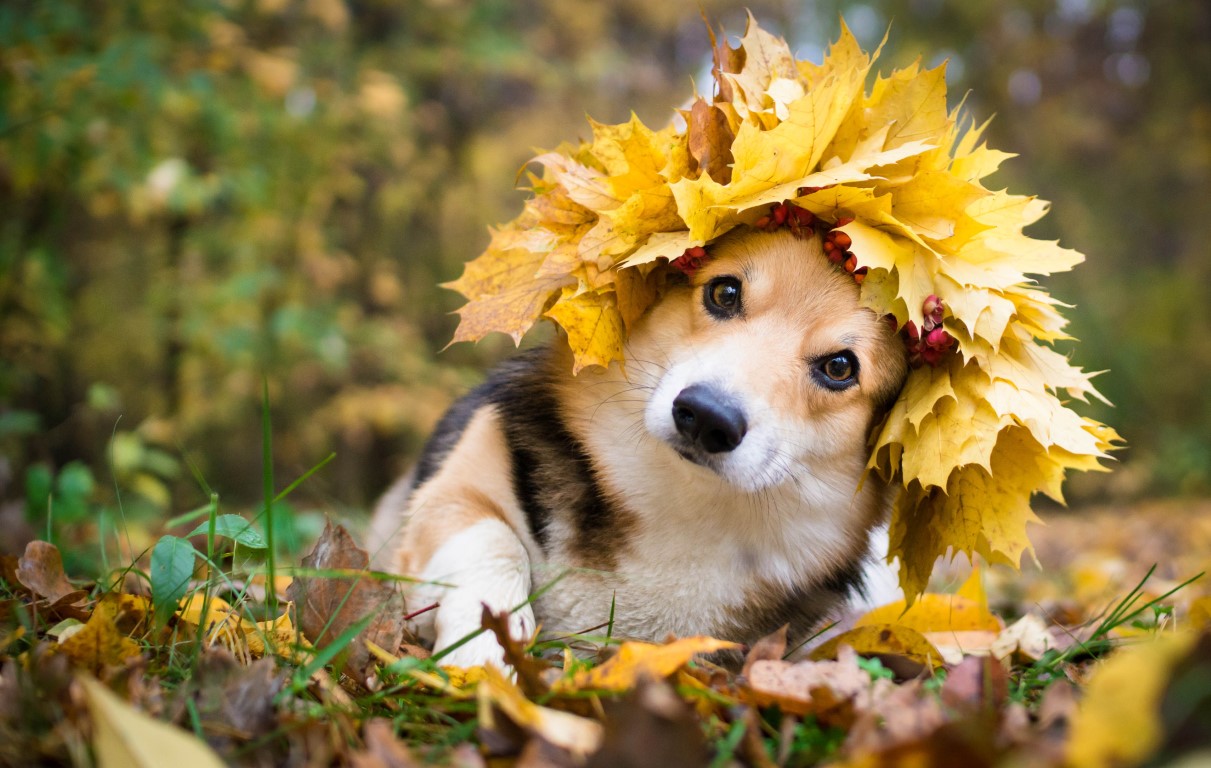
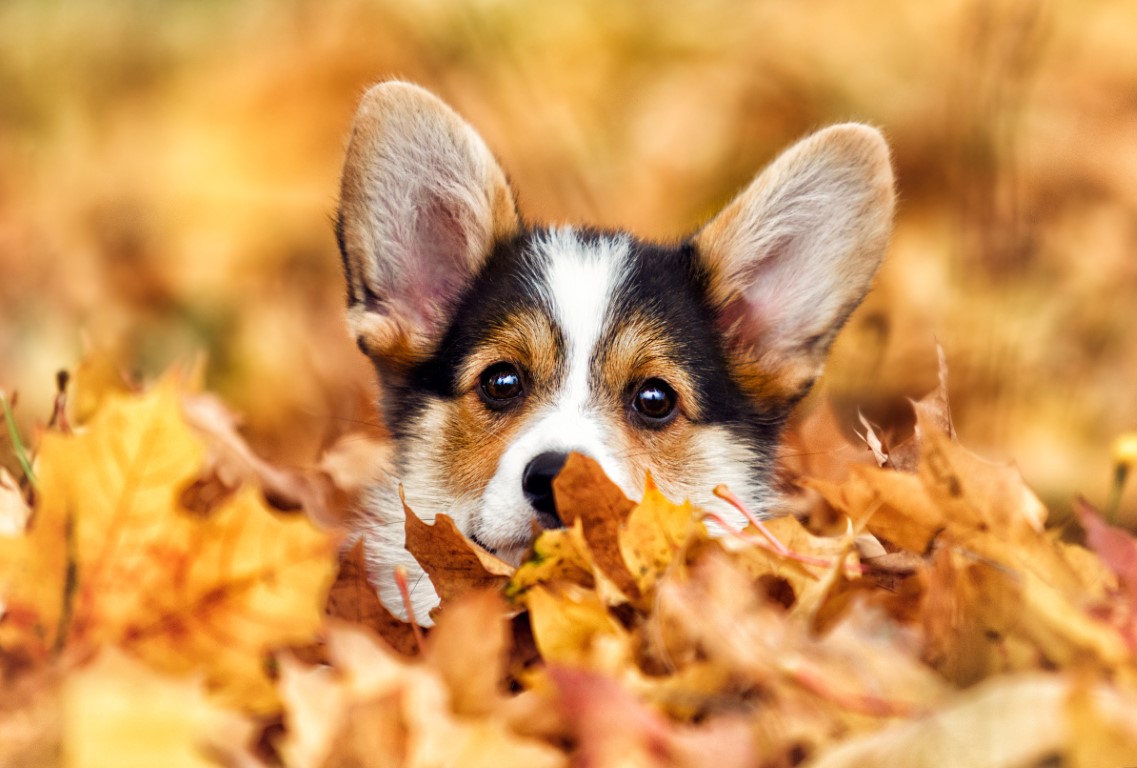
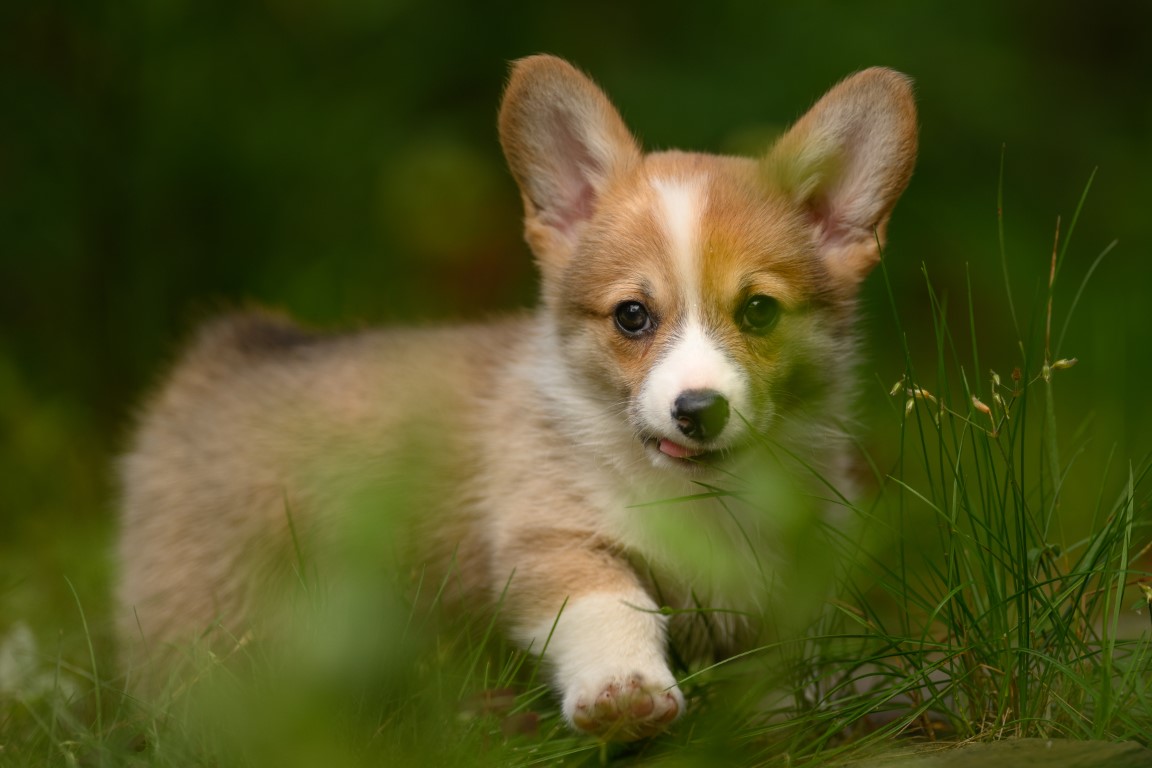
One of the clearest markers is the head and ears. Corgis have alert, upright ears that look proportionate to the head but still prominent, giving a keen, listening expression. The ear tips are slightly rounded rather than sharply pointed, and the ears sit high enough to create that instantly recognizable “ready for action” look. Their faces often appear foxlike from the side, with a defined stop and a muzzle that is neither extremely long nor extremely short.
Coat is another reliable clue. Both Welsh Corgi types have a double coat: a weather-resistant outer coat over a thicker undercoat. The coat lies fairly close to the body rather than flowing like a long-coated companion breed. You may see feathering on the chest and behind the legs, but overall the impression is tidy and practical. Seasonal shedding can be intense because of that undercoat.
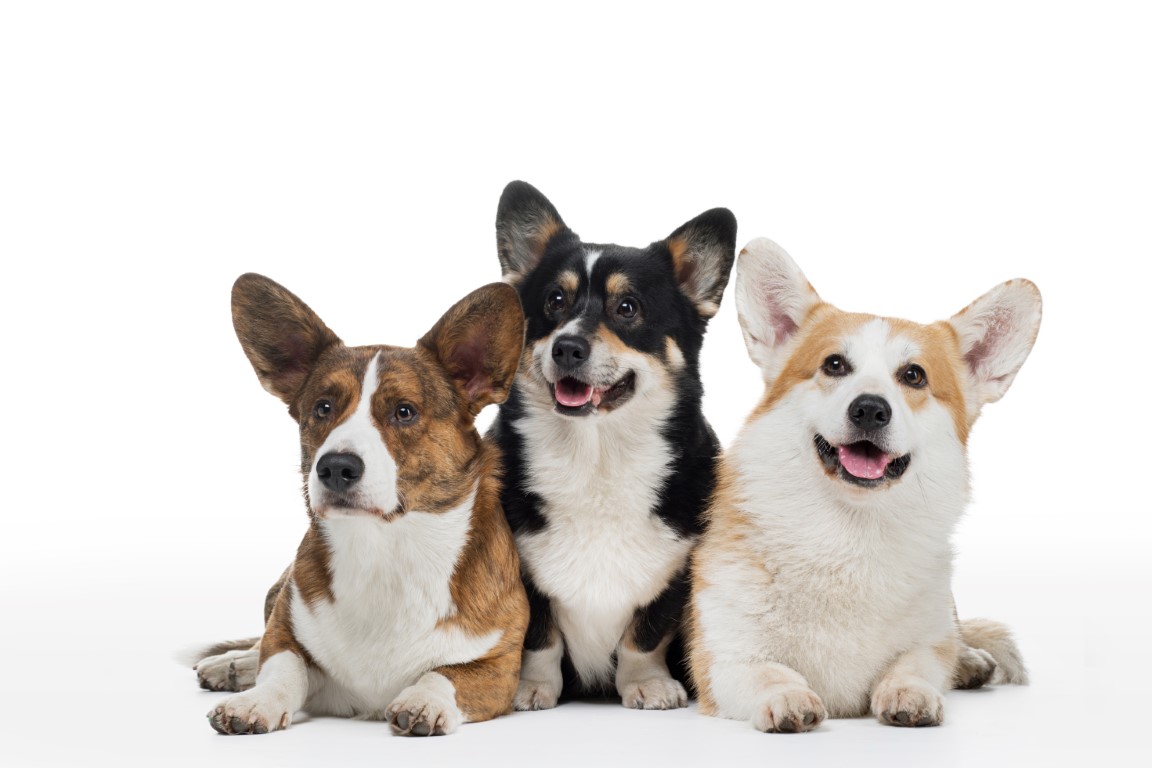
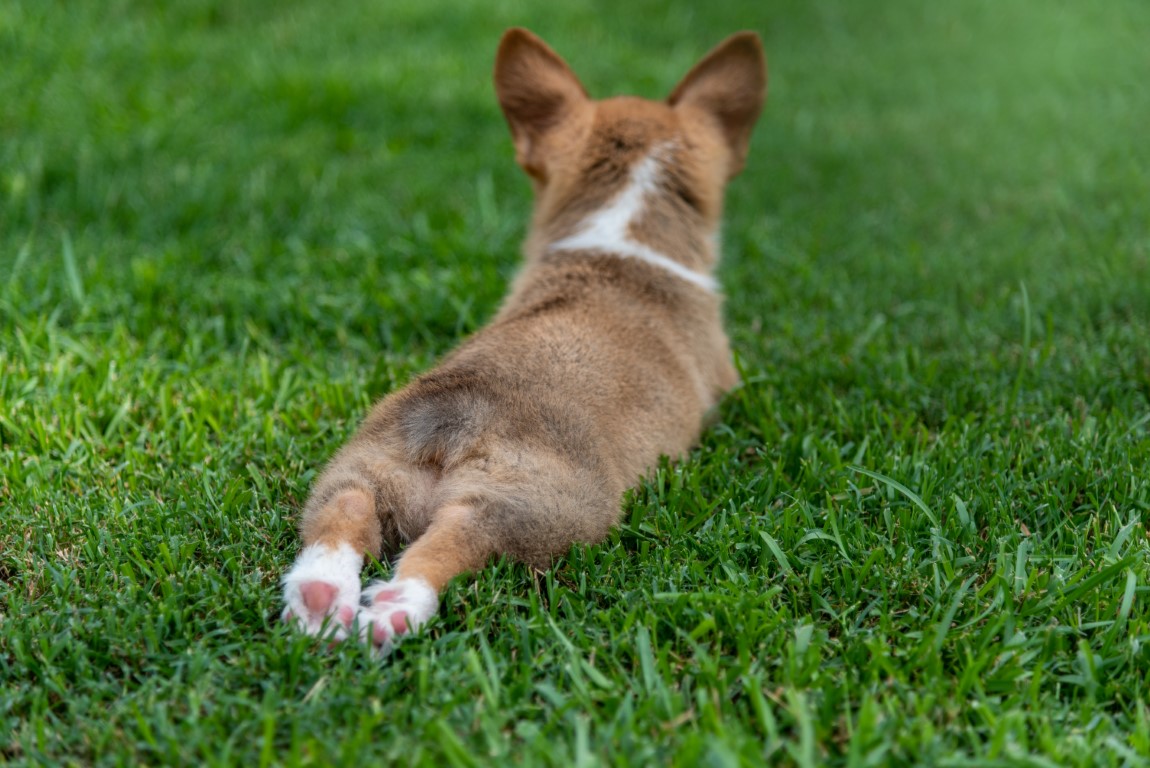
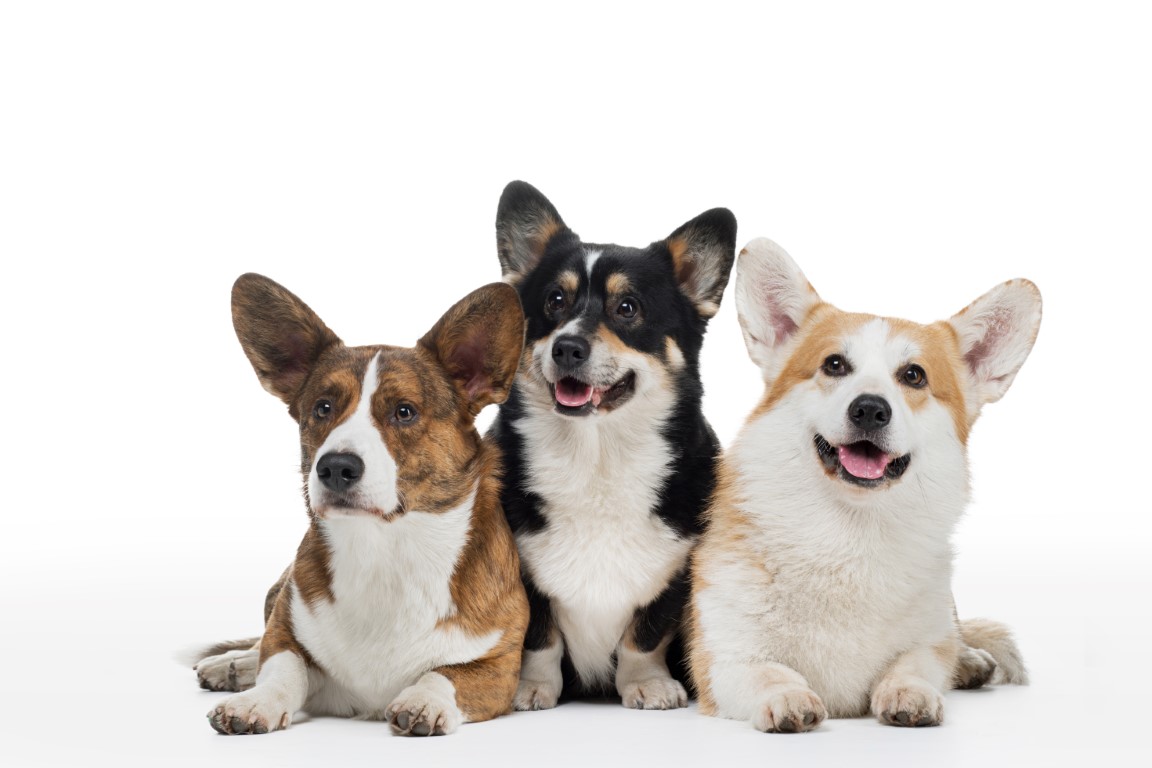
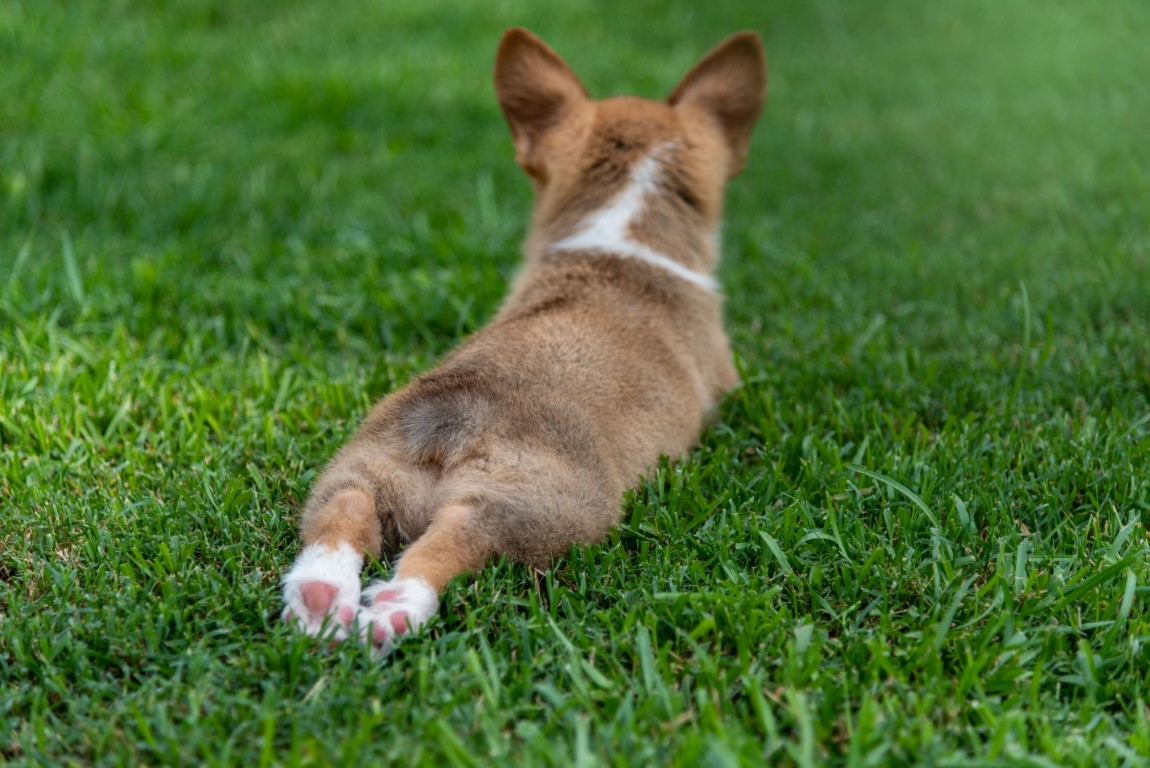
Many mix-ups happen between the two distinct breeds: the Pembroke Welsh Corgi and the Cardigan Welsh Corgi. The simplest real-world check is the tail. Cardigans have a long, full tail that hangs down and may curve slightly. Pembrokes are often seen with very short tails or no visible tail, though some Pembrokes are naturally bobtailed and others may have a full tail depending on breeding and local practices. Because tail appearance can vary by region and individual dog, it helps to confirm with additional markers.
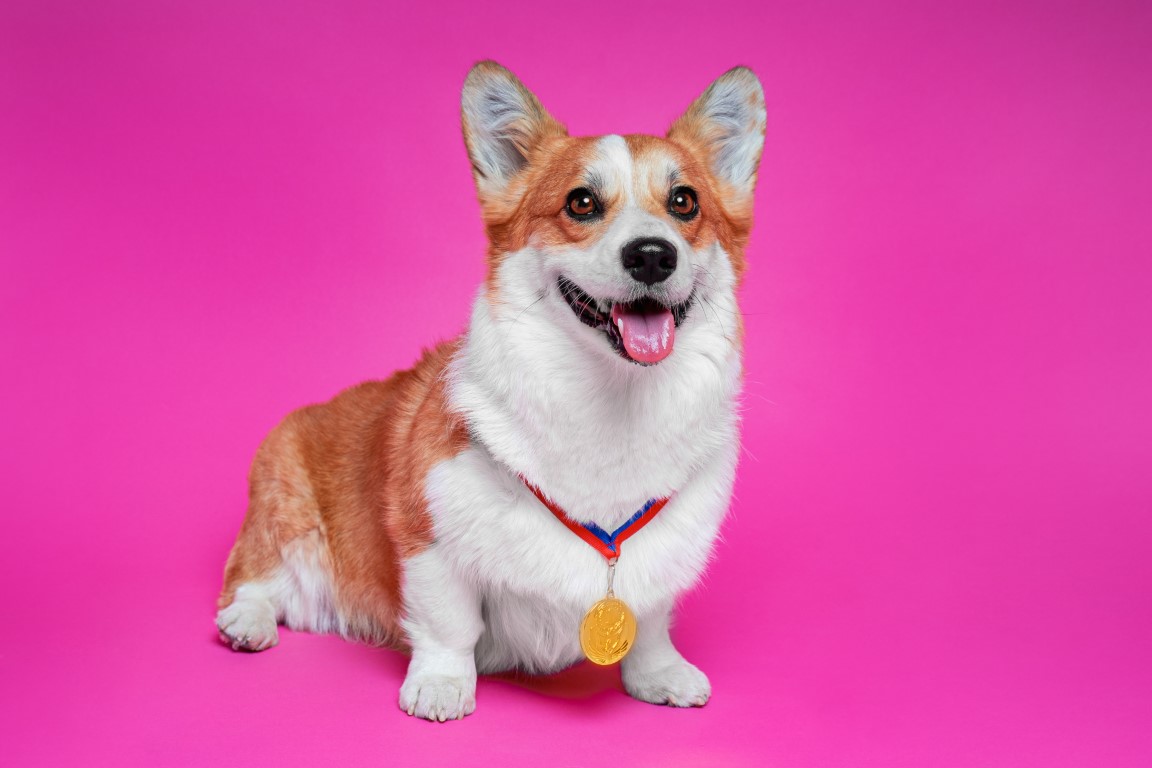
Look at the overall frame. Cardigans tend to be a bit larger and heavier-boned, with a more rounded look through the ribcage and a generally more substantial build. Their ears are typically larger and more rounded at the tips. Cardigans also come in a wider range of coat colors and patterns, including brindle and blue merle, which are not associated with Pembrokes. Pembrokes are commonly seen in red, sable, fawn, and black and tan, often with white markings on the chest, legs, and face.
If you are trying to separate Corgis from common lookalikes, focus on the combination of a long body, very short legs, upright ears, and a dense double coat. Small herding breeds like Shetland Sheepdogs have a longer, flowing coat and a more refined, collie-like head, plus normal leg length. Dachshunds share short legs and a long body, but their ears are long and floppy, and their overall expression and movement are more hound-like than herding-dog alert. Swedish Vallhunds can be confused with Corgis because they are also low and spitz-like, but they usually look more wolfish in the face and body, with a different outline and tail carriage.
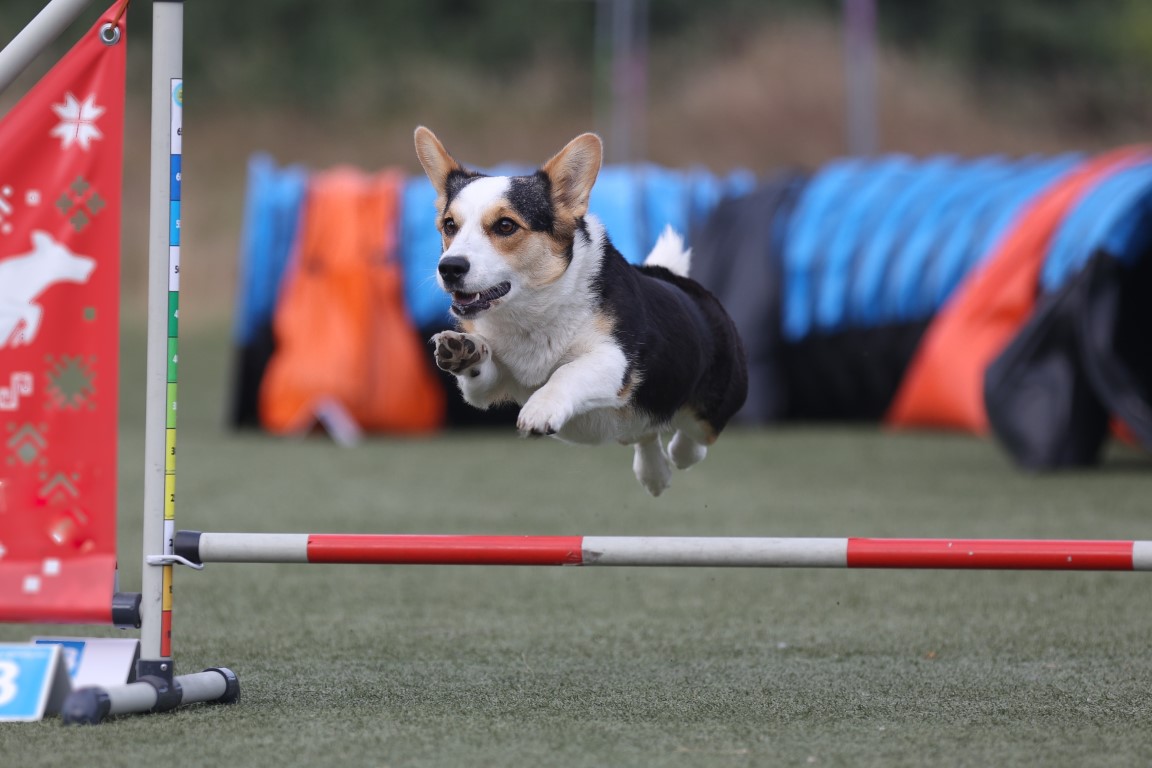
When you see a true Welsh Corgi in motion, the picture comes together: brisk, efficient steps, a level topline, and a self-assured attitude that seems larger than the dog’s height. Add the upright ears, sturdy build, and practical double coat, and you have a set of real, visible identifiers that make Corgis easy to recognize once you know what to look for.