Cane Corso Head to Tail
Quiz Complete!
Spotting a Cane Corso by Looks: The Details That Give It Away
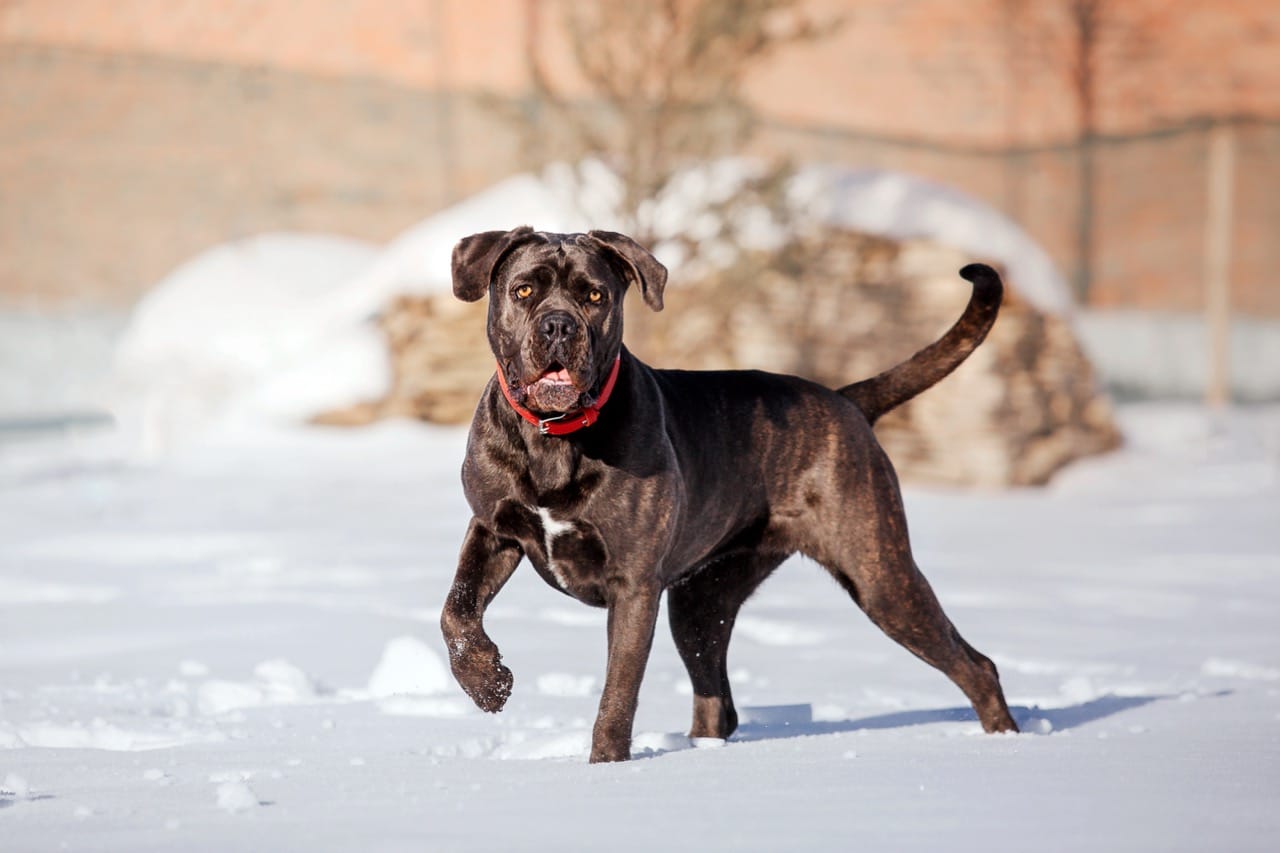
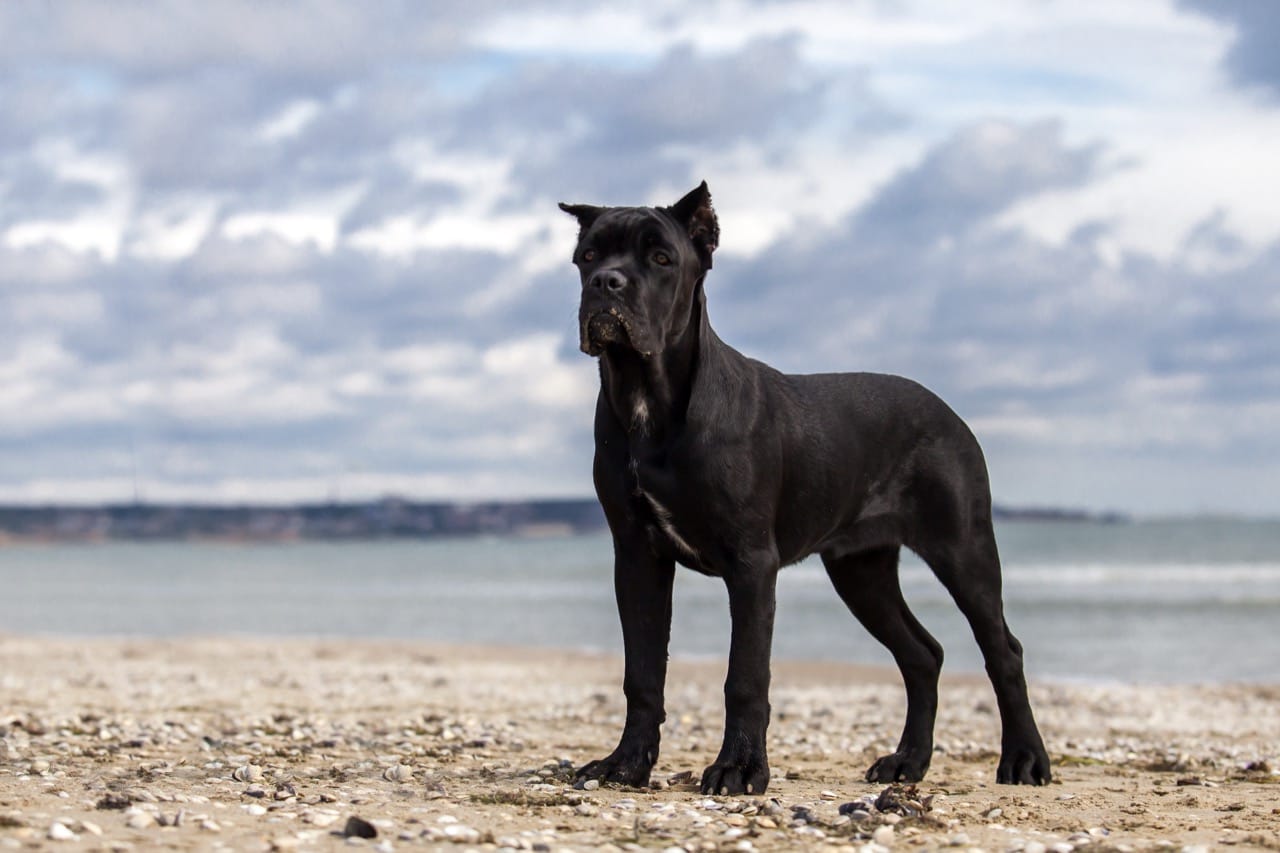
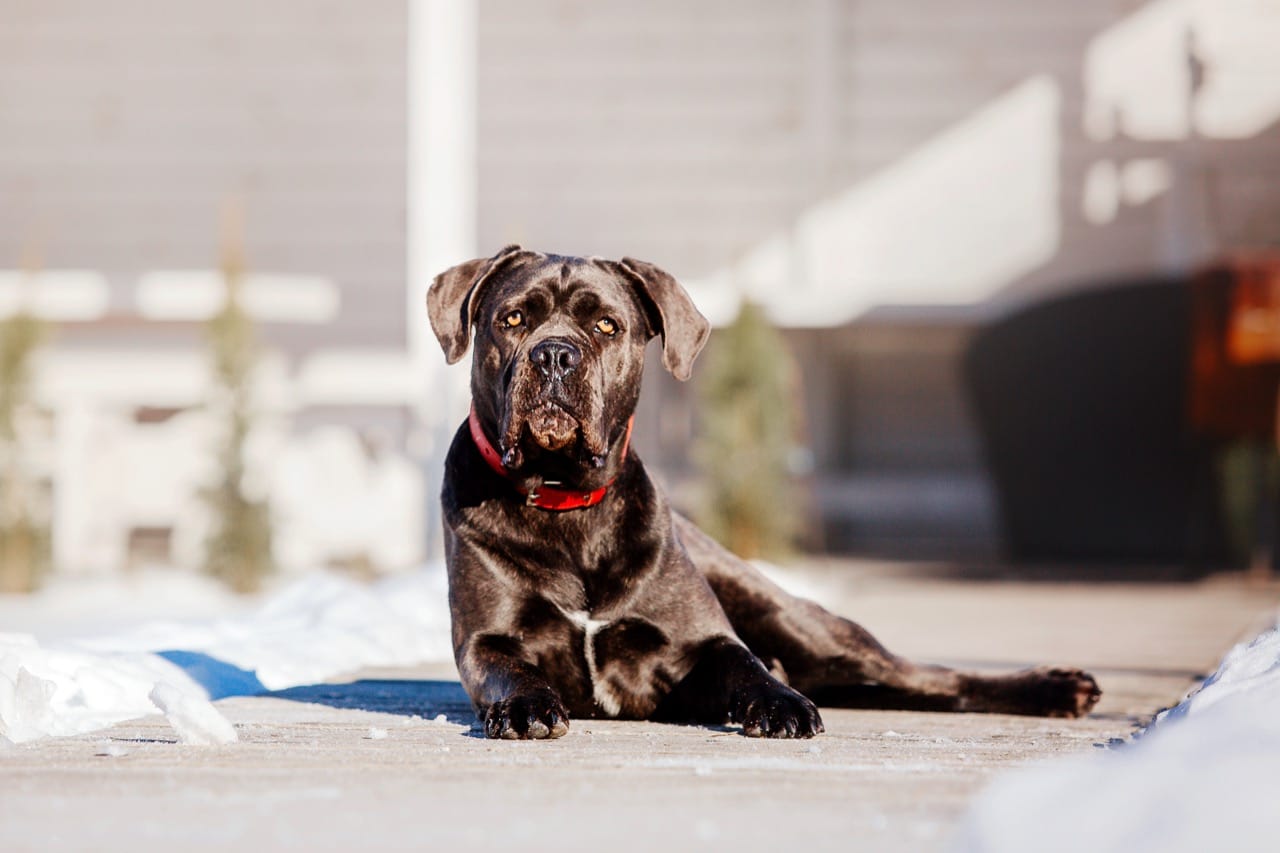
At a quick glance, a Cane Corso can resemble several other mastiff type dogs, but the breed has a particular combination of head shape, outline, and coat details that create its unmistakable look. Think of the Corso as a working guardian built for athletic power rather than sheer bulk. It should appear substantial and strong, yet capable of speed and endurance, with clean lines and a balanced silhouette.
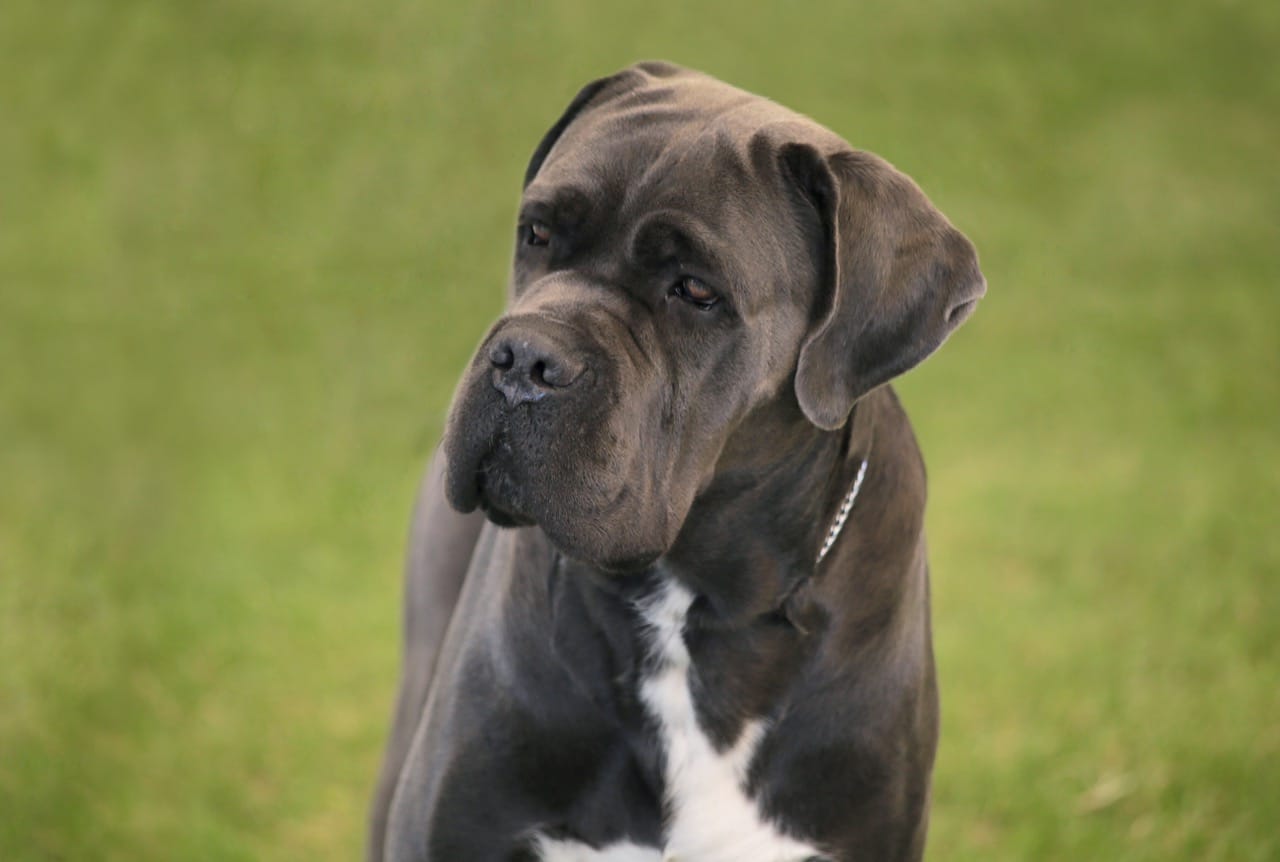
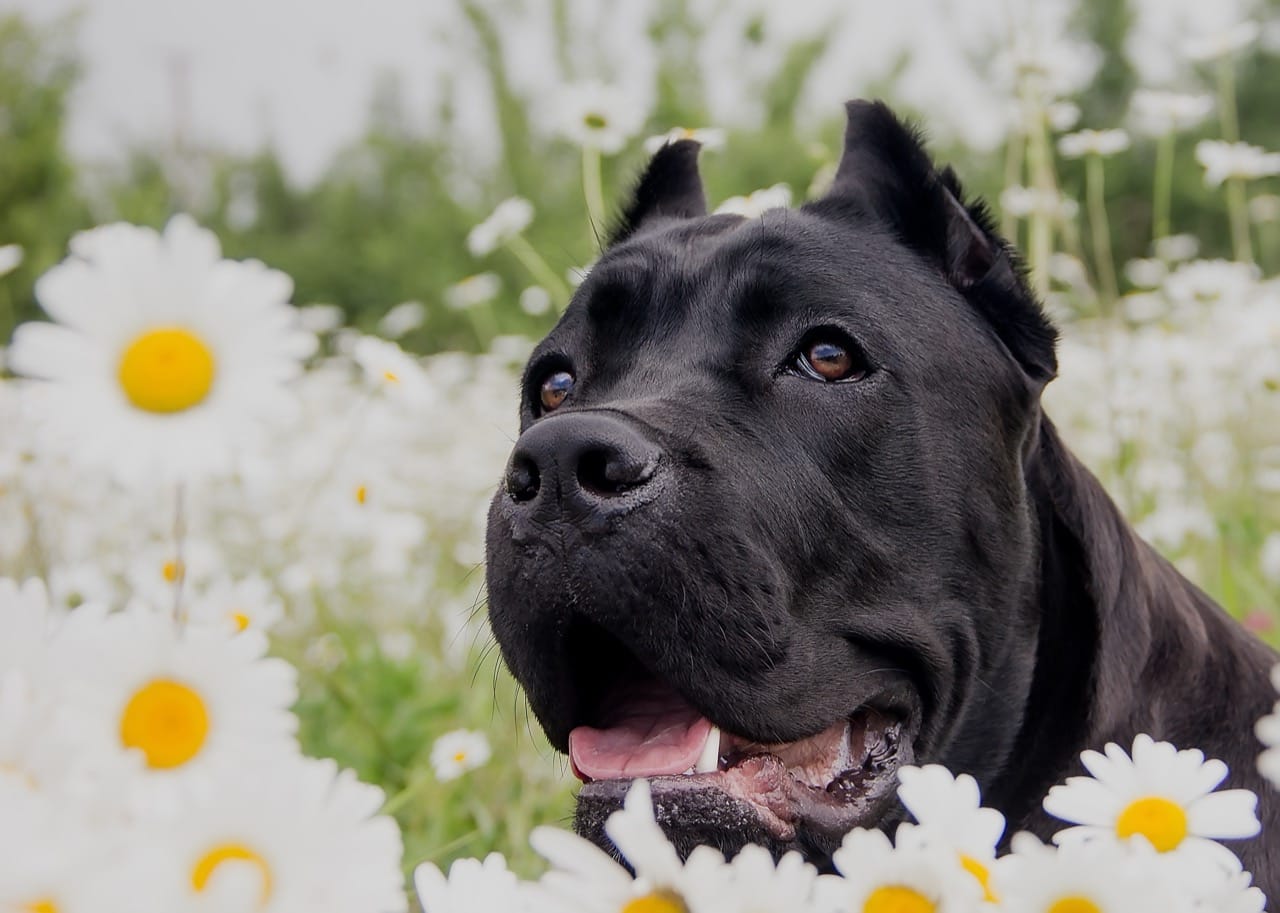
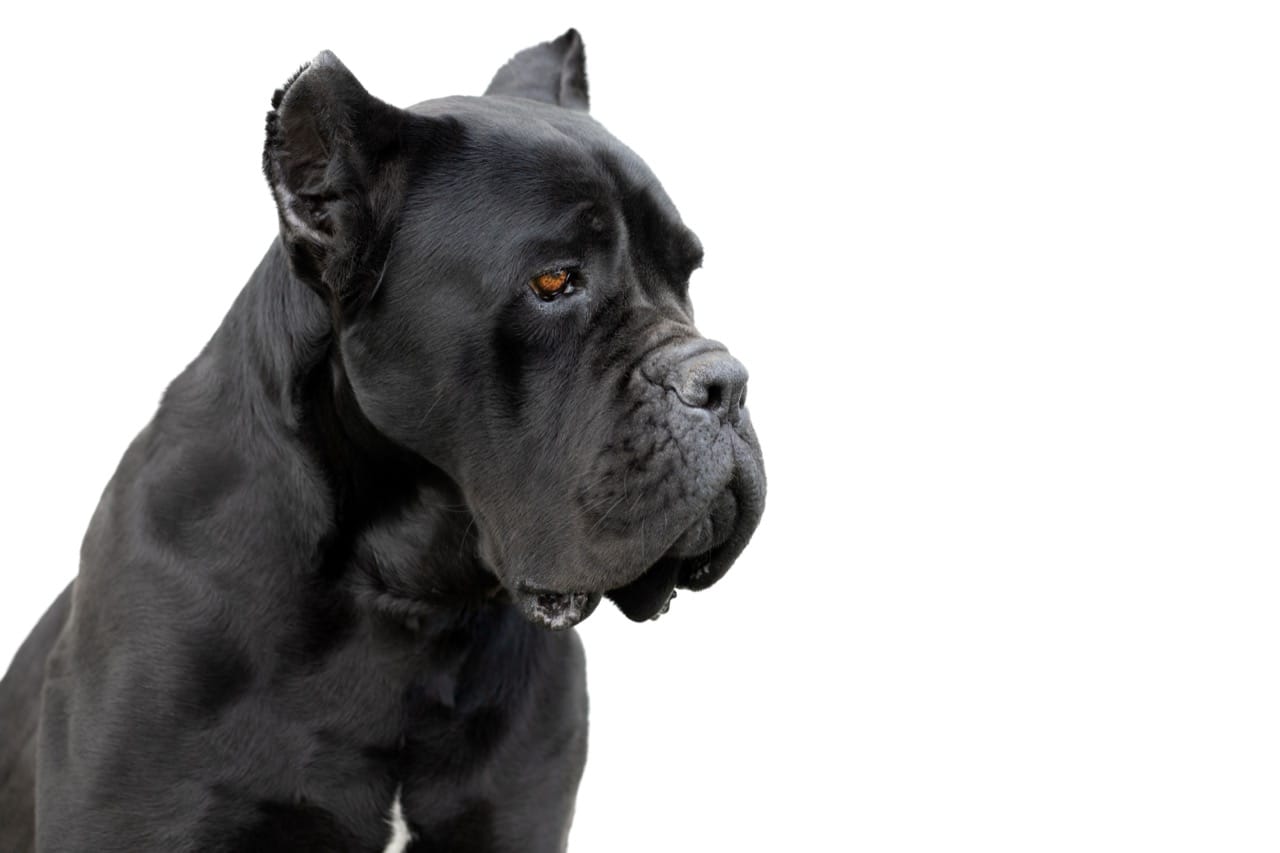
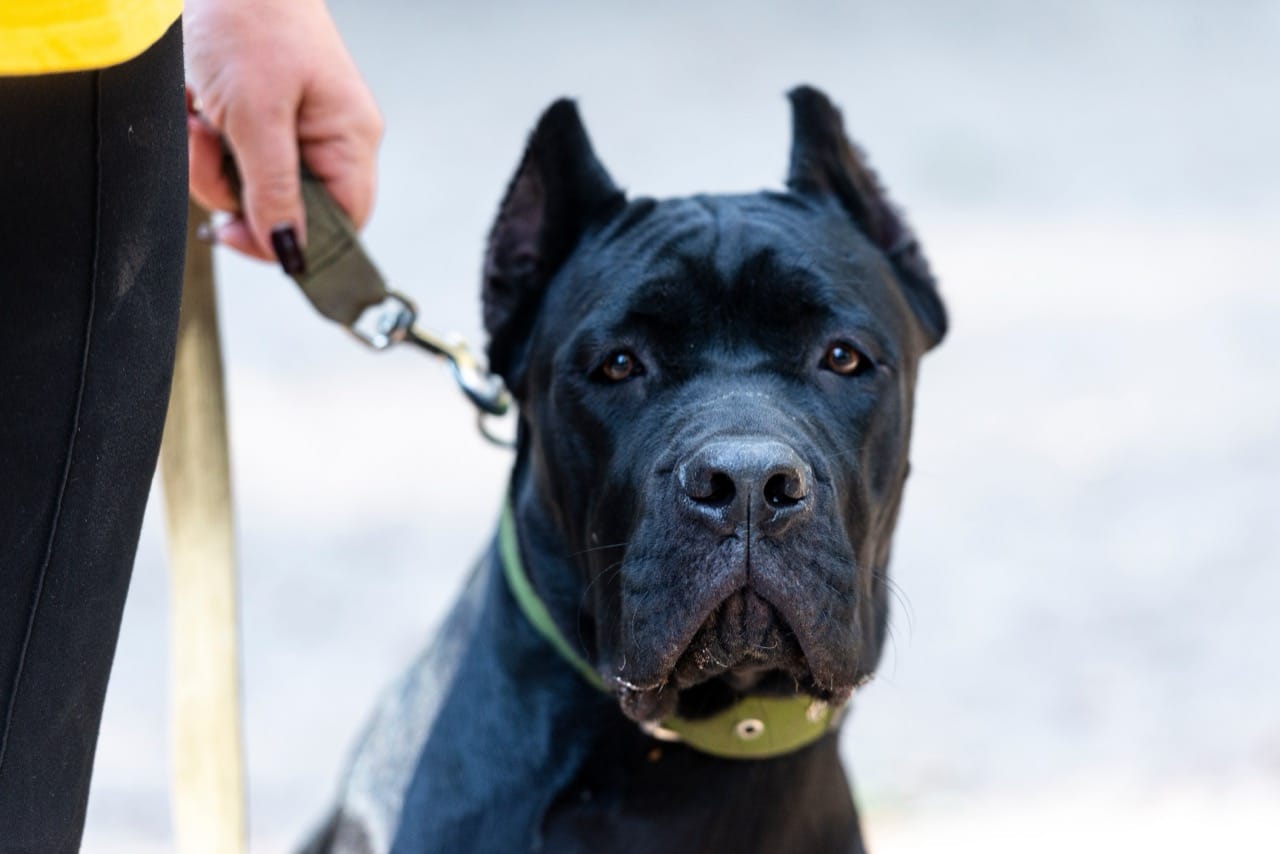
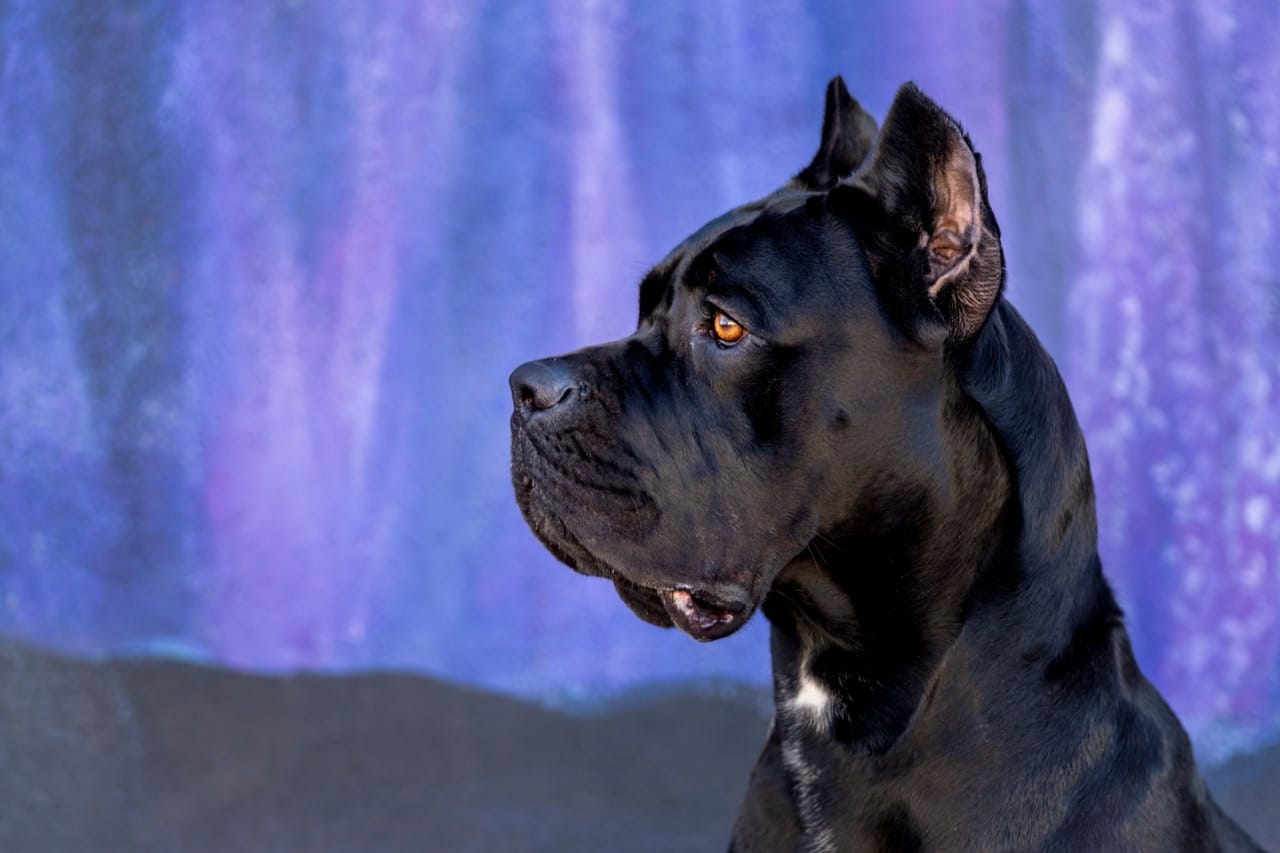
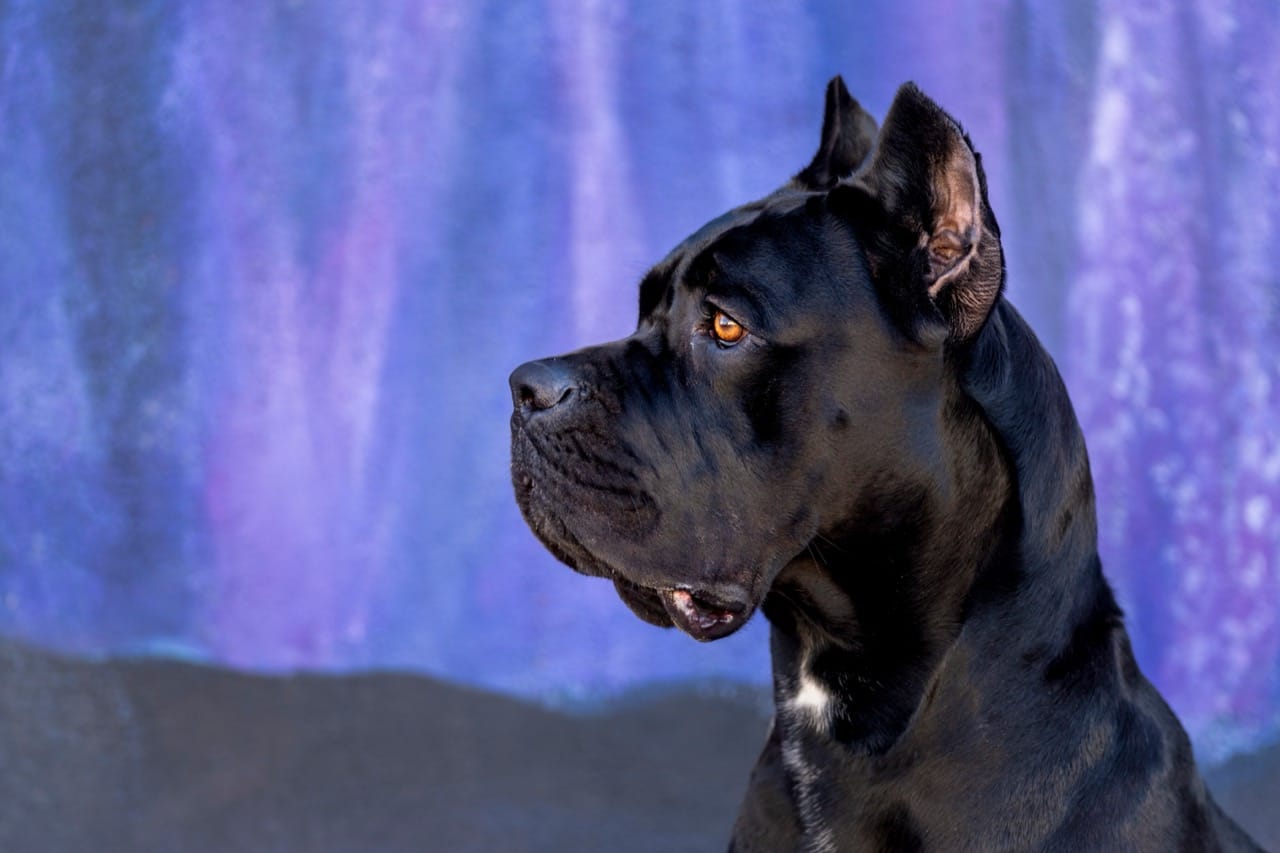
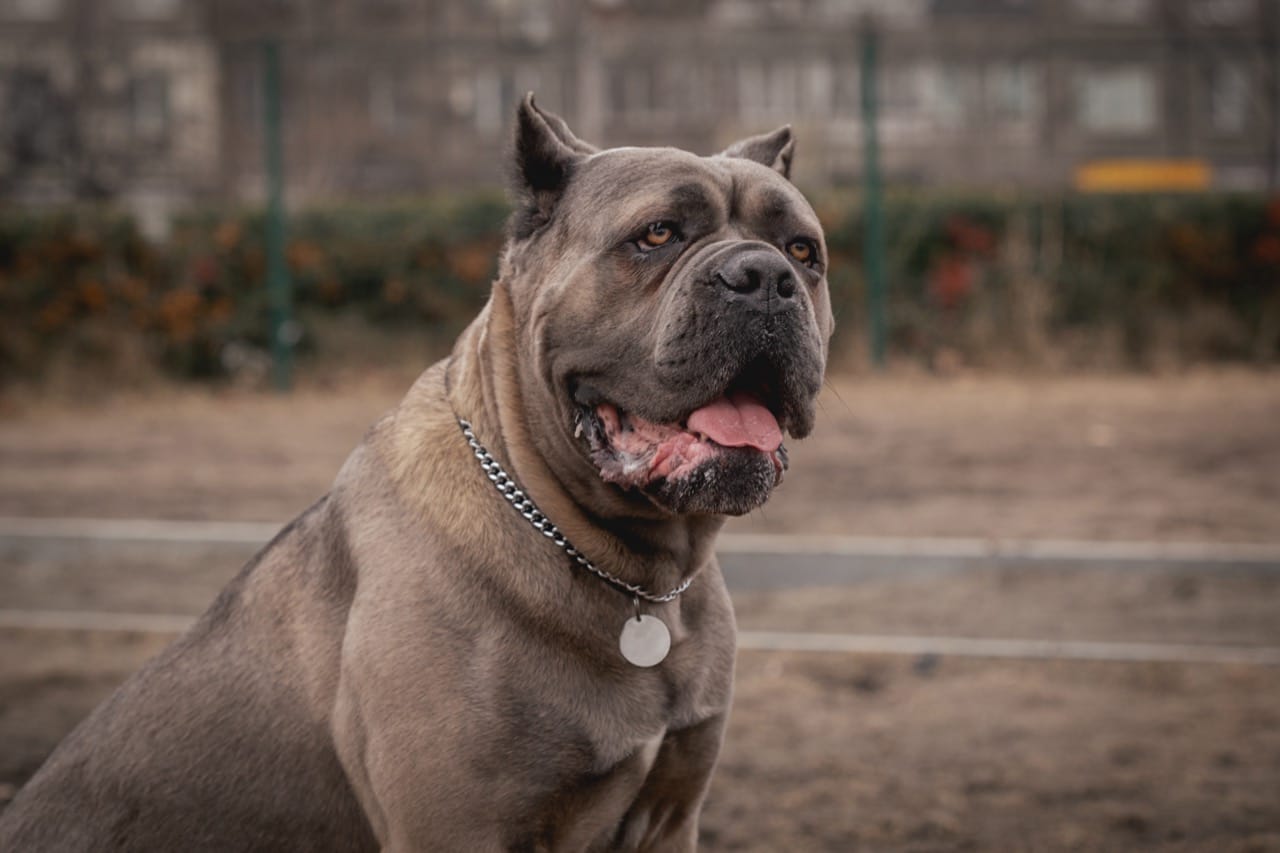
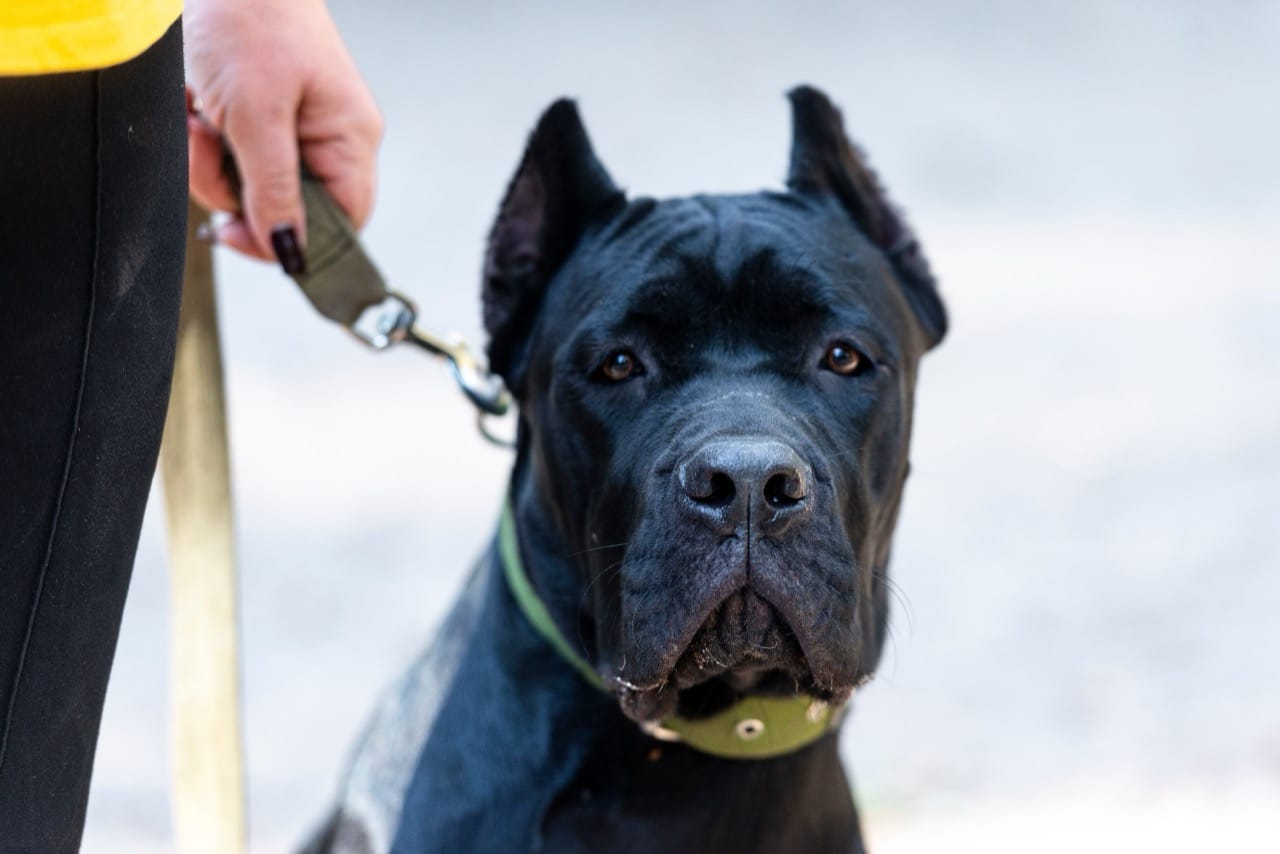
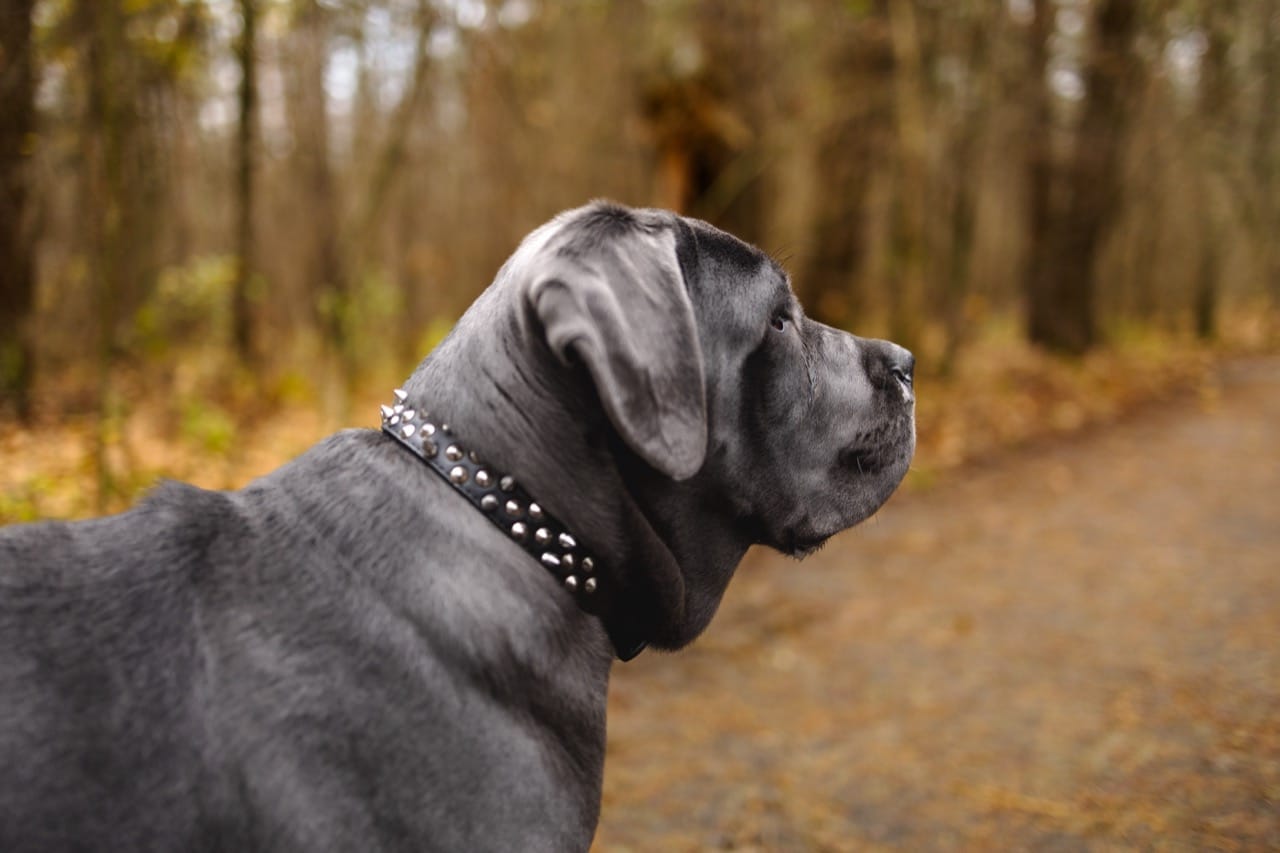
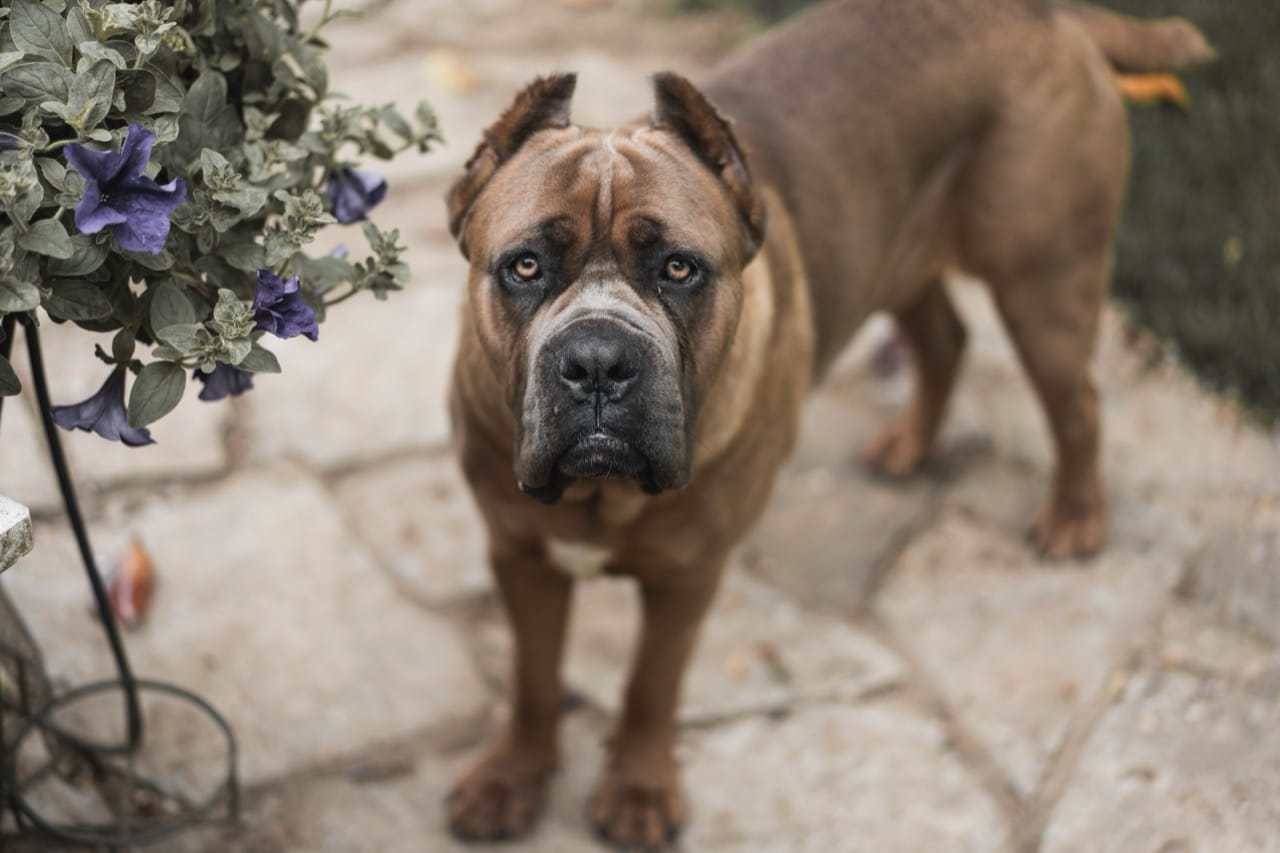
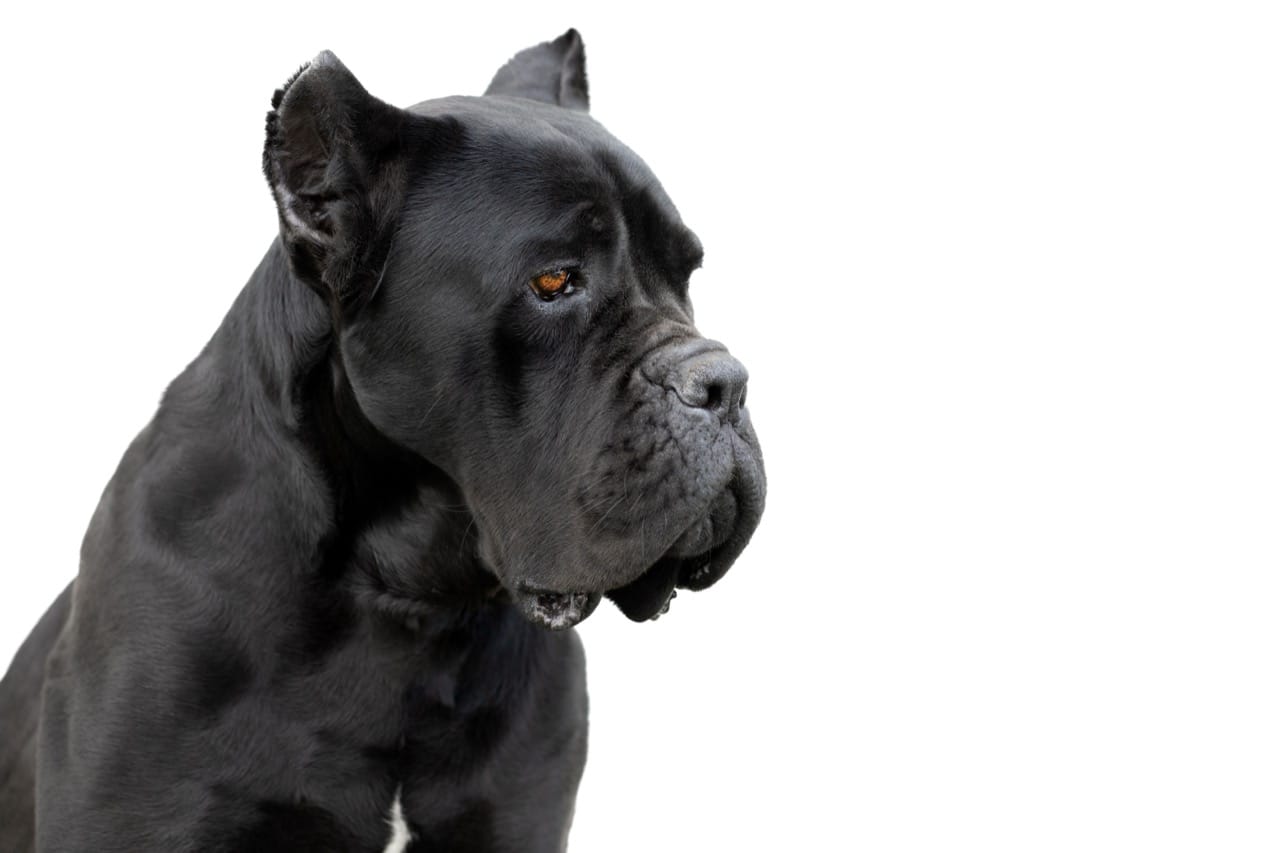
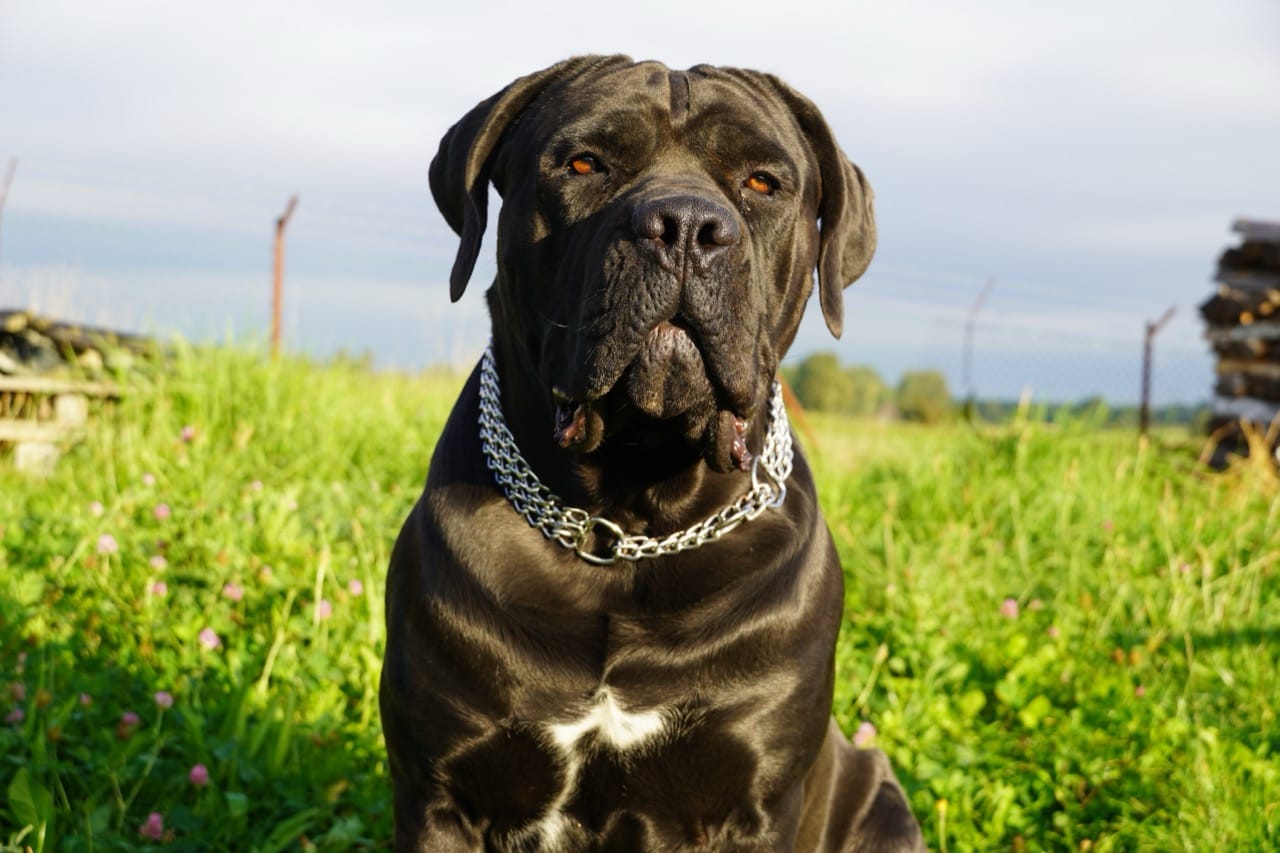
The head is the biggest clue. A correct Cane Corso head reads as broad and powerful, with a distinct stop where the forehead meets the muzzle. The muzzle is not long and narrow like a hound, and it is not extremely short and pushed in either. It is moderately short and deep, giving a square, substantial front view. The planes of the skull and muzzle are often described as slightly convergent, a subtle detail that contributes to the breed’s characteristic expression. The lips are firm but not excessively pendulous, and the overall expression should look alert and confident rather than droopy or worried.
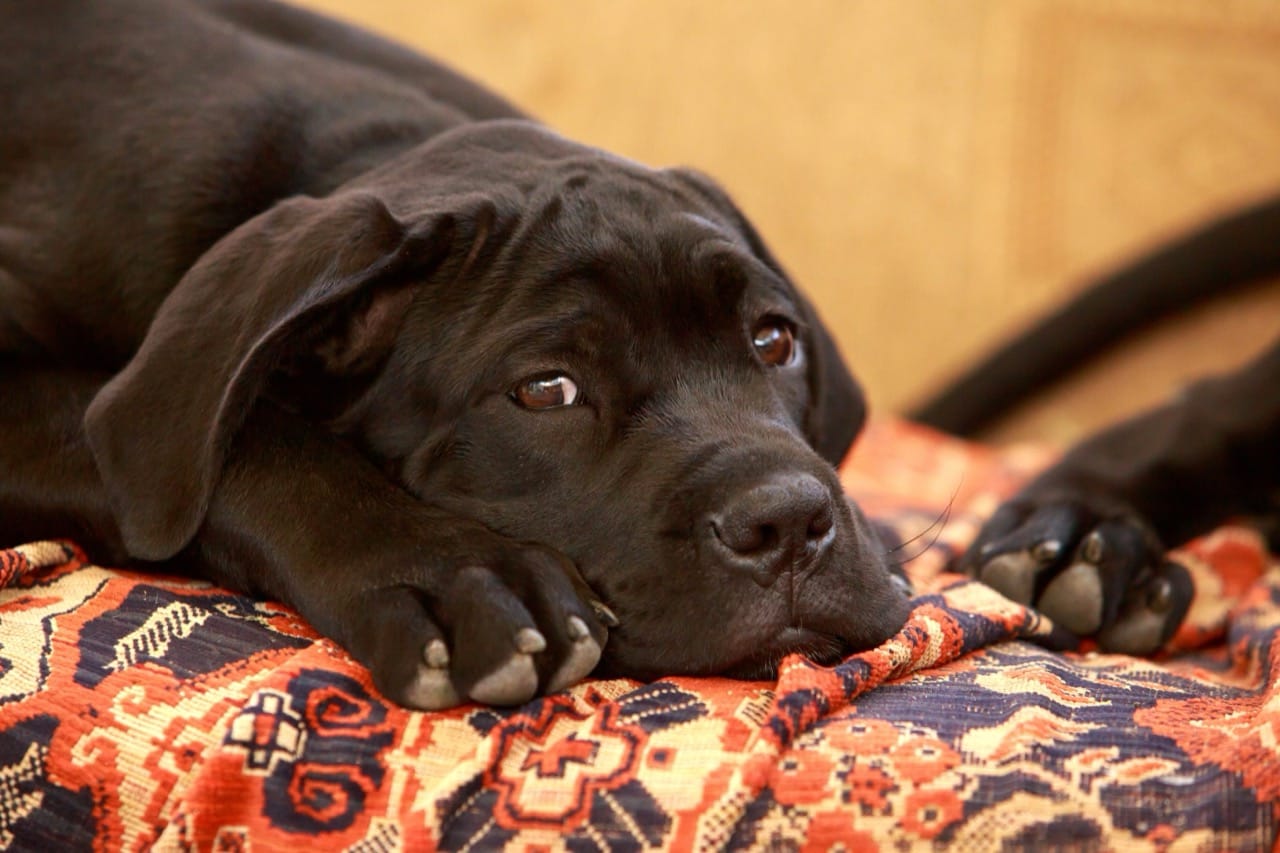
Eyes help refine the picture. They are typically almond to slightly oval, set well apart, and should not bulge. Darker eyes are generally preferred because they reinforce the steady, focused expression. Ears are another common point of confusion because you may see cropped or natural ears depending on location and owner choice. Natural ears are medium sized and triangular, set fairly high, and carried close to the cheeks. Cropped ears, when present, change the outline of the head, but the underlying set and head proportions still matter.
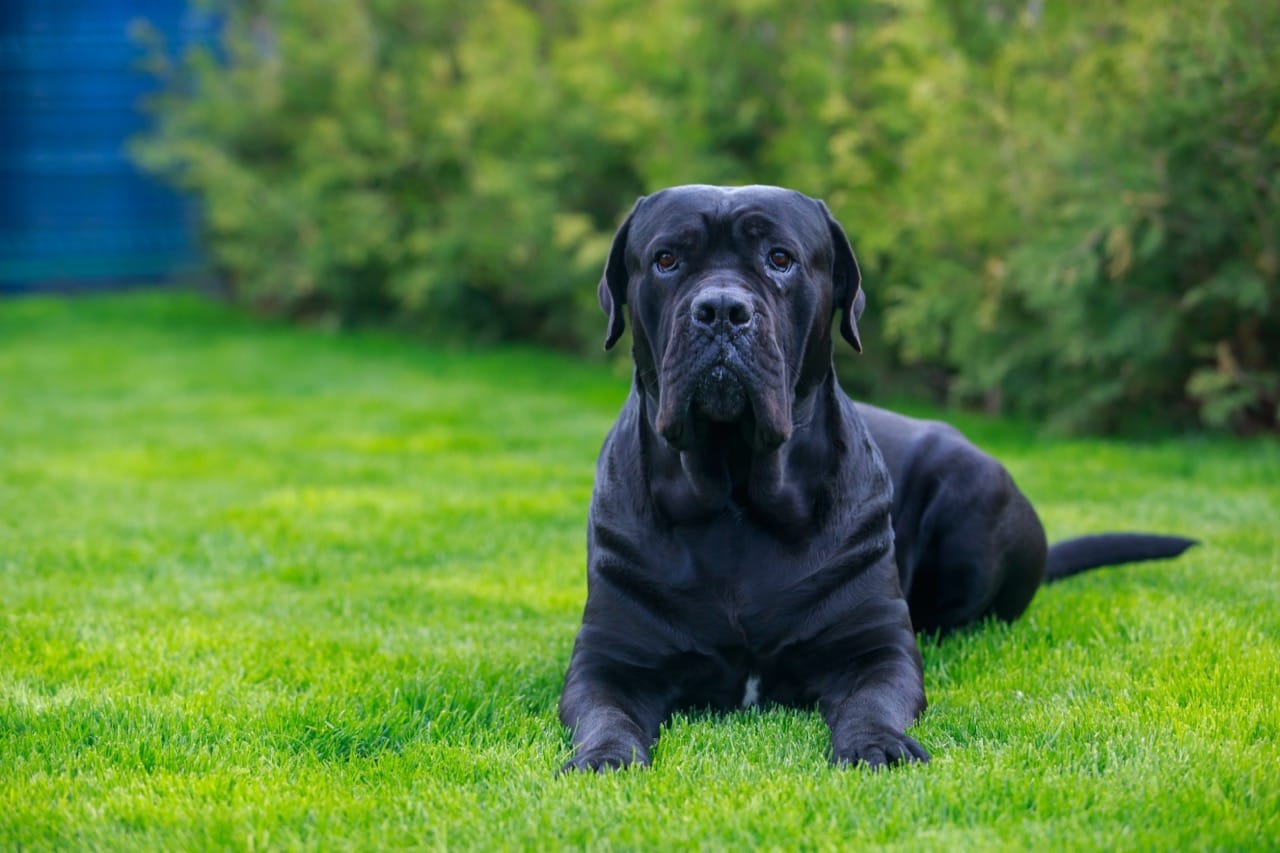
Move your attention from the head to the body and you will see why the Corso is often described as athletic. The body is slightly longer than tall, with a strong back and a broad, muscular chest. The ribcage is well developed without making the dog look barrel shaped. The tuck up is present but not extreme. If a dog looks overly heavy, low, and lumbering, it may be a different mastiff type, or it may be out of condition. A true Corso should look like it can work all day.
Legs and feet offer small but useful structure clues. Forelegs are straight and sturdy, with good bone. The feet are compact and well arched rather than splayed. In the rear, the thighs are broad and muscular, with angulation that supports powerful drive. From the side, the overall outline should look balanced, not front heavy and not steep or short in the rear.
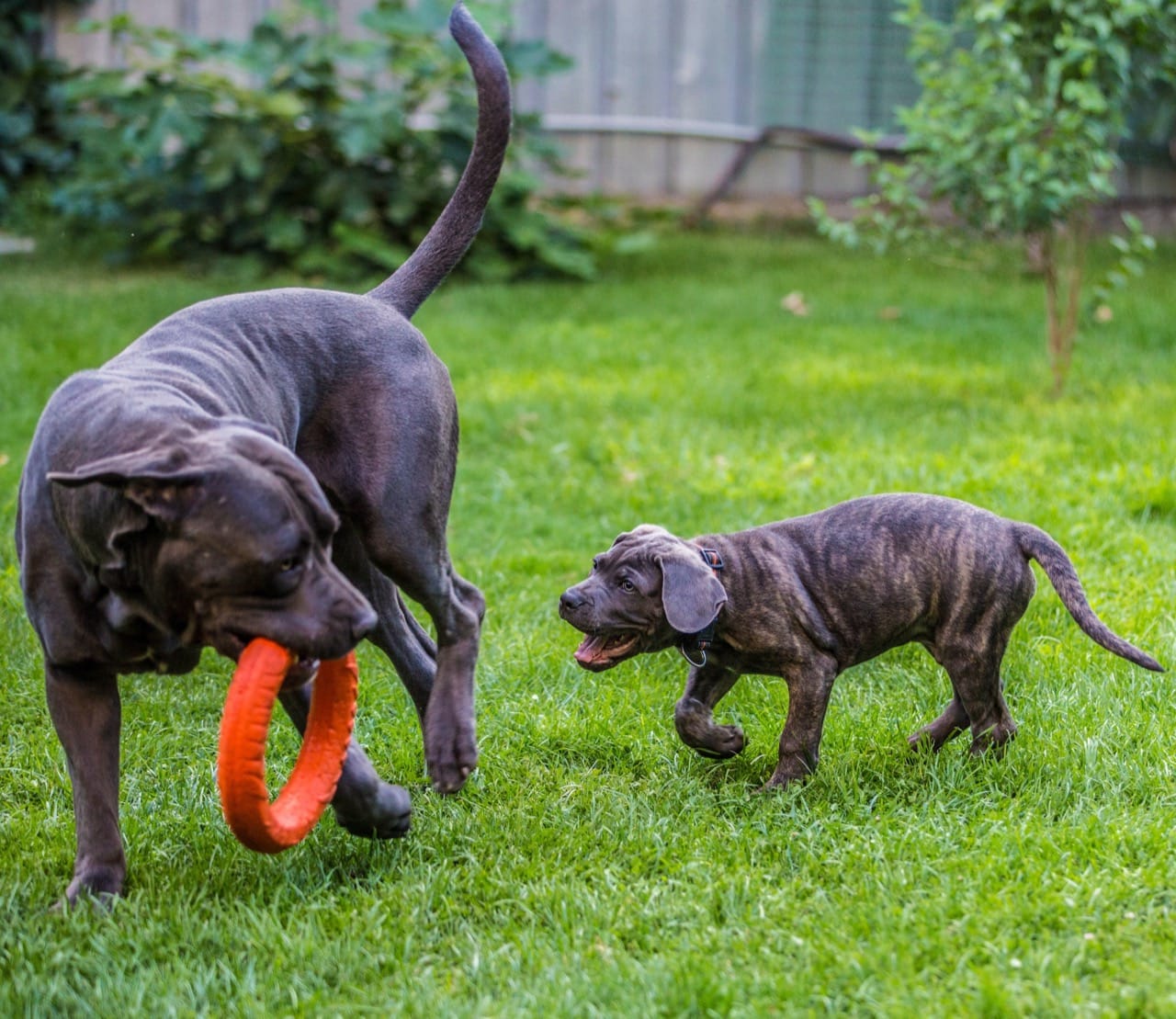
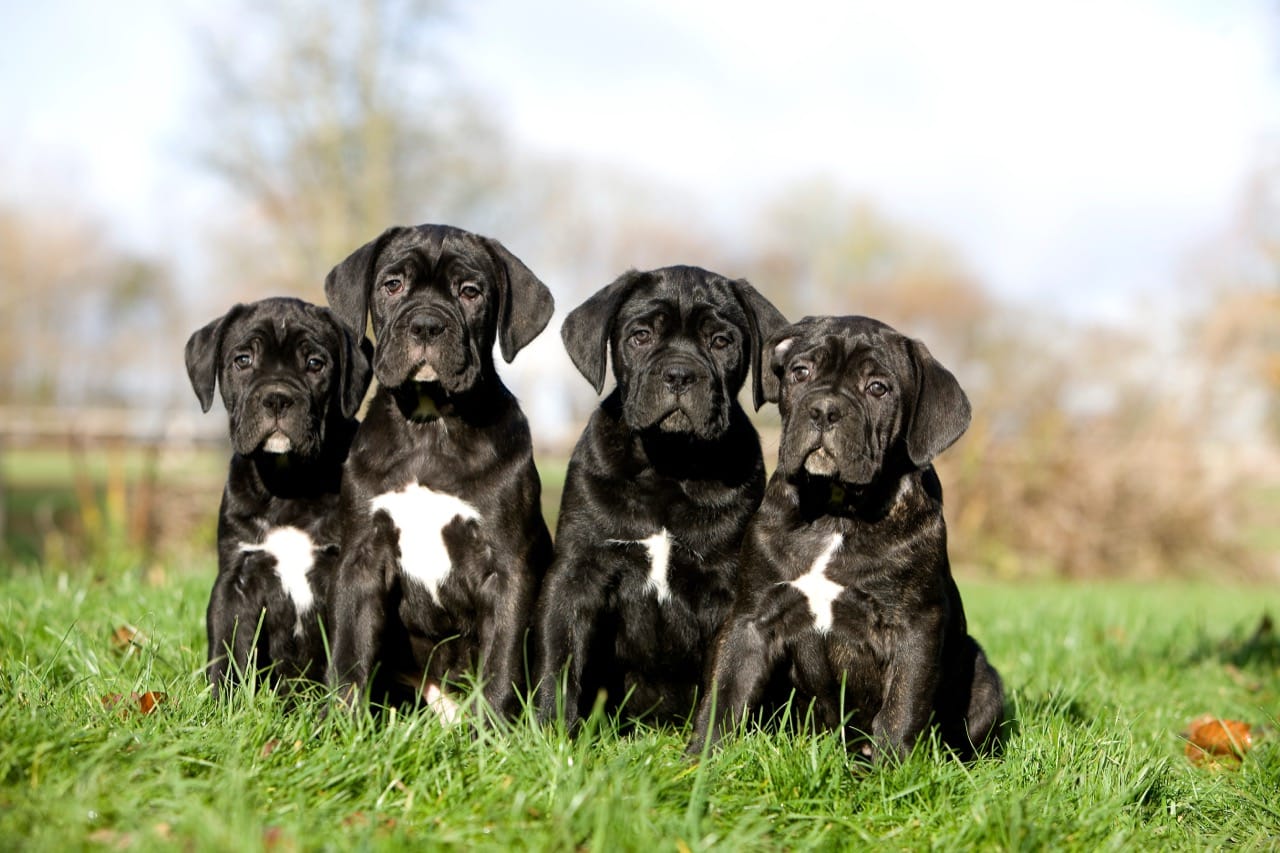
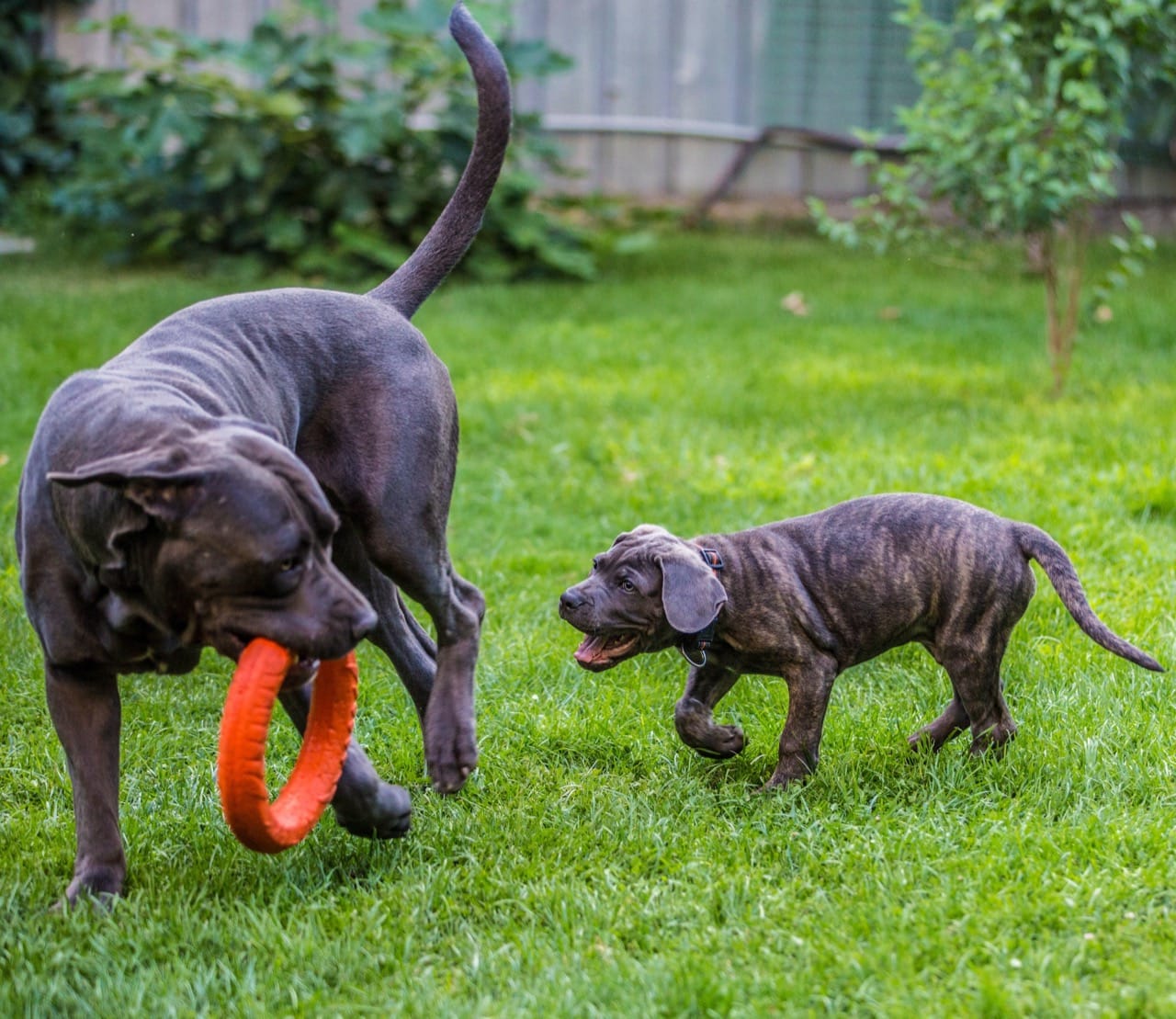
The coat is short, dense, and close fitting with a slightly coarse feel, designed to protect without adding fluff or feathering. If the coat looks long, silky, or wavy, that is a strong hint you are not looking at a Cane Corso. Color is another area where people guess incorrectly. Common accepted colors include black, various shades of gray, and fawn tones that can range from light to darker, as well as red. Brindle patterns are also seen, including brindle on fawn or red backgrounds and gray brindle. A dark mask on the muzzle is common in fawn and red dogs, and small white markings can appear, often on the chest, toes, or chin.
Finally, take in the whole dog at once. The Cane Corso should project controlled strength: a large, muscular guardian with a clean, functional outline, a hallmark head, and a short, practical coat. When you learn to spot the correct muzzle length, ear set, and athletic proportions, the breed stops blending into the general mastiff crowd and starts looking like itself.