Cane Corso at the Vet








Quiz Complete!
Cane Corso Health Risks: What Every Owner Should Know

The Cane Corso is built for power and athleticism, but that same large, muscular body comes with health risks that are important to recognize early. Many of the most serious problems in this breed are not mysterious or rare; they are well known in large mastiff type dogs and are the reason veterinarians emphasize preventive screening and fast action when warning signs appear.
Mobility issues are a major theme. Hip dysplasia and elbow dysplasia can develop as a dog grows, leading to pain, stiffness, and arthritis over time. Owners often miss the early clues because they look like normal tiredness: reluctance to jump into the car, slowing down on walks, bunny hopping with the rear legs, or taking longer to get up after resting. A dog may also shift weight off a sore limb or seem less interested in play. Your veterinarian may recommend orthopedic exams and X rays. Responsible prevention includes keeping a Cane Corso lean, avoiding repetitive high impact exercise during growth, and discussing appropriate nutrition for large breed puppies so they do not grow too fast.
Another serious bone problem that can affect giant and large breeds is osteosarcoma, a bone cancer that can present as a persistent limp or swelling. While not every limp is cancer, a new lameness that does not improve quickly, especially if accompanied by pain when the limb is touched, deserves prompt evaluation.
Eye health matters too. Cane Corsos can experience eyelid problems such as entropion, where the lid rolls inward and eyelashes rub the cornea, causing squinting, tearing, redness, and sensitivity to light. Cherry eye, a prolapse of a tear gland, can appear as a pink mass at the inner corner of the eye. These issues are not just cosmetic; chronic irritation can damage the surface of the eye and affect vision. Any sudden cloudiness, a blue or white haze, a visibly enlarged eye, or obvious pain should be treated as urgent.
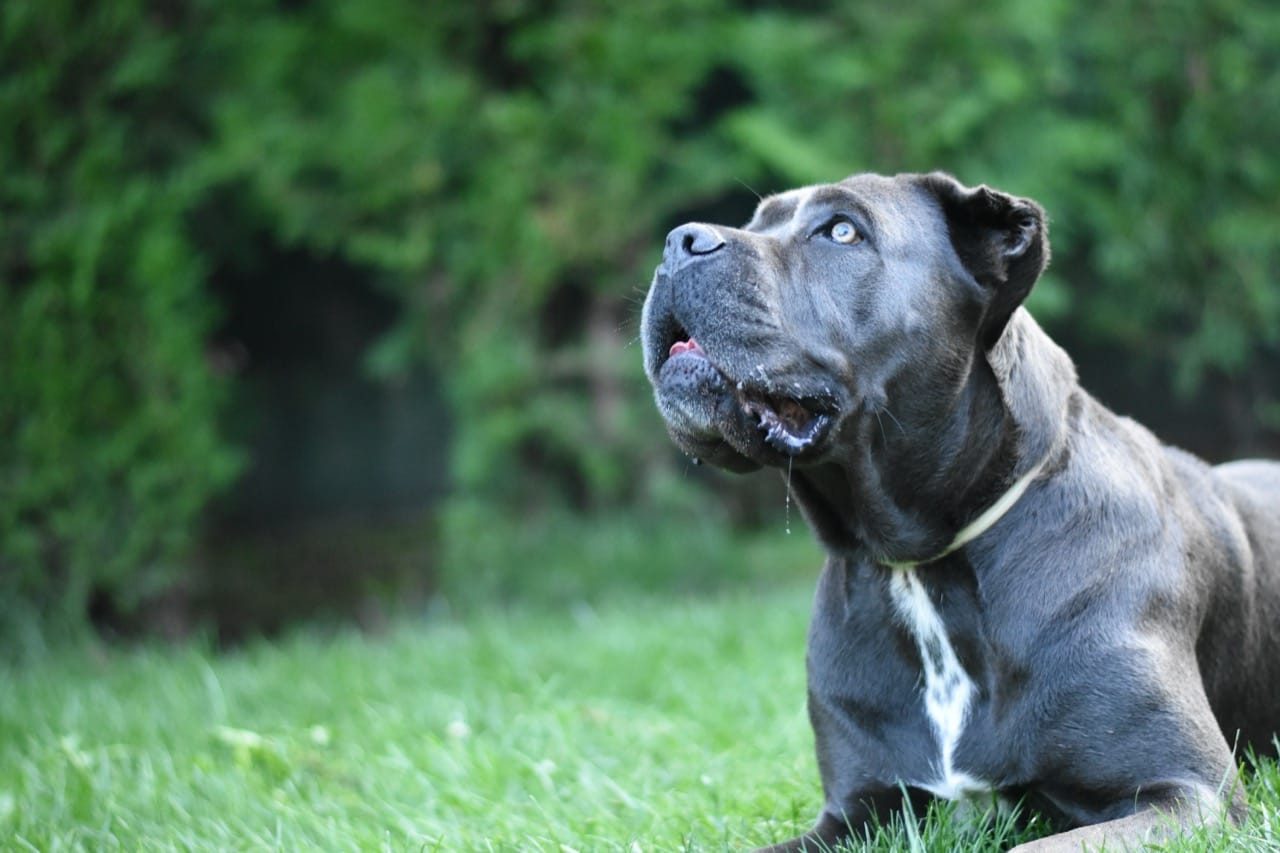
One of the most time critical dangers for deep chested dogs is bloat, also called gastric dilatation volvulus. The stomach fills with gas and can twist, cutting off blood flow and causing shock. The classic signs include a swollen or tight abdomen, repeated unproductive retching, drooling, restlessness, and rapid worsening weakness. This is not a wait and see situation. Immediate emergency care is the difference between life and death. Some owners discuss preventive gastropexy, a surgical procedure that tacks the stomach in place to reduce the risk of twisting.
Heart health is another area to take seriously. The parent club screening list includes a cardiac evaluation, and heart disease in large dogs may show up as reduced stamina, coughing, fainting, or rapid breathing at rest. A veterinarian may use a stethoscope exam, chest X rays, an electrocardiogram, or an echocardiogram to evaluate the heart. Because some heart disease is silent until it is advanced, regular checkups are valuable even when a Cane Corso looks strong.
Day to day prevention is not complicated, but it does require consistency. Keep your dog at a healthy weight, maintain regular exercise that builds fitness without constant pounding on joints, and schedule routine veterinary visits. Ask about breed relevant screenings, and keep a mental list of red flag symptoms: repeated vomiting attempts, sudden belly swelling, collapse, persistent limping, painful eyes, or breathing that seems hard or fast at rest. The Cane Corso is famous for toughness, which means they may hide discomfort until a problem is serious. Paying attention early is one of the most protective things an owner can do.