Fur, Fetch and Friends: Golden Life


Quiz Complete!
Golden Retriever Worldwise Care: Realities Behind the Easygoing Smile
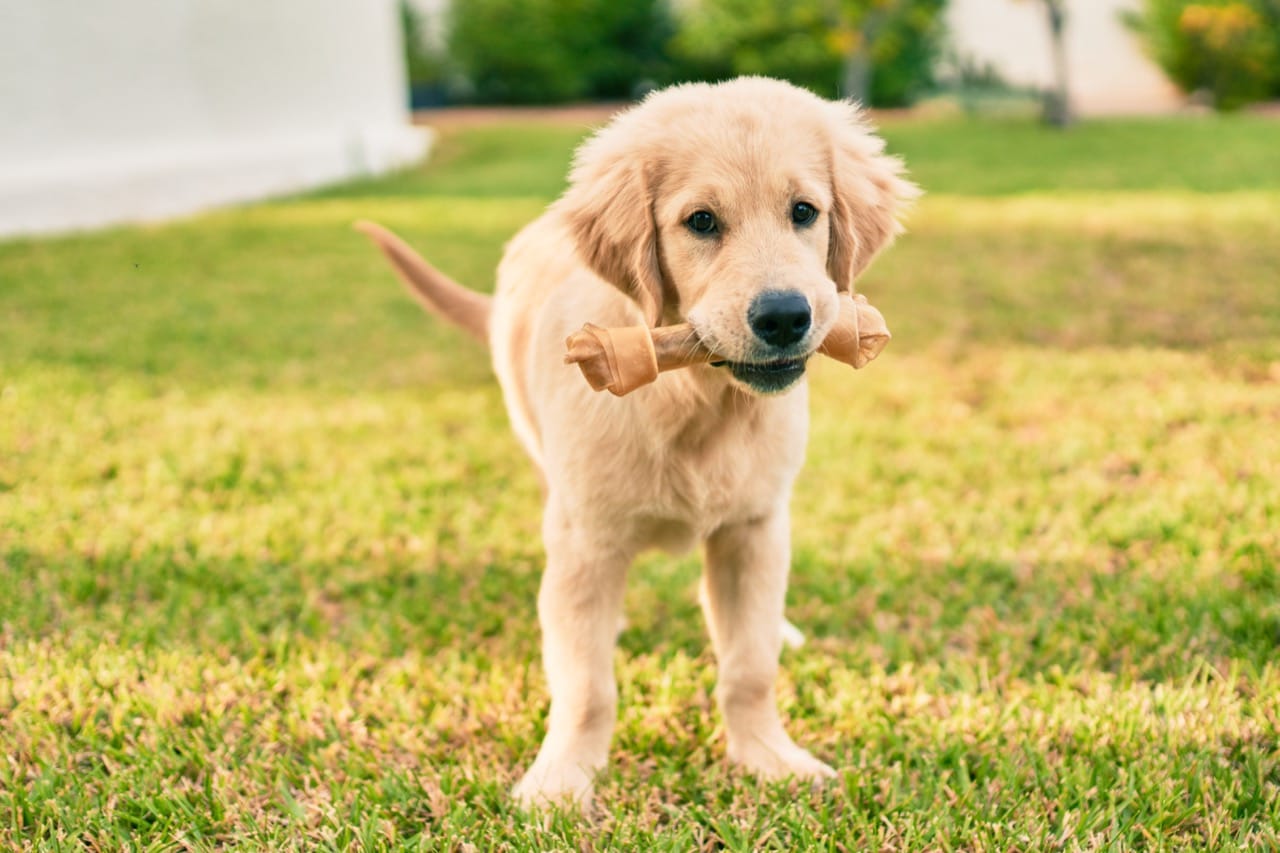
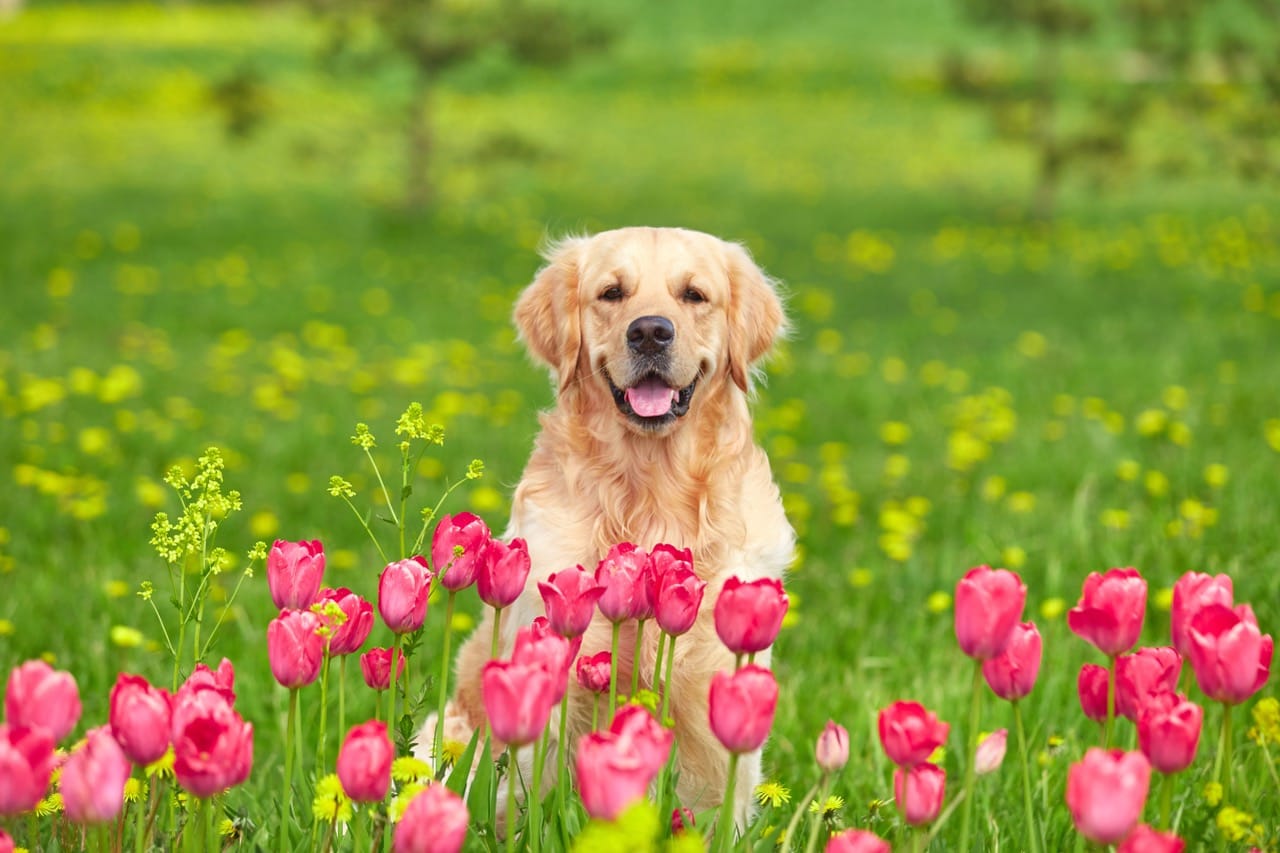
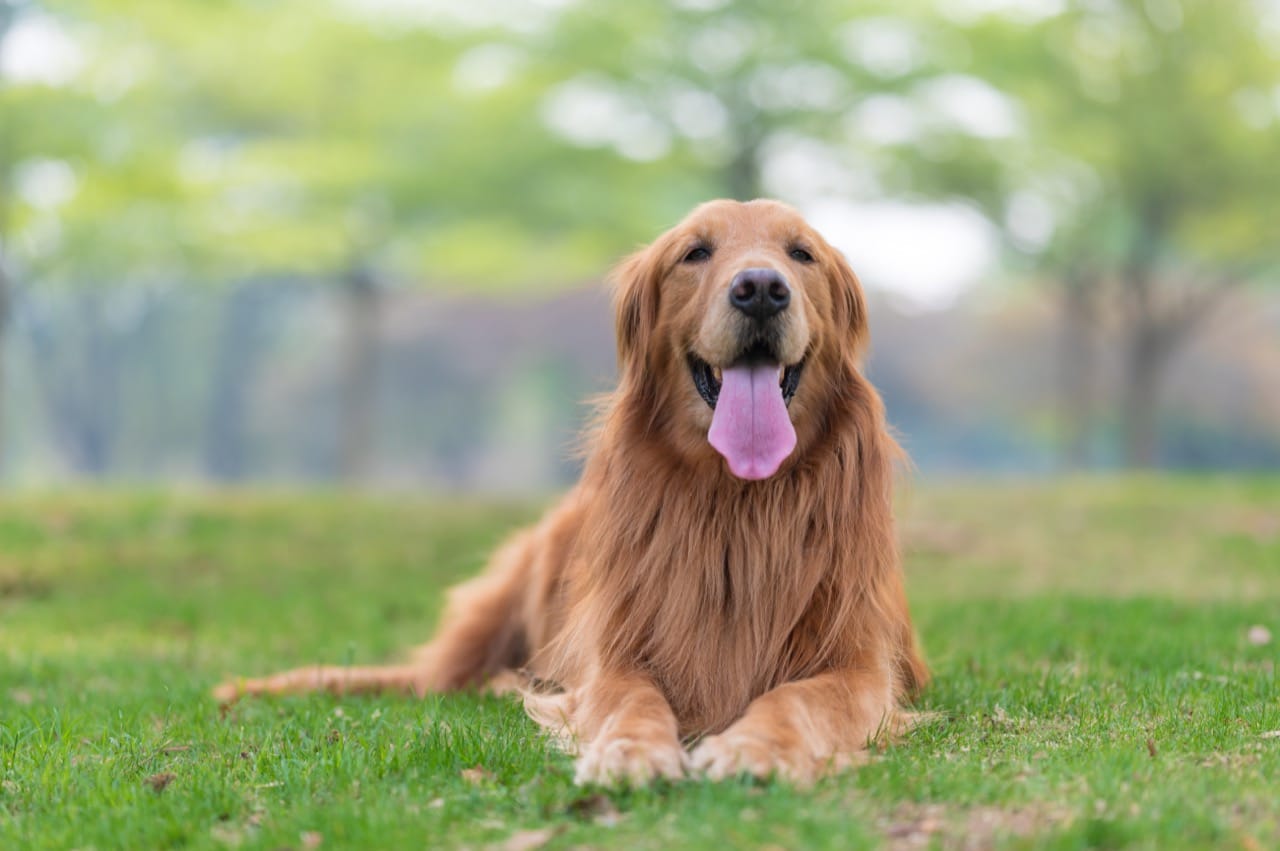
Golden Retrievers have a well-earned reputation for being friendly, steady, and eager to please, but that sunny temperament can fool people into thinking they are low maintenance. In reality, they are sporting dogs built to work closely with humans, and they thrive when daily life gives them a job to do, even if that job is simply learning new skills and tagging along on family routines. A Golden that seems restless, mouthy, or overly excitable is often not being “bad” so much as under-trained, under-exercised, or under-challenged.
Training usually comes naturally with this breed because they are biddable and people-focused. That does not mean they train themselves. The best results come from short, consistent sessions that reward the behavior you want and prevent rehearsal of the behavior you do not. Harsh corrections tend to backfire with many Goldens, making them shut down or become anxious, while calm structure and clear rewards build confidence. Early work on polite greetings is especially important because a friendly Golden often believes every stranger is a long-lost friend. Teaching sit for attention, loose-leash walking, and a reliable recall pays off for life, particularly because many Goldens retain a puppyish enthusiasm well into adulthood.
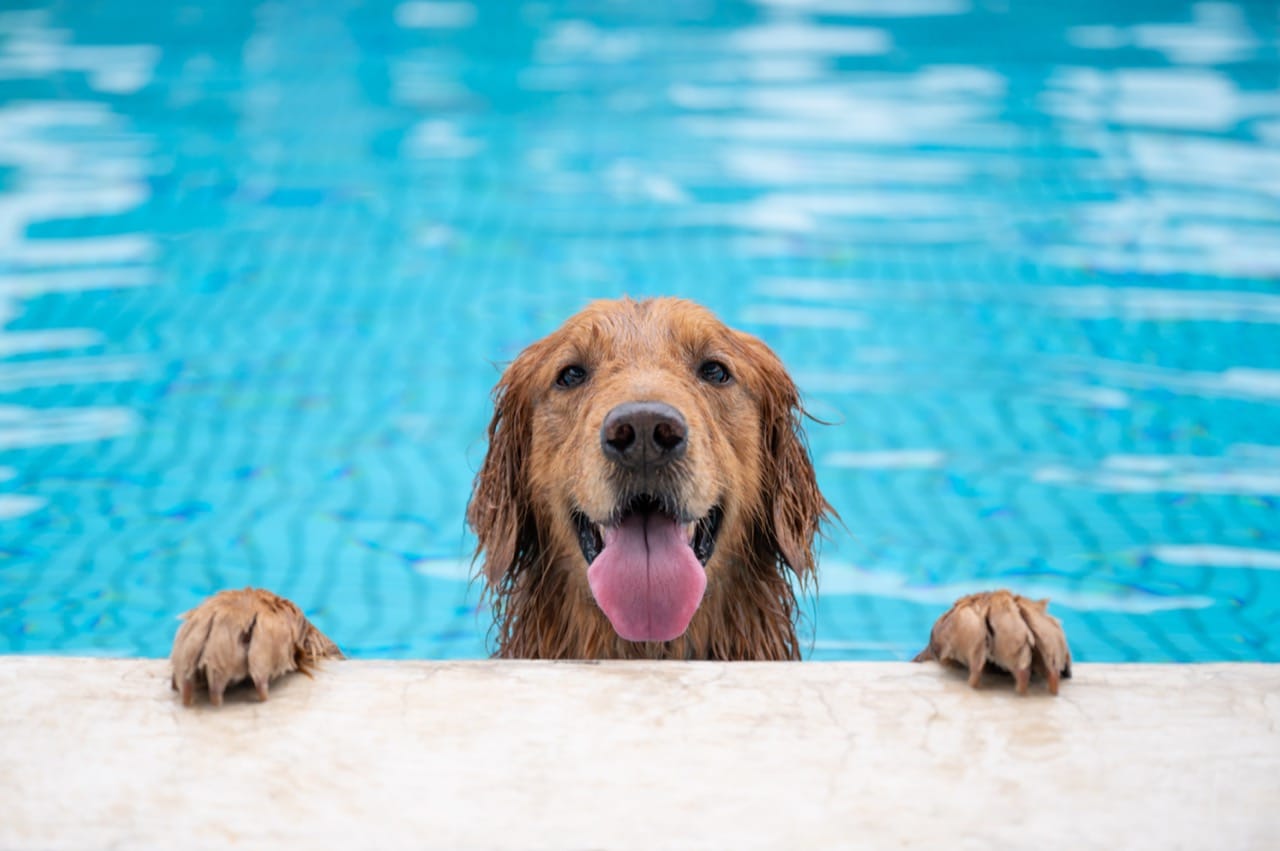
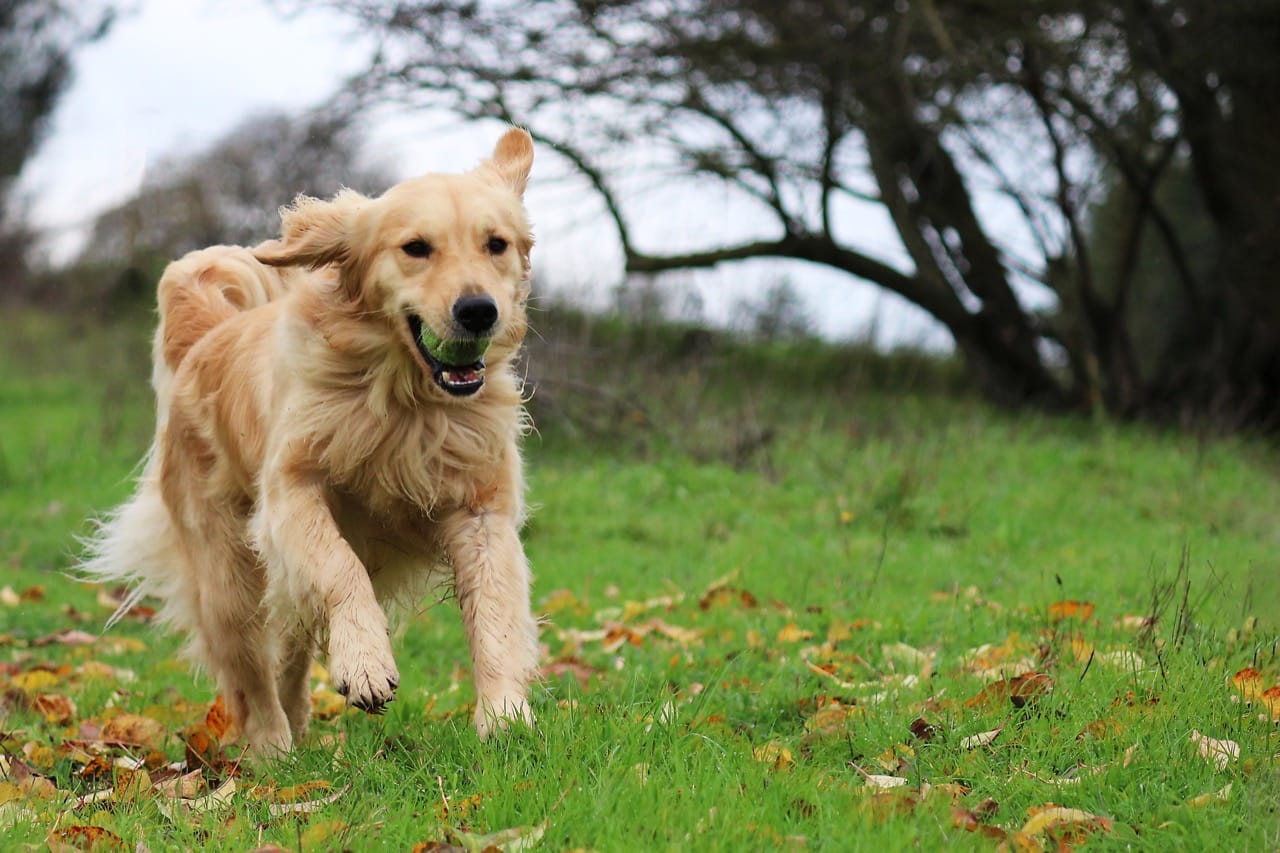
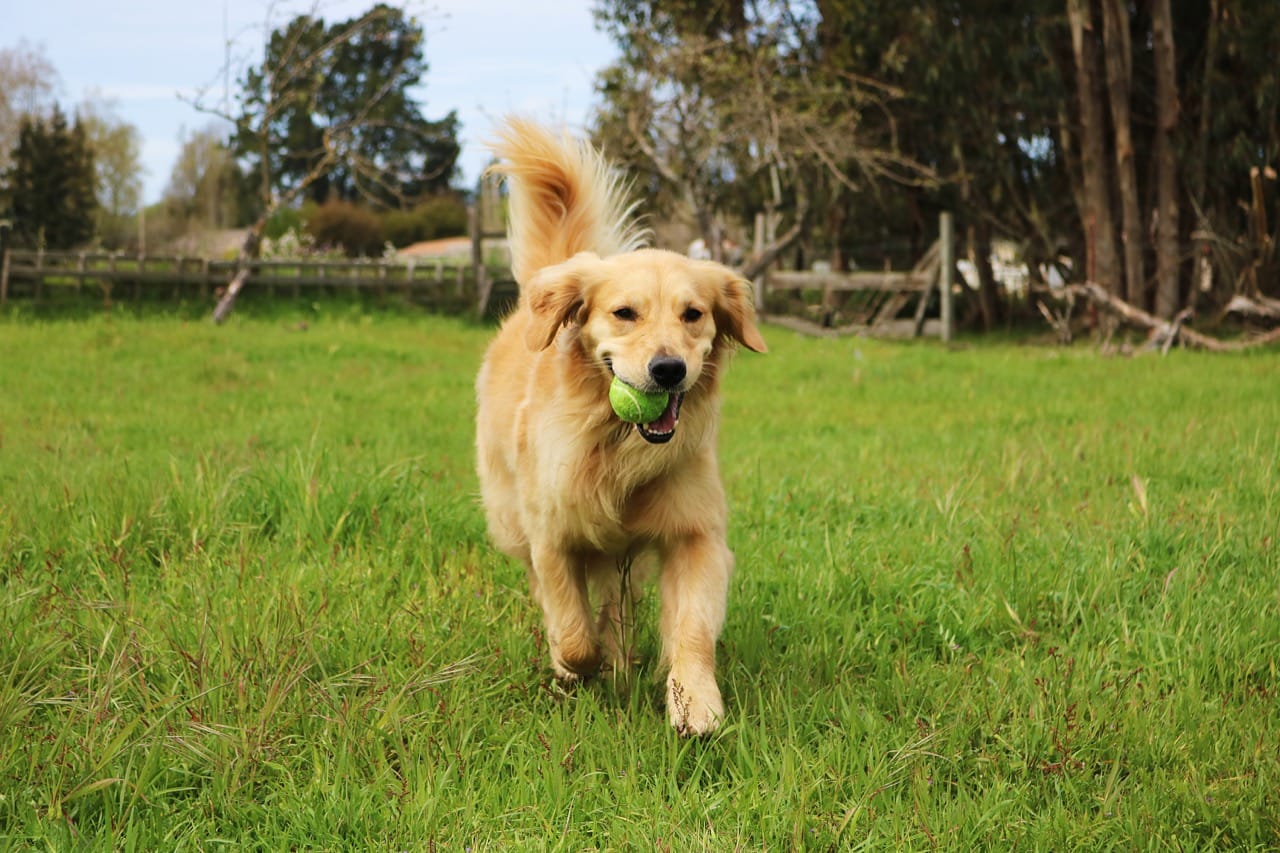
Exercise is not just about burning energy; it is about satisfying a retriever’s instincts. Many adult Goldens do best with a mix of brisk walking, free running in safe areas, and retrieving games that let them sprint, stop, and carry something proudly back to you. Swimming can be ideal because it is joint-friendly, but it comes with responsibilities. After any swim, ears should be gently dried and checked, since moisture trapped in the ear canal can encourage infections. Regular ear care matters even for non-swimmers because floppy ears reduce airflow.
Mental work is as important as physical work. A Golden that gets a long walk but no training or problem-solving may still invent their own entertainment, which can look like counter-surfing, digging, or stealing socks. Food puzzles, scent games, basic obedience refreshers, and learning household manners provide the kind of brain exercise that leaves them satisfyingly tired. Many Goldens also excel in therapy work, obedience, agility, rally, and field-style games, all of which channel their social nature and athleticism.
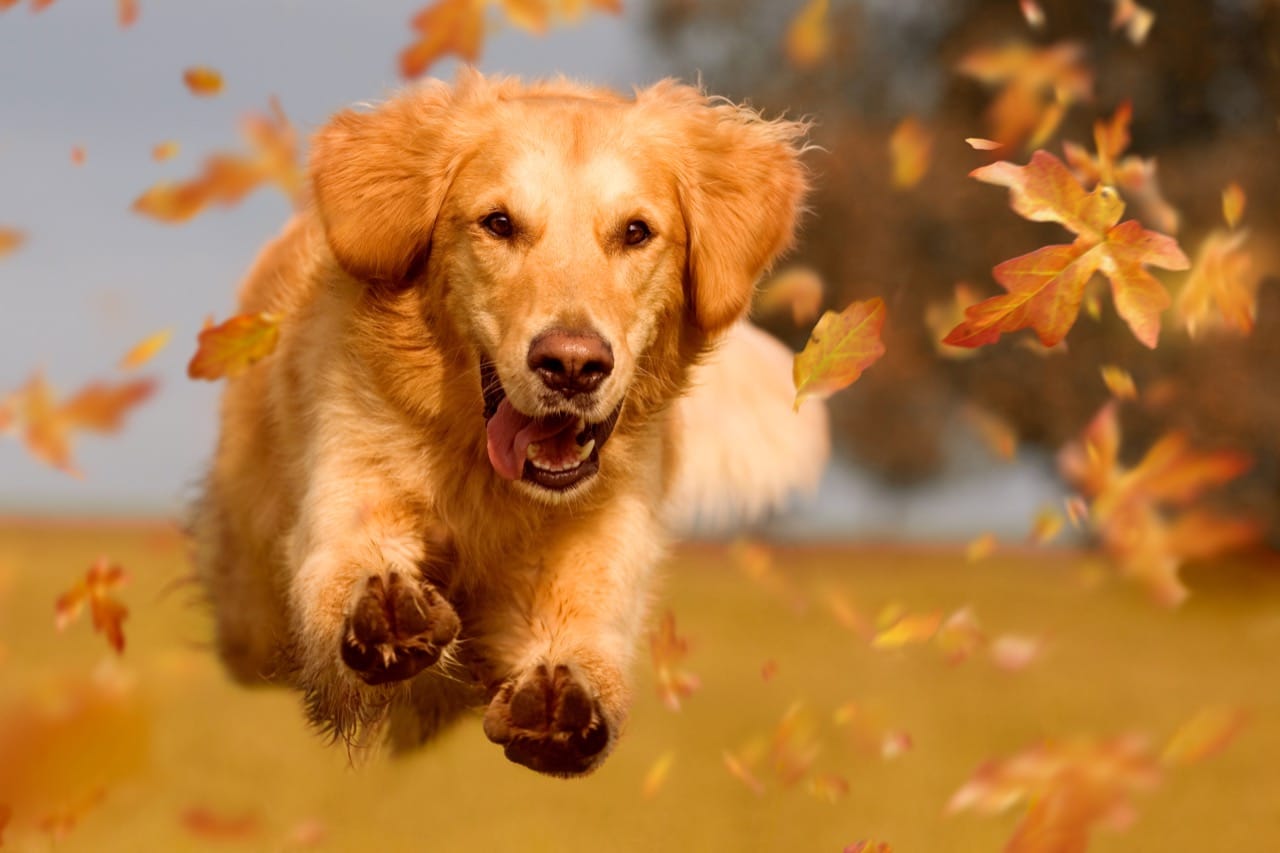
That beautiful coat is another area where “easygoing” does not mean “easy.” Golden Retrievers have a dense double coat designed to repel water and protect them in rough weather. It sheds year-round and often blows heavily seasonally. Regular brushing helps prevent mats behind the ears, in the feathering on legs and tail, and around the collar area. Bathing is useful, but too frequent shampooing can dry the skin, so the sweet spot is keeping them clean without stripping natural oils. In hot climates, shaving is usually a mistake because the coat also helps regulate temperature and protects from sunburn. Instead, focus on thorough brushing, shade, cool water, and sensible exercise timing.
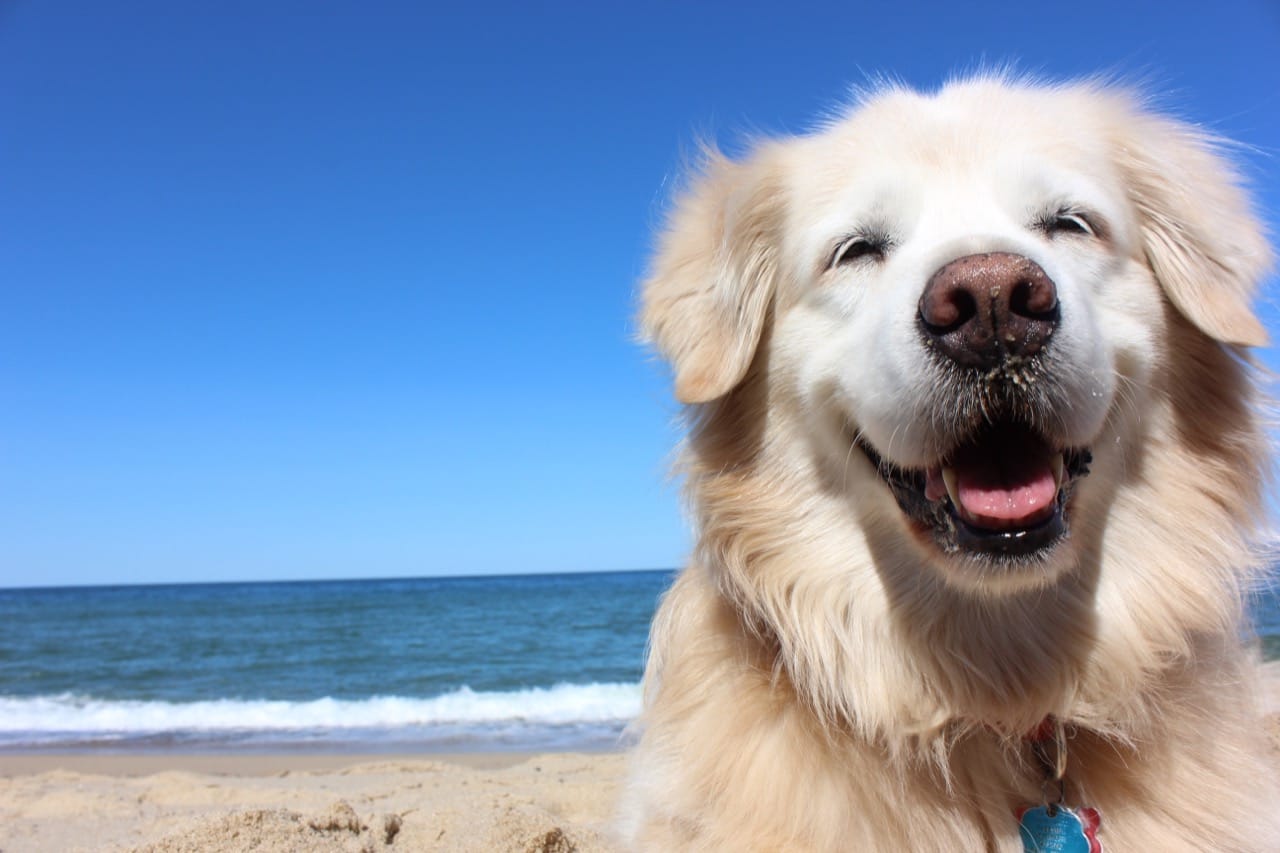
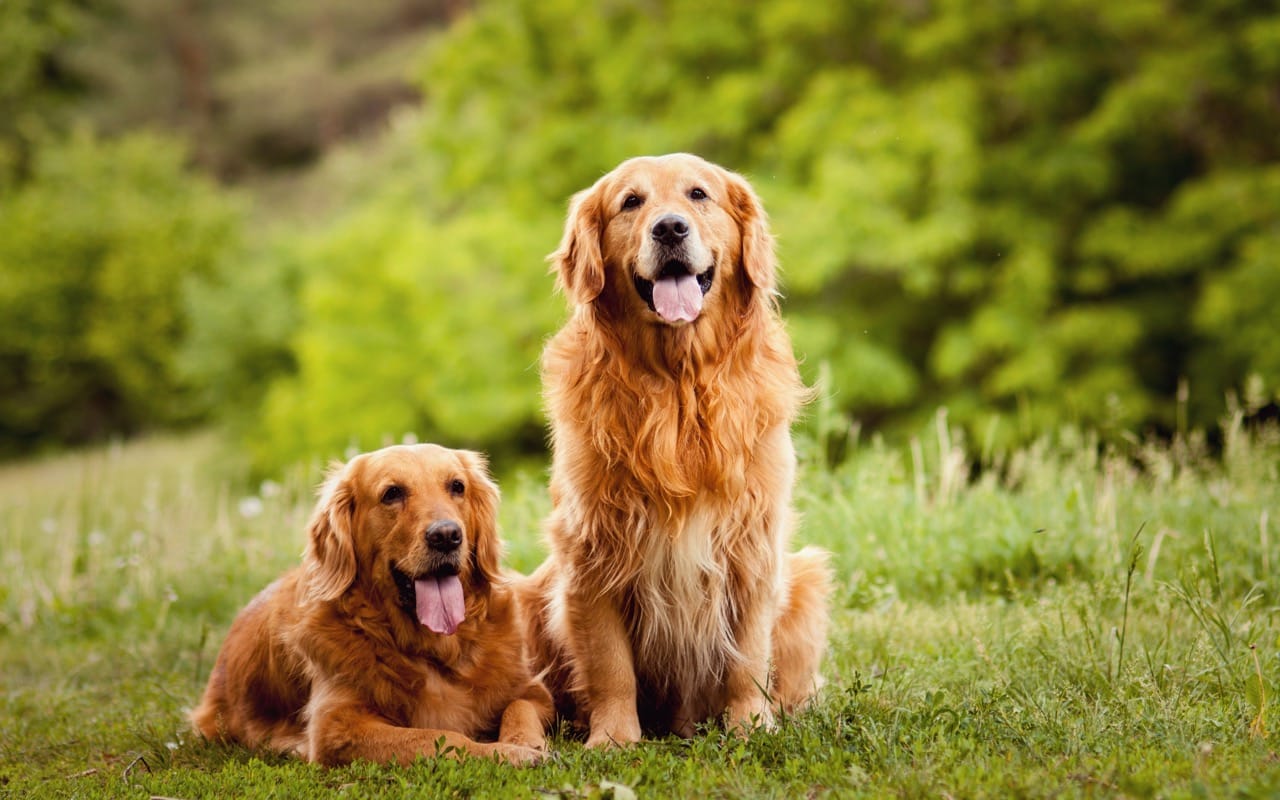
Around the world, you may notice differences between field-bred and show-bred lines. Field lines are often leaner, more intense, and more driven to retrieve and work, which can mean they need more structured activity and training. Show lines may be heavier-coated and sometimes a bit calmer, but still require daily engagement. Coat color ranges from pale cream to rich gold, and while color itself does not dictate personality, the breeding goals behind certain lines can influence energy level, coat density, and how much grooming you will do.
The happiest Golden Retriever is not simply the one with the biggest yard or the longest walk. It is the dog whose people provide steady training, appropriate exercise, coat and ear care, and daily mental purpose. Give them that, and their famous friendliness becomes more than a stereotype; it becomes a way of life.