The Golden’s Highland Beginnings
Quiz Complete!
Golden Retrievers Built for the Retrieve
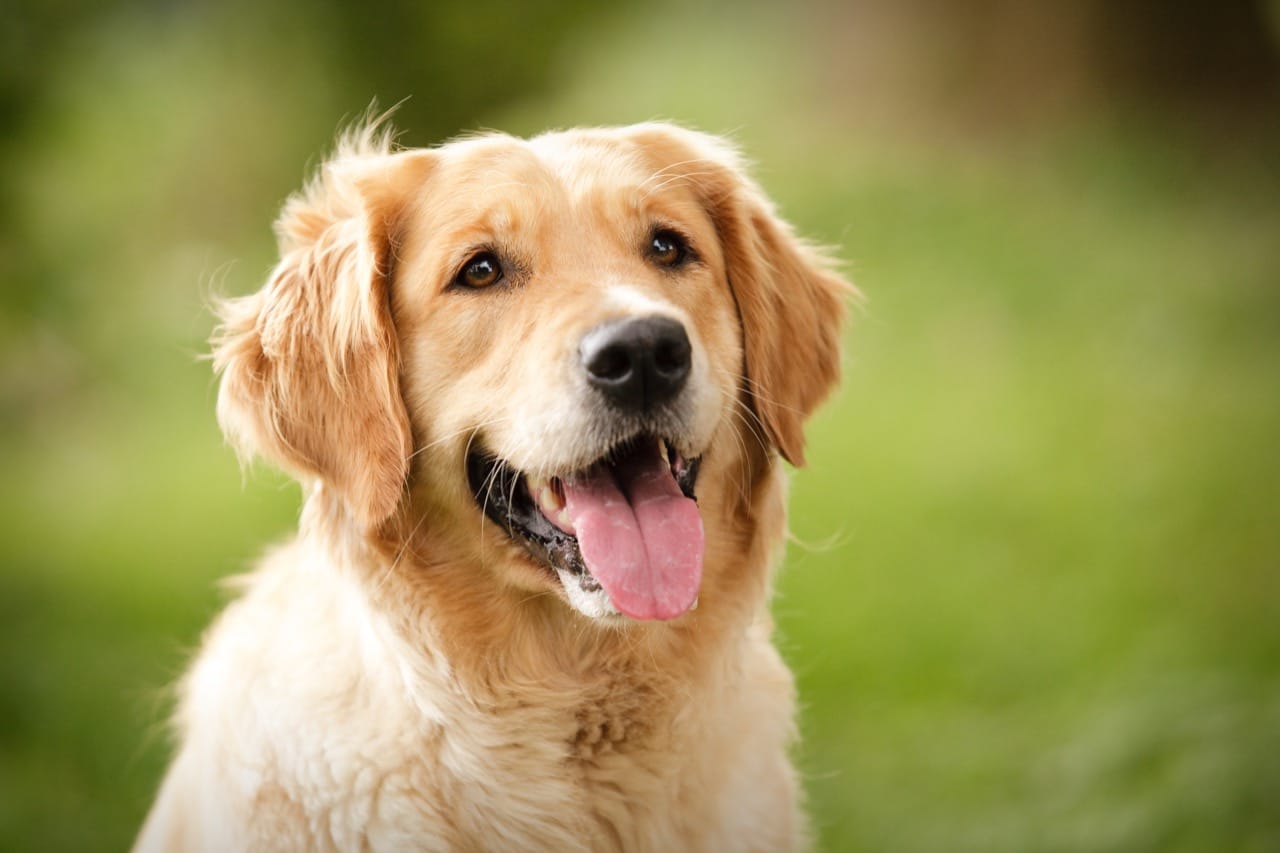
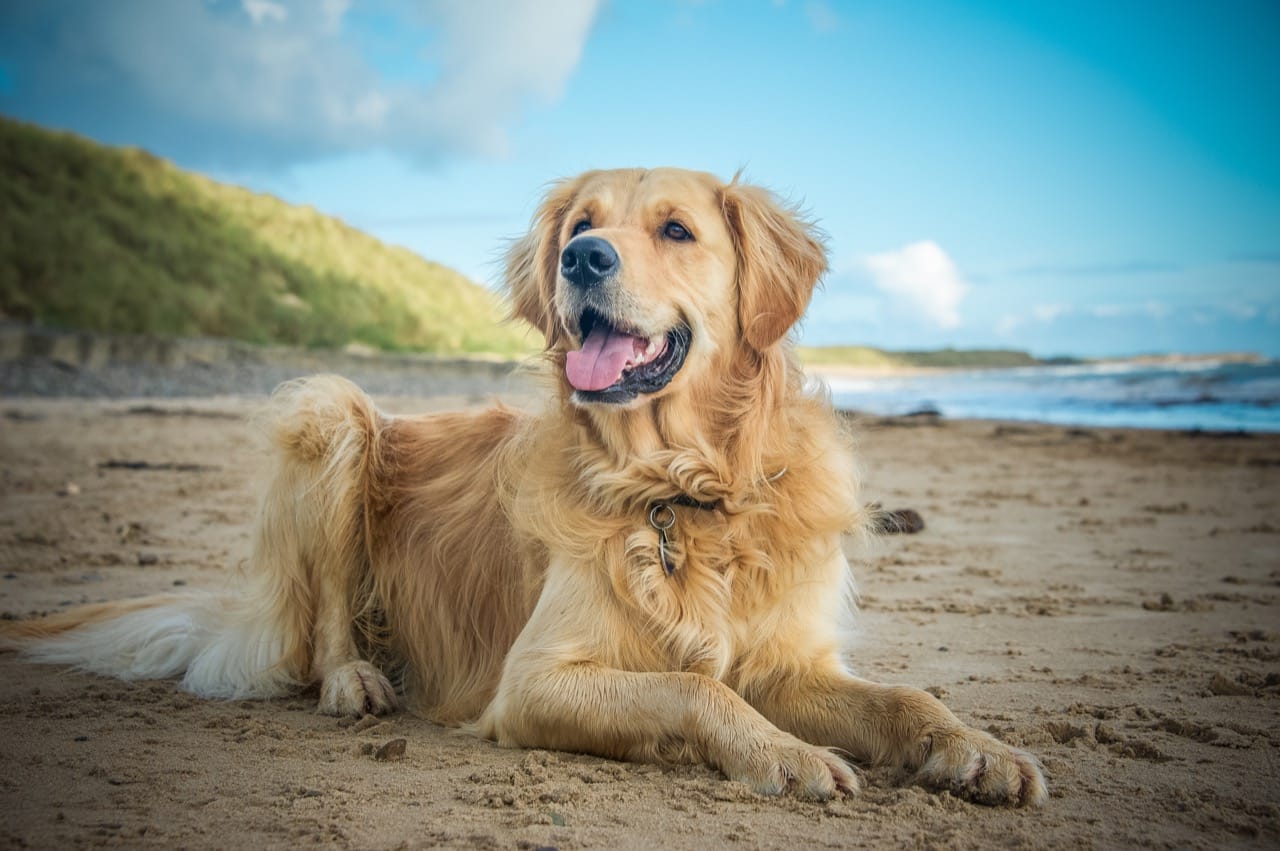
Golden Retrievers look like friendly family dogs because they are, but their signature traits were shaped by a very specific job: helping hunters recover shot birds quickly and gently, often in cold water and rough ground. Around 1868, on the Guisachan estate in the Scottish Highlands, Dudley Marjoribanks, later Lord Tweedmouth, began breeding toward what British sportsmen wanted: a dog that could mark where game fell, wait calmly at heel, then push through reeds, bracken, and mud to bring birds back without mangling them. The Golden Retriever emerged from that practical wish list, and the breed still carries the equipment for that work in its body, coat, and temperament.
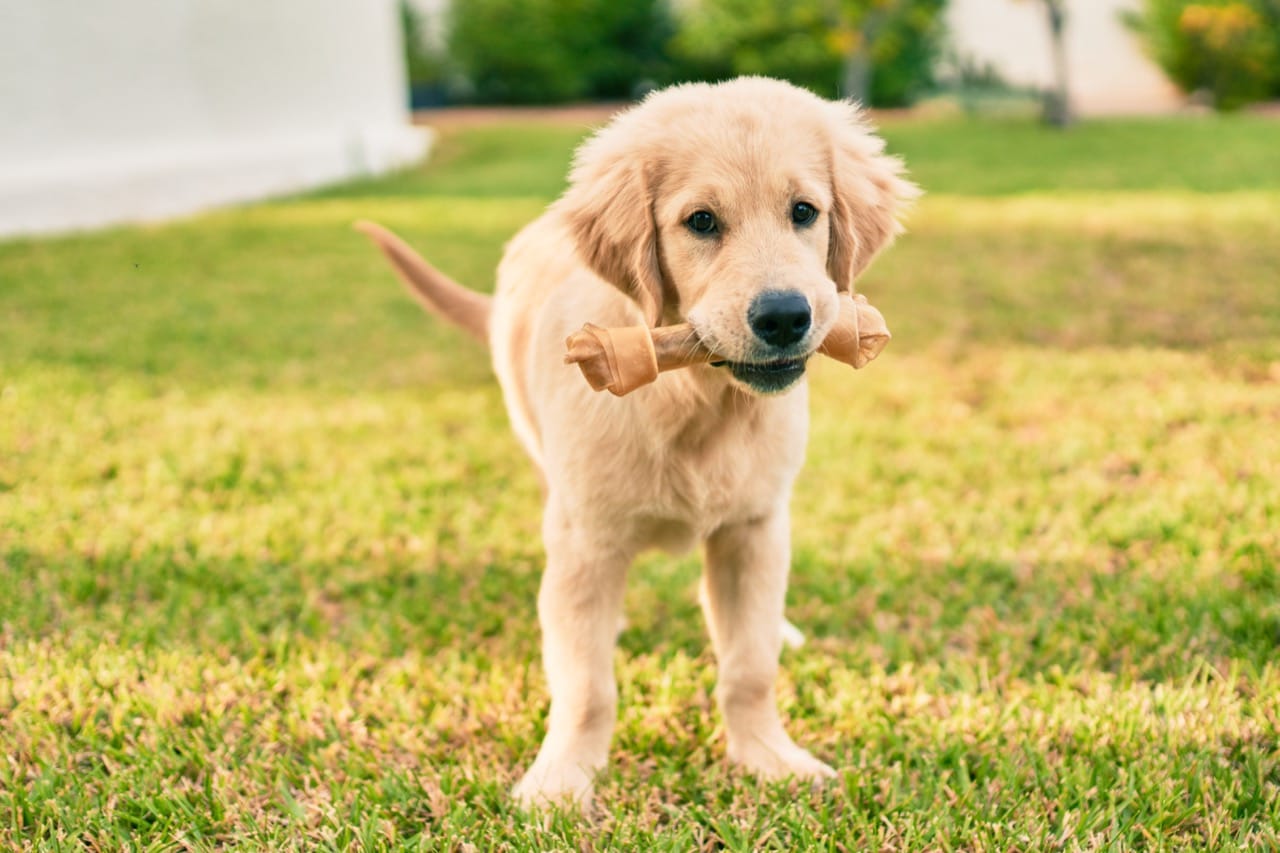
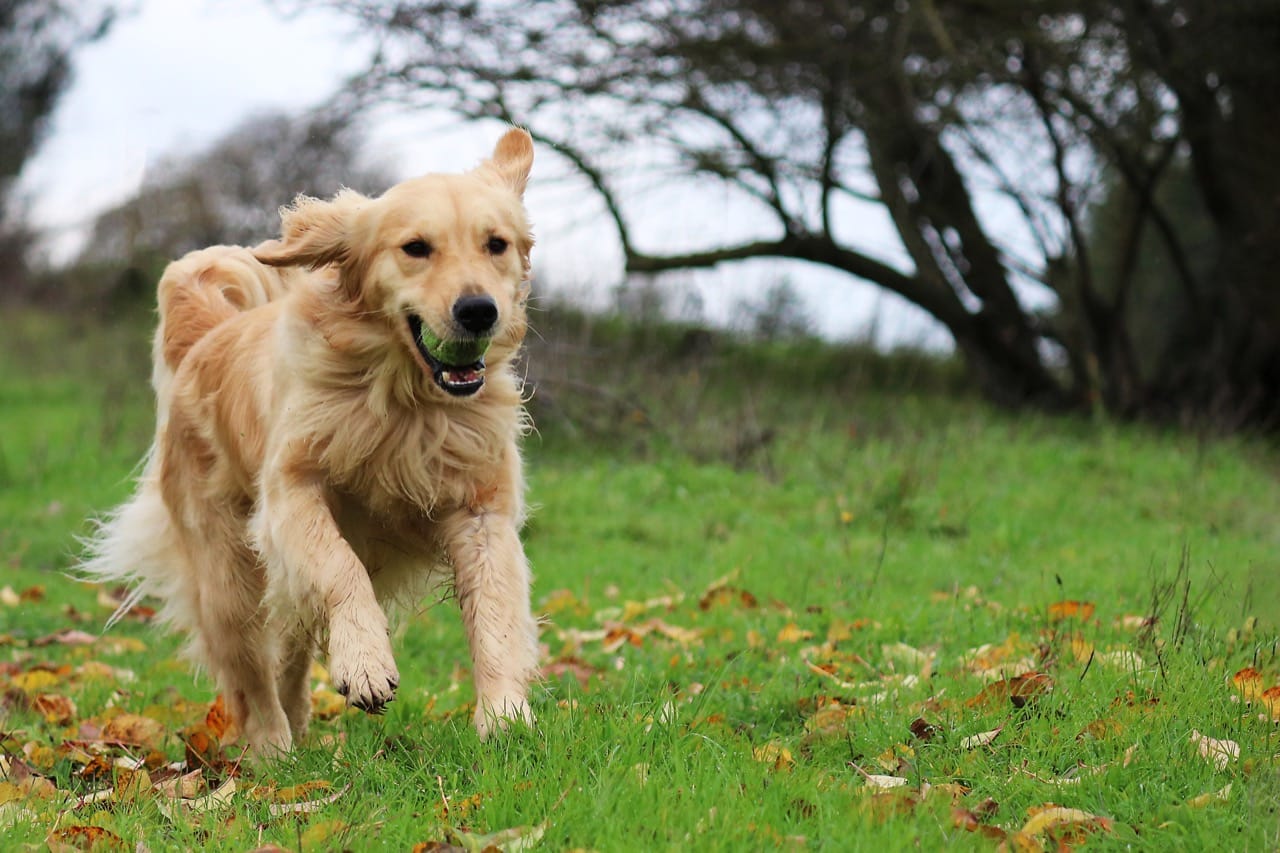
One of the most famous Golden traits is the so called soft mouth. Retrievers were expected to carry delicate game like ducks and pheasants without puncturing skin or crushing feathers. That does not mean a Golden has weak jaws. It means the dog has the self control and trained response to hold an object steadily with minimal pressure. This tendency pairs with a strong desire to pick things up and carry them, which is why many Goldens proudly parade socks, toys, or even random household items. When owners channel that instinct into fetch games and structured retrieving drills, the dog is doing a modern version of its original work.
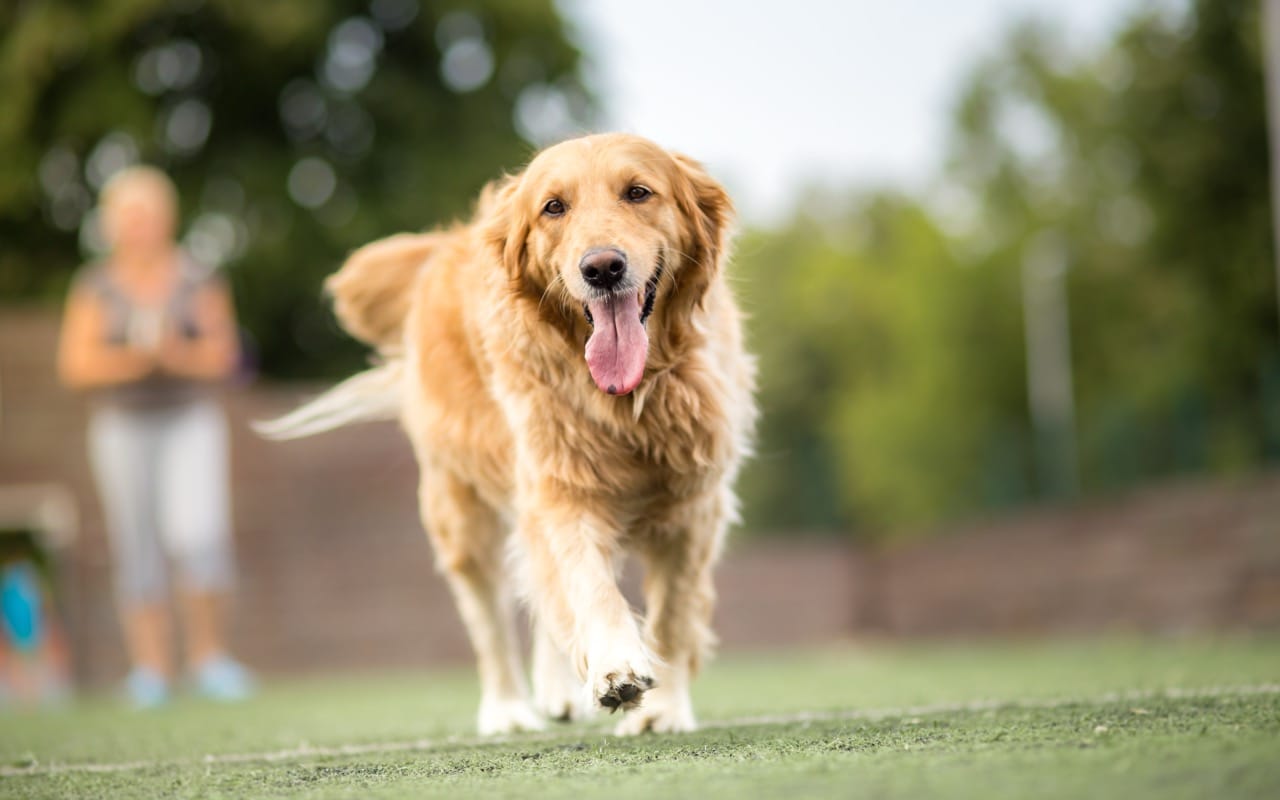
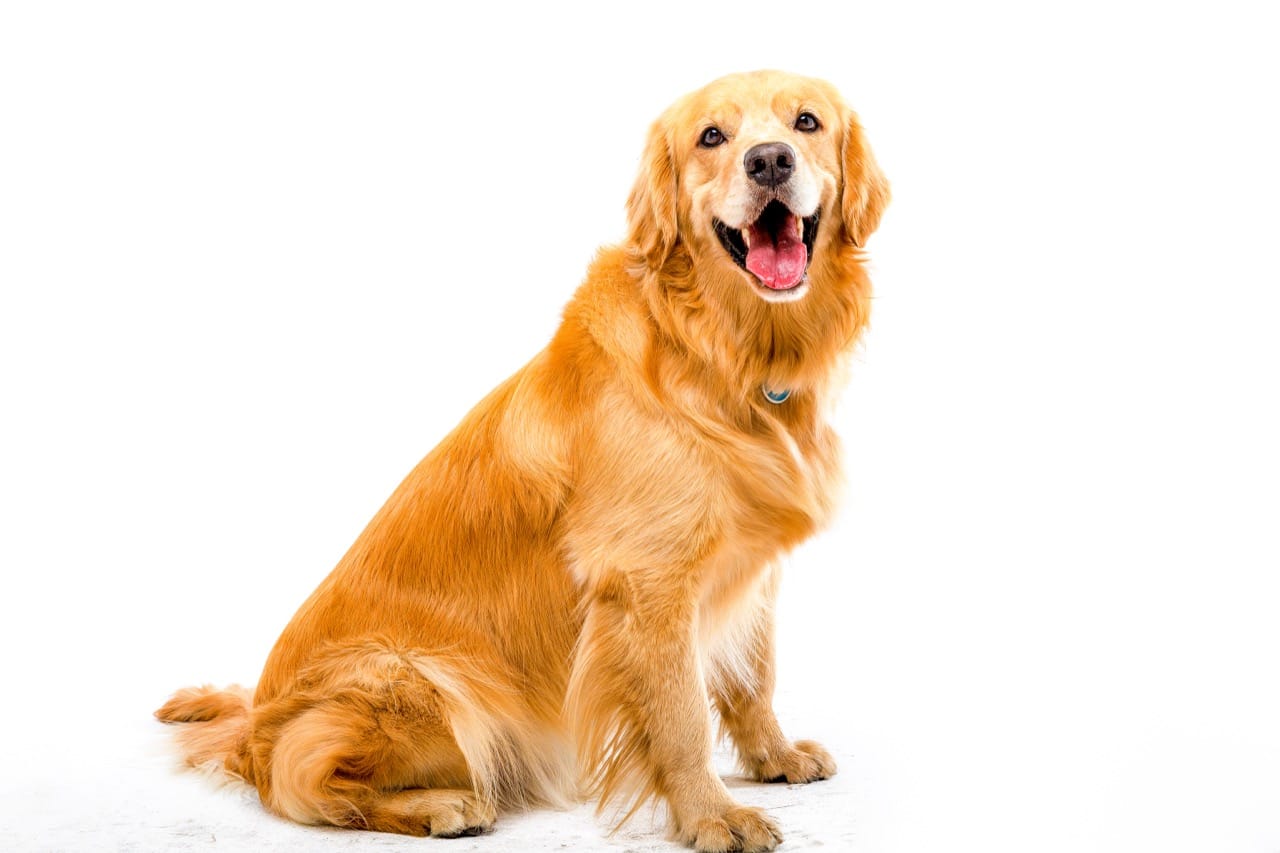
The coat is another piece of working equipment. A Golden’s double coat combines a dense, water resistant undercoat with longer guard hairs that shed water and help insulate the body. This is not just about looking fluffy. It is about staying functional after repeated swims and long waits in damp weather. The feathering on the legs, chest, and tail can collect burrs and mud, which is the tradeoff for protection and warmth. Regular brushing is not only cosmetic; it helps the coat do its job by preventing mats that can trap moisture against the skin.
Goldens are famously comfortable in water, and their build supports that. They tend to have a balanced, athletic frame suited for steady endurance rather than quick sprinting. Their feet are often described as strong and compact, useful for traction on slippery banks and uneven ground. Their enthusiasm for swimming is partly learned, but the breed was selected for dogs that would enter water readily and keep working even when conditions were unpleasant.
The tail, thick at the base and carried with energy, is more than decoration. Like other dogs’ tails, it helps with balance on land and in water. Today that same tail broadcasts emotion and intent, which is one reason Goldens are often easy to read.
Just as important as anatomy is temperament. Golden Retrievers were designed to work closely with people, taking direction at a distance and switching between excitement and steadiness on cue. That history helps explain their trainability and what trainers call biddability, the willingness to cooperate and try to figure out what you want. A dog that ignores the handler or refuses to deliver the bird is not useful in the field, so breeding favored dogs that were responsive, social, and reliable around noise and commotion.
This people focus has a flip side. Many Goldens struggle when left without a job, because their instincts tell them to engage, carry, search, and problem solve. Boredom can turn into chewing, counter surfing, or obsessive fetching. The good news is that their original purpose suggests the best enrichment: retrieve games with rules, scent work that mimics finding downed game, and training that rewards calm delivery to hand.
When you look at a Golden Retriever today, you are seeing a living set of design choices made for teamwork in wet fields and cold ponds. The gentle mouth, water ready coat, expressive tail, and eager to please attitude are not random personality quirks. They are the working tools of a dog built to find, pick up, and bring back what a human partner could not easily retrieve alone.