Yorkie Bows, Blues and Golden Tan

Quiz Complete!
Spotting the True Yorkshire Terrier Look: Coat, Color, and Classic Proportions
The Yorkshire Terrier is one of the easiest small breeds to recognize at a glance, yet it is also one of the most commonly misidentified. A true Yorkie look is a combination of coat texture, color placement, and a compact terrier body that stays neat and balanced under the hair. Knowing what to look for helps you tell the difference between a Yorkshire Terrier and similar toy terriers or mixes that share a small frame and flashy coat.
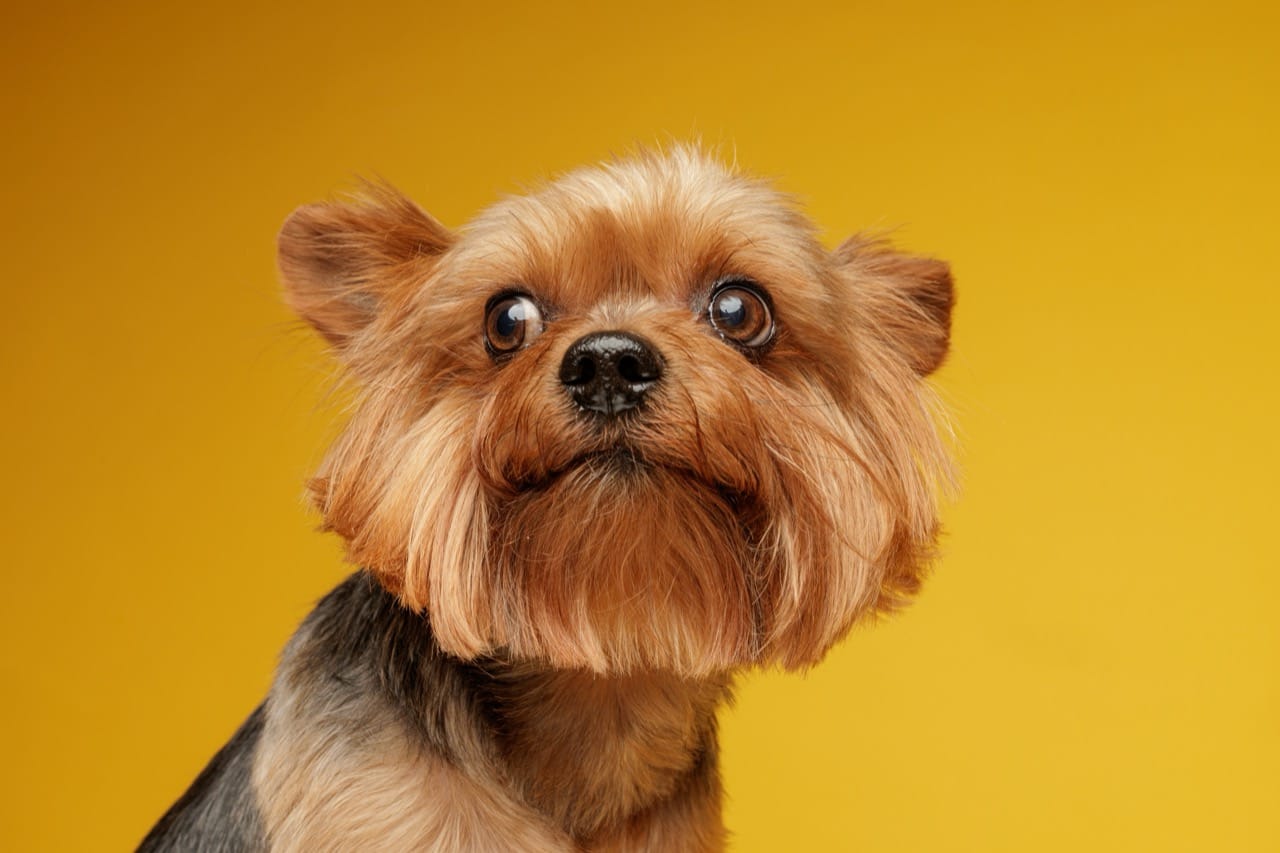
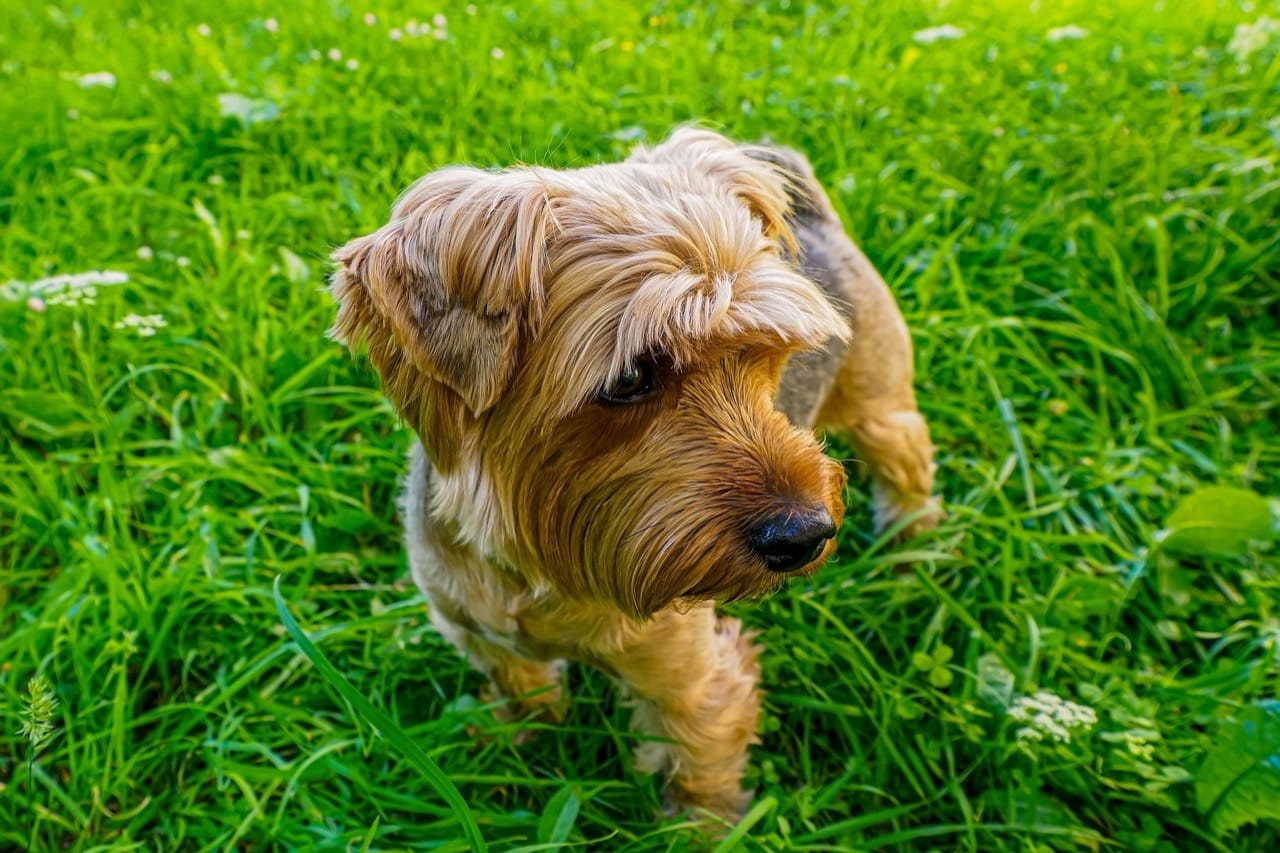
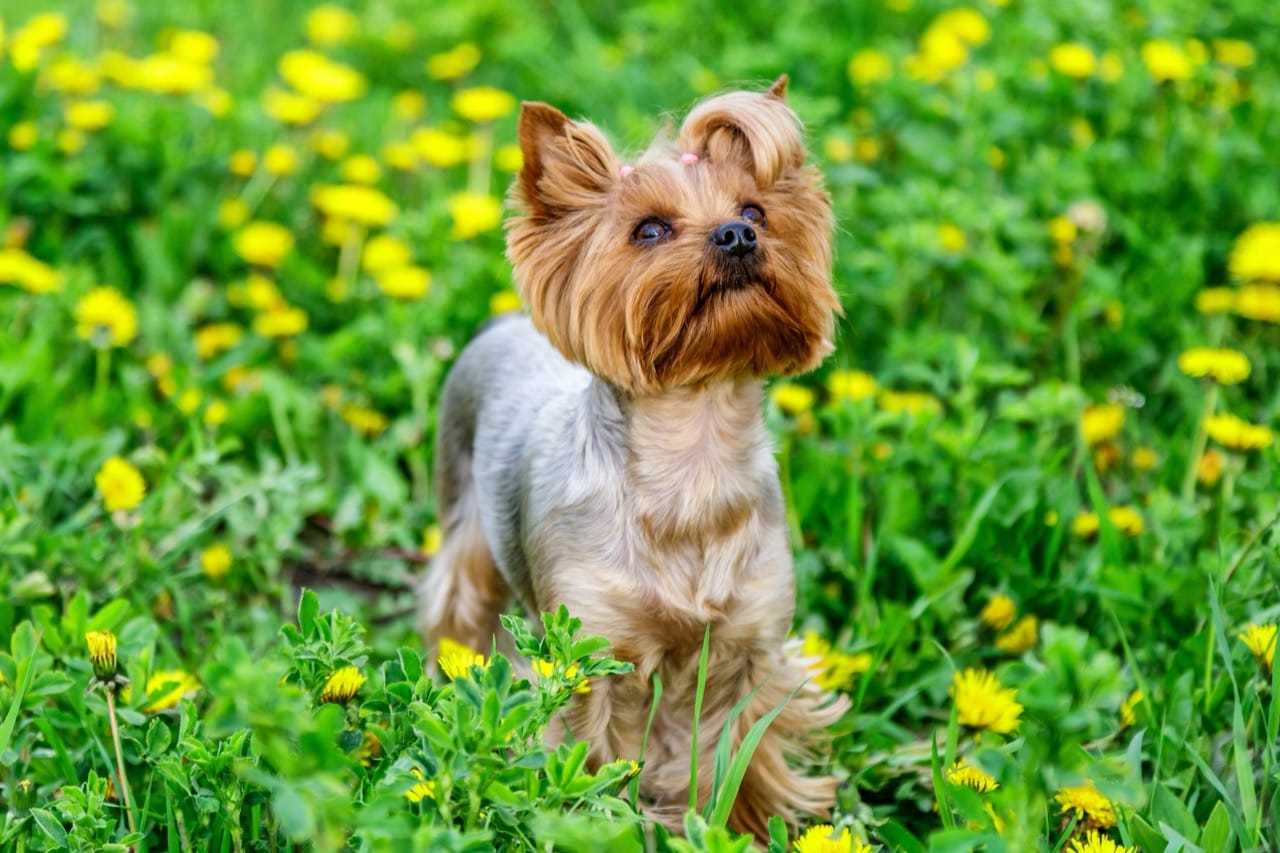
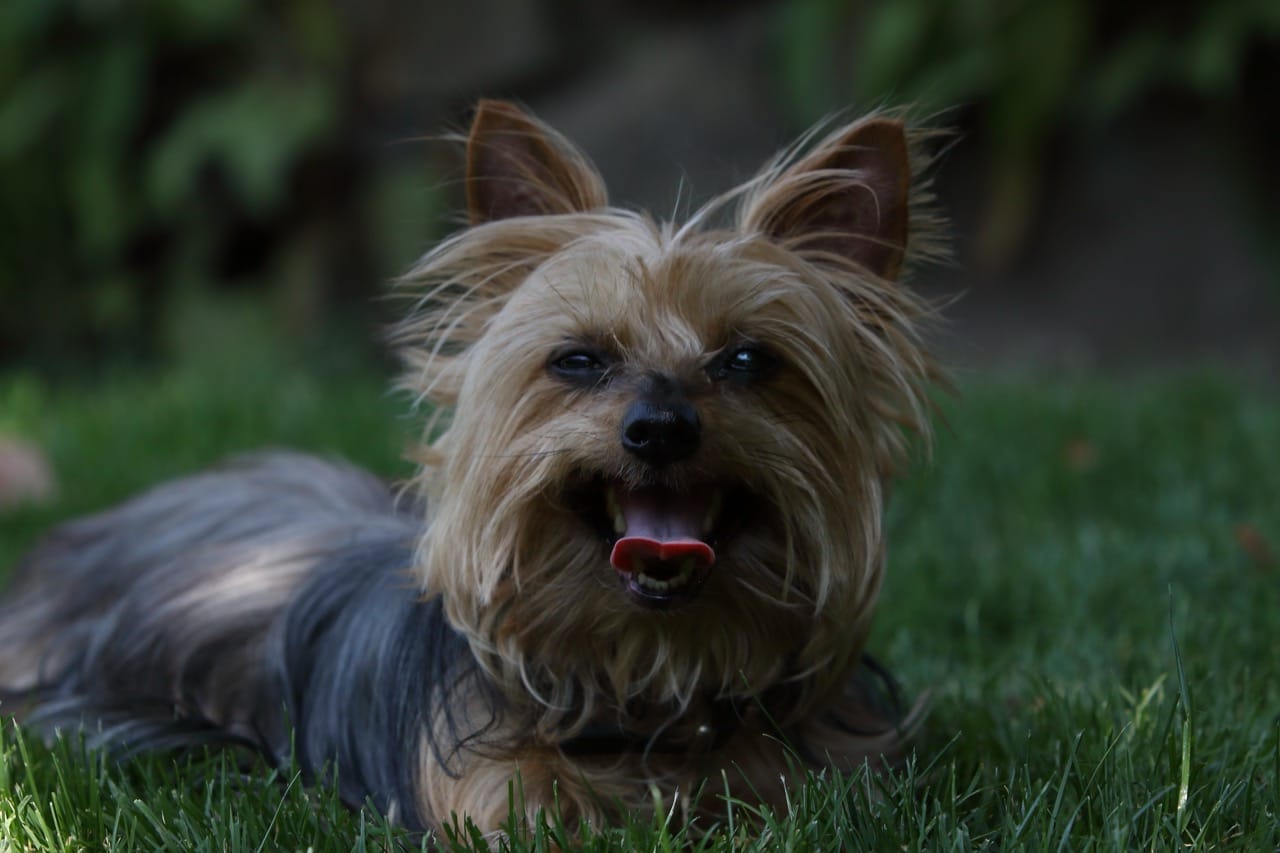
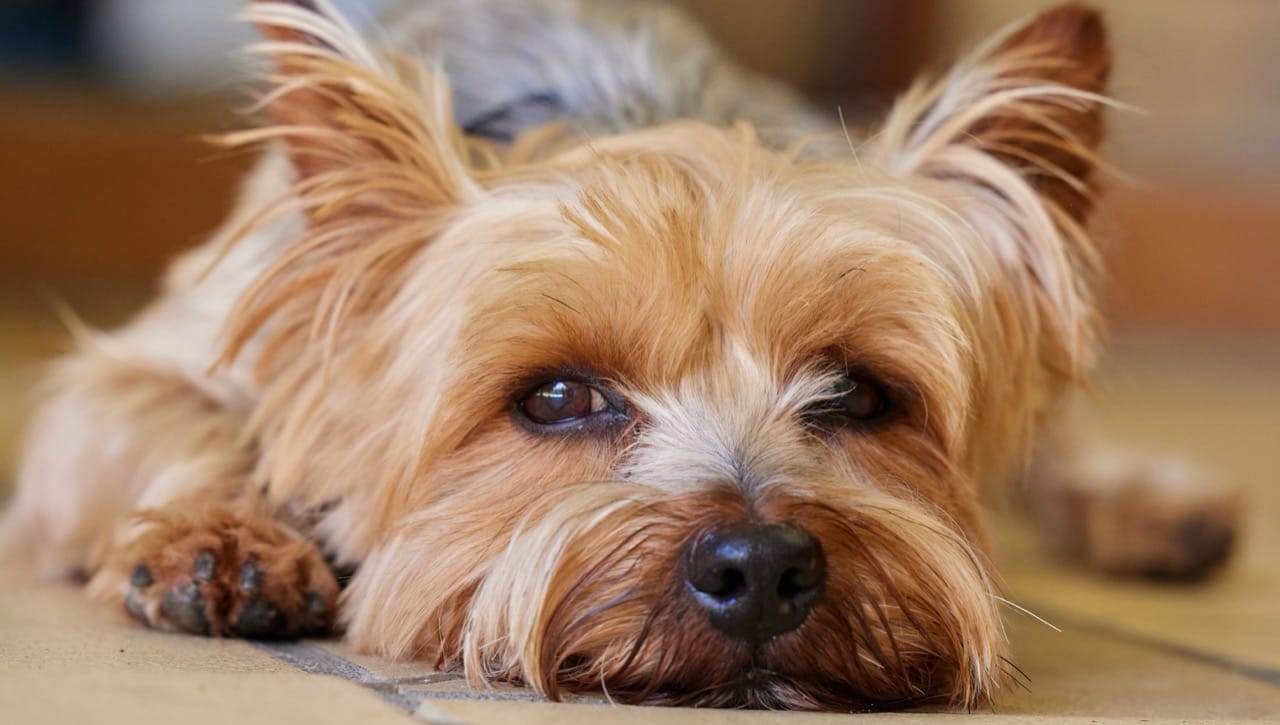
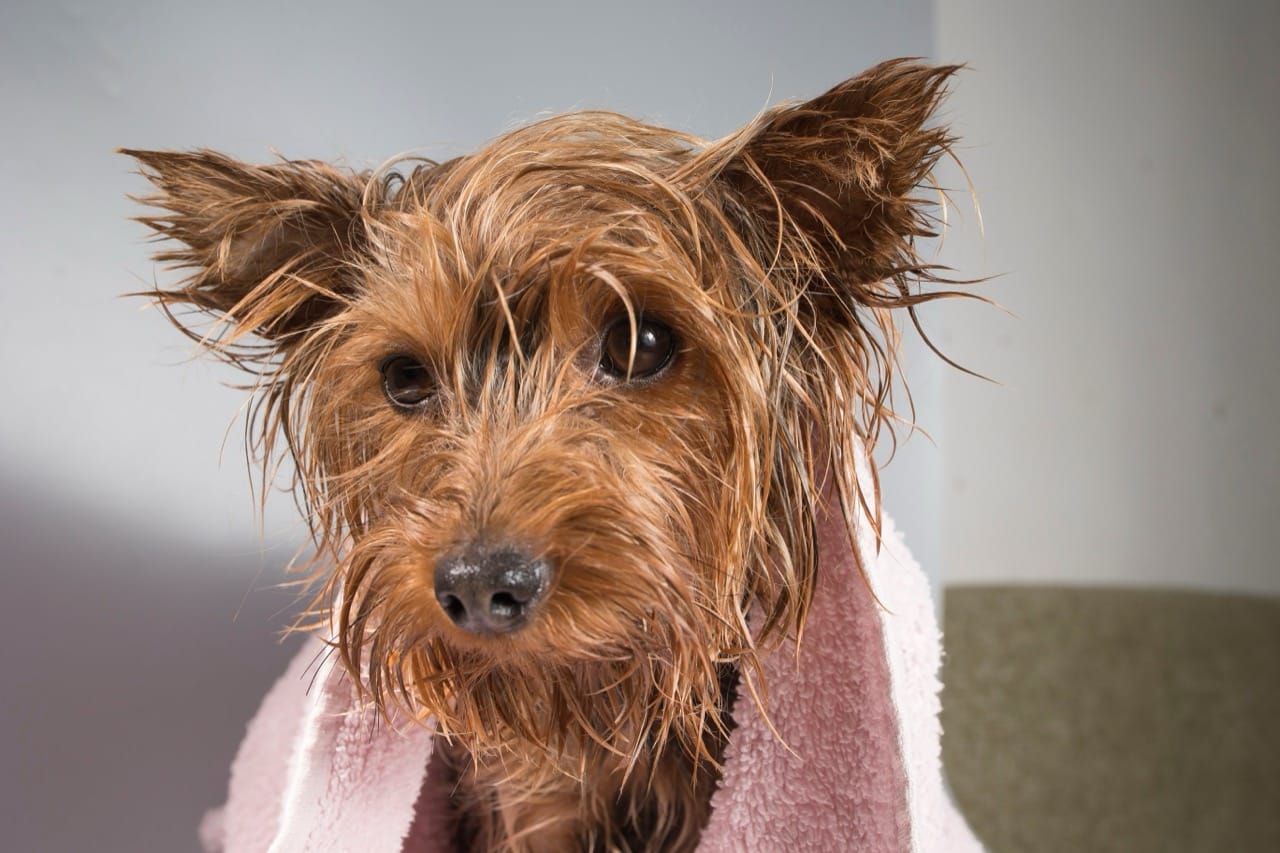
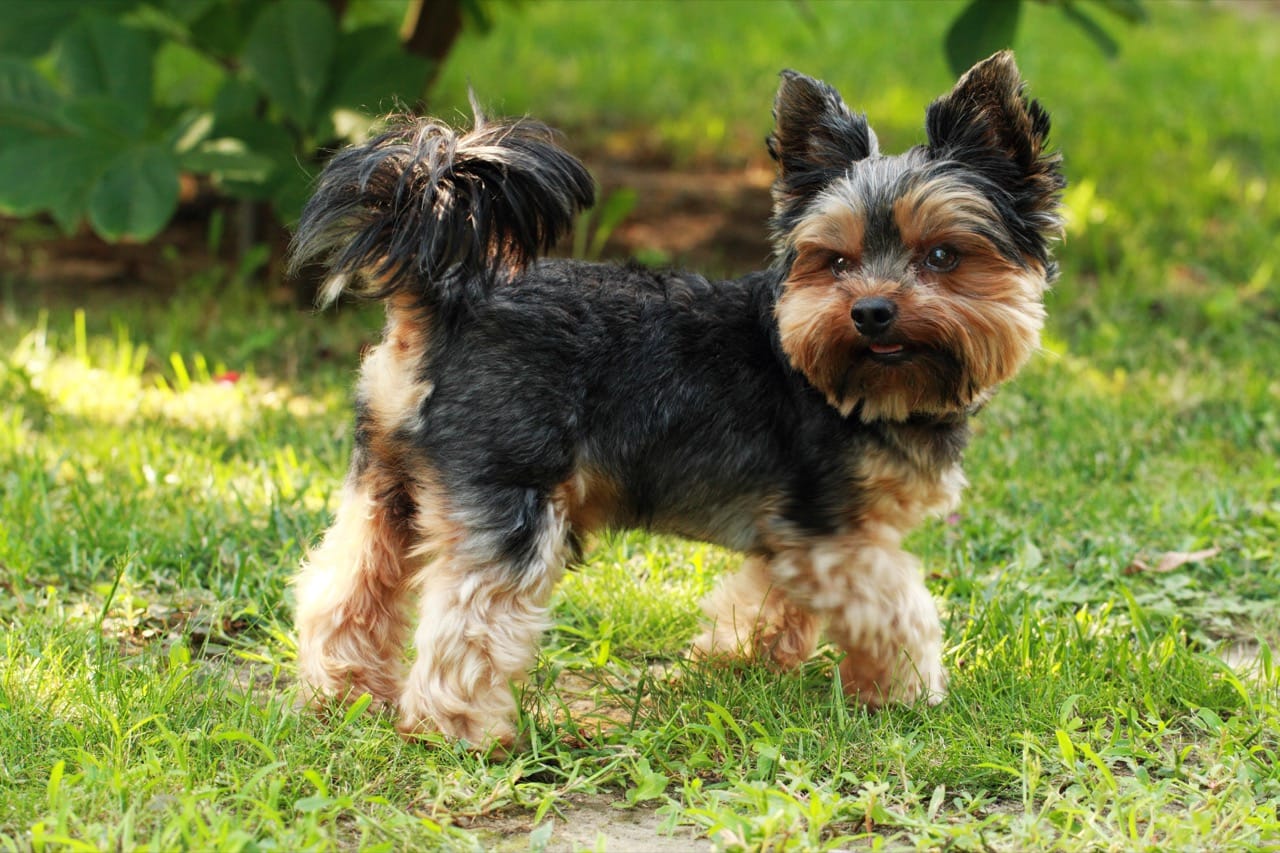
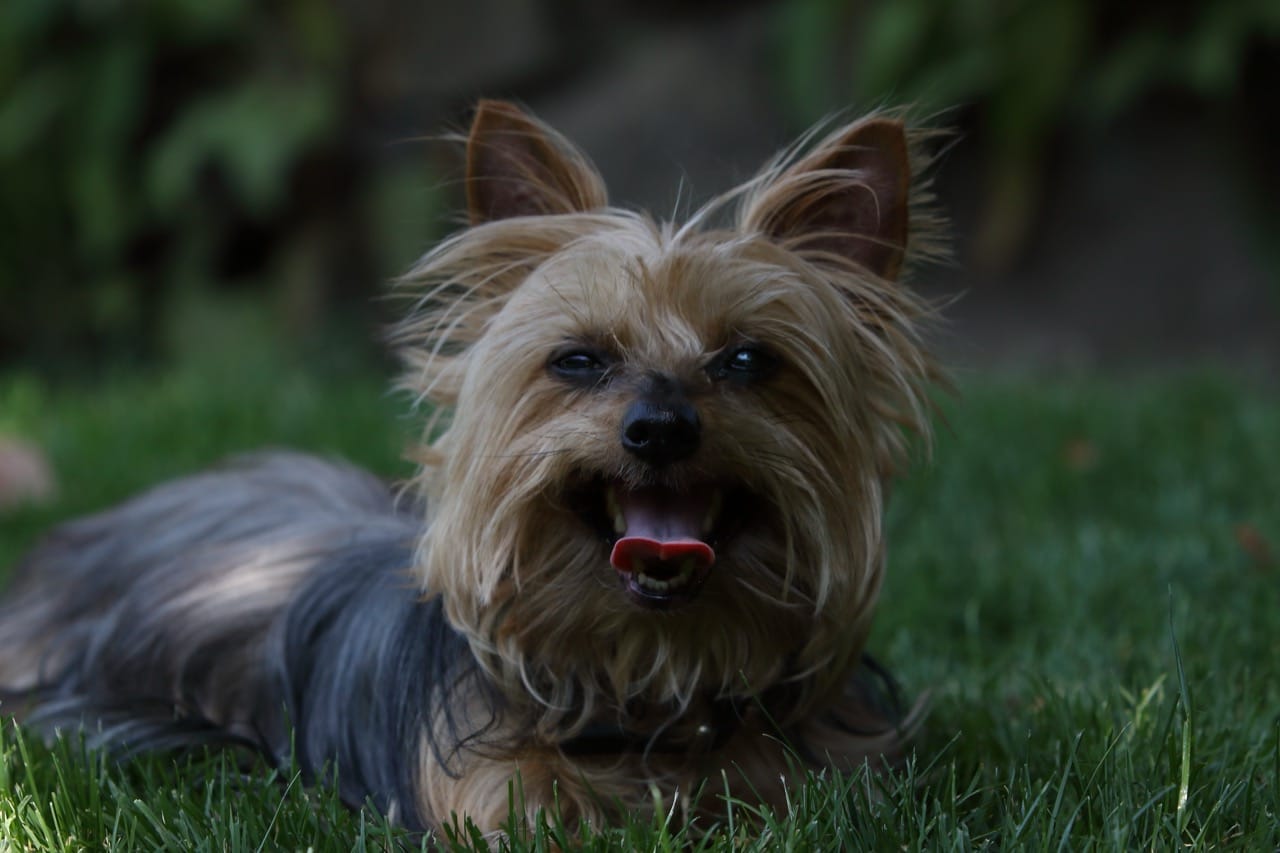
The signature Yorkie coat is fine, glossy, and straight, often compared to human hair. It is meant to fall smoothly rather than puff out. When the coat is kept long, it naturally parts down the middle of the back from the head to the tail, creating a clean, even curtain on both sides. That center part is not just a grooming trick; it is easier to achieve when the coat texture is correct. A cottony, fluffy, or wavy coat can look cute, but it is not the classic breed texture and tends to lose that sleek, flowing outline.
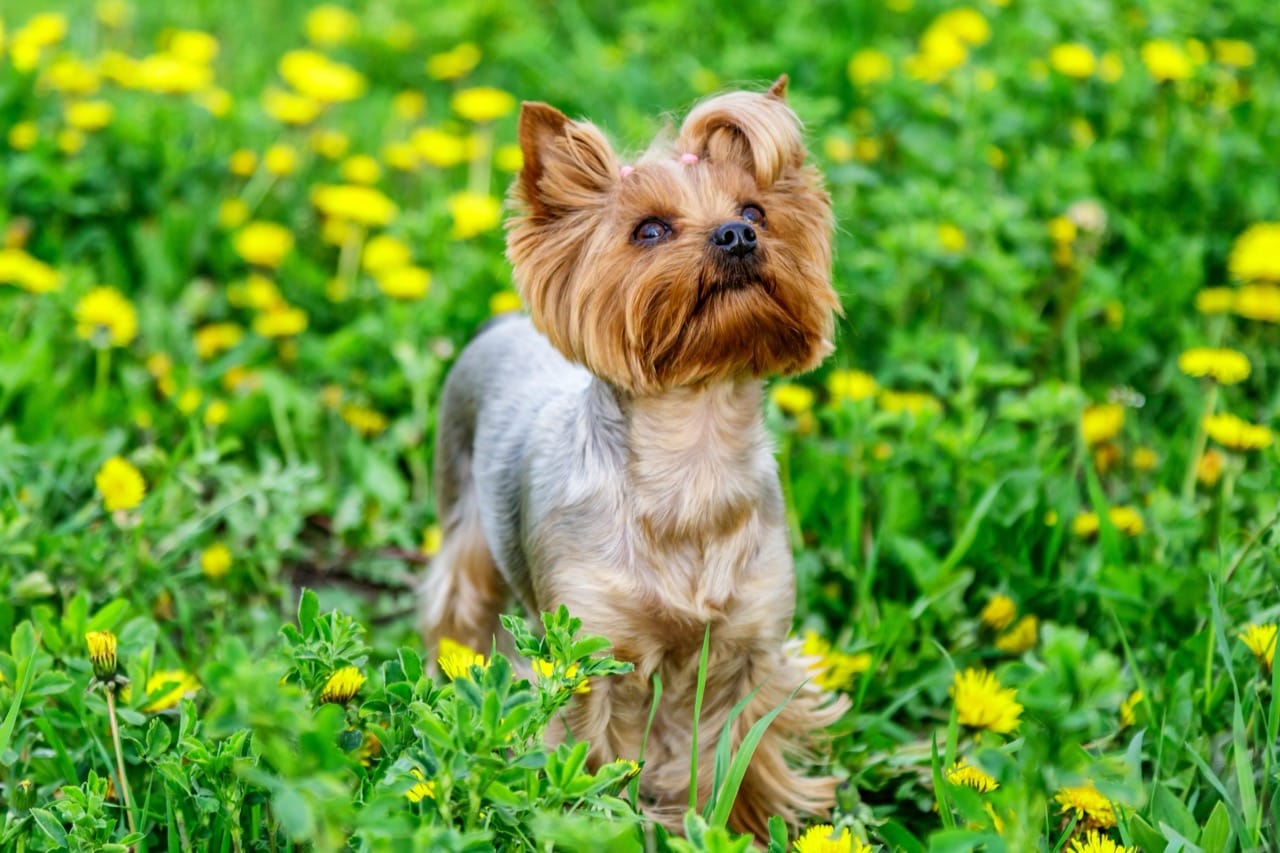
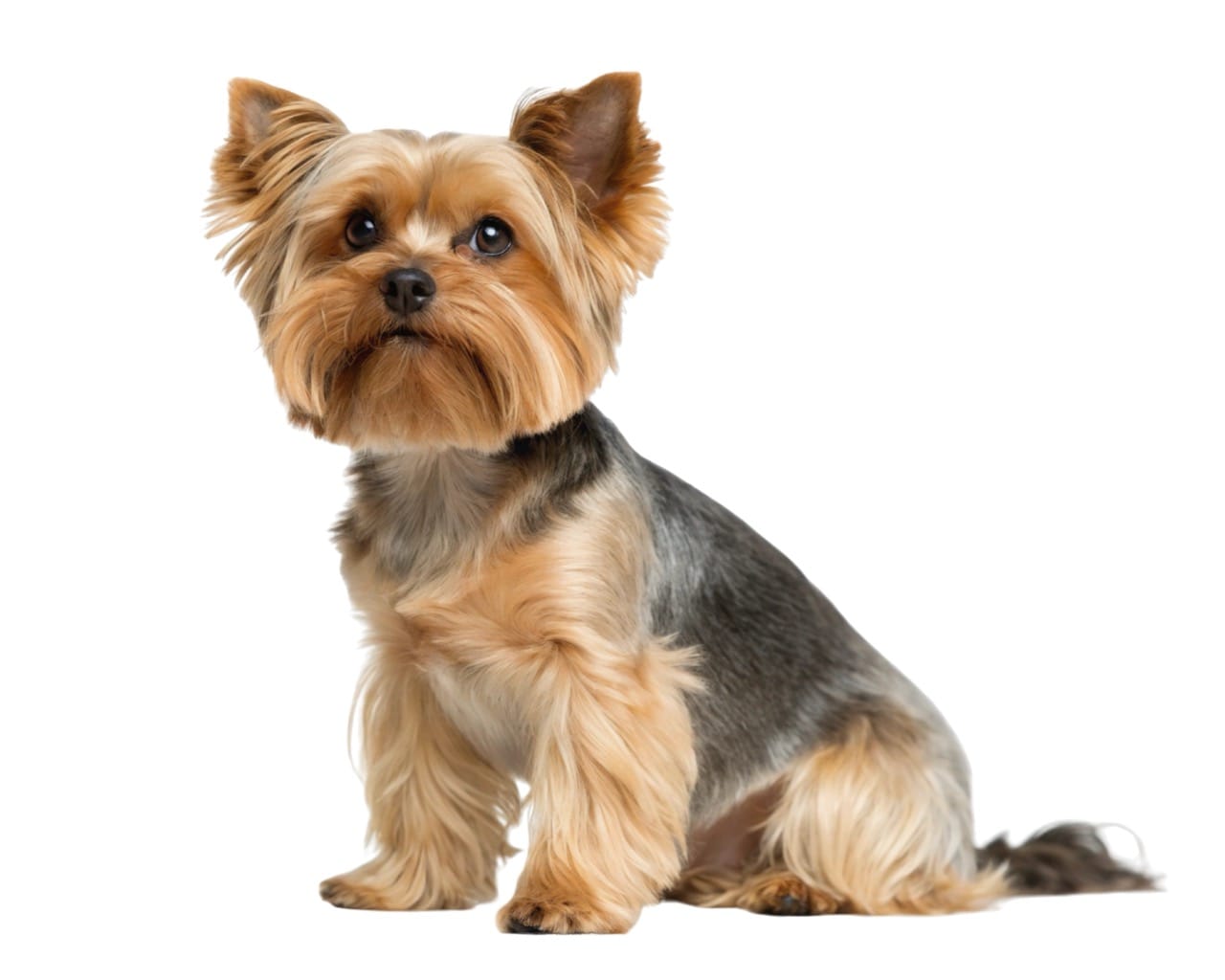
Color is another major clue, but it is more specific than simply “blue and tan.” In traditional terms, adult Yorkies have a dark steel blue on the body, not a light silvery blue and not black. The tan is a rich golden shade seen on the head, chest, and legs, and it should generally be deeper at the roots than at the tips, giving a warm, shaded look rather than a flat, pale blond. Puppies are typically born black and tan and lighten as they mature, with the blue developing over time. This gradual change is normal for the breed and can surprise people who expect the adult pattern right away.
Placement matters as much as the colors themselves. The blue covers the back of the neck to the tail, and the tan appears on the head and muzzle, with a deeper tan on the sides of the head and at the base of the ears. The tan on the legs should be clean and not heavily mixed with dark hairs. A dog that stays mostly black as an adult, or has large white patches, is outside the traditional look, even though individual dogs can vary and many pets are not bred for show standards.
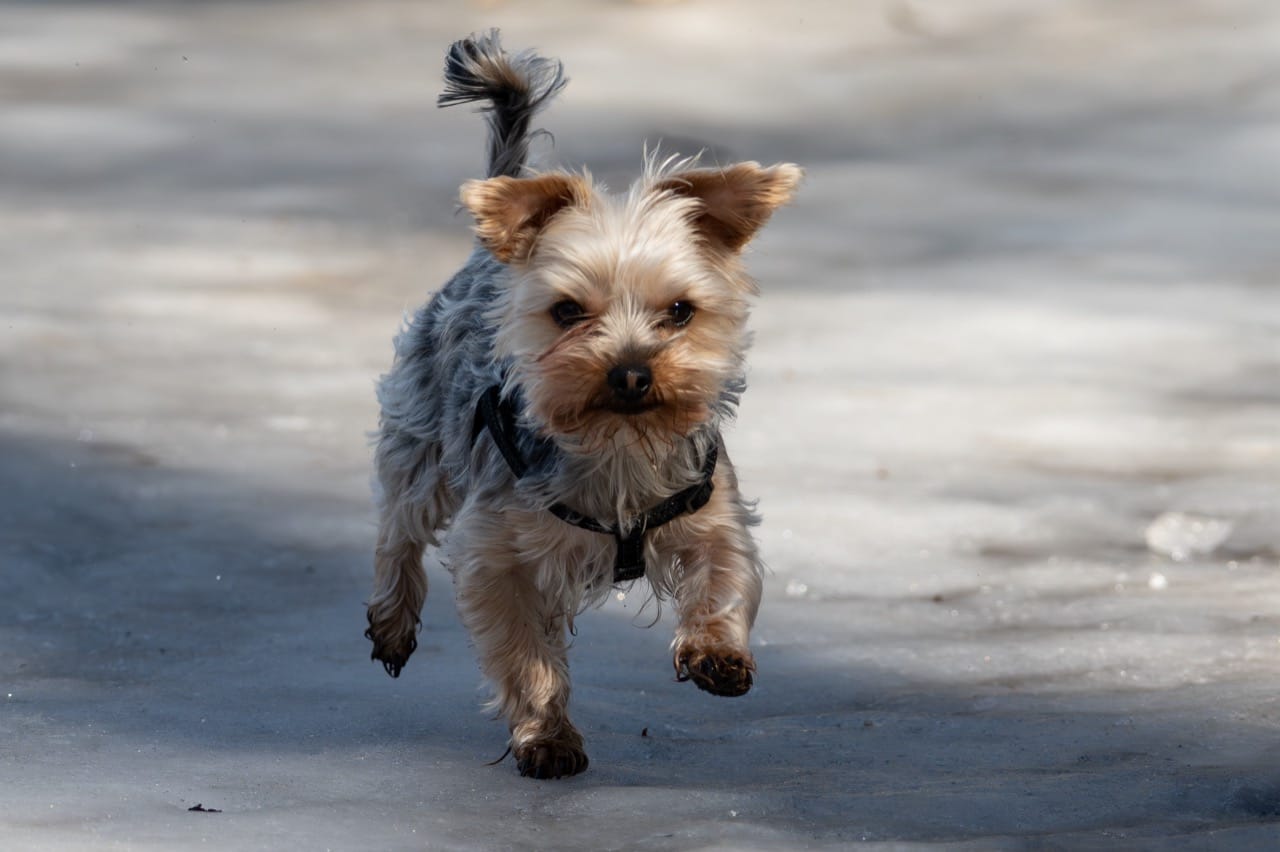
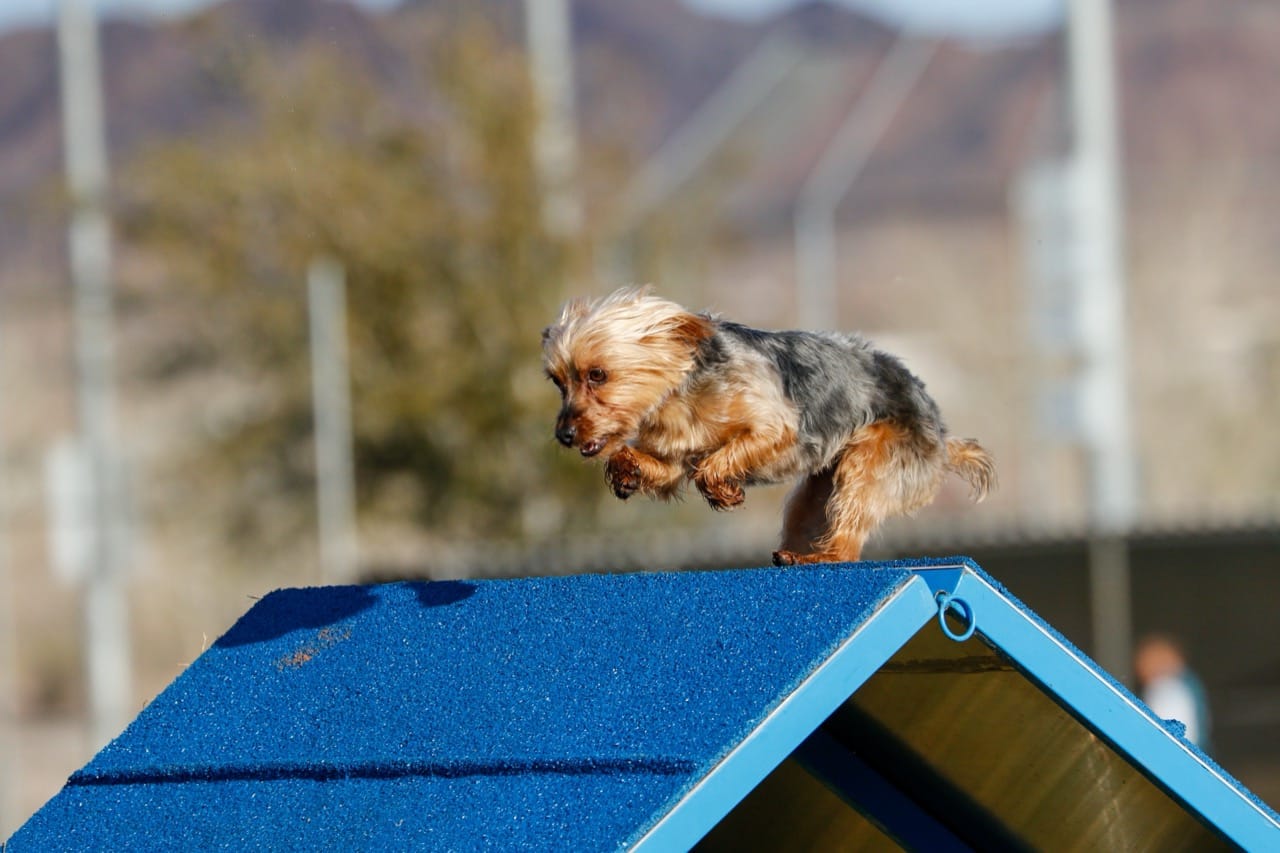
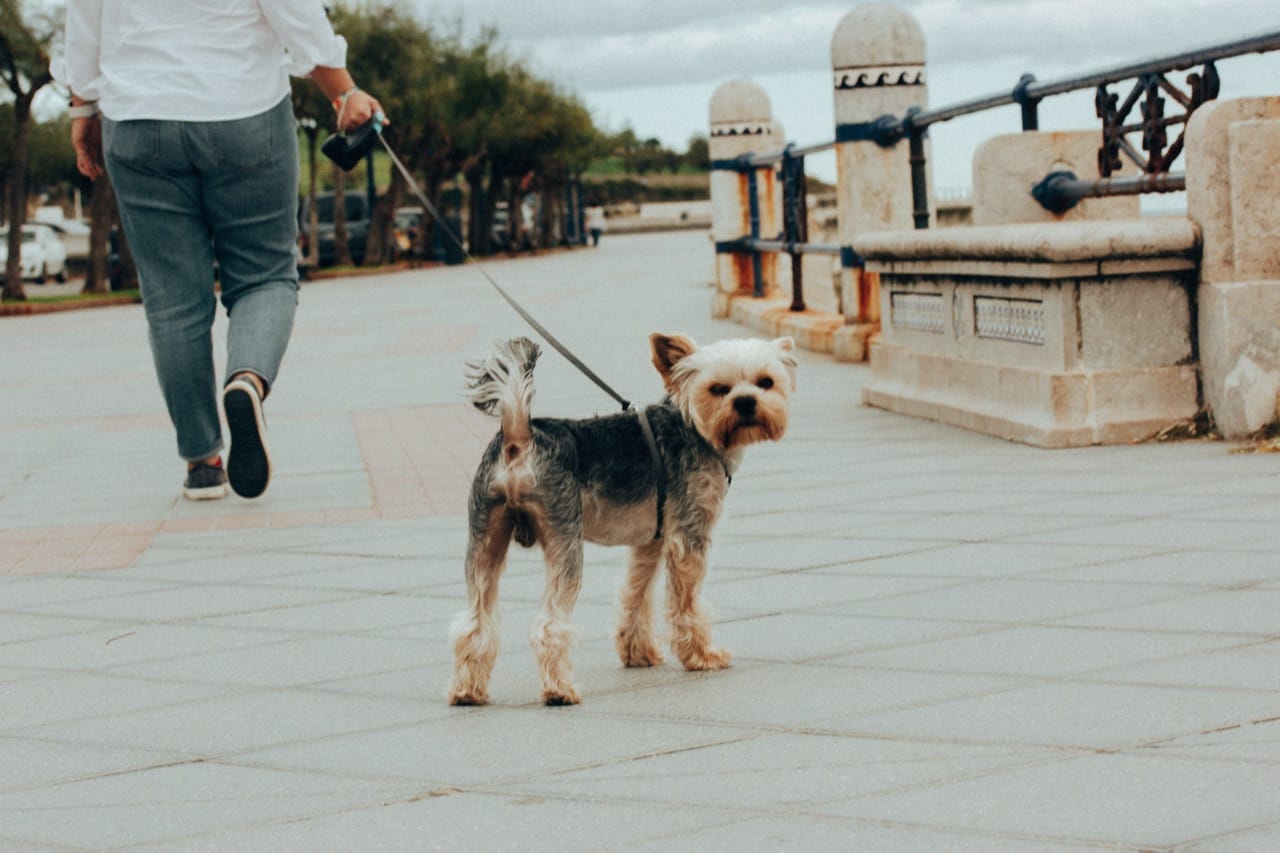
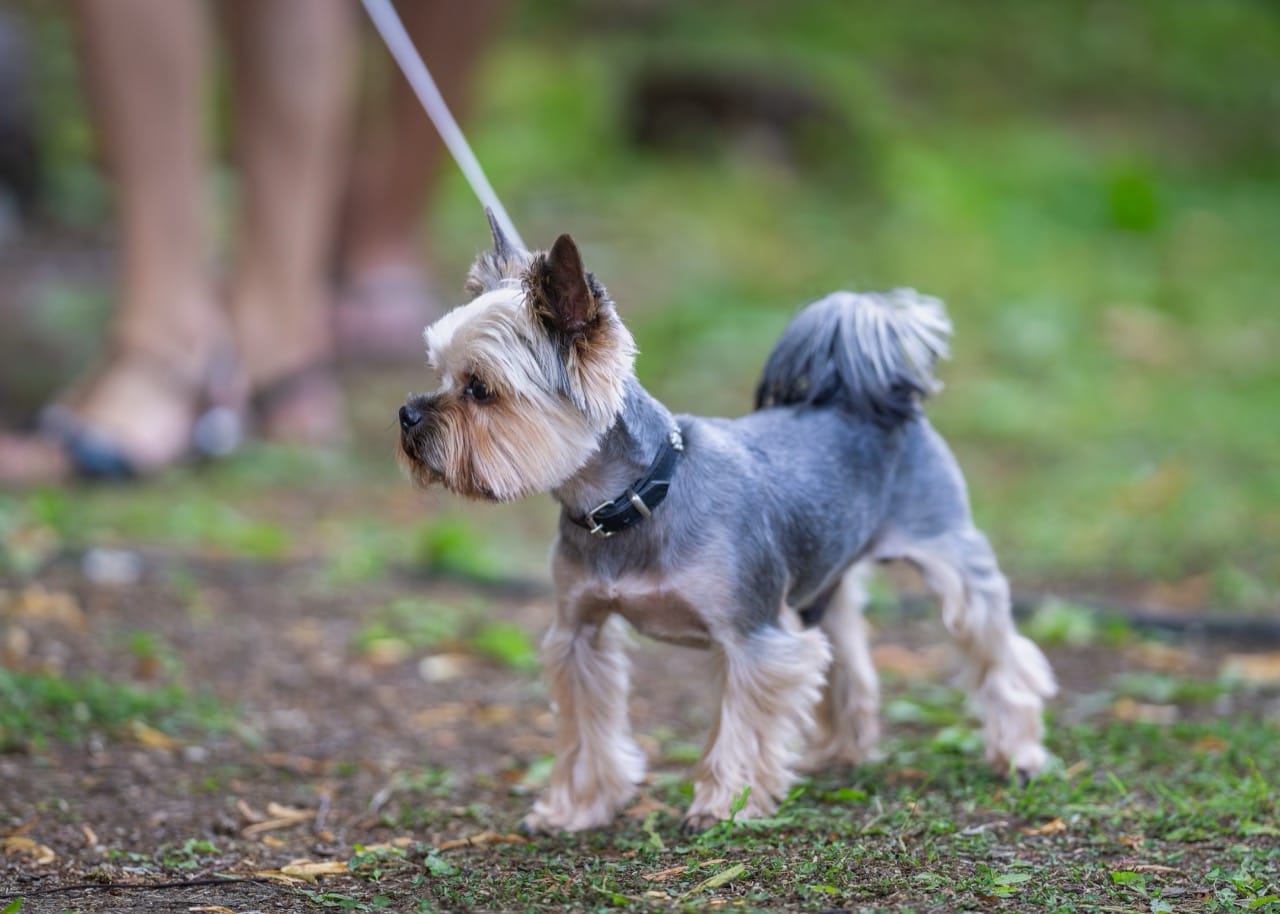
Under the glamour, the Yorkie is a terrier: compact, short-backed, and well-proportioned. The body should look balanced, not long and low like a dachshund, and not fragile or spindly. The head is small and fairly flat on top, with a muzzle that is not overly long and not pushed in. A very round “apple head” can hint at Chihuahua influence, while a longer, narrower muzzle and taller leggy outline may suggest a different toy terrier type.
Ears are another hallmark. Yorkshire Terriers have small, V-shaped ears that are carried erect, giving an alert expression. Young puppies may have ears that tip or take time to stand, but the classic adult look is pricked ears rather than drop ears. The tail is often carried slightly higher than the back line, though tail docking practices vary by region.
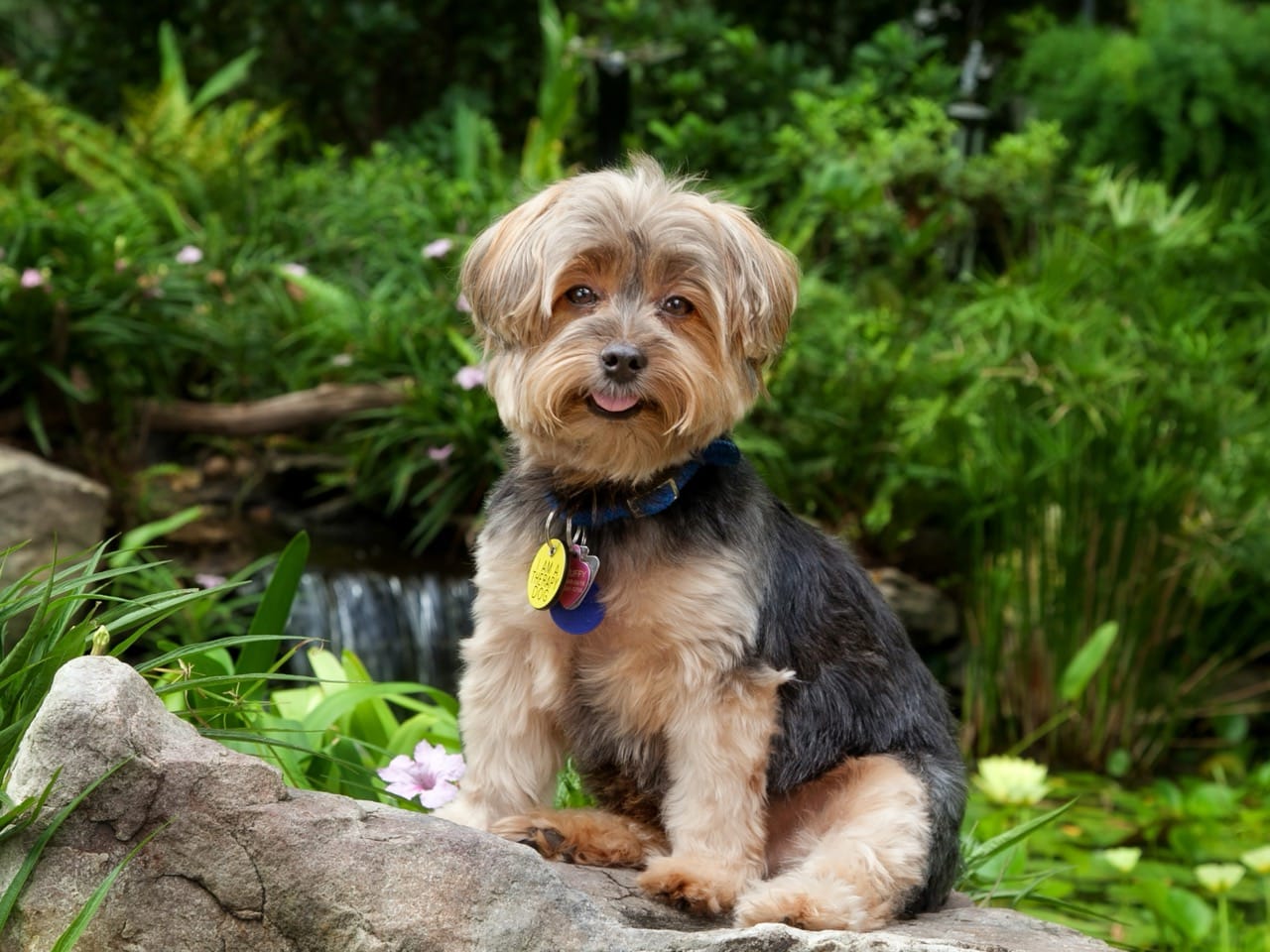
Lookalikes can be convincing. Silky Terriers are close relatives and can resemble Yorkies, but they are usually a bit larger, with a more wedge-shaped head and a coat that may not fall in quite the same way. Maltese mixes may share long hair but usually lack the steel blue and tan pattern. Toy breeds with fluffy double coats can be mistaken for Yorkies when trimmed short, yet their coat texture and body outline often give them away.
Once you start noticing coat texture, the clean center part, the steel blue body color, the rich tan on head and legs, and the tidy terrier build with erect ears, the Yorkshire Terrier becomes more than “a small dog with long hair.” It becomes a recognizable set of traits that you can spot with confidence.