Foxy Shiba Inu Field Guide
Quiz Complete!
Spotting a Shiba Inu: The Features Behind the Foxlike Look
At first glance, a Shiba Inu can resemble several spitz type dogs: a compact body, upright ears, a curled tail, and an alert expression. The trick is to focus on specific details rather than vague impressions. When you know what to look for, the breed’s crisp outline and signature markings become easier to recognize, even among lookalikes like the Akita, the Korean Jindo, or various small spitz breeds.
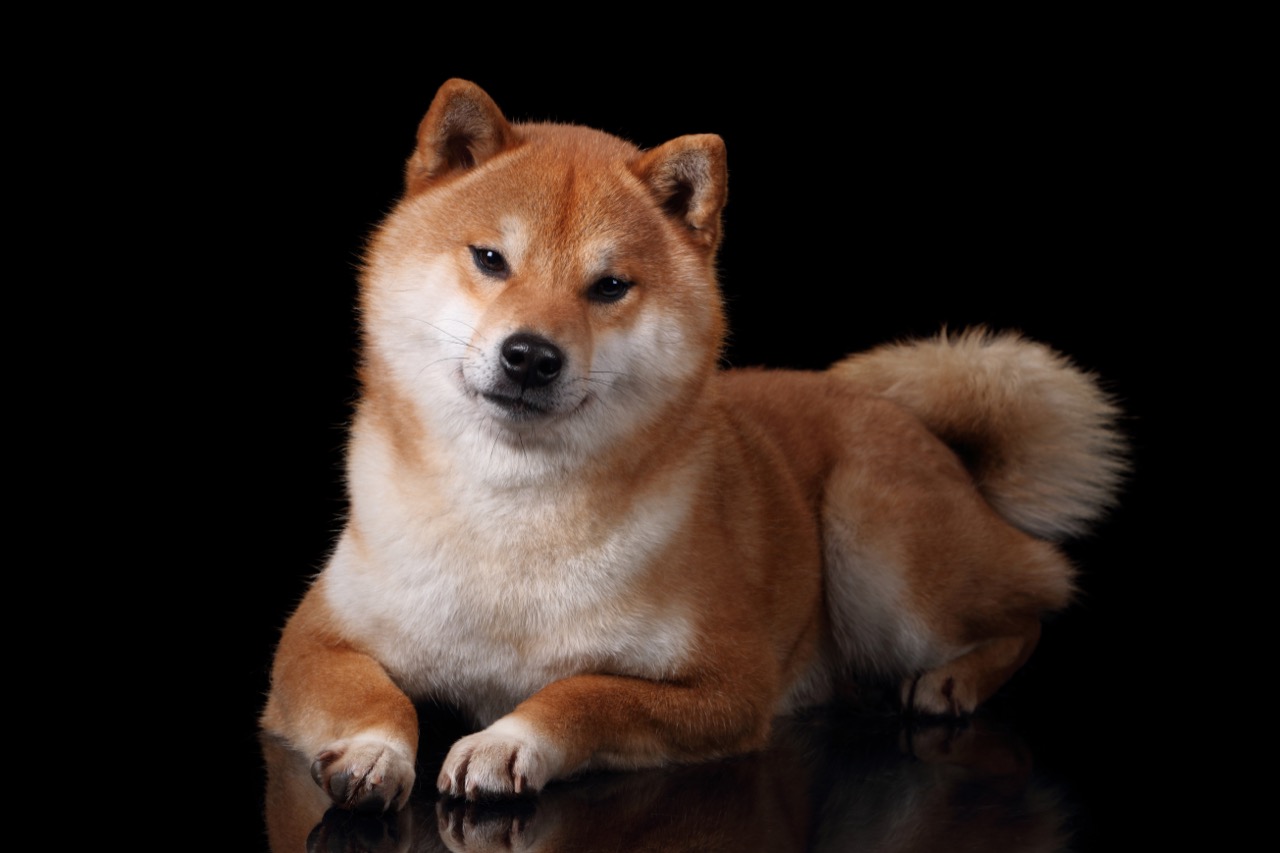
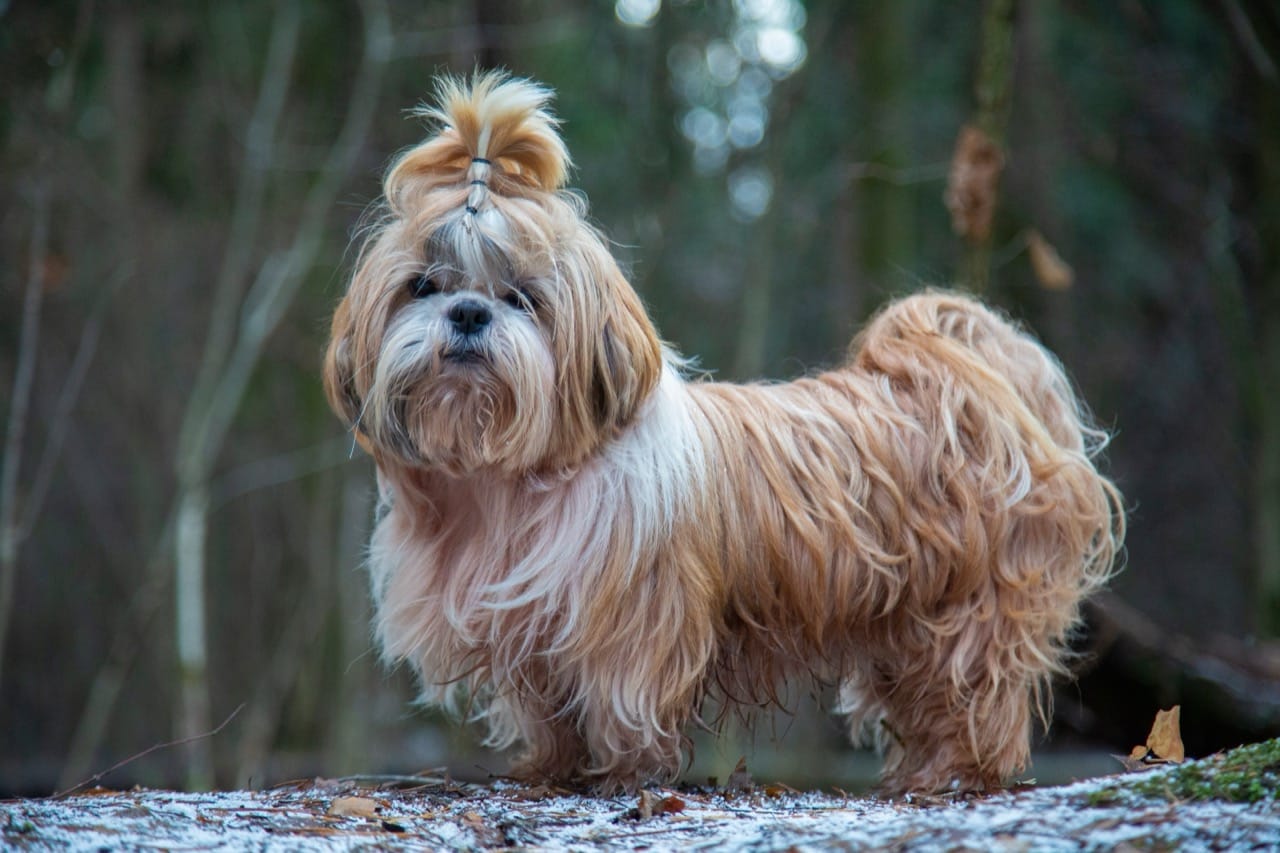
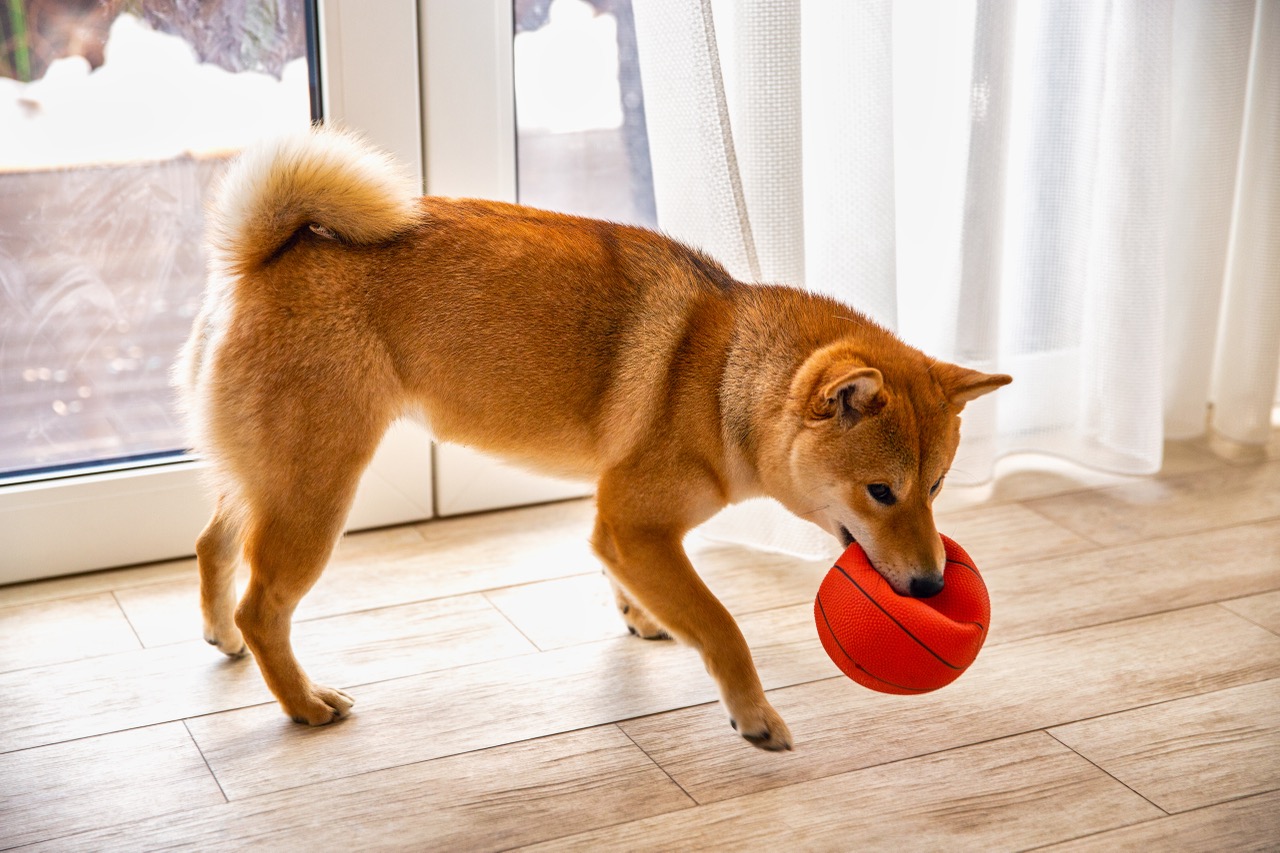
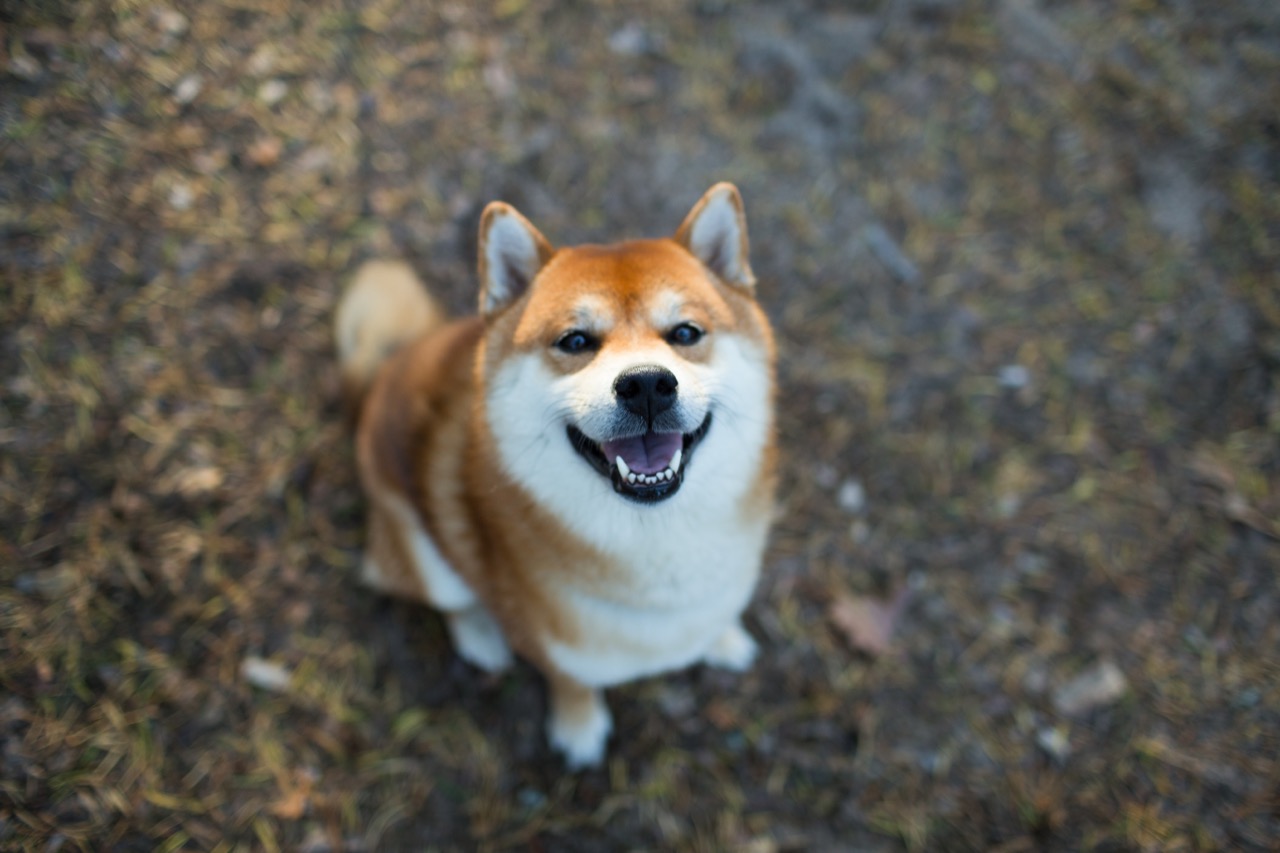
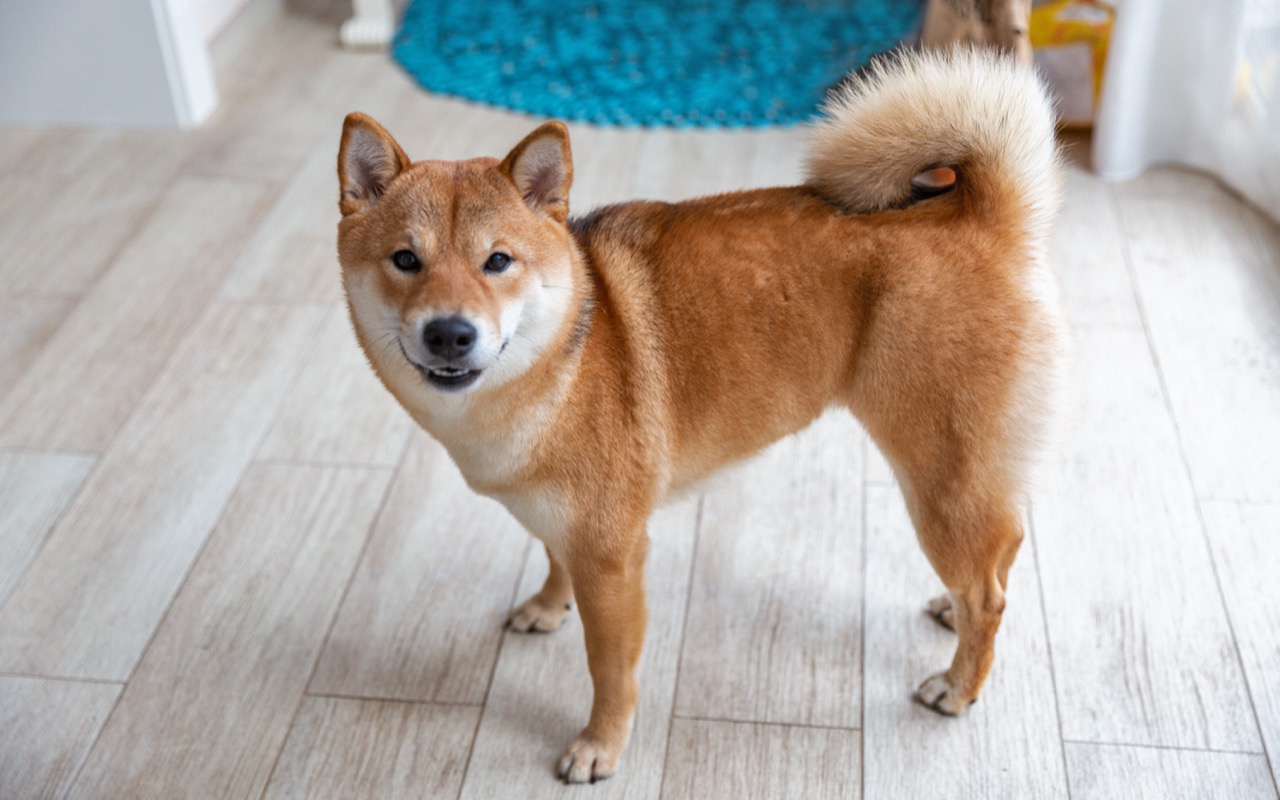
One of the most reliable identifiers is the coat. Shibas have a double coat made of a straight, stiff outer layer and a soft, dense undercoat. This structure gives the dog a plush but not fluffy silhouette. The fur should stand off the body slightly, especially around the neck and shoulders, yet it should not form long feathering on the legs or tail. If a dog has noticeably long, flowing hair or a heavily plumed tail, it may be a different spitz breed or a mixed coat type.
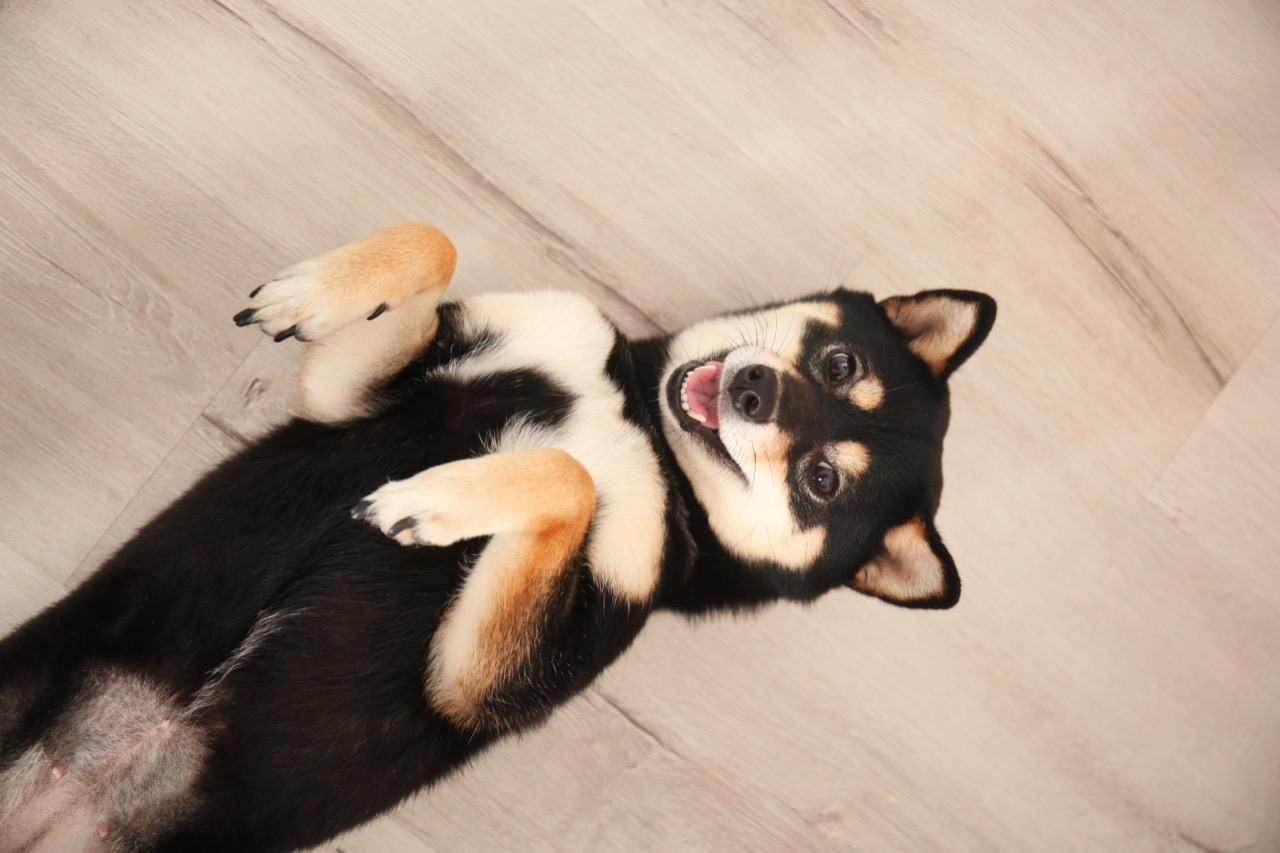
Color can help, but only if you know what is considered typical. Shibas are commonly seen in red, black and tan, and sesame variations. Sesame refers to red hairs with black tipping, and it can range from lightly shaded to more heavily overlaid. Cream Shibas exist, but the AKC standard lists cream as a very serious fault. This is where a key term matters: urajiro.
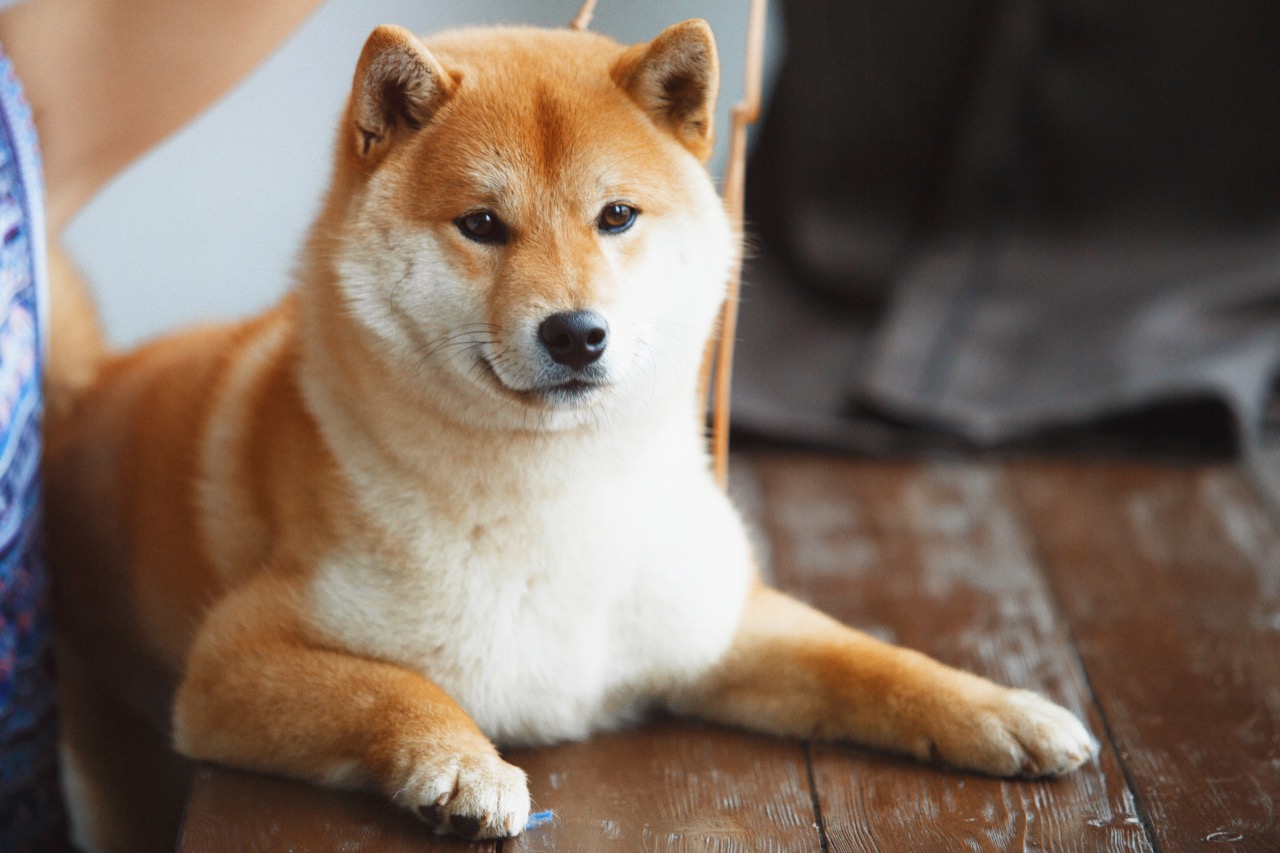
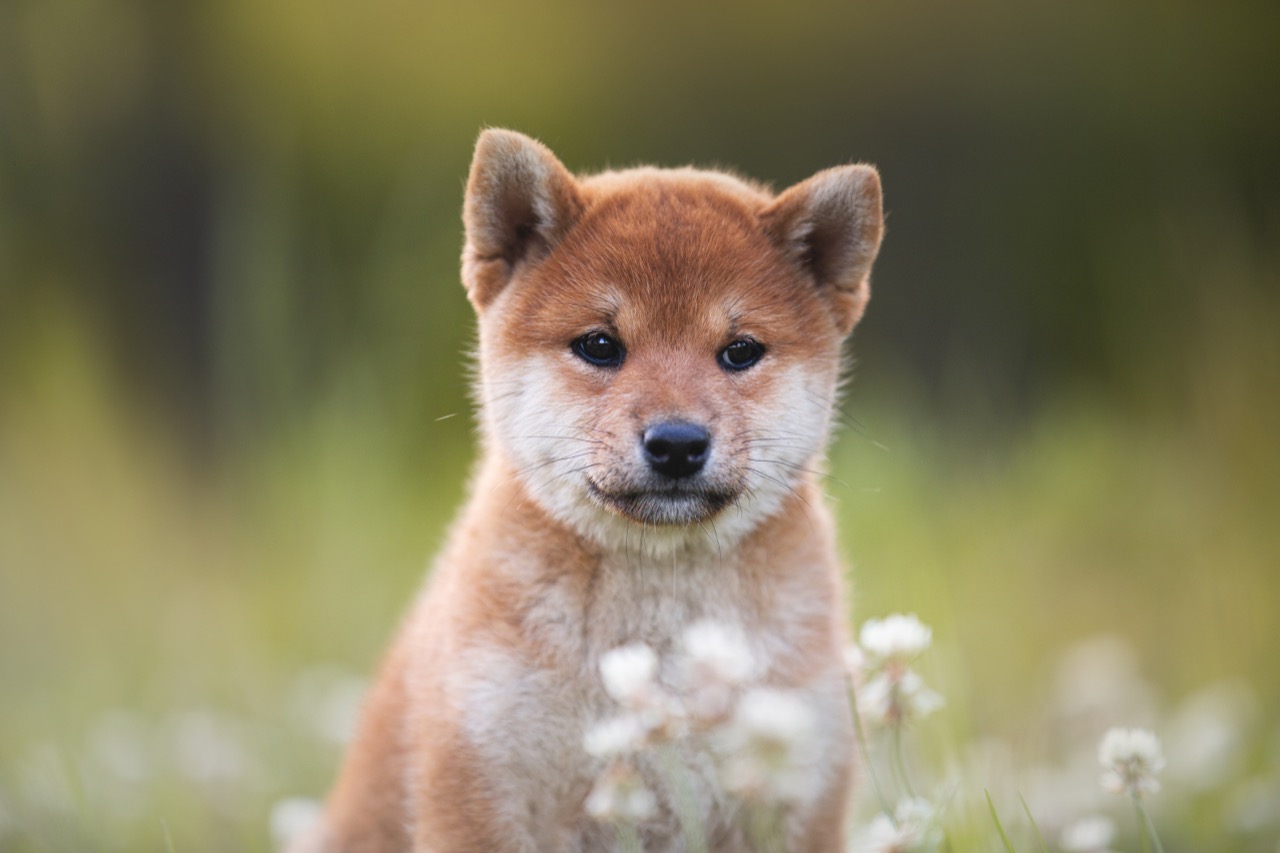
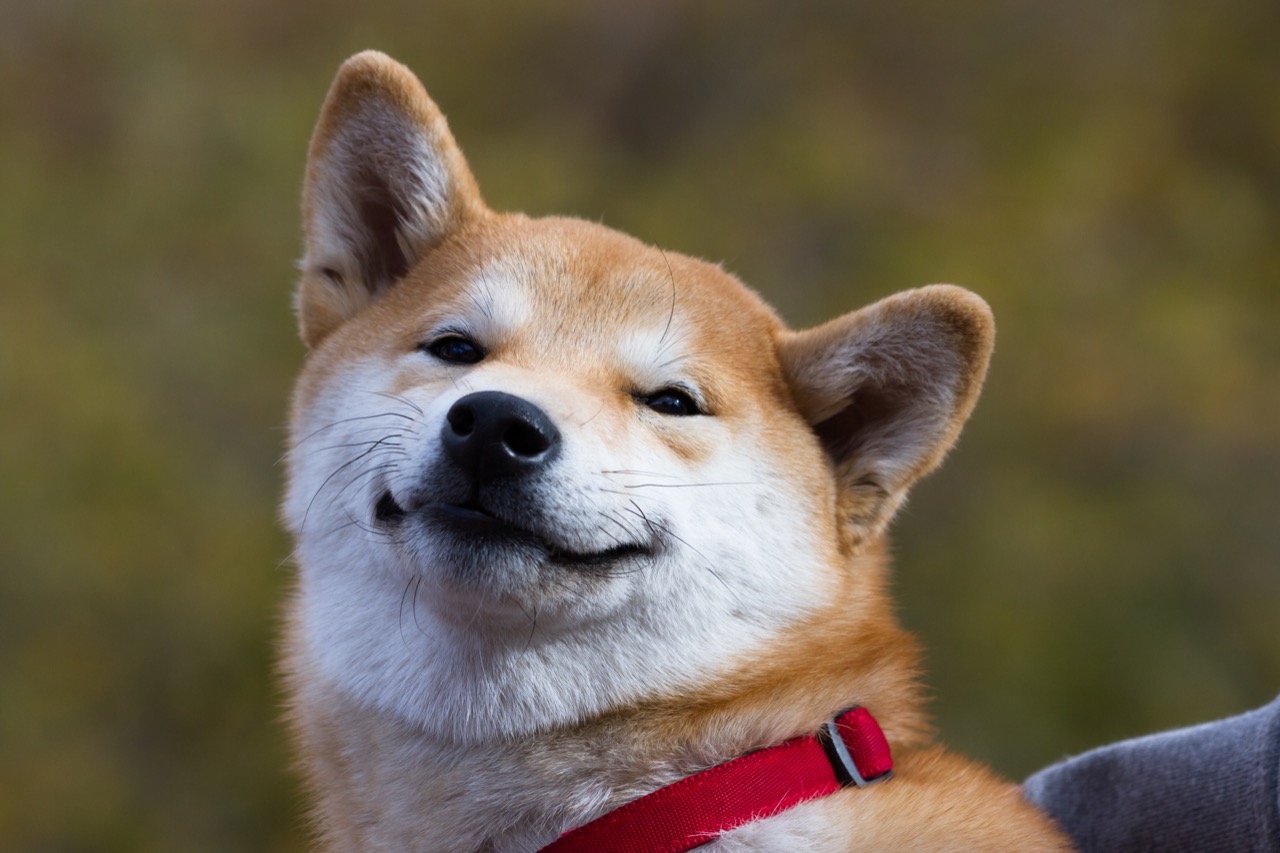
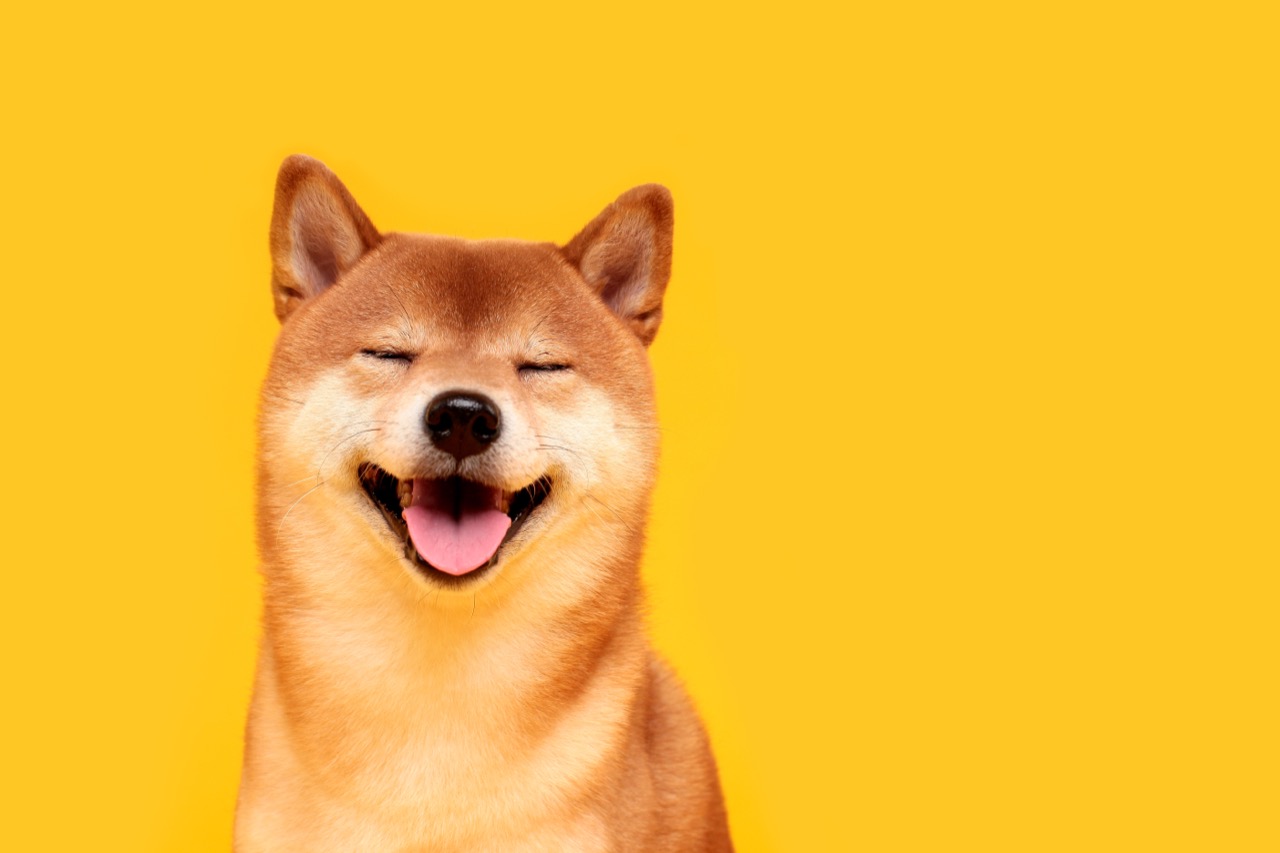
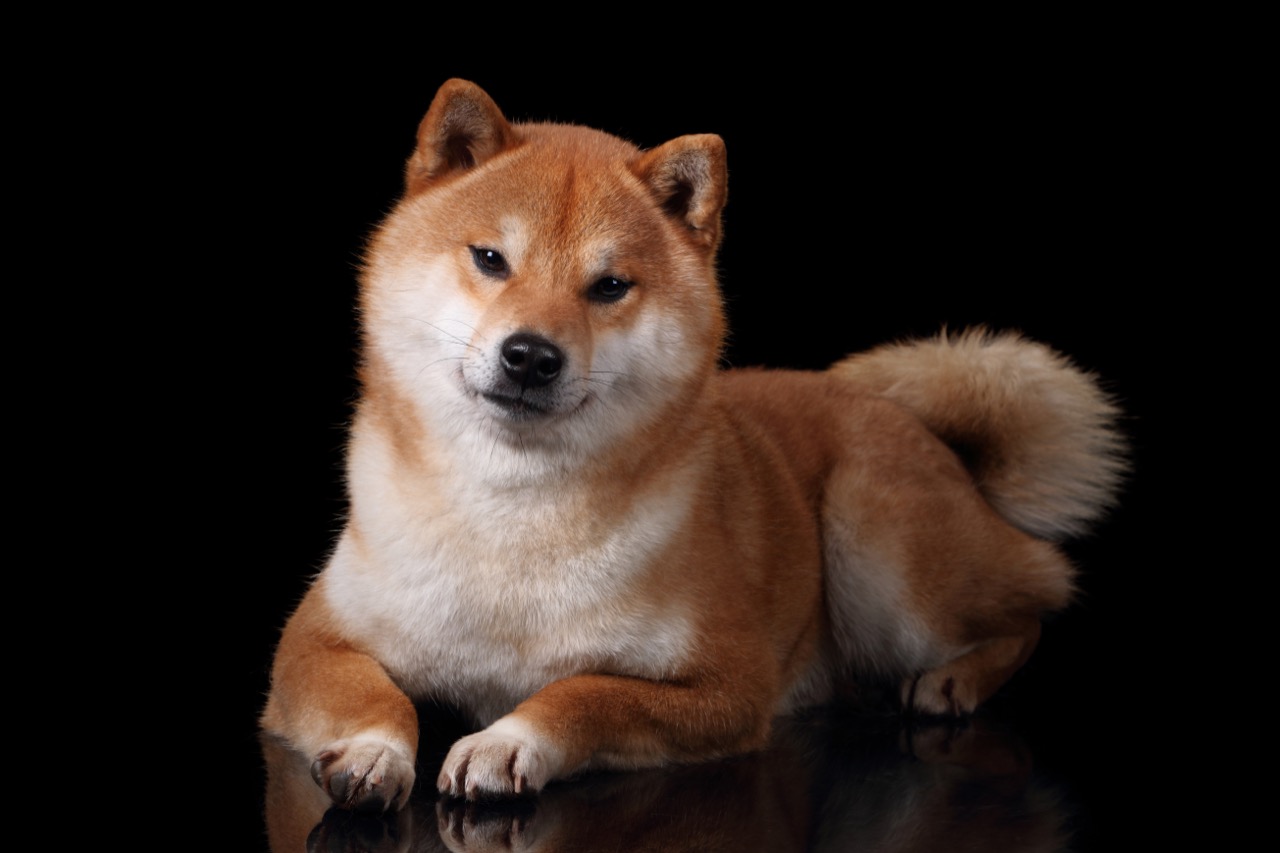
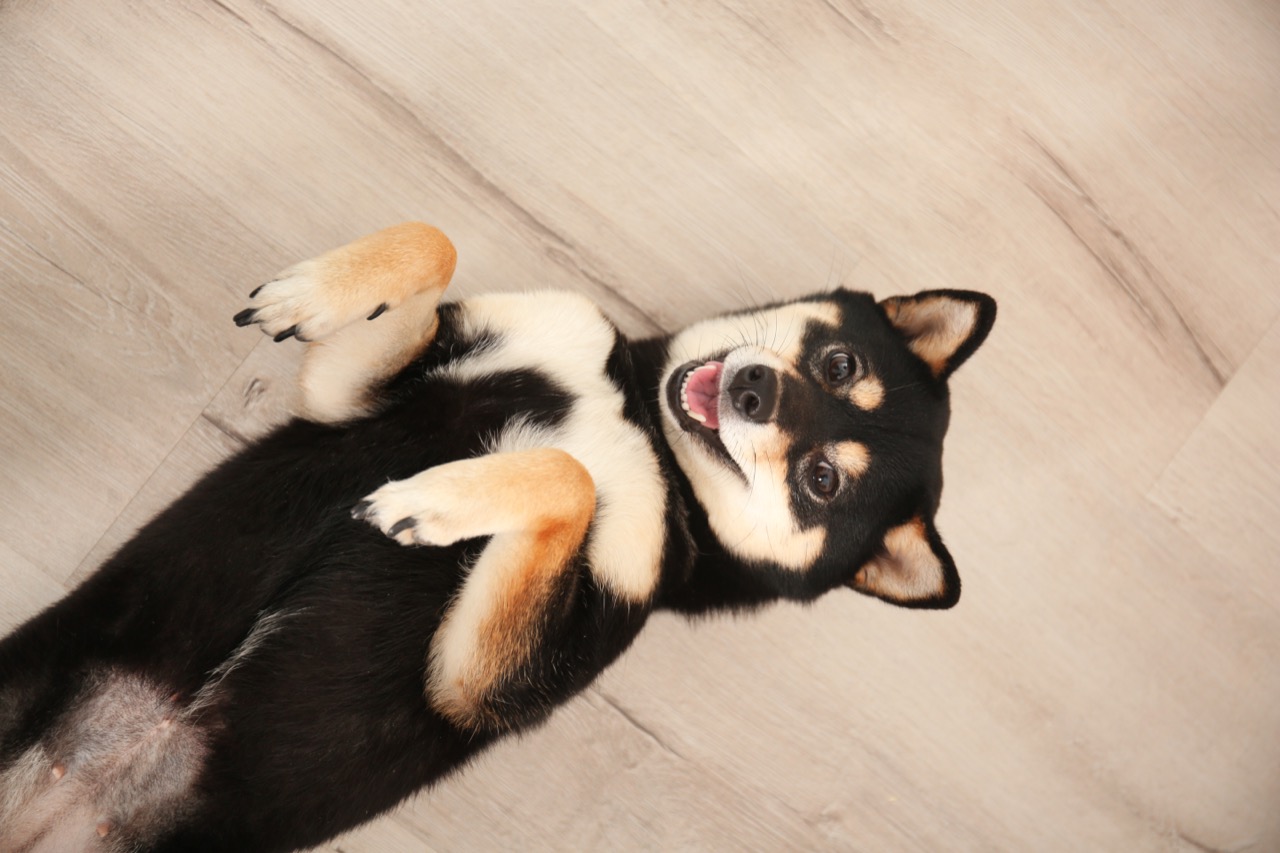
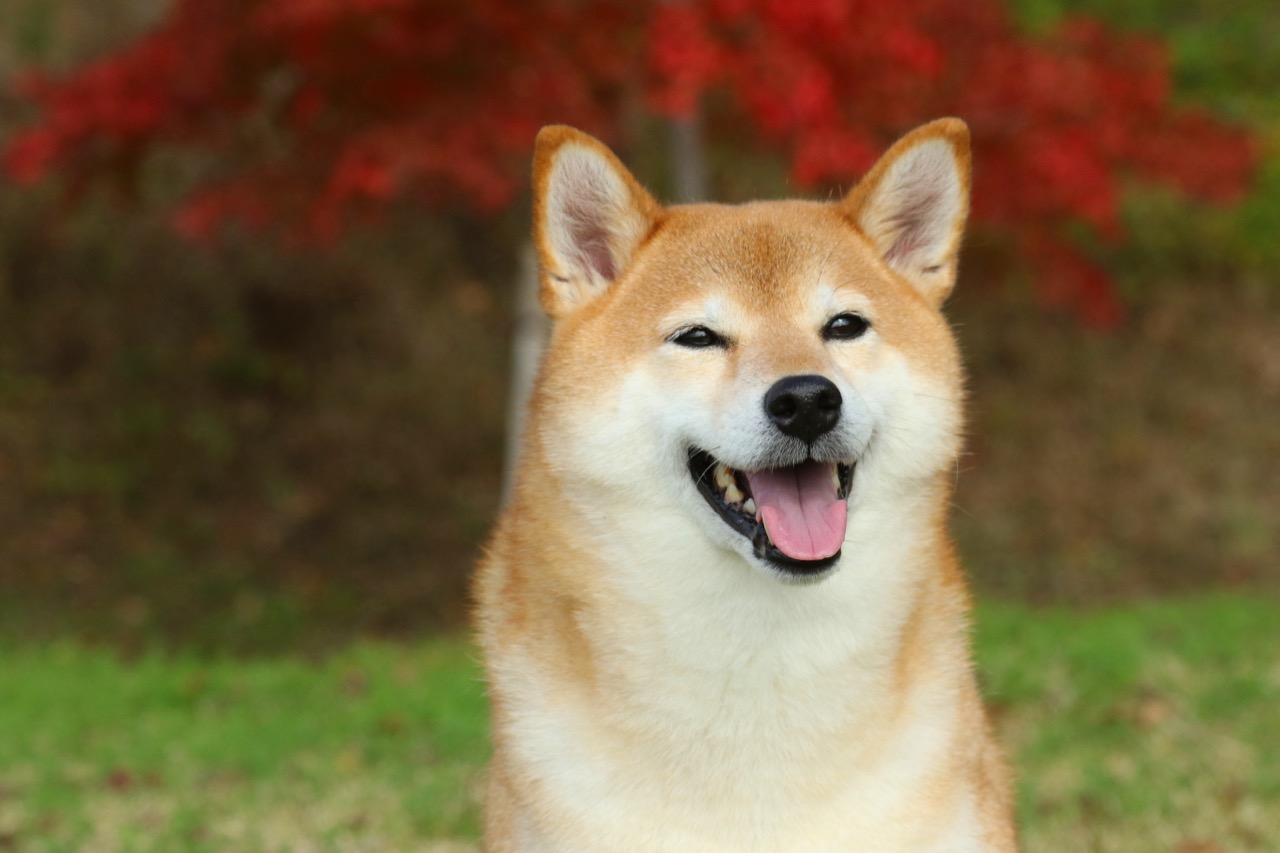
Urajiro is the Shiba Inu’s famous pale marking pattern. It describes the lighter, cream to whitish areas on the sides of the muzzle, cheeks, under the jaw, throat, chest, belly, and the underside of the tail, and often on the inside of the legs. Think of it as a deliberate, symmetrical lightening that frames the face and undercarriage. In black and tan Shibas, urajiro still appears, creating contrast under the throat and along the cheeks even when the topcoat is dark. Many lookalike spitz dogs may have lighter undersides, but the Shiba’s urajiro tends to be especially consistent and is considered a defining feature.
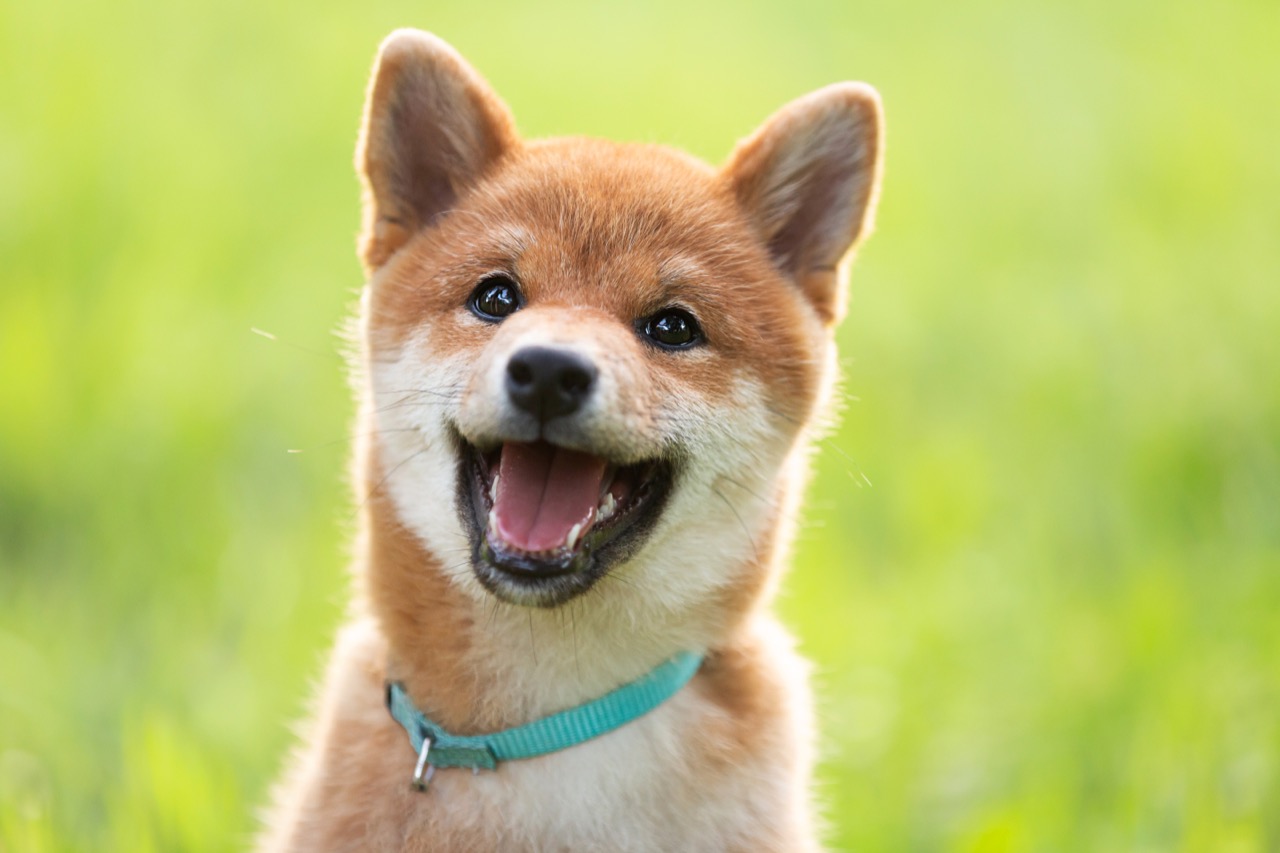
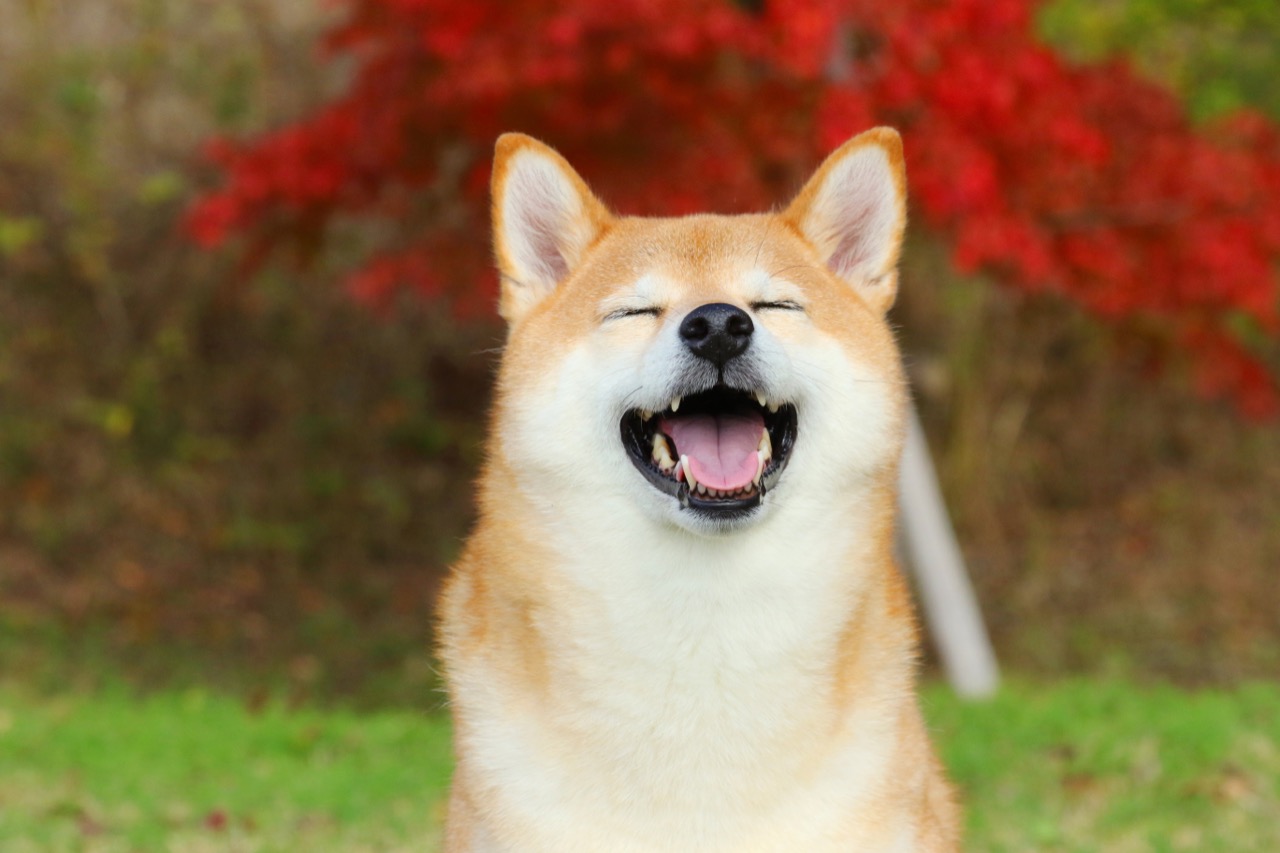
Head and ear shape also offer clues. A Shiba’s ears are small, triangular and firmly pricked, tilted forward for a keen, listening look. The forehead is broad and flat with a moderate stop, and the AKC standard puts the muzzle at 40 percent of total head length. Akitas, for example, are much larger with a heavier head and broader bone, while many toy spitz breeds have a more delicate face or a fluffier coat that changes the outline.
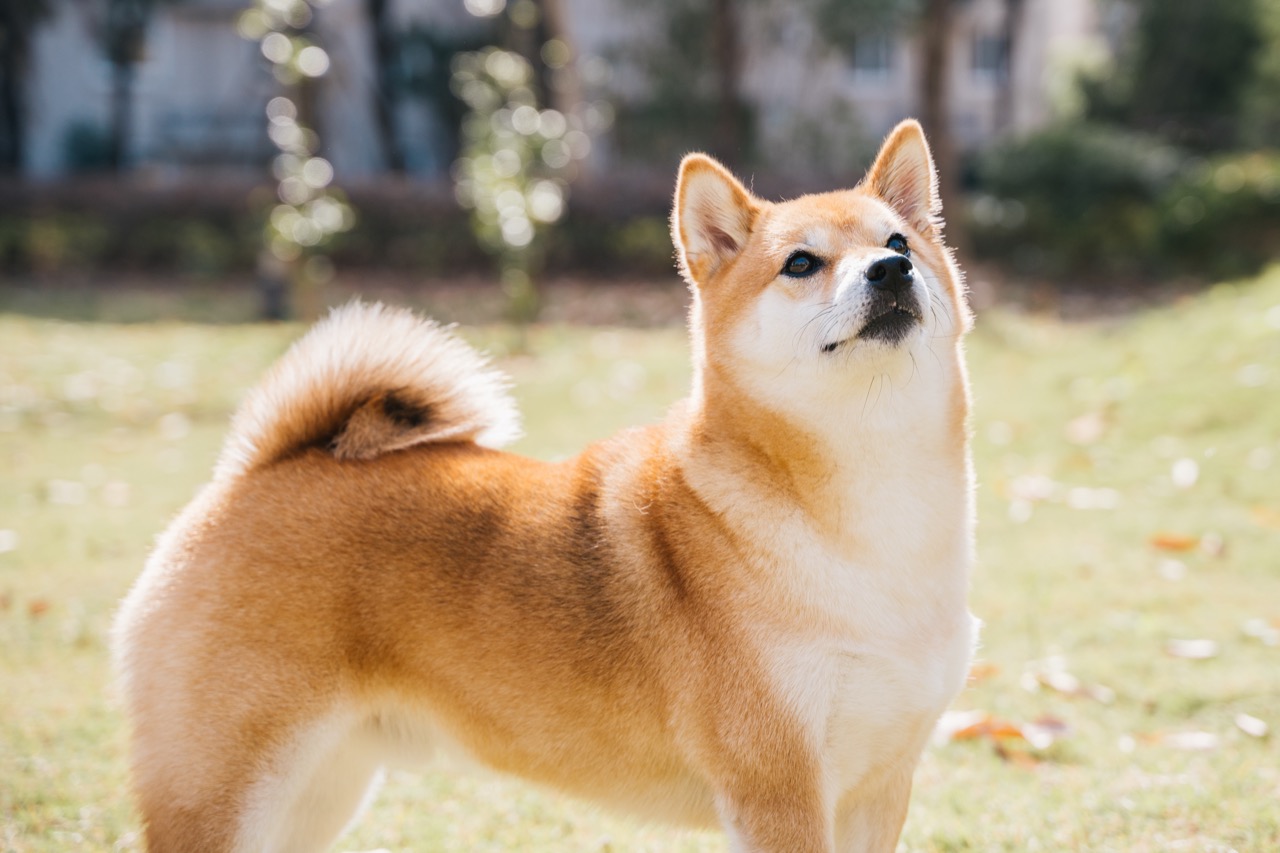
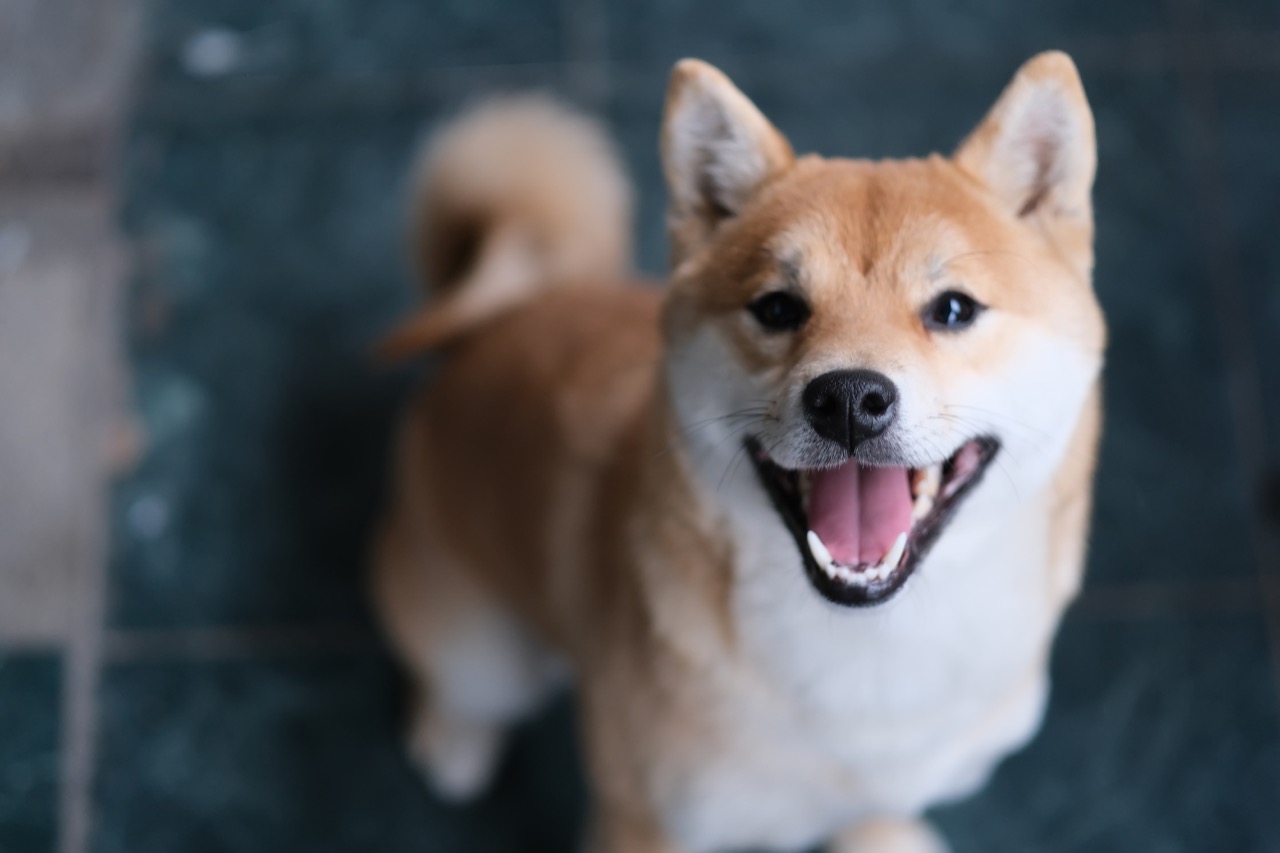
The tail is another checkpoint. Shibas carry the tail high and curled over the back, in either a curl or a sickle shape. The tail is well furred but not feathery, and it should look substantial rather than wispy. A tail that hangs down most of the time suggests you may be looking at a different type of dog.
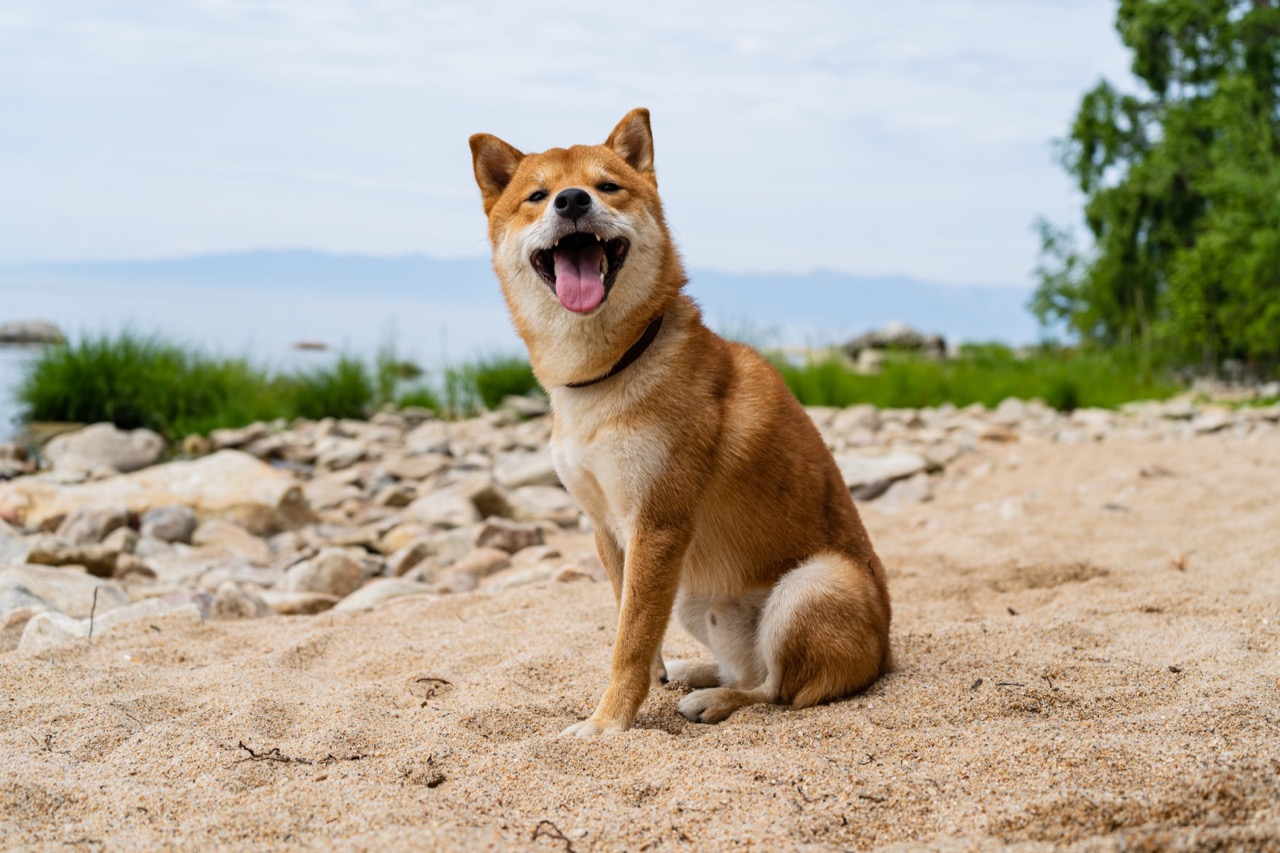
Finally, consider the overall build. Shibas are compact and athletic, with a balanced, squareish profile and a firm topline. They look light on their feet, as if built for quick movement and agility, rather than for sheer mass. Jindos can share a similar spitz outline, but they are often taller and longer in proportion, with a different head feel and less of the Shiba’s tight, crisp compactness.
When you combine coat texture, urajiro placement, ear set, tail carriage, and compact build, you are using concrete traits rather than guesswork. That is the fun of sharpening your eye: the Shiba Inu stops being just a foxlike dog and becomes a recognizable set of features you can spot with confidence.