Doberman Rust Points and Wedge Heads
Quiz Complete!
Seeing the Doberman Pinscher: A Guide to Look, Outline, and Common Mix-Ups
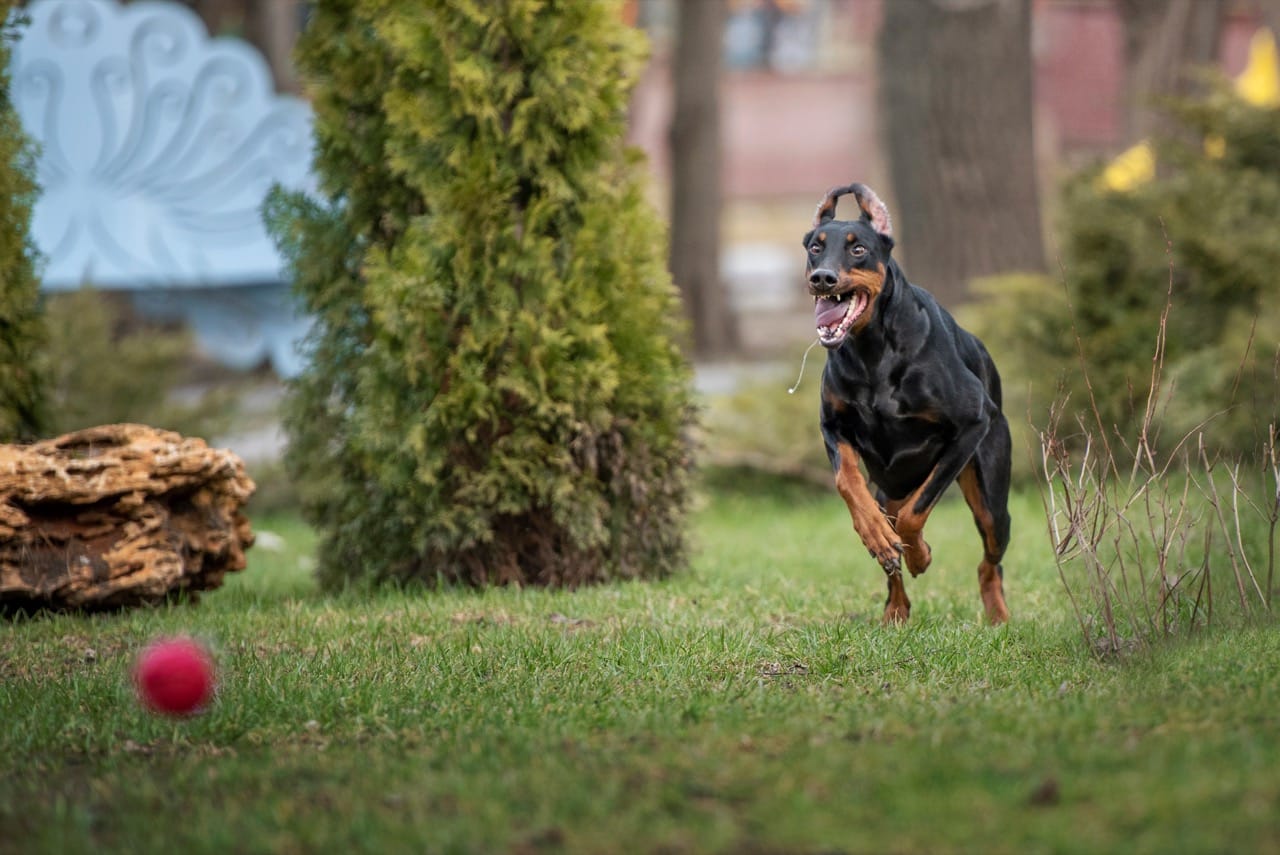
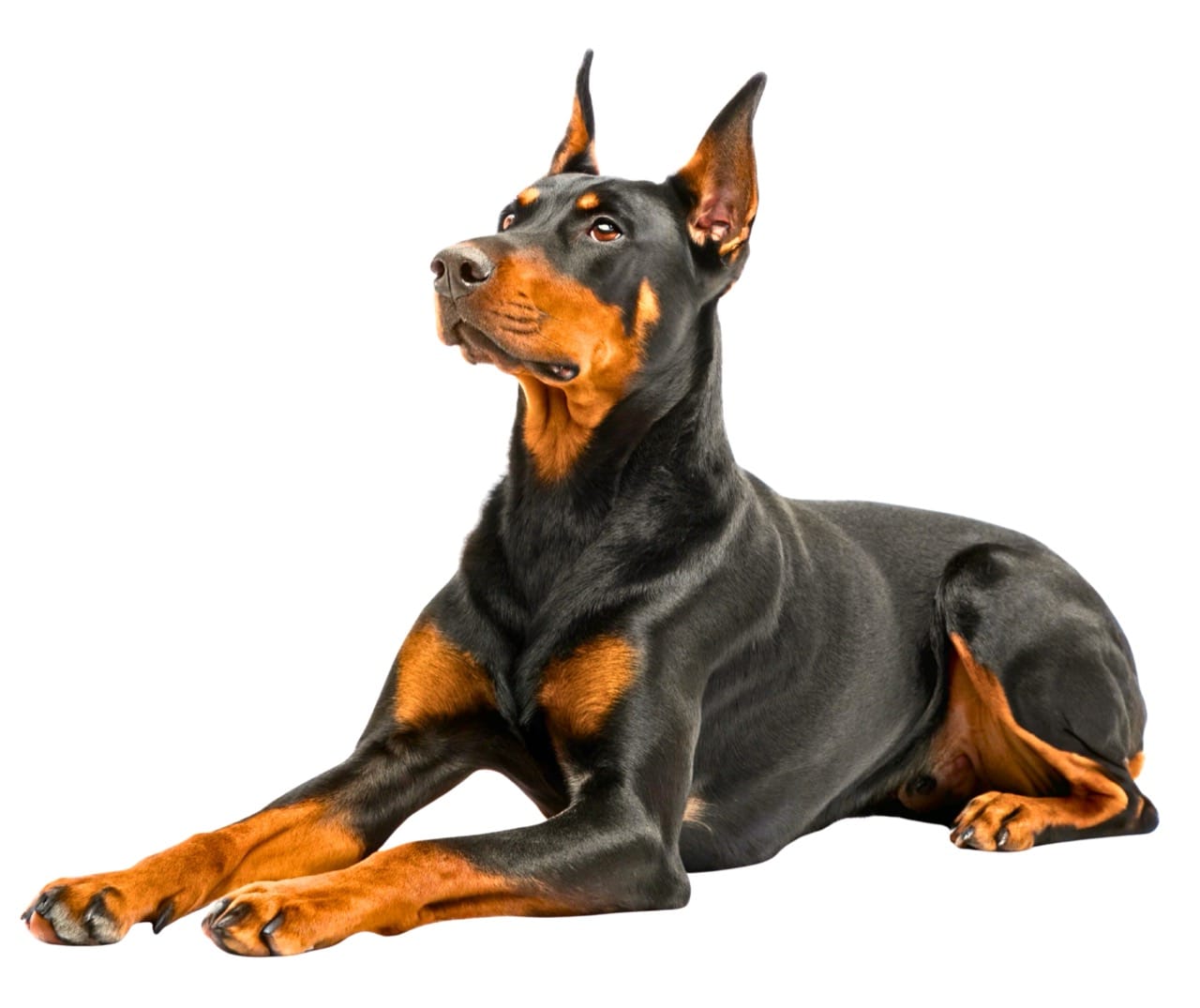
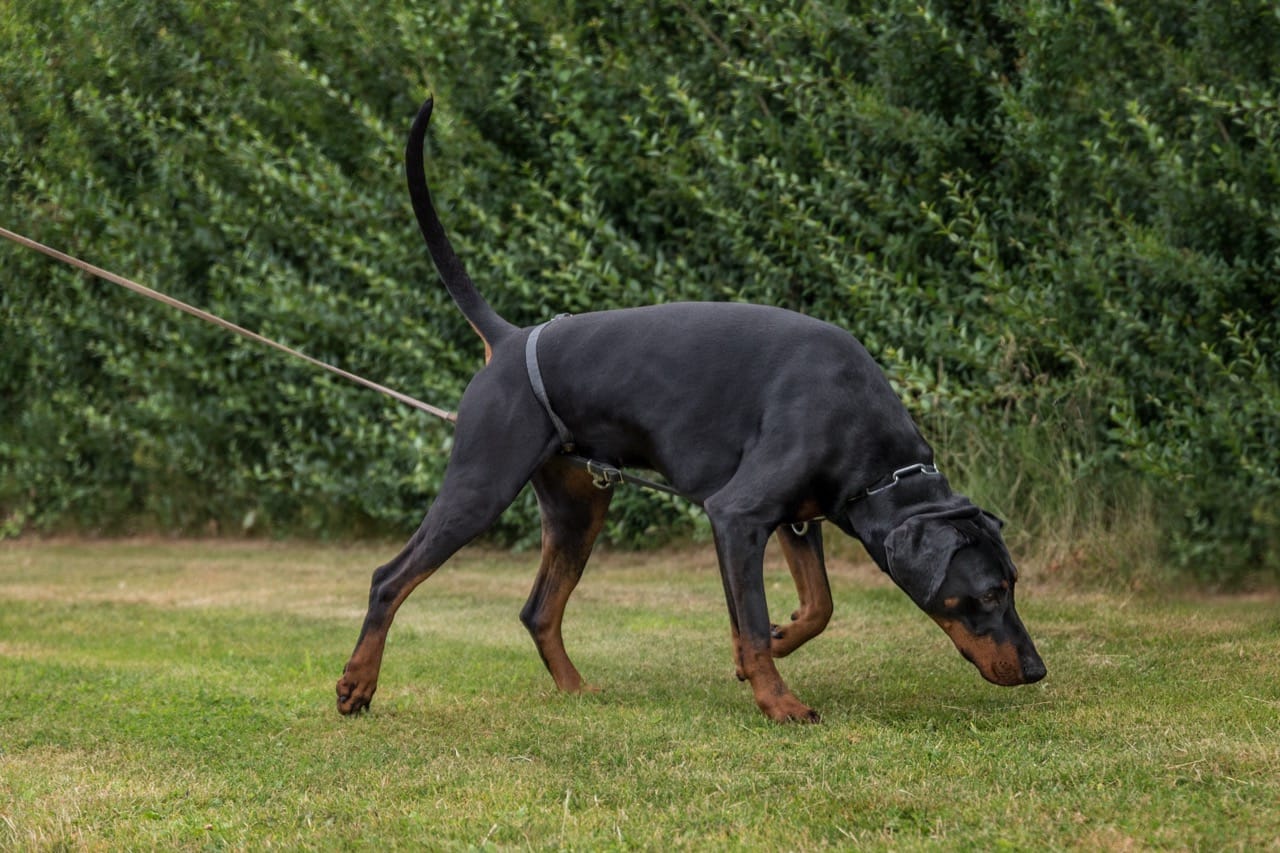
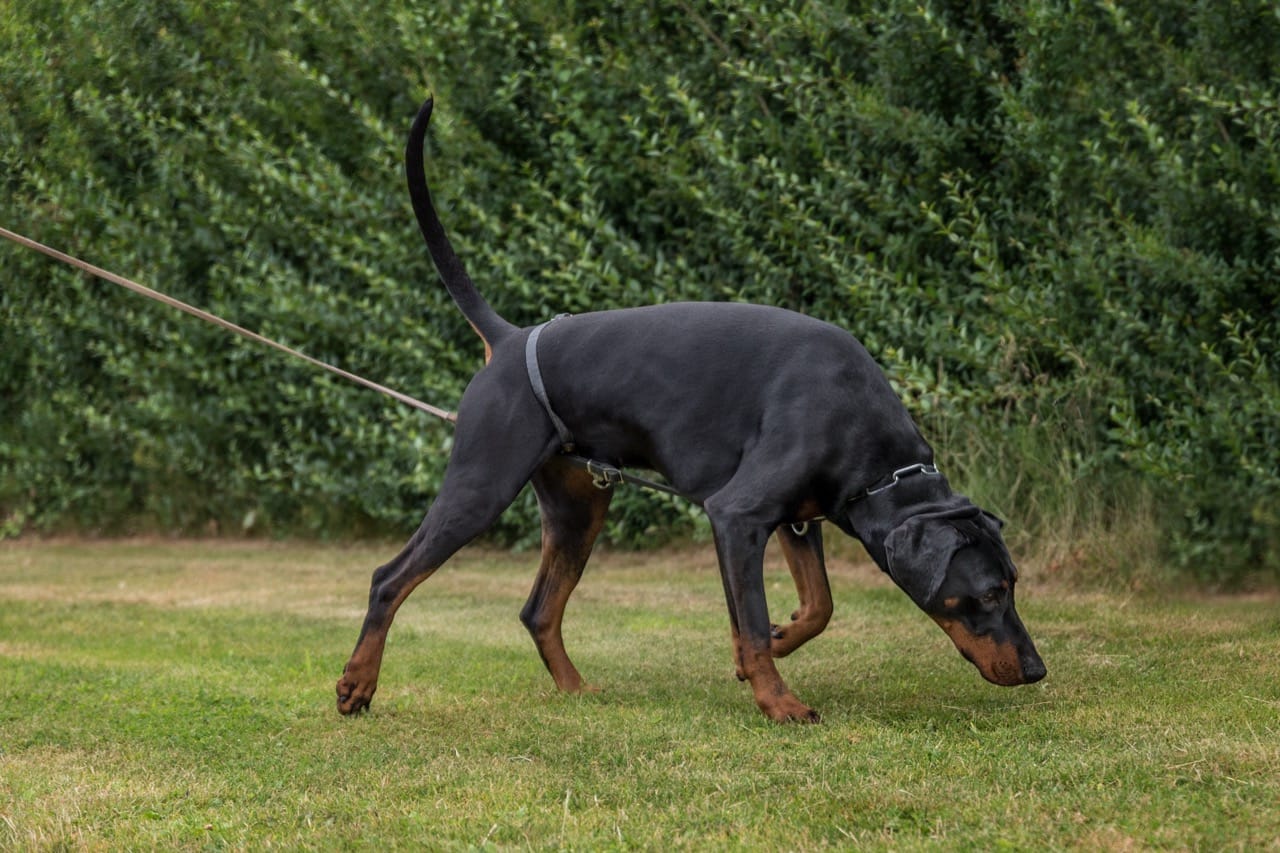
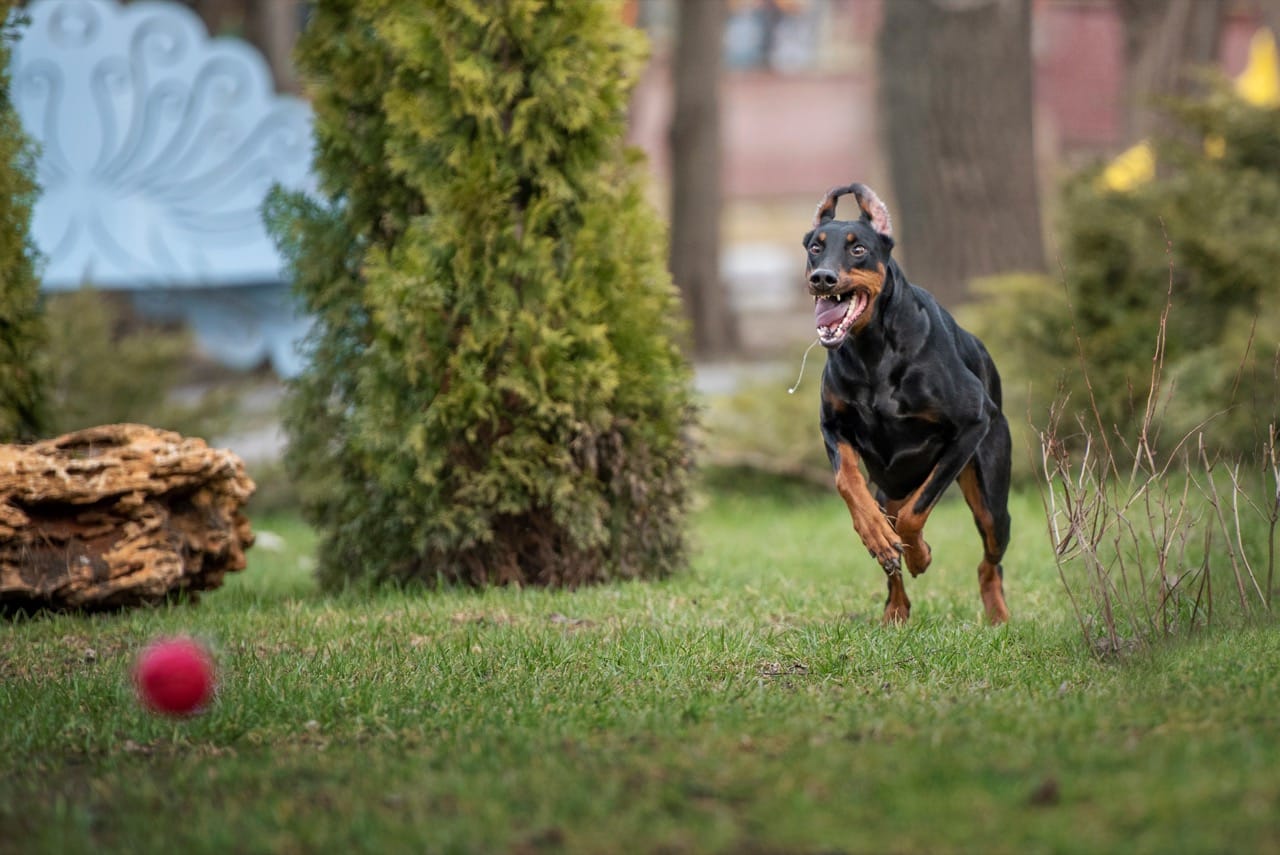
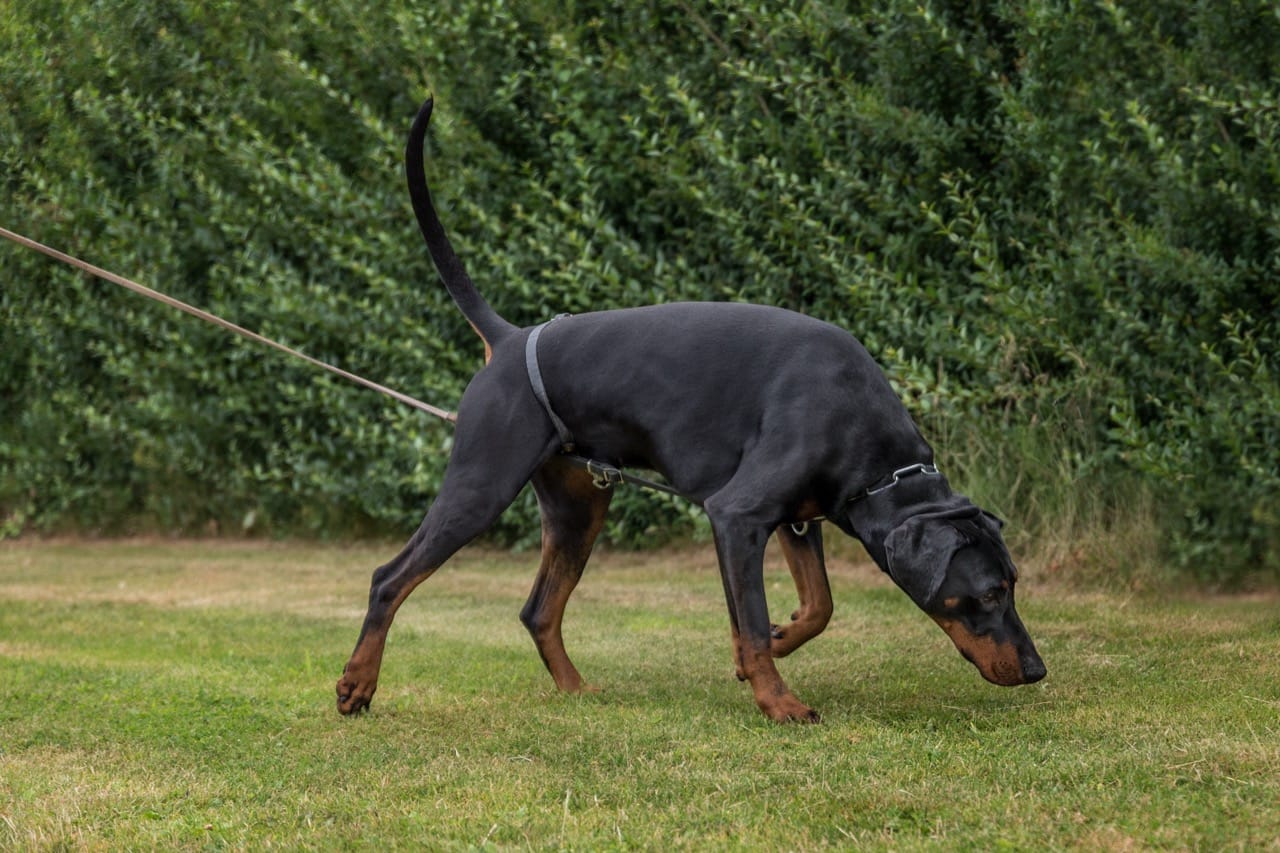
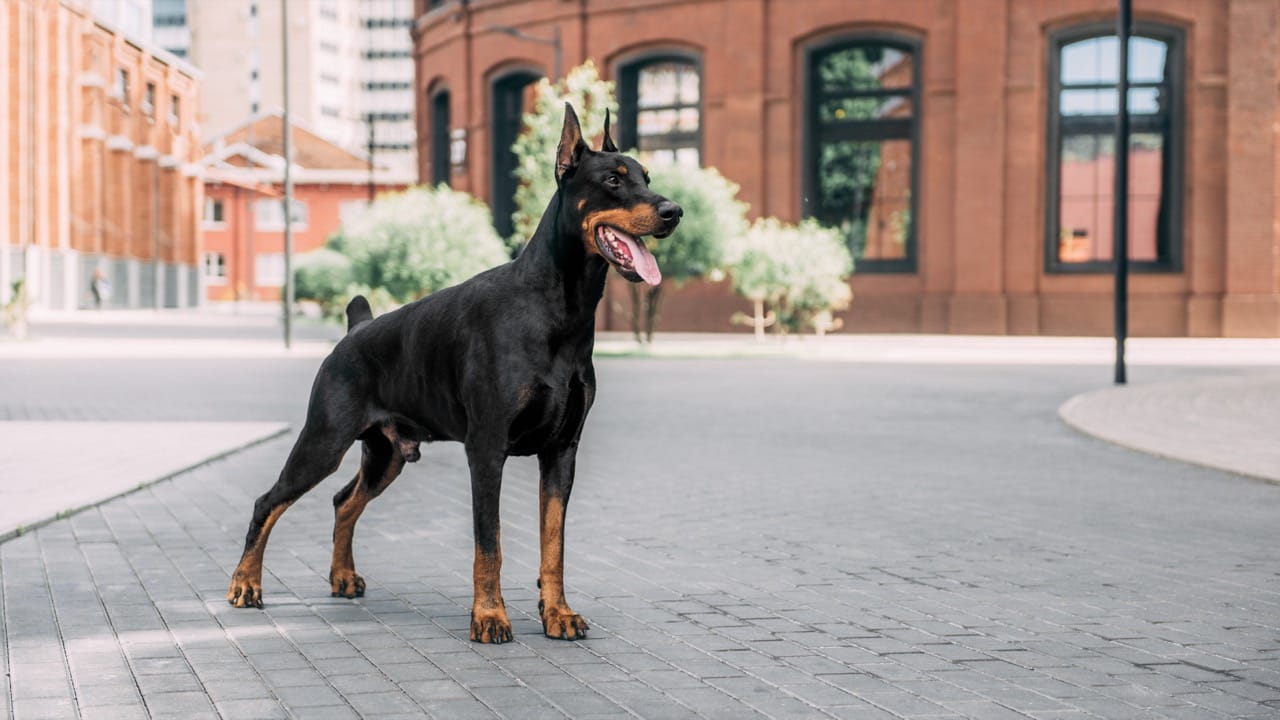
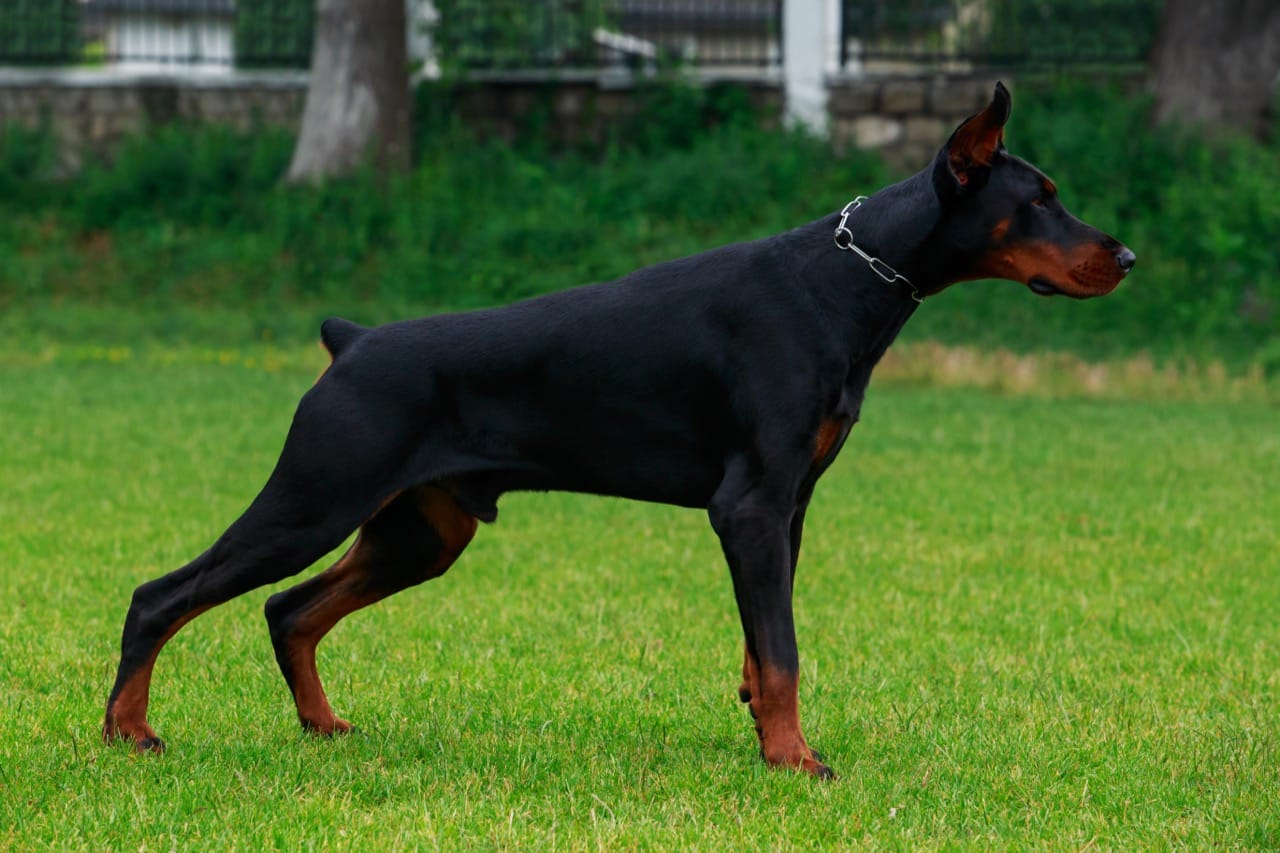
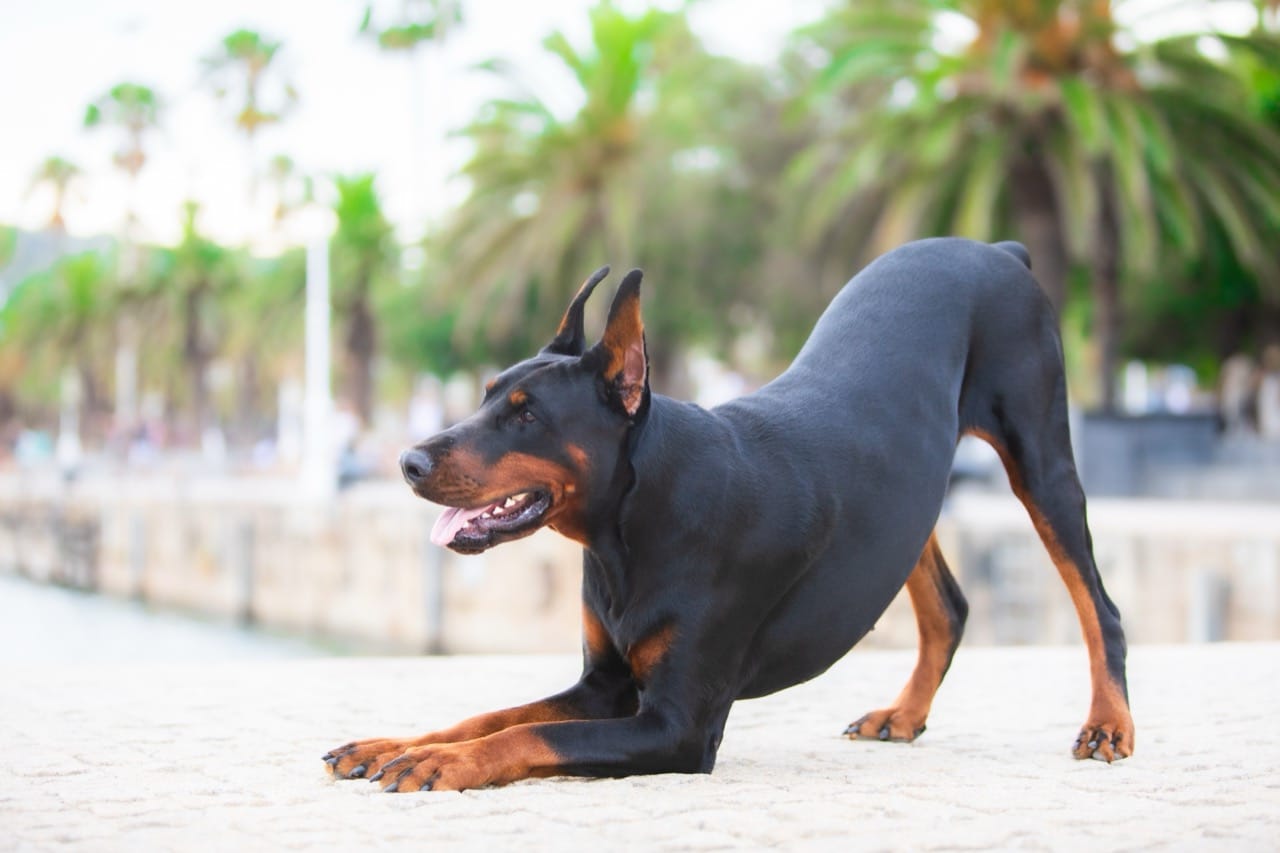
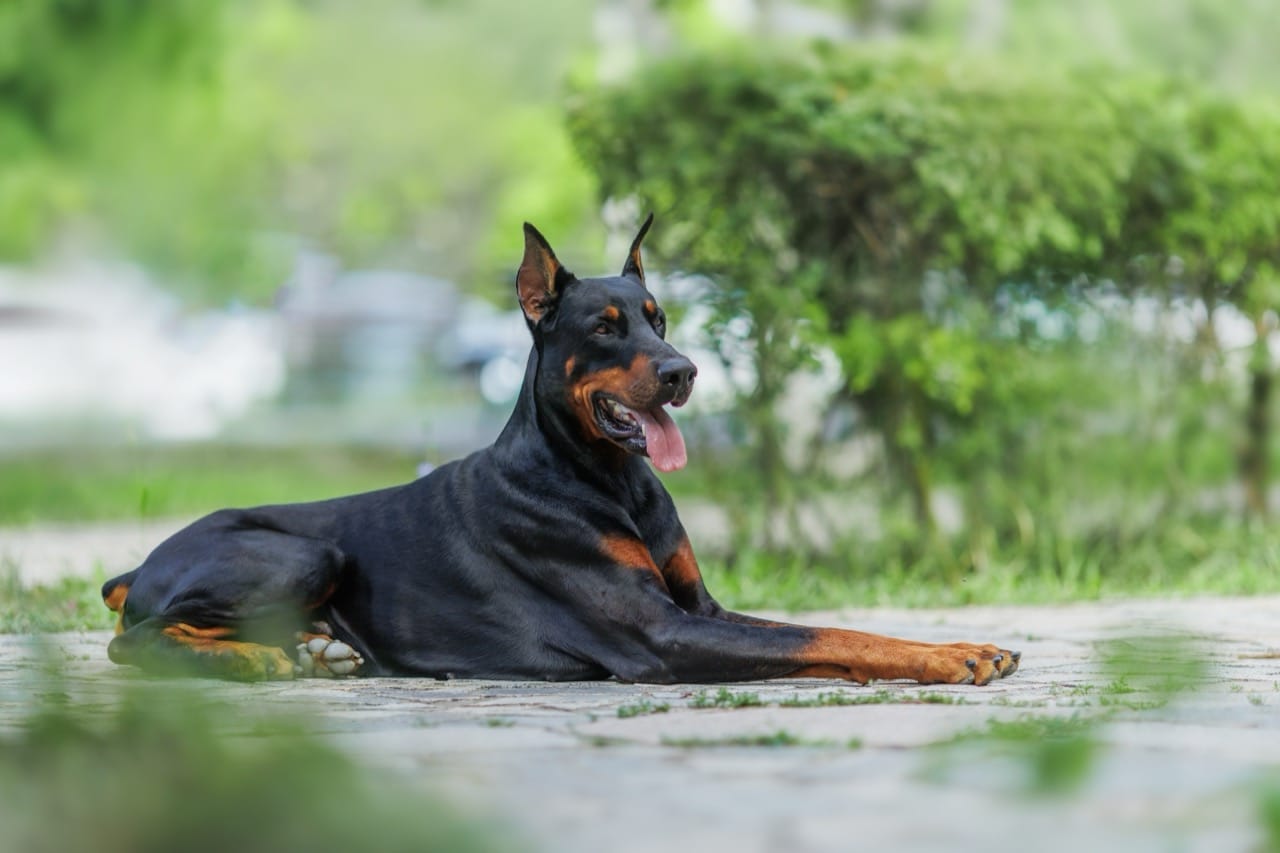
A Doberman Pinscher is one of those breeds many people think they can identify instantly, yet the small details are what separate a true Doberman “type” from a dog that merely looks similar at a glance. The classic Doberman silhouette is sleek and athletic, built for speed and endurance rather than bulk. The body is strong and compact, with a firm, straight back and a noticeable tuck-up at the belly that hints at a deep chest and efficient movement. When a Doberman trots, the impression is smooth and purposeful, not bouncy or heavy.
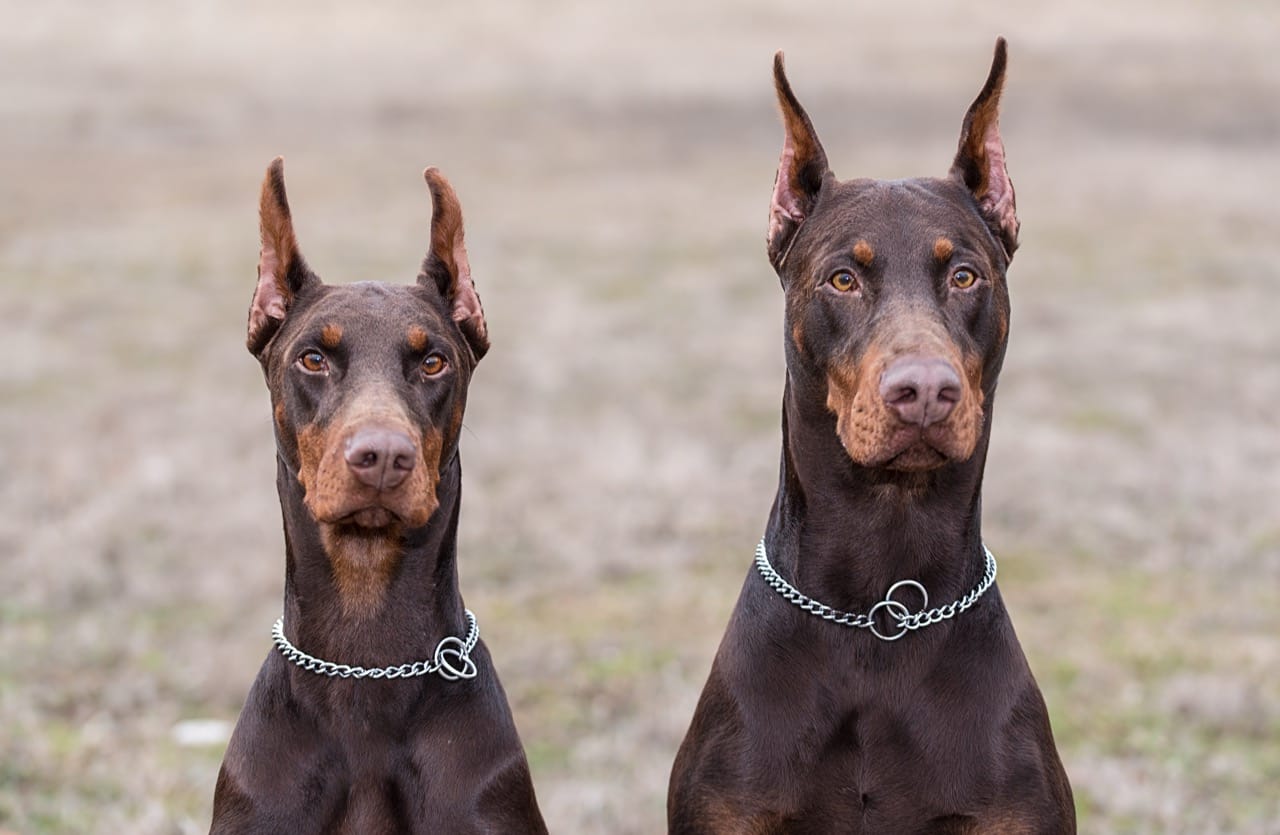
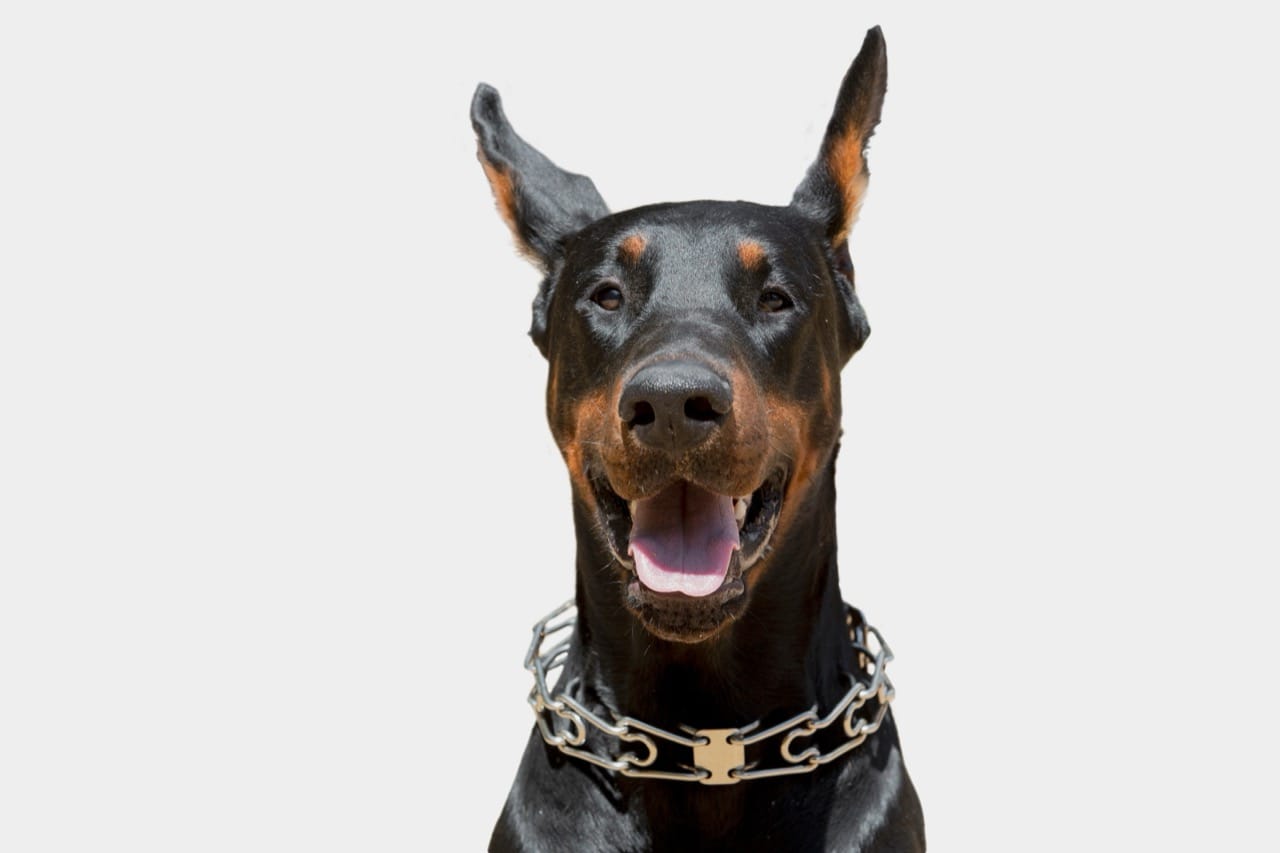
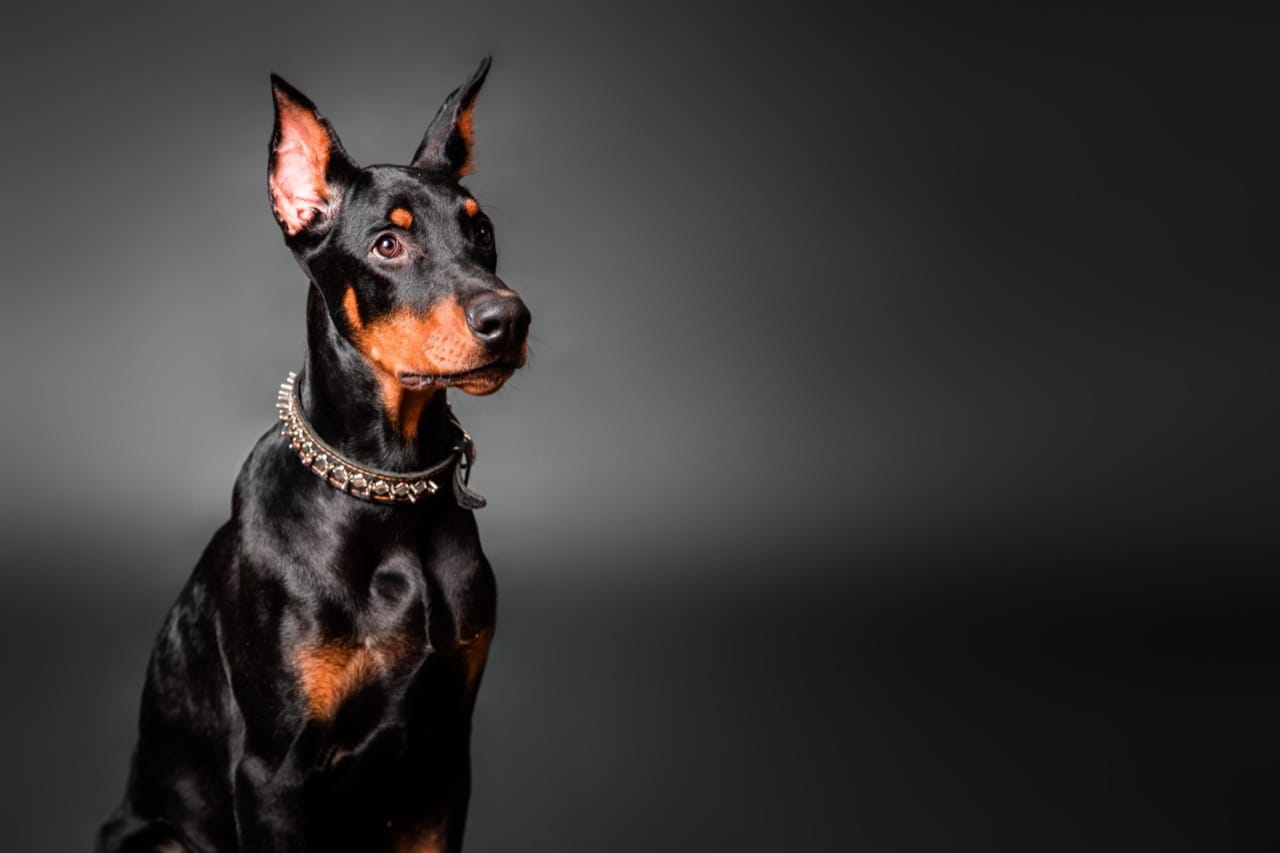
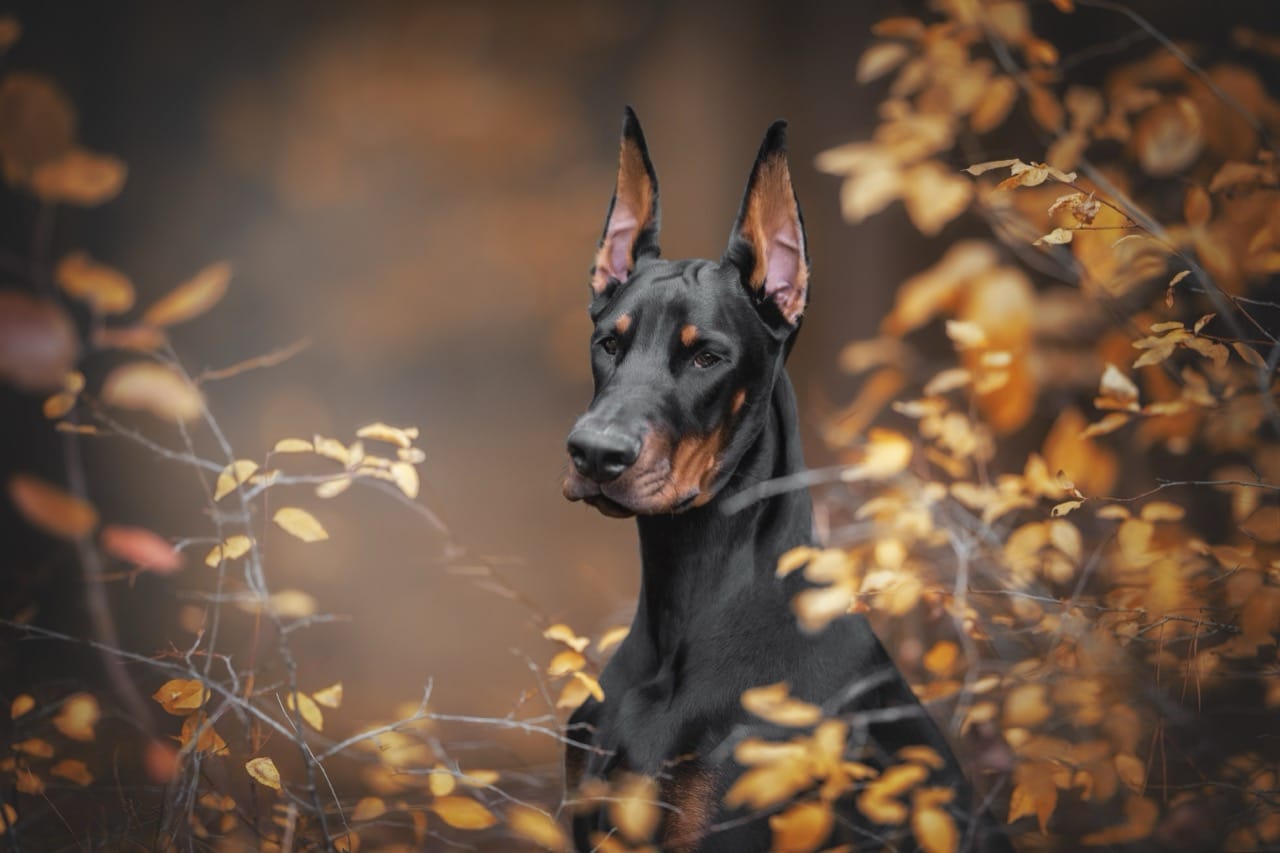
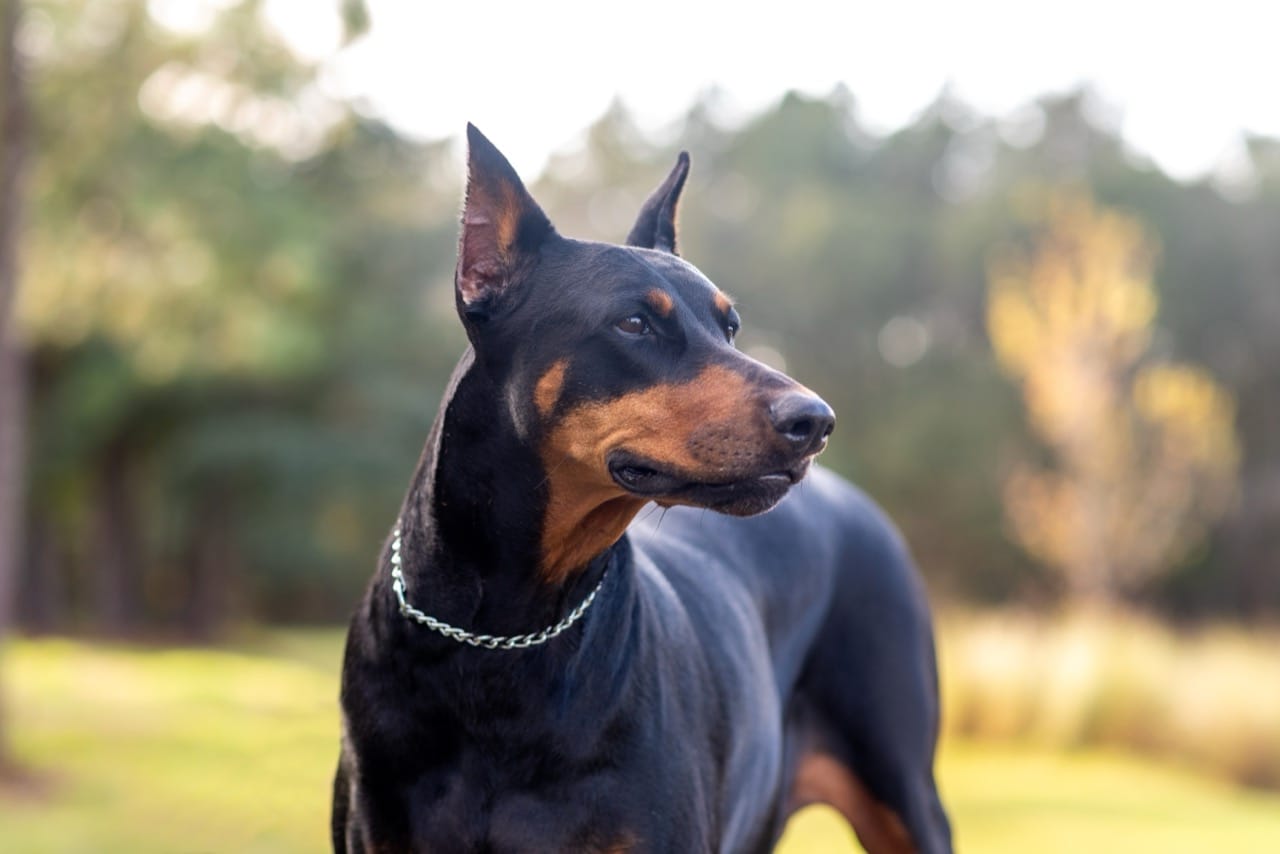
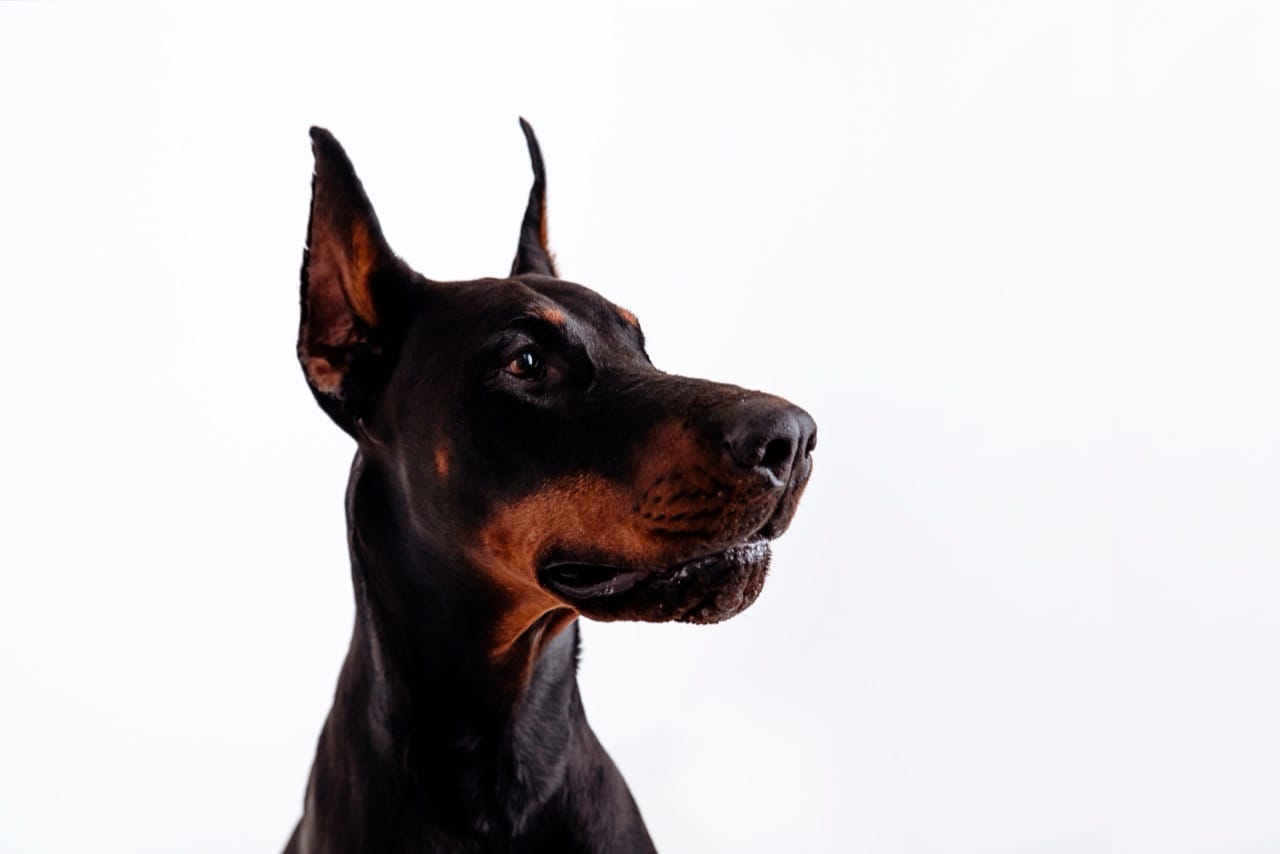
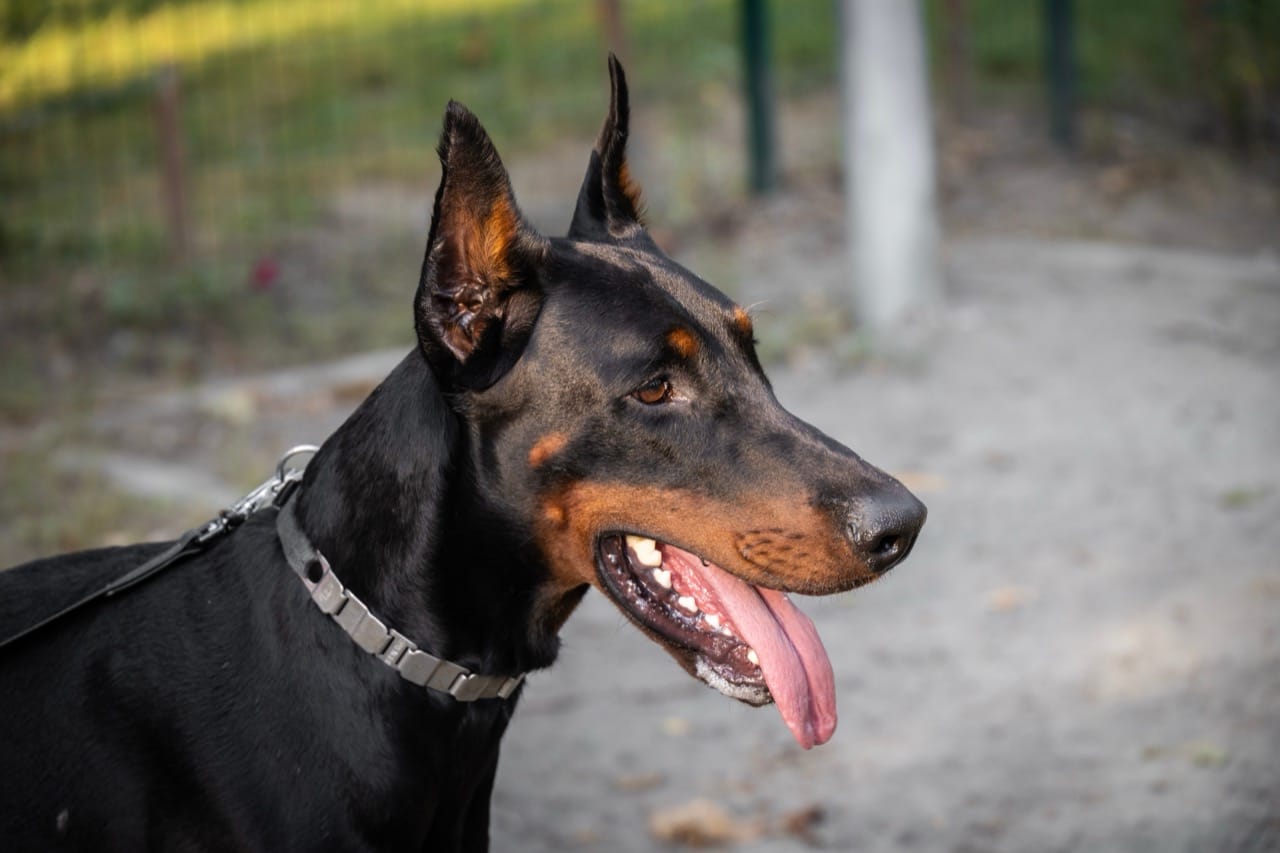
The head is a major clue. Dobermans have a long, clean wedge-shaped head with a flat-looking skull and a muzzle that is substantial without appearing thick or blocky. The stop, where the forehead meets the muzzle, is present but not dramatic. In profile, the lines of the head look refined and streamlined. Eyes are typically almond-shaped and alert, giving an attentive expression rather than a soft or round “puppy” look.
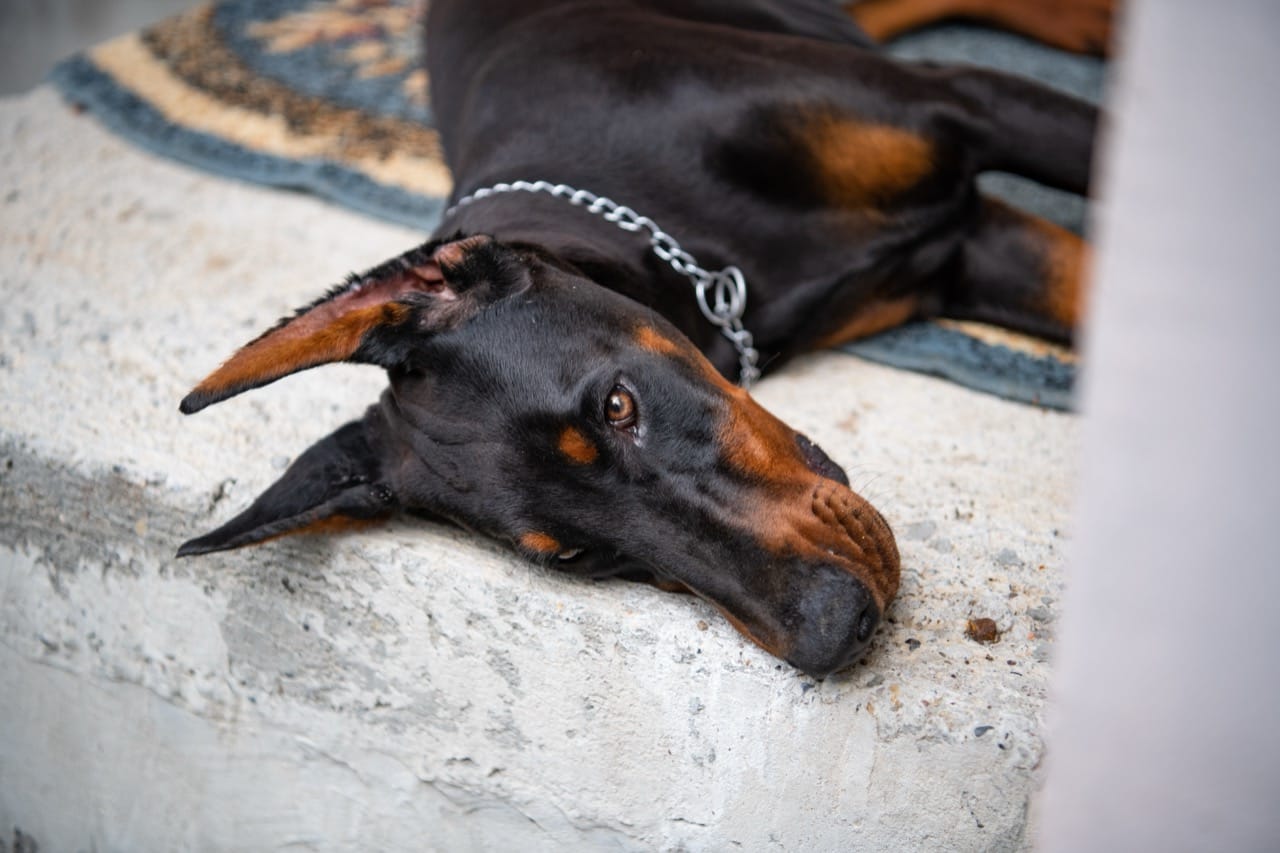
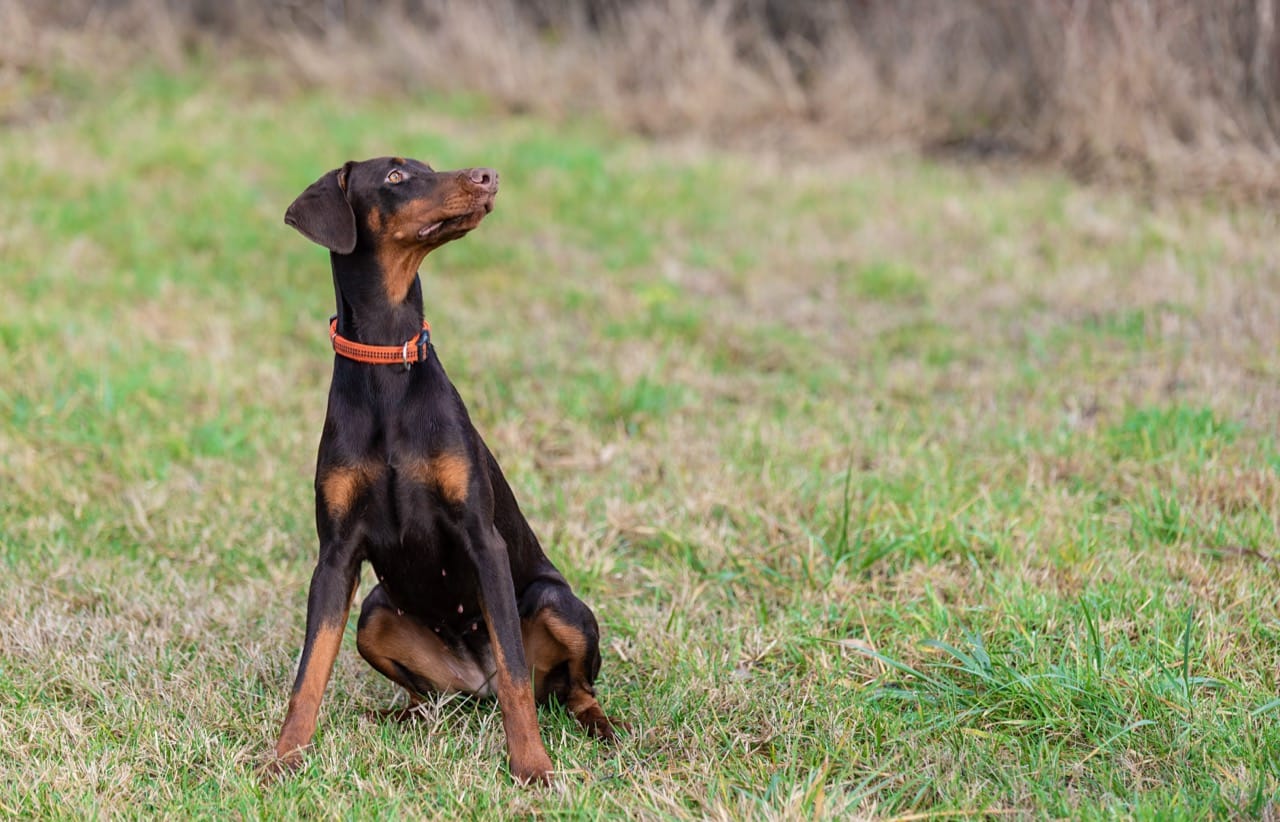
Ears and tail are often misunderstood because standards differ: the AKC describes cropped ears and a docked tail, while the FCI calls for both to be left natural. Naturally, a Doberman’s ears are medium-sized and drop close to the cheeks, with a gentle fold that frames the face. The natural tail is fairly long and carried in a way that matches the dog’s mood and movement, not as a tight curl over the back. Both looks are seen today, depending on where a dog lives.
The coat is another practical identifier. Dobermans have a short, smooth coat that lies close to the body. It should look sleek and glossy, not fluffy, wiry, or sparse. Because the coat is so short, the dog’s underlying structure is easy to see, which is why correct proportions matter so much when judging “type.”
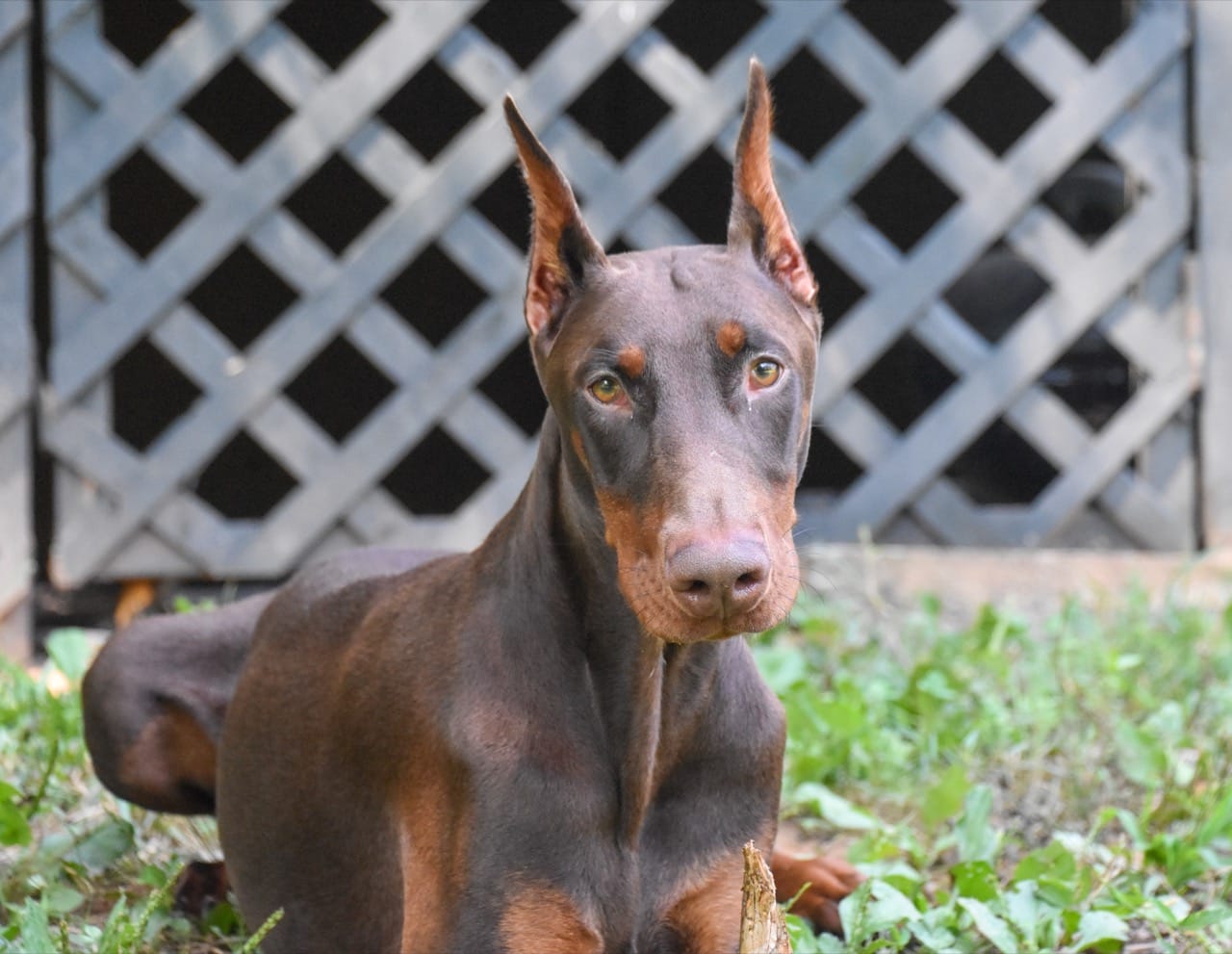
Color and markings are where many quiz questions get fun. The best-known pattern is black with rust markings, but the AKC also allows red, blue, and fawn with the same rust points, while the FCI accepts only black or brown. These rust markings are not random; they appear in specific places: above the eyes like small dots, on the muzzle, on the throat and chest, on the legs and feet, and under the tail. The placement should look crisp and intentional, not smudged or scattered. Some Dobermans are red with rust, which can range from a deep coppery tone to a lighter brownish shade depending on lighting and coat. Blue and fawn variations exist as diluted colors, still paired with rust markings, and they often spark debate because dilution can be associated with coat and skin sensitivity in some lines.
Because Dobermans are so iconic, several breeds and mixes are frequently mistaken for them. A German Pinscher can resemble a smaller, more compact version, while a Beauceron may be confused with a larger, heavier-built lookalike, especially when it has tan points. Rottweilers share the black-and-tan idea but are stockier with a broader head and heavier bone. Some Great Dane mixes can mimic the tall, sleek outline, yet the head shape and overall proportions usually give them away. Mixed-breed dogs with tan points can look “Doberman-ish,” but the details often don’t line up: markings are misplaced, the chest is too wide or too narrow, the coat texture is different, or the head lacks that clean wedge.
Learning Doberman type is about training your eye to notice structure, balance, and the consistent pattern of coat and markings. Once you start looking for the refined head, the athletic frame, the smooth coat, and the precise rust points, you’ll be able to spot the real thing more confidently and enjoy the challenge of separating true Dobermans from convincing doubles.