Cavalier King Charles Silk and Feathers

Quiz Complete!
Cavalier King Charles Spaniel Look Links: Reading the Breed in Its Details
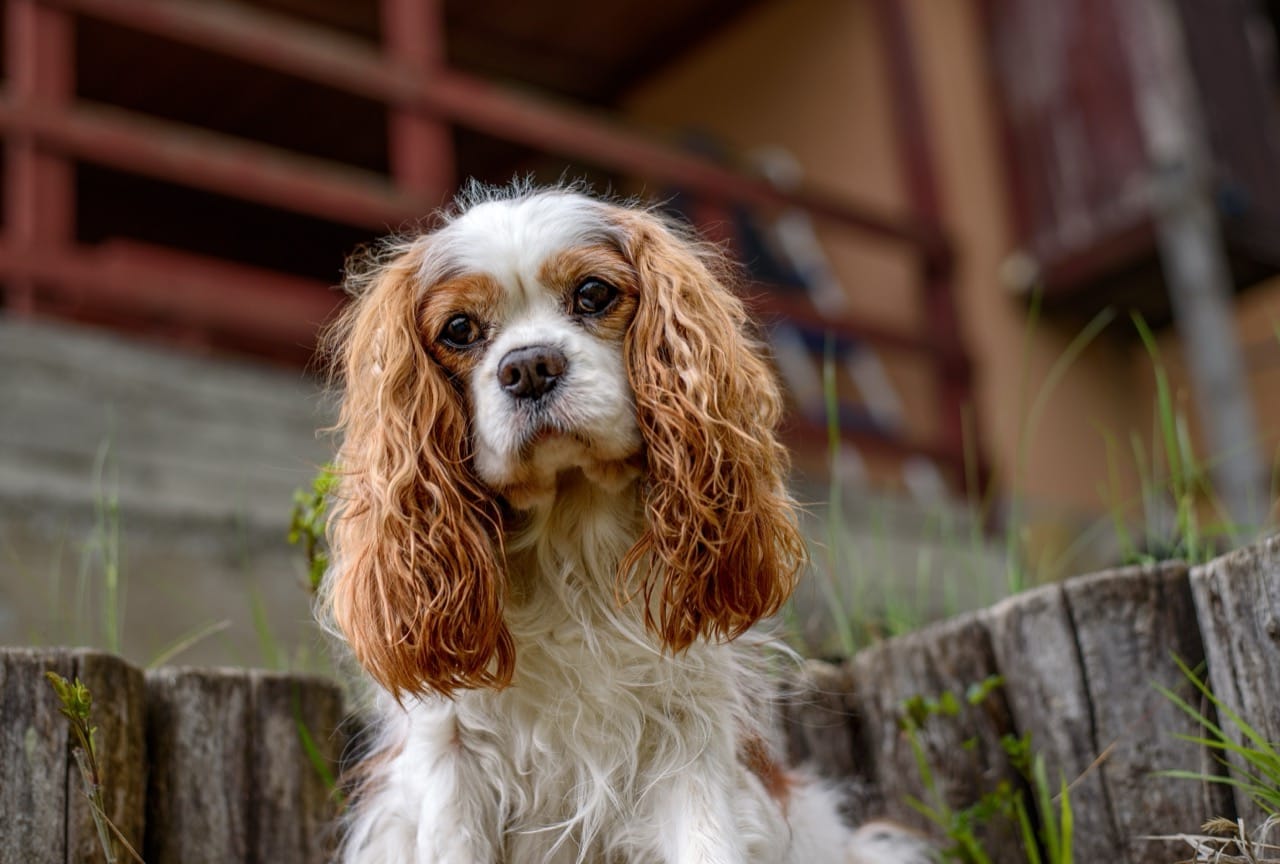
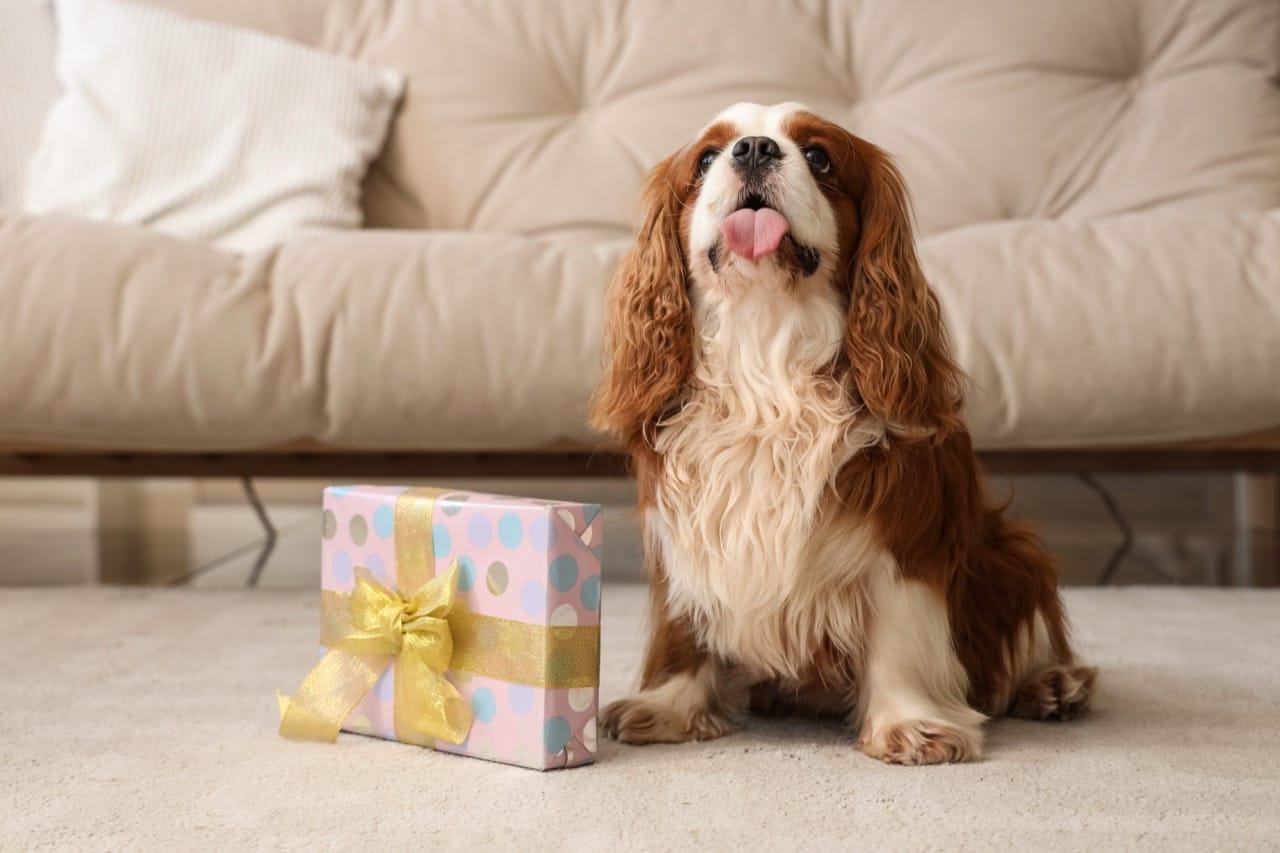
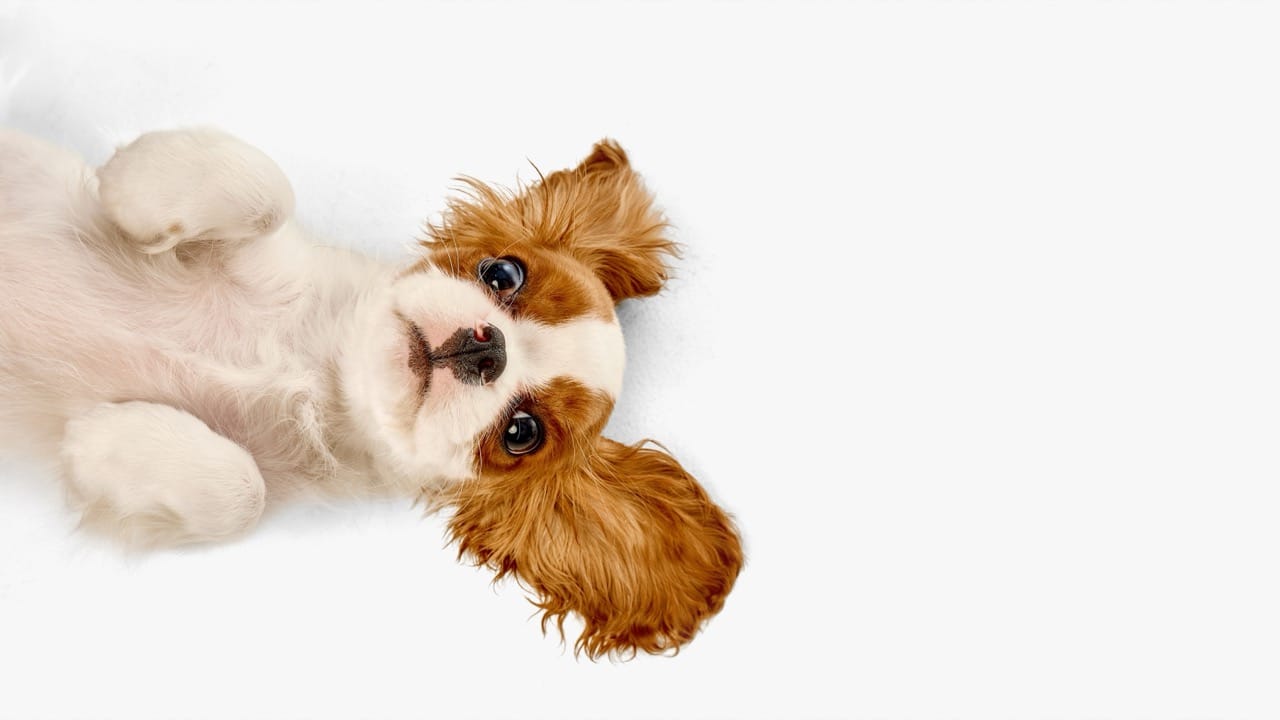
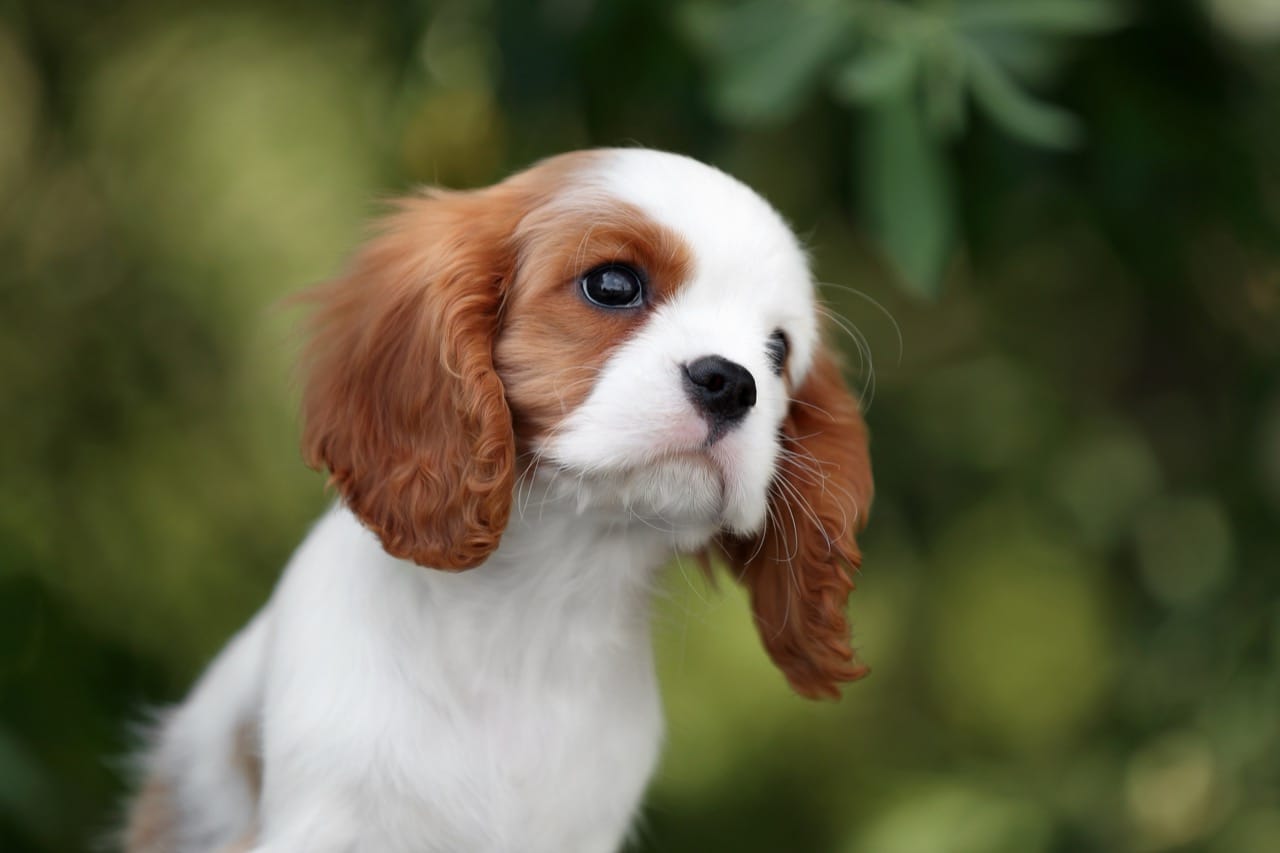
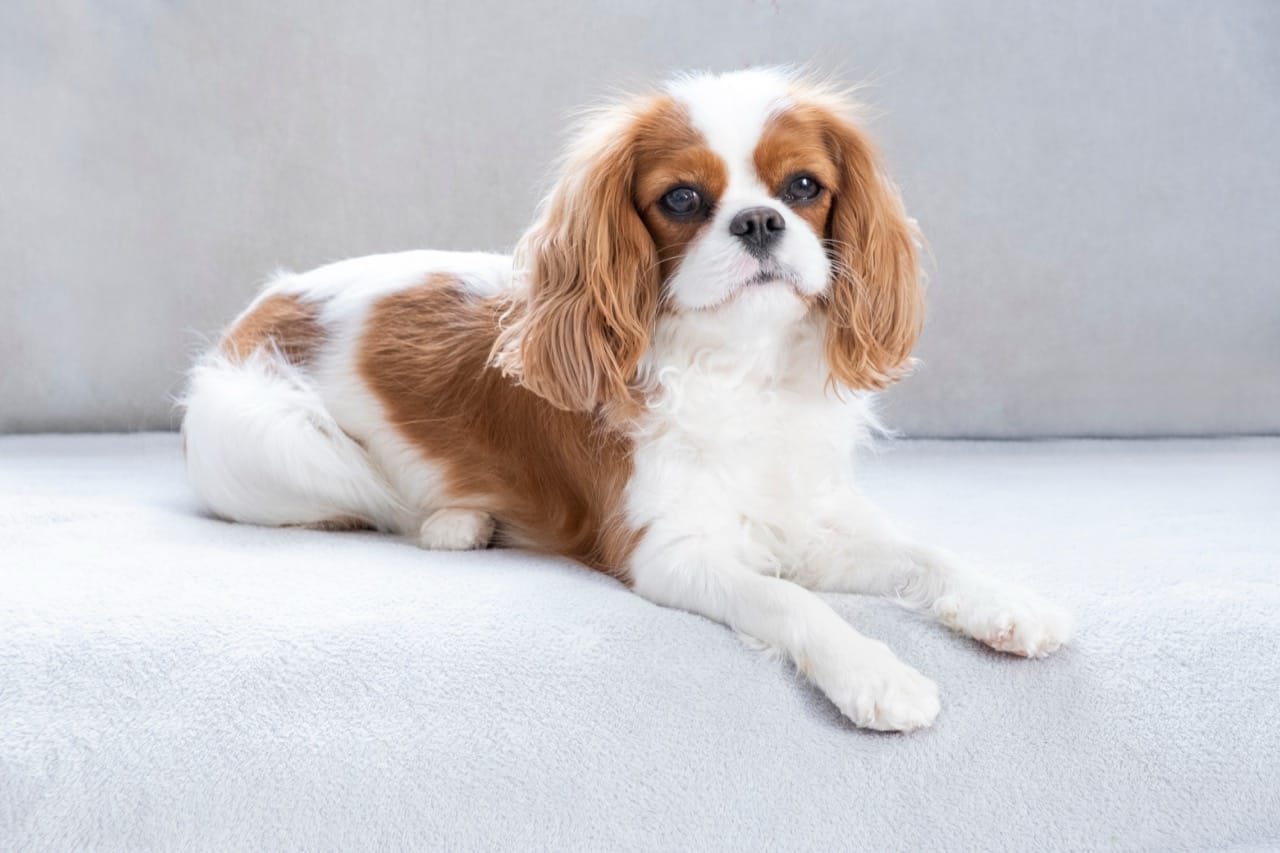
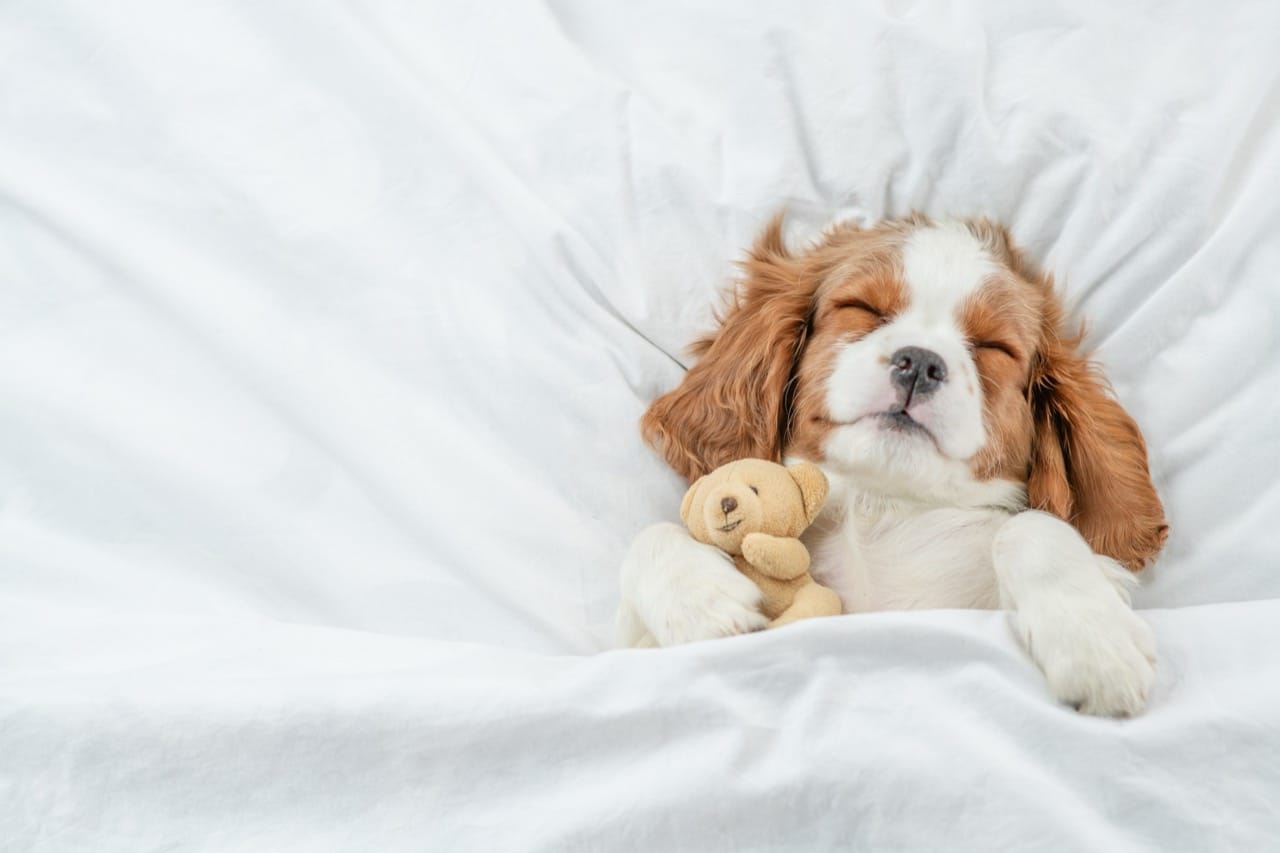
A Cavalier King Charles Spaniel is often recognized at a glance: soft, silky hair that seems to float as the dog moves, large dark eyes that give a gentle, open expression, and ears that frame the face like a curtain. What makes the breed especially fun to study is how these features connect to one another. The Cavalier look is not just a collection of cute traits. It is a set of linked clues that, taken together, can help you tell a true Cavalier from similar small spaniels.
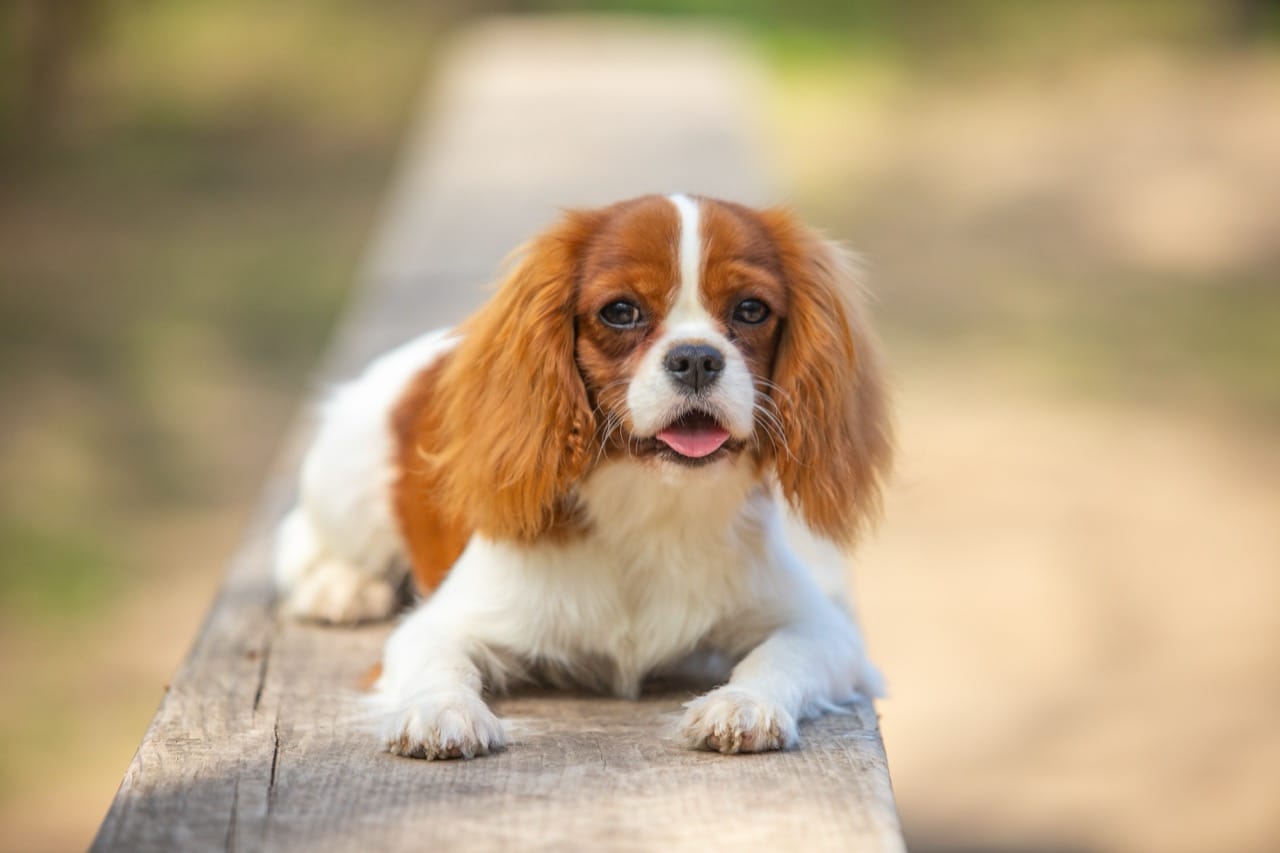
Start with the head, because many lookalike mix ups begin there. Cavaliers have a slightly rounded skull with a noticeable but not abrupt stop, and a muzzle that is clearly present rather than pushed in. The muzzle is relatively short compared with larger spaniels, yet it should still look balanced and allow the dog to have a soft, natural expression. This is one of the easiest ways to separate the Cavalier from the English Toy Spaniel, which typically has a much shorter, more domed head and a more flattened face. If you see a toy spaniel with a very short nose and a more pronounced dome, you are likely looking at the cousin rather than the Cavalier.
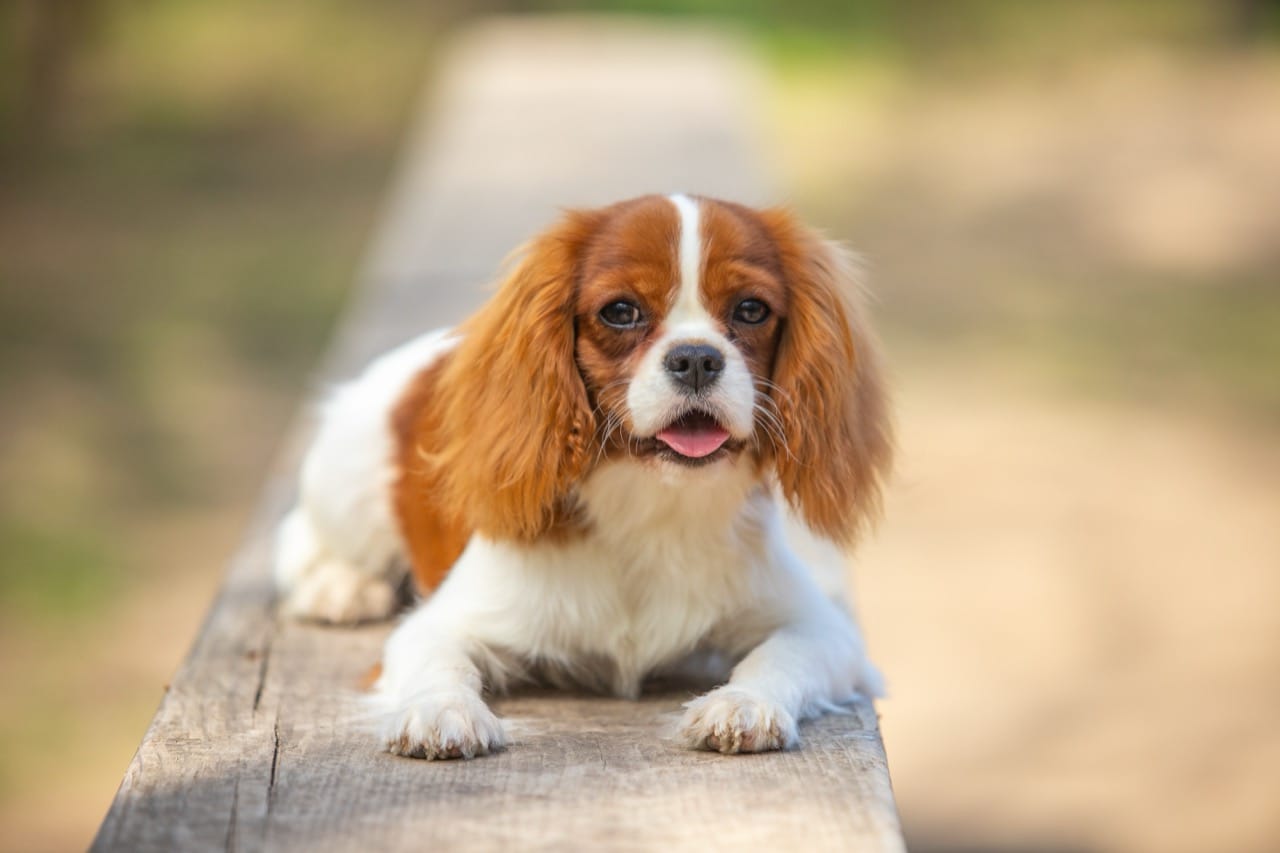
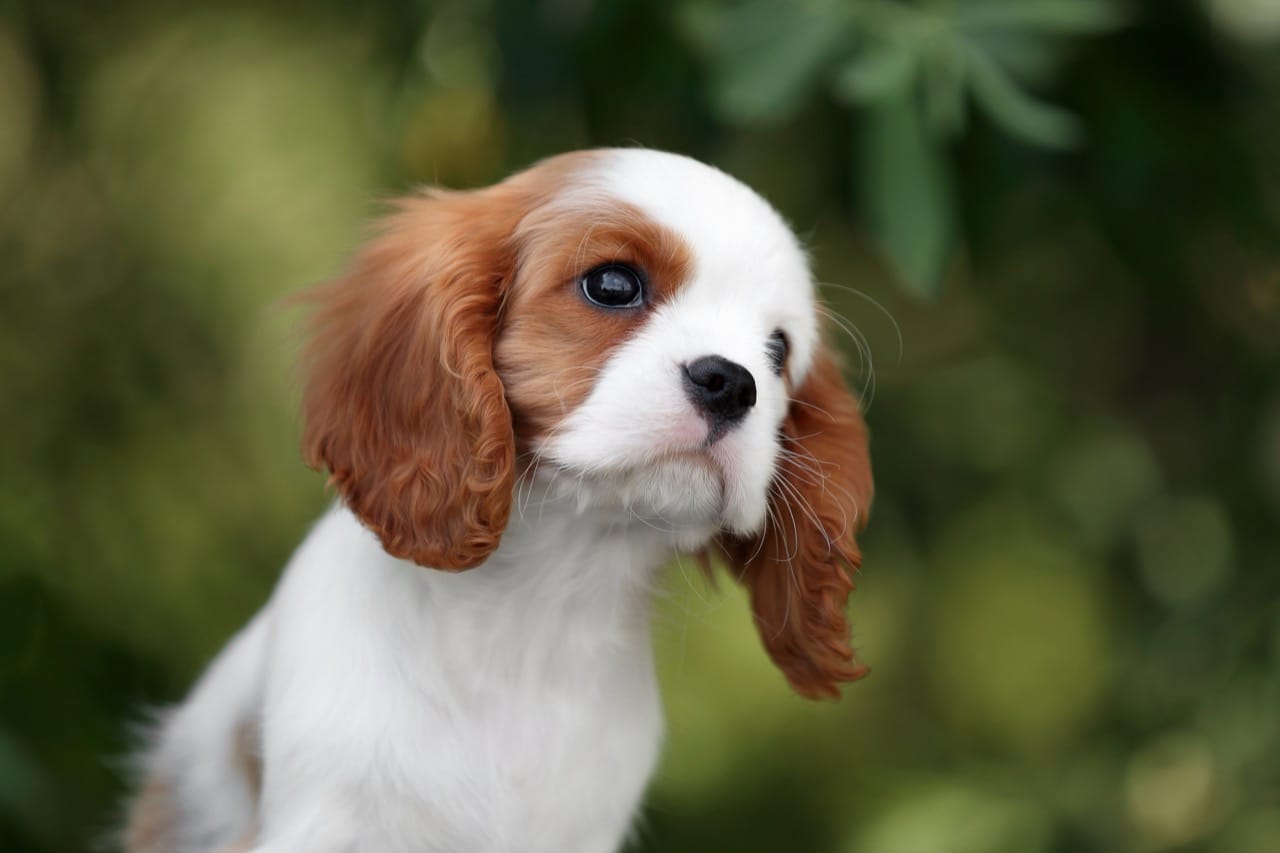
Those famous eyes are another major marker. Cavaliers are known for large, round, dark eyes set well apart. The overall effect is warm and sweet, not sharp or almond shaped. Eye shape is also connected to the breed’s gentle expression: the combination of round eyes, a moderate stop, and a not too short muzzle creates that signature look. When the muzzle shortens too much, the expression can shift, and that shift is often what people notice even if they cannot name the reason.
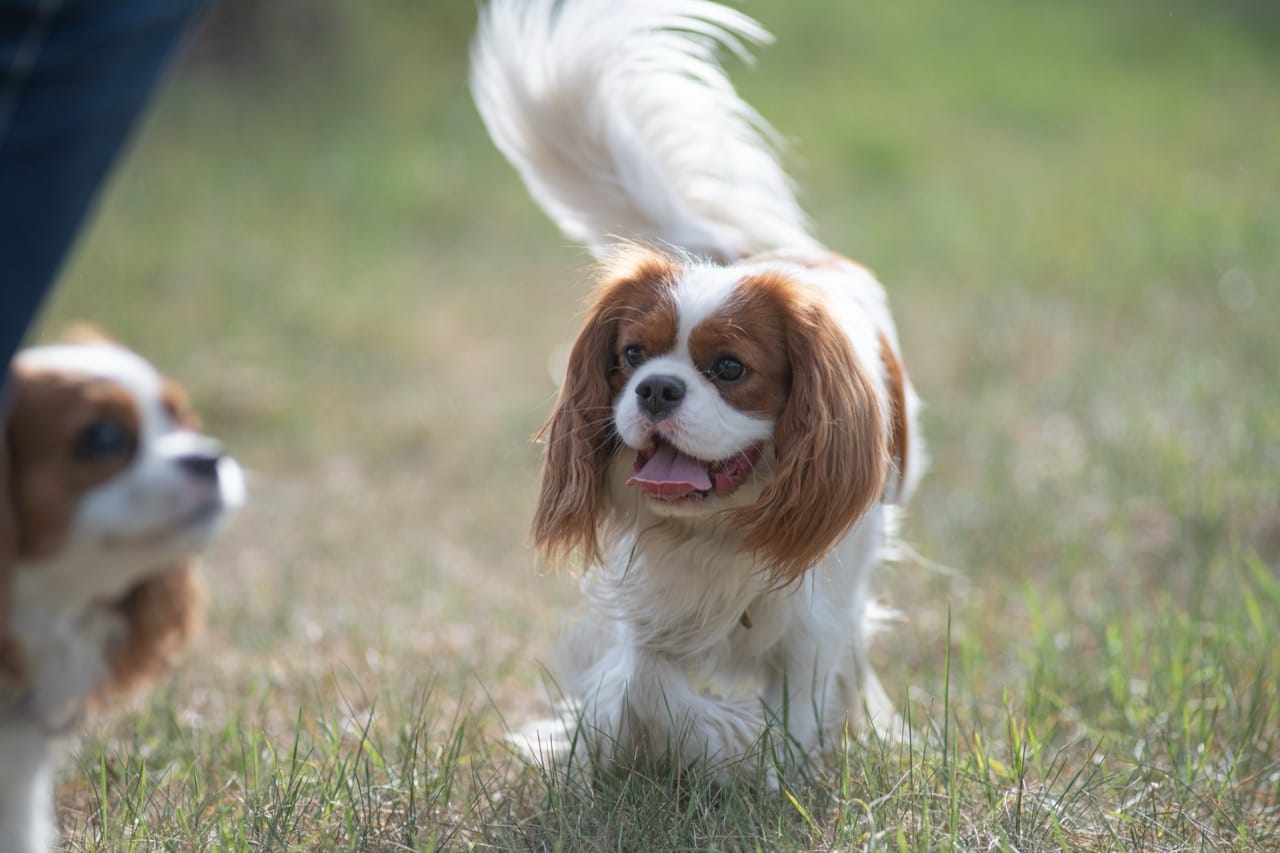
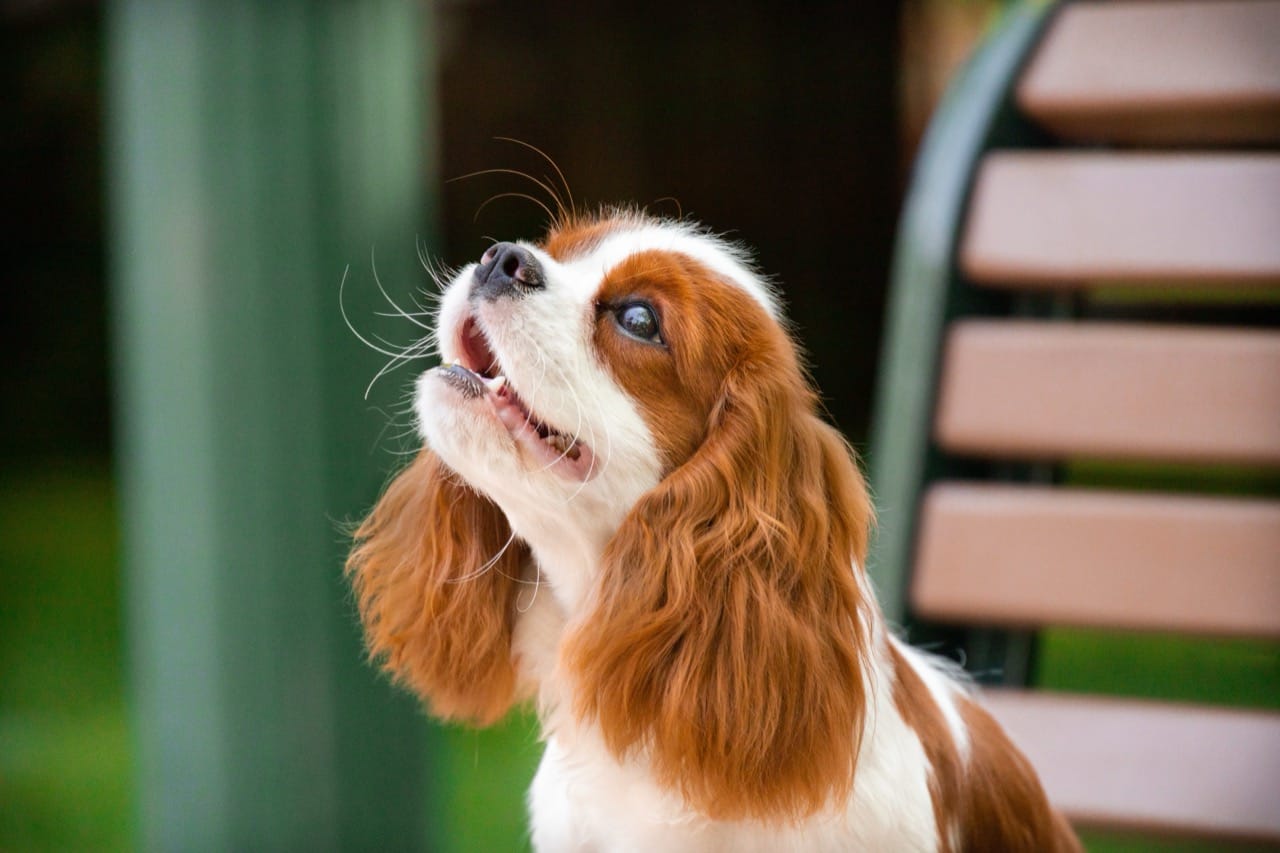
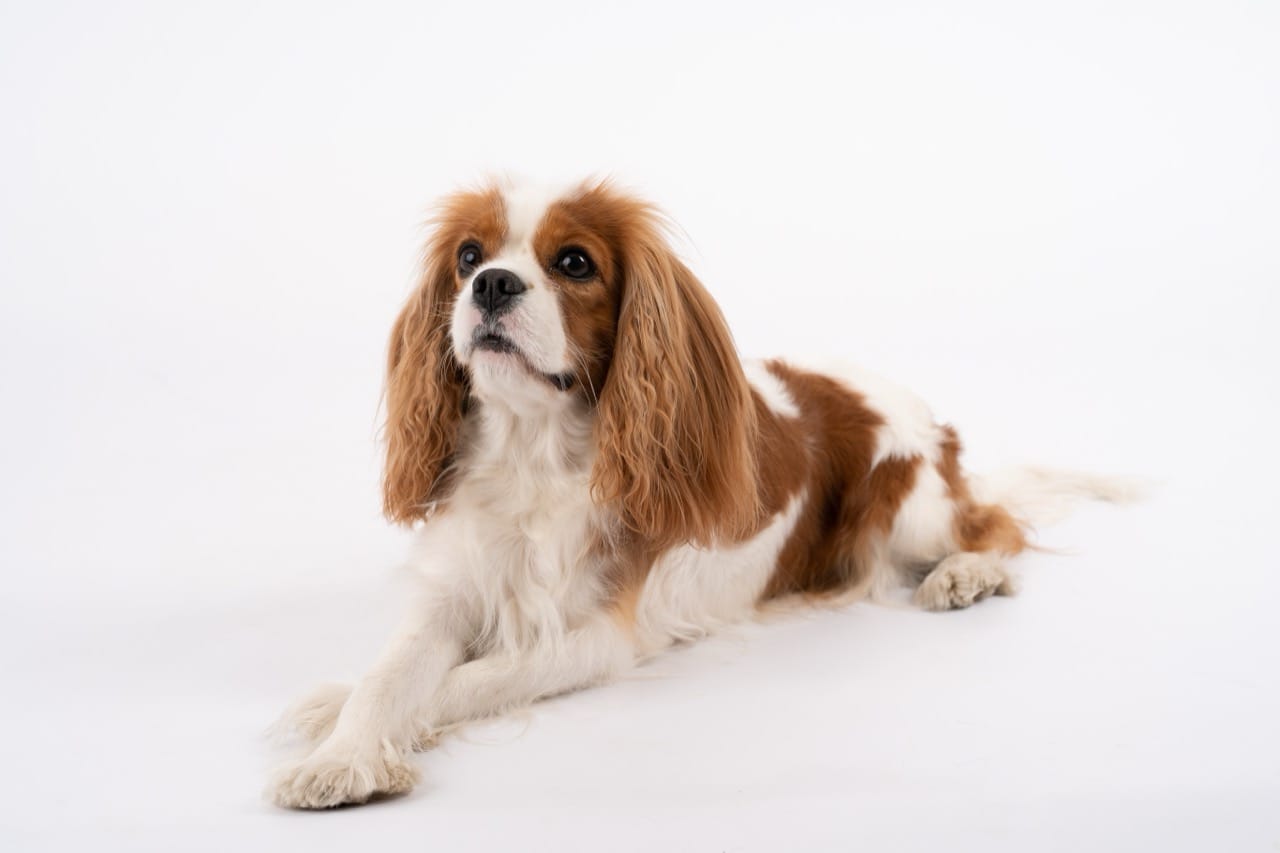
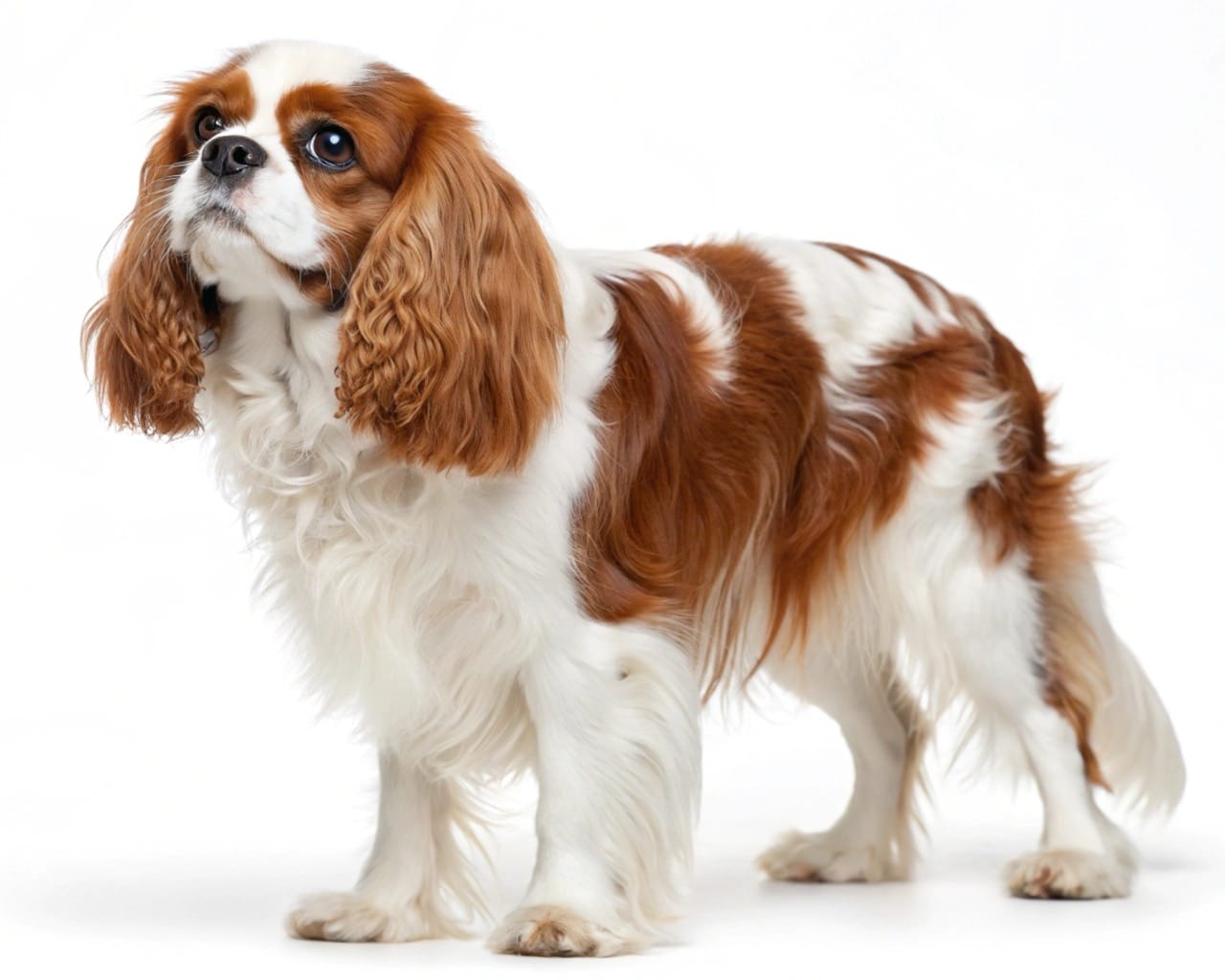
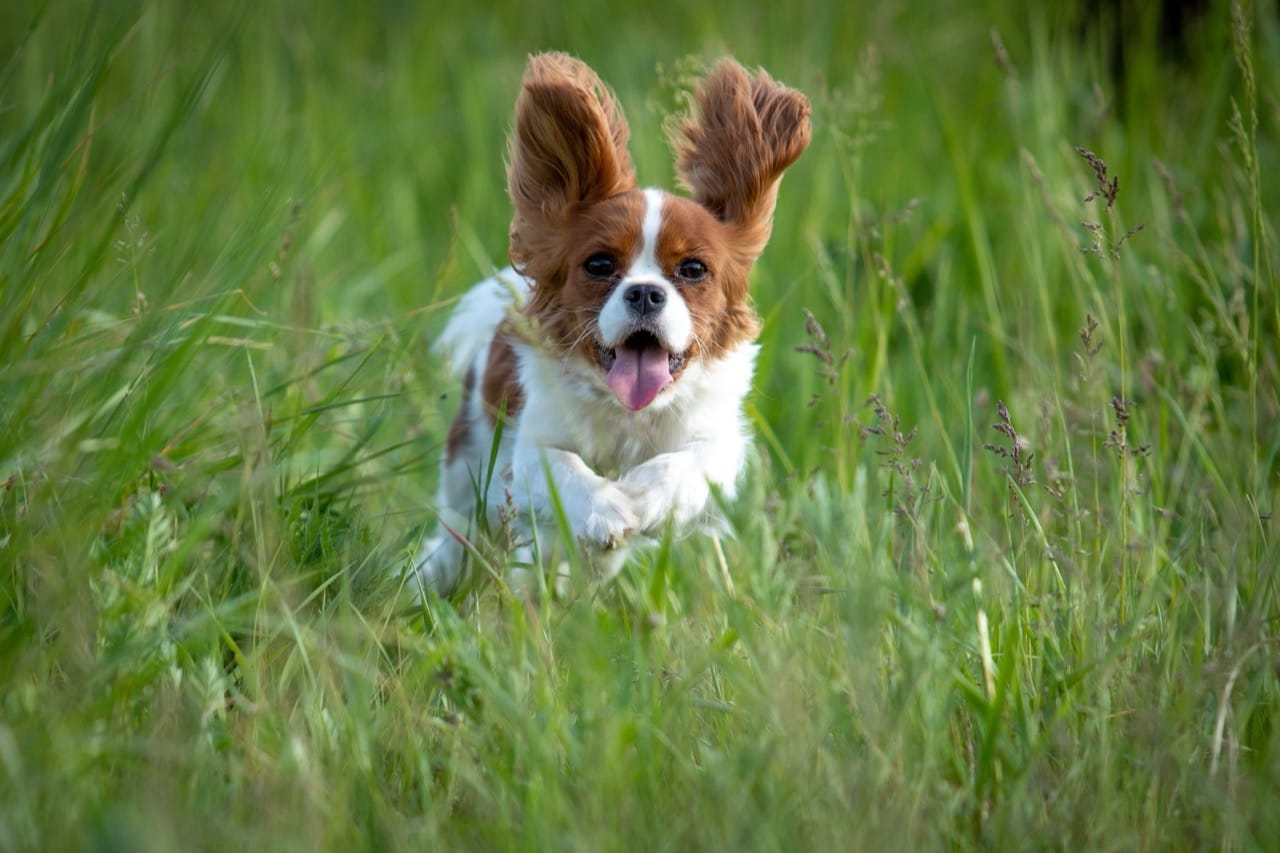
Now look at the ears. Cavaliers have long ears set high, with plenty of hair. Their ear leather is long enough that when the dog is alert the ears still frame the face rather than sticking out. The hair on the ears is part of the feathering, a term that often confuses people. Feathering does not mean the coat is fluffy like a cotton ball. It refers to longer fringes of hair on the ears, chest, legs, feet, and tail. On a Cavalier, feathering is silky and fine, blending into the rest of the coat rather than forming a thick mane.
Coat texture is a powerful identification tool. A Cavalier’s coat is medium length, soft, and silky, with a natural sheen. It is not supposed to be harsh, wiry, or heavily curly. It may have a slight wave, but it should not look like a poodle mix. This is where people sometimes confuse Cavaliers with small Cocker Spaniels. Cockers are generally more robust and heavier boned, with a more pronounced, abundant coat and a different head shape that often looks longer and more substantial. Cavaliers are toy spaniels with a balanced, lightly built body that still looks athletic, not fragile.
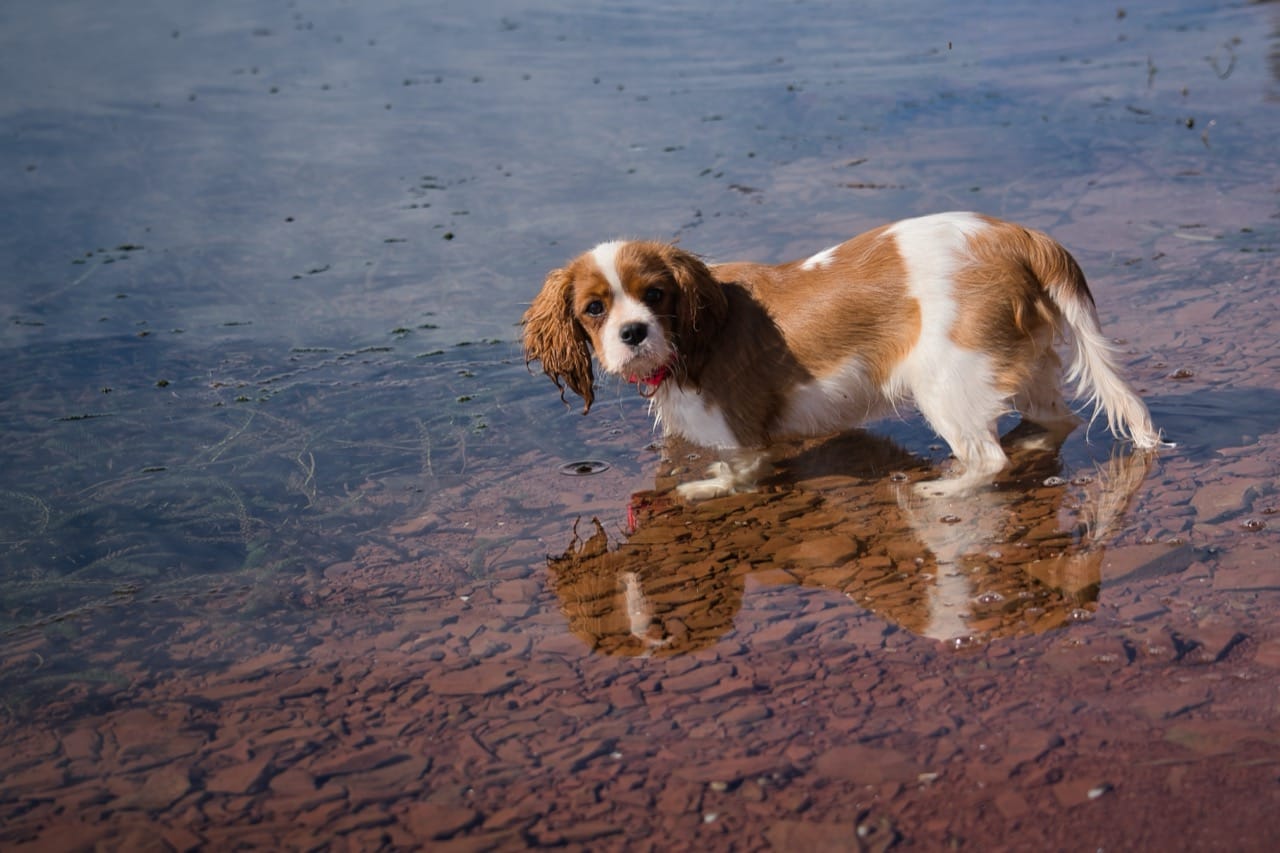
Color is another place where trivia becomes practical. The commonly recognized breed colors are Blenheim, ruby, black and tan, and tricolor. Blenheim is the rich chestnut markings on a white background, often with a white blaze on the face. Ruby is solid red. Black and tan has tan points over a black coat, and tricolor combines black and white with tan points. If you see a Cavalier-like dog in a merle pattern or unusual dilute shades, that should prompt a second look, because those patterns are not part of the traditional standard colors.
Finally, consider the whole outline. Cavaliers have a level topline and a compact but not cobby body, with a tail that is carried happily and usually feathered. Papillons, another frequent mix up, are typically lighter and finer boned with a more delicate frame, and their ears are a giveaway: papillon ears are usually large and upright with fringes that resemble butterfly wings, while Cavalier ears hang down.
Once you start linking these details, identification becomes less about guessing and more about reading a consistent set of visible facts: a moderate muzzle, round dark eyes, high set hanging ears with silky feathering, a gently wavy coat, and one of the classic color patterns. With practice, you can spot the breed not just by its sweetness, but by the specific design that creates it.