Cavalier King Charles Heart to Heart












Quiz Complete!
Medical Facts Every Cavalier King Charles Spaniel Owner Should Know

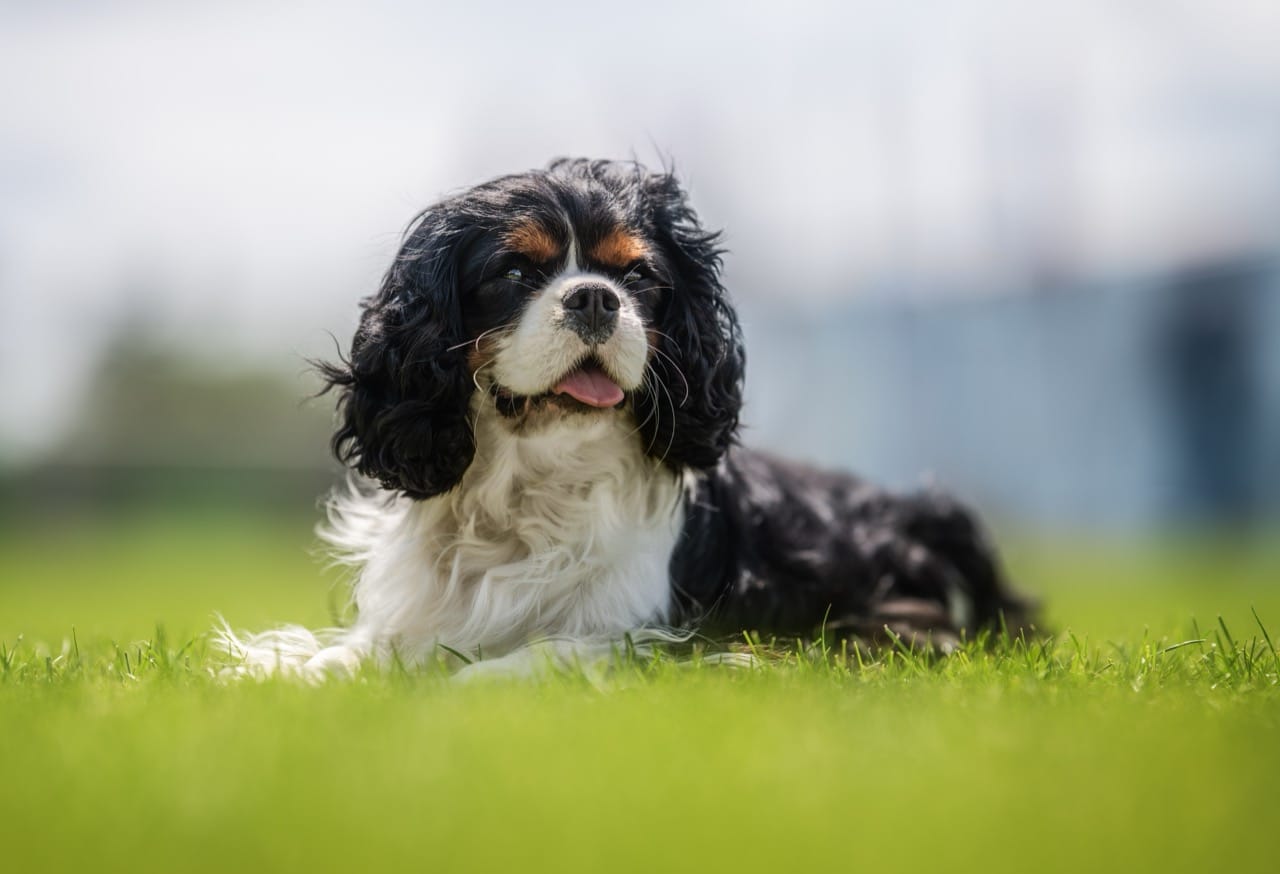
Cavalier King Charles Spaniels are famous for being affectionate lap dogs, but their close bond with people can sometimes hide early illness, because many Cavaliers keep acting cheerful even when they do not feel well. Knowing the breed’s most common medical risks helps owners notice subtle changes early and seek veterinary care before a problem becomes an emergency.
One of the most important breed related concerns is heart disease, especially degenerative mitral valve disease. In simple terms, the valve between the left heart chambers becomes leaky over time. This can start silently with a heart murmur that only a veterinarian can hear, which is why routine checkups matter even when a dog seems perfectly fine. At home, early signs can be easy to miss: reduced stamina on walks, sleeping more, breathing faster than usual at rest, or a new cough, often more noticeable at night or after excitement. As the condition progresses, fluid can build up in the lungs, leading to labored breathing or fainting episodes. Any sudden breathing difficulty, collapse, or blue tinged gums is an urgent reason to contact a veterinarian immediately.
Cavaliers are also known for a neurologic condition linked to skull and spinal anatomy called syringomyelia, often associated with Chiari like malformation. This can cause nerve related pain that looks unusual. Owners may notice repeated scratching at the neck or shoulder area without touching the skin, sensitivity when a collar is put on, yelping when picked up, reluctance to jump, or episodes of seeming discomfort that come and go. Some dogs rub their face, act restless, or develop weakness. Because pain can be intermittent, it is tempting to wait, but consistent odd scratching, unexplained crying, or changes in coordination should prompt a veterinary visit.
Eye problems can be quieter than heart or neurologic disease, yet they can affect quality of life. Cavaliers may develop dry eye, where tear production is inadequate, leading to redness, discharge, squinting, or a dull looking cornea. Cataracts and other lens changes can reduce vision gradually, so a dog may start hesitating in dim light or bumping into objects. Corneal ulcers can occur and are painful; signs include keeping an eye closed, pawing at the face, or sudden heavy tearing. Any squinting or cloudiness deserves quick attention because eye conditions can worsen rapidly.
Orthopedic issues are another area to watch. Patellar luxation, where the kneecap slips out of place, can cause a skipping gait or brief hopping on three legs that resolves and then returns. Hip problems and general joint wear can show up as stiffness after rest, reluctance to climb stairs, or difficulty jumping onto furniture. A change in posture, new limping, or a dog that suddenly avoids normal activities is worth discussing with a veterinarian, especially if pain seems to limit daily life.
Practical monitoring makes a real difference. Regular veterinary exams can detect murmurs, eye changes, dental disease, and weight trends long before an owner would notice. At home, it helps to learn your dog’s normal resting breathing rate and energy level. Keep notes if you see coughing, fainting, unusual scratching, limping, or vision changes, including when it happens and what seems to trigger it. Videos taken on a phone can be extremely helpful for the veterinarian.
The most important red flags are trouble breathing, collapse, sudden weakness, severe pain, a rapidly worsening eye problem, or any neurologic signs such as loss of balance or inability to walk normally. Cavaliers bring a lot of joy, and with informed observation and timely veterinary care, many of their common health challenges can be managed more effectively.