Cavalier Comeback: From Royal Laps to Crufts


Quiz Complete!
Cavalier King Charles Spaniel Origins: History Behind the Cuddly Companion
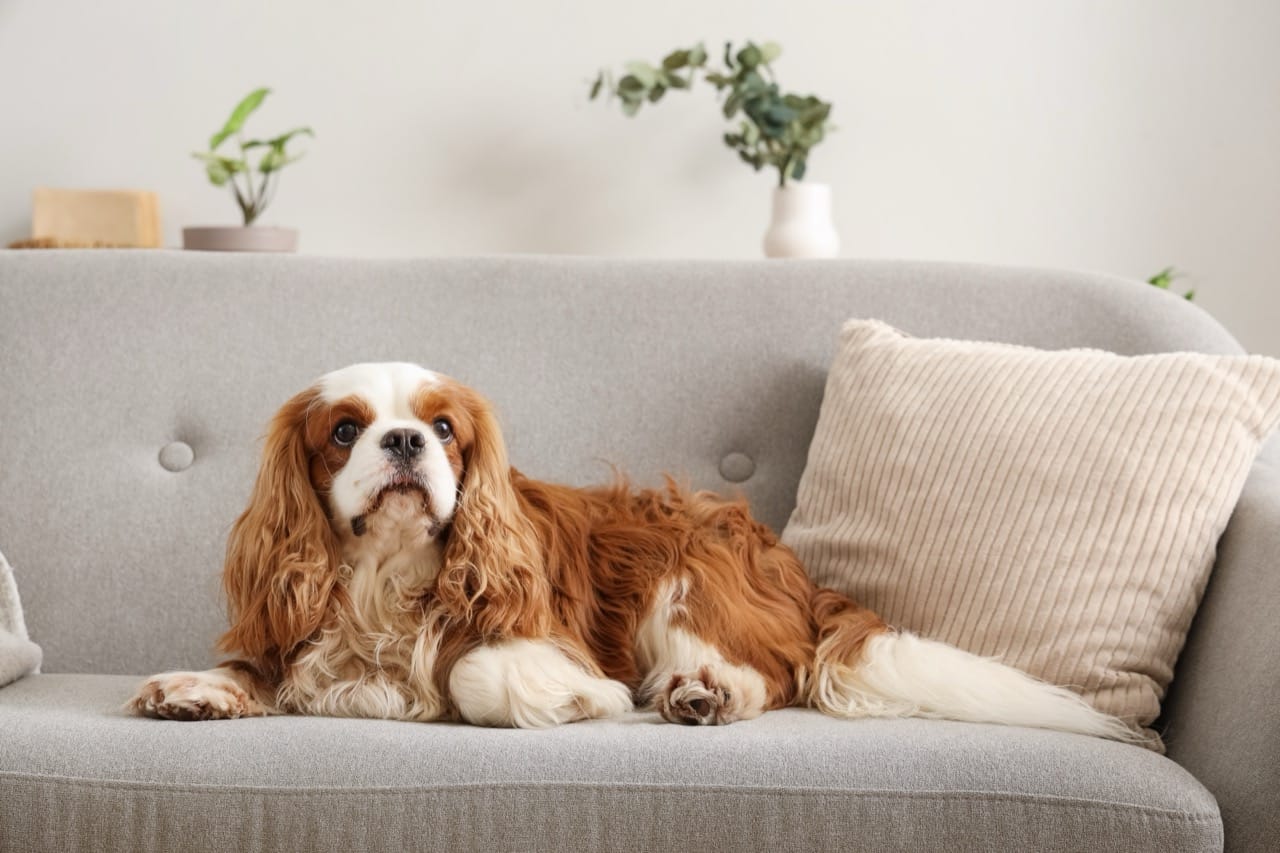
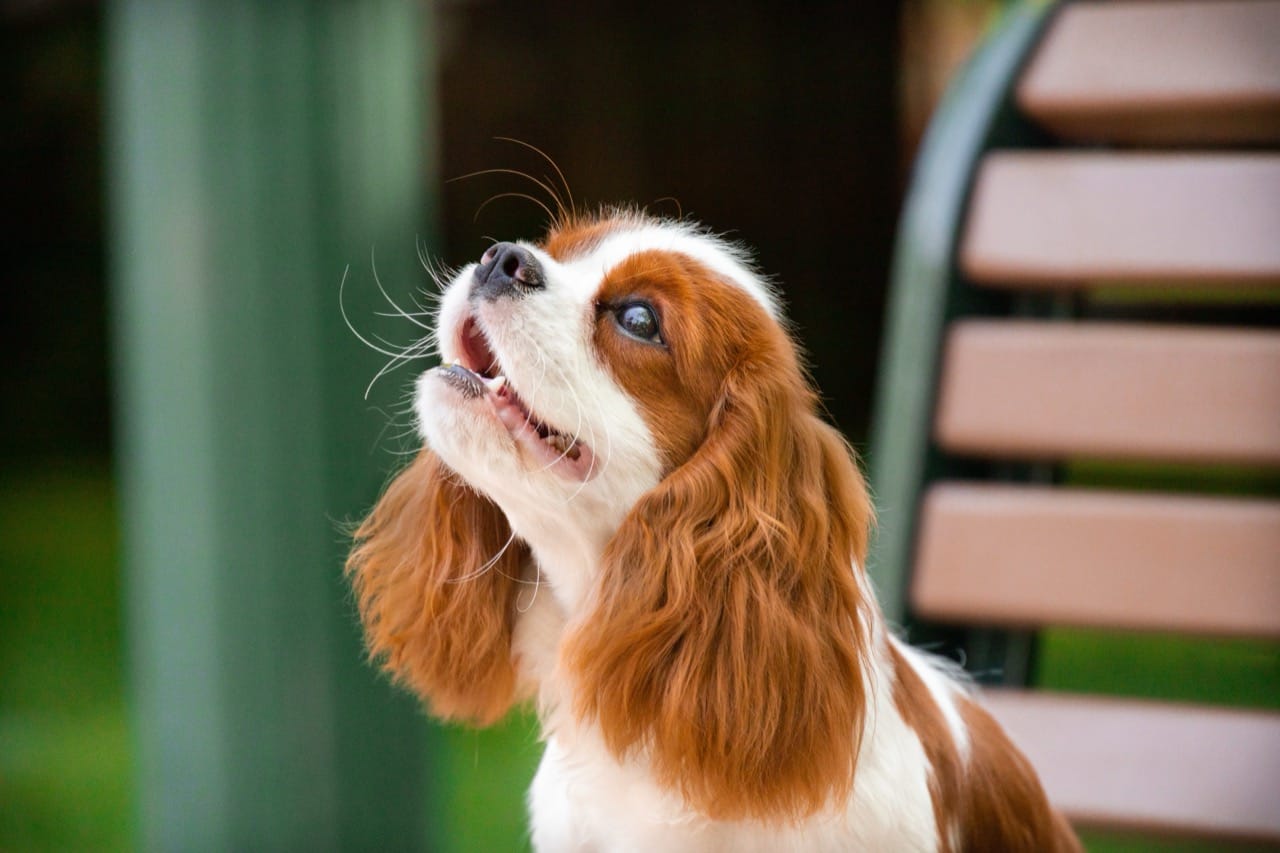
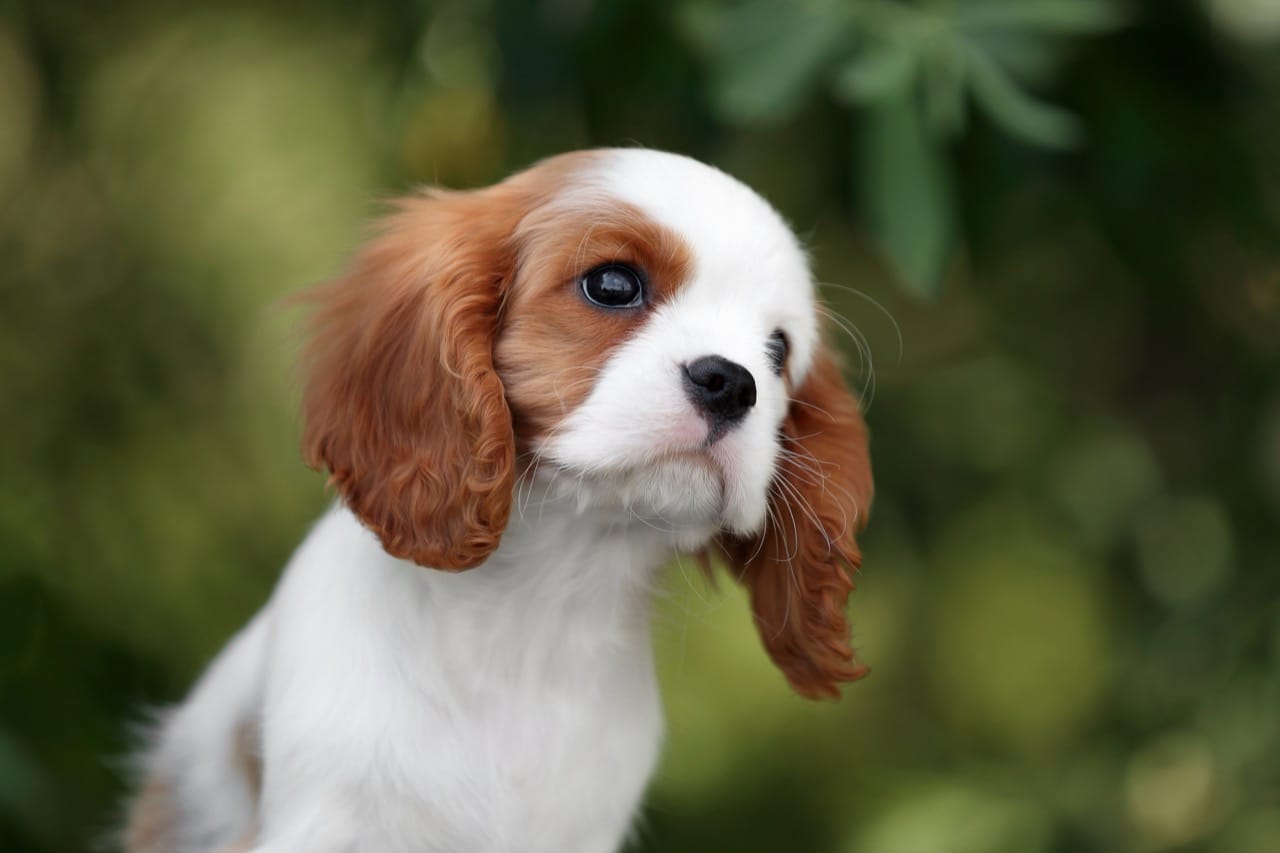
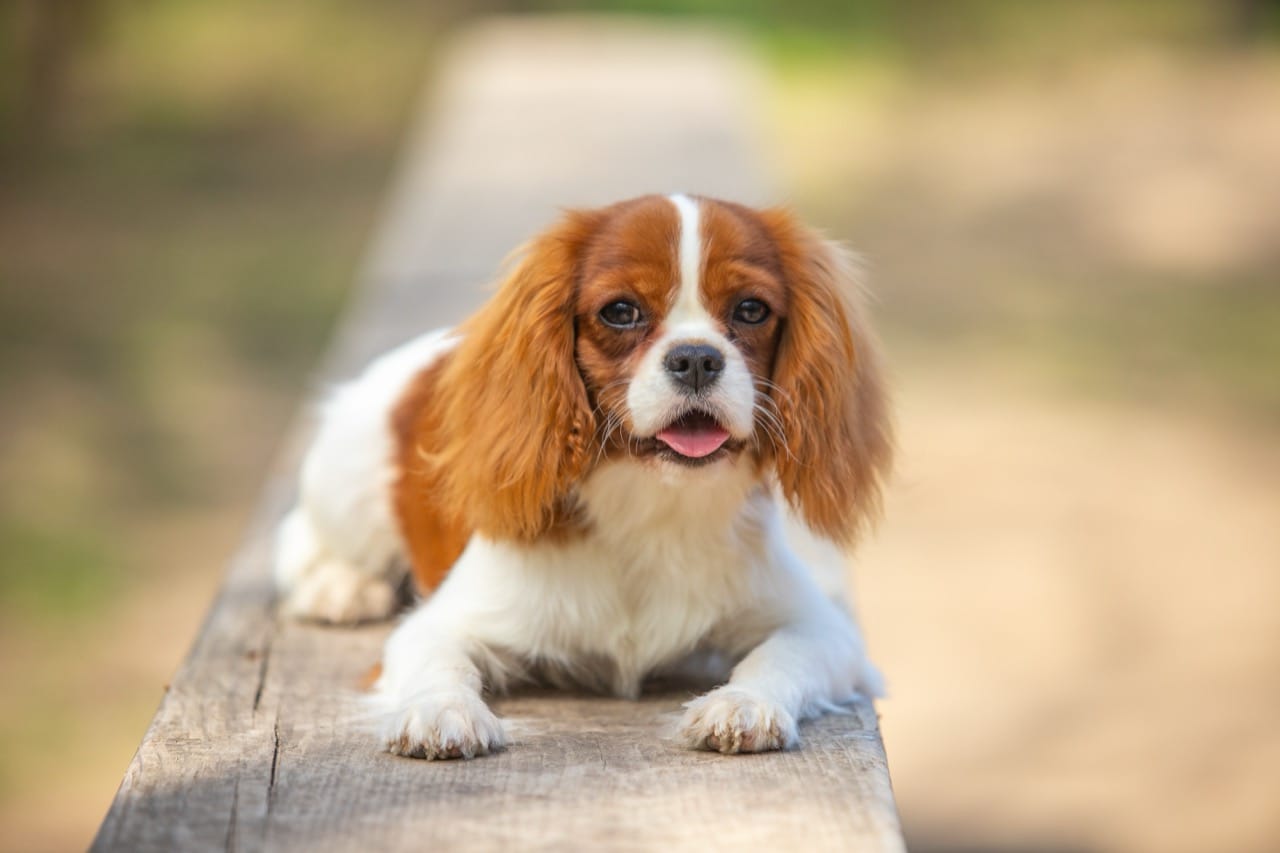
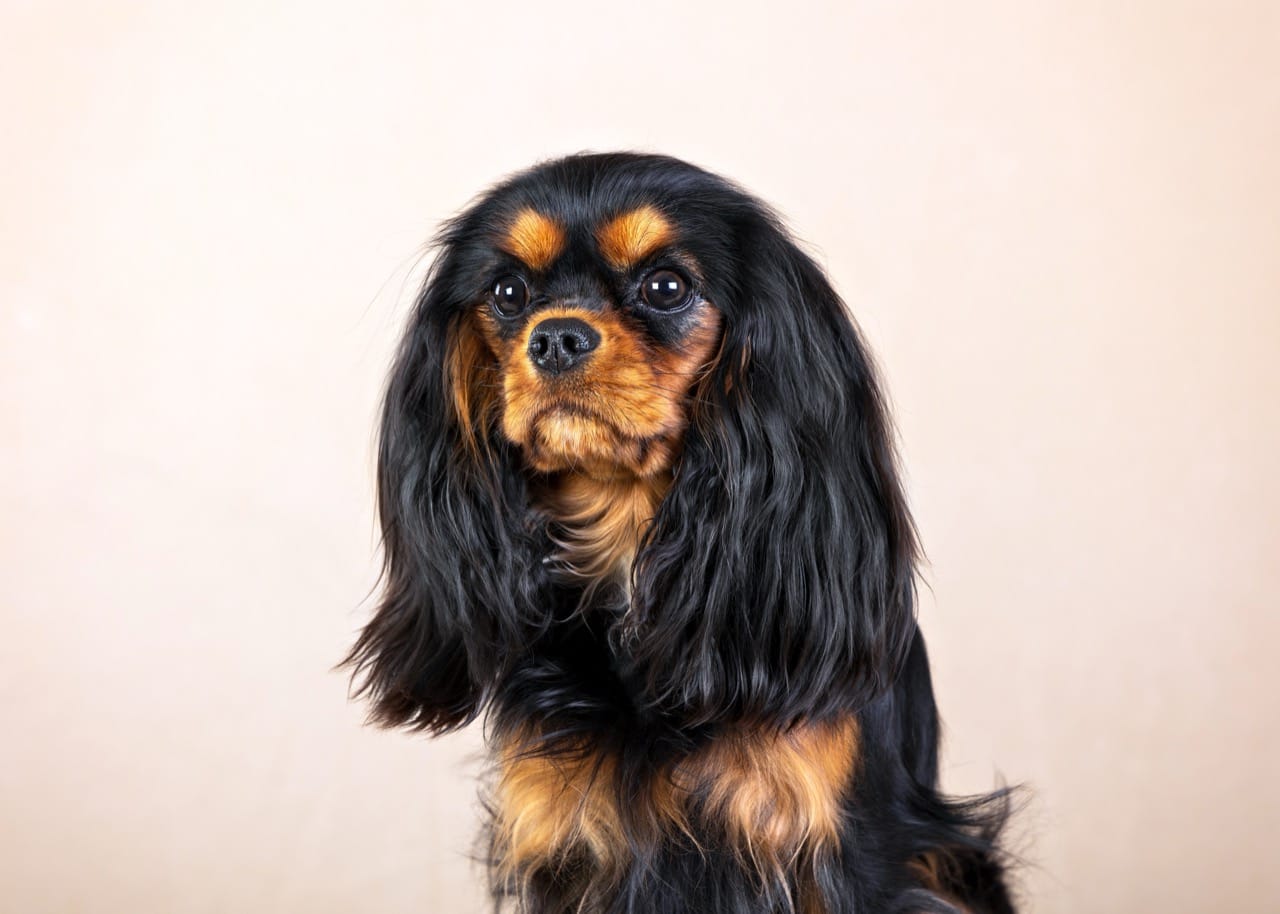
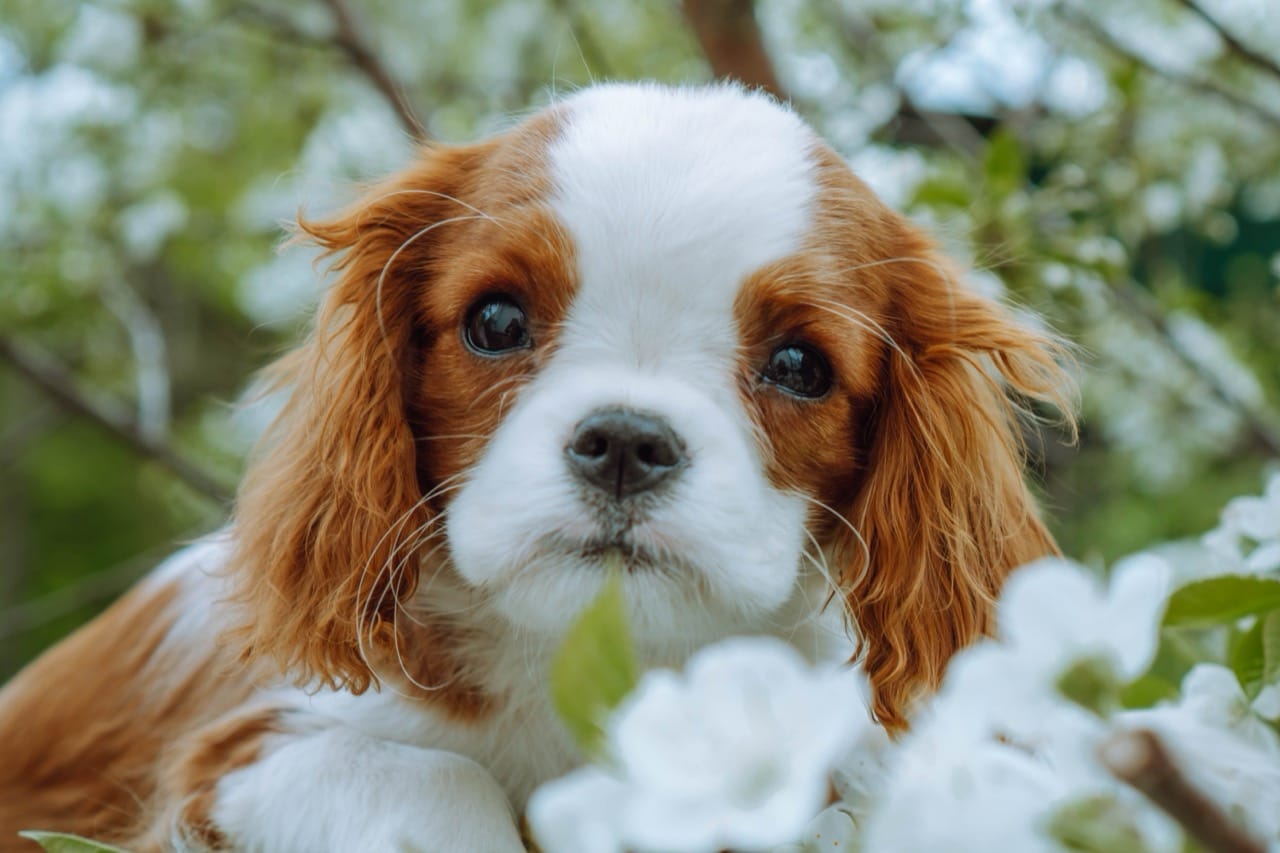
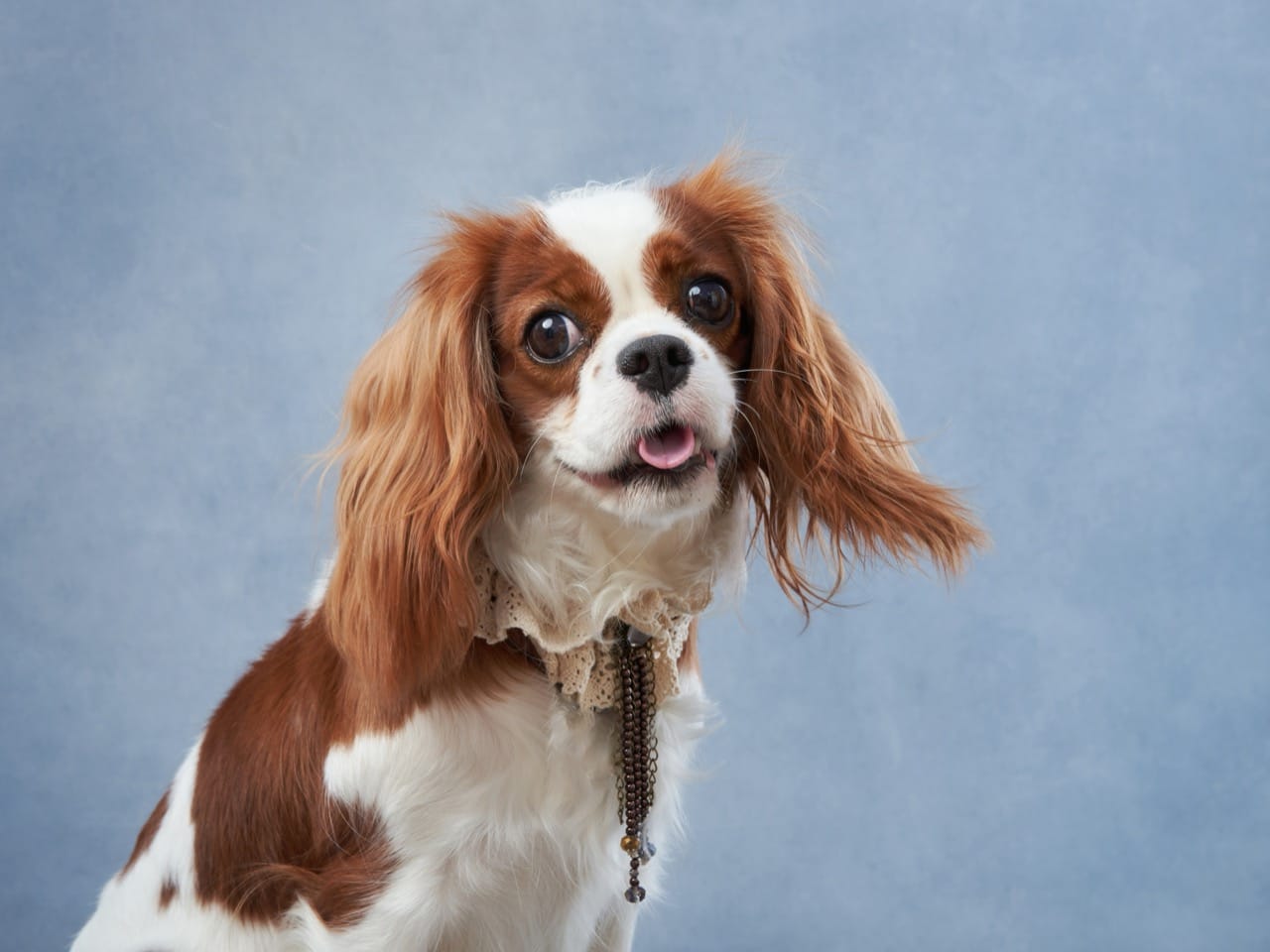
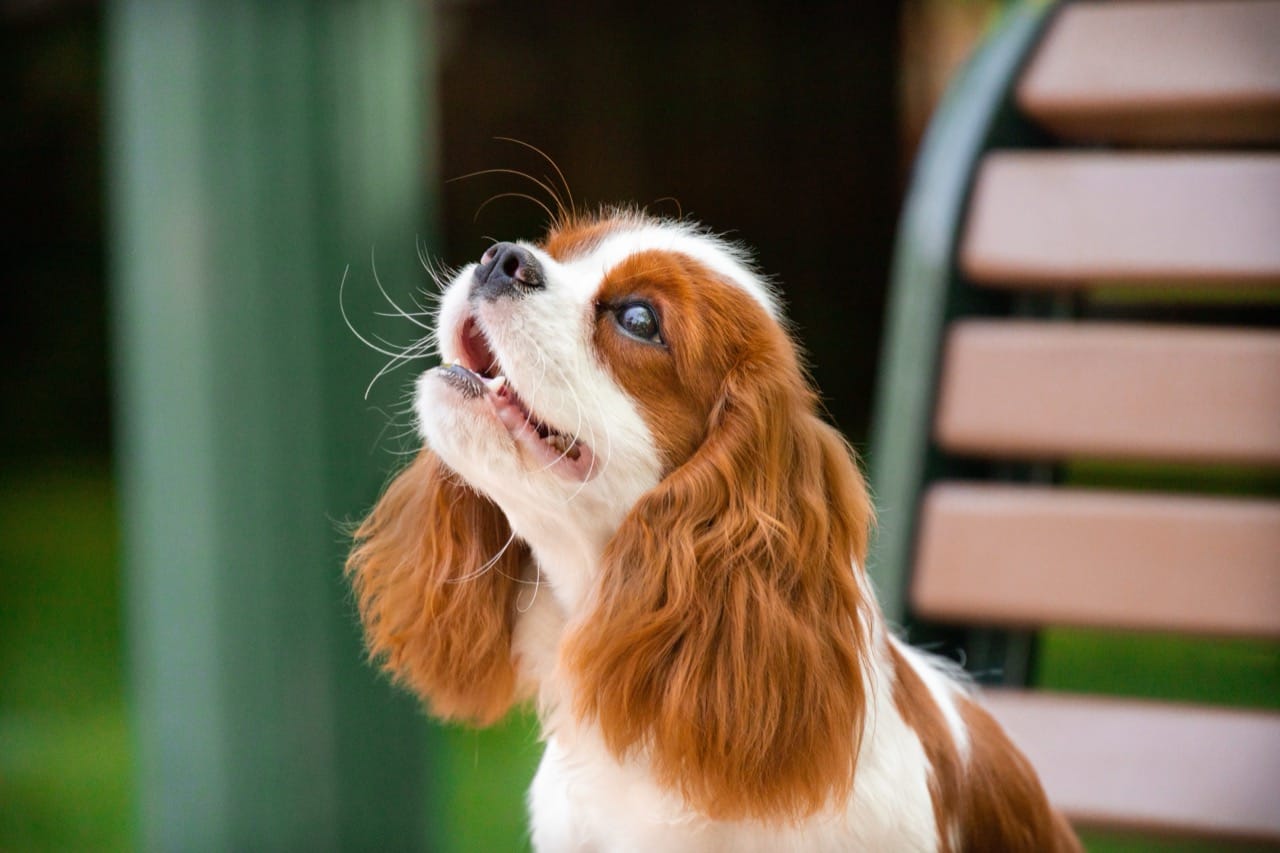
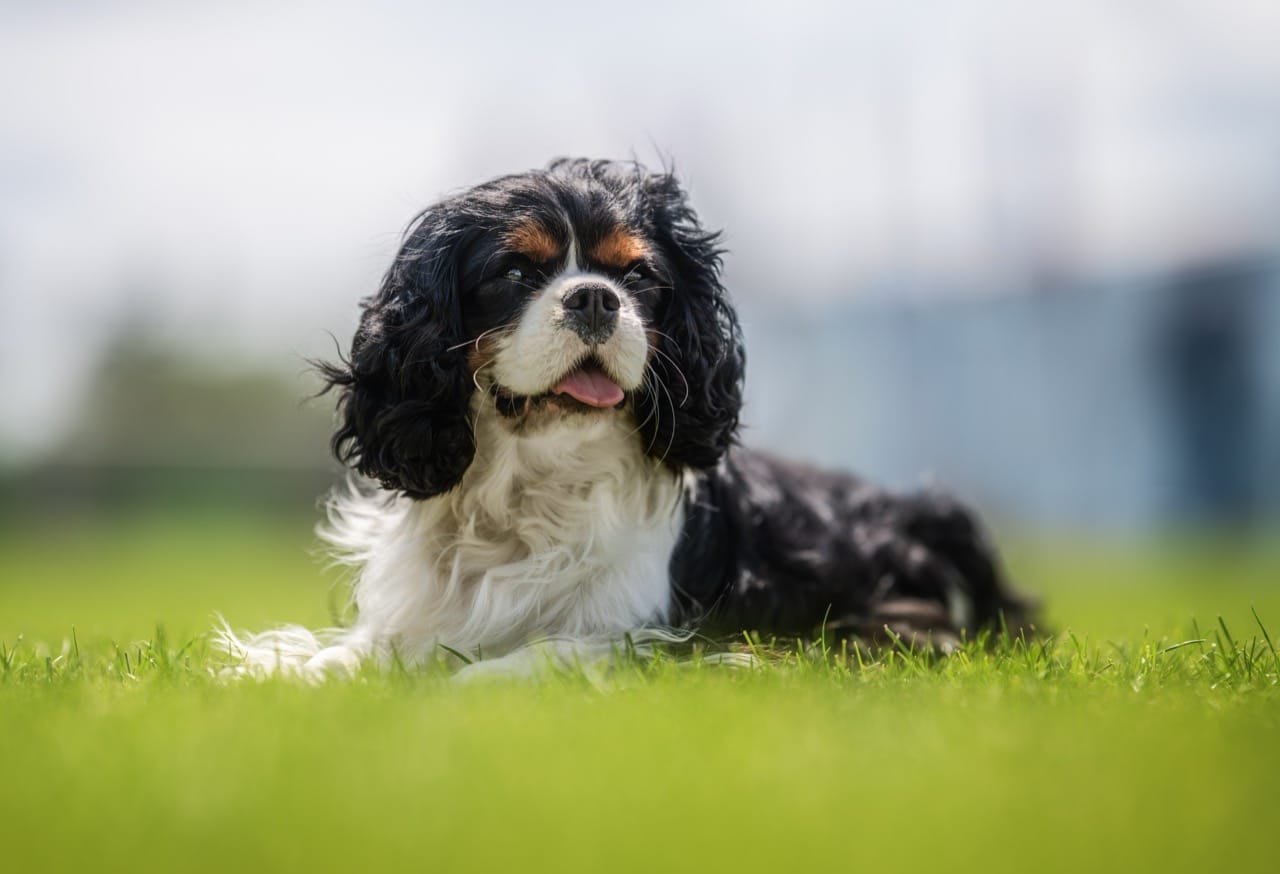
With silky feathered ears, wide expressive eyes, and a size that fits neatly on a lap, the Cavalier King Charles Spaniel often looks like a dog created purely for comfort. Yet the breed’s appeal is rooted in a specific job description that goes back centuries: a small companion spaniel meant to live closely with people while still carrying the instincts of a sporting dog. Understanding where the Cavalier came from helps explain why it is so affectionate, why it can be surprisingly alert to motion, and why its appearance became the subject of deliberate change.
The word “spaniel” points to the breed’s sporting ancestry. Long before Cavaliers were known as modern pets, small spaniel types were popular in European courts, particularly in Britain. These little dogs were valued for more than warming a lap. The Duke of Marlborough’s spaniels, for one, were bred for bird hunting as well. They were companions in an era when daily life was colder and draftier, and they provided a bit of living heat. Old stories even claim that small lapdogs drew fleas away from their owners. At the same time, they retained the basic spaniel tendencies: noticing movement, showing interest in birds, and following scent trails in a short, enthusiastic burst.
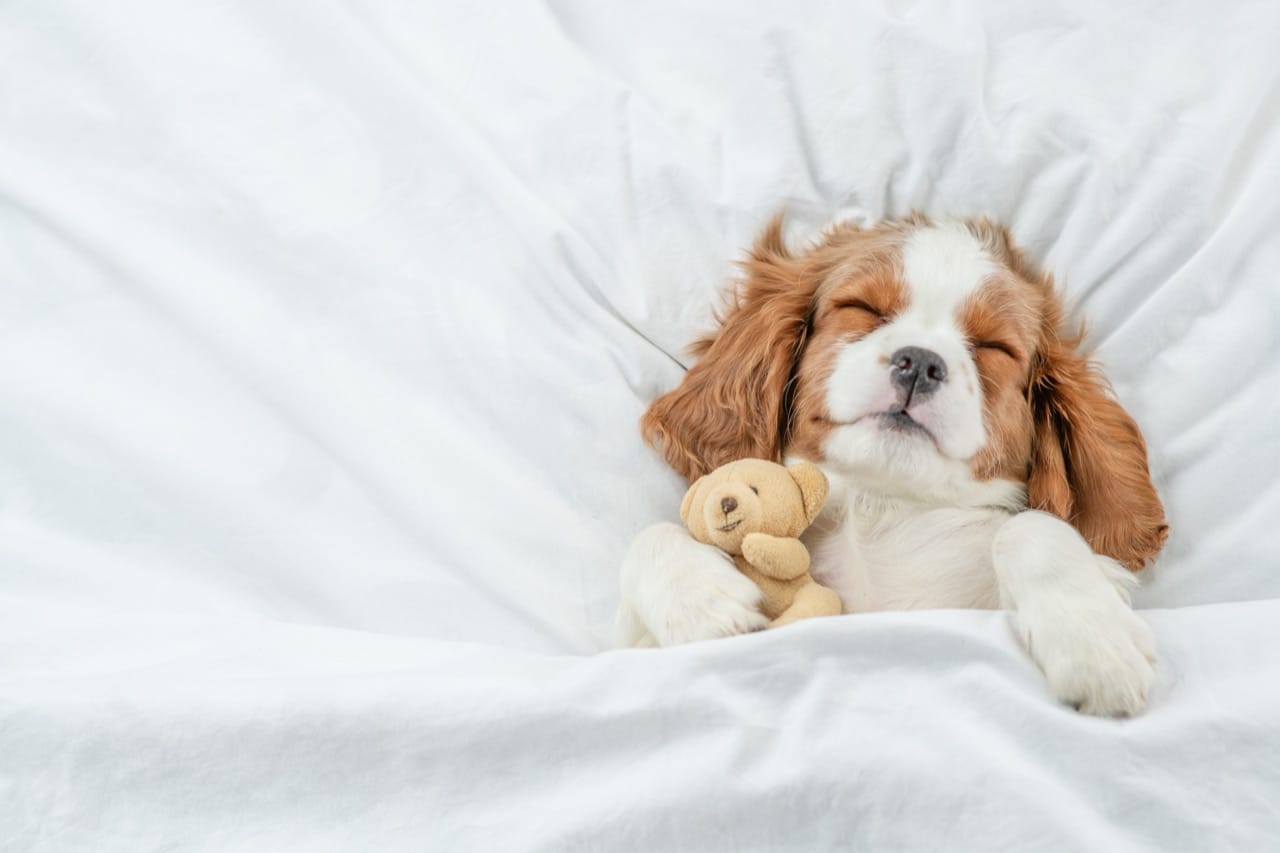
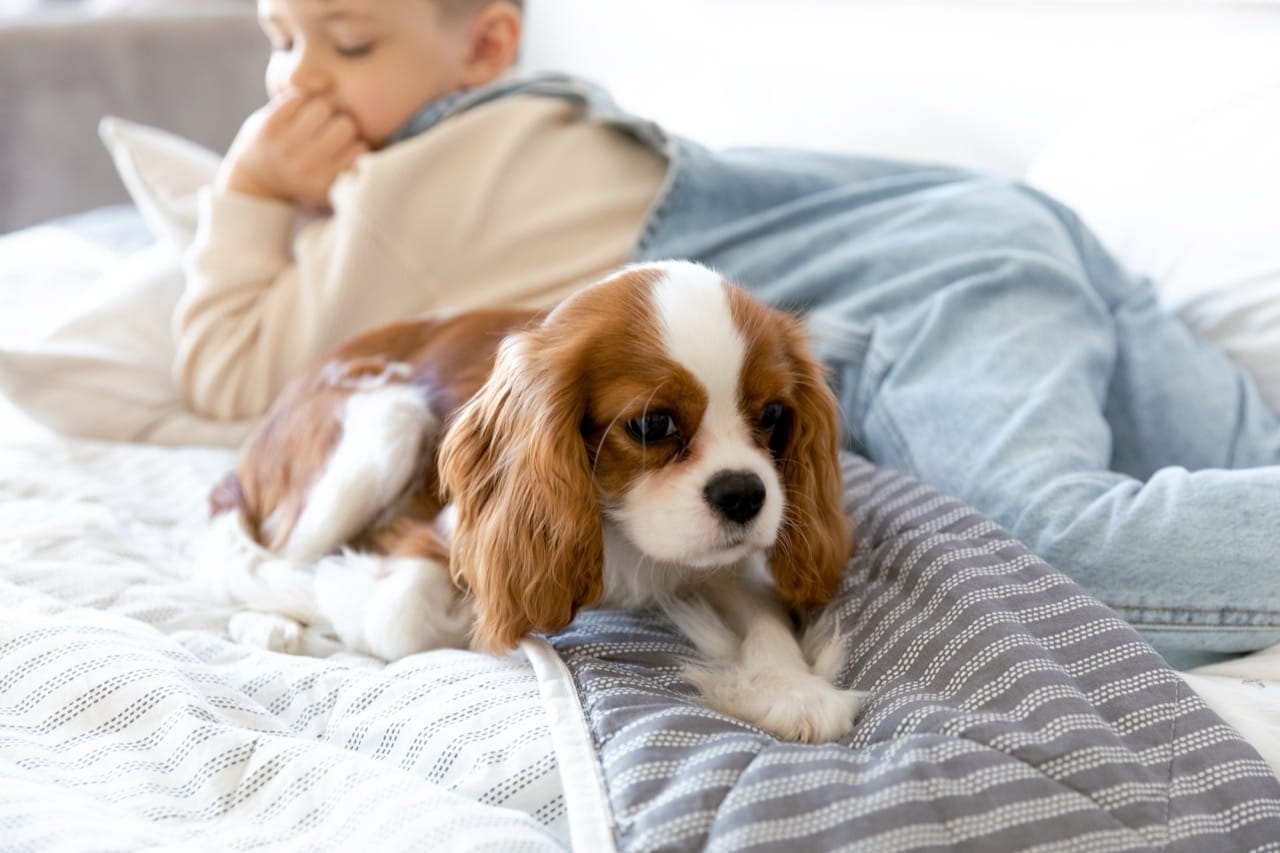
The phrase “toy spaniel” can sound like it means decorative, but historically it described a smaller version of a working type rather than a dog without purpose. Toy spaniels were bred to be portable and people-focused, thriving in close quarters and responding to human attention. That long selection for companionship is one reason Cavaliers typically shadow their owners from room to room. They are often happiest when they can see their person, which is charming but also explains why many dislike being left alone for long stretches.
Breed history is closely tied to British royalty, especially the Stuart era, when small spaniels appeared frequently in paintings and accounts. Over time, fashion influenced form. In some toy spaniel lines, shorter muzzles and more domed heads became popular, creating a look that differed from the earlier, slightly longer-faced dogs seen in older artwork. That shift in head shape later became a talking point among breeders and historians who wanted to revive the earlier style.
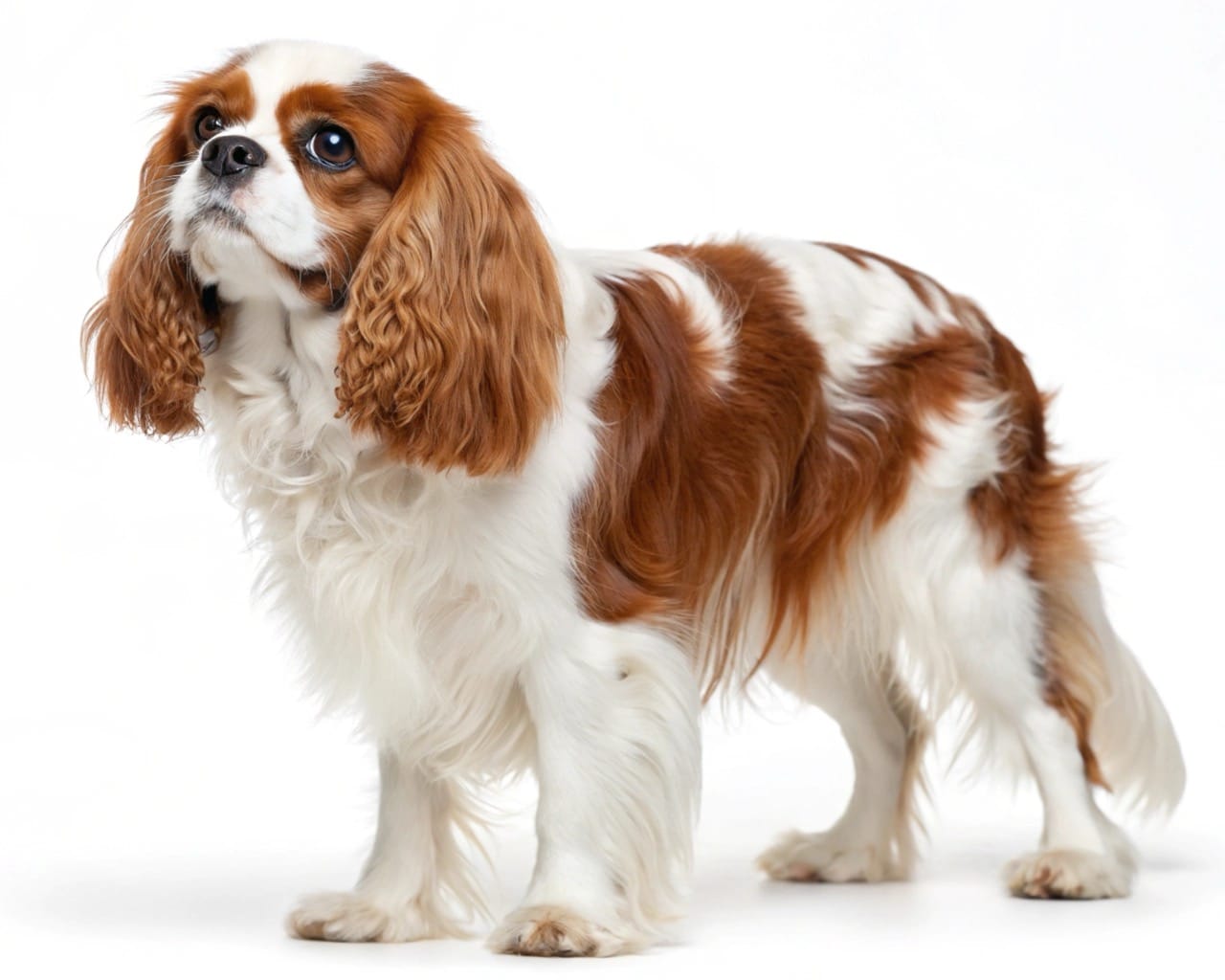
In 1926, an American named Roswell Eldridge offered prizes at Crufts for spaniels of the old type, and enthusiasts went on to reestablish a dog closer to the old portraits: a small spaniel with a flatter skull, a moderate stop, and a fuller muzzle. This effort helped define what is now recognized as the Cavalier King Charles Spaniel, distinguishing it from the closely related King Charles Spaniel, known in the United States as the English Toy Spaniel, which has a shorter face. The goal was not only a particular look, but also a lively, sporting-leaning temperament in a companion-sized body.
Those origins still show up in everyday life. Many Cavaliers will happily curl up for hours, but the moment a bird flutters or a squirrel dashes by, the spaniel heritage can switch on. You might see a quick chase attempt, intense staring, or a sudden burst of energy. Their soft, feathered coat is part of the same story: it offers protection and warmth without being heavy, and the ear and leg feathering reflects the spaniel family resemblance.
Knowing the Cavalier’s background makes the breed’s personality feel less mysterious. It is not a contradiction that a lap dog can also be curious, responsive, and eager to investigate the outdoors. The Cavalier was shaped by human companionship first, but it never fully left its hunting-dog roots behind, and that blend is exactly what makes the breed so distinctive today.