Apple Domes and Satellite Ears: Chihuahua Style

Quiz Complete!
Spotting a Chihuahua by Look and Size: A Clear Guide to the Breed’s Hallmark Traits

Chihuahuas may be tiny, but their appearance is bold enough that many people recognize one instantly. Still, when you look closely, there are specific traits that define the breed and help separate a true Chihuahua from other small dogs that can seem similar at first glance. Paying attention to head shape, ears, eyes, body proportions, and coat type can sharpen your ability to identify the breed with confidence.
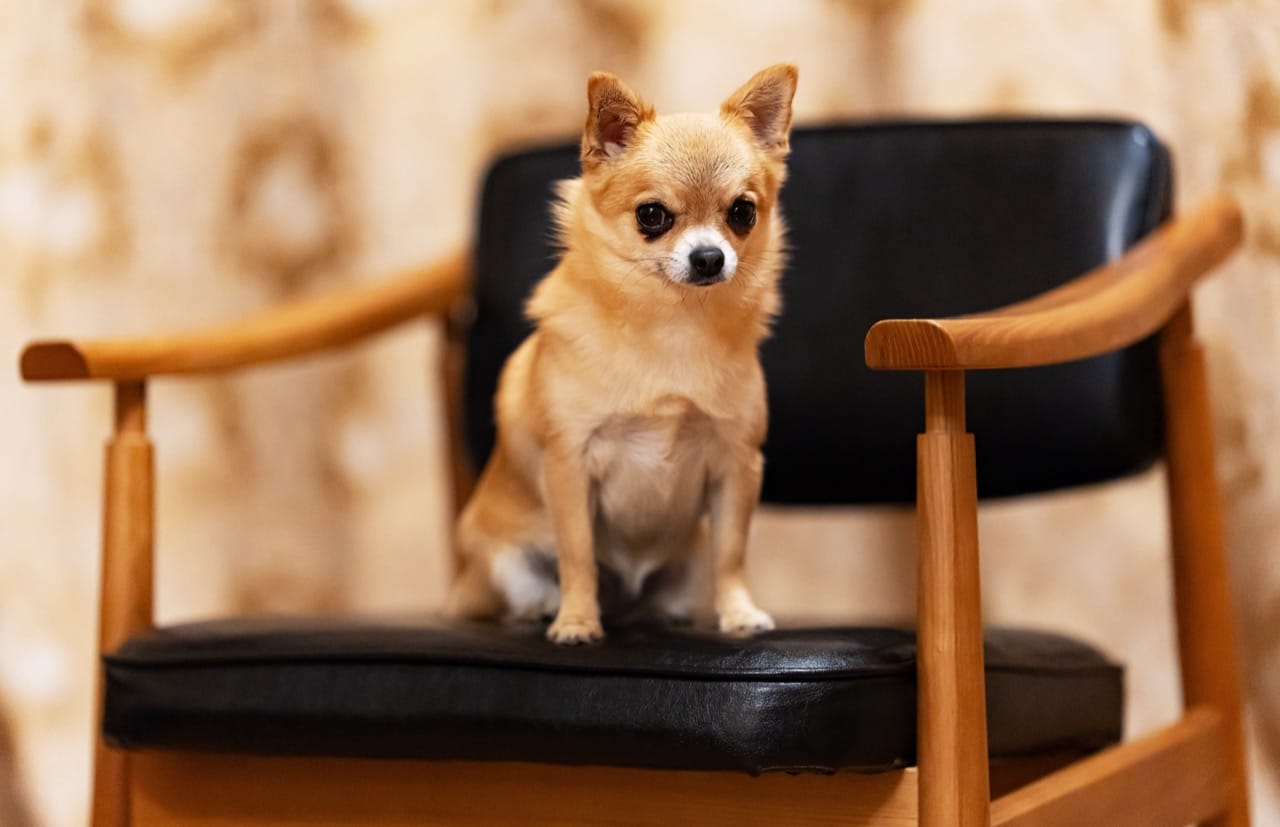
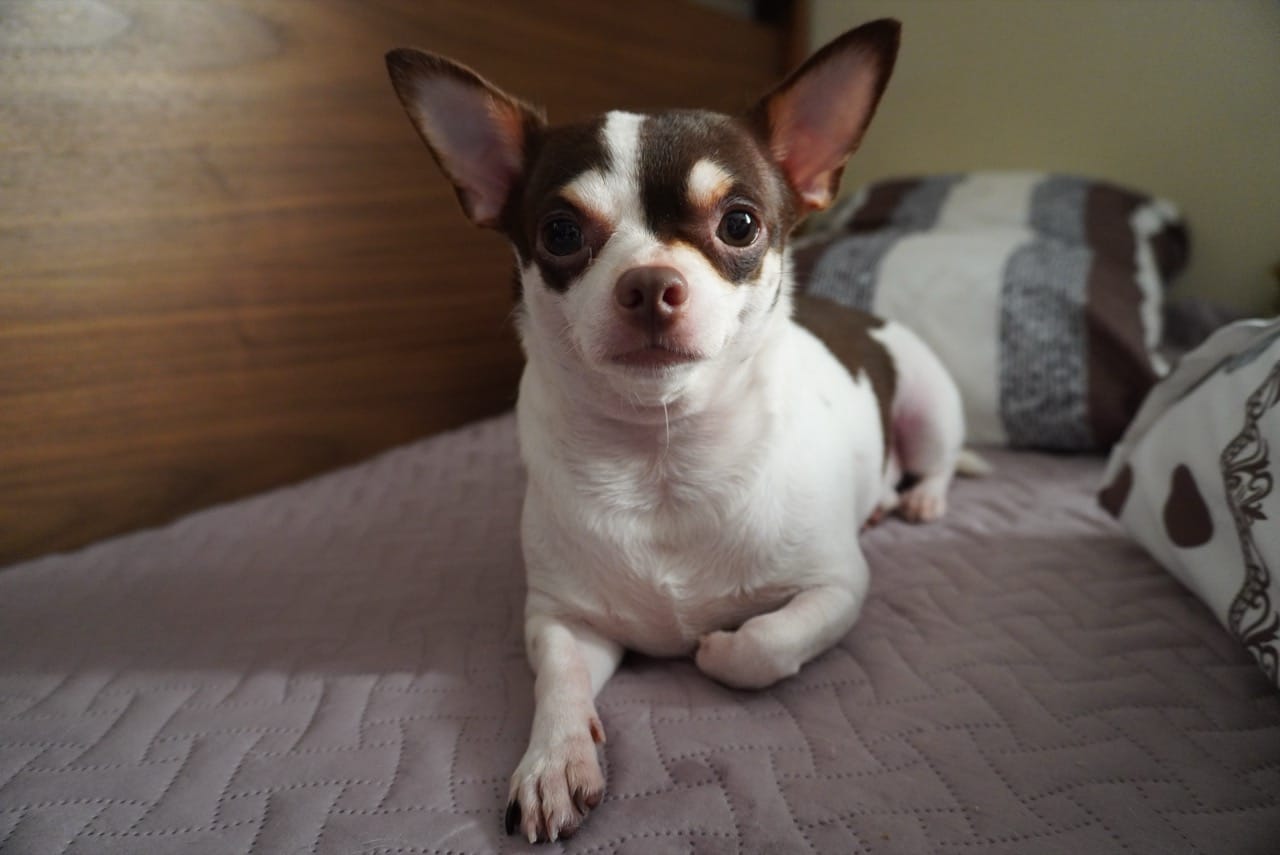
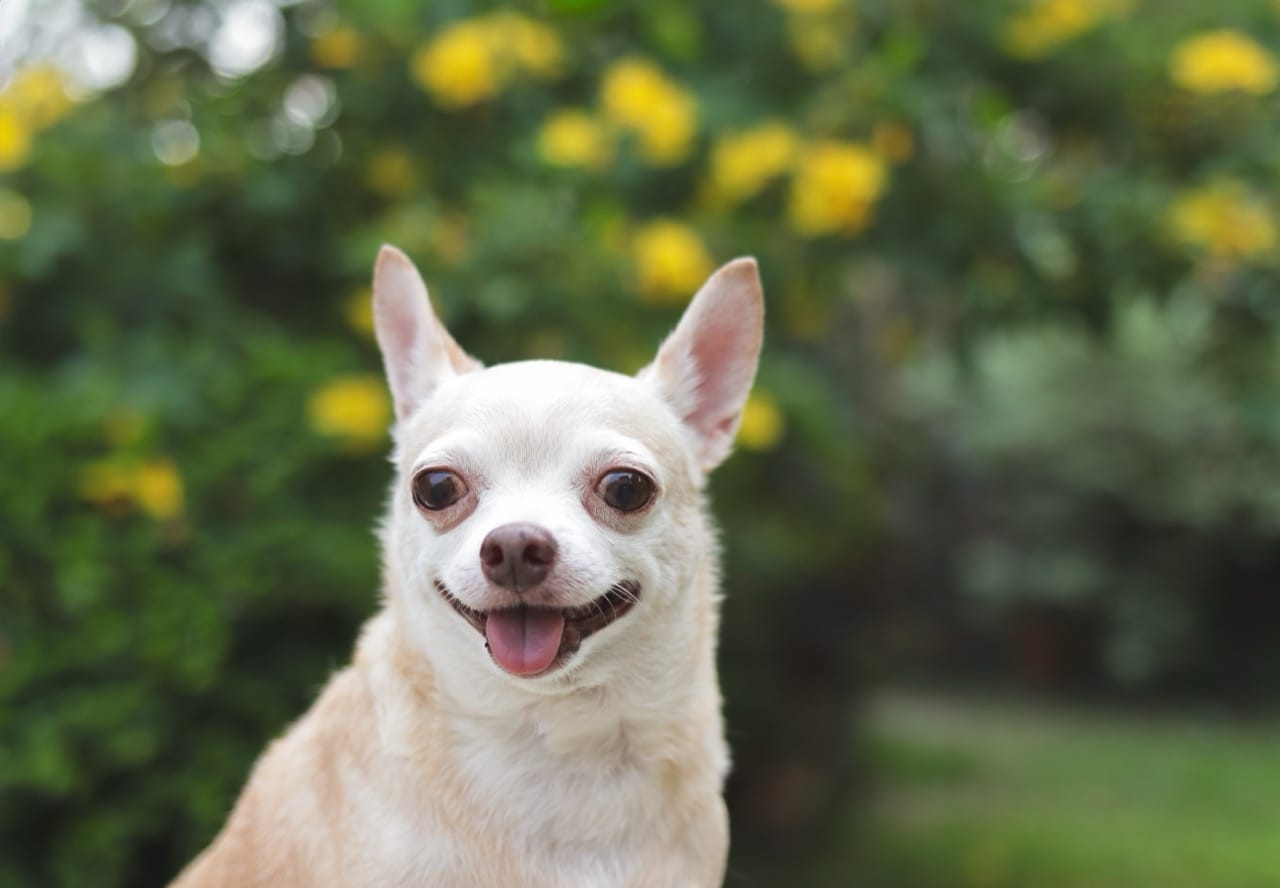
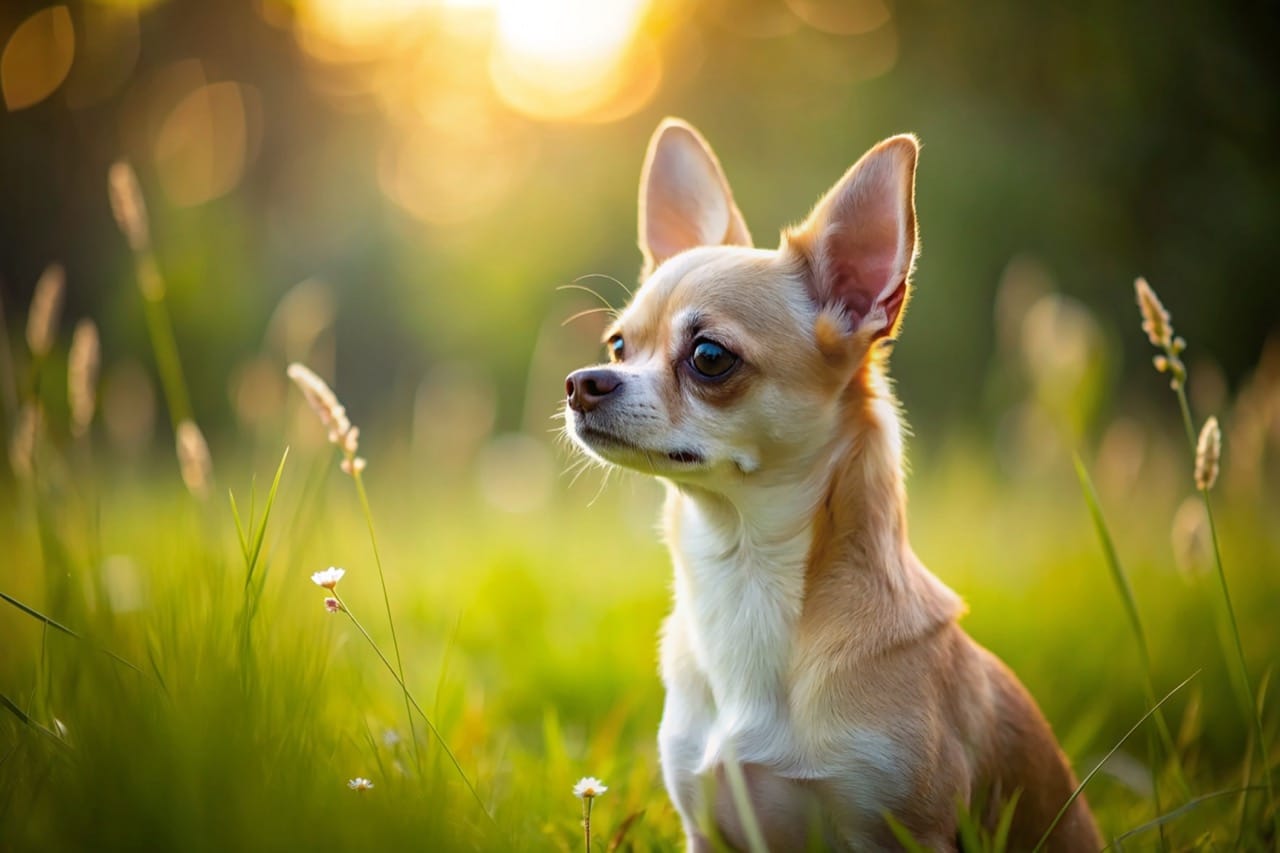
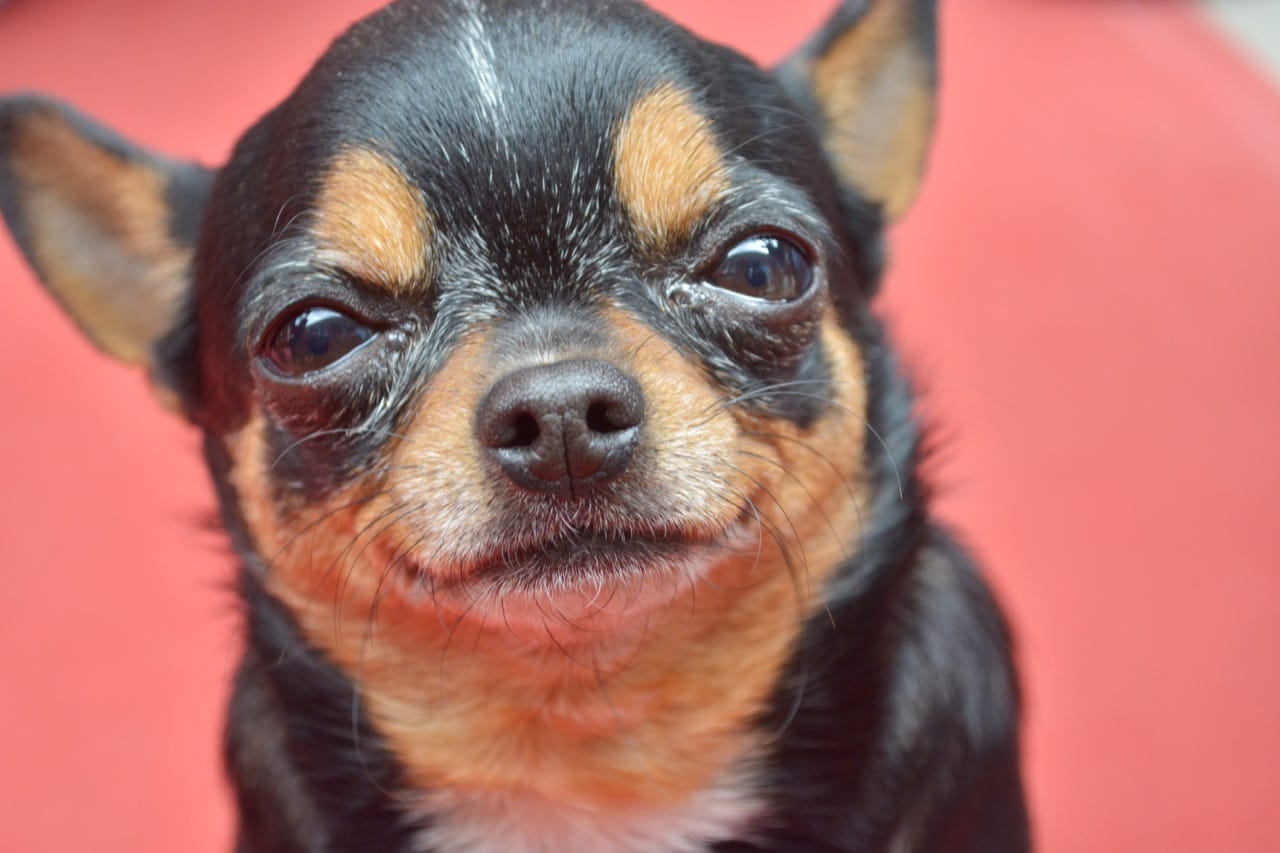
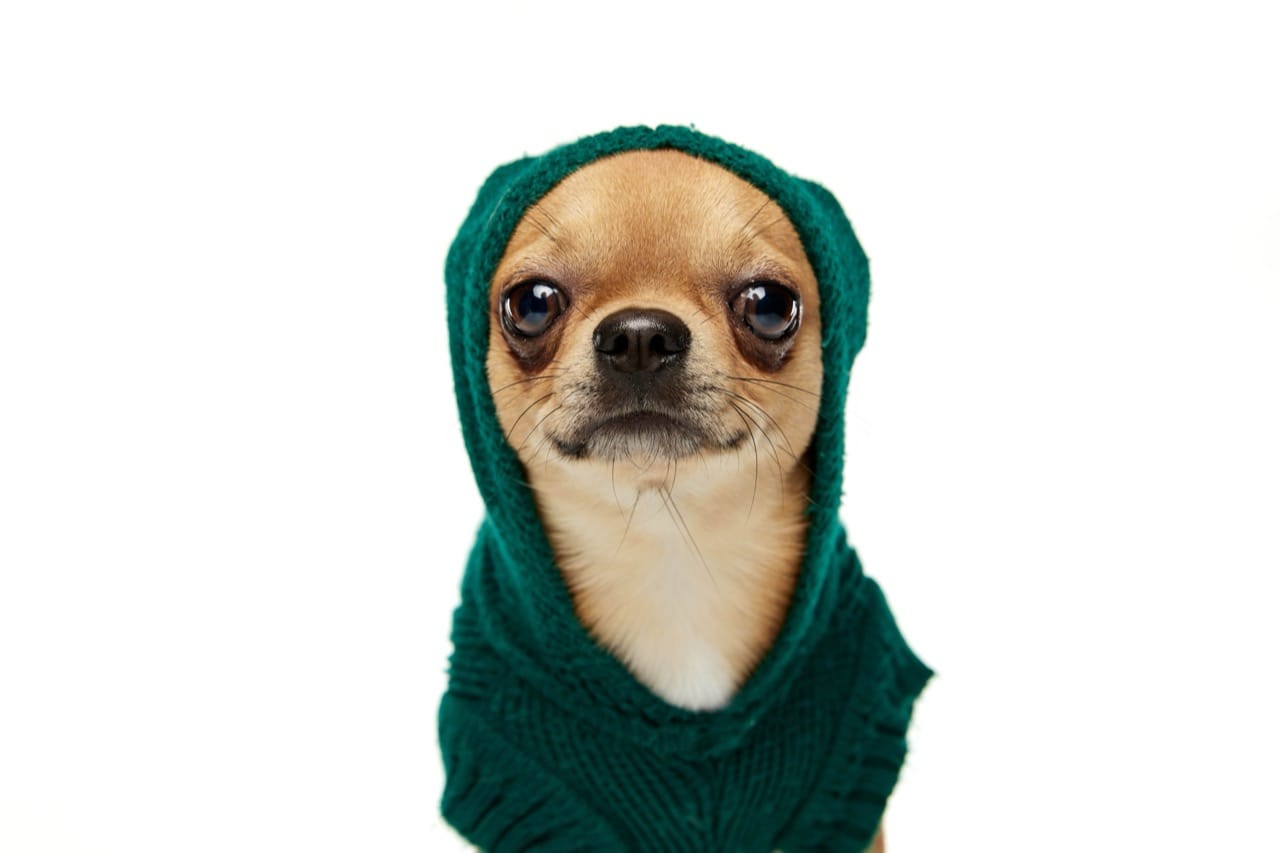
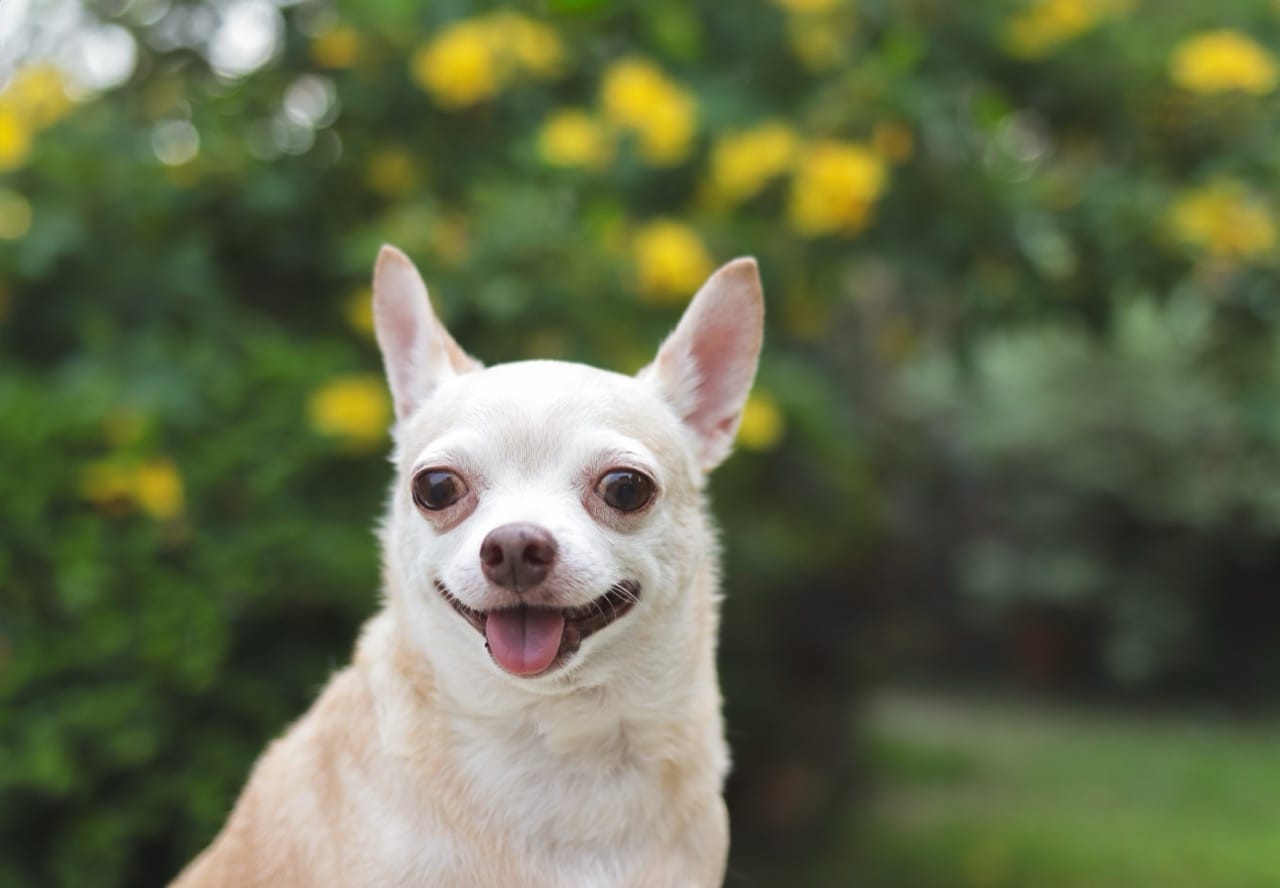
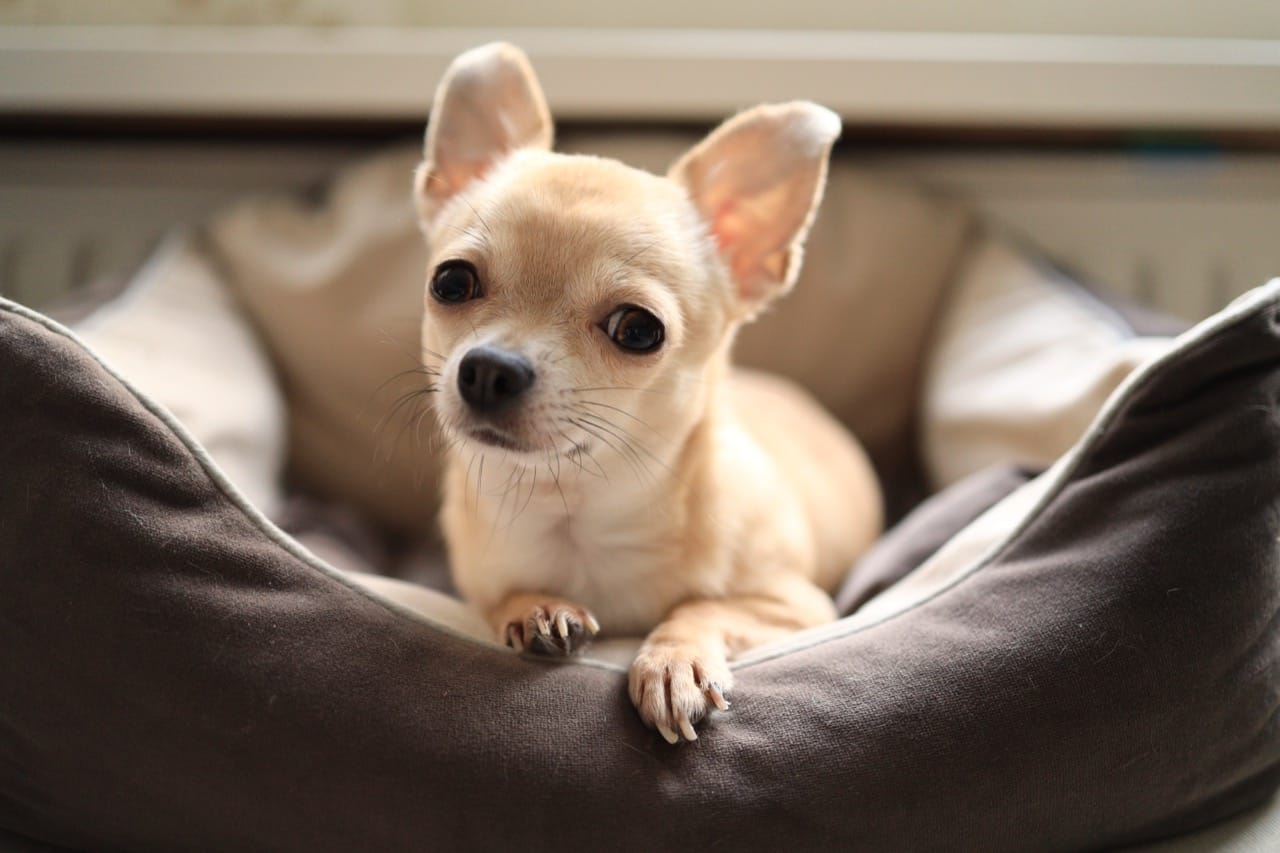
One of the most discussed features is the head. Chihuahuas are commonly described as having either an apple head or a deer head type. The apple head is the classic look, and the AKC standard calls for a well rounded “apple dome” skull: a rounded skull with a pronounced stop, meaning the angle where the muzzle meets the forehead is clearly defined. The muzzle tends to be shorter and the overall expression can look very baby faced. The deer head type usually has a longer muzzle and a more sloping, less domed skull, giving a leaner profile. Both types can be seen in pet Chihuahuas, though “deer head” is a popular term rather than a type in the AKC standard.
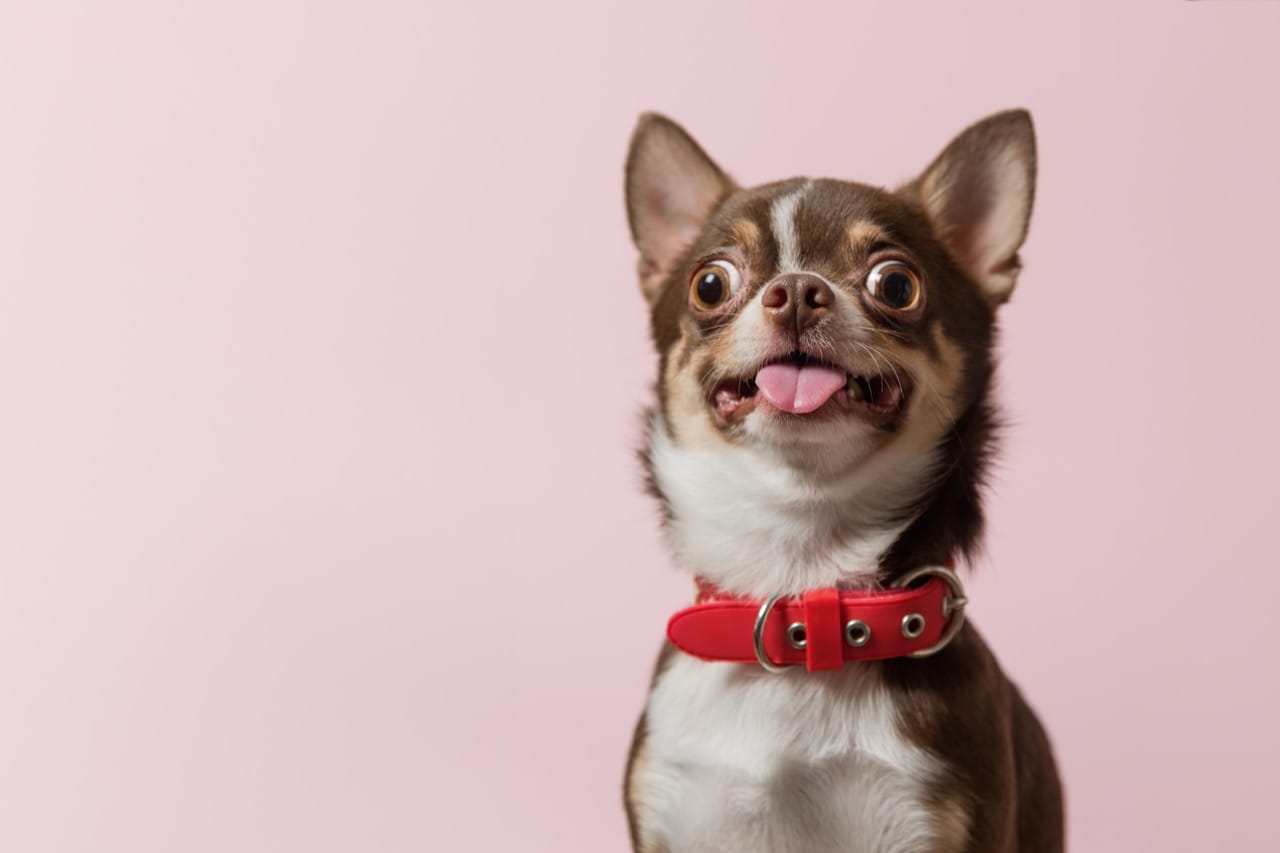
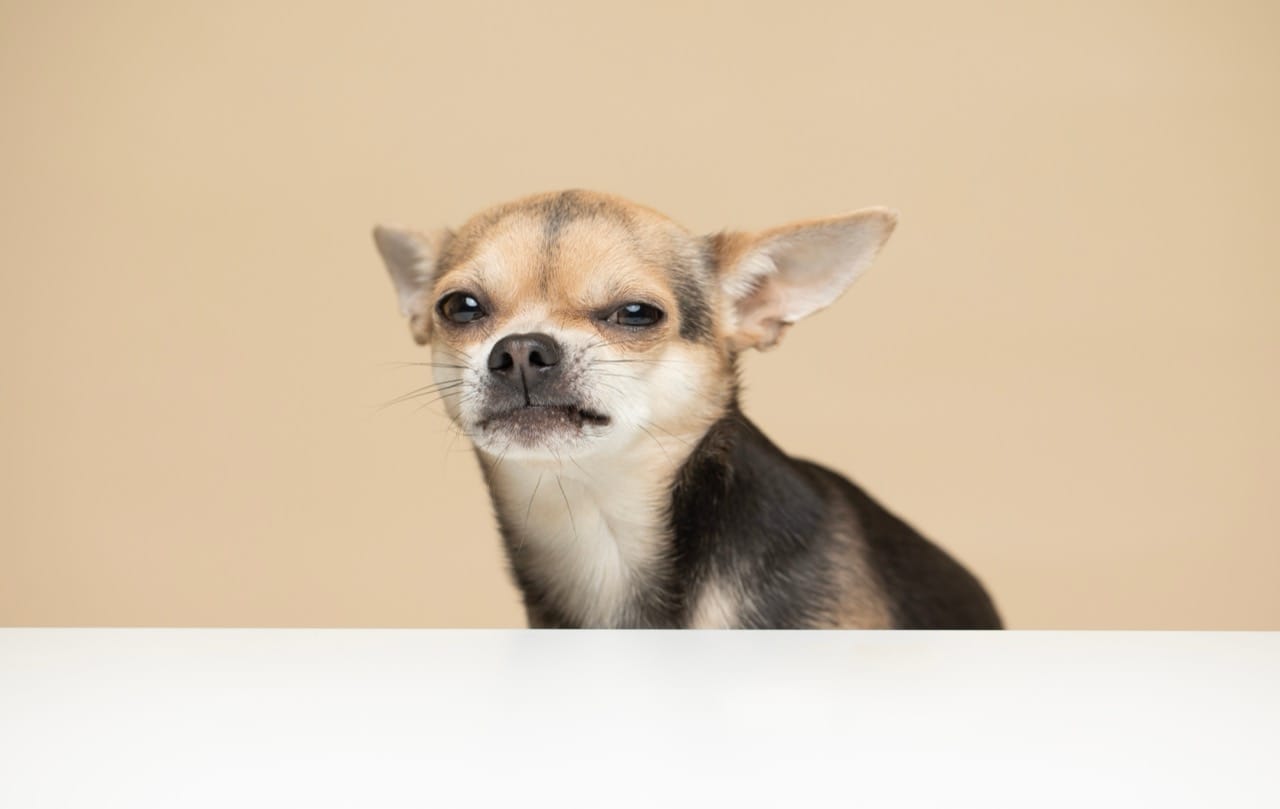
Ears are another giveaway. Chihuahua ears are notably large in proportion to the head and are typically held upright and alert, creating that always listening look. The ears can flare outward slightly, and when the dog is relaxed or young, they may not always be fully erect, but the general expectation is a big ear presence. The eyes are usually large, round, and expressive without appearing bulging, contributing to the breed’s intense, watchful face.
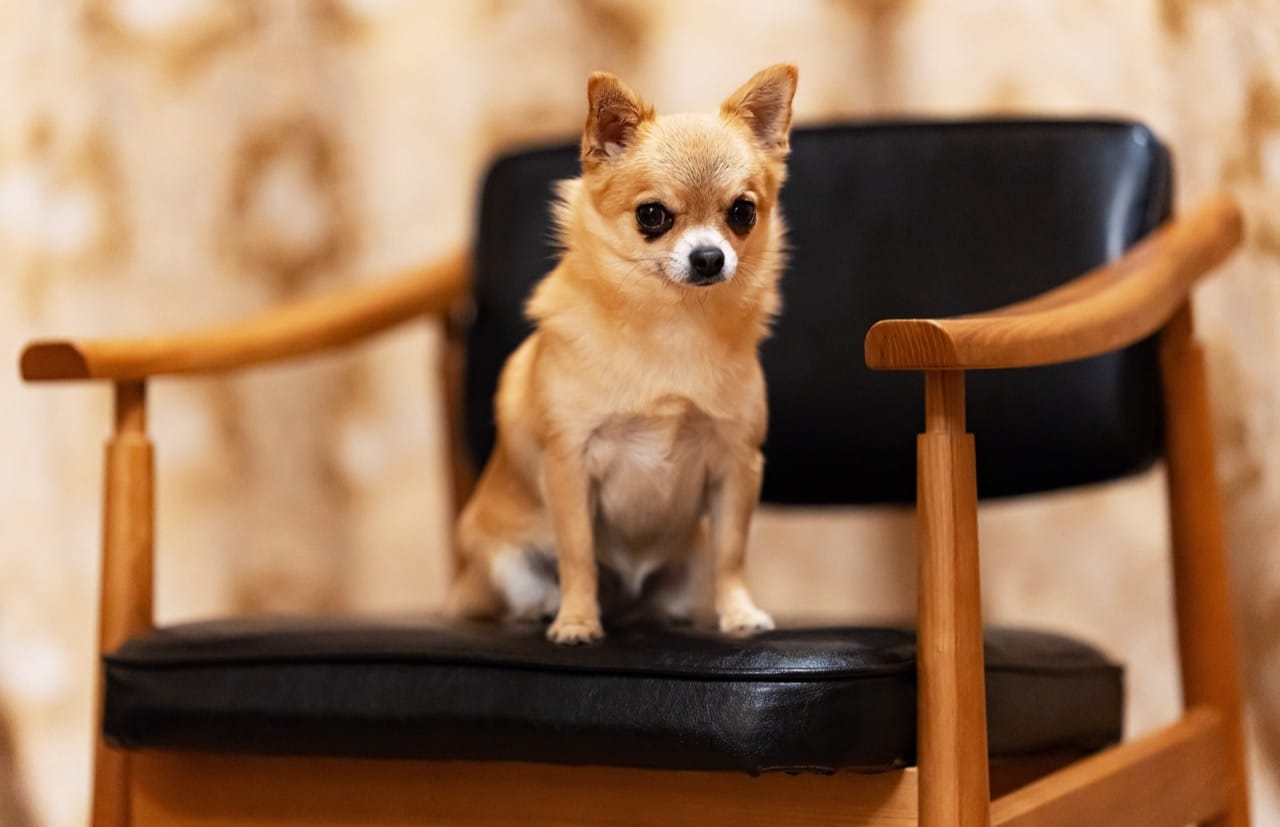
Despite their small stature, Chihuahuas are not meant to look fragile. The body is compact, with a level topline and a balanced outline rather than a long, low shape. The tail is also characteristic: it is carried high, often arched over the back or to the side, forming a graceful curve that adds to the breed’s confident stance. When watching a Chihuahua move, you often see a quick, lively gait that matches its alert expression.
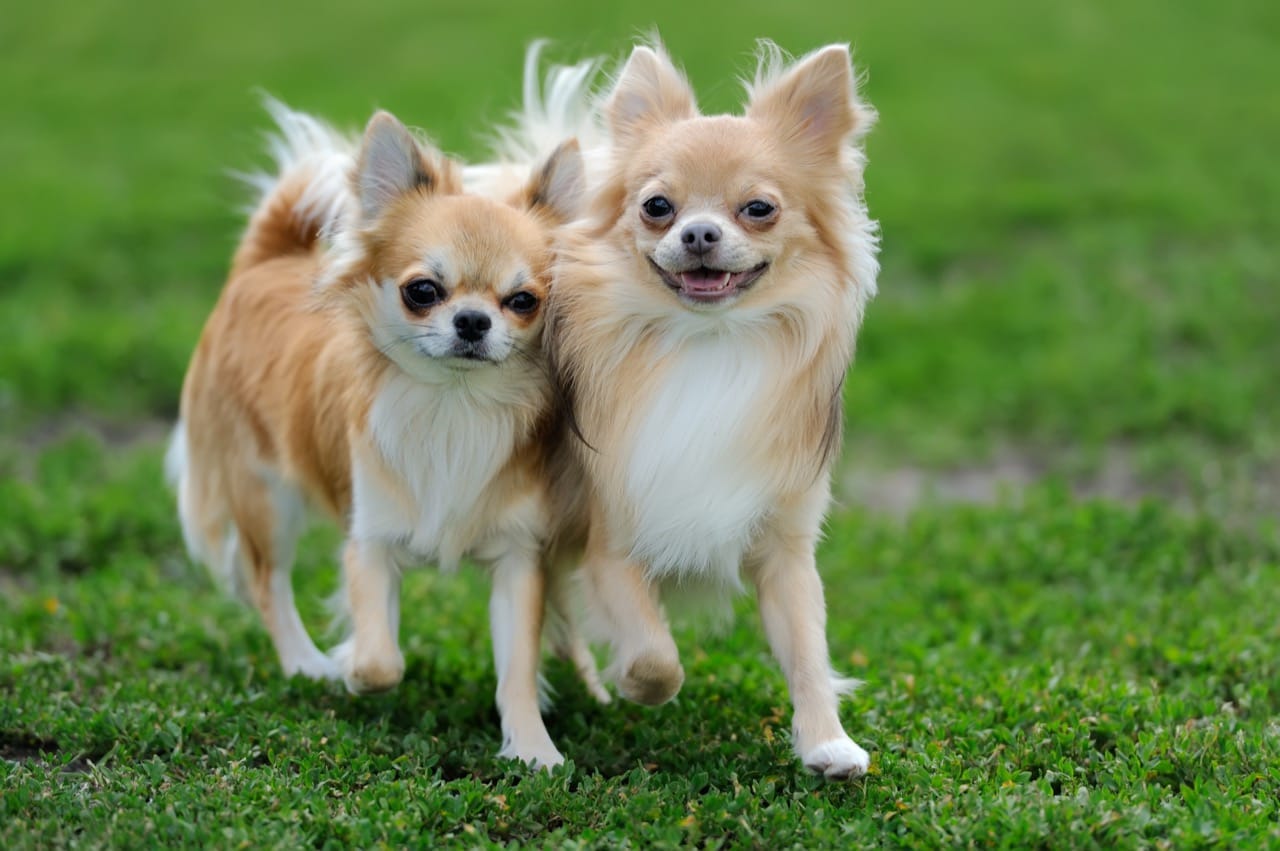
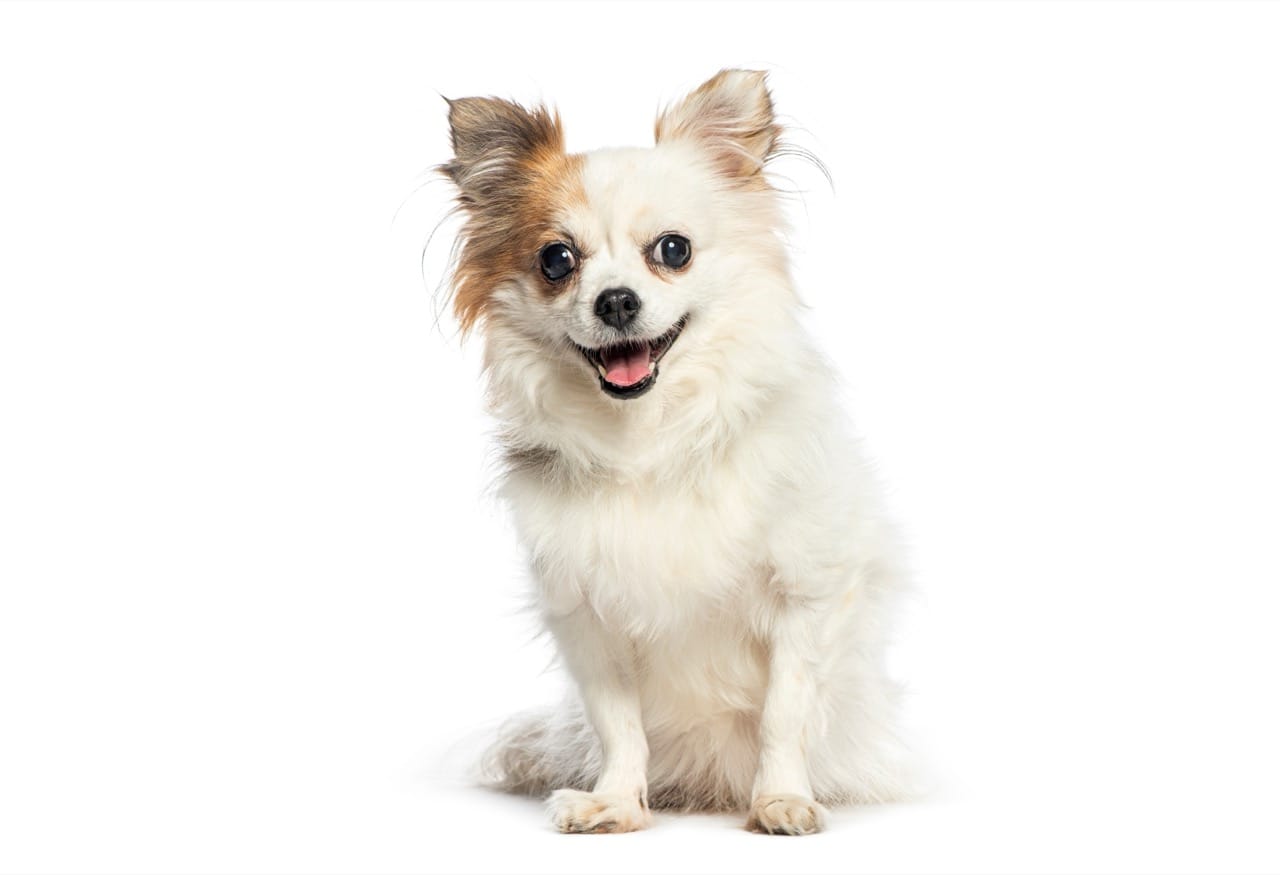
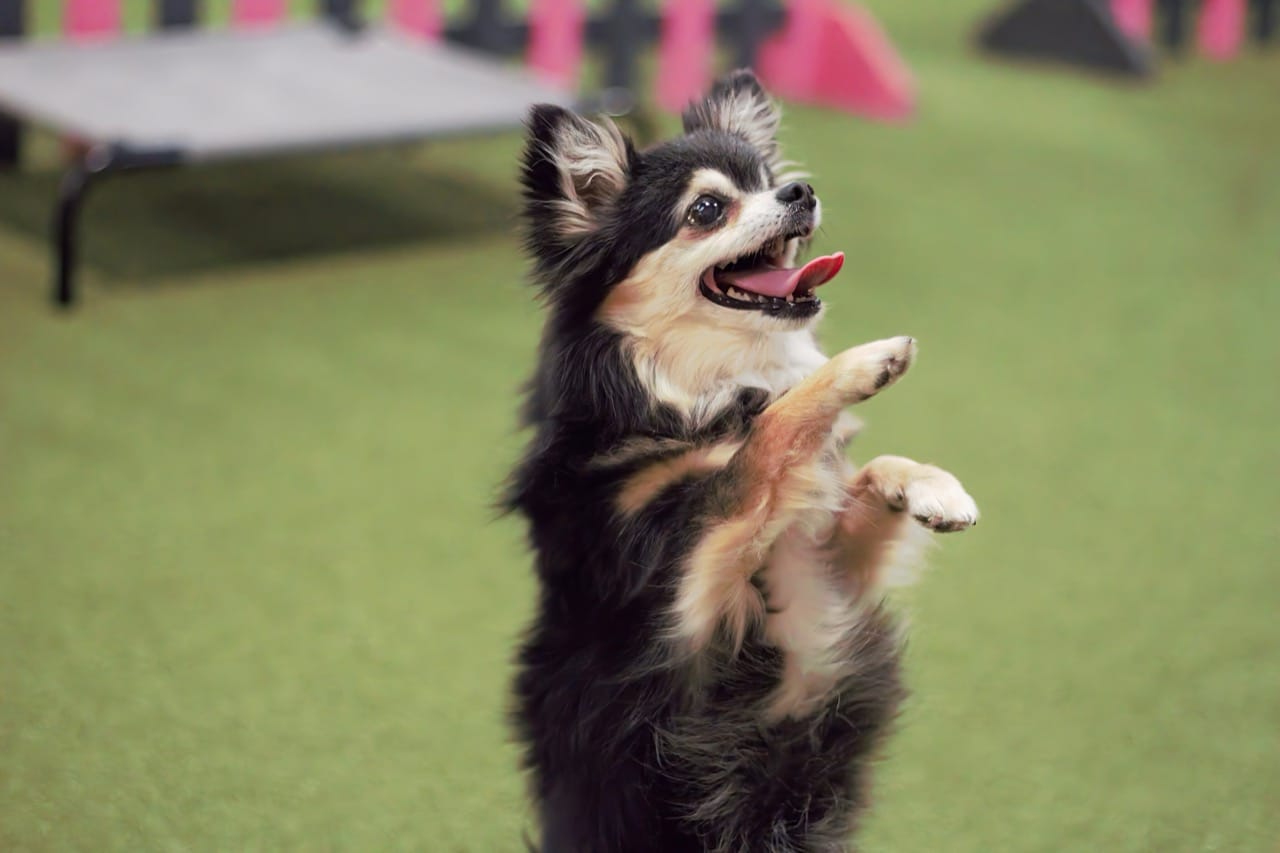
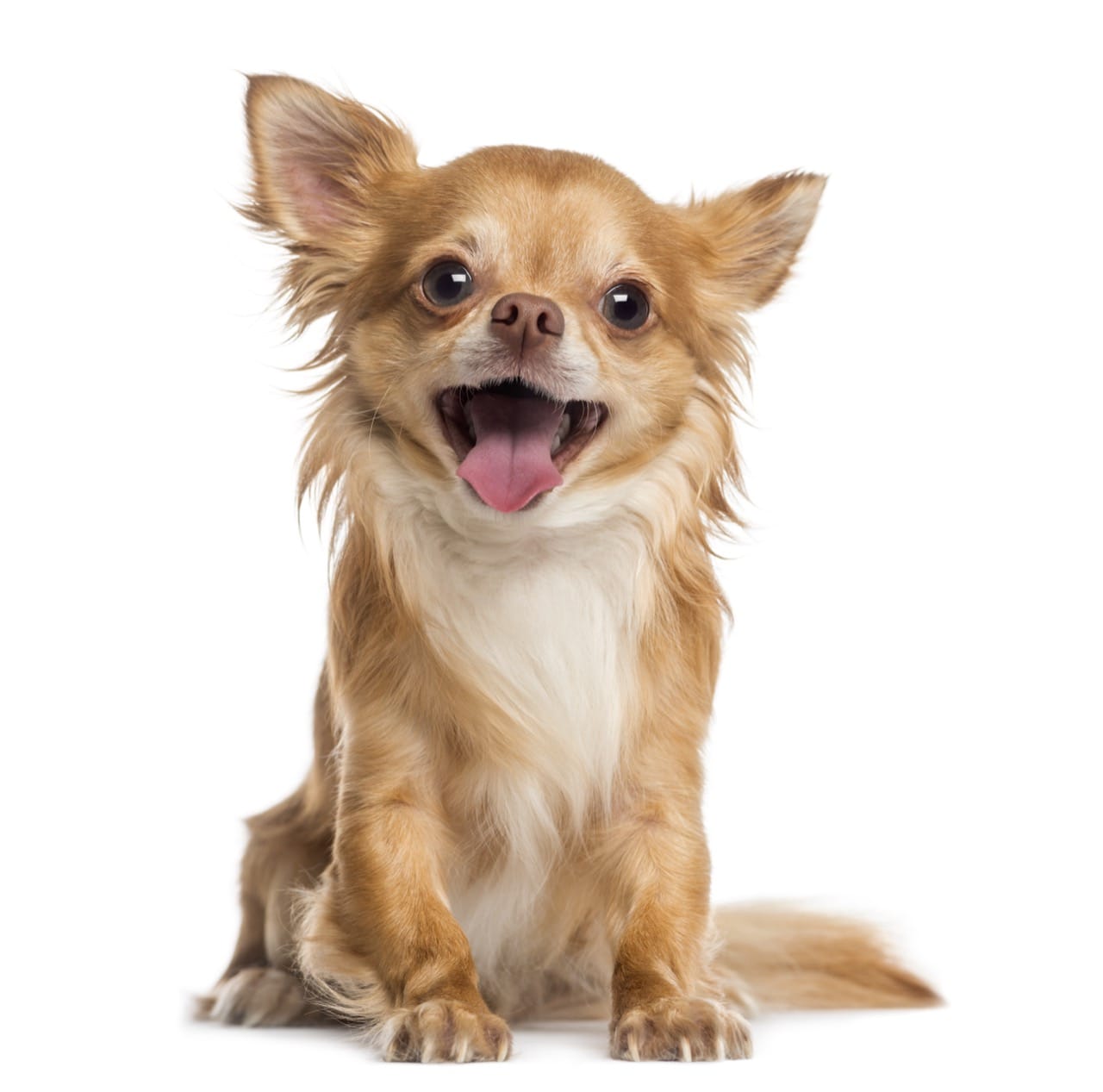
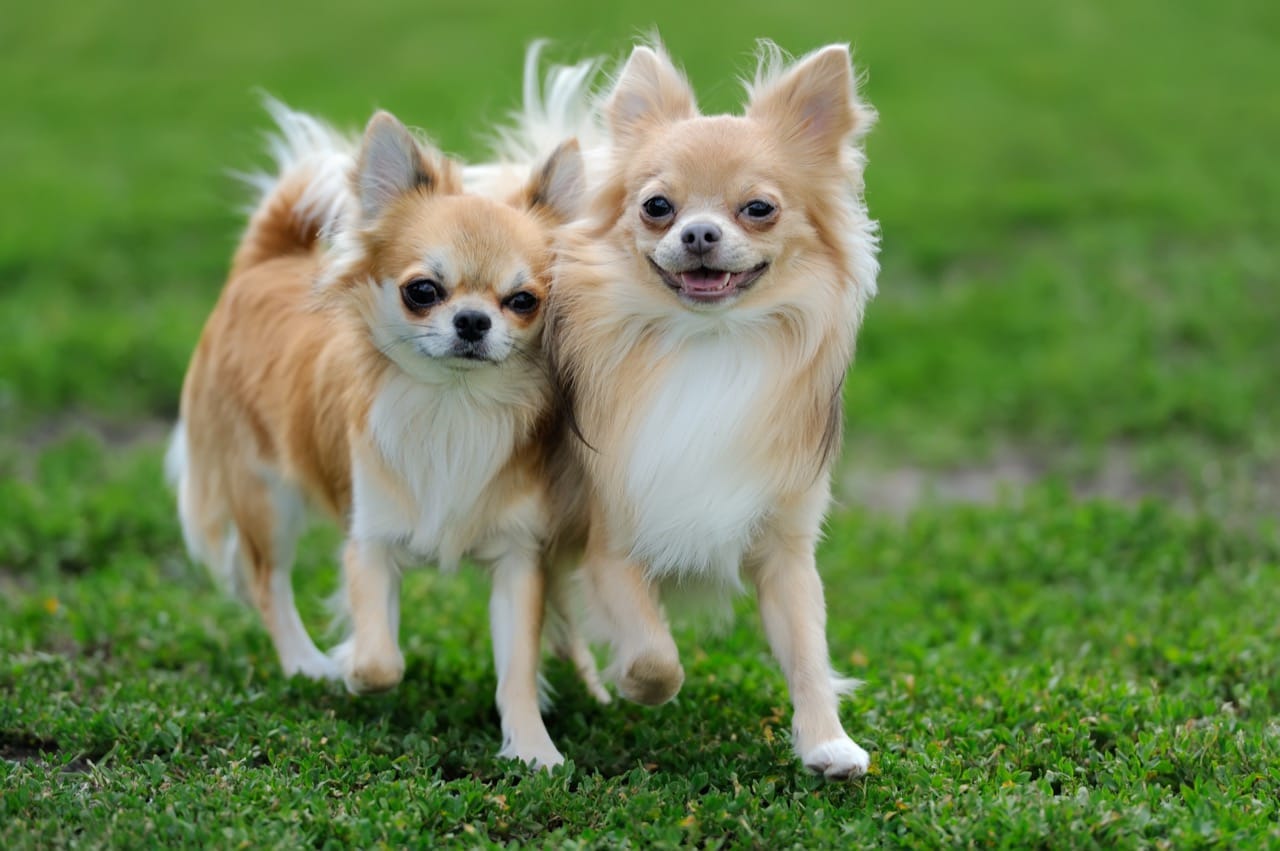
Coat varieties can surprise people who only know the sleek version. There are smooth coat Chihuahuas with short, close lying hair that shows the clean lines of the body. There are also long coat Chihuahuas, and their coat is not supposed to be heavy or dragging like some toy breeds. Instead, it is soft and often flat or slightly wavy, with noticeable feathering on the ears, the backs of the legs, and a plumed tail. The long coat can create a fluffy impression, but the dog underneath still has that compact Chihuahua structure.
Color and pattern variety is huge in this breed, which is why color alone is not a reliable identifier. The AKC accepts any color, while the FCI standard excludes merle. You can see solids, marked coats, and combinations that include fawn, cream, black, chocolate, white, and many mixes, along with patterns like sable or brindle. Because the breed comes in so many looks, the more dependable clues are the head shape, ear size and set, and overall proportions.
If you are trying to tell a Chihuahua apart from similar tiny dogs, focus on silhouette and expression. A Chihuahua typically has a more rounded skull and larger ears than many toy breeds, and it carries itself with a distinctive boldness. Dogs like toy fox terriers and miniature pinschers tend to look more leggy and sleek with a different head profile. Pomeranians may share the small size, but their dense double coat and foxlike face create a very different outline.
In the end, Chihuahua identification is a fun exercise in observation. When you learn the breed’s signature head types, recognize the upright ears and bright eyes, and understand the two coat varieties, you start to see why this tiny dog is so unmistakable. The details are what make the Chihuahua easy to spot and even more interesting to study.