Airedale Saddle and Whiskers
Quiz Complete!
Airedale Terrier Myth Check: How to Recognize the Real Breed
The Airedale Terrier has a way of attracting confident guesses from people who have only seen one in passing. That is partly because the breed’s outline is distinctive and partly because grooming can disguise key details. Add in the popularity of doodle mixes and the casual habit of calling any wiry dog a “wirehaired terrier,” and it is easy for myths to stick. Learning what an Airedale is supposed to look like makes the difference between spotting a true Airedale and mistaking a lookalike with a similar haircut.
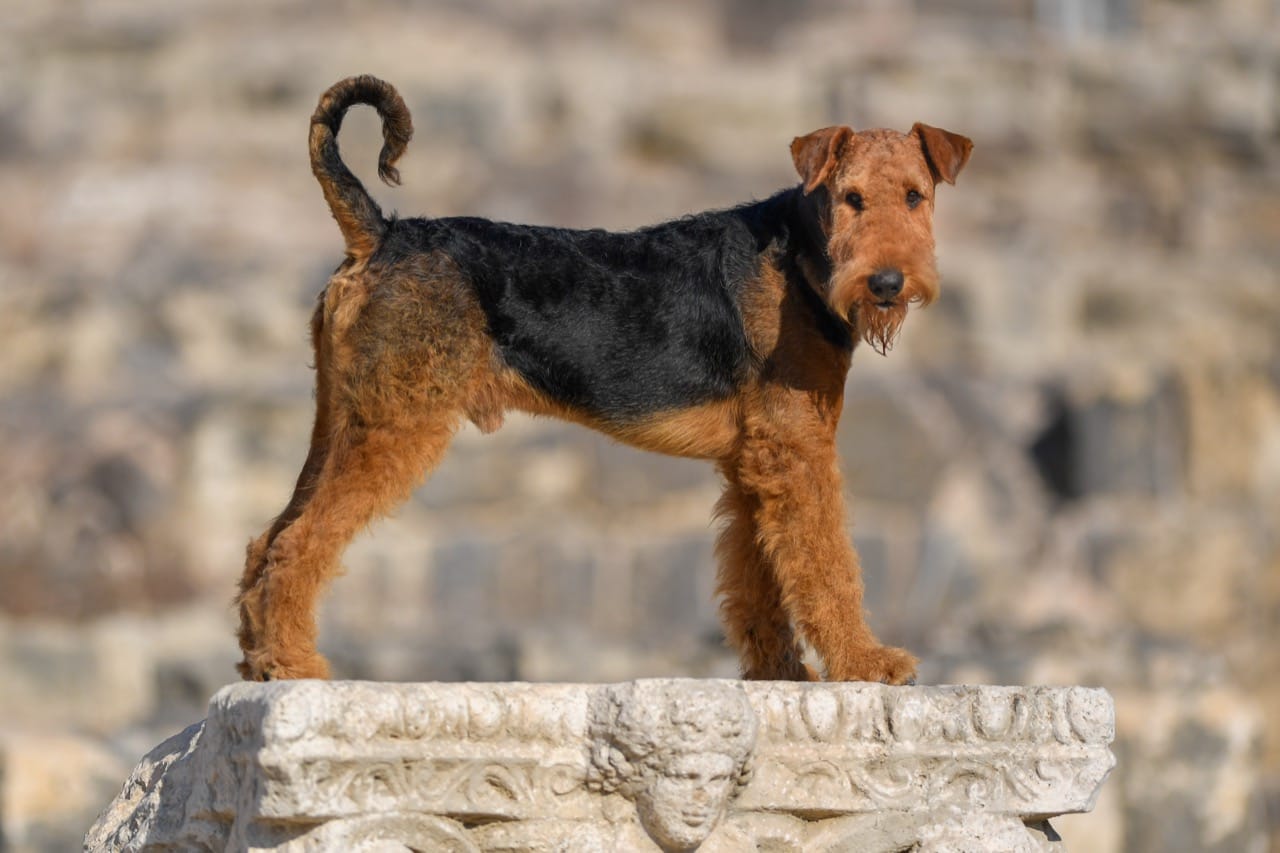
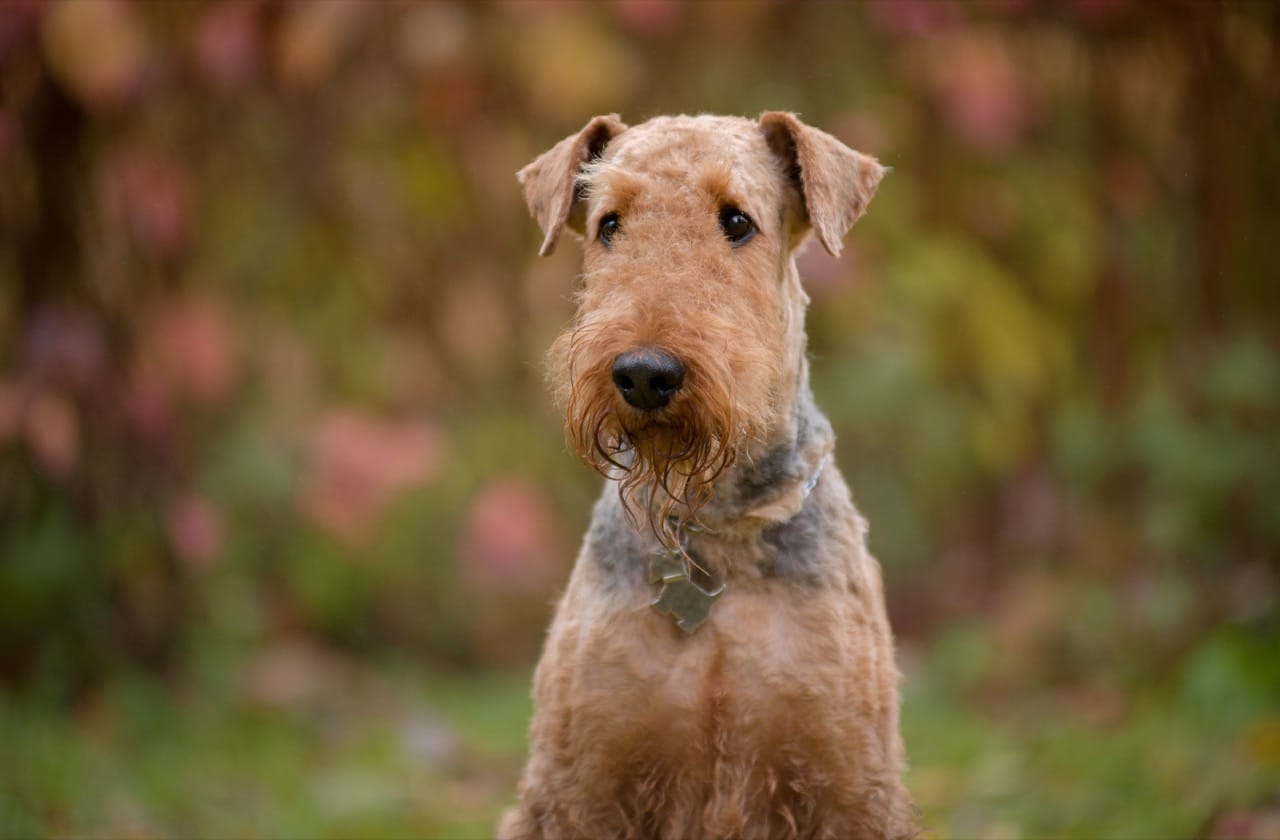
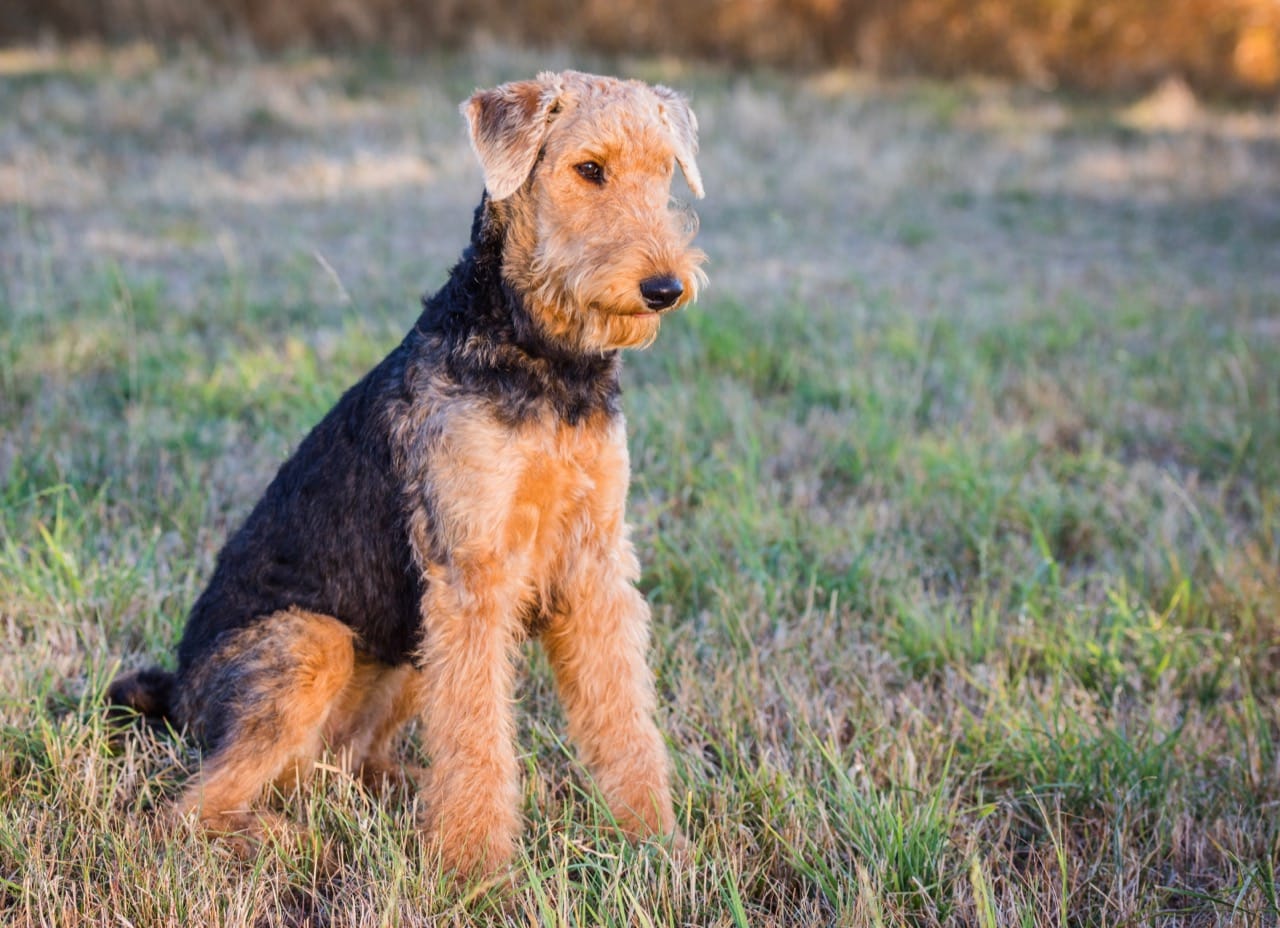
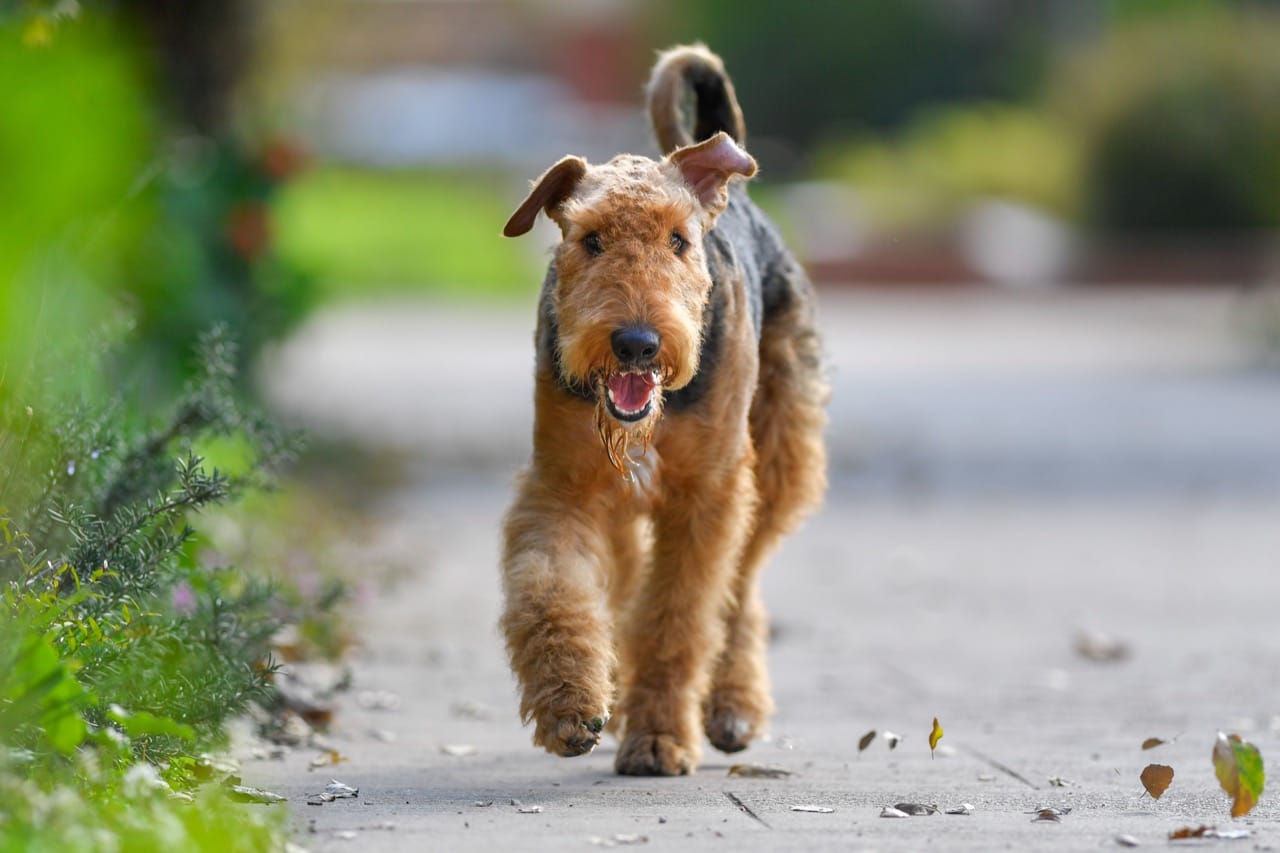
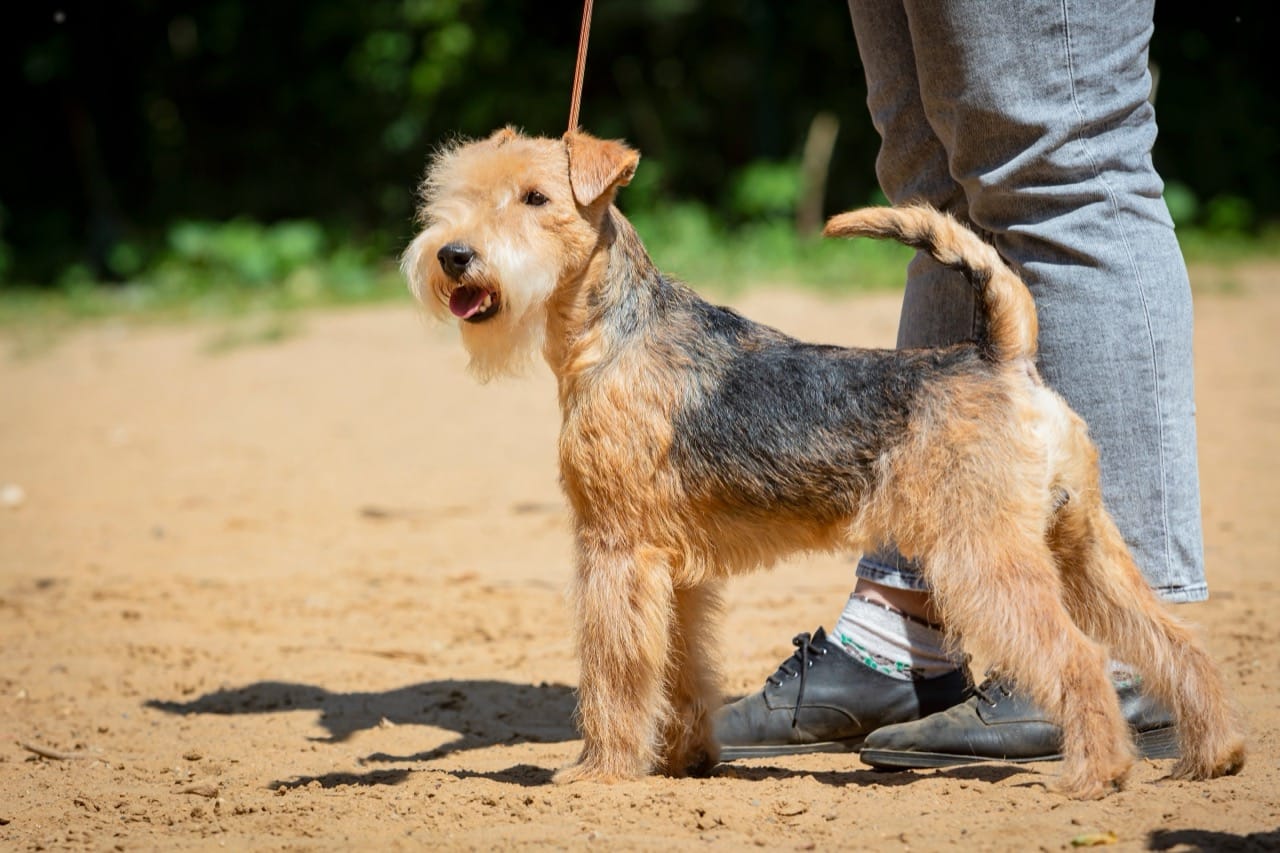
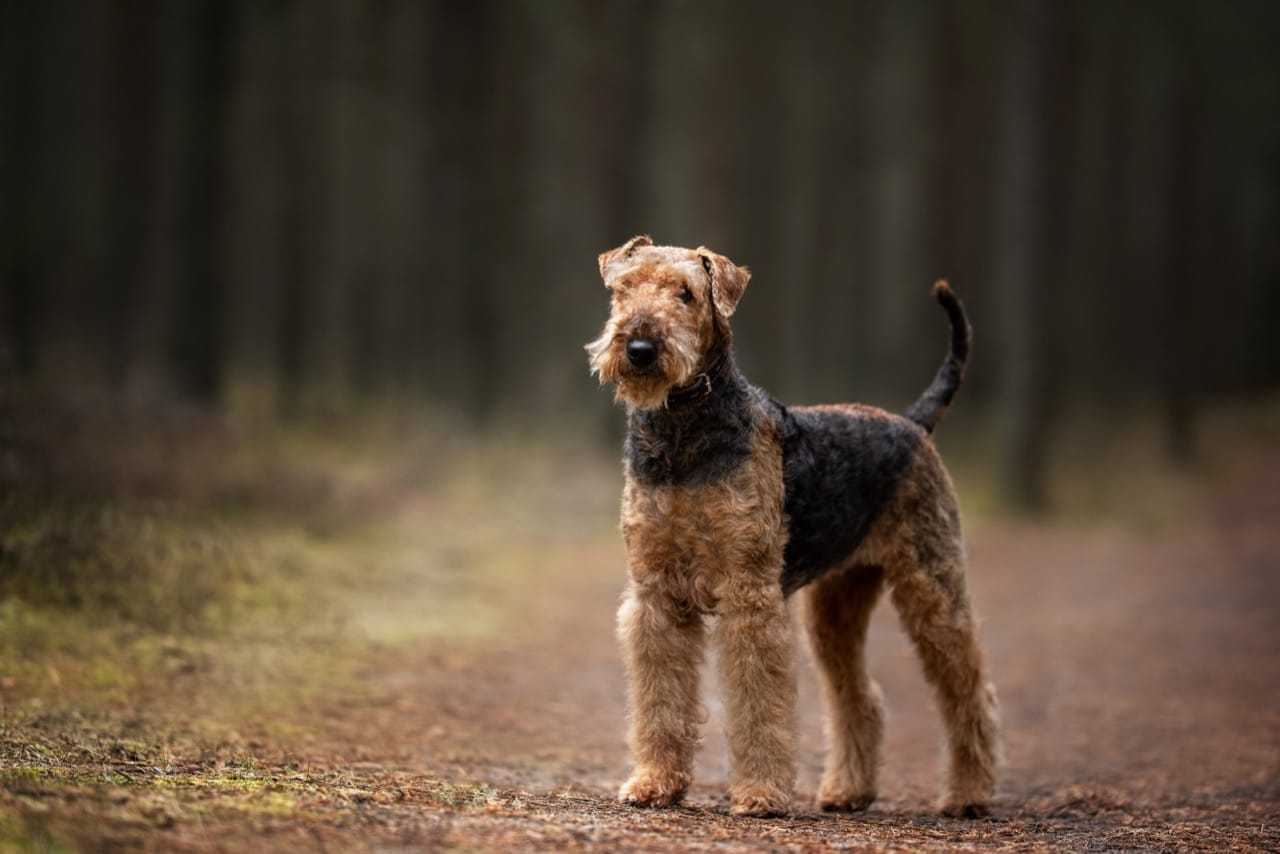
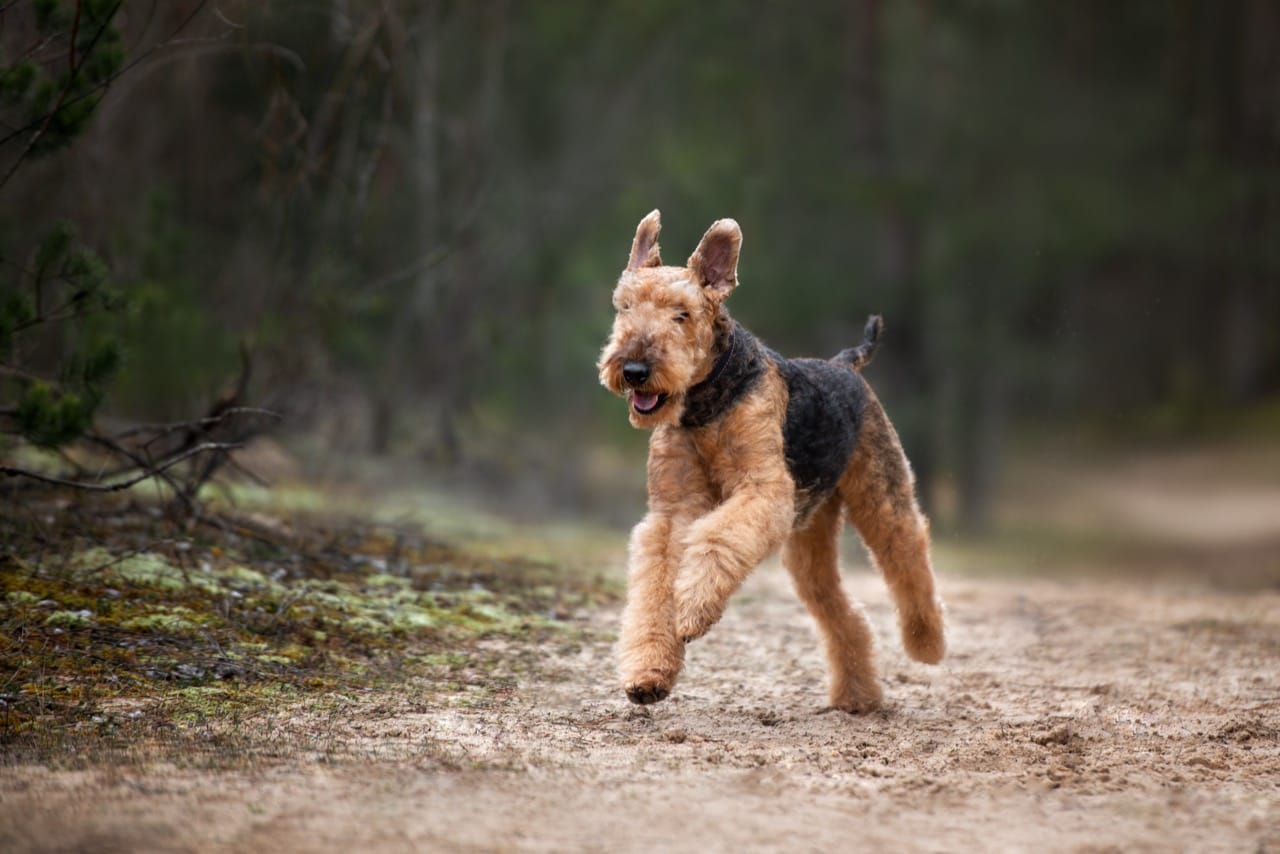
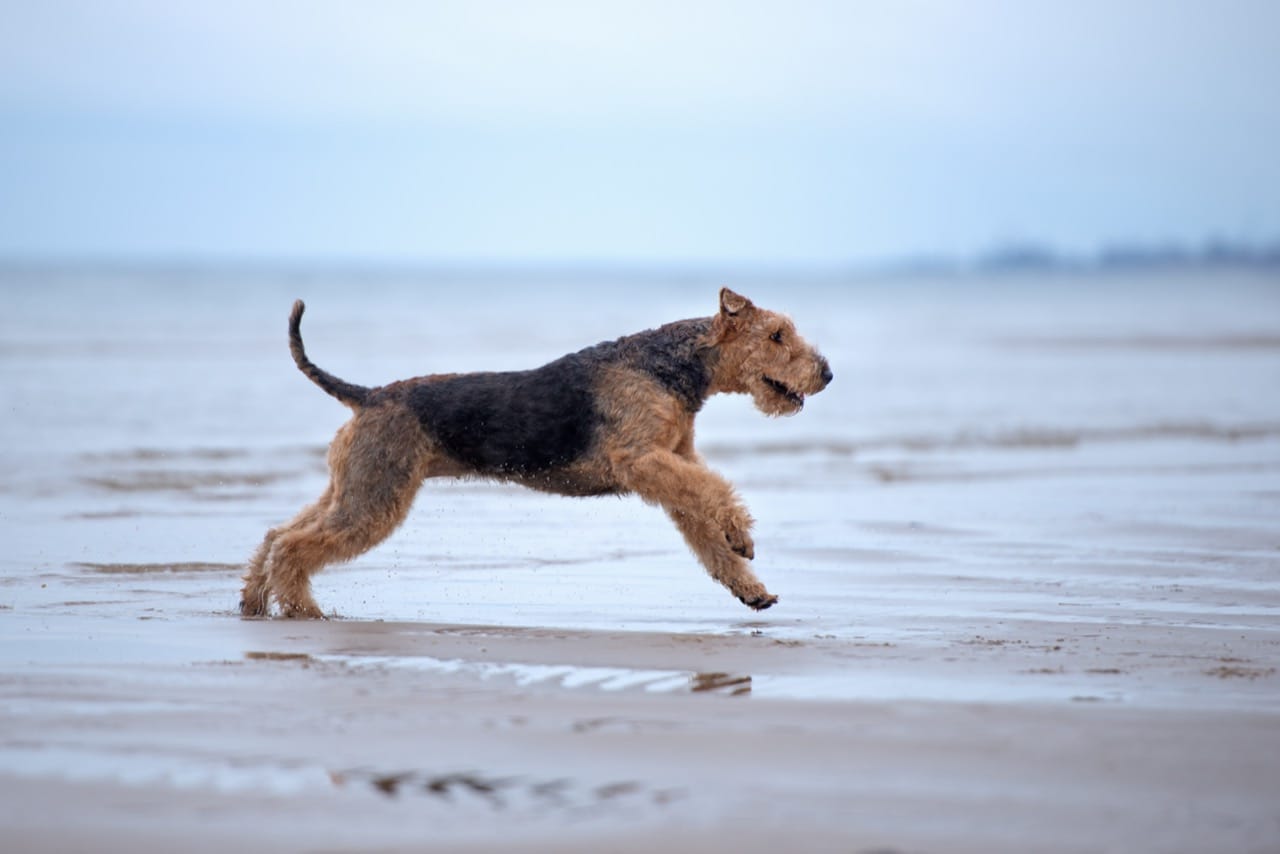
One of the most common misconceptions is that Airedales are “giant wirehaired terriers.” They are the largest of the terrier breeds, but they are not simply an oversized version of another terrier. Their build is athletic and balanced rather than bulky, with a level topline and a generally square, workmanlike outline. Airedales were developed as versatile sporting and working dogs, so the structure aims for stamina and efficiency. When you see a dog that looks heavy in front, short in leg, or overly long in body, you may be looking at a different breed or a mix wearing an Airedale style trim.
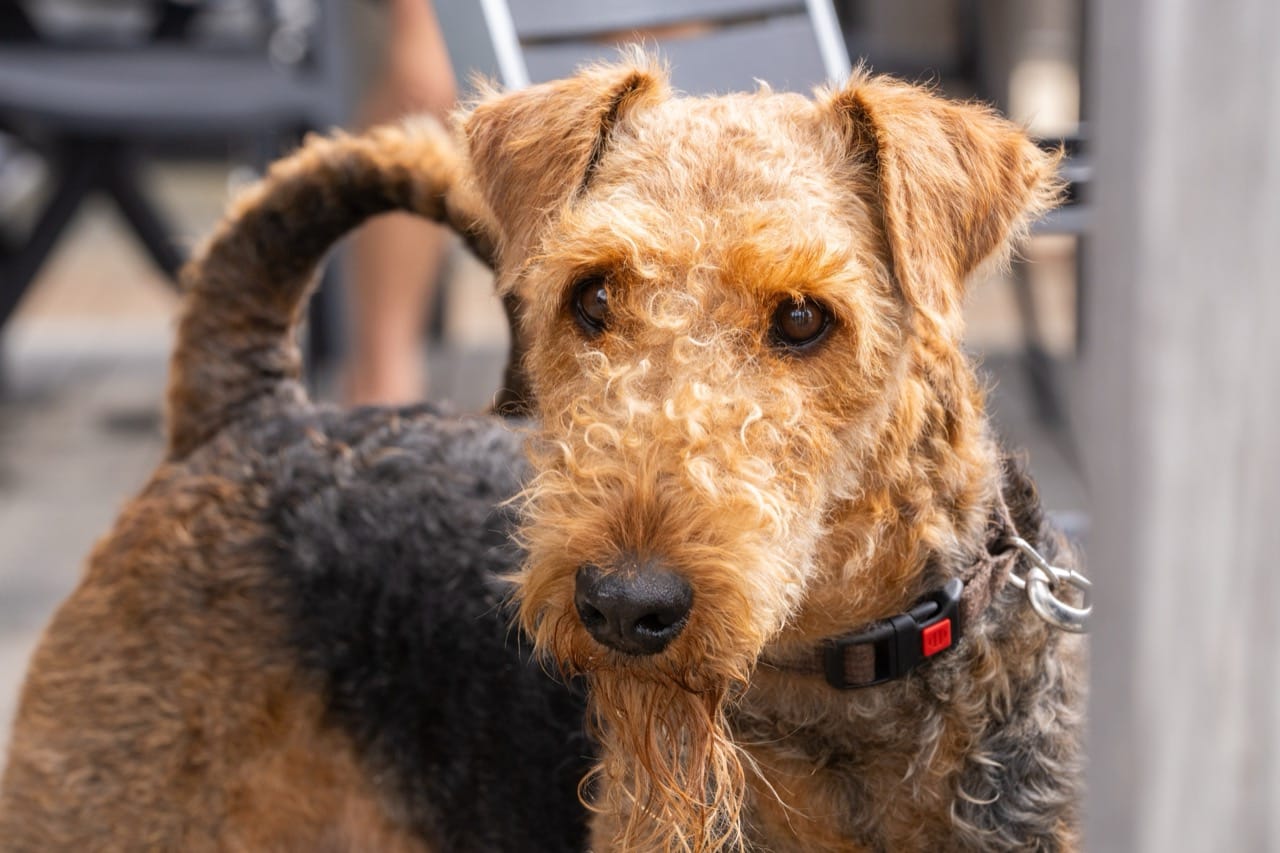
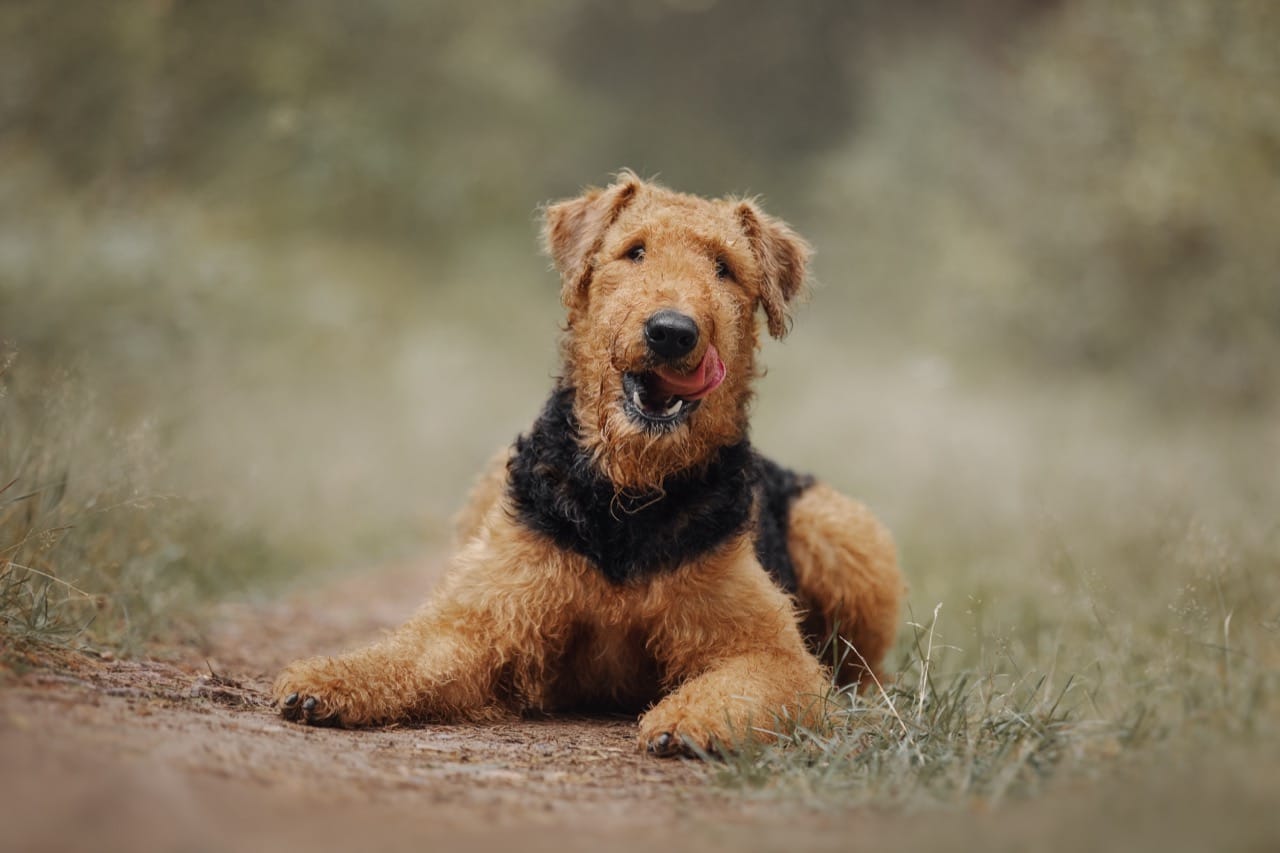
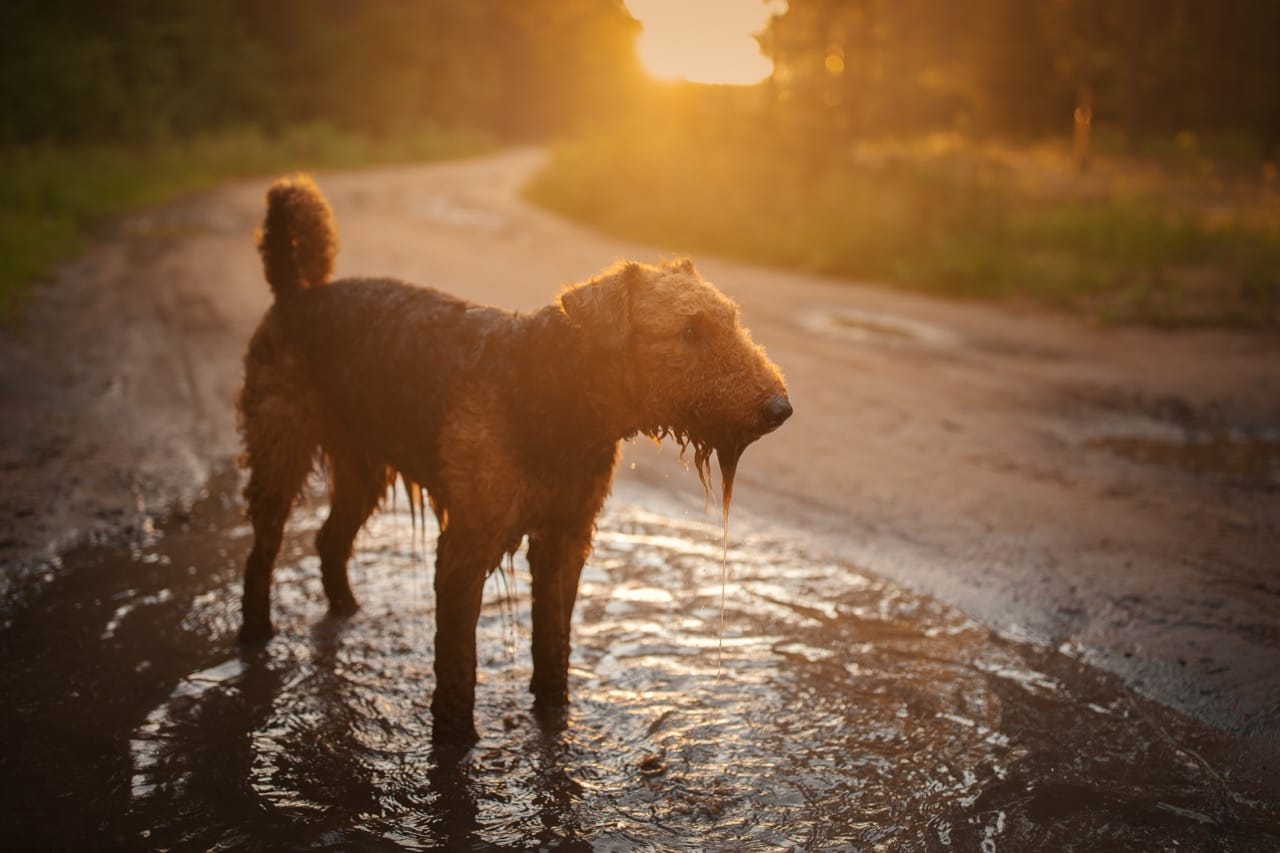
Coat talk causes even more confusion. People often hear “wirehaired” and assume it means a single coat that feels like a brush, but the classic Airedale coat has two layers: a harsh, wiry outer coat that lies close over a softer undercoat, creating a textured, weather resistant covering. The coat should not be silky or fluffy. A very soft, open, or curly coat may be attractive, but it is not a hallmark of the breed and can point toward poodle influence or a different terrier type. Grooming can also change the way a coat reads: hand stripping maintains the harsh texture, while frequent clipping tends to soften it over time.
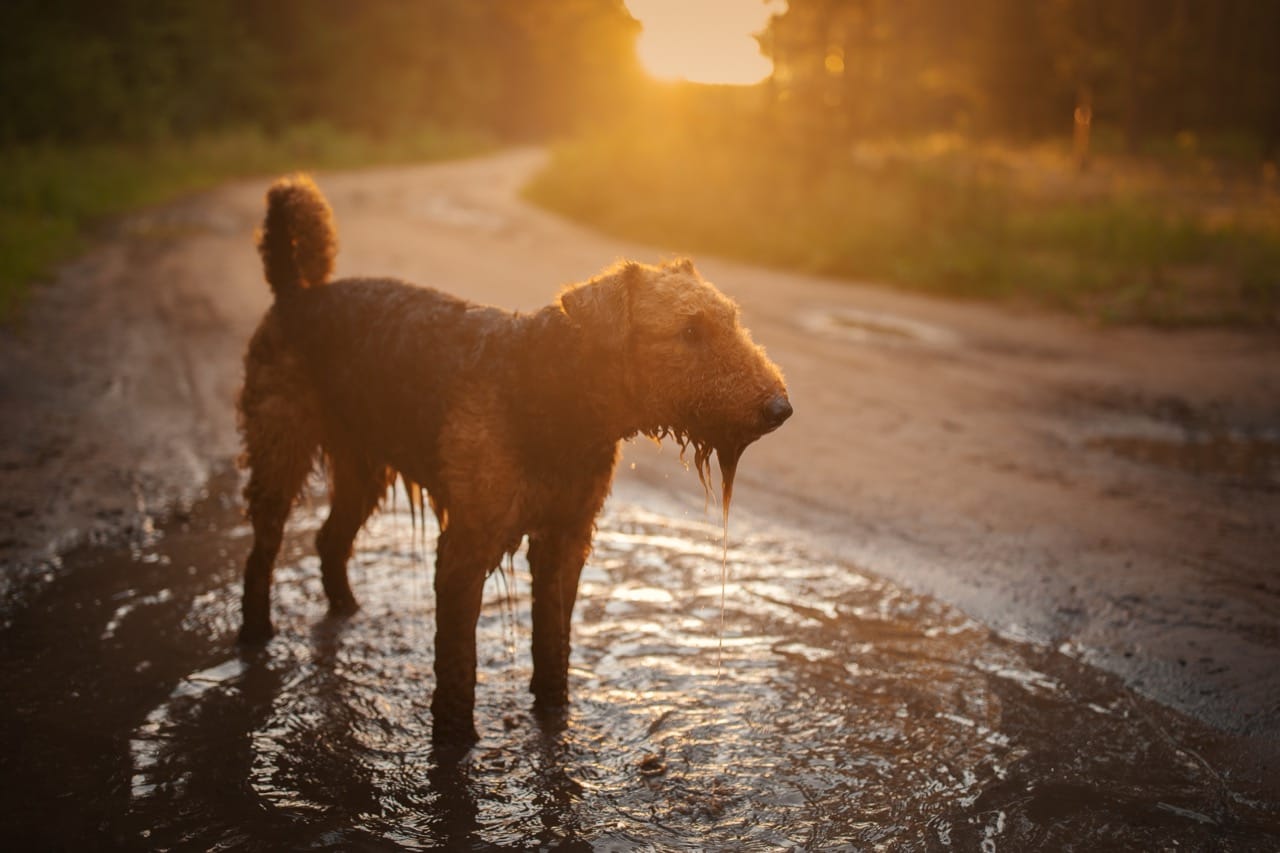
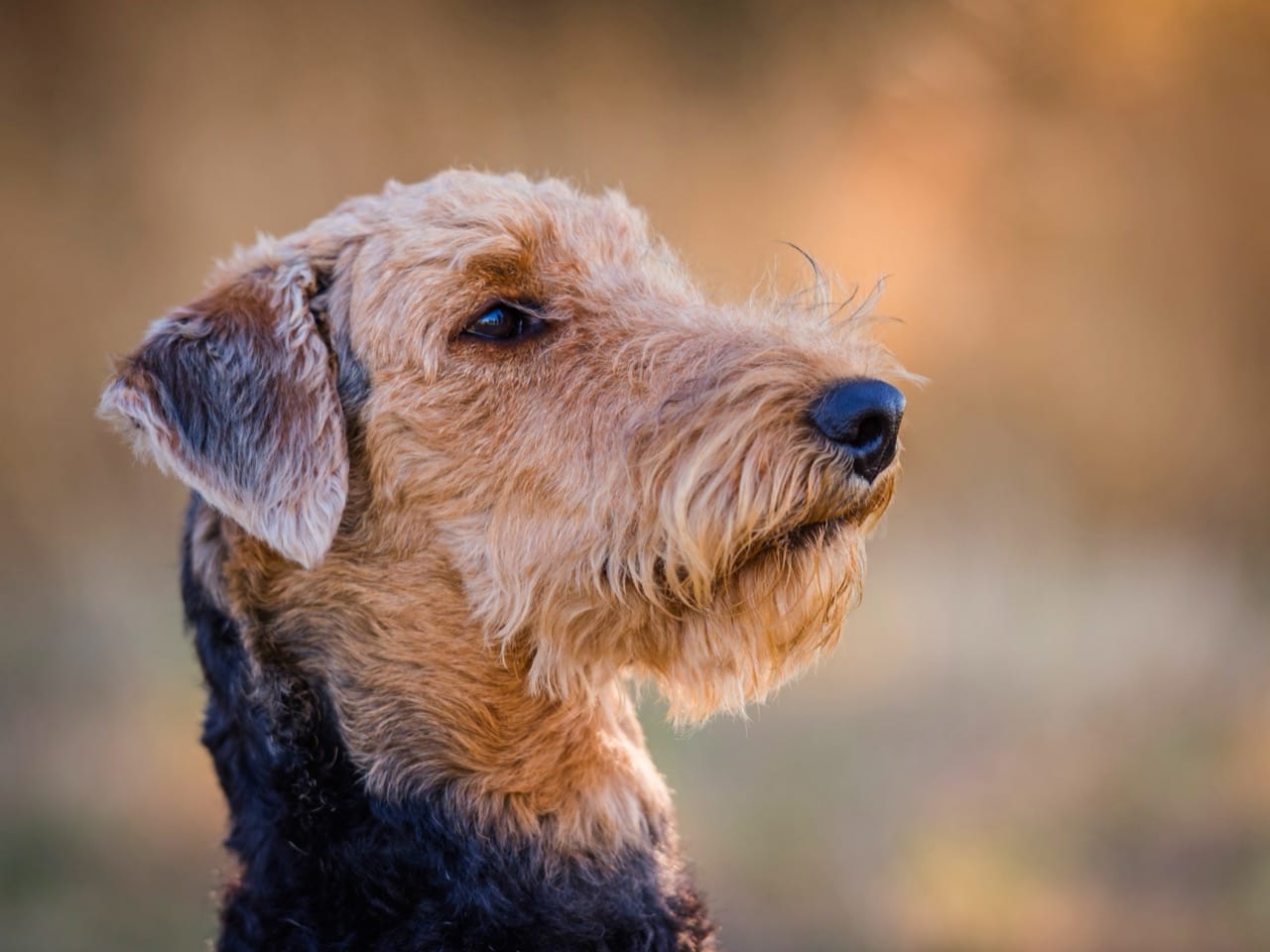
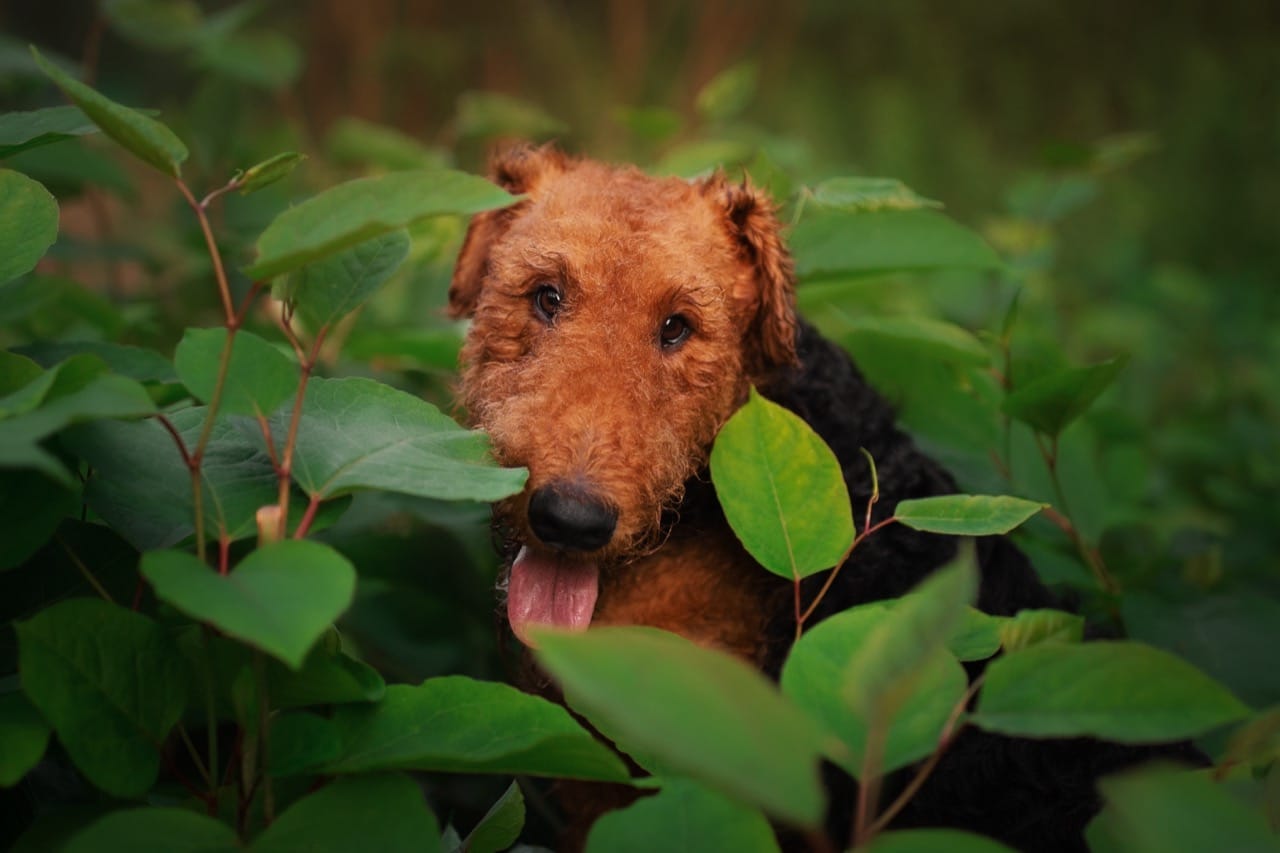
Color is another myth magnet. Some people call Airedales “black dogs,” but a correct Airedale is not solid black. The recognizable pattern is a black or dark grizzle saddle over the back, with tan on the head, legs, and much of the body. From a distance, a well saddled Airedale can look dark, especially if the tan is rich and the saddle is deep, but the two tone pattern is part of the breed’s signature. If you see a dog that is uniformly black, uniformly tan, or patterned in a way that does not resemble a saddle, it is worth questioning the identification.
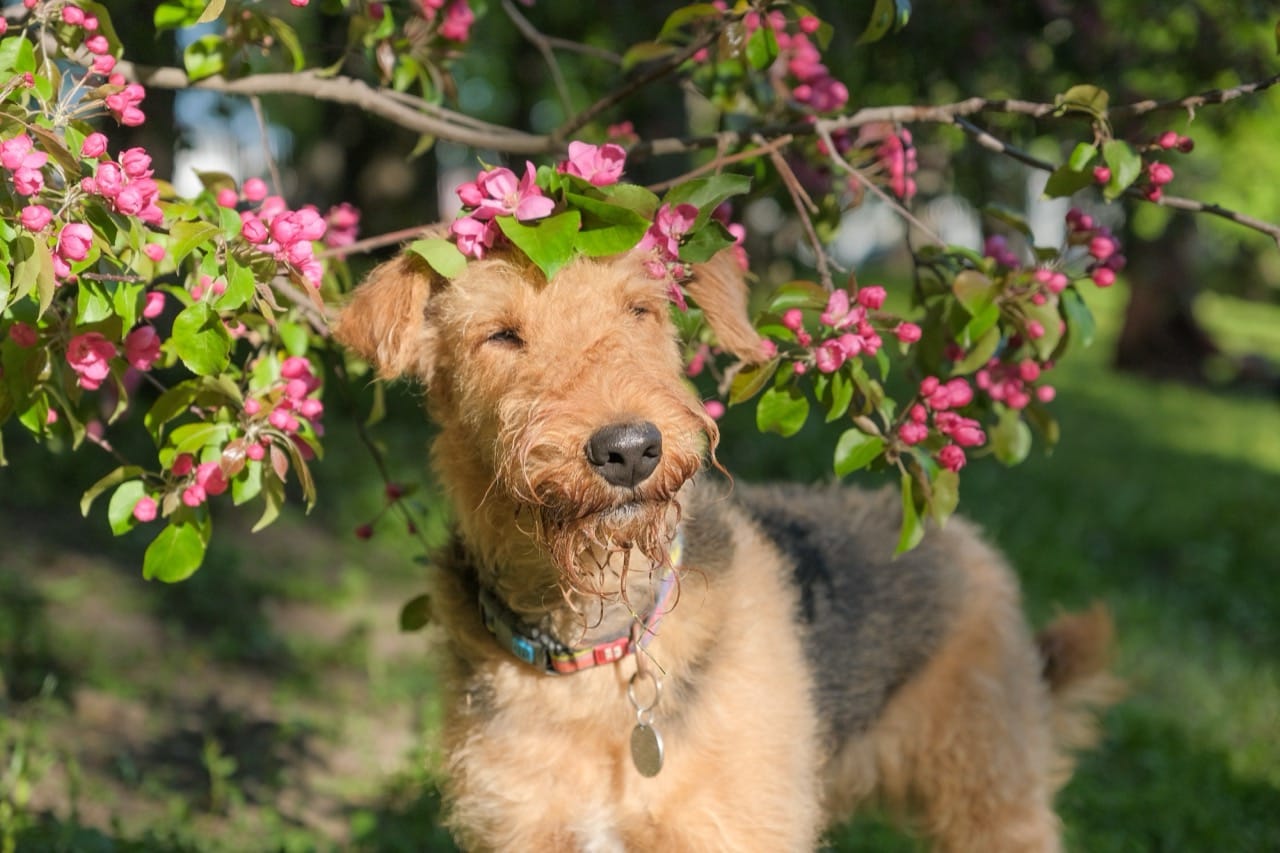
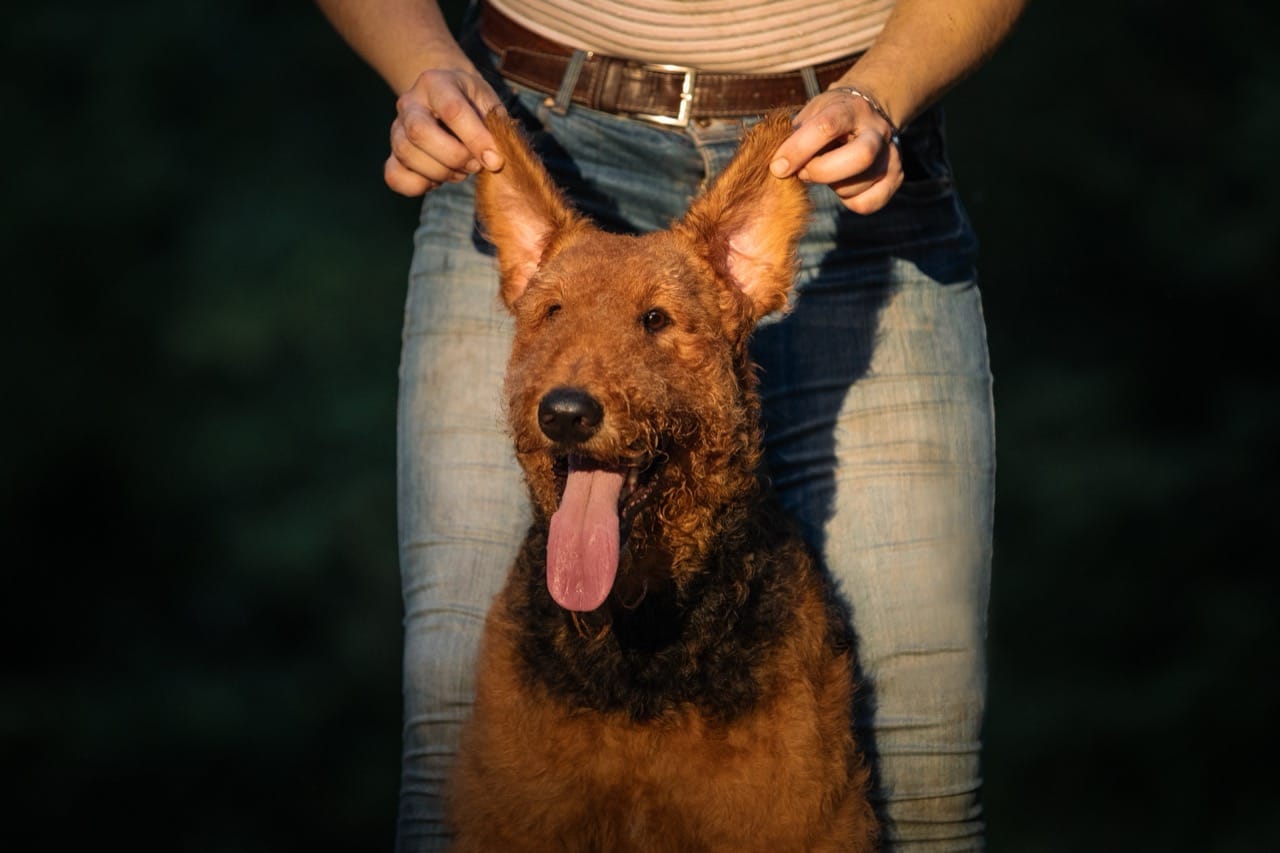
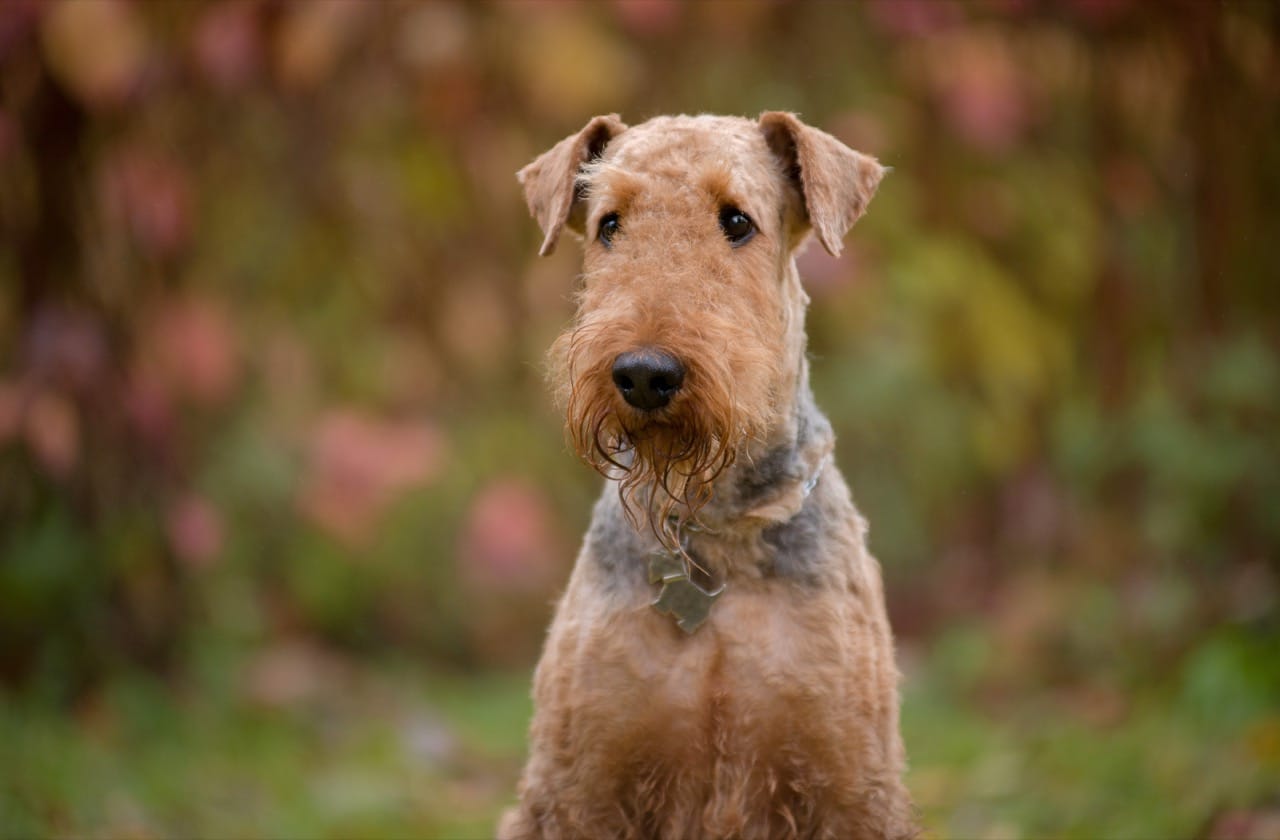
The head shape is one of the best reality checks because it is harder to fake convincingly. An Airedale’s head is long and clean, with a fairly flat skull and little stop, giving a rectangular look from the side. The muzzle is strong and deep rather than snipy. Furnishings on the face can exaggerate or hide these lines, so look past the beard and eyebrows and focus on the underlying planes. A rounder skull, a pronounced stop, or a shorter muzzle can suggest another breed or a mix.
People also repeat the claim that Airedales are hypoallergenic and never shed. No dog is truly non shedding, and “hypoallergenic” is not a guarantee. Airedales may shed less noticeably than some breeds because loose hair can get caught in the coat, but that hair still exists and will come out with brushing, bathing, or seasonal changes. Dander and saliva proteins, which often drive allergies, are still present. The better message is that coat type can influence how hair is released, and grooming routines can influence how much you see.
Finally, it helps to separate breed hallmarks from grooming tricks. A tidy outline, sculpted legs, and a dramatic beard can be created on many dogs. The more reliable clues are the balanced, athletic body; the harsh, close lying wire coat; the black or grizzle saddle with tan points; and the long, clean head with minimal stop. When you train your eye to those fundamentals, you can enjoy the breed for what it is, and you will be far less likely to be fooled by folklore, fashionable trims, or a doodle wearing an Airedale costume.